


 购物车
购物车 个人中心
个人中心

Out for Justice (Mills & Boon Love Inspired Suspense)
¥31.10
THE NEXT TARGET Tracking a serial killer in Harmony Grove turns personal for Detective Lexi Simmons when her cousin becomes a victim. It turns nearly impossible when she's teamed up with Officer Alan White–the almost-fiancé whose heart she broke six years ago. Alan can't understand how two people so right for each other didn't end up together. But they have more pressing matters of the past to attend to: a vengeful killer and a decade-old incident on a college campus. Now Lexi fits the profile of the next name on the hit list. And Alan finds himself not only engaged in a fight for her love–but for her life.

Played
¥54.74
This Game Is Getting All Too Real Sam Tracy likes to stay under the radar and hang out with his friends from the Rez. But when he saves rich suburban princess Riley Berenger from falling off a mountain, she decides to try to save him. Riley promises to help Sam win the heart of the girl he can't get over, and suddenly Sam is mad popular and on everyone's hot list. Except now Riley's trying out some brand-new bad-girl moves and turning both of their lives upside down.

Single Dad Cowboy (Mills & Boon Love Inspired) (Cooper Creek, Book 9)
¥31.10
Her Forever Cowboy Determined to start over, Harmony Cross returns to Dawson, Oklahoma. She needs time and space–not complications. Especially not in the form of the charming Dylan Cooper. But the handsome cowboy is not the man Harmony remembers. Now he's a single dad with two sweet and vulnerable children to take care of. Harmony never thought she'd see the day–not only is Dylan more kindhearted than she ever imagined, but she's falling for the last man she ever thought she'd love. Can this unlikely hero give her a perfect forever? Cooper Creek: Home is where the heart is for this Oklahoma family

Strangers in the Sauna (A Chatsfield Short Story, Book 6)
¥18.34
Step behind the hotel room doors of the Chatsfield, London… Jenny Harding is mortified when her lousy ex leaves her stranded - and furious! - in London’s most opulent hotel, in nothing but her underwear. Sneaking down to the sauna to ‘borrow’ a shirt, she thinks things can’t get any worse, until she’s caught red-handed by the shirt’s owner, Brax Tsoukatos! Jenny was ready to swear off men, but when this gorgeous stranger proposes an impulsive encounter, the temptation to live dangerously for one wild night is outrageously irresistible…!

Taming Her Italian Boss (Mills & Boon Cherish)
¥11.77
"So, Miss Lange with an e, will you take the job?" Ruby Lange might be unconventional, but her struggle to find the ideal career isn't from lack of trying! Now the latest option is "traveling nanny"–so she takes a deep breath, packs her vintage suitcase and heads for Italy. Ruby's new boss, architect Max Martin, may be utterly gorgeous, but he's far too buttoned up for her liking! Yet traveling around Venice together, Ruby discovers that the man who took a risk on her is masking a huge heart–he just needs a reason to trust it again….

A Wedding for Christmas (Mills & Boon Heartwarming) (Ladera by the Sea, Book 2)
¥30.61
Just how…committed…is he? There is nothing Cristina Roman loves more than being a mom. Although working as the chef at her family’s inn, Ladera by the Sea, is a close second. And a quickly rising third is her new – or actually old – love interest, Shane McCallister, the local contractor. After her soldier husband’s tragic death, Cris thought she would never be able to move on. But with the way Shane bonds with her five-year-old son, she might be persuaded. Except then her in-laws sue her for custody of Ricky. Now facing every mother’s worst nightmare, she’ll do anything not to lose her child, and Shane is determined to help. Could her sister’s Christmas wedding be their inspiration?

Any Man of Mine (Fast Fiction)
¥11.77
Fast Fiction Hot - short, sexy reads Ever since the Sundance ranch became a destination for city girls seeking a romp in the hay with a bona-fide cowboy, ranch hand Josh Evans has had one rule: don't date the guests. But when a beautiful, soft-spoken woman named Haley checks in, Josh knows he's going to have trouble keeping his promise. Only Haley's more interested in sketching Montana's mountains than snagging one of its men. And after a few days of putting up with snooty, boy-crazy guests, Haley is ready to hop the next flight back to New York. Can Josh convince her that there's one cowboy who's worth an extended vacation?

Blame It on the Rodeo (Mills & Boon American Romance)
¥31.10
A Secret The Size Of Texas Veterinarian Lexi Lawson has her hands full – and not just when she’s delivering foals at the Langtry family’s ranch. Working there forces Lexi to confront Shane Langtry, the man who broke her heart. True, he seems different now – more generous, more grounded. But Lexi isn’t fooled: Shane lives for rodeo competition and nothing else. Besides, after what he did to her, there’s no way she’d take him back. Long ago, when they were in love, Lexi hid a terrible secret from Shane – one she planned to keep forever. But when he learns the truth, she’s forced to choose between the past she left behind ... and the future they might still find together.

Blossom Street Bundle (Book 1-5): The Shop on Blossom Street / A Good Yarn / Sus
¥313.53
Perfect for fans of Maeve Binchy' - Candis Welcome to Blossom Street – where dreams come true. Fall head over heels in Blossom Street with the first five books in Debbie Macomber’s bestselling series bundled together for perfect reading pleasure. Including: The Shop on Blossom Street, A Good Yarn, Susannah’s Garden, Christmas in Seattle and Back on Blossom Street. Make time for friends. Make time for Debbie Macomber.

Critical Intelligence
¥25.60
Operating under covert presidential directive, the clandestine antiterrorist organization Stony Man doesn't officially exist. Unofficially, they fight the fires bureaucracy can't or won't touch. Off the grid, under the radar and 100 percent deniable, the commando and cyber specialists of Stony Man are the ultimate problem solvers–and the best defense the nation has…. Stony Man launch teams are rolling hot as convergent threats erupt across the globe. From South America to Somalia, Toronto and Kiev, the action is raging. Colombian narco-terrorists, Chinese Tongs, African warlords, a Russian kingpin, a cutthroat Saudi prince and a corrupt American lawyer are linked as agents of a shadow group called Seven. The ties and power of this nebulous organization go deep and dark–with the strength to leverage the ultimate power play against Stony Man itself.

Don't Go Breaking My Heart: Break Up to Make Up / Always the Best Man
¥45.03
How do you mend a broken heart? Nick and Adele’s marriage have been over for a year – but following his mother’s chemotherapy Nick hasn’t had the heart to tell his family. So when he invites Adele to Scotland for his mother’s birthday party, it’s impossible for her to say no. Stranded together in a picturesque cottage, as the twinkling firelight begins to work its magic, could the spark they always shared still be there? Standing at the altar, Damien is breathless as the woman he loves walks toward him ; to marry another man. Knowing bridesmaid Zoe’s watching him makes it harder still. The opposite of the bride, Zoe’s too loud, too vibrant, too everything! Zoe can’t resist provoking Damien - just once, she’d like to see Mr. Perfect lose his cool. But she never imagined where getting him to let go could lead… Two sparkling rom-com stories from the author of Make My Wish Come True & Kiss Me Under The Mistletoe
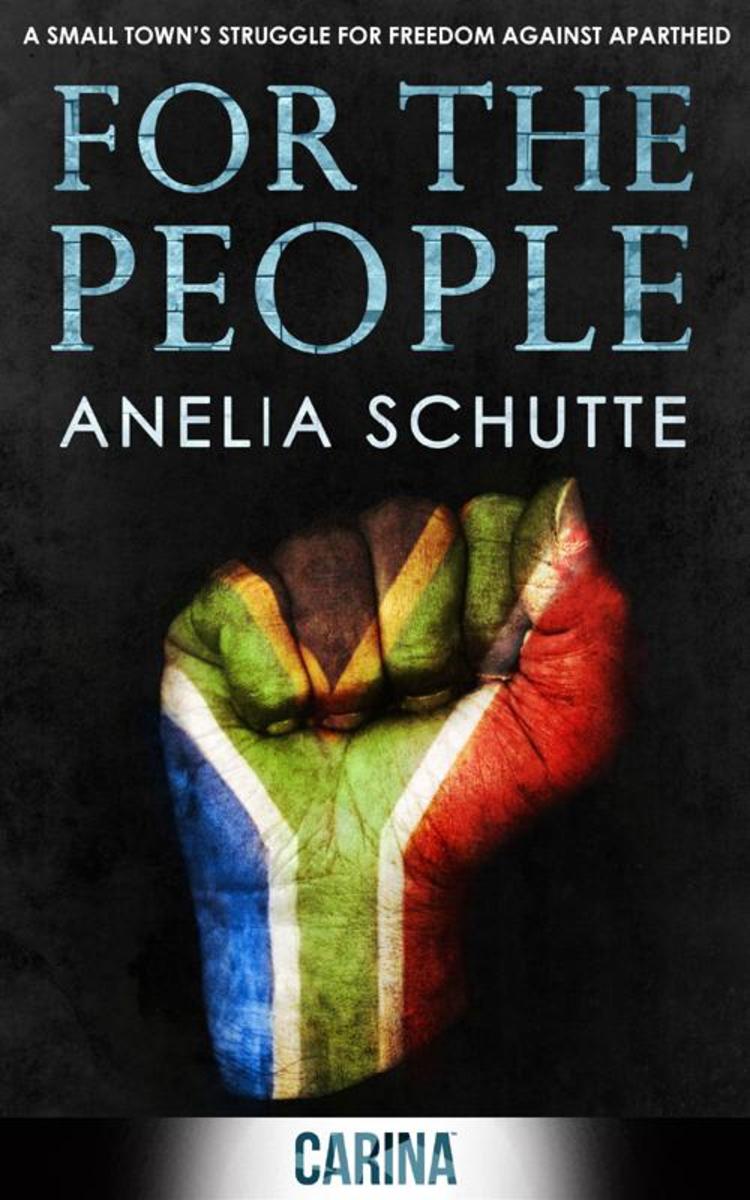
For The People
¥39.24
A true story of small-town apartheid Anelia Schutte grew up in Knysna – a beautiful town on the coast of South Africa, centred around a picturesque lagoon and popular with tourists. But there was another side to Knysna that those tourists never saw. In the hills surrounding the town with its exclusively white population lay the townships and squatter camps where the coloured and black people were forced to live. Most white children would never go to the other side of the hill, but Anelia did. Her earliest memories are of being the only white girl at a crèche for black children that her mother, Owéna, set up in the 1980s as a social worker serving the black community. Thirty years on, Anelia, now living in London, yearns to find out more about her mother’s work, and to understand the political unrest that clouded South Africa at the time. She returns to Knysna to find the truth about the town she grew up in, from the stories and memories of the people who were there. For the People is an exploration of apartheid South Africa through the eyes of Owéna – a white woman who worked tirelessly for the black people of Knysna and found herself swept up in their struggle. They called her Nobantu: ‘for the people'.

NYC Angels: One Night in Manhattan (Fast Fiction)
¥9.71
Fast Fiction Romantic - short stories with a Happy Ever After No one at Angel Mendez Children's Hospital understands why Brandon Bishop, the talented, charismatic head of neurosurgery, wants to give up his position—and life in New York—for a research job in California. But Brandon has his own, deeply personal reasons for pursuing brain injury research on the West Coast. And so, with a month left in Manhattan, Brandon's not looking to get attached. Yet when he meets Olivia Bowen at the local bar, neither can deny their attraction…or resist spending the night together. They both agree it's a one-time deal—no strings attached. Until Olivia reports for her first day of a nursing placement at Angel's. In Brandon's department. Suddenly, sticking to "one night" seems impossible, and "no strings" is a promise neither can keep…

Rocky Mountain Revenge (Mills & Boon Intrigue)
¥31.10
Despite her new identity in the WitSec Program, FBI agent Jake Westmoreland found Anne Gardener. His betrayal hurt her deeply, but she is the only one who can help him locate her mob-boss father and put him away for good. Loving her was never part of Jake’s plan and losing her is a risk he won’t take!

What Janie Saw (Mills & Boon Heartwarming) (Scorpion Ridge, Arizona, Book 2)
¥30.61
The last person she wanted was the only one who could keep her safe Janie Vincent had no use for cops. They’d never done her any favours. But when she uncovers a lead into the disappearance of a girl at the college where she’s a teaching assistant, suddenly Janie’s life depends on the officers of Scorpion Ridge. And one in particular: Sheriff Rafael Salazar. Rafe knows how much destruction a missing-persons case can cause a family, and so to solve this case, he’s determined to stick to Janie like glue. She’s clearly not a fan of the 24/7 surveillance, but he intends to break down her distrust. And maybe they’ll discover that what Janie saw can be the key to healing them both.

Snowbound with a Billionaire (Mills & Boon Desire) (Billionaires and Babies, Boo
¥31.10
For years, billionaire producer Max Ford believed Raine Monroe betrayed him. Now he wants answers. But Raine plans to keep far away from Hollywood’s hottest bachelor…until a snowstorm strands them together – with her baby. Soon Raine is falling fast and the dark secrets from their past are finally coming to light…

Soul Betrayed (The Life After trilogy, Book 3)
¥42.48
A Life for a Life The battle between Shadowed and Guard has brought destruction and terror to Gate Seven and now Maggie wants revenge. As the only after-life being who can save the souls from ultimate death Maggie comes face to face with her own human body, preserved for a century, waiting for just this moment to arrive. Yet, how far will Maggie go to exact her revenge on the Shadowed? And when she comes face to face with her past, how will she survive the onslaught of memories she thought long gone? For when the truth comes out all is not what it seems and Maggie has finally run out of time... She must choose her destiny or watch all she has perish in the fight for her life! Praise for Katlyn Duncan 'absolutely epic conclusion to this series... Katlyn Duncan has a fan in me and I can't wait to see what she has planned next!' - The Best Books Ever 'Soul Betrayed was a perfect ending to the series. ... I was lost in the story, from the first page to the last. I only wish that maybe there will be more from this world that Duncan created so magically.' - Polished Readers ' a wonderful conclusion to The Life After series. Fans of the series, you won't be disappointed. And, YA lovers, this is a series worth checking out.' - Imagine a World 'a great conclusion' - Moonlight Gleam Reviews The Life After series: 1. Soul Taken 2. Soul Possessed 3. Soul Betrayed

The Cowboy's Reunited Family (Mills & Boon Love Inspired) (Cooper Creek, Book 8)
¥31.20
A WIFE’S HOMECOMING Blake Cooper thought he’d never see his daughter again. Then former wife Jana Cooper shows up on his doorstep with Lindsay asking for help. Blake can’t deny his ill child anything. But he’s struggling to sort out his feelings for the woman who abandoned him ten years ago. Jana’s back in Oklahoma for Lindsay’s sake, and a second chance with her first love. Somehow she must prove she’s no longer a confused young wife, but a woman willing to do anything to reunite her family forever. Cooper Creek: Home is where the heart is for this Oklahoma family
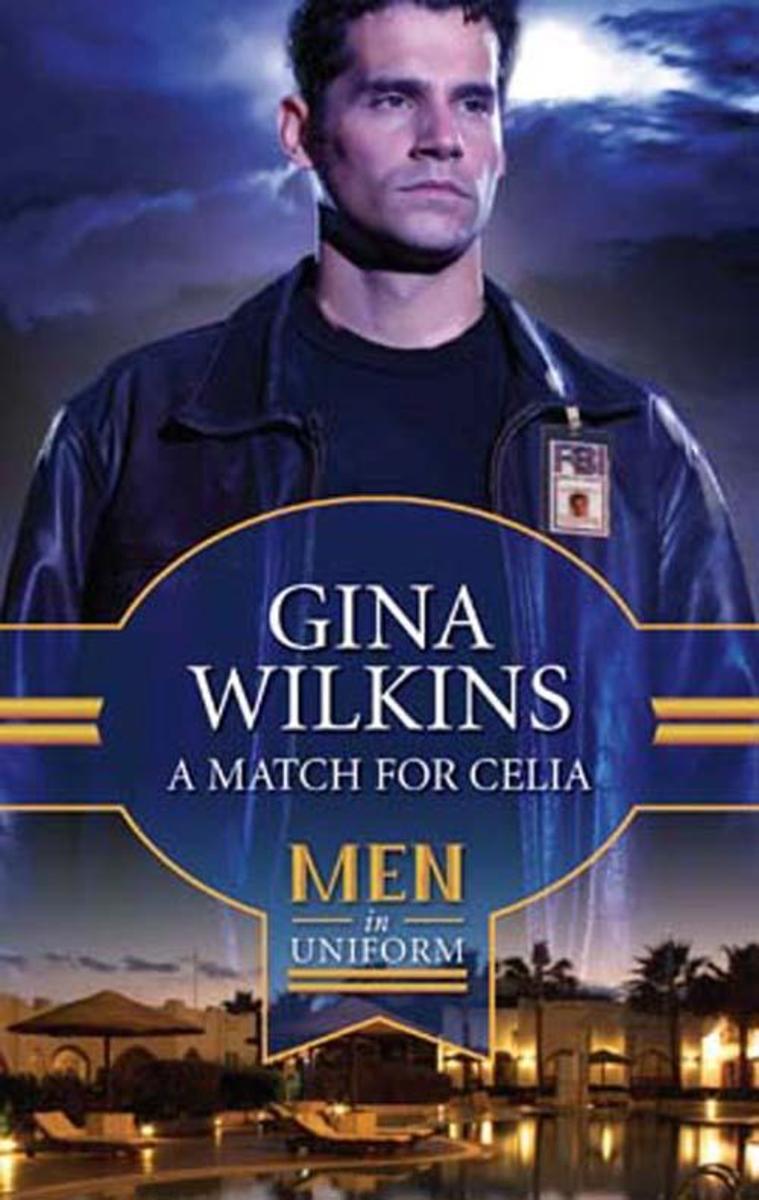
A Match for Celia (Mills & Boon M&B) (The Family Way, Book 2)
¥27.27
A VACATION TO REMEMBER This vacation was supposed to bring a little excitement into Celia Carson's life–so why couldn't she shake her attraction to a staid, reserved accountant? And yet, she also couldn't shake the feeling that there was more to him than met the eye…. Federal agent Reed Hollander's undercover role was working a little too well for his liking. He'd believed Celia to be the key to bringing down a dangerous criminal organization. But he couldn't help wondering, was she the small-town innocent she seemed–or the sophisticated woman he suspected she really was?

A Mother's Love (Mills & Boon Vintage Love Inspired)
¥31.10
ALONE AND IN TROUBLE Maggie Gardere's trust in her fiance had been repaid by him stealing her innocence. Now her straitlaced family was doing everything in its power to see that Maggie left town for good. And it looked as if she and her unborn baby would just have to make it on their own. Local minister Jake Mathison knew a lost soul when he saw one. Giving her a job as church secretary and a place to live were the first steps he took toward bringing Maggie back into the fold. And with each day, Jake knew he was falling more in love with this amazing young woman. But could Maggie's heart and soul ever heal enough to let him become part of her family?

An Old-Fashioned Love (Mills & Boon Vintage Love Inspired)
¥31.10
EVERYDAY MIRACLES TRIPLE TROUBLE! From the start, Wyatt Gilley and his redheaded sons turned Traci Temple's peaceful world upside down. The twins were mischievous, but reformable. Their father was charming–and dangerous. The handsome single dad needed a woman's touch in his life. And Traci longed to bring the light of love and faith back to Wyatt's home. But when Wyatt insisted he'd never marry again, Traci didn't know where to turn. Had she lost her heart to a man she could never call her own? Everyday Miracles: Each day brings new tests for the young Reverend Charles and his congregation. But with faith, they find miracles everywhere! Welcome to Love Inspired?–stories that will lift your spirits and gladden your heart. Meet men and women facing the challenges of today's world and learning important lessons about life, faith and love.


