


 购物车
购物车 个人中心
个人中心

The Secret Between Us
¥47.38
As one lie forces another lie, a life falls apart in this stunning novel from bestselling author Barbara Delinsky. When Deborah Monroe’s car hits and kills a man on a deserted road on a dark and rainy night, questions of who is to blame muddy the already complicated life of a woman who is newly divorced and struggling with emotions that are rampant in a house with two vulnerable children. Deborah’s daughter, 16-year old, Grace, was behind the wheel but, desperate to protect her daughter, Deborah covers for her and takes responsibility for the death of the man. But, when it seems that the victim may or may not have been suicidal, issues of guilt and responsibility, truth and honesty, are all brought into sharp focus. Barbara Delinsky is the master of the issue. Perfect for all fans of Jodi Picoult, this novel will make you question where the lines of right and wrong can be drawn.
The Savage Day
¥57.09
Action and blood-thirsty suspense from the master of the game. Simon Vaughan knows what it's like to fight a dirty war, he's had first-hand experience in Korea. Now he languishes in a Greek jail. When it comes to firearms and gun-running nobody does it better, but those days are behind him, until the British army propose a deal. His freedom for his help against the IRA in Belfast. He doesn't haven't any choice, if he wants his freedom back he'll have to conquer a new battlegroung…
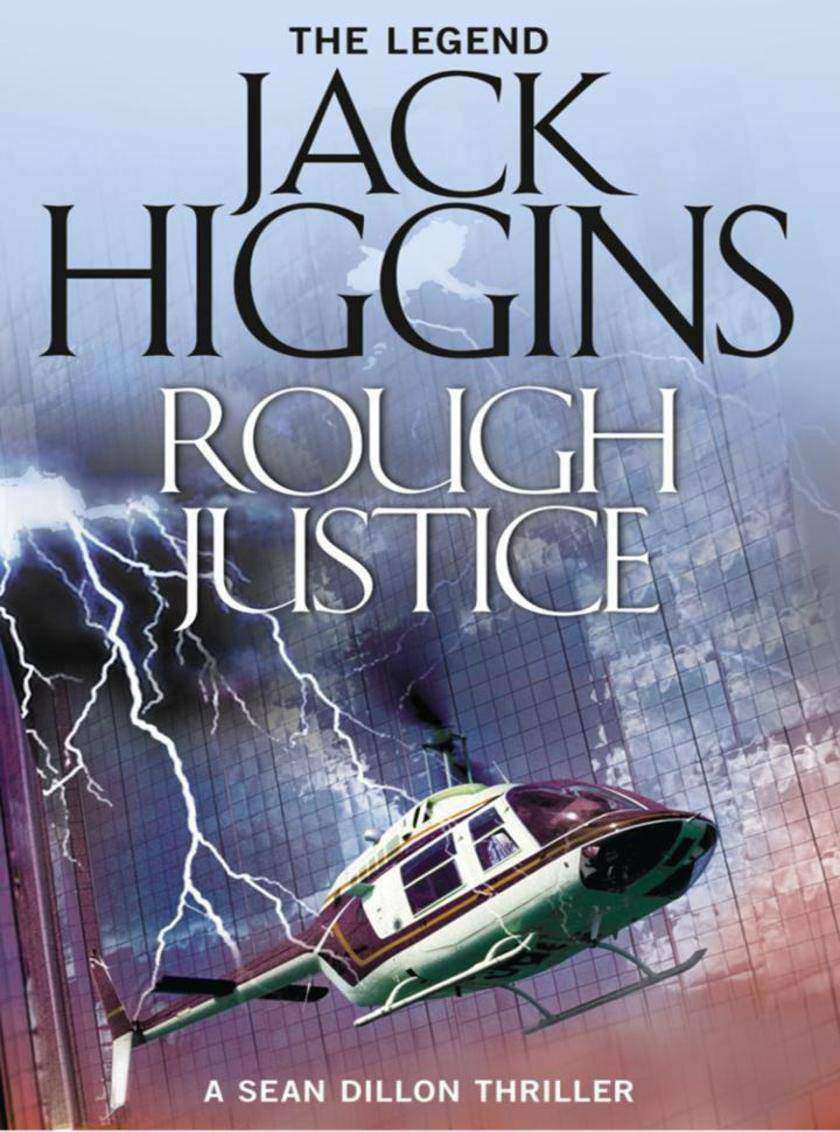
Rough Justice (Sean Dillon Series, Book 15)
¥54.84
The master of the game is back, with another pulse-pounding adventure featuring the unstoppable Sean Dillon Whilst checking up on the volatile situation in Kosovo the US President's right-hand man Blake Johnson meets Major Harry Miller, a member of the British Cabinet. Miller is there doing his own checks for the British Prime Minister. When both men get involved with a group of Russian soldiers about to commit an atrocity, Miller puts and end to the scuffle with a bullet in the forehead of the ring-leader. But this action has dire consequences not only for Miller and Johnson but their associates too, including Britain's Sean Dillon, and all the way to the top of the British, Russian and United States governments. Death begets death, and revenge leads only to revenge, and before the chain reaction of events is over, many will be dead…

Practical OneOps
¥71.93
Walmart's OneOps is an open source DevOps platform that is used for cloud and application lifecycle management. It can manage critical and complex application workload on any multi cloud-based infrastructure and revolutionizes the way administrators, developers, and engineers develop and launch new products. This practical book focuses on real-life cases and hands-on scenarios to develop, launch, and test your applications faster, so you can implement the DevOps process using OneOps. You will be exposed to the fundamental aspects of OneOps starting with installing, deploying, and configuring OneOps in a test environment, which will also come in handy later for development and debugging. You will also learn about design and architecture, and work through steps to perform enterprise level deployment. You will understand the initial setup of OneOps such as creating organization, teams, and access management. Finally, you will be taught how to configure, repair, scale, and extend applications across various cloud platforms. What you will learn ?See how to install OneOps ?Configure OneOps including creating and configuring organization and teams ?Work through practical deployment scenarios ?Maintain OneOps environments including backups and logs ?Build custom components for OneOps ?Extend OneOps by calling the REST API

Beyond The Stars
¥51.50
A collection of short stories from a stellar line-up of Irish authors and illustrators, edited by bestselling author Sarah Webb. The anthology is completed by a final winter-themed tale from the winner of HarperCollins’ competition for young writers, which will be illustrated by Irish Children’s Laureate, Niamh Sharkey. 12 wintry tales of wonder, from the funny to the ghostly, from the heartfelt to the action-packed – there is something here for everyone to love… Written by some of the most outstanding talents in children’s fiction today, including Eoin Colfer, Roddy Doyle, Derek Landy and John Boyne, and with stunning illustrations from the likes of PJ Lynch, Chris Haughton and Niamh Sharkey, to name but a few. This is a gorgeous hardback that no family bookshelf should be without. All profits go to Fighting Words – the Irish Story Centre in support of Creative Writing for Children and Adults. Fighting Words was inspired by Dave Eggers’ 826 Valencia project in the USA, as have been creative writing centres all over the world since then, including Milan, Stockholm, London, Barcelona and Sydney. All of these creative writing centres are informally linked together – they communicate regularly, sharing ideas and experience.
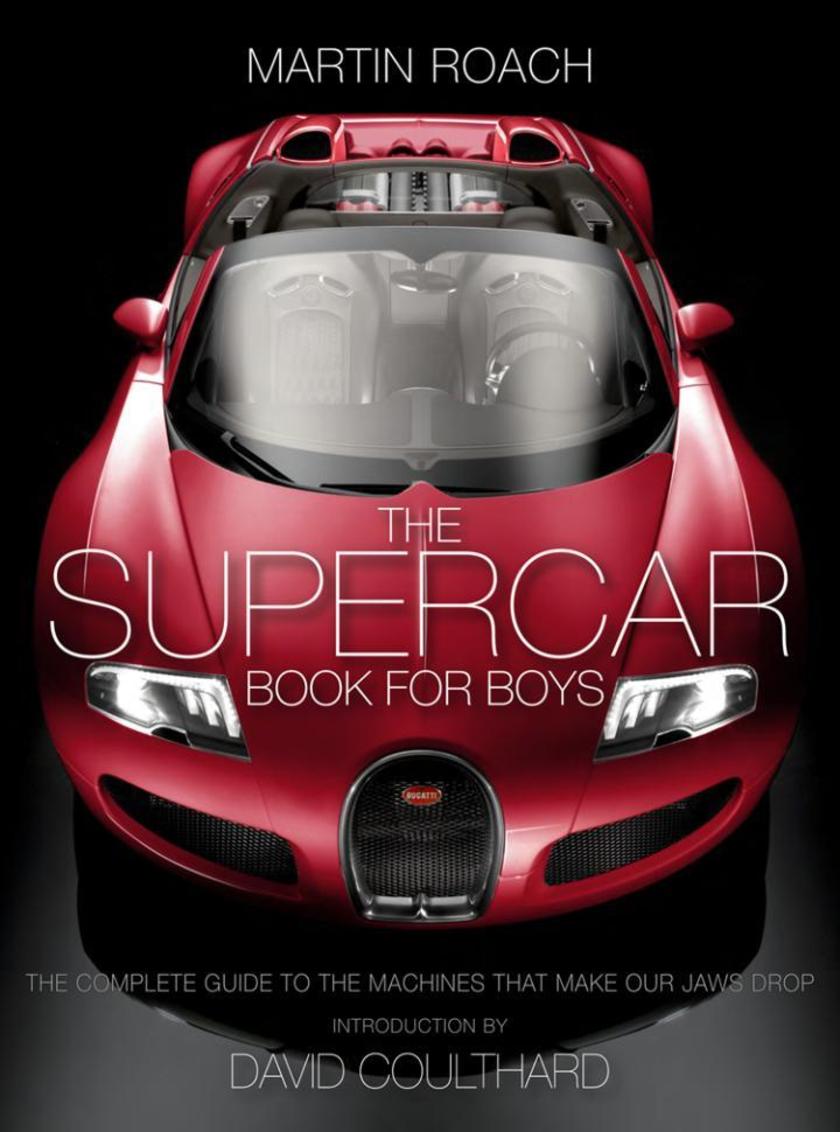
The Supercar Book for Boys
¥147.35
Fully illustrated throughout, The Supercar Book for Boys is a sumptuously designed guide full of everything you could ever want to know about the best supercars on the planet. From number-one bestselling author Martin Roach, The Supercar Book for Boys is a must-have for all boys and their dads (plus petrol-head girls and mums!) interested in fast cars. With an introduction from F1 racing legend David Coulthard, as well as contributions from the biggest names in the field, this tour de force starts with the iconic 1954 Mercedes Gullwing and races through each respective decade of supercar history, showcasing the very best and most important vehicles in this scintillating species. Featuring the landmark 10 game-changers that have defined the genre and highlighting dozens and dozens of supreme supercars from the likes of Ferrari, Lamborghini, Bugatti, Pagani, McLaren and Porsche, get ready to be blown away by the beauty and power of these incredible vehicles. With a pre-history of the genre plus an excursion into American muscle cars, this comprehensive book takes us underneath the bonnets and peels back the bodywork of these mind-blowing machines, as well as exploring how supercar technology has affected everyday cars. The Supercar Book for Boys is a tour de force of the fastest, the most powerful and the most drop-dead gorgeous vehicles in supercar history. Jam-packed with almost 200 full-colour photographs, awe-inspiring statistics and exclusive interviews with supercar experts, and featuring every landmark star of the genre, this book is the ultimate guide for every supercar fanatic.

The White Widow’s Revenge (Ferals, Book 3)
¥51.50
The thrilling conclusion to Ferals, a fantasy trilogy that's part Batman, part The Graveyard Book, and all high-stakes adventure. Caw has defeated the dreaded Spinning Man and vanquished the Mother of Flies. But a new feral has appeared--one who intends to uphold the Spinning Man's dark legacy. Known as the White Widow, this spider feral is determined to destroy Caw and bring Blackstone back into an era of crime and fear. Now everyone Caw holds dear is in danger. And this time Caw may not be able to protect them.

Far From Home: The sisters of Street Child (Street Child)
¥51.50
The sisters of STREET CHILD tell their story… A companion novel to bestselling story of orphan Jim Jarvis set in Victorian England. When Jim Jarvis is separated from his sisters, Lizzie and Emily, he thinks he will never see them again. Now for the first time, the bestselling author of STREET CHILD reveals what happened to his orphaned sisters. In Victorian London, Lizzie and Emily are left in the care of a cook but their story takes them to the mills of northern England. There, under the keen eyes of the mill owners, the girls are made to work in harsh conditions and any chance of escape is sorely tempting… An incredible new STREET CHILD story based on the true experiences of Victorian mill girls.
Eat. Nourish. Glow – Summer
¥9.71
The second of four seasonal e-shorts from London-based nutritional therapist Amelia Freer. Forget fad diets, now is the time to make a lasting change and develop a healthy, clean and sustainable relationship with food. Being healthy is a way of life, but it doesn’t have to be about denying yourself. Amelia Freer loves food and encourages a positive and realistic approach to healthy eating. In this book, she offers small changes to your diet and lifestyle to help you look and feel amazing by the time summer rolls around, with no need for last-minute bikini diets. Targeting seasonal problems and using seasonal ingredients, Amelia is on a mission – to wean us all off additive-crammed foods and help us rediscover the joys of cooking and eating fresh, healthy ingredients. Summer is a time to enjoy the sun, be more active, and delight in the fresh fruits and vegetables the season offers. Amelia believes that issues such as weight loss, lack of energy and stress can be helped by small lifestyle choices. With seven exclusive recipes, perfect for sharing with friends on sunny days and bursting with all the colours and flavours of summer, this title is focused on creating a healthy, sustainable and enjoyable lifestyle. Amelia Freer’s first full-length title offering her complete food philosophy will be published in January 2015.

Eat. Nourish. Glow – Winter
¥11.77
The fourth in a series of four seasonal e-shorts from London-based nutritional therapist Amelia Freer. Being healthy is a way of life, but it doesn’t have to be about denying yourself. Amelia Freer loves food and encourages a positive and realistic approach to healthy eating. For this, her fourth exclusive e-short, Amelia presents a selection of delicious seasonal recipes perfect for making you feel warm, nurtured and full of energy even when there’s a chill in the air. Targeting seasonal problems and using seasonal ingredients, Amelia is on a mission – to wean us all off additive-crammed foods and help us rediscover the joys of cooking and eating fresh, healthy ingredients. Winter is the perfect time for brisk, warmly-wrapped-up walks and one-pot meals. It’s also a time for indulgence of the body and the soul, and a bit of rejuvenating hibernation. This e-short offers invaluable, practical advice on winter nutrition, with a focus on maintaining a healthy, enjoyable and sustainable lifestyle. Amelia Freer’s first full-length title offering her complete food philosophy will be published in January 2015.
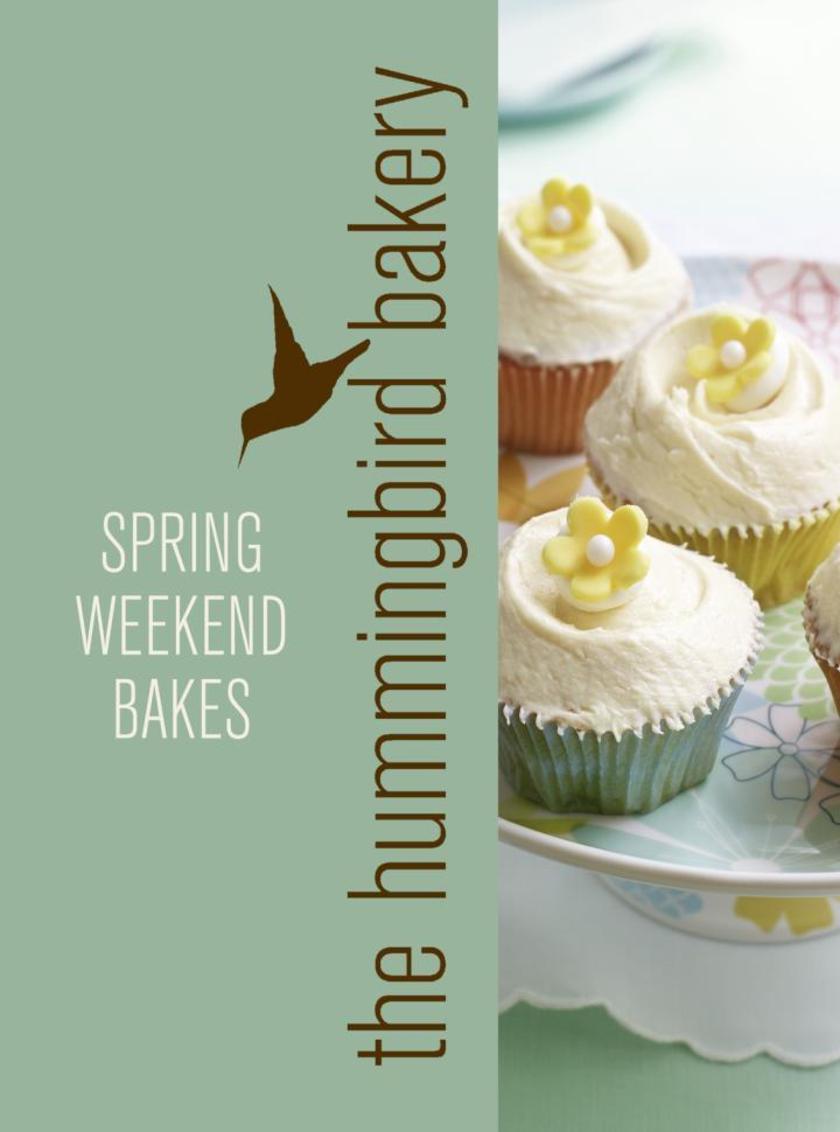
Hummingbird Bakery Spring Weekend Bakes
¥9.71
This is an extract from the bestselling Cake Days by The Hummingbird Bakery. From Britain’s favourite bakery, a selection of the perfect recipes to bake on a beautiful spring weekend, from Apple Blossom cupcakes to a fun Grasshopper pie.
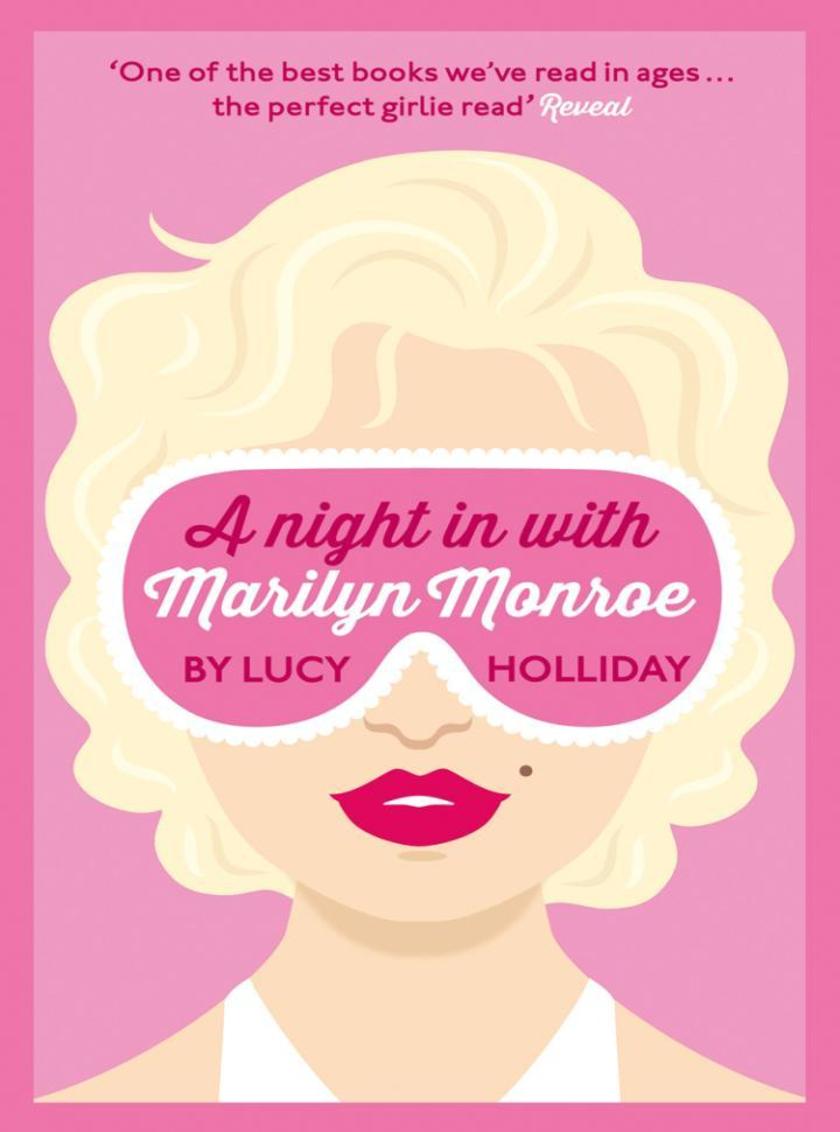
A Night In With Marilyn Monroe
¥58.86
‘I laughed my slippers off!’ Alexandra Brown After dating the hottest man on the planet, Dillon O’Hara, Libby Lomax has come back down to earth with a bump. Now she’s throwing herself into a new relationship and is determined to be a better friend to best pal, Ollie, as he launches his new restaurant. Despite good intentions, Libby is hugely distracted when a newly reformed Dillon arrives back on the scene, more irresistible than ever. And when another unwelcome guest turns up on her battered sofa in the form of Marilyn Monroe, Libby would willingly bite her own arm off for a return to normality.
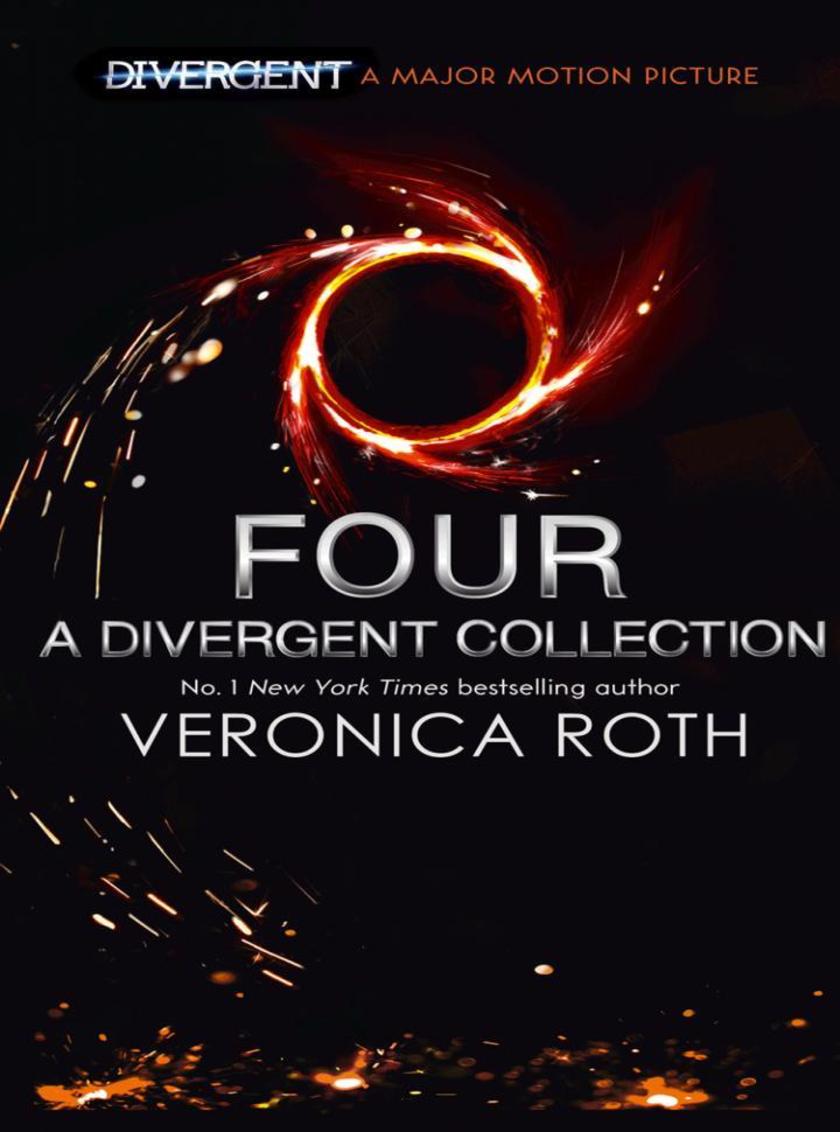
Four: A Divergent Collection
¥58.86
Fans of the Divergent series by No. 1 New York Times bestselling author Veronica Roth will be thrilled by Four: A Divergent Collection, a companion volume that includes four pre-Divergent stories told from Tobias Eaton’s point of view. DIVERGENT and INSURGENT were blockbuster movies in 2014 and 2015. Readers first encountered Tobias Eaton as "Four" in Divergent. His voice is an integral part of Allegiant. Readers will find more of this charismatic character's backstory told from his own perspective in Four: A Divergent Collection. When read together, these long narrative pieces illuminate the defining moments in Tobias Eaton's life. The first three pieces in this volume – "The Transfer," "The Initiate," and "The Son" – follow Tobias's transfer from Abnegation to Dauntless, his Dauntless initiation, and the first clues that a foul plan is brewing in the leadership of two factions. The fourth story, "The Traitor," runs parallel with the events of Divergent, giving readers a glimpse into the decisions of loyalty – and love – that Tobias makes in the weeks after he meets Tris Prior. Exclusive scenes included!
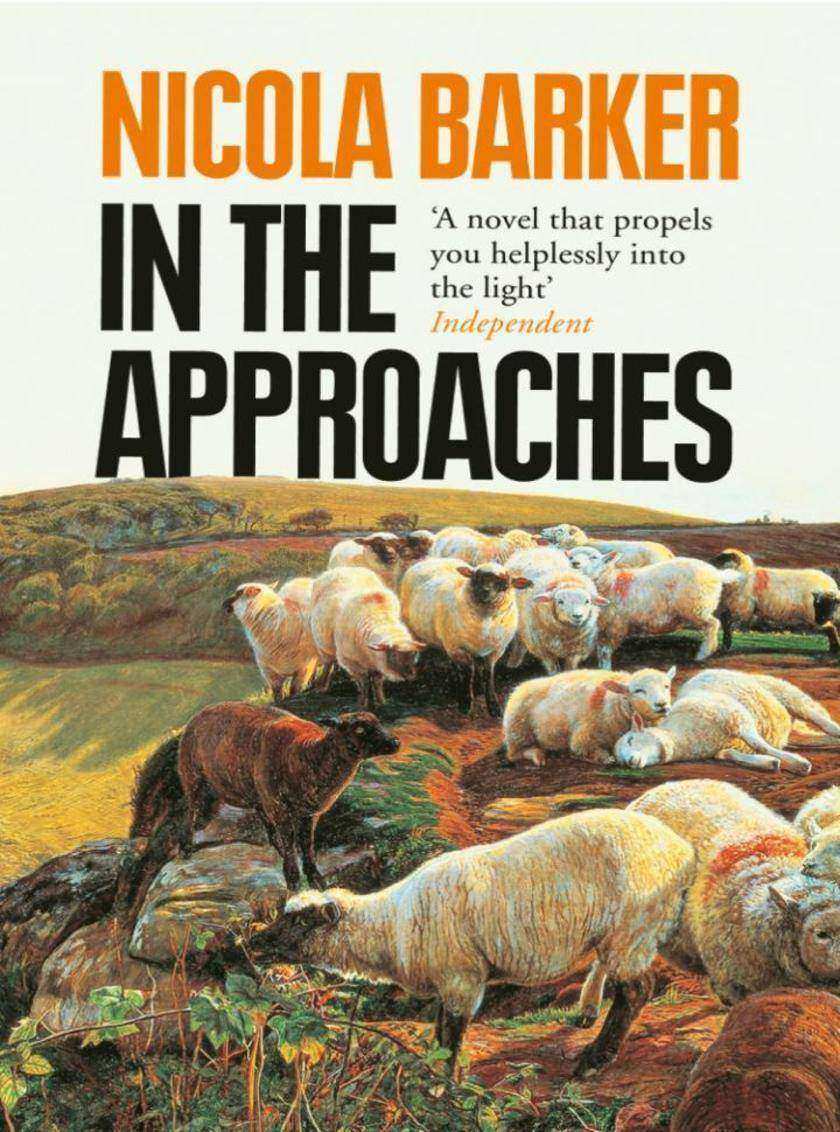
In the Approaches
¥66.22
‘Open yourself up again to all that terrible light and savage bliss and deafening reverberation …’ In the Summer of 1971, a charismatic family seeks refuge in the quiet, English coastal backwater of Pett Level. Bran Cleary is a controversial Irish muralist; his fractious and promiscuous wife (and muse) 'Lonely' Allaway is half Aboriginal; their strange, sickly daughter, Orla Nor, is almost a Saint. Thirteen years later, a shifty individual turns up in Pett Level, apparently determined to get to the bottom of the bizarre and ultimately tragic events which unfolded in the aftermath of that arrival. But does he really want to understand, or is he just way too close to the story to make any clear sense of it? And what of the locals who seem so determined to resist and undermine his investigations? ‘In The Approaches’ is a fabulously twisted comedy of very bad manners which starts out as a seaside idyll and ends up as a pilgrimage – sometimes sacred, sometimes profane, and frequently both at once. Set in a 1984 which seems almost as distantly located in the past as Orwell’s was in the future, Nicola Barker’s tenth novel offers a captivating glimpse of something more shocking than any dystopia – the possibility of faith.
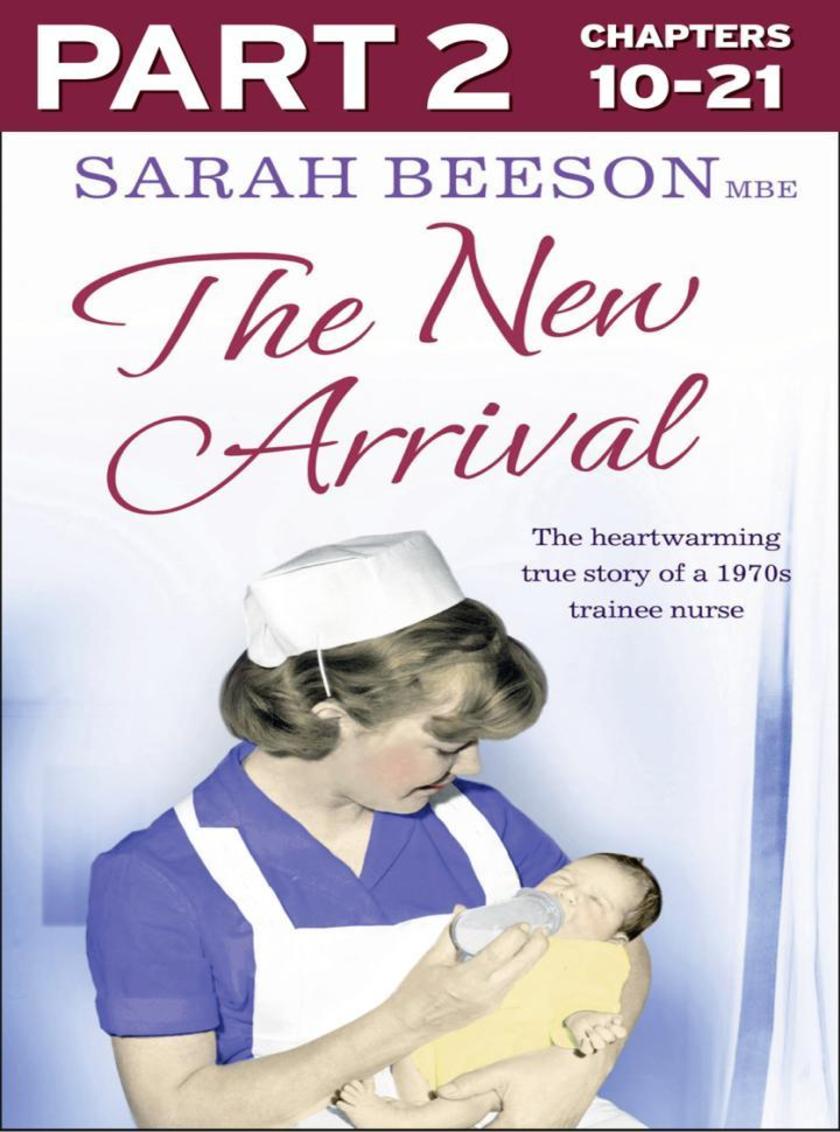
The New Arrival: Part 2 of 3
¥23.45
The New Arrival can either be read as a full-length eBook or in 3 serialised eBook-only parts. This is PART 2 of 3 (Chapters 10-21 of 30). You can read Part 2 one week ahead of release of the full-length eBook and paperback. Sarah completes her preliminary nurse training, and finds her feet with staff and patients alike, under the watchful eye of the stern matron. It’s the end of the swinging sixties, Britain is changing and the everyday life of the nurses and patients plays out against a backdrop of a failing government, strikes, immigration and women’s lib. Nurse Sarah Hill, together with her companions – the serious minded, politicised Maddox, the quick-witted Lynch, who falls in love with an upper-crust young doctor, golden girl Nursery Nurse Appleton, and ex-musical hall star turned midwife Wade – is thrown in straight at the deep end. Funny, warm and deeply moving, Sarah Beeson’s poignant memoir captures both the heartache and happiness of hospital life and 1970s London through the eyes of a gentle but determined young nurse.
The Idea of Him
¥58.86
From the New York Times bestselling author of THE MANNY comes a vibrant novel of love, life lessons and learning to trust yourself Allie Crawford has the life she always dreamed of – a career at a high-profile PR firm; two kids she adores; and a husband, Wade, who is everything she thought a man was supposed to be. But when Allie finds Wade locked in their laundry room with a stunning blonde in snakeskin heels, a scandal ensues that flips her life on its head. And she starts to think maybe she's fallen in love not with Wade himself – but with the idea of him. Captivating and seductive, told in a whip-smart voice, The Idea of Him is a novel of conspiracy, intrigue, and intense passion – and discovering your greatest strength through your deepest fears.

A Gift from Heaven
¥9.71
Millions of people around the world have experienced contact from the other side. In this inspiring and uplifting short story leading expert Jacky Newcomb shares some of the stories she’s received about contact and life after death. When a loved one is taken away suddenly, people often tell Jacky of their regrets about not having the opportunity to say goodbye. Yet people all over the world have stories of loved ones who come back to say Hello or Goodbye from heaven. They appear in dreams, visions, meditation and sometimes when we’re wide awake. Those who are lucky enough to experience it consider it a gift they will remember for the rest of their lives. Here for the first time Jacky will share these extraordinary stories along with the amazing and bizarre reasons for why our loved ones visit.

Messages from Angels
¥11.77
In our deepest darkest hours, we are not alone. The spirits of our loved ones continue to exist after the body dies and many thousands of people around the world have experienced extraordinary signs from heaven to prove this. Afterlife expert and bestselling author Jacky Newcomb knows that the spirit world is real. In this short story she shares some of the thousands of tales she has heard about messages from the other side. ?The spontaneous angel gift that gave a woman courage to leave an abusive relationship ?The mysterious disappearing doctor who saved a pregnant woman and her premature baby son ?The grandma and great grandma who protected their grandson, from heaven Ordinary people from all over the world have experienced signs that their angels are listening and supporting them in their time of need. In Messages from Angels, Jacky will bring hope and comfort and share some of the little signs that can bring magic into your life.
The King’s List
¥66.22
What price betrayal? The bloody saga of revolution and republicanism reaches its climax in the final instalment of the Tom Neave trilogy. 1659. Tom Neave, now Lord Stonehouse and feared spymaster for the republic, must do what he can to maintain the reins of power. With Oliver Cromwell dead, a ruthless struggle for control of the country begins. A Royalist rebellion is easily put down, but is of concern for Tom – his son Luke is among those imprisoned. Having been freed by his father and back with his family, Luke claims he is disillusioned with the Royalist cause. But can Tom trust him? Pre-occupied by his son’s uncertain allegiance, by the distant, manipulative behaviour of his beloved wife Anne, and by rumours of his treacherous father Richard, Tom is ill at ease. His own long-buried secrets threaten to erupt, with irrevocable consequences. As the struggle for power in England becomes more urgent, rumours abound of the return of the exiled king. Copies of the ‘King’s List’ are in circulation – the names of those who signed the death warrant of the late king, of which Tom is one. While an army marches on London, the fate of the nation – and that of Tom and his family – lies at stake.
A Vintage Christmas
¥22.27
A fabulous e-book short story from best-selling author Trisha Ashley. Lucy is so excited to announce she’s getting married this Christmas. She’s picturing a small, simple wedding in the village hall. Her dream is to stand in her vintage dress next to a great, big Christmas tree with all her close friends and relatives… But Lucy’s mother thinks differently! She’s been saving all her life for her little girl’s big day. And she wants to see it done properly. But Christmas is far too soon…the list on her clipboard can’t possibly be ticked off in just a few months! And then there’s the mother-in-law to contend with. She hasn’t quite forgiven her son for proposing to the local riff-raff. She certainly won’t approve of this little charity shop wedding. And now even Lucy’s fiancé is starting to disagree with her vision… But Christmas is a time when miracles happen. And if Lucy wishes hard enough, Santa might just bring her the wedding of her dreams . . .

Life Moves Pretty Fast
¥66.22
Hadley Freeman brings us her personalised guide to American movies from the 1980s – why they are brilliant, what they meant to her, and how they influenced movie-making forever. For Hadley Freeman, American moves of the 1980s have simply got it all. Comedy in Three Men and a Baby, Hannah and Her Sisters, Ghostbusters, Back to the Future and Trading Places; all a teenager needs to know – in Pretty in Pink, Ferris Bueller’s Day Off, Say Anything, The Breakfast Club and Mystic Pizza; the ultimate in action – Top Gun, Die Hard, Young Sherlock Holmes, Beverly Hills Cop and Indiana Jones and the Temple of Doom; love and sex – in 9 ? Weeks, Splash, About Last Night, The Big Chill, Bull Durham; and family fun – in The Little Mermaid, ET, Big, Parenthood and Lean On Me. Born in the late 1970s, Hadley grew up on a well-rounded diet of these movies, her entire view of the world, adult relations and expectations of what her life might hold was forged by these cult classics. In this personalised guide, she puts her obsessive movie geekery to good use, detailing the decades key players, genres and tropes, and how exactly the friendship between Dan Aykroyd and John Belushi influenced the evolution of comedy. She looks back to a cinematic world in which bankers are invariably evil, despite this being the decade of Wall Street, where children are always wiser than adults, and science is embraced with an intense enthusiasm, and the future viewed with excitement. She considers how the changes between movies then and movies today say so much about pop culture’s and society’s changing expectations of women, young people and art, and explains why Pretty in Pink and Sixteen Candles should be put on school syllabuses immediately.


