


 购物车
购物车 个人中心
个人中心

The Nurse's Rescue (Mills & Boon Medical) (City Search and Rescue, Book 2)
¥20.01
Risking his life…for love? Paramedic Joe Barrington is determined not to give in to his attraction for nurse Jessica McPhail. She's irresistible – but he just can't get involved with a mother. And Jessica has to put her child, Ricky, first.They'll work side by side on the Search and Rescue team – but that will have to be all. But when Joe risks his life to rescue her son in an accident, he and Jessica realize that the bond between them is growing stronger by the day…too strong to resist!

The Playboy Doctor's Proposal (Mills & Boon Medical) (Crocodile Creek 24-hour Re
¥22.17
Eligible bachelor doctor seeks wife. It may not be entirely true, but Dr. Ryan Fisher has a reputation for being a bit of a playboy. His charm wins over the patients and the female staff–all except one woman. The one he really wants. Dr. Hannah Jackson avoids men like Ryan Fisher, instinctively protecting herself from heartbreak. When she discovers they are both heading to Crocodile Creek, she can't believe her bad luck! An emergency forces them to work together, and Hannah discovers a different side of Ryan. She's soon tempted to let her guard down as she realizes they would make a great team– professionally and personally.

Don't You Forget About Me
¥40.02
An athlete, a princess, a brain, a criminal, a basket case… Cara Dunham is definitely one of them. But stuck in her small hometown, with no prospects of escape, she's struggling to find her thing. Her life is more book club than Breakfast Club and there is no Judd Nelson in sight! So when Cara is invited to a school reunion she knows this is her chance to channel her inner Molly Ringwald and grab her John Hughes moment, once and for all. Because her teenage love, Daniel Rose will be there, the coolest boy at school and the one that got away. But transforming into an 80's icon isn't easy and Cara enlists the help of her oldest friend, Stubbs, to teach her all she needs to know about being cool and quirky – a la Ringwald. Except Stubbs thinks she’s perfect, just as she is and takes it upon himself to show Cara that her life might not be ‘movie perfect’, but there is always another take to get things right. And maybe the hero she's dreamed of has been under her nose the whole time… From the author of the hilarious Five Go Glamping comes your perfect summer read

A Baby To Save Their Marriage (Mills & Boon Cherish) (Tycoons in a Million, Book
¥33.84
Falling in love all over again… Marrying gorgeous Caleb Conner is the happiest day of Addison’s life. But in the years that follow, no matter how much she yearns for her husband, the driven tycoon is increasingly out of reach… The pressures of work might have taken over his time, but Caleb hasn’t stopped loving Addison. Now he hopes a holiday in paradise will show his wife that he remembers the magic they share. Only their marriage has another surprise on the horizon: a secret Addison can’t keep much longer!

A Nanny For Keeps (Mills & Boon Love Inspired Historical) (Boardinghouse Betroth
¥7.26
A Family in Need With no teaching positions open, Georgia Marshall agrees to become the temporary nanny for the two little girls next door. But she soon becomes enamored of the precocious children and their dashing but distant widowed father. Though she’s falling for him, she can’t help but think that the nobleman is out of her reach. After the tragic loss of his wife, Tyler Walker swore he’d never again give his heart away. Until his neighbor brightens his home and brings some much-needed stability to his motherless family. But he refuses to allow this arrangement with the pretty teacher to become permanent…no matter how much he wants Georgia by his side—forever. Boardinghouse Betrothals: Hearts taking shelter—and forging new beginnings

A Regency Earl's Pleasure: The Earl Plays With Fire / Society's Most Scandalous
¥47.09
Escape to a world of roguish rakes and daring debutantes with this incredible Regency collection from Mills & Boon. The Earl Plays With Fire by Isabelle Goddard Lord Richard Veryan was devastated when Christabel Tallis jilted him – but by the time they meet six years later, Richard has hardened his heart. Now, he’s determined to possess beautiful Christabel’s body, mind and soul – then he’ll be the one to walk away… Society’s Most Scandalous Rake by Isabelle Goddard Marchmain is Brighton’s most scandalous rake: wickedly handsome, with an allure that can disgrace even the purest debutante. And from the moment he meets the innocent Domino de Silva, he’s determined to put his powers of seduction to the ultimate test…

Deception (Mills & Boon Love Inspired Suspense) (Mountain Cove, Book 6)
¥7.26
TRAIL OF SECRETS Jewel Caraway thought she’d left her mistakes in the past—but then her past arrives at her door. Though she’s thrilled to reunite with her estranged sister, something about her sister’s new husband makes Jewel uneasy. Does he know her secret? Is he the one behind the growing list of attacks against her? And if he is involved…does that mean her sister is, too? With nowhere else to turn, Jewel must rely on police chief Colin Winters—the first man to make the widow question her resolve to never love again. But will he stay by her side when her guarded secrets are revealed? MOUNTAIN COVE: In the Alaskan wilderness, love and danger collide.

Expecting The Fellani Heir (Mills & Boon Cherish)
¥33.84
And baby makes three… It was a night she should never have surrendered to, but Ellie can’t regret the blissful hours she spent in Leonizio Fellani’s arms. The steely businessman showed her his softer side and it melted her heart…but working together means he should be off-limits! Then Ellie discovers she’s expecting, and she knows passionate, possessive Leonizio will want to make his heir legitimate! Leonizio demands marriage to claim his child, but first he needs to prove to Ellie that above all he wants her as his wife…

Falling For The Hometown Hero (Mills & Boon Love Inspired)
¥7.26
The Soldier’s Second Chance After returning home wounded from an IED attack, former soldier Kaleb Palmer is hailed as a hero. But survivor’s guilt makes him feel like a fraud. He hopes setting up a new business in Ouray, Colorado, will give him a new purpose and help him forget. But his new office manager has her own plans. Grace McAllen brings light and hope wherever she goes, and she’s getting Kaleb to open up. As she helps him make Mountain View Jeep Tours a success, Kaleb realizes a happy ending is in reach, if he can convince Grace to stay in town—and his life—forever.

First Love, Second Chance: Friends to Forever / Second Chance with the Rebel / I
¥37.96
"Friends to Forever Marc and Beth were best friends until a heated kiss exposed secrets and ruined everything. Ten years later their reunion leads to an unexpected rescue mission. Stranded on an Australian beach, can they face the sins of the past together? "Second Chance with the Rebel Anyone in sleepy lakeside town Lindstrom Beach could see opposites Mac and Lucy didn’t belong together. They had one beautiful summer before he left, leaving Lucy broken-hearted. But when Mac returns years later, she can’t help but dream of second chances… It Started with a Crush… Lucy Martin is determined to make her soccer-mad nephew’s dreams come true. She’ll have to ask her old crush Ryland James, the legendary bad boy of soccer, if he’ll coach her nephew’s team – and try not to steal him away for herself!"

Having The Rancher's Baby (Mills & Boon Cherish) (Mustang Valley, Book 7)
¥33.84
SETTLE DOWN, COWBOY! His family’s Arizona cattle ranch is just the place for Cole Dempsey to hang his hat before he heads back to the rodeo circuit. That is, until Violet Hathaway makes Cole think twice about his future when the livestock manager delivers her game-changing news: she’s pregnant! One passionate mistake could cost Vi her job at Dos Estrellas. And whatever growing feelings Cole and Violet have for each other, she knows the professional cowboy hadn’t planned on settling down in Mustang Valley. When he hits the road again, he’ll take her dream of them making a life together. Or is a rancher’s legacy about to come full circle?
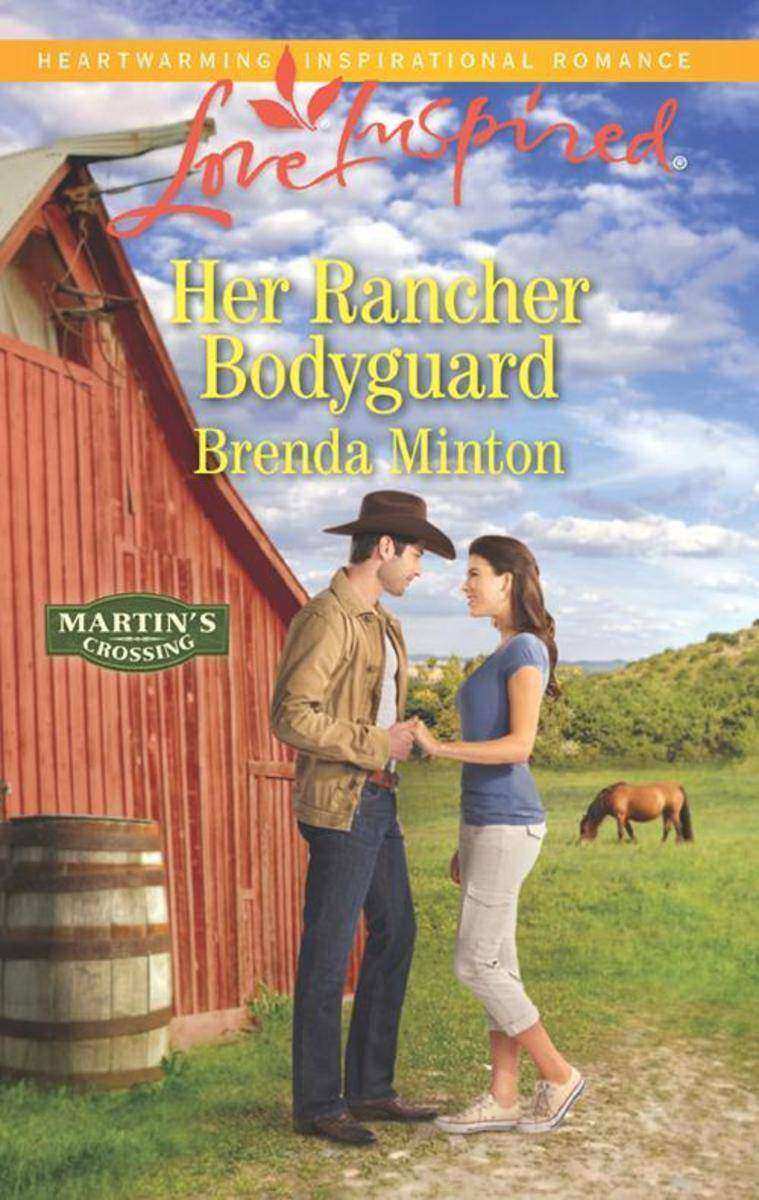
Her Rancher Bodyguard (Mills & Boon Love Inspired) (Martin's Crossing, Book 5)
¥7.26
Her Texas Protector Bodyguard Boone Wilder isn’t keen on his latest mission: watching over a pretty politician’s daughter. Boone is quiet Texas Hill country and Kayla is a showy city gal. But once safely settled at the Wilder Ranch, Boone watches Kayla enjoy cooking with his family, caring for his relatives, and bottle feeding calves. There’s more to her than he ever knew. Still, the former soldier’s wounds are way too deep to let Kayla close. But when he discovers someone wants to hurt Kayla, Boone must risk his heart to protect what he cares about most. Martin’s Crossing: In this small Texas town, every heart finds a home.

His Pregnant Sleeping Beauty (Mills & Boon Medical) (The Hollywood Hills Clinic,
¥33.84
Rescuing the runaway When paramedic Joseph Matthews rescues a vulnerable pregnant woman left in a coma, he vows to be there for his Sleeping Beauty. Even though after his ex-wife's betrayal everything about innocent Carey Spencer evokes bittersweet memories...mixed with unexpected desire. As Joseph helps gorgeous Carey recover and build a safe new future for her unborn baby can he gather his courage to give them the happy-ever-after they deserve?

Home For Keeps (Mills & Boon Heartwarming)
¥22.07
Preserving nature. Growing love. Can they do both? Grace Huber has no interest in taking over the reins of her father’s successful development company. Instead, she’s busy building a dream of her own: A “green” housing community in Wisconsin’s Sparrow Lake. Educator and conservationist Caleb Blackthorne is not only on the same page, the handsome single father tempts goal-oriented Grace to take time out to smell the flowers. But Caleb’s rebellious teenage daughter keeps throwing obstacles in their path. And when Caleb’s long-gone ex-wife shows up, along with rumors of ghostly sightings that threaten the future of Green Meadows, Grace fears she may lose all the things that matter most to her.

Lucy and The Lieutenant (Mills & Boon Cherish) (The Cedar River Cowboys, Book 2)
¥29.43
THE VIRGIN AND THE VETERAN Dr. Lucy Monero feels like the oldest virgin on the planet. Still crushing on her longtime neighbor, she's waited a lifetime for her first…and last. The man she'll marry. And now he's back–the star of her fantasies, ex-cowboy-turned-army-vet Brant Parker. The physician in her recognizes a wounded soul, but the woman in her burns for his touch. Lucy's head is filled with visions of white lace and white picket fences. The last thing Brant needs is the walking, talking temptation that is Lucy. He may be out of his army fatigues but he still carries his demons. He's a loner, not the marrying kind that the hometown sweetheart deserves. So why can't he stop wanting her?

Marriage Made In Hope (Mills & Boon Historical) (The Penniless Lords, Book 4)
¥38.36
‘Sometimes I could scream with boredom.’ Measured and self-effacing, Lady Sephora Connaught knows there is another, more reckless side to her. When she’s rescued from the fast-flowing Thames by the wild and dangerous Francis St Cartmail, Earl of Douglas, suddenly her confined world bursts into vibrant life. Francis has never fitted in to high society’s narrow world, so why does he feel so connected to?and undeniably aroused by?this ‘angel of the ton’? She offers him hope, but only time will tell if their fragile marriage is enough to banish his demons for ever!
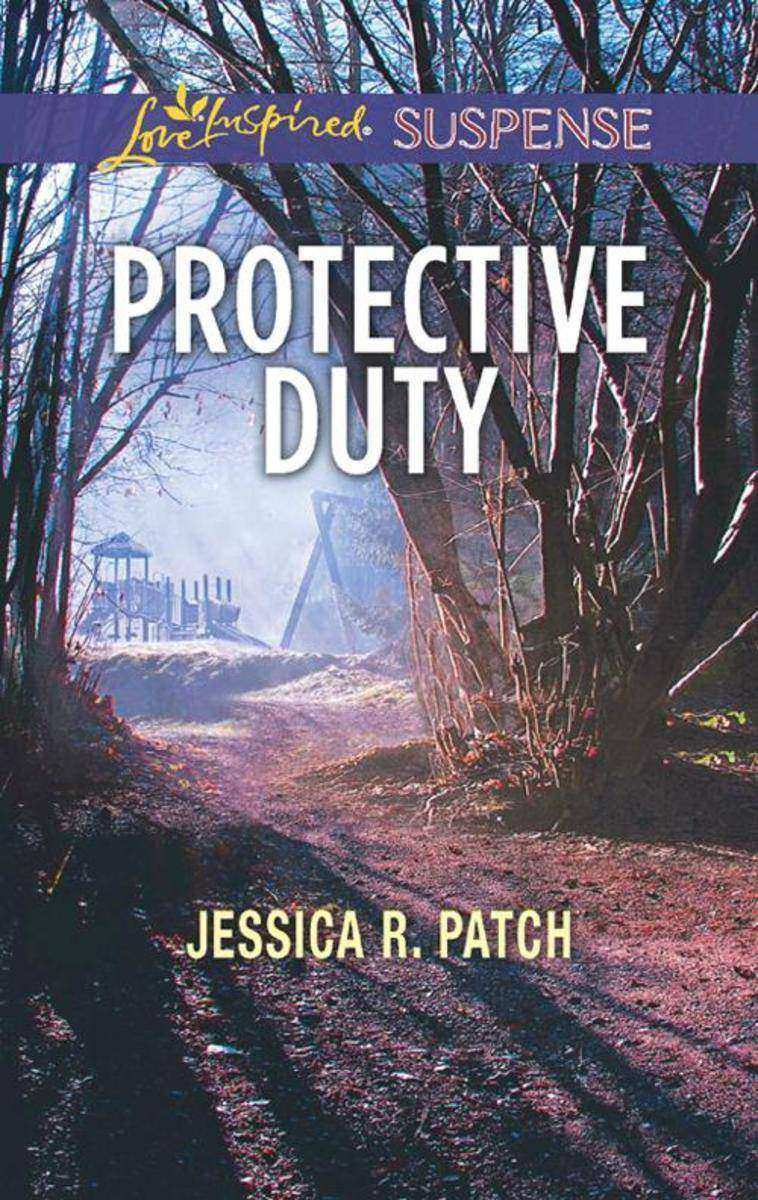
Protective Duty (Mills & Boon Love Inspired Suspense)
¥7.26
HIGH-RISK REUNION Minutes into FBI profiler Bryn Eastman’s first case since a near-fatal shooting, a brazen serial killer sets his sights on her next. Now her life—and career—is in the hands of her new partner, Detective Eric Hale—the man she once loved and lost. Racked with nightmares of the shooting and regrets for the tragedy that tore her and Eric apart, Bryn doesn't want Eric to discover the secrets she carries—but she needs him. Seeing Bryn brings back memories Eric can't control. Memories of a once-in-a-lifetime love. But the tough detective knows their only path to a second chance goes straight through a relentless killer…one who won't quit until he counts Bryn as his fifth victim.
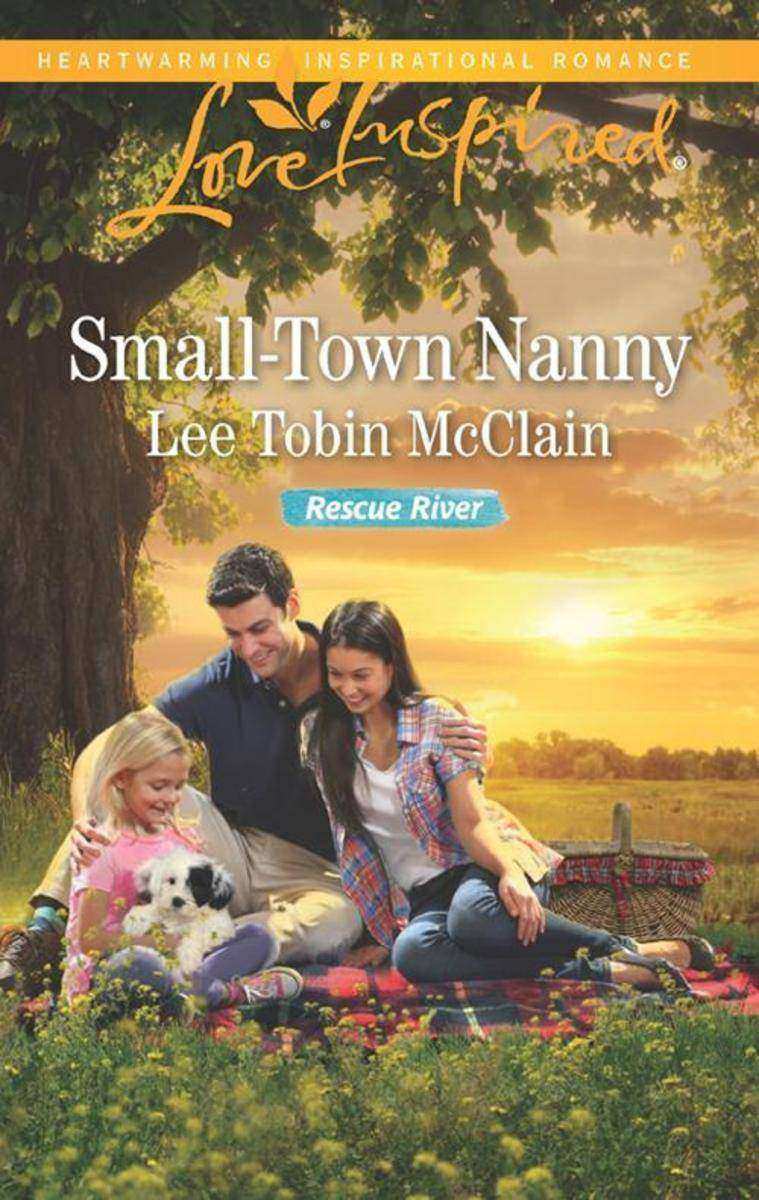
Small-Town Nanny (Mills & Boon Love Inspired) (Rescue River, Book 3)
¥22.07
Falling for His Nanny Susan Hayashi is everything Sam Hinton is not looking for. She’s energetic, outspoken and spontaneous—the exact opposite of what he would want in a wife. Yet the wealthy widower can’t deny that the young teacher is great with his daughter, Mindy. In desperate need of a summer nanny, the small-town CEO hires Susan. After all, it’s only temporary. But Susan and her unconventional approach soon work their way into his and Mindy’s lives. His head says she’s all wrong for them, but a part of him believes that this unexpected nanny might really be his Mrs. Absolutely Right… Rescue River: Making forever families

The Boss And His Cowgirl (Mills & Boon Desire) (Red Dirt Royalty, Book 3)
¥33.84
When the billionaire boss beckons… Ever since she left behind her cowgirl roots to work for him, Georgie Dreyfus has had a crush on her boss, U.S. Senator Clay Barron. So the sexy speechwriter is speechless when Clay comes to her rescue on the campaign trail…and they discover a mutual chemistry that will no longer be denied. But when their relationship faces one of the biggest veto threats of all, Georgie goes home to Oklahoma to regroup. Now the billionaire Barron must choose: continue his quest to win the White House or win back the woman who’s laid claim to his heart…
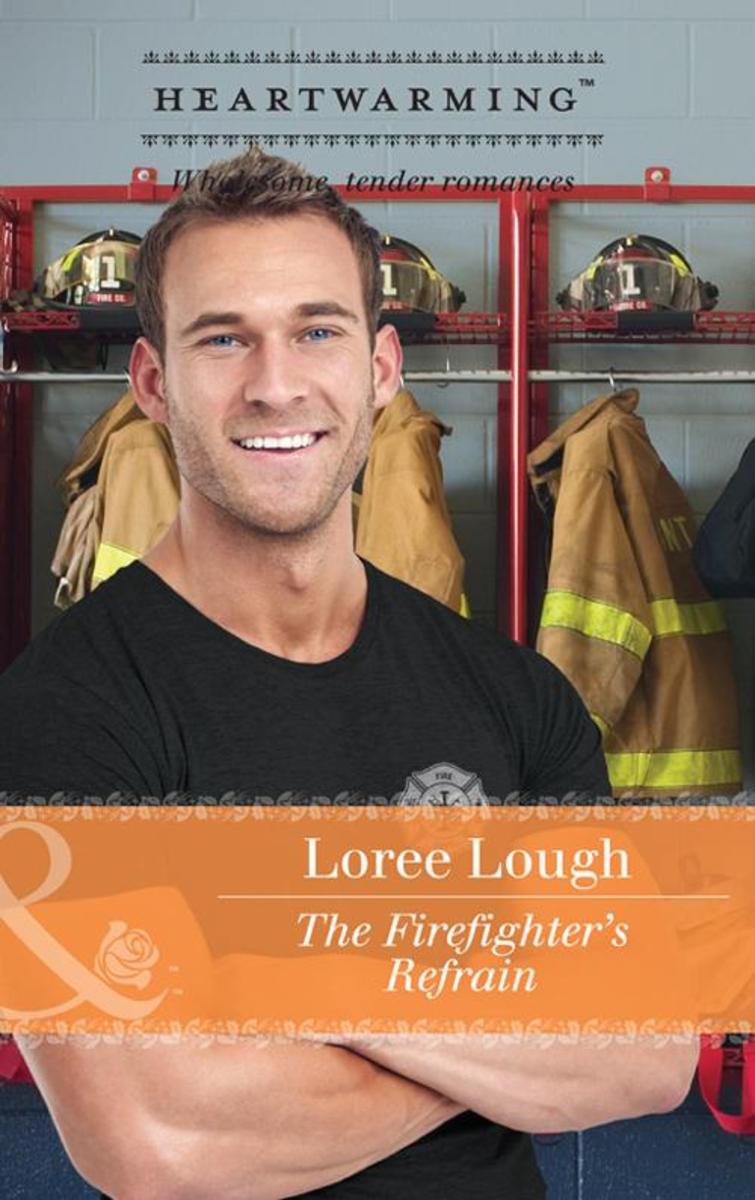
The Firefighter's Refrain (Mills & Boon Heartwarming) (Those Marshall Boys, Book
¥22.07
He's a man who wants it all…if only he could have it. Dreams of stardom took musician and firefighter Sam Marshall far from his Colorado roots. Starting fresh in Nashville hasn’t been easy, especially after an injury on the job, but he’s working his way to the Grand Ole Opry one open mike at a time, teaching at the fire station to make ends meet. Yet Sam’s intentions are shaken when he meets the lovely owner of a local café. Suddenly, Sam’s dreams are filled with her. Too bad that as the daughter of country-music wannabes, Finn Leary’s been there, done that. She'll never choose a musician. So how can Sam possibly get the girl and keep the guitar?

The Trouble With Cowgirls (Mills & Boon American Romance) (Welcome to Ramblewood
¥33.84
THE COWBOY SHE LEFT BEHIND Seeing the love of his life after ten years is a shock for Lane Morgan. Especially when he learns the Italian-born beauty who broke his teenage heart is now a widowed single mother. And she’s the new barn manager at Bridle Dance Ranch—a job that should have been his. Lucy Travisonno never dreamed she’d return to the Texas horse ranch where she and Lane fell in love—much less as his boss! The spark between them is stronger than ever. But there’s something Lane doesn’t know… If she reveals her long-held secret, will Lucy lose her second chance with the handsome cowboy?


