


 购物车
购物车 个人中心
个人中心
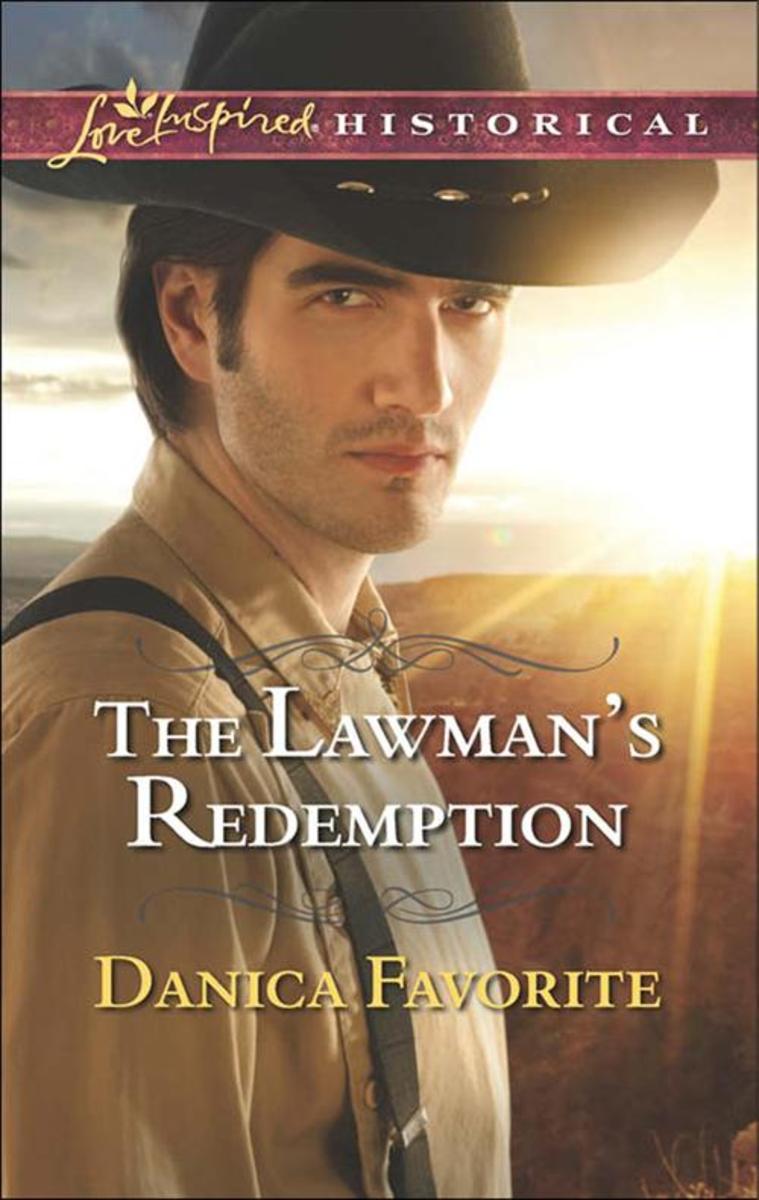
The Lawman's Redemption (Mills & Boon Love Inspired Historical)
¥31.10
Lawman on a Mission Former deputy Will Lawson is fighting to regain his reputation–and Mary Stone is his only lead to the bandit who framed him. Now that he's tracked Mary to Leadville, Colorado, Will needs the proud beauty to reveal her past. Instead, his efforts spark a mighty inconvenient attraction… Mary's only real crime is that she once believed an outlaw's lies. Still, she fears disclosing the truth to Will may land her in jail–and leave her young siblings without protection. Now she must choose between honesty and safeguarding her family. And if Will does clear his own name, can he convince the woman he loves to share it?
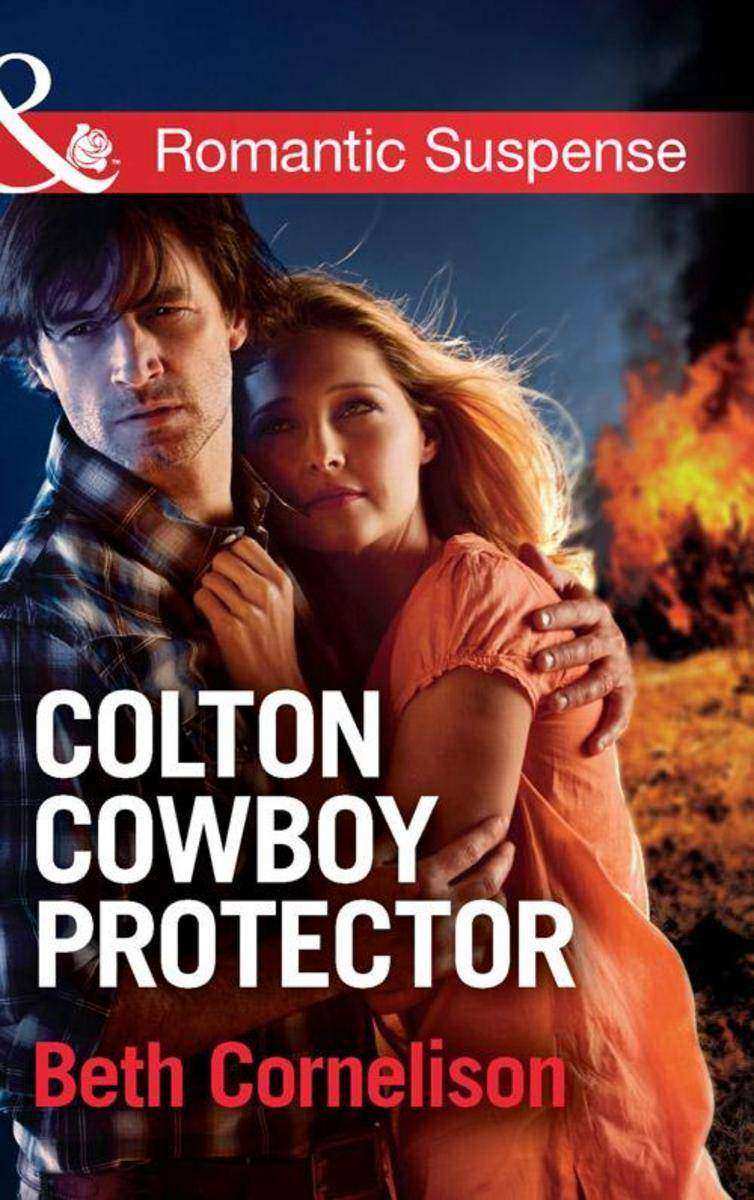
Colton Cowboy Protector (Mills & Boon Romantic Suspense) (The Coltons of Oklahom
¥29.43
A Dangerous Assassin… Tracy McCain came to Colton ranch to meet her cousin’s son… but she didn’t expect Jack Colton, the boy’s father, to be so suspicious. Nor did she realise that an enemy had followed her, determined to keep her from getting too close to the Coltons. When Tracy is attacked, Jack realises the only way to protect her is to keep her under his roof. But sharing a home with the brave beauty introduces new temptations. And, as danger approaches, Jack knows he must keep Tracy and his son safe… so they can become a new family.
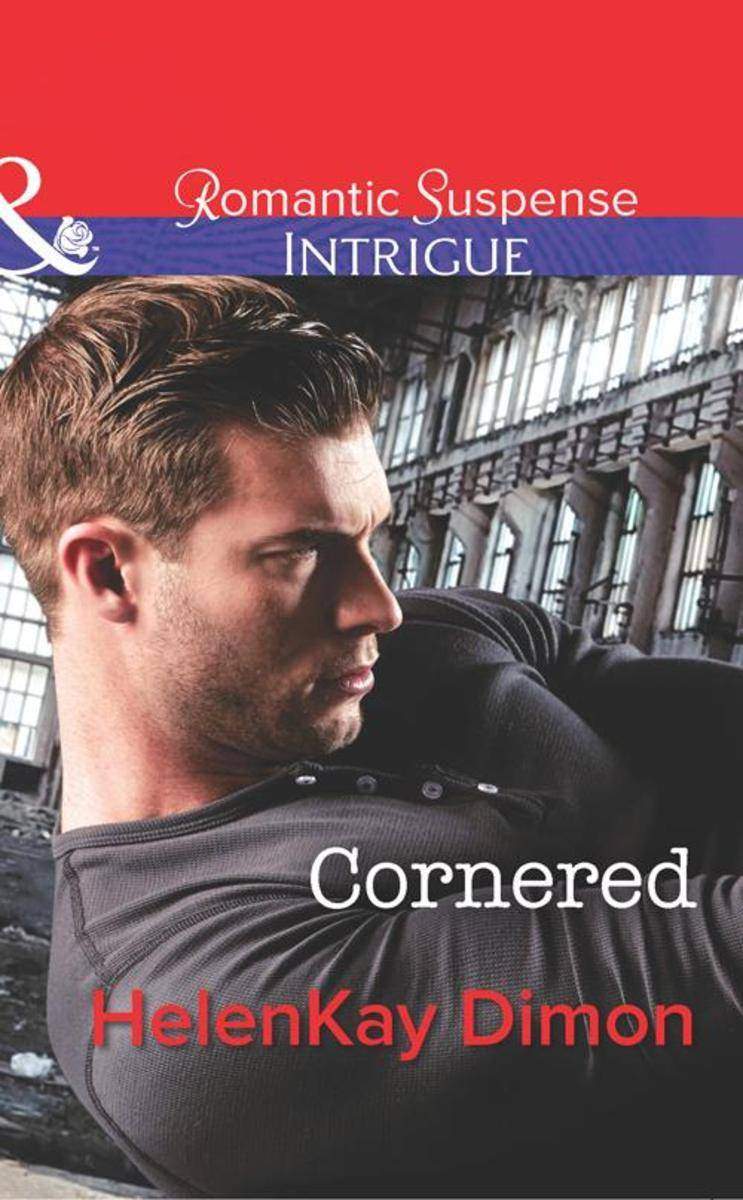
Cornered (Mills & Boon Intrigue) (Corcoran Team: Bulletproof Bachelors, Book 1)
¥31.10
It was an assignment he was more than prepared for–until an innocent beauty got caught in the crossfire. Undercover agent Cameron Roth’s hot on the trail of a drug-running crime cartel. The last thing he needs is to involve an innocent woman in the crossfire. But when he leaps into Julia White’s home for safety, she becomes part of the tangled web Cam’s trying so deseparately to unravel. Smooth, solid Cam’s the consummate professional. But gorgeous, feisty Julia transforms the high-stakes assignment into something far more than business as usual. Now that the villains have her in their sights, Cam’s got to not only solve the case—but also protect the only woman who’s ever found the way into his heart.

Desert Falcons
¥22.46
ROYAL CONSPIRACY In the Kingdom of Saudi Arabia, a secret group within the military is plotting to oust the Royal Family. Their next move: kidnapping the playboy prince from a desert warfare training session outside Las Vegas. But Sin City already has its share of trouble, with authorities investigating the disappearance of two park rangers and coping with threats made by an anti-Muslim rancher who has a highly efficient militia of his own. It falls to Mack Bolan to keep the prince safe at all costs. But someone in the heir's inner circle is a traitor, and the agents working the park ranger case are bound by official procedure. When it comes to stopping the fall of a kingdom and preventing a bloodbath on US soil, the Executioner makes his own rules.
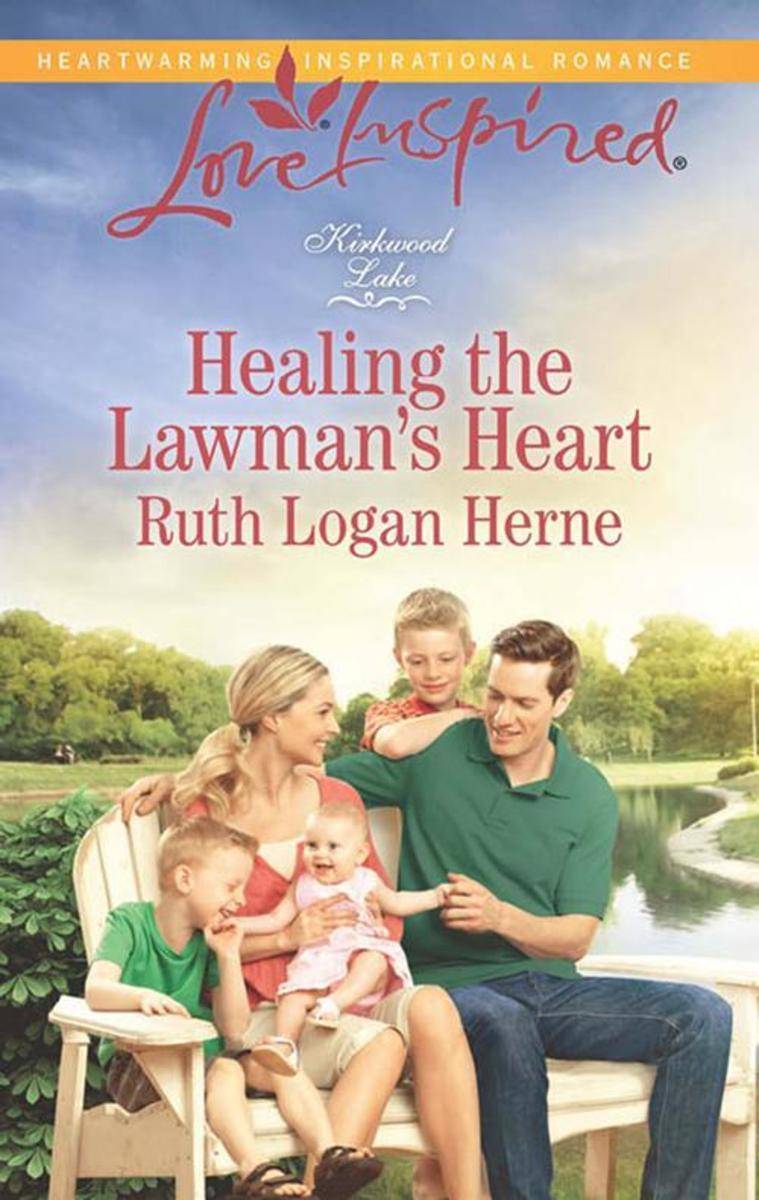
Healing the Lawman's Heart (Mills & Boon Love Inspired) (Kirkwood Lake, Book 6)
¥31.10
An Officer and a Lady Single mom Julia Harrison is the last person Tanner Reddington should get involved with. He's promised to stay away from all things baby. But the state trooper's protective instincts outweigh his misgivings when he meets the lovely midwife. Julia is opening a women's clinic in Kirkwood Lake, while raising two small boys on her own. Plagued by memories of the family he lost, Tanner fights the pull he feels toward Julia and her kids. But when an orphaned newborn brings Tanner and Julia together, they begin to consider their future…as husband and wife.

Heart of the Storm (Mills & Boon M&B)
¥12.75
Brody Rollins is back in Tucker's Point, Maine, for the first time in five years, but he's not staying long. His plan is to go in, meet his new baby nephew, and get out. Then a winter storm takes a turn for the worse, and Brody can't escape…from former neighbors, old regrets or painful glimpses of his ex-fiancée. When Delaney Westcott runs into Brody at the town's emergency shelter, she's shaken. She wants nothing to do with the man who left her—and Tucker's Point—without so much as a goodbye. Being cooped up with him in a high school gym is stirring up more than just bad memories, though, and soon Delaney finds herself confiding in Brody. But will he have any reason to stay once the blizzard ends?

His Summer Bride: Becoming Dr Bellini's Bride / Summer Seaside Wedding / Wedding
¥44.15
Becoming Dr Bellini's Bride When Katie Logan’s father falls ill while she’s visiting him in California, Nick Bellini, her dad’s business associate, steps in to help. And the longer Katie spends with gorgeous vineyard owner Nick, the more she wishes she never had to leave… Summer Seaside Wedding When Amelie Benoir arrives in Bluebell Cove on what should have been her wedding day, she’s meant to be licking her wounds – not falling for impossibly handsome Leo Fenchurch! But could following her heart lead to wedding bells after all? Wedding in Darling Downs Rebel surgeon Declan O’Malley feels out of place in a small town GP surgery – but working with Emma Armitage is a consolation! It’s clear his new partner thinks he’s trouble. But Declan loves a challenge and Emma will be his sweetest one yet…

His Unexpected Baby Bombshell (Mills & Boon Cherish)
¥31.10
His best friend’s baby… Best friends Rebecca Stewart and Ben McFarlane were the couple most likely to marry. But when their chemistry finally bubbled over, it was on the night Ben left town to become an international polo champion. Three years later and Ben is back. He’s a sports star used to women falling at his feet and she’s a waitress and single mum. But they do have one very important thing in common… Now Rebecca must find the words to tell Ben he’s a father!
The Billionaire's Innocent - Part 1 (Mills & Boon M&B) (The Forbidden Series, Bo
¥48.95
The Forbidden Series: billionaires who can look, but shouldn't touch! For Logan Black, Jaiven Rodriguez and Zair al Ruyi, New York City is spread out before them like the Garden of Eden… and no one knows the sweet taste of forbidden fruit better than America's most ruthless billionaires! Jaded and cynical, with a darkness that threatens to consume them whole, they think they've seen it all. But temptation has something new in store for each of them… In Part One of The Billionaire's Innocent, Nora Grant wants to make something of her life, but she doesn't realize it will lead straight to billionaire prince Zair al Ruyi. Beneath his polished royalty, Zair has warrior's blood running through his veins, and he's found his next conquest!
The Calamity Janes: Gina and Emma: To Catch a Thief / The Calamity Janes (The Ca
¥59.35
Calamity Janes…fierce friends facing challenges in life and love To Catch a Thief Gina Petrillo thought she was on the run from her troubles…but they followed her home to Winding River, Wyoming. City-slicker lawyer Rafe O'Donnell is in hot pursuit of Gina, and he doesn't intend to let his suspect out of his sight, even though Gina's mouthwatering kisses are irresistible. And while Rafe is out to catch a thief–she just might steal his heart! The Calamity Janes Struggling with single-motherhood and career pressures, Denver attorney Emma Rogers comes home for a reunion with the Calamity Janes in desperate need of their support. Can they–and her young daughter–possibly be right that sexy journalist Ford Hamilton, the biggest thorn in her side, is actually the answer to her prayers?

The Chaperon's Seduction (Mills & Boon Historical) (The Infamous Arrandales, Boo
¥38.36
‘Ten Thousand Pounds to Whoever Can Seduce the Heiress by Michaelmas!’ Even for dissolute rake Richard Arrandale, this latest bet is outrageously scandalous. But Richard doesn’t care – until he meets the heiress’s charming chaperon and the stakes are raised even higher! Widowed Lady Phyllida Tatham is no longer the shy, plain creature she once was, and she’s determined to protect her beautiful stepdaughter. But there’s one suitor – with the worst kind of reputation – who seems more interested in seducing her. Who will come out on top in this winner-takes-all game? The Infamous Arrandales: scandal is their destiny!

The Cowboy and His Baby (That's My Baby, Book 1)
¥31.10
Revisit the Adams Dynasty in this heartfelt story of forgiveness and second chances from New York Times bestselling author Sherryl Woods. A year and a half ago, a tragic mistake cost single mother Melissa Horton her one true love–and a father for her baby girl. Now Texas rancher Cody Adams was back, shocked to discover he was a parent and determined to make Melissa his wife. But Melissa surprised herself–and him–with her newfound independence. She didn't want just a marriage of convenience. She wanted it all–true love and forever…
The Texan's Twin Blessings (Mills & Boon Love Inspired Historical)
¥31.10
Stand-In Father As temporary guardian to his twin baby nieces, William Barns barely knows a diaper from a burp cloth. The well-meaning but meddling neighbor ladies suggest a wife–namely Emily Jane Rodgers. Although William isn't in the market for a bride, he needs a loving woman to watch over the children, and Emily Jane fits the bill nicely. Emily Jane agrees to care for William's nieces–not become his betrothed. Fully determined to find her own way in life and to open her own bakery, Emily Jane isn't looking for a husband. But no matter how hard she resists, Emily Jane is roped in by the twins' little hugs and William's tender regard. And soon she longs to be a permanent part of this ready-made family…
Wagon Train Proposal (Mills & Boon Love Inspired Historical) (Journey West, Book
¥31.10
For the Sake of His Children A marriage of convenience? Rachel Hewitt couldn't possibly accept. Not even for the sake of three adorable little girls who desperately want a new mother. Sheriff Tristan McCullough offers Rachel a home and family, but not the one thing she truly seeks–someone to love her for herself. Tristan McCullough hoped to find a wife on the wagon train, not a nanny. The hardworking widower wants a marriage without emotional risks. But independent Rachel intrigues him. One minute she's winning over his shy little girls, and the next she's tackling danger head-on. She might just be Tristan's unexpected second chance at happiness…if he'll risk his wary heart again. Journey West: Romance and adventure await three siblings on the Oregon Trail

Wedding Vows: Say I Do: Matrimony with His Majesty / Invitation to the Prince's
¥51.50
A royal proposal King Alexander Valleder rebelled one secret night, years ago. The result was a child. Now he has to make things right. But first he must persuade the beautiful and stubborn Darrell Collier she has the makings of a queen. Prince Rikardo is looking for a princes, but Mel Watson’s far from the cynical social climber he planned for. Rikardo’s long given up on love: he wants a temporary wife― and proposing to this sweet ordinary girl feels all too real… Prince Regent Max de Gautier isn’t expecting to be confronted by feisty Pippa when he arrives in the Outback to collect the heir to the throne. Now he must convince her to spend one month in his royal kingdom and become his royal bride! A royal wedding invitation you cannot refuse.
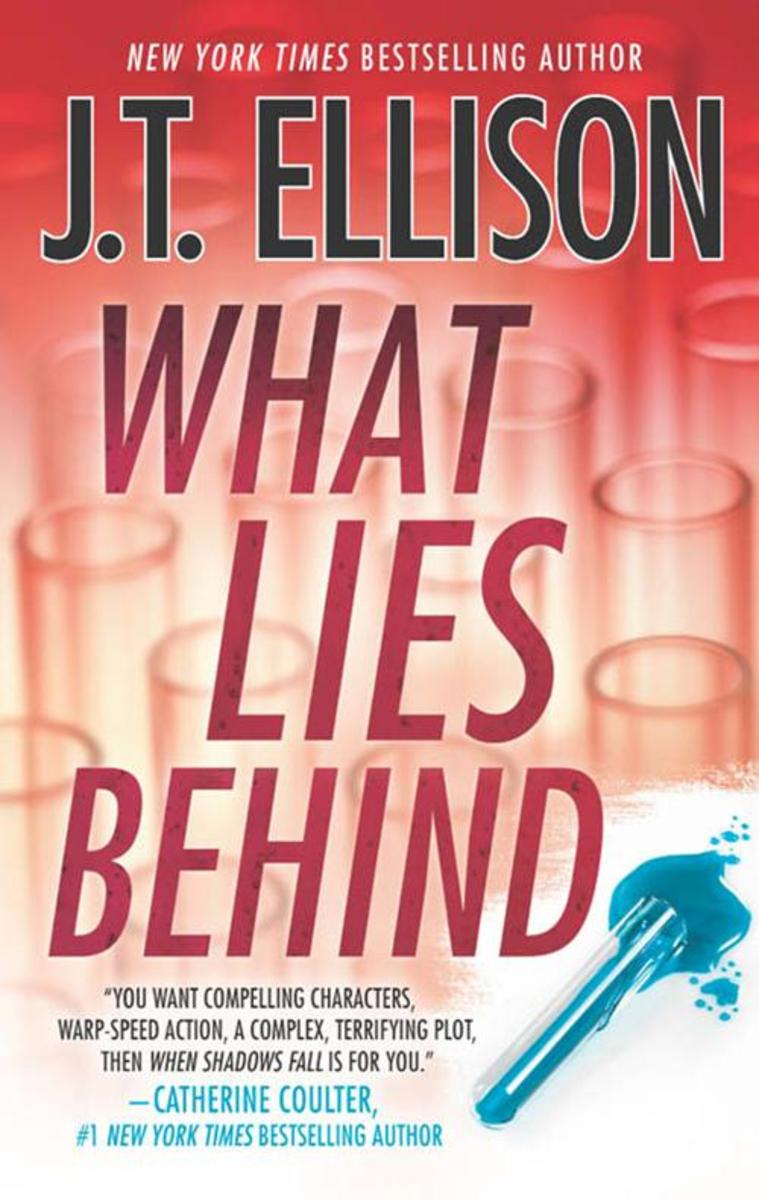
What Lies Behind (A Samantha Owens Novel, Book 4)
¥56.02
Critically acclaimed New York Times bestselling author J. T. Ellison delivers another riveting novel featuring the incomparable Dr. Samantha Owens Waking to sirens in the night is hardly unusual for Samantha Owens. No longer a medical examiner, she doesn't lose sleep over them, but a routine police investigation in her neighborhood has her curious. When her homicide detective friend, Darren Fletcher, invites her to look over the evidence, she jumps at the chance and immediately realizes the crime scene has been staged. What seems to be a clear case of murder/suicide–a crime of passion–is anything but. The discovery of toxic substances in hidden vials indicates that something much more sinister is at play… As Fletch and Sam try to understand what and who they are dealing with, they are summoned to a meeting at the State Department. High-level officials are interested in what they know and seem to be keeping secrets of their own. It's up to Sam and Fletch to uncover what lies behind the deception as the threat of bioterrorism is exposed, and her boyfriend, Xander Whitfield, may be in the line of fire. Unsure who to trust, Sam and Fletch find themselves up against very powerful people at every stage in the investigation. No one is who they appear to be and with every minute that passes, the danger escalates. It's Sam's most complex case yet and the terrifying reality is beyond anything she could have imagined.
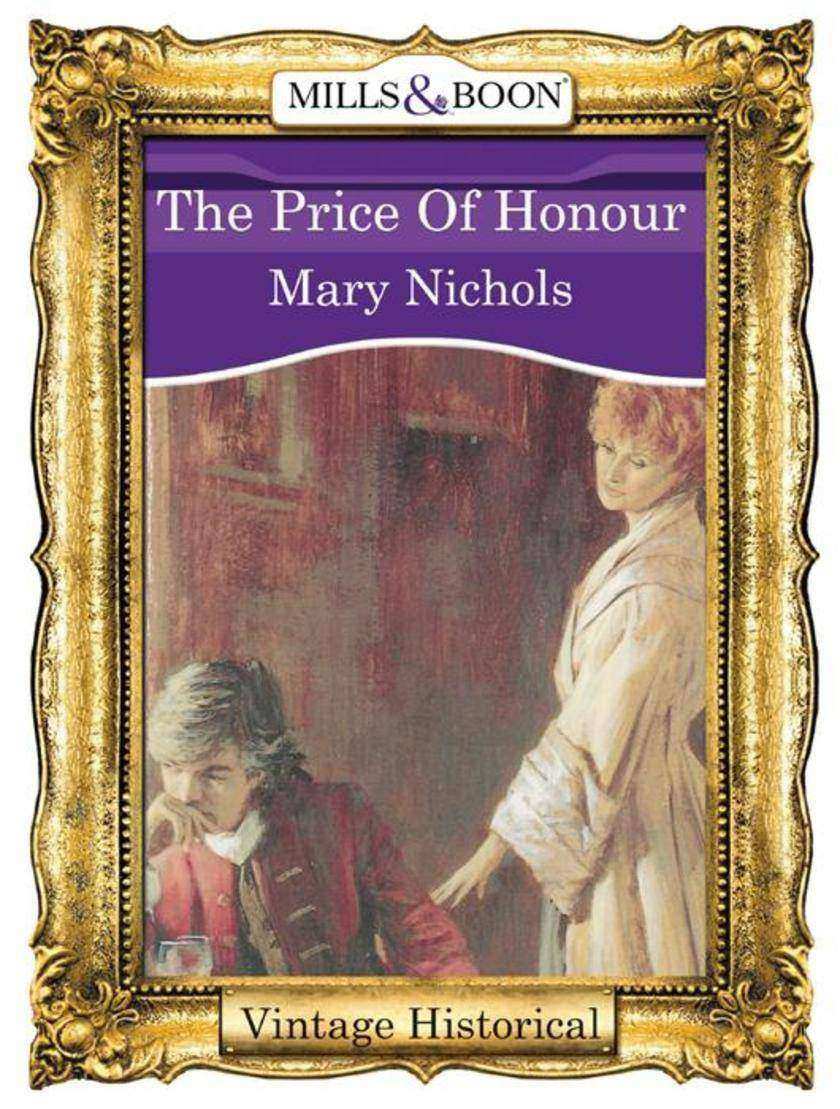
The Price Of Honour (Mills & Boon Historical)
¥32.27
Olivia Pledger, through her own willfulness, found herself stranded in Portugal in the middle of the Peninsular War! A resourceful lady, she was determined to work her way back to the British lines and so get herself home to England. But in foraging a deserted mansion, she was discovered by Robert Lynmount, who had been cashiered in disgrace from Wellington's army. Although intent on scouting unofficially for Wellington until he could clear his name, now Robert felt responsible for Olivia's safety. In such circumstances, falling in love was crazy, and personal feeling could not be allowed to count….

The Reluctant Escort (Mills & Boon Historical)
¥39.24
ALL SHE WANTED WAS A LITTLE ADVENTURE… Even though she adores her godmother, Molly Martineau cannot help but find life in the countryside a little dull! At seventeen, she longs for balls and parties and the excitement of a London season. So who could blame her for finding the dashing Captain Stacey very attractive? And surely it was not entirely silly to follow him on the road to London? Forced to take the waif under his wing, the captain soon realizes that his heart may be in trouble! But with his affairs in such a tangle, what could he offer a gently bred girl?
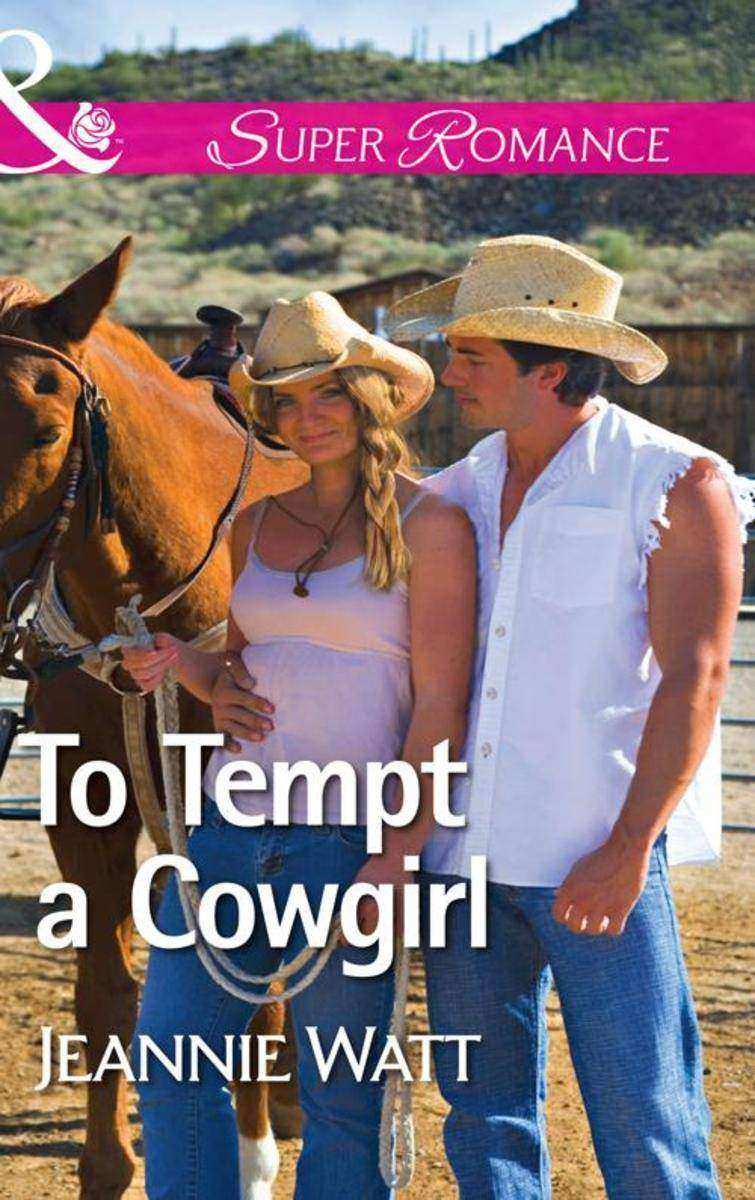
To Tempt a Cowgirl (Mills & Boon Superromance) (The Brodys of Lightning Creek, B
¥27.27
Making an offer on love Troublemaker-turned-architect Gabe Matthews has an agenda–and a serious relationship is nowhere on it. To repay his mentor, he trades the big city for the rugged country so he can persuade the sexy cowgirl next door, Danica Brody, to sell the Lightning Creek Ranch. Soon Gabe is pulling out all the stops to get close to Dani. But earning her trust complicates everything. He knows the last thing she needs is another run-in with deception, and the attraction he doesn't see coming changes his every plan.

Twice in a Blue Moon (Mills & Boon Superromance)
¥27.27
Wanted: one master winemaker Indigo Blue is starting over, again. Following the death of her husband, she's rebuilding her life around her only inheritance–a California winery. There's just one problem: she doesn't know a thing about wine. Enter brooding vintner Danovan DiCarlo. Eager to put his own painful past behind him, Danovan is the perfect partner. And not just in business. As they work side by side, Indigo can feel more than the vineyard coming back to life. Falling for Danovan is a scary prospect. But how do you say no when you find love twice in a blue moon?
Eyes Wide Open
¥14.81
She was supposed to keep them safe. She was their only hope and she had failed. Fifteen year old Jenna’s parents would never approve of her new boyfriend. But he says he loves her. So, even if she hates the way his friends look at her, nothing will stop Jenna sneaking out. After all, what her parents don’t know about her could fill a book. On the other side of town, social worker Rachael Morris is devastated when a girl she had sworn to protect, Kitty Lewis, is found murdered. And while she failed to defend her in life, Rachael is determined that Kitty will have justice in death. With no-one prepared to talk, Rachael must decide whether to help the officer assigned to the case, DI Matt Winston, discover what really happened the night of Kitty’s death – before another family is torn apart or stay silent. But when evil comes in so many forms, how can you know where to start looking? The chilling new book in Michelle Kelly’s bestselling MISSING series will have you on the edge of your seat. The Missing series: Book 1 – WHEN I WASN’T WATCHING Book 2 – EYES WIDE OPEN Book 3 – coming soon


