


 购物车
购物车 个人中心
个人中心
In Good Company (Mills & Boon Vintage Cherish)
¥31.10
Now Playing: The story of the unsinkable Molly Preston Gone were the glasses, braces and baby fat. Molly Preston had changed heaps since the days they kept company in high school. Since Des O'Donnell had betrayed her. Now, of all the men on the charity auction block, she'd taken the upper hand and secretly bid on him. His Big Scene: Convincing her that with him she was in good company Seemed Molly had past wrongs she wanted to right. And she believed having big-man-on-campus Des O'Donnell as her reunion escort would send a statement. But Des owed her more. So he fibbed a little…and introduced her as his fiancée!
In Graywolf's Hands (Mills & Boon Vintage Intrigue)
¥25.60
FBI Special Agent Lydia Wakefield had thought there was no room in her life for the opposite sex. Then she walked into Blair Memorial's emergency room with a bullet in her arm–and encountered the most compelling man she'd ever met. Lukas Graywolf was a brilliant surgeon who brought together the wonders of modern medicine and the wisdom of his Navaho heritage. And his strong, skilled healer's hands were awakening unsuspected desires within her. But it took a brutal hostage-taking–and the threat of losing Lukas forever–to make her see that she could never be complete without him.

Indigo Summer (Mills & Boon Kimani)
¥31.10
Fifteen-year-old Indigo Summer's world finally seems to be going in the right direction: She hooks up with the star linebacker on the high-school football team, gets a date for homecoming and makes the high-school dance squad all in the same week. But sometimes things are just too good to be true. After football star Quincy Rawlins abruptly dumps her for a girl who is willing to put out, Indigo's popularity and self-esteem take a nosedive. When her perfect world falls apart, Indigo turns to the one person who seems to have his head on straight–her next-door neighbor, sixteen-year-old Marcus Carter. The problem is, now that Indigo realizes what a great guy Marcus really is, so does someone else.
Keeping Her Safe (Mills & Boon M&B)
¥27.27
When investigative journalist Natalie McCabe discovers a local investment bank is taking retirees for a ride, she's all over the case, even going undercover to get the goods on dirty brokers. But then Jason Jamison, the man she recently saw murder his wife, escapes from jail. And incognito or not, Natalie's life is in danger. Fortunately her new bodyguard, Vincent Fortune, has the brawn to keep her safe…as long as she plays by his rules. Vincent can't figure out his spitfire client. She wants security, but sneaks away as soon as she thinks she has a lead. All he knows is their attraction is growing stronger each day. And Vincent's not sure how much longer he can protect Natalie from his own desire.
Knit Two Together (Mills & Boon M&B)
¥27.27
Her mother remained a mystery in life…and in death Libby Cartwright hadn't planned on inheriting a yarn shop from her estranged mother. But that was before she found her favorite childhood stuffed animal amidst the dust and moldering yarn. And before she encountered a motley crew of locals determined to resurrect the store. So what else had Mom been hiding? Running Metropolitan Knits means Libby still has lots to learn. About knitting. Motherhood (who ever said raising a daughter was easy!). And even romance. For quiet Hal O'Connell, an unlikely–and unattached–new customer, turns out to be a kindred spirit. As the Grand Reopening approaches, Libby learns to knit two together–in knitting and in life….

Pregnancy Surprise: Parents in Training / Her Pregnancy Surprise / Expecting a M
¥38.65
Parents in Training Discovering she’s pregnant fills Annalise with joy, but her husband, Dominic, feels shell-shocked! He’s still reeling from an unhappy experience of parenthood from his past – a fact he’s kept secret from everyone, even Annalise.

The Baby Surprise: Juggling Briefcase & Baby / Adopted: Family in a Million / C
¥46.11
JUGGLING BRIEFCASE & BABY Spending a weekend working with Romy, the only woman ever to reach behind his flawless fa?ade, has Lex nervous. And Romy is coming with her baby! But despite everything, Lex may just be tempted to strike up a very personal business deal… ADOPTED: FAMILY IN A MILLION Zack Morgan needs to know his little boy is OK, so he tracks down the adoptive parents. But when he finds his son and single mum Susan, his life turns upside down. He’s finally found the family of his dreams – only they have no idea who he really is… CONFIDENTIAL: EXPECTING! Journalist Mallory Stevens’ instructions are clear: expose the secrets of elusive radio talk-show host Logan Bartholomew. Not fall in love with him! As their relationship goes off the record, Mallory is stunned to discover she’s carrying her own little secret!

His Perfect Bride: Hired by the Cowboy / Wedding Bells at Wandering Creek / Comi
¥37.96
HIRED BY THE COWBOY Alexis Grayson is alone and pregnant, but honourable cowboy Connor Madsen seems determined to take care of her. He needs a temporary wife, so a short-term marriage will solve all their difficulties… until Alexis realises she wants a marriage for real! WEDDING BELLS AT WANDERING CREEK PI Jack Sullivan allows no one to get too close. That is until he takes on the Kingsley case. Jack has been sent to Wandering Creek on official business – business that doesn’t include falling for the striking blonde who tries to throw him off her land. COMING HOME TO THE CATTLEMAN Jenny’s determined to contact her long-lost dad, until one man stands in her way: her dad’s business partner, Jason Welborn. And it’s clear he’s not happy she’s come home. But feisty Jenny seems determined to win him over – at all costs!

Midnight Faith (Mills & Boon Love Inspired)
¥25.60
Clint McMahan liked life the way it was–peaceful and woman free. So when Cait McMahan wanted to start a riding school on his ranch, he wasn't keen on the idea. He didn't like Cait interfering–with a school or the gorgeous smile he couldn't get off his mind…or off his land. Before long, Clint found himself involved in Cait's cockeyed idea himself–and in over his head. Because despite his growing feelings for the stubborn beauty, he knew the ranch was all he'd ever needed and all he ever would. Unless a tough-as-nails-but-soft-underneath riding instructor could teach him there was more in store for him….

Mother in Training (Mills & Boon Vintage Cherish)
¥19.62
Meticulous and by-the-book, corporate lawyer Jack Lever was used to order–not the disorder of two small children. When his babysitter abruptly quit, the single dad didn't know where to turn. He couldn't believe his good luck when Zooey Finnegan agreed to become his nanny. Uninhibited and fun, Zooey was happy to take care of Jack's children instead of sitting behind a desk in her family's business. And to her surprise, Zooey soon loved the Levers like they were her own flesh and blood. It didn't take long for Jack's kids to fall hopelessly in love with her, either. Their father could be a different story….
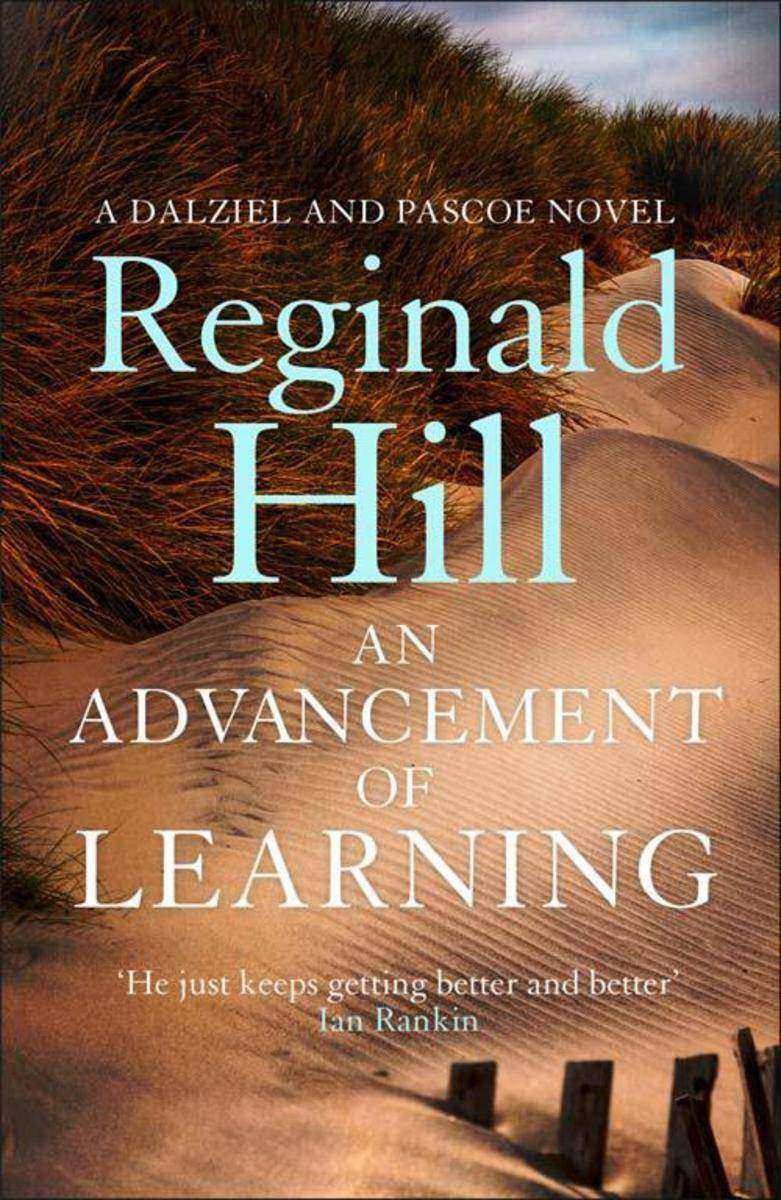
An Advancement of Learning (Dalziel & Pascoe, Book 2)
¥59.35
All is not well at Holm Coultram College. All is not well at Holm Coultram College: lecturers having affairs with students, witches’ sabbaths, a body buried under a statue. Detective Superintendent Dalziel, despite his cynical view of academics, doesn’t feel murder fits in here – let alone a rash of killings. But when he and DS Pascoe are sent to investigate a disinterred corpse at Holm Coultram College, that’s exactly what they find…
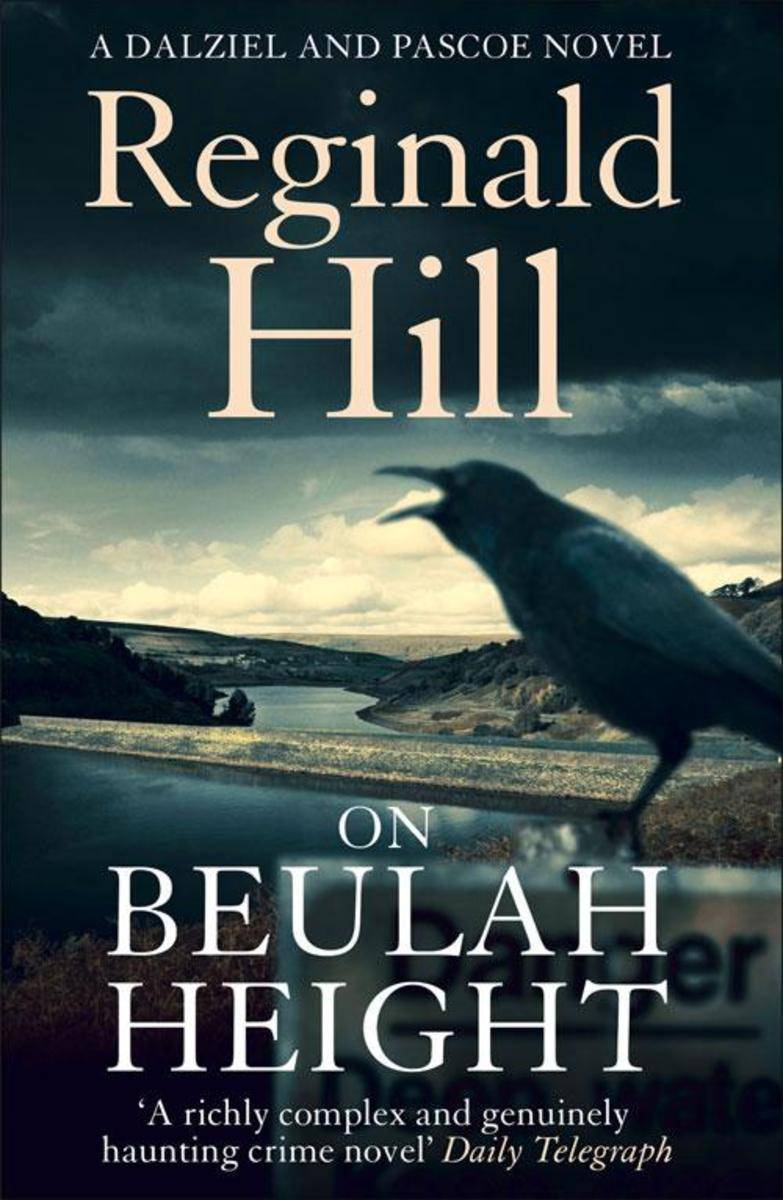
On Beulah Height (Dalziel & Pascoe, Book 15)
¥59.35
‘Hill is an instinctive and complete novelist who is blessed with a spontaneous storytelling gift’ Frances Fyfield, Mail on Sunday Fifteen years ago they moved everyone out of Dendale. They needed a new reservoir and an old community seemed a cheap price to pay. But four inhabitants of the valley could not be moved, for nobody knew where they were: three little girls who had gone missing, and the prime suspect in their disappearance, Benny Lightfoot. This was Andy Dalziel’s worst case and now he looks set to relive it. Another child goes missing in the next valley, and old fears arise as someone sprays the deadly message on Danby bridge: BENNY’S BACK!

Redcoat: The British Soldier in the Age of Horse and Musket
¥80.25
Redcoat is the brilliant story of the common British soldier from 1700 to 1900, based on the letters and diaries of the men who served and the women who followed them. Delving into the history of the period – charting events including Wolfe's victory and death at Quebec, Wellington's Peninsular War, Waterloo, the retreat from Kabul and the Sikh wars – celebrated military historian Richard Holmes provides a comprehensive portrait of a fallible but extraordinarily successful fighting force.
Amedeo: The True Story of an Italian’s War in Abyssinia
¥80.25
War-time love story set in Abyssinia, Eritrea and the Yemen 1935-1945. Amedeo Guillet is still alive and living in County Meath, Ireland. Khadija is lost. This is the story of Amedeo Guillet – an Italian calvary officer who was sent out to Abyssinia as part of Mussolini’s army to establish and command a troupe of 2,000 Spahis – or Arabic calvary. He met and fell in love with Khadija – a beautiful Ethiopian Muslim. Together they held up the British lorries heaving up the mountain road to Asmara and blew up the important Ponte Aosta. Eventually captured, Amedeo went on the run disguised as an Arab, eventually making it to Yemen, only to be thrown in jail. This is a rare view of the Second World War from an Italian perpective; particularly valuable are the chapters that tell the story of Italian resistance to the Nazis, and their subsequent withdrawal from Italy in 1943. There are few stories more cinemagraphic than this – Fascist Italy, his early years in Ethiopia commanding the Cossack-like Spahis, the brutal Abyssinian war waged by the Duce, Italian and British colonial rivalry; Amedeo led the last ever cavalry charge the British army faced (Eritrea 1941 – they were massacred by tanks and sub-machine guns), defeat and guerrilla warfare against the British; then flight, disguised as an Arab, imprisonment in the Yemen and a great love lost as he leaves his beloved Khadija behind to face her future alone and returns to Italy, to his fiancée and a career as a distinguished Italian diplomat and Arabist. Amedeo is still alive and living in County Meath, Ireland. Sebastian O’Kelly is a journalist for the Mail and Telegraph and has Amedeo’s full co-operation in writing this book. This is a very valuable and absolutely stunning story, beautifully told by O’Kelly.

The Fussy Baby Book: Parenting your high-need child from birth to five
¥76.91
The best-selling authors of The Baby Book (Dr William and Martha Sears) have created a supportive and practical guide to coping with difficult and fussy children. The book contains proven methods for dealing with a multitude of difficulties you may encounter. Parents of fussy or difficult children, take heart, best-selling childcare experts William and Martha Sears have written a book just for you. Drawing on more than twenty years of paediatric practice and their experiences with their own high-need children, they provide: - Creative ways to soothe a fussy baby - Information on medical causes of infant fussiness – from infections to food sensitivities - Effective ways of coping with common high-need personality traits and behaviour - Proven strategies for discipline – getting connected to your child early, providing structure, setting limits, knowing when to say yes and when to say no - Tips on learning how to talk and listen - Real-life stories and advice from parents of high-need children In The Fussy Baby Book Dr. William and Martha Sears acknowledge the difficulties you face but show you how responsive parenting can turn these challenges into advantages for both you and your child. The Searses prove that difficult children can provide the most rewarding parenting experiences of all.
Zita West’s Guide to Getting Pregnant
¥91.43
A pioneer in the field of fertility, Zita West’s programme is invaluable for couples trying to conceive. Harley Street’s most popular fertility expert, and favourite consultant to celebrity clients, guides the reader through a process of vital physical and mental preparation. The book is for every couple trying to conceive and has fascinating advice taken from Zita’s 20 years of experience as midwife and 7 years as an acupuncturist. It provides a structured, easy-to-follow step-by-step programme, complete with case studies and and enormously detailed questionnaire. The guide includes details on: - when and how often to have sex - what can prevent fertilisation and conception - everything you need to know about sperm and ovulation - nutrition, supplements and herbs - complementary therapies such as acupressure, lymphatic massage and hypnotherapy - how to overcome stress and other emotional blocks to pregnancy - PCOS, endometriosis and other health issues - tests and procedures if there is a problem - and much much more.
The Confession of Katherine Howard
¥66.22
The new novel from the bestselling author of THE SIXTH WIFE. When 12-year-old Katherine Howard comes to live in the Duchess of Norfolk's household, poor relation Cat Tilney is deeply suspicious. The two girls couldn't be more different: Cat, watchful and ambitious; Katherine, interested only in clothes and boys. Their companions are in thrall to Katherine, but it's Cat in whom Katherine confides and, despite herself, Cat is drawn to her. Summoned to court at 17, Katherine leaves Cat in the company of her ex-lover, Francis, and the two begin their own, much more serious, love affair. Within months, the king has set aside his Dutch wife Anne for Katherine. The future seems assured for the new queen and her maid-in-waiting, although Cat would feel more confident if Katherine hadn't embarked on an affair with one of the king's favoured attendants, Thomas Culpeper. However, for a blissful year and a half, it seems that Katherine can have everything she wants. But then allegations are made about her girlhood love affairs. Desperately frightened, Katherine recounts a version of events which implicates Francis but which Cat knows to be a lie. With Francis in the Tower, Cat alone knows the whole truth of Queen Katherine Howard – but if she tells, Katherine will die.
Reflexology: The 5 Elements and their 12 Meridians: A Unique Approach
¥91.43
This complete self-teaching guide is the perfect handbook for beginners and students alike. It uniquely links Eastern and Western approaches to reflexology and health, making this a comprehensive guide to using the meridians and pressure points of the feet to treat a wide range of ailments. The ebook now includes illustrations. Reflexology, the gentle but highly effective form of therapeutic foot massage, has gained wide acceptance as a powerful, natural healing art. Remarkable results have been achieved with ailments such as back pain, chronic fatigue (ME), digestive problems, eczema, insomnia and migraine. Inge Dougans’s book includes her latest research into the benefits of her unique techniques and is a complete self-teaching guide suitable for beginners and students alike. Bringing together East and West by making clear the close connection between reflexology and Chinese meridian theory, internationally respected reflexologist Inge Dougans shows how the human body has its own internal energy lines – or acupuncture meridians – and reveals how to find and use the reflexology points and associated meridians on the foot to restore the body to its natural balance, prevent ill health and assist relaxation. This comprehensive handbook includes: ? the history of reflexology and the Chinese meridian therapy ? an explanation of how reflexology and the meridian theory work ? illustrated step-by-step reflexology treatments for specific ailments ? treatments of meridian disorders ? case histories.
The Story Sisters
¥69.26
A haunting and emotionally satisfying novel from a much-loved and critically acclaimed author, which weaves fairy tale and gritty realism together to dazzlingly effect. ‘The Story Sisters’ charts the lives of three sisters – Elv, Claire and Meg. Each has a fate she must meet alone: one on a country road, one in the streets of Paris, and one in the corridors of her own imagination. Inhabiting their world are a charismatic man who cannot tell the truth, a neighbor who is not who he appears to be, a clumsy boy in Paris who falls in love and stays there, a detective who finds his heart’s desire, and a demon who will not let go. What does a mother do when one of her children goes astray? How does she save one daughter without sacrificing the others? How deep can love go, and how far can it take you? At once a coming-of-age tale, a family saga, and a love story of erotic longing, ‘The Story Sisters’ sifts through the miraculous and the mundane as the girls become women and their choices haunt them, change them and, finally, redeem them.
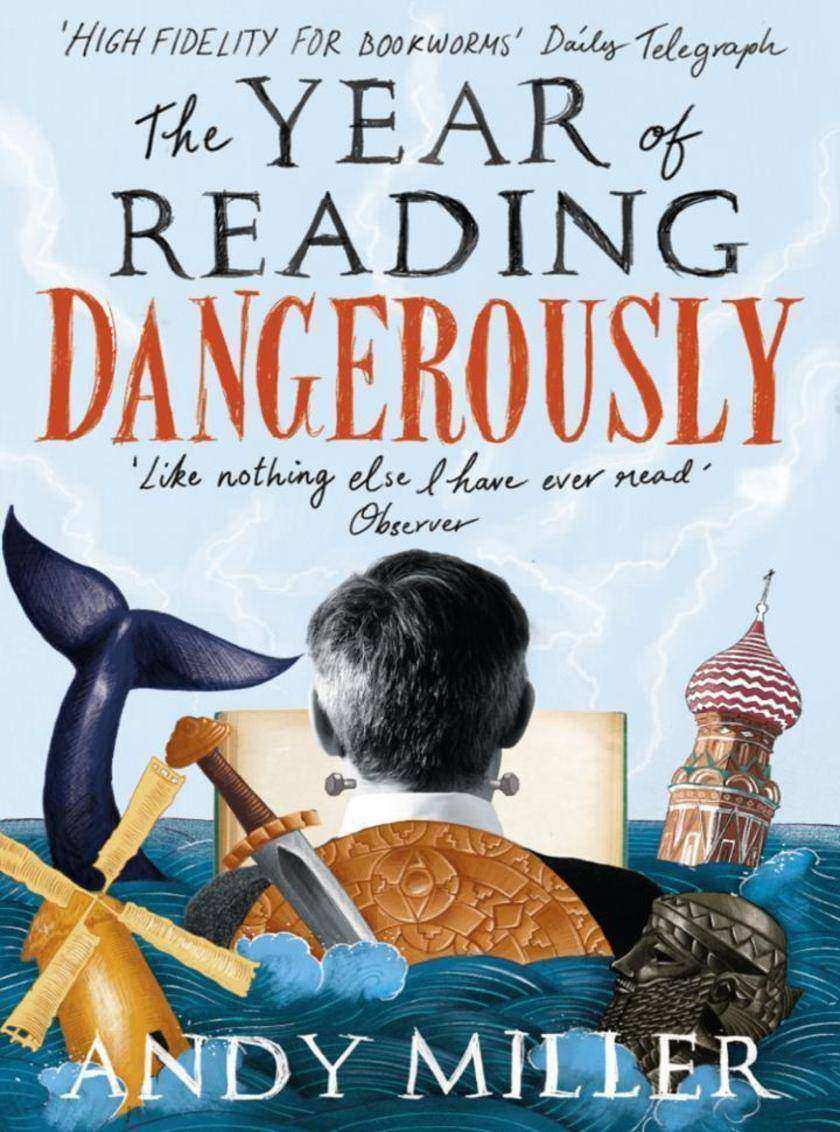
The Year of Reading Dangerously: How Fifty Great Books Saved My Life
¥66.22
A working father whose life no longer feels like his own discovers the transforming powers of great (and downright terrible) literature in this laugh-out-loud memoir. Andy Miller had a job he quite liked, a family he loved and no time at all for reading. Or so he kept telling himself. But, no matter how busy or tired he was, something kept niggling at him. Books. Books he’d always wanted to read. Books he’d said he’d read, when he hadn’t. Books that whispered the promise of escape from the 6.44 to London. And so, with the turn of a page, began a year of reading that was to transform Andy’s life completely. This book is Andy’s inspirational and very funny account of his expedition through literature: classic, cult and everything in-between. Crack the spine of your unread ‘Middlemarch’, discover what ‘The Da Vinci Code’ and ‘Moby-Dick’ have in common (everything, surprisingly) and knock yourself out with a new-found enthusiasm for Tolstoy, Douglas Adams and ‘The Epic of Gilgamesh’. ‘The Year of Reading Dangerously’ is a reader’s odyssey and it begins with opening this book…

Leonardo and the Death Machine
¥45.22
Adventure thriller set in Renaissance Italy starring Leonardo da Vinci as a young apprentice who witnesses a murder and becomes involved in a plot to take over the city. LEONARDO AND THE DEATH MACHINE is first and foremost a thriller, set against the background of Renaissance Italy. However, the Leonardo of the title is in fact Leonardo da Vinci. This is a totally fictional adventure, but it COULD have happened. When we first meet Leonardo we find him apprenticed to a successful artist in Florence. But although he yearns to be a great artist himself, he's rather disillusioned with his apprenticeship, which has made him more of an errand boy than an art student. Then, when an impromptu street football match ends in an arm injury for his friend Sandro (whom history will know as Botticelli), Leonardo leaps at the opportunity to help out the unfortunate painter who has been commissioned to paint a portrait for the rich Medici family. Little does our young hero know that soon he will be dragged into murder and intrigue, and will be fleeing for his life!


