


 购物车
购物车 个人中心
个人中心
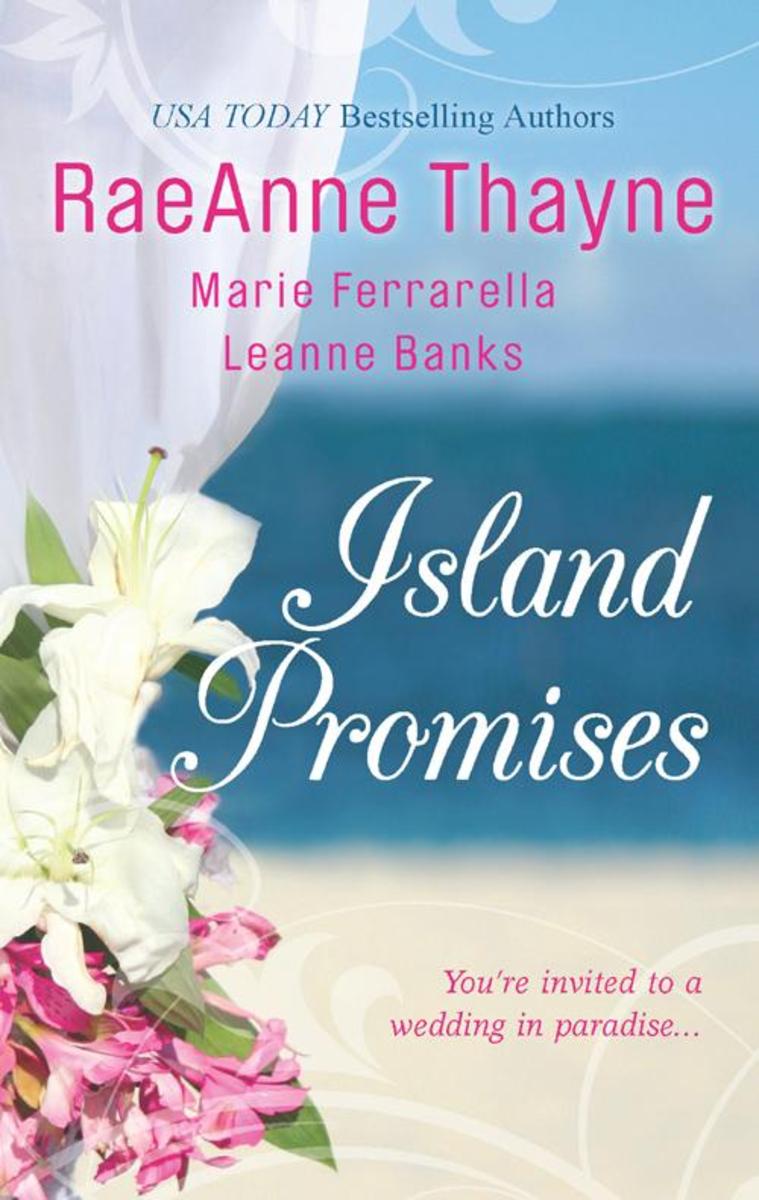
Island Promises: Hawaiian Holiday / Hawaiian Reunion / Hawaiian Retreat (Mills &
¥45.03
Destination wedding guest list: The Ex-Wife Megan McNeil is genuinely happy to escort her little girls to their father’s wedding in Kauai, Hawaii—even though she feels like a third wheel. One gorgeous groomsman definitely disagrees. But are they both carrying too much baggage to begin a new romance? The Best Man Devlin Marshall won't let anything spoil his buddy's big day—not even his own rocky marriage. Secrets and mistrust have divided him from his Amy, but the love in the air seems to be catching…. The Sister Family comes first. Deep down, Gabi Foster knows it, but this holiday is hurting her career. Can a sweet, sexy surfing instructor convince her that love is worth more than a business deal?
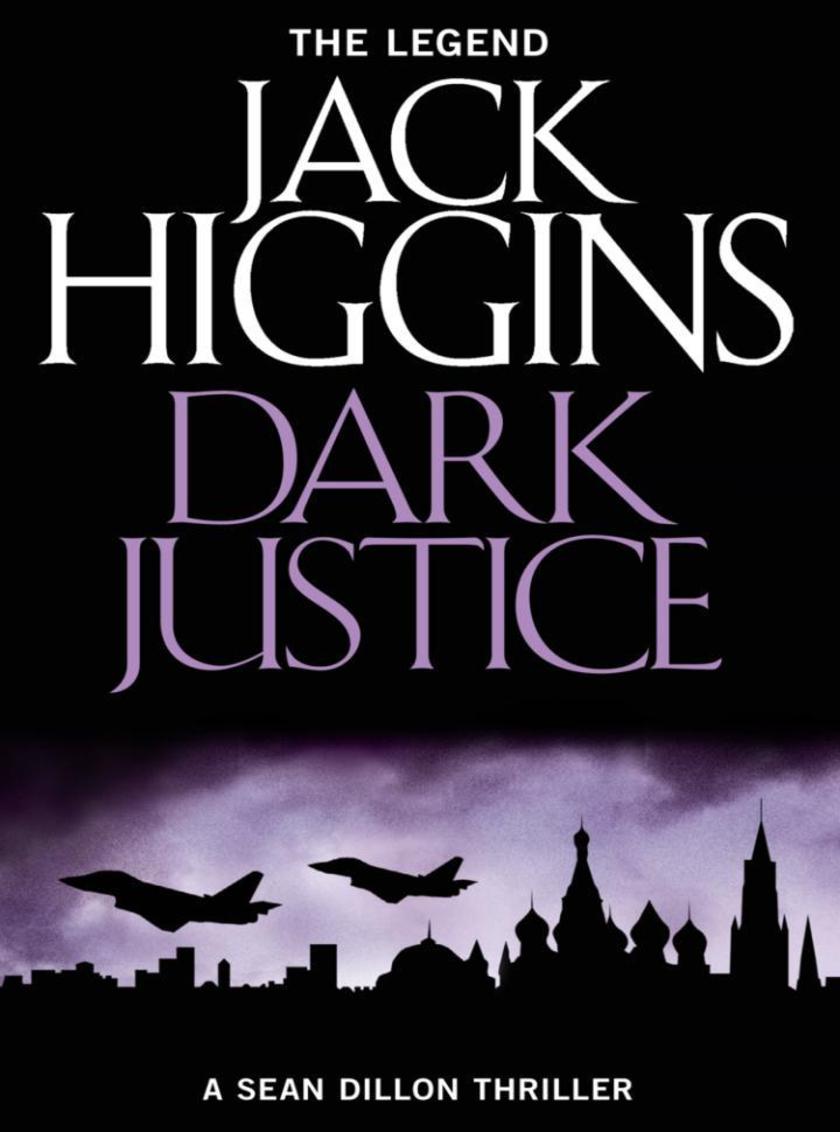
Dark Justice (Sean Dillon Series, Book 12)
¥47.58
A fabulous all-new contemporary thriller from the master of the genre – the author of the international bestsellers Midnight Runner, A Fine Night for Dying and Bad Company. Sean Dillon is back in another heart-stopping, adrenalin-laced adventure When the president's right hand men foil a plan to assassinate him. Sean Dillon is called upon to trace the would-be killer's history It appears the assassin is British with Muslim connections, and suddenly Dillon is on a trail that leads him to England, Russia and Iraq, where he prepares for the deadliest challenge of his life.
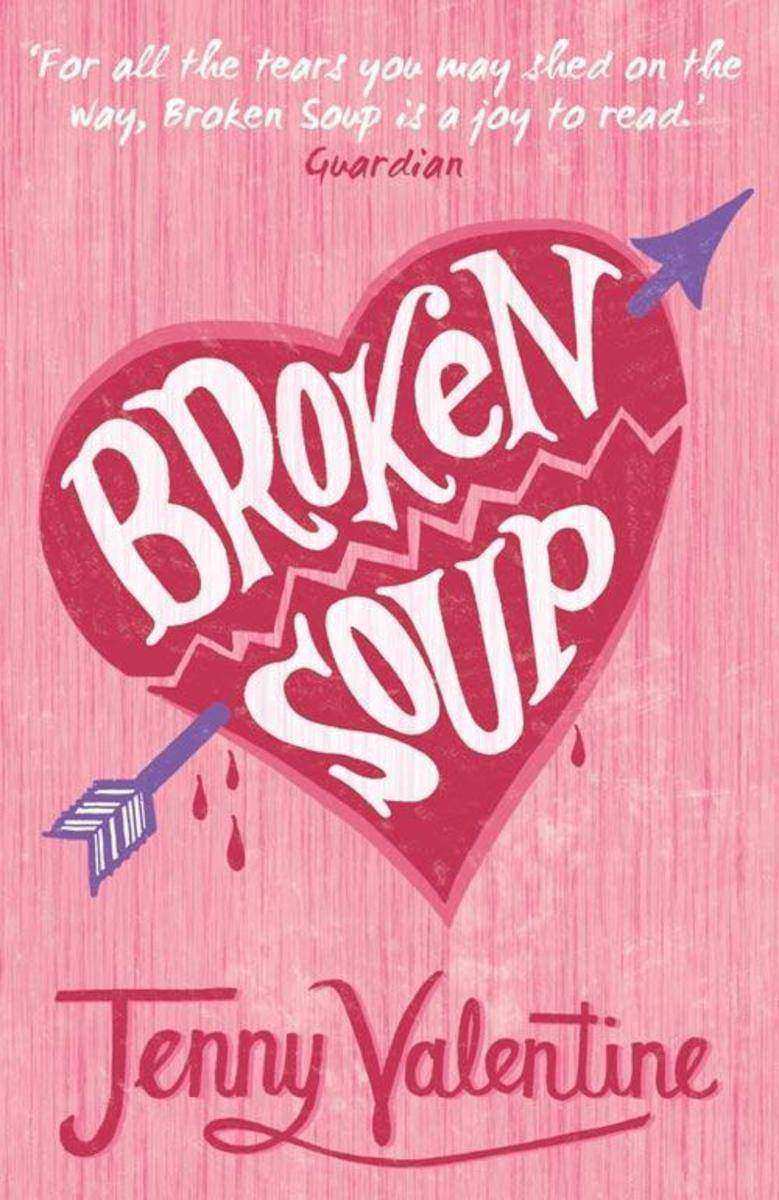
Broken Soup
¥44.15
An intriguing, compelling and moving novel from the award-winning author of Finding Violet Park. When the good-looking boy with the American accent presses the dropped negative into Rowan's hand, she's sure it's all a big mistake. But next moment he's gone, lost in the crowd of bustling shoppers. And she can't afford to lose her place in the checkout queue – after all, if she doesn't take the groceries home, nobody else will. Rowan has more responsibilities than most girls her age. These days, she pretty much looks after her little sister single-handedly – which doesn't leave much time for friends or fun. So when she finds out that Bee from school saw the whole thing, it piques her curiosity. Who was the boy? Why was he so insistent that the negative belonged to Rowan?
Son of the Shadows: Book 2 of the Sevenwaters Trilogy
¥81.03
A powerful and entracing romance, set in the Celtic twilight of 10th century Ireland: a new MISTS OF AVALON for readers of historical fantasy. The forests of Sevenwaters have cast their spell over Sorcha's daughter Liadan, who, like her mother, has inherited the talent to heal and to see into the spirit world. The forest spirits warn Liadan that she must remain for ever at Sevenwaters if the sacred isles are to be won back from the Britons who took them by force. For the Lord and Lady of the forest spirits have seen in Liadan's future a doomed romance, death; a child; and a terrible choice to be made. Liadan is taken captive by the Painted Man, who is revealed to be a man quite unlike his legend. Liadan is drawn to him, despite the ancient prophesy of doom, but can she reclaim her life and defy the spirits, or will a curse fall upon Sevenwaters because of her forbidden love? Will the fight for the sacred isles end in tragedy? History and fantasy, myth and magic, legend and love come together in this magical story.
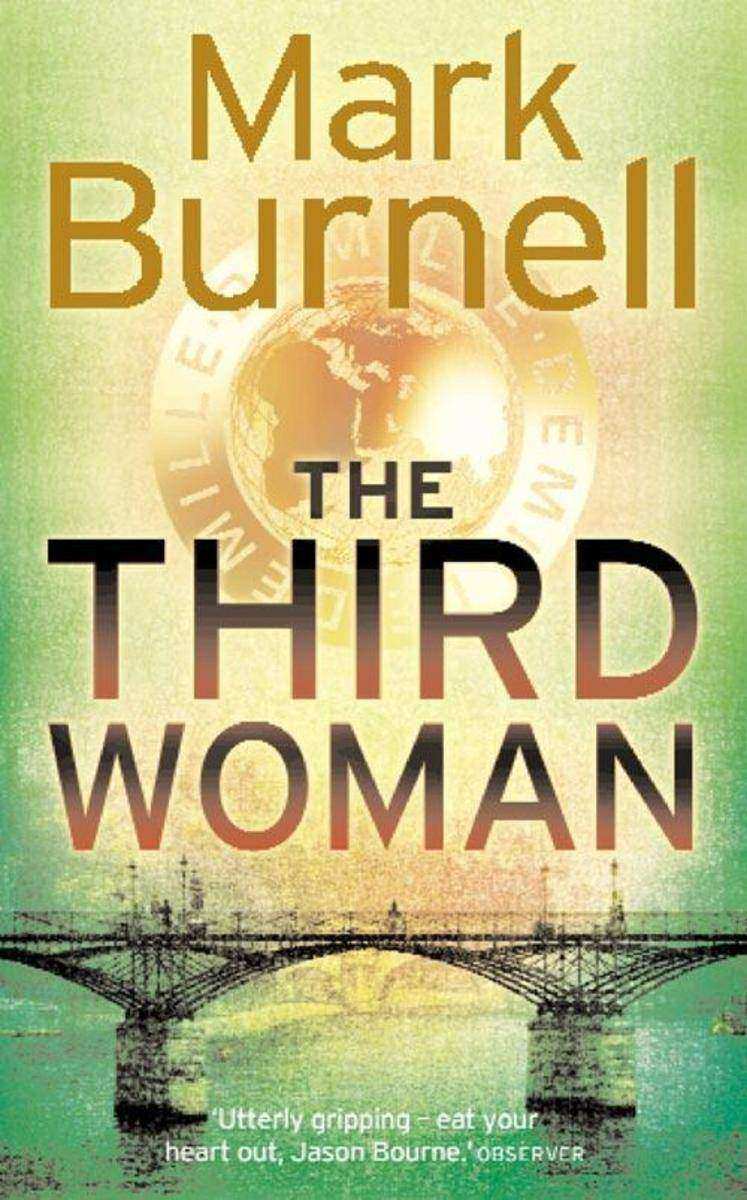
The Third Woman
¥43.07
In a world where everyone and everything has its price, who do you trust? The Third Woman is a powerful and fascinating thriller following the adventures of Burnell’s unique heroine Stephanie Patrick. From conspiracy to terrorism, Vienna to Paris, will she find the truth? The world isn't run by governments. It's run by corporations. In other words, everything and everyone has a price. Stephanie Patrick operates under a number of names; Petra Reuter, known as a gun for hire, is probably the one she uses most frequently. She used to work for the government. Now she works for herself. Robert Newman, who spends more nights at 35,000 feet than in his own bed, is an international troubleshooter. But twenty years at the top have still not purged for him the ghosts of the past. A plea for help from an old friend draws Stephanie to Paris, where she narrowly survives a terrorist attack, an outrage that according to the authorities was masterminded by Petra Reuter. Betrayed in every way, pursued ruthlessly by a faceless enemy, her identity stolen from her, Stephanie seizes a hostage to give her a slim possibility of escape. But is the encounter with Robert Newman really just chance? Hunted from Paris to Vienna, Stephanie and Newman are forced together to survive. Yet the more she learns, the closer Newman seems to be to the heart of the conspiracy. Stephanie becomes sure of only one thing: that the answers will lie with the person who she knows as The Third Woman. ‘The Third Woman’ is vividly contemporary, with a welcome return for a unique heroine.
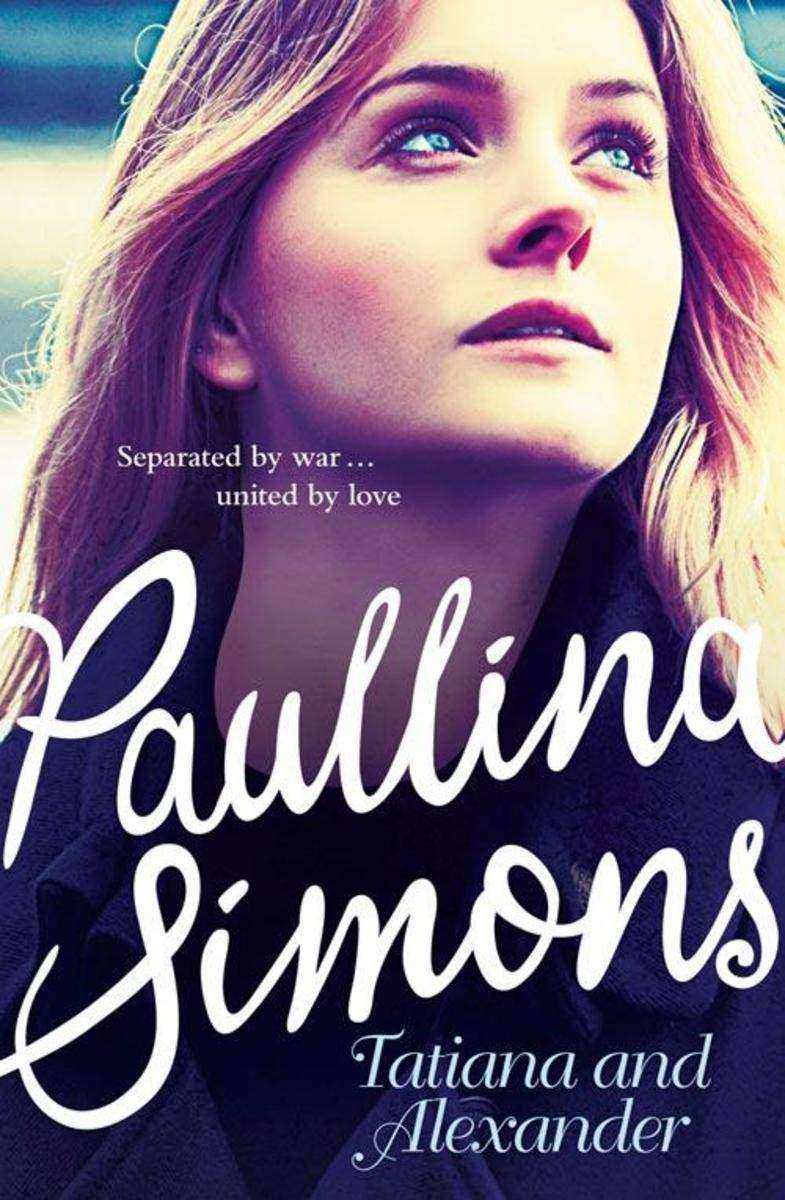
Tatiana and Alexander
¥80.25
A powerful story of grief, hope and an epic love, from the Russian-born author of internationally bestselling novels, TULLY and ROAD TO PARADISE. The world at war … two people in love. Tatiana is eighteen years old and pregnant when she miraculously escapes war-torn Leningrad to the West, believing herself to be a widow. Her husband, Major Alexander Belov, a decorated hero of the Soviet Union, has been arrested by Stalin's infamous secret police and is awaiting imminent death as a traitor and a spy. Tatiana begins her new life in America. In wartime New York City she finds work, friends and a life beyond her dreams. However, her grief is inescapable and she keeps hearing Alexander calling out to her. Meanwhile, Alexander faces the greatest danger he's ever known. An American trapped in Russia since adolescence, he has been serving in the Red Army and posing as a Soviet citizen to protect himself. For him, Russia's war is not over, and both victory and defeat will mean certain death. As the Second World War moves into its spectacular close, Tatiana and Alexander are surrounded by the ghosts of their past and each other. They must struggle against destiny and despair as they find themselves in the fight of their lives. A master of the historical epic, Paullina Simons takes us on a journey across continents, time, and the entire breadth of human emotion, to create a heartrendingly beautiful love story that will live on long after the final page is turned.
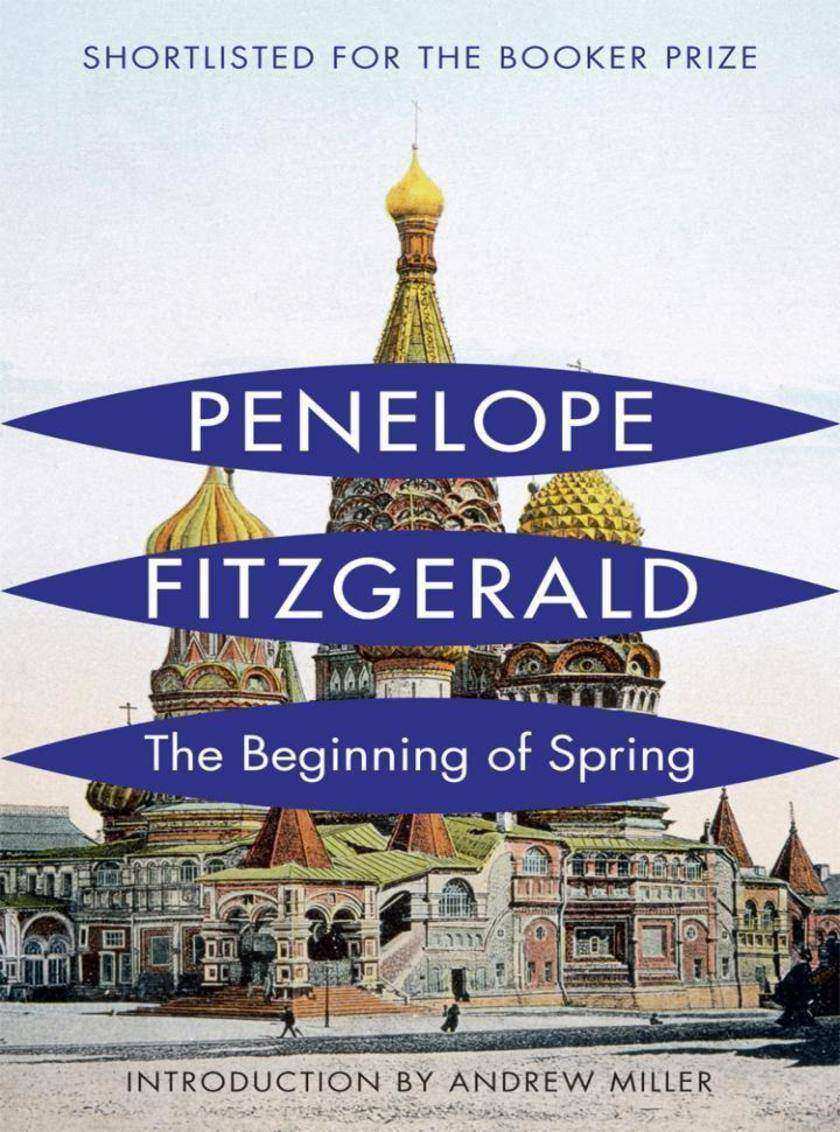
The Beginning of Spring
¥39.34
From the Booker Prize-winning author of ‘Offshore’, ‘The Blue Flower’ and ‘Innocence’ comes this Booker Prize-shortlisted tale of a troubled Moscow printworks . Frank Reid had been born and brought up in Moscow. His father had emigrated there in the 1870s and started a print-works which, by 1913, had shrunk from what it was when Frank inherited it. In that same year, to add to his troubles, Frank’s wife Nellie caught the train back home to England, without explanation. How is a reasonable man like Frank to cope? How should he keep his house running? Should he consult the Anglican chaplain’s wife? Should he listen to the Tolstoyan advice of his chief book-keeper? How do people live together, and what happens when, sometimes, they don’t?
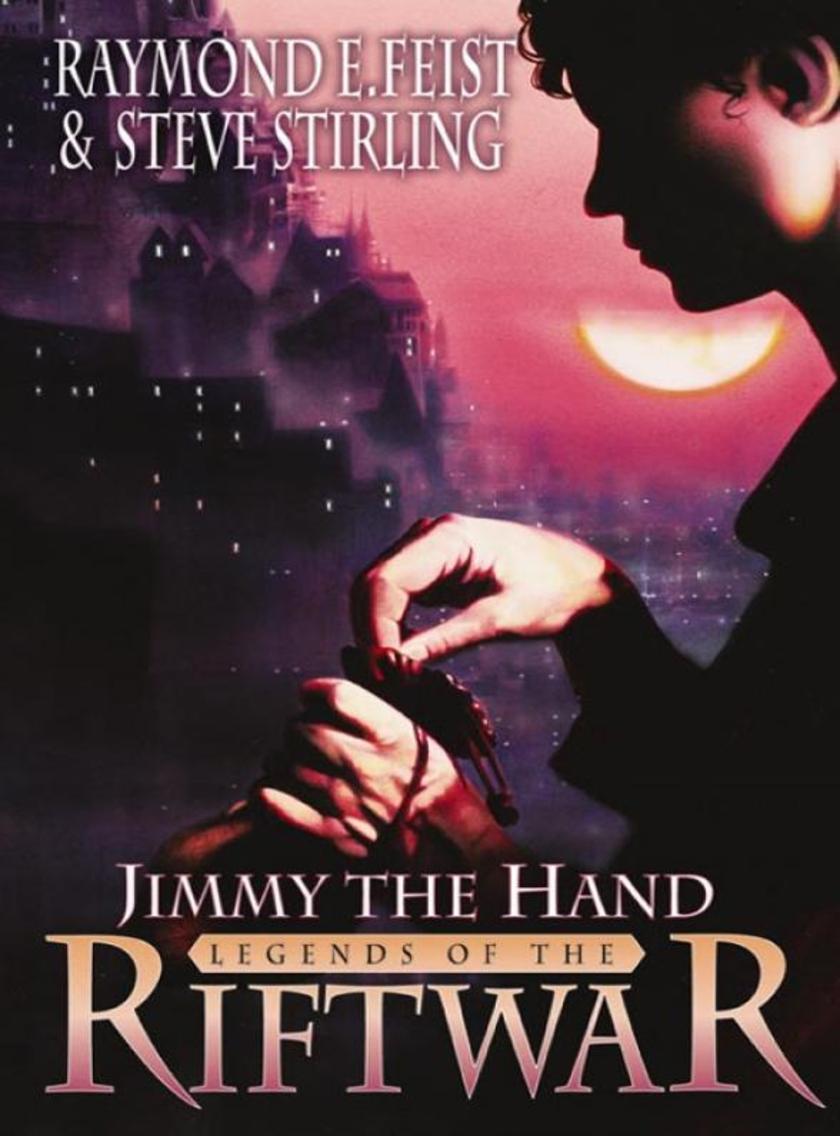
Jimmy the Hand (Legends of the Riftwar, Book 3)
¥72.30
The whole of the magnificent Riftwar Cycle by bestselling author Raymond E. Feist, master of magic and adventure, now available in ebook Jimmy the Hand, boy thief of Krondor, lived in the shadows of the city. The sewers were his byways and a flea-ridden, rat-infested cellar his home. Although gifted beyond his peers, he was still but a nimble street urchin, a pickpocket with potential. Until the day he met Prince Arutha. Aiding the Prince in his rescue of Princess Anita from imprisonment by Duke Guy du Bas-Tyra, Jimmy runs afoul of Black Guy's secret police. Given the choice of disappearing on his own or in a weighted barrel at the bottom of Krondor's harbor, Jimmy flees the only home he's ever known, venturing south to the relatively safe haven of Land's End. Suspecting that the rural villagers have never encountered a lad with his talent and nose for finding wealth—other people's wealth—he's fairly optimistic about his broadening horizons. But Jimmy is completely unprepared for what greets him. For Land's End is home to others who tread the crooked path, and more, to a much darker secret: a dangerous presence unknown even to the local thieves and smugglers. And Jimmy's youthful bravado and courage will plunge him deep into the maw of chaos and even—if he isn't careful—death.

Bones and Silence (Dalziel & Pascoe, Book 11)
¥59.35
Winner of the Gold Dagger Award for Best Crime Novel of the Year…’Reginald Hill is on stunning form…the climax is devastating’ Marcel Berlins, The Times When Detective Superintendent Andy Dalziel witnesses a bizarre murder across the street from his own back garden, he is quite sure who the culprit is. After all, he’s got to believe what he sees with his own eyes. But what exactly does he see? And is he mistaken? Peter Pascoe thinks so. Dalziel senses the doubters around him, which only strengthens his resolve. To make matters worse, he’s being pestered by an anonymous letter-writer, threatening suicide. Worse still, Pascoe seems intent on reminding him of the fact. Meanwhile, the effervescent Eileen Chung is directing the Mystery Plays. And who does she have in mind for God? Daziel, of course. He shouldn’t have too much difficulty acting the part…
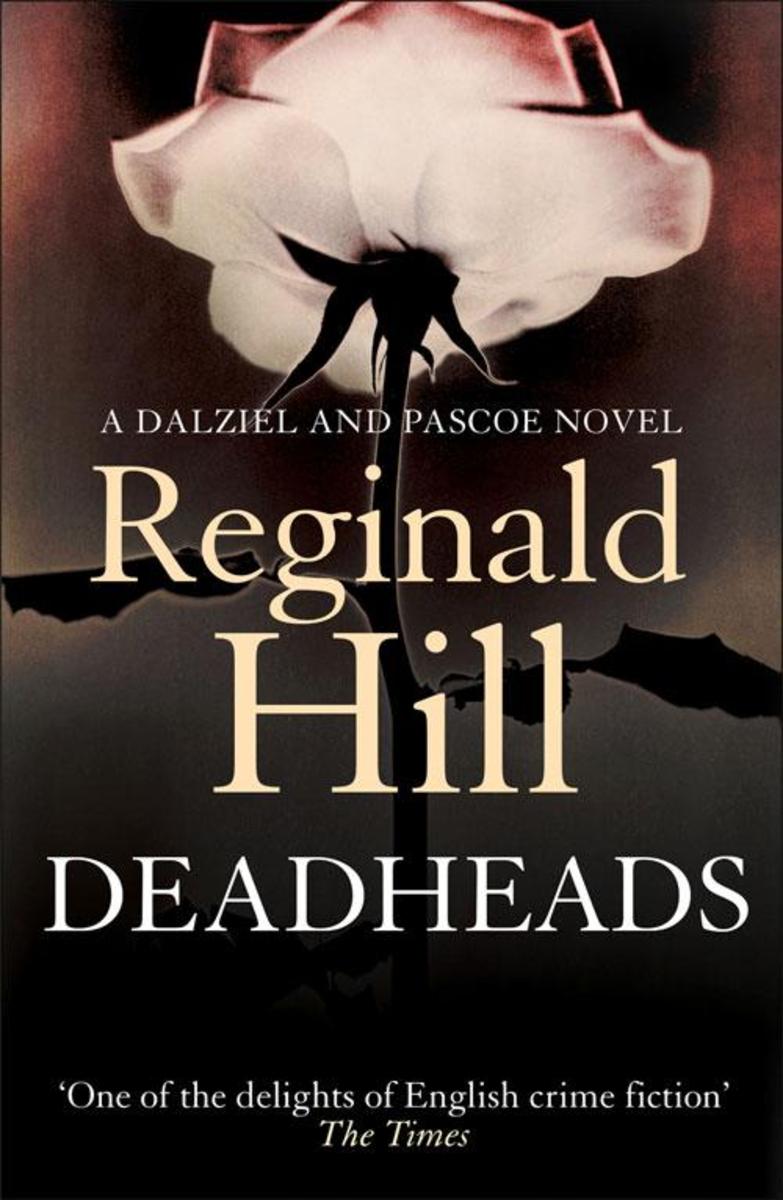
Deadheads (Dalziel & Pascoe, Book 7)
¥59.35
‘Humour and topicality along a cold enigmatic trail of murder’ Observer Life is on the up for Patrick Aldermann: his Great Aunt Florence has collapsed into her rose bed leaving him Rosemont House with its splendid gardens. But when his boss, ‘Dandy’ Dick Elgood, suggests to Peter Pascoe that Aldermann is a murderer – then later retracts the accusation – the detective inspector is left with a thorny problem. Not only have the police already dug up some interesting information about Aldermann’s beautiful wife; it also appears that his rapid promotion has been helped by the convenient deaths of some of his colleagues…
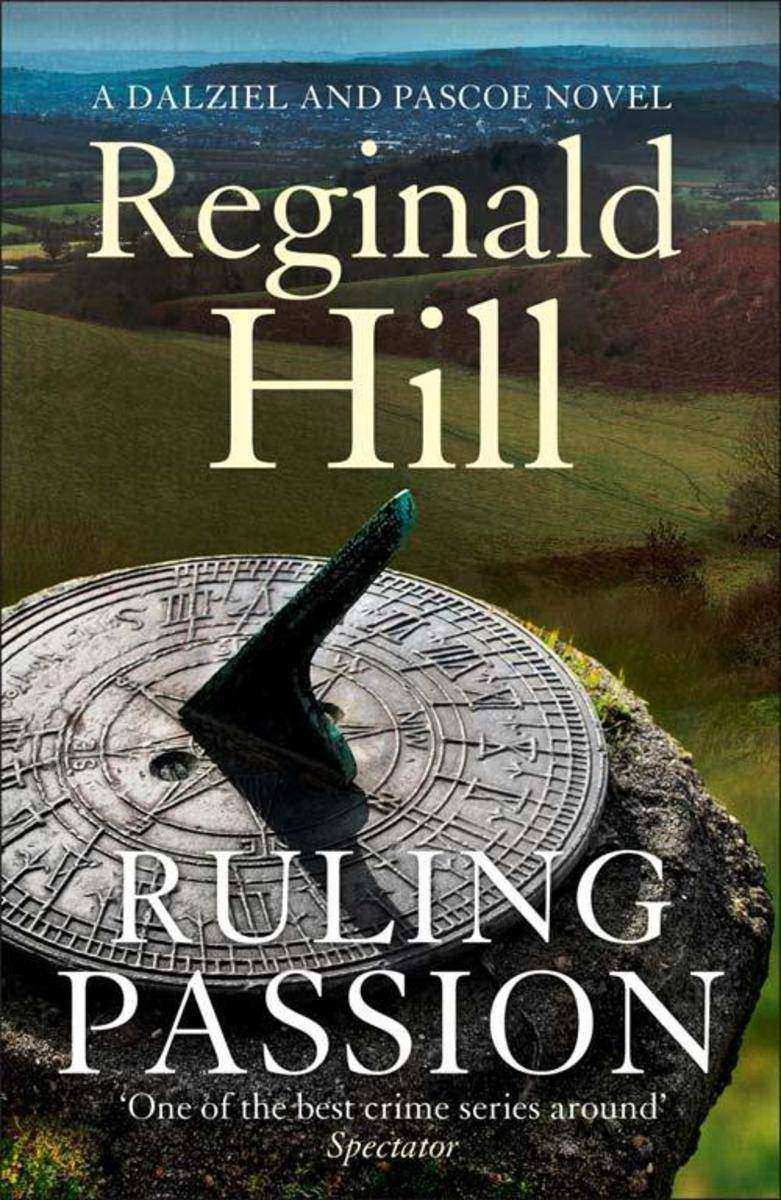
Ruling Passion (Dalziel & Pascoe, Book 3)
¥59.35
‘One of the modern masters of the police procedural’ Sunday Telegraph Peter Pascoe is in shock. A weekend in the country with old friends turns into a nightmare when he finds three of them dead and the missing fourth a prime suspect in the eyes of the local police. They want his cooperation, but Superintendent Dalziel needs him back in Yorkshire where a string of unsolved burglaries looks like turning nasty. As events unfold, though, the two cases seem to be getting entwined…

A Death in Belmont
¥73.58
A compelling portrait of 1960s America that takes as its starting point the brutal events of 11 March 1963, the day on which the lives of three complete strangers – a black handyman, an Italian-American carpenter and a second-generation Jewish housewife – collided in the leafy Boston suburb of Belmont. These three people did not know one another, but, by the end of the day, the housewife had been raped and strangled, the handyman had been arrested on suspicion of being the notorious Boston Strangler, and the real Boston Strangler – carpenter Al DeSalvo – had returned home to his wife and children. It was not until two years later that DeSalvo admitted to the gruesomely violent murders of thirteen women. Also unwittingly drawn into the drama were one-year-old Sebastian Junger's own family, who posed for a photograph with DeSalvo the day after the Belmont strangling, at the completion of his work on their studio. Taking the chilling family snap as his inspiration, Junger explores the worlds of the three protagonists and, in so doing, creates a portrait of America in the 1960s that touches on the historic themes of the era: the assassination of JFK, the rise of the immigrants and the troubling race relations that prefigured the death of Martin Luther King. This new work by Sebastian Junger, the acclaimed author of ‘Perfect Storm’ and ‘Fire’, is as enlightening as it is haunting. Taking as its foundation the events that shocked a quiet community in 1963, ‘A Death in Belmont’ expands to encompass an entire nation at a time of extraordinary social turmoil.
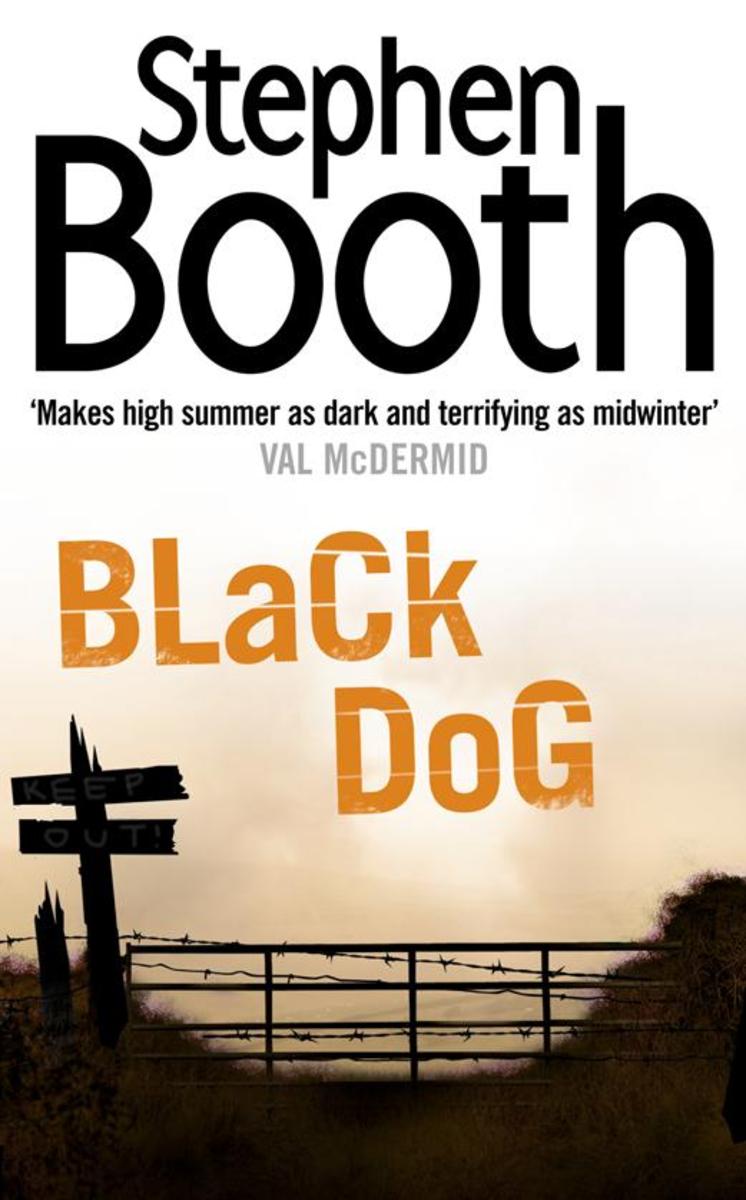
Black Dog (Cooper and Fry Crime Series, Book 1)
¥11.77
Dark, intense and utterly compelling, Black Dog was an extraordinary first novel from a writer who has rapidly become the most promising crime author to emerge in the genre in years. ‘Where Cooper stood was remote and isolated… but the smell that lingered under the trees was of blood’ The long hot Peak District summer came to an end when they found Laura Vernon's body. But for local policeman Ben Cooper the work has just begun. His community is hiding a young girl’s killer and a past as dark as the Derbyshire night. It seems Laura was the keeper of secrets beyond her years and, in a case where no-one is innocent, everyone is a suspect. But Cooper’s local knowledge and instincts are about to face an even greater challenge. The ambitious DC Diane Fry has been called in from another division, a woman as ruthless as she is attractive…
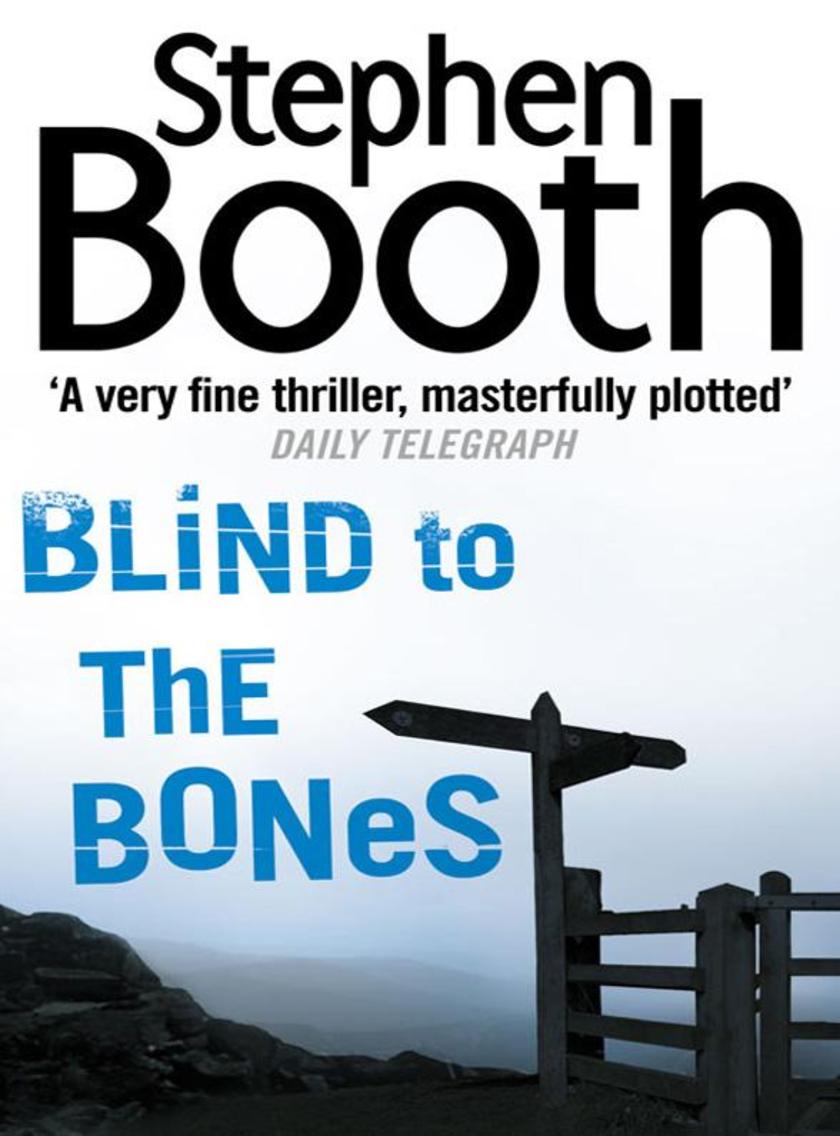
Blind to the Bones (Cooper and Fry Crime Series, Book 4)
¥79.76
A death in the family-from-hell bring Detectives Fry and Cooper to a remote and unfriendly rural community in their fourth psychological thriller. 'And as it grew dark, Withens became almost entirely silent. Except for the screaming.' A small village in the Peak District, Withens is troubled by theft and vandalism, mostly generated by local family-from-hell, the Oxleys. Now it is the focus of a murder investigation – a man's body has been found on the bleak moors nearby, and the man is an Oxley. To crack the case, DC Ben Cooper must break open the delinquent clan. His boss, DS Diane Fry, is also in Withens. Grim new evidence has turned up in the case of a missing student but her parents refuse to believe she could be dead. The darkness in Withens's heart is growing. And things are only going to get nastier…
Daddy’s Girls
¥61.51
The book beaches were made for. The Balcon sisters are London's paparazzi darlings. Serena, the country's most beautiful actress, Venetia the glamorous designer, Camilla the rising political star and Cate the feisty magazine editor. They have wealth, privilege and sizzling sex lives. But money doesn't buy you love. When their aristocratic and tyrannical father Oswald Balcon is found dead, the finger of suspicion points towards his glamorous daughters and their dazzling lives. Suddenly we find that beneath the ritzy fa?ade of the Balcon family lies a web of deceit and betrayal that hides a thirty-year-old secret that threatens to destroy them all. From the sun drenched beaches of Mustique to Manhattan's elite society circuit. From the exclusive fashion houses of Milan to the star-studded streets of Cannes, the Balcon Sisters play out their lives in a whirl of glitz and the ultra chic. But as tragedy and danger stalks each one of them, the scene is set for a stunning climax.
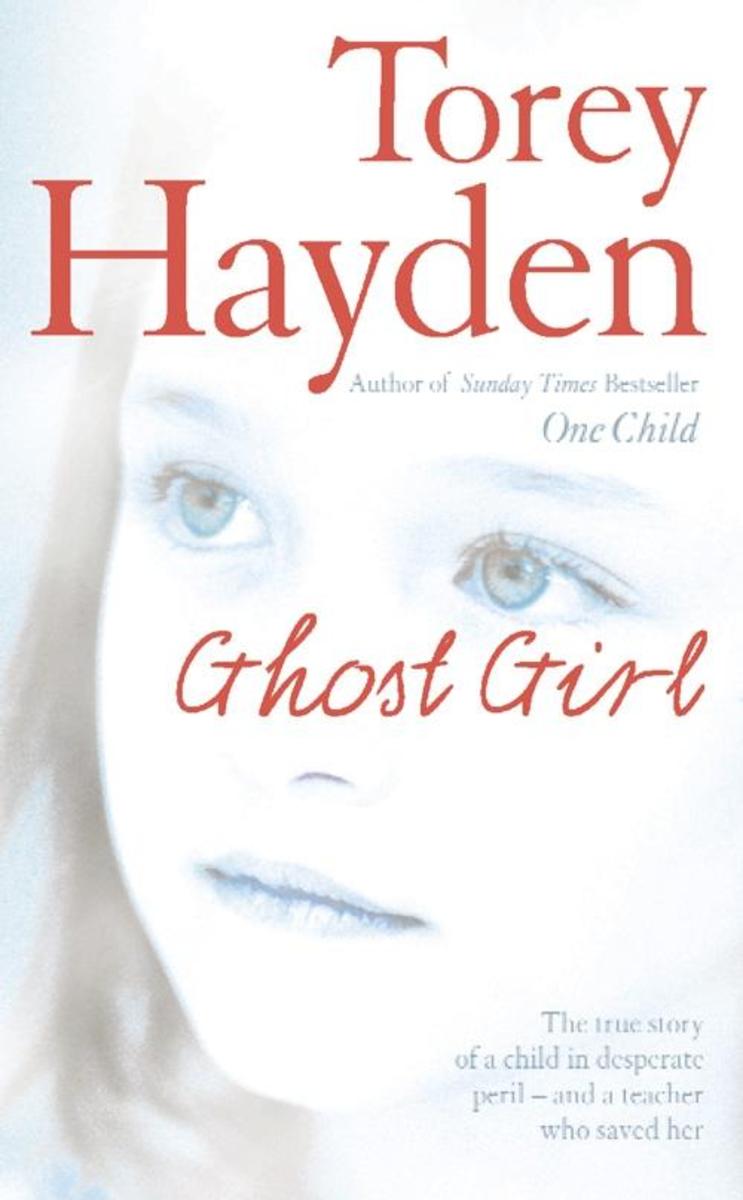
Ghost Girl: The true story of a child in desperate peril – and a teacher who sav
¥56.11
A stunning and poignant account of an extraordinary teacher's determination from the author of the #1 Sunday Times bestsellers The Tiger's Child and One Child. Jadie never spoke, never laughed, never cried. She spent every waking hour locked in her own private world of shadows. But nothing in Torey Hayden's experience had prepared her for the nightmare Jadie revealed to her when finally persuaded to break her self-imposed silence. It was a story too painful, too horrific for Hayden's professional colleagues to acknowledge. But Torey Hayden could not close her ears… or her heart. A little girl was trapped in a living hell of unspeakable memories. And it would take every ounce of courage, compassion, and love that one remarkable teacher possessed to rid the "Ghost Girl" of the malevolent spirits that haunted her.
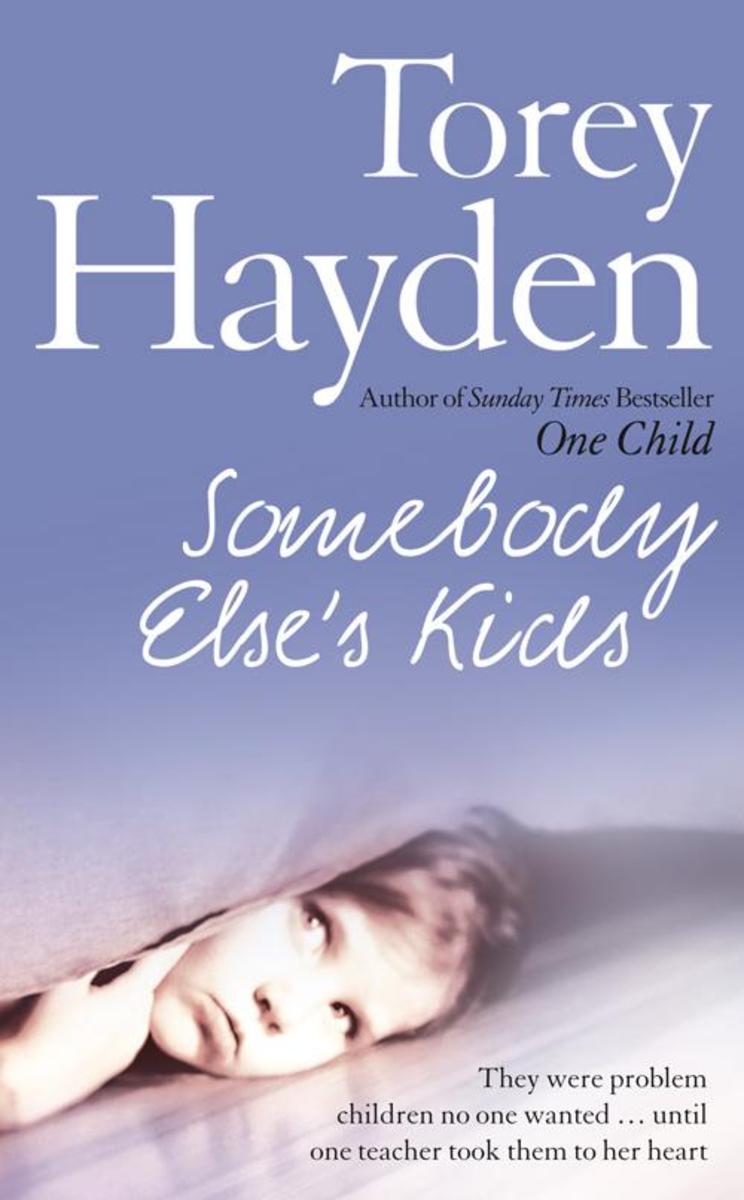
Somebody Else’s Kids
¥63.77
From the author of Sunday Times bestsellers One Child and Ghost Girl comes a heartbreaking story of one teacher's determination to turn a chaotic group of damaged children into a family. They were all just "somebody else's kids" – four problem children placed in Torey Hayden's class because nobody knew what else to do with them. They were a motley group of kids in great pain: a small boy who echoed other people's words and repeated weather forecast; a beautiful seven-year-old girl brain damaged by savage parental beatings; an angry ten-year-old who had watched his stepmother murder his father; a shy twelve-year-old who had been cast out of Catholic school when she became pregnant. But they shared one thing in common: a remarkable teacher who would never stop caring – and who would share with them the love and understanding they had never known to help them become a family.
Mother of the Bride
¥51.50
3 women. 1 wedding. Whose big day is it anyway…? Grab your big hat and pearls for the funniest read of the year, a must-read for fans of Carole Matthews and Jane Green. Molly Foster's daughter Jess is getting married… To Molly's delight - and surprise. And with Molly's show featuring a wedding countdown, the whole town of Wells-next-the Sea is ecstatic - even as Molly worries that groom-to-be Max's commitment may not be all it seems… Meanwhile, Jess's control freak step-mother Marnie is determined to turn the event into a chi-chi society bash - a world away from the day that Jess envisaged. But does Jess really know what she wants? Especially when she meets the gorgeous Oliver… Though there's no going back now - is there? Can Jess take back control of her wedding - or will the mothers of the bride run the show?

Sorcerer’s Moon: Part Three of the Boreal Moon Tale
¥47.77
The stunning conclusion to a powerful epic fantasy from the worldwide bestselling author of the Saga of the Pliocene Exile. For sixteen years King Conrig Ironcrown has ruled High Blenholme, battling both to preserve the Sovereignty he ruthlessly established over the four provinces of the island kingdom and to repel the invading Salka monsters that threaten them all. His hope for the future is his heir, Prince Orrion, whose betrothal to a princess of the province of Didion should assure the future peace of High Blenholme. But Orrion has no interest in the girl, and is determined to marry instead his childhood sweetheart, Lady Nyla. Orrion's madcap twin, Corodon, dreams up a scheme to keep Orry and Nyla together by asking the supernatural Beaconfolk, who appear as lights in the sky, for a magical intercession. The twins are unaware that the Beaconfolk are fighting their own battle with others of their kind; to them all humans, even princes, are but pawns to be used in their own conflict. Their granting of Orrion's wish comes in a manner the twins far from expected, and precipitates chaotic infighting amongst the folk of High Blenholme. As battles rage both on the ground and in the sky, the only hopes for peace can be found deep in King Conrig’s murky past. His former spy, Deveron Austrey, has secret magical powers and no love for the Beaconfolk. And while many of his subjects no longer remember the King's first wife, Maudrayne, she has never forgotten that her son is the true heir to the throne of High Blenholme.
The Gold Falcon
¥42.18
Book twelve of the celebrated Deverry series, an epic fantasy rooted in Celtic mythology that intricately interweaves human and elven history over several hundred years. The powerful dweomermaster Nevyn has been reincarnated, but young Neb knows nothing of his previous life. Orphaned following a cholera epidemic, Neb and his younger brother arrive at the desolate farm of their last living relative and soon learn that a worse plague lurks beyond the western border of Deverry. The savage Horsekin tribes, spurred on by their new goddess, Alshandra, are raiding the villages and taking slaves as the first step in their plans to destroy both the nomadic Westfolk and the Deverrian farmers. Neb finds love and danger as he and his soulmate Branna are drawn inexorably into a war for the survival of the kingdom itself. Although they have powerful allies in the Westfolk dweomermasters Dallandra and Salamander, they are also facing mighty enemies, enemies that they have fought before in the past lives that they no longer remember… Intricately interweaving human and elvish history over several hundred years, Katharine Kerr's enthralling and moving tale of extraordinary characters living their many lives through exceptional times is epic fantasy on truly a grand scale.

Sir Alf
¥110.46
Since England's famous 1966 World Cup victory, Alf Ramsey has been regarded as the greatest of all British football managers. By placing Ramsey in an historical context, award-winning author Leo McKinstry provides a thought-provoking insight into the world of professional football and the fabric of British society over the span of his life. Ramsey's life is a romantic story of heroism. Often derided by lesser men, he overcame the prejudice against his social background to reach the summit of world football. The son of a council dustman from Essex, Ramsey had been through a tough upbringing. After army service during the war, he became a professional footballer, enjoying a successful career with Southampton and Tottenham and winning 32 England caps. But it was as manager of Ipswich Town, and then the architect for England's 1966 World Cup triumph, that Ramsey will be most remembered. The tragedy was that his battles with the FA would ultimately lead to his downfall. He was sacked after England failed to qualify for the 1974 World Cup and was subsequently ostracised by the football establishment. He died a broken man in 1999 in the same modest Ipswich semi he'd lived in for most of his life. Drawing on extensive interviews with his closest friends and colleagues in the game, author Leo McKinstry will help unravel the true character of this fascinating and often complex football legend.


