


 购物车
购物车 个人中心
个人中心
Share! Cum am ?nv??at din social media s?-i iubesc din nou pe rom?ni
¥57.14
O radiografie hermeneutic? a unor c?r?i-eveniment ce au v?zut lumina tiparului ?n perioada postdecembrist?, accentul fiind pus pe autorii interzi?i sub dictatur?, precum ?i pe c?r?ile poe?ilor ce devin, f?r? voia lor, o rara avis ?n societatea de tranzi?ie. Cartea se adreseaz? elevilor, studen?ilor, precum ?i publicului larg de cititori.
101 poeme
¥24.44
Prin u?ile l?sate vrai?teDe cei ce nu se mai ?ntorcPrin pere?ii pe care i?i zg?riar?ViseleD? buzna glasul mul?imiiCare se zbateDeja prins? ?ntre fireleIscusitei urzeli a paianjenilorPoliticiThrough the wide-open doorsBy those who never returnThrough the walls on which they’d scratchedTheir dreamsThe voice barges through from a crowdWhich is strugglingAlreadz trappedIn the skillfullz/woven webOf the spiders of politics
Pisicile r?zboinice. Cartea I - ?n inima p?durii
¥32.62
O s m tii de undeva e ca o matrioc din ppui de sticl, cu care umbli c-un fel de team, s nu le scapi i s se strice, dar apas fr fric, intr, trage, privete-le, studiaz-le, citete – au trecut prin multe, au rezistat n lumea real i au s reziste i-n varianta lor hrtioas. (…) Dup ce-o s citeti cartea ei de debut, o s exclami precum o tenismen care tocmai a ctigat un turneu foarte important – WOW! – i de aici ncolo o s tii exact de unde o cunoti.“ – Mihail Vakulovski Scrisul acestei femei frumoase din toate unghiurile de vedere i de simire nu se savureaz. Se muc, se mestec, se-nghite drag. E dulce i te ustur. Incantaie amanic este aceasta, nu scriitur. Vrjitorie curat creia n-ai cu ce s vrei s i te sustragi. Curgi cu ea, te-amesteci i te umpli de bun mireasm. Pentru c ea e bun i se d. Pentru c ea e att de bun nct te restituie ie-i. Cuvinte-flori-de-cmp care nu se adun-n mnuchiuri, ci se rsfir-n… poeme. L-am auzit pe Iulian Tnase zicnd c-aa se cheam povetile-poeme. ndat m-am gndit la Petronela, c-o tiu de undeva, din miezul nestricat al lumii, din timpurile-n care nu i se despriser apele i nici vntoasele n asta i cealalt. Pe cnd aveam noi ochi muli de heruvimi i aripi ase de serafimi.“ – Ana Barton Scrie cu pasiune, tie s rite, s-i transforme experiena de via n poeme. Este recognoscibil i nu plictisete. Petronela Rotar are toate ansele unei traiectorii literare memorabile.“ – Alexandru Petria
Fifty Famous People: "A Book of Short Stories"
¥28.29
ONE of the best things to be said of the stories in this volume is that, although they are not biographical, they are about real persons who actually lived and performed their parts in the great drama of the world's history. Some of these persons were more famous than others, yet all have left enduring "footprints on the sands of time" and their names will not cease to be remembered. ??In each of the stories there is a basis of truth and an ethical lesson which cannot fail to have a wholesome influence; and each possesses elements of interest which, it is believed, will go far towards proving the fallibility of the doctrine that children find delight only in tales of the imaginative and unreal. The fact that there are a few more than fifty famous people mentioned in the volume may be credited to the author's wish to give good measure.??SAVING THE BIRDS?ONE day in spring four men were riding on horseback along a country road. These men were lawyers, and they were going to the next town to attend court.?There had been a rain, and the ground was very soft. Water was dripping from the trees, and the grass was wet.?The four lawyers rode along, one behind another; for the pathway was narrow, and the mud on each side of it was deep. They rode slowly, and talked and laughed and were very jolly.?As they were passing through a grove of small trees, they heard a great fluttering over their heads and a feeble chirping in the grass by the roadside.? "Stith! stith! stith!" came from the leafy branches above them.?"Cheep! cheep! cheep!" came from the wet grass.?"What is the matter here?" asked the first lawyer, whose name was Speed.?"Oh, it's only some old robins!" said the second lawyer, whose name was Hardin. "The storm has blown two of the little ones out of the nest. They are too young to fly, and the mother bird is making a great fuss about it."?"What a pity! They'll die down there in the grass," said the third lawyer, whose name I forget.?"Oh, well! They're nothing but birds," said Mr. Hardin. "Why should we bother?"? "Yes, why should we?" said Mr. Speed.?The three men, as they passed, looked down and saw the little birds fluttering in the cold, wet grass. They saw the mother robin flying about, and crying to her mate.?Then they rode on, talking and laughing as before. In a few minutes they had forgotten about the birds.?But the fourth lawyer, whose name was Abraham Lincoln, stopped. He got down from his horse and very gently took the little ones up in his big warm hands.

Four Great Americans: Pictured & Illustrated
¥28.29
When George Washington was a boy there was no United States. The land was here, just as it is now, stretching from the Atlantic Ocean to the Pacific; but nearly all of it was wild and unknown.??Between the Atlantic Ocean and the Allegheny Mo-untains there were thirteen colonies, or great settlements. The most of the people who lived in these colonies were English people, or the children of English people; and so the King of England made their laws and appointed their governors.??The newest of the colonies was Georgia, which was settled the year after George Washington was born.?The oldest colony was Virginia, which had been settled one hundred and twenty-five years. It was also the richest colony, and more people were living in it than in any other.??There were only two or three towns in Virginia at that time, and they were quite small.?Most of the people lived on farms or on big plantations, where they raised whatever they needed to eat. They also raised tobacco, which they sent to England to be sold.??The farms, or plantations, were often far apart, with stretches of thick woods between them. Nearly every one was close to a river, or some other large body of water; for there are many rivers in Virginia..
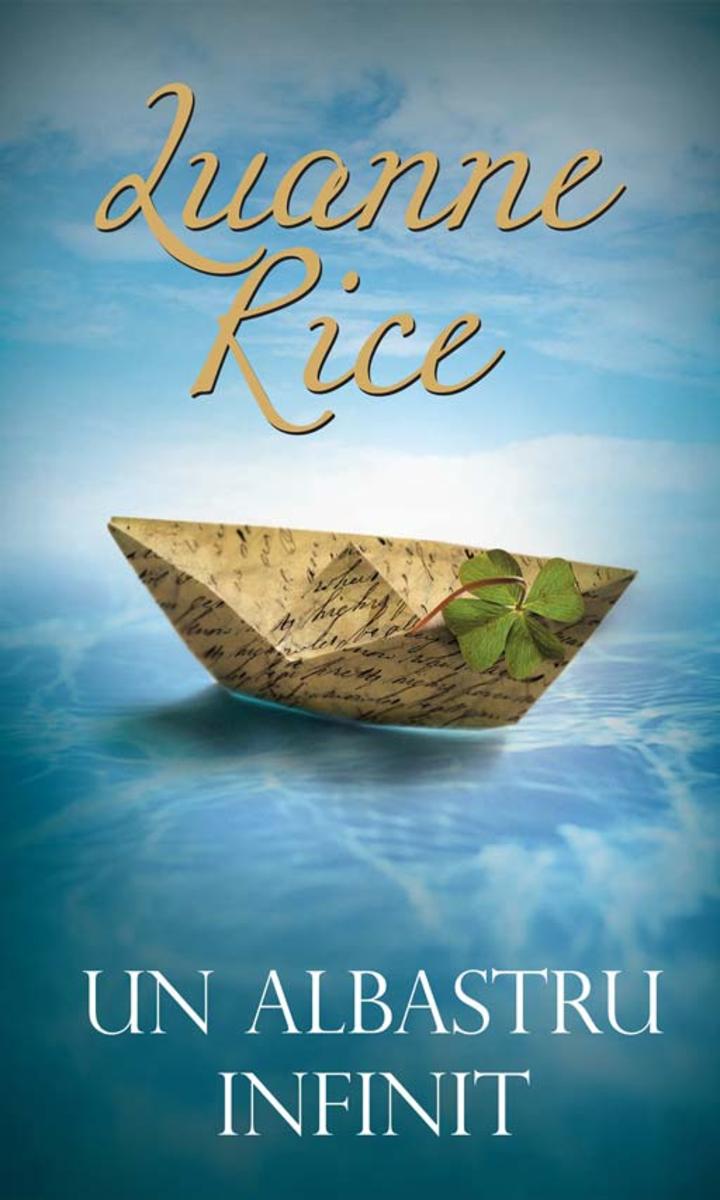
Un albastru infinit
¥11.04
Adrian Punescu scrie proz cu degetele arse de miracolul poeziei, i de aici succesul tulburtor, care, n loc s mntuie, nspimnt, oblig i rtcete. Poet al fluenelor de liliac n grle de piatr rar, al brumelor de bronz, al cderii n rnile dorului i n hohote de chihlimbar, grav despicat de neiertare i de rzvrtire, Adrian Punescu intr n hotarele prozei prin vijelia reportajului. (...) Puin i pas dac lumea l aplaud sau l njur, el vrea s rstoarne i s cldeasc, i n-are timp s cpieze stnd ntr-un picior, viaa e scurt i, dac nu vrea s se ndrepte prin cntec (i nu vrea), trebuie rezidit din mers i nvat s cnte. Reportajul lui Punescu e, nainte de toate, unul de atitudine, adevrul sare din pagin ca miezul dintr-o ceap zdrobit cu pumnul (...), fulgerul, aparent liric i aparent hrnit de curcubeie, e un arc al ndoielii, un crlig veninos umblnd prin crpturile pmntului, strigtul doare, suspinul are ghimpi n cretet, gerul frige, apsarea nghea.Durabila for a reporterului Adrian Punescu vine de acolo c el n-are chef, n nici o pagin, s fie ru de but n apte linguri, ci numai fluviu azvrlindu-se n mare, cu toate aluviunile i rzboaiele sufletului.“

?n ap?rarea femeii cavernelor
¥65.32
Proiectul acestei cri m frmnta de mai muli ani. n ultimul timp am tot cutat motivaii pentru care o asemenea carte merit s fie scris. Iat ce am gsit.n primul rnd, chiar dac printr-o fereastr foarte ngust, ea este o mrturie a ultimilor 20 de ani. Conine o frm din istoria acestor dou decenii, mici instantanee ale devenirii Romniei dup 1989.n al doilea rnd, exist n mintea fiecrui romn – i aici m includ i pe mine – preconcepia c toate afacerile postrevoluionare sunt mnjite, nscute din privatizri dubioase sau dezvoltate la umbra unor reele de influen care-i ntind rdcinile n era comunist. Povestea din aceast carte arta contrariul. S-au putut constitui i iniiative independente i curate, cum sunt convins c mai exist cu miile. Povestea de fa poate fi o contribuie la schimbarea de mentalitate, att de necesar pentru intrarea n normalitate.“ (Mihail Penescu)
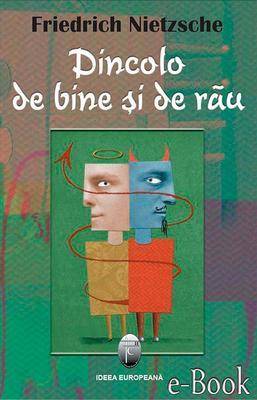
Dincolo de bine ?i de r?u
¥46.36
Schlesak l combin pe Bakunin cu Marx i era sedus de modelul politic iugoslav. “Teoria tnrului Marx (preluat de la Hegel): realizarea i autorealizarea.“ Dictatura i aprea nc umana, aproape de o forma de realitate i de trirea autentic. Libertatea occidental ar fi creat doar un context amorf. n acest inacceptabil context, nu caut o ieire practic, optnd pentru una teoretic, teoria fiind suficient siei i dizlocnd tot restul. “Nu de soluii, ci de utopii, de ieiri, de asta avem nevoie.“ (dec. 1971) epeneag nu gndea diferit. i el definea contextul social i politic n termeni identici. Accepta i modelul iugoslav. i gsea calitatea de a fi joncional. “Iugoslavia poate juca rolul de punct de contact.“ Nu degeaba se spune: Historia magistr vitae! Istoria (realitatea, contextul) dicteaz modurile de a gndi, prea puin retrospectiv, vag proiectiv, ntr-un prezent tranzitoriu, amorf i (n)formal. La 12 august 1973, urma modelul ceh, “opoziie pe fa“ i-i schia corespondentului su un plan de colaborare.“Un eseu incitant despre unul dintre cei mai importani scriitori romni de expresie germana, stabilii n Italia.

Noua ?tiin?? a gestion?rii artritei. Cum s? prevenim sau s? alung?m durerea
¥65.32
Volumul a ambi?ionat s? aduc? ?n aten?ia cititorului activitatea unuia dintre cei mai importan?i lingvi?ti ?i publici?ti ai momentului din ?ara noastr?, din perspectiva speciali?tilor, dar ?i a fo?tilor sau actualilor s?i studen?i. ?n cei aproape ?aizeci de ani de activitate ?tiin?ific? ?i didactic?, Stelian Dumistr?cel s-a impus ?n domeniile dialectologie, stilistic?, etnolingvistic?, pragmatic? lingvistic? ?.a.; la Ia?i, a pus bazele unei ?coli de cercetare doctoral? de orientare co?erian?, confrunt?nd ?tehnica liber? a vorbirii ?i discursul repetat”. Pun?nd accentul pe activitatea sa publicistic?, ?miezul” acestui volum este constituit de treizeci de articole ap?rute ?n Revista de cultur? contemporan? ?Timpul”, c?rora li s-a ad?ugat o selec?ie de interviuri ?i articole publicate ?n alte diverse periodice, dar, la aniversare, ?i testimoniale care ?l prezint? pe Stelian Dumistr?cel ?i din postura dasc?lului preocupat at?t de fenomenele limbajului, c?t ?i de problemele comunic?rii, din perspectiv? larg interdisciplinar?.STELIAN-TRAIAN DUMISTR?CEL (n. 19 august 1937, Zvori?tea, Suceava) este, din 1958, cercet?tor ?tiin?ific la Institutul de Filologie Rom?n? ?A. Philippide” al Filialei Ia?i a Academiei Rom?ne. Din 1996, anul ?nfiin??rii Departamentului de Jurnalistic? ?i ?tiin?ele Comunic?rii la Universitatea ?Alexandru Ioan Cuza”, sus?ine cursuri de limba rom?n? (fonetic?, gramatic?, vocabular) ?i de stilistic? ?i retoric?, din perspectiva pragmaticii comunic?rii. A publicat, ?n calitate de autor ?i coautor peste trei sute de titluri (volume, studii, recenzii etc.) ?i aproape o mie de articole ?n periodice culturale ?i ?n presa cotidian?. Printre cele mai cunoscute volume se num?r? ?Influen?a limbii literare asupra graiurilor dacorom?ne” (1978), ?Lupta ?n jurul literei ? ?i demnitatea Academiei Rom?ne” (1993), ?P?n?-n p?nzele albe. Expresii rom?ne?ti. Biografii – motiva?ii” (1997, 2001), ?Limbajul publicistic rom?nesc din perspectiva stilurilor func?ionale” (2006), ?Discursul repetat ?n textul jurnalistic” (2006) ?.a.

Capcana de piatr?
¥40.79
Sonetul contondentCelor doi / poe?i de mare soi...(Istrate ?i Murgeanu)Visam c? Marea-?i p?r?sea ghioculCu-al s?u tumult de valuri euxine?i, h?t-departe-n zonele alpine,Ca-n Cretaceu, ??i reg?sise locul...Priveam de-acuma fascinat la joculDe valuri ?n?esate de jivineDin vremuri disp?rute, care-n fine,??i ?ncercau, o dat?-n plus, norocul.Sim?eam o dulce binecuv?ntareC?-n groapa euxinic? ad?nc?O Mare Neagr? nu exist? ?nc?,Nici Casa Scriitorilor la mare;Nici doi poe?i cu barb?, bur?i ?i plete,S?-n?ire contondentele sonete.
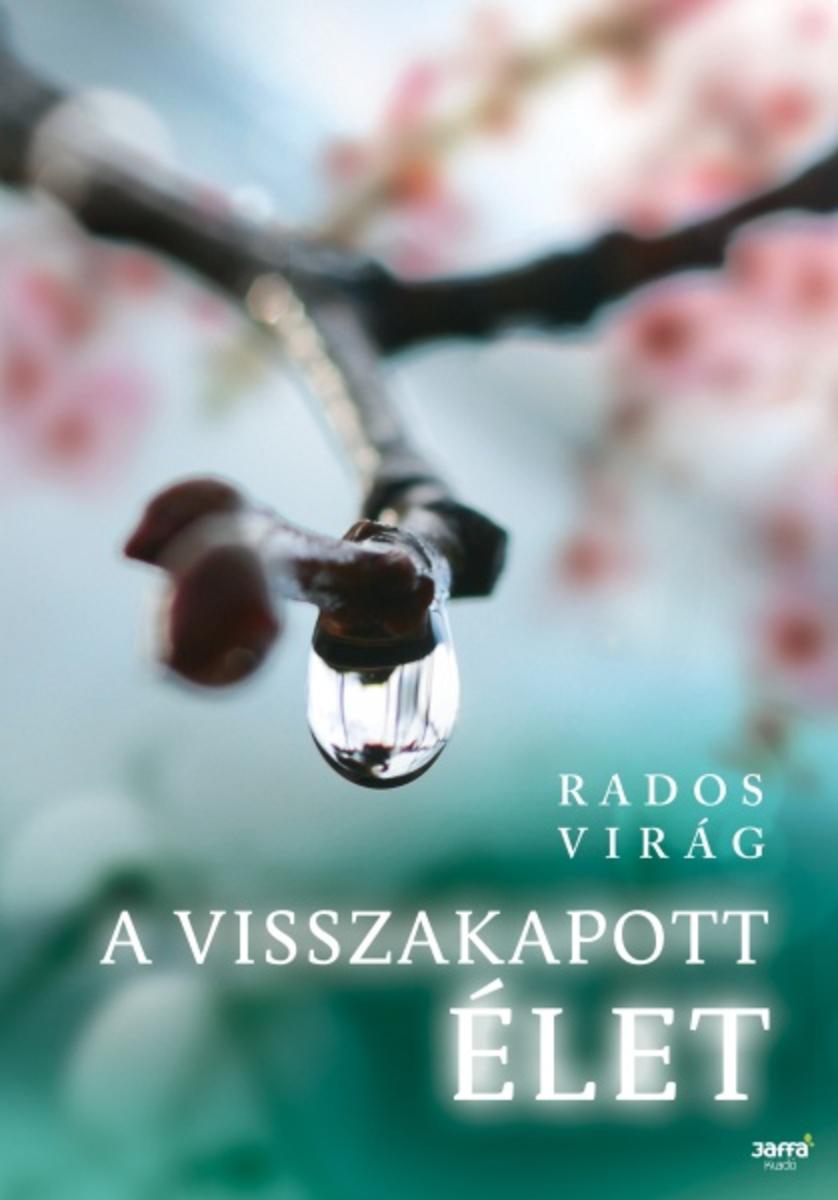
A visszakapott élet
¥57.31
Ninge ?n martieNinge ?ntr-un hornDin care iese fumNinge tot mai densCople?itor?i ?ntoarce fumul din drum?l preseaz? ?n horn ca-ntr-un teasc?l ?ndeas? la loc ?n c?rbuniAstup? flac?raRea?az? focul ?nMiezul ?nsu?i al P?m?ntului.

Labirintul haosului meu
¥32.62
Ca orice construc?ie solid?, ?i un sistem de g?ndire se pl?smuie?te pe structura unor con?cepte fundamentale cu func?ii vitaminizante pentru ?ntreaga desf??urare a g?ndului ?i pen?tru ?nchegarea lui ?ntr?o viziune articulat? ?i complex?, marcat? de cele dou? condi?ii indis?pensabile unui sistem: completitudinea ?i non?contradic?ia. ?i mai preciz?m, chiar cu riscul suspiciunii de banal, c? un sistem de g?ndire articulat nu las? ?i nu trebuie s? lase r?m??i?e sau componente necuprinse ?n ansamblu. C?ci un sistem incomplet, cu resturi sau componen?te r?mase ?n afara ?ntregului ??i pierde carac?teristica de sistem. S? preciz?m totu?i c? vorbim despre sis?tem ?ntr?un loc unde, nu doar c? lipse?te, dar a ?i fost repudiat cu o insisten?? repetat? ?i ?n?d?rjit?. Nu spun c? furia lui Cioran ?mpotriva ideii de sistem filosofic nu??i are ra?iunile ei, spun doar c? chiar acolo unde este t?g?duit?, o anumit? viziune de ansamblu asupra lumii este totu?i implicit?. Nu se poate vorbi despre parte, despre fragment f?r? s? se aib? ?n vede?re imaginea totului ?i felul cum o diviziune este a?ezat? ?n p?ntecul exist?rii. Ionel Necula

Cele cinci trepte ale s?n?t??ii
¥73.49
Poeziile lui Giorgio Baffo (1694-1768), mentor al lui Casanova, sunt de o sinceritate dezarmant?. Un limbaj poetic picant, cu un efect direct asupra cititorului. Erotismul abund? ?n rostogoliri de imagini fierbin?i, iar sonetele autorului italian par o petrecere ?n rime, care iau peste picior bunele moravuri ale epocii.?F?r? Baffo, n?am avea idee de decaden?a voluptuoas? a Serenissimei Republici. Prin el, cunoa?tem via?a sexual? a Vene?iei, cu serb?ri, cu osterii, cu cazinouri, cu jocuri de noroc, cu dansatoare ?i cu c?lug?ri?e liber?tine“ – Guillaume Apollinaire
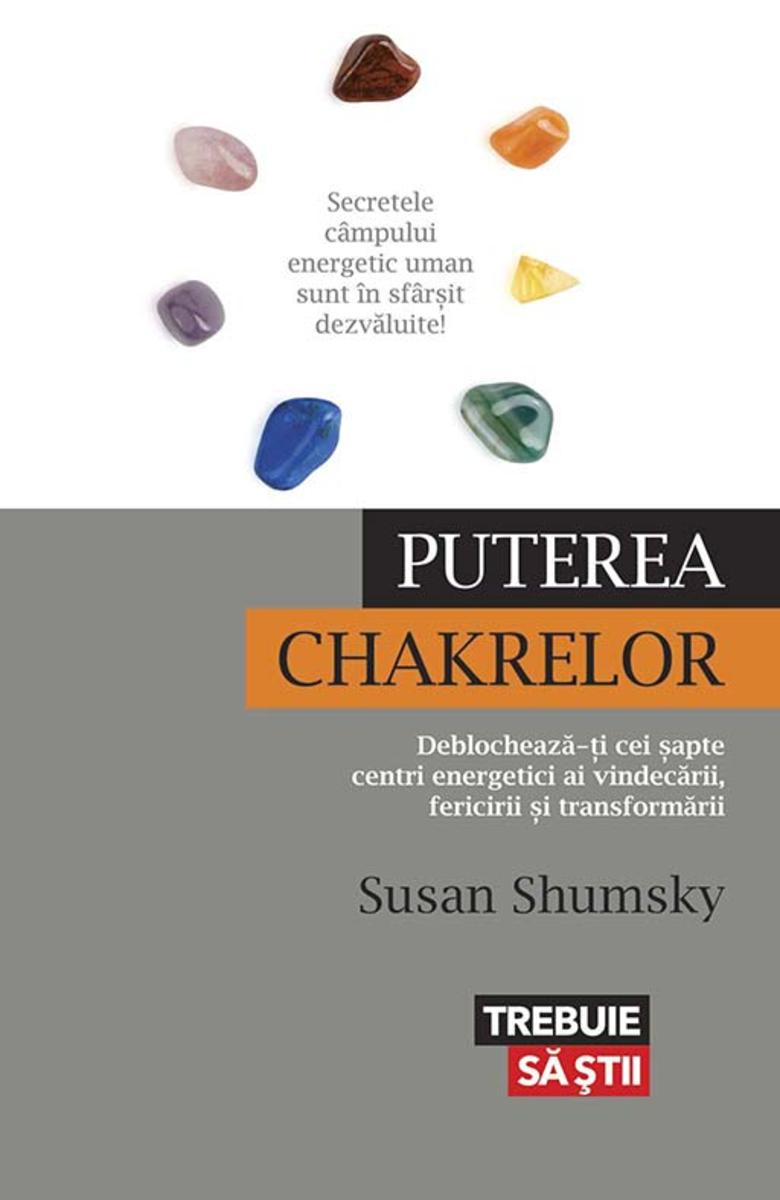
Puterea chakrelor. Deblocheaz?-?i cei ?apte centri energetici ai vindec?rii
¥73.49
Volumul lui Cornel Mihai Ungureanu cuprinde interesante interviuri cu mari personalit??i ale culturii rom?ne?ti, din sfere multiple. Printre al?ii, Ana Blandiana, Gabriel Andreescu, Liviu Antonesei, Gellu Dorian, Bogdan Suceav?, Lucian Dan Teodorovici sau Daniel Cristea?Enache. Cititorul va g?si ?n paginile c?r?ii comentarii provocatoare privind operele ?i biografiile intervieva?ilor, precum ?i pagini din istoria tulbure din perioada comunist? ?i din cea contemporan?.

Supravie?uitorii. Vol. 1 - Ora?ul pustiu
¥32.62
Volumul Marianei Damian reconstituie via?a celui mai iubit poet latin, Publius Ovidius Naso, ?n contextul istoric, politic ?i cultural al perioadei lui Augustus. Cartea este o radiografie am?nun?it? a fr?m?nt?rilor poetului roman ?n urma exil?rii sale la marginea imperiului, pe malul M?rii Negre, invit?ndu-i pe cititori la o relectur? a operei ovidiene din perspectiva motivelor ?nstr?in?rii, singur?t??ii ?i nostalgiei.

Un Corazón de Ranita. 4° volumen. El bautismo de la madurez
¥48.97
Aproape c? nu a existat epoc?, de la primele texte scrise p?n? azi, ?n care s? nu se vorbeasc? despre o criz? a literaturii. Periodic, fie regimul politic, fie situa?ia economic? ori exuberan?ele filozofarde au f?cut s? fie puse semne de ?ntrebare dup? cuv?ntul ?literatur?“. Timp de cinci ani, o serie de ?nt?lniri organizate ?n spa?ii neconven?ionale la Bucure?ti (?i, de c?teva ori, ?n afara Rom?niei) a ?ncercat s? adune scriitori de toate v?rstele pentru a-i pune fa?? ?n fa?? cu publicul lor. Nici acum, dic?ionarul limbii rom?ne nu include termenul ?performare“, dar, dac? ?n cazul artelor spectacolului traducerea ?interpretare“ poate s? func?ioneze, atunci c?nd este vorba despre literatur?, limba rom?n? nu ofer? dec?t termenul ?lectur?“. Acest cuv?nt nu acoper? complexitatea unei prezent?ri ce implic? ?i publicul ?n calitate de participant activ la ?nt?lnirea cu scriitorul, ?i cu textul acestuia. Ini?iat ca un proiect de promovare a literaturii contemporane pentru un public larg, ?Poeticile cotidianului“ s-a transformat, dup? ani de ?nt?lniri s?pt?m?nale, ?ntr-un eveniment literar cu propria sa concep?ie despre literatur?: poetica rela?ional?.
Pesc?ru?ul
¥32.62
Chipul cotropit pe partea dreapt de urmrile unei intervenii chirurgicale pstreaz, n mare, farmecul i drzenia. Prul strns n cretet i barba abundent te-ar trimite cu gndul la marii pontifi hiperboreeni sau la preoii taoiti, dac vioiciunea i gesticulaia nu te-ar opri la timp. tie multe, dar mrturisete puine. Viaa l-a fcut prudent. Cine i va dezvlui spiritul profund Poetul i savantul nu au fcut niciodat concesii. Nici omul nu are pe contiin fapte grandilocvent-regretabile, dei a stat sub vremi, iar ideologia marxist i-a fcut pe muli s-i ascund spiritul critic.“ – Gheorghe Postelnicu

C?l?uzitorul de suflete
¥57.14
„Mai devreme decât niciodat?“, cum scriam într-un vers de tinere?e, ajunge la tipar materia înjum?t??it?, v?muit? a jurnalului meu de scriitor din perioada 1979-1989; cel din anii anteriori s-a pierdut, nu mai are rost s? explic în ce fel. Iar materia jurnalelor mele din perioada de dup? 1989, structurat? în dou? volume: Lamenta?iile uitucului ?i Gândirea înceat?, î?i a?teapt? editorul. ?i, implicit, cititorii…
Zece prozatori exemplari. Perioada interbelic?
¥48.97
Cum dispare, cu de la sine putere, realismul socialist, transform?ndu-se – ?n textele publicate dup? ‘90 – ?ntr-un ?realism atroce“, ce oglinde?te p?r?ile ?ntunecate ?i incendiare ale existen?ei? Minimonografia Nicoletei S?lcudeanu, critic, profesor ?i istoric literar, r?spunde sugestiv ?i pertinent la aceast? ?ntrebare, cartea ei constituind-o un manual indirect de istorie a literaturii postdecembriste. Cartea se adreseaz? elevilor, studen?ilor, precum ?i publicului larg de cititori.

Experien?e extracorporale. Istoria ?i ?tiin?a c?l?toriilor astrale
¥57.14
ncepnd cu Grdina magistrului Thomas (1995), care reprezint debutul su editorial, tefan Borbély se recomand ca un critic eliberat de marotele locale, dezinhibat de complexe endemice i dotat cu o deschidere hermeneutic n care referinele creative principale par a fi acelea germane (Nietzsche, Freud, Jung, Kafka, Hermann Hesse i Thomas Mann). Autorul tezei de doctorat De la Herakles la Eulenspiegel. Eroicul (publicat sub form de carte n 2001) reuete s depeasc handicapul speculativ att de flagrant pentru critica noastr postbelic, rmas la stadiul unui orizont de ateptare provincialist, n imposibilitate de a lua contact cu ideile critice din alte pri i a se sincroniza normal cu demersul interdisciplinaritii. Alonja deschiderii comparatiste, ca i apetitul tririi nietzscheene a ideilor fac din tefan Borbély o personalitate critic n expansiune. El este un hermeneut de descenden eliadist care cerceteaz topologia auroral a umanitii, subsumnd-o categoriei eroicului, n perimetrul creia se pot decela fundamentele culturii i civilizaiei mediteraneene. Prin opera de cercettor i culturolog avizat, tefan Borbély este un exemplu important de integrare a criticii noastre postdecembriste n sfera hermeneuticii europene.“ – Marin Mincu
Civiliza?ii disp?rute ?i secrete ale trecutului
¥65.32
Am ales cazul de ruptur n evoluia unor exponeni proemineni din literatura romn actual, ruptura care a dus fie la impas, fie la regenerare. Pentru termenii conflictului un factor hotrtor l-a constituit n condiiile date epoca n formele ei de constrngere i de emulaie. Sunt convins c n alte circumstane ecuaia ar fi avut componente diferite. Nu sugerez c ar fi obligatorie restrngerea n ilustrarea pe care o propun, s-ar mai fi putut aduga cu aceeai ndreptite, recunosc, i alte aplicaii. Analizele nu sunt exhaustive, ele insist asupra unui fenomen caracteristic. Deruta ivit la unii pe traseu, parial sau total, s-a articulat pe planul angajrii civice i al nchegrii estetice. Trebuie s remarc o diferen n abordare, deoarece unii din cei selectai (G. Clinescu, M. Preda) nu mai sunt n via, aadar pentru ei e exclus posibilitatea unei schimbri de destin. A survenit pentru toi necesitatea unei racordri la orizontul epocii moderne, la presiunea raporturilor de for, la nvala dogmatismului, la ansele unei sincronizri cu Europa. Imperios necesar a fost lepdarea de prejudecile naionaliste i provinciale, ieirea din comarul ideologiei i al somaiei dure.“ – S. Damian


