


 购物车
购物车 个人中心
个人中心
Povestiri v?n?tore?ti din vremea lui Neagoe Basarab
¥40.79
Irene Matoko, rom?nc? cu tat? congolez, scrie cu lacrimi ?n ochi ?i cu durere ?n suflet. Scurta sa relatare ne impresioneaz? profund ?i ne face s? ne ?ntreb?m cum este posibil ca, ?n secolul XXI, s? persiste ?n sufletele unor oameni ura de ras? ?i prejudec??ile ?n fa?a tr?s?turilor fizice native ale semenilor no?tri.Din p?cate, profesori ?i colegi, persoane la care ne-am a?tepta cel mai pu?in s? prigoneasc? o fiin?? uman? pentru simplul fapt c? are pielea de alt? culoare, ac?ioneaz? brutal ?i inuman ?mpotriva unor copii nevinova?i.Citi?i cartea aceasta ?i pl?nge?i. Citi?i cartea aceasta ?i privi?i-v? ?n oglind?. Citi?i aceast? carte ?i aminti?i-v? de cele dou? porunci ale lui Isus: iube?te-l cu toat? fiin?a pe Dumnezeu (acesta, care a creat rasele umane) ?i iube?te-l pe semenul t?u ca pe tine ?nsu?i.Chiar dac? semenul t?u are alt? culoare.
Mite. B?l?uca
¥33.03
Alexandru Sf?rlea arat? ?ntr-o recent? recenzie a versiunii tip?rite a c?r?ii 101 poeme: ?[...] S? mai spun c? unii ?i al?ii s-au ?inspirat? din texte ale lui Vasile Poenaru pentru a-?i etala ?prospe?imile? propriilor crea?ii, ?n vreme ce acest excelent poet st?tea ?pitit? sub obrocul impasibilit??ii ?i ignor?rii tenace a criticilor?Pentru c?, ?n via?a noastr? literar?, am ajuns s? cred c? asemenea practici sunt uzitate cu... sistem?, ca s? zic a?a, pentru ca lipsi?ii de har ?i inspira?ie, proteja?ii ?i coteri?tii s?-?i ?edifice? constructele de chirpici lingvistic, cu o jalnic? ?i penibil? non?alan??, cu un tupeu de-a dreptul incalificabil!Se vorbe?te cu asiduitate ?n presa literar? despre c?r?i ale unor a?a-zi?i nou?zeci?ti sau dou?mii?ti lipsite de semnifica?ii, sens ?i substan?ialitate poetic? ?i care pur ?i simplu bat apa-n piu? ?i nu spun nimic dec?t, poate, celor ce nu vor s? aud? nimic, adul?nd – ?ntr-un nefericit paradox – nevolniciile , nonsensurile ?i vacuitatea, ?n timp ce sunt ignorate cu cerbicie c?r?i valoroase ale unor autentici poe?i, precum Vasile Poenaru. Iat? , ?nc? un elocvent fragment poenaristic: ?Mergeam pe str?zi de lung? diminea??/ Cu p?inea mea de poezie sub bra?,/ Mergeam pe str?zi de lung? diminea??/ ?i m? ardeau de foame ochii min?ii/ Mergeam pe str?zi de lung? diminea??/ Tot forfoteau p?rerile sub pietre/ Din loc ?n loc o balt? de adverbe/ Ca p?s?rile clocotitor ardeau/ Spre vie?i izvor?toare-n alte trupuri/ Mergeam pe str?zi de lung? diminea??/ ?i nu se mai cr?pa odat’ de ziu? / ?i m? ardeau de foame ochii min?ii/ ?i-am ?nceput s?-mi rod ?nt?i din unghii/ Apoi din os din inim? din creier/ Mergeam pe str?zi de lung? diminea?? (...)? (R?sfirare). Sau, ?nc?, ni?te versuri de-a dreptul subversive – s? nu uit?m c? volumul din care citez a ap?rut ?n 1984 – care, poate c? fie ?i numai acestea, ar fi trebuit s?-i r?m?n? precum o aur? de zv?cnire iconoclast?, de nu protestatar?, poetului Vasile Poenaru: ?(...) Ora?ul ?n care m-ai ademenit/ E o sonat? a mor?ii/ ?n care doar miezul vie?ii trozne?te,/ Toat? noaptea am s? ard de frig ?n avanscen?/ C-un dirijor mai lent ca o statuie (...)??n fine, ce pot s? mai spun dec?t c? – ?n acest areal literar rom?nesc care seam?n? izbitor cu cel politicesc – poetul Vasile Poenaru este un mare nedrept??it, pe care cititorii one?ti, dac? ar ajunge, sau ar vrea s? ?i citeasc? volumele de poezie, l-ar pre?ui la adev?rata sa valoare...“
Dieta de 17 zile. Rezultate rapide cu un plan medical special conceput
¥73.49
Poemele lui Marius Aldea sunt inteligent-fanteziste i dau o senzaie de prospeime, dei refolosete, frecvent, i mijloace de seducie inventate de Nichita Stnescu, Emil Brumaru, Mircea Dinescu. Marius Aldea are o plcere de a scrie care face ca tot ce mprumut s devin al lui.“ – Alex tefnescu Marius tefan Aldea face parte din plutonul tinerilor poei crora li se flfie de generaia imediat anterioar, ns nu li se deloc de generaiile vechi. Vd i prevd o promoie de poei lucizi i cultivai printre care compozitorul Simfoniei frnei va strluci. Pentru c are umor, deci i permite s fie cinic, i pentru c izbutete nite metafore trsnite, dar fluente, nu rscutate. Apoi ochiul su este flmnd i precis, nu hoinrete pe firmament pn se ntoarce cu albul n sus. Viteza, claritatea i subtilitatea artei lui monteaz un spectacol inteligent – un deliciu pentru durii ca el, care, de fapt, ascund un suflet sensibil n spatele rictusului sceptic. Un romantic de factur excelent este Marius, adic dintre aceia cu witz, care muc tot, iar apoi se muc pe ei nii. Irezistibil poezia asta ca un roman scris la col de strad de un designer care tie exact ce vrea de la manechinele lui.“ – Felix Nicolau Marius tefan Aldea are atta energie poetic, nct exist riscul s supratensioneze Sistemul Naional de Distribuie a Literaturii. Dar cum SNDL nu exist dect n imaginaia noastr, nu v rmne, dragi cititori, dect s v conectai singuri la aceast surs de energie. E simplu: deschidei cartea lui Marius i citii puin. Dac nu suntei purttori de mnui izolante i cizme de cauciuc, ar trebui ca n secunda a doua s fii scuturai zdravn, iar minile s vi se ncleteze pe carte. E doar unul dintre efectele pe care l are poezia bun asupra omului.“ – Robert erban
A Gresham a nácik ellen
¥57.31
O carte-eveniment, alc?tuit? din dialoguri cu Ana Blandiana, Nicolae Breban, Augustin Buzura, Ion Iano?i, Gabriela Melinescu, Irina Petra?, Dumitru Radu Popa, Alex ?tef?nescu ?i Ion Vianu. Un manual indirect de istorie, realizat de cunoscuta scriitoare (romanciera, poeta ?i eseista) ?n baza m?rturiilor unor oameni de cultur? de prima m?n?, posibile modele europene, care – ?n falsa tranzi?ie interminabil? – aleg, iar ?i iar, voca?ia, atipica meserie de scriitor, r?m?n?nd – martori impar?iali ?i aten?i – mereu ?n prim plan. O carte extrem de dens?, actual?, un fragment dintr-o posibil? istorie a mentalit??ilor. ?Aceast? carte a ap?rut din nevoia de prietenie; a fost adunat?, treptat-treptat, ?n ritmurile felului meu de a fi, uneori-adeseori, catastrofic de ?ncet. Interlocutorii mi i-am ales, i-am c?utat, am ?ncercat s?-i "tachinez" cu ?ntreb?ri, temele discu?iilor converg?nd, firesc, de fiecare dat?, spre o arie de preocup?ri, care ne unesc mai mult dec?t ne despart. Fie ca dialog?m cu Ion Iano?i, fie cu Nicolae Breban, fie cu Ana Blandiana, fie cu Augustin Buzura, fie cu un alt interlocutor, de fiecare dat?, voiam s? aflu – folosind ca instrument, iar uneori ca arm? (din apanajul retoricii, de buna seam?) ?ntreb?rile; unele dintre acestea, da, naive, st?ngace, ?n schimb vii, mereu vii! – cum a rezistat fiecare dintre ei, cum a reu?it s?-?i construiasc? un destin, cum a izbutit s? fie, sa r?m?n? el ?nsu?i/ea ?ns??i ?i s? nu se pr?bu?easc?, cum a izbutit fiecare s? nu renun?e la lupta pentru sine ?nsu?i, pentru cultura rom?n?? Cu unele dintre personajele acestei c?r?i – dac? acceptam ca fiecare scriitor e un personaj, iar literatura este o singur? carte unic? – vreau s? cred c? m-am ?mprietenit, descoperindu-le, redescoperindu-le de fiecare dat?; ?mi place s? cred c? fiecare, aproape fiecare dintre invita?ii mei – ?ntr-un fel sau altul – m-a marcat, m-a f?cut s? m? reapropii altminteri de literatur?, de lectur?, de carte, s? v?d altminteri c?teva lucruri nelipsite pentru mine de greutate, sau – ?i mai important ! – m-a ajutat (uneori, f?r? s? ?tie!) sa r?m?n aceea?i, adic? s? nu m? schimb. Adesea, c?ut?nd prezen?a scriitorilor, de fapt c?utam o calitate la care ?ntunecat?, ?ntortocheat? de mine ajunge greu, c?teodat?, foarte greu: senin?tatea. Apoi… c?utam oameni de litere vii, scriitori ?n carne ?i oase – cum spuneam ?n adolescen??, ?i, iat?, mai spun ?i la cei circa patruzeci de ani – c?rora nu le este str?in cultul prieteniei, cultul voca?iei, cultul lucrului bine f?cut, al lucrului "rotund", cum afirm? un personaj din unul din romanele mele. Apoi… da, nu ascund, c?utam ceea ce se nume?te "complicitate" ?ntr-o lume cultural? postdecembrist? pestri?-amar?, desp?r?it? ?n grupuri, biserici, pui de catedrale. Marea majoritate a protagoni?tilor acestei c?rti de altminteri sunt mari lupi singuratici; ?i mi-a f?cut pl?cere s?-i ?ndemn s? vorbeasc? despre felul ?n care trateaz? solitudinea, via?a, literatura, contemporaneitatea. (Aura Christi)

?ngrijirea sugarului ?i a copilului.
¥114.37
n lucrarea sa, care a ctigat premiul Pulitzer n 1981, Robert K. Massie prezint detaliat viaa acestui captivant personaj istoric i evideniaz evenimentele cruciale care au transformat un biat ntr-o legend, inclusiv cltoriile sale incognito prin Europa, curiozitatea sa de nepotolit fa de obiceiurile occidentale, obsesia pentru mare i constituirea mreei flote ruseti, modul n care a creat o armat de nenvins i relaiile sale cu cei pe care i-a iubit cel mai mult: Ecaterina, iubita sa tandr, i Menikov, prinul fermector i lipsit de scrupule care a ajuns la putere prin intermediul prieteniei cu Petru. Un loc special n carte l ocup relaia dificil a lui Petru cu fiul su Aleksei, care a fost judecat i condamnat la moarte n 1718. Autorul nu neglijeaz nici viaa politic, social, cultural i religioas din Rusia pe parcursul jumtii secunde a secolului al XVII-lea i primei pri a secolului al XVIII-lea. Astfel, Massie i conduce cititorii n lumea ruseasc medieval i premodern schimbat iremediabil, uneori n mod violent, de reformele iniiate de monarhul autocrat Petru cel Mare. Fie c sunt schimbri care au afectat n primul rnd individul, precum obligativitatea tierii brbilor, sau iniiative care au vizat consolidarea forei statului, de exemplu, nfiinarea marinei ruseti i a Sankt-Petersburgului, reorganizarea administrativ inspirat de modelul occidental, toate acestea au transformat Rusia medieval ntr-un stat modern. n acelai timp, multe dintre reformele din timpul lui Petru au avut o influen ndelungat asupra societii ruseti. Cartea lui Massie nu ofer doar o perspectiv intern a societii ruseti, ci urmrete i aciunile lui Petru n planul politicii externe, la nivel european sau chiar global. Astfel, dou dintre cele cinci seciuni ale lucrrii se ocup de relaiile Rusiei cu celelalte state europene. Poate cel mai important conflict din timpul domniei lui Petru a fost cel mpotriva Suediei. n urma Marelui Rzboi Nordic (1700-1721), Rusia a obinut o serie de teritorii (Estonia, Livonia i Ingria). Totodat, deznodmntul acestui lung rzboi a nsemnat i ascensiunea Rusiei la rangul de putere continental. Pe plan militar, ns, domnia lui Petru nu a fost scutit de eecuri. Campania arului din Moldova, pornit mpotriva Imperiului Otoman, s-a terminat prin nfrngerea de la Stnileti (1711). Nu de puine ori, autorul american i aduce n prim-plan pe actorii politici importani din Europa sfritului secolului al XVIII-lea i nceputului secolului al XVIII-lea. Regi, comandani militari, nobili, toi sunt prezentai cititorilor, care pot astfel nelege mai bine aciunile sau atitudinile lor. arul Aleksei, tatl lui Petru, Ludovic al XIV-lea, Wilhelm de Orania, Carol al XII-lea, Augustus de Saxonia, ducele de Marlborough, prinul Eugeniu de Savoia sau feldmarealul Rehnskild se numr printre figurile ilustre descrise de Massie. De regul, atunci cnd analizeaz anumite perioade, istoricii pun accentul pe rolul proceselor i al fenomenelor de lung durat, lsnd cumva n umbr personalitile excepionale. Tocmai pentru a sugera impactul lui Petru cel Mare asupra istoriei Rusiei, n special, putem face apel la istoria contrafactual i s ne ntrebm: Cum ar fi artat Rusia contemporan dac n-ar fi existat Petru cel Mare

Reglarea emo?ional? ?i importan?a ei clinic?
¥57.14
Cum ?i-au crescut regii britanici copiii din 1066 p?n? ?n prezent Lumea ?ntreag? a fost uimit? c?nd Prin?esa Diana s-a dovedit a fi o mam? bun? ?i afectuoas?. Ea a constituit o excep?ie: Familia Regal? a Marii Britanii este cunoscut? mai cur?nd pentru rela?iile reci ?i chiar tensionate dintre genera?iile de p?rin?i ?i copii. ?nc? din vremea Reginei Victoria ?i a Regelui George al VI-lea, p?rin?ii ?i-au exprimat ?n mod f??i? dezam?girea fa?? de mo?tenitori. David Cohen folose?te materiale noi ?i documente descoperite recent, ce dateaz? ?nc? din vremea dinastiei Tudor, ?i realizeaz? ?n Educa?ia regal? o combina?ie captivant? ?ntre istorie ?i telenovel?. ?O bog??ie de anecdote – de la lec?iile de scrim? p?n? la faptul c? Prin?ul Charles a avut valet de la v?rsta de trei ani.“
Kilenc koffer: Az emberi becstelenség krónikája
¥70.80
Cassian Maria Spiridon e un fervent al fragmentului liric, al concentratului capabil a fixa poezia. Spa?iul ?i timpul verbului se contrag astfel la minimalul semn al substan?ei, ungarettian urm?rite ?n sensul unor fugitive contacte ale universului l?untric cu cel exterior, ?nconjurate de magia t?cerii. Pe deasupra oric?rei dezvolt?ri, resim?ite ca parazitare, fragmentul e suveran ca loc privilegiat al poeziei. Dac? Paul Valery afirm? c? partea cea mai profund? a omului e pielea sa, ?n?elegem alarma nivelului senzorial, ?ncordarea sim?urilor ?n vederea ?ntegr?rii ?n real a fiin?ei. Se ajunge astfel la o poetic? a sim?urilor. Aceasta restaureaz? concretul ?n drepturile lui de atotputernic? imaginea a lumii. Cassian Maria Spiridon tr?ie?te liric prin concret, ?nlocuind sublimarea experien?elor sale suflete?ti printr-o decupare ghidat? de acuitatea contemplativ?. (Gheorghe Grigurcu)Pozi?ia individual? a unui Cassian Maria Spiridon, interiorizat, divizat ?i iscoditor (dup? o copil?rie frustrat?), comport? st?ri de opozi?ie, accente de orgoliu ?i tentative (e?uate) de ini?iere ?ntr-un umanism f?r? tenebre. Ca?iva dintre contemporanii s?i mai v?rstnici ?i sunt aproape. (…) Problematiz?nd, la modul ?nalt, d?nd prioritate cerebralit??ii ?i ?nc?dr?ndu-se axial ?n fluxul psiho-nevrotic al momentului sau, Cassian Maria Spiridon opune decorativismului ?i transparen?elor ?nsemnele unei vie?i interioare fr?m?ntate. Poezia sa, de un lirism ideizat, e jurnalul superior-ceremonios al unui melancolic de extrema luciditate. (Constantin Ciopraga)
ROM: A komonizmus t?rténete
¥47.09
Volumele de dialoguri (vor fi trei ?n total) socratice adun? convorbiri cu personalit??i ale culturii ?i literaturii na?ionale, realizate ?n libertate, ?ncepind cu 1990. Ele au fost publicate ?n diverse reviste, ?n principal ?Convorbiri literare“ ?i ?Poezia“, dar ?i ?n ?Dacia literar?“, ?Poesis“, ?Hyperion“ ?.a. Dialogurile se succed ?n ordinea apari?ie ?i reflect? fr?m?nt?rile culturale, literare, politice ale momentului, de interes peren ?i constant privind biografia artistic? a personalit??ii intervievate. Dialogurile sunt vii, atractive, instructive ?i mereu actuale prin problematic? abordat?. Participan?ii la acest veritabil banchet platonician din primul volum, Democra?ia oblig? idiotul sa stea al?turi de geniu (310 pagini), sunt: Petre ?u?ea, Ana Blandiana, Alexandru Zub, Ioan Alexandru, Dimitrie Gavrilean, Mihai Ursachi, Cezar Iv?nescu, Svetlana Paleologu-Matta, ?erban Cantacuzino, ?tefan Avadanei, Cristian Simionescu, Luca Pi?u, Lauren?iu Ulici, Corneliu ?tefanache, Ioana Cr?ciunescu, Paul Goma, Monica Lovinescu, Ilie Cleopa, George Astalos, Marin Mincu, Liviu Ioan Stoiciu, Dan M?nuc?, Costache Ol?reanu, Sorin Vieru, Gellu Dorian, Alex ?tef?nescu, Nicolae Manolescu, Ilie Constantin.
Книга нонсенса
¥23.14
Este un autoportret al cunoa?terii personale, un autoportret schi?at ?n timp real, sub ochii cititorului, pe m?sura ce Lara ia cuno?tin?? de st?rile emo?ionale prin care trece, ??i analizeaz? sentimentele, rezultatul posibilelor ac?iuni, analizeaz? deciziile pe care le ia, consecin?ele posibile. Dilema declarat? a Larei este: cum ?mpaci nevoia inimii pentru noutate, pentru tr?iri spontane, cu monotonia mariajului, chiar dac? acesta e fericit? Con?tiin?a sa este prins? ?ntre dragostea pentru so?ul cu care ?tie c? se potrive?te ca structur? ?i pe care ?l iube?te, ?i efervescen?a aventurii cu un alt b?rbat, care ?i furnizeaz? spontanul dup? care t?nje?te. Romanul se concentreaz? pe amant ?n mod deliberat. Lara este perfect con?tient? de r?ul pe care ?l produce celor trei personaje ?mplic?te: so?, amant, ?i ei ?ns??i. Perioada ?n care este creat ?i definitivat autoportretul sunt ultimii ai comunismului, anii ?n care priva?iunile impuse popula?iei sem?nau mai degrab? cu priva?iunile unui r?zboi. Cu toate acestea, eroina se concentreaz? cu ?nc?p???nare pe iubirea ei, pe mi?c?rile sufletului ei, refugiindu-se ?n tr?irile proprii ?i reu?ind astfel s? se salveze de autocomp?timire ?i s? supravie?uiasc? ?ntr-o aparent? normalitate.

Strigoi f?r? ?ar?
¥57.14
Nu ?tiu c?nd au trecut 15 ani. ?n mai 2000 nu m-am g?ndit o clip? unde voi fi peste 15 ani, ?tiam c? voi face acest ziar, dac? m? va ?ine Dumnezeu ?n via??, ?nc? un an, doi, zece, dar nu m-am v?zut o clip? m?car peste un num?r at?t de mare de ani. Pentru o publica?ie, de orice fel, 15 ani ?nseamn? enorm, aproape istorie, mai ales c?nd traverseaz? vremuri de criz?, cu fluctua?ii economice uria?e, cu schimb?ri politice care pot pune cap?t ?i celui mai minunat proiect.

Divergent - Vol. III - Experiment
¥81.75
E textul pe baza cruia am fcut spectacolul Habemus bebe, n primvara lui 2014, mpreun cu soul meu, regizorul Robert Blan. Iniial nu-l voiam publicat, apoi m-am rzgndit, publicarea i d o via textului pe care scena nu i-o poate da (i invers cred c e la fel de valabil). Non Stress Test va fi un poem mai lung, pe o tem care nu a fost i nici nu este la mod: maternitatea. E nsoit i de un set de fotografii, sper s fie o carte mito. i de data asta m-am jucat cu limitele genului: o variant a textului a aprut deja n traducere (n bulgar i n maghiar) ca text de teatru”. (Elena Vldreanu)

Csontbrigád
¥14.39
T?bb mint egy év tel el azóta, hogy hazaértem. Akik kívülr?l néznek, aligha észlelnek kül?n?sebb változást. De nekem már csak k?d?sen rémlik egy n?, aki egykor én voltam, aki mindig felhúzva tartotta a vállát a feszültségt?l, mert másoknak akart megfelelni. Két hónappal hazatértem után eladtam elegáns, nagypolgári lakásomat, és bek?lt?ztem egy kisebbe, szerényebbe. Az autómat lecseréltem egy olcsóbb, alacsonyabb fogyasztásúra. Az addig igénybe vett szolgáltatások nagy részét lemondtam, megváltam a k?ltséges biztosítások t?bbségét?l, a giga-csomagoktól, az ilyen-olyan el?fizetésekt?l, és egy lényegesen egyszer?bb életvitelre rendezkedtem be. A ruháimat is kiválogattam, a felesleget elajándékoztam vagy áruba bocsátottam. Az maradt csak meg, és mindenb?l csak annyi, amire valóban szükségem van. Olykor gyertyával világítok, órákig bámulom, hogyan táncol a láng a s?tétben. Vagy ücs?rg?k a teraszon, és nézem az égboltot, amelynek addig ismeretlen szépségeit az ?ton fedeztem csak fel… Amíg ezt a boldogságot nem éltem át, elképzelni sem tudtam, hogy egyszer úgy fogom gondolni: ha mindenemet elveszíteném, akkor is maradna egy csomó dolog, ami boldoggá tesz. Látom a k?rnyezetemben él?ket, amint fáradtan hajszolnak valamit, amit már megnevezni sem tudok, annyira távolinak t?nik, hogy magam is így éltem. Nem tehetek t?bbet értük, mint hogy elmondom a magam t?rténetét, amely így kezd?dik: van esély! Csak a békességnek el?bb helyet kell készíteni, kell egy nagytakarítás. Amíg a beidegz?dések, el?ítéletek foglalják a helyet, addig a cs?nd nem ver tanyát odabent. Pedig ahhoz, hogy meghalljam a saját hangomat, cs?ndre volt szükség. Ilyen az életem a Camino után.

Szentivánéji álom
¥8.67
Ha nem lennének angol kosztüm?s filmek és szürkéskék szemek, a világ is sokkal biztonságosabb hely volna. Legalábbis így vélekedik Mész?ly Dóra, a LEI magazin újságírója, amikor elhatározza, hogy interjút kér a híres angol színészt?l, Edward Yorke-tól. A feladat egyszer?nek t?nik, hiszen a férfi éppen Budapesten forgatja legújabb filmjét, ám a kezdeti biztató jelek után az ügy egyre bonyolultabbá válik… A lány váratlan akadályok sorával találja magát szemk?zt, ám az egyébként is makacs természet? Dóra nem ismer lehetetlent. Minden találékonyságát latba vetve üld?zi tovább a színészt, mik?zben kalandjai hol filmgyári díszletek k?zé, hol egy magánnyomozó irodájába, hol az éjszakai Budapest kocsmáiba, hol egy londoni szállodába sodorják. De vajon sikerül-e rátalálnia Edwardra? M?RK LEON?RA az Elle magazin f?szerkeszt?-helyettese, el?tte évekig a N?k Lapja munkatársaként dolgozott. H?sn?jével, Mész?ly Dórával szemben nem az interjú a kedvenc m?faja, de ha valaki igazán felkelti az érdekl?dését, ? sem adja fel k?nnyen… ?Vágyni, csodára várni, álmodozni: jó. Tudom, mit érezhetett a k?nyv szerz?je, amikor megszületett benne a vágy. Ismerem az érzést, ami a csoda k?zelében meglep, és az álmodozás sem áll távol t?lem. M?rk Leonóra nagyon pontosan és végtelenül ?nironikusan mutatja be a fázisokat. Egyszer én is évekig üld?ztem egy német punkénekest. Aztán, amikor elkaptam, a fülembe csengtek egy kedves versnek a sorai: ?Nem akarok elérni semmit. Nem akarom, hogy ne legyen mire vágynom.? Hogy a k?nyv újságíró f?szerepl?je mit érez a kalandok során, nem árulom el. Járjuk vele végig az utat. K?nnyen magával húz, élvezet k?vetni. A vége meg: maradjon csattanó.” Karafiáth Orsolya

Ahogy tetszik
¥8.67
Bipoláris érzelmi zavar – hangzik a kórházi pszichiáter diagnózisa… Gyógyíthatatlan mentális betegség. Péceli Rita megrémül: ezek szerint élete végéig ?bolond” marad? Rita kezdetben megpróbálja ott folytatni, ahol a diagnózis el?tt abbahagyta. ?m széls?séges érzelmi hullámzásai alatt rossz d?ntéseket hoz, rossz kapcsolatokat k?t, elveszíti szerelmét, és biztos állása, megélhetése is veszélybe kerül. Egy éven belül háromszor kell befeküdnie a pszichiátriára. Rita a sok szenvedés hatására végül úgy d?nt, felveszi a keszty?t, és szembenéz a betegséggel. Vajon siker koronázza-e az er?feszítéseit, és képes lesz-e együtt élni a betegséggel, ha megfogadja segít?i tanácsait? ?lhet-e majd ezután is teljes érték? életet? S ami talán a legfontosabb: megtalálja-e a boldogságot? A regény igaz t?rténet alapján íródott. ?– Talán én nem tettem meg mindent – vallottam be halkan. – ?s félek, nem is fogok tudni megtenni. Pedig nem akarok újra kórházba kerülni. – Látja, most megfogalmazta a célját – mosolygott a szem?ld?két felhúzva Kamilla. – Higgye el, sikerülni fog. Kételkedve sóhajtottam fel, de akkor és ott megmozdult bennem valami. Elt?kéltem: mindent meg fogok tenni, nehogy megint a pszichiátrián k?ssek ki. – Az els? lépés, hogy elfogadják magukat – folytatta a pszichológus. – ?gy, ahogy vannak. A betegségüket. Ne vádolják magukat érte, ne érezzék szégyenbélyegnek, ne tagadják el saját maguk el?l, ha baj van. Maguk ugyanolyan értékes emberek, mint bárki más.”

Téli rege
¥8.67
Egy vicces, olykor megható szerelmes k?nyvet tart a kezében az olvasó. A t?rténetekb?l megtudhatjuk, hányféleképpen lehet n?ként csalódni úgy, hogy annak még a távoli Amerikában, a Szex és New York-sorozat hazájában is híre menjen. S miért a sok koppanás? Mert az ember lánya gyakran minden szerencse és f?leg ?nismeret híján halászgat a zavarosban. Ilyenkor bizony el?fordul, hogy a kiszemelt férfi nem éppen álmaink hercege, csak mi képzeltük róla, hogy ? a nagy ?. Ismer?s a szituáció? Fel a fejjel, azaz talpra, és indulás tovább! A végállomás csakis a boldogság lehet. ?…az el?szoba fel?l kulcsz?rgés hallatszott, majd nevetés harsant, amire vékonyka hang felelt. Egy n? és egy gyerek léphetett be a lakásba. Zoltán egész testében lemerevedett, majd odasúgta Helgának: – Ez Rozi a fiammal. Egy nappal el?bb hazahozta. A francba! Bújj el gyorsan, nehogy meglásson, kül?nben kikaparja a szemedet. Menj ki az erkélyre, én majd behúzom a s?tétít? függ?nyt. – Neked barátn?d van? – tátotta el a száját Helga. – Exbarátn?m, de nem hagy békét. Minden n?t elüld?z mell?lem. Na, menj már ki! Helgának azonban esze ágában sem volt az erkélyen kuksolni, amíg az ismeretlen n? el nem hagyja a terepet. Nekid?lt a konyhapultnak, karjait keresztbe fonta. – T?lem aztán megláthat – mondta kimérten. – ?n nem félek senkit?l, és senki el?l nem fogok bujkálni. – Ha neked esik, magadra vess – vetette oda a férfi idegesen. – ?n el?re szóltam.”
Odicolonuri
¥57.14
Volumul Save Point e un prilej bun de ?mp?care intre cele 2 p?r?i vitale autorului, cea tehnologic? ?i cea literat?, un mediu analog ?n care se gasesc instantanee, deseori in format ludic, ale unor lumi ?n care au loc evenimente at?t de mici ?i at?t de subit ?nc?t s-ar putea spune despre ele c? aproape nu au avut loc vreodat?.
?ara ascuns?. Un ghid turistic alternativ al Rom?niei
¥32.62
ntre crile de poezie ale autoarei, Inima ca un pumn de boxeur este una dintre cele mai interesante deveniri“, una dintre multiplele sale viei“ artistice. Prima via a acestei cri a nceput n 1982 prin publicarea volumului la Editura Cartea Romneasc, constituind mpreun cu Scrisori neexpediate i Opinii despre durere revenirea n literatur a Norei Iuga dup aproape un deceniu n care poeta a avut interdicie de publicare. (Cezar Gheorghe)
Seacat Simon: The little cat who became a big hero
¥32.62
When young cat Simon is smuggled on board a ship, his quiet little life soon becomes an adventure fit for heroes.With new friend Peggy, the ship ;s dog, he bravely fights King Rat and his gang, rescues the crew from their problems, and shows the joy an animal can bring to our lives.Winning the hearts of the sailors and people across the world, Seacat Simon ;s inspiring and moving true tale of love, friendship and adventure is sure to enthrall a new generation of children. ;Action packed read, rich in detail, harrowing in places, heart-warming in others, and with a beautiful ending. ; - Sheila Jeffries, author of Solomon's Tale .NOTE: Children's version contains bonus quiz material.VERSION FOR ADULTS: Able Seacat Simon ;s story is also available as Simon Ships Out: How one brave, stray cat became a worldwide hero in ebook, paperback and audio formats.VERSION FOR SMALL CHILDREN: Able Seacat Simon ;s story will soon be available as Seacat Simon: An illustrated picture book in ebook and paperback formats.
A tenger munkásai
¥8.83
El?sz?r futni tanítanak meg. Ez mindennek az alapja minden hadseregben szerte a világon. Megtanulsz futni, megtanulod bírni. Hegynek fel-le. Futsz erd?ben, tó- és folyóparton, futsz sportpályán. Együtt a szakasszal, és amikor valaki nem bírja és lemarad, nyomod a fekv?támaszt. Majd ha megérkezett, újra futsz.Ha már tudsz futni, van mire építeni a t?bbit. Megtanítanak, hogy bánj a fegyverrel, hogyan élesítsd a gránátot, vezess harcjárm?vet és telepíts m?szaki akadályt. De arra nem tanítanak meg, hogy amikor évekkel kés?bb a háború után, emlékeidt?l verejtékben úszva egyedül ébredsz jéghideg ágyadban, azt hogyan dolgozd fel. Amikor olyan s?tét az éj hajnali háromkor, hogy még az utcáról besz?r?d? lámpa fénye se hoz világosságot, amikor már rég kialudt az a mécses, amit a halott bajtársaid emlékére gyújtasz minden este. Akkor hiába tanítottak meg futni. Amikor arra ébredsz, hogy skorpiók vannak az ágyadban, és hallod az ellenség suttogását, mintha csak méterekre lennének t?led a l?vészárokban. Amikor minden olyan csendes, hogy már mar ez a hangtalanság. Akkor már nincs hova futnod. ?vek után rád?bbensz, hogy meg kell állnod és szembenézned a múltaddal. Mindennel, amit tettél, vagy nem tettél. ?n, mintha gyóntam volna, megírtam ezt a k?nyvet. Elszámoltam magammal, mert megtanultam egy fontos dolgot: a lelkedért csak te felelsz! Ezt senkinek se tanították meg. Erre nekünk kellett ráj?nnünk.
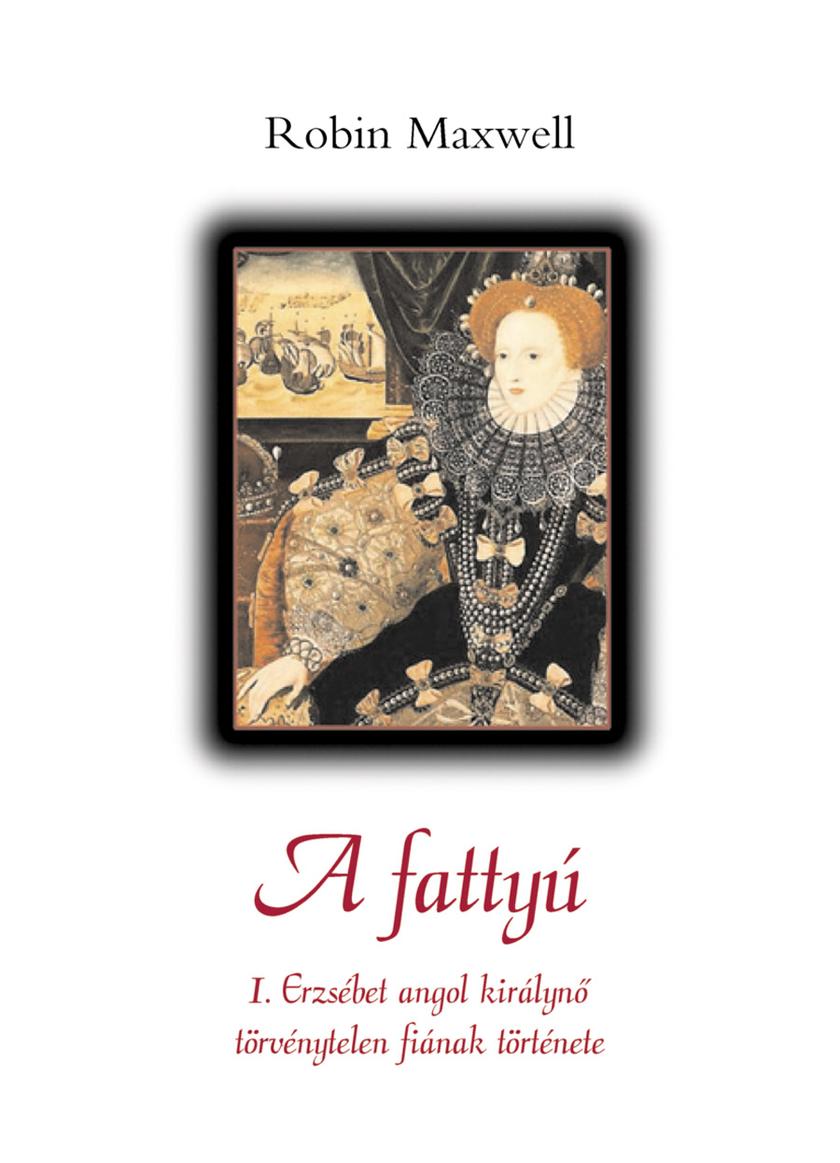
A fattyú
¥67.20
A New York Times bestseller életrajzírójának, J. Randy Taraborrellinek minden részletet felvillantó, briliánsan megírt k?tete nem egyszer?en a legsikeresebb popsztárok egyikének, Beyoncénak az életrajza. Bepillantás egy olyan világba, ahová szinte mindenki vágyik, de csak nagyon kevesen juthatnak el; az amerikai show-business világába. A végtelenül tehetséges Beyoncé Knowles már nyolcéves korában ebben a világban él, gyerek szépségversenyek és tehetségkutató vetélked?k résztvev?je. Egy pillanatra sem szakad el a színpadtól, és tizenhat évesen a Destiny's Child énekeseként már világsztár. Ontja a slágereket, 2014-ben a Forbes magazin szerint a világ leggazdagabb és legkeresettebb sztárja, az ? fényképével jelenik meg a híres Time magazin. Ez a k?nyv megmutatja a sikereket, de az emberfeletti er?feszítést is, az ?r?k?s harcot az érvényesülésért, az áskálódásokat, pletykákat; beszámol viharos és vad szerelmér?l a híres rapperrel, Jay-Z-vel, a csalódásokról és a meghatározó pillanatokról. ?s mik?zben olvassuk ezt a nyílt, olykor szívszorító, olykor felemel? beszámolót, ?r?kre megváltozik a véleményünk Beyoncéról és a távoli és csillogó show-businessr?l. A szerz?r?l J. Randy Taraborrelli a New York Times bestseller szerz?je, írt már k?nyvet Michael Jacksonról, Marilyn Monroe-ról, Madonnáról, és a Kennedy famíliáról is. K?ztiszteletben álló író, újságíró, a szórakoztatóipar jó nev? és állandó szerepl?je, és jó néhány televízióm?sor, k?ztük a Today, a Good Morning America, a CBS This Morning, az Entertainment Tonight és a CNN Headline News s?r?n felt?n? vendégszerepl?je.
Egy bolond száz bajt csinál
¥14.39
A Buenos Aires-i h?ségben olvad a jégpáncél, amelybe évekkel ezel?tt zártam magam szégyenemben, amiért már nem vagyok fiatal… ?jjel-nappal tangózom! A testemen rég nem látott izmok rajzolódnak ki újra, az arcomról elt?nik a keménység, amellyel egész életemben azt üzentem a világnak, hogy er?s vagyok. Ha egyszer?bben akarnám kifejezni, amit érzek, azt mondanám: itt boldog vagyok! Megengedem magamnak, amit azel?tt soha: k?vetem a férfit, megadóan és feltétel nélkül. Táncolok, érzek, azaz élek! Pár hét alatt fokozatosan hántotta le rólam a rétegeket ez a város. Eleinte csak a h?ség: levettem zárt, hosszú ujjú ruhámat, és felvettem egy ujjatlan, mélyen dekoltáltat. Majd j?tt a meglepetés, hogy tetszem – így, ahogy vagyok! Bátran érezhetem magam megint szépnek, amir?l otthon már leszoktam. Túl az ?tvenen, ujjatlan ruhában, szarkalábakkal a szemem alatt. Ezen a helyen N? vagyok a férfiak szemének tükrében. Buenos Airesben az élet újra felkért egy táncra… ?desanyám k?nyvtáros volt egy vidéki kisvárosban, és iskola után sokat vártam rá a munkahelyén. Egyszer elhatároztam, hogy a teljes gyerekk?nyvtárat végigolvasom, válogatás nélkül. A pár év alatt aztán alaposan ?sszen?ttünk, a k?nyvek és én. Talán nem véletlen, hogy végül magam is az írást választottam hivatásul. 2011-ben végigjártam az El Caminót, ami új fejezetet nyitott az életemben. Egy másik, boldogabb élet kapuja tárult ki el?ttem, amely tele van csodával. Igaz t?rténeteimmel szeretném másoknak is megmutatni, hogy igenis lehet ezt másképpen is…


