


 购物车
购物车 个人中心
个人中心

Where The Black and Grey Wolves Kiss: Book Two: The Sabienn Feel Adventures
¥26.07
In his quest to seek the mysterious missing stone, the occult item sought to ensure victory in war, Sabienn Feel journeys with his three companions to the island of Cajj Cajj. The island is to be invaded as a result of an event that has yet to occur and is currently being held by the Turrs, a people Sabienn has always been at variance with.In his endeavours, he needs to work closely with these people for his mission to succeed. He knows he dislikes the Turrs. But is he capable of falling in love with one? Where The Black and Grey Wolves Kiss is the second of twelve books in the Sabienn Feel Adventures.Interview with the AuthorQ - What inspired you to write The Sabienn Feel Adventures?A – I’ve always loved the idea of the epic journey. I’m acquainted with the book Journey to the West but was more familiar with the TV series in the 80’s based on the book called Monkey. The idea of four souls travelling across a wide expanse of geography to complete a quest appealed to me. So I planned a series of twelve books to go from one place in the south of this space colony that they live on twice removed from Earth, to end up in the north, meeting danger at every turn. Q – Why does your main character Sabienn Feel grow wings?A - Good question. I wanted something very drastic to occur to these people physically. Something that would be difficult to hide and offer an immediate prejudice. The idea of growing wings constantly came up for me. There’s a Pearl Jam song I found inspiring that says, “And sometimes is seen a strange spot in the sky. A human being that was given to fly”. And in my mind’s eye, I could see this figure. Almost like the Led Zeppelin Icarus logo but with bat wings. But they couldn’t fly otherwise they’d hit the sky and the journey would be over in no time. I made them only able to swim because being submerged in water has elements of dealing with the subconscious. To me it satisfies all elements of those prophecy, fantasy, epic adventure type of stories that involve friendship and brotherhood. Q - So, why should readers give these books a try?A – Well I would say they were humour-filled, page-turning, epic, fantasy adventure novels which involve a quest. But then that’s what you would expect me to say. Why not try and read one of the books and let me know what you think? Some of the books are free so you’ve got nothing to lose.Sorry if that sounded a little flippant. I’m immensely grateful that anyone is reading my books. And hopefully I can make them the best stories possible for my magnificent readers.
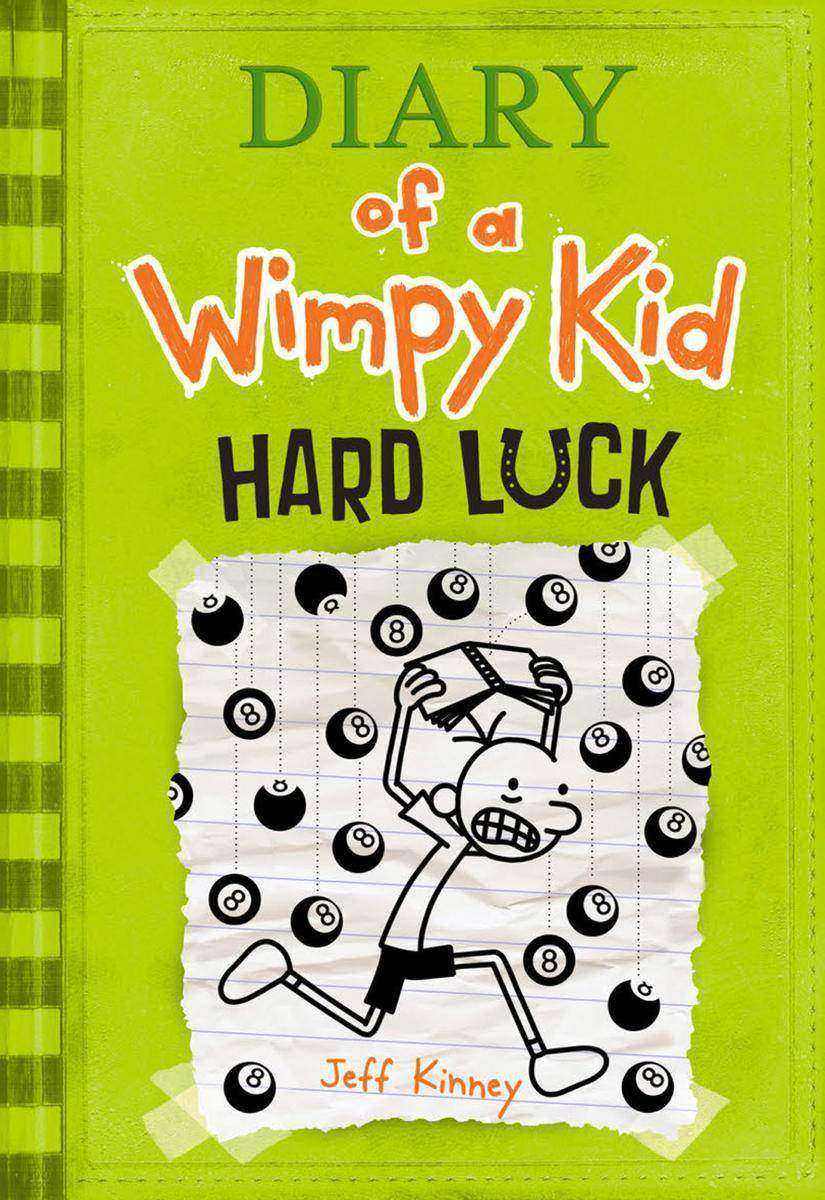
Hard Luck (Diary of a Wimpy Kid #8)
¥158.82
Greg Heffley's on a losing streak. His best friend, Rowley Jefferson, has ditched him, and finding new friends in middle school is proving to be a tough task. To change his fortunes, Greg decides to take a leap of faith and turn his decisions over to chance. Will a roll of the dice turn things around, or is Greg's life destined to be just another hard-luck story?
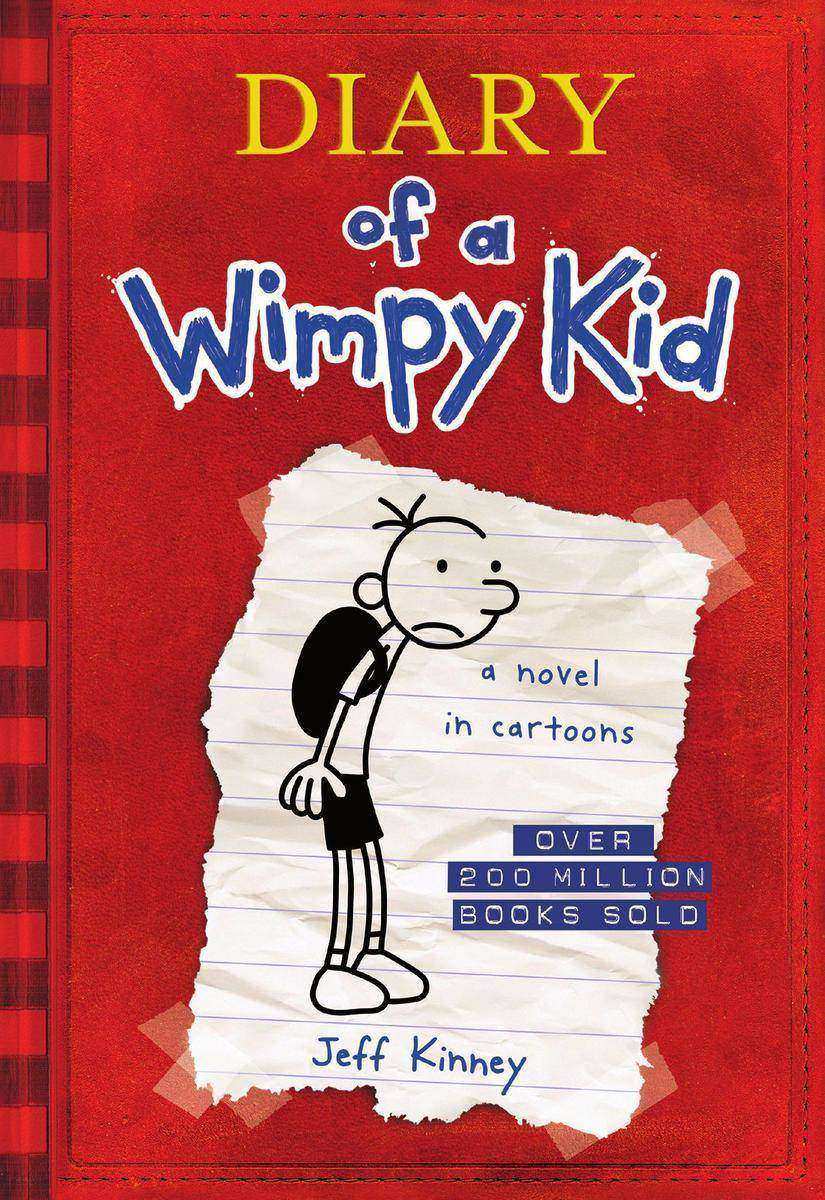
Diary of a Wimpy Kid (Diary of a Wimpy Kid #1)
¥158.82
Boys don't keep diaries-or do they?The launch of an exciting and innovatively illustrated new series narrated by an unforgettable kid every family can relate toIt's a new school year, and Greg Heffley finds himself thrust into middle school, where undersized weaklings share the hallways with kids who are taller, meaner, and already shaving. The hazards of growing up before you're ready are uniquely revealed through words and drawings as Greg records them in his diary. In book one of this debut series, Greg is happy to have Rowley, his sidekick, along for the ride. But when Rowley's star starts to rise, Greg tries to use his best friend's newfound popularity to his own advantage, kicking off a chain of events that will test their friendship in hilarious fashion. Author/illustrator Jeff Kinney recalls the growing pains of school life and introduces a new kind of hero who epitomizes the challenges of being a kid. As Greg says in his diary, "e;Just don't expect me to be all 'Dear Diary' this and 'Dear Diary' that.? Luckily for us, what Greg Heffley says he won't do and what he actually does are two very different things. Since its launch in May 2004 on Funbrain.com, the Web version of Diary of a Wimpy Kid has been viewed by 20 million unique online readers. This year, it is averaging 70,000 readers a day. F&P level: T
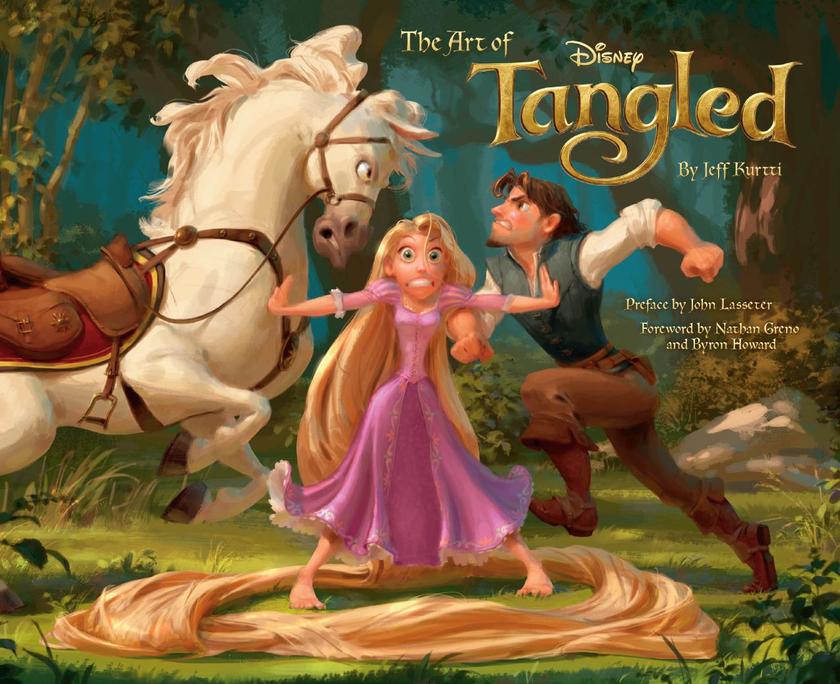
Art of Tangled
¥305.97
A lighthearted twist on Rapunzel, the beloved fairy tale from the Brothers Grimm, Tangled brims with thrilling adventure, a distinctive cast of characters, a daring heroine, and, of course, seventy feet of golden hair. Featuring the stunning concept art behind the newest Disney masterpiece, The Art of Tangled also includes a preface by John Lasseter, a foreword by Directors Nathan Greno and Byron Howard, and interviews with the artists, animators, and production team—including Art Director David Goetz—that shed light on the history and artistry of this landmark film.

Art of Toy Story 3
¥305.97
Disney/Pixar's Toy Story 3 takes viewers back to the story that started it all. Woody, Buzz, Jessie, Mr. and Mrs. Potato Head, Rex, Slinky Dog, and Hammalongside a surprising cast of new toysreturn to the big screen for a comical new adventure in Disney Digital 3D. In The Art of Toy Story 3 internationally renowned animation historian Charles Solomon takes readers through the technical challenges, triumphs, and emotional hurdles that faced the Pixar team as they developed the toys' adventure. The Art of Toy Story 3 includes an extended introduction showcasing the story and visual development behind the first two films, as well as a gallery of over 250 pieces of concept art. Featuring storyboards, character studies, color keys, reference photos, environment art, and a special color scripts by art director Daisuke Tsutsumi, this ebook provides a memorable narrative of the entire Toy Story trilogy.

Art of Coco
¥282.43
Pixar is proud to introduce the must-have companion to the vibrant new feature film Coco. The creation of Coco's mesmerizing world is explored in detail through colorful artwork, energetic character sketches, intriguing storyboards, and spellbinding colorscripts. Featuring insights from the production team about the making of the film and production art that bursts off the page, The Art of Coco overflows with insights into the creative process behind Pixar's unique and engaging vision.Copyright 2017 Disney Enterprises, Inc. and Pixar. All rights reserved.
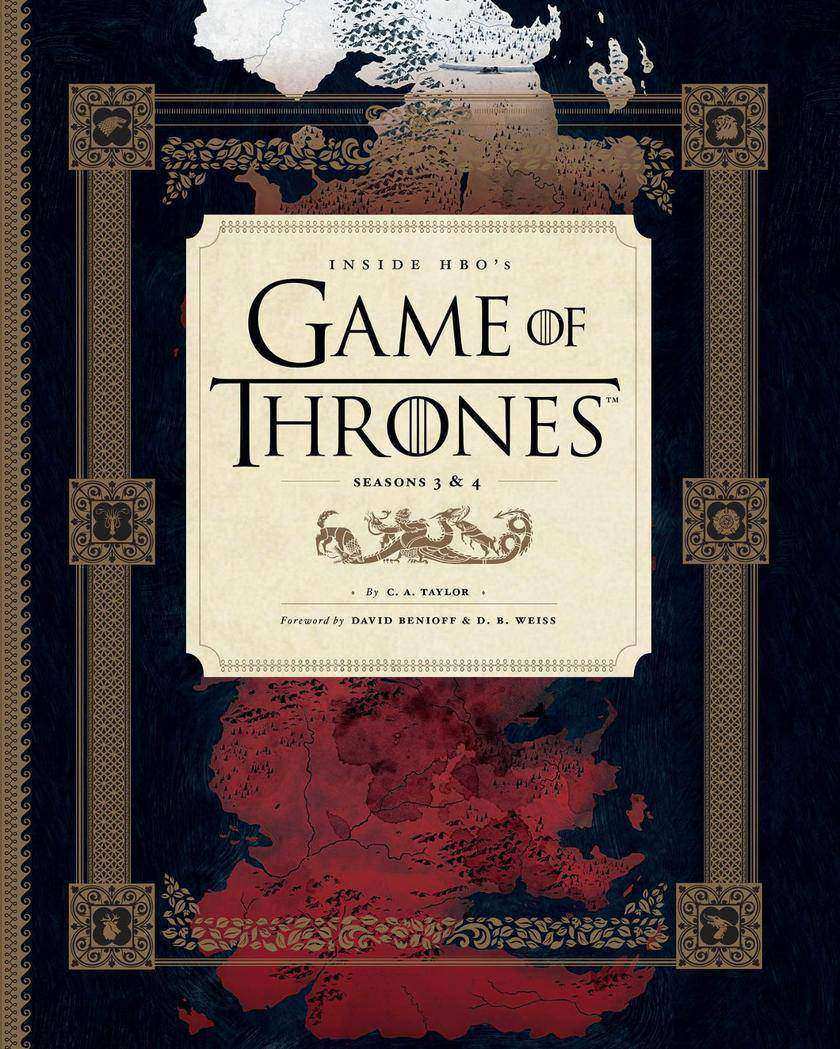
Inside HBO's Game of Thrones - Seasons 3 & 4
¥353.06
Each episode of HBO's Game of Thrones draws millions of obsessed viewers who revel in the shocking plot twists, award-winning performances, and gorgeously rendered fantasy world. This official companion book reveals what it takes to translate George R. R. Martin's bestselling series into a wildly popular television series. With unprecedented scope and depth, it showcases hundreds of unpublished set photos, visual effects art, and production and costume designs, plus insights from key actors and crew members that capture the best scripted and unscripted moments from Seasons 3 and 4. Required reading for the die-hard fan, and the perfect way to catch up on the series before the much-anticipated Season 5 debuts, this special volume offers an exclusive window into cable's highest-rated show.2014 Home Box Office, Inc. All rights reserved. Game of Thrones and related trademarks are the property of Home Box Office, Inc.
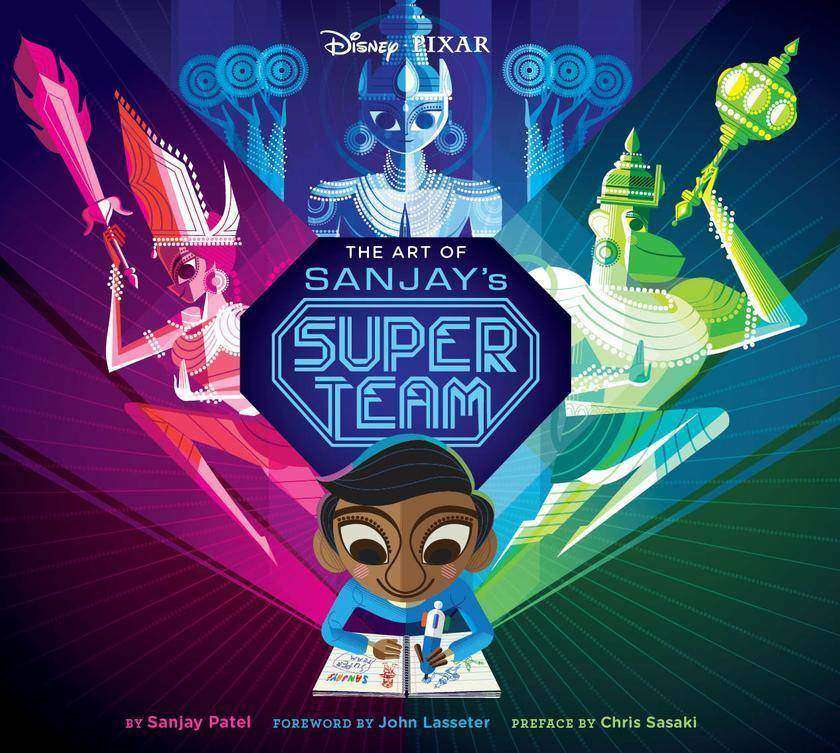
Art of Sanjay's Super Team
¥200.03
In the new short film from Pixar Animation Studios, Sanjay's Super Team, accomplished artist Sanjay Patel uses his own experience to tell the story of a young, 1st generation Indian boy whose love for western pop culture comes into conflict with his father's traditions. This art-filled peek behind the curtain of this groundbreaking film is sure to excite Sanjay's legion of fans, and thrill animation lovers around the world.Copyright 2015 Disney Enterprises, Inc. and Pixar. All rights reserved.
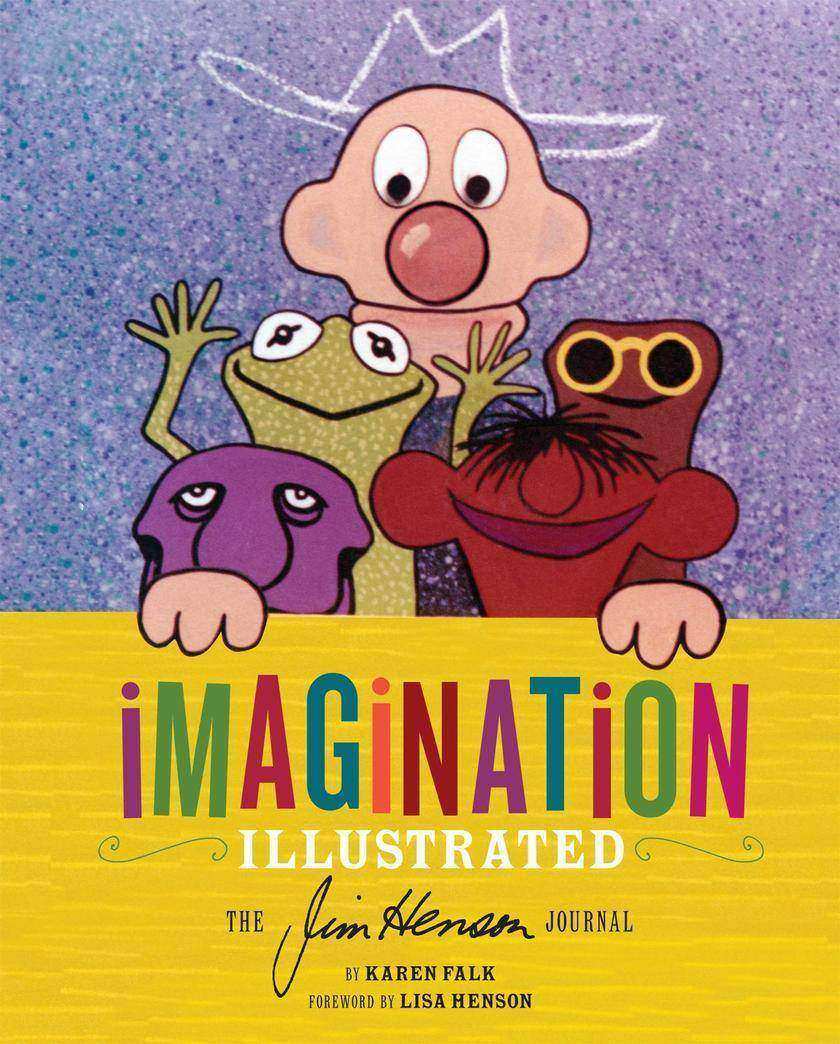
Imagination Illustrated - The Jim Henson Journal
¥200.03
Jim Henson's iconic puppet characters, fantastic worlds, and warm humor have delighted millions of people of all ages. His incredibly diverse body of work, from the Muppets to the world of The Dark Crystal, reveals his charm and genius to fans old and new. Compiled directly from The Jim Henson Company archives, Imagination Illustrated adapts the diary that Jim faithfully kept throughout his career, supplementing it with a trove of little-seen visual material, including rare sketches, personal and production photographs, storyboards, doodles, and much more. Throughout, archivist Karen Falk delves into the behind-the-scenes details of Henson's life and artistic process. Sure to delight anyone who has enjoyed Henson's creationsseeing early drawings of Kermit and Rowlf is like smiling over childhood photos of dear friendsthis lovely book celebrates Jim's life and his magic.

Real Housewives Tell It Like It Is
¥129.39
Bravo's The Real Housewives franchise has taken the country by storm with over 13 million fans and record-breaking new seasons. The Real Housewives Tell It Like It Is captures the best, most outlandish quotes from the ladies of the O.C., New York, Atlanta, New Jersey, D.C., Beverly Hills, and Miami in one deluxe volume so fans can refer to their unique brand of wisdom again and again. Organized by topic and brimming with color photographs, The Real Housewives Tell It Like It Is is a must-have for fans everywhere!

Art of Bolt
¥305.97
Meet Bolt: dashing super-dog, loyal companion, star of a hit television show. This heartfelt Disney computer-animated film follows Bolt on a cross country journey as he learns his entire life has been fakeand discovers he doesn't need super powers to be a hero. The Art of Bolt is a beautiful collection of more than 250 pieces of concept art created for the film, including storyboards, sketches, color scripts, full-color illustrations, as well as material from the fabled Disney archives. Quotes by the director, producer, and artists contextualize the art, and thoughtful essays explore Disney's past, present, and future in animation.

Art of Up
¥305.97
After Toy Story, Ratatouille, WALL-E, and other award-winning blockbusters, where else could Pixar Animation Studios go but Up? Their film is the heartwarming story of Carl Fredrickson (voiced by Ed Asner), a 78-year-old widower who feels that life has passed him byuntil a twist of fate takes him on a journey across the globe. The Art of Up contains more than 250 pieces of concept art developed for the feature, including storyboards, full-color pastels, digital and pencil sketches, character studies, color scripts, and more. Quotes from the director, artists, animators, and production team reveal the sky-high creativity that elevated this whimsical film to new heights.
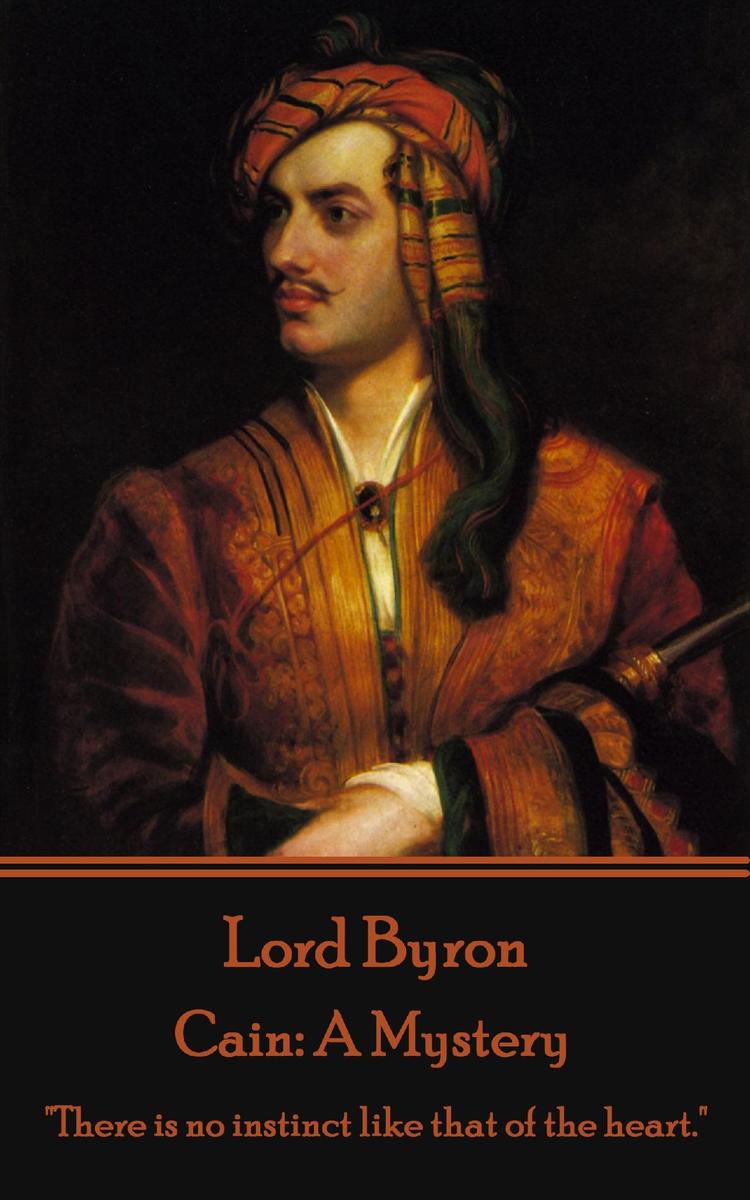
Cain: A Mystery - There is no instinct like that of the heart.
¥23.45
George Gordon Byron, 6th Baron Byron, but more commonly known as just Byron was a leading English poet in the Romantic Movement along with Keats and Shelley. Byron was born on January 22nd, 1788. He was a great traveller across Europe, spending many years in Italy and much time in Greece. With his aristocratic indulgences, flamboyant style along with his debts, and a string of lovers he was the constant talk of society. In 1823 he joined the Greeks in their war of Independence against the Ottoman Empire, both helping to fund and advise on the war's conduct. It was an extraordinary adventure, even by his own standards. But, for us, it is his poetry for which he is mainly remembered even though it is difficult to see where he had time to write his works of immense beauty. But write them he did. He died on April 19th 1824 after having contracted a cold which, on the advice of his doctors, was treated with blood-letting. This cause complications and a violent fever set in. Byron died like his fellow romantics, tragically young and on some foreign field.
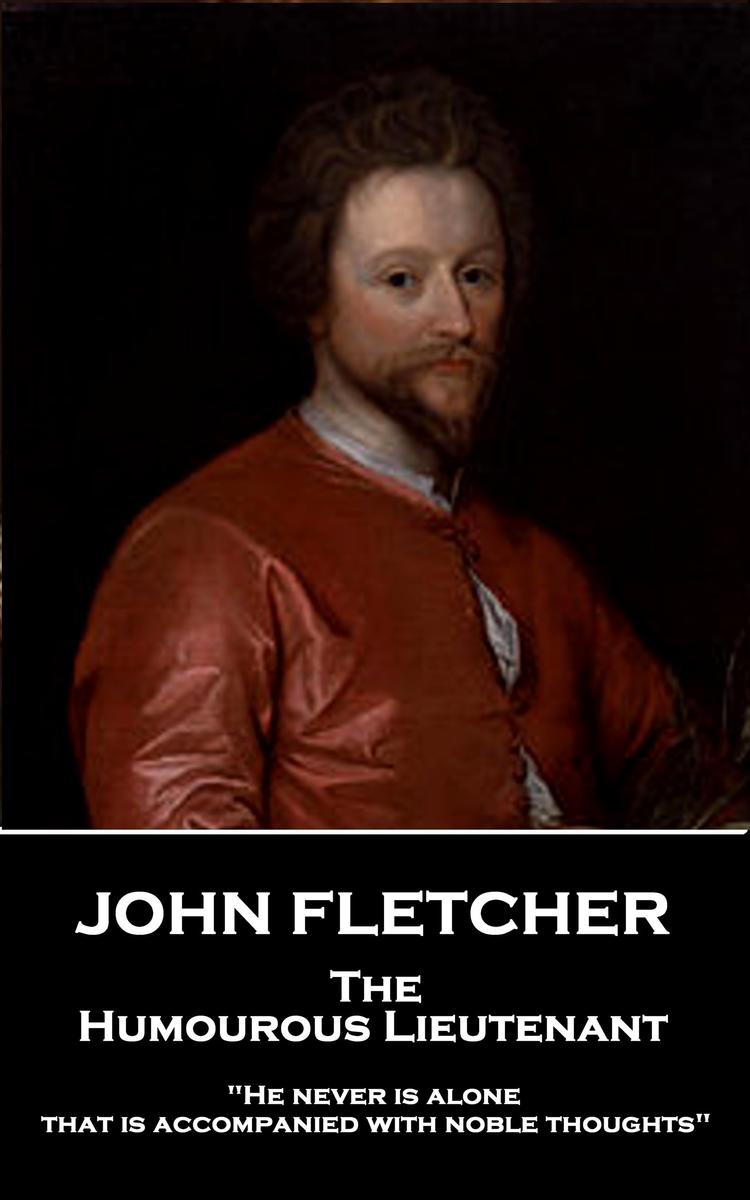
Humourous Lieutenant - He never is alone that is accompanied with noble thoughts
¥26.98
John Fletcher was born in December, 1579 in Rye, Sussex. He was baptised on December 20th. As can be imagined details of much of his life and career have not survived and, accordingly, only a very brief indication of his life and works can be given. Young Fletcher appears at the very young age of eleven to have entered Corpus Christi College at Cambridge University in 1591. There are no records that he ever took a degree but there is some small evidence that he was being prepared for a career in the church. However what is clear is that this was soon abandoned as he joined the stream of people who would leave University and decamp to the more bohemian life of commercial theatre in London. The upbringing of the now teenage Fletcher and his seven siblings now passed to his paternal uncle, the poet and minor official Giles Fletcher. Giles, who had the patronage of the Earl of Essex may have been a liability rather than an advantage to the young Fletcher. With Essex involved in the failed rebellion against Elizabeth Giles was also tainted. By 1606 John Fletcher appears to have equipped himself with the talents to become a playwright. Initially this appears to have been for the Children of the Queen's Revels, then performing at the Blackfriars Theatre. Fletcher's early career was marked by one significant failure; The Faithful Shepherdess, his adaptation of Giovanni Battista Guarini's Il Pastor Fido, which was performed by the Blackfriars Children in 1608. By 1609, however, he had found his stride. With his collaborator John Beaumont, he wrote Philaster, which became a hit for the King's Men and began a profitable association between Fletcher and that company. Philaster appears also to have begun a trend for tragicomedy. By the middle of the 1610s, Fletcher's plays had achieved a popularity that rivalled Shakespeare's and cemented the pre-eminence of the King's Men in Jacobean London. After his frequent early collaborator John Beaumont's early death in 1616, Fletcher continued working, both singly and in collaboration, until his own death in 1625. By that time, he had produced, or had been credited with, close to fifty plays.
Cupid's Revenge - In being thus dishonest, for a name He call'd him Cupid
¥38.75
The English dramatists Francis Beaumont and John Fletcher, collaborated in their writing during the reign of James I of England (James VI of Scotland, 1567-1625; in England he reigned from 1603).Beaumont & Fletcher began to collaborate as writers soon after they met. After notable failures of their solo works their first joint effort, Philaster, was a success and tragicomedy was the genre they explored and built upon. There would be many further successes to follow.There is an account that at the time the two men shared everything. They lived together in a house on the Bankside in Southwark, "e;they also lived together in Bankside, sharing clothes and having one wench in the house between them."e; Or as another account puts it "e;sharing everything in the closest intimacy."e;Whatever the truth of this they were now recognised as perhaps the best writing team of their generation, so much so, that their joint names was applied to all the works in which either, or both, had a pen including those with Philip Massinger, James Shirley and Nathan Field.The first Beaumont and Fletcher folio of 1647 contained 35 plays; 53 plays were included in the second folio in 1679. Other works bring the total plays in the canon to about 55. However there appears here to have been some duplicity on the account of the publishers who seemed to attribute so many to the team. It is now thought that the work between solely by Beaumont and Fletcher amounts to approximately 15 plays, though of course further works by them were re-worked by others and the originals lost.After Beaumont's early death in 1616 Fletcher continued to write and, at his height was, by many standards, the equal of Shakespeare in popularity until his own death in 1625.
Woman Of No Importance
¥23.45
Oscar Fingal O'Flahertie Wills Wilde was born on the 16th October 1854 in Dublin Ireland. The son of Dublin intellectuals Oscar proved himself an outstanding classicist at Dublin, then at Oxford. With his education complete Wilde moved to London and its fashionable cultural and social circles. With his biting wit, flamboyant dress, and glittering conversation, Wilde became one of the most well-known personalities of his day. His only novel, The Picture of Dorian Gray was published in 1890 and he then moved on to writing for the stage with Salome in 1891. His society comedies produced enormous hits and turned him into one of the most successful writers of late Victorian London. Whilst his masterpiece, The Importance of Being Earnest, was on stage in London, Wilde had the Marquess of Queensberry, the father of his lover, Lord Alfred Douglas, prosecuted for libel. The trial unearthed evidence that caused Wilde to drop his charges and led to his own arrest and trial for gross indecency. He was convicted and imprisoned for two years' hard labour. It was to break him. On release he left for France, There he wrote his last work, The Ballad of Reading Gaol in 1898. He died destitute in Paris at the age of forty-six sipping champagne a friend had brought with the line 'Alas I am dying beyond my means'. Here we publish another of his classic plays 'A Woman Of No Importance'
Eldest Son - Beginnings are always messy
¥23.45
John Galsworthy was born at Kingston Upon Thames in Surrey, England, on August 14th 1867 to a wealthy and well established family. His schooling was at Harrow and New College, Oxford before training as a barrister and being called to the bar in 1890. However, Law was not attractive to him and he travelled abroad becoming great friends with the novelist Joseph Conrad, then a first mate on a sailing ship. In 1895 Galsworthy began an affair with Ada Nemesis Pearson Cooper, the wife of his cousin Major Arthur Galsworthy. The affair was kept a secret for 10 years till she at last divorced and they married on 23rd September 1905. Galsworthy first published in 1897 with a collection of short stories entitled "e;The Four Winds"e;. For the next 7 years he published these and all works under his pen name John Sinjohn. It was only upon the death of his father and the publication of "e;The Island Pharisees"e; in 1904 that he published as John Galsworthy. His first play, The Silver Box in 1906 was a success and was followed by "e;The Man of Property"e; later that same year and was the first in the Forsyte trilogy. Whilst today he is far more well know as a Nobel Prize winning novelist then he was considered a playwright dealing with social issues and the class system. Here we publish Villa Rubein, a very fine story that captures Galsworthy's unique narrative and take on life of the time. He is now far better known for his novels, particularly The Forsyte Saga, his trilogy about the eponymous family of the same name. These books, as with many of his other works, deal with social class, upper-middle class lives in particular. Although always sympathetic to his characters, he reveals their insular, snobbish, and somewhat greedy attitudes and suffocating moral codes. He is now viewed as one of the first from the Edwardian era to challenge some of the ideals of society depicted in the literature of Victorian England. In his writings he campaigns for a variety of causes, including prison reform, women's rights, animal welfare, and the opposition of censorship as well as a recurring theme of an unhappy marriage from the women's side. During World War I he worked in a hospital in France as an orderly after being passed over for military service. He was appointed to the Order of Merit in 1929, after earlier turning down a knighthood, and awarded the Nobel Prize in 1932 though he was too ill to attend. John Galsworthy died from a brain tumour at his London home, Grove Lodge, Hampstead on January 31st 1933. In accordance with his will he was cremated at Woking with his ashes then being scattered over the South Downs from an aeroplane.
Machine - The great corporation which employed you lied to you
¥15.21
Upton Sinclair (1878-1968) was a prolific American novelist and a political activist. Apart from his bestselling novels, which told in black and white, illuminated the realities of the United States at the turn of the twentieth century, he is remembered today for championing socialist causes that were naturally unpopular in conservative America. In classics like 'The Jungle' his work had considerable effects on American politics and legislation. Sinclair's socialist ideals and dreams found their way to his fiction as he believed that no art can be practiced for art's sake as long as humanity still suffers from persistent dangers and evils. Such orientations have often subjected Sinclair to harsh criticism and even to demonization from numerous critics and politicians of his time, the most distinguished among which was probably President Theodore Roosevelt. However his legacy is that of a successful and established novelist and activist who if not always righting the balance was able to bring an incisive mind and mass exposure to many areas and industries.
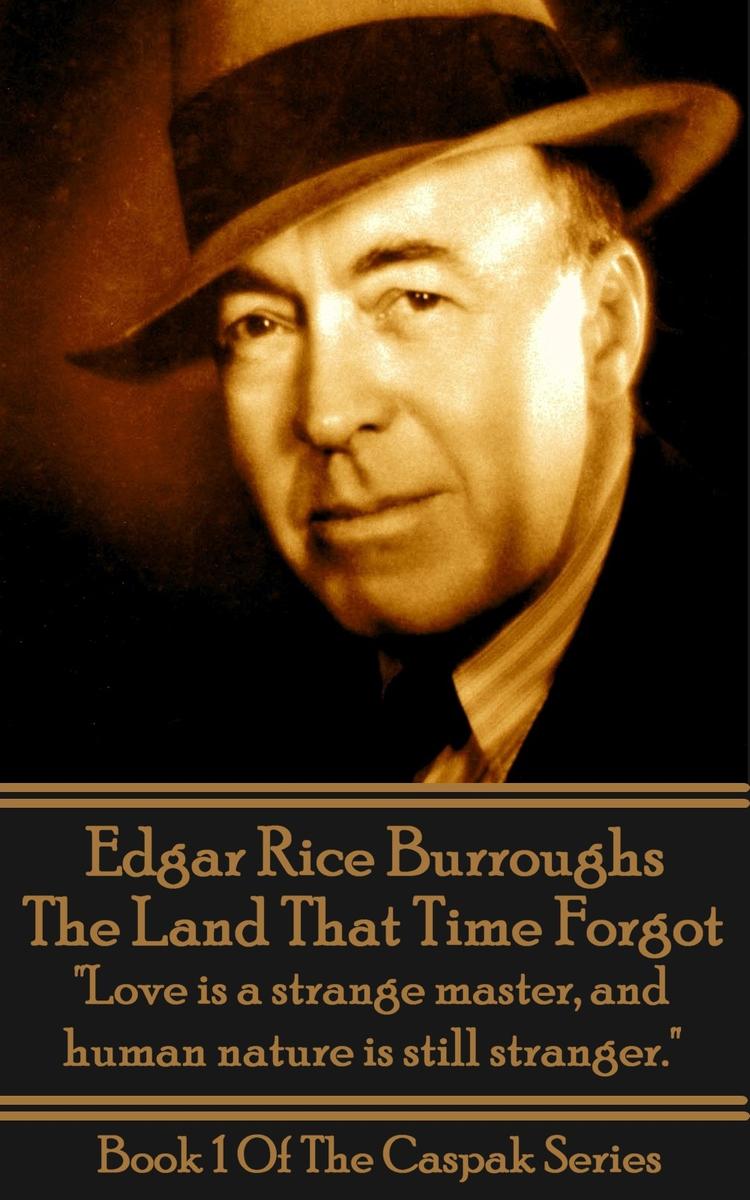
Land That Time Forgot - Love is a strange master, and human nature is still stra
¥35.22
Edgar Rice Burroughs was born on September 1, 1875, in Chicago, Illinois. His early career was unremarkable. After failing to enter West Point he enlisted in the 7th Calvary but was discharged after heart problems were diagnosed. A series of short term jobs gave no indication as to a career path but finally, in 1911, married and with two young children, he turned his hand to writing. He aimed his works squarely at the very popular pulp serial magazines. His first effort 'Under The Moons Of Mars' ran in Munsey's Magazine in 1912 under the pseudonym Norman Bean. With its success he began writing full time. A continuing theme of his work was to develop series so that each character had ample opportunities to return in sequels. John Carter was in the Mars series and there was another on Venus and one on Pellucidar among others. But perhaps the best known is Tarzan. Indeed Burroughs wanted so much to capitalise upon the brand that he introduced a syndicated Tarzan comic strip, movies and merchandise. He purchased a large ranch north of Los Angeles, California, which he named "e;Tarzana."e; The surrounding communities outside the ranch voted in 1927 to adopt the name as their own. By 1932 Burroughs set up his own company to print his own books. Here we publish 'The Land That Time Forgot' a wonderfully crafted piece of science fiction that has endured as a favourite across generations.
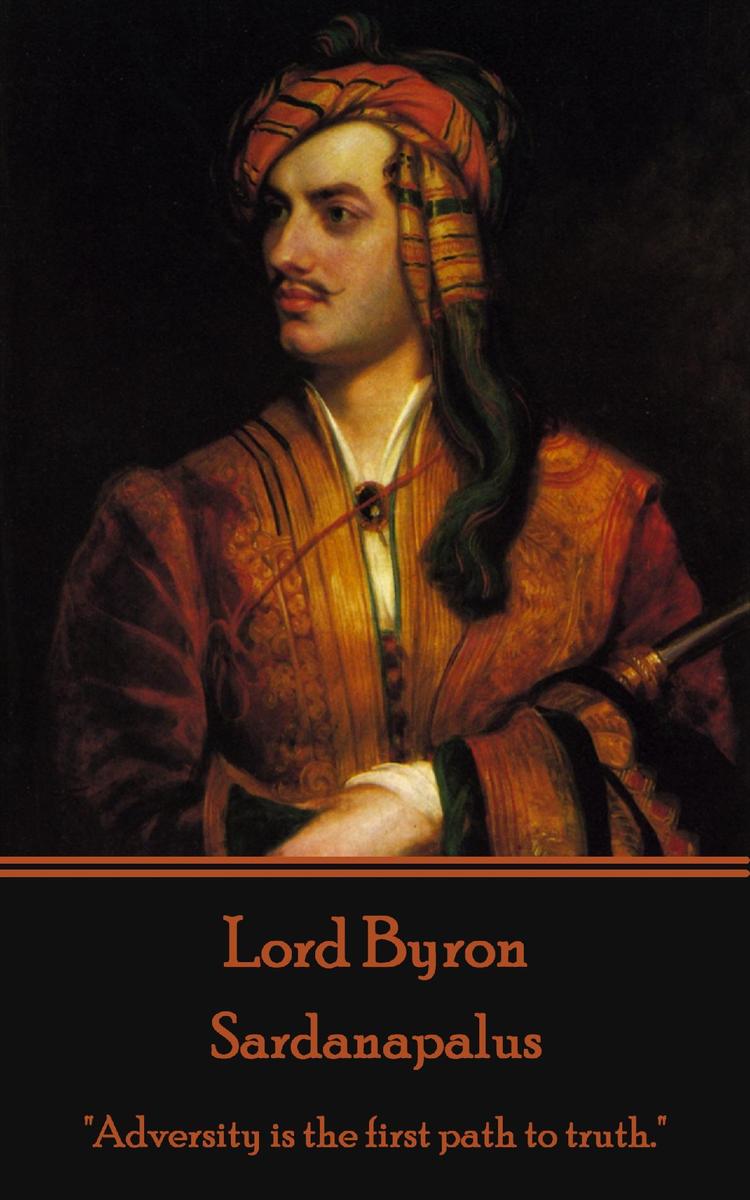
Sardanapalus - Adversity is the first path to truth.
¥26.98
George Gordon Byron, 6th Baron Byron, but more commonly known as just Byron was a leading English poet in the Romantic Movement along with Keats and Shelley. Byron was born on January 22nd, 1788. He was a great traveller across Europe, spending many years in Italy and much time in Greece. With his aristocratic indulgences, flamboyant style along with his debts, and a string of lovers he was the constant talk of society. In 1823 he joined the Greeks in their war of Independence against the Ottoman Empire, both helping to fund and advise on the war's conduct. It was an extraordinary adventure, even by his own standards. But, for us, it is his poetry for which he is mainly remembered even though it is difficult to see where he had time to write his works of immense beauty. But write them he did. He died on April 19th 1824 after having contracted a cold which, on the advice of his doctors, was treated with blood-letting. This cause complications and a violent fever set in. Byron died like his fellow romantics, tragically young and on some foreign field.
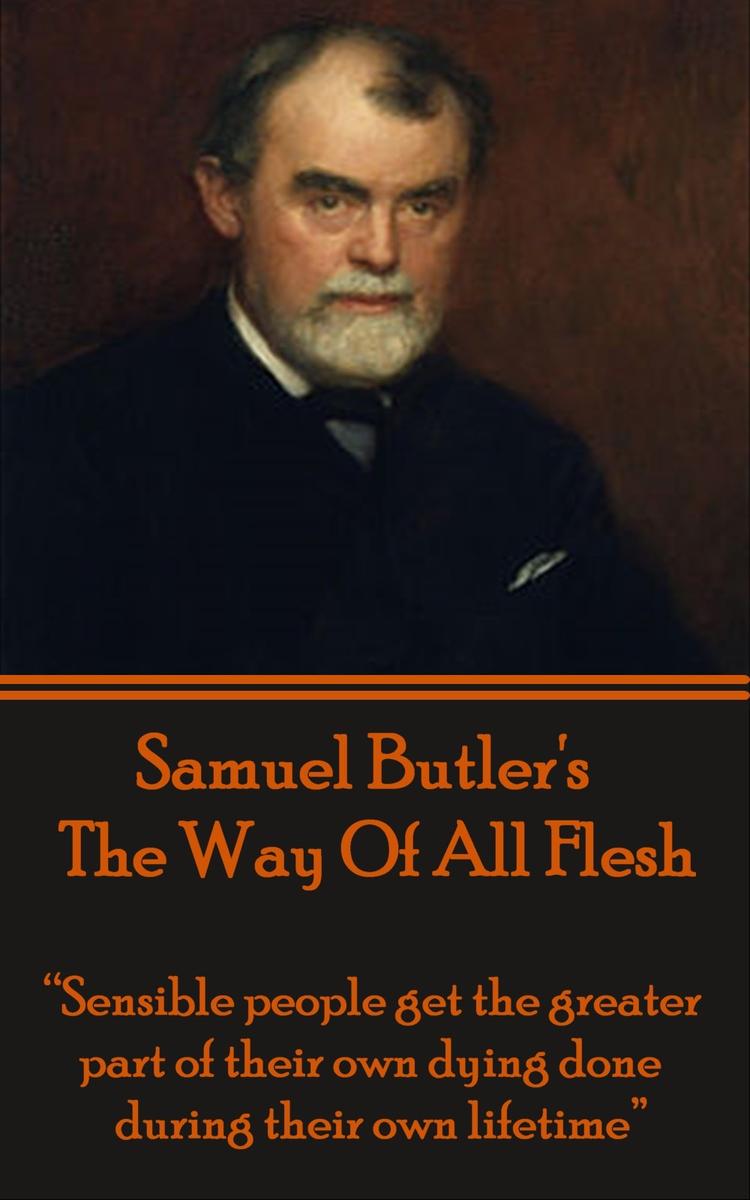
Way Of All Flesh
¥11.67
Samuel Butler (4th December 1835 - 18th June 1902) had both a father and grandfather in the church and was being groomed by his father to be a priest. However, after a first at Cambridge, he decided he wanted to be an artist. His father could not and would not consider such a thing and by mutual consent Samuel went to New Zealand to be a sheep farmer. Here he started writing which he continued on his return to London as well as taking up painting. Whilst he did have several paintings exhibited at the Royal Academy, his talent undoubtably was in his writing but the extent of which was only really apparent after his death. This was due entirely to his great work, "e;The Way of All Flesh"e; published the year after he died to tumultuous acclaim which is well illustrated by George Bernard Shaw describing it as "e;one of the summits of human achievement."e; "e;The Way of All Flesh"e; is a thinly disguised autobiographical account of his own harsh Christian upbringing as it traces the life and loves of Ernest Pontifex and his family. Along the way, it satires Victorian values and beliefs and with brilliant wit and irony offers a powerful indictment of most 19th-century institutions in England. Each generation has found that despite the book savaging Victorian hypocrisy, it still speaks to every era as ultimately the theme of young people growing up wanting a greater degree of personal freedom than their parents is very much alive and kicking in most families around the world.


