


 购物车
购物车 个人中心
个人中心
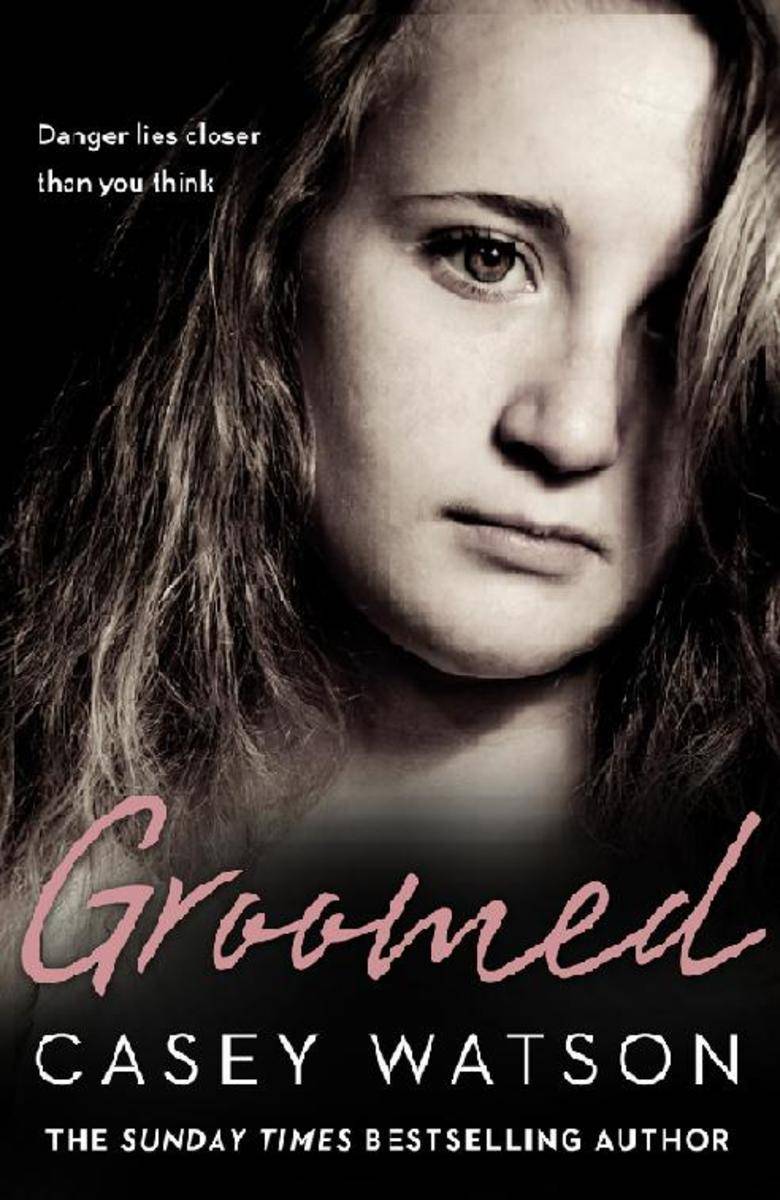
Groomed: Danger lies closer than you think
¥61.51
It’s late on Friday night when Casey’s mobile starts to ring. She is expecting it to be her daughter Riley. But it isn’t Riley. It’s a woman from the Emergency Duty Team. So begins Casey and Mike’s latest fostering challenge – a fifteen-year-old girl called Keeley who’s run away from her long-term foster home 25 miles away. The Jonathan Ross Show has just started when Casey gets the call. She thinks it will be Riley – telling her that her favourite actor is going to be on TV. But it’s something far more urgent: a fifteen-year-old girl who has run away from her foster family and accused her foster father of sexual abuse. The family deny in vehemently, but such an allegation can never be taken lightly, so a new home must be found for Keeley. Keeley is polite, but she’s sharp, and she has all the hallmarks of a child who has been in the system a long time, and knows how to play it. Whether the allegation is true or not, Casey knows there will be no winners here. If it is true, then a young girl’s life has been torn asunder. If not, then the heartache for the family will only be surpassed by the bleak outlook for Keeley. In the short term, it’s a case of providing a safe, supportive home for a vulnerable child. But with the dangerous world of the internet at her disposal, it seems this strong-minded youngster has her own ideas of where that safe place should be…

The Girl From Aleppo: Nujeen’s Escape From War to Freedom
¥66.22
Previously published as ‘Nujeen’ The story that is inspiring the world. Read about Nujeen who escaped the hell of war in Aleppo and travelled to Europe in a wheelchair. ‘She is our hero. Everyone must read her story. She will inspire you’ MALALA YOUSAFZAI Nujeen Mustafa has cerebral palsy and cannot walk. This did not stop her braving inconceivable odds to travel in her wheelchair from Syria in search of a new life. Sharing her full story for the first time, Nujeen recounts the details of her childhood and disability, as well as the specifics of her harrowing journey across the Mediterranean to Greece and finally to Germany to seek an education and the medical treatment she needs. Nujeen's story has already touched millions and in this book written with Christina Lamb, bestselling co-author of ‘I Am Malala’, she helps to put a human face on a global emergency. Trapped in a fifth floor apartment in Aleppo and unable to go to school, she taught herself to speak English by watching US television. As civil war between Assad's forces and ISIS militants broke out around them, Nujeen and her family fled first to her native Kobane, then Turkey before they joined thousands of displaced persons in a journey to Europe and asylum. She wanted to come to Europe, she said, to become an astronaut, to meet the Queen and to learn how to walk. In her strong, positive voice, Nujeen tells the story of what it is really like to be a refugee, to have grown up in a dictatorship only for your life to be blighted by war; to have left a beloved homeland to become dependent on others. It is the story of our times told through the incredible bravery of one remarkable girl determined to keep smiling.
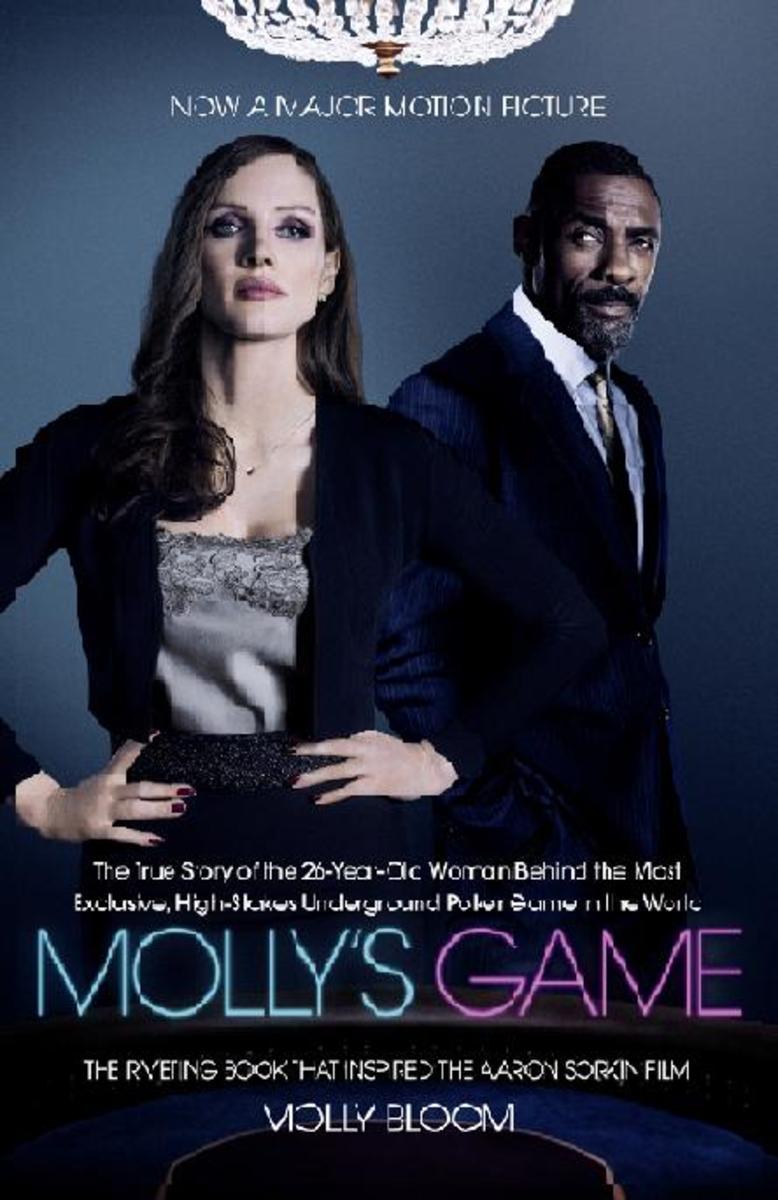
Molly’s Game: The Riveting Book that Inspired the Aaron Sorkin Film
¥66.22
A SUNDAY TIMES BESTSELLER NOW A MAJOR MOTION PICTURE WRITTEN AND DIRECTED BY AARON SORKIN, AND STARRING JESSICA CHASTAIN, IDRIS ELBA, KEVIN COSTNER AND MICHAEL CERA The true story of the 26-year-old woman behind the most exclusive, high-stakes underground poker game in the world When Molly Bloom was a little girl in a small Colorado town, she dreamed of a life without rules and limits, a life where she didn’t have to measure up to anyone or anything – where she could become whatever she wanted. She ultimately got more than she ever could have bargained for. In Molly’s Game, she takes you through her adventures running an exclusive private poker game catering to Hollywood royalty like Leonardo DiCaprio and Ben Affleck, athletes, billionaires, politicians and financial titans. With rich detail, Molly describes a world of glamour, privilege and secrecy in which she made millions, lived the high life and fearlessly took on the Russian and Italian mobs – until she met the one adversary she could not outsmart: the United States government.

The True Story of the Novel (Text Only)
¥76.91
Margaret Anne Doody is Andrew W Mellon Professor of Humanities at Vanderbilt University, USA. She is the author of several books, including the novel Aristotle Detective and a biography of Frances Burney.
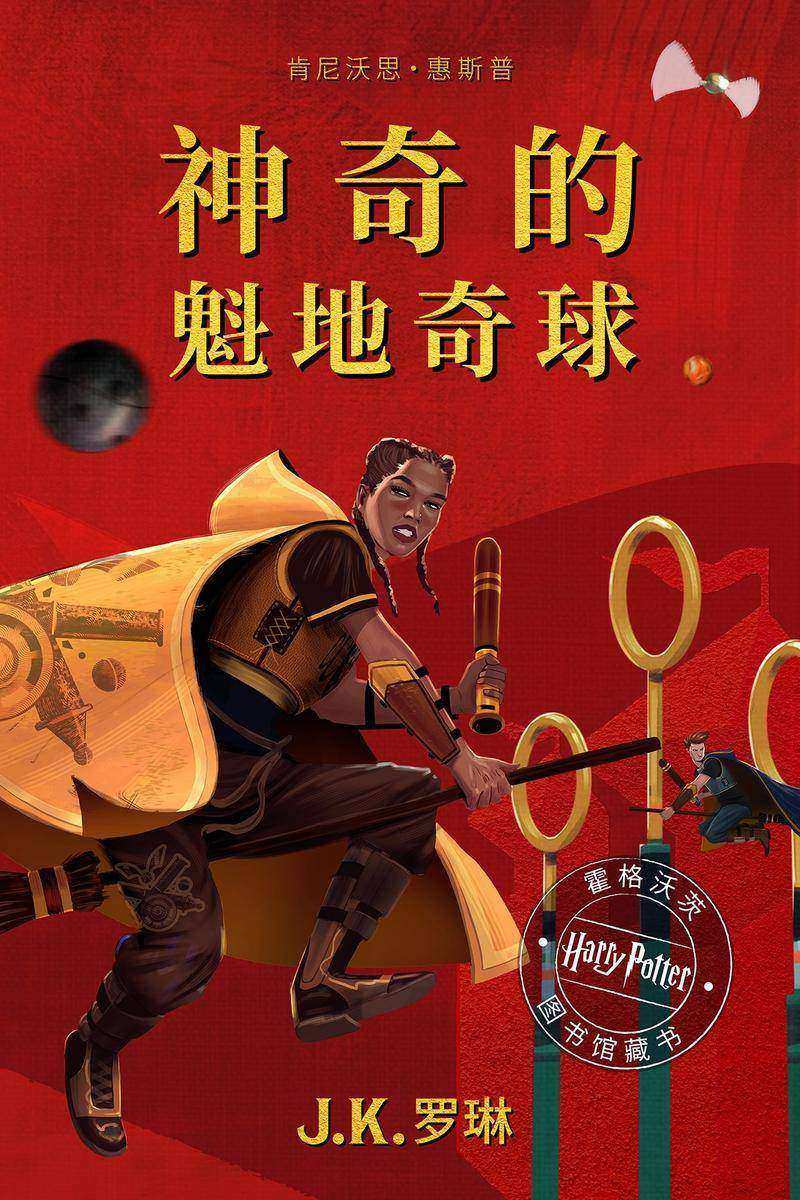
神奇的魁地奇球
¥10.00
自出版以来,《神奇的魁地奇球》便成为了《霍格沃茨图书馆》中最受欢迎的书之一。包括哈利·波特、赫敏·格兰杰在内的许多学生都曾读过这本书,它成了魔法世界最流行游戏的必备指南。 从11世纪的魁地奇沼泽到如今的复杂运动,《神奇的魁地奇球》将为你展示魁地奇比赛中那些令人兴奋的胜利和绝望的时刻(比如支持查德里火炮队)。 了解比赛的全部历史和规则,从700种犯规中的一部分(以及那些在世界杯决赛中出现的所有剩余部分)到特兰西瓦尼亚假动作与伍朗贡之字形飞行术间的区别。 《霍格沃茨图书馆》的书架同样也是更多其它迷人书籍的家。如果你喜欢《神奇的魁地奇球》这本书,那么你肯定也会对以下两本著作感兴趣:《神奇动物在哪里》以及《诗翁彼豆故事集》。 Lumos Foundation是英国注册慈善机构,编号1112575(英格兰/威尔士地区)。Pottermore Limited将从此电子书的销售所得*中,提取15%用于支持该基金会在英国及全球的工作,包括改善儿童与青少年的生存发展状况。 *"所得"指扣除销售税后的实际现金收入或现金等价金额。
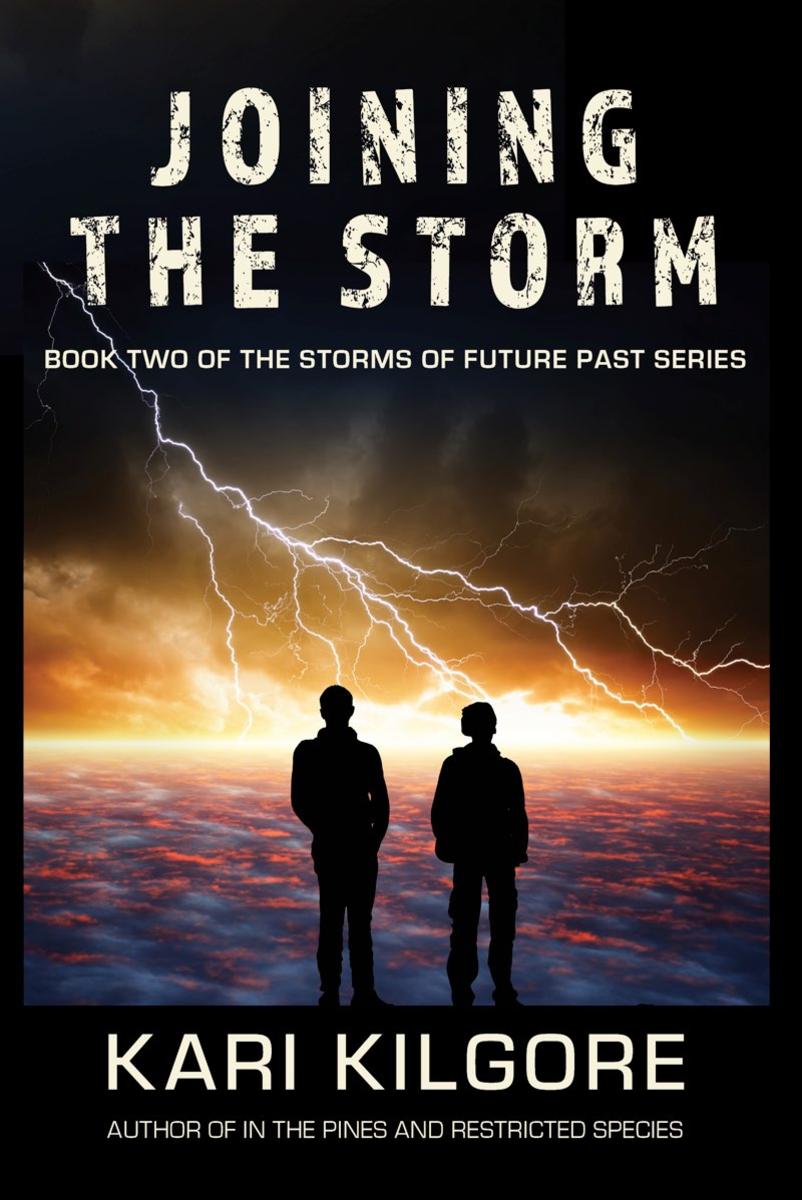
Joining the Storm
¥43.51
The Storm Builds Etan Griffith loves his life in Chicago, far from his native Blue Ridge Mountains. Alex Collins escaped Wisconsin to a career he loves, in a city that welcomes him more than his own family. Both seek the missing piece to their puzzle. Dreams and patterns. Restless and searching. Then one snowy night sets their shared destiny in motion. An excerpt from Joining the Storm: “I never wanted you to know about the dreams,” Etan said. “I feel crazy enough without you confirming it.” “Crazy isn’t the question,” Alex said, stroking Etan’s hair. “Unless it’s both of us. You missed me saying every word feels true.” “I don’t even know what the dreams are, Alex. I know I have them, but I never remember a thing. That’s not exactly stable.” “Well, have a drink and let me enlighten you.” Etan sat up, managing to keep himself from curling up into a knot of fear again. He drained the whiskey, watching Alex do the same. “What you tell me in the middle of the night is all about how we can’t stay here much longer. Something bad is going to happen, with the food supply I think, and none of the cities are going to be safe anymore. And we don’t have much time to get ready before we’re trapped along with everyone else who’s not going to make it out.”
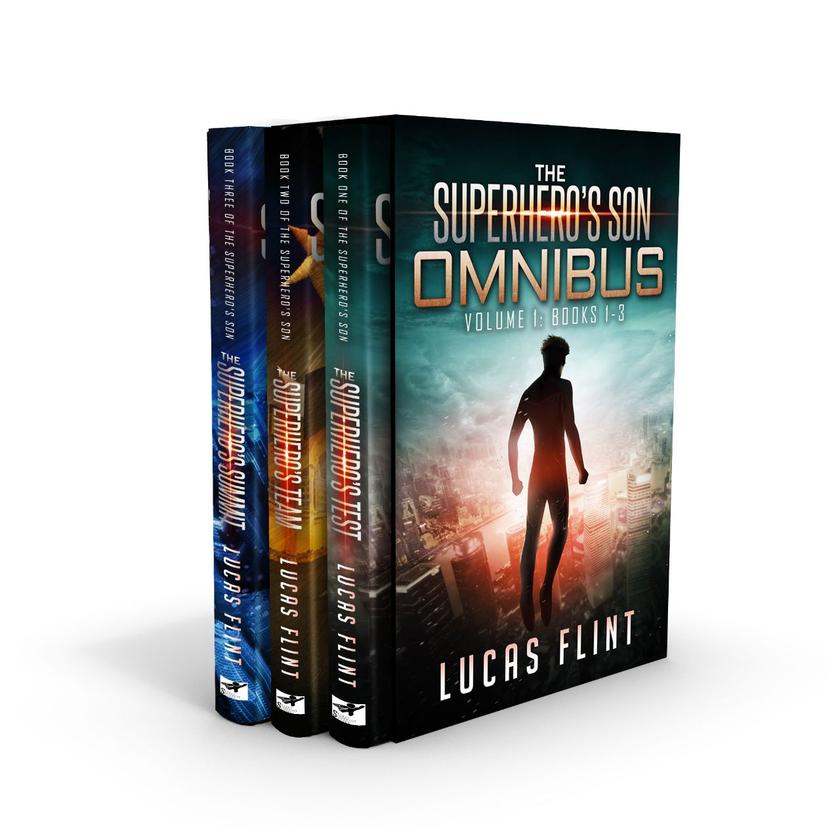
The Superhero's Son Omnibus: Books 1-3
¥87.11
For the first time ever, get the first three books of "The Superhero's Son" in one convenient discounted ebook box set! In "The Superhero's Test," Kevin Jason becomes the superhero Bolt in order to defend himself and his family from a dangerous supervillain; in "The Superhero's Team," Bolt must uncover a conspiracy in the superhero community that threatens to destroy the country before it is too late; and in "The Superhero's Summit," Bolt must figure out who is trying to provoke conflict between the two largest superhero organizations in the country before all-out war breaks out between them.
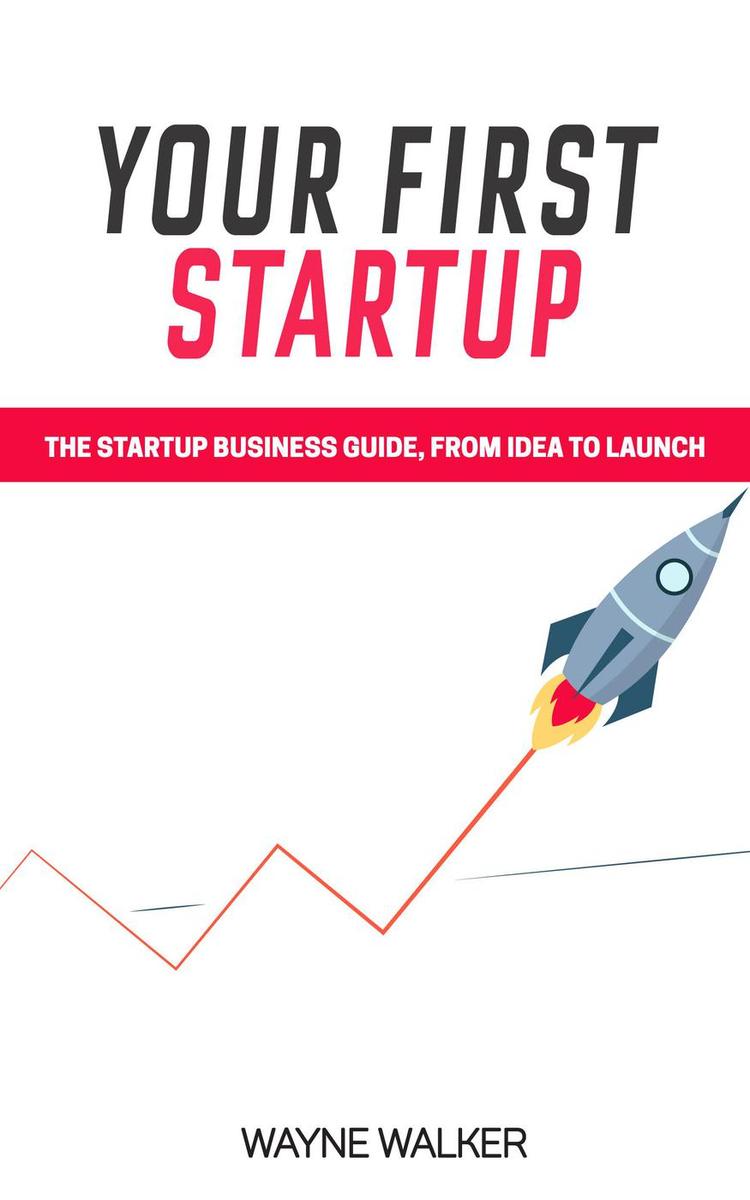
Your First Startup: The Startup Business Guide, From Idea To Launch
¥17.35
Wayne shows you how to make the leap from traditional employment and create the business and income to pursue your dreams outside of work. The book provides the tools that a new entrepreneur needs in straight talk, no fluff. This is based on the experience with his own lean startup venture. Includes many personal notes from the journal that he kept during his startup phase. This hands-on book will launch you on your way. ?Easy to use guide ?Avoid the mistakes that sink startups' ?Locate customers: how to capture, keep and grow customers ?Learn which advisors you need and the ones to avoid ?Make more intelligent decisions ?Elevate your startup to repeatable profits

Autism Goes to School: Book One of the School Daze Series
¥0.01
After suddenly receiving custody of his five year old son, Ben must learn how to be a dad. The fact that he'd even fathered a child was news to him. Not only does this mean restructuring his sixty-hour workweek and becoming responsible for another human being, but also Kyle has autism. Enter the school system and a shaky beginning. Under the guidance of a gifted teacher, Ben and Kyle take tentative steps to becoming father and son. Teacher Melanie Nicols sees Ben as a deadbeat dad, but grudgingly comes to admire how he hangs in, determined to learn for his son’s sake. Her admiration grows to more as father and son come to rely on Melanie being a part of their lives. When parents receive the news that their child has autism, they spend countless hours researching the subject, usually at night, after an exhausting day. Teachers, when they hear that they'll have a student with an autism spectrum disorder, also try to learn as much as they can. This novel was written for such parents and teachers - an entertaining read that offers information on autism and strategies that work. Dr. Sharon A. Mitchell has worked in schools as a teacher, counselor, psychologist and consultant for decades. Her Master's and Doctorate degrees focused on autism. She has delivered workshops and seminars to thousands participants including at national conferences. She continues to write and teaches university classes about students who learn differently.
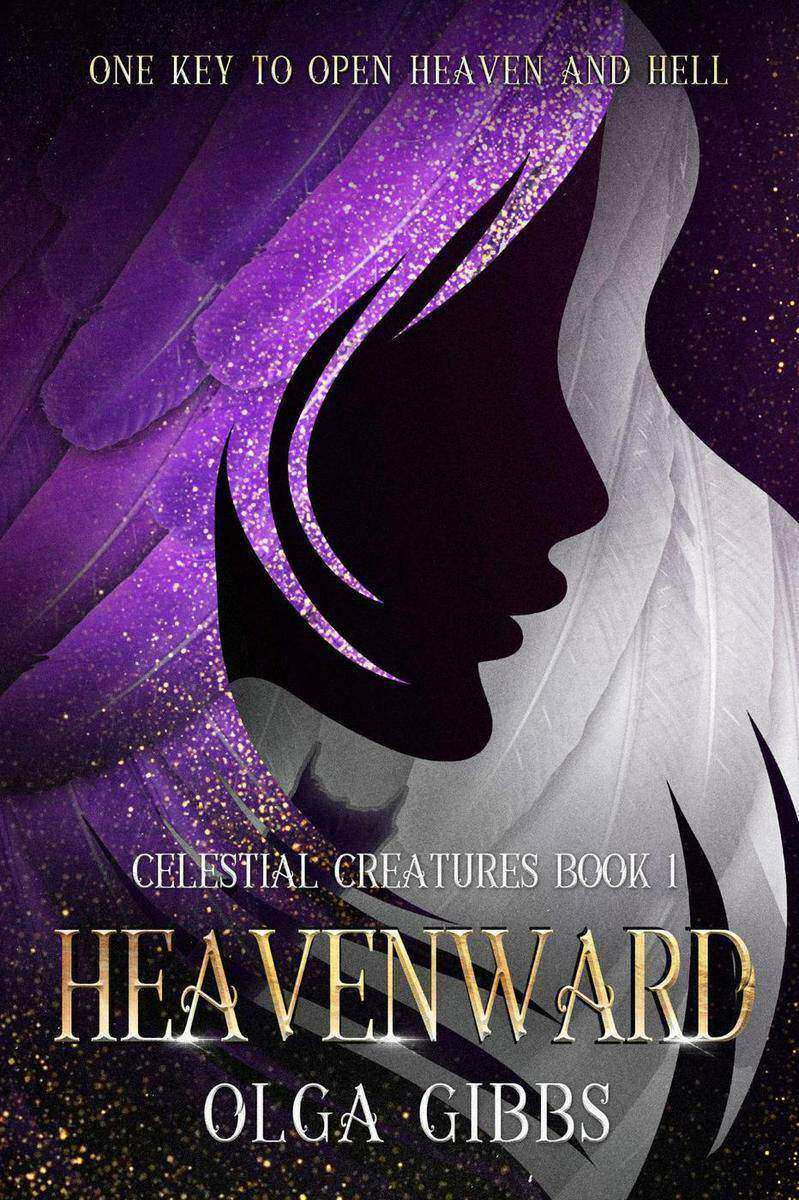
Heavenward
¥8.63
With the power to end the world, would you protect humanity when it broke you or would you take revenge? Meet Ariel: a quiet, unnoticeable girl with an incredible gift… Ariel never had an easy or pleasant life, but the arrival of three gorgeous strangers meant her measured life is turned upside down, as she discovers that angels exist.Now against her will, she’s drawn into an ancient celestial conflict, where her powers will decide the fate of humanity. Deceived, threatened, hunted and now on the run, who can she trust? It's fantastically written using highly descriptive languagethroughout allowing me to feel like I was transported into the story - I couldalmost smell and feel what the characters are experiencing. (Melanie from "Frasier's Fun House"/Book blogger) From the first chapter I found this book scarily addicting.I just wanted more. I was consumed and intrigued. I didn't know where it wasgoing or what was going to happen and was pleasantly surprised. (Emma from "Emma's Chapter"/Book blogger)Once I'm started, I just can't stop myself from reading itand almost constantly think about it while awake, torturing me. Stranger tothis genre, I wasn't aware this book would make my heart race so much and thatmy little imagination wheels in my brain would be on fire! (Kristina from "Books and Dachshunds"/Book blogger)Holy, that was great...I'm speechless by how amazing the story is. (Deekay from "Life of Deekay"/Book blogger)Heavenward by Olga Gibbs was an interesting read. I thoughtthe idea was brilliant. I have not read that many books dealing with angels butI find that I enjoy them. Gibbs took the story of the angels and definitely puther own spin on it. The scenery that she describes in the second half of thebook is just amazing. (Stephanie from "Books in the Skye"/Book blogger)Fantastic page turner! 150 pages were gone in a flash and Ijust wanted more! (Amazon reviewer)Addictive book with a fantastic and vivid world-building! Iwould definitely continue with this series. I need to know what happens next!Well written, well planned out. Reminded me a little of Hush, Hush, so if youlike things like that then you should definitely check this out. (Book blogger)Olga Gibbs has a talent for world-building. From the schoolyard to the heavenly architecture and natural surroundings, her settings andimagery are so vivid and cater to all five senses; it would be hard to tire fromher rich descriptions. (Kelsey from "There's something about KM"/Book blogger)

Shingas
¥33.14
He was an Iroquois war chief, she was an indentured servant. A careless footprint brought them together. The birth of a child would change their lives forever.

The Black Maria
¥54.76
When love becomes your greatest enemy. Part of?The Love and War Series, novels set during the 20th century's darkest years. Moscow, 1935. Stalin is in power. People live in constant fear – fear of each other, fear of being denounced, and fear of Stalin’s secret police, the NKVD. Ordinary citizens live behind a mask – a public face that enables them to toe the Party line and conceal their true feelings and personal thoughts.?One such citizen is thirty-year-old Maria. She has a past – the sort that, if known, would cost her her freedom. So monstrous her crime, she is forced to live a lie. Maria marries Petrov, a Party activist, not out of love, but as a means of forming a new identity, to escape her past. Her existence is safe – but dull. Until the day she meets Dmitry.Dmitry is an artist, whose work allows him a standard of living above the average Muscovite. But Dmitry feels straitjacketed by what he’s allowed to paint. Instead of the state approved rural idyll of his latest commission, he aspires to paint the female form. But when Maria offers to pose for him, he refuses – until he falls in love with her.Dmitry’s artistic aspirations and Maria’s yearning for a new life force them to risk everything in the name of love and freedom.?The Black Maria?is a novel about truth – the distortion of it, and the fear of it. And at the heart of the novel, is Maria’s brutal past. When love comes unexpectedly, it threatens to expose the truth and destroy her.“I'm seriously in awe. It's a remarkable piece of historical fiction. It's dark, gritty, and really quite disturbing. And heartbreaking at the same time. A brilliant achievement!”?“A disquieting, well-told tale in which the author delves deeply and effectively into the minds of his characters. Is it entertaining? Yes. You'll be glad you read this novel.”“Hard-hitting, dark and, at times, unpalatable. It is also honest.”“I don't recall being quite as thoroughly chilled by Solzhenitsyn's works as I was with Rupert Colley's The Black Maria.”“Wonderfully written, this is a novel that lives long in the memory. Highly recommended.”“An absorbing if confronting read, and stayed with me long after I'd finished it.”Rupert Colley is the founder, editor and writer of the highly successful?History In An Hour?series of ebooks and audio, published by HarperCollins.?Historical fiction with heart and drama.
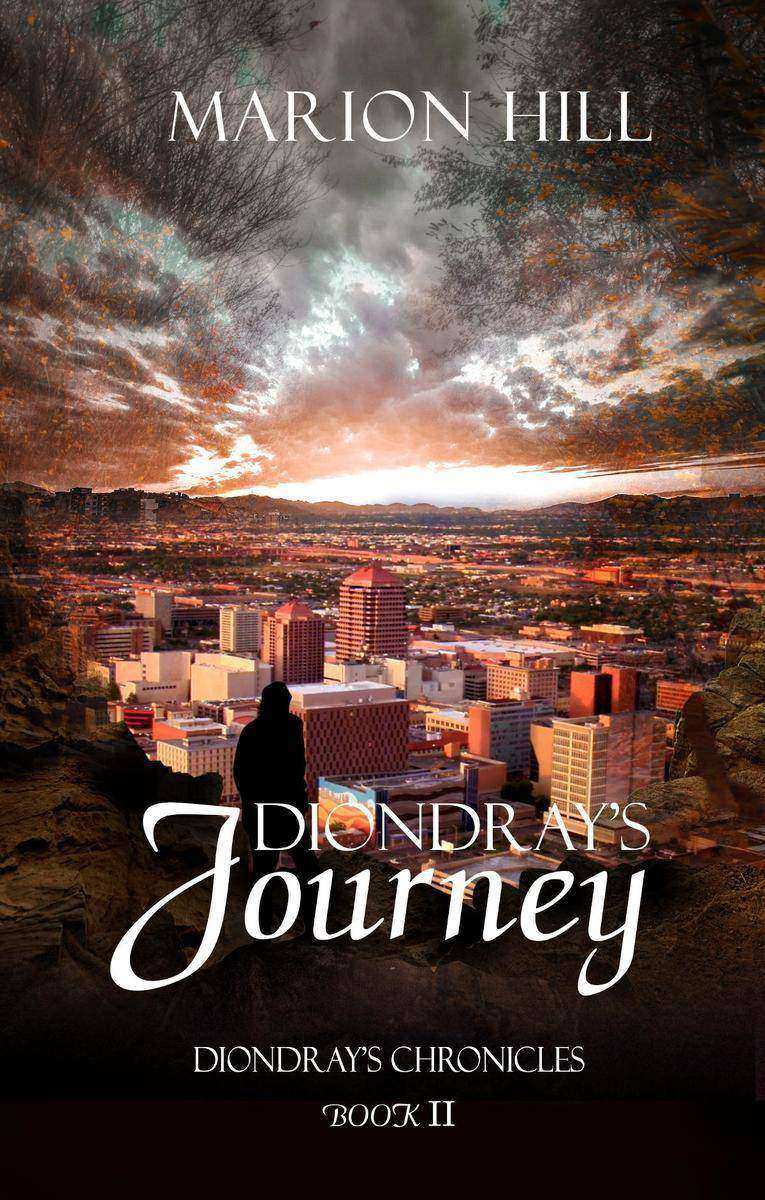
Diondray's Journey
¥43.51
Your mission: To unite a nation divided by a forest of lies. When privilege becomes an unbearable burden. When you must discard your privilege to bring peace. What is a life of privilege worth if there’s no peace? One journey to save the world. One journey to unite the world. When hope rests on the shoulders of only one. When hope rests on the shoulders of only one man. Diondray's Journey is the second book of The Diondray's Chronicles.
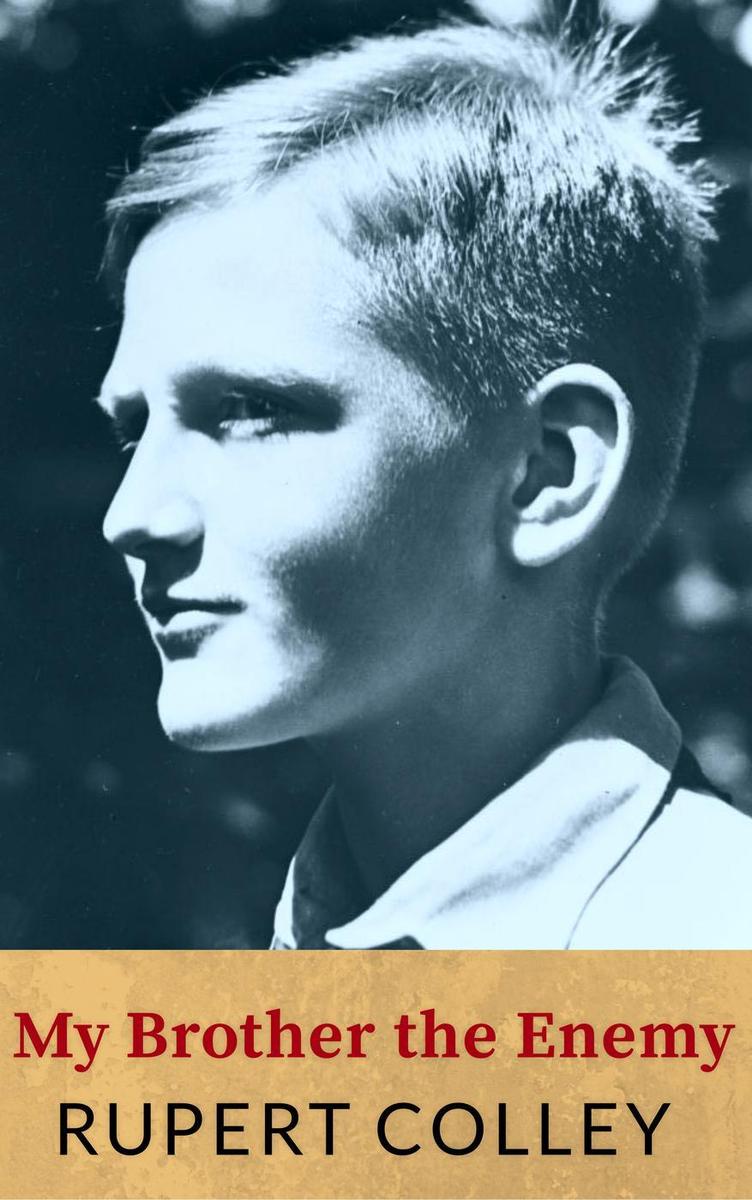
My Brother the Enemy: Nazi German historical fiction
¥43.77
Fear on the streets. Death on every corner. But the real enemy is the brother at his side. Part of?The Love and War Series, novels set during the 20th century's darkest years. Short, heart-wrenching historical fiction on a large canvas from the founder of History In An Hour. My Brother the Enemy is a story of jealousy, sibling rivalry and betrayal, and a desperate bid for freedom, set against a backdrop of Nazi oppression and war. 1936 – Exiled by the Nazi regime for their father’s beliefs, Peter’s love for his brother is slowly eroded as Martin proves himself to be ruthless and manipulative. When Monika comes into their young lives, their mutual jealousies heighten and threaten to tear them apart. 1941 – A childhood accident saves Peter from active service. His brother, posted to the killing fields of the Eastern Front, isn’t so lucky. 1945 – Berlin is torn apart by Allied bombs. Amid the carnage and death that descends over the city, Martin returns from Russia – battered and embittered. The twins’ seething bitterness and their shared love for Monika finally explodes with devastating consequences. "I have read Rupert Colley's work before and he didn't disappoint me here again."“A good, fast, page-turning read and I cared about the characters and wanted to know what happened to them.” “Fraternal jealousies and rivalries are searingly drawn.” "Could hardly stand to put it down but at the same time I didn't want to finish it! Would recommend to all.""Turbulent historical setting? Check. Vivid descriptions? Check. Realistic and likeable central character? Check. Page-turning excitement? Check. Heart-stopping denouement? Check. Passion, heroism, betrayal? Check, check, and check."Historical fiction with heart and drama.
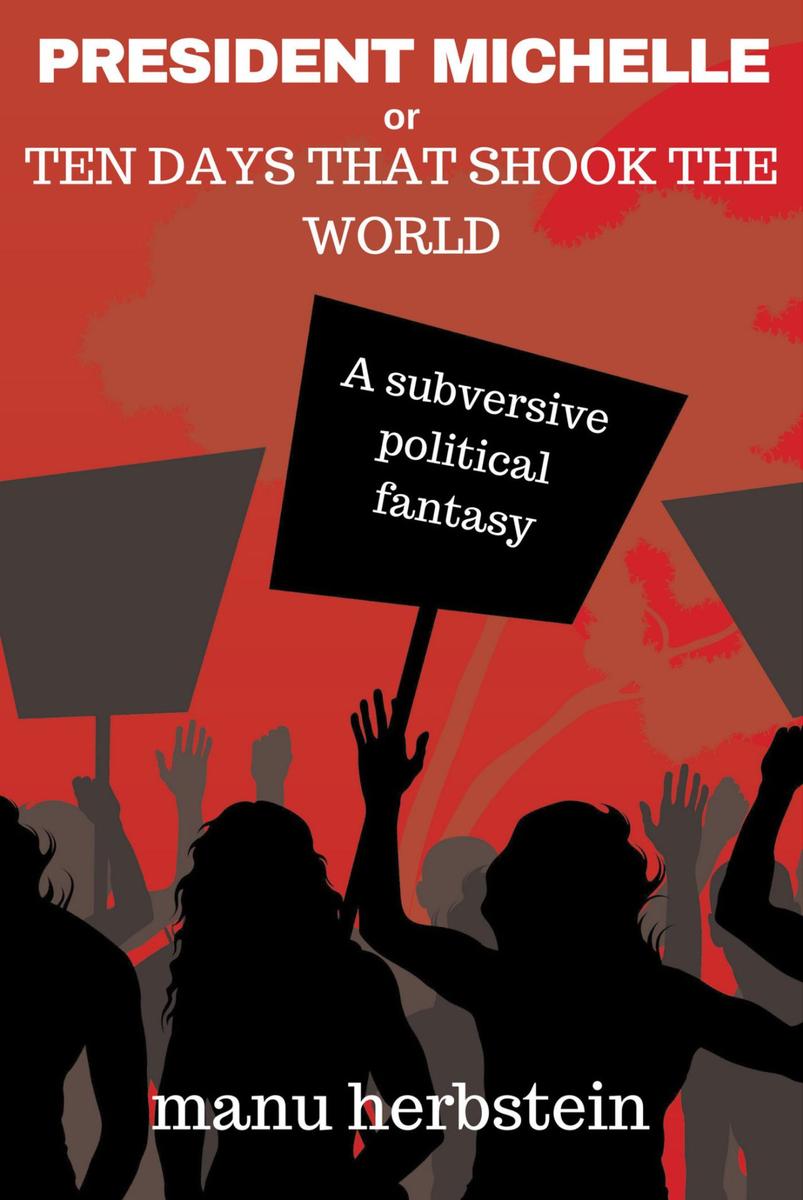
President Michelle, or Ten Days that Shook the World: A Subversive Political Fan
¥8.63
The 2012 presidential election campaign is well under way when Barack Obama succumbs to a sudden heart attack. Vice-president Biden is sworn in as President and the Democratic Party recalls its convention. Jesse Jackson makes a powerful speech proposing that the party adopt Michelle Obama as its candidate. What happens next?
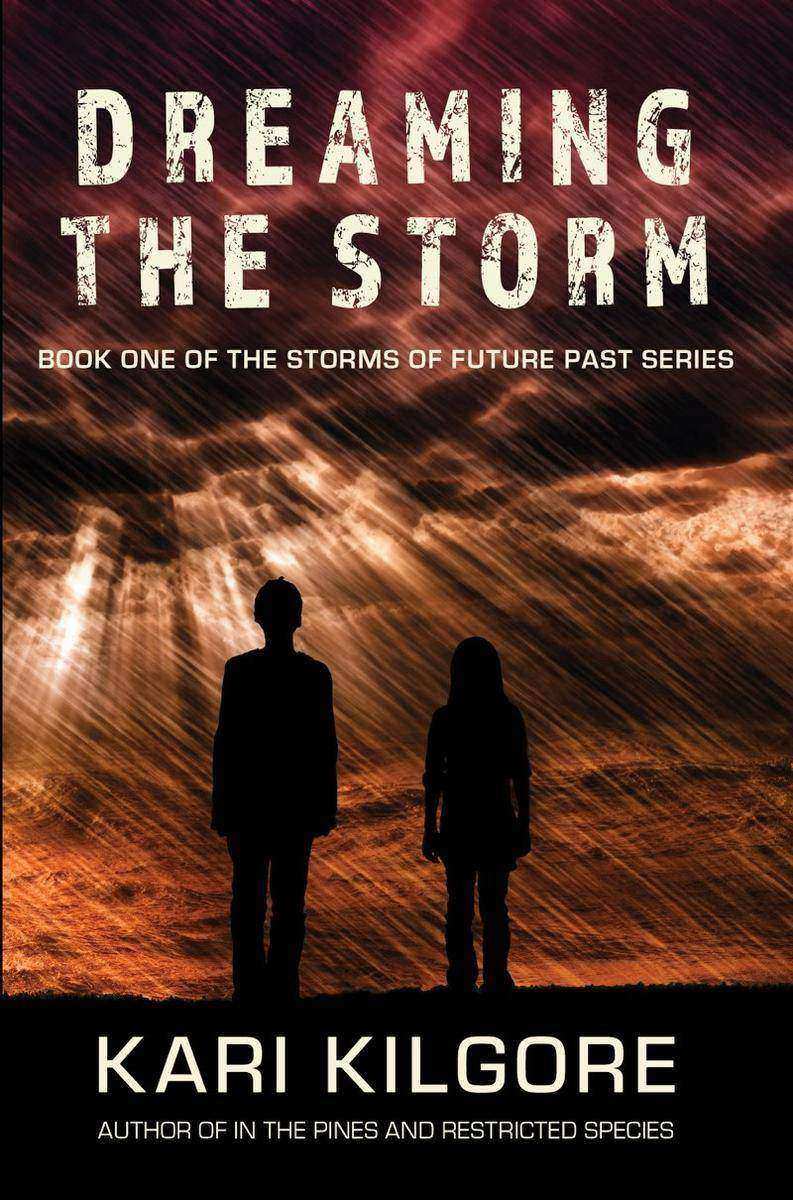
Dreaming the Storm: Book One of the Storms of Future Past Series
¥43.51
The Storm Begins. Seeing the future: blessing or curse? For Anne Fincastle, only the number of survivors changes. Few or none. Anne knows the truth. In her heart, her mind, her bones. Only Evan Griffith believes. Can they make a difference for humanity, together? Book One of the Storms of Future Past Series. An excerpt from Dreaming the Storm: Prophets have risen up many times through the ages, claiming to have the gift of seeing the future. Whether certain ones could or not is a debate for another day. What’s not debatable is the most common response by society: to condemn them as insane, with often horrific results. The screen went blank for a second, and Anne wiped her eyes, hoping the horrible movie was over. She didn’t ever want to come back to this library again. Then she saw dots slowly lighting up and glowing, coming to life scattered around the screen. There weren’t very many, not even twenty of them. Lines formed on the screen, and after a second Anne realized those were the lines of the continents. The dots were on the land. She could see a few on each continent, and only five in all of North America. Her fear drew back a little as her curiosity started to recover. What was she looking at? They weren’t near any of the cities she knew. “What is it?” she whispered. The lines of the continents faded in the middle, right around the Atlantic ocean, and words floated to the surface. Pale blue words. Remaining Human Population.
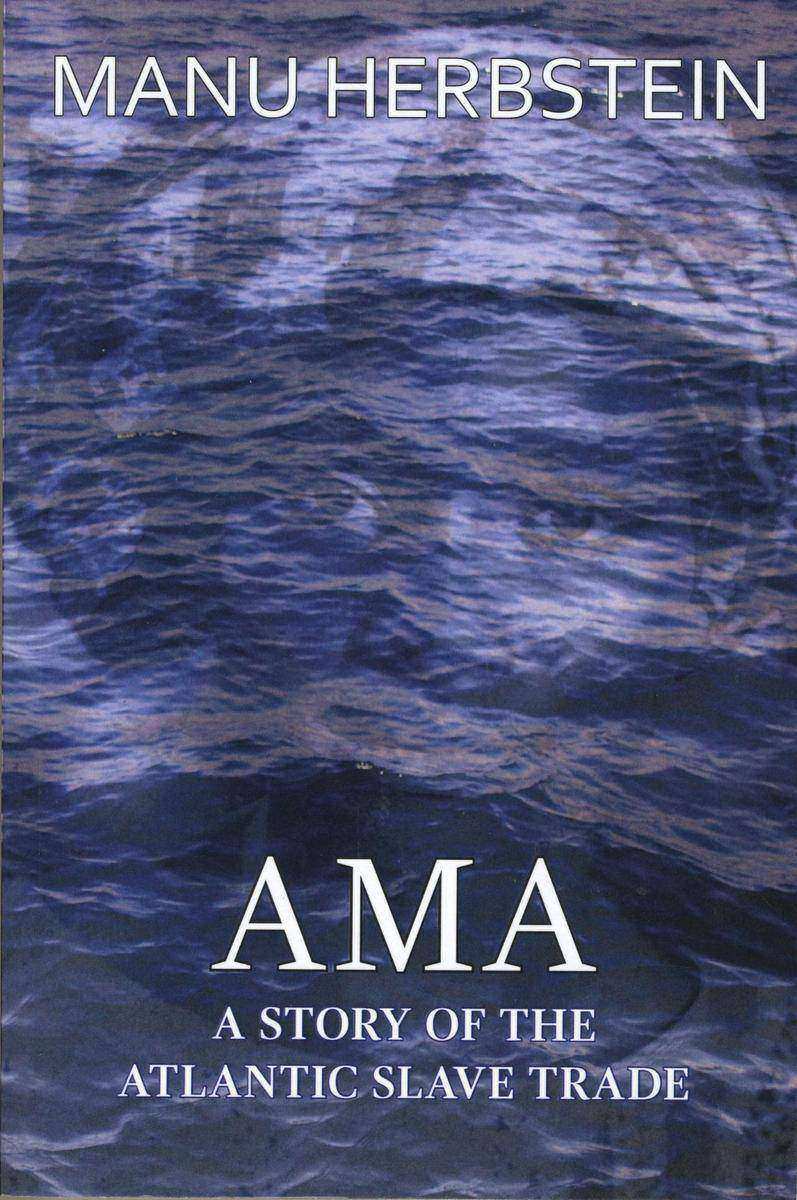
Ama, a Story of the Atlantic Slave Trade
¥40.79
"I am a human being; I am a woman; I am a black woman; I am an African. Once I was free; then I was captured and became a slave; but inside me, here and here, I am still a free woman."During a period of four hundred years, European slave traders ferried some 12 million enslaved Africans across the Atlantic. In the Americas, teaching a slave to read and write was a criminal offense. When the last slaves gained their freedom in Brazil, barely a thousand of them were literate. Hardly any stories of the enslaved and transported Africans have survived.This novel is an attempt to recreate just one of those stories, one story of a possible 12 million or more.Lawrence Hill created another in The Book of Negroes (Someone Knows my Name in the U.S.) and, more recently, Yaa Gyasi has done the same in Homegoing. Ama occupies center stage throughout this novel. As the story opens, she is sixteen. Distant drums announce the death of her grandfather. Her family departs to attend the funeral, leaving her alone to tend her ailing baby brother. It is 1775. Asante has conquered its northern neighbor and exacted an annual tribute of 500 slaves. The ruler of Dagbon dispatches a raiding party into the lands of the neighboring Bekpokpam. They capture Ama. That night, her lover, Itsho, leads an attack on the raiders’ camp. The rescue bid fails. Sent to collect water from a stream, Ama comes across Itsho’s mangled corpse. For the rest of her life she will call upon his spirit in time of need. In Kumase, the Asante capital, Ama is given as a gift to the Queen-mother. When the adolescent monarch, Osei Kwame, conceives a passion for her, the regents dispatch her to the coast for sale to the Dutch at Elmina Castle. There the governor, Pieter de Bruyn, selects her as his concubine, dressing her in the elegant clothes of his late Dutch wife and instructing the obese chaplain to teach her to read and write English. De Bruyn plans to marry Ama and take her with him to Europe. He makes a last trip to the Dutch coastal outstations and returns infected with yellow fever. On his death, his successor rapes Ama and sends her back to the female dungeon. Traumatized, her mind goes blank. She comes to her senses in the canoe which takes her and other women out to the slave ship, The Love of Liberty. Before the ship leaves the coast of Africa, Ama instigates a slave rebellion. It fails and a brutal whipping leaves her blind in one eye. The ship is becalmed in mid-Atlantic. Then a fierce storm cripples it and drives it into the port of Salvador, capital of Brazil. Ama finds herself working in the fields and the mill on a sugar estate. She is absorbed into slave society and begins to adapt, learning Portuguese. Years pass. Ama is now totally blind. Clutching the cloth which is her only material link with Africa, she reminisces, dozes, falls asleep. A short epilogue brings the story up to date. The consequences of the slave trade and slavery are still with us. Brazilians of African descent remain entrenched in the lower reaches of society, enmeshed in poverty. “This is story telling on a grand scale,” writes Tony Sim?es da Silva. “In Ama, Herbstein creates a work of literature that celebrates the resilience of human beings while denouncing the inscrutable nature of their cruelty. By focusing on the brutalization of Ama's body, and on the psychological scars of her experiences, Herbstein dramatizes the collective trauma of slavery through the story of a single African woman. Ama echoes the views of writers, historians and philosophers of the African diaspora who have argued that the phenomenon of slavery is inextricable from the deepest foundations of contemporary western civilization.” Ama, a Story of the Atlantic Slave Trade, won the 2002 Commonwealth Writers Prize for the Best First Book.
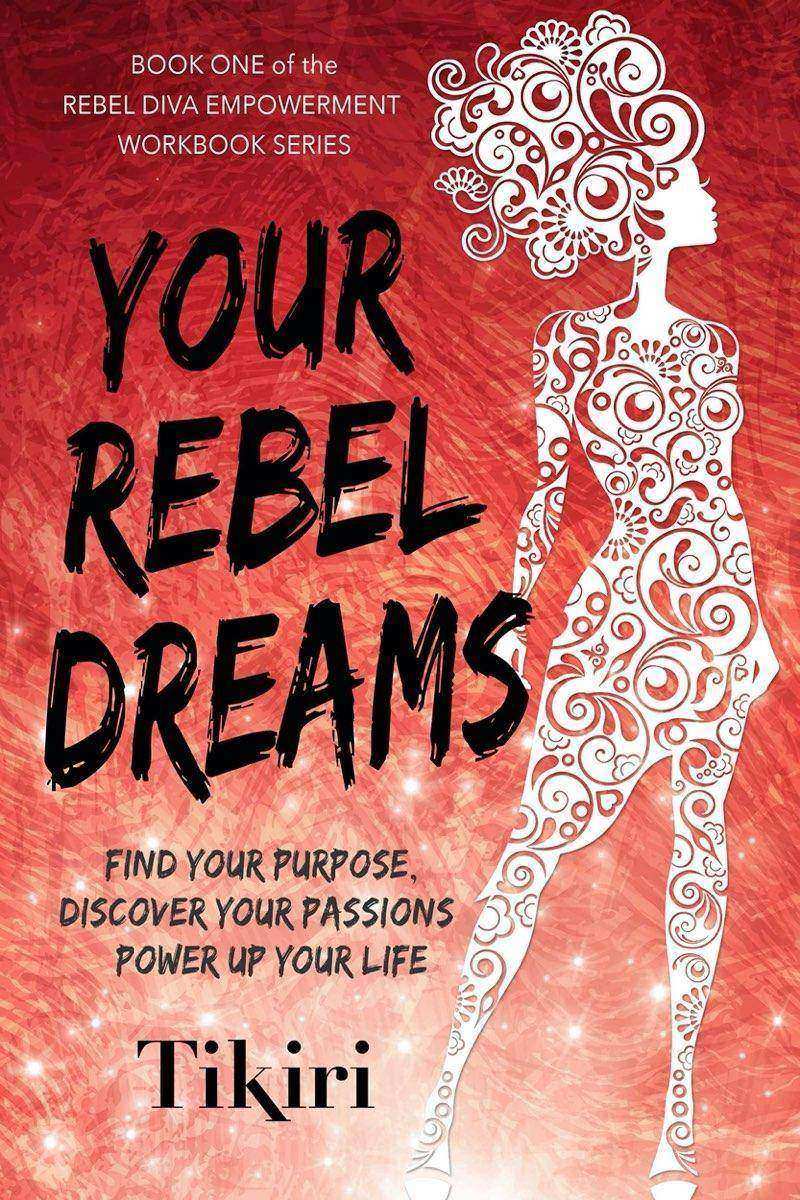
Your Rebel Dreams: How to discover your purpose and passions and power up your l
¥87.11
Do you dream of discovering your purpose, but have no idea where to start? Here’s a step-by-step, proven process to unveil your passions and discover your innate talents to fast-track your ideal career. *FREE 100+ page worksheet booklet inside.* This book will take you on a fun interactive journey of self-discovery to clarify your purpose and passions in life. Learn from award-winning author, Tikiri, who used the techniques in here to go from being an immigrant teen with $20 in her pocket to managing multi-million-dollar projects and traveling the world. You'll discover how to: - Uncover the passions you hold within you. - Discover your innate talents and unique skills. - Identify the value you can give the world, so you make a living doing what you love. And much more!In these pages, you will read a story, and that story will be yours. Your Rebel Dreams?is a life-changing workbook with down-to-earth advice, inspiring quotes and plenty of space for you to write your answers. If you’d like to go on an adventure where you get to explore the amazing things you're meant to do, pick up?Your Rebel Dreams?today! ___________________ The Rebel Diva Series Your Rebel Dreams?– How to discover your purpose and power up your life. Your Rebel Plans?- How to create a masterplan for your career change. Your Rebel Life –?Easy habit hacks to transform the most important pillars of your life. Bust Your Fears - Three easy tools to conquer your fears and upgrade your career and life. The Rebel Diva book series is for the busy working woman who's juggling everything and wishes life had more to give her. Don't just read self-help. Get the Rebel Diva guides that will take you by the hand and show you step-by-step how to create your dream life.

Hot Hollywood Romance: The Complete Fontaines Family Series
¥139.43
A steamy five-book set from USA Today bestseller Ember Casey. Includes an exclusive extended series epilogue!?Meet the Fontaines: Hollywood royalty. L.A.'s most notorious bad boys. Permanent stars of the tabloids. And the wickedest, most devilish lovers around...This set includes the complete Fontaines series plus special bonuses!THE SWEET TASTE OF SIN (BOOK 1): To the rest of the world, Dante Fontaine is the ridiculously attractive oldest son of the Fontaine family. To Ashlyn? He’s the guy who made her swear off men forever. She just wants to run her bakery, heal her broken heart, and forget him. Buy Dante has other plans, and this time, he has no intention of letting her go…THE LIES BETWEEN THE LINES (BOOK 2): Emilia Torres has everything she’s ever wanted. After years of struggling to become an actress, she’s finally caught her big break—a part opposite the hottest star in Hollywood, the gorgeous and charming Luca Fontaine. But her biggest role might be the one she plays off-screen, where she and Luca pretend to be in love. The rules for their relationship are simple: in front of the paparazzi, they play the perfect Hollywood couple. In private, their contract states that all feelings—and sex—are absolutely forbidden. But what if the truth becomes hotter than the lies?THE MYSTERY OF YOU (BOOK 3): When Edie Marshall meets a mysterious—and drop-dead gorgeous—man in the woods just outside her small town, she has no idea that he’s actually Rafe Fontaine, certified bad boy and black sheep of the Fontaine family. And she definitely has no idea that their brief, passionate encounter will lead to her getting pregnant. Can she trust her heart—and her baby—to Hollywood’s hottest bad boy?THE THRILL OF TEMPTATION (BOOK 4): Maggie Blankenship is a hot mess—broke, unemployed, and down on her luck. So when she’s offered the chance to fill in as an extra in a movie, she wonders if her luck is changing. It turns out that the movie is being directed by Orlando Fontaine—the intense and mysterious youngest brother of the Fontaine family. Sparks (and underwear) fly between the pair of them from the start, but Orlando has a strict no-fraternizing policy on his sets. As the heat builds between Maggie and Orlando, only one question remains—what’s the cost of giving in to temptation?Plus TWO special bonuses:THE SECRET TO SEDUCTION (full-length prequel): Felicia Liddle has eight days to seduce one of the notorious Fontaine brothers. The only problem? Historically speaking, Felicia's way more likely to put her foot in her mouth (or generally make an idiot of herself) than charm the pants off of anyone. Enter Roman Everet: media mogul (read: billionaire), insanely sexy, and--oh yeah--Felicia's new boss. He might hold the fate of her job in his hands, but he's more than willing to help her become an expert in seduction...And an Extended Bonus Epilogue!
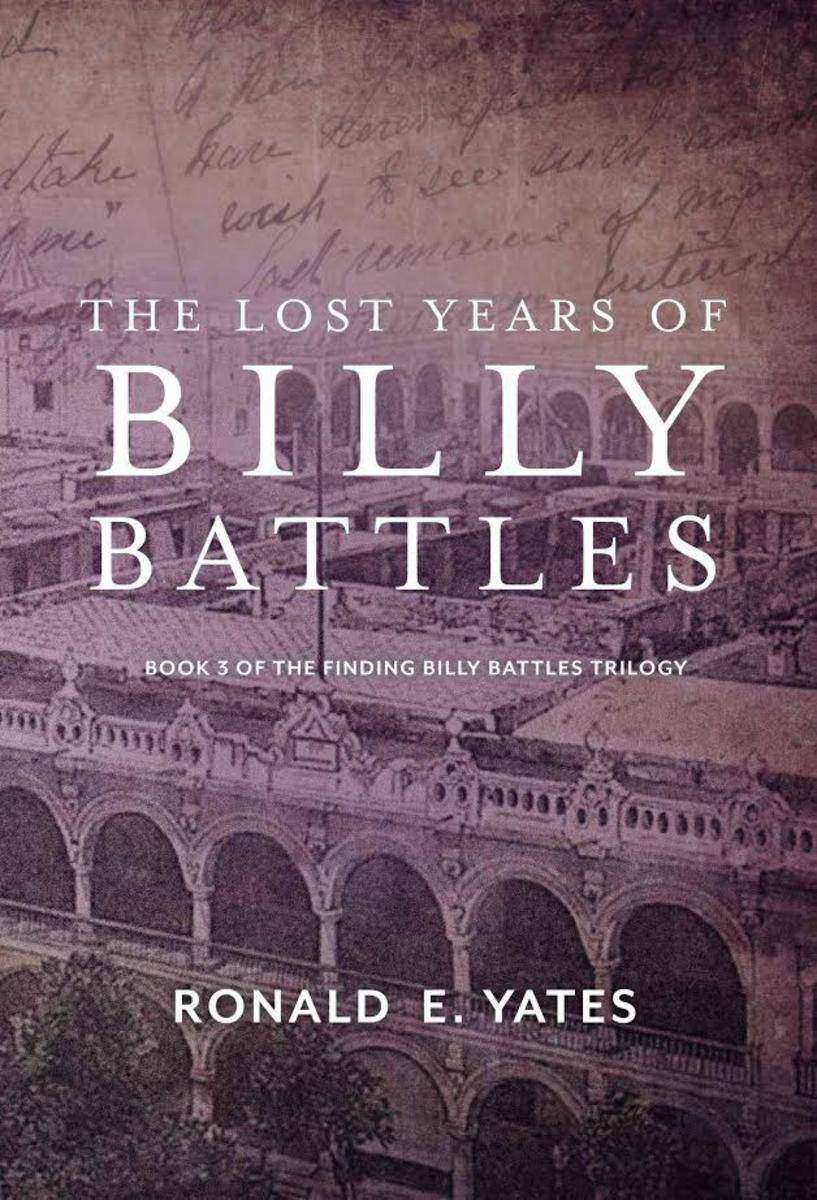
The Lost Years of Billy Battles: Book 3 of the Finding Billy Battles Trilogy
¥34.79
The year is 1914?and the world is in turmoil. In Europe, the Great War is raging. In Asia, fierce insurgencies are in progress against the colonial powers of Europe. In Mexico, a bloody revolution is ripping that nation to shreds and threatening to spill over into Texas, New Mexico, and Arizona. Meanwhile, in Chicago, Billy Battles and his wife, the former Baroness Katharina von Schreiber, have managed to live an uncommonly sedate life for almost ten years. But, with one telephone call their tranquil world is shattered. Katharina and Billy set off on a succession of wild adventures that will alter their lives for all time. Their new and violent world is one brimming with miscreants, secret agents, treachery, and tragedy. But most importantly,?it triggers Billy's mysterious decades-long disappearance. Where is he? What happened? The answers are in The Lost Years of Billy Battles, Book 3of the award-winning Finding Billy Battles trilogy

Wes Anderson Collection: Isle of Dogs
¥239.56
The Wes Anderson Collection: Isle of Dogs is the only book to take readers behind the scenes of the beloved auteur's newest stop-motion animated film. Through the course of several in-depth interviews with film critic Lauren Wilford, writer and director Wes Anderson shares the story behind Isle of Dogs's conception and production, and Anderson and his collaborators reveal entertaining anecdotes about the making of the film, their sources of inspiration, the ins and outs of stop-motion animation, and many other insights into their moviemaking process. Previously unpublished behind-the-scenes photographs, concept artwork, and hand-written notes and storyboards accompany the text. The book also features an introduction by critics and collaborators Taylor Ramos and Tony Zhou, and a foreword by critic Matt Zoller Seitz. The fourth volume of the New York Times bestselling Wes Anderson Collection, Isle of Dogs stays true to the series with its rich design and colorful illustrations, capturing Anderson's signature aesthetic vision and bringing the series's definitive study of Anderson's filmography up to date.Isle of Dogs tells the story of Atari Kobayashi, 12-year-old ward to corrupt Mayor Kobayashi. When, by Executive Decree, all the canine pets of Megasaki City are exiled to a vast garbage-dump called Trash Island, Atari sets off alone in a miniature Junior-Turbo Prop and flies across the river in search of his bodyguard-dog, Spots. There, with the assistance of a pack of newly-found mongrel friends, he begins an epic journey that will decide the fate and future of the entire Prefecture. The film features the voices of Bryan Cranston, Koyu Rankin, Edward Norton, Bob Balaban, Bill Murray, Jeff Goldblum, Kunichi Nomura, Akira Takayama, Greta Gerwig, Frances McDormand, F. Murray Abraham, Tilda Swinton, Akira Ito, Yoko Ono, Mari Natsuko, Harvey Keitel, Courtney B. Vance, Ken Watanabe, Scarlett Johnasson, Fisher Stevens, Nijiro Murakami, and Liev Schreiber.


