


 购物车
购物车 个人中心
个人中心

Matt Cardle: My Story: The Official X Factor Winner's Book
¥130.87
In those weeks following the audition I'd started to think that maybe I could do well in the competition, and even to see beyond bootcamp and what doing well could mean. I knew I never wanted to go back to painting, whatever happened.' Matt's dream has come true, and this is his story. Painter-decorator, bricklayer, milkman, even Santa, Matt's always been in bands, always putting off starting a career because he knew that what he really wanted to do was sing. Charismatic but down to earth, loved by the judges, the other contestants and, of course, the public for his cheeky smile and warm heart, Matt is a true star in the making. Packed full of unseen photographs shot especially for the book, backstage footage, behind-the-scenes gossip and the full and remarkable story of the winner from X Factor hopeful to popstar sensation, this book is a must-have for all X Factor fans.
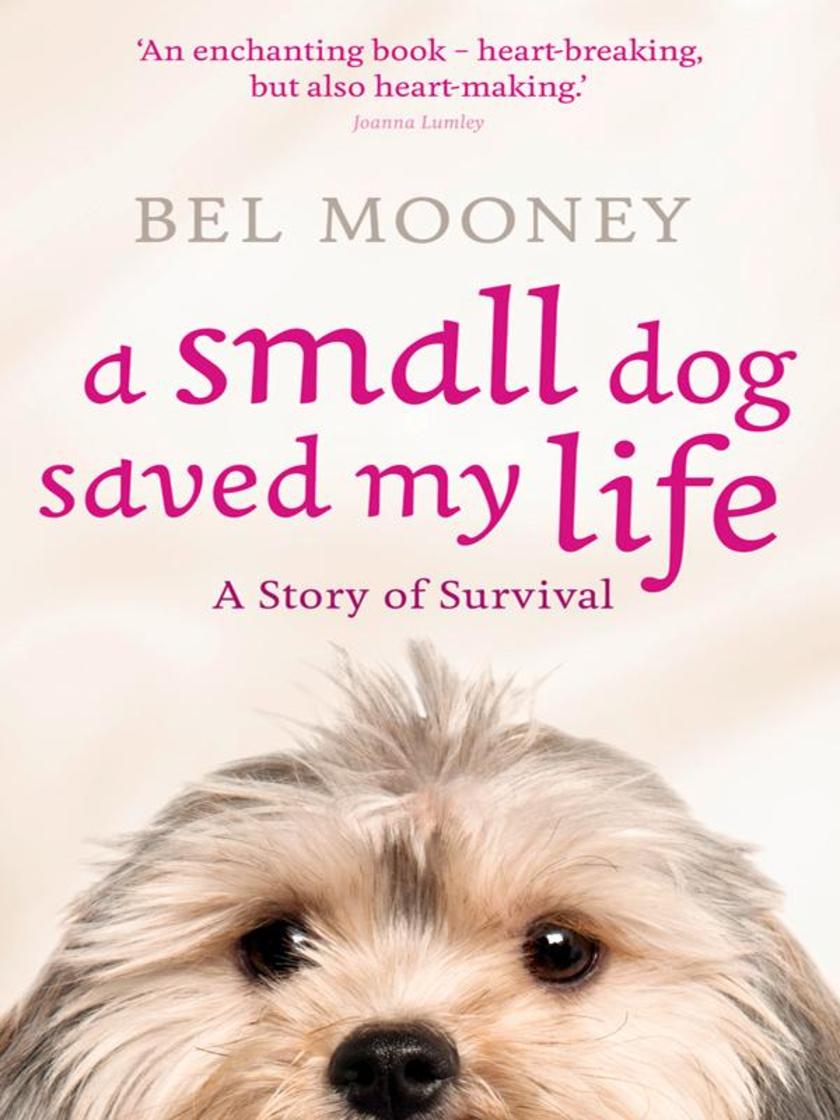
A Small Dog Saved My Life
¥88.39
A story of survival, transformation and love. In a beautiful and powerful memoir which mixes honest, personal revelation with literature, history, and inspirational self-help, Bel Mooney tells the story of her rescue dog, Bonnie, who in turn rescued Bel when her world fell apart with the all-too public break-up of her 35-year marriage. SMALL DOGS CAN SAVE YOUR LIFE really is a story of survival, and also one of love. This is an account of six years in Bel's life, from when she first acquired Bonnie from a rescue home, through Bel’s years of personal heartbreak and disappointment, and on to the happiness which she has now found in a new marriage and a new life, with the Maltese at her side all the way. This is a book about transformation and change, about picking yourself up and attacking life in the way that a small dog will go for the postman's trousers - and about celebrating life, much as your canine companion will always celebrate your return, even from the shortest trip. Beautifully engaging, entertaining, full of personal anecdotes and deeply moving, SMALL DOGS CAN SAVE YOUR LIFE will take the reader on an inspirational walk with one very small but very remarkable dog - a dog who became a symbol for all that is best about dogs, and about we humans too. Bel Mooney is a journalist with almost forty years' experience. Well-loved by millions for her advice columns, first for the Times and now in the Daily Mail, as well as countless programmes for radio and television, Bel takes the reader on a journey of discovery, in which she finds herself transformed into a dog-lover by one small and lively bundle of white fur, as well as telling her own gripping story.
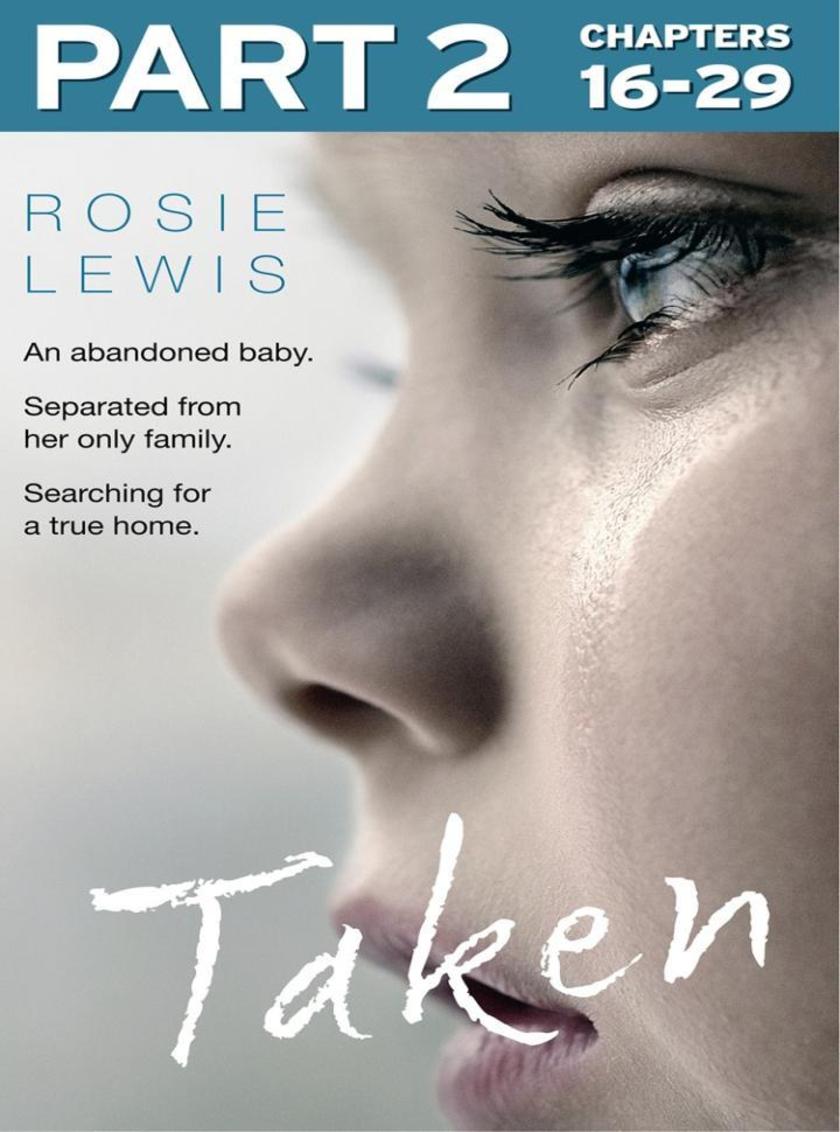
Taken: Part 2 of 3
¥24.33
Experienced foster carer, Rosie Lewis, takes on the heart-breaking case of Megan, a baby born with a drug addiction and a cleft palate. Addicted to drugs from birth because of her mother’s substance abuse during pregnancy, new-born Megan is taken into Rosie’s loving care. Rosie is supposed to help Megan find her new permanent home, but it turns out that Megan has already found her ‘forever mummy’ in Rosie. Rosie grows incredibly attached to Megan and applies to adopt her, but the system refuses her in favour of a young couple and Rosie is devastated. Against all her instincts, Rosie does her job and prepares Megan for her new ‘forever family’, but everything about Megan leaving feels wrong. When Rosie learns a few months later that Megan’s adoption has broken down, she is saddened but also filled with hope – will this little girl be allowed to return to her true ‘forever home’?

The Poems of Catullus
¥27.17
Gaius Valerius Catullus was a Latin poet of the late Roman Republic. His surviving works are still read widely, and continue to influence poetry and other forms of art.Daisy Dunn was born in London in 1987 and read Classics at the University of Oxford, before winning a scholarship to the Courtauld and completing a doctorate in Classics and History of Art at University College London. She writes and reviews for many publications, including The Daily Telegraph, Evening Standard, and Standpoint, and is editor of Argo, a Greek culture magazine. She was longlisted for the 2015 Notting Hill Editions Essay Prize. ‘Catullus’ Bedspread’ is her first book.
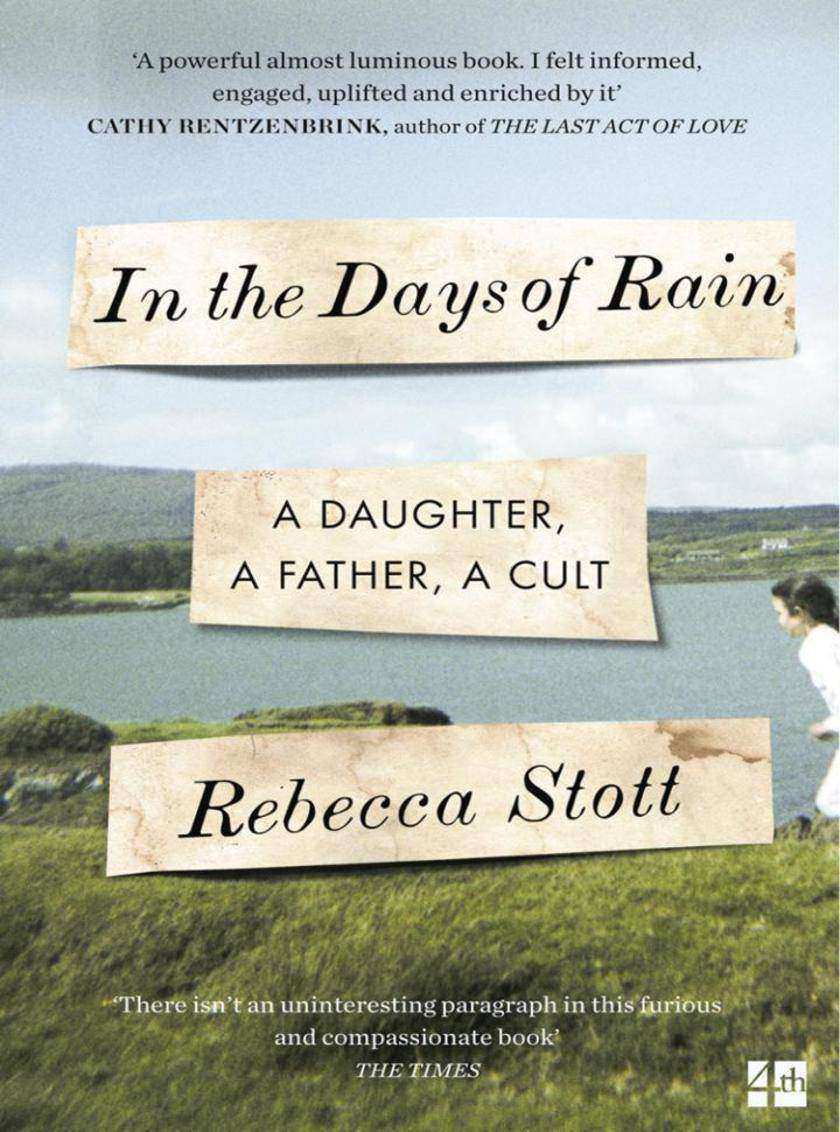
In the Days of Rain: WINNER OF THE 2017 COSTA BIOGRAPHY AWARD
¥73.58
WINNER OF THE 2017 COSTA BIOGRAPHY AWARD In the vein of Bad Blood and Why be Happy when you can be Normal?: an enthralling, at times shocking, and deeply personal family memoir of growing up in, and breaking away from, a fundamentalist Christian cult. As heard on Jeremey Vine ‘At university when I made new friends and confidantes, I couldn’t explain how I’d become a teenage mother, or shoplifted books for years, or why I was afraid of the dark and had a compulsion to rescue people, without explaining about the Brethren or the God they made for us, and the Rapture they told us was coming. But then I couldn’t really begin to talk about the Brethren without explaining about my father…’ As Rebecca Stott’s father lay dying he begged her to help him write the memoir he had been struggling with for years. He wanted to tell the story of their family, who, for generations had all been members of a fundamentalist Christian sect. Yet, each time he reached a certain point, he became tangled in a thicket of painful memories and could not go on. The sect were a closed community who believed the world is ruled by Satan: non-sect books were banned, women were made to wear headscarves and those who disobeyed the rules were punished. Rebecca was born into the sect, yet, as an intelligent, inquiring child she was always asking dangerous questions. She would discover that her father, an influential preacher, had been asking them too, and that the fault-line between faith and doubt had almost engulfed him. In In the Days of Rain Rebecca gathers the broken threads of her father’s story, and her own, and follows him into the thicket to tell of her family’s experiences within the sect, and the decades-long aftermath of their breaking away.
One More Kilometre and We’re in the Showers
¥85.74
An entertaining social and cultural history of cycling in post-war Europe seen through the eyes of a veteran racing cyclist. Written with great literary and historical relish, One More Kilometre examines the spread of cycling's popularity, how it developed into a sport and how the bicycle has changed people's lives -- all viewed through the eyes of a seasoned 56-year-old racing cyclist/art critic who keeps eleven racing cycles in his garden shed and who never cycles less than 10,000 miles a year. The book starts with the 1950s, regarded as the golden age of cycling, and when the author, 'an unhappy communist child', first discovered cycling and its emancipating powers. Progressing through four decades of cycling social history, the author will examine cycling as a Continental phenomenon, the rise and fall of the Tour de France; the lives of the great 'trackmen'; cycling in its domestic form, cycling for fun, the ever-popular British cycling clubs -- some of which are over one hundred years old and are home to many fellow eccentrics, fanatics and old-timers, like the author's friend, 'the Yorkshire junior road race champion of 1954, now living in a caravan, crippled and penniless with his much younger companion a taxidermist -- beautiful and cruel'. One More Kilometre is a lovely blend of personal anecdote, serious history and informed obsession, combining gentle humour, personal reminiscence and good history into a beguiling whole.
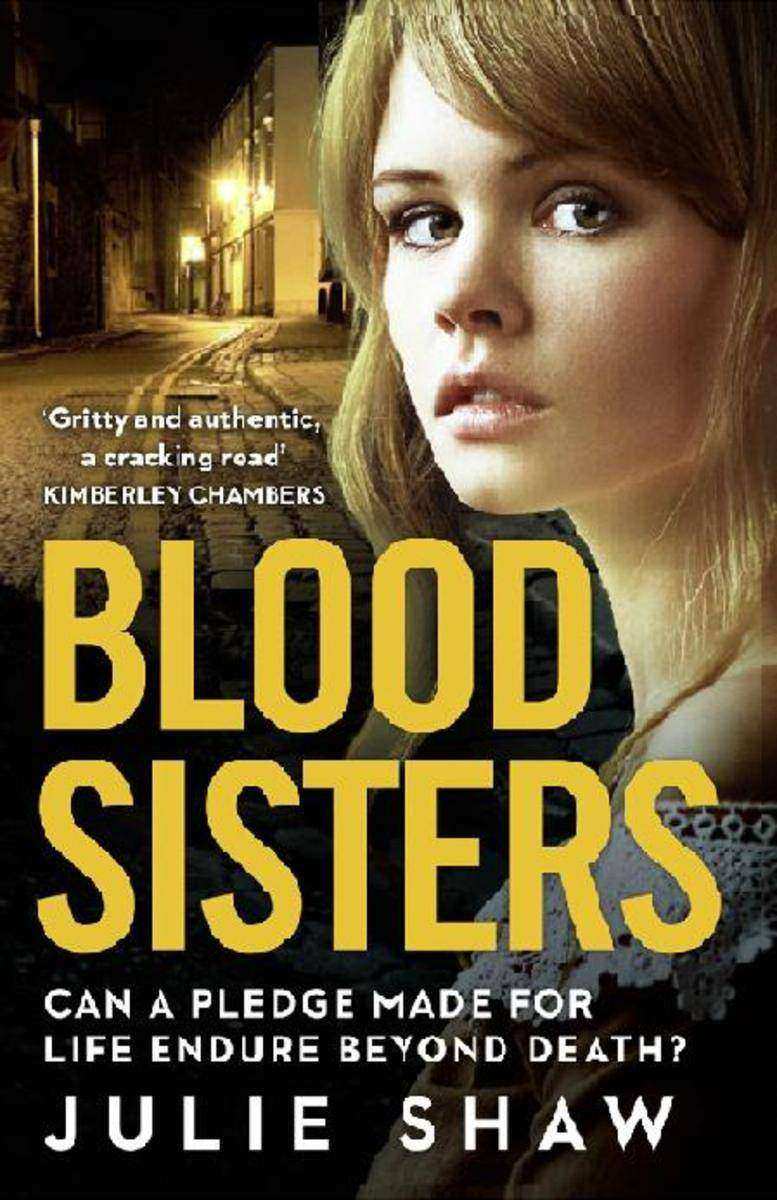
Blood Sisters: Can a pledge made for life endure beyond death?
¥58.86
It’s 1983 and best friends Vicky and Lucy swear that they will always be there for each other, that they’ll never let anyone come between them. But fast forward 4 years and life on the Canterbury Estate has gotten very messy. Lucy has fallen for local policeman’s son, Jimmy. And Vicky is madly in love with Paddy, the charming but ruthless local bad boy. The boys are bitter enemies and determined to keep the two girls apart. But then Vicky is accused of murder, and even her drug-dealer boyfriend wants her mouth shut, permanently. Maybe Lucy is the only one who can save her… Love, murder, revenge. Who can you really trust when there’s blood on your hands?
The Baby Mind Reader: Amazing Psychic Stories from the Man Who Can Read Babies’
¥61.51
Psychic Derek Ogilvie is the baby mind reader -- called in when parents have tried all else, Derek communicates with children to find the reasons behind their problem behaviour, tantrums and sleepless nights. This gripping memoir of his psychic adventures accompanies the Five TV series -- a fascinating cross between 'Supernanny' and 'Most Haunted'. Derek Ogilvie is one of Scotland's best-known and respected psychics. He can be seen on Five TV in 2006 with his new show 'The Baby Mind Reader', where he exhibits his rare ability of being able to communicate telepathically with babies and young children. In this, his fascinating first book published alongside his TV series, Derek shares the story of his rollercoaster life and how he rediscovered his psychic powers and his true calling in life. At the age of nine Derek realised he was psychic when his dead neighbour started visiting him every night while he was in bed. But as a young man, Derek's psychic abilities took a back seat as he concentrated on building a business empire and becoming a millionaire. However, five years ago, Derek's business went bust, his house was repossessed, his partner left him and his grandmother died. Only then did Derek take stock of his life and reconnect with his psychic gift to start helping other people. It was at this point that Derek realised he could also communicate with babies and young children, as well as animals. Funny and poignant, this is Derek's amazing story.
The Goldberg Variations
¥68.57
From football hooligan to opera singer, from the Cockney Reds to Catullus, from a hectic household to tranquility of spirit, Mark Glanville has travelled many paths, been many people – this is his remarkable story.
Banco: The Further Adventures of Papillon
¥57.09
Here at last is the sensational sequel to "Papillon" - the great story of escape and adventure that took the world by storm. "Banco" continues the adventures of Henri Charriere - nicknamed 'Papillon' - in Venezuela, where he has finally won his freedom after thirteen years of escape and imprisonment. Despite his resolve to become an honest man, Charriere is soon involved in hair-raising exploits with goldminers, gamblers, bank-robbers and revolutionaries - robbing and being robbed, his lust for life as strong as ever. He also runs night-clubs in Caracas until an earthquake ruins him in 1967 - when he decides to write the book that brings him international fame. Henri Charriere died in 1973 at the age of 66.
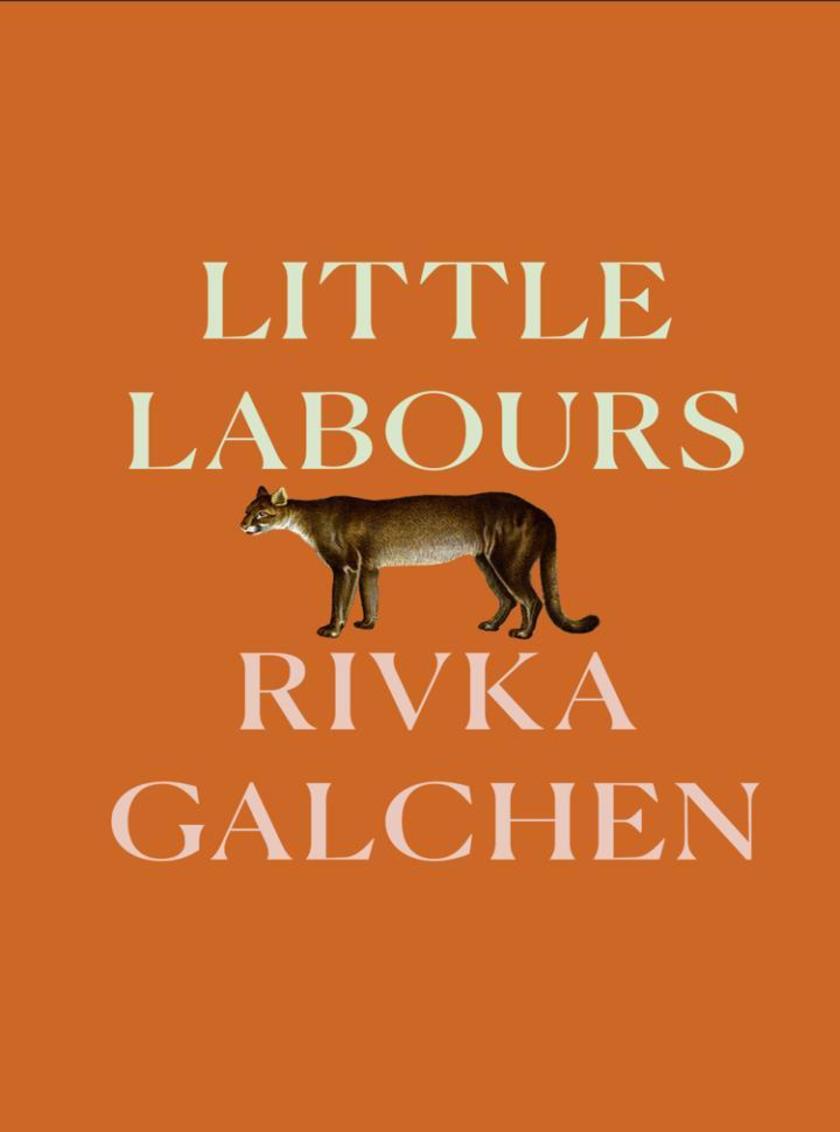
Little Labours
¥73.67
AN OBSERVER BOOK OF THE YEAR A droll and dazzling compendium of observations, stories, lists, and brief essays about babies. ‘Beguiling … A wunderkabinett of baby-related curios … A peculiar book, and astonishing in its effect.’ Boston Globe One August day, a baby was born, or as it seemed to Rivka Galchen, a puma moved into her apartment. Her arrival felt supernatural, she seemed to come from another world. And suddenly, the world seemed ludicrously, suspiciously, adverbially sodden with meaning. But Galchen didn’t want to write about the puma. She had never been interested in babies, or in mothers before. Now everything seemed directly related to them and she specifically wanted to write about other things because it might mean she was really, covertly, learning something about babies, or about being near babies. The result is Little Labours, a slanted enchanted miscellany. Galchen writes about babies in art (with wrongly shaped head) and babies in literature (rarer than dogs or abortions, often monstrous); about the effort of taking a passport photo for a baby not yet able to hold up her head and the frightening prevalence of orange as today’s chic colour for baby gifts; about Frankenstein as a sort of baby and a baby as a sort of Godzillas. In doing so she opens up an odd and tender world of wonder.
A Good Time to be a Girl: Don’t Lean In, Change the System
¥110.46
Five years have passed since women were exhorted to ‘Lean In’. Over that time, the world has transformed beyond all expectations. But why should anyone ‘lean in’ to a patriarchal system that is out of date? Why not change it entirely for the good of us all? In A Good Time to be a Girl, Helena Morrissey sets out how we might achieve the next big breakthrough towards a truly inclusive modern society. Drawing on her experience as a City CEO, mother of nine, and founder of the influential 30% Club which campaigns for gender-balanced UK company boards, her manifesto for new ways of working, living, loving and raising families is for everyone, not just women. Making a powerful case for diversity and difference in any workplace, she shows how, together, we can develop smarter thinking and broader definitions of success. Gender balance, in her view, is an essential driver of economic prosperity and part of the solution to the many problems we face today. Her approach is not aimed merely at training a few more women in working practices that have outlived their usefulness. Instead, this book sets out a way to reinvent the game – not at the expense of men but in ways that are right and relevant for a digital age. It is a powerful guide to success for us all.
Blood Sisters: Part 2 of 3: Can a pledge made for life endure beyond death?
¥23.45
It’s 1983 and best friends Vicky and Lucy swear that they will always be there for each other, that they’ll never let anyone come between them. But fast forward 4 years and life on the Canterbury Estate has gotten very messy.
Blood Sisters: Part 3 of 3: Can a pledge made for life endure beyond death?
¥23.45
It’s 1983 and best friends Vicky and Lucy swear that they will always be there for each other, that they’ll never let anyone come between them. But fast forward 4 years and life on the Canterbury Estate has gotten very messy.
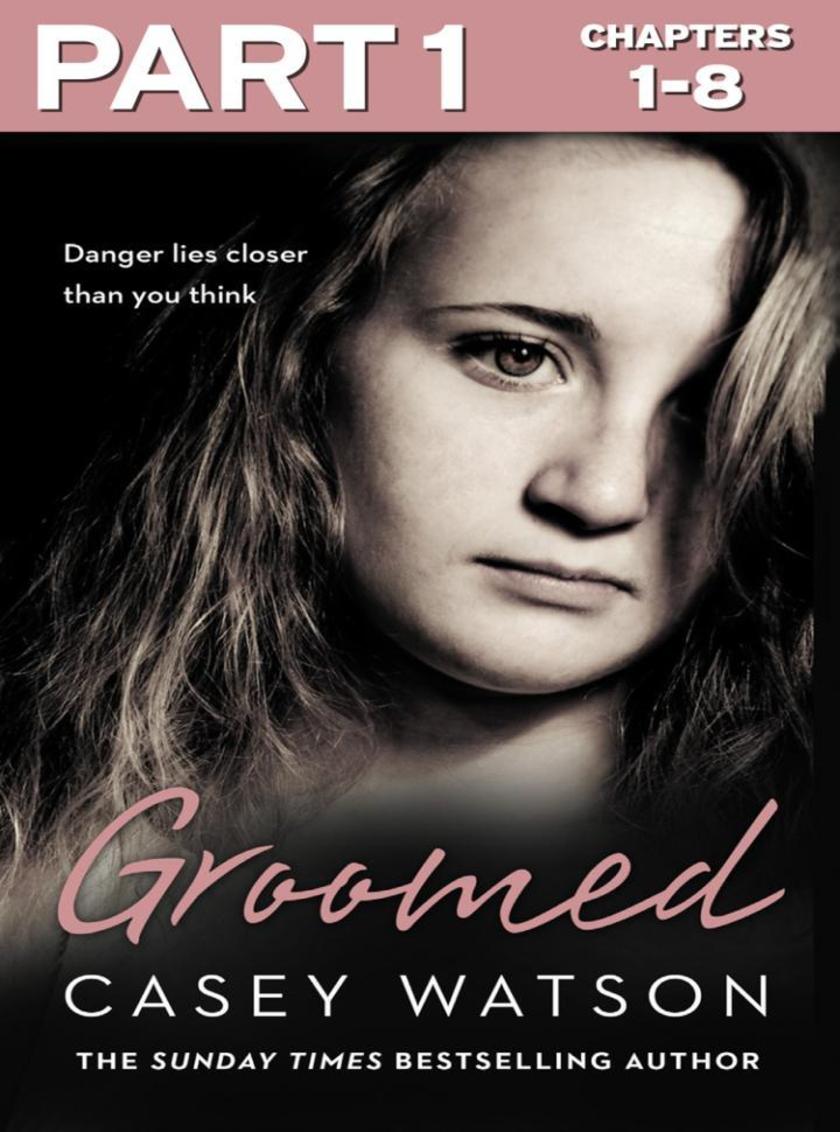
Groomed: Part 1 of 3: Danger lies closer than you think
¥28.45
It’s late on Friday night when Casey’s mobile starts to ring. She is expecting it to be her daughter Riley. But it isn’t Riley. It’s a woman from the Emergency Duty Team. So begins Casey and Mike’s latest fostering challenge – a fifteen-year-old girl called Keeley who’s run away from her long-term foster home 25 miles away. The Jonathan Ross Show has just started when Casey gets the call. She thinks it will be Riley – telling her that her favourite actor is going to be on TV. But it’s something far more urgent: a fifteen-year-old girl who has run away from her foster family and accused her foster father of sexual abuse. The family deny in vehemently, but such an allegation can never be taken lightly, so a new home must be found for Keeley. Keeley is polite, but she’s sharp, and she has all the hallmarks of a child who has been in the system a long time, and knows how to play it. Whether the allegation is true or not, Casey knows there will be no winners here. If it is true, then a young girl’s life has been torn asunder. If not, then the heartache for the family will only be surpassed by the bleak outlook for Keeley. In the short term, it’s a case of providing a safe, supportive home for a vulnerable child. But with the dangerous world of the internet at her disposal, it seems this strong-minded youngster has her own ideas of where that safe place should be…

Groomed: Part 2 of 3: Danger lies closer than you think
¥28.45
It’s late on Friday night when Casey’s mobile starts to ring. She is expecting it to be her daughter Riley. But it isn’t Riley. It’s a woman from the Emergency Duty Team. So begins Casey and Mike’s latest fostering challenge – a fifteen-year-old girl called Keeley who’s run away from her long-term foster home 25 miles away. The Jonathan Ross Show has just started when Casey gets the call. She thinks it will be Riley – telling her that her favourite actor is going to be on TV. But it’s something far more urgent: a fifteen-year-old girl who has run away from her foster family and accused her foster father of sexual abuse. The family deny in vehemently, but such an allegation can never be taken lightly, so a new home must be found for Keeley. Keeley is polite, but she’s sharp, and she has all the hallmarks of a child who has been in the system a long time, and knows how to play it. Whether the allegation is true or not, Casey knows there will be no winners here. If it is true, then a young girl’s life has been torn asunder. If not, then the heartache for the family will only be surpassed by the bleak outlook for Keeley. In the short term, it’s a case of providing a safe, supportive home for a vulnerable child. But with the dangerous world of the internet at her disposal, it seems this strong-minded youngster has her own ideas of where that safe place should be…
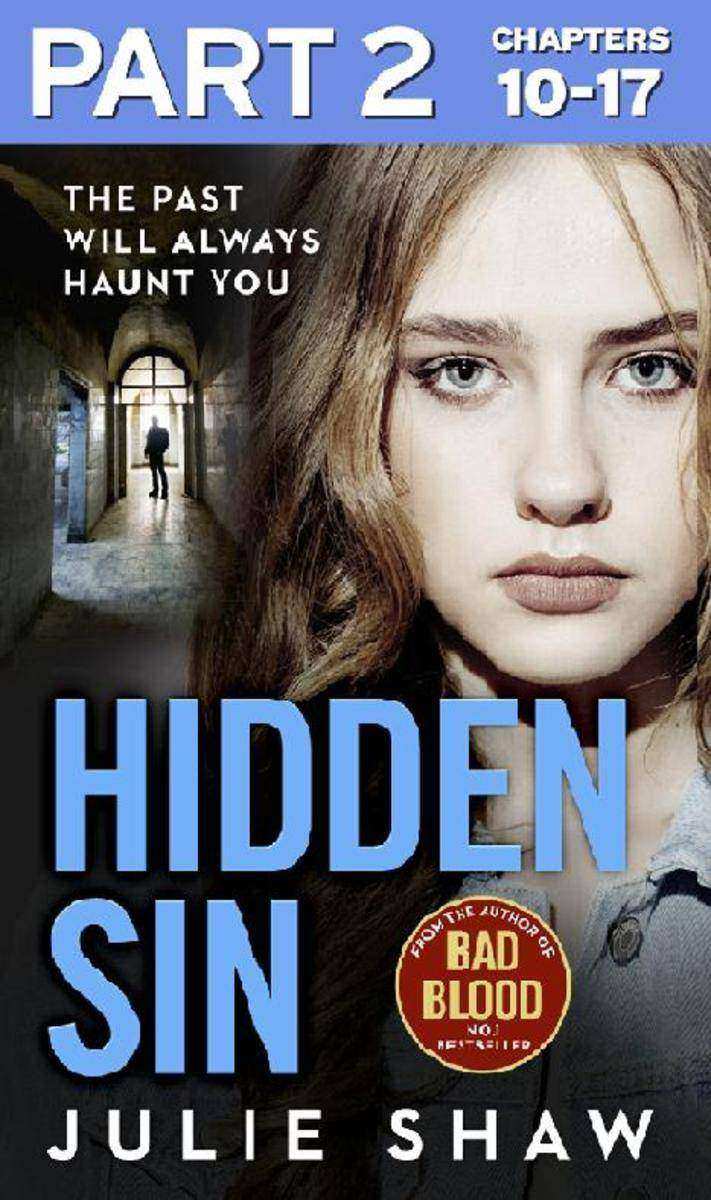
Hidden Sin: Part 2 of 3: When the past comes back to haunt you
¥23.45
The explosive sequel to #1 Sunday Times bestseller Bad Blood. Set 18 years later, Hidden Sin is the story of Joey, his girlfriend Paula and Rasta Mo, the man he is to discover is his dad. Joey Parker is a young man with big dreams. Almost eighteen, he’s desperate to escape the shackles of his window cleaning round, so when’s offered the chance to try out as a drummer in a local Blondie tribute band he jumps at the chance. But it isn’t just the music that moves him. It’s also the fact that Paula Foster is the lead singer. The daughter of his mum’s old mate, Josie, she was once a childhood friend. They’ve not seen each other in years, and their mutual attraction is immediate. Meanwhile, notorious local drug overlord, Rasta Mo, has recently returned to Bradford after a spell inside and years in Marbella. He is instantly enamored with the good-looking drummer he discovers is his son. He decides that his new club is in need of a house band – and so begins his attempts to woo him. This book charts a journey between two men into a future neither visualized. And, in Joey’s case, into a dangerous criminal world he’s never known. And, while his mother and step-father can only look on in horror as Joey potentially becomes the one thing she’s always dreaded – his father’s son. Joey is oblivious to who Mo is. The truth has always been hidden from him. All he cares about is that his and Paula’s dreams are all starting to come true. But will the cost of achieving them be too high to pay?
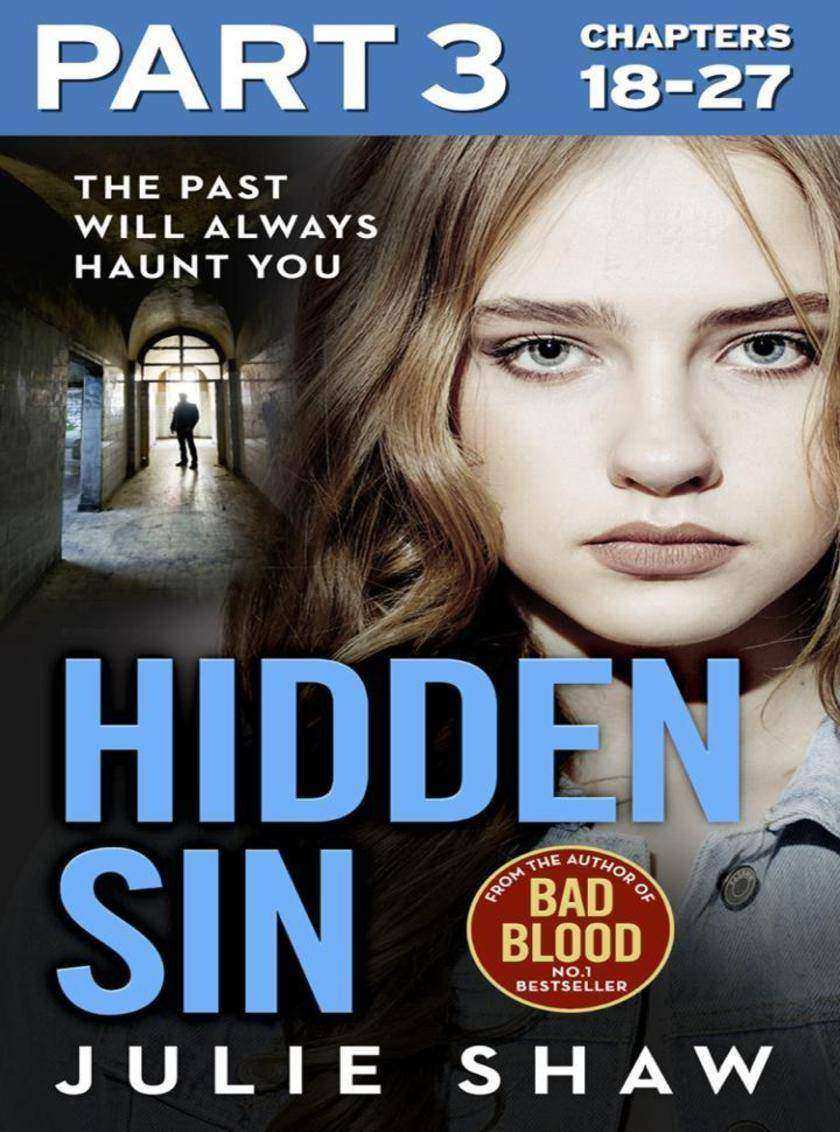
Hidden Sin: Part 3 of 3: When the past comes back to haunt you
¥28.45
The explosive sequel to #1 Sunday Times bestseller Bad Blood. Set 18 years later, Hidden Sin is the story of Joey, his girlfriend Paula and Rasta Mo, the man he is to discover is his dad. Joey Parker is a young man with big dreams. Almost eighteen, he’s desperate to escape the shackles of his window cleaning round, so when’s offered the chance to try out as a drummer in a local Blondie tribute band he jumps at the chance. But it isn’t just the music that moves him. It’s also the fact that Paula Foster is the lead singer. The daughter of his mum’s old mate, Josie, she was once a childhood friend. They’ve not seen each other in years, and their mutual attraction is immediate. Meanwhile, notorious local drug overlord, Rasta Mo, has recently returned to Bradford after a spell inside and years in Marbella. He is instantly enamored with the good-looking drummer he discovers is his son. He decides that his new club is in need of a house band – and so begins his attempts to woo him. This book charts a journey between two men into a future neither visualized. And, in Joey’s case, into a dangerous criminal world he’s never known. And, while his mother and step-father can only look on in horror as Joey potentially becomes the one thing she’s always dreaded – his father’s son. Joey is oblivious to who Mo is. The truth has always been hidden from him. All he cares about is that his and Paula’s dreams are all starting to come true. But will the cost of achieving them be too high to pay?
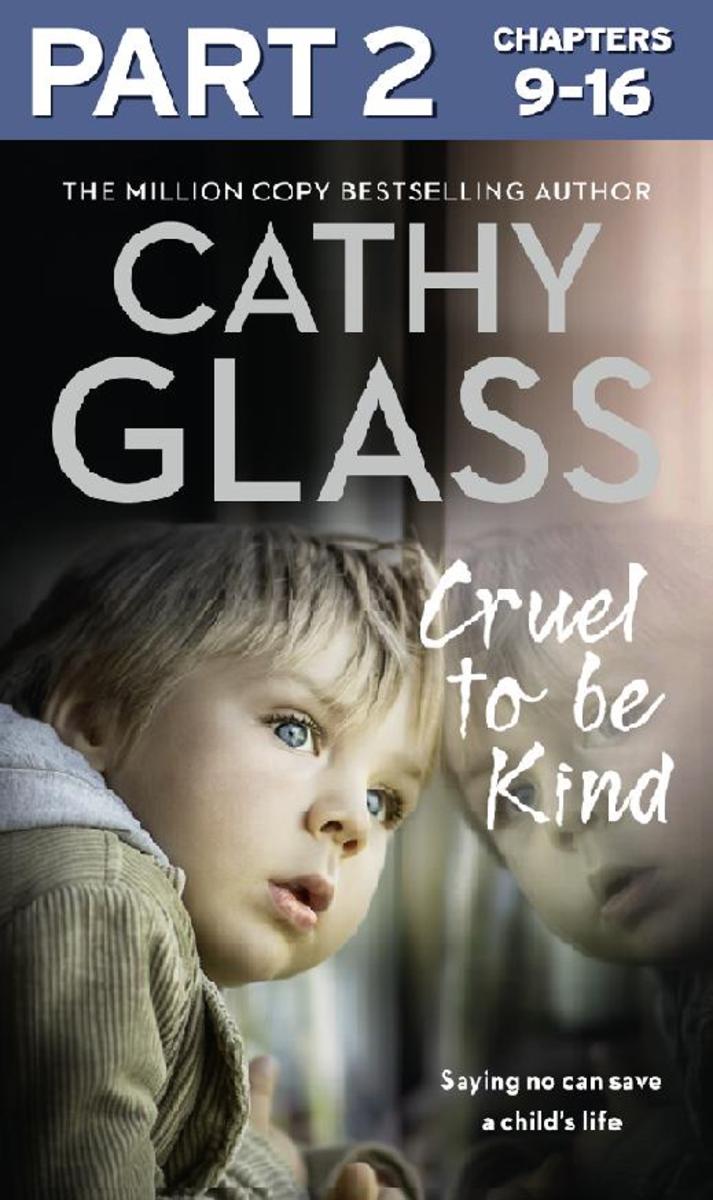
Cruel to Be Kind: Part 2 of 3: Saying no can save a child’s life
¥23.45
Cruel To Be Kind is the true story of Max, aged 6. He is fostered by Cathy while his mother is in hospital with complications from type 2 diabetes. Cruel To Be Kind is the true story of Max, aged 6. He is fostered by Cathy while his mother is in hospital with complications from type 2 diabetes. Fostering Max gets off to a bad start when his mother, Caz, complains and threatens Cathy even before Max has moved in. Cathy and her family are shocked when they first meet Max. But his social worker isn’t the only one in denial; his whole family are too.
A Long Way from Home: Part 3 of 3
¥28.45
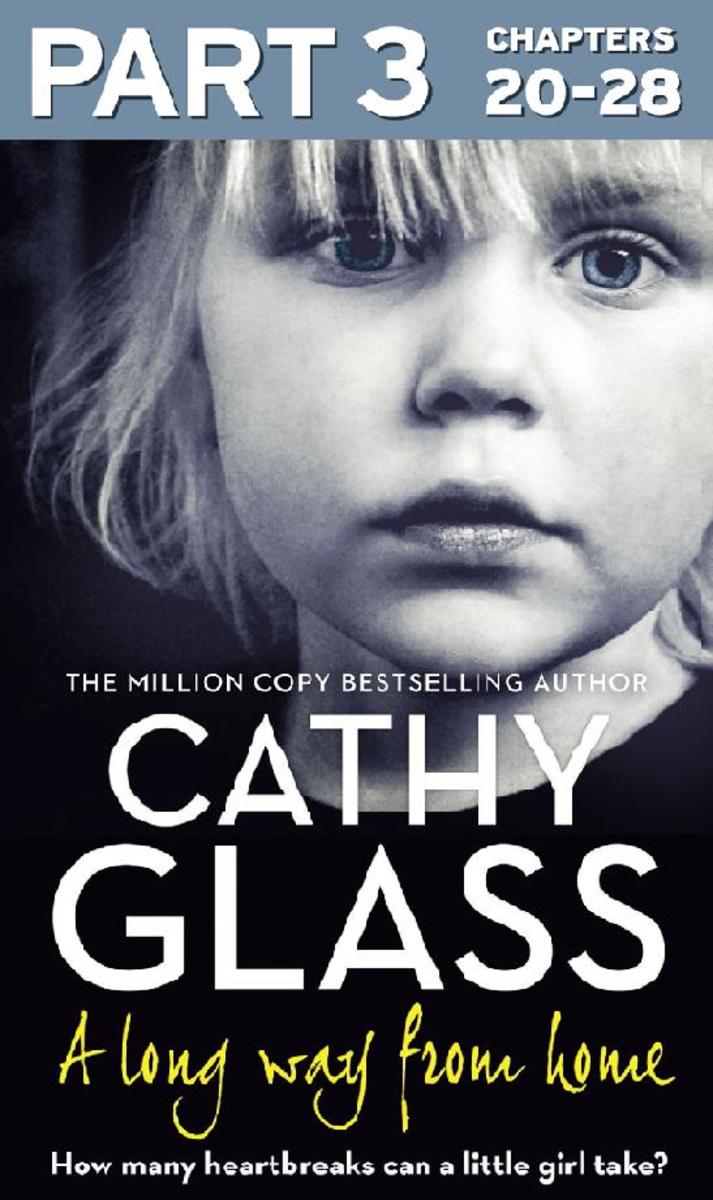
The true story of 2 year-old Anna, abandoned by her natural parents, left alone in a neglected orphanage. Elaine and Ian had travelled half way round the world to adopt little Anna. She couldn’t have been more wanted, loved and cherished. So why was she now in foster care and living with me? It didn’t make sense. Until I learned what had happened. … Dressed only in nappies and ragged T-shirts the children were incarcerated in their cots. Their large eyes stared out blankly from emaciated faces. Some were obviously disabled, others not, but all were badly undernourished. Flies circled around the broken ceiling fans and buzzed against the grids covering the windows. The only toys were a few balls and a handful of building bricks, but no child played with them. The silence was deafening and unnatural. Not one of the thirty or so infants cried, let alone spoke.
A Long Way from Home: Part 2 of 3
¥28.45
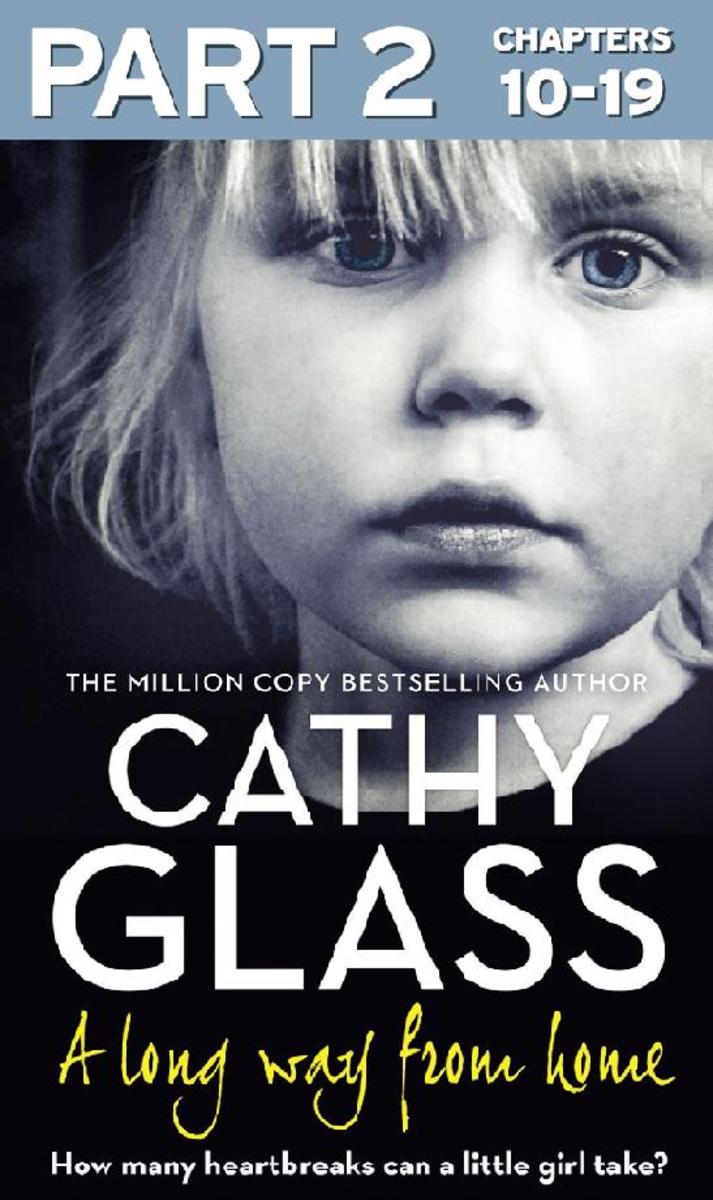
The true story of 2 year-old Anna, abandoned by her natural parents, left alone in a neglected orphanage. Elaine and Ian had travelled half way round the world to adopt little Anna. She couldn’t have been more wanted, loved and cherished. So why was she now in foster care and living with me? It didn’t make sense. Until I learned what had happened. … Dressed only in nappies and ragged T-shirts the children were incarcerated in their cots. Their large eyes stared out blankly from emaciated faces. Some were obviously disabled, others not, but all were badly undernourished. Flies circled around the broken ceiling fans and buzzed against the grids covering the windows. The only toys were a few balls and a handful of building bricks, but no child played with them. The silence was deafening and unnatural. Not one of the thirty or so infants cried, let alone spoke.


