


 购物车
购物车 个人中心
个人中心
10 Ways to Write More Effective Ads
¥8.09
10 Ways to Write More Effective Ads

FIFA 16 Game Guides Full
¥4.17
FIFA 16 Game Guides Full
Imitate,Innovate and Annihilate
¥24.44
Imitate,Innovate and Annihilate
Miscellaneous Jokes
¥4.09
Miscellaneous Jokes
How to be Insulting
¥4.09
How to be Insulting
Holiday Jokes
¥2.78
Holiday Jokes
Animal Jokes
¥8.09
Animal Jokes

Domain 360: The Fundamentals of Buying & Selling Domain Names
¥65.32
Domain 360: The Fundamentals of Buying & Selling Domain Names
Find Your Hobby Box Set
¥88.29
Find Your Hobby Box Set
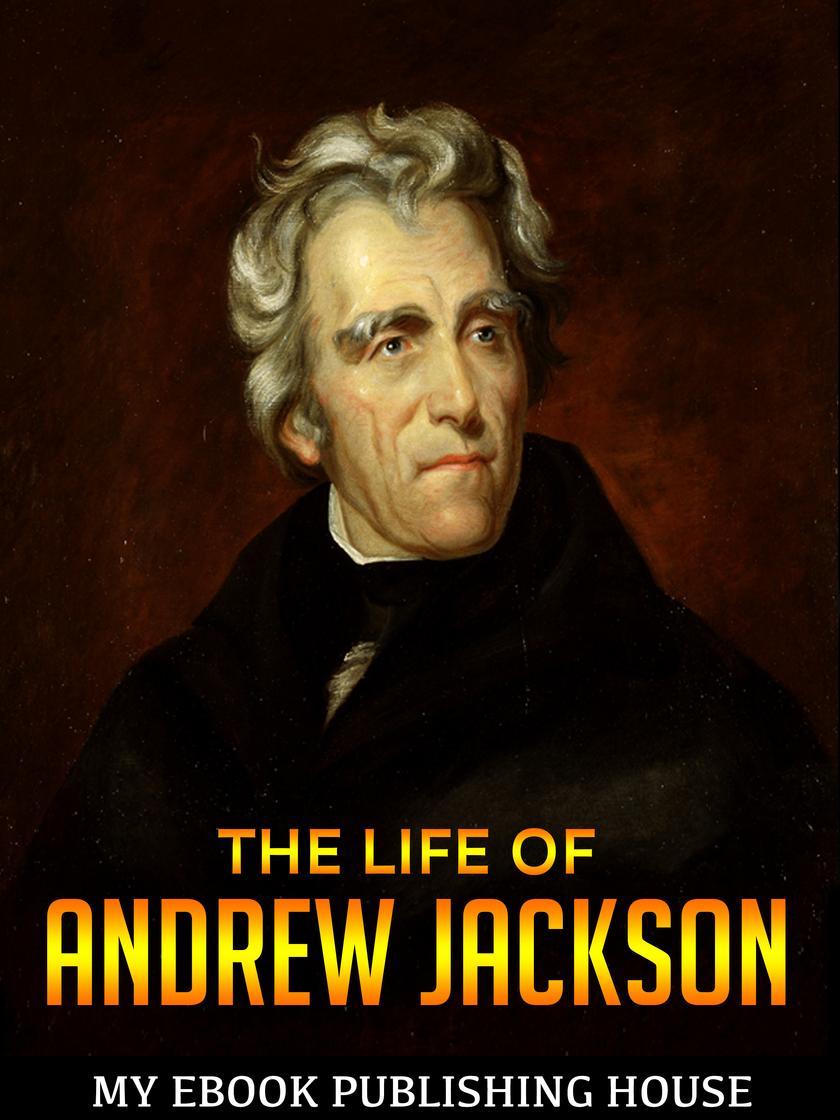
The Life of Andrew Jackson
¥32.62
The Life of Andrew Jackson
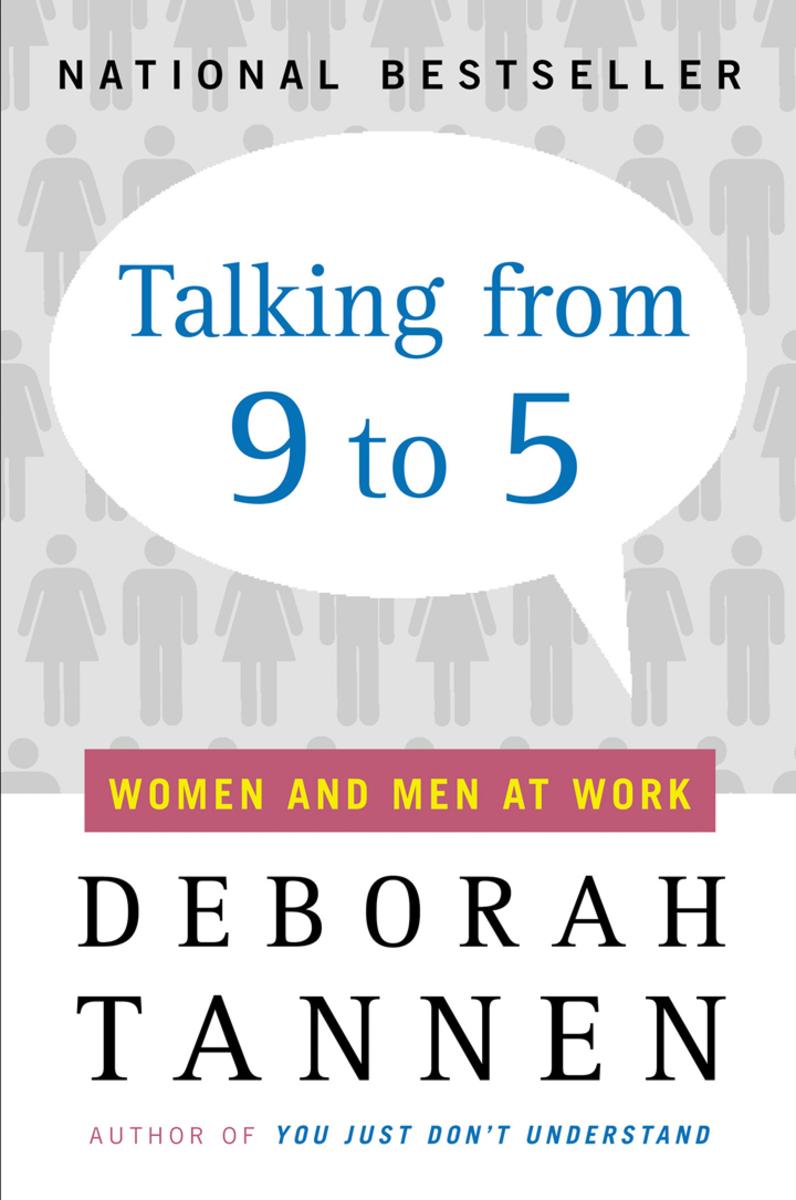
Talking from 9 to 5
¥83.92
Your project went off without a hitch--but somebody else got the credit...You averted a crisis brilliantly--but no one noticed...You came to the meeting with a sensational idea--but it was ignored until someone else said the same thing... HOW CAN YOU GET CREDIT & GET AHEAD?In her extraordinary international bestseller, You Just Don't Understand, Deborah Tannen transformed forever the way we look at intimate relationships between women and men. Now she turns her keen ear and observant eye toward the workplace--where the ways in which men and women communicate can determine who gets heard, who gets ahead, and what gets done. An instant classic, Talking From 9 to 5 brilliantly explains women's and men's conversational rituals--and the language barriers we unintentionally erect in the business world. It is a unique and invaluable guide to recognizing the verbal power games and miscommunications that cause good work to be underappreciated or go unnoticed--an essential tool for promoting more positive and productive professional relationships among men and women.
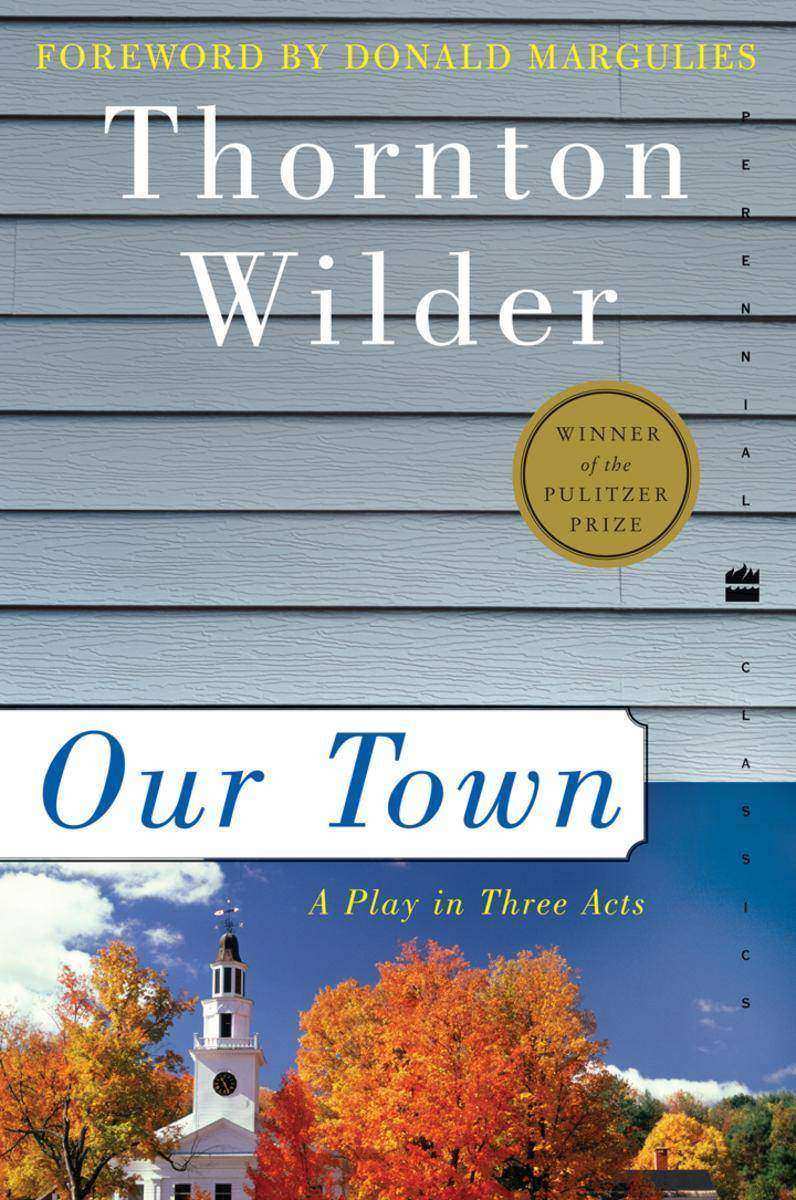
Our Town
¥83.03
Our Town was first produced and published in 1938 to wide acclaim. This Pulitzer Prize winning drama of life in the town of Grover 's Corners, an allegorical representation of all life, has become a classic. It is Thornton Wilder's most renowned and most frequently performed play. It is now reissued in this handsome hardcover edition, featuring a new Foreword by Donald Margulies, who writes, "You are holding in your hands a great American play. Possibly the great American play." In addition, Tappan Wilder has written an eye-opening new Afterword, which includes Thornton Wilder's unpublished notes and other illuminating photographs and documentary material.
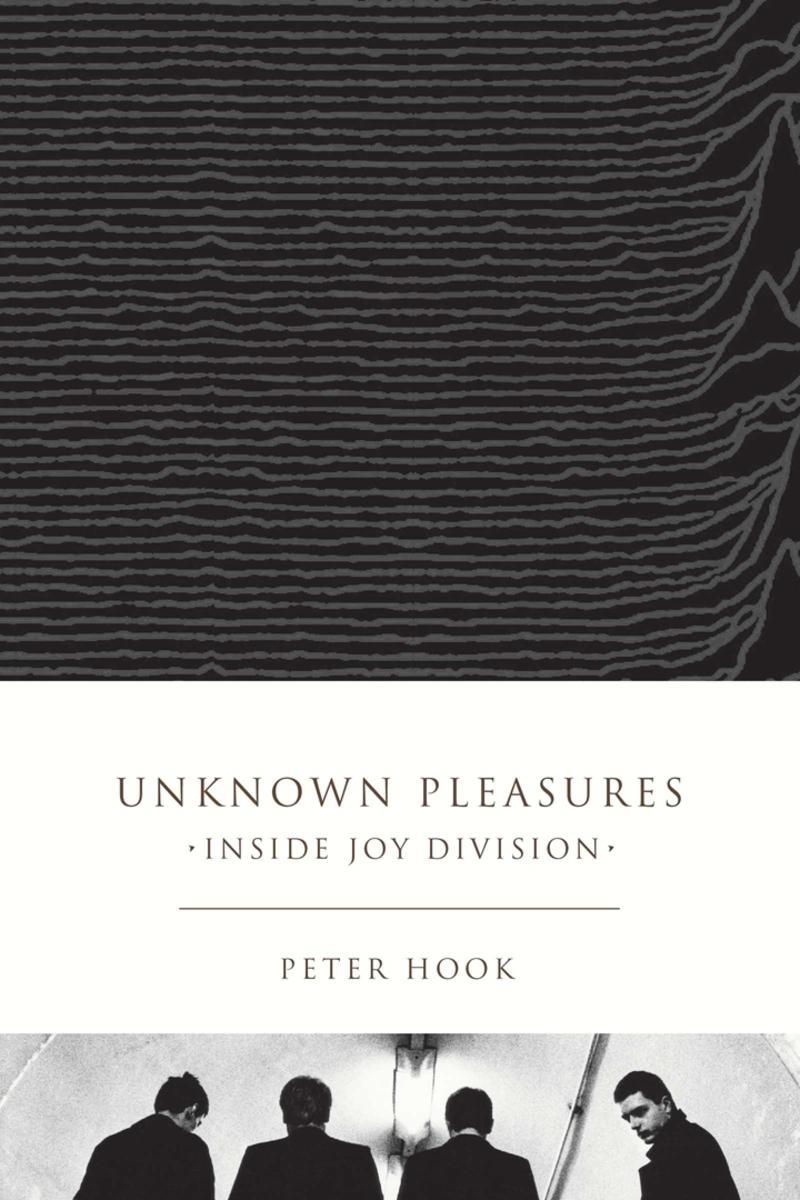
Unknown Pleasures
¥106.61
Joy Division changed the face of music. Godfathers of alternative rock, they reinvented music in the post-punk era, creating a new sound dark, hypnotic, and intense that would influence U2, Morrissey, R.E.M., Radiohead, and numerous others. The story is now legendary: in 1980, on the heels of their groundbreaking debut, Unknown Pleasures , and on the eve of their first U.S. tour, the band was rent asunder by the tragic death of their enigmatic lead singer, Ian Curtis. Yet in the mere three years they were together, Joy Division produced two landmark albums and a handful of singles including the iconic anthem Love Will Tear Us Apart that continue to have a powerful resonance. Now, for the first time, their story is told by one of their own. In Unknown Pleasures , founding member and bass player Peter Hook recounts how four young men from Manchester and Salisbury, with makeshift instruments and a broken-down van, rose from the punk scene to create a haunting, atmospheric music that would define a generation. Peter talks with eye-opening candor and reflection about the suicide of Ian Curtis; the band friendships and fallouts; the evolution of their sound and image; and the larger-than-life characters who formed a vital part of the Joy Division legend, including Factory Records founder Tony Wilson and producer Martin Hannett. Told with surprising humor and vivid detail, Unknown Pleasures is the book Joy Division fans have awaited for decades.
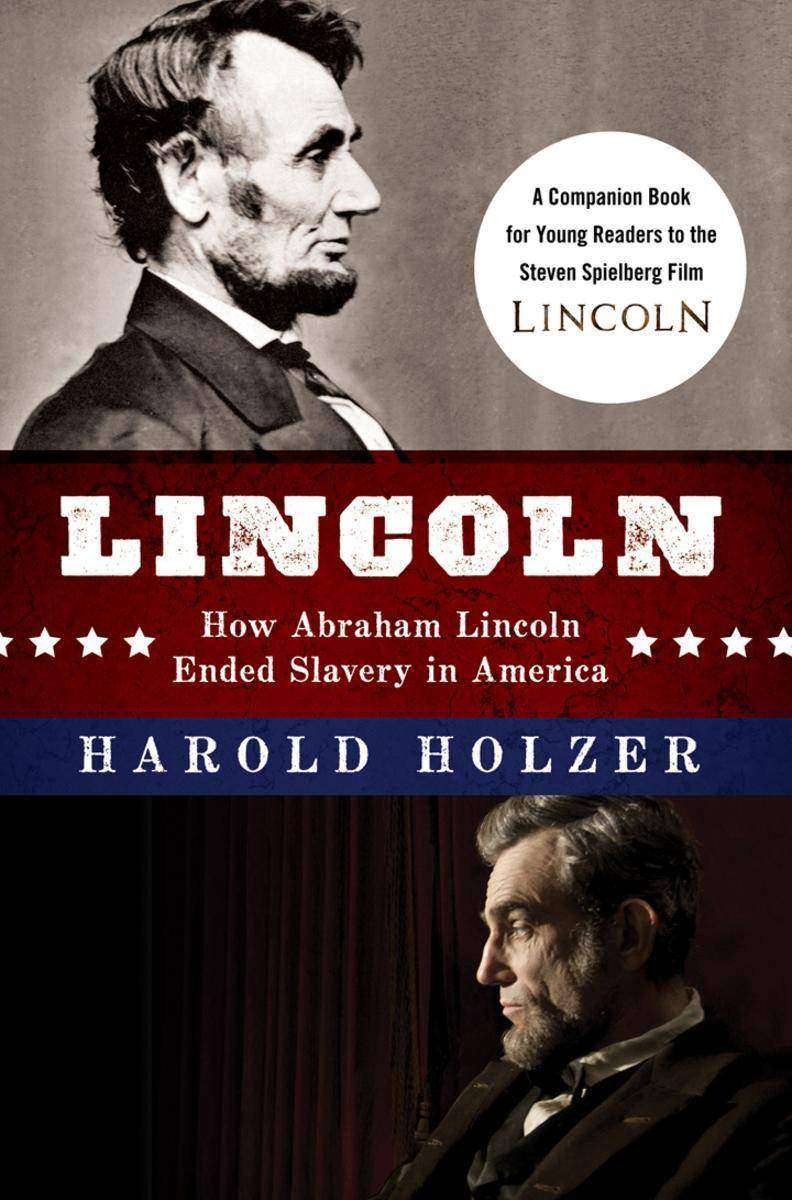
Lincoln: How Abraham Lincoln Ended Slavery in America
¥44.85
A new book and companion to the Steven Spielberg film tracing how Abraham Lincoln came to view slavery . . . and came to end it. Steven Spielberg focused his movie Lincoln on the sixteenth president tumultuous final months in office, when he pursued a course of action to end the Civil War, reunite the country, and abolish slavery. Invited by the filmmakers to write a special Lincoln book as a companion to the film, Harold Holzer, the distinguished historian and a consultant on the movie, now gives us a fast-paced, exciting new book on Lincoln life and times, his evolving beliefs about slavery, and how he maneuvered to end it. The story starts on January 31, 1865 less than three months before Lincoln assassination as the president anxiously awaits word on whether Congress will finally vote to pass the Thirteenth Amendment to the Constitution. Although the Emancipation Proclamation two years earlier had authorized the army to liberate slaves in Confederate territory, only a Constitutional amendment passed by Congress and ratified by three-fourths of the states would end slavery legally everywhere in the country. Drawing from letters, speeches, memoirs, and documents by Lincoln and others, Holzer goes on to cover Lincoln boyhood, his moves from Kentucky to Indiana to Illinois, his work as a lawyer and congressman, his unsuccessful candidacies for the U.S. Senate and his victory in two presidential elections, his arduous duties in the Civil War as commander in chief, his actions as president, and his relationships with his family, political rivals, and associates. Holzer provides a fresh view of America in those turbulent times, as well as fascinating insights into the challenges Lincoln faced as he weighed his personal beliefs against his presidential duties in relation to the slavery issue. The passage of the Thirteenth Amendment would become the crowning achievement of Abraham Lincoln life and the undisputed testament to his political genius. By viewing his life through this prism, Holzer makes an important passage in American history come alive for readers of all ages. The book also includes thirty historical photographs, a chronology, a historical cast of characters, texts of selected Lincoln writings, a bibliography, and notes.
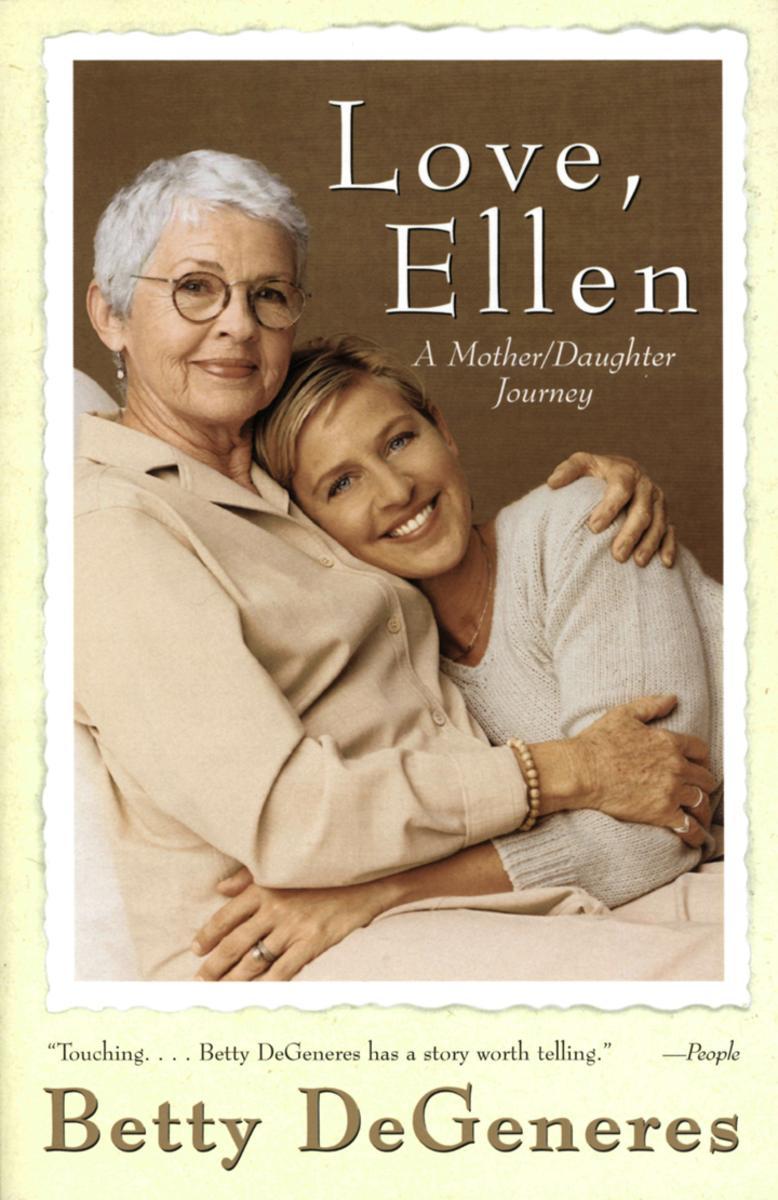
Love, Ellen
¥94.10
Mom, m gay. With three little words, gay children can change their parents' lives forever. Yet at the same times it a chance for those parents to realize nothing, really, has changed at all; same kid, same life, same bond of enduring love. Twenty years ago, during a walk on a Mississippi beach, Ellen DeGeneres spoke those simple, powerful words to her mother. That emotional moment eventually brought mother and daughter closer than ever, but not without a struggle. Coming from a republican family with conservative values, Betty needed time and education to understand her daughter homosexuality -- but her ultimate acceptance would set the stage for a far more public coming out, one that would change history. In Love, Ellen, Betty DeGeneres tells her story; the complicated path to acceptance and the deepening of her friendship with her daughter; the media scrutiny of their family life; the painful and often inspiring stories she heard on the road as the first non-gay spokesperson for the Human Rights Campaigns National Coming Out Project. With a mother love, clear minded common sense, and hard won wisdom, Betty DeGeneres offers up her own very personal memoir to help parents understand their gay children, and to help sons and daughters who have been rejected by their families feel less alone.
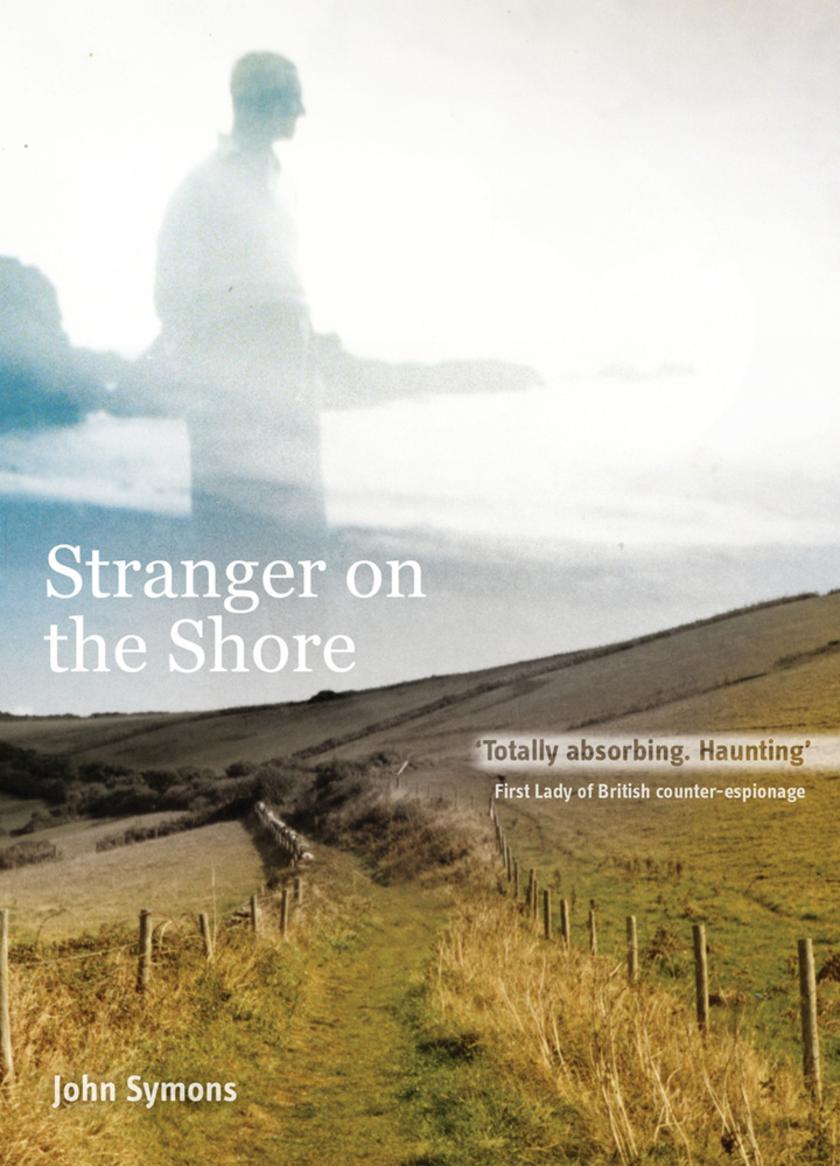
A Stranger On The Shore
¥24.44
Tracing the life of the author’s father, this passionate, vivid memoir follows him through his childhood in the west of England, his successful 25-year career in the Indian Army prior to the country’s independence in 1947, and his final years in Devonshire, where he raised a family while the symptoms of Huntington’s disease gradually set in. Born of a family of impoverished Cornish fishermen, he and his six sisters cared for their dying mother after losing their father at the start of the First World War, before Huntington’s reared itself in their lives and led to the early death of three of the siblings. An absorbing, tense story of an emerging family crisis, this is an inspiring narrative showing that, through courage and faith in the face of great adversity, peace can be found. William Symons was born in Newlyn in 1878. Following family tradition he became a fisherman and a member of the Royal Naval Volunteer Reserve. In 1914, following some early action at sea in the First World War, he died at the age of 36 yrs, leaving a widow and seven children, a boy and six girls. Unknown to him, and to his family, he left another legacy. In his body he carried a faulty gene, which, if inherited, could lead to Huntington’s chorea, a disease that normally becomes apparent in middle age. William died before symptoms appeared but the disease, known at the time as St Vitus Dance, was to claim the lives of a number of his descendants. This book chronicles the life of his eldest child, and only son, William John, who was 12 years old at the time of his father’s death. There was a small naval pension and William earned what pennies he could in his spare time until he left school the following year aged 13 years and went to work, initially for Dick Bath, the coal merchant. Somehow the family managed to stay together even after the death of his mother, Florence Louisa, from tuberculosis in 1921. They attended St. Peter’s Church, where the vicar, Mr Phelps, knew the family well and gave them his support. In 1919 William (always known as ‘Jack’ in the family) signed on as a soldier in the Duke of Cornwall’s Light Infantry and thus started a lifetime career in the Army and, from 1922, a long period of service in India. Mr Phelps helped him to weigh everything up and arrive at the decision to make this move. And so the story unfolds’. Eventually, at the age of 70 years, chorea would claim his life, but it was a life that saw a lot of happiness. Not least the birth of his two sons. The elder of these, John Symons, is the writer of this book.
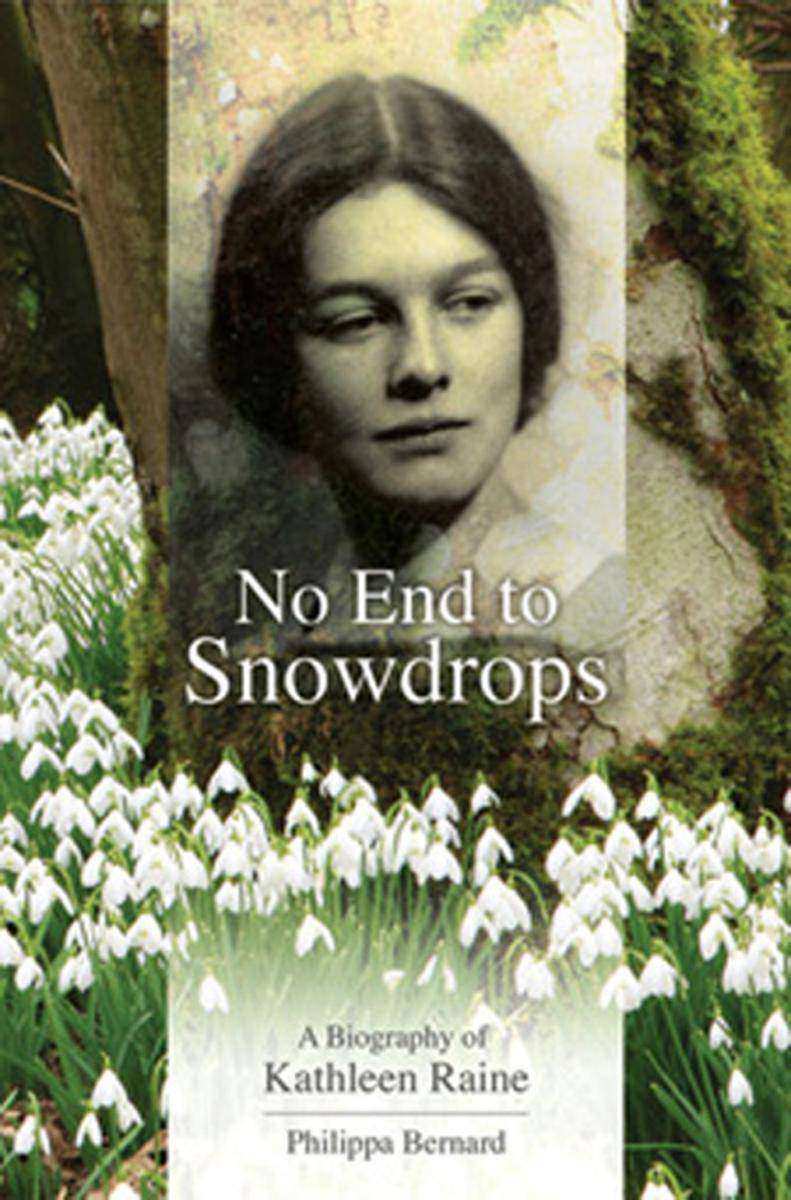
No End to Snowdrops A Biography Of Kathleen Raine
¥24.44
This authorised biography of the poet Kathleen Raine tells the story of how she developed from a small girl, who knew at the age of eight that she wanted only to write poetry, into a world-renowned poet and literary scholar. Philippa Bernard follows Kathleen Raine’s struggle against the constrictions of her suburban childhood to her exciting days at Girton College in the twenties, where she became friends with many brilliant writers, artists and scientists, including William Empson, Julian Trevelyan, Jakob Bronowski and the film maker Humphrey Jennings, friendships which lasted all her life. After a short marriage to Hugh Sykes Davies, she eloped with the poet Charles Madge to live in Blackheath where two children were born. An affair led to a break with Charles, who was involved at the time with Inez Spender, wife of the poet Stephen, and at the outbreak of war in 1939, she ran away with her children to the Lake District to the home of Michael Roberts and his wife Janet Adam Smith. Taking a cottage near Ullswater, she found a peaceful seclusion which enabled her to write some of her finest poetry, but found it difficult to support her family. Leaving the children with her friend, the art patron Helen Sutherland, she moved to London. In a room off the Tottenham Court Road, she came to know Sonia Brownell (later to marry George Orwell) who introduced her to the artists and writers of the Fitzrovia set, Dylan Thomas, Cyril Connolly and Rex Whistler among them, and including the strange figure of Tambi – James Tambimuttu – who published her first book of poems, Stone and Flower. Kathleen had already achieved much critical acclaim and published several volumes of poetry when she met through Tambi the naturalist and explorer Gavin Maxwell. She fell disastrously in love with him, but his homosexuality, which she understood from the beginning of their relationship, proved too much of an obstacle, for she totally failed to understand that this delightful companion, whose love of all natural things matched her own, completely failed to reciprocate the warmth of feeling that overwhelmed her. The title of his book, Ring of Bright Water, centred around his beloved otters at his home in Scotland, was taken from a poem of hers. An intensive period of research on the poet William Blake led to the publication of Blake and Tradition, marking Kathleen out as a leading Blake scholar. This was followed by works on Coleridge, Yeats and Thomas Taylor. Towards the end of her long life Kathleen Raine founded the journal Temenos with the help of Prince Charles, who became a good friend. She travelled to India, was honoured with the Queen’s Gold Medal for Poetry and made a Companion of Honour. Philippa Bernard met her as a neighbour in Chelsea where she and her husband owned an antiquarian bookshop. In this book she assesses sympathetically the work of Kathleen Raine, but does not hesitate to throw a critical light on this unusual woman of the highest intellect who loved her children deeply but deserted them to follow her instincts, who had an entirely practical attitude to the world about her, but who pursued a spiritual path, and who achieved so much in the world of literature and poetry.
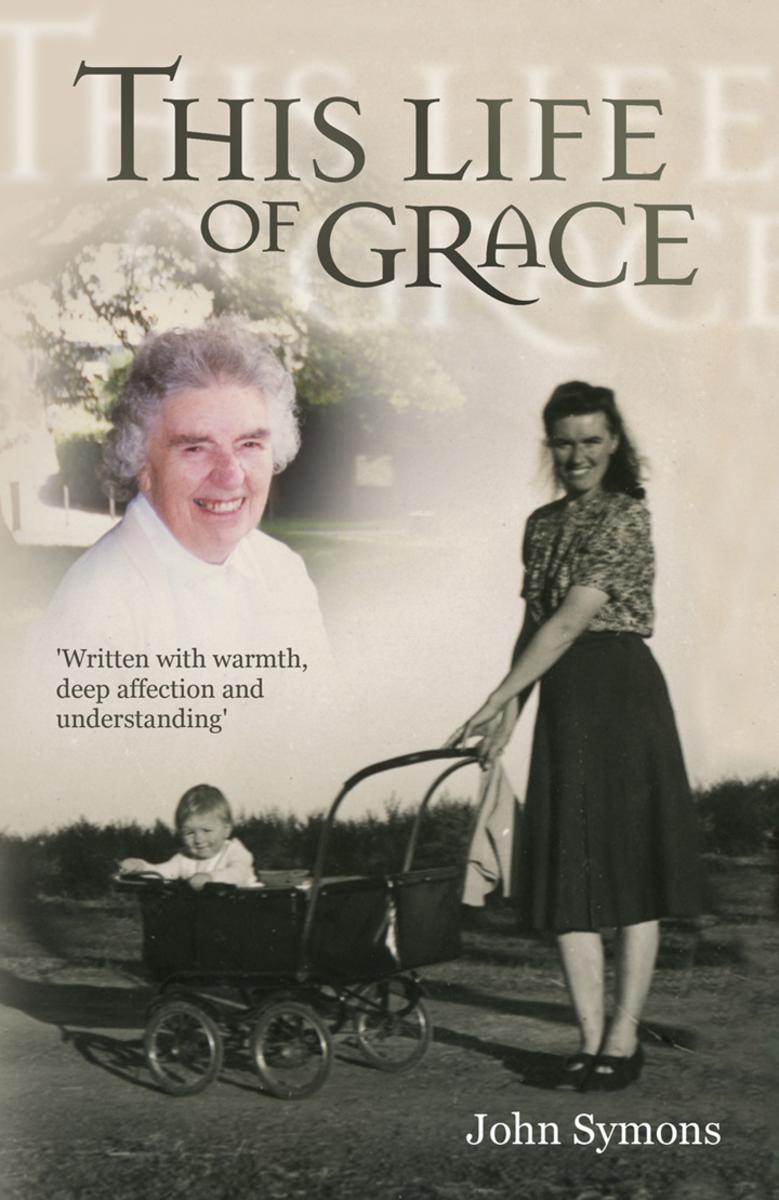
This Life Of Grace
¥24.44
This Life of Grace is a biography and a history. It tells the story of Grace Jarrold, the youngest of eight children, who lived for almost ninety years in the village of Plympton in Devon. It also tells the story of the village over the last century, beginning with the Great War of 1914-1918, school life at that time as revealed in original documents, the building of ‘homes fit for heroes’ in the 1920s, and the General Strike of 1926. It describes the dwindling of the old ‘upstairs-downstairs’ life, the approach of the Second World War and the Blitz of Plymouth. After the tranquil period of fifteen years that followed the War, things changed at great speed. The influence of farming declined, leading to the closure of Plympton Market in 2002. The village grew to ten times its size at the time of Grace’s birth and it was absorbed into the City of Plymouth. All the events are recorded as they affected local people. Grace is at the heart of the story, much of it told in her words, related remarkably to the author in frank conversations as she relived her life when it was drawing to its close, during almost three years in a hospital bed. The life of her husband, Major William John Symons, of the Indian Army, is told by the same author in Stranger on the Shore, published in 2009. In a pre-publication review, Peter Smith of Crane Books, writes, ‘I liked This Life of Grace even more than Stranger, which I had found engrossing and very moving. This Life of Grace is written with such warmth and deep affection and understanding, bringing the characters vividly to life. Grace was a person of dignity and humility, an unusual combination, to which I felt a sense of eloquence, wit and humour should be added. She was very much a Grace.’

Dispatches from the Edge
¥88.56
Few people have witnessed more scenes of chaos and conflict around the world than Anderson Cooper, whose groundbreaking coverage on CNN has changed the way we watch the news. In this gripping, candid, and remarkably powerful memoir, he offers an unstinting, up-close view of the most harrowing crises of our time, and the profound impact they have had on his life. After growing up on Manhattan's Upper East Side, Cooper felt a magnetic pull toward the unknown, an attraction to the far corners of the earth. If he could keep moving, and keep exploring, he felt he could stay one step ahead of his past, including the fame surrounding his mother, Gloria Vanderbilt, and the tragic early deaths of his father and older brother. As a reporter, the frenetic pace of filing dispatches from war-torn countries, and the danger that came with it, helped him avoid having to look too closely at the pain and loss that was right in front of him. But recently, during the course of one extraordinary, tumultuous year, it became impossible for him to continue to separate his work from his life, his family's troubled history from the suffering people he met all over the world. From the tsunami in Sri Lanka to the war in Iraq to the starvation in Niger and ultimately to Hurricane Katrina in New Orleans and Mississippi, Cooper gives us a firsthand glimpse of the devastation that takes place, both physically and emotionally, when the normal order of things is violently ruptured on such a massive scale. Cooper had been in his share of life-threatening situations before -- ducking fire on the streets of war-torn Sarejevo, traveling on his own to famine-stricken Somalia, witnessing firsthand the genocide in Rwanda -- but he had never seen human misery quite like this. Writing with vivid memories of his childhood and early career as a roving correspondent, Cooper reveals for the first time how deeply affected he has been by the wars, disasters, and tragedies he has witnessed, and why he continues to be drawn to some of the most perilous places on earth. Striking, heartfelt, and utterly engrossing, Dispatches from the Edge is an unforgettable memoir that takes us behind the scenes of the cataclysmic events of our age and allows us to see them through the eyes of one of America's most trusted, fearless, and pioneering reporters.
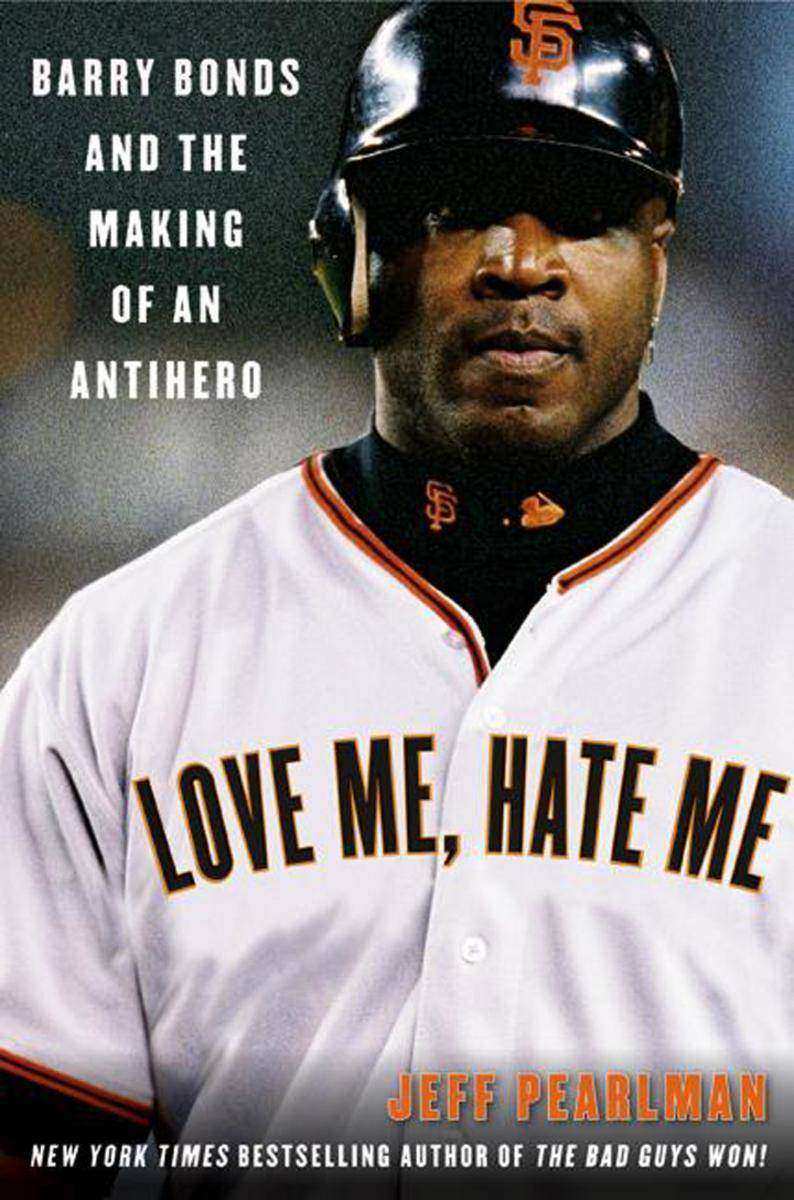
Love Me, Hate Me
¥83.03
No player in the history of baseball has left such an indelible mark on the game as San Francisco Giants outfielder Barry Bonds. In his twenty-year career, Bonds has amassed an unprecedented seven MVP awards, eight Gold Gloves, and more than seven hundred home runs, an impressive assortment of feats that has earned him consideration as one of the greatest players the game has ever seen. Equally deserved, however, is his reputation as an insufferable braggart, whose mythical home runs are rivaled only by his legendary ego. From his staggering ability and fabled pedigree (father Bobby played outfield for the Giants; cousin Reggie Jackson and godfather Willie Mays are both Hall of Famers) to his well-documented run-ins with teammates and the persistent allegations of steroid use, Bonds inspires a like amount of passion from both sides of the fence. For many, Bonds belongs beside Babe Ruth and Hank Aaron in baseball's holy trinity; for others, he embodies all that is wrong with the modern athlete: aloof; arrogant; alienated.In Love Me, Hate Me , author Jeff Pearlman offers a searing and insightful look into one of the most divisive athletes of our time. Drawing on more than five hundred interviews -- with former and current teammates, opponents, managers, trainers, friends, and outspoken critics and unapologetic supporters alike -- Pearlman reveals, for the first time, a wonderfully nuanced portrait of a prodigiously talented and immensely flawed American icon whose controversial run at baseball immortality forever changed the way we look at our sports heroes.
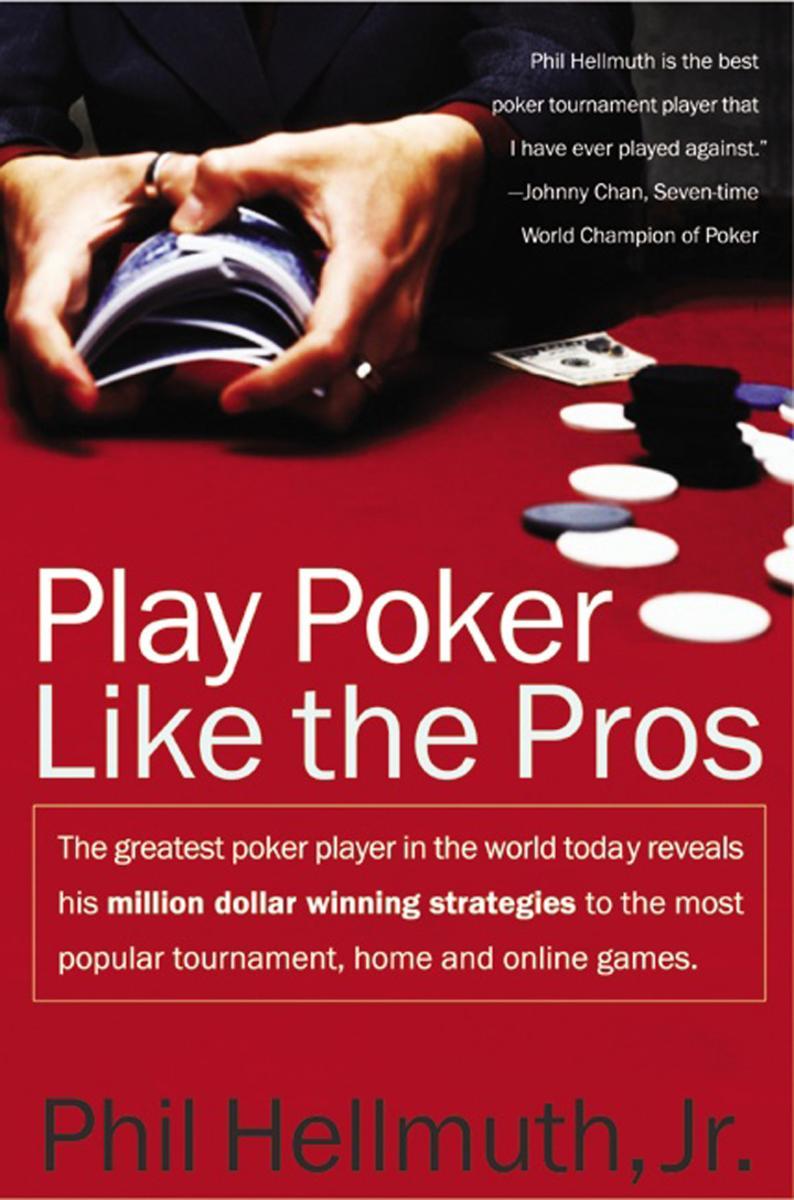
Play Poker Like the Pros
¥88.56
In Play Poker Like the Pros , poker master Phil Hellmuth, Jr., demonstrates exactly how to play and win -- even if you have never picked up a deck of cards -- the modern games of poker, including: Texas Hold'em, Omaha, Seven-Card Stud, and Razz. Phil Hellmuth, Jr., a seven-time World Champion of Poker, presents his tournament-tested strategies to beat any type of player, including: The Jackal (crazy and unpredictable) The Elephant (plays too many hands) The Mouse (plays very conservatively) The Lion (skilled and tough to beat) Play Poker Like the Pros begins by laying out the rules and set-up of each game and then moves on to easy-to-follow basic and advanced strategies. Hellmuth teaches exactly which hands to play, when to bluff, when to raise, and when to fold. In addition Hellmuth provides techniques for reading other players and staying cool under pressure. There are also special chapters on how to beat online poker games and an inside look at tournament play.


