


 购物车
购物车 个人中心
个人中心

Richard III - So wise so young, they say, do never live long
¥11.67
The life of William Shakespeare, arguably the most significant figure in the Western literary canon, is relatively unknown. Shakespeare was born in Stratford-upon-Avon in 1565, possibly on the 23rd April, St. George's Day, and baptised there on 26th April. Little is known of his education and the first firm facts to his life relate to his marriage, aged 18, to Anne Hathaway, who was 26 and from the nearby village of Shottery. Anne gave birth to their first son six months later. Shakespeare's first play, The Comedy of Errors began a procession of real heavyweights that were to emanate from his pen in a career of just over twenty years in which 37 plays were written and his reputation forever established. This early skill was recognised by many and by 1594 the Lord Chamberlain's Men were performing his works. With the advantage of Shakespeare's progressive writing they rapidly became London's leading company of players, affording him more exposure and, following the death of Queen Elizabeth in 1603, a royal patent by the new king, James I, at which point they changed their name to the King's Men. By 1598, and despite efforts to pirate his work, Shakespeare's name was well known and had become a selling point in its own right on title pages. No plays are attributed to Shakespeare after 1613, and the last few plays he wrote before this time were in collaboration with other writers, one of whom is likely to be John Fletcher who succeeded him as the house playwright for the King's Men. William Shakespeare died two months later on April 23rd, 1616, survived by his wife, two daughters and a legacy of writing that none have since yet eclipsed.
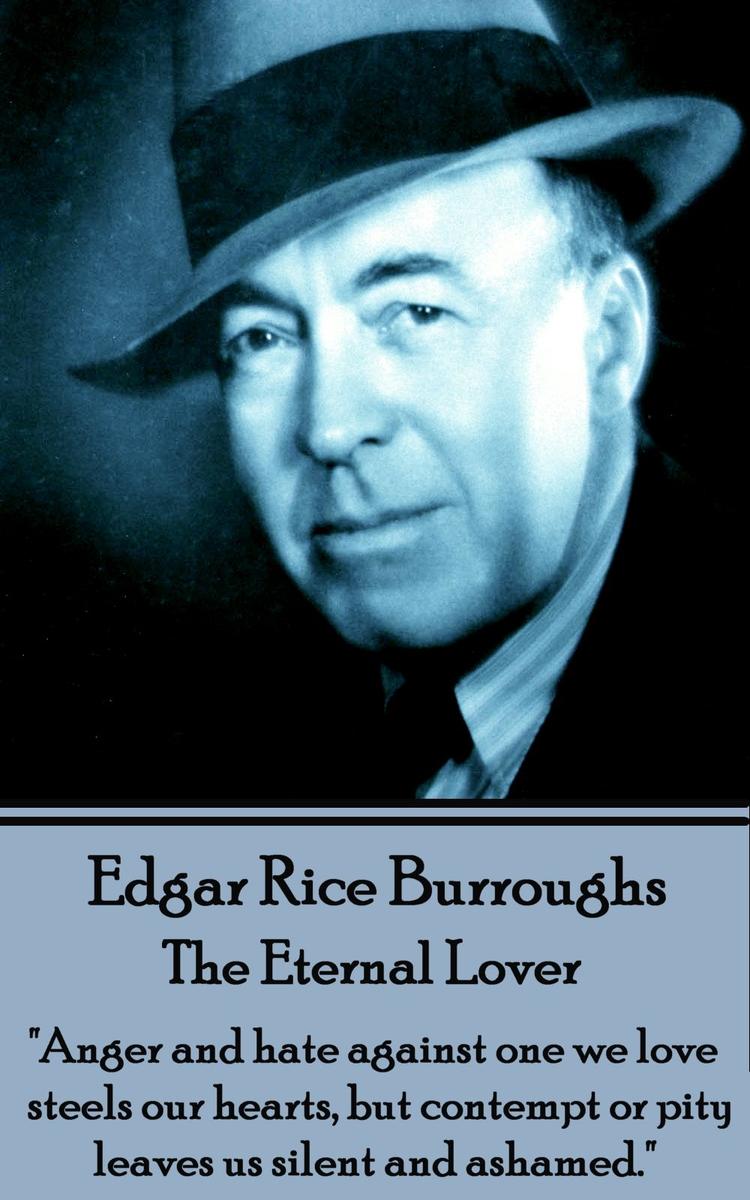
Eternal Lover
¥29.33
Edgar Rice Burroughs was born on September 1, 1875, in Chicago, Illinois. His early career was unremarkable. After failing to enter West Point he enlisted in the 7th Calvary but was discharged after heart problems were diagnosed. A series of short term jobs gave no indication as to a career path but finally, in 1911, married and with two young children, he turned his hand to writing. He aimed his works squarely at the very popular pulp serial magazines. His first effort 'Under The Moons Of Mars' ran in Munsey's Magazine in 1912 under the pseudonym Norman Bean. With its success he began writing full time. A continuing theme of his work was to develop series so that each character had ample opportunities to return in sequels. John Carter was in the Mars series and there was another on Venus and one on Pellucidar among others. But perhaps the best known is Tarzan. Indeed Burroughs wanted so much to capitalise upon the brand that he introduced a syndicated Tarzan comic strip, movies and merchandise. He purchased a large ranch north of Los Angeles, California, which he named "e;Tarzana."e; The surrounding communities outside the ranch voted in 1927 to adopt the name as their own. By 1932 Burroughs set up his own company to print his own books. Here we publish 'The Eternal Lover' in the hands of Edgar Rice Burroughs the title is just the beginning.....just the start of a journey......
Pericles - Few love to hear the sins they love to act.
¥11.67
The life of William Shakespeare, arguably the most significant figure in the Western literary canon, is relatively unknown. Shakespeare was born in Stratford-upon-Avon in 1565, possibly on the 23rd April, St. George's Day, and baptised there on 26th April. Little is known of his education and the first firm facts to his life relate to his marriage, aged 18, to Anne Hathaway, who was 26 and from the nearby village of Shottery. Anne gave birth to their first son six months later. Shakespeare's first play, The Comedy of Errors began a procession of real heavyweights that were to emanate from his pen in a career of just over twenty years in which 37 plays were written and his reputation forever established. This early skill was recognised by many and by 1594 the Lord Chamberlain's Men were performing his works. With the advantage of Shakespeare's progressive writing they rapidly became London's leading company of players, affording him more exposure and, following the death of Queen Elizabeth in 1603, a royal patent by the new king, James I, at which point they changed their name to the King's Men. By 1598, and despite efforts to pirate his work, Shakespeare's name was well known and had become a selling point in its own right on title pages. No plays are attributed to Shakespeare after 1613, and the last few plays he wrote before this time were in collaboration with other writers, one of whom is likely to be John Fletcher who succeeded him as the house playwright for the King's Men. William Shakespeare died two months later on April 23rd, 1616, survived by his wife, two daughters and a legacy of writing that none have since yet eclipsed.
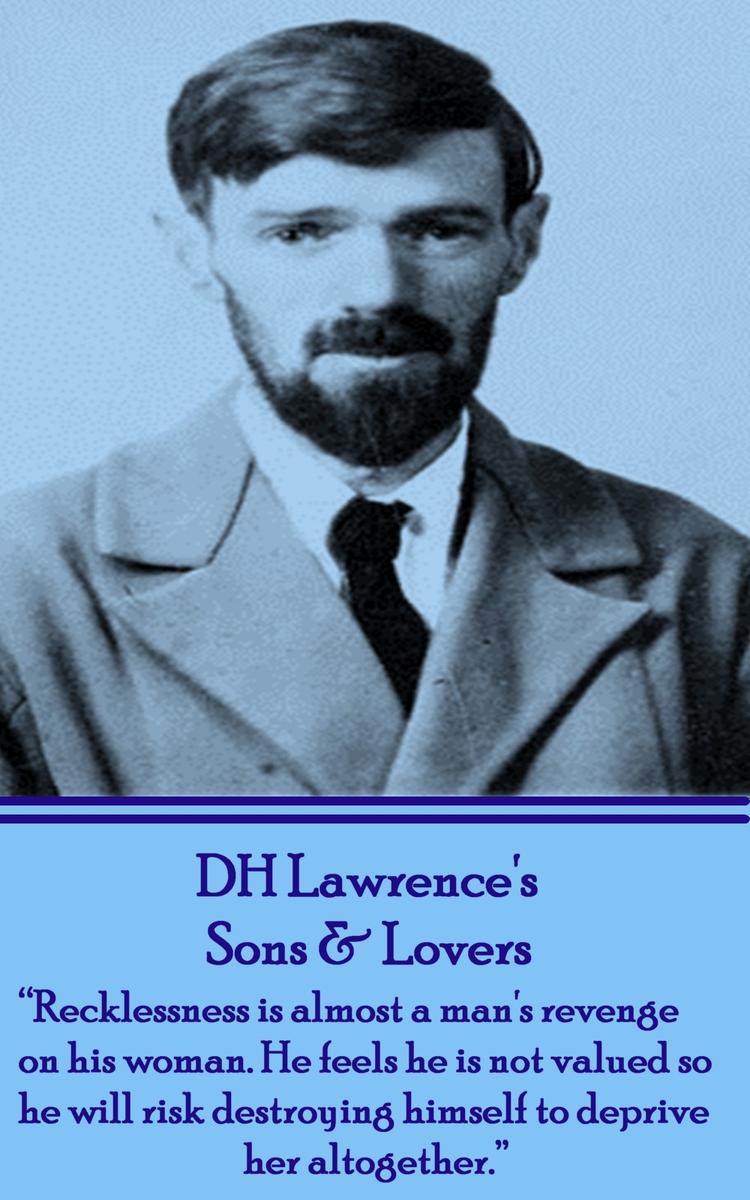
Sons & Lovers - Recklessness is almost a man's revenge on his woman.
¥23.45
DH Lawrence's Sons and Lovers is a must-read classic that deals with family relations in a typical Freudian fashion. In fact, the book tells the story of the very strong attachment of two sons, William and Paul Morel, to their mother. As the boys grow older and start dating women, they both find difficulties to establish serious and lasting love relationships with their partners. They are never satisfied with the girls' personalities and often complain about their superficiality and ostensible nature while their affairs never reach beyond passion and mere physical gratification. Being often considered as an autobiographical novel in which Lawrence explores aspects of his own personal life, the narrative presents the boys' mother as their ultimate example of the perfect woman, an example that cannot be attained by the women they happen to meet. After William's sudden death, the mother's hold on Paul is further reinforced. She is now jealous of her second son's mistress and engages in a campaign to separate them. As expected, the son never succeeds in disentangling himself from his mother's apron strings. After the mother's death, the end of the novel depicts a lost and lonely Paul with no hopes or aspirations.
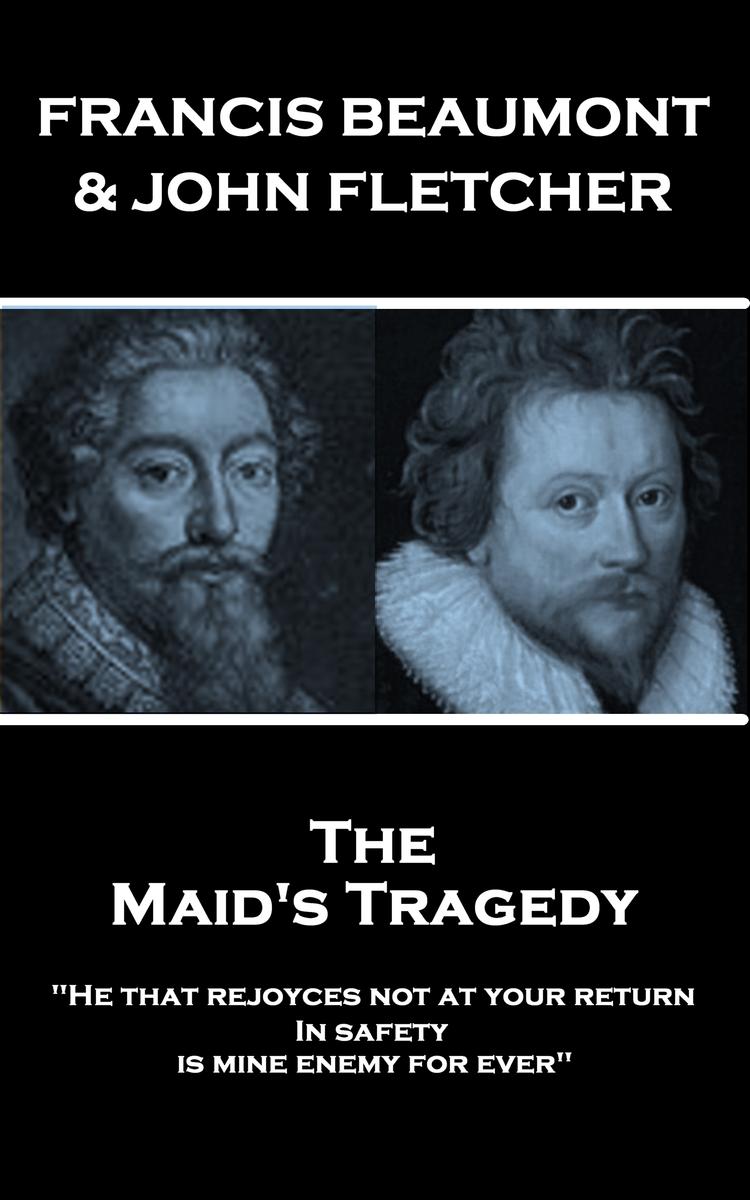
Maids Tragedy - He that rejoyces not at your return In safety, is mine enemy for
¥38.75
The English dramatists Francis Beaumont and John Fletcher, collaborated in their writing during the reign of James I of England (James VI of Scotland, 1567-1625; in England he reigned from 1603).Beaumont & Fletcher began to collaborate as writers soon after they met. After notable failures of their solo works their first joint effort, Philaster, was a success and tragicomedy was the genre they explored and built upon. There would be many further successes to follow.There is an account that at the time the two men shared everything. They lived together in a house on the Bankside in Southwark, "e;they also lived together in Bankside, sharing clothes and having one wench in the house between them."e; Or as another account puts it "e;sharing everything in the closest intimacy."e;Whatever the truth of this they were now recognised as perhaps the best writing team of their generation, so much so, that their joint names was applied to all the works in which either, or both, had a pen including those with Philip Massinger, James Shirley and Nathan Field.The first Beaumont and Fletcher folio of 1647 contained 35 plays; 53 plays were included in the second folio in 1679. Other works bring the total plays in the canon to about 55. However there appears here to have been some duplicity on the account of the publishers who seemed to attribute so many to the team. It is now thought that the work between solely by Beaumont and Fletcher amounts to approximately 15 plays, though of course further works by them were re-worked by others and the originals lost.After Beaumont's early death in 1616 Fletcher continued to write and, at his height was, by many standards, the equal of Shakespeare in popularity until his own death in 1625.

Dark Lady Of The Sonnets, By George Bernard Shaw
¥15.21
The Dark Lady of the Sonnets is a one-act play by the Irish playwright George Bernard Shaw which centers around the character of the "e;Dark Lady"e; described in William Shakespeare's sonnets. In the preface to the play, Shaw introduces his own audience to the different theories about the actual person to whom the sonnets were devoted, but also if Shakespeare is the actual writer of his works. Shakespeare and Queen Elizabeth themselves are characters in Shaw's rather witty, comic play. Generally, the Dark Lady of the Sonnets is supposed to be an unconventionally-beautiful woman with whom young Shakespeare falls madly in love. When one day he introduces the Lady to one of his favorite friends, a handsome young man of a high social rank, they both betray him by going to bed together. The feeling of being doubly betrayed has greatly affected the English playwright and marked a considerable transformation in his writing career. By and large, Bernard Shaw's work, with its relatively long explanatory preface, touches the interesting mystery of Shakespeare's person and plays which has been much debated by numerous critics throughout the centuries.
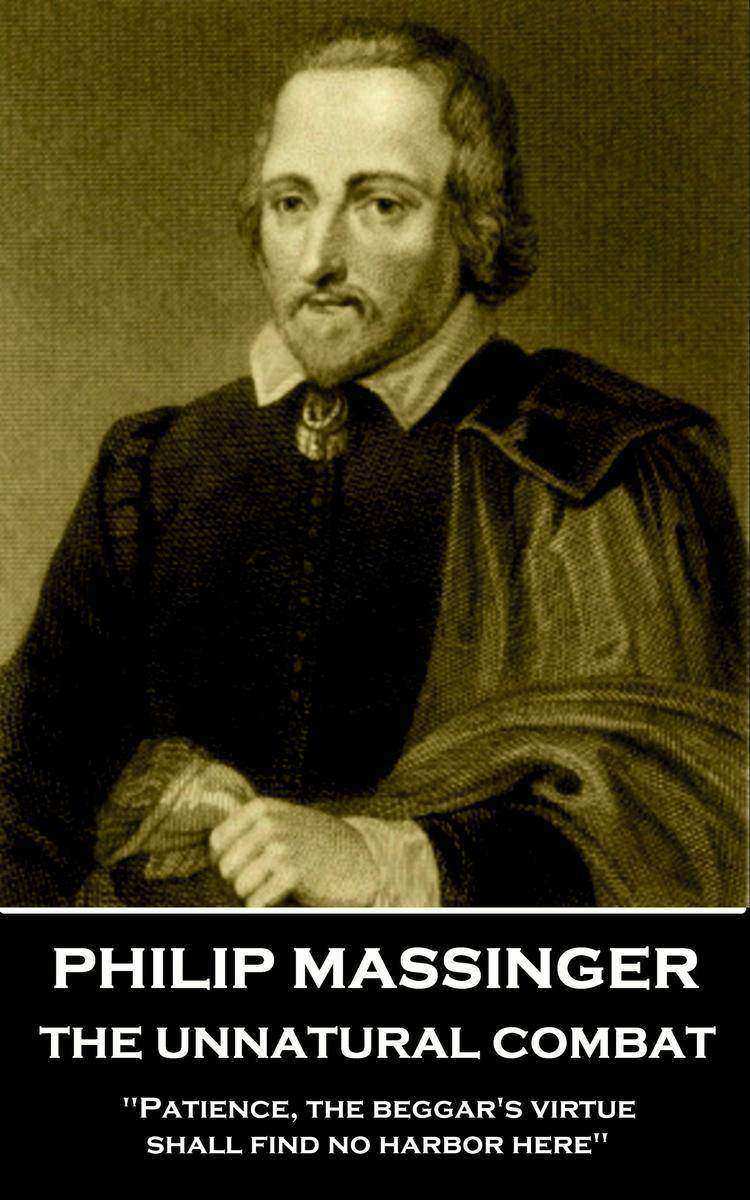
Unnatural Combat - Patience, the beggar's virtue, shall find no harbor here
¥23.45
Philip Massinger was baptized at St. Thomas's in Salisbury on November 24th, 1583.Massinger is described in his matriculation entry at St. Alban Hall, Oxford (1602), as the son of a gentleman. His father, who had also been educated there, was a member of parliament, and attached to the household of Henry Herbert, 2nd Earl of Pembroke. The Earl was later seen as a potential patron for Massinger.He left Oxford in 1606 without a degree. His father had died in 1603, and accounts suggest that Massinger was left with no financial support this, together with rumours that he had converted to Catholicism, meant the next stage of his career needed to provide an income.Massinger went to London to make his living as a dramatist, but he is only recorded as author some fifteen years later, when The Virgin Martyr (1621) is given as the work of Massinger and Thomas Dekker.During those early years as a playwright he wrote for the Elizabethan stage entrepreneur, Philip Henslowe. It was a difficult existence. Poverty was always close and there was constant pleading for advance payments on forthcoming works merely to survive.After Henslowe died in 1616 Massinger and John Fletcher began to write primarily for the King's Men and Massinger would write regularly for them until his death.The tone of the dedications in later plays suggests evidence of his continued poverty. In the preface of The Maid of Honour (1632) he wrote, addressing Sir Francis Foljambe and Sir Thomas Bland: "e;I had not to this time subsisted, but that I was supported by your frequent courtesies and favours."e;The prologue to The Guardian (1633) refers to two unsuccessful plays and two years of silence, when the author feared he had lost popular favour although, from the little evidence that survives, it also seems he had involved some of his plays with political characters which would have cast shadows upon England's alliances.Philip Massinger died suddenly at his house near the Globe Theatre on March 17th, 1640. He was buried the next day in the churchyard of St. Saviour's, Southwark, on March 18th, 1640. In the entry in the parish register he is described as a "e;stranger,"e; which, however, implies nothing more than that he belonged to another parish.
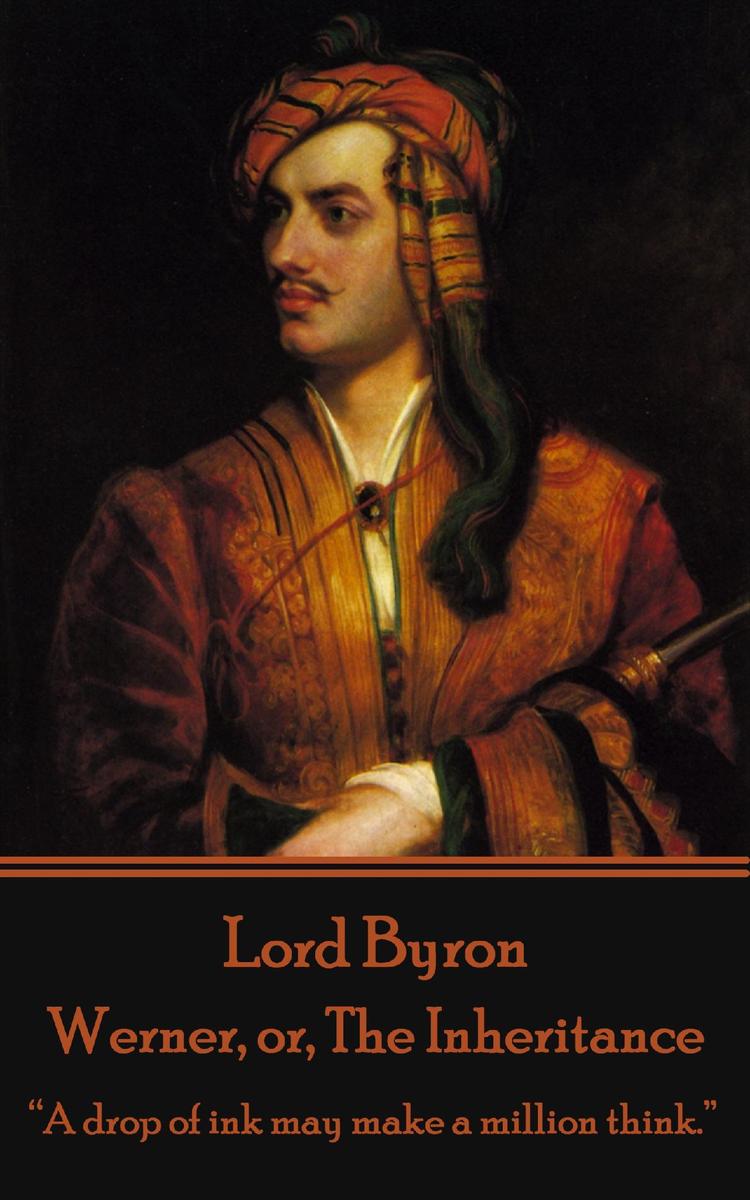
Werner, or, The Inheritance - A drop of ink may make a million think.
¥26.98
George Gordon Byron, 6th Baron Byron, but more commonly known as just Byron was a leading English poet in the Romantic Movement along with Keats and Shelley. Byron was born on January 22nd, 1788. He was a great traveller across Europe, spending many years in Italy and much time in Greece. With his aristocratic indulgences, flamboyant style along with his debts, and a string of lovers he was the constant talk of society. In 1823 he joined the Greeks in their war of Independence against the Ottoman Empire, both helping to fund and advise on the war's conduct. It was an extraordinary adventure, even by his own standards. But, for us, it is his poetry for which he is mainly remembered even though it is difficult to see where he had time to write his works of immense beauty. But write them he did. He died on April 19th 1824 after having contracted a cold which, on the advice of his doctors, was treated with blood-letting. This cause complications and a violent fever set in. Byron died like his fellow romantics, tragically young and on some foreign field.

Merry Wives of Windsor - This is the short and the long of it
¥11.67
The life of William Shakespeare, arguably the most significant figure in the Western literary canon, is relatively unknown. Shakespeare was born in Stratford-upon-Avon in 1565, possibly on the 23rd April, St. George's Day, and baptised there on 26th April. Little is known of his education and the first firm facts to his life relate to his marriage, aged 18, to Anne Hathaway, who was 26 and from the nearby village of Shottery. Anne gave birth to their first son six months later. Shakespeare's first play, The Comedy of Errors began a procession of real heavyweights that were to emanate from his pen in a career of just over twenty years in which 37 plays were written and his reputation forever established. This early skill was recognised by many and by 1594 the Lord Chamberlain's Men were performing his works. With the advantage of Shakespeare's progressive writing they rapidly became London's leading company of players, affording him more exposure and, following the death of Queen Elizabeth in 1603, a royal patent by the new king, James I, at which point they changed their name to the King's Men. By 1598, and despite efforts to pirate his work, Shakespeare's name was well known and had become a selling point in its own right on title pages. No plays are attributed to Shakespeare after 1613, and the last few plays he wrote before this time were in collaboration with other writers, one of whom is likely to be John Fletcher who succeeded him as the house playwright for the King's Men. William Shakespeare died two months later on April 23rd, 1616, survived by his wife, two daughters and a legacy of writing that none have since yet eclipsed.
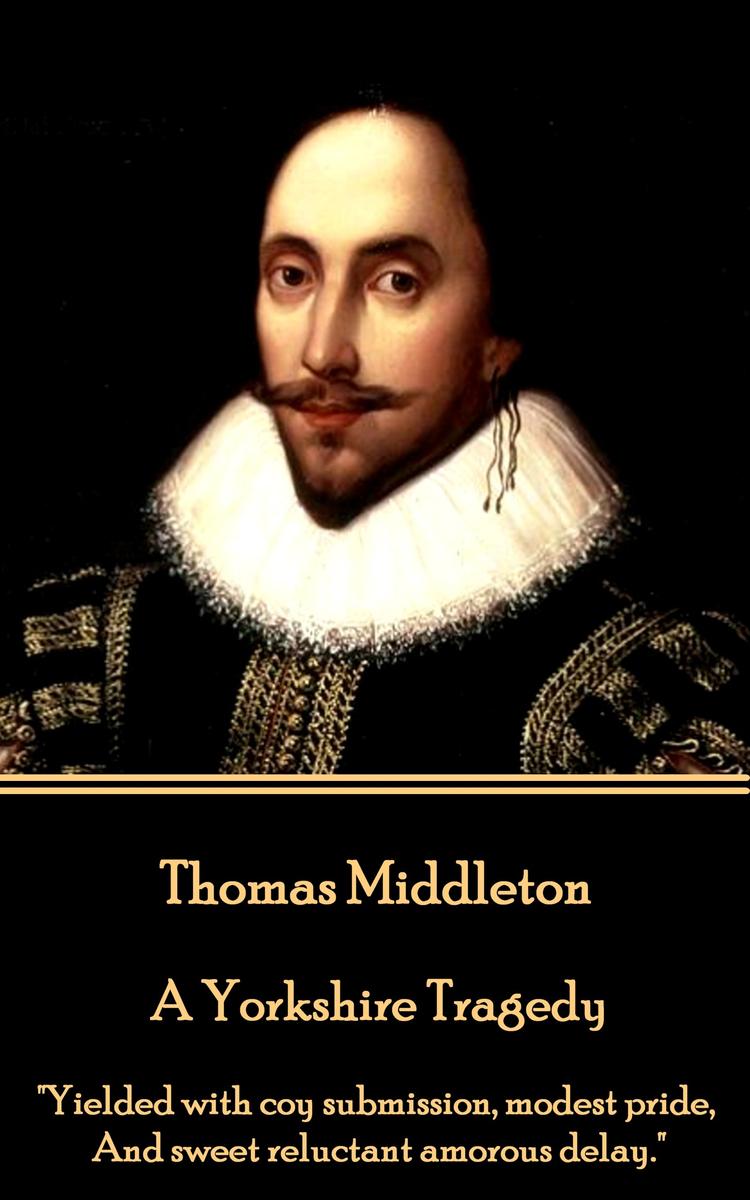
Yorkshire Tragedy - Yielded with coy submission, modest pride, And sweet relucta
¥23.45
Thomas Middleton was born in London in April 1580 and baptised on 18th April. Middleton was aged only five when his father died. His mother remarried but this unfortunately fell apart into a fifteen year legal dispute regarding the inheritance due Thomas and his younger sister. By the time he left Oxford, at the turn of the Century, Middleton had and published Microcynicon: Six Snarling Satirese which was denounced by the Archbishop of Canterbury and publicly burned. In the early years of the 17th century, Middleton wrote topical pamphlets. One - Penniless Parliament of Threadbare Poets was reprinted several times and the subject of a parliamentary inquiry. These early years writing plays continued to attract controversy. His writing partnership with Thomas Dekker brought him into conflict with Ben Jonson and George Chapman in the so-called War of the Theatres. His finest work with Dekker was undoubtedly The Roaring Girl, a biography of the notorious Mary Frith. In the 1610s, Middleton began another playwriting partnership, this time with the actor William Rowley, producing another slew of plays including Wit at Several Weapons and A Fair Quarrel. The ever adaptable Middleton seemed at ease working with others or by himself. His solo writing credits include the comic masterpiece, A Chaste Maid in Cheapside, in 1613. In 1620 he was officially appointed as chronologer of the City of London, a post he held until his death. The 1620s saw the production of his and Rowley's tragedy, and continual favourite, The Changeling, and of several other tragicomedies. However in 1624, he reached a peak of notoriety when his dramatic allegory A Game at Chess was staged by the King's Men. Though Middleton's approach was strongly patriotic, the Privy Council silenced the play after only nine performances at the Globe theatre, having received a complaint from the Spanish ambassador. What happened next is a mystery. It is the last play recorded as having being written by Middleton. Thomas Middleton died at his home at Newington Butts in Southwark in the summer of 1627, and was buried on July 4th, in St Mary's churchyard which today survives as a public park in Elephant and Castle.
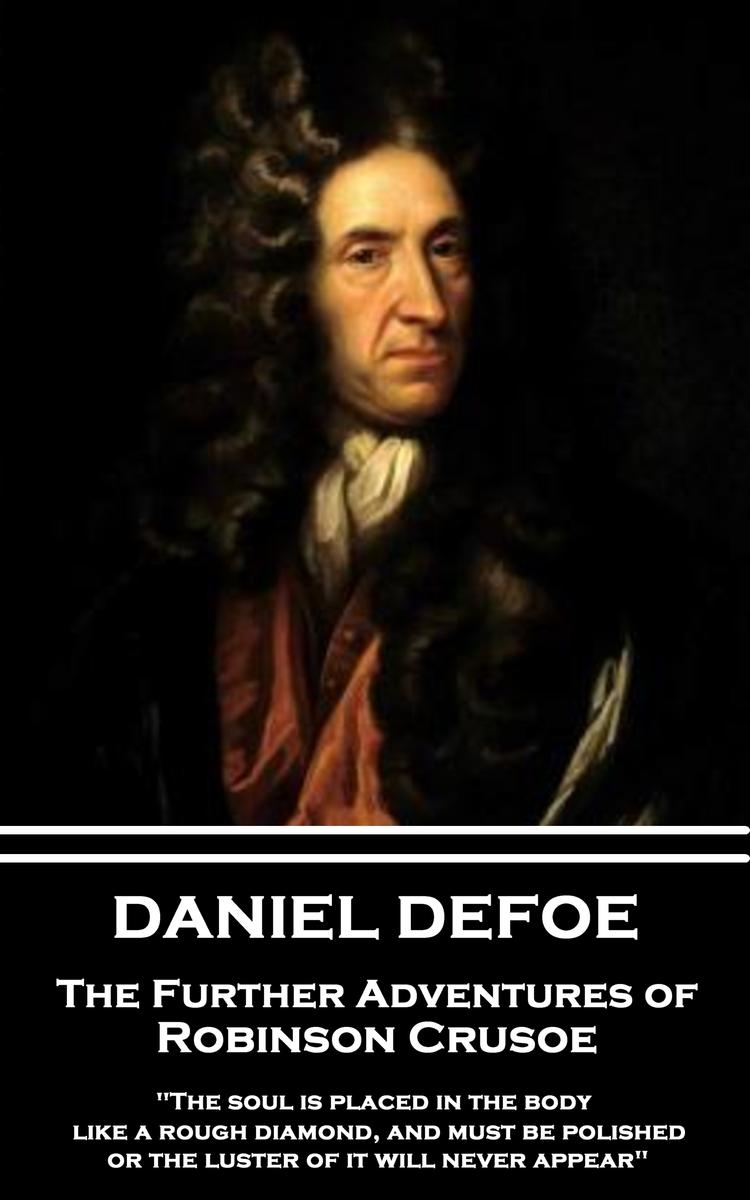
Further Adventures of Robinson Crusoe
¥29.33
Daniel Defoe is most well-known for his classic novels Robinson Crusoe and Moll Flanders. Born around 1660, he was also a journalist, a pamphleteer, a businessman, a spy. His life was long and colourful, and the breadth of his work, still highly regarded, is infused with similar vigour. It is said that only the bible has been printed in more languages than Robinson Crusoe. Defoe is also noted for being one of the earliest proponents of the novel. He was extremely prolific and a very versatile writer, producing several hundred books, pamphlets, and journals on various topics including politics, crime, religion, marriage, psychology and the supernatural. He was also a pioneer of economic journalism though was made bankrupt on more on one occasion and usually mired in debt. In later life Defoe was often most seen on Sundays when bailiffs and the like could legally make no move on him. Allegedly it was whilst hiding from creditors that he died on April 24th, 1731. He was interred in Bunhill Fields, London.
Ideal Husband - Women have a wonderful instinct about things.
¥26.98
Oscar Fingal O'Flahertie Wills Wilde was born on the 16th October 1854 in Dublin Ireland. The son of Dublin intellectuals Oscar proved himself an outstanding classicist at Dublin, then at Oxford. With his education complete Wilde moved to London and its fashionable cultural and social circles. With his biting wit, flamboyant dress, and glittering conversation, Wilde became one of the most well-known personalities of his day. His only novel, The Picture of Dorian Gray was published in 1890 and he then moved on to writing for the stage with Salome in 1891. His society comedies produced enormous hits and turned him into one of the most successful writers of late Victorian London. Whilst his masterpiece, The Importance of Being Earnest, was on stage in London, Wilde had the Marquess of Queensberry, the father of his lover, Lord Alfred Douglas, prosecuted for libel. The trial unearthed evidence that caused Wilde to drop his charges and led to his own arrest and trial for gross indecency. He was convicted and imprisoned for two years' hard labour. It was to break him. On release he left for France, There he wrote his last work, The Ballad of Reading Gaol in 1898. He died destitute in Paris at the age of forty-six sipping champagne a friend had brought with the line 'Alas I am dying beyond my means'. Here we publish another of his classic plays 'An Ideal Husband'
Picture Of Dorian Gray - Experience is merely the name men gave to their mistake
¥26.98
Oscar Fingal O'Flahertie Wills Wilde was born on the 16th October 1854 in Dublin Ireland. The son of Dublin intellectuals Oscar proved himself an outstanding classicist at Dublin, then at Oxford. With his education complete Wilde moved to London and its fashionable cultural and social circles. With his biting wit, flamboyant dress, and glittering conversation, Wilde became one of the most well-known personalities of his day. His only novel, The Picture of Dorian Gray was published in 1890 and he then moved on to writing for the stage with Salome in 1891. His society comedies produced enormous hits and turned him into one of the most successful writers of late Victorian London. Whilst his masterpiece, The Importance of Being Earnest, was on stage in London, Wilde had the Marquess of Queensberry, the father of his lover, Lord Alfred Douglas, prosecuted for libel. The trial unearthed evidence that caused Wilde to drop his charges and led to his own arrest and trial for gross indecency. He was convicted and imprisoned for two years' hard labour. It was to break him. On release he left for France, There he wrote his last work, The Ballad of Reading Gaol in 1898. He died destitute in Paris at the age of forty-six sipping champagne a friend had brought with the line 'Alas I am dying beyond my means'. And here indeed is that master work The Picture Of Dorian Gray. Compelling, diabolical and at the time it caused great outrage. But as we know the pen of Oscar Wilde leads us where many others fear to go.
Now I Ask You - Why am I afraid of love, I who love love?
¥23.45
Eugene Gladstone O'Neill was born on October 16, 1888 in a hotel bedroom in what is now Times Square, New York. Much of his childhood was spent in the comfort of books at boarding schools whilst his actor father was on the road and his Mother contended with her own demons. He spent only a year at University - Princeton - and various reasons have been given for his departure. However whatever his background and education denied or added to his development it is agreed amongst all that he was a playwright of the first rank and possibly America's greatest. His introduction of realism into American drama was instrumental in its development and paved a path for many talents thereafter. Of course his winning of both the Pulitzer Prize (4 times) and the Nobel Prize are indicative of his status. His more famous and later works do side with the disillusionment and personal tragedy of those on the fringes of society but continue to build upon ideas and structures he incorporated in his early one act plays. Eugene O'Neill suffered from various health problems, mainly depression and alcoholism. In the last decade he also faced a Parkinson's like tremor in his hands which made writing increasingly difficult. But out of such difficulties came plays of the calibre of The Iceman Cometh, Long Day's Journey Into Night, and A Moon for the Misbegotten. Eugene O'Neill died in Room 401 of the Sheraton Hotel on Bay State Road in Boston, on November 27, 1953, at the age of 65. As he was dying, he whispered his last words: "e;I knew it. I knew it. Born in a hotel room and died in a hotel room."e;
Sea Wolf - The Wild still lingered in him and the wolf in him merely slept.
¥46.99
John Griffith "e;Jack"e; London was born John Griffith Chaney on January 12th, 1876 in San Francisco. His father, William Chaney, was living with his mother Flora Wellman when she became pregnant. Chaney insisted she have an abortion. Flora's response was to turn a gun on herself. Although her wounds were not severe the trauma made her temporarily deranged. In late 1876 his mother married John London and the young child was brought to live with them as they moved around the Bay area, eventually settling in Oakland where Jack completed grade school. Jack also worked hard at several jobs, sometimes 12-18 hours a day, but his dream was university. He was lent money for that and after intense studying enrolled in the summer of 1896 at the University of California in Berkeley. In 1897, at 21 , Jack searched out newspaper accounts of his mother's suicide attempt and the name of his biological father. He wrote to William Chaney, then living in Chicago. Chaney said he could not be London's father because he was impotent; and casually asserted that London's mother had relations with other men. Jack, devastated by the response, quit Berkeley and went to the Klondike. Though equally because of his continuing dire finances Jack might have taken that as the excuse he needed to leave. In the Klondike Jack began to gather material for his writing but also accumulated many health problems, including scurvy, hip and leg problems many of which he then carried for life. By the late 1890's Jack was regularly publishing short stories and by the turn of the century full blown novels. By 1904 Jack had married, fathered two children and was now in the process of divorcing. A stint as a reporter on the Russo-Japanese war of 1904 was equal amounts trouble and experience. But that experience was always put to good use in a remarkable output of work. Twelve years later Jack had amassed a wealth of writings many of which remain world classics. He had a reputation as a social activist and a tireless friend of the workers. And yet on November 22nd 1916 Jack London died in a cottage on his ranch at the age of only 40.
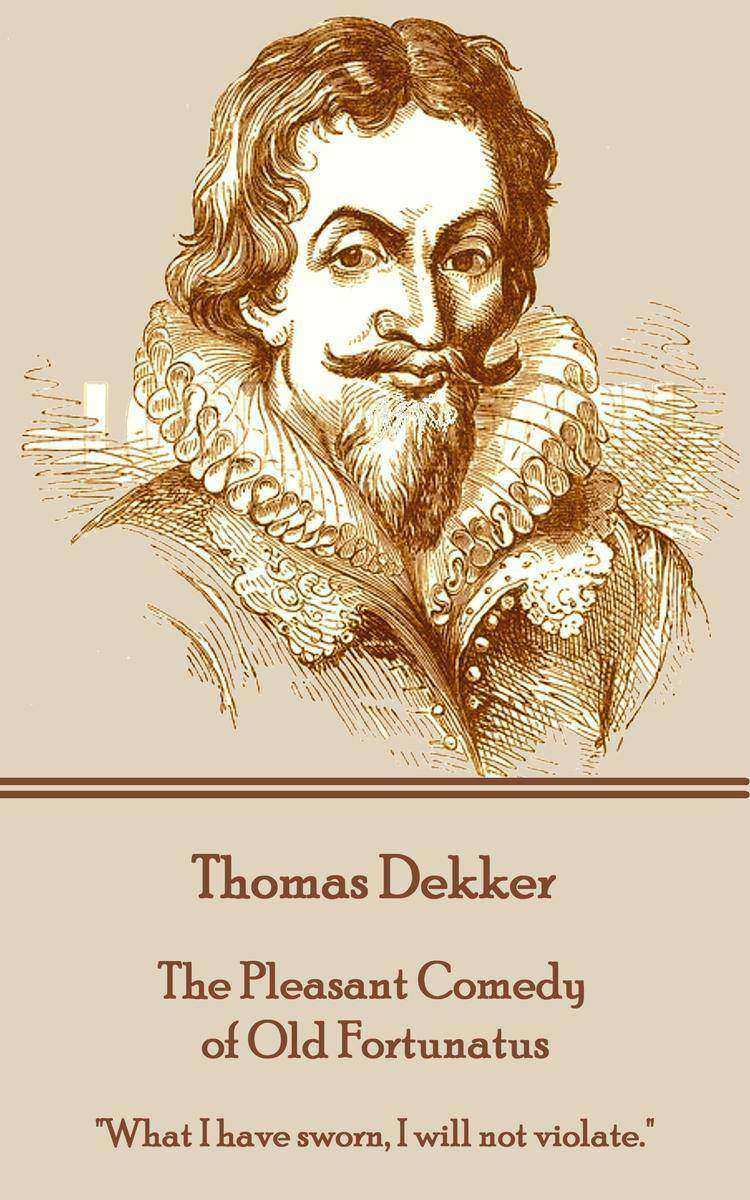
Pleasant Comedy of Old Fortunatus - What I have sworn, I will not violate.
¥26.98
Thomas Dekker was a playwright, pamphleteer and poet who, perhaps, deserves greater recognition than he has so far gained. Despite the fact only perhaps twenty of his plays were published, and fewer still survive, he was far more prolific than that. Born around 1572 his peak years were the mid 1590's to the 1620's - seven of which he spent in a debtor's prison. His works span the late Elizabethan and Caroline eras and his numerous collaborations with Ford, Middleton, Webster and Jonson say much about his work. His pamphlets detail much of the life in these times, times of great change, of plague and of course that great capital city London a swirling mass of people, power, intrigue.
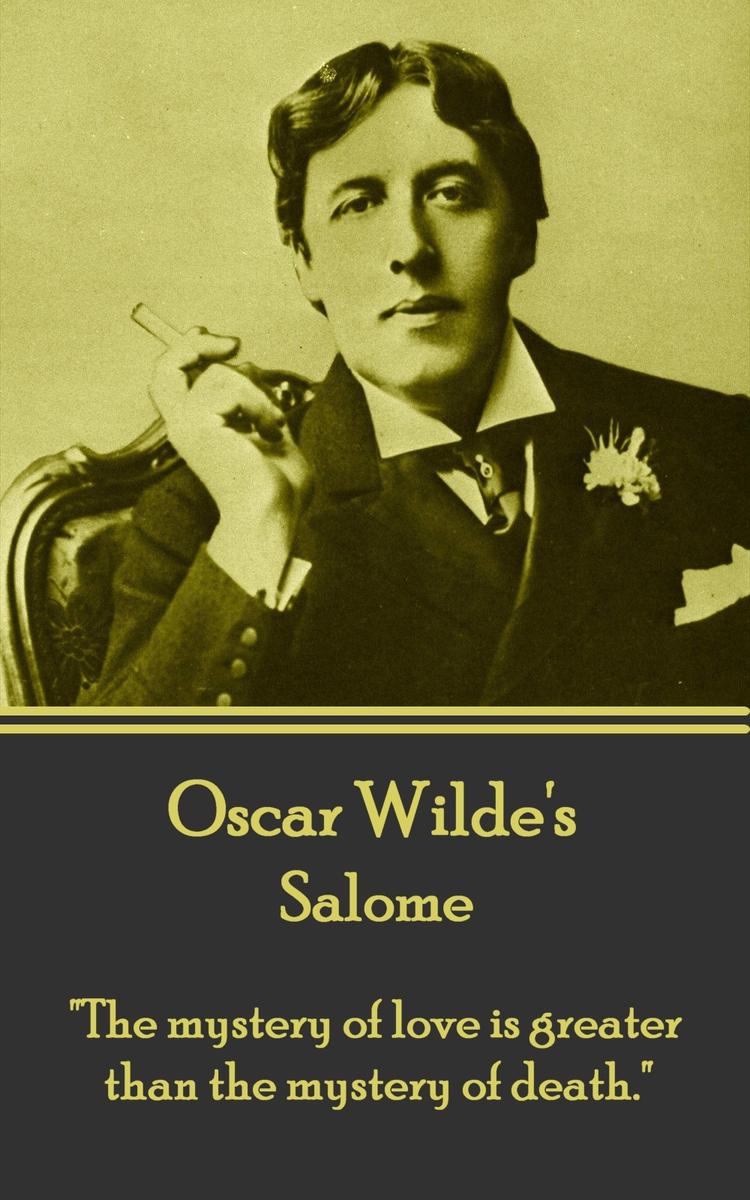
Salome - The mystery of love is greater than the mystery of death.
¥23.45
Oscar Fingal O'Flahertie Wills Wilde was born on the 16th October 1854 in Dublin Ireland. The son of Dublin intellectuals Oscar proved himself an outstanding classicist at Dublin, then at Oxford. With his education complete Wilde moved to London and its fashionable cultural and social circles. With his biting wit, flamboyant dress, and glittering conversation, Wilde became one of the most well-known personalities of his day. His only novel, The Picture of Dorian Gray was published in 1890 and he then moved on to writing for the stage with Salome in 1891. His society comedies produced enormous hits and turned him into one of the most successful writers of late Victorian London. Whilst his masterpiece, The Importance of Being Earnest, was on stage in London, Wilde had the Marquess of Queensberry, the father of his lover, Lord Alfred Douglas, prosecuted for libel. The trial unearthed evidence that caused Wilde to drop his charges and led to his own arrest and trial for gross indecency. He was convicted and imprisoned for two years' hard labour. It was to break him. On release he left for France, There he wrote his last work, The Ballad of Reading Gaol in 1898. He died destitute in Paris at the age of forty-six sipping champagne a friend had brought with the line 'Alas I am dying beyond my means'. Here we publish the infamous play 'Salome'. A work of great art that is now being accepted and placed where it rightfully belongs.
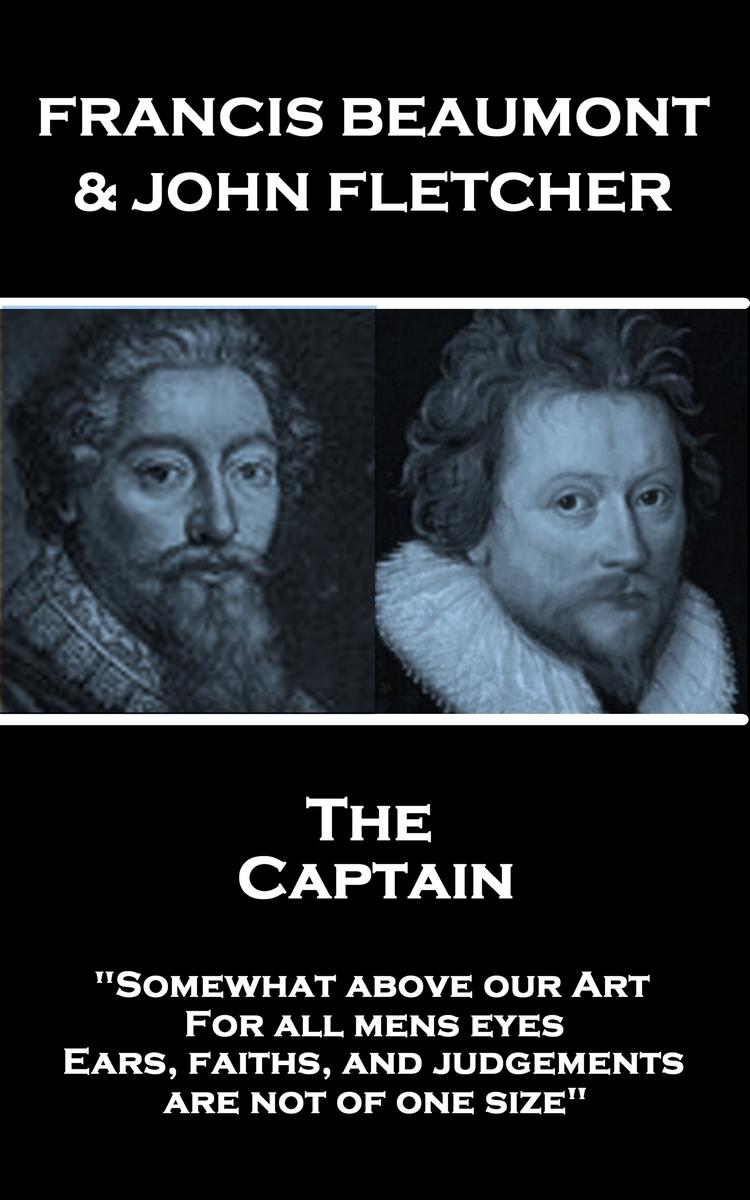
Captain - Somewhat above our Art
¥38.75
The English dramatists Francis Beaumont and John Fletcher, collaborated in their writing during the reign of James I of England (James VI of Scotland, 1567-1625; in England he reigned from 1603).Beaumont & Fletcher began to collaborate as writers soon after they met. After notable failures of their solo works their first joint effort, Philaster, was a success and tragicomedy was the genre they explored and built upon. There would be many further successes to follow.There is an account that at the time the two men shared everything. They lived together in a house on the Bankside in Southwark, "e;they also lived together in Bankside, sharing clothes and having one wench in the house between them."e; Or as another account puts it "e;sharing everything in the closest intimacy."e;Whatever the truth of this they were now recognised as perhaps the best writing team of their generation, so much so, that their joint names was applied to all the works in which either, or both, had a pen including those with Philip Massinger, James Shirley and Nathan Field.The first Beaumont and Fletcher folio of 1647 contained 35 plays; 53 plays were included in the second folio in 1679. Other works bring the total plays in the canon to about 55. However there appears here to have been some duplicity on the account of the publishers who seemed to attribute so many to the team. It is now thought that the work between solely by Beaumont and Fletcher amounts to approximately 15 plays, though of course further works by them were re-worked by others and the originals lost.After Beaumont's early death in 1616 Fletcher continued to write and, at his height was, by many standards, the equal of Shakespeare in popularity until his own death in 1625.
Henry V - Men of few words are the best men
¥11.67
The life of William Shakespeare, arguably the most significant figure in the Western literary canon, is relatively unknown. Shakespeare was born in Stratford-upon-Avon in 1565, possibly on the 23rd April, St. George's Day, and baptised there on 26th April. Little is known of his education and the first firm facts to his life relate to his marriage, aged 18, to Anne Hathaway, who was 26 and from the nearby village of Shottery. Anne gave birth to their first son six months later. Shakespeare's first play, The Comedy of Errors began a procession of real heavyweights that were to emanate from his pen in a career of just over twenty years in which 37 plays were written and his reputation forever established. This early skill was recognised by many and by 1594 the Lord Chamberlain's Men were performing his works. With the advantage of Shakespeare's progressive writing they rapidly became London's leading company of players, affording him more exposure and, following the death of Queen Elizabeth in 1603, a royal patent by the new king, James I, at which point they changed their name to the King's Men. By 1598, and despite efforts to pirate his work, Shakespeare's name was well known and had become a selling point in its own right on title pages. No plays are attributed to Shakespeare after 1613, and the last few plays he wrote before this time were in collaboration with other writers, one of whom is likely to be John Fletcher who succeeded him as the house playwright for the King's Men. William Shakespeare died two months later on April 23rd, 1616, survived by his wife, two daughters and a legacy of writing that none have since yet eclipsed.
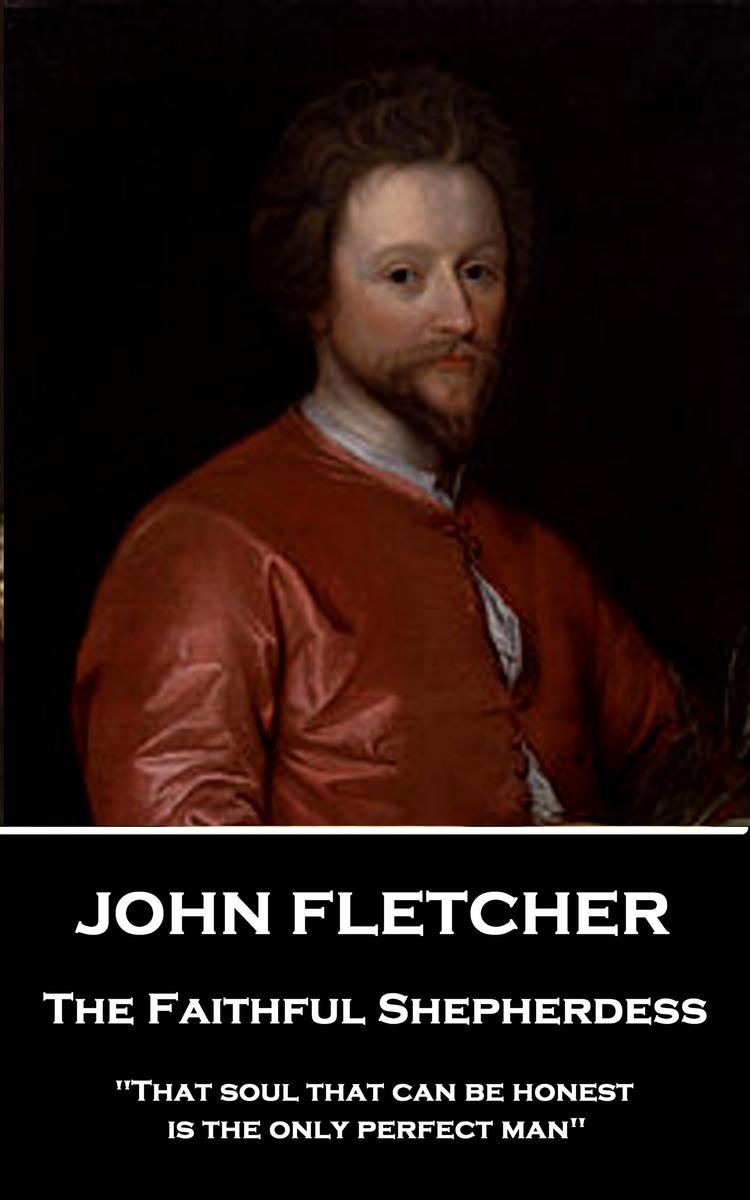
Faithful Shepherdess - That soul that can be honest is the only perfect man
¥26.98
John Fletcher was born in December, 1579 in Rye, Sussex. He was baptised on December 20th. As can be imagined details of much of his life and career have not survived and, accordingly, only a very brief indication of his life and works can be given. Young Fletcher appears at the very young age of eleven to have entered Corpus Christi College at Cambridge University in 1591. There are no records that he ever took a degree but there is some small evidence that he was being prepared for a career in the church. However what is clear is that this was soon abandoned as he joined the stream of people who would leave University and decamp to the more bohemian life of commercial theatre in London. The upbringing of the now teenage Fletcher and his seven siblings now passed to his paternal uncle, the poet and minor official Giles Fletcher. Giles, who had the patronage of the Earl of Essex may have been a liability rather than an advantage to the young Fletcher. With Essex involved in the failed rebellion against Elizabeth Giles was also tainted. By 1606 John Fletcher appears to have equipped himself with the talents to become a playwright. Initially this appears to have been for the Children of the Queen's Revels, then performing at the Blackfriars Theatre. Fletcher's early career was marked by one significant failure; The Faithful Shepherdess, his adaptation of Giovanni Battista Guarini's Il Pastor Fido, which was performed by the Blackfriars Children in 1608. By 1609, however, he had found his stride. With his collaborator John Beaumont, he wrote Philaster, which became a hit for the King's Men and began a profitable association between Fletcher and that company. Philaster appears also to have begun a trend for tragicomedy. By the middle of the 1610s, Fletcher's plays had achieved a popularity that rivalled Shakespeare's and cemented the pre-eminence of the King's Men in Jacobean London. After his frequent early collaborator John Beaumont's early death in 1616, Fletcher continued working, both singly and in collaboration, until his own death in 1625. By that time, he had produced, or had been credited with, close to fifty plays.
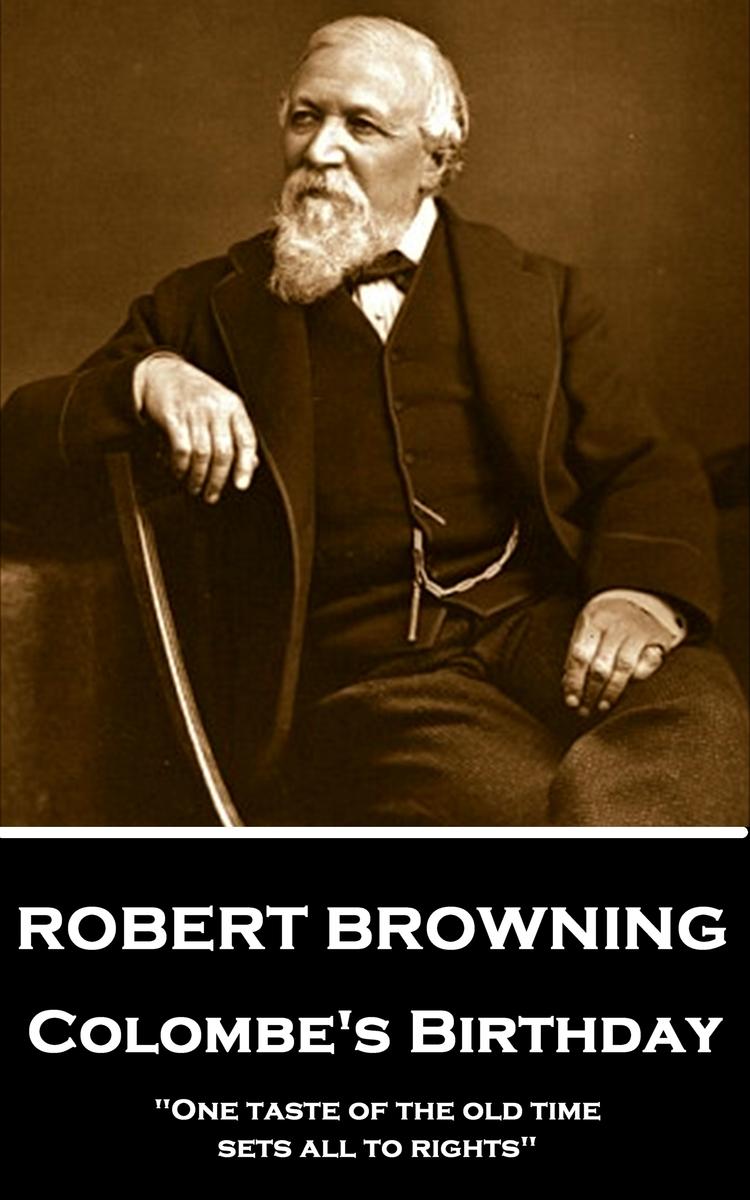
Colombe's Birthday - One taste of the old time sets all to rights
¥14.03
Robert Browning is one of the most significant Victorian Poets and, of course, English Poetry.Much of his reputation is based upon his mastery of the dramatic monologue although his talents encompassed verse plays and even a well-regarded essay on Shelley during a long and prolific career. He was born on May 7th, 1812 in Walmouth, London. Much of his education was home based and Browning was an eclectic and studious student, learning several languages and much else across a myriad of subjects, interests and passions. Browning's early career began promisingly. The fragment from his intended long poem Pauline brought him to the attention of Dante Gabriel Rossetti, and was followed by Paracelsus, which was praised by both William Wordsworth and Charles Dickens. In 1840 the difficult Sordello, which was seen as willfully obscure, brought his career almost to a standstill. Despite these artistic and professional difficulties his personal life was about to become immensely fulfilling. He began a relationship with, and then married, the older and better known Elizabeth Barrett. This new foundation served to energise his writings, his life and his career. During their time in Italy they both wrote much of their best work. With her untimely death in 1861 he returned to London and thereafter began several further major projects. The collection Dramatis Personae (1864) and the book-length epic poem The Ring and the Book (1868-69) were published and well received; his reputation as a venerated English poet now assured. Robert Browning died in Venice on December 12th, 1889.


