


 购物车
购物车 个人中心
个人中心
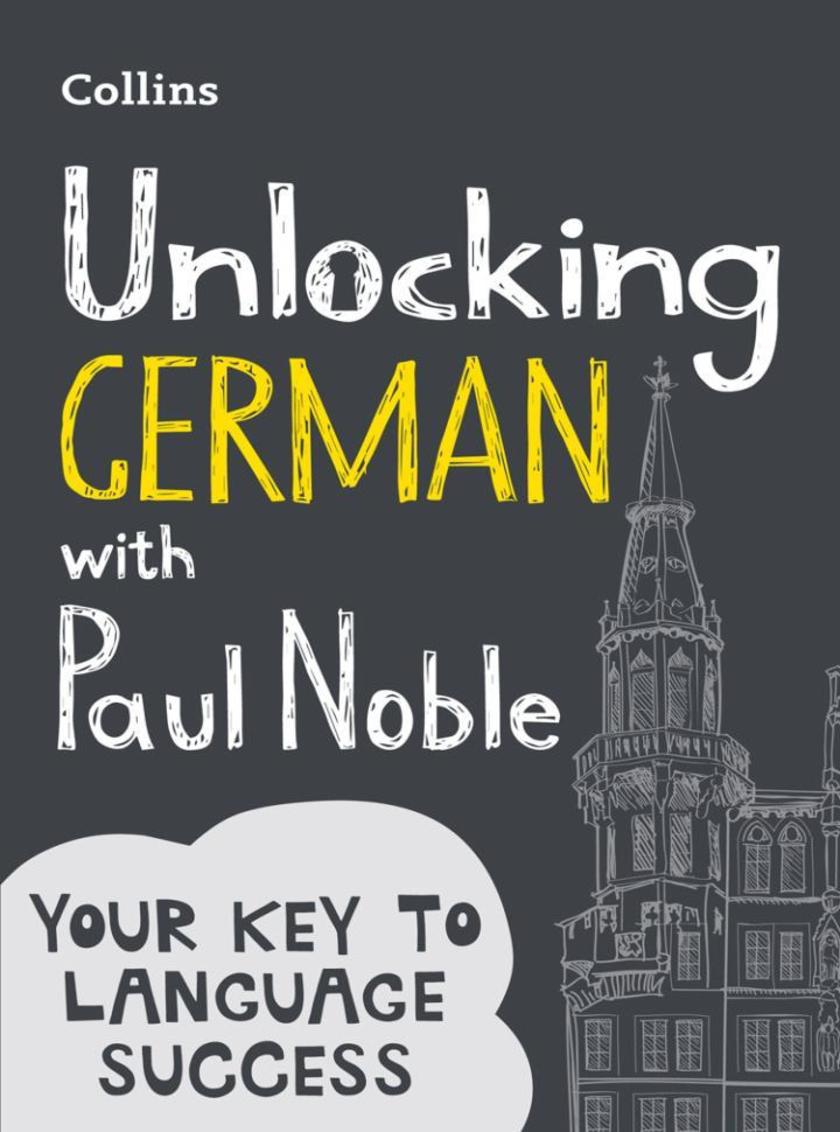
Unlocking German with Paul Noble: Your key to language success
¥73.58
Who is Paul Noble?Paul Noble is a genius, yet he still left school unable to speak a language – he found that the traditional learning methods left him feeling ‘confused, incapable and unable to really say anything’. Determined that there must be a better way to learn, Paul spent years devising his own unique method of learning languages which cuts out all of the grammar, all of the rote learning, and all of the stress. He began using his method to teach in his Language Institute and, hundreds of students later, he prides himself on never having had a student fail.
Botany (Collins Internet-Linked Dictionary of)
¥63.27
Compiled by a team of scientists,and edited by Jill Bailey in consultation with Sir John Burnett, Chairman of the Trustees,National Biodiversity Network and Dr Andrew Lack,Senior Lecturer in Environmental Biology,Oxford Brookes University

Cat and Kitten Care (Collins Need to Know?)
¥76.91
Cats are now the most popular pets, and it is not surprising that they have overtaken dogs in the popularity stakes. They are small, relatively silent, economical to keep, exercise themselves, easy to feed, and are ideal companions for a wide range of people, from the elderly to those who are out at work all day.Whether you want an ordinary moggie or an expensive pedigree cat, the principles of ownership and looking after them are the same. As an increasing number of owners live in big cities and small, high-rise apartment blocks, house cats are becoming more widespread. Although they may not be allowed outside like their free-roaming, predatory cousins, they share a common ancestry and owning a cat of any description is like having a relatively wild creature living with you in your home. Domestication is anathema to many cats who prefer to think that they are independent animals, under the control of nobody but themselves.
Dog Training (Collins Need to Know?)
¥76.91
Stella Smyth and co-author Sally Bergh-Roose have been training dogs since 1978 and have been involved in competition work with a variety of dogs. Together they have been running a successful dog training course for many years.
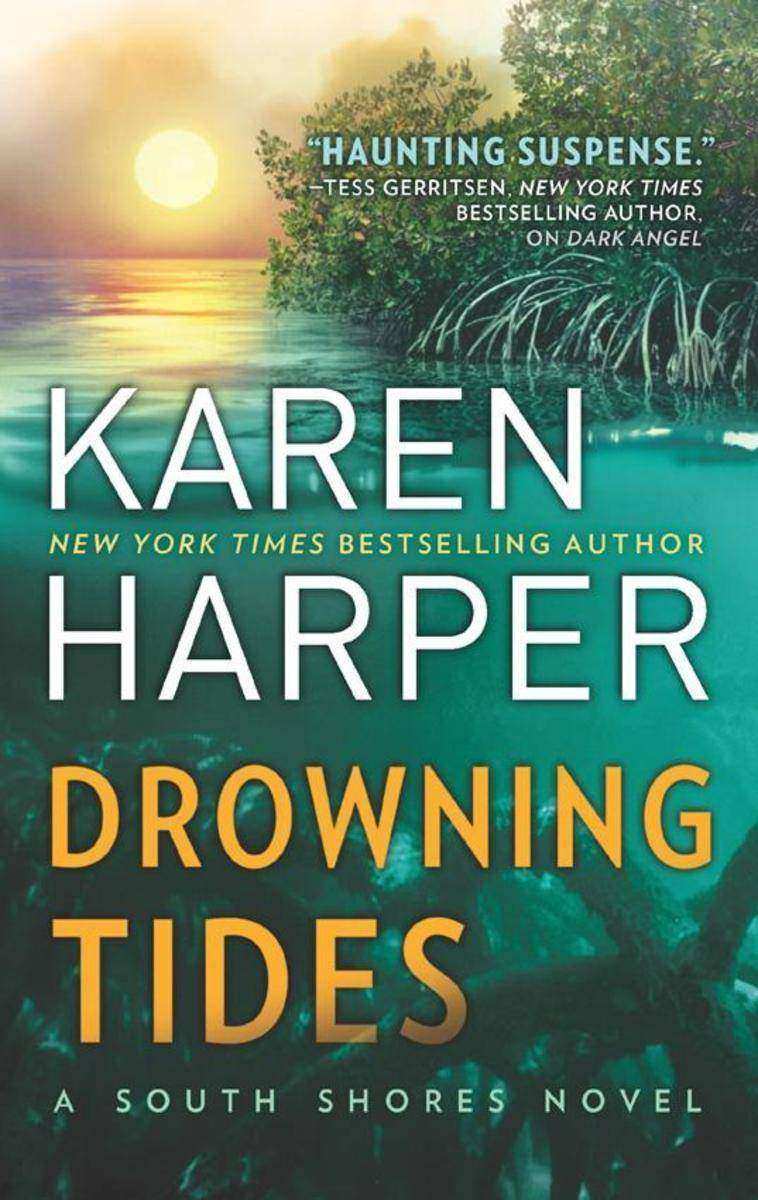
Drowning Tides (South Shores, Book 2)
¥79.36
Danger is never far off… When forensic psychologist Claire Britten started working with lawyer Nick Markwood on his South Shores project, she had no idea it would endanger her life—and the life of her daughter. But when the little girl goes missing from her South Florida home and Nick insists his long time nemesis is to blame, Claire frantically follows the trail to the Cayman Islands, desperate to save her daughter before it's too late. Nick always knew the man who staged his father's "suicide" was out to get him, but kidnapping the child of someone he cares about is despicable. Finding the billionaire criminal is one thing—meeting his demands in order to save Claire's daughter is quite another. What he wants threatens their professional and personal interests beyond imagination…but what choice do they have when a child's life is on the line?

Long Way Home (Thunder Road, Book 3)
¥79.36
Seventeen-year-old Violet has always been expected to sit back and let the boys do all the saving. It's the code her father, a member of the Reign of Terror motorcycle club, raised her to live by. Yet when her dad is killed carrying out Terror business, Violet knows it's up to her to do the saving. To protect herself, and her vulnerable younger brother, she needs to cut all ties with the club—including Chevy, the boy she's known and loved her whole life. But when a rival club comes after Violet, exposing old secrets and making new threats, she's forced to question what she thought she knew about her father, the Reign of Terror and what she thinks she wants. Which means re-evaluating everything: love, family, friends…and forgiveness. Caught in the cross hairs between loyalty and freedom, Violet must decide whether old friends can be trusted—and if she's strong enough to be the one person to save them all.
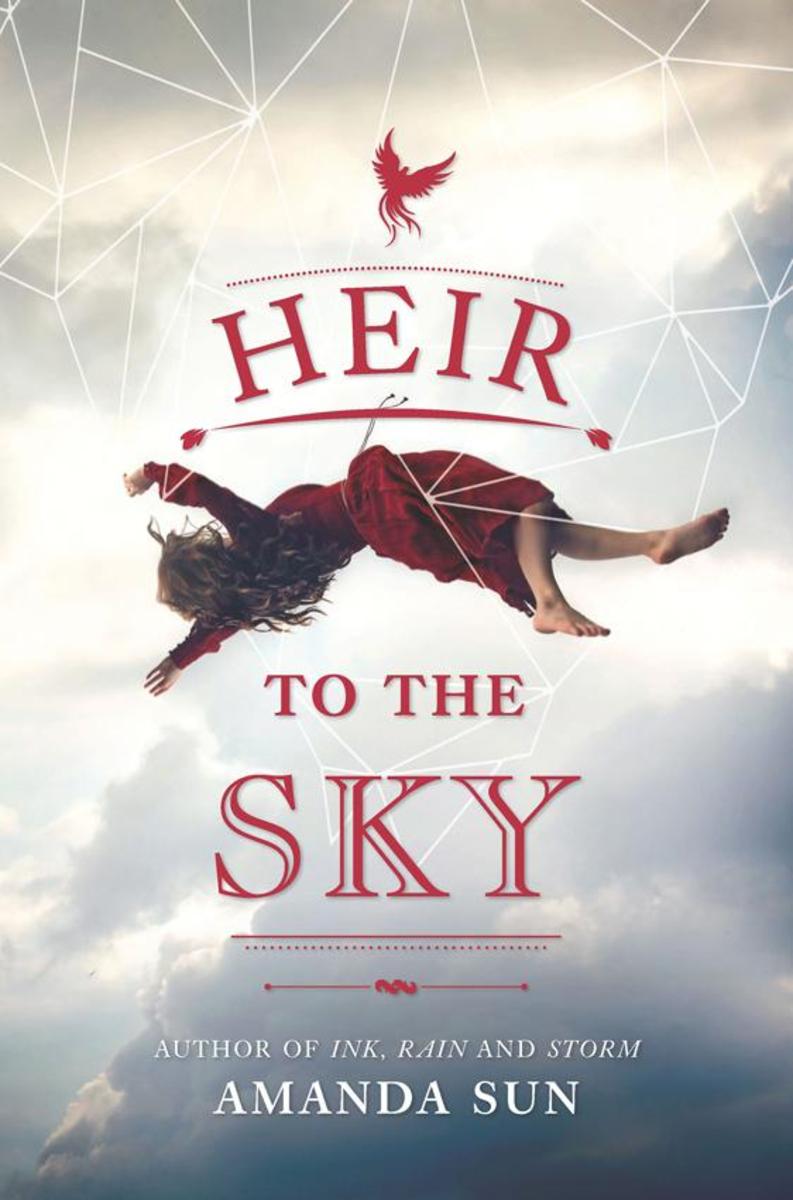
Heir To The Sky
¥79.36
I dangle my legs over the edge of the cliff, tapping my heels against the smooth dirt that crumbles down the side of the continent. I don't fear falling. The world below looks unreal and distant, like it's only been painted on. Falling is something I can't even imagine. As heir to a kingdom of floating continents, Kali has spent her life bound by limits: by her duties as a member of the royal family, by a forced betrothal to the son of a nobleman and by the edge of the only world she's ever known – a small island hovering above a monster-ridden earth, long since uninhabited by humans. When Kali falls off the edge of her kingdom and miraculously survives, she is shocked to discover there are still humans on the earth. Determined to get home, Kali entrusts a rugged monster-hunter named Griffin to guide her across a world overrun by chimera, storm dragons, basilisks and other terrifying creatures. But the more time she spends on earth, the more dark truths she begins to uncover about her home in the sky, and the more resolute she is to start living for herself.
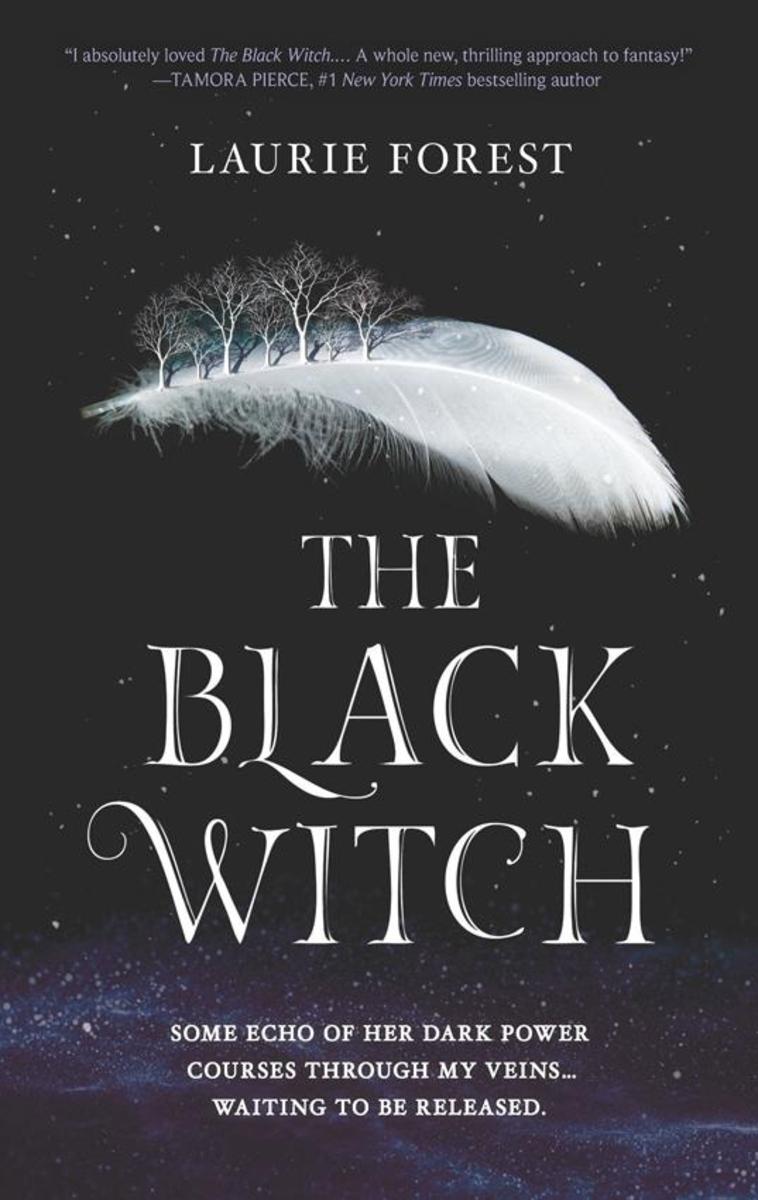
The Black Witch (The Black Witch Chronicles, Book 1)
¥79.36
A new Black Witch will rise…her powers vast beyond imagining. Elloren Gardner is the granddaughter of the last prophesied Black Witch, Carnissa Gardner, who drove back the enemy forces and saved the Gardnerian people during the Realm War. But while she is the absolute spitting image of her famous grandmother, Elloren is utterly devoid of power in a society that prizes magical ability above all else. When she is granted the opportunity to pursue her lifelong dream of becoming an apothecary, Elloren joins her brothers at the prestigious Verpax University to embrace a destiny of her own, free from the shadow of her grandmother's legacy. But she soon realizes that the university, which admits all manner of people—including the fire-wielding, winged Icarals, the sworn enemies of all Gardnerians—is a treacherous place for the granddaughter of the Black Witch. As evil looms on the horizon and the pressure to live up to her heritage builds, everything Elloren thought she knew will be challenged and torn away. Her best hope of survival may be among the most unlikely band of misfits…if only she can find the courage to trust those she's been taught to hate and fear.
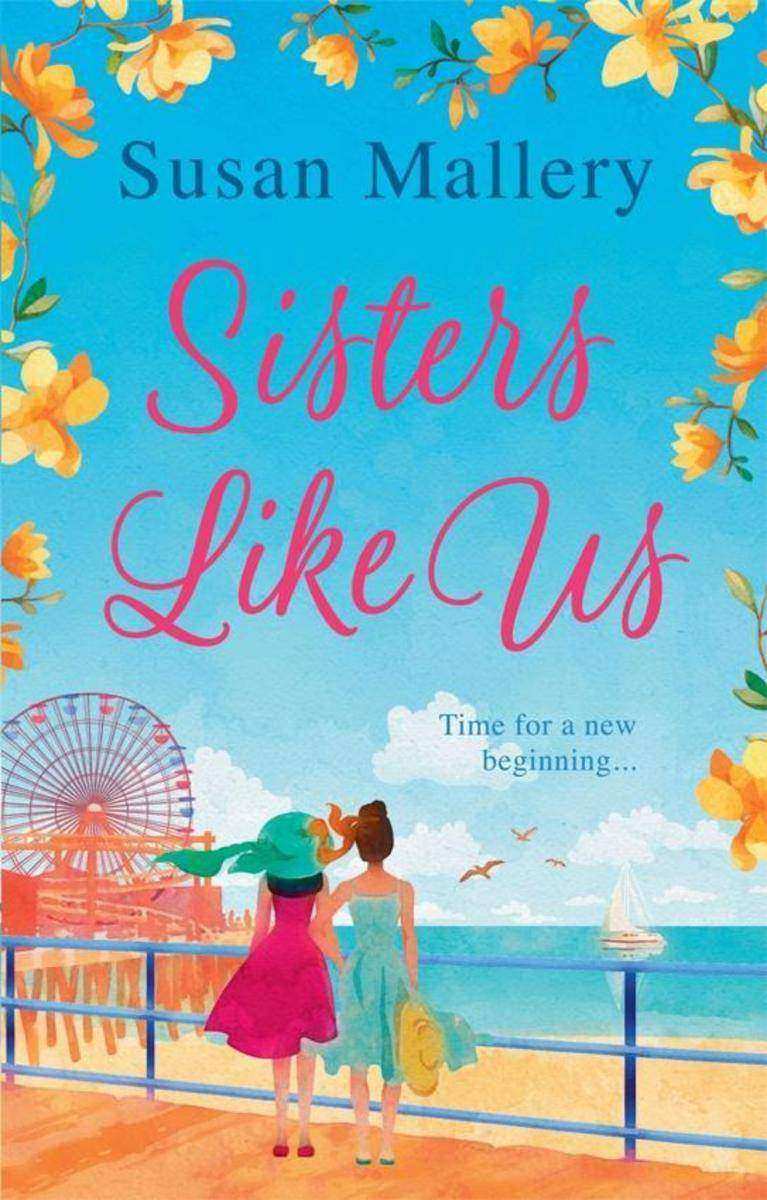
Sisters Like Us (Mischief Bay, Book 4)
¥58.86
Two sisters who couldn’t be more different if they tried… Harper put being a wife and mother above thoughts of a career, and has watched her sister become a celebrated scientist from the sidelines. But when her life is turned upside down by divorce, can she learn to put herself first? Stacey is left reeling by her unexpected pregnancy. More at home with neurological diseases than nappies, she can’t help feeling she lacks her sister’s maternal genes. What if she just doesn’t have what it takes to be a mother? Separately they may be a mess, but Harper and Stacey are about to discover that, together, they can face anything. Perfect for fans of Debbie Macomber, Melissa Hill, and Trisha Ashley, Sisters Like Us is a story of laughter, tears, and the unbreakable bond between sisters.
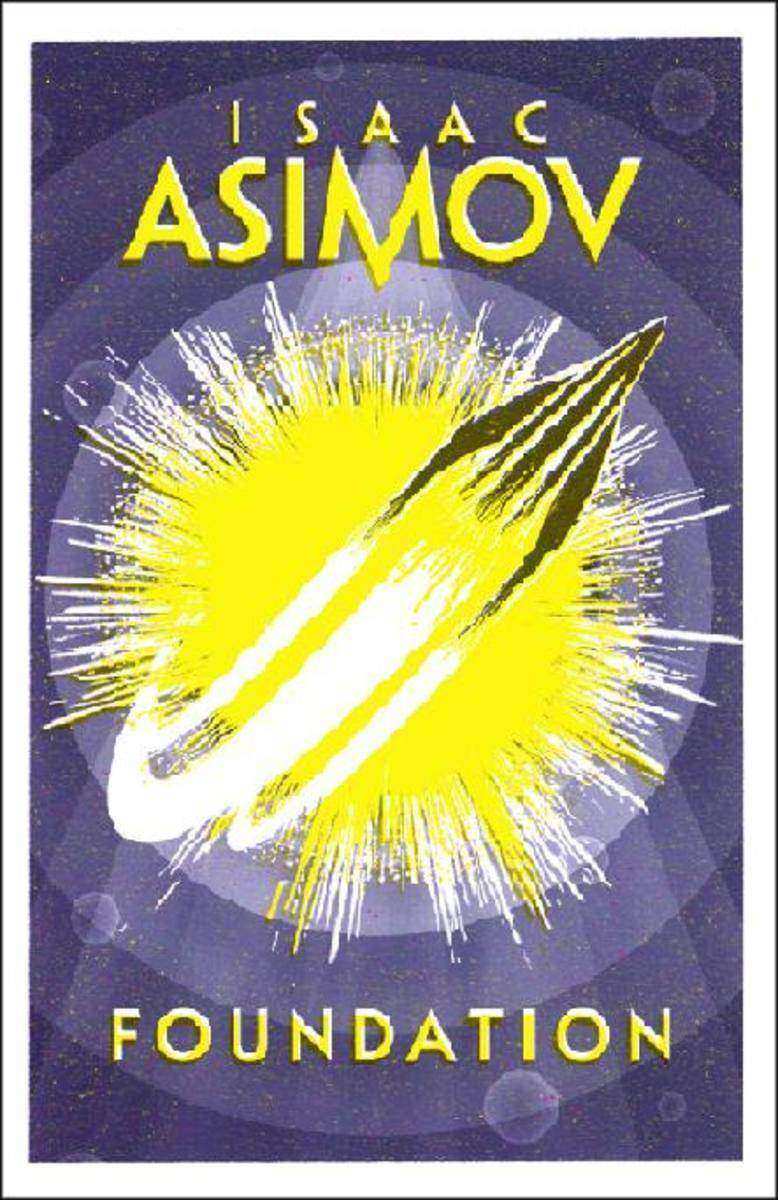
Foundation
¥66.22
WINNER OF THE HUGO AWARD FOR BEST ALL-TIME SERIES The Foundation series is Isaac Asimov’s iconic masterpiece. Unfolding against the backdrop of a crumbling Galactic Empire, the story of Hari Seldon’s two Foundations is a lasting testament to an extraordinary imagination, one whose unprecedented scale shaped science fiction as we know it today. The Galactic Empire has prospered for twelve thousand years. Nobody suspects that the heart of the thriving Empire is rotten, until psychohistorian Hari Seldon uses his new science to foresee its terrible fate. Exiled to the desolate planet Terminus, Seldon establishes a colony of the greatest minds in the Empire, a Foundation which holds the key to changing the fate of the galaxy. However, the death throes of the Empire breed hostile new enemies, and the young Foundation’s fate will be threatened first.
Foundation and Empire
¥66.22
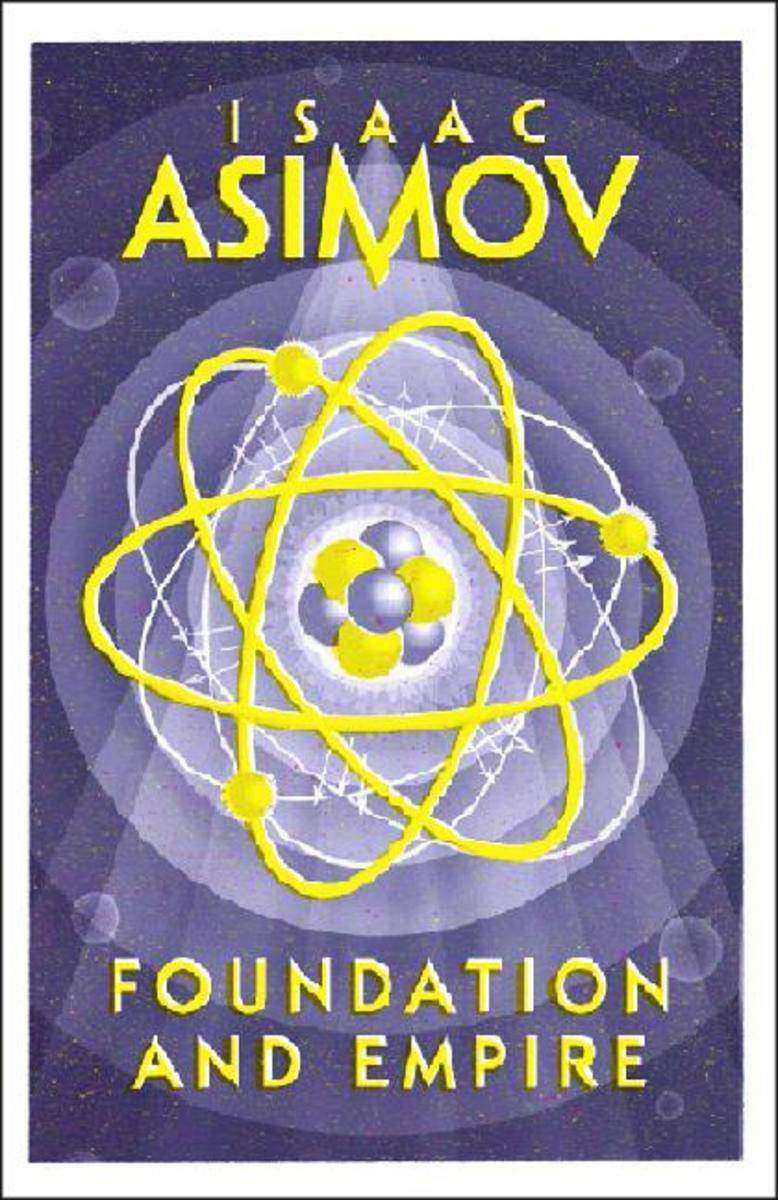
WINNER OF THE HUGO AWARD FOR BEST ALL-TIME SERIES The Foundation series is Isaac Asimov’s iconic masterpiece. Unfolding against the backdrop of a crumbling Galactic Empire, the story of Hari Seldon’s two Foundations is a lasting testament to an extraordinary imagination, one whose unprecedented scale shaped science fiction as we know it today. The First Foundation survived two centuries of barbarism as the once-mighty Galactic Empire descended into chaos. Now it mist prepare for war against the remnants of the Empire as the Imperial fleet advances on their planet, Terminus. Hari Seldon predicted this war; he even prepared his Foundation for it. But he couldn’t foresee the birth of the mutant Mule. In possession of a power which reduces fearsome opposition to devoted slaves, the Mule poses a terrible threat to Seldon’s Foundation.

Wisdom of The Ages: 60 Days to Enlightenment
¥85.74
Dr Wayne W. Dyer is the author of 20 bestselling books. He has a doctorate in counselling psychology and appears regularly on television and radio. His lectures throughout Europe and the US attract thousands. He lives with his family in southern Florida.
The Cotswolds Cookery Club: a deliciously uplifting feel-good read
¥90.27
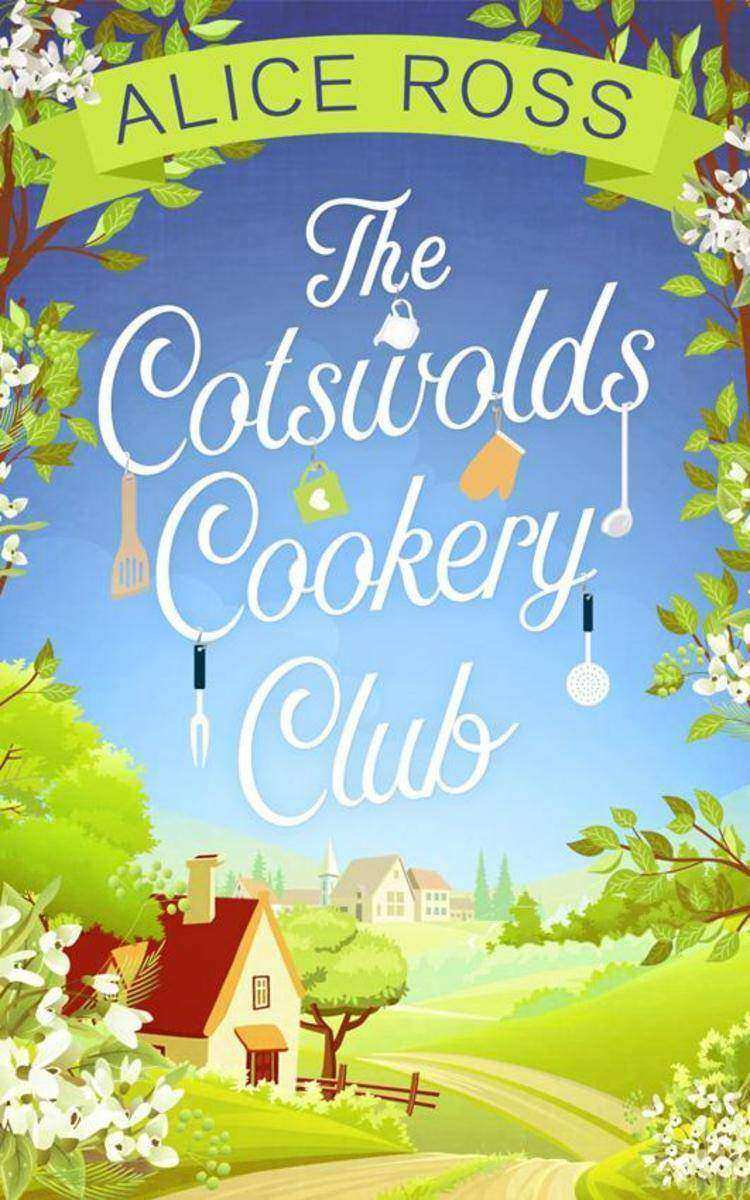
‘One of the best stories I’ve read in a long time!’ Stacey Rebecca (NetGalley reviewer) The Cotswolds Cookery Club was originally published as a three-part serial. This is the complete story in one package. The Cotswolds Cookery Club is opening its doors! Connie has had enough. Enough of the city, enough of her job – and most importantly, enough of her cheating boyfriend! Finally free to chase her dreams, Connie sets up her very own Cotswolds Cookery Club – a place to share scrumptious recipes and, more importantly, a lot of wine… Trish always dreamed of living in a little chocolate box village – but she never expected to be starting over at forty. Could joining the Cookery Club be the perfect distraction from her stroppy teenage daughter and her ex-husband’s new girlfriend? Kate spends her life juggling her three young children and running the busy Cotswolds veterinary practice. It’s time to take charge of the disparate ingredients of her life and transform them into the perfect pot-au-feu! But with three delicious men turning up the heat, perhaps the sleepy Cotswolds village has a few surprises in store… Fans of Milly Johnson, Caroline Roberts and Jill Mansell will love this heartwarming read!

Mabel and Me - Best of Friends (Read Aloud)
¥82.31
Mark Sperring is the author of several highly-acclaimed pciture books including the Sunflower Sword and Captain Buckleboots on the Naughty Step. He lives in Bristol where he also works as a bookseller.Sarah Warburton is the illustrator of Rumblewick, the Ruby and Grub stories and Sir Laughalot. She has a staller track record in fantastic picture books. Sarah lives in Bristol with her busband and two children.

Stonehenge: Neolithic Man and the Cosmos
¥100.06
JOHN NORTH moved in 1977 from Oxford to the University of Groningen, where he is Professor of the History of Philosophy and the Exact Sciences. He is a member of the Royal Netherlands Academy, the Royal Danish Academy and is a Fellow of the British Academy.

a gripping psychological thriller with a shocking twist from bestselling author
¥49.65
‘Immensely talented new author.’ John Marrs, author of The One and When You Disappeared ‘Engrossing, compelling and twisty from the first page to the shocking ending. This book grabbed me and didn't let go.’ Michele Campbell author of It’s Always the Husband 'Unique and utterly compelling. This twisty psychological thriller will chill you to the bones.' Gemma Metcalfe author of Trust Me ‘A stellar and original concept, brilliantly executed. The final chapters had my heart in my throat! O’Sullivan is certainly one to watch.’ Phoebe Morgan, author of THE DOLL HOUSE A deserted train station: A man waits. A woman watches. Chris is ready to join his wife. He’s planned this moment for nearly a year. The date. The time. The train. But he hadn’t factored in Sarah. So when Sarah walks on to the platform and sees a man swaying at the edge she assumes he’s just had too much to drink. What she doesn’t expect is to stop a suicide. As Sarah becomes obsessed with discovering the secrets that Chris is clearly hiding, he becomes obsessed with stopping her, protecting her. But there are some secrets that are meant to stay buried… Pre-order Close Your Eyes… Darren’s thrilling second book, coming May 2018! Perfect for fans of Clare Mackintosh, BA Paris and Holly Seddon. Praise for Our Little Secret ’Darren O’Sullivan keeps the reader on the edge of their seat in this dark, clever look at what drives people to the edge and how quickly a life can change.’ Phoebe Morgan author of The Doll House ‘This is one of the best books I have ever read. It was nail-biting and had me on edge from start to finish… a must buy!’ Greta Halliday ‘An absolutely phenomenal debut.’ Rebecca Pugh ‘One of the best books of its genre.’ Julia Beales ‘The only thing unbelievable about this thriller is that it's the authors debut.’ Jennifer Kelly ‘Gripping from the moment you start reading it.’ Emily Charlton ‘Incredibly well-written debut.’ Susan Anne Burton ‘One of the best novels I've read in a long time.’ Paul Lane
Behind the Lie: A nail-biting psychological suspense for 2018
¥49.65
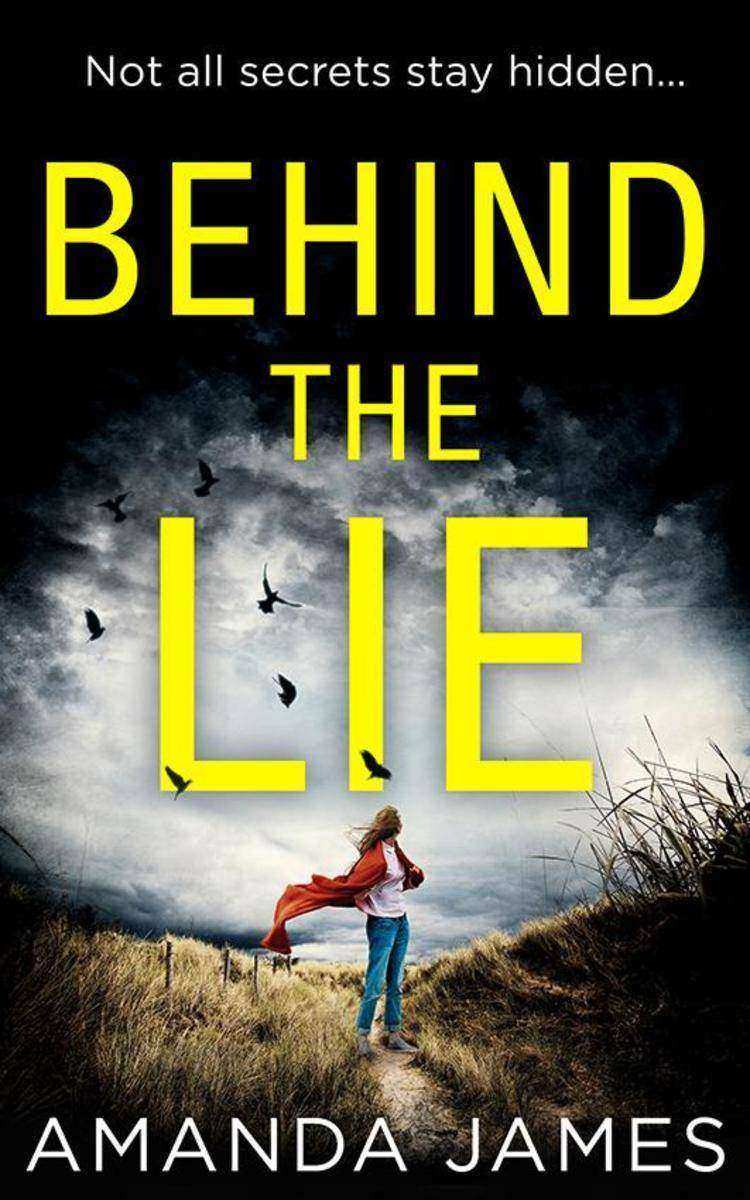
‘Without a doubt one of the best books I have read this year.’ – Amazon Reader Who can you trust, when you can’t trust yourself? Holly West has turned her life around. She’s found a successful and loving husband in Simon and is expecting twins. She is definitely a woman who has taken back control of her future. Until she gives birth, only for one twin to survive. Holly can’t let it go. Holly’s world is in a tailspin and suddenly she can’t trust herself or anyone else. No one believes her, not her husband or her best friend. Because she thinks she knows the truth…her son is still alive and she won’t stop until she finds him. What readers are saying about BEHIND THE LIE: ‘One of the best books of it's genre so far this year.’ – Julia (Netgalley) ‘Will keep you turning the pages and racing towards the dramatic finale.’ – OneWorld ‘Great edge of your seat read’ – Taurus Girl ‘A story that will reel you in and keep you hooked until the end. I loved it!’ – KellyF ‘Gripped from beginning to end’ – Amazon Reader ‘Fast-paced and deeply emotional’ – Celia (Amazon) ‘Fast paced and tense!’ – Shaz (Goodreads) ‘A deep and cleverly written thriller. – Amazon Customer ‘a very exciting psychological thriller.’ – Andrew (Netgalley)
Almost Forever: An emotional debut perfect for fans of Jojo Moyes
¥49.65
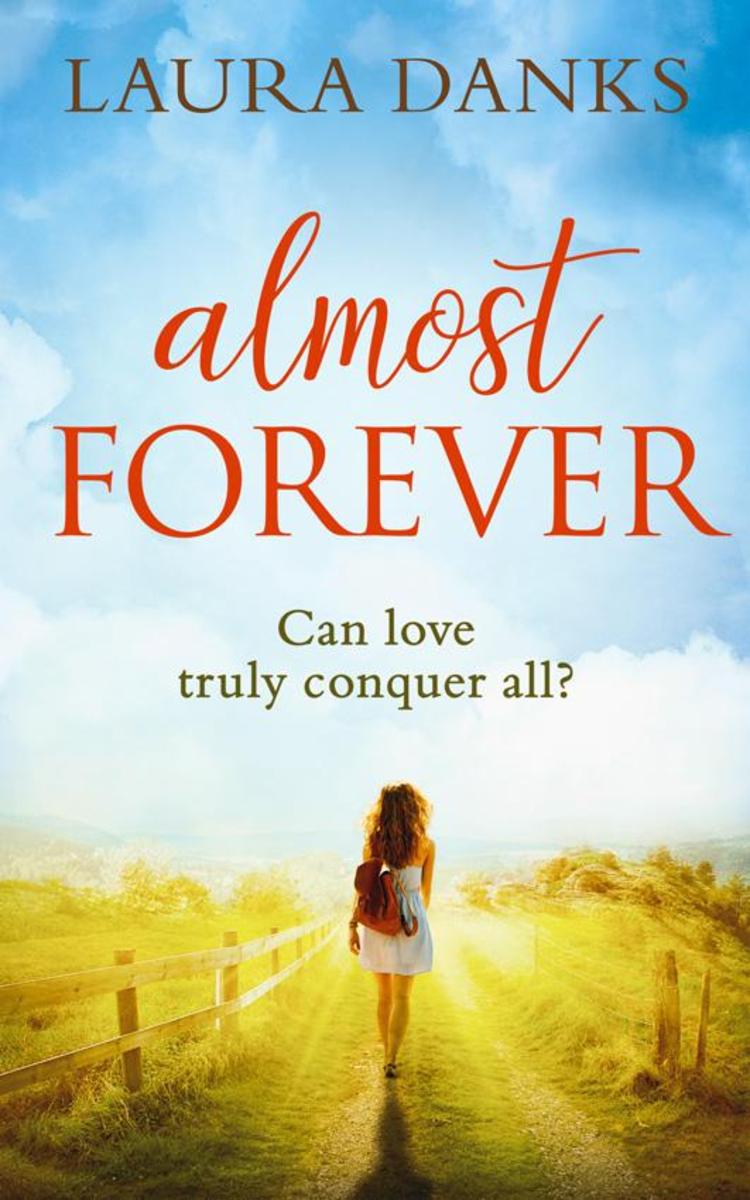
Perfect for fans of Nicholas Sparks, Cecelia Ahern and Jojo Moyes Can love truly conquer all? When a vicious attack leaves Paul in a coma on his wedding day, the doctors fear he will never wake up. But his fiancée Fran will never give up hope. Fran has always known Paul is the only man for her, from the first moment they locked eyes as children to the day he finally told her he loved her. Paul can’t leave her, not now their lives are just about to begin. Love will always find a way… won’t it? What readers are saying about Almost Forever: ‘A wonderful love story that had me laughing, crying, getting frustrated with the characters and smiling too.’ NovelKicks ‘Definitely had me crying at points’ FNM ‘Much more than just a love story. It is a tale of hope, perseverance and about life after the worst case scenario.’ Cheryl M-M’s Book Blog ‘An intelligent and sophisticated romance, I’ll be adding Laura Danks to my list of authors to look out for in the future.’ Cosy Books ‘I couldn’t put it down!’ Amazon Reader ‘Emotional, thought provoking and endlessly romantic!’ Amazon Reader ‘It's about growing up, it's about love, loss, and having the courage to take action and be who you want to be. Loved it.’ Amazon Reader ‘A love story with a twist that will have your emotions in turmoil’ Amazon Reader ‘Thoroughly enjoyed the book. very moving, could not put the book down.’ Amazon Reader
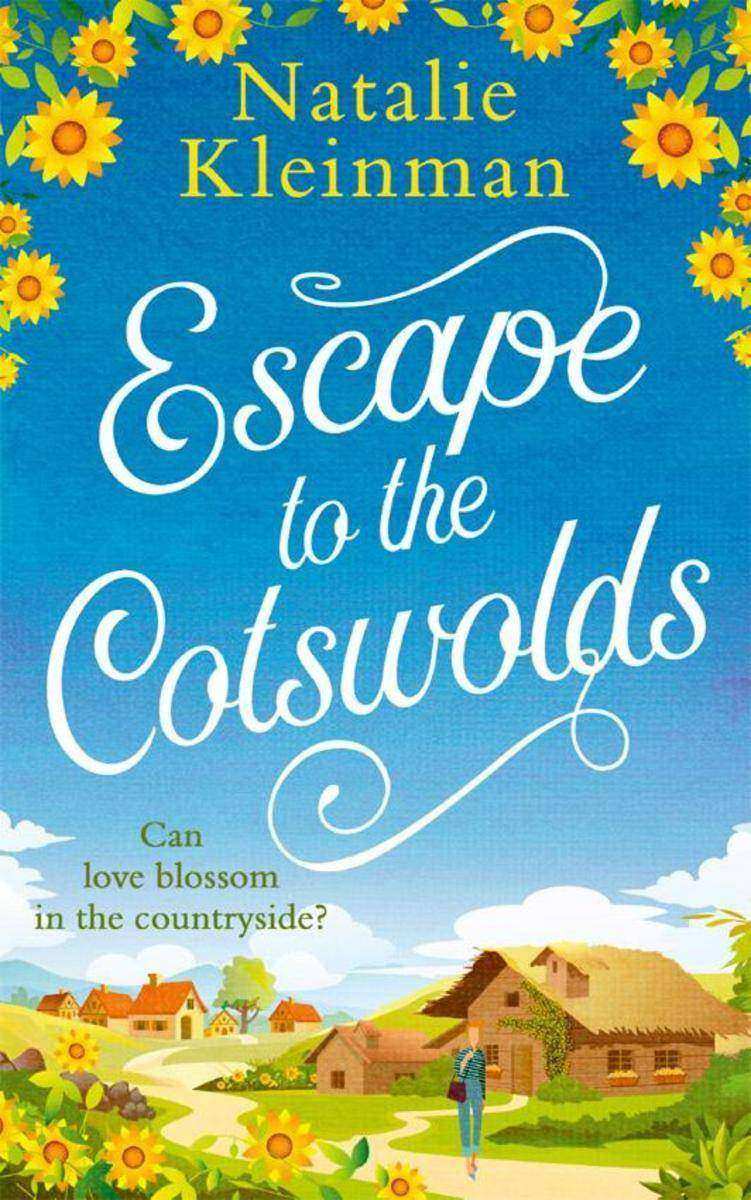
Escape to the Cotswolds
¥49.65
‘What a wonderful romance…I simply loved it!’ Lori Belcher (NetGalley Reviewer) Can love blossom in the countryside? Artist Holly Hunter is turning her life upside-down! She’s leaving the bright lights of London (and a cheating husband) behind her and hoping for a fresh start as she escapes to the peaceful Cotswolds countryside. Men are off the cards for Holly. Instead, she’s focusing on her little gallery and adopting an adorable Border Collie puppy named Tubs. Or so she thought… Because no matter how hard she tries to resist him, local vet Adam Whitney is utterly gorgeous. And in a village as small as this one, Holly can only avoid Adam for so long! Fans of Milly Johnson, Caroline Roberts and Jill Mansell will love this heart-warming read!

A Year of Taking Chances: a gorgeously uplifting, feel-good read
¥49.65
‘Utterly enjoyable from beginning to end!’ Being Unique Books Life is about to change forever… When best friends, Tina and Jodie, make a drunken New Year’s Eve vow to change their lives before they hit the big 3 – 0, neither expected to end the year with much more than another hangover… Twelve months later, Jodie is married and living in Provence – and Tina is exactly where she was a year ago (although now her rent is double). Tina can’t help but feel a little bit left behind, but as Jodie reminds her, she’s not thirty yet, there’s still time to quit her job, start her own literary agency and sign the man of her dreams! Don’t miss the new gorgeously uplifting holiday romance from bestselling author Jennifer Bohnet. Praise for A Year of Taking Chances: ‘A must-read!’ Anita Tarrant (NetGalley reviewer) ‘There are no words to justify how beautiful this book is. I loved every minute!’ Karen Whittard (NetGalley reviewer) ‘Utterly enjoyable from beginning to end!’ Being Unique Books ‘Fabulous!’ Lianne James (NetGalley reviewer) ‘Amazing…I couldn’t put it down.’ Nicola Clough (NetGalley reviewer) ‘Well-written and engaging… [it] made me laugh and cry!’ Harriet Salkeld (NetGalley reviewer)
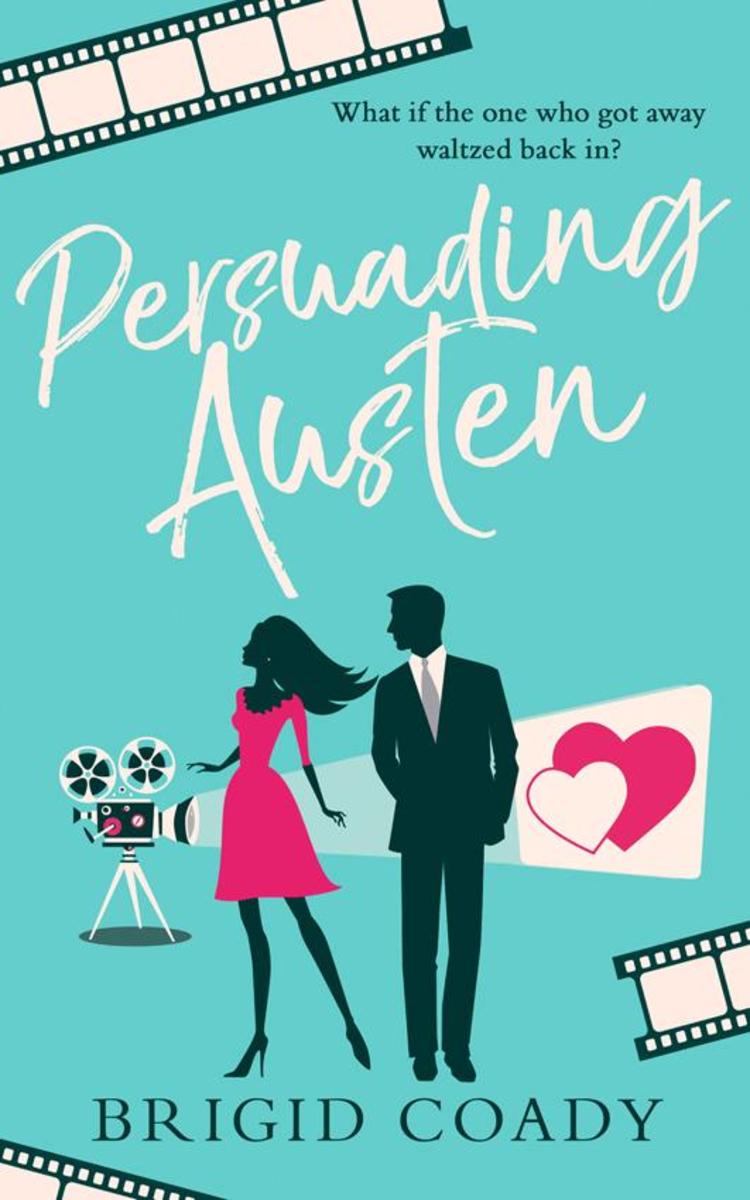
Persuading Austen
¥49.65
‘I loved it! Wicked humour with a big heart’ - Liz Fenwick It is a truth universally acknowledged that working with an ex is a terrible idea… Annie Elliot never expected her life to turn out this way: living with her dad, working as an accountant – surely the least glamorous job in Hollywood?! – and dodging her family’s constant bickering. Landing a job as a producer on a new adaptation of Pride and Prejudice seems like the piece of luck she’s been waiting for. Until the cast is announced, and Annie discovers that the actor playing Mr Darcy is Austen Wentworth: the man she’s spent nearly a decade trying to forget. Not only is Austen her ex – but while Annie’s life has stalled, Austen is Hollywood’s hottest property…and has just been voted World’s Sexiest Man. With nowhere to hide, there’s just one question. Now the one who got away has come back, should Annie stand by her pride? Or give into Austen’s powers of persuasion? A laugh-out-loud retelling of a Jane Austen romance, perfect for fans of Lindsey Kelk and Fiona Collins Brigid Coady was the winner of the 2015 Joan Hessayon New Writers’ Scheme Award Praise for Brigid Coady ‘Awesome, awesome, awesome! … Fans of Paige Toon, Sophie Kinsella and Lindsey Kelk, this will most definitely be your thing!’ – Sophie Bailey, ibloggbooks.com ‘As the story moved from setting the scene and firmly entrenching the reader in a Persuasion rerun to the actual filming it stepped away from a faithful retelling of the story and came into its own right. If you loved films like Ten Things I Hate About You …you will really like this.’ – Alison Robinson, Netgalley


