


 购物车
购物车 个人中心
个人中心

The Girl with No Shadow
¥90.51
The wind has always dictated Vianne Rocher's every move, buffeting her from the French village of Lansquenet-sous-Tannes to the crowded streets of Paris. Cloaked in a new identity, that of widow Yanne Charbonneau, she opens a chocolaterie on a small Montmartre street, determined to still the wind at last and keep her daughters, Anouk and baby Rosette, safe. But the weather vane soon turns, and Zozie de l'Alba blows into their lives. Charming and enigmatic, Zozie provides the brightness that Yanne's life needs—as her vivacity and bold lollipop shoes dazzle rebellious and impressionable preadolescent Anouk. But beneath their new friend's benevolent fa?ade lies a ruthless treachery—for devious, seductive Zozie has plans that will shake their world to pieces.

Coastliners
¥90.77
Mado has been adrift for too long. After ten years in Paris, she returns to the small island of Le Devin, the home that has haunted her since she left.Le Devin is shaped somewhat like a sleeping woman. At her head is the village of Les Salants, while its more prosperous rival, La Houssinière, lies at her feet. Yet even though you can walk from one to the other in an hour, they are worlds apart. And now Mado is back in Les Salants hoping to reconcile with her estranged father. But what she doesn't realize is that it is not only her father whose trust she must regain.
Impossible Odds
¥56.07
Elite warrior swordsmen, they are unequalled in any time or realm . . .The King's BladesThe King has decreed that new Blades must be sworn into the service of the Grand Duke Rubin, deposed by a foul usurper and currently on the run. But none of the rough youths being readied at Ironhall possess the seasoning to survive what better, more skilled Blades already have not. Still, two woefully unprepared candidates are approached with an offer of early bonding and probable death: deft but dense, rude Ranter, and eager, impetuous Ringwood . . . with a third, the inadequate swordsman but potentially able spy Bellman, enlisted into their threadbare ranks. Joining the Duke's entourage along with the courageous and prescient White Sister Trudy, the would-be champions must restore a rightful ruler to the throne or die in the process. But before them waits an army of the dead. And the Duke whom the Blades must protect to the last drop of their lifeblood is not the liege they imagined . . .

Rebel
¥95.39
When Richmond landowner Washington Faulconer snatches young Nate Starbuck from the grip of a Yankee-hating mob, Nate is both grateful and awed by his idealistic rescuer. To repay his generosity, he enlists in the Faulconer legion to fight against his home, the North, and against his abolitionist father. When the regiment joins up, ready to march into the ferocious battle at Buff Run, the men are prepared to start a war . . . but they aren't ready for how they—and the nation—will be forever changed by the oaths they have sworn for their beloved South.

Legend in Green Velvet
¥69.16
Scotland is Susan's passion and obsession—and the opportunity to join a Highland dig is a dream come true for the young archaeology student. But then a sinister stranger slips Susan a cryptic message and is later found viciously slain. A mysterious peril has emerged from the mists to haunt Susan, sending her running for her life in the company of handsome, unconventional laird Jamie Erskine. For she has an unseen enemy hiding in the shadows—someone who, for some unknown reason, is going to great lengths to frame her for murder . . . and to bury Susan, if necessary, in this land she loves.
Avalon
¥62.24
The hour fortold has come at last! Edward the Ninth, reprobate King of England, is dead and a proud an venerable institution is to be buried with him. A new political order—encouraged by an ambitious Prime Minister and supported by a public wearied by a succession of royal scandals—is about to render the old obsolete. With signed abdications of all potential throne claimants already in P.M. Thomas Waring's hands, it is a near-certainty that the British monarchy will not survive the twenty-first century.But in the Scottish Highlands, a young man makes a remarkable discovery that will change the seemingly unaltered path of his beleaguered nation. For Captain James Arthur Stuart is not the commoner he has always believed himself to be, but rather the scion of an obscure branch of the royal family, raised in ignorance of his true station. Even more astonishing, the monarch-to-be does not merely share the name of the legendary King of Summer—he is, in fact, King Arthur reborn!Claiming a throune, however, is one thing, while holding it is quite another, as James—now ruling the land as Arthur II—turns to those most beloved and most loyal for support, guidance, and assistance: his adored wife, Jennifer; his best friend, Calum; and his enigmantic and mystical advisor, a certain Mr. Embries.. better known as "Merlin." Their road will be rocky and perilous, and there are powerful enemies arrayed against them—not only Prime Minister Waring and his ruthless political machine, but the forces of an ancient, far more potent , destructive evil. For Arthur is not the only one who has returned—and Merlin's magic is not the only sorcery that has survived the centuries.With Avalon, one of the premier voices in the literature of the fantastic offers us an unparalleled adventure as replete with bravery, treacher, romance, and magic as the beloved tales of the Table Round, yet cast in a setting as recognizably real as that which surrounds us.
Cat Chaser
¥83.03
The hero of Cat Chaser, George Moran, isn't looking for trouble but finds it anyway when he winds up in bed with the wife of a drug-dealing mob-connected Dominican cop—vicious, macho and ready to follow George to the ends of the earth, which in this case means Miami.

Don of the Dead
¥55.91
She sees dead peopleBeautiful, smart, and chic, Pepper Martin never had to work a day in her life -- until her surgeon daddy was convicted of fraud, her wealthy fiancé took a powder, and the family fortune ran bone dry.Suddenly desperate, the inexperienced ex-rich girl was forced to take the only job she could get: as a tour guide in a cemetery. But a grave situation took a turn for the worse when a head-on collision with a headstone left her with an unwanted ability to communicate with the disgruntled deceased . . . and now Pepper has a whacked Mafia don demanding that she hunt down his killers -- and threatening to haunt her until she does.

The Boy Next Door
¥83.03
To: You (you)From: Human Resources (human.resources@thenyjournal.com)Subject: This BookDear Reader,This is an automated message from the Human Resources Division of the New York Journal, New York City’s leading photo-newspaper. Please be aware that according to our records you have not yet read this book. What exactly are you waiting forThis book has it all: Humor Romance Cooking tips Great Danes Heroine in peril Dolphin-shaped driftwood sculpturesIf you wish to read about any of the above, please do not hesitate to head to the checkout counter, where you will be paired with a sales associate who will work to help you buy this book.We here at the New York Journal are a team. We win as a team, and lose as one as well. Don’t you want to be on the winning teamSincerely, Human Resources Division New York JournalPlease note that failure to read this book may result in suspension or dismissal from this store.*********This e-mail is confidential and should not be used by anyone who is not the original intended recipient. If you have received this e-mail in error please inform the sender and delete it from your mailbox or any other storage mechanism.*********

Sleepless
¥33.18
The swaying Palms Hotel late-night room-service menuTuck-Me-In Tuna Salad on Rye $7.50Catch-Some-ZZZs Cheeseburger and Fries$10.00Up-All-Night Chocolate-Chip Cookies with Milk$5.50Bedtime Banana Split$7.00I can't go to sleep!!! And not because of the cute boy lying next to me. There's a killer stalking me in my dreams. And if it's up to him . . . I'll never wake up. I have to find a way to get him, before he gets me.

Ilario: The Lion's Eye
¥83.93
Abandoned and alone, the fosterling Ilario grows up as the King's Freak, surrounded by all the pomp, intrigue, and danger of the Iberian court. Fleeing a failed treacherous attack, Ilario crosses the sea to Carthage, where the mysterious Penitence shrouds the sky in darkness. There, a strange and awful destiny awaits the would-be painter, one that spans continents and kingdoms. Filled with intrigue, sex, and mystery, Ilario: The Lion's Eye is a stunning tale of secret histories and self-discovery. The adventure continues in Book Two: The Stone Golem.
Labrava
¥88.56
Joe LaBrava first fell in love with femme fatale movie queen Jean Shaw in a darkened theater when he was twelve. Now he's finally meeting his dream woman in the flesh, albeit in a rundown Miami crisis center. Cleaned up and sober, though, she still makes LaBrava's heart race. And now that Jean's being terrorized by redneck thug Richard Nobles and his slimy Marielito partner Cundo Rey, Joe has a golden opportunity to play the hero. Or he could wind up the patsy—or dead—in the final reel.
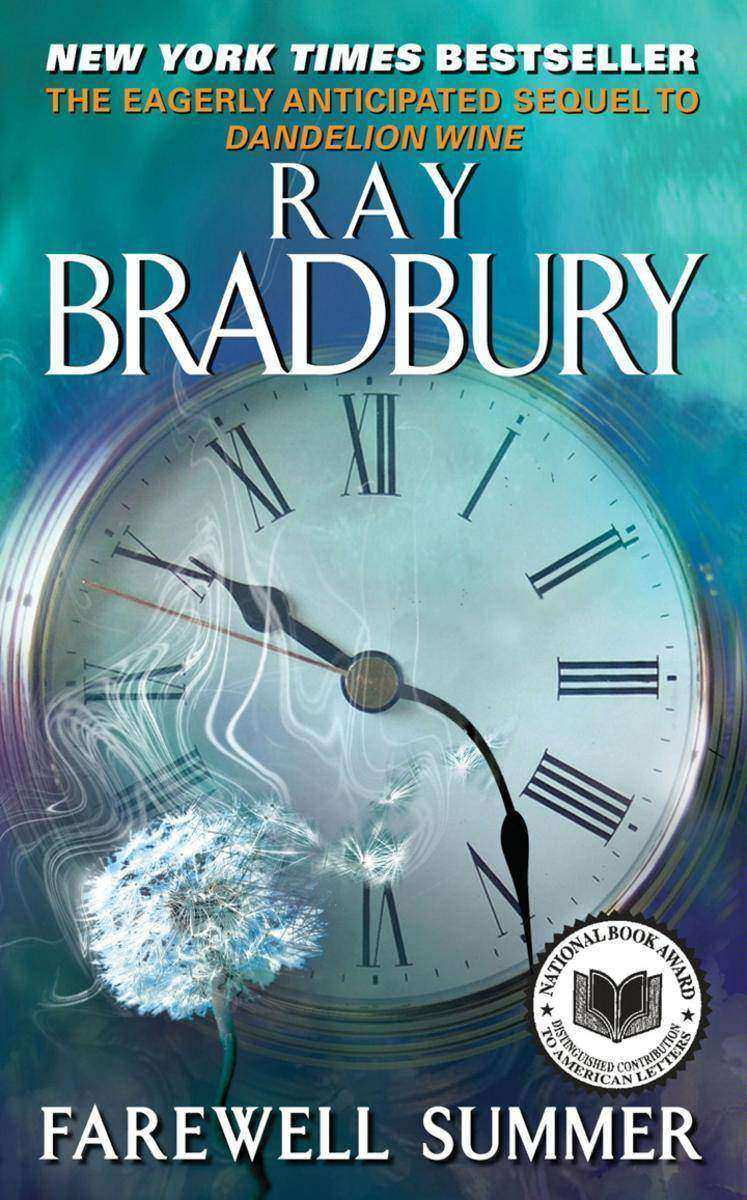
Farewell Summer
¥55.31
In a summer that refuses to end, in the deceiving warmth of earliest October, civil war has come to Green Town, Illinois. It is the age-old conflict: the young against the elderly, for control of the clock that ticks their lives ever forward. The first cap-pistol shot heard 'round the town is dead accurate, felling an old man in his tracks, compelling town elder and school board despot Mr. Calvin C. Quartermain to marshal his graying forces and declare total war on the assassin, thirteen-year-old Douglas Spaulding, and his downy-cheeked cohorts. Doug and his cronies, however, are most worthy adversaries who should not be underestimated, as they plan and execute daring campaigns—matching old Quartermain's experience and cunning with their youthful enthusiasm and devil-may-care determination to hold on forever to childhood's summer. Yet time must ultimately be the victor, with valuable revelations for those on both sides of the conflict. And life waits in ambush to assail Doug Spaulding with its powerful mysteries—the irresistible ascent of manhood, the sweet surrender to a first kiss . . .One of the most acclaimed and beloved of American storytellers, Ray Bradbury has come home, revisiting the verdant landscape of one of his most adored works, Dandelion Wine. More than fifty years in the making, the long-awaited sequel, Farewell Summer, is a treasure—beautiful, poignant, wistful, hilarious, sad, evocative, profound, and unforgettable . . . and proof positive that the flame of wonder still burns brightly within the irrepressible imagination of the incomparable Bradbury.
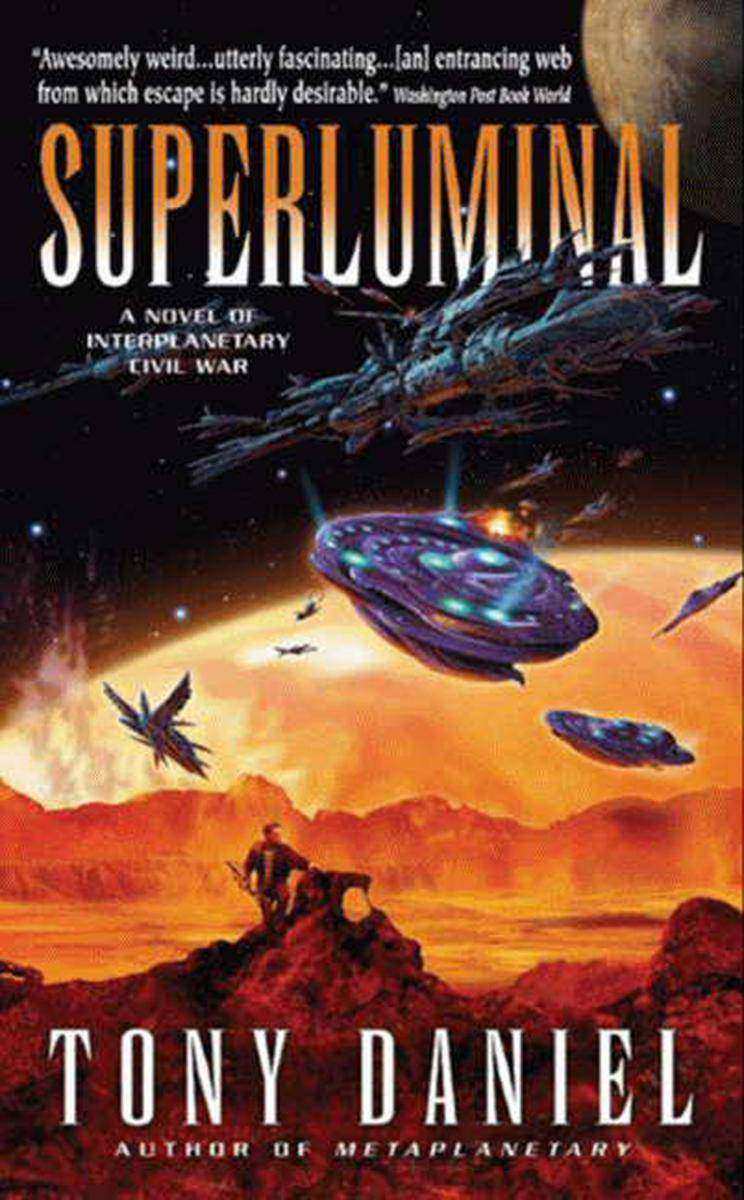
Superluminal
¥55.91
The future is at war for the soul of humankind ...It is a time when civilization has extended itself far into the outer reaches of the solar system, and in doing so has developed into something remarkable. But humanity's progeny -- the nanotechnological artificial intelligences called "free converts" -- face extermination at the hands of the tyrant Amés and his invincible armies, and once the Napoleonesque Director develops superluminal flight, his "Final Solution" will be all but assured.But hope remains alive in the outer system. From the fleeing refugees of a dozen moons and asteroids, General Roger Sherman has amassed an effective and adaptable military force, already forged into a formidable weapon in the fires of battle.However, time is a commodity the courageous Federal Army lacks, as total war erupts between the vast cloudships of the outer system and the deadly armada of the Met, a glorious and terrible conflict that will rage among the stars ... and within the hearts and minds of every human being.
City Primeval
¥83.03
Clement Mansell knows how easy it is to get away with murder. The seriously crazed killer is already back on the Detroit streets -- thanks to some nifty courtroom moves by his crafty looker of a lawyer -- and he's feeling invincible enough to execute a crooked Motown judge on a whim. Homicide Detective Raymond Cruz thinks the "Oklahoma Wildman" crossed the line long before this latest outrage, and he's determined to see that the hayseed psycho does not slip through the legal system's loopholes a second time. But that means a good cop is going to have to play somewhat fast and loose with the rules -- in order to maneuver Mansell into a wild Midwest showdown that he won't be walking away from.
Mistaken Identity
¥95.39
Nothing can prepare criminal attorney Bennie Rosato for her new client, Alice Connolly, who bears an uncanny physical resemblance to her and tells her, "Pleased to meet you. I'm your twin." But Bennie grew up an only child. She doesn't have a twin. Or does sheBennie takes on the woman's defense in a murder case and plunges into the mystery of the murder—as well as the secret of her own identity. Not until the verdict is in will she finally learn the truth.
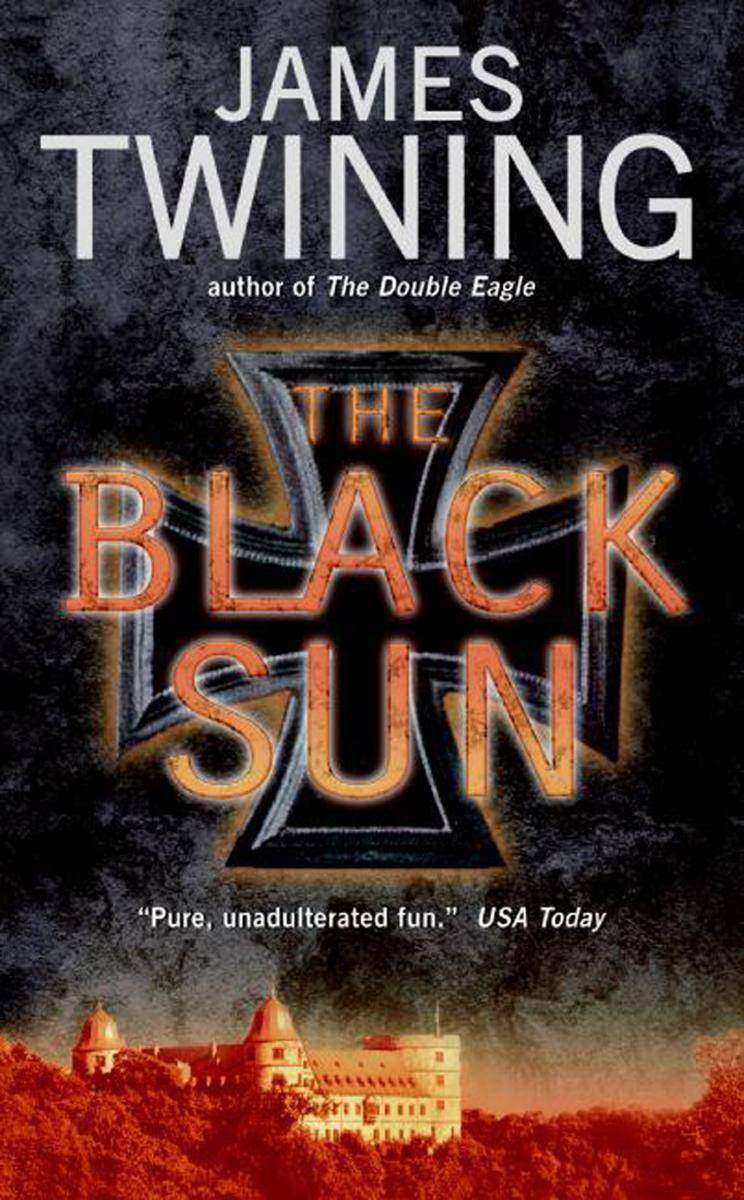
The Black Sun
¥56.07
It is a secret that has been hidden for more than a half century. . . . The clues have been scattered across the globe. Now someone has begun to piece them together—and the future of the world depends on his being stopped in time.In Maryland, a vicious gang breaks into the National Cryptologic Museum and steals a Nazi Enigma machine. In a London hospital, an Auschwitz survivor is murdered in his bed, his killers making off with a macabre trophy—his severed left arm. In Prague, a seemingly worthless painting is stolen from a synagogue. Three cities. Three puzzling thefts. Could there possibly be a connection?When former art thief Tom Kirk is first asked to investigate, the Prague theft certainly seems unremarkable enough—until the stolen painting turns up alongside the amputated human arm. As Tom digs deeper into the past, both items appear to be elements in an elaborate trail of clues laid down in the dying days of the Third Reich by a secret order of SS knights—clues that stretch from the remote mountains of Idaho to the snowy streets of St. Petersburg and ultimately lead to a fabled treasure lost in the ashes of war.Spurred on by the sinister light of the Black Sun emblem, ghosts from his past, and the poisonous manipulations of a deadly enemy, Tom finds himself trapped in a situation where the greatest prize of all is life itself—and not just his own. . . .

Everybody Dies
¥56.07
Matt Scudder is finally leading a comfortable life. The crime rate's down and the stock market's up. Gentrification's prettying-up the old neighborhood. The New York streets don't look so mean anymore.Then all hell breaks loose.Scudder quickly discovers the spruced-up sidewalks are as mean as ever, dark and gritty and stained with blood. He's living in a world where the past is a minefield, the present is a war zone, and the future's an open question. It's a world where nothing is certain and nobody's safe, a random universe where no one's survival can be taken for granted. Not even his own.A world where everybody dies.
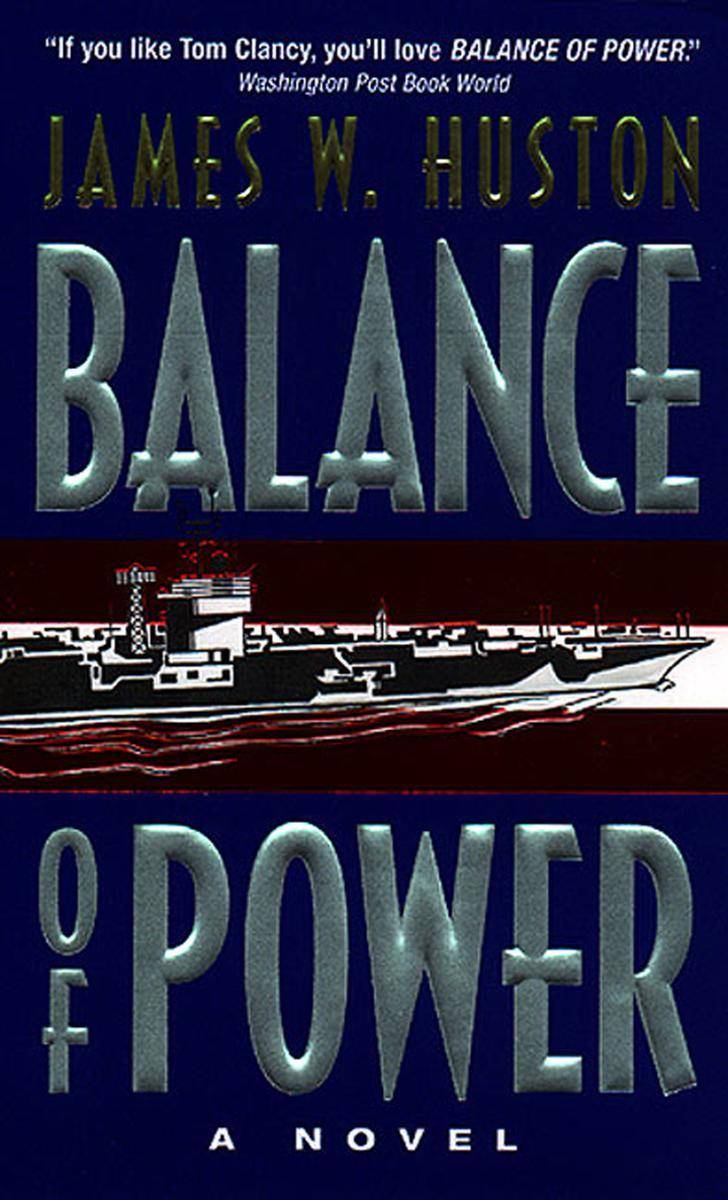
Balance of Power
¥69.16
Off the coast of Indonesia, an American cargo ship has been seized by terrorists, its captain kidnapped and its crew mercilessly slaughtered. In Washington, a peace-loving President's refusal to punish the transgressors has enraged the sitting Congress, led by a wrathful Speaker of the House.An ambitious young congressional assistant, Jim Dillon has discovered a time bomb hidden away in America's Constitution—a provision that could be used to wrest power from the Chief Executive, a long-forgotten law that could incite a devastating constitutional crisis . . . and plunge the country into chaos.Now, as a battle group steams toward a fateful confrontation in the Java Sea—commissioned by Congress and opposed by the President—Dillon finds himself in the center of a firestorm that rages from the highest court in the land to the killing fields half a world away. Suddenly there is much more at stake than the life of a single surviving hostage and a superpower's military credibility—as a great nation prepares for war . . . against itself.
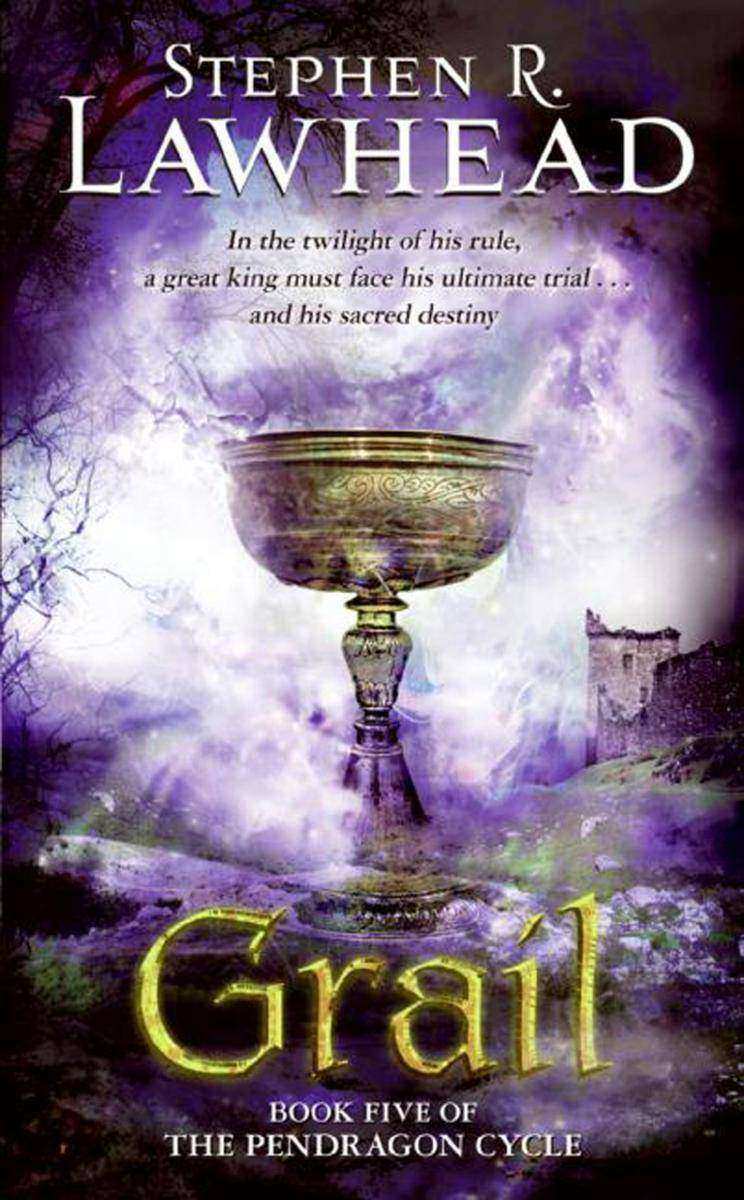
Grail
¥55.31
The legend of King Arthur has been told many times—but never with the strength and resonance, passion and richness granted it in Stephen R. Lawhead's masterfulPendragon CycleDrought, plague, and war have left the Isle of the Mighty battered and its heart, the beloved Arthur, grievously injured—until a secret relic is brought before the dying KIng; a Holy Grail that heals his wounds and restores his vigor.But soon evil enters the royal court in the guise of a beautiful maiden; a soulless, malevolent force capable of seducing the King's loyal champion, confounding the sage whom some call Merlin, and carrying the sacred Grail—and Arthur's adored Queen—off into the dark unknown. And now Arthur faces the greatest challenge of his sovererignty: a quest of recovery that must lead the noble liege through realms of magic and the undead, on a trail that winds inexorably toward a grim confrontation with his most foul nemesis . . . and his destiny.Drought, plague and war have left the Isle of Mighty battered and its heart, the beloved Arthur, grievously injured. But, astonishingly, the High King lives—his wounds healed and vigor restored by a sacred and secret relic: the Holy Grail.At Ynys Avallach, a dying Arthur was miraculously renewed. And now, in this time of rampant disease and death, the great king wants to share the Grail's curative powers with all who require it. A shrine will be built to house the holy treasure—and Arthur's fabled Kingdom of Summer will at long last come to be.But evil has entered the royal court in the guise of a beautiful maiden. Unbeknownst to Arthur, to his devoted warriors, to his adored Gwenhwyvar. . .even to the bard Myrddrin, the sage Emrys whom some have called "Merlin," malevolent forces, soulless and cunning, seduce the King's most loyal champion. And in an unthinkable unguarded moment, the Grail is carried off, vanishing somewhere into the dark unknown.Now Arthur faces the greatest challenge of his sovereig.
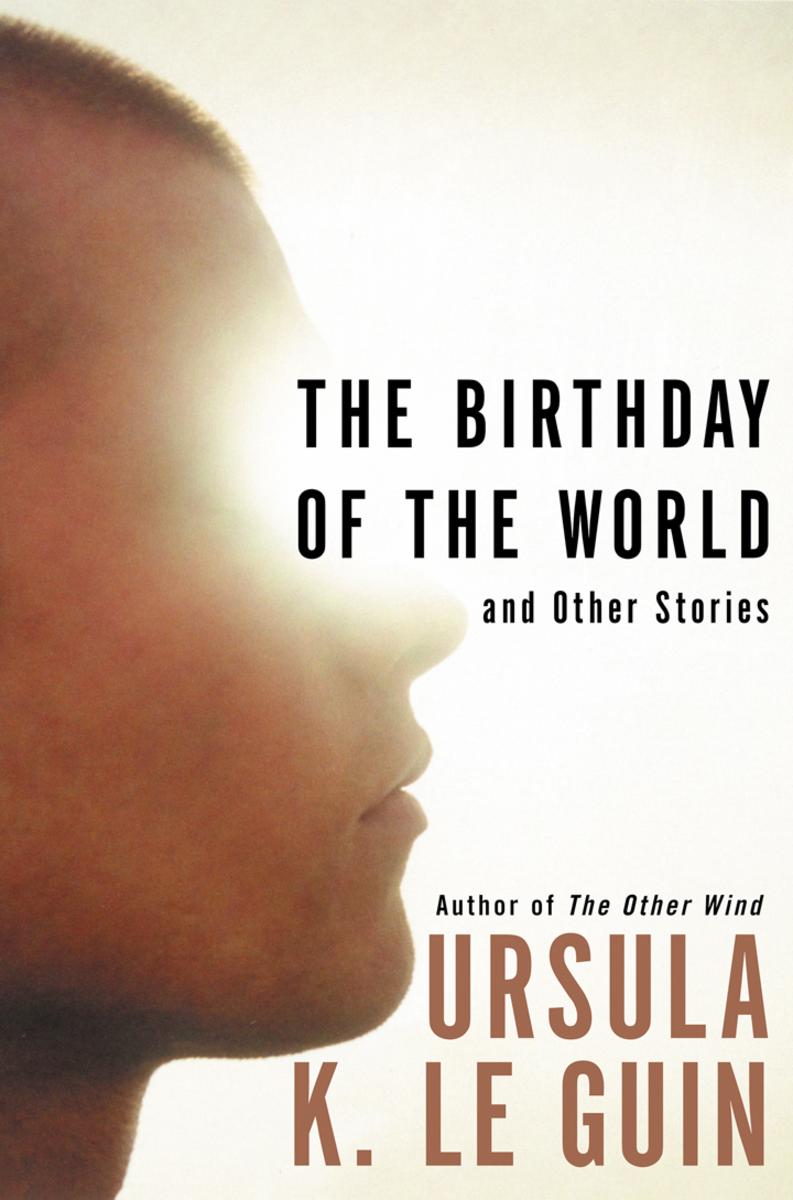
The Birthday of the World
¥88.56
For more than four decades, Ursula K. Le Guin has enthralled readers with her imagination, clarity, and moral vision. The recipient of numerous literary prizes, including the National Book Award, the Kafka Award, and five Hugo and five Nebula Awards, this renowned writer has, in each story and novel, created a provocative, ever-evolving universe filled with diverse worlds and rich characters reminiscent of our earthly selves. Now, in The Birthday of the World, this gifted artist returns to these worlds in eight brilliant short works, including a never-before-published novella, each of which probes the essence of humanity.Here are stories that explore complex social interactions and troublesome issues of gender and sex; that define and defy notions of personal relationships and of society itself; that examine loyalty, survival, and introversion; that bring to light the vicissitudes of slavery and the meaning of transformation, religion, and history. The first six tales in this spectacular volume are set in the author's signature world of the Ekumen, "my pseudo-coherent universe with holes in the elbows," as Le Guin describes it -- a world made familiar in her award-winning novel The Left Hand of Darkness. The seventh, title story was hailed by Publishers Weekly as "remarkable . . . a standout." The final offering in the collection, Paradises Lost, is a mesmerizing novella of space exploration and the pursuit of happiness.In her foreword, Ursula K. Le Guin writes, "to create difference-to establish strangeness-then to let the fiery arc of human emotion leap and close the gap: this acrobatics of the imagination fascinates and satisfies me as no other." In The Birthday of the World, this gifted literary acrobat exhibits a dazzling array of skills that will fascinate and satisfy us all.


