


 购物车
购物车 个人中心
个人中心
The Mighty Fallen
¥165.88
The Mighty Fallen is a beautiful, evocative presentation of more than 150 never-before-seen photographs of the nation's greatest monuments and war memorials, along with text that describes the memorials and tells their stories. This extraordinary collection calls attention to the power of memory and the ways in which we immortalize people and events. As Larry Bond notes in the Introduction, "Memories of a war or battle are unpleasant, but few veterans would want them erased." This book is a unique tribute to veterans and a commemoration of some of the most significant conflicts in our history. Most battlefields leave little record of the historic confrontations that occurred there. Those who fought in epic struggles want us to remember not just the outcome, but the cost of victory and those who paid the price for the freedoms we enjoy today. Memories fade, so we raise monuments of stone and bronze to carry their message of sacrifice through the centuries. The Iwo Jima Memorial and the Vietnam Veterans Memorial in Washington DC are instantly recognizable, but there are monuments all over North America honoring more than 300 years of military service. The Mighty Fallen shows you hundreds of monuments, memorials, and statues conveying the message their designers wanted you to hear these are more than just a date and location.
Hell and High Water
¥79.16
Global warming is the story of the twenty-first century. It is the most serious issue facing the future of humankind, but American energy and environmental policy is driving the whole world down a path toward global catastrophe. According to Joseph Romm, we have ten years, at most, to start making sharp cuts to our greenhouse gas emissions, or we will face disastrous consequences. The good news, he writes, is that there is something we can do but only if the leadership of the U.S. government acts immediately and asserts its influence on the rest of the world.Hell and High Water is nothing less than a wake-up call to the country. It is a searing critique of American environmental and energy policy, and a passionate call to action by a writer with a unique command of the science and politics of climate change.
No Groom at the Inn
¥34.91
“Megan Frampton’s delightful characters and delicious sense of humor always entertain!” - Sabrina Jeffries In this Dukes Behaving Badly holiday novella, a young lady entertains a sudden proposal of marriage—to a man she’s only just met What does a lady do when a man she’s never seen before offers his hand in marriageLady Sophronia Bettesford doesn’t scream and run away. Instead, she accepts the shocking proposition. After all, what’s her other choiceTo live with her cousin, caring for six children and a barnyard full of chickensJames Archer has roamed the world, determined never to settle down. He’s faced danger and disaster…he fears nothing and no one—except his mother and her matchmaking ways. So when ordered to attend a Christmastime house party filled with holiday cheer and simpering young misses, he produces—a fiancée! Sophronia and James vow to pretend to be in love for one month. But when they promise to give each other a Christmas kiss, it becomes clear that this pact made out of necessity might just be turning into love. An Avon Romance

All I Want Is Forever
¥48.39
Talia and Derrick share some of the same bitter memories.From the moment they met as kids, they seemed to understand the haunted look in each other's eyes. Today their lives are far apart in most ways, yet their bond can never truly be severed. They also share a dark secret murder. When Talia returns home to help her ailing foster mother, she and Derrick re-kindle the fire between them and together they exorcise the ghosts of their past by facing life together.
Understanding Dreams
¥42.03
It has been said that dreams are the windows to the soul -- andnow those windows can be opened wide! The book you hold in your hands is a concise compendium of pre*ive information, an easy-to-use reference guide to the meanings and import of the remarkable visions that visit us while we sleep.Here in one volume are the essential keys to unlocking themysteries of the subconscious -- and to putting the power of dreams at your fingertips! The meaning behind more than 800 dream symbols The history of dream interpretation Lucid, repetitive, and sequential dreams Sleep patterns and the workings of the unconscious mind How to keep a "dream diary"
Rose in Scotland
¥41.91
A delicate flower Lady Caroline Burroughs is desperate. Her unscrupulous guardian is squandering away her inheritance, and now wants to gain complete control over her dwindling wealth by forcing her to wed his aged crony. But Caroline has found a solution to her woes. Though it means surrendering her long-cherished dream of marring for love, she agrees to a preemptive temporary union with a devilishly handsome stranger a brave and noble Scotsman who believes that love is an illusion.A thorny romanceMajor Hugh MacColme has every reason to hate the British since the Crown stole his ancestral castle and sent his father and brother into exile. And he never imagined he would end up marrying one of the enemy. But a year spent in the intimate company of an exquisite English rose seems a small price to pay for recovering his birthright. For tender-hearted Caroline, however, the difficult part will be coping with her unexpected desire for this proud and distant man no use for is the warm and healing love he truly needs.
The Perils of Pleasure
¥48.39
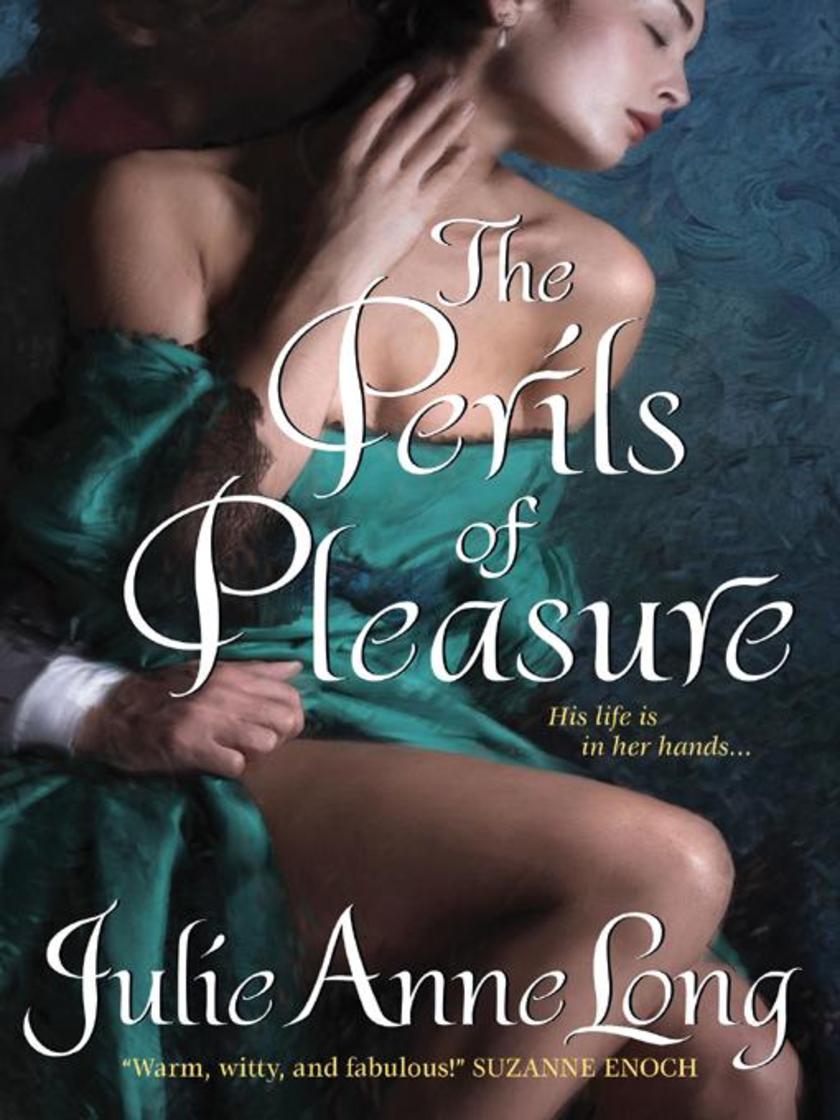
A rescued rogue . . . Scandal has rocked the city of London. Colin Eversea, a handsome, reckless unapologetic rogue is sentenced to hang for murder and, inconveniently for him, the only witness to the crime disappears. Then again, throughout history, the Everseas have always managed to cheat fate in style: Colin is snatched from the gallows by a beautiful, clever mercenary.A captivating captor. . . Cool-headed, daring Madeleine Greenway is immune to Colin's vaunted charm. Her mission is not to rescue Colin but to kidnap him, and to be paid handsomely for it. But when it becomes clear that whoever wants Colin alive wants Madeline dead, the two become uneasy allies in a deadly race for truth. Together, they'll face great danger and a passion neither can resist.

The Wedding Bargain
¥48.39
Maximillian Wells, the Earl of Trent, couldn't believe his ears-or his eyes. Before him stood beautiful, unattainable Pandora Effington, the town's most scandalous beauty, and the fiery heiress was making him a most tantalizing offer. If he wanted to take Pandora's hand in marriage, he had to play a game of her devising-and he had no intention of losing. Most of London's eligible bachelors left Pandora cold and she longed for a true hero-a man who would do anything in his power to win her love. Maximillian's very touch sent shivers down her spine and made her dream of long nights spent in his arms. But was he willing to risk everything he held dear to prove his love?
Your Scandalous Ways
¥48.91
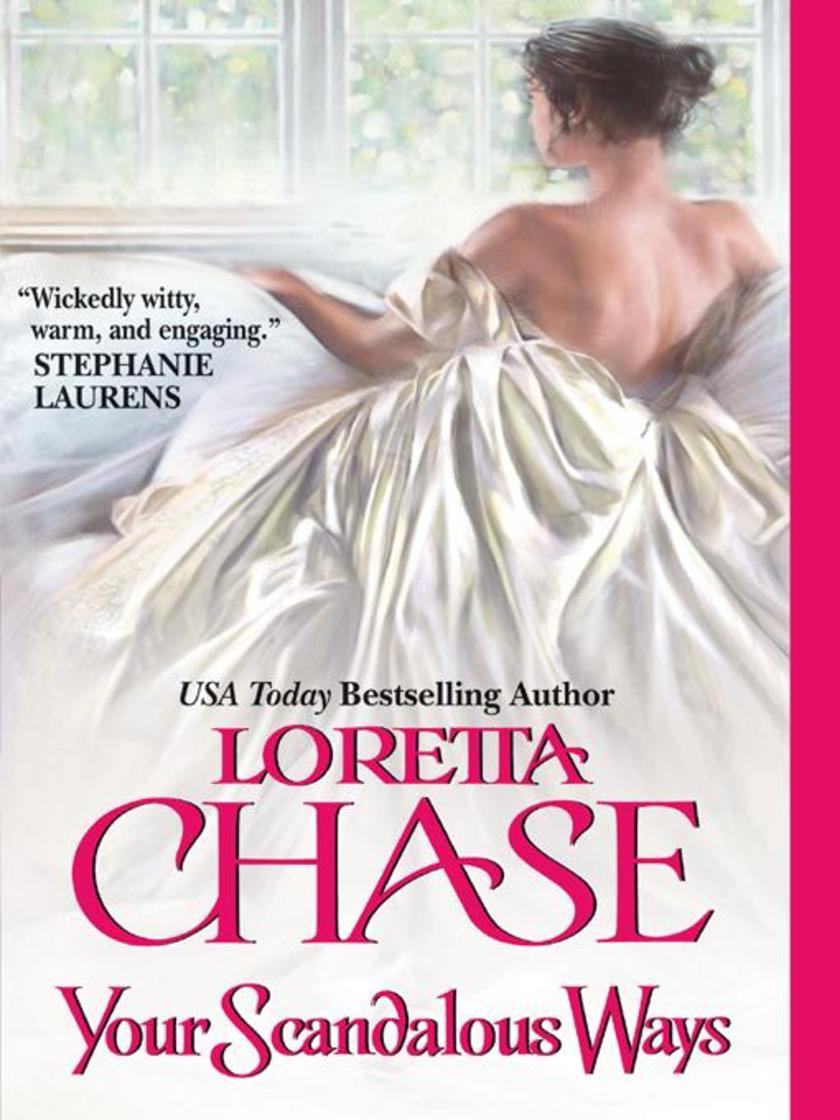
James Cordier is all blue blood and entirely dangerous. He's a master of disguise, a brilliant thief, a first-class lover all for King and Country and, by gad, he's so weary of it. His last mission is to "acquire" a packet of incriminating letters from one notorious woman. Then he can return to London and meet sweet-natured heiresses not adventuresses and fallen women.Francesca Bonnard has weathered heartbreak, scorn, and scandal. She's independent, happy, and definitely fallen; and she's learned that "gentlemen" are more trouble than they're worth. She can also see that her wildly attractive new neighbor is bad news.But as bad as James is, there are others far worse also searching for Francesca's letters. And suddenly nothing is simple especially the nearly incendiary chemistry between the two most jaded, sinful souls in Europe. And just as suddenly, risking everything may be worth the prize.

The Collected Poetry of Nikki Giovanni
¥88.56
This omnibus covers Nikki Giovanni's complete work of poetry from 1967-1983. THE COLLECTED POETRY OF NIKKI GIOVANNI will include the complete volumes of five adult books of poetry: Black Feeling Black Talk/Black Judgement, My House, The Women and the Men, Cotton Candy on a Rainy Day, and Those Who Ride the Night Winds. Nikki self published her first book Black Feeling, Black Talk/BlackJudgement in 1969, selling 10,000 copies; William Morrow published in 1970. Know for its iconic revolutionary phrases, it is heralded as one of the most important volumes of modern African American poetry and is considered the seminal volume of Nikki's body of work. My House (Morrow 1972) marks a new dimension in tone and philosphy.This is Giovanni's first foray into the autobiographical. In The Women and the Men (Morrow 1975), Nikki displays her compassion for the people, things and places she has encountered She reveres the ordinary and is in search of the extraordinary. Cotton Candy on a Rainy Day (Morrow 1978) is one of the most poignant and introspective of all Giovanni's collections. These poems chronicle the drastic change that took place during the 1970s when the dreams of the Civil Rights era seemed to have evaporated. Those Who Ride the Night Winds (Morrow 1983) is devoted to "the day trippers and midnight cowboys," the ones who have devoted their lives to pushing the limits of the human condition and shattered the constraints of the stautus quo.

Lost in Shangri-La
¥94.10
On May 13, 1945, twenty-four American servicemen and WACs boarded a transport plane for a sightseeing trip over Shangri-La, a beautiful and mysterious valley deep within the jungle-covered mountains of Dutch New Guinea.Unlike the peaceful Tibetan monks of James Hilton's bestselling novel Lost Horizon, this Shangri-La was home to spear-carrying tribesmen, warriors rumored to be cannibals. But the pleasure tour became an unforgettable battle for survival when the plane crashed. Miraculously, three passengers pulled through. Margaret Hastings, barefoot and burned, had no choice but to wear her dead best friend's shoes. John McCollom, grieving the death of his twin brother also aboard the plane, masked his grief with stoicism. Kenneth Decker, too, was severely burned and suffered a gaping head wound.Emotionally devastated, badly injured, and vulnerable to the hidden dangers of the jungle, the trio faced certain death unless they left the crash site. Caught between man-eating headhunters and enemy Japanese, the wounded passengers endured a harrowing hike down the mountainside a journey into the unknown that would lead them straight into a primitive tribe of superstitious natives who had never before seen a white man or woman.Drawn from interviews, declassified U.S. Army documents, personal photos and mementos, a survivor's diary, a rescuer's journal, and original film footage, Lost in Shangri-La recounts this incredible true-life adventure for the first time. Mitchell Zuckoff reveals how the determined trio dehydrated, sick, and in pain traversed the dense jungle to find help; how a brave band of paratroopers risked their own lives to save the survivors; and how a cowboy colonel attempted a previously untested rescue mission to get them out.By trekking into the New Guinea jungle, visiting remote villages, and rediscovering the crash site, Zuckoff also captures the contemporary natives remembrances of the long-ago day when strange creatures fell from the sky. A riveting work of narrative nonfiction that vividly brings to life an odyssey at times terrifying, enlightening, and comic, Lost in Shangri-La is a thrill ride from beginning to end.
Nom de Plume
¥90.73
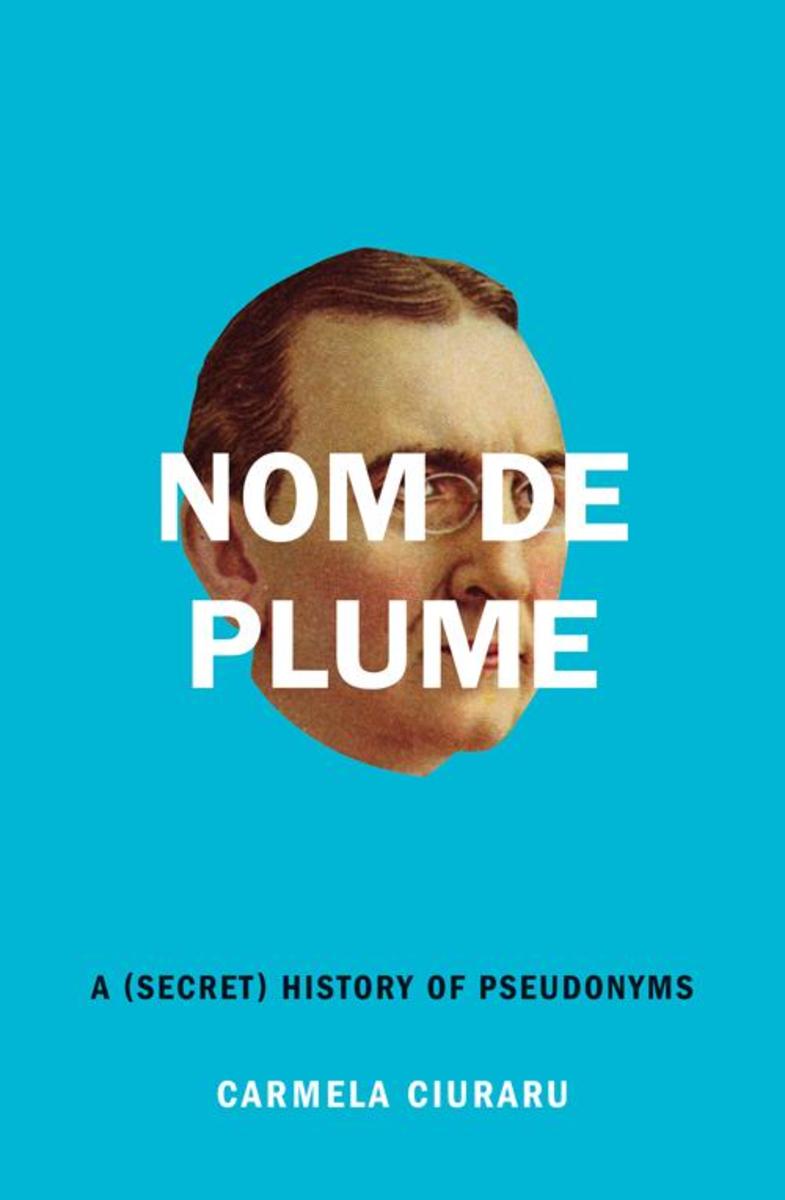
What's in a nameIn our "look at me" era, everyone's a brand. Privacy now seems a quaint relic, and self-effacement is a thing of the past. Yet, as Nom de Plume reminds us, this was not always the case. Exploring the fascinating stories of more than a dozen authorial impostors across several centuries and cultures, Carmela Ciuraru plumbs the creative process and the darker, often crippling aspects of fame. Biographies have chronicled the lives of pseudonymous authors such as Mark Twain, Isak Dinesen, and George Eliot, but never before have the stories behind many noms de plume been collected into a single volume. These are narratives of secrecy, obsession, modesty, scandal, defiance, and shame: Only through the protective guise of Lewis Carroll could a shy, half-deaf Victorian mathematician at Oxford feel free to let his imagination run wild. The "three weird sisters" (as they were called by the poet Ted Hughes) from Yorkshire the Brontes produced instant bestsellers that transformed them into literary icons, yet they wrote under the cloak of male authorship. Bored by her aristocratic milieu, a cigar-smoking, cross-dressing baroness rejected the rules of propriety by having sexual liaisons with men and women alike, publishing novels and plays under the name George Sand.Grounded by research yet highly accessible and engaging, these provocative, astonishing stories reveal the complex motives of writers who harbored secret identities sometimes playfully, sometimes with terrible anguish and tragic consequences. A wide-ranging examination of pseudonyms both familiar and obscure, Nom de Plume is part detective story, part exposé, part literary history, and an absorbing psychological meditation on identity and creativity.

I'll Quit Tomorrow
¥88.56
This bestselling recovery classic has helped untold thousands of alcoholics onto the road to recovery. Written by the founder of the Johnson Institute in Minneapolis, one of the country's most successful training programs for treatment providers, I'll Quit Tomorrow present the concepts and methods that have brought new hope to alcoholics and their families, friends, and employers. Abstinence is not the only objective of Johnson's breakthrough methods -- his therapy aims at restoring the ego strength of the victim to assure permanent recovery. Johnson outlines a dynamic plan of intervention and treatment that will block the progress of alcoholism and lead to a richer, more productive life.

The New Basics
¥94.10
Dr. Michel Cohen, named by the New York Post as the hip, "must-have" pediatrician, has an important message for parents: Don't worry so much. In an easy-reference alphabetical format, The New Basics clearly lays out the concerns you may face as aparent and explains how to solve them -- without fuss, without stress, and without harming your child by using unnecessary medicines or interventions.With sensitivity and love, Dr. Michel describes proven techniques for keeping your children healthy and happy without driving yourself crazy. He will show you how to set positive habits for sleeping and eating and how to treat ailments early and effectively. You'll learn when antibiotics are helpful and when they can be harmful. If you're having trouble breast feeding, pumping, or bottle weaning, Dr. Michel has the advice to set you back on track. If after several months your baby is still not sleeping through the night, The New Basics will provide you with tried-and-true methods to help ease this difficult transition for babies and parents.Dr. Michel recognizes that you're probably asking the same questions his own patients' parents frequently ask, so he includes a section called "Real Questions from Real Parents" throughout the book. You'll find important answers about treating asthma, head injuries, fevers, stomach bugs, colic, earaches, and other ailments. More than just a book on how to care for your child's physical well-being, The New Basics also covers such parenting challenges as biting, hitting, ADD, separation anxiety, how to prevent the terrible twos (and threes and fours ...), and preparing your child for a new sibling.
The Son of Laughter
¥94.10
Rich in family drama, passion, and human affinity, critically acclaimed author Frederick Buechner's contemporary retelling of this captivating and timeless biblical saga revitalizes the ancient story of Jacob, delighted our senses and modern sensibilities and gracing us with his exceptional eloquence and wit.
McIlhenny's Gold
¥94.10
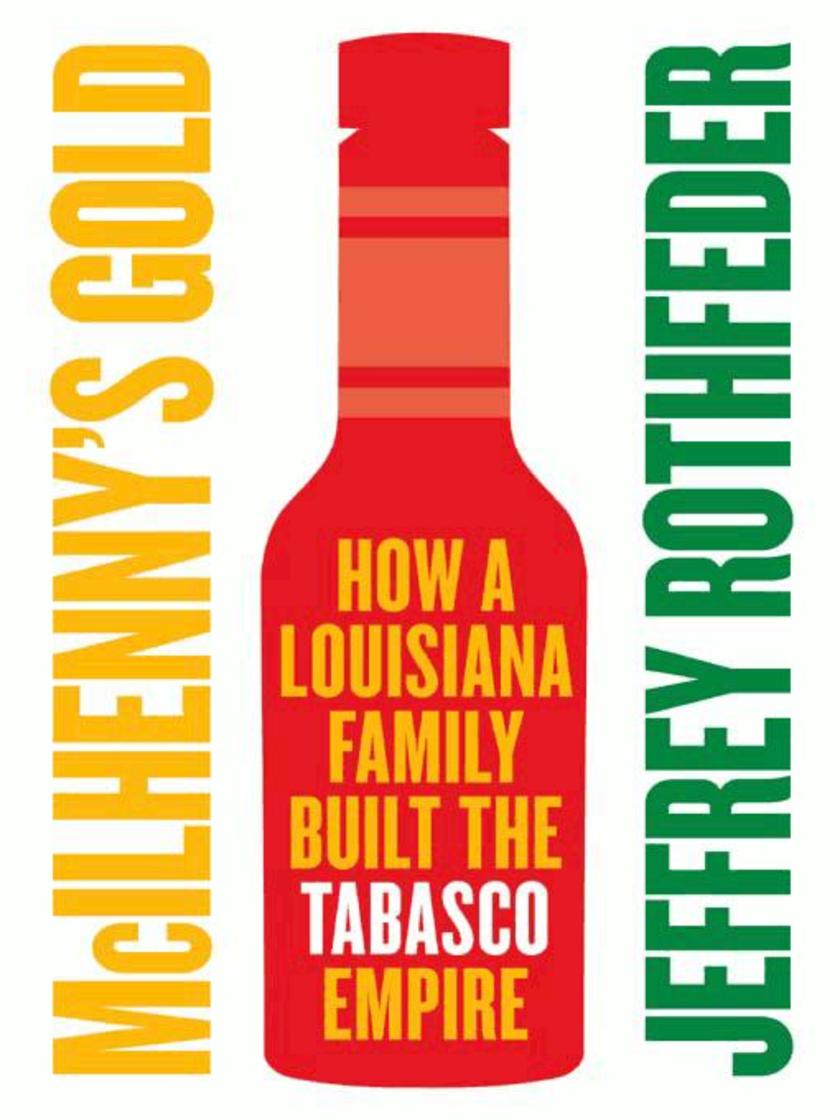
In this fascinating history, Jeffrey Rothfeder tells how, from a simple idea the outgrowth of a handful of peppers planted on an isolated island on the Gulf of Mexico a secretive family business emerged that would produce one of the best-known products in the world. A delectable and satisfying read for both Tabasco fans and business buffs, McIlhenny's Gold is the untold story of the continuing success of an eccentric, private company; a lively history of one of the most popular consumer products of all times; and an exploration of our desire to test the limits of human tolerance for fiery foods.
Wicked in Your Arms
¥62.24
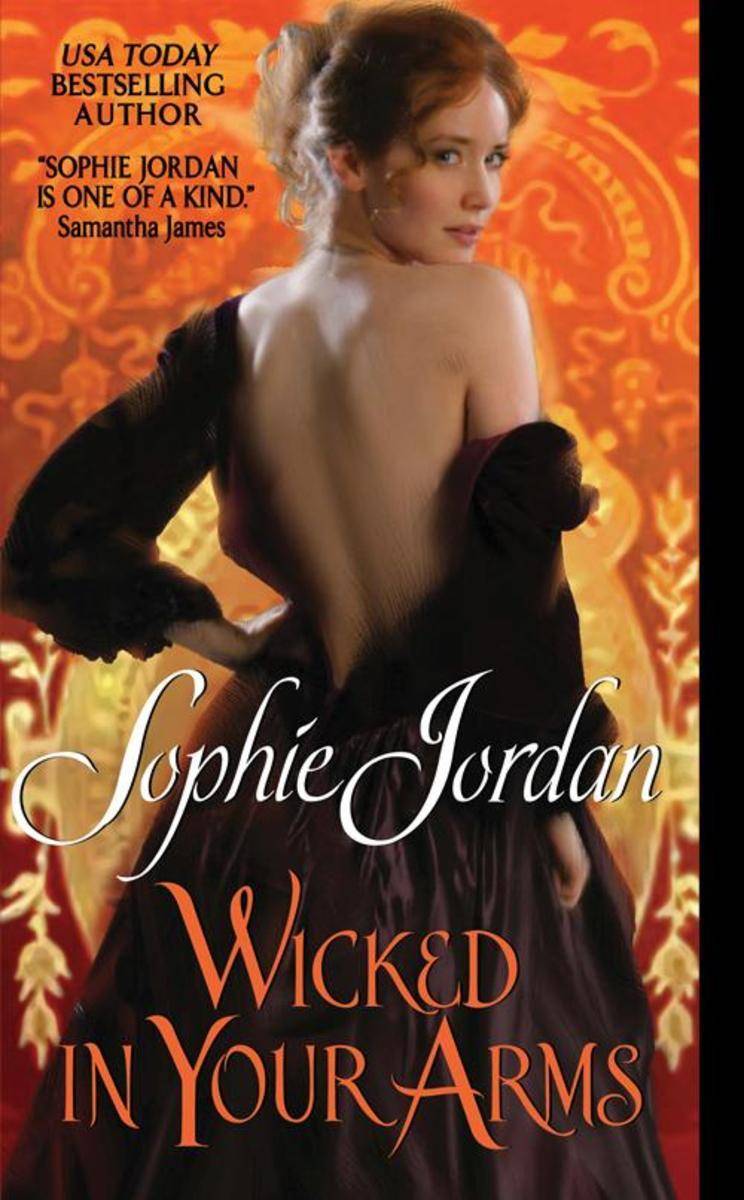
One of the most notoriouslyeligible bachelors in Europe isfinally ready to marry . . .For fiercely independent Grier Hadley,being the illegitimate daughter of one ofLondon's most unsavory charactershas only one advantage: an enormous,ill-gotten dowry. Prince Sevastian Maksimi knows wherehis duty lies: he must find a well-bredyoung lady one with a considerablefortune to her name wed her promptly,and get to the business of producingan heir. The last thing Grier needs is someunattainable prince curling her toeswith his smoldering glances and wickedsuggestions. As far as Sev is concerned, she lacks the breeding to become aprincess. And yet one kiss from thisarresting female is all it takes for himto realize that anyone else in hisarms would be unthinkable . . .
Silk Is For Seduction
¥56.07
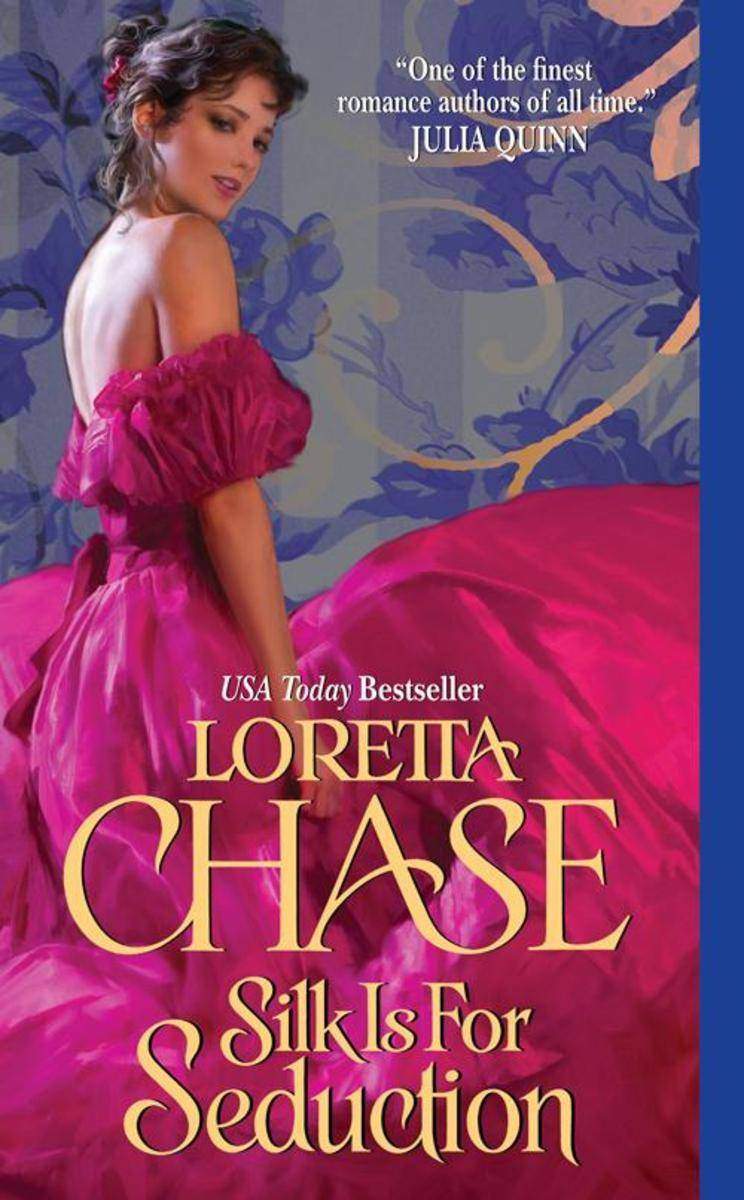
From the Design Book of Marcelline Noirot: The allure of the perfect gown should be twofold: ladies would die to wear it . . .and gentlemen would kill to remove it!Brilliant and ambitious dressmaker Marcelline Noirotis London's rising star. And who better to benefitfrom her talent than the worst-dressed lady in the ton,the Duke of Clevedon's intended brideWinning thefuture duchess's patronage means prestige and fortunefor Marcelline and her sisters. To get to the lady,though, Marcelline must win over Clevedon, whosestandards are as high as his morals are . . . not.The prize seems well worth the risk but this timeMarcelline's met her match. Clevedon candesign a seduction as irresistible as her dresses;and what begins as a flicker of desire between twoof the most passionately stubborn charmersin London soon ignites into a delicious inferno . . .and a blazing scandal.And now both their futures hang by anexquisite thread of silk . . .
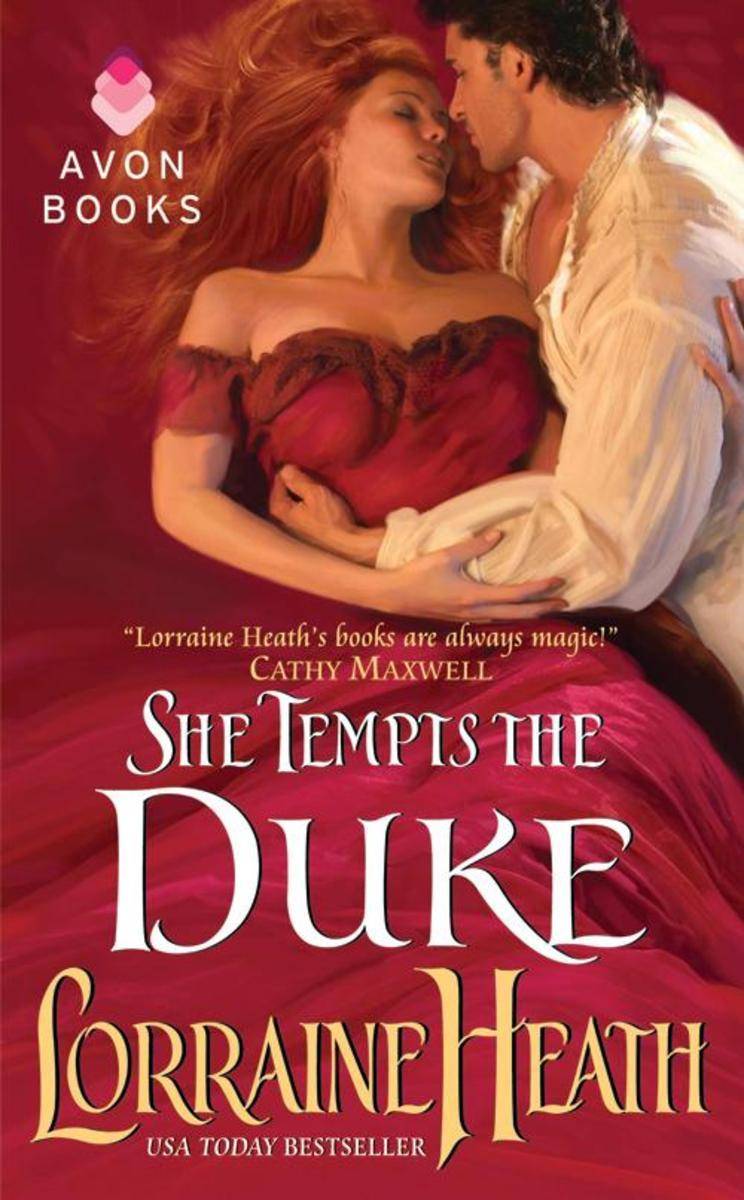
She Tempts the Duke
¥55.31
Three young heirs, imprisoned by an unscrupulous uncle, escaped to the sea, to the streets, to faraway battle awaiting the day when they would return to reclaim their birthright.Sebastian Easton always vowed he would avenge his stolen youth and title. Now back in London, the rightful Duke of Keswick returning from battle a wounded, hardened, changed man cannot forget the brave girl who once rescued him and his brothers from certain death.Lady Mary Wynne-Jones paid dearly for helping the imprisoned young Lords of Pembrook, and she remembers well the promise she made to Sebastian all those years ago: to meet him once more in the abbey ruins where they shared a bold, forbidden kiss. While Mary is now betrothed to another, a friendship forged with dark secrets cannot be ignored. Unexpected passion soon burns dangerously between them, tempting Sebastian to abandon his quest for retribution and fight for a love that could once again set him free.
A Heart So Wild
¥56.07
Courtney Harte is certain her missing father is a alive, lost somewhere deep in Indian territory. But she needs a guide to lead her safely through this dangerous, unfamiliar country, someone as wild and unpredictable as the land itself. And that man is the gunslinger they call Chandos.Courtney fears this enigmatic loner whose dark secrets torture his soul, yet whose eyes, bluer than the frontier sky, enflame the innocent, determined lady with wanton desires. But on the treacherous path they have chosen they have no one to trust but each other--as shared perils to their lives and hearts unleash turbulent, unbridled, passions that only love can tame.
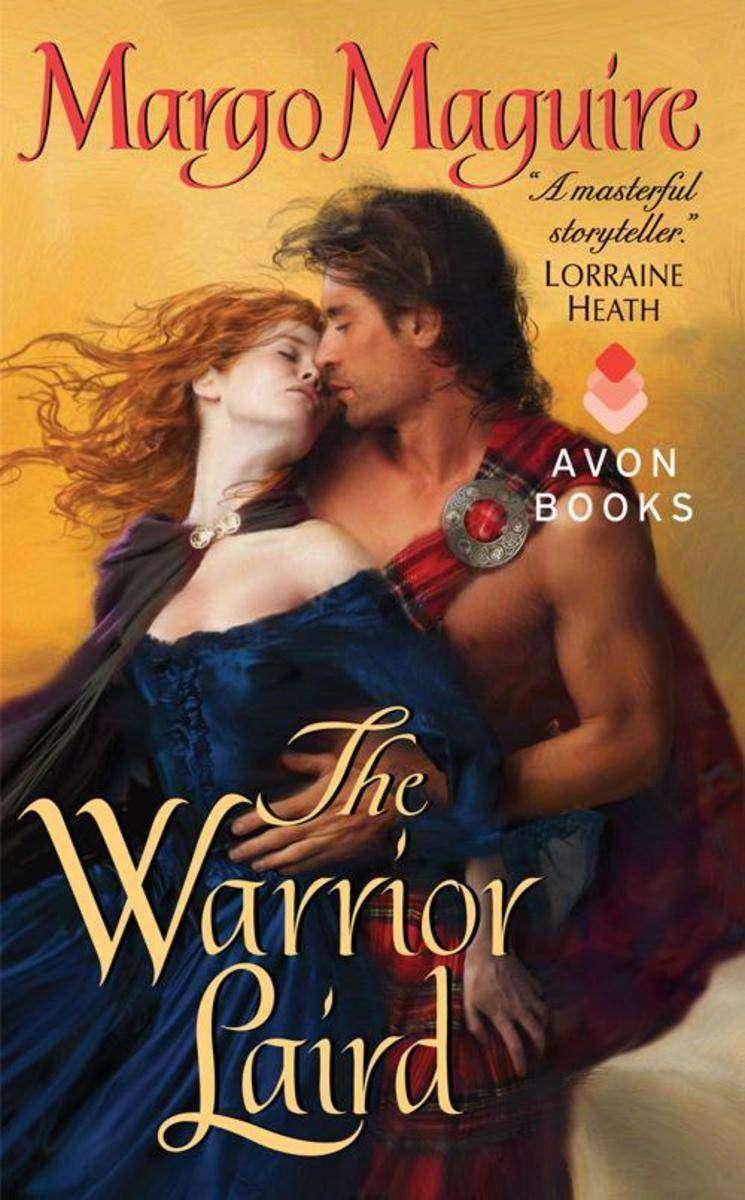
The Warrior Laird
¥56.07
Haunted by horrors of his childhood, Dugan MacMillan has sworn to protect his clan at any cost . . . even if he must search for a rumored treasure and kidnap a beautiful thief to do it.The MacMillan laird has never crossed paths with anyone quite like Lady Maura Duncanson. After he saved her from certain death, the comely vixen had the audacity to disappear with his treasure map, his only key to restoring his clan. Dugan has no qualms about taking Maura hostage, especially when he learns she is to wed a wealthy old baron who will pay him a fortune in ransom . . . a fortune his people desperately need.But, of course, Maura has no intention of returning to her despicable fiance. And the longer Dugan spends in the bewitching hellion's presence, the less willing he is to surrender her to any man . . . at any price.


