


 购物车
购物车 个人中心
个人中心

How to Seduce a Bride
¥41.46
How does one seduce a brideStep One: Lay bare her mysteries... Daisy Tanner has taken the ton by storm and Leland Grant, Viscount Haye, wants to know everything about this ravishing, secretive woman who is tempting his friend into marriage. Though his rakish reputation is the stuff of legend, Leland is curiously undone by this exquisite creature who threatens to turn his footloose single life topsy–turvy. Never has he wanted a woman more... Step Two: Strip her of her inhibitions... Having survived a difficult past, Daisy now desires the security of an uncomplicated marriage with some safe, undemanding gentleman. How dare this dashing rogue Lord Haye distract her with his suspicions...and unbalance her with his sensuous promisesIf Daisy isn't careful, her scandalous history could become common knowledge. Worse still, she might actually fall in love with this notorious seducer whose touch excites her like nothing has before...

When It's Perfect
¥42.03
When the mesmerizing Marcus Longfellow, theEarl of Renn, comes striding into Miss Mary Marsh's life,her world is set spinning. The ladies of London's ton clamor for the lacy confections Mary creates, but the earl is seeking something more from her. And he is very persuasive in his pursuit. Gentle, quiet Mary has always avoided romance, but her strong attraction to theadventurous nobleman is immediate and irresistible.Dare she trust the dashing lord with her secretsShe is hiding something -- Marcus is certain of it -- a clue, perhaps, to explain his sister's untimely death. A sensuous seduction will surely loosen young Mary's tongue,and the determined earl is eager to oblige -- for in all his world travels, Marcus has found no treasure moreexquisite than she. But is his growing passion for herinterfering with his search for the truth?

If Wishes Were Earls
¥41.91
When you wish upon an earl . . .Harriet Hathaway has only ever wanted one man: the Earl of Roxley. After a passionate interlude at a house party, Harriet is convinced Roxley will do the right thing and propose. But when she returns to London, she finds the roguish earl on the verge of proposing to another.Yet Harriet refuses to believe that her hopes of a happily-ever-after are completely lost for she can see the desire still flickering in the earl's eyes when he looks at her from across the dance floor. And when they are alone . . . there is one wish neither can deny.. . . the most extraordinary things can happenThe Earl of Roxley is in a dangerous fix and to keep Harriet safe, he must hold her at arm's length. He won't entangle her in the murderous mystery that is threatening to destroy his family and his future. But keeping Harriet Hathaway out of his troubles proves as impossible as it is to keep the determined beauty from stealing his heart.

The Maiden and Her Knight
¥42.03
A Forbidden Marriage Lady Allis nearly swoons when she first seesthe tall, tempting knight at her father's jousting tournament. As theeldest daughter of the family, she is duty-bound to wed someone ofwealth and privilege -- and Sir Connor, though mesmerizing, is not onlypenniless but in disgrace. To Connor this fiery, untouchable maiden isa prize worth fighting for. The onetime hero has little save his prideand his skill -- as a warrior and a lover. But will that beenough to survive castle treachereries, to know the rapturous passionthe lady's hungering gaze promises -- and to win her heart?
Half Moon Hill
¥42.03
You never know what destiny has in store . . .A rugged loner and ex-biker-gang member, Duke Dawson is looking for some peace and quiet while recovering from an accident. But when Anna Romo comes wandering through his woods and into his cabin, she completely rocks his world. The last thing he expected or wanted was to find himself hungering after a woman whose eyes held hurt even deeper than his own . . .Running from a troubled past, Anna is building a new life in Destiny. When she first meets Duke, she's terrified but something about him calls to her very soul. The hard-bodied rebel is soon helping her turn her new home into a bed and breakfast, and close quarters quickly lead them into her bed. Their passion is palpable, but can she convince a man who has turned his back on life to take the biggest leap of faith of all and fall in love?
Legislating in the Dark
¥247.21
The 2009 financial stimulus bill ran to more than 1,100 pages, yet it wasn't even given to Congress in its final form until thirteen hours before debate was set to begin, and it was passed twenty-eight hours later. How are representatives expected to digest so much information in such a short time.The answerThey aren't. With Legislating in the Dark, James M. Curry reveals that the availability of information about legislation is a key tool through which Congressional leadership exercises power. Through a deft mix of legislative analysis, interviews, and participant observation, Curry shows how congresspersons-lacking the time and resources to study bills deeply themselves-are forced to rely on information and cues from their leadership. By controlling their rank-and-file's access to information, Congressional leaders are able to emphasize or bury particular items, exploiting their information advantage to push the legislative agenda in directions that they and their party prefer.Offering an unexpected new way of thinking about party power and influence, Legislating in the Dark will spark substantial debate in political science.

Ethical Condition
¥247.21
Written over a thirty-year span, Michael Lambek's essays in this collection point with definitive force toward a single central truth: ethics is intrinsic to social life. As he shows through rich ethnographic accounts and multiple theoretical traditions, our human condition is at heart an ethical one-we may not always be good or just, but we are always subject to their criteria. Detailing Lambek's trajectory as one anthropologist thinking deeply throughout a career on the nature of ethical life, the essays accumulate into a vibrant demonstration of the relevance of ethics as a practice and its crucial importance to ethnography, social theory, and philosophy.Organized chronologically, the essays begin among Malagasy speakers on the island of Mayotte and in northwest Madagascar. Building from ethnographic accounts there, they synthesize Aristotelian notions of practical judgment and virtuous action with Wittgensteinian notions of the ordinariness of ethical life and the importance of language, everyday speech, and ritual in order to understand how ethics are lived. They illustrate the multiple ways in which ethics informs personhood, character, and practice; explore the centrality of judgment, action, and irony to ethical life; and consider the relation of virtue to value. The result is a fully fleshed-out picture of ethics as a deeply rooted aspect of the human experience.?
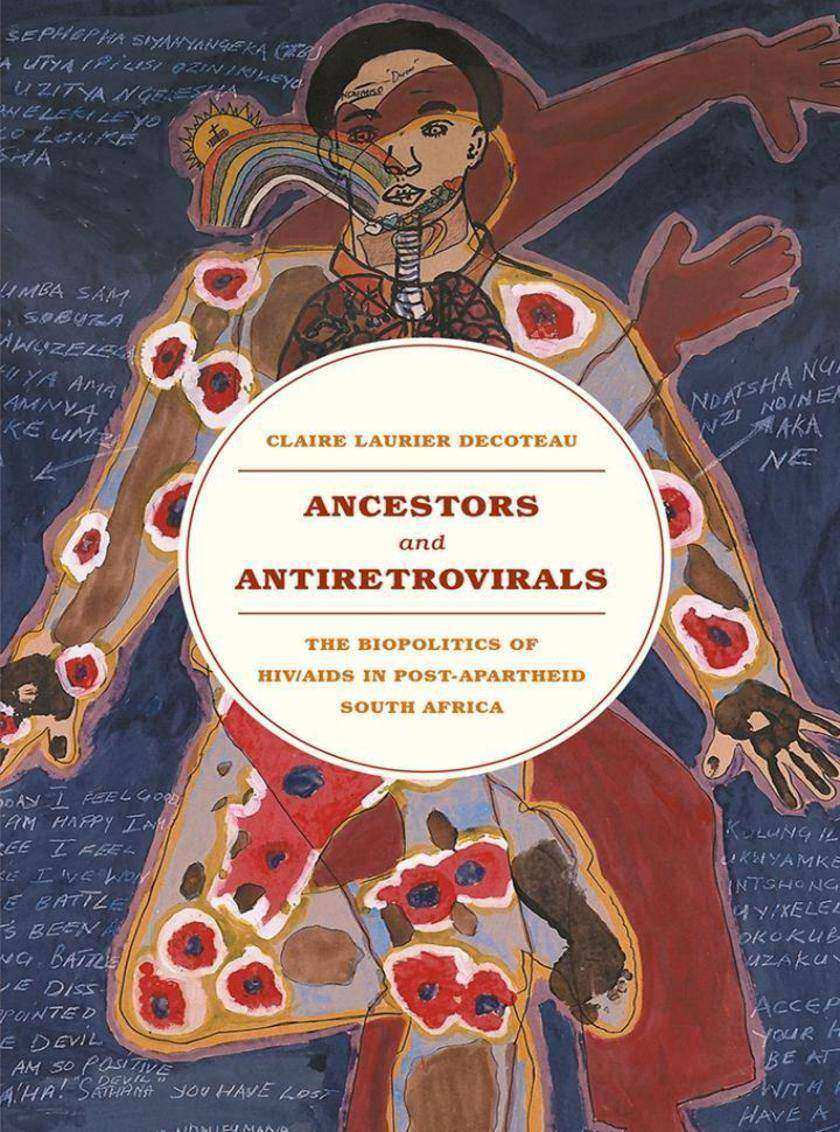
Ancestors and Antiretrovirals
¥265.87
In the years since the end of apartheid, South Africans have enjoyed a progressive constitution, considerable access to social services for the poor and sick, and a booming economy that has made their nation into one of the wealthiest on the continent. At the same time, South Africa experiences extremely unequal income distribution, and its citizens suffer the highest prevalence of HIV in the world. As Archbishop Desmond Tutu has noted, "e;AIDS is South Africa's new apartheid."e;In Ancestors and Antiretrovirals, Claire Laurier Decoteau backs up Tutu's assertion with powerful arguments about how this came to pass. Decoteau traces the historical shifts in health policy after apartheid and describes their effects, detailing, in particular, the changing relationship between biomedical and indigenous health care, both at the national and the local level. Decoteau tells this story from the perspective of those living with and dying from AIDS in Johannesburg's squatter camps. At the same time, she exposes the complex and often contradictory ways that the South African government has failed to balance the demands of neoliberal capital with the considerable health needs of its population.
When The Marquess Met His Match
¥56.07
In the first of a dazzling new series, USA Today bestselling author Laura Lee Guhrke introduces London's most renowned matchmaker and a scoundrel intent on seducing his way to the altar.She's the matchmaker . . . Lady Belinda Featherstone's job is to guide American heiresses to matrimony, and away from men like Nicholas, Marquess of Trubridge. But the charming, disreputable marquess needs a wealthy bride, and he hires Belinda to help him find one. Her task seems easy: find that scoundrel the sort of wife he so richly deserves. But Nicholas's hot, searing kiss soon proves her task will be anything but easy.He's the perfect match . . . Nicholas plans to wed a rich, pretty young darling to restore his fortune, and he's happy to pay a marriage broker to help him. But one taste of Belinda's lips and Nicholas's sensible scheme to marry for money goes awry, and he yearns to show his beautiful matchmaker he's the perfect match . . . for her.
It's Not Easy Bein' Me
¥77.49
An American comic icon tells the story of his second act rise from obscurity to multimedia stardom. "When I was a kid," writes Rodney Dangerfield, "I worked tough places in show business places like Fonzo's Knuckle Room. Or Aldo's, formerly Vito's, formerly Nunzio's. That was a tough joint. I looked at the menu. They had broken leg of lamb." For once, one of America's most beloved comic icons isn't kidding. Dangerfield has seen every aspect of the entertainment industry: the rough and tumble nightclubs, the backstage gag writing sessions, the drugs, the hookers, the lousy day jobs and the red carpet star treatment. As he traces his route from a poor childhood on Long Island to his enshrinement as a comedy legend, he takes readers on a roller coaster ride through a life that has been alternately touching, sordid, funny, raunchy, and uplifting equal parts "Little Orphan Annie" and "Caligula." And unlike most celebrity autobiographers, he seems to have no qualms about delivering the unfiltered whole story, warts and all. Dangerfield's personal story is also a rollicking show business tale, full of marquee name droppings (Adam Sandler, Sam Kinison, Jim Carrey, Johnny Carson, Jerry Seinfeld) and good stories about same. Defying the old saws about the fleeting nature of fame and the dearth of second acts in American life, Dangerfield transformed himself from a debt ridden aluminium siding salesman named Jack Roy to a multimedia superstar and stayed an icon for decades. His catchphrase "I get no respect" has entered the lexicon, and he remains a visible cultural presence and perennial talk show guest. Dangerfield's hilarious and inspiring musings should thrill comedy fans and pop culture watchers, and his second act comeback will strike a chord with readers of all stripes. Maybe he'll even get some respect.
Why Science Does Not Disprove God
¥94.10
The renowned science writer, mathematician, and bestselling author of Fermat's Last Theorem masterfully refutes the overreaching claims of the "New Atheists," providing millions of educated believers with a clear, engaging explanation of what science really says, how there's still much space for the Divine in the universe, and why faith in both God and empirical science are not mutually exclusive In recent years a highly publicized coterie of scientists and thinkers, including Richard Dawkins, the late Christopher Hitchens, and Lawrence Krauss, have vehemently contended that breakthroughs in modern science have disproven the existence of God, asserting we must accept that the creation of the universe came out of nothing, that religion is evil, that evolution fully explains the dazzling complexity of life, and more. However, in this much-needed book, veteran science journalist Amir Aczel profoundly disagrees and convincingly demonstrates that science has not, as yet, provided any definitive proof refuting the existence of God. Based on interviews with eleven Nobel Prize winners and many other prominent physicists, biologists, anthropologists, and psychologists, as well as leading theologians and spiritual leaders, Why Science Does Not Disprove God is a fascinating tour through the history of science and a brilliant and incisive analysis of the religious implications of our ever-increasing understanding of life and the universe. Throughout, Aczel reminds us that science, at its best, is about the dispassionate pursuit of truth not a weapon in cultural debates. Respectful of both science and faith and argued from the perspective of no single religious tradition Aczel's book is an essential corrective that should be read by all.
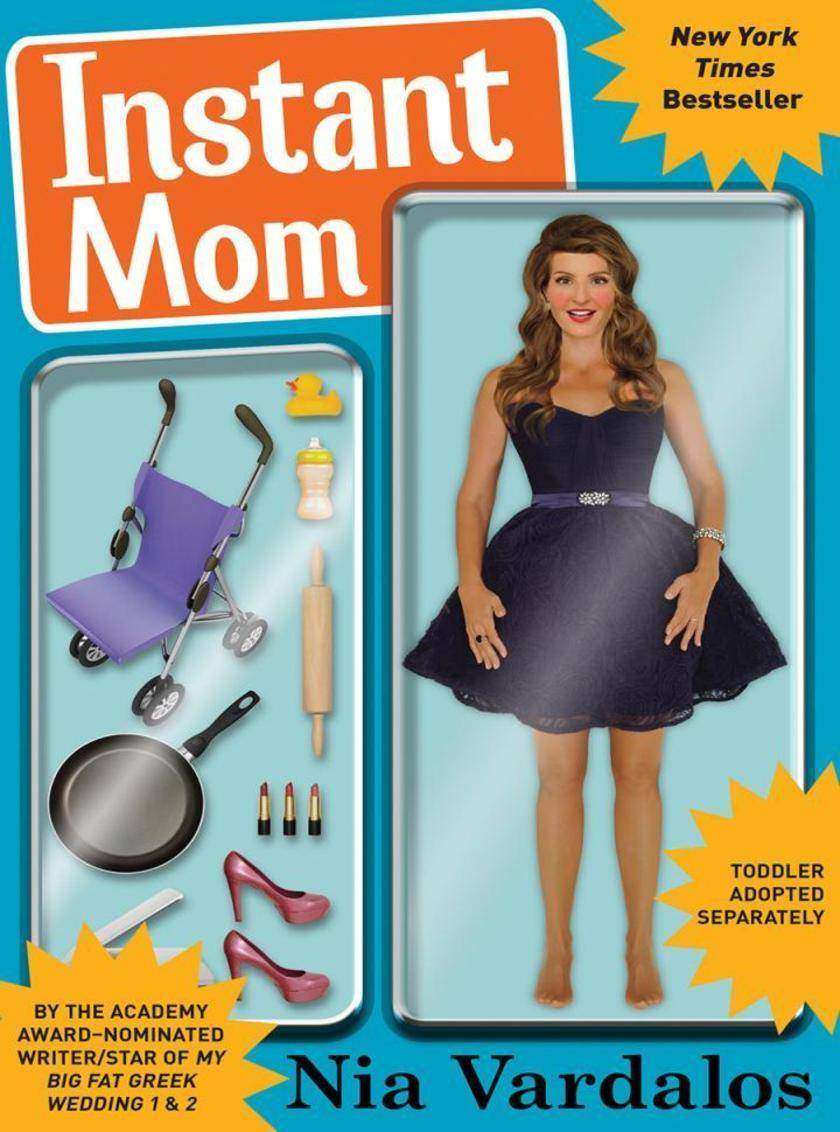
Instant Mom
¥88.56
For the first time, Nia Vardalos, writer and star of My Big Fat Greek Wedding, tells her hilarious and heartfelt bumpy-road-to-parenting story that eventually leads to her meeting an almost-three-year old girl who she knows instantly is her daughter.Vardalos chronicles it all with her signature wit and candor but also weaves in delicious behind-the-scenes Hollywood stories on the making of her films from working with Tom Hanks to meeting Oprah to having dinner with the Queen of England.In Instant Mom, Vardalos writes how moments after she finds out she has been nominated for an Academy Award, she is alone and en route to a fertility clinic, trying yet again for a chance at motherhood, wondering how long she can continue. When she finally adopts her daughter via American Foster Care, Vardalos reveals what really came next how, with only fourteen hours' notice, she and her husband transitioned their preschool aged daughter into their home. The Appendix includes information on how to adopt from all over the world. Vardalos will donate proceeds from the book sales to charities.In her memoir, Instant Mom, Vardalos reveals how she broke into the movie industry, became a working screenwriter and actress . . . and finally became a mom. Instantly.
The Little Big Things
¥94.10
#131 The Case of the Two-Cent CandyYears ago, I wrote about a retail store in the Palo Alto environs a good one, which had a box of two-cent candies at the checkout. I subsequently remember that "little" parting gesture of the two-cent candy as a symbol of all that is Excellent at that store. Dozens of people who have attended seminars of mine from retailers to bankers to plumbing-supply-house owners have come up to remind me, sometimes 15 or 20 years later, of "the two-cent candy story," and to tell me how it had a sizable impact on how they did business, metaphorically and in fact.Well, the Two-Cent Candy Phenomenon has struck again with oomph and in the most unlikely of places.For years Singapore's "brand" has more or less been Southeast Asia's "place that works." Its legendary operational efficiency in all it does has attracted businesses of all sorts to set up shop there. But as "the rest" in the geographic neighborhood closed the efficiency gap, and China continued to rise-race-soar, Singapore decided a couple of years ago to "rebrand" itself as not only a place that works but also as an exciting, "with it" city. (I was a participant in an early rebranding conference that also featured the likes of the late Anita Roddick, Deepak Chopra, and Infosys founder and superman N. R. Narayana Murthy.)Singapore's fabled operating efficiency starts, as indeed it should, at ports of entry the airport being a prime example. From immigration to baggage claim to transportation downtown, the services are unmatched anywhere in the world for speed and efficiency.Saga . . . Immigration services in Thailand, three days before a trip to Singapore, were a pain. ("Memorable.") And entering Russia some months ago was hardly a walk in the park, either. To be sure, and especially after 9/11, entry to the United States has not been a process you'd mistake for arriving at Disneyland, nor marked by an attitude that shouted "Welcome, honored guest."Singapore immigration services, on the other hand:The entry form was a marvel of simplicity. The lines were short, very short, with more than adequate staffing.The process was simple and unobtrusive.And:The immigration officer could have easily gotten work at Starbucks; she was all smiles and courtesy.And:Yes!Yes!And . . . yes!There was a little candy jar at each Immigration portal!The "candy jar message" in a dozen ways:"Welcome to Singapore, Tom!! We are absolutely beside ourselves with delight that you have decided to come here!"Wow!Wow!Wow!Ask yourself . . . now:What is my (personal, department, project, restaurant, law firm) "Two-Cent Candy"?Does every part of the process of working with us/me include two-cent candies?Do we, as a group, "think two-cent candies"?Operationalizing: Make "two-centing it" part and parcel of "the way we do business around here." Don't go light on the so-called substance but do remember that . . . perception is reality . . . and perception is shaped by two-cent candies as much as by that so-called hard substance.Start: Have your staff collect "two-cent candy stories" for the next two weeks in their routine "life" transactions. Share those stories. Translate into "our world." And implement.Repeat regularly.Forever.(Recession or no recession you can afford two cents.)(In fact, it is a particularly Brilliant Idea for a recession you doubtless don't maximize Two-Cent Opportunities. And what opportunities they are.)
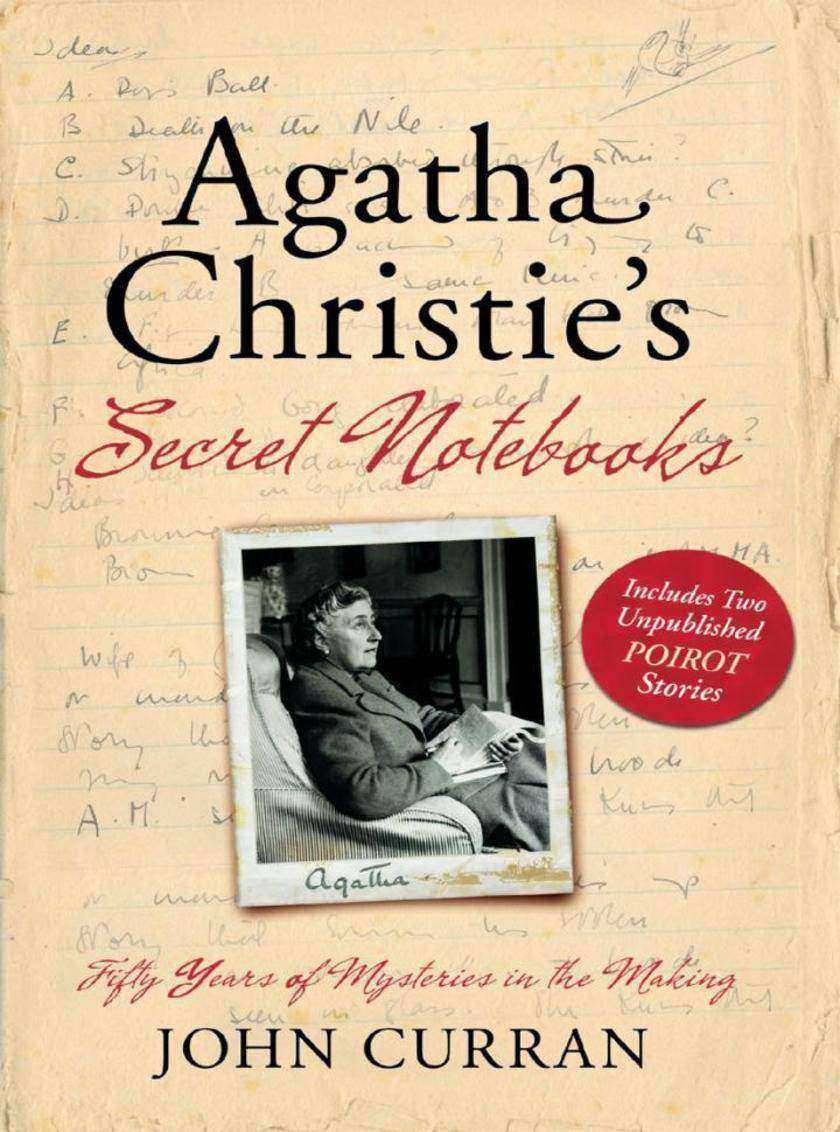
Agatha Christie's Secret Notebooks
¥94.10
A fascinating exploration of the contents of Agatha Christie's seventy-three private notebooks, including illustrations and two unpublished Poirot stories When Agatha Christie died in 1976, at age eighty-five, she had become the world's most popular author. With sales of more than two billion copies worldwide, in more than one hundred countries, she had achieved the impossible more than one book every year since the 1920s, every one a bestseller.So prolific was Agatha Christie's output sixty-six crime novels, twenty plays, six romance novels under a pseudonym and more than one hundred and fifty short stories it was often claimed that she had a photographic memory. Was this trueOr did she resort over those fifty-five years to more mundane methods of working out her ingenious crimesFollowing the death of Agatha's daughter, Rosalind, at the end of 2004, a remarkable legacy was revealed. Unearthed among her affairs at the family home of Greenway were Agatha Christie's private notebooks, seventy-three handwritten volumes of notes, lists and drafts outlining all her plans for her many books, plays and stories. Buried in this treasure trove, all in her unmistakable handwriting, are revelations about her famous books that will fascinate anyone who has ever read or watched an Agatha Christie story.How did the infamous twist in The Murder of Roger Ackroyd really come aboutWhich very famous Poirot novel started life as an adventure for Miss MarpleWhich books were designed to have completely differ-ent endings, and what were theyWhat were the plot ideas that she considered but rejected?Full of details she was too modest to reveal in her own autobiography, this remarkable new book includes a wealth of excerpts and pages reproduced directly from the notebooks and her letters, plus, for the first time, two newly discovered complete Hercule Poirot short stories never before published.
Science Is Culture
¥90.77
Seed magazine brings together a unique gathering of prominent scientists, artists, novelists, philosophers + other thinkers who are tearing down the wall between science + culture. We are on the cusp of a twenty-first-century scientific renaissance. Science is driving our culture and conversation unlike ever before, transforming the social, political, economic, aesthetic, and intellectual landscape of our time. Today, science is culture. As global issues like energy and health become increasingly interconnected, and as our curiosities like how the mind works or why the universe is expanding become more complex, we need a new way of looking at the world that blurs the lines between scientific disciplines and the borders between the sciences and the arts and humanities. In this spirit, the award-winning science magazine Seed has paired scientists with nonscientists to explore ideas of common interest to us all. This book is the result of these illuminating Seed Salon conversations, edited and with an introduction by Seedfounder and editor in chief Adam Bly. Science Is Culture includes:E. O. Wilson + Daniel C. DennetSteven Pinker + Rebecca GoldsteinNoam Chomsky + Robert TriversDavid Byrne + Daniel LevitinJonathan Lethem + Janna LevinBenoit Mandelbrot + Paola AntonelliLisa Randall + Chuck Hoberman Michel Gondry + Robert StickgoldAlan Lightman + Richard Colton Laurie David + Stephen SchneiderTom Wolfe + Michael GazzanigaMarc Hauser + Errol Morris
Marriage and the Family in the Middle Ages
¥88.56
A compelling, lucid, and highly readable chronicle of medieval life written by the authors of the bestselling Life in a Medieval Castle and Life in a Medieval City Historians have only recently awakened to the importance of the family, the basic social unit throughout human history. This book traces the development of marriage and the family from the Middle Ages to the early modern era. It describes how the Roman and barbarian cultural streams merged under the influence of the Christian church to forge new concepts, customs, laws, and practices. Century by century it follows the development -- sometimes gradual, at other times revolutionary -- of significant elements in the history of the family: The basic functions of the family as production unit, as well as its religious, social, judicial, and educational roles. The shift of marriage from private arrangement between families to public ceremony between individuals, and the adjustments in dowry, bride-price, and counter-dowry. The development of consanguinity rules and incest taboos in church law and lay custom. The peasant family in its varying condition of being free or unfree, poor, middling, or rich. The aristocratic estate, the problem of the younger son, and the disinheritance of daughters. The Black Death and its long-term effects on the family. Sex attitudes and customs: the effects of variations in age of men and women at marriage. The changing physical environment of noble, peasant, and urban families. Arrangements by families for old age and retirement.
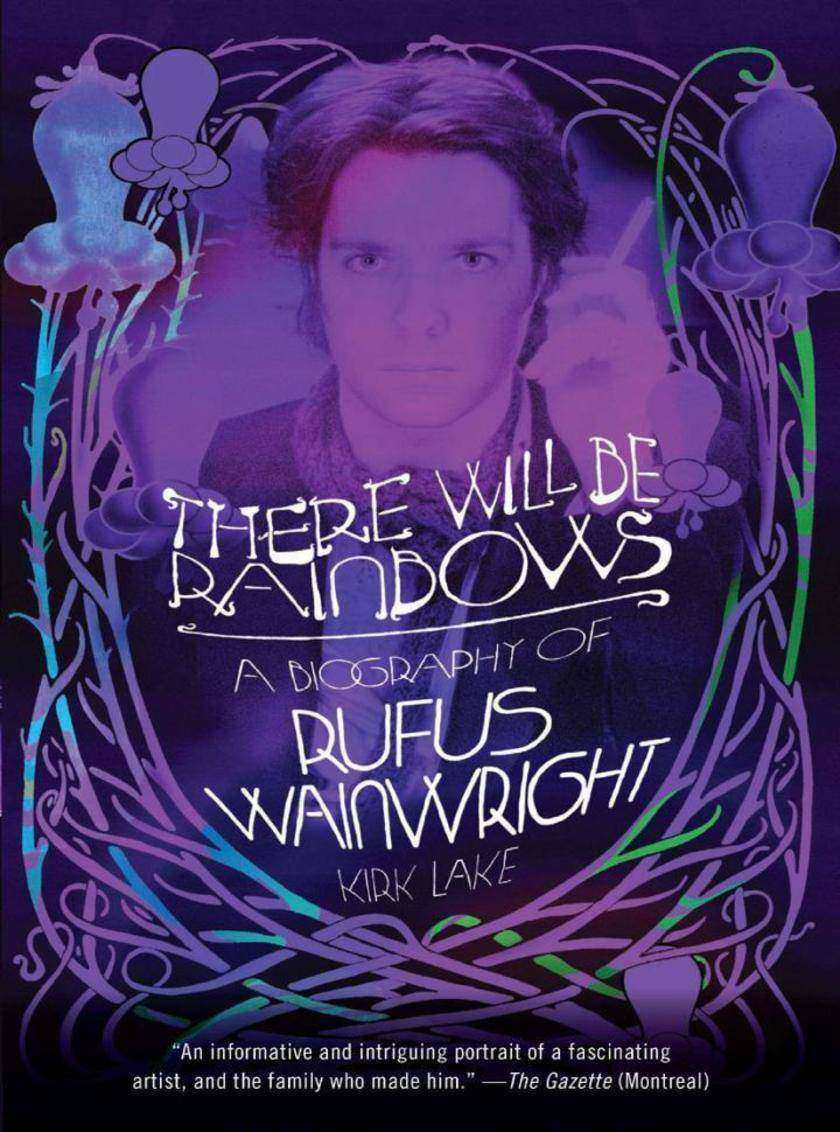
There Will Be Rainbows
¥90.73
No contemporary pop performer's work mixes innovation and tradition like Rufus Wainwright's. He is the son of singer, songwriter, actor Loudon Wainwright III and legendary Canadian folk singer Kate McGarrigle whose story is one of towering highs and rock bottom lows in which family influences, sexual experimentation, and a crystal meth addiction in the early 2000s have greatly contributed to his creative process.In seeking to explain how Wainwright works and where his place lies in a great tradition, rock journalist Kirk Lake entered into many odd and diverse worlds Canadian folk, neo-Conservatism, drug addiction, gay liberation, Hollywood musicals as he followed Wainwright's journey from Van Dyke Parks to rehab to Carnegie Hall. The product of in-depth interviews with musicians, producers, filmmakers, family friends, There Will Be Rainbows is a fascinating, sometimes troubling study of the glorious enigma that is Rufus Wainwright.
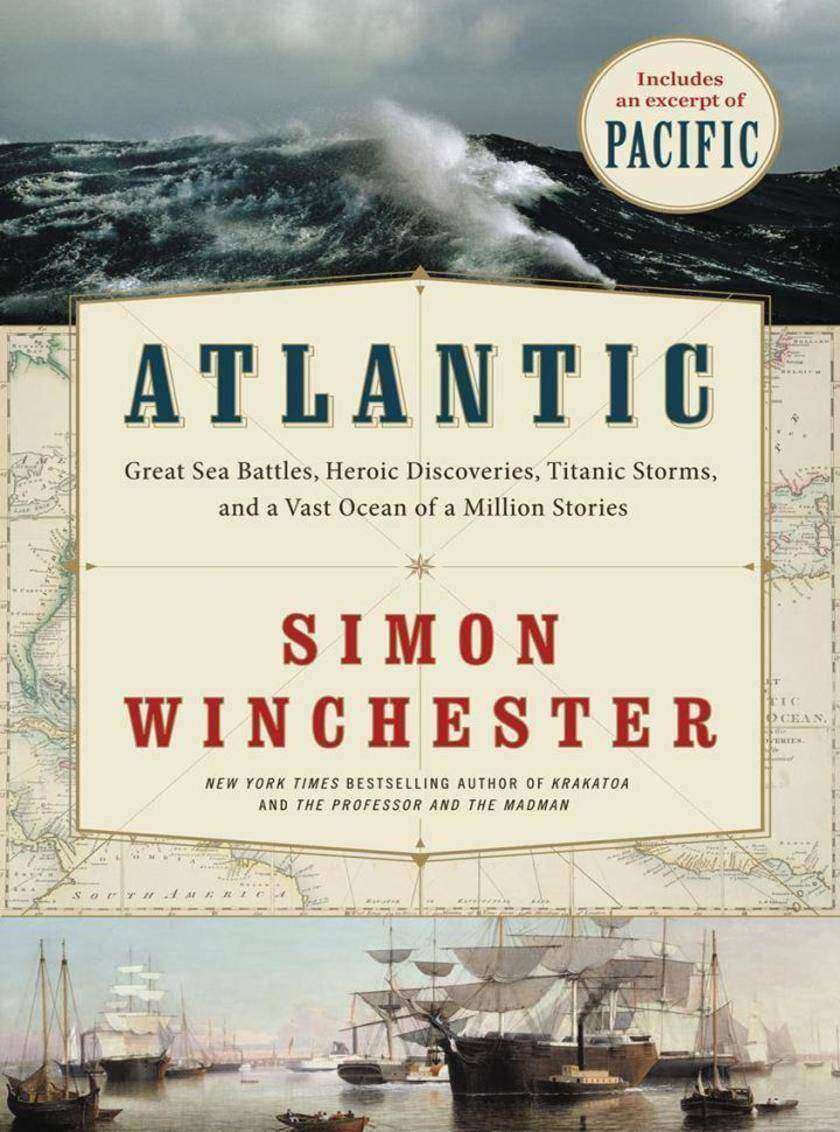
Atlantic
¥88.56
Blending history and anecdote, geography and reminiscence, science and exposition, the New York Times bestselling author of Krakatoa tells the breathtaking saga of the magnificent Atlantic Ocean, setting it against the backdrop of mankind's intellectual evolution Until a thousand years ago, no humans ventured into the Atlantic or imagined traversing its vast infinity. But once the first daring mariners successfully navigated to far shores whether it was the Vikings, the Irish, the Chinese, Christopher Columbus in the north, or the Portuguese and the Spanish in the south the Atlantic evolved in the world's growing consciousness of itself as an enclosed body of water bounded by the Americas to the West, and by Europe and Africa to the East. Atlantic is a biography of this immense space, of a sea which has defined and determined so much about the lives of the millions who live beside or near its tens of thousands of miles of coast. The Atlantic has been central to the ambitions of explorers, scientists and warriors, and it continues to affect our character, attitudes, and dreams. Poets to potentates, seers to sailors, fishermen to foresters all have a relationship with this great body of blue-green sea and regard her as friend or foe, adversary or ally, depending on circumstance or fortune. Simon Winchester chronicles that relationship, making the Atlantic come vividly alive. Spanning from the earth's geological origins to the age of exploration, World War II battles to modern pollution, his narrative is epic and awe-inspiring.
The Great Hangover
¥99.65
Vanity Fair presents 21 true stories of the new hard times Where did all the billions goCommissioned by the editors at Vanity Fair magazine, The Great Hangover is an eye-opening collection of essays on the global economic crisis by fifteen of the most respected contemporary business writers in America, including:Bryan Burrough (Barbarians at the Gate) on the atmosphere of uncertainty and fear that preceded the demise of Bear Stearns . . . Michael Lewis (Liar's Poker) on Iceland's bizarre national implosion . . . Mark Bowden (Black Hawk Down) on the decline of The New York Times and the threat to the ailing newspaper industry . . . Mark Seal on the defining figure of the seriously tarnished New Gilded Age: the Grand Master of Greed, Bernie Madoff . . . Along with compelling and sometimes hair-raising pieces from a dozen other Vanity Fair contributors on the recent recession's myriad villains and victims and the worldwide impact of the financial downturn.
Cycle Savvy
¥88.56
Should I be concerned if my cycles are rarely 28 daysWhy do I often feel so emotional before my periodAnd how can I know when my period's really going to start?! If you're a teenage girl, you've probably asked yourself these questions and many more. Now Cycle Savvy has the answers that will help you understand what is really happening with your body on a day-to-day basis. It's the first book specifically designed to teach young women about the practical benefits of charting their cycles. Explore the fascinating world of ovulation, fertility, and why you even have periods at all! And learn all about the body signals, mood changes, and other signs that accompany your cycle. With charming illustrations, fun brainteasers, confidence builders, sample charts, and first-person tales of experiences that every girl can relate to, Cycle Savvy takes the mystery out of your amazing body.
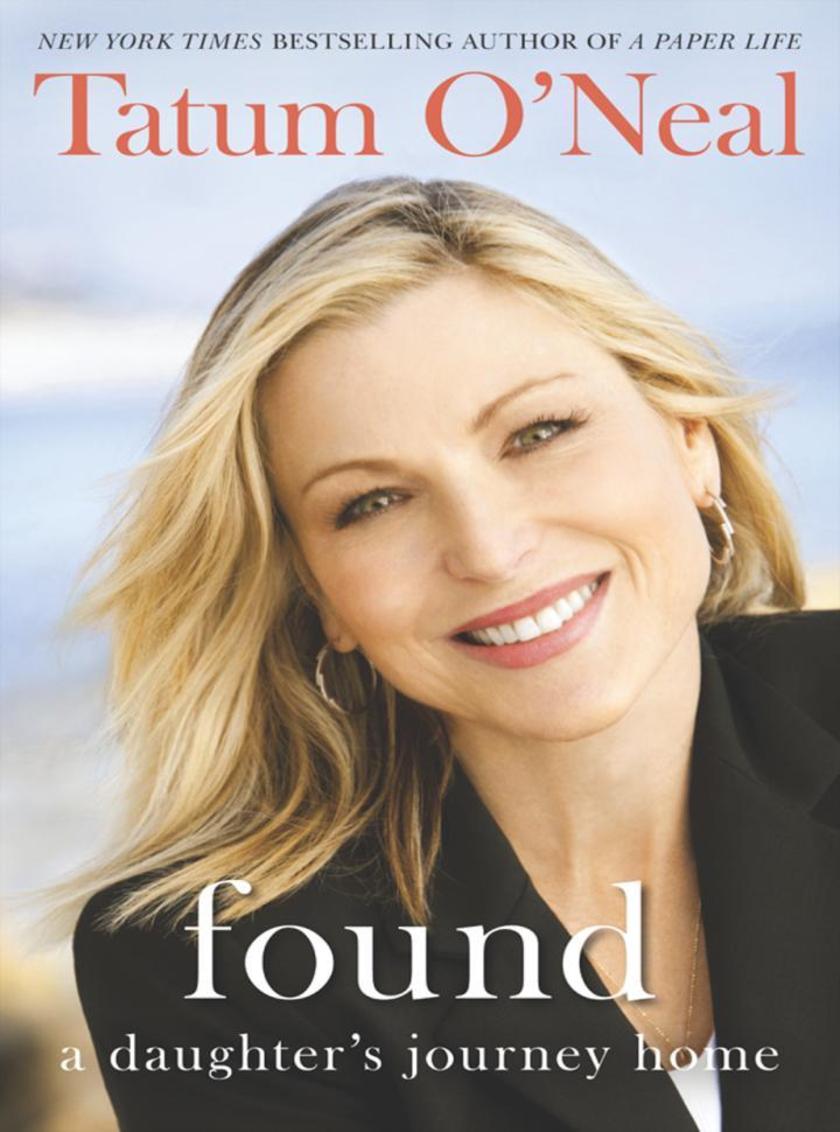
Found
¥88.56
In this powerful follow-up to her New York Times bestselling memoir, A Paper Life, Academy Award?-winning actress Tatum O’Neal returns with an extraordinary chronicle of family, forgiveness, redemption, and commitment—a remarkable story told with honesty, humility, determination, and above all . . . love The golden child of a glamorous Hollywood couple, Tatum O’Neal had a childhood that looked, from the outside, to be fairy-tale perfect. The reality was far from perfect, and in A Paper Life, Tatum shared her poignant, painful experiences of growing up in—and away from—a dysfunctional show-business family. Now, in Found, she digs even deeper and explores the tough issues that resonate in most women’s lives. It is a story of taking two steps forward and one step back, of learning to understand what forgiveness really means—physically, emotionally, and spiritually—and how to live it every day. With candor and grace, Tatum chronicles the challenges and joys of being a single mother to three grown children, an ex-wife, a working actress, and a woman who has lived her life in the public eye for the better part of forty-five years. She speaks frankly about the persistence it took to beat her addictions to drugs and alcohol, and the hard work of staying clean and sober, including dealing with the deep emotional void that illicit substances falsely promise to fill. Tatum details her ongoing efforts to negotiate friends, family, aging, money, love, loss, and Hollywood, while the specter of her past continues to lurk, a reminder of her battle and a testament to her will to survive. And she honors the people whose perseverance and courage in overcoming their own dark troubles have inspired her. Found is also a father-daughter love story: a portrait of a fragile, tentative reconciliation between a parent and a child who, as documented in the OWN television docuseries The O’Neals: Ryan and Tatum, try to heal the hurt and pain of a lifetime. Tatum O’Neal has done the hard work necessary to get her life on track and come to terms with the person she is. Finally, she shares her whole story. Her moving and inspirational saga reminds us all that no matter what has happened in our own lives, we must keep moving forward to the light and the future, step by step, day by day. Only then may we find the true path home.


