


 购物车
购物车 个人中心
个人中心

Ashley's War
¥88.56
In 2010 the U.S. Army Special Operations Command created Cultural Support Teams, a pilot program to put women on the battle field alongside Army Rangers, Green Berets, Navy SEALs, and other special operations teams on sensitive missions in Afghanistan. The idea was that women could access places and people that had remained out of reach and could build relationships woman to woman in ways that male soldiers in a conservative, traditional country could not. Though officially banned from combat, female soldiers could be "attached" to different teams, and for the first time women throughout the Army, the National Guard, and the Reserves heard the call to join male soldiers on special ops missions. Each had her own reason for wanting to serve alongside America's finest fighters for wanting, as the recruiting poster advertised, "to be part of history."In Ashley's War, Gayle Tzemach Lemmon uses exhaustive firsthand reporting and a finely tuned understanding of the complexities of war to tell the story of CST-2, a unit of women handpicked from across the Army, and of the remarkable hero at its heart: First Lieutenant Ashley White. Lemmon reveals how First Lieutenant White and the pioneers of CST-2 worked to earn the respect of combat-tested special operations warriors and illuminates the very human stakes of their battlefield successes. Transporting readers into the little-known world of the CSTs, a community of fierce women bound together by valor, danger, and the desire to serve, Ashley's War is a gripping combat narrative and a testament to the unbreakable bond of friendship born of war.
Making the Case
¥88.56
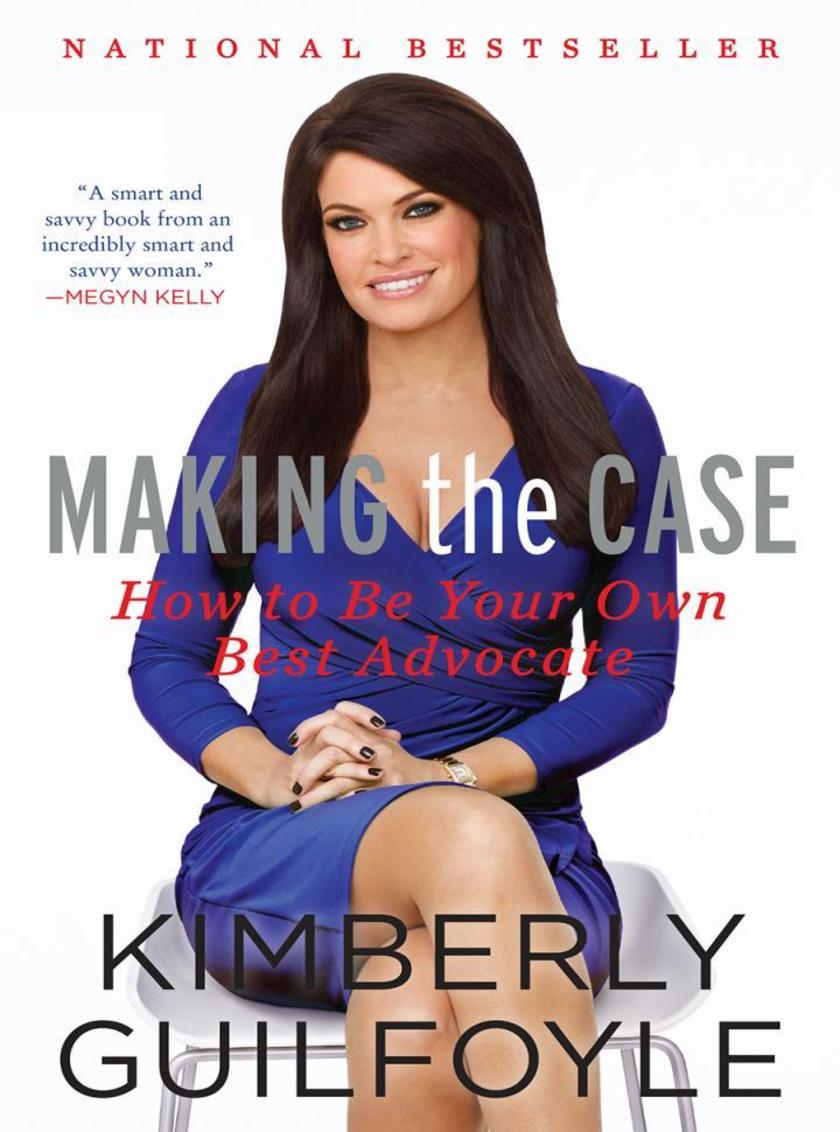
After an eleven-year-old Kimberly Guilfoyle lost her mother to leukemia, her dad wanted her to become as resilient and self-empowered as she could be. He wisely taught her to build a solid case for the things she wanted. Creating a strong logical argument was the best way to ensure she could always meet her needs. That childhood lesson led her to become the fearless advocate and quick-thinking spitfire she is today. In Making the Case, Guilfoyle interweaves stories and anecdotes from her life and career with practical advice that can help you win arguments, get what you want, help others along the way, and come out ahead in any situation.Learning how to state your case effectively is not just important for lawyers it's something every person should know how to do, no matter what stage of life they are in. From landing her dream job right out of school, switching careers seamlessly midstream, and managing personal finances for greater growth and stability to divorcing amicably and teaching her young child to advocate for himself, Guilfoyle has been there and done it. Now she shares those stories, showing you how to organize your thoughts and plans, have meaningful discussions with the people around you, and achieve your goals in all aspects of your life. You'll also learn the tips and strategies that make the best advocates so successful, some of which come directly from courtroom scenarios where the stakes are highest.Told in her winning and humorous voice, Guilfoyle's experiences and the wisdom drawn from them are a ready guide to help you reach your potential and live a fulfilling and happy life at work and at home.

Daddy, Stop Talking!
¥94.10
Last Will & Testament of Adam CarollaI, Adam Carolla, being of beaten-down mind, declare this to be my Last Will and Testament. I revoke all wills and addendums previously made by me. (You guys never did listen, anyway.) Article II appoint the rest of the world's unappreciated dads as Personal Representatives to administer this Will. I bequeath to them the right to crack a couple cold ones in the garage after working their asses off all week and ask that they be permitted to watch all the porn they like and not have to change diapers and get dragged to every preschool "graduation" and PTA meeting. Article IITo my wife, I leave a safe-deposit box, the sole content of which is a note reading "Get a job. I'm dead," and my best wishes on trying to keep up with the unending demands of our houses, cars, dog, and kids.Article IIII devise, bequeath, and give my kids this book, Daddy, Stop Talking. Since you guys were the death of me, I leave you these pages of wisdom. But no cash, cars, or property. You've got to earn those. On that note, I further demand that the following message be placed on the marker of my grave: "You're All on Your Own Now. Enjoy."
One More Step
¥95.39
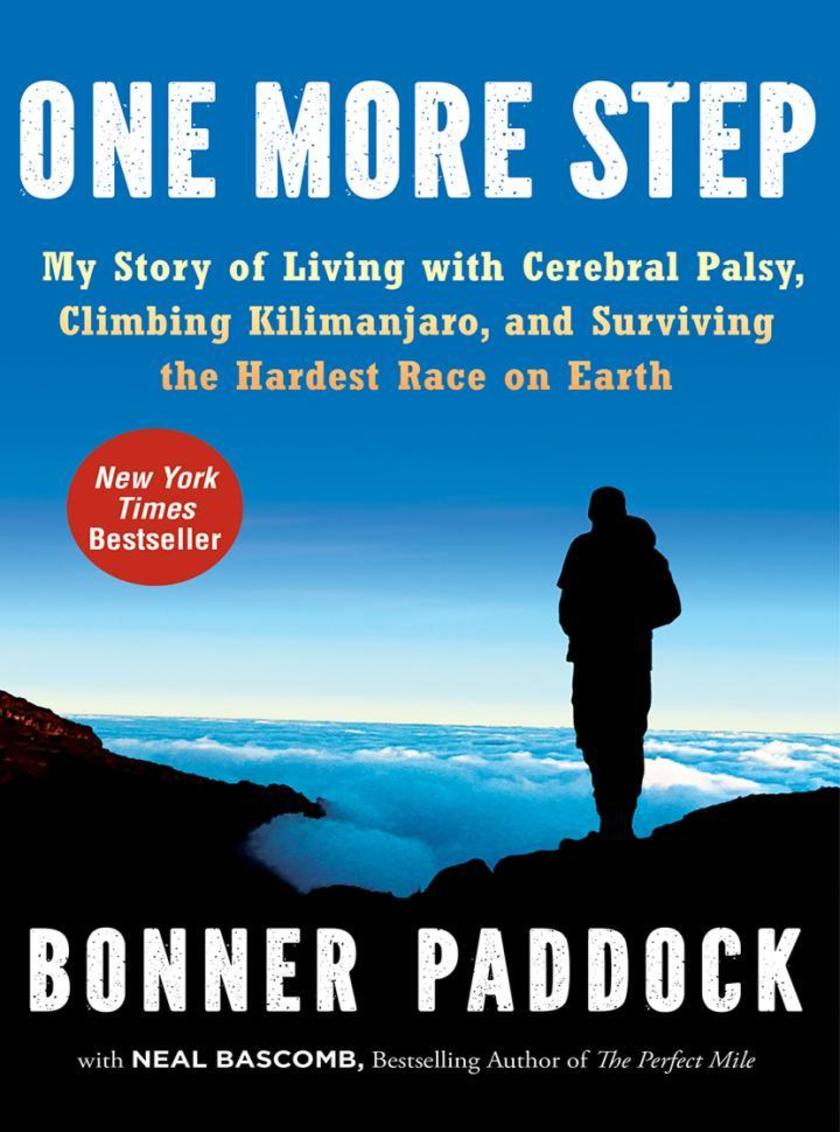
In 2008, Bonner Paddock summited 19,341-foot-high mount kilimanjaro, the world's tallest freestanding mountain. Four years later, he earned the elite triathlete title kona Ironman. Thousands have done each individually. Bonner is the first person with cerebral palsy to do both.Bonner Paddock grew up just wanting to be ordinary. Despite his skinny legs and habit of tripping over nothing, he fought to keep up with his athletic older brothers, learned to battle riptides with his grandfather on close watch, and did everything he could to feel like a regular kid, even when it became clear he wasn't. After being diagnosed with cerebral palsy at age eleven, Bonner didn't let it limit him instead he simply ignored its existence. For the next eighteen years, he guarded the truth about his health, building a normal life and keeping his secret from everyone most of all himself.But the sudden death of a friend's young son named Jake, a boy who also suffered from cerebral palsy, forced Bonner to reevaluate who he was. No longer content striving for normal, he began to pursue one breathtaking experience after another in Jake's memory, never hiding from his physical limitations and, in the process, raising international awareness about cerebral palsy. T is appetite for challenges led him to the foothills of Mount Kilimanjaro where, pushing his fragile body to the brink and barely surviving, he braved one mountain only to discover that he still had farther to climb.Embracing his weaknesses to understand his strengths, he then pursued the ultimate adventure: testing his mind, body, and will at the Ironman in Kona, Hawaii, a race regarded by many as the hardest on earth. Along the way he forged a renewed bond with his family and launched a foundation to help disabled children in Africa and at home.In the end, his remarkable journey took him across the globe and introduced him to a compelling cast of characters from Tanzanian mountain guides to top-class surgeons, to disabled children, to champion athletes all of whom inspired his quest. Infused with his irresistible charisma, courage, and heart, and illustrated with sixteen pages of color photos, One More Step is a gripping story of human perseverance that demonstrates how our lives are not defined by limits, but by the moments and lessons that push us past them.
Taking the Quantum Leap
¥111.91
This book entertainingly traces the history of physics from the observations of the early Greeks through the discoveries of Galileo and Newton to the dazzling theories of such scientists as Planck, Einstein, Bohr, and Bohm. This humanized view of science opens up the mind-stretching visions of how quantum mechanics, God, human thought, and will are related, and provides profound implications for our understanding of the nature of reality and our relationship to the cosmos.

Fictitious Dishes
¥112.23
Fifty Iconic Culinary Scenes from Literary Classics Sure to Delight Readers, Foodies, and Photo-Junkies AlikeFictitious Dishes serves up a delectable assortment of photographic interpretations of culinary moments from contemporary and classic literature. Showcasing famous meals such as the madcap tea party from Alice's Adventures in Wonderland, the watery gruel from Oliver Twist, the lavish chicken breakfast from To Kill a Mockingbird, the stomach-turning avocado-and-crabmeat salad from The Bell Jar, and the seductive cupcakes from The Corrections, this unique volume pairs each place setting with the text from the book that inspired its creation. Interesting food facts and entertaining anecdotes about the authors, their work, and their culinary predilections complete this charming book, which is sure to whet the appetites of lovers of great literature and delicious dishes.

Old Faithful
¥110.71
Old Faithful is a striking and heartrending collection of photographs and stories featuring dogs who are well worn, well loved, and well on in years. The Old Faithful Project started after photographer Pete Thorne snapped photographs for his grandmother's hundredth birthday party. Inspired, he began photographing elderly dogs. What he discovered were faces with more life, more joy, and more wisdom than he could have ever anticipated.After he posted a few photographs, stories and pictures came pouring in from around the globe people wanted to share tales of their own senior dogs. Thorne met with hundreds of senior dogs and their best friends and human companions. Old Faithful features seventy-five of these dogs and their stories.Each dog has a different background. Some were rescued from pet mills, like seventeen-year-old Chihuahua Sam, who has exceeded his life expectancy by five years and counting. Some needed a forever home after their owners could no longer care for them, like sixteen-year-old toy poodle Grimm, who's had a long list of health problems but remains as unique and lovable as ever. And some have been companions since puppyhood, like ten-year-old rottweiler Brut, who loves his human siblings as if he were their mother. But all of these dogs are beloved, in their own patchy, scruffy, jowly glory.
Blue Blood and Mutiny
¥118.61
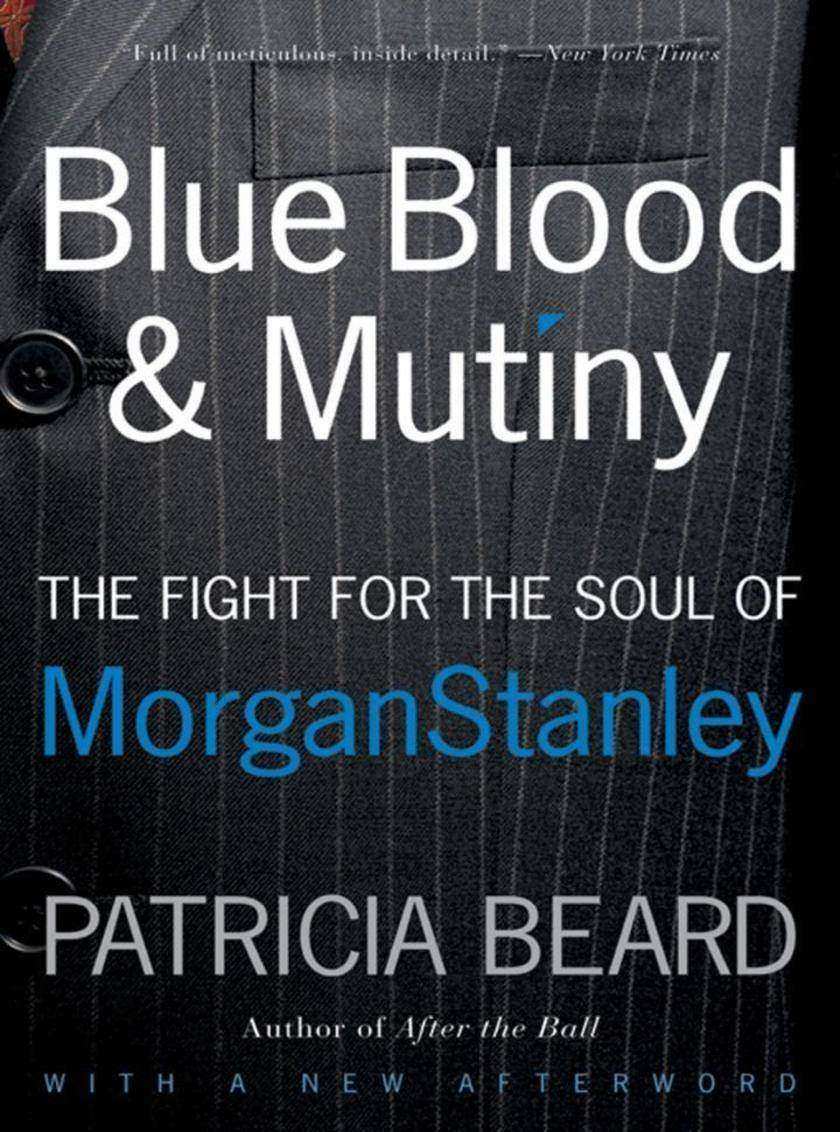
The inside story of the power struggle that rocked Wall Street's most prestigious financial institution What began with a shot over the bow ended in a shocking coup d'etat. In less than four months a group of eight retired executives orchestrated a stunning revolt within Morgan Stanley, the venerable and until recently most successful financial services firm on Wall Street. Now acclaimed journalist and historian Patricia Beard brings together the entire behind-the-scenes story in Blue Blood and Mutiny, a real-life business thriller exposing the tale that shook high finance. In March 2005 the business world woke up to an unprecedented full-page ad in the Wall Street Journal calling for the removal of Morgan Stanley's CEO. It was paid for by a cohort of eight former Morgan Stanley executives, including an ex-chairman and an ex-president, who soon would be dubbed the "Eight Grumpy Old Men." Their target was CEO Philip Purcell, a midwesterner who had come to power following Morgan Stanley's 1997 merger with Dean Witter Discover, where Purcell had been chief executive. In his eight years as CEO, Purcell had presided over a 50 percent decline in stock price since its peak in 2000 and a series of high-profile government and civil lawsuits that had tarnished the company's once-sterling reputation. Just a few months after the Journal ad, Purcell would retire under pressure, and former president John Mack, who had been pushed out by Purcell, was appointed CEO. The "Eight Grumpy Old Men" won the battle.The revolt of the Eight is about more than the stock price, or any bottom-line metrics: it signals a clash of cultures and a battle for the soul of American business. Since its founding, Morgan Stanley has been an elite enterprise guided by J. P. Morgan Jr.'s motto "A First Class Business in a First Class Way." The House of Morgan stood for something larger than success with honor; its ethos was unique some would say sacred and the eight retired executives believed this ideal had been undermined during Purcell's reign.Opening the long-closed doors of a bastion of Wall Street that has maintained the strictest privacy until now, Blue Blood and Mutiny weaves the history of Morgan Stanley with the inside story of the fight for dominance between two competing business cultures one, the collegial meritocracy handed down from the days of J. P. Morgan, and the other, a cold, contemporary corporate model. Here is the season's must-read book for anyone who wants to understand the future of American business.

When Someone You Love Needs Nursing Home, Assisted Living, or In-Home Care
¥95.16
When an aging family member needs some extra help and care, whether a parent, spouse, sibling, or friend, this is the book to get. It delivers bottom-line, no-nonsense, practical information for every stage of need, from the earliest signs of illness, through the nursing home, and beyond.Written by two distinguished psychologists with specialties in eldercare counseling and research, this frank, friendly, time-tested guide is meticulously organized to provide answers, dispel myths, anticipate needs, and help you learn strategies for dealing with every aspect of in-home and facility care, including caring for the caregiver in the process. Also includes checklists, phone and Internet lists, budget worksheets, questionnaires, and a detailed index.
Bulletproof Your Job
¥112.00
There's no doubt about it, today's workplace is an uncertain and treacherous territory. Newspaper headlines are proclaiming near record-high levels of unemployment, and, in these tough times, companies are making swift judgments about human capital. The bottom line: No job is safe. But there are tried and true ways to fight off sudden unemployment successfully, and the number one weapon in your arsenal is workplace expert and television and radio personality Stephen Viscusi's career manifesto, Bulletproof Your Job. Based on four simple strategies for dodging the layoff bullet and a long list of ways to implement these strategies, Bulletproof Your Job may save you from your worst enemy at work which just so happens to be you.Quite simply, observe these imperative rules:Be visible. Be easy. Be useful. Be ready. With plenty of distinct action items, dozens of anecdotal illustrations and examples, and lists and tips for adapting bulletproof strategies to your own situation, Bulletproof Your Job will show you how to leverage the black-and-white stuff your title, salary, and tenure with the gray stuff your relationship with coworkers, visibility in the workplace, and ability to make your boss look good to ward off the pink stuff the dreaded layoff notice. While you're at it, you'll be creating a long-term strategy for job security and career advancement that ensures you'll never feel this vulnerable again.
In Praise of Stay-at-Home Moms
¥77.49
They number in the millions and they are incredibly important to families and to our society, yet they are underappreciated, little respected, and even controversial.Who are theyThey are the stay-at-home moms.These are women who know in their hearts that staying home to raise their children is the right choice for the whole family. Some do it from the outset of their marriages, while others make the difficult transition from career-driven women to homemakers. Either way, it is a choice that is incredibly rich and rewarding, not to mention challenging.Now Dr. Laura, building on principles developed during her long career as a licensed marriage and family therapist, provides a wealth of advice and support, as well as compassion and inspiration, to women as they navigate the wonders and struggles of being stay-at-home moms. Learn how: to hold your head high and deal with naysayers; to see the benefits of being home not only for your children but also for your marriage; to understand the changes you see in yourself; to realize that the sacrifices you endure now will make for lasting bonds and a stronger family, in addition to a more cohesive community. In Praise of Stay-at-Home Moms is a special book, a profound and unique understanding of how important it is for mothers to raise their own children.

Immoveable Feast
¥90.77
A witty cultural and culinary education, Immoveable Feast is the charming, funny, and improbable tale of how a man who was raised on white bread and didn't speak a word of French unexpectedly ended up with the sacred duty of preparing the annual Christmas dinner for a venerable Parisian family.Ernest Hemingway called Paris "a moveable feast" a city ready to embrace you at any time in life. For Los Angeles based film critic John Baxter, that moment came when he fell in love with a French woman and impulsively moved to Paris to marry her. As a test of his love, his skeptical in-laws charged him with cooking the next Christmas banquet for eighteen people in their ancestral country home. Baxter's memoir of his yearlong quest takes readers along his misadventures and delicious triumphs as he visits the farthest corners of France in search of the country's best recipes and ingredients. Irresistible and fascinating, Immoveable Feast is a warmhearted tale of good food, romance, family, and the Christmas spirit, Parisian style.

Depression Fallout
¥84.16
Using the vivid, poignant and personal stories of the members of a website support group she founded (www.depressionfallout.com), Anne Sheffield, the author of two highly acclaimed books on depression, provides an honest record of what happens to a love relationship once depression enters the picture, and offers solid advice on what the nondepressed partner can do to improve his or her own life and the relationship. Of the millions of people who suffer from a depressive illness, few suffer in solitude. They draw the people they love spouses, parents, children, lovers, friends into their illness. In her first book, How You Can Survive When They're Depressed, Anne Sheffield coined the phrase 'depression fallout' to describe the emotional toll on the depressive's family and close friends who are unaware of their own stressful reactions and needs. She outlined the five stages of depression fallout (confusion, self doubt, demoralisation, anger, and the need to escape) and explained that these reactions are a natural result of living with a depressed person.

The Great Theft
¥83.03
Despite President George W. Bush's assurances that Islam is a peaceful religion and that all good Muslims hunger for democracy, confusion persists and far too many Westerners remain convinced that Muslims and terrorists are synonymous. In the aftermath of the attacks of 9/11, the subsequent wars in Afghanistan and Iraq, and the recent bombings in London, an unprecedented amount of attention has been directed toward Islam and the Muslim world. Yet, even with this increased scrutiny, most of the public discourse regarding Islam revolves around the actions of extremist factions such as the Wahhabis and al-Qa'ida. But what of the Islam we don't hear about?As the second-largest and fastest-growing religion in the world, Islam is deemed by more than a billion Muslims to be a source of serenity and spiritual peace, and a touchstone for moral and ethical guidance. While extremists have an impact upon the religion that is wildly disproportionate to their numbers, moderates constitute the majority of Muslims worldwide. It is this rift between the quiet voice of the moderates and the deafening statements of the extremists that threatens the future of the faith.In The Great Theft, Khaled Abou El Fadl, one of the world's preeminent Islamic scholars, argues that Islam is currently passing through a transformative period no less dramatic than the movements that swept through Europe during the Reformation. At this critical juncture there are two completely opposed worldviews within Islam competing to define this great world religion. The stakes have never been higher, and the future of the Muslim world hangs in the balance.Drawing on the rich tradition of Islamic history and law, The Great Theft is an impassioned defense of Islam against the encroaching power of the extremists. As an accomplished Islamic jurist, Abou El Fadl roots his arguments in long-standing historical legal debates and delineates point by point the beliefs and practices of moderate Muslims, distinguishing these tenets from the corrupting influences of the extremists. From the role of women in Islam to the nature of jihad, from democracy and human rights to terrorism and warfare, Abou El Fadl builds a vital vision for a moderate Islam. At long last, the great majority of Muslims who oppose extremism have a desperately needed voice to help reclaim Islam's great moral tradition.

Why Good People Do Bad Things
¥83.03
Discover a Life Filled with Passion, Meaning, and Purpose New York Times bestselling author Debbie Ford leads us into the heart of the duality that unknowingly operates within each one of us. Providing the tools to end self-sabotage, Ford ultimately knocks down the fade of the false self and shows us how to heal the split between light and dark and live the authentic life within our reach.

Creating a Charmed Life
¥88.56
How Does She Do ItWe all know-and envy-women who appear to live "charmed" lives. They seem to unhurriedly and effortlessly manage the whirlwind of their busy lives with grace and poise. Good things happen to them, and their lives are filled with serendipity, joy, and prosperity. But it's not a matter of luck, according to Victoria Moran; a charmed life isn't something that happens to you-it's something you create! In Creating a Charmed Life, Victoria Moran unveils practical, spiritual secrets for expanding your capacity to love, know, and experience a fuller, richer life. Her insight, humor, and unassailable wisdom shine through each page to illuminate the magic in all our lives.Relish the calmCreate miraclesNurture your dreamsSavor simplicityInvite adventureNourish your spirit
You'll See It When You Believe It
¥94.10
Dr. Wayne W. Dyer, psychotherapist, lecturer, and world'famous author of the phenomenal bestseller, Your Erroneous Zones, now takes us to new plateaus of selfawareness in his most powerful book yet. You'll See It When You Believe It will show you how, by tapping the truly amazing power that lies within you, you can direct the course of your own destiny. Using examples from his own highly successful experiences, Wayne Dyer will convince you that, with his proven techniques, you can make your most impossible dreams come true. Believe that you have the power to: Make your life anything you wish it to be; Set real goals and achieve them; Turn obstacles into opportunities; Rid yourself of guilt and inner turmoil; Develop a strong inner confidence; Dramatically improve relationships; Choose a life of abundance; Spend every day doing the things you love to do.

Manifest Your Destiny
¥94.10
From the inspirational leader and author of the international bestsellers Your Sacred Self and the classic Your Erroneous Zones comes this mind-awakening guidebook for making your desires reality. Based on ancient principles and spiritual practices, Manifest Your Destiny introduces the Nine Spiritual Principles that will help you overcome the barriers--both within and around you--that prevent you from getting what you want, including: Developing spiritual awareness Trusting yourself Reconnecting to your environment Attracting your desires Accepting your own worthiness Practicing unconditional love Meditating to unlock the power within you Letting go of demands Filled with warmth and insight, this invaluable book will help you achieve your goals--and take you to a level higher than you've ever dreamed.
Eye of My Heart
¥83.03
In Eye of My Heart, twenty-seven smart, gutsy writers explode myths and stereotypes and tell the whole crazy, complicated truth about being a grandmother in today's world. Among the contributors: Anne Roiphe learns the hard way to keep her mouth shut and her opinions to herself.Elizabeth Berg marvels at witnessing her child give birth to her child.Beverly Donofrio makes amends for her shortcomings as a teenage mother.Judith Viorst exposes the high-stakes competition for Most Fabulous Grandchild.Jill Nelson grapples with mother-daughter tensions triggered by the birth of her grandson.Judith Guest confesses her failed attempt to emulate her own saintly grandmother.Bharati Mukherjee transcends her strict Hindu upbringing to embrace her adopted Chinese grand-daughters.Lynn Lauber finds joy in grandmotherhood that she missed out on as a mother.Sallie Tisdale pays a high price financially and emotionally for her fast-growing brood of grandkids.Ellen Gilchrist reveals how grandparenthood has eased her fear of death.Molly Giles is spurned by her toddler granddaughter during a trip to Paris.Susan Shreve finally accepts that she's the grandmother, not the mother.Roxana Robinson realizes, with relief, that she doesn't have to worry so much anymore.Abigail Thomas plots her escape when she can't bear to bake one more cake.Letty Cottin Pogrebin longs to leave a lasting impression on her grandchildren.Mary Pipher explores the primal role of grandmothers in a fast-changing world.In this groundbreaking collection, you will encounter the real stories that usually go untold. Free of platitudes and clichs, the essays in Eye of My Heart are linked by a common thread: a love for grandchildren that knows no bounds, despite inescapable obstacles and limitations.
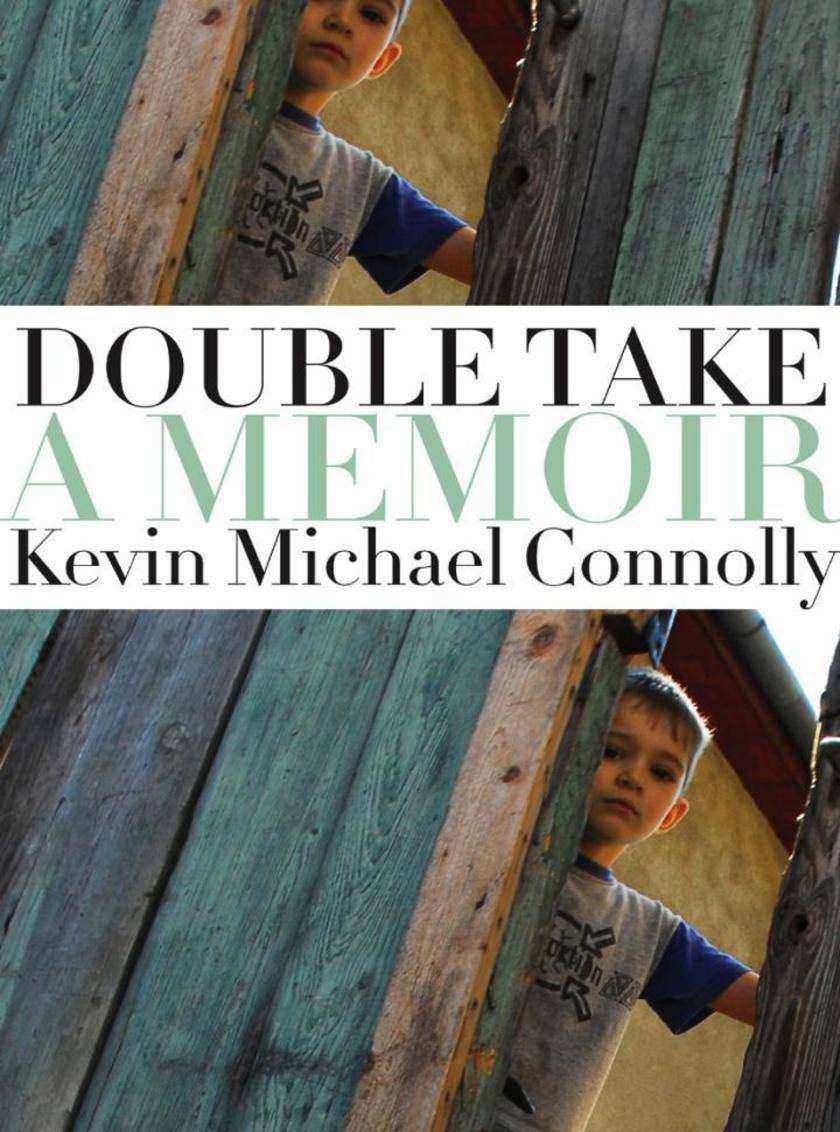
Double Take
¥83.03
Double take A rapid or surprised second look, either literal or figurative, at a person or situation whose significance has not been completely grasped at first.Kevin Michael Connolly is a twenty-three-year-old man who has seen the world in a way most of us never will. Whether swarmed by Japanese tourists at Epcot Center as a child or holding court at the X Games on his mono-ski, Kevin Connolly has been an object of curiosity since the day he was born without legs. Growing up in rural Montana, he was raised like any other kid (except, that is, for his fathers MacGyver-like contraptions such as the butt boot). As a college student, Kevin traveled to seventeen countries on his skateboard, including Bosnia, China, Ukraine, and Japan. In an attempt to capture the stares of others, he took more than 33,000 photographs of people staring at him. In this dazzling memoir, Connolly casts the lens inward to explore how we view ourselves and what it is to truly see another person. We also get to know his quirky and unflappable parents and his girlfriend. From the home of his family in Helena, Montana, to the streets of Tokyo and Kuala Lumpur, Kevin's remarkable journey will change the way you look at others, and the way you see yourself.
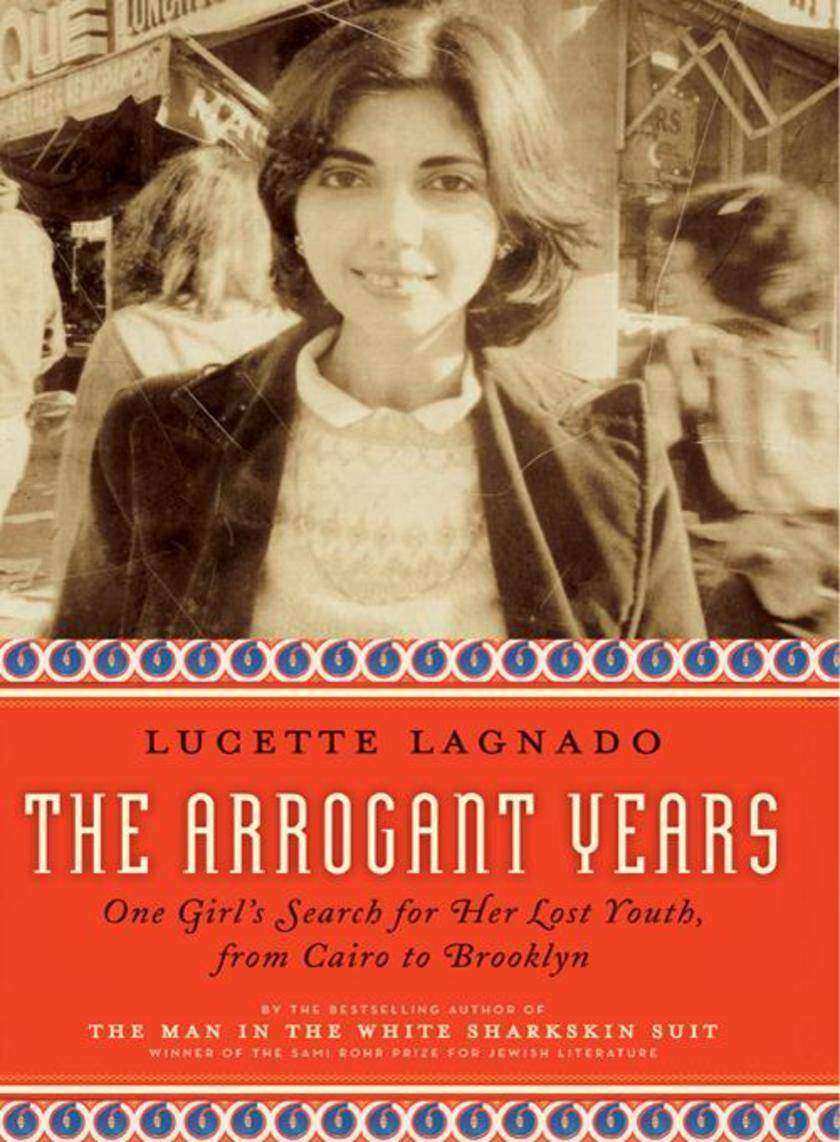
The Arrogant Years
¥95.39
In the follow-up to her beloved, bestselling The Man in the White Sharkskin Suit, Lagnado tells the story of her mother, Edith, coming of age in a magical old Cairo of dusty alleyways and grand villas. Then Lagnado revisits her own years in America as a schoolgirl in Brooklyn's immigrant enclaves, where she dreams of becoming the fearless Mrs. Emma Peel of The Avengers, coming of age in the turbulence of New York City's 1970s, and, later, as an "avenging" reporter for some of America's most prestigious newspapers. Not only a searing account of strangers in a strange land, The Arrogant Years is a lasting "meditation on exile and assimilation, feminism and the enduring ties of family." (San Francisco Chronicle)


