


 购物车
购物车 个人中心
个人中心
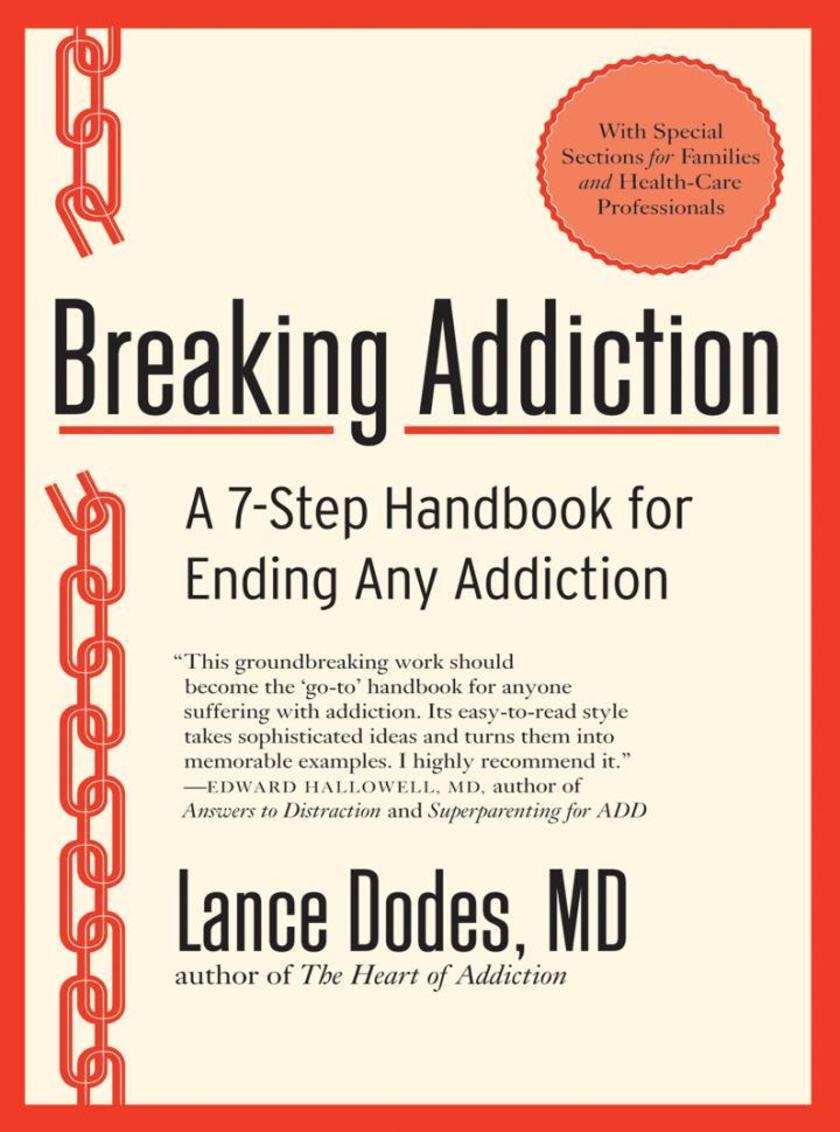
Breaking Addiction
¥88.56
Finally a road map to recovery from the nation's most original thinker on addiction In his revolutionary book The Heart of Addiction, Dr. Lance Dodes examined the underlying emotions that drive addictive behaviors whether drinking, gambling, sex, or eating. Now, in Breaking Addiction, Dodes presents a comprehensive guide outlining seven critical steps to overcome addiction, based on his findings.Through his practice and research, Dodes has found that virtually every addictive act is preceded by feelings of helplessness. In his refreshingly clear style, Dodes incorporates case stories to illustrate exactly how these feelings set addiction in motion, how to recognize the path toward addiction and then how to take back control.Many people, discouraged by current treatments, have been hungry for an approach that digs addiction up by its roots. Since the publication of The Heart of Addiction, Dodes's ideas have been incorporated by therapists and treatment centers around the country, and are taught by universities and training centers for clinicians.With special sections for both families and health-care professionals, Breaking Addiction is poised to be the handbook for a new, comprehensive, and in-depth understanding of addiction.
Forever After
¥55.31
THE PROTECTOR From the moment Heath Masters lays eyes on Meredith Kenyon, he knows there's something mysterious in this pretty woman's past. True, she seems like a good mother to her little daughter, but as local sheriff Heath has seen his share of liars ... and Meredith is certainly hiding something. But though his romantic gestures are met with suspicion, Heath can't help but be drawn to his vulnerable new neighbor. He doesn't entirely trust her, but he sure does want to kiss her THE WOMAN ON THE RUNAbout to lose her child in a devastating childcustody case, Meredith transformed herseIf from urbanwidow to small town mom, escaping the clutches of her abusive late husband'smanipulative father. Fleeing across America, she ran stright into the armsof the lonely lawman. Heath's persistence melts her misgivings, making her wonder if she could overcome her traumatic former life. But could his love protect her from her past--now and foreve?rTHE PROTECTORFrom the moment Heath Masters lays eyes on Meredith Kenyon, he knows theres something mysterious in this pretty womans past. True, she seems like a good mother to her little daughter, but as local sheriff Heath has seen his share of liars. . .and Meredith is certainly hiding something, But through his romantic gestures are met with suspicion, Heath cant help but be drawn to his vulnerable new neighbor. He doesnt entirely trust her, but he sure does want to kiss her.THE WOMAN ON THE RUINAbout to lose her child in a devastating child custody case, Meredith transformed herself from urban widow to small town mom, escaping the clutches of her abusive late husbands manipulative father. Fleeing across America, she ran straight into the arms of the lonely lawman. Heaths persistence melts her misgivings, making her wonder if she could overcome her traumatic former life. But could his love protect her from her past--now and forever?
One Grave at a Time
¥55.31
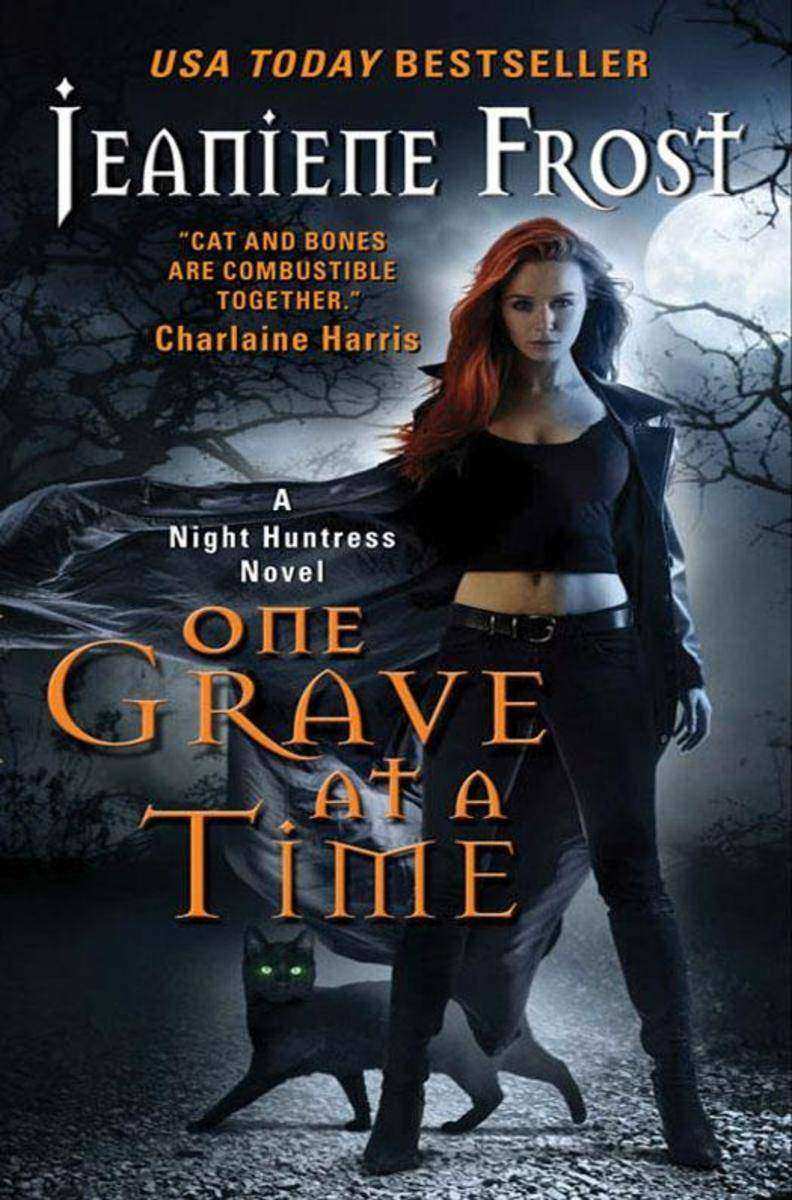
How do you send a killer to the grave when he's already deadHaving narrowly averted an (under)World War, Cat Crawfield wants nothing more than a little downtime with her vampire husband, Bones. Unfortunately, her gift from New Orleans's voodoo queen just keeps on giving leading to a personal favor that sends them into battle once again, this time against a villainous spirit. Centuries ago, Heinrich Kramer was a witch hunter. Now, every All Hallows Eve, he takes physical form to torture innocent women before burning them alive. This year, however, a determined Cat and Bones must risk all to send him back to the other side of eternity forever. But one wrong step and they'll be digging their own graves.

The Duke of Dark Desires
¥55.31
Wanted: Governess able to keep all hours . . . Rebellious Julian Fortescue never expected to inherit a dukedom, nor to find himself guardian to three young half-sisters. Now in the market for a governess, he lays eyes on Jane Grey and knows immediately she is qualified to become his mistress. Yet the alluring woman appears impervious to him. Somehow Julian must find a way to make her succumb to temptation . . . without losing his heart and revealing the haunting mistakes of his past.Desired: Duke skilled in the seductive art of conversation . . . Lady Jeanne de Falleron didn't seek a position as a governess simply to fall into bed with the Duke of Denford. Under the alias of Jane Grey, she must learn which of the duke's relatives is responsible for the death of her family and take her revenge. She certainly can't afford the distraction of her darkly irresistible employer, or the smoldering desire he ignites within her .But as Jane discovers more clues about the villain she seeks, she's faced with a possibility more disturbing than her growing feelings for Julian: What will she do if the man she loves is also the man she's sworn to kill?

Broken
¥55.91
The first novel in New York Times bestselling author Cynthia Eden's sizzling LOST series introduces the Last Option Search Team, an elite unit that must protect the only surviving victim of a serial killer. Ex-SEAL and LOST founder Gabe Spencer is accustomed to the unusual in his job. But when knockout Eve Gray steps into his office, he's rattled. For the mysterious woman is a dead ringer for the heiress thought to be the latest prey of the serial killer who goes by the name Lady Killer.When Eve awoke in an Atlanta hospital, her past was a blank slate. Then she recognized her own face in the newspaper and vowed to learn the truth. Determined to confront the nightmares hidden in her mind, she never expects to find a partner in Gabe.As Gabe and Eve work together, their explosive attraction becomes irresistible. Gabe knows that his desire for Eve is growing too strong, bordering on a dangerous obsession, but nothing pulls him away from her. And when another Eve lookalike disappears, Gabe vows to protect Eve at all costs. While Eve may have forgotten the killer in her past, it's clear he hasn't forgotten her.

Philoktetes
¥50.47
One of the most celebrated plays of ancient Athens in a vivid and dynamic new translation by award-winning poet James Scully Fate, free will, and the sacredness of the social bond are all challenged and reassessed in this tale torn from the midst of the Trojan War.The soldier Philoktetes was abandoned with a festering, god-inflicted foot wound on the desolate island of Lemnos by the Greeks under Odysseus, who could no longer stand the stench or the soldier's screams of pain. Now, ten years later, the Greeks realize they will never take Troy without Philoktetes and the bow given to him by Herakles. But Philoktetes refuses to rejoin the Greek army, vowing to kill his enemy Odysseus instead so Neoptolemos, son of the slain hero Achilles, is dispatched to trick Philoktetes into returning. Philoktetes and Neoptolemos, however, are constantly at sea, their minds shifting and re-shifting amid mixed feelings, deceptions, suspicions, and qualms as they struggle with themselves and their strangely evolving relationship.James Scully's remarkable translation of Sophocles' classic Philoktetes achieves an accurate yet accessibly idiomatic rendering of the Greek original, suited for reading, teaching, or performing. This is Sophocles for a new generation, certain to strike a powerful chord with contemporary audiences everywhere.
Black Pearls
¥55.33
Eric V. Copage's Black Pearls is an extraordinary book of inspirational thoughts and practical advice for African-Americans. The 365 quotes that begin each day's entry range from African proverbs to wisdom from Oprah Winfrey, Malcolm X, Terry McMillan, Bill Cosby, Rosa Parks, Spike Lee, Marian Wright Edelman, Alice Walker, and Martin Luther King, Jr., among hundreds of other diverse and accomplished people of African descent. And each day's entry covers a new topic: Love, Anger, Pride, Dieting, Stress, Stereotypes, Power, and Success are just a few! From the daily inspirations, author Eric V. Copage suggests meditations and specific actions that will help readers boost their spirits -- and achieve their dreams.
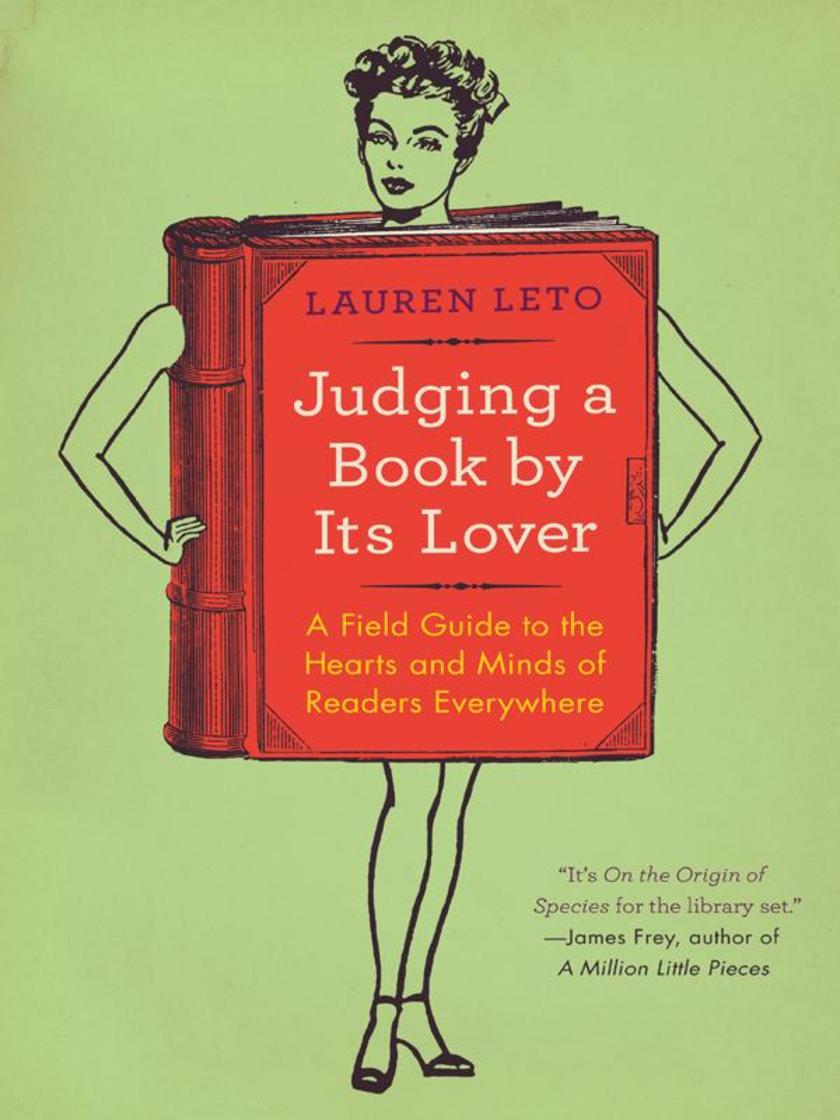
Judging a Book By Its Lover
¥84.16
Want to impress the hot stranger at the bar who asks for your take on Infinite JestDying to shut up the blowhard in front of you who’s pontificating on Cormac McCarthy’s “recurring road narratives”Having difficulty keeping Francine Prose and Annie Proulx straightFor all those overwhelmed readers who need to get a firm grip on the relentless onslaught of must-read books to stay on top of the inevitable conversations that swirl around them, Lauren Leto’s Judging a Book by Its Lover is manna from literary heaven! A hilarious send-up of—and inspired homage to—the passionate and peculiar world of book culture, this guide to literary debate leaves no reader or author unscathed, at once adoring and skewering everyone from Jonathan Franzen to Ayn Rand to Dostoyevsky and the people who read them.
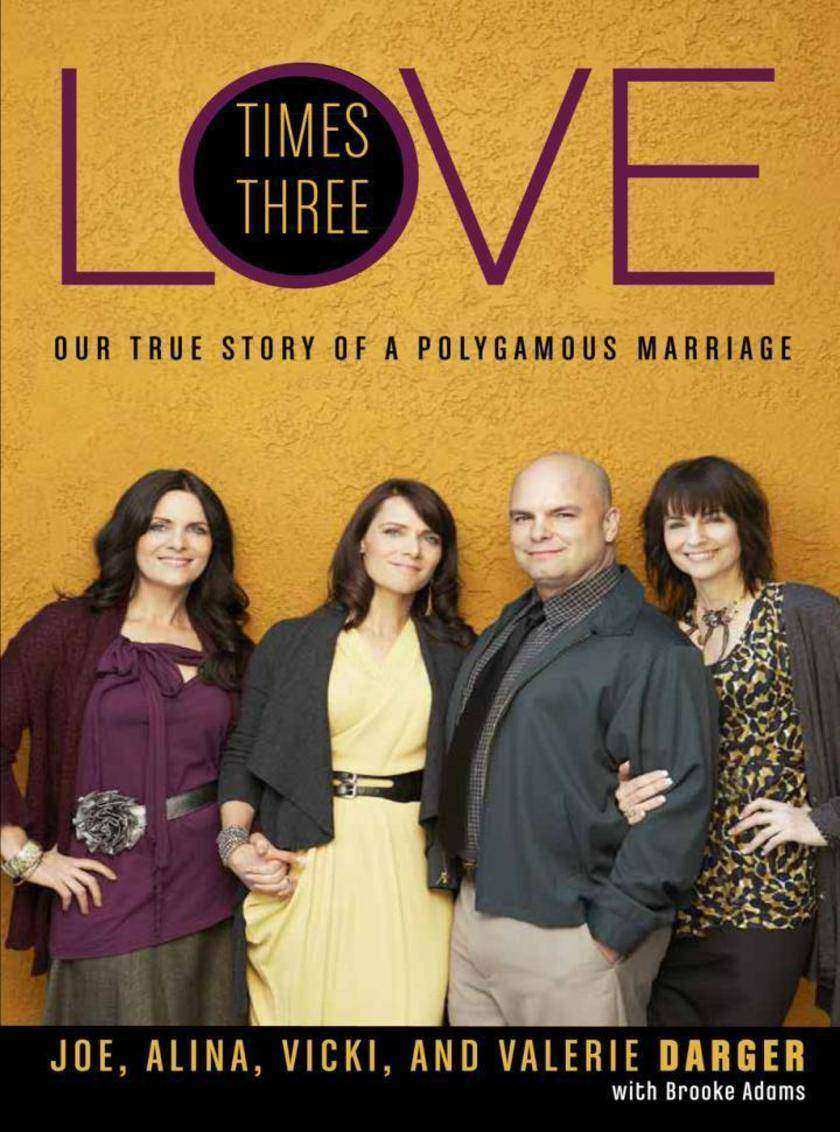
Love Times Three
¥83.03
He runs his own business and coaches Little League. She drives a minivan, and she'd be lost without her trusty BlackBerry. They go on date nights. Their kids attend public schools, play sports, and take music lessons. They live in a roomy house in the ‘burbs. They're about as mainstream as families come. They're also polygamists. Love Times Three, the first-ever memoir of a polygamous family, is a riveting inside look at a world most of us can hardly imagine, revealing the extraordinary workings of the Dargers' day-to-day life. In this intimate, inside story, the Dargers explain why they chose this path despite the pressures of keeping their relationships secret and the jealousy and personal challenges that naturally ensue, why they believe polygamy should be an accepted lifestyle, and, ultimately, why they hope that by revealing their way of life in public, laws that criminalize their lifestyle might change.
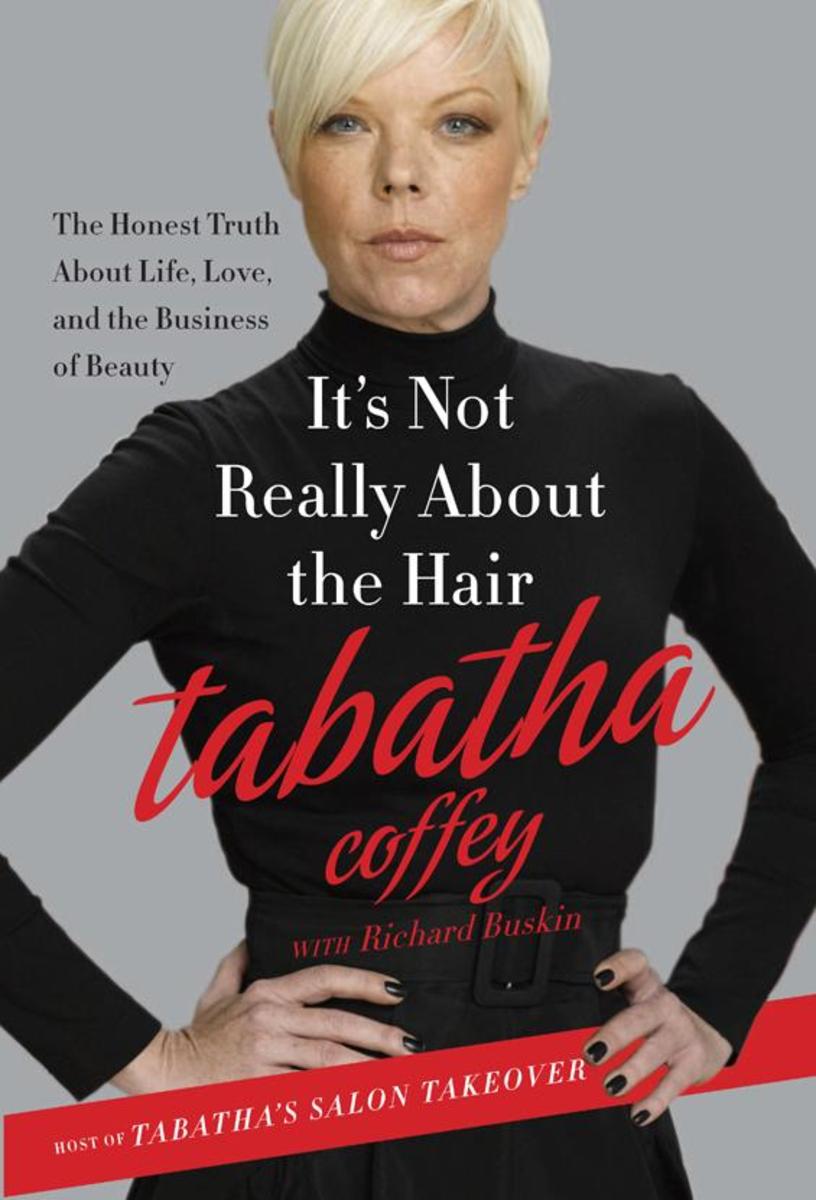
It's Not Really About the Hair
¥83.03
Fans of the hit Bravo show Tabatha's Salon Takeover tune in for the straight-shooting, unvarnished commentary of its ballsy, stylish, and savvy star. Though millions admire Tabatha Coffey's unflinching honesty and never-say-die attitude, some do not and have even taken to name-calling. Refusing to let others define her, she has reclaimed the word "bitch," transforming it to fit the person she is: Brave, Intelligent, Tenacious, Creative, and Honest. In It's Not Really About the Hair, this deeply private woman shares the experiences of her own life to encourage you to get in touch with your own inner bitch. Tabatha reveals how she used her strength and openness to help define her signature look, personal relationships, life choices, and tenacious work ethic—one that in her own words likens her to "a pit bull with a bone." Here are the people and the circumstances that have led her to a place of honesty, self-assurance, satisfaction, and success—from her tough-minded mum to her famous mentors, her peers, and clients. Part memoir, part business manual, and part coaching guide on achieving self-acceptance and love, It's Not Really About the Hair teaches you that it's all right to be who you are, stand up for what you believe in, and do what makes you happy without being defined by others. Tabatha Coffey's raw, funny, shocking, and always inspirational story will encourage you to celebrate the long-lasting and most important beauty of all—the true beauty that is you.
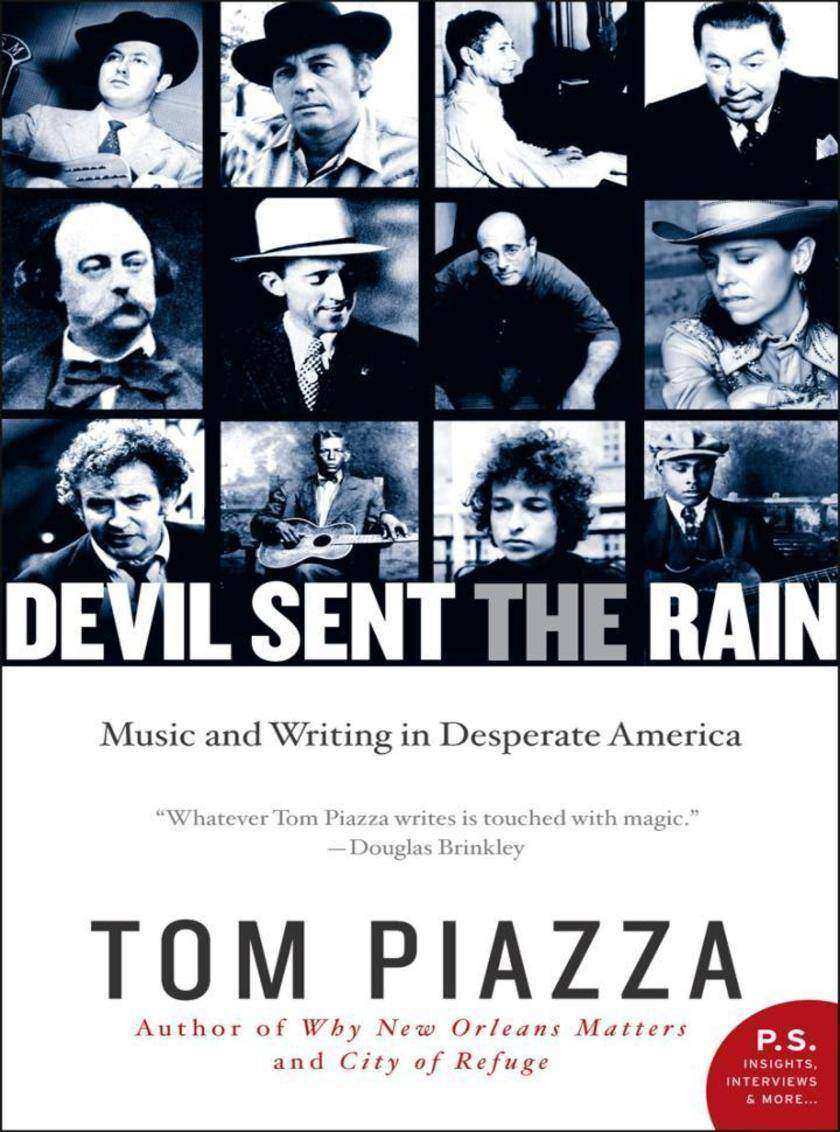
Devil Sent the Rain
¥95.39
Tom Piazza's sharp intelligence, insight, and passion fuel this new collection of writings on music, literature, New Orleans, and America itself in desperate times. For his first book since his award-winning novel City of Refuge and his stunning and influential post-Katrina polemic Why New Orleans Matters, Piazza selects the best of his writings on American roots music and musicians, including his Grammy-winning album notes for Martin Scorsese Presents: The Blues; his classic profile of bluegrass legend Jimmy Martin; essays on Jimmie Rodgers, Charley Patton, and Bob Dylan; and much more. In the book's second section, Piazza turns his attention to literature, politics, and post-Katrina America in articles and essays on subjects ranging from Charlie Chan movies to the life and work of Norman Mailer, from the New Orleans housing crisis to the BP oil spill, from Jelly Roll Morton's Library of Congress recordings to the future of books. The third and final section delivers a startlingly original meditation on fiction, sentimentality, and cynicism a major new essay from this brilliant, unpredictable, and absolutely necessary writer.
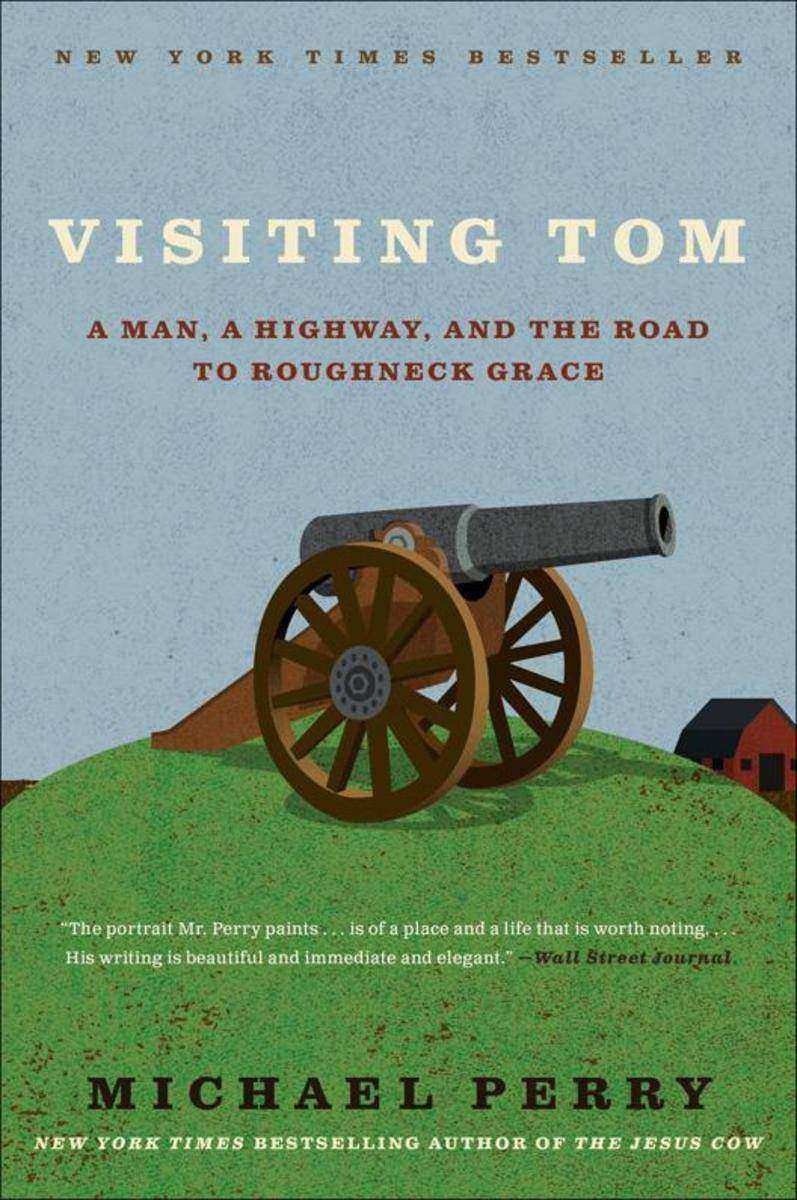
Visiting Tom
¥84.16
What can we learn about life, love, and artillery from an eighty-two-year-old man whose favorite hobby is firing his homemade cannonsVisit by visit often with his young daughters in tow author Michael Perry is about to find out.Toiling in a shop Perry describes as "an antique store stocked by Rube Goldberg, curated by Hunter Thompson, and rearranged by a small earthquake," Tom Hartwig makes gag shovel handles, parts for quarter-million-dollar farm equipment, and now and then batches of potentially "extralegal" explosives. As he approaches his sixtieth wedding anniversary with his wife, Arlene, Tom, famous for driving a team of oxen in local parades, has an endless reservoir of stories dating back to days of his prize Model A, and an anti-authoritarian streak refreshed daily by the four-lane interstate that was shoved through his front yard in 1965 and now dumps over 8 million vehicles past his kitchen window every year. And yet Visiting Tom is dominated by the elderly man's equanimity and ultimately when he and Perry converse over the kitchen table as husbands and as the fathers of daughters unvarnished tenderness.
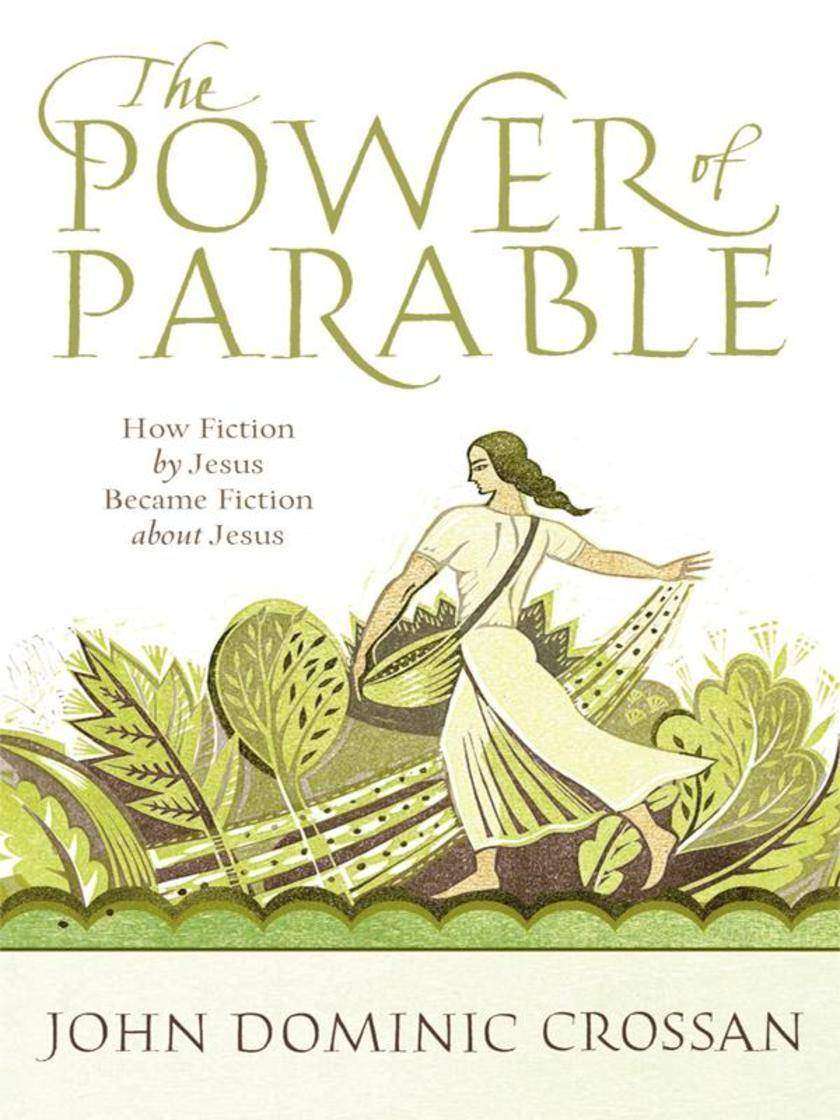
The Power of Parable
¥83.03
In 1969, I was teaching at two seminaries inthe Chicago area. One of my courses wason the parables by Jesus and the other wason the resurrection stories about Jesus. I hadobserved that the parabolic stories by Jesusseemed remarkably similar to the resurrectionstories about Jesus. Were the latter intended asparables just as much as the formerHad webeen reading parable, presuming history, andmisunderstanding bothfrom The Power of ParableSo begins the quest of renowned Jesus scholarJohn Dominic Crossan as he unlocks the truemeanings and purposes of parable in the Bible sothat modern Christians can respond genuinely toJesus's call to fully participate in the kingdom ofGod. In The Power of Parable, Crossan examinesJesus's parables and identifies what he calls the"challenge parable" as Jesus's chosen teaching toolfor gently urging his followers to probe, question,and debate the ideological absolutes of religiousfaith and the presuppositions of social, political,and economic traditions.Moving from parables by Jesus to parables aboutJesus, Crossan then presents the four gospels as"megaparables." By revealing how the gospels arenot reflections of the actual biography of Jesus butrather (mis)interpretations by the gospel writersthemselves, Crossan reaffirms the power of parablesto challenge and enable us to co-create withGod a world of justice, love, and peace.

Jackie After O
¥83.03
Defined in the public eye by her two high-profile marriages, Jacqueline Kennedy Onassis faced a personal crossroads on the eve of 1975. Her relationship with Aristotle Onassis was crumbling while his health was rapidly declining. Her children were nearing adulthood, soon to leave her with an empty nest. Both death and scandal were about to strike yet again. But 1975 would also be a time of incredible growth and personal renaissance for Jackie, the year in which she reinvented herself and rediscovered talents and passions she had set aside for her roles as wife and mother. In Jackie After O, acclaimed author and journalist Tina Cassidy explores this prolific yet incredibly daunting year in the life of Jacqueline Onassis, including her part in the campaign to preserve Grand Central Terminal in New York City; her pursuit of a real career, in the editorial department of Viking Press; the death of her second husband and her fraught relationship with his surviving daughter; and the London bombing that almost took her own daughter's life. Cassidy has unearthed new information from archives and original interviews, and reveals intimate stories about the projects and interests of Jackie's earlier years that would lay the foundation for her life beginning in 1975, from an internship at Vogue to her meticulous restoration of the White House when she was First Lady. Jackie After O is an exciting and original portrayal of the life of Jacqueline Kennedy Onassis through the lens of one remarkable year, a time of reinvention both personal and public, as she shook the world's expectations and pursued her dreams in middle age.

America Afire
¥84.16
America Afire is the powerful story of the election of 1800, arguably the most important election in America's history and certainly one of the most hotly disputed. Former allies Adams and Jefferson, president versus vice president, Federalist versus Republican, squared off in a vicious contest that resulted in broken friendships, scandals, riots, slander, and jailings in the fourth presidential election under the Constitution.
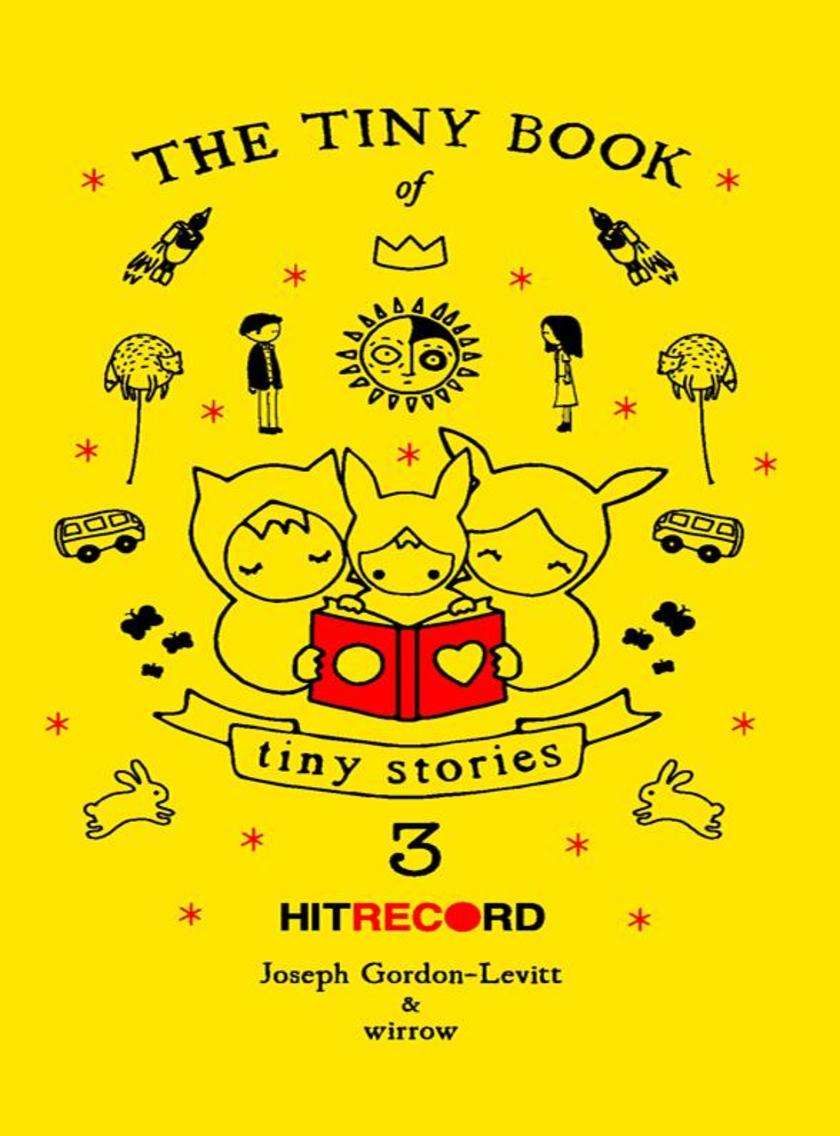
The Tiny Book of Tiny Stories: Volume 3
¥84.16
The universe is not made of atoms; it's made of tiny stories.Featuring 82 contributors from the 35,905 contributions to the Tiny Stories collaboration on hitrecord.org
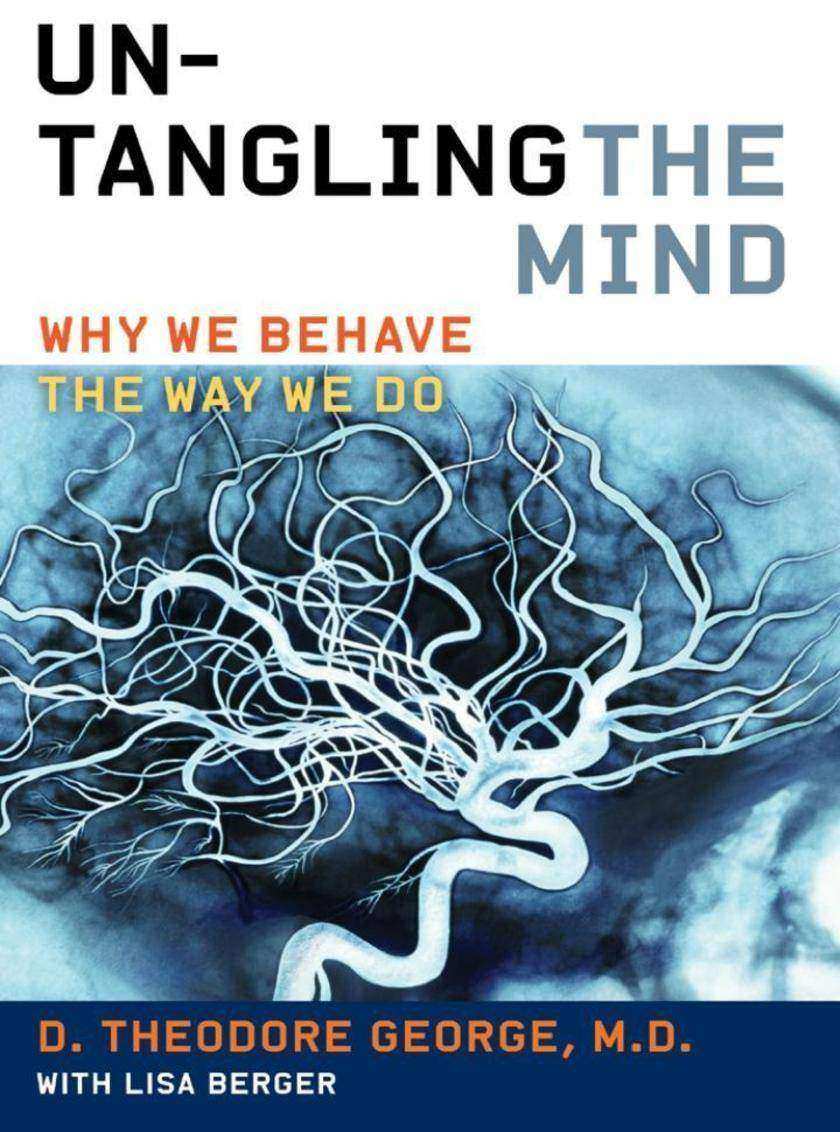
Untangling the Mind
¥83.03
Free yourself from emotional turmoileven when that turmoil is caused by others! We have a much greater understanding of human behavior now than we did just a few decades ago. Yet even with this greater understanding of the human mind, why we do what we do can sometimes seem like a mystery. People are often left with unsettling questions about their own (or others') behavior. We ask ourselves, Why did I make a spectacle of myselfWhy am I so stressedWhy am I constantly so negativeIn his years as a clinician, Dr. Ted George has been struck by how much easier it is for people to say they have a physical illness than it is to admit they feel out of control with an emotion be it anger, fear, or depression. With a physical issue, you have the source of the problem in concrete terms, such as in a lab report, but with an emotional issue, it can be much harder to define what's gone wrong. Untangling the Mind helps make sense of what's happening and why. With knowledge of how the brain translates sensory signals into emotions, you will increase your understanding of your own and others' behaviors. As you learn about your psychological and neurological makeup, you will begin to see new possibilities for optimism, motivation, and well-being. We can control our behavior and our feelings, no matter how much they may have ruled us in the past, and Dr. George helps us know how. Once you understand the deeply rooted instincts that activate your emotions, you can live more peacefully, behave in ways that are more in keeping with the person you'd like to be, and enjoy your life more fully. And you'll be better able to remain unaffected by the drama of other people's emotional storms.
Story Starters
¥84.16
What If . . . . . . every classmate passed the bar exam—except one. . . the killer left a calling card—the ace of spades. . . she was a sleeping beauty— but it wasn't prince's kiss that woke her up. . .he had history of obsessive behavior— and then he developed a passion for. . . Thousands of Stories Are Just Waiting to be Told—By You If you have the passion and energy to write fiction, but have trouble finding an idea and getting started, this is the perfect book for you. Lou Willett Stanek has helped scores of new authors in her acclaimed writing workshops—and now she shows you how to look and listen, how to find stories and begin shaping them like a writer. Here's how to find inspiration from neighbors and strangers, reshape classic tales, cull current events and use other tricks of the writing trade so effectively you'll soon find yourself brimming with ideas, your imagination revved to its full potential. Begin with a snippet of overheard conversation, an unexpected event, a simple character trait, a place, a problem—Ms. Stanek teaches you to get past "what really happened" and reinvent reality in ways that will astound and delight you, and hold a reader's attention. Here too are hundreds of "what-ifs," simple situations you can guide to endlessly different conclusions—and use to learn new ways to fashion plot, describe character, develop conflict, paint with language, create a setting, employ flashbacks, build suspense, and much, much more. For every writer who could use a jump-start, from novice to pro, here is a book that will help you keep the faith and. . . Get Started!

The Epidemic
¥84.16
A call for parents to take responsibility for their children and give them what they truly need in order to grow, thrive, and love.Take a good look around you: you can't go into stores or restaurants without seeing joyless children screaming and sulking while their parents ignore them. According to esteemed child psychiatrist Robert Shaw, this epidemic has become so much the norm that we often don't recognize its warning signs. This bold and timely book tells you how to save your child and your family with a commonsense approach that cuts to the core of the problem and shows us the cure. The Epidemic covers: Developing your child's ability to love Managing child care and minimizing the damage Raising cooperative, joyful, and creative children Promoting self-esteem and confidence rather than self-centeredness Avoiding the harmful effects of electronic media Healing angry, contemptuous, withdrawn, and out-of-control children
Bad Kid
¥83.03
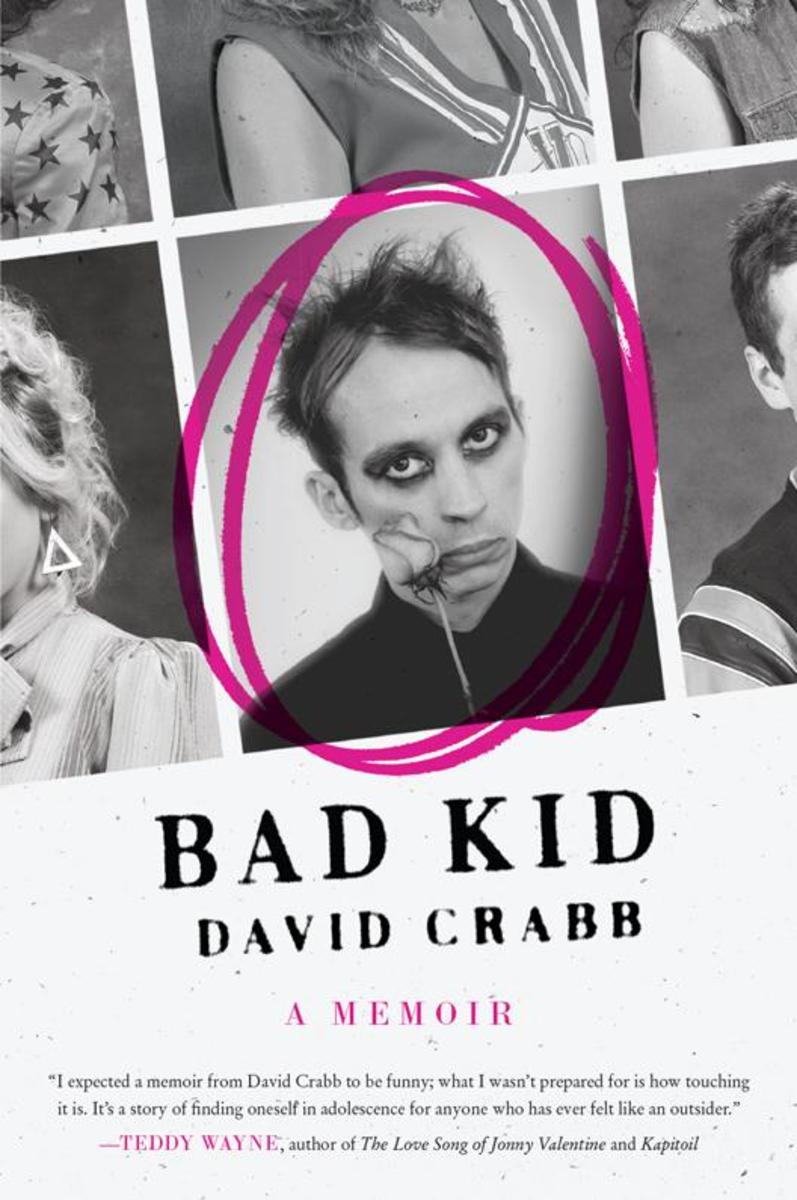
Discovering George Michael's Faith confirmed for David Crabb what every bully already knew: he was gay. What saved him from high school was finding a group of outlandish friends who reveled in being outsiders. David found himself enmeshed with misfits: wearing black, cutting class, staying out all night, drinking, tripping, chain-smoking, idolizing the Pet Shop Boys and learning lessons about life and love along the way.Richly detailed with nineties pop-culture, and including black-and-white photos throughout, Bad Kid is as laugh-out-loud funny as it is poignant. David Crabb's journey through adolescence captures the essence of every person's struggle to understand his or her true self.

The Mother Tongue
¥95.39
With dazzling wit and astonishing insight, Bill Bryson the acclaimed author of The Lost Continent brilliantly explores the remarkable history, eccentricities, resilience and sheer fun of the English language. From the first descent of the larynx into the throat (why you can talk but your dog can't), to the fine lost art of swearing, Bryson tells the fascinating, often uproarious story of an inadequate, second-rate tongue of peasants that developed into one of the world's largest growth industries.


