


 购物车
购物车 个人中心
个人中心

The Hour Before Dawn
¥57.09
A rich, multi-generational saga, set in Singapore and New Zealand. The mysterious disappearance of a young child sets in motion a series of events that will haunt future generations of the family. Singapore in the 1970s. A handsome army officer falls in love with the young daughter of his captain. Although she is determined to become a ballerina, Fleur falls deeply for David and abandons her aspirations to become an army wife and mother. After their first blissfully happy years together, tragedy strikes and Fleur is left widowed with her young twin daughters, Nikki and Saffie. Grief-stricken, she prepares to take her daughters back to England – and then one of them mysteriously vanishes, without a trace. New Zealand, present day. Nikki Montrose, pregnant, is still haunted by the disappearance of her twin sister. Unable to reconcile with her mother, the ghosts of the past haunt her dreams. Fleur’s impending visit forces her to confront her fears. Then when her mother goes missing en route, Nikki must journey to Singapore and attempt a reconciliation. But what they discover back in Port Dickson will send shockwaves through the entire family. Sara MacDonald has written another rich, absorbing family saga which will appeal to all fans of Rosamunde Pilcher and Anita Shreve.
You: Staying Young: Make Your RealAge Younger and Live Up to 35% Longer
¥114.58
International bestselling authors of YOU: The Owner's Manual and YOU: On a Diet give you all the tools and know-how to stay young and defy the ageing process. Drawing lively parallels between your body and aspects of city life, Drs Roizen and Oz show you how to balance your ‘biological budget’ to ensure your life is long and strong. Million-copy-bestselling authors, Michael F. Roizen, M.D. and Mehmet C. Oz, M.D., explain the mysteries of ageing and how you can dramatically slow the process to live a longer, more vibrant life. Written with their irrepressible quirky humour and granite-solid research, YOU: Staying Young is set to become the definitive manual to remaining young, fit and healthy. If your body is a city, the authors explain, it is up to you as mayor, resident and street cleaner to ensure it remains a vibrant city – after all, who wants to live in a run-down, one-horse town? We all have different genes that influence us in same the way as cities are affected by different geographies. However, it is the way in which a city is run and the residents treat it that have the most overwhelming influence. Posing as local inspectors, Roizen and Oz club together to tackle your city's education system (stem cells), power plants (mitochondria), electrical grids (brains), transportation routes (blood vessels), landfills (fat), and parks (skin). They then give you the tools to clean up your act and turn your city back into the cutting-edge, party destination everybody will want to see. Look after your body and it will look after YOU.

Dry Store Room No. 1: The Secret Life of the Natural History Museum (Text Only)
¥80.25
This edition does not include illustrations. ‘Dry Store Room No. 1’ is an intimate biography of the Natural History Museum, celebrating the eccentric personalities who have peopled it and capturing the wonders of scientific endeavour, academic rigour and imagination. Behind the public fa?ade of any great museum there lies a secret domain: one of unseen galleries, locked doors, priceless specimens and hidden lives.Through the stories of the numerous eccentric individuals whose long careers have left their mark on the study of evolutionary science, Richard Fortey, former senior paleaontologist at London's Natural History Museum, celebrates the pioneering work of the Museum from its inception to the present day. He delves into the feuds, affairs, scandals and skulduggery that have punctuated its long history, and formed a backdrop to extraordinary scientific endeavour from Darwin to the present day. He explores the staying power and adaptability of the Museum as it responds to changes wrought by advances in technology and molecular biology – 'spare' bones from an extinct giant bird suddenly become cutting-edge science with the new knowledge that DNA can be extracted from them, and ancient fish are tested with the latest equipment that is able to measure rises in pollution. 'Dry Store Room No.1’ is a fascinating and affectionate account of a hidden world of untold treasures, where every fragment tells a story about time past, by a scientist who combines rigorous professional learning with a gift for prose that sparkles with wit and literary sensibility. Note that it has not been possible to include the same picture content that appeared in the original print version.

City of Lies
¥57.09
A fast-paced thriller from Alafair Burke, where no-one in Manhattan is safe. And no-one is innocent. In New York City nights are dangerous. Days are numbered. When New York University student Megan Gunther is brutally murdered, NYPD Detective Ellie Hatcher and partner J.J. Rogan discover that Megan has been on the receiving end of some sinister online threats. Is her death the result of a campus feud that got out of hand or could there be a twisted cyber fanatic at work? And when a link is revealed between Megan and a murdered real-estate agent, Ellie comes to wonder if there was something else behind the student’s death. Ellie learns that the dead woman shared a secret connection to a celebrity mogul whose bodyguard was mysteriously killed a few months earlier. When Megan's roommate disappears, the hunt for the killer is really on… With fans including everyone from Michael Connelly, Harlan Coben, and Lee Child to Tess Gerritsen, Lisa Gardner and Kathy Reichs, Alafair Burke gives us another nail-biting thriller to keep us on the edge of our seats.

Hold the Dream
¥104.48
The continuing story of Emma Harte, indomitable heroine of A Woman of Substance. Emma Harte was the heroine of Barbara Taylor Bradford’s multi-million copy bestseller, A Woman of Substance. Now she is eighty years old and ready to hand over the reins of the vast business empire she has created. To her favourite grandchild, Paula McGill Fairley, Emma bequeaths her mighty retailing empire with these heartfelt words: ‘I charge you to hold my dream.’ A towering international success, this is the powerfully moving tale of one woman’s determination to ‘hold the dream’ which was entrusted to her, and in so doing find the happiness and passion which is her legacy.

Rock that Frock! (Coleen Style Queen, Book 3)
¥46.11
Introducing Coleen Style Queen – a fictional character inspired by the childhood of leading style icon, Coleen McLoughlin. This is a gorgeous series about boys, friendship, family and fashion. It's the summer holidays and the local youth club is having a battle of the bands competition. Coleen’s best friend Lucy is a fantastic singer so the girls start practising and are determined to win, but not if Summer has her way… As well as a great story this book includes top style and fashion tips, and advice on how to customise your clothes and make your own cool accessories. So there’s no excuse not to look super stylish!

Sun, Sand & Sequins (Coleen Style Queen, Book 4)
¥73.58
Introducing Coleen Style Queen – a fictional character inspired by the childhood of leading style icon, Coleen McLoughlin. This is a gorgeous new series about boys, friendship, family and fashion. Coleen goes on holiday to Spain with her parents and little sister. She meets a cute boy and has a great time, but what about Coleen’s crush Ben back at home… And can Coleen and her little sis win the hotel’s talent contest? As well as a great story this book includes top style and fashion tips, and advice on how to customise your clothes and make your own cool accessories. So there’s no excuse not to look super stylish!
Peter Jackson: A Film-maker’s Journey
¥110.46
Authorised and fully illustrated insight into the life and career of the award-winning director, from his childhood film projects up to King Kong, together with Jackson's revealing personal account of his six-year quest to film The Lord of the Rings. Once, Peter Jackson was a name unknown to all but a small band of loyal fans and fellow film-makers. Now he is the newest member of Hollywood's elite fellowship, with his name on the most successful movie trilogy of all time. Written with Jackson's full participation, this extensive biography, illustrated with never-before-seen photos from Jackson's personal collection, tells the inside story of how a New Zealander became Hollywood's hottest property – from the early cult classics, through Academy Award?-winning success with Kate Winslet's Heavenly Creatures, the abandoned King Kong remake, and the filming of The Lord of the Rings, a project which was abandoned two years into pre-production, rejected by most of the other studios and then picked up by New Line Cinema in the biggest gamble in film history. Drawing upon interviews with fifty of Peter Jackson's colleagues and contemporaries, author Brian Sibley paints a portrait of a true auteur, a man gifted with single-minded determination and an artist's vision. Jackson himself is both revealing and insightful about his entire film-making life, from his first childhood steps filming in Super 8 to the grand realisation of his life’s dream: King Kong. Together, these joint narratives provide a truly unique and compelling insight into one of the finest cinematic minds at work today.

Graveminder
¥14.32
When Rebekkah returns to her small-town home for her beloved Grandmother’s funeral, she little suspects that she is about to inherit a darkly dangerous family duty on behalf of Claysville’s most demanding residents – the dead. Everyone in Claysville knows that the Barrows are no ordinary family, but no one can really explain why. When respected matriarch Maylene Barrow dies suddenly her granddaughter Rebekkah returns to the small town she grew up in, where she must face the demons of her past – the suicide of her half-sister Ella, the person she was closest to in the world, and the subsequent break-up of her parents marriage. And she also re-encounters Byron, Ella’s old boyfriend, someone to whom she has always felt a deep and mysterious connection. But the demons of the past are nothing compared with what the future has in store for Rebekkah. Her grandmother has left her an inheritance both wonderful and terrible. An onerous responsibility now rests on her shoulders – one for which she is ill-prepared to say the least. For behind Claysville’s community-spirited, small-town facade lies a dark secret. One that ties Rebekkah and Byron together in an inextricable bond, and that will require them both to sacrifice everything to keep their friends and neighbours from harm.
Fortune: The Original Snogbuster
¥51.50
Upgrade your beach reading to first class… Brad Masters is rich. Very, very rich. CEO of the Perfect Cut record label, he owns properties in the Med, the Florida Keys, New York and London. He flies a private jet, drives a collection of supercars and walks nowhere, if he can help it. But there's one thing missing: although he has a string of girlfriends, he doesn't have an heir. And with his sixties rapidly approaching, Brad can no longer convince himself he's immortal… What Brad does have is a past full of indiscretions – and that includes the three women, in three different countries, who gave birth to his three illegitimate daughters. None of them have any claim on him, of course. He paid them off years ago. But that was then, and this is now. As his sixtieth birthday looms, Brad sends off three very special invitations to his party. The question is – which daughter will he choose?
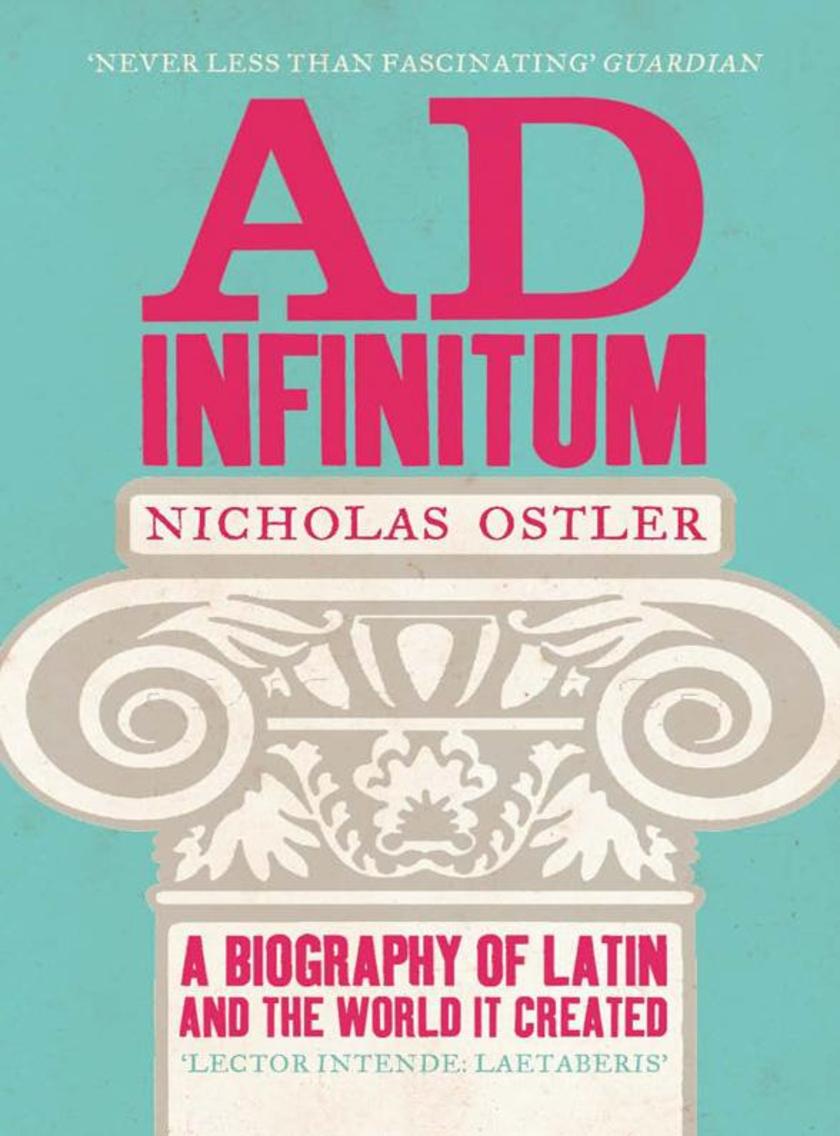
Ad Infinitum: A Biography of Latin
¥73.58
An in-depth biography of the Latin language from its very beginnings to the present day from the widely acclaimed author of ‘Empires of the Word’. The Latin language has been a constant in the cultural history of the West for over two millennia. It has shaped the way we think of ourselves and of our (central) place in the world. It has formed and united us as Europeans, has been the foundation of our education for centuries and defined the way in which we express our thoughts, our faith and our knowledge of the workings of the world. And yet, Latin began life as the cumbersome dialect of a small southern Italian city-state. Its active use lasted three times as long as Rome's Empire and its use echoes on in the law codes of half the world, in terminologies of biology and medicine, and until forty years ago in the litany of the Catholic Church, the most populous form of Christianity. In ‘Ad Infinitum’, Nicholas Ostler examines the reasons why Latin made such a long-lasting impact on language, and how it managed to stay alive for two millennia despite the cultural superiority of Greek. He will look at how Latin's sturdy roots remained untouched while empires rose and fell, the influence of religion, war and the ways it has progressed through medieval times right up until the present day.
Rachel’s Food for Living
¥110.46
Bestselling author and TV chef Rachel Allen is back with a celebration of favourite foods for making memories. Ever feel rapture over a pudding? Fall in love over a romantic meal? Can you remember the smell of baking in your grandmother's kitchen? Food has the power to conjure up many emotions – it can make us feel happy or energetic, nostalgic or loved. Cooking and enjoying great food with others is part of how we relish life and in her new paperback book, Rachel Allen provides the mouth-watering recipes to help you do just that. Rachel explores the foods that stir these wonderful feelings. She provides inspiring and easy-to-achieve suggestions for all kinds of occasions whether you want to make an indulgent celebratory meal for someone special, create memories with your kids, or need a little healthy boost…or a sneaky treat! This is the food that will make you smile. Rachel's Food for Living includes over 100 recipes such as Greek Lamb, Onion and Butter Bean Stew; Korean Beef with Avocado Rice; Spanish Chorizo and Chickpea Soup; Little Mocha Kisses. Contents include: 1 Food for the soul 2 Childhood favourites 3 Making memories 4 Something to celebrate 5 The Lazy Sunday 6 An elegant afternoon 7 Pleasure without the guilt 8 Food for romance 9 For the love of chocolate 10 Classic dishes
Cooking for Friends
¥91.43
TV’s most famous chef, Gordon Ramsay, throws open the doors to his home and reveals what he cooks, away from the frantic pace of his restaurant kitchen, in a relaxed domestic setting. Retaining all of his trademark excitement and passion for food, bestselling Cooking for Friends is packed with simple, seasonal, modern British recipes. Now in paperback, Gordon gathers together over 100 inspiring recipes that everyone will enjoy cooking and sharing, perfect for a celebratory dinner with friends or simple Sunday night suppers. Learn how to quickly and easily whip up delicious Chorizo, Broad bean and Mint Couscous, Scallop Brochettes with Coriander and Chilli Butter, Smoked Salmon and Horseradish Cream Tarts and Toffee and Chocolate Steamed Pudding. Recipes that extol the virtues of supporting local producers and farmers’ markets, which can be cooked with seasonal fresh ingredients that haven't travelled miles to reach our plates and which celebrate the wealth of regional dishes available to us from Cornish Crab Soup to Bakewell Tarts. With chapters covering Hot and Cold Soups; Pasta and Grains; Fish and Shellfish; Meat and Poultry; Pies and Tarts; Vegetables and Salads; Puddings and Ices and Coffee and Chocolate, each recipe delivers stunning results.
YO Sushi: The Japanese Cookbook
¥91.43
YO! Sushi has transformed the concept of Japanese food and has created a revolutionary and unique dining experience. Conveyor belts filled with a rainbow of coloured plates carrying mouth-watering food prepared by chefs cooking in front of the diner have made sushi fun, funky and totally accessible. YO! Sushi: The Japanese Cookbook brings YO!'s delicious Japanese dishes to the home and shows you how easy it is to make your own sushi and other Japanese fare. This eye-popping book includes YO!'s most popular dishes: california rolls, salmon maki, prawn yaki soba and chilled roasted aubergines. Original recipes encourage readers to expand their repertoire and enjoy a range of flavoursome dishes. Learn to cook soy-marinated chicken, make healthy salads such as beetroot with sweet vinegar and impress friends with red snapper rice. Written by renowned Japanese food expert, Kimiko Barber, YO! Sushi: The Japanese Cookbook includes 120 delicious recipes. Forget complicated rolling or bizarrely named ingredients, Kimiko explains all the terms and shows how to make sushi rolls and other dishes through step-by-step photography. No recipe takes more than 30 minutes preparation or requires special cooking techniques. The book is divided into six colour-coded sections which reflect YO!s famous coloured plates, taking the reader chapter by chapter from novice to samurai so that you can work your way up the rungs until you're rolling with gusto. The book is fully illustrated in YO! Sushi’s exuberant style: Crisp finished food photography, bright graphics, and atmospheric reportage shots bring the energy of the YO! experience to the reader.
Yes, Please. Whatever!: How to get the best out of your teenagers
¥72.40
Following the success of her first book, Yes, Please. Thanks! mum and author Penny Palmano, This Morning’s Mrs. Manners, is back with this comprehensive guide to raising teenagers. After her fair share of parenting, Penny Palmano decided to tackle what she saw as an epidemic of bad manners, and wrote a guidebook on teaching good manners to children. The book, Yes, Please. Thanks!, touched a nerve and has become a bestselling sensation. Yes, Please. Whatever! takes you, the parents, to the next stage and teaches you how to avoid the pitfalls of teenagers and all the problems specific to that age group from hormonal fluctuations and untidiness to dating. Penny shows you how to build mutual respect with your teenagers, the foundation stone for good behaviour and a good relationship. The book also includes first hand advice on teaching your teenager how to deal with siblings, relationships, exams, stress, food, money, part-time jobs, drinking, paying compliments, how to behave in public and with friends and even advice on how to teach them to pour wine. The result is that your teenager will be totally prepared in all life and social skills when they finally leave home.
Passion for Fashion (Coleen Style Queen, Book 1)
¥45.22
Introducing Coleen Style Queen – a fictional character inspired by the childhood of leading style icon, Coleen McLoughlin. This is a gorgeous new series about boys, friendship, family and fashion. Having a style crisis? Is your wardrobe a fashion-free zone? Then maybe I can help. I'm Coleen, and I like to look stylish. Don't get me wrong, I'm no supermodel. Dream on! I guess I'm just your average girl, with annoying parents, a bratty little sis… and a crush on my best friend's big brother. (He is soooo hot!) But this term is going to be the coolest! We're putting on a charity catwalk show. Cue lights… music… and the star of the show with her unique twist on the little black dress… it's Coleen! As well as a great story this book includes top style and fashion tips, and advice on how to customise your clothes and make your own cool accessories. So there’s no excuse not to look super stylish!
Dress to Impress (Coleen Style Queen, Book 2)
¥73.58
Introducing Coleen Style Queen - a fictional character inspired by the childhood of leading style icon, Coleen McLoughlin. This is a gorgeous new series about boys, friendship, family and fashion. Having a confidence crisis? Don't dare to wear that funky new mini-dress? Never fear - you're not alone! My best mate Lucy is totally gorgeous. She just doesn't know it. So she always plays it safe, fashion-wise. But that's about to change! She's got a hot date this weekend and I'm going to transform her style from drab to fab! If only I could go on a date with her super-cute brother Ben. How can I get him to notice me... As well as a great story this book includes top style and fashion tips, and advice on how to customise your clothes and make your own cool accessories. So there's no excuse not to look super stylish!

The GL Diet Cookbook: Over 150 tasty recipes for easy weight loss
¥57.09
GL, or Glycaemic Loading, is the dieting sensation taking the nation by storm. Nigel Denby, the UK's No.1 authority on GL and author of ‘The 7-Day GL Diet’ brings you an exciting new cookbook with over 100 simple and delicious recipes. Every taste is catered for – fish lovers, meat connoisseurs, vegetarian, sweet. Love your food AND lose weight! GL is the diet for people who want permanent results fast without going hungry. It's simpler than GI – and more effective, too. This is because it doesn't just look at the GI (Glycaemic Index) of a food: it also takes into account the amount of it we eat. This means that many high GI banned foods are back on the menu – yes, even chocolate! In this exciting new cookbook Nigel Denby, author of ‘The 7-Day GL Diet’, shows you how easy it is to cook healthy and delicious meals in minutes. It's packed with over 100 tasty recipes and full of handy tips to keep you on track. Love your food with the GL Diet Cookbook – and watch the pounds melt away.
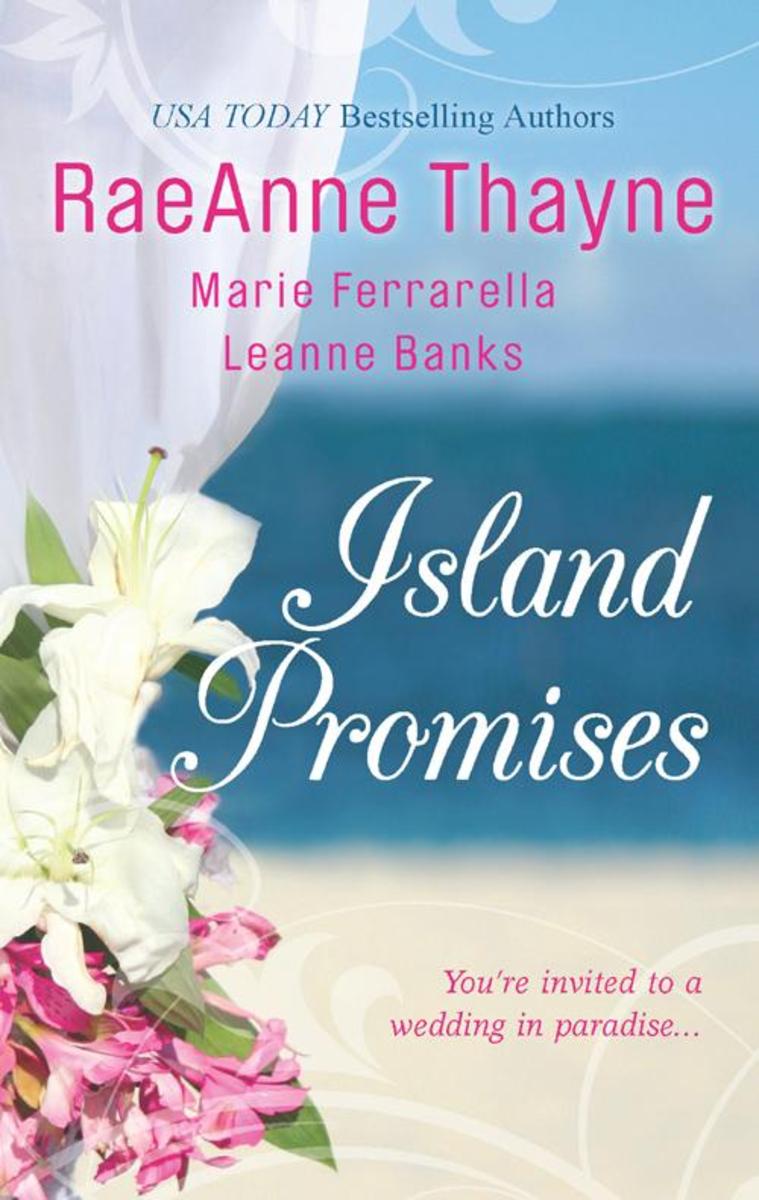
Island Promises: Hawaiian Holiday / Hawaiian Reunion / Hawaiian Retreat (Mills &
¥45.03
Destination wedding guest list: The Ex-Wife Megan McNeil is genuinely happy to escort her little girls to their father’s wedding in Kauai, Hawaii—even though she feels like a third wheel. One gorgeous groomsman definitely disagrees. But are they both carrying too much baggage to begin a new romance? The Best Man Devlin Marshall won't let anything spoil his buddy's big day—not even his own rocky marriage. Secrets and mistrust have divided him from his Amy, but the love in the air seems to be catching…. The Sister Family comes first. Deep down, Gabi Foster knows it, but this holiday is hurting her career. Can a sweet, sexy surfing instructor convince her that love is worth more than a business deal?
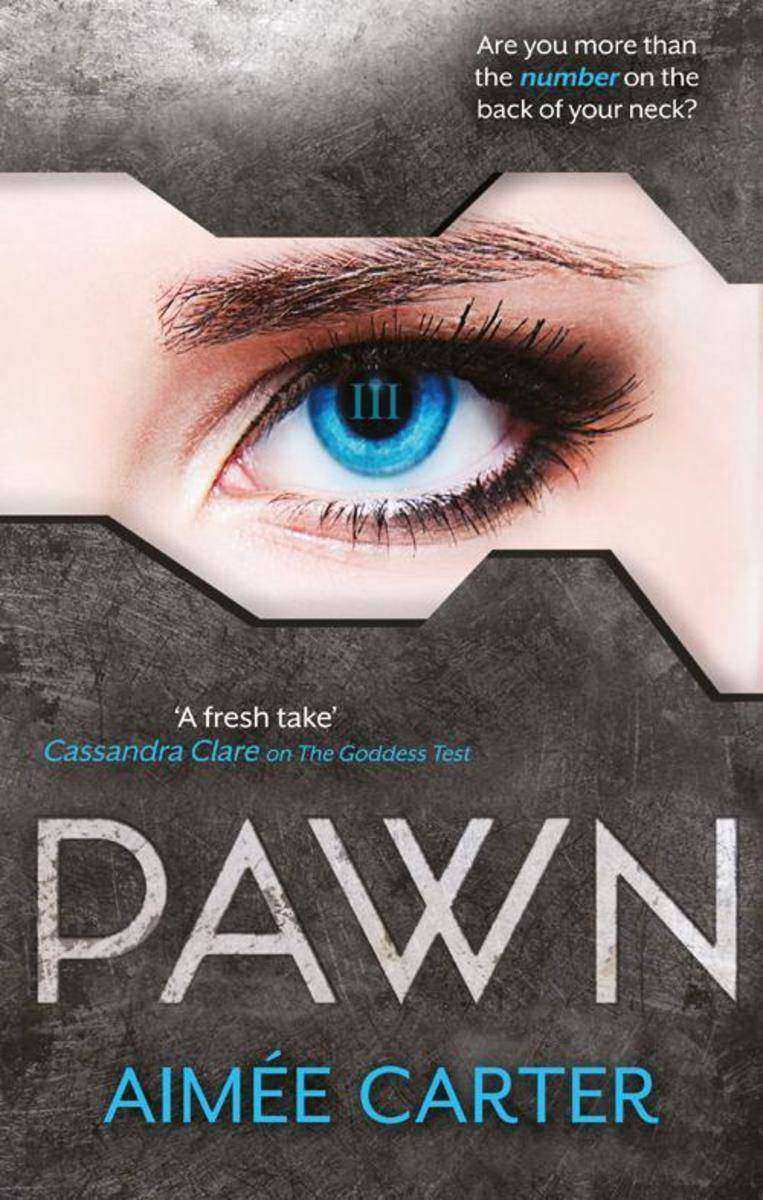
Pawn (The Blackcoat Rebellion, Book 1)
¥51.50
"YOU CAN BE SAVED. IF YOU GIVE UP EVERYTHING YOU LOVE…" In Washington, DC, seventy years after democracy has fallen, the number you’re assigned by the government decrees your fate. Seventeen-year-old orphan Kitty Doe is stuck as a III, looked down upon by the higher ranks. Until a chance encounter gives her the opportunity to become a VII and join the most powerful family in the country. If she says yes, Kitty will be transformed into Lila Hart, the Prime Minister’s niece, who died under mysterious circumstances. As a member of the Hart family, she will be famous. Adored. Especially by Lila’s boyfriend, Knox. But becoming part of society’s inner circle also means seeing its darkest secrets and learning a twisted game Kitty’s only beginning to understand…Praise for Aimee Carter ‘Intelligent and sharp and really stands out from the crowd.’ – Total Teen Fiction ‘I loved it, I could barely put it down. It seemed every other page held a secret that I never saw coming and left me breathless.’ - An Awful Lot of Reading Blog ‘This is an unmissable, stunning dystopian novel with the unique and unpredictable aspects that everyone loves.’ - Pretty Little Memoirs Blog ‘This is a fantastic start to what is bound to be a heart-stopping, spell-binding series.’ - K Books Blog ‘Pawn is the only other book in the Dystopian genre worth reading along with Hunger Games’ - Reality’s a Bore Blog ‘With a touch of The Hunger Games and Divergent, Pawn is not a book to be missed.’ Uncorked Thoughts Blog ‘Love, loss and betrayal, this story will capture you from the very beginning.’ - Once Upon a Moonlight Review Blog
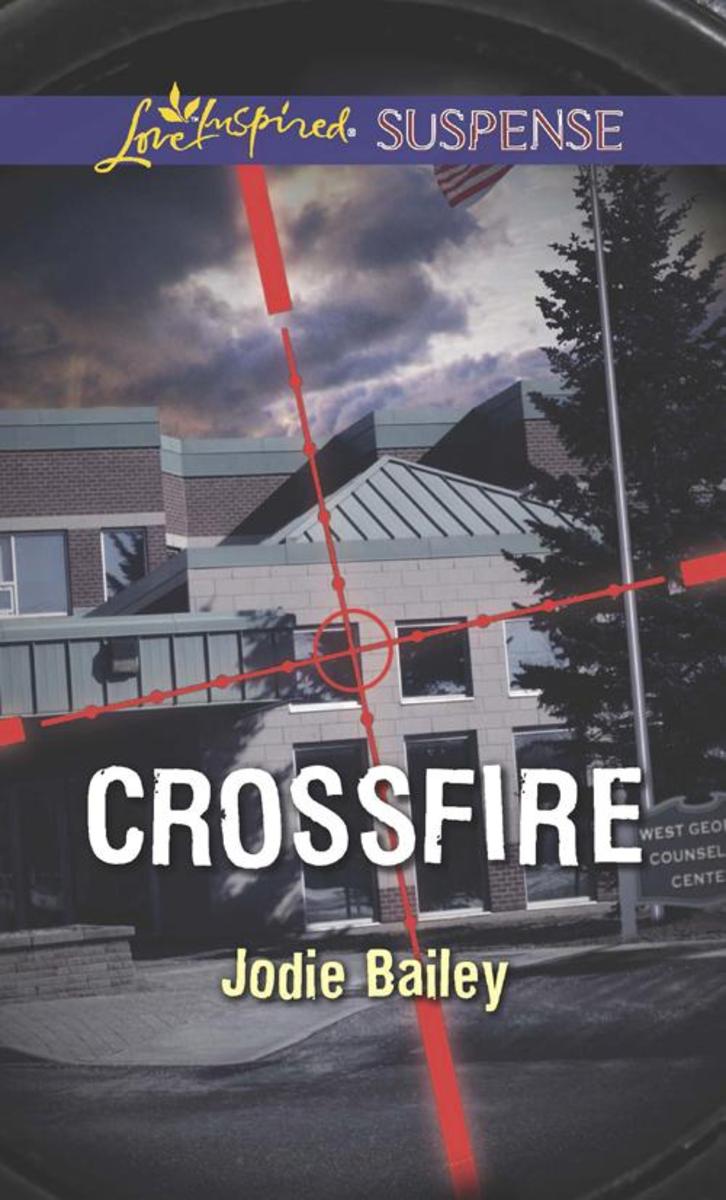
Crossfire (Mills & Boon Love Inspired Suspense)
¥31.10
A DANGEROUS REUNION After he couldn't save her brother, Army First Sergeant Josh Walker isn't about to let anything happen to Andrea Donovan. Josh may have saved her from one attack, but drug smugglers are desperate to get information about one of Andrea’s patients—a patient who’s disappeared without a trace. Despite the danger, the beautiful counselor refuses to hand over confidential files. Now Josh and Andrea have no choice but to battle on for their lives—and their love—or they'll be the latest casualty to get caught in the crossfire.


