


 购物车
购物车 个人中心
个人中心

The Chest and Arms Workout Plan:Firm, Tone, and Tighten Your Upper Body
¥38.62
The Ultimate Chest and Arms Exercise & Fitness Program - Discover How You Can Build A Solid Upper Body Faster TODAY! If you hate working out and having to exercise; if you feel like your workouts and exercises are long and boring; or if you feel like your workouts and exercises aren't doing anything for you... Then, The Chest and Arms Workout Plan is just for you! This book shows you how to firm, tone and tighten your upper body including how to: -Start losing weight without working out as hard -Begin burning all that stubborn fat, especially chest and arm fat -Say goodbye to jiggly arms and other problematic areas in your upper body -Say goodbye to long, dull, boring workouts and exercises -Get excited about having to exercise and workout - EVERY TIME! The Chest and Arms Workout Plan is chock full of exercises, instructions, full-color pictures and over 20 workout programs to keep your exercise routine fun, exciting and successful. Get Your Copy Today!

February:A Screenplay
¥8.09
In FEBRUARY, together, Sergeant Femi Kolawole and investigative journalist Chioma Okafor solves Emeka's Valentine-day murder, and on doing so, Chioma is exposed to Femi's heroic personality, which makes her eventually fall in love with him.The Plot:Chioma Okafor, a young investigative journalist, is pressured by her over-ambitious mother into an unwanted romantic relationship with Uche, a young sophisticated university lecturer. Chioma yields to her mother’s pressure, hoping she would eventually fall in love with Uche as her mother assured, but she never did. On a Valentine date with Uche, Chioma gets a glimpse of what her relationship has been missing, as she feels love for the first time with Emeka, a handsome stranger who’s unfortunately expecting a baby with Amara, a girl who Uche used to date in university. Uche turns a relationship that he intended to blow up into an engagement on Valentine's day, into a blood bath before midnight. Chioma who survives the near-death experience, narrates her Valentine dilemma to Femi, a clever Police Sergeant. The Twist:Everybody thinks Uche died that night, but a strange text message sent from Chioma’s phone to Emeka, triggers a series of twisted events, which proves that the jealous and malicious Uche is still alive and in the wind, and that the life of Chioma is hanging down by a thin thread. The ultimate question is: 'Since Uche is alive, then who is the man laying lifeless in the mortuary?' Chioma is certainly not pleased with the answer. Femi forcefully becomes Chioma’s personal bodyguard, while he hunts down Uche, an innocent-looking man who Femi had met a day ago and poorly judged. Follow Femi as he uncovers this intriguing murder mystery that nobody even knew happened.The Play:The screenplay starts with a scene of a couple whose faces aren’t revealed to the screen, laying MOTIONLESS in a wrecked car, covered in their own blood, and ends in a conference room, as Chioma calls Femi to tell him how she feels about him.FEBRUARY is a unique blend of romance, comedy, suspense, and adventure. A beautifully crafted story of love, jealousy, betrayal, conspiracy, and ambition.
Goody Two Shoes
¥48.74
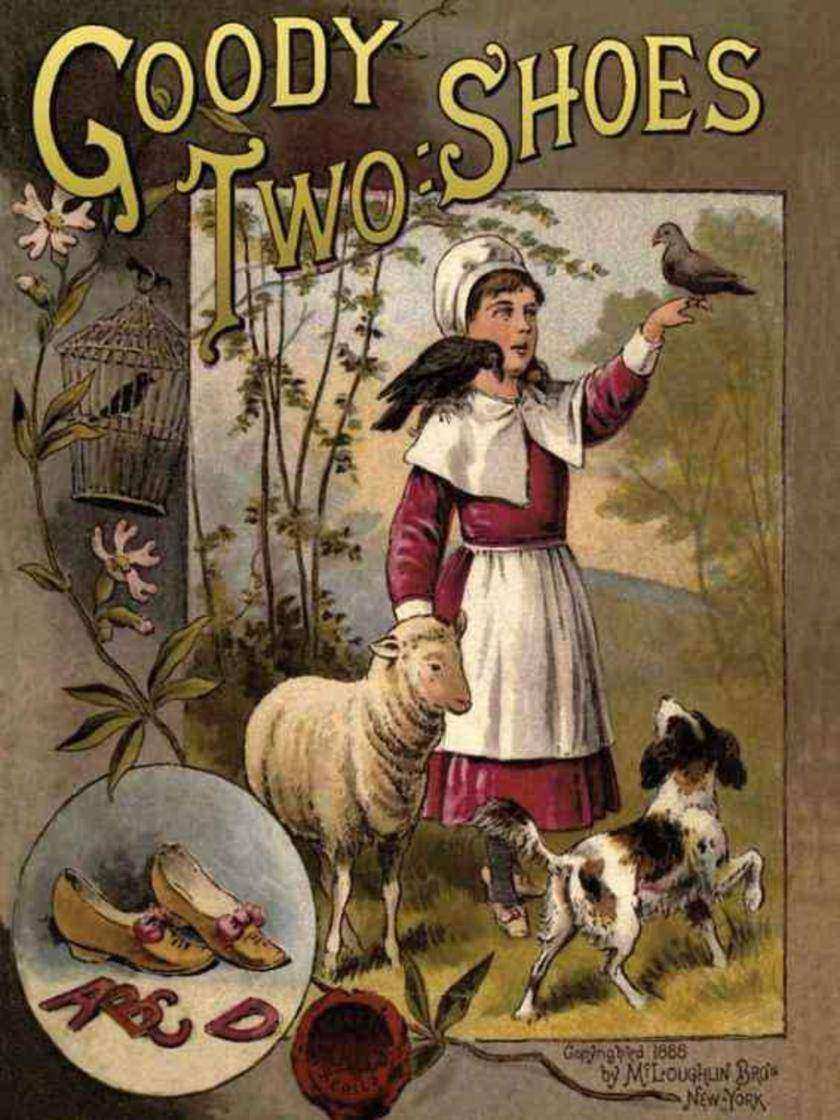
Goody Two Shoes is the story of the little girl who overcomes many obstacles by always choosing what is right and fair. Beautifully illustrated, this book was originally published in 1888 by the McLoughlin Bros.

Traumatic Incident Reduction and Primary Resolution of the Post-Traumatic Stress
¥24.44
"Traumatic Incident Reduction (TIR) and Primary Resolution of the Post-Traumatic Stress Disorder" provides a brief discussion illuminating the concept of PTSD: how it arises, what maintains it, how it progresses to increasingly constrain a person's life. PTSD also involves faulty thinking, but focus on such present-time reactions is ineffective without addressing the original trauma. PTSD is the consequence of attempts to avoid re-experiencing. Traumatic Incident Reduction (TIR) is a technique for overcoming this tendency, allowing the sufferer to experience the traumatic incident in a special, safe way. In the case of multiple traumas, this can be complex, needing to deal with each. It is necessary to find the original trauma, which invariably has led to more recent ones, and fully resolve it in one sitting. This provides complete relief from the burden of the past trauma. An individual session, designed to handles a single incident, may take between 20 minutes and 3 hours (average 1.5 hours). The primary incident may be obvious to the sufferer, or hidden. People with anxiety problems but no flashbacks may find forgotten traumas, the resolution of which through "Thematic TIR" can eliminate current symptoms. Currently occurring emotional and somatic symptoms are traced back in time until a root incident is found. Emotion and thinking are intertwined: correcting one will correct the other. TIR focuses on the emotion. Once the trauma is fully processed, the person is able to think rationally about it. Dr. Moore is a licensed marriage and family therapist, school psychologist and mental health counselor with graduate degrees in counseling psychology from Lehigh (1965) and Walden (1977) Universities. He is a Fellow and Diplomate of the American Board of Medical Psychotherapists; a Diplomate of the International Academy of Behavioral Medicine, Counseling and Psychotherapy. With over thirty years of practice, seventeen as Director of the Institute for Rational Living in Florida, he has co-edited or contributed to six popular books by Albert Ellis; authored chapters on various applications of Cognitive Behavior Therapy and Traumatic Incident Reduction for professional texts by Windy Dryden, Larry Hill and Janet Wolfe; hosted his own nationally syndicated daily talk radio program; and produced over three hundred psychologically-topical news and public service segments for radio and television. "Dr Moore's monograph will guide you in deciding whether you will benefit from TIR, and may inspire you to train to become a 'facilitator' who can help others with this powerful family of techniques." --Bob Rich, PhD, www.anxiety-and-depressionhelp.com For more information about TIR and PTSD, please visit www.TIR.org
A Short History of the Short Story:Western and Asian Traditions
¥32.29
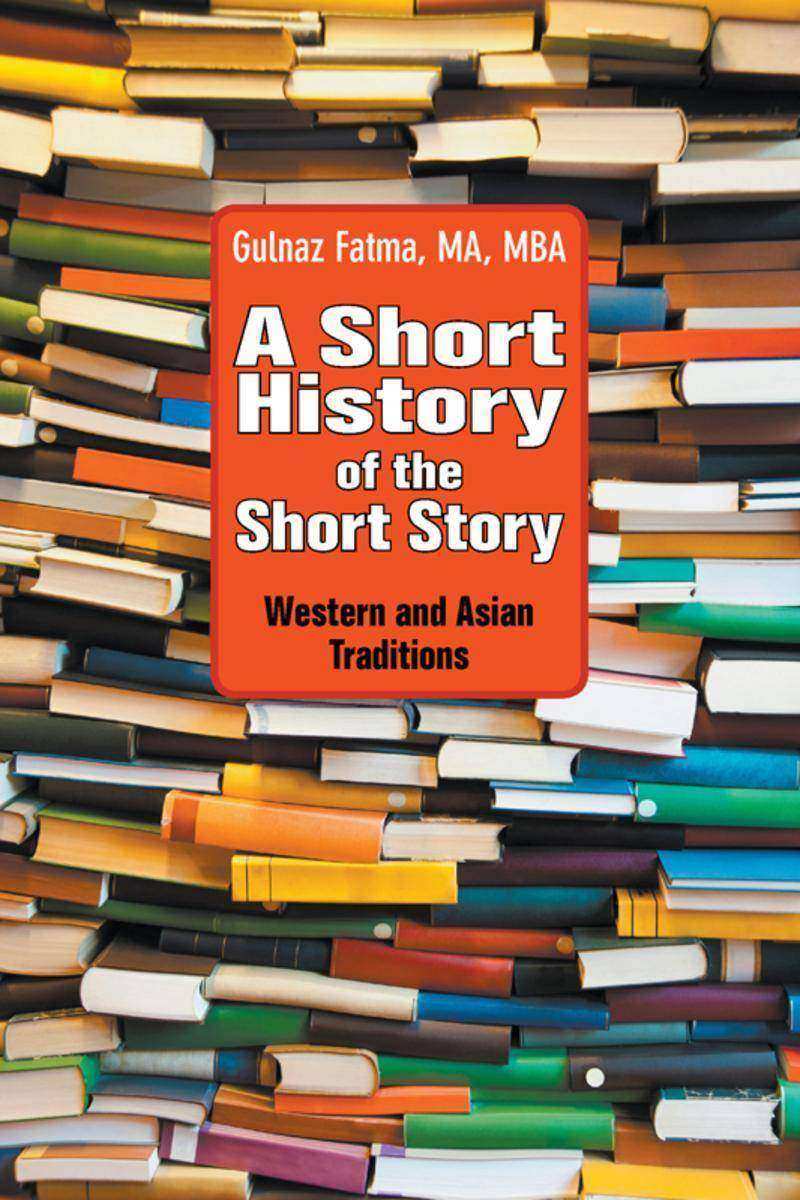
Worldwide Appreciation of the Short Story Form Spans Cultures and Centuries! In this concise volume, Gulnaz Fatma traces the short story from its origins in fables, ancient poetry, and tales such as The Arabian Nights, to its modern form in the early American stories of Irving, Poe, and Hawthorne, and then through the twentieth century and throughout the world. The elements of what makes a short story are presented along with a discussion of the difficulties in defining the genre. The short story's relation to the novel as well as its uniqueness as its own form are deftly presented. While the American and European traditions of the short story take up much of this book, the final chapter is a thorough presentation of the short story's development in India. Anyone interested in the short story--teachers, students, writers, and readers--will find this volume informative, thoughtful, and a welcome addition to our understanding of one of literature's most dynamic forms. Gulnaz Fatma is an Indian writer and author. She is a research scholar in the Department of English at Aligarh Muslim University in Aligarh, India. "As a fiction writer who has also taught the short story form, I was impressed by the thoroughness and insight presented in this concise book. Fatma's broad exploration of the short story form is backed by numerous supporting examples and her chapter on the short story in India will introduce many readers to that country's own literary gems." --Tyler R. Tichelaar, Ph.D. and author of the award-winning Narrow Lives From the World Voices Series www.ModernHistoryPress.com Literary Criticism: Short Stories Literary Criticism: Asian - General
My Friend Suhana:A Story of Friendship and Cerebral Palsy
¥48.74
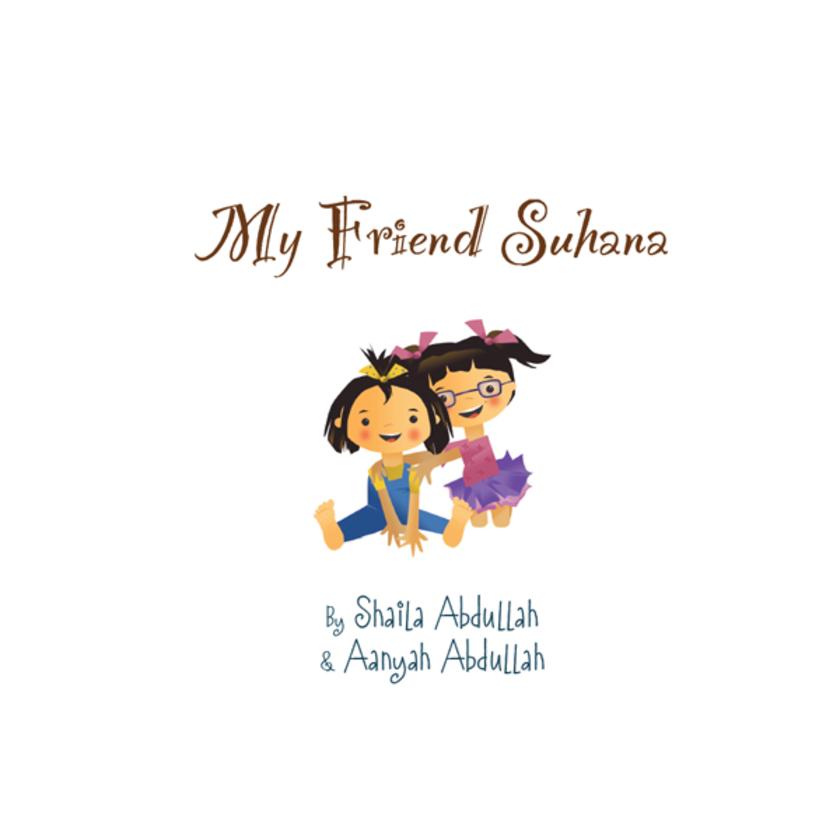
A simple tale of love and friendship to warm your heart Award-winning author and designer Shaila Abdullah teams up with her 10-year-old daughter Aanyah to bring you this heartwarming tale of a little girl who forms a close bond with a child with cerebral palsy. The girl finds that through her art, she can reach her special friend Suhana. "My Friend Suhana is a delightful read for a children's book. Very well illustrated with respect, friendship, and advocacy all in mind at the same time." --Dawn Cruzan, President, Camp Craig Allen for all abilities "This is the story of a seven-year-old's first attempt at unconditional love. Tough but tender, inspirational yet utterly real, this is a small gem of a tale. Highly recommended for anyone in the position of mentoring a beloved child through the hard places of life." --Paula Huston, author of A Season of Mystery and A Land Without Sin "My Friend Suhana is a charming and perceptive book that will draw its readers into empathy while allowing them to enjoy this heartwarming story of two uncommon friends." --Chitra Divakaruni, author of Grandma and the Great Gourd Learn more at www.MyFriendSuhana.com From the Growing With Love Series at www.LHPress.com
Framing a Family:Building a Foundation to Raise Confident Children
¥48.74
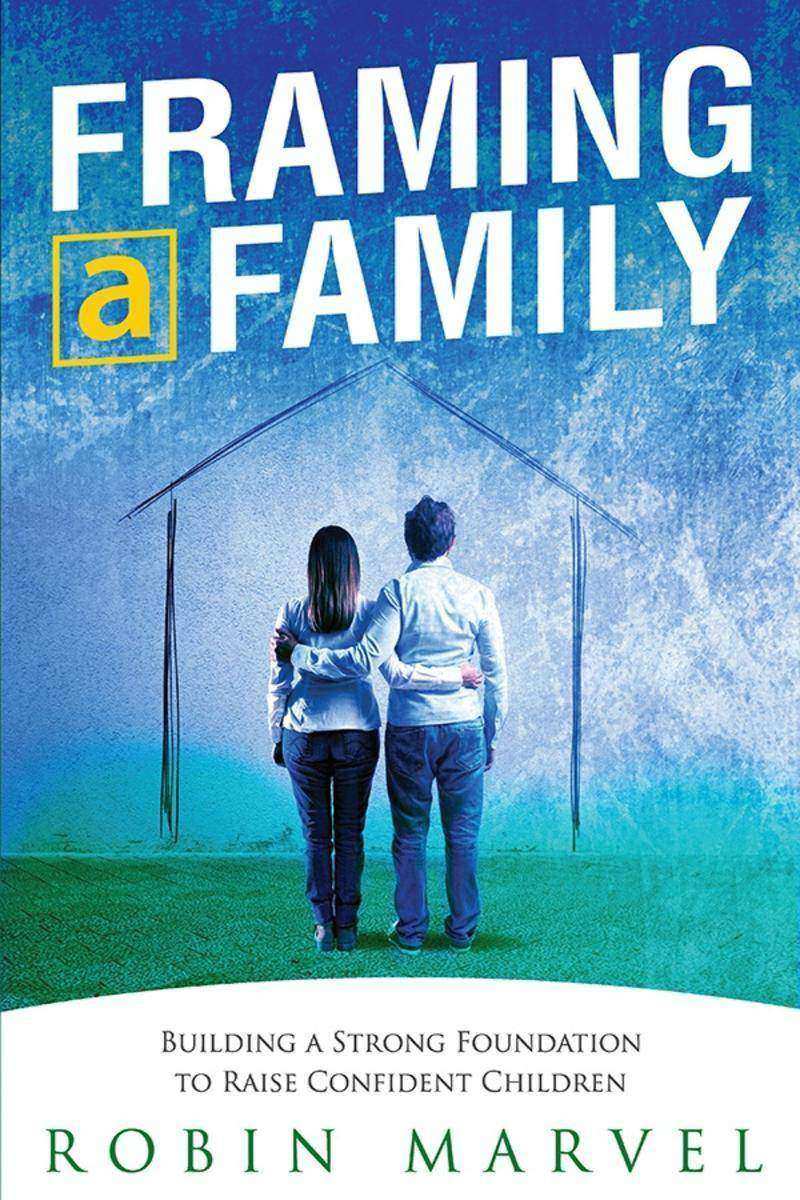
Framing A Family will guide you to giving your children a childhood they do not need to recover from! This book will strengthen your family, inspiring you to build your home with encouragement, empowerment, forgiveness, and most important love. You will: ·Gain proven tips and tools to empower, encourage, and strengthen your family ·Let go of your expectations and embrace the hard times and the good times with an open mind ·Build your confidence as you raise the self esteem of each family member creating an unshakable unit ·Forgive, heal and move forward in the present moment with action steps that build family ·Learn tried and true methods to build a foundation, raising confident children "Robin's wonderful stories illustrate her challenges and how she has been able to turn these challenges into personal victories and inspirational nuggets of hope for other people. I am happy to recommend this book to anyone who needs encouragement, hope, and direction to take their lives to the next level, to live life to the fullest with love, empowerment, and integrity." --Stacey Toupin, Life and Career Coach "Framing a Family teaches parents around the world the value of family, union, and unity. She both guides us and gives us tools and skills. The way she raises her children is a inspiration and we can all learn valuable lessons from her experiences. Robin is a hardworking, fun-loving, wise mother. I have found all of Robin's books and talks to be empowering and uplifting." --Mia Bredenkamp, Bultfontein, FS, South Africa Robin Marvel is a multi-published author and speaker in the field of self-development. Despite a childhood filled with abuse, homelessness, and teen pregnancy, Robin has overcome many challenges to make her life one of purpose. Today she has devoted her life to show others how to do the same. Using her story, books, and workshops as tools, she is inspiring others to break cycles and choose to live the life they desire. Learn more at www.RobinMarvel.com Another empowering book from Marvelous Spirit Press
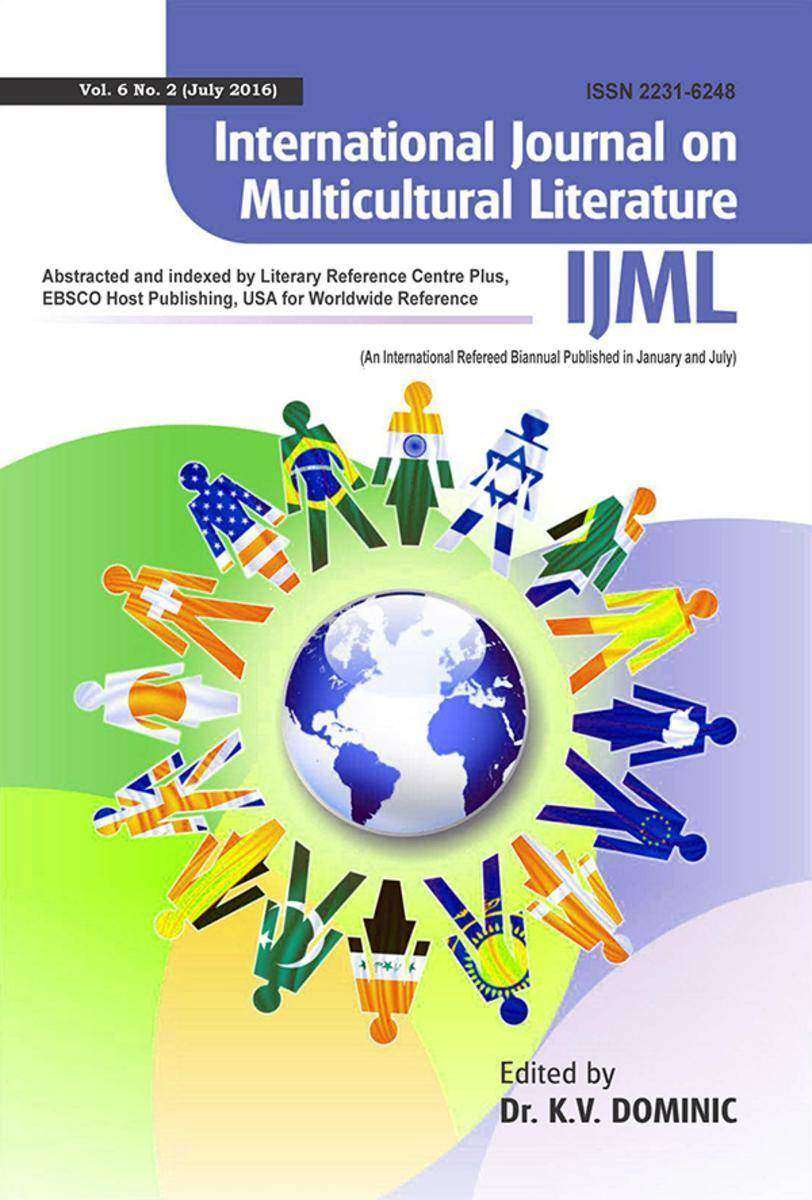
International Journal on Multicultural Literature (IJML):Vol. 6, No. 2 (July 201
¥48.74
International Journal on Multicultural Literature (IJML) Volume 6 Number 2 (July 2016)ISSN 2231-6248 Highlights include: ·"Portrayal of Man-Woman Pairs in the Fictional World of D. H. Lawrence: An Analysis" --S. Chelliah ·"Feminism and Feminist Literary Theory: A Brief Note" --C. Ramya ·"Portrayal of Feminine Spaces and Sensibilities in the Short-fiction of Alice Munro" --Syed Mir Hassim & M. Revathi ·"Violence, Memory and Identity in Indian English Fiction" --Barinder Kumar Sharma ·"Relevance of Neo-Slave Narrative Technique in Toni Morrison's Beloved" --Jaya Singh ·"'Mangalamkali' of Mavilan Tribe: An Ecocritical Reading" --Lillykutty Abraham & Sr. Marykutty Alex IJML is a peer-reviewed research journal in English literature published from Thodupuzha, Kerala, India. The publisher and editor is Prof. Dr. K. V. Dominic, renowned English language poet, critic, short story writer and editor who has to his credit 27 books. He is also the secretary of Guild of Indian English Writers, Editors and Critics (GIEWEC). Since 2010, IJML is a biannual journal published in January and July. The articles are sent first to the referees by the editor and only if they accept, the papers will be published. Although based in India, each issue includes worldwide contributors. Although IJML concentrates on multiculturalism, it also encompasses other literature. Each issue also includes poems, short stories, review articles, book reviews, interviews, general essays etc. under separate sections. IJML is available in paperback, Kindle, ePub, and PDF editions. Distributed by Modern History Press LCO004020 LITERARY COLLECTIONS / Asian / Indic LIT008020 Literary Criticism : Asian - Indic POL035010 Political Science : Political Freedom & Security - Human Rights Learn more at www.profKVDominc.com

The Flying Inn by G. K. Chesterton (Illustrated)
¥8.09
This eBook features the unabridged text of ‘The Flying Inn’ from the bestselling edition of ‘The Complete Works of G. K. Chesterton’. Having established their name as the leading publisher of classic literature and art, Delphi Classics produce publications that are individually crafted with superior formatting, while introducing many rare texts for the first time in digital print. The Delphi Classics edition of Chesterton includes original annotations and illustrations relating to the life and works of the author, as well as individual tables of contents, allowing you to navigate eBooks quickly and easily.eBook features:* The complete unabridged text of ‘The Flying Inn’* Beautifully illustrated with images related to Chesterton’s works* Individual contents table, allowing easy navigation around the eBook* Excellent formatting of the textPlease visit www.delphiclassics.com to learn more about our wide range of titles
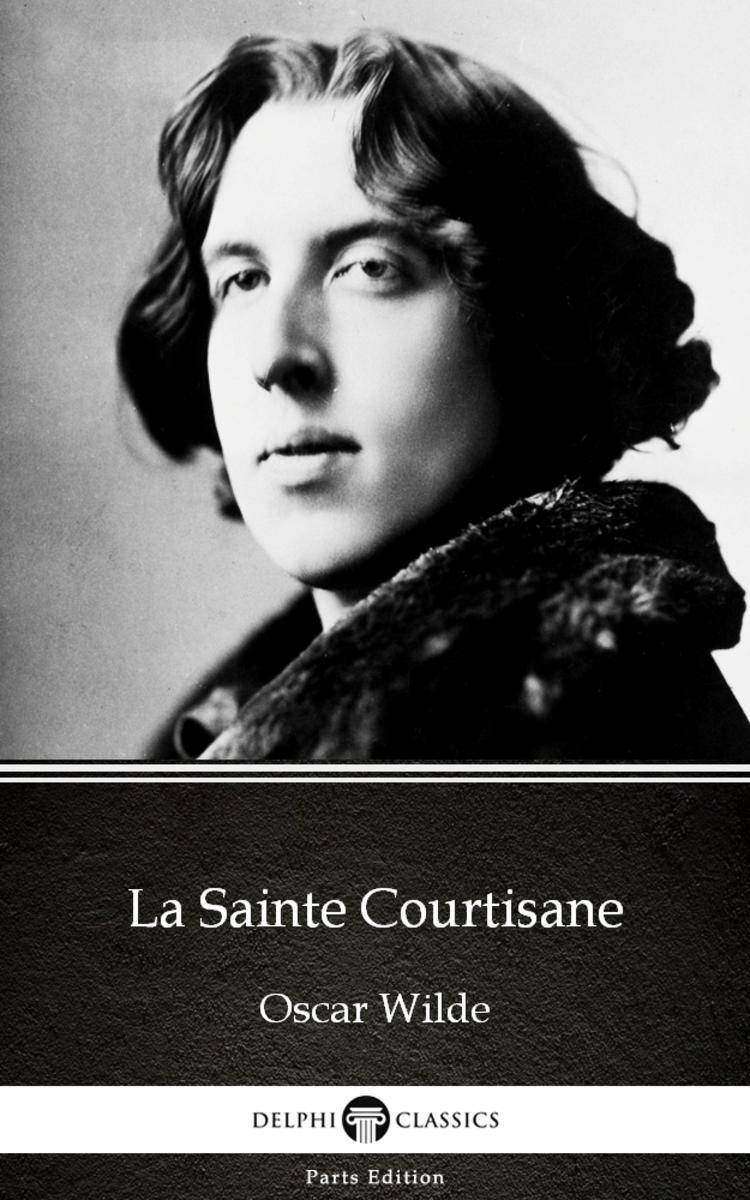
La Sainte Courtisane by Oscar Wilde (Illustrated)
¥8.09
This eBook features the unabridged text of ‘La Sainte Courtisane’ from the bestselling edition of ‘The Complete Works of Oscar Wilde’. Having established their name as the leading publisher of classic literature and art, Delphi Classics produce publications that are individually crafted with superior formatting, while introducing many rare texts for the first time in digital print. The Delphi Classics edition of Wilde includes original annotations and illustrations relating to the life and works of the author, as well as individual tables of contents, allowing you to navigate eBooks quickly and easily.eBook features:* The complete unabridged text of ‘La Sainte Courtisane’* Beautifully illustrated with images related to Wilde’s works* Individual contents table, allowing easy navigation around the eBook* Excellent formatting of the textPlease visit www.delphiclassics.com to learn more about our wide range of titles
Coping with Crisis:A Counsellor's Guide to the Restabilization Process
¥65.99
In the wake of a catastrophic event, the witness may discover or experience unsettling emotions which can trigger subsequent behaviors. These reactions can lead to a number of consequences, some of which are unproductive. Restabilization is a practical means of addressing these reactions and the resultant issues. It is a four-step process of self-discovery guided, but not led, by a counselor; aimed at restoring someone's confidence and improving their capability to deal with life's problems. The person is encouraged, and enabled, to view the event as a learning experience with an opportunity to improve their performance in relation to unexpected problems. The four stages of the process are described in detail, together with examples of model sessions and rules of engagement which serve to ensure the effectiveness of the process. There are also some Communication Exercises designed to ensure unemotional but sympathetic communication between the counselor and their client. In addition, the Dark Serpent Dilemma and Technique offers a pragmatic way of approaching and solving the problems which life throws at all of us from time to time. Once the concept is understood it can be applied as a way of ensuring the optimum reaction to any significant event or situation. About the Author For several years, Jim Burtles was Principal Consultant with Safetynet PLC, where he taught business executives how to cope with, and plan for, minor emergencies, disasters and absolute catastrophes. Safetynet was a pioneering disaster recovery and business continuity company which specialized in dealing with business emergencies. Such events might range in scale from a faulty air-conditioning system to the aftermath of major earthquakes or terrorist attacks. The original concept of Safetynet was centered on the complex computer-based operations of the modern business. However, experience soon taught Safetynet's founders that the whole of the business environment had to be taken into account. Therefore, personnel problems and many other aspects needed to be taken into consideration. Jim acquired his expertise in disaster recovery and emergency management through direct exposure to dozens of real-life disasters, almost a hundred emergencies and countless problem situations. He also benefited from the indirect experience of many more, gained from talking to, and working with, victims of various crises. In his current role, as a Director of Total Continuity Management, he is now working with senior executives of international corporations and government departments to help them develop complete emergency response plans and processes which include appropriate counseling and training programs to cope with emergency Coping with Crisis is book #5 in the Explorations in Metapsychology Series from Loving Healing Press (www.LovingHealing.com)

Henry VI, Part 3 by William Shakespeare (Illustrated)
¥8.09
This eBook features the unabridged text of ‘Henry VI, Part 3’ from the bestselling edition of ‘The Complete Works of William Shakespeare’. Having established their name as the leading publisher of classic literature and art, Delphi Classics produce publications that are individually crafted with superior formatting, while introducing many rare texts for the first time in digital print. The Delphi Classics edition of Shakespeare includes original annotations and illustrations relating to the life and works of the author, as well as individual tables of contents, allowing you to navigate eBooks quickly and easily.eBook features:* The complete unabridged text of ‘Henry VI, Part 3’* Beautifully illustrated with images related to Shakespeare’s works* Individual contents table, allowing easy navigation around the eBook* Excellent formatting of the textPlease visit www.delphiclassics.com to learn more about our wide range of titles

Terrorism
¥97.69
This series of nonfiction readers will grab a student's interest from the very first page! Designed with struggling readers in mind, these riveting 92-page books offer short chapters on significant disasters. Each chapter is its own mini-book, which includes a timeline, key terms, and interesting facts. Fascinating black and white photographs keep the pages turning. A bibliography encourages further topical reading. Disasters are inherently frightening, riveting, and involving. Grabbed straight from the headlines, these disasters leave tragedy, destruction, and years of anguish: The Munich Massacre, Sara Jane Olson, The Achille Lauro, The Unabomber, Oklahoma City, 9/11, The London Underground, and more.

Henry V by William Shakespeare (Illustrated)
¥8.09
This eBook features the unabridged text of ‘Henry V’ from the bestselling edition of ‘The Complete Works of William Shakespeare’. Having established their name as the leading publisher of classic literature and art, Delphi Classics produce publications that are individually crafted with superior formatting, while introducing many rare texts for the first time in digital print. The Delphi Classics edition of Shakespeare includes original annotations and illustrations relating to the life and works of the author, as well as individual tables of contents, allowing you to navigate eBooks quickly and easily.eBook features:* The complete unabridged text of ‘Henry V’* Beautifully illustrated with images related to Shakespeare’s works* Individual contents table, allowing easy navigation around the eBook* Excellent formatting of the textPlease visit www.delphiclassics.com to learn more about our wide range of titles
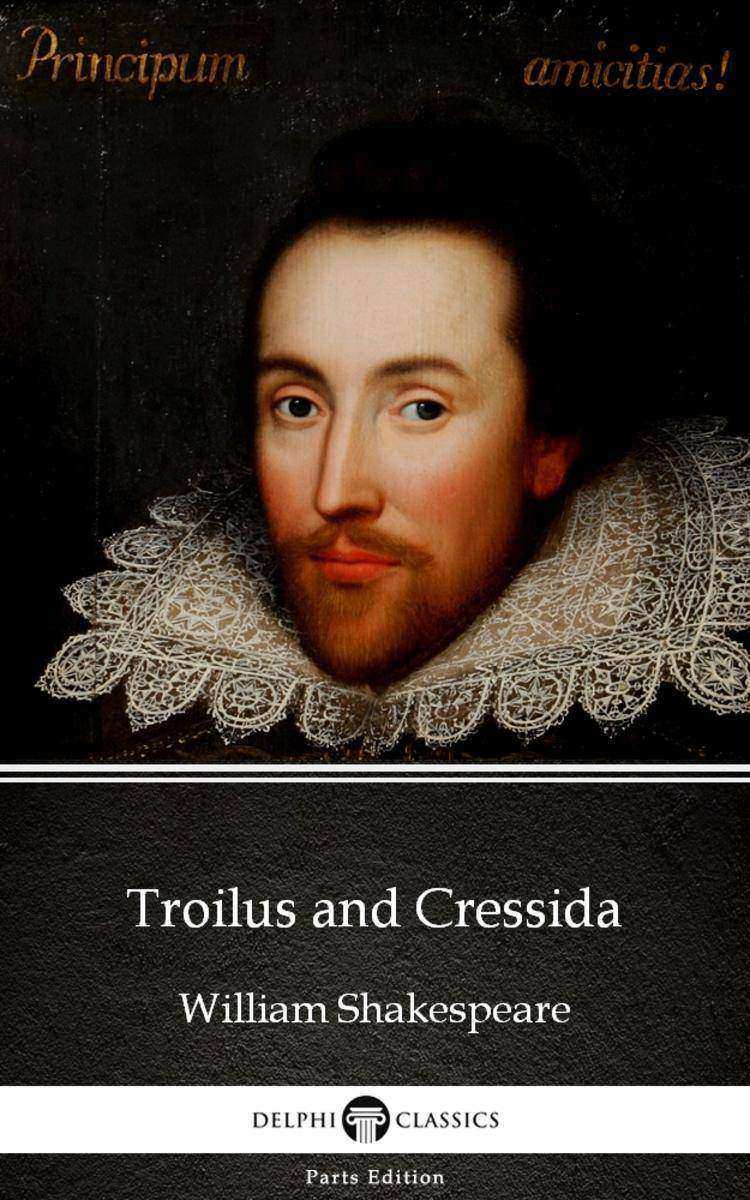
Troilus and Cressida by William Shakespeare (Illustrated)
¥8.09
This eBook features the unabridged text of ‘Troilus and Cressida’ from the bestselling edition of ‘The Complete Works of William Shakespeare’. Having established their name as the leading publisher of classic literature and art, Delphi Classics produce publications that are individually crafted with superior formatting, while introducing many rare texts for the first time in digital print. The Delphi Classics edition of Shakespeare includes original annotations and illustrations relating to the life and works of the author, as well as individual tables of contents, allowing you to navigate eBooks quickly and easily.eBook features:* The complete unabridged text of ‘Troilus and Cressida’* Beautifully illustrated with images related to Shakespeare’s works* Individual contents table, allowing easy navigation around the eBook* Excellent formatting of the textPlease visit www.delphiclassics.com to learn more about our wide range of titles
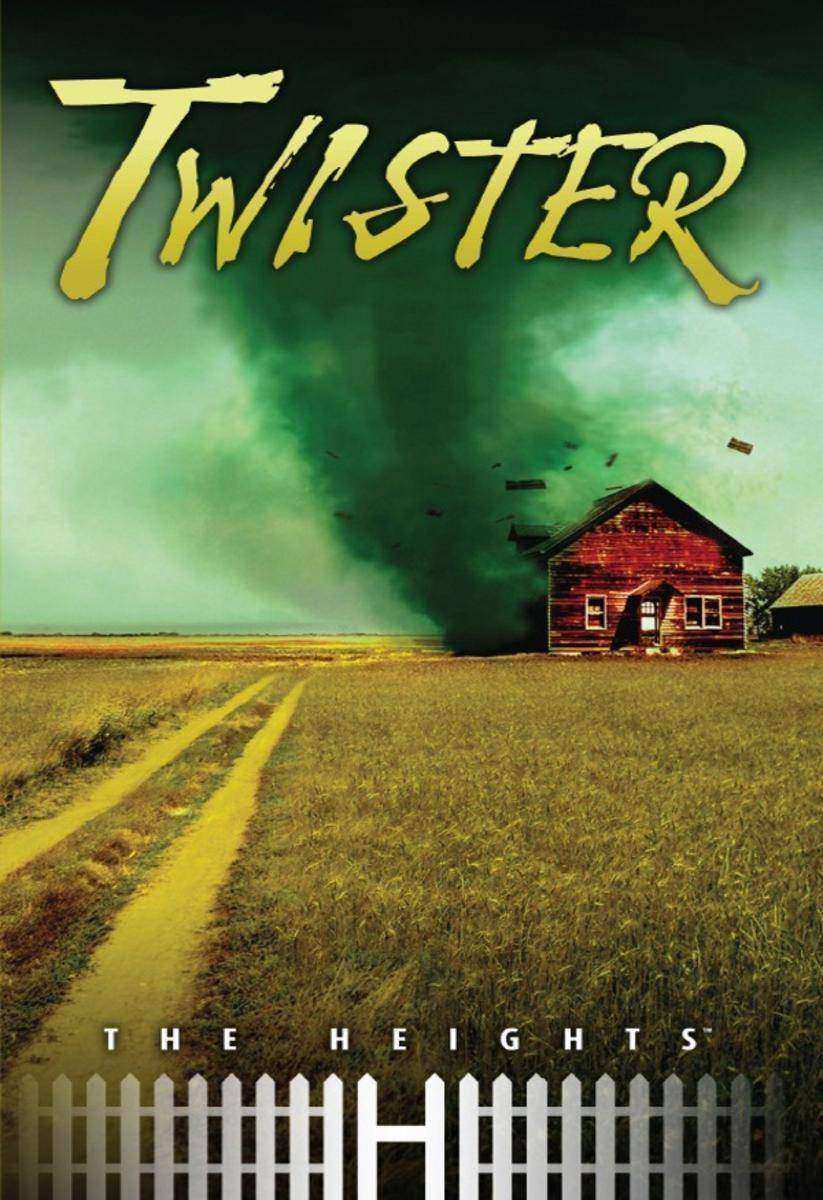
Twister
¥90.52
These traditional reads are brimming with spirited characters and positive values--but with a little extra excitement and bite, so hold on to your hats! Written expressly for the middle grade struggling reader, the series does not contain strong language, edgy themes, or dysfunctional families. In fact, family is the main theme of these titles. And one particular Latino family is the focus with their uncanny knack for finding humor, hope, and colorful personalities--even in unusual circumstances. Written at the lowest reading levels, the 50-page story structure is straightforward and moves the reader through the text quickly and efficiently. Antonio slid down the rope. He held on for dear life. It got darker as the twister moved closer. It was loud. Like a giant freight train!

Tsunami
¥90.52
These traditional reads are brimming with spirited characters and positive values--but with a little extra excitement and bite, so hold on to your hats! Written expressly for the middle grade struggling reader, the series does not contain strong language, edgy themes, or dysfunctional families. In fact, family is the main theme of these titles. And one particular Latino family is the focus with their uncanny knack for finding humor, hope, and colorful personalities--even in unusual circumstances. Written at the lowest reading levels, the 50-page story structure is straightforward and moves the reader through the text quickly and efficiently. It was the most horrible thing I have ever seen. Everything was gone! Houses, trees, animals, even people had been washed into the sea.
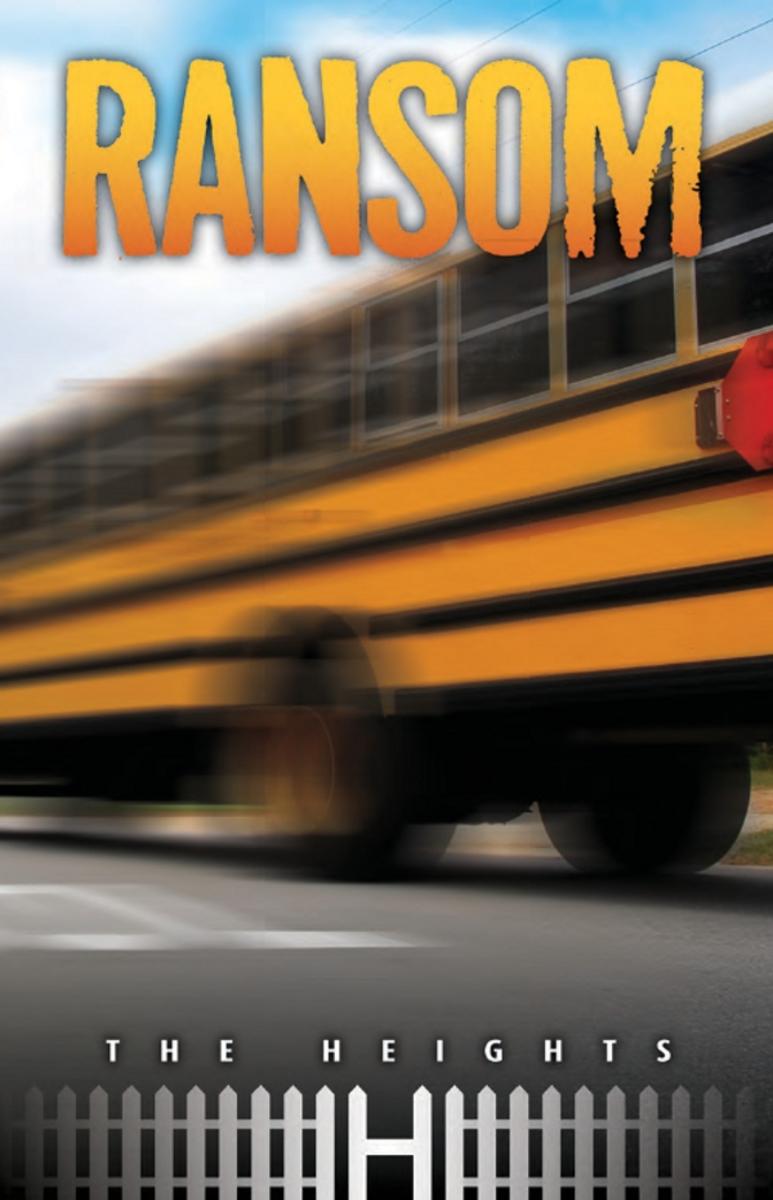
Ransom
¥84.74
These traditional reads are brimming with spirited characters and positive values--but with a little extra excitement and bite, so hold on to your hats! Written expressly for the middle grade struggling reader, the series does not contain strong language, edgy themes, or dysfunctional families. In fact, family is the main theme of these titles. And one particular Latino family is the focus with their uncanny knack for finding humor, hope, and colorful personalities--even in unusual circumstances. Written at the lowest reading levels, the 50-page story structure is straightforward and moves the reader through the text quickly and efficiently. The bus should have arrived at the Heights at five o'clock. Two hours later, there was no sign of it. Everyone was scared and confused. A bus full of students had vanished.
Antony and Cleopatra by William Shakespeare (Illustrated)
¥8.09
This eBook features the unabridged text of ‘Antony and Cleopatra’ from the bestselling edition of ‘The Complete Works of William Shakespeare’. Having established their name as the leading publisher of classic literature and art, Delphi Classics produce publications that are individually crafted with superior formatting, while introducing many rare texts for the first time in digital print. The Delphi Classics edition of Shakespeare includes original annotations and illustrations relating to the life and works of the author, as well as individual tables of contents, allowing you to navigate eBooks quickly and easily.eBook features:* The complete unabridged text of ‘Antony and Cleopatra’* Beautifully illustrated with images related to Shakespeare’s works* Individual contents table, allowing easy navigation around the eBook* Excellent formatting of the textPlease visit www.delphiclassics.com to learn more about our wide range of titles
Cymbeline by William Shakespeare (Illustrated)
¥8.09
This eBook features the unabridged text of ‘Cymbeline’ from the bestselling edition of ‘The Complete Works of William Shakespeare’. Having established their name as the leading publisher of classic literature and art, Delphi Classics produce publications that are individually crafted with superior formatting, while introducing many rare texts for the first time in digital print. The Delphi Classics edition of Shakespeare includes original annotations and illustrations relating to the life and works of the author, as well as individual tables of contents, allowing you to navigate eBooks quickly and easily.eBook features:* The complete unabridged text of ‘Cymbeline’* Beautifully illustrated with images related to Shakespeare’s works* Individual contents table, allowing easy navigation around the eBook* Excellent formatting of the textPlease visit www.delphiclassics.com to learn more about our wide range of titles

The Stranger
¥105.87
Written for young adults, the Urban Underground series confronts issues that are of great importance to teens, such as friendship, loyalty, drugs, gangs, abuse, urban blight, bullies, and self-esteem to name a few. More than entertainment, these books can be a powerful learning and coping tool when a struggling reader connects with credible characters and a compelling storyline. The highly readable style and mature topics will appeal to young adult readers of both sexes and encourage them to finish each eBook. Cesar Chavez HS Series - Ernesto Sandoval begins his junior year at Cesar Chavez High School a virtual stranger. He didn't want to move back to the barrio after a decade in Los Angeles. After all, he had a lot of friends and even a girlfriend. But then he spies Naomi Martinez- the most beautiful girl he's ever seen. And he falls hard.


