


 购物车
购物车 个人中心
个人中心
William Morrow Paperbacks
¥121.80
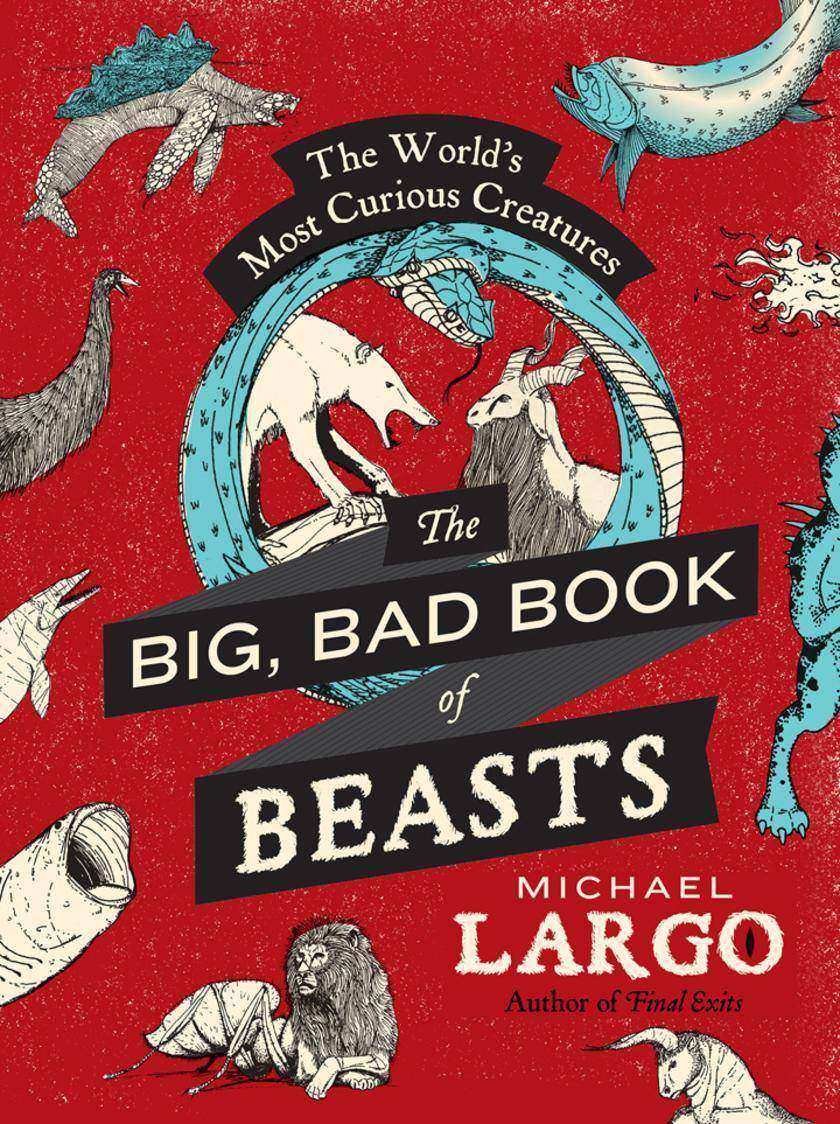
The world wildest collection of animal knowledge and lore! Lions, and tigers, and bears . . . and dinosaurs, dragons, and monsters. Oh my! For hundreds of years, the most popular books in the Western world next to the Bible were bestiaries, fanciful encyclopedias collecting all of human knowledge and mythology about the animal kingdom. In these pages, eagles and elephants lived next to griffins and sea monsters. Now, in The Big, Bad Book of Beasts , award-winning author Michael Largo has updated the medieval bestsellers for the twenty-first century, illuminating little-known facts, astonishing secrets, and bizarre superstitions about the beasts that inhabit our world and haunt our imaginations. You'll learn about the biggest bug ever, the smallest animal in the world, and the real creatures that inspired the fabled unicorns. You'll discover how birds learned to fly, why cats rub against your legs, and a thousand other facts that will make you look at nature in a wonderfully new way. Did you knowThe fastest animal in the world is the peregrine falcon, which reaches speeds of over 200 miles per hours. Circus ringmaster P.T. Barnum fooled many when he displayed a mermaid carcass that was later proved to be monkey bones sewed together with the body of a fish. Discovered in a remote volcanic crater in New Guinea, the Bosavi wolly rat grows to the size of a cat. President Andrew Jackson bought an African gray parrot to keep his wife company. The bird outlived them both and was removed from Jackson funeral for cussing in both English and Spanish. A to Z: From Aardvark to Zooplankton! For all ages! Includes 289 illustrations!
Knocking on Heaven's Door
¥94.10
From one of Time magazine 100 most influential people in the world, a rousing defense of the role of science in our lives The latest developments in physics have the potential to radically revise our understanding of the world: its makeup, its evolution, and the fundamental forces that drive its operation. Knocking on Heaven Door is an exhilarating and accessible overview of these developments and an impassioned argument for the significance of science. There could be no better guide than Lisa Randall. The bestselling author of Warped Passages is an expert in both particle physics (the study of the smallest objects we know of) and cosmology (the study of the largest). In Knocking on Heaven Door , she explores how we decide which scientific questions to study and how we go about answering them. She examines the role of risk, creativity, uncertainty, beauty, and truth in scientific thinking through provocative conversations with leading figures in other fields (such as the chef David Chang, the forecaster Nate Silver, and the screenwriter Scott Derrickson), and she explains with wit and clarity the latest ideas in physics and cosmology. Randall describes the nature and goals of the largest machine ever built: the Large Hadron Collider, the enormous particle accelerator below the border of France and Switzerland as well as recent ideas underlying cosmology and current dark matter experiments. The most sweeping and exciting science book in years, Knocking on Heaven Door makes clear the biggest scientific questions we face and reveals how answering them could ultimately tell us who we are and where we came from.
Drama
¥94.10
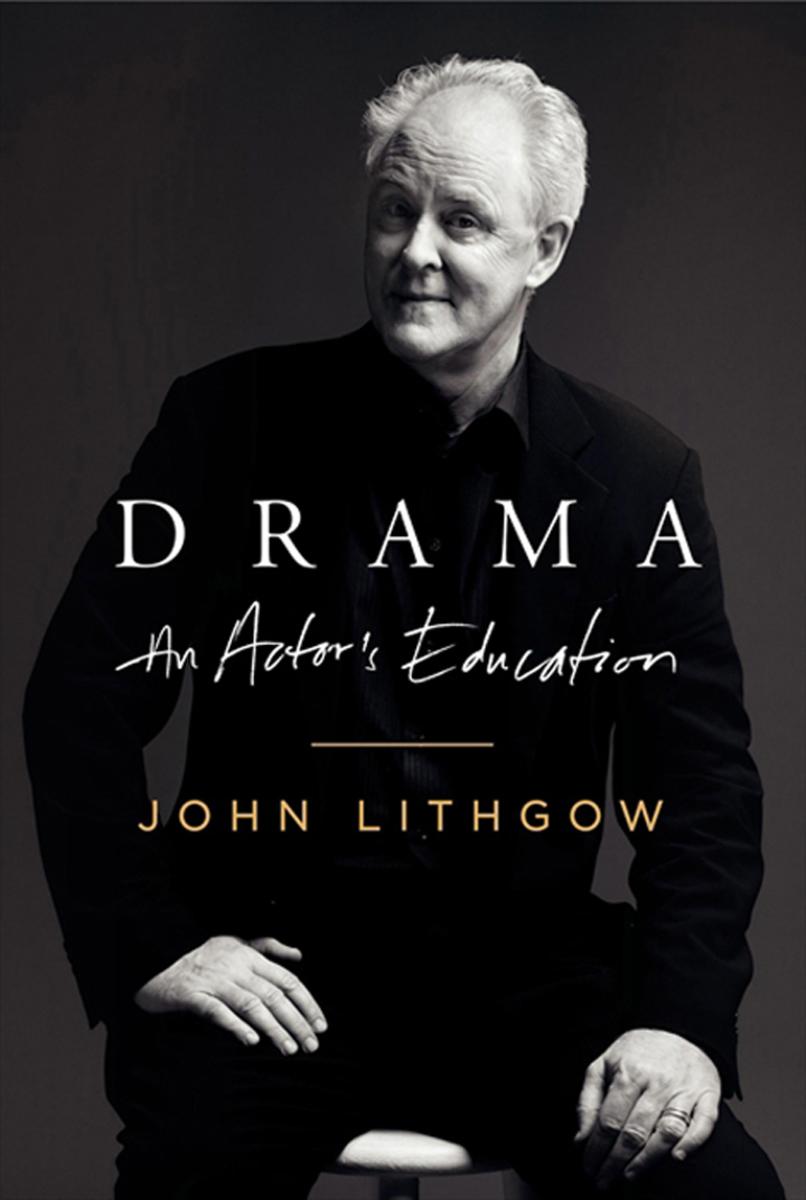
In this riveting and surprising personal history, John Lithgow shares a backstage view of his own struggle, crisis, and discovery, revealing the early life and career that took place out of the public eye and before he became a nationally known star. Above all, Lithgow memoir is a tribute to his most important influence: his father, Arthur Lithgow, who, as an actor, director, producer, and great lover of Shakespeare, brought theater to John boyhood. From bedtime stories to Arthur illustrious productions, performance and storytelling were constant and cherished parts of family life. Drama tells of the Lithgowscountless moves between Arthur gigs John attended eight secondary schools before flourishing onstage at Harvard and details with poignancy and sharp recollection the moments that introduced a budding young actor to the undeniable power of theater. Before Lithgow gained fame with the film The World According to Garp and the television show 3rd Rock from the Sun , his early years were full of scenes both hilarious and bittersweet. A shrewd acting performance saved him from duty in Vietnam. His involvement with a Broadway costar brought an end to his early first marriage. The theater worlds of New York and London come alive as Lithgow relives his collaborations with renowned performers and directors, including Mike Nichols, Bob Fosse, Liv Ullmann, and Meryl Streep. His ruminations on the nature of theater, film acting, and storytelling cut to the heart of why actors are driven to perform, and why people are driven to watch them do it. Lithgow memory is clear and his wit sharp, and much of the humor that runs throughout Drama comes at his own expense. But he also chronicles the harrowing moments of his past, reflecting with moving candor on friends made and lost, mistakes large and small, and the powerful love of a father who set him on the road to a life onstage. Illuminating, funny, affecting, and thoroughly engrossing, Drama raises the curtain on the making of one of our most beloved actors.
The Forgotten Man
¥106.31
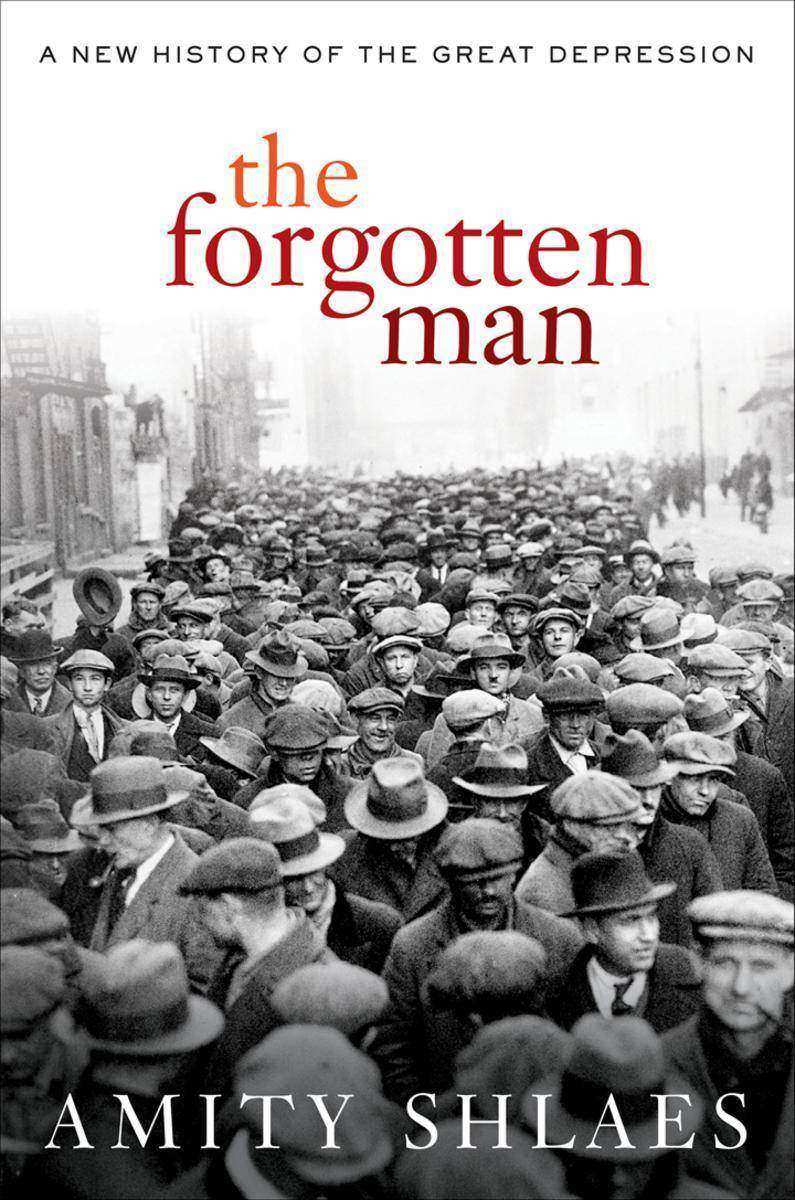
In The Forgotten Man , Amity Shlaes, one of the nation's most-respected economic commentators, offers a striking reinterpretation of the Great Depression. She traces the mounting agony of the New Dealers and the moving stories of individual citizens who through their brave perseverance helped establish the steadfast character we recognize as American today.
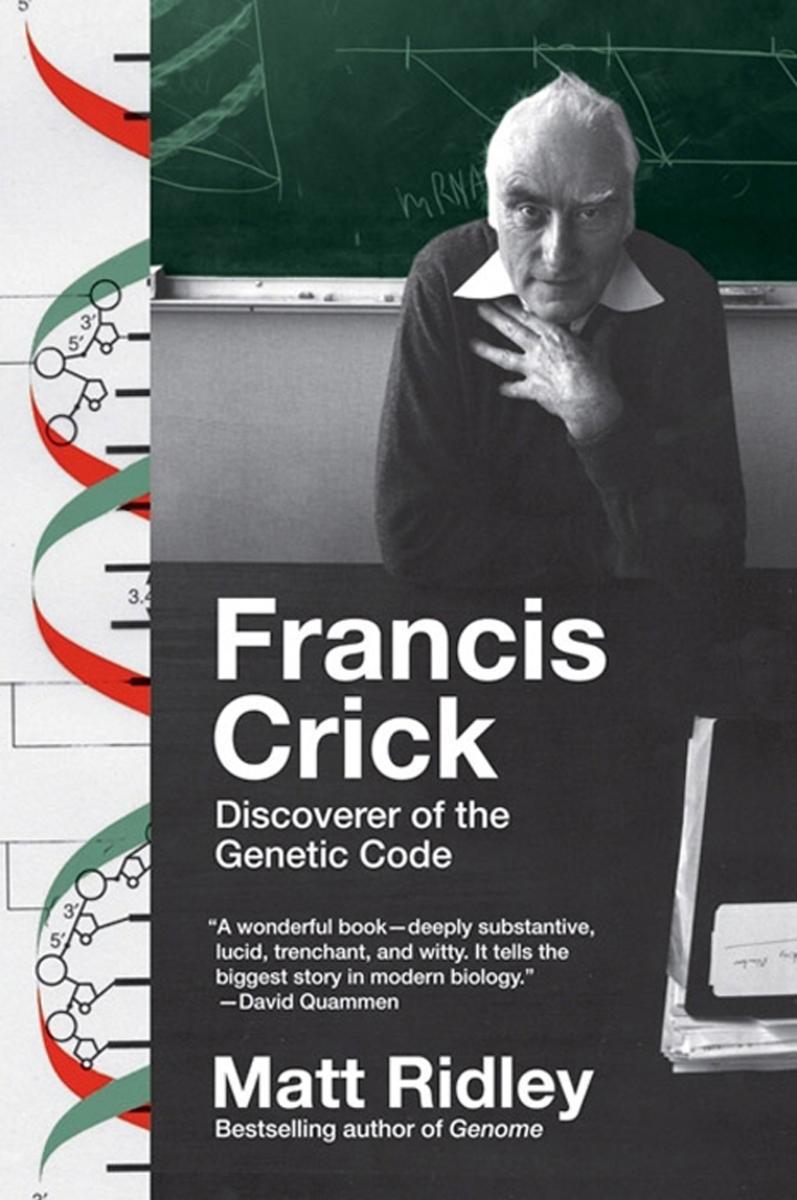
Francis Crick
¥78.55
Francis Crick the quiet genius who led a revolution in biology by discovering, quite literally, the secret of life will be bracketed with Galileo, Darwin, and Einstein as one of the greatest scientists of all time. In his fascinating biography of the scientific pioneer who uncovered the genetic code the digital cipher at the heart of heredity that distinguishes living from non-living things acclaimed bestselling science writer Matt Ridley traces Crick's life from middle-class mediocrity in the English Midlands through a lackluster education and six years designing magnetic mines for the Royal Navy to his leap into biology at the age of thirty-one and its astonishing consequences. In the process, Ridley sheds a brilliant light on the man who forever changed our world and how we understand it.
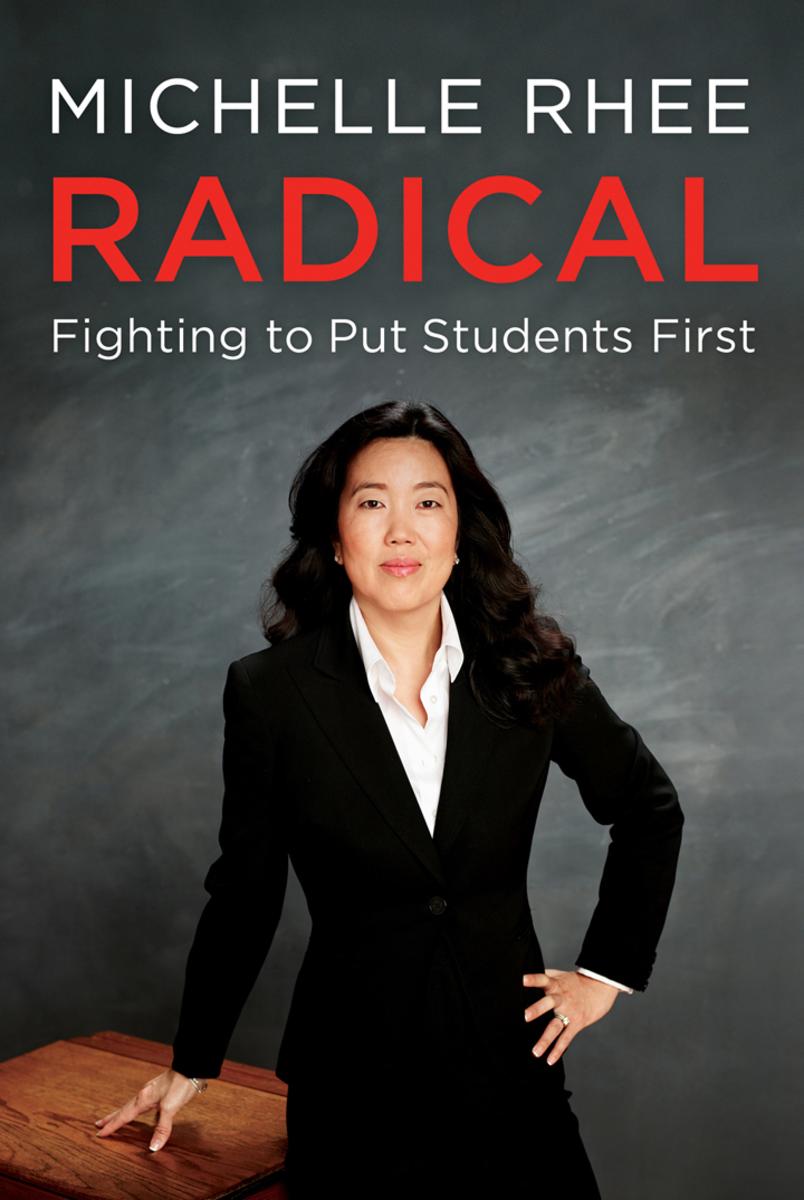
Radical
¥95.39
The United States is known as a world leader in innovation, boasting brilliant thinkers and trendsetting companies, but that status is at grave risk. American children are well outside the top-ten international student rankings in reading, science, and math; those rankings not to mention the nation's position of leadership on everything from the economy to the military to issues of moral authority will continue to plummet unless we take dramatic action. Michelle Rhee, a driving force behind American education reform, is ready to make a change. In Radical , this fearless and pioneering advocate draws on her own life story and delivers her plan for better American schools. Rhee's goal is to ensure that laws, leaders, and policies are making students not adults our top priority, and she outlines concrete steps that will put us on a dramatically different course. Informing her critique are her extraordinary experiences in education: her years of teaching in inner-city Baltimore; her turbulent tenure as chancellor of the Washington, D.C., public schools; and her current role as an education activist. Rhee draws on dozens of compelling examples from schools she's worked in and studied; from students who've left behind unspeakable home lives and thrived in the classroom; from teachers whose groundbreaking methods have produced unprec?edented leaps in student achievement. The book chronicles Rhee's awakening to the potential of every child blessed with a great teacher, her rage at realizing that adults with special interests are blocking badly needed change, and her recognition that it will take a grassroots movement to break through the barriers to outstanding public schools. An incisive and intensely personal call to arms, Michelle Rhee's Radical is required reading for anyone who seeks a guide not only to the improvement of our schools but also to a brighter future for America's children.
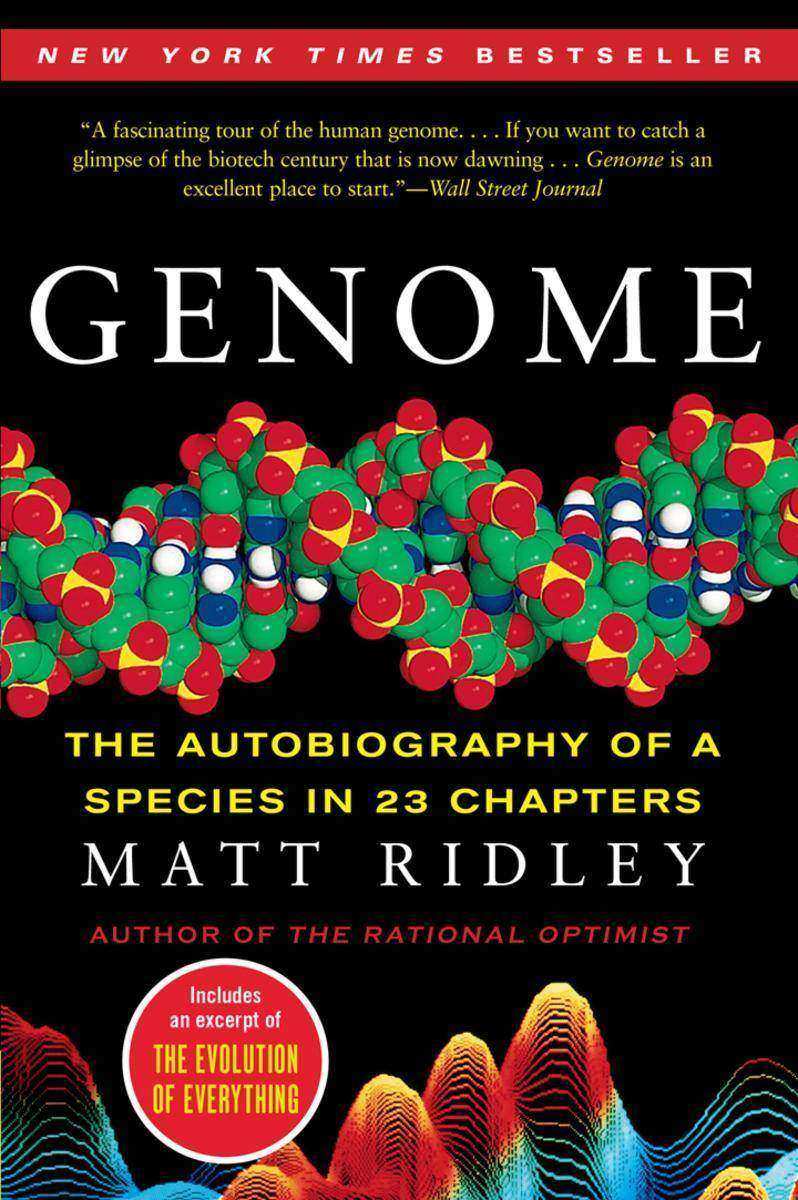
Genome
¥94.10
The genome been mapped. But what does it meanArguably the most significant scientific discovery of the new century, the mapping of the twenty-three pairs of chromosomes that make up the human genome raises almost as many questions as it answers. Questions that will profoundly impact the way we think about disease, about longevity, and about free will. Questions that will affect the rest of your life. Genome offers extraordinary insight into the ramifications of this incredible breakthrough. By picking one newly discovered gene from each pair of chromosomes and telling its story, Matt Ridley recounts the history of our species and its ancestors from the dawn of life to the brink of future medicine. From Huntington disease to cancer, from the applications of gene therapy to the horrors of eugenics, Matt Ridley probes the scientific, philosophical, and moral issues arising as a result of the mapping of the genome. It will help you understand what this scientific milestone means for you, for your children, and for humankind.
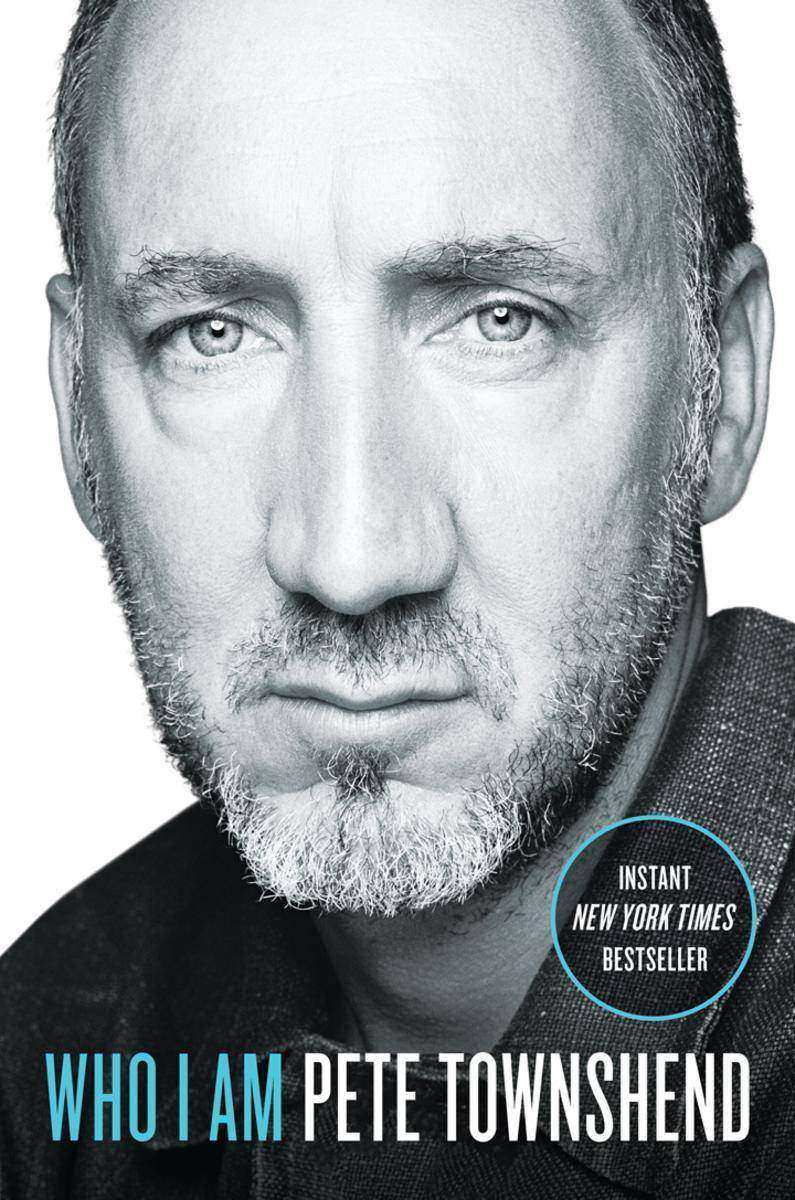
Who I Am
¥95.39
From the voice of a generation: The most highly anticipated autobiography of the year, and the story of a man who... is a Londoner and a Mod.... wanted The Who to be called The Hair.... loved The Everly Brothers, but not that drawling dope Elvis.... wanted to be a sculptor, a journalist, a dancer and a graphic designer.... became a musician, composer, librettist, fiction writer, literary editor, sailor.... smashed his first guitar onstage, in 1964, by accident.... heard the voice of God on a vibrating bed in rural Illinois.... invented the Marshall stack, feedback and the concept album.... once speared Abbie Hoffman in the neck with the head of his guitar.... inspired Jimi Hendrix pyrotechnical stagecraft.... is partially deaf in his left ear.... stole his windmill guitar playing from Keith Richards.... followed Keith Moon off a hotel balcony into a pool and nearly died.... did too much cocaine and nearly died.... drank too much and nearly died.... detached from his body in an airplane, on LSD, and nearly died.... helped rescue Eric Clapton from heroin.... is banned for life from Holiday Inns.... was embroiled in a tabloid scandal that has dogged him ever since.... has some explaining to do.... is the most literary and literate musician of the last 50 years.... planned to write his memoir when he was 21.... published this book at 67.

King, Warrior, Magician, Lover
¥99.65
The bestselling, widely heralded, jungian introduction to the psychological foundation of a mature, authentic, and revitalized masculinity.
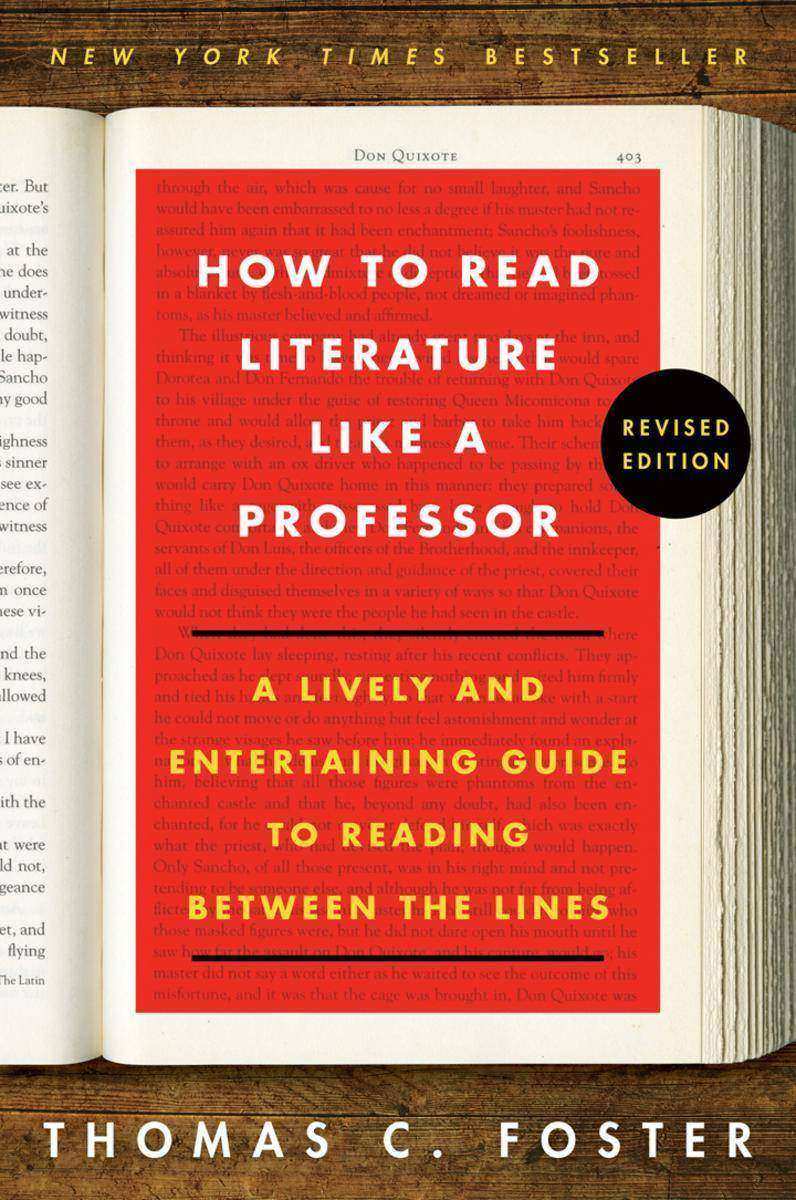
How to Read Literature Like a Professor Revised
¥95.11
A thoroughly revised and updated edition of Thomas C. Foster classic guide a lively and entertaining introduction to literature and literary basics, including symbols, themes, and contexts that shows you how to make your everyday reading experience more rewarding and enjoyable. While many books can be enjoyed for their basic stories, there are often deeper literary meanings interwoven in these texts. How to Read Literature Like a Professor helps us to discover those hidden truths by looking at literature with the eyes and the literary codes of the ultimate professional reader: the college professor. What does it mean when a literary hero travels along a dusty roadWhen he hands a drink to his companionWhen he drenched in a sudden rain showerRanging from major themes to literary models, narrative devices, and form, Thomas C. Foster provides us with a broad overview of literature a world where a road leads to a quest, a shared meal may signify a communion, and rain, whether cleansing or destructive, is never just a shower and shows us how to make our reading experience more enriching, satisfying, and fun. This revised edition includes new chapters, a new preface, and a new epilogue, and incorporates updated teaching points that Foster has developed over the past decade.
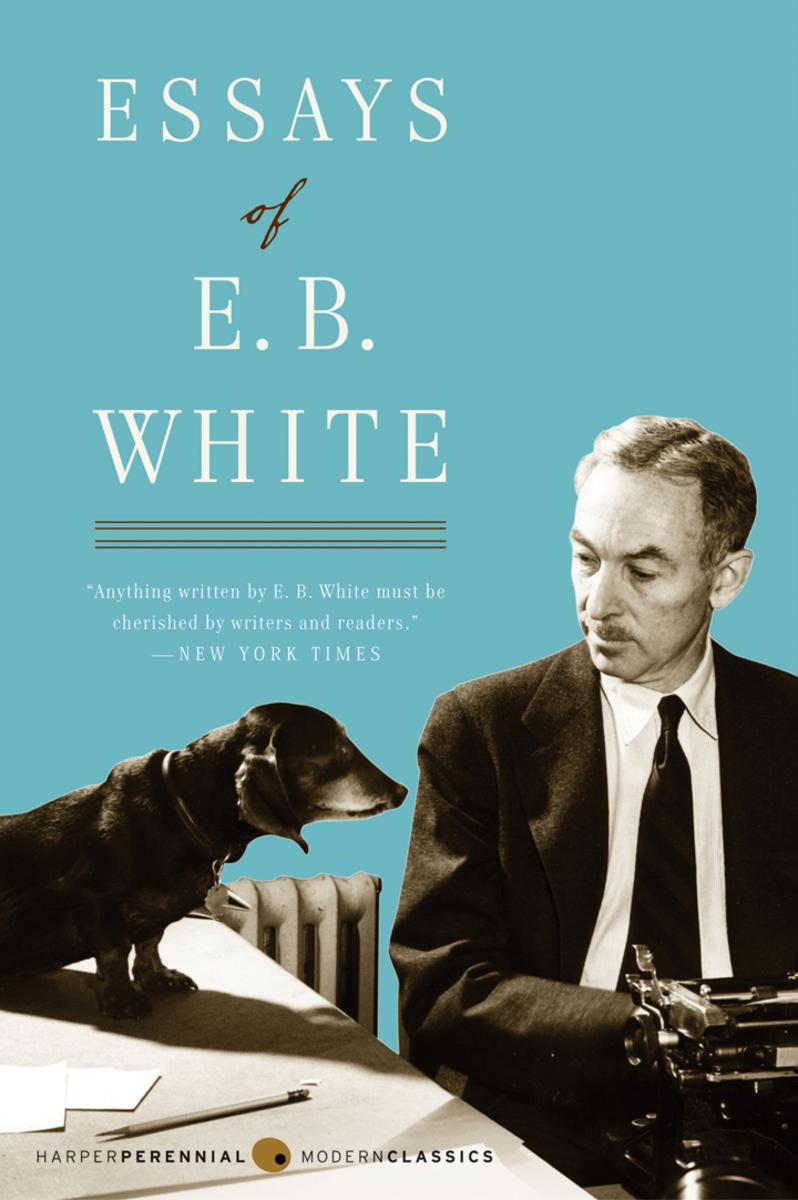
Essays of E. B. White
¥95.11
The classic collection by one of the greatest essayists of our time.
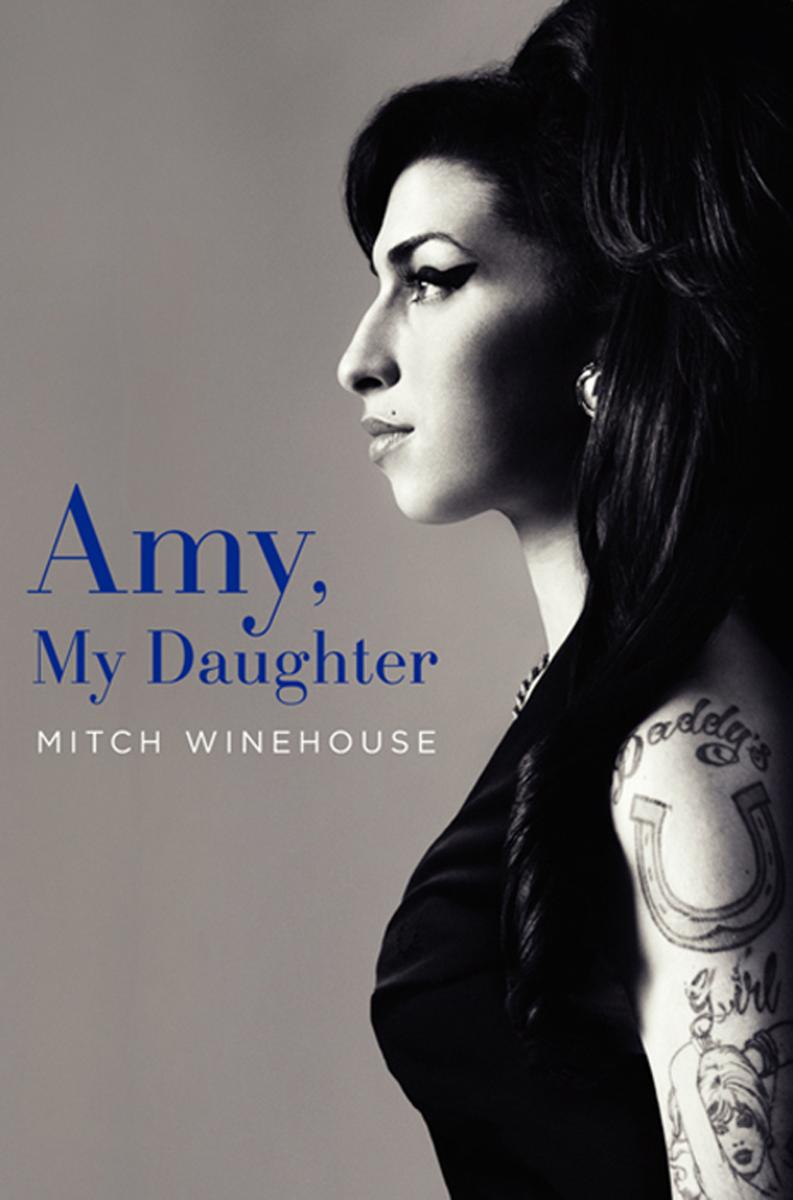
Amy, My Daughter
¥94.10
Candid, compelling, and heartbreaking a father's story of a talent taken too soon and a legacy that will live on for generations On July 23, 2011, Amy Winehouse's family, friends, and fans around the world mourned the tragedy that this remarkable, talented, and extraordinarily generous young woman was now gone. A legion of dedicated fans had lost their idol; a devastated family had lost their Amy. With this difficult news came an outpouring of love and grief from her fans, along with troubling questions about Amy's very public struggles with drugs and alcohol, as people tried to understand how such a soulful singer had been silenced so young. Now, in this intimate and tender account, her father and confidant, Mitch, offers an inside view of Amy's life as she lived it, putting to rest once and for all the controversies that have long surrounded her. Sifting fact from fiction, he pre-sents a portrait of Amy unlike any other, detailing the events and the people that shaped her youth from her mischievous childhood to her grandmother's Jazz Age stories, to her father singing Frank Sinatra around the house. Shedding light on Amy's musical coming-of-age, Mitch explores how she honed her distinctive sound, created her unforgettable look, and channeled her own life into hits such as "You Know I'm No Good," "Rehab," and "Back to Black" some of the most memorable and personal pop music in years. While her beehive hair, larger-than-life voice, and outrageous personality made her famous, her life offstage made her infamous. Here Mitch holds nothing back about Amy's addiction to drugs and alcohol, mixing the painful with the poignant as he describes the realities of her dependencies and the toll they took on the family and friends who refused to give up on her. Revealing the truth about Amy's substance abuse and dispelling many of the tabloid-fueled rumors about her tumultuous marriage to Blake Fielder-Civil, Mitch exposes the years of behind-the-scenes drama that consumed his life and explains how, for those who knew Amy in her last months, the greatest tragedy of all was that she finally appeared to be conquering her demons. Filled with insights into Amy Winehouse's music, photographs from her life, and stories of the real woman behind the headlines, Amy, My Daughter is an emotional journey into music, addiction, and the unbreakable bond between a daughter and her father.
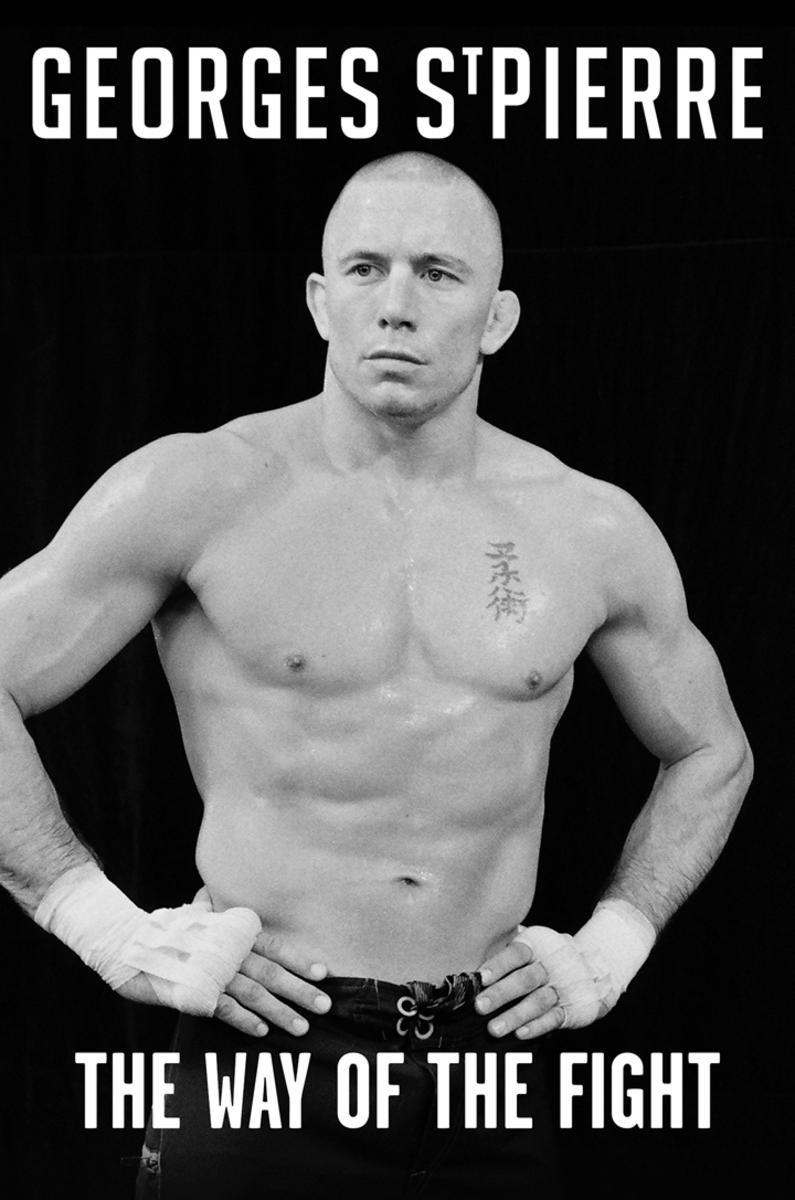
The Way of the Fight
¥88.56
There more to winning battles than fists and feet For world-renowned professional fighter Georges St-Pierre, the greatest asset is not physical strength or athleticism it a sense of purpose. From his beginnings as a small, mercilessly bullied child first discovering karate to his years as a struggling garbage collector who spent all his free time in the gym, his hard-fought rise in the sport of mixed martial arts, and his long, painful recovery from a career-threatening injury, Georges never lost sight of his ambition to become the greatest martial artist of all time. In The Way of the Fight , Georges for the first time reveals what propelled him not only to become a champion but to embrace obstacles as opportunities to build character. Georges story is interwoven with fascinating insights from those who know him best: his mother, who tells of his drive to master new skills, even as a child. His mentor Kristof Midoux, who describes a young fighter with an extraordinary sense of discipline. His Brazilian Jiu-Jitsu teacher John Danaher, who witnessed the development of an indomitable work ethic. His coach Firas Zahabi, who worked alongside the champion through a potentially career-ending injury. And his longtime friend, training partner and manager, Rodolphe Beaulieu, who may understand this intensely focused athlete more than anyone. The Way of the Fight is an inspirational look into the mindset of a master. To Georges, all life is competition, and there no more perfect metaphor for competition than the life of a fighter. He explains the value of discipline, risk and even fear, with the wisdom of one who knows that nothing is assured his next fight could always be his last. Drawing inspiration from fighting legends, Eastern philosophy and a trusted inner circle, The Way of the Fight is a powerful, life-changing guide to living with purpose and finding the way to accomplish your loftiest goals.
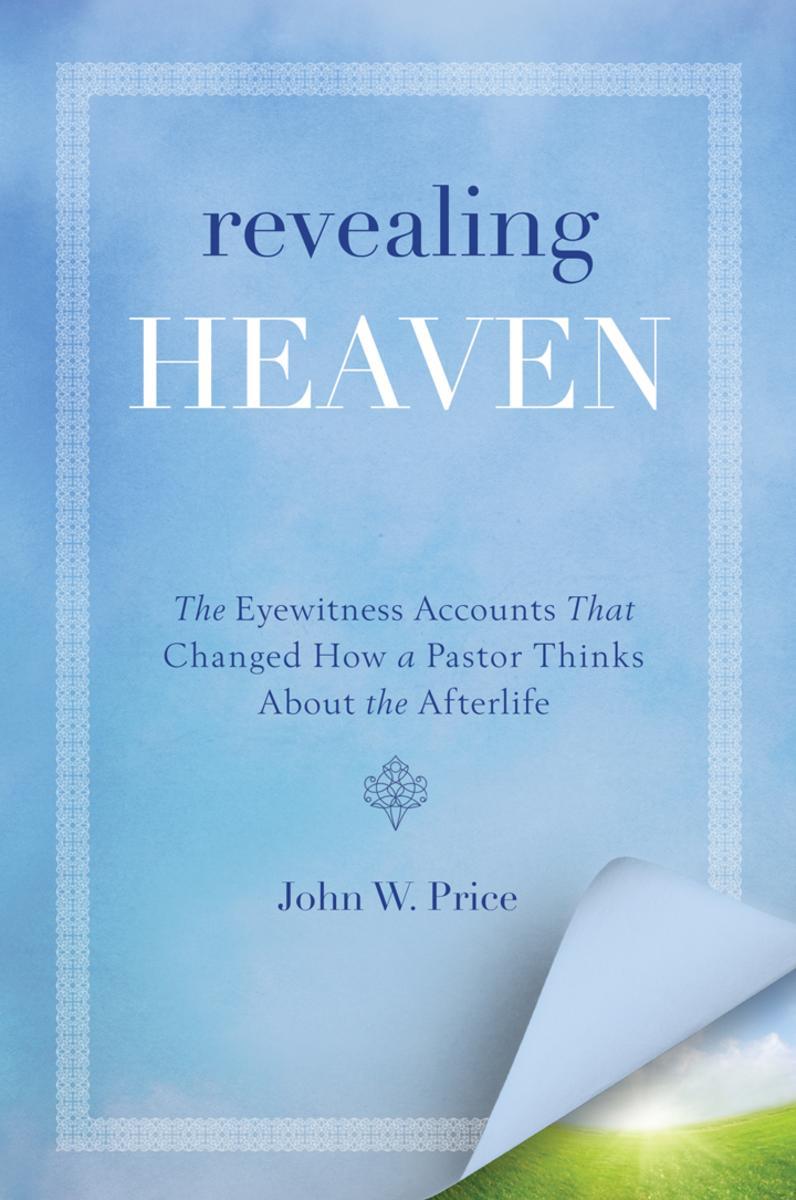
Revealing Heaven
¥83.03
Can Christians Trust Talesfrom HeavenYes! Millions have read the testimonies of those who have been to heaven and returned. But what do these stories mean for ChristiansHow do they fit with what the Bible teachesWhat do they say about who goes to heavenDebate has raged throughout the church about whether we should trust these testimonies, since they don't always align with what we think the Bible teaches. Reverend John Price, a pastor who has been a pioneer in integrating near-death accounts into ministry, surveys the Bible and Christian doctrines to discover that these firsthand accounts of encounters with God are fully compatible with Christian spirituality. Price began his ministry not believing in heaven. In Revealing Heaven , after hearing over two hundred accounts of near-death experiences, Price narrates the stories of those who helped change his mind and now makes a case not only for why Christians can trust near-death accounts but for why we should treat these amazing stories as precious gifts from God.
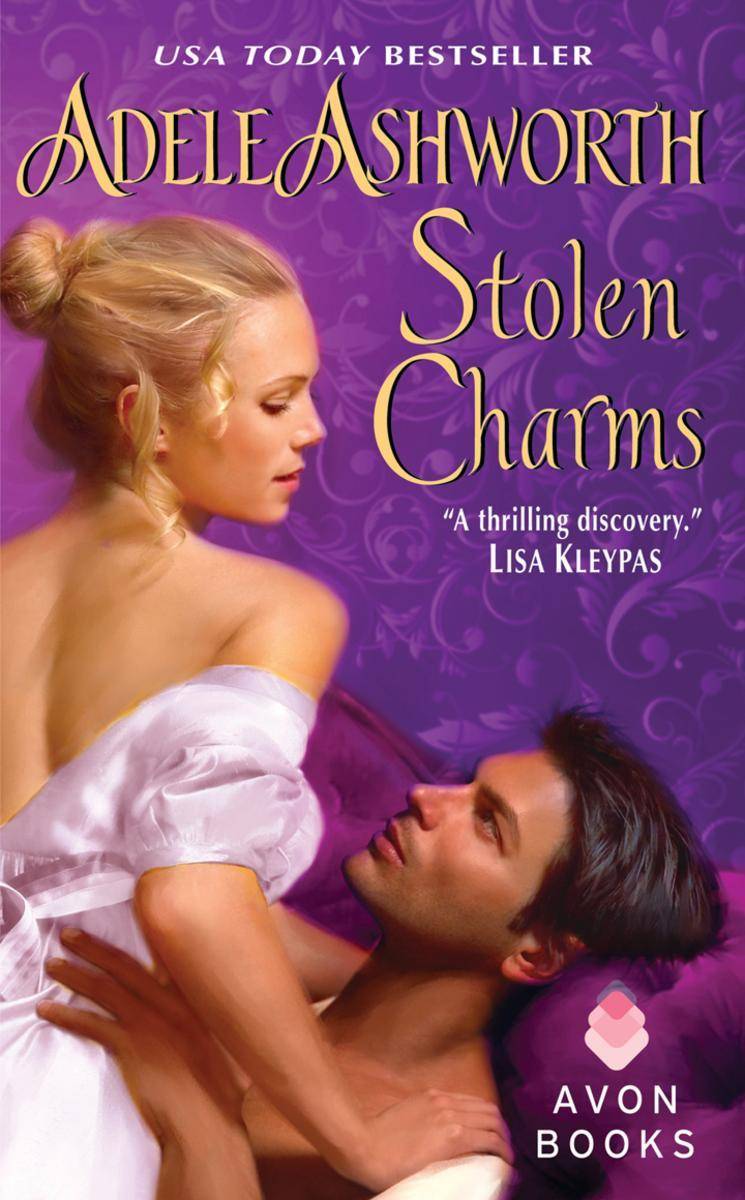
Avon
¥55.31
The thief of hearts . . . Bored with stuffy balls and pompous suitors, Miss Natalie Haislett longs for romance and adventure and dreams of wedding England most notorious thief, the Black Knight. To this end, she approaches the renowned rakehell Jonathan Drake, reputed to be a friend of Natalie would-be lover, and begs him for an introduction . . . unaware that the outlaw she so desires is as close to her as a kiss. Intrigued by Natalie devotion and determination and intending to use the unsuspecting beauty to pull off a brazen jewel theft Drake agrees to escort Natalie to France, where the Black Knight is rumored to be. But while traveling in the guise of a married couple, an intimate friendship blossoms and the fires of reckless passion are stoked as the daring bandit sets his sights on the priceless treasure he knows he must purloin: his lady heart.
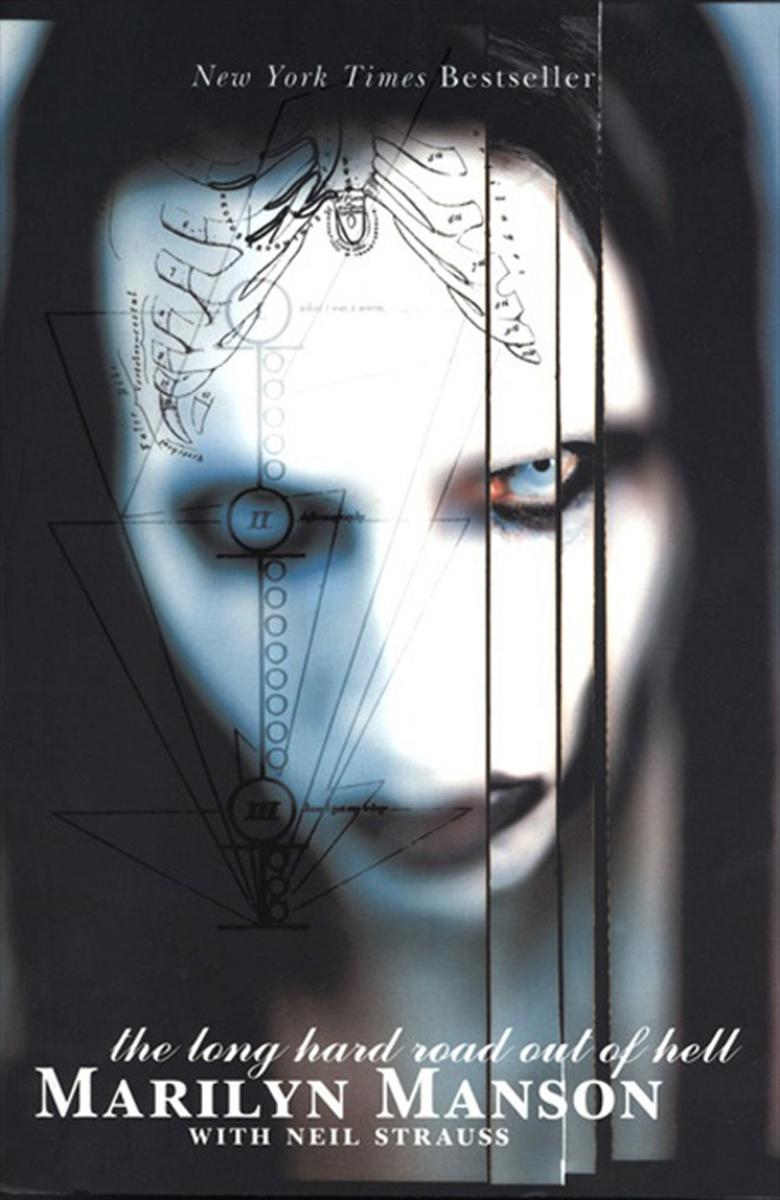
The Long Hard Road Out of Hell
¥105.17
When this best-selling autobiography was originally released, readers were shocked: The Long Hard Road Out of Hell was the darkest, funniest, most controversial, and best-selling rock book of its time and it became the template, both visually and narratively, for almost every rock book since. Marilyn Manson is not just a music icon, it turned out, but one of the best storytellers of his generation. Written with bestselling author Neil Strauss, beautifully designed with dozens of exclusive photographs, and modeled on Dante's Inferno , this edition of The Long Hard Road Out of Hell features a bonus chapter not in the hardcover. In the shocking and candid memoir, Manson takes readers from backstage to emergency rooms to jail cells, from the pit of despair to the top of the charts, and recounts his metamorphosis from a frightened Christian schoolboy into the most feared and revered music superstar in the country. Along the way, you'll hear what happens to fans and celebrities who dare to venture backstage with the one of the world's most dangerous rock stars. In the words of Elle magazine, the book "makes Madonna's infamous Sex seem downright wholesome in comparison."
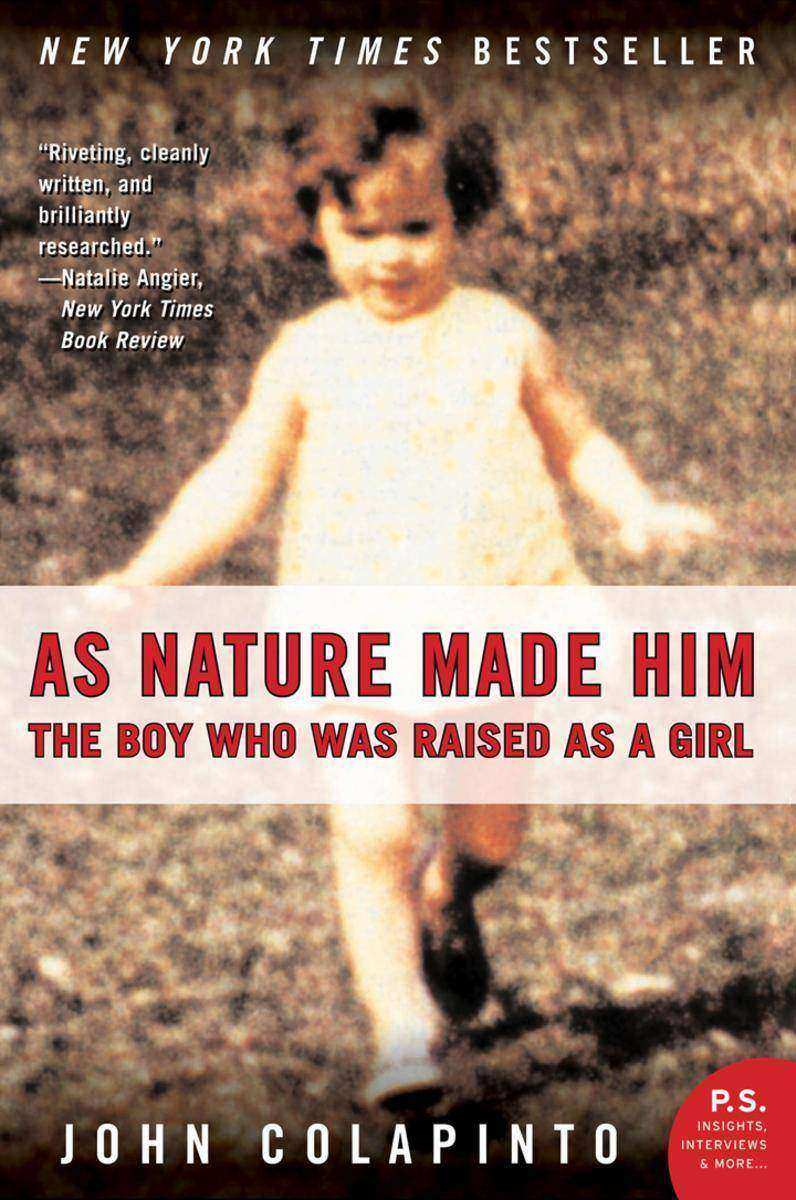
As Nature Made Him
¥88.56
In 1967, after a twin baby boy suffered a botched circumcision, his family agreed to a radical treatment that would alter his gender. The case would become one of the most famous in modern medicine and a total failure. As Nature Made Him tells the extraordinary story of David Reimer, who, when finally informed of his medical history, made the decision to live as a male. A macabre tale of medical arrogance, it is first and foremost a human drama of one man and one family amazing survival in the face of terrible odds.
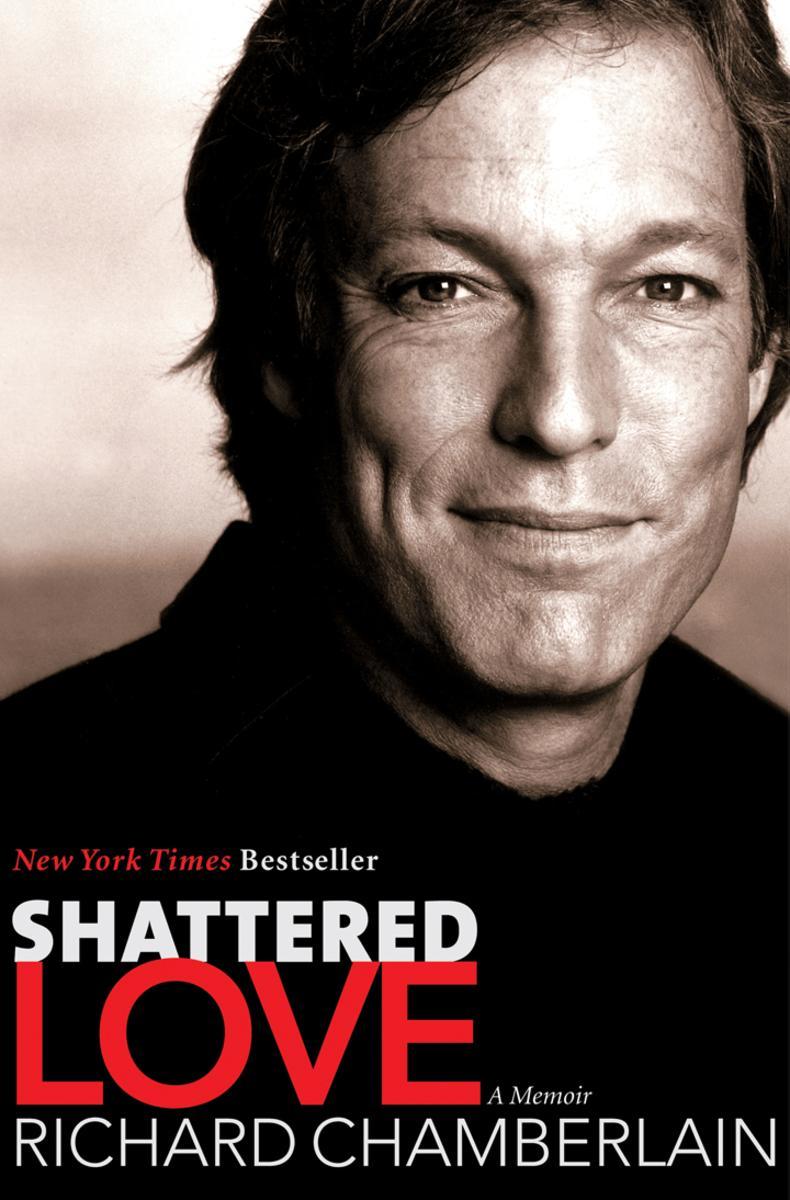
Shattered Love
¥94.10
In Shattered Love , Richard Chamberlain poignantly recounts his lifelong struggle to find happiness. Tracing a fascinating path over his meteoric rise to success, he chronicles his struggle to come to terms with his own imperfections, his growing desire to be honest about his sexual orientation, and his yearning to live with an open heart. And along the way he imparts the lessons he has learned about overcoming our own self imposed obstacles to happiness.
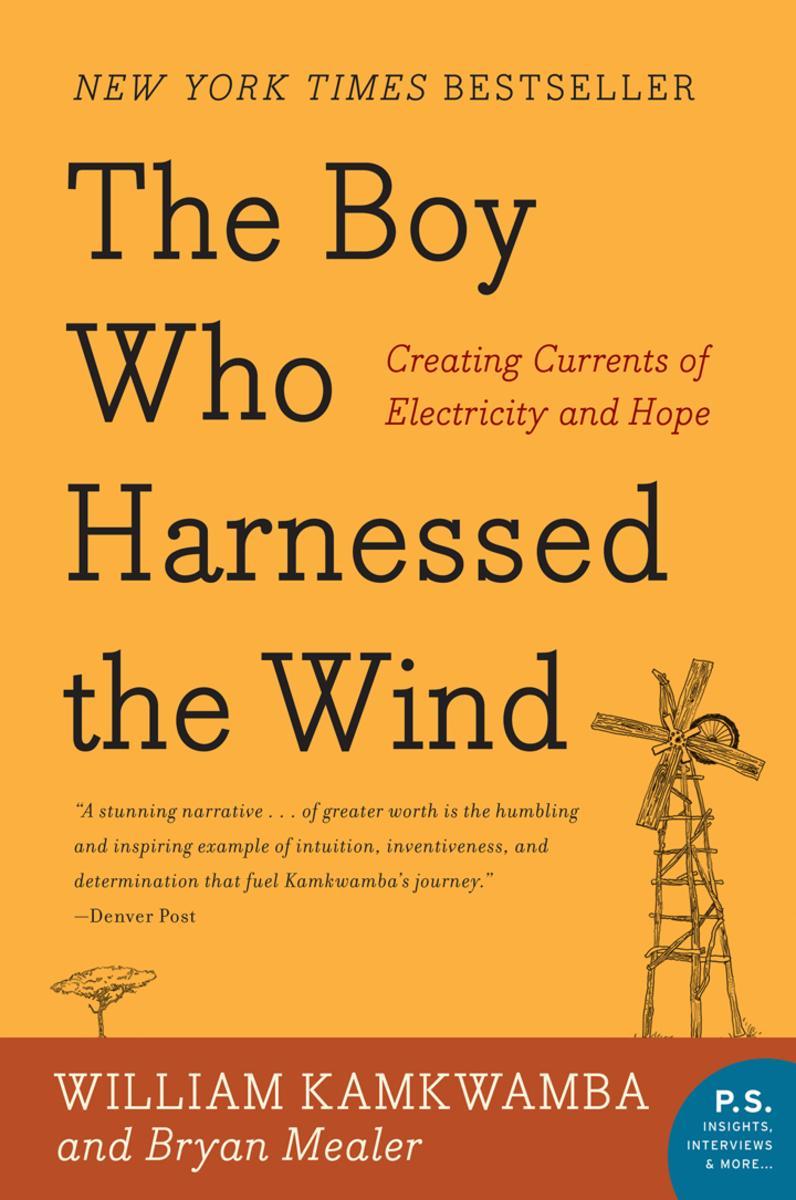
The Boy Who Harnessed the Wind
¥90.51
William Kamkwamba was born in Malawi, a country where magic ruled and modern science was mystery. It was also a land withered by drought and hunger, and a place where hope and opportunity were hard to find. But William had read about windmills in a book called Using Energy, and he dreamed of building one that would bring electricity and water to his village and change his life and the lives of those around him. His neighbors may have mocked him and called him misala crazy but William was determined to show them what a little grit and ingenuity could do. Enchanted by the workings of electricity as a boy, William had a goal to study science in Malawi's top boarding schools. But in 2002, his country was stricken with a famine that left his family's farm devastated and his parents destitute. Unable to pay the eighty-dollar-a-year tuition for his education, William was forced to drop out and help his family forage for food as thousands across the country starved and died. Yet William refused to let go of his dreams. With nothing more than a fistful of cornmeal in his stomach, a small pile of once-forgotten science textbooks, and an armory of curiosity and determination, he embarked on a daring plan to bring his family a set of luxuries that only two percent of Malawians could afford and what the West considers a necessity electricity and running water. Using scrap metal, tractor parts, and bicycle halves, William forged a crude yet operable windmill, an unlikely contraption and small miracle that eventually powered four lights, complete with homemade switches and a circuit breaker made from nails and wire. A second machine turned a water pump that could battle the drought and famine that loomed with every season. Soon, news of William's magetsi a mphepo his "electric wind" spread beyond the borders of his home, and the boy who was once called crazy became an inspiration to those around the world. Here is the remarkable story about human inventiveness and its power to overcome crippling adversity. The Boy Who Harnessed the Wind will inspire anyone who doubts the power of one individual's ability to change his community and better the lives of those around him.
Hef's Little Black Book
¥83.03
Nearly six decades ago, Hugh Marston Hefner created Playboy magazine, which effectively ignited America sexual revolution. The greatest living symbol of the Good Life, Hef created a world for himself that most men have yearned to inhabit, if only briefly, just to know what it like to be him. In Hef Little Black Book , this universally envied international icon offers a treasury of his often wry and heartfelt wisdom as it applies to the realms of romance, hedonism, ambition, business and, of course, sex. Accompanied by tantalizing never-before-seen photographs from his vast private archive, Hef Little Black Book is the gateway to Hugh Hefner irresistibly beguiling world. If you don’t swing, don’t ring lingerie and pajamas optional.
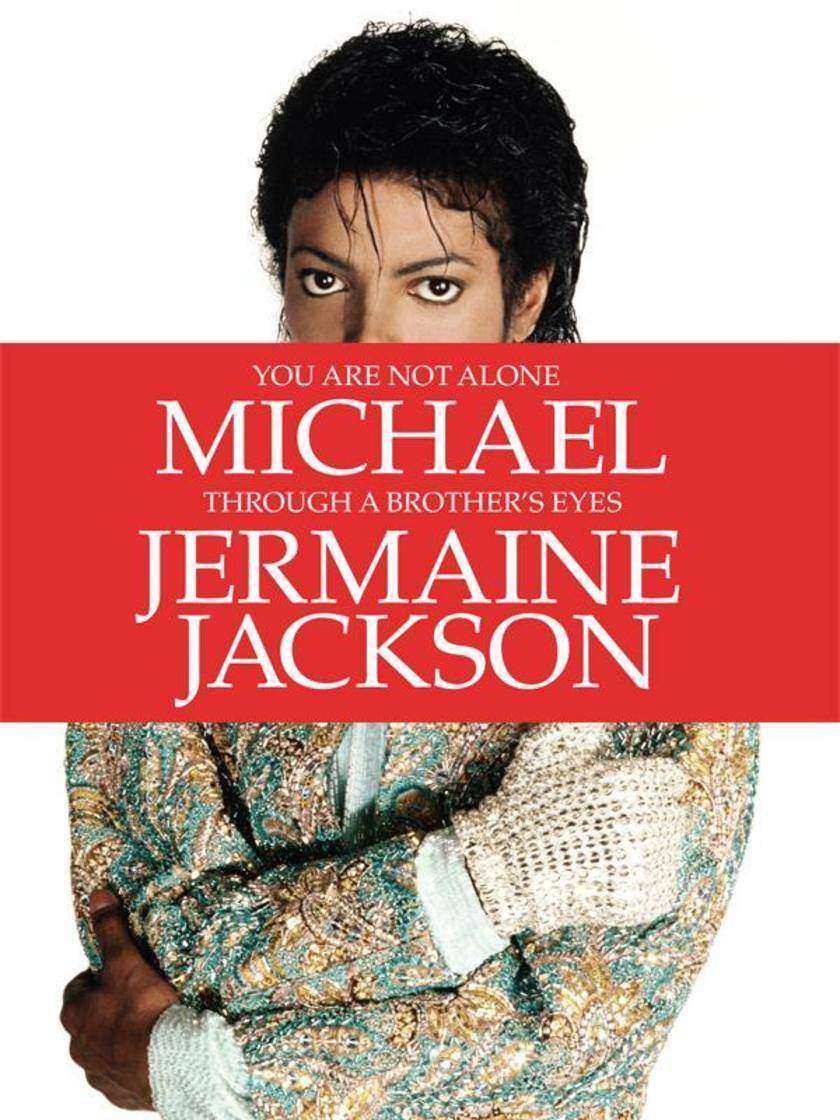
You Are Not Alone: Michael, Through a Brother’s Eyes
¥70.44
‘This is the truth as we know it. I have read so much about what people think they know about Michael, but this is about what really happened.’ Jermaine Jackson You Are Not Alone is an intimate, loving portrait of Michael Jackson, illuminating the private man like never before. It is an invitation into Michael’s real character, private insights and hidden feelings: the innermost thoughts of a fiercely private individual. Jermaine Jackson knew Michael like only a brother can. In You Are Not Alone Jermaine brings light to the man behind the mask of superstardom, an identity that has lingered in the shadows for too long. You Are Not Alone is a celebration of the real Michael: the boy who shared a tiny bunkbed with Jermaine at 2300 Jackson Street, Gary, Indiana; the brother with whom Jermaine shared laughter, tears and memories; the boy who would grow up to become a legend. Raw, honest and incredibly moving, You Are Not Alone is also a sophisticated, no-holds-barred examination of Michael Jackson, aimed at fostering a true and final understanding of who he was and what shaped him. This is Michael Jackson – the man, not the legend – through a brother’s eyes. If you love Michael Jackson, this is the only book you will want to read. If you think you know the Michael Jackson story, it’s time to think again.


