


 购物车
购物车 个人中心
个人中心
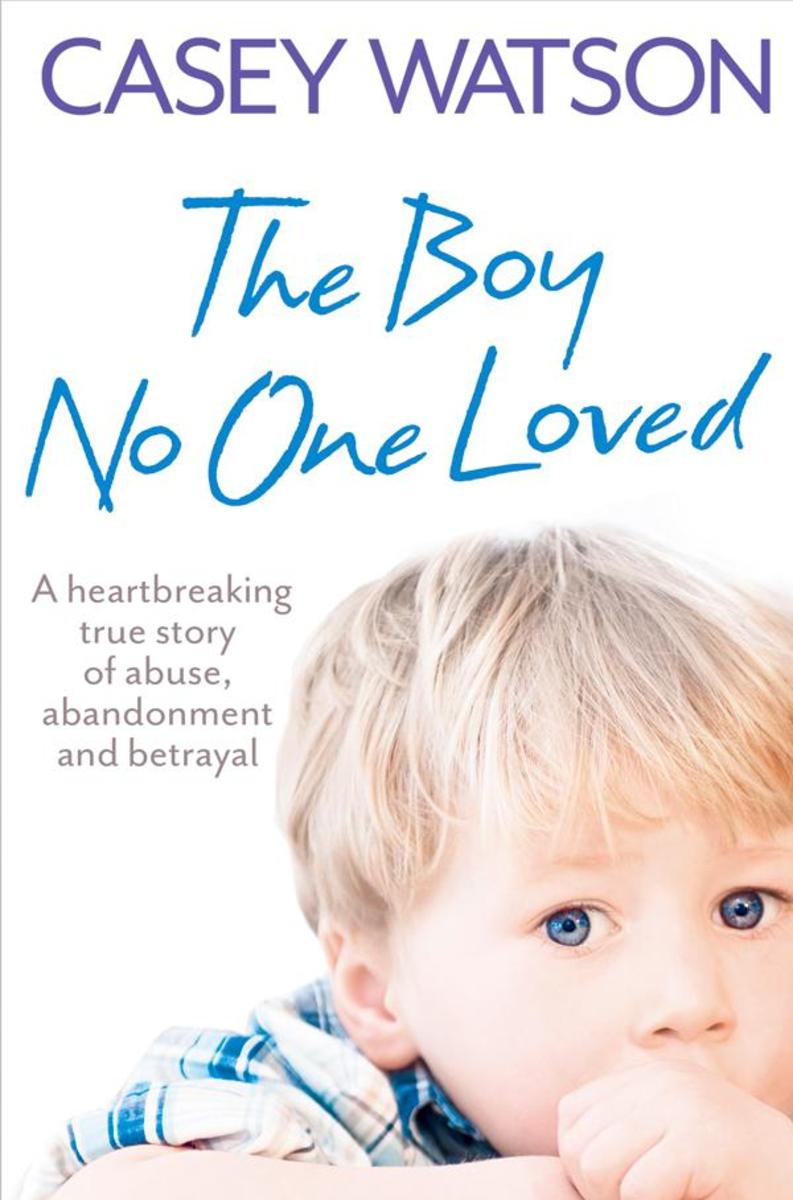
The Boy No One Loved: A Heartbreaking True Story of Abuse, Abandonment and Betra
¥63.77
Sunday Times bestselling author and foster carer Casey Watson’s first heartbreaking memoir. Justin was five years old; his brothers two and three. Their mother, a heroin addict, had left them alone again. Later that day, after trying to burn down the family home, Justin was taken into care. Justin was taken into care at the age of five after deliberately burning down his family home. Six years on, after 20 failed placements, Justin arrives at Casey’s home. Casey and her husband Mike are specialist foster carers. They practice a new style of foster care that focuses on modifying the behaviour of profoundly damaged children. They are Justin’s last hope, and it quickly becomes clear that they are facing a big challenge. Try as they might to make him welcome, he seems determined to strip his life of all the comforts they bring him, violently lashing out at schoolmates and family and throwing any affection they offer him back in their faces. After a childhood filled with hurt and rejection, Justin simply doesn’t want to know. But, as it soon emerges, this is only the tip of a chilling iceberg. A visit to Justin’s mother on Boxing Day reveals that there are some very dark underlying problems that Justin has never spoken about. As the full picture becomes clearer, and the horrific truth of Justin’s early life is revealed, Casey and her family finally start to understand the pain he has suffered… Includes a sample chapter of Crying for Help.
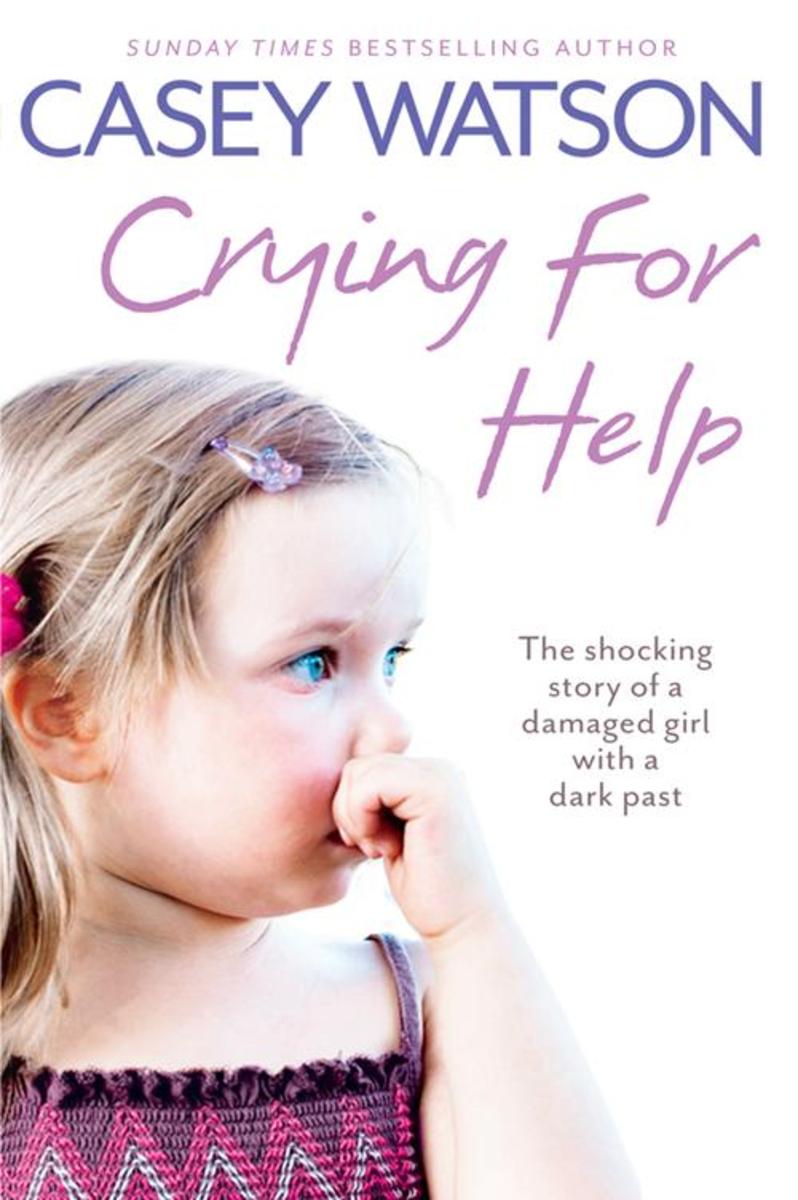
Crying for Help: The Shocking True Story of a Damaged Girl with a Dark Past
¥63.77
The second book from Sunday Times bestselling author Casey Watson. Two weeks after saying farewell to her first foster child, Casey is asked to look after Sophia, a troubled 12-year-old with a sad past. Sophia’s actions are disturbing and provocative and, before long, Casey and her family find themselves in a dark and dangerous situation. Two years ago Sophia’s mother had a terrible accident. Sophia has been in care ever since. Right away, Casey feels something isn’t right. Sophia’s a well-developed girl, who looks more like 18 than 12. She only seems to have eyes and ears for men, and treats all women with contempt and disgust. And she has everyone around her jumping through hoops. Over time, as more details begin to emerge about Sophia’s past, it becomes clear that her behaviour is a front for an early life filled with pain and suffering. But although Casey feels she is gradually breaking through to Sophia and getting her to open up about things she has never spoken about before, her violence is threatening the safety of the whole family, forcing Casey to question whether she can really handle this lost and damaged girl. Both shocking and inspiring, this true story will shed new light on the extreme and sometimes dangerous nature of foster care. Includes a sample chapter of Little Prisoners.
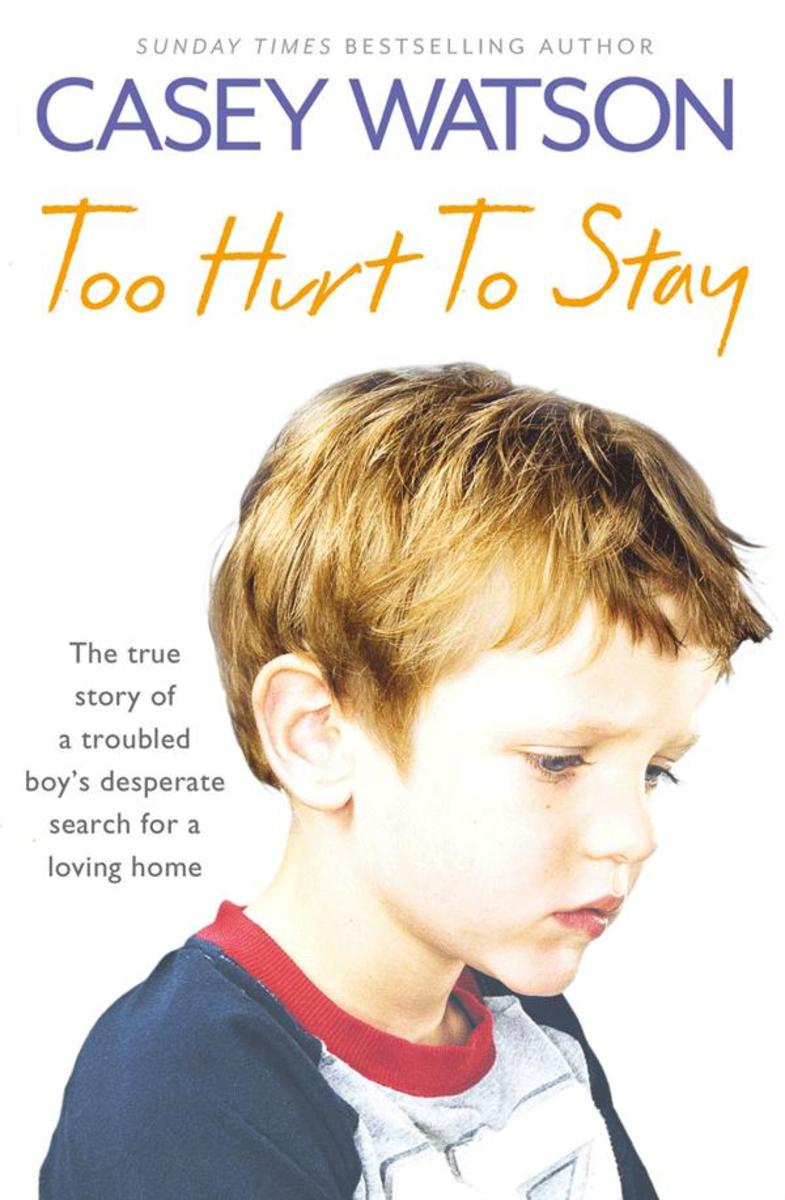
Too Hurt to Stay: The True Story of a Troubled Boy’s Desperate Search for a Lovi
¥56.11
The fourth title from Sunday Times bestselling author Casey Watson. Eight-year-old Spencer takes himself to social services and demands to be taken into care. It’s a desperate act, a cry for help, but his parent’s reaction – good riddance – speaks volumes. Casey’s hackles are immediately up for this poor child. Spencer is the middle child of four siblings. His parents claim all their other kids are ‘normal’ and that Spencer was born ‘vicious and evil’. Casey and her family are disgusted – kids aren’t born evil, they get damaged. Although when vigilante neighbours start to take action and their landlord threatens eviction, Casey is stretched to the limits, trying desperately to hold on to this boy who causes so much pain and destruction. Casey is determined to try and understand what Spencer is going through and help him find the loving home he is so desperately searching for. But it’s only when Spencer’s mother gets in touch with social services for the first time that gradually everything starts to make sense.
Gavin Henson: My Grand Slam Year
¥146.27
Silver boots, perma-tanned skin, shaven legs and gravity-defying red spikes in his hair – Gavin Henson is Wales’s hottest new celeb and rugby’s golden boy. This is his story of a momentous year in rugby, starting with an epic Six Nations Grand Slam for Wales, followed by the toughest of all tours, the British Lions in New Zealand. After kicking the 50-yard goal that sent England to shock defeat in the 2005 Six Nations, the 23-year-old Gavin Henson demonstrated that here, at last, was a Welsh sportsman who was ready to put his proud rugby nation back on the world map. Wales’s Grand Slam triumph – their first since 1978 – was done the hard way, with dramatic victories against the world champions followed by France in Paris, and climaxing in the Millennium stadium against Ireland, amid a crescendo of noise and passion-fuelled expectation. The flamboyant Henson relives those special moments on and off the field: the build-up to the games and the stories from within the inner sanctum of the Welsh dressing room; the pressure of suddenly becoming favourites to win the trophy; the nail-biting victories over England and France; and the moment when Henson knew that life would never be the same again. Fast forward to summer 2005. Wales’s No 12, the inside-centre whose clever running, booming kicks and crunching tackling make him a genuine all-rounder, is the favourite to play alongside captain and Irish phenomenon Brian O’Driscoll in the Lions team against the All Blacks in this most eagerly awaited clash of the Northern and Southern hemispheres. Henson’s insight into this defining tour, his views on coach Clive Woodward and his home nation colleagues (including a fit-again Jonny Wilkinson), and the eye-opening stories away from the rugby – plus all the other highlights of an unprecedented season for Wales’s new generation of talent – will make this book essential reading for the autumn.
Graham Thorpe: Rising from the Ashes
¥72.99
Graham Thorpe’s achievements on the cricket field contrasted wildly with his personal problems, where drink and depression combined to send him spiralling off the rails. This is his brutally honest life story, including his dramatic retirement from Test cricket, and updated to include England’s 2005 Ashes win, and his new coaching career. Graham Thorpe was one of the best batsmen in world cricket for more than a decade. Yet the national press hounded him as 'English cricket's most disturbed player' for pulling out of a series of tours and turning his back on the game more than once. With painful candour and often unexpected humour, Thorpe dissects his career in cricket and the inner recesses of his private life: the impact of his bitter divorce; the suicidal depression that afflicted him in his darkest hours; the reasons why he needed to 'save himself' by withdrawing from past England tours; the elation of his magnificent century on his comeback Test at the Oval in 2003; and his fresh outlook in life with a new partner after confronting his own failings and past troubles. Twelve years on from his Test debut against Australia, Thorpe took the decision to retire from international cricket after the disappointment of his controversial non-selection for the Ashes 2005 tour. With updated material on his coaching spell in Australia – where he gained valuable insight into cricket’s No 1 nation.

Bob Marley: The Untold Story
¥80.34
What was it about Bob Marley that made him so popular in a world dominated by rock’n’roll? How is that he has not only remained the single most successful reggae artist ever, but has also become a shining beacon of radicalism and peace to generation after generation of fans across the globe? On May 11, 1981, a little after 11.30 in the morning, Bob Marley died. The man who introduced reggae to a worldwide audience, in his own lifetime he had already become a hero figure in the classic mythological sense. From immensely humble beginnings and with talent and religious belief his only weapons, the Jamaican recording artist applied himself with unstinting perseverance to spreading his prophetic musical message. And he had achieved it: only a year earlier, Bob Marley and The Wailers' tour of Europe had seen them perform to the largest audiences a musical act had up to that point experienced. Record sales of Marley's albums before his death were spectacular; in the years since his death they have become phenomenal, as each new generation discovers afresh the remarkable power of his music. Chris Salewicz, who had a sequence of adventures with Bob Marley in Jamaica in 1979, offers us a comprehensive and detailed account of Bob Marley's life and the world in which he grew up and came to dominate. Never-before-heard interviews with dozens of people who knew Marley are woven through a narrative that brings to life not only the Rastafari religion and the musical scene in Jamaica, but also the spirit of the man himself.
Jason Leonard: The Autobiography
¥80.25
Leonard’s story starts as rugby started – in the amateur days, when the Cockney Carpenter began playing for Barking and Saracens in the days before multi-million pound business owners and sponsorship deals. His big break came when he was invited to join the England squad for their tour to Argentina in 1990 and has been capped 100 times. It was a tour that precipitated one of the greatest periods in the history of the British game, and Leonard provides a compelling insight into life behind the international scenes with England and the Lions, as well as the domestic game through his time at Saracens and Harlequins. Once told that he would never walk again after undergoing life-saving surgery on his neck, Leonard describes the torment he went through during this period – both physical and financial – and how he fought against all the odds to re-establish himself on the international stage. With 100 Test caps won to date, and a career in rugby union spanning two decades, there is no more experienced player in the modern game. Leonard has plenty to tell about the people he has met during his career – Rob Andrew, Will Carling, Lawrence Dallaglio, Brian Moore, Dick Best and Clive Woodward all feature – and with nicknames like 'The Fun Bus' and 'The Scourge of the Barking Barmaids' the stories are as colourful and controversial as the man himself. All is revealed in this fascinating portrait of an English rugby legend.

Get Her Off the Pitch!: How Sport Took Over My Life
¥66.22
From the bestselling author of ‘Eats, Shoots & Leaves’, this is the hilarious new book from Lynne Truss about her strange journey through the world of sport and sports journalism. ‘Years ago, Boris Becker famously said, after losing at Wimbledon, “Nobody died. I just lost a tennis match.” And while some people applauded him for his healthy sense of proportion, it didn’t ring remotely true. While I was writing about sport, I was caught on the horns of this dilemma for the whole bloody time. I was like the poor confused jurors in ‘Alice’s Adventures in Wonderland’ who sit in their jury box, writing emphatically on their little slates, both “important” and “not important” because they honestly don't have a clue.’ In this magnificent book, Lynne Truss charts her often bizarre wanderings during her time as a sports journalist for the ‘Sunday Times’. From covering a heavyweight world title fight at Madison Square Garden, to watching England beat Holland from an airship above Wembley (while eating chocolate cake); from her extravagant feelings about Andre Agassi, to covering sports like cricket (where, initially, she didn’t have any idea what was going on), Lynne Truss manages to crystallize exactly the essence of what sport is about, and bring her characteristic wisdom and wry humour to it. The book will be a revelation to sport's foolish doubters, and a treat for the many of us who spend too much of our time watching it.

Some Sunny Day
¥63.18
The remarkable autobiography of the last great wartime icon. Born Vera Welch on 20 March, 1917 in the East End of London, Dame Vera Lynn’s career was set from an early age - along with her father, who also did a ‘turn’, she sang in Working Men’s Clubs from just seven years old. She had a successful radio career with Joe Loss and Charlie Kunz in the 1920s and ‘30s, but it was with World War II that she became the iconic figure that captured the imagination of the national public. Her spirit and verve, along with her ability to connect with the men fighting for their country and those left behind praying for their loved ones, made her the ‘Forces’ sweetheart’. Performing the songs that she will always be associated with, such as ‘We’ll Meet Again’ and ‘Yours’, Vera toured Egypt, India and Burma to entertain the troops and bring them a sense of ‘back home’. Her career after the war flourished, with hits in the US and the UK, but Vera was never able to leave behind her wartime role and was deeply affected by what she had seen. Still heavily involved with veteran and other charities, this is Dame Vera’s vivid story of her life and her war - from bombs and rations to dance halls and the searing heat of her appearances abroad. Epitomising British fortitude and hope, Dame Vera gives a vivid portrait of Britain at war, and a unique story of one woman who came to symbolize a nation.
Geoff Hurst, the Hand of God and the Biggest Rows in World Football
¥84.66
Ex-referee and now fearless writer and football pundit, Graham Poll is no stranger to controversy. His latest book is an entertaining and provocative reappraisal of the major incidents in World and English football down the years – from Geoff Hurst’s goal in ‘66, through Maradona’s ‘Hand of God’ to the infamous Battle of the Bridge in 2009. Graham Poll, England’s highest profile referee of the last two decades, refereed over 400 Premiership games, involving more than 1.5 million spectators, and at two World Cups, placing him at the centre of some of the most controversial incidents in football. So what does Poll make of some of the biggest rows in English and World football down the years? Would modern referees have reached different key decisions? What can the game learn from the mistakes of history? In this follow-up book to Seeing Red, Poll’s bestselling memoirs, we get an informative, frequently provocative but always entertaining romp through the pages of football history and the major incidents that sent shockwaves through the game. The book revisits in startling clarity all those much talked about football moments that continue to be the topic of pub debate among football fans the world over – and turns everything on its head. What was the real reason for the linesman giving Geoff Hurst’s goal in 1966 at Wembley? In the infamous Maradona ‘Hand of God’ game, why should the behaviour of Argentine players have helped the ref disallow the goal? How does Kim Milton Nielson, the official who red-carded David Beckham against Argentina in the 1998 World Cup, view the decision now? And was video technology used to 'convict' Zinedine Zidane of his World Cup Final head-butt? Framed with other fascinating football facts, personality profiles and colourful anecdotes, these stories and more – including football's most recent controversies – provide a rich seam of material for Graham Poll, in his usual no-nonsense style, to set the topical football agenda and to enrich our knowledge and understanding of the beautiful game.
It’s Christmas!: Whatever Happened to the Christmas Single?
¥18.65
Updated for Christmas 2013! James King is tired of ‘Step Into Christmas’. He’s tired of ‘All I Want for Christmas is You’. He’s tired – if it’s possible – of ‘Fairytale of New York’. It’s time for a new Christmas Classic. ‘It’s Chriiiistmaaaas’ is a festive journey through the decades via the most cherished seasonal songs of the last century – from ‘Rockin’ Around the Christmas Tree’ to ‘Do They Know it’s Christmas?’. But beneath the nostalgia, are serious questions: is it always ‘Last Christmas’ for the December charts? Has the music buying public become like Noddy Holder’s Gran, telling everyone the ‘old songs are the best’? In this, his manifesto, James King takes us through the grand history of the Christmas number one, proving, once and for all, that the charts are ready for a new Christmas hit.
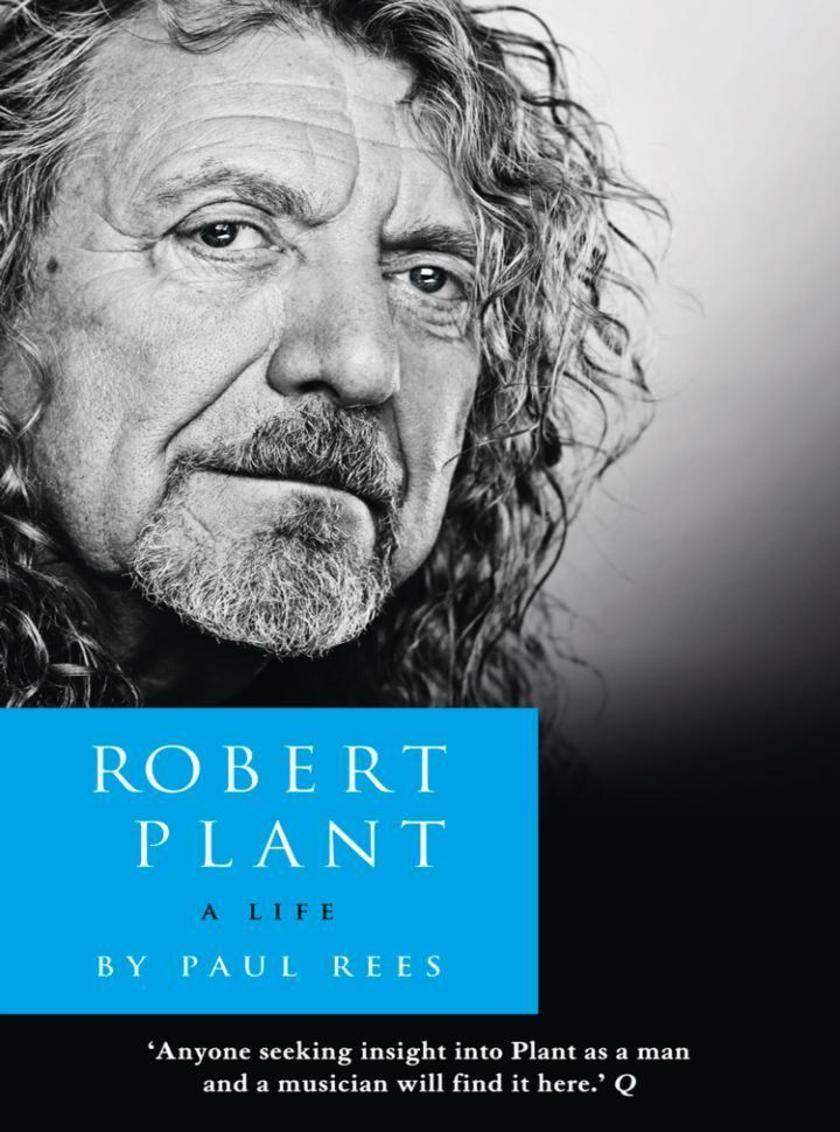
Robert Plant: A Life: The Biography
¥70.44
Robert Plant is one of the few genuine living rock legends. Frontman of Led Zeppelin, musical innovator and seller of millions of records, Plant has had a profound influence on music for over four decades. But the full account of his life has barely been told … until now. Robert Plant: A Life is the first complete and comprehensive telling of Plant’s story. From his earliest performances in folk clubs in the early 1960s, to the world’s biggest stages as Led Zeppelin’s self-styled ‘Golden God’, and on to his emergence as an emboldened solo star. The sheer scale of Zeppelin’s success is extraordinary: in the US alone they sold 70 million records, a figure surpassed only by the Beatles. But their success was marred by tragedy. These pages contain first-hand accounts of Plant’s greatest highs and deepest lows: the tragic deaths of his son Karac and his friend, Zeppelin drummer John Bonham. Told in vivid detail, this is the definitive story of a man of great talent, remarkable fortitude and extraordinary conviction.
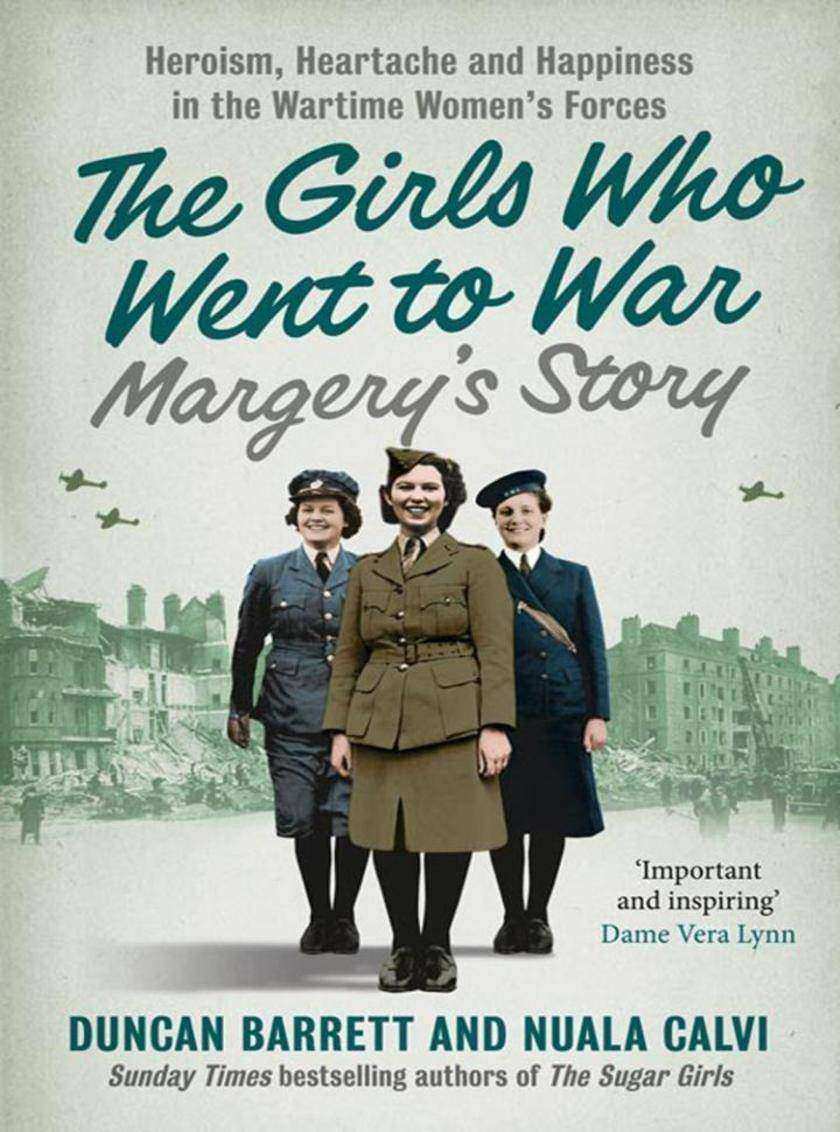
Margery’s Story
¥9.71
From the bestselling authors of The Sugar Girls and GI Brides, this is Margery’s story, one of three true accounts from the book The Girls Who Went to War. “‘Who does that man think he is?’ Margery muttered to a girl standing next to her. The words had slipped out before she could stop herself, but she realised, to her horror, that the warrant officer had heard them. ‘What was that?’ he demanded, striding over and fixing her with an angry stare. Margery gulped – but there was no going back now.” In the summer of 1940, Britain stood alone against Germany. The British Army stood at just over one and a half million men, while the Germans had three times that many, and a population almost twice the size of ours from which to draw new waves of soldiers. Clearly, in the fight against Hitler, manpower alone wasn’t going to be enough. Margery Pott signed up for the Women’s Auxiliary Air Force, leaving her quiet home for the rigours of training, the camaraderie of the young women who worked together so closely and to face a war that would change her life forever. Overall, more than half a million women served in the armed forces during the Second World War. This book tells the story of just one of them. But in her story is reflected the lives of hundreds of thousands of others like them – ordinary girls who went to war, wearing their uniforms with pride.
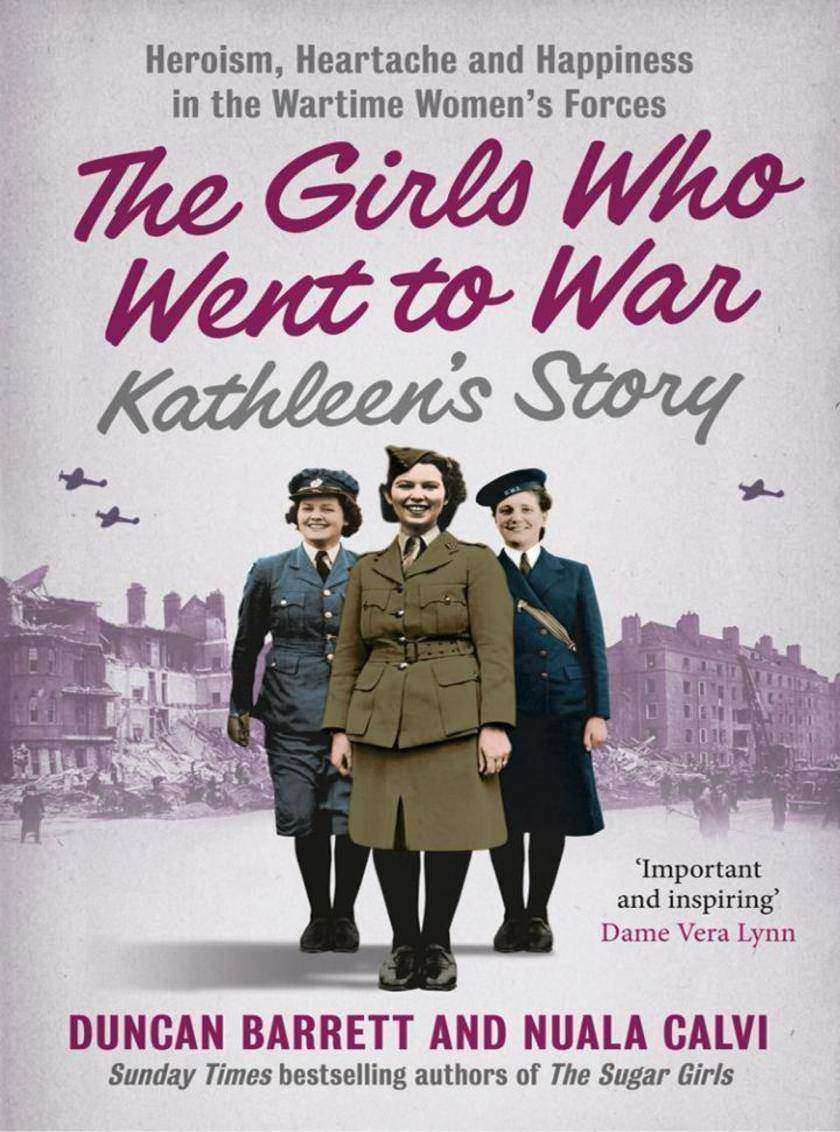
Kathleen’s Story
¥9.71
From the bestselling authors of The Sugar Girls and GI Brides, this is Kathleen’s story, one of three true accounts from the book The Girls Who Went to War. “Boxing Day was cold and frosty, and by the time Kathleen and the lads arrived at the football pitch she was already shivering. As they stood watching the game, Arnold silently took her hand and put it inside the pocket of his greatcoat. It was a small gesture, but it told her that she belonged to him now, and to Kathleen nothing had ever seemed so romantic.” In the summer of 1940, Britain stood alone against Germany. The British Army stood at just over one and a half million men, while the Germans had three times that many, and a population almost twice the size of ours from which to draw new waves of soldiers. Clearly, in the fight against Hitler, manpower alone wasn’t going to be enough. Nanny Kathleen Skin signed up for the WRNS, leaving her quiet home for the rigours of training, the camaraderie of the young women who worked together so closely and to face a war that would change her life forever. Overall, more than half a million women served in the armed forces during the Second World War. This book tells the story of just one of them. But in her story is reflected the lives of hundreds of thousands of others like them – ordinary girls who went to war, wearing their uniforms with pride.
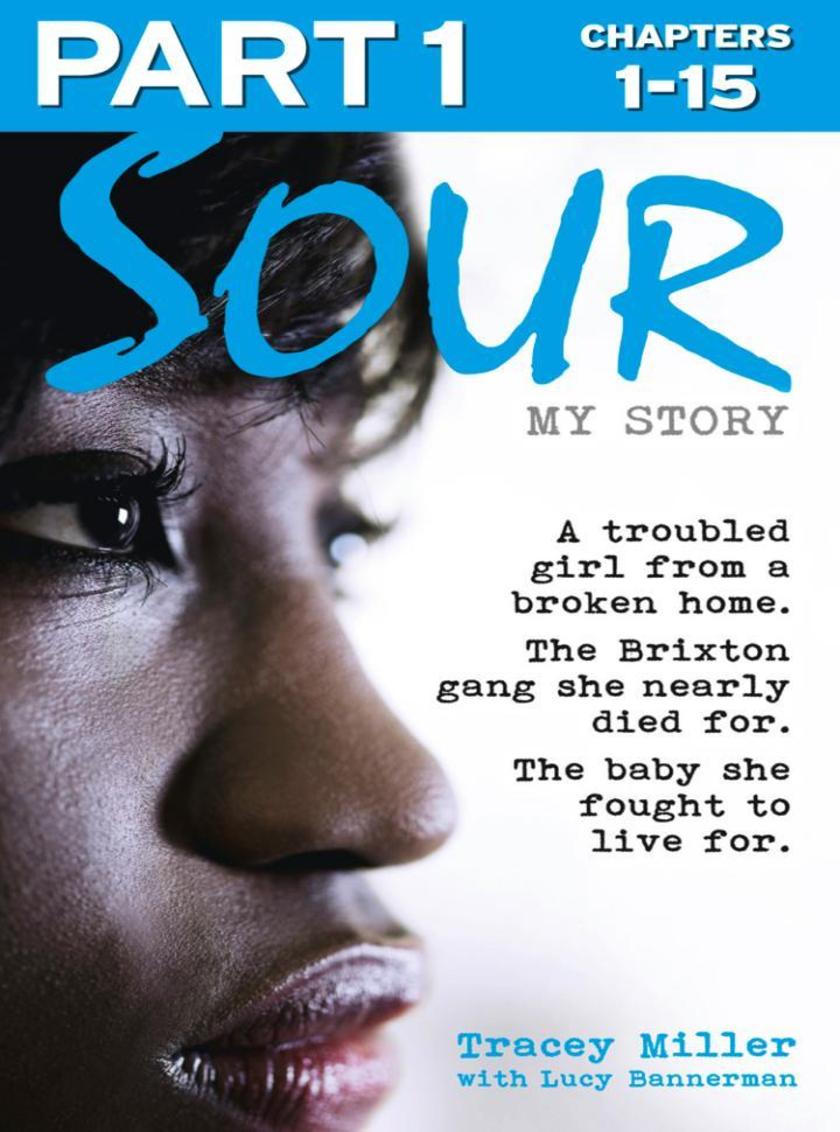
Sour: My Story - Part 1 of 3
免费
Sour can either be read as a full-length eBook or in 3 serialised eBook-only parts. This is PART 1 of 3. They call me Sour. The opposite of sweet. Shanking, stabbing, steaming, robbing, I did it all, rolling with the Man Dem. I did it because I was bad. I did it because I had heart. And the reason I reckon I got away with it for so long? Because I was a girl. SOUR is the true story of a former Brixton gang girl, drug dealer and full-time criminal. A member of the Younger 28s, a notorious gang that terrorised the postcodes around Brixton in the 90s, Sour escapes a troubled family life to immerse herself in the street life of likking and linking. She never leaves her house without a knife. At the age of fifteen, she stabs an innocent man in the street, earning her unrivalled respect and ‘Top-Dog’ status amongst her crew. She believes she is invincible. But the consequences of her actions are soon to catch up with her. Waking for the second time in two weeks in a hospital bed, to the news that she is pregnant, she realises it’s time to turn her life around. Motherhood will be a rude awakening, but it may also be her saving grace. Told with raw emotions and ferocious honesty, this is the real, on-the-record, story of one woman’s descent down the rabbit hole of gangland, and her efforts, as a daughter, mother and girlfriend, to claw herself out.
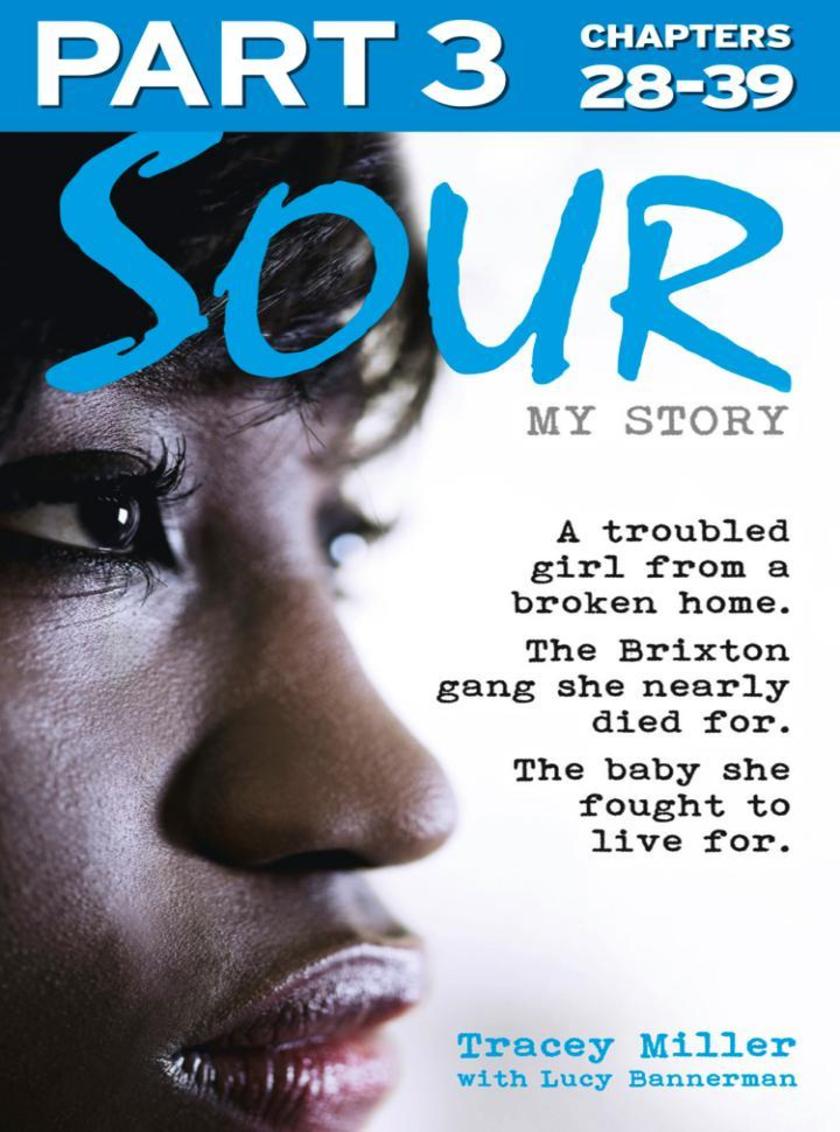
Sour: My Story - Part 3 of 3
¥47.48
Sour can either be read as a full-length eBook or in 3 serialised eBook-only parts. This is PART 1 of 3. They call me Sour. The opposite of sweet. Shanking, stabbing, steaming, robbing, I did it all, rolling with the Man Dem. I did it because I was bad. I did it because I had heart. And the reason I reckon I got away with it for so long? Because I was a girl. SOUR is the true story of a former Brixton gang girl, drug dealer and full-time criminal. A member of the Younger 28s, a notorious gang that terrorised the postcodes around Brixton in the 90s, Sour escapes a troubled family life to immerse herself in the street life of likking and linking. She never leaves her house without a knife. At the age of fifteen, she stabs an innocent man in the street, earning her unrivalled respect and ‘Top-Dog’ status amongst her crew. She believes she is invincible. But the consequences of her actions are soon to catch up with her. Waking for the second time in two weeks in a hospital bed, to the news that she is pregnant, she realises it’s time to turn her life around. Motherhood will be a rude awakening, but it may also be her saving grace. Told with raw emotions and ferocious honesty, this is the real, on-the-record, story of one woman’s descent down the rabbit hole of gangland, and her efforts, as a daughter, mother and girlfriend, to claw herself out.
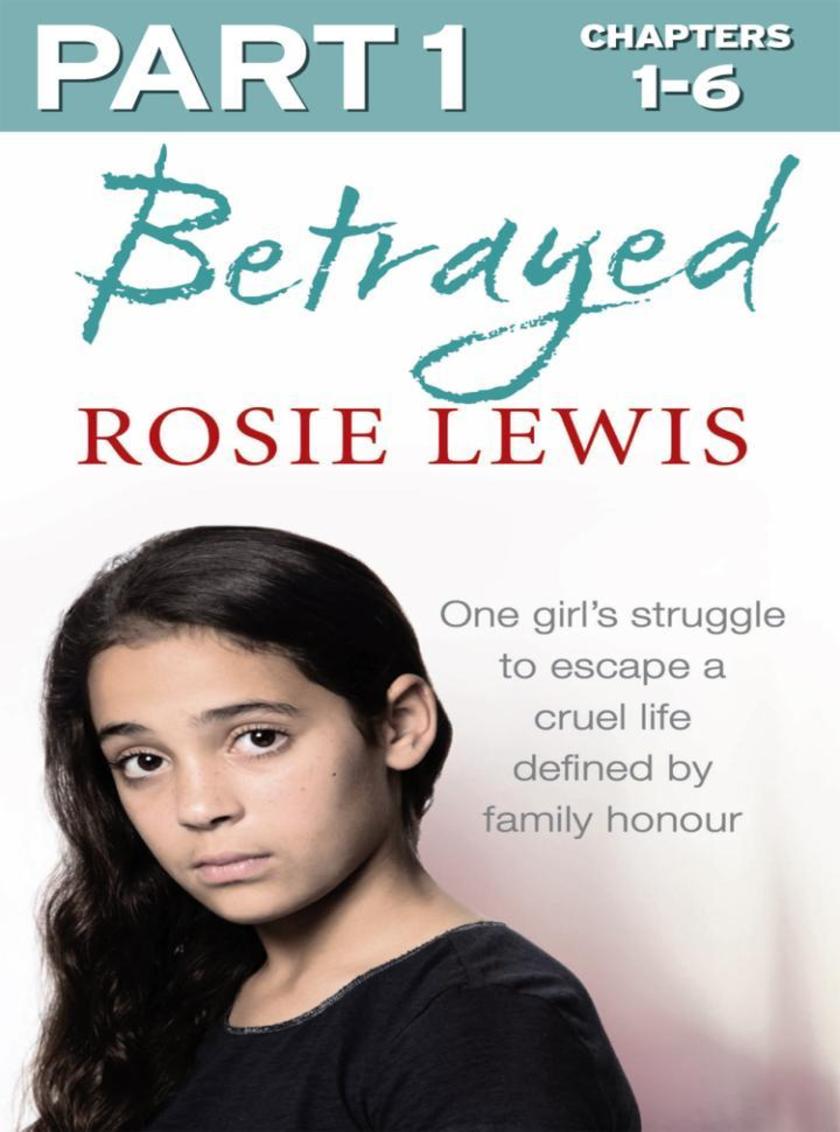
Betrayed: Part 1 of 3
免费
Betrayed can either be read as a full-length eBook or in 3 serialised eBook-only parts. This is PART 1 of 3. You can read Part 1 two weeks ahead of release of the full-length eBook and paperback. In the much-anticipated follow-up to Sunday Times bestseller Trapped, foster carer Rosie Lewis tells the heartbreaking true story of 13-year-old Zadie. When the young teenage girl runs away and is discovered hiding on the city streets by the police, it is clear that all is not as it should be. Taught to believe that Westerners should not be trusted, when Zadie is initially delivered into the experienced hands of foster carer Rosie she is polite and well-behaved, but understandably suspicious of the family around her. Through Rosie’s support and understanding, gradually Zadie begins to settle into her new surroundings, but loyalty to her relatives, and fear of bringing shame on those around her, prevents her from confessing the horrifying truth about her troubled past. When the shocking truth finally emerges, Rosie and her family can hardly believe that Zadie had managed to keep the shocking secrets to herself for so long.
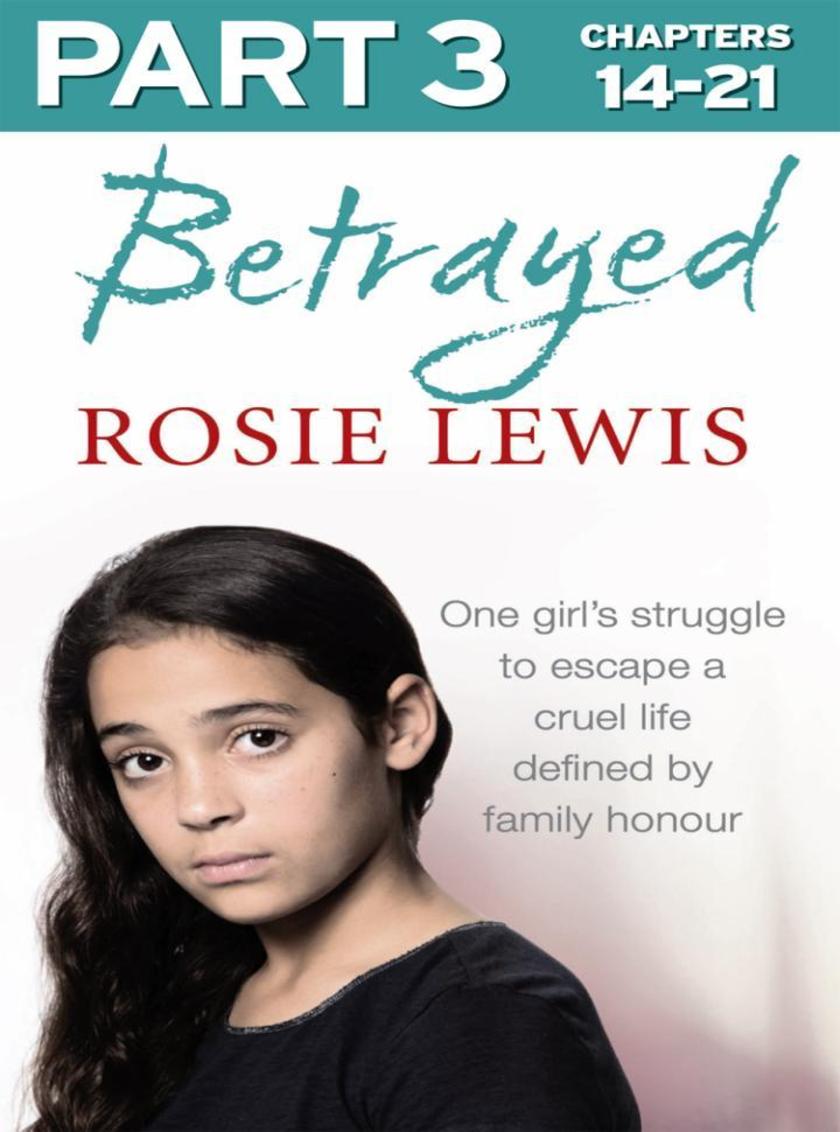
Betrayed: Part 3 of 3
¥47.48
Betrayed can either be read as a full-length eBook or in 3 serialised eBook-only parts. This is PART 3 of 3. You can read Part 3 on release of the full-length eBook and paperback. In the much-anticipated follow-up to Sunday Times bestseller Trapped, foster carer Rosie Lewis tells the heartbreaking true story of 13-year-old Zadie. When the young teenage girl runs away and is discovered hiding on the city streets by the police, it is clear that all is not as it should be. Taught to believe that Westerners should not be trusted, when Zadie is initially delivered into the experienced hands of foster carer Rosie she is polite and well-behaved, but understandably suspicious of the family around her. Through Rosie’s support and understanding, gradually Zadie begins to settle into her new surroundings, but loyalty to her relatives, and fear of bringing shame on those around her, prevents her from confessing the horrifying truth about her troubled past. When the shocking truth finally emerges, Rosie and her family can hardly believe that Zadie had managed to keep the shocking secrets to herself for so long.
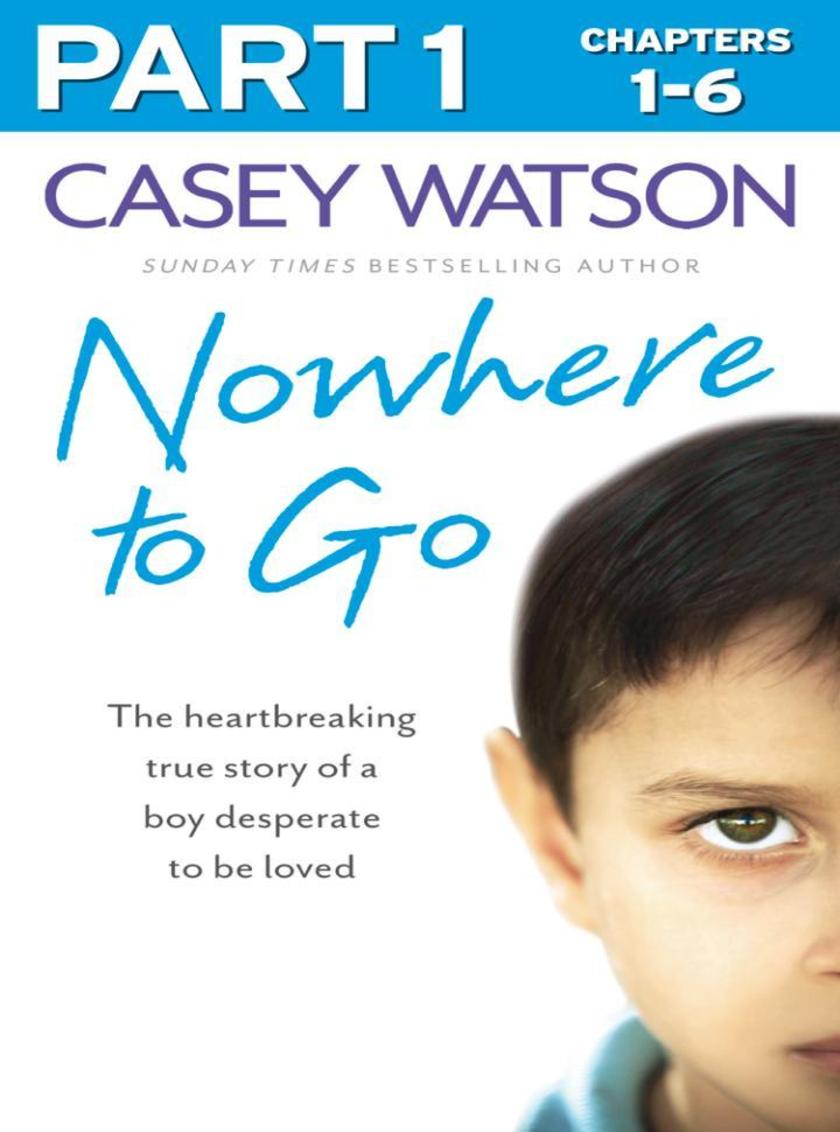
Nowhere to Go: Part 1 of 3
免费
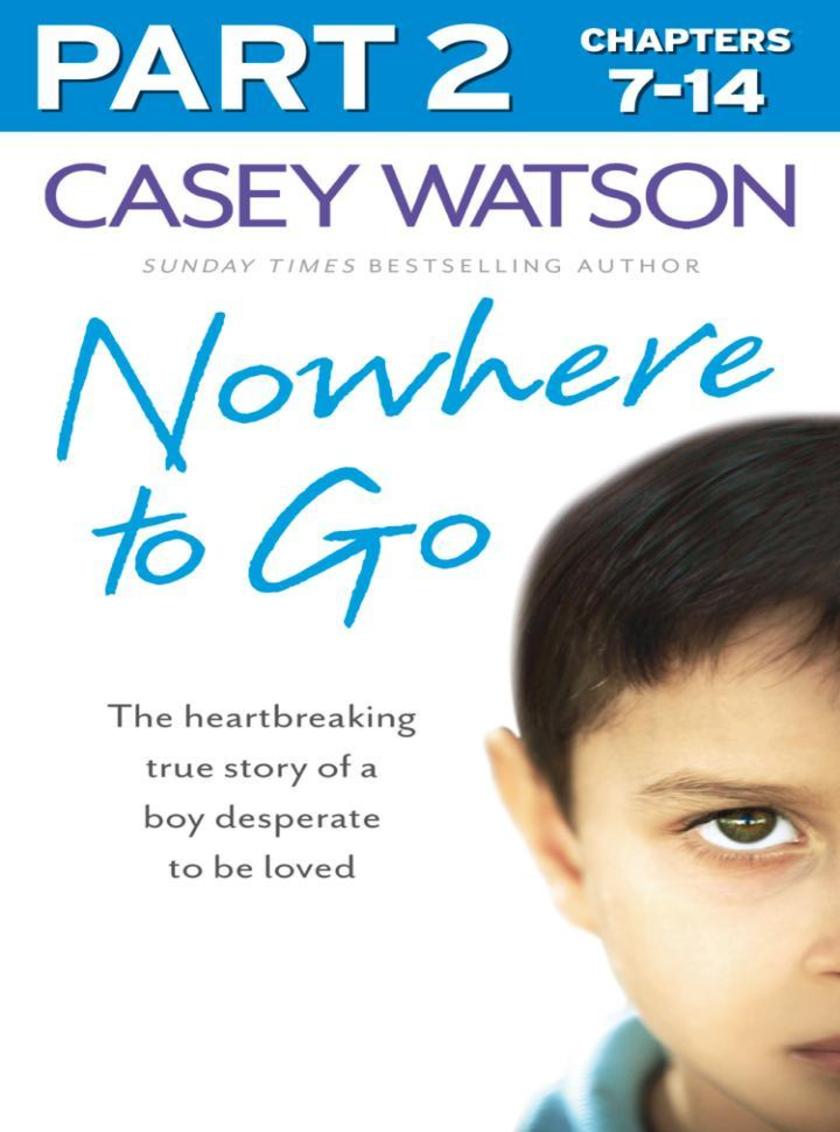
Bestselling author and foster carer Casey Watson shares the shocking true story of Tyler, an abused eleven-year-old who, after stabbing his step-mother, had nowhere else to go. Knowing a little of Tyler’s past – his biological mother, a heroin addict, died of an overdose when he was three – Casey feels bound to do her best for him. It isn’t easy; Tyler continuously lashes out, even trying to attack Casey herself. Investigation into his earlier childhood reveals why: forced to watch his mother die he was found emaciated and traumatised two days later, then delivered to a father who didn’t want him and a step-mother who beat him. With the horrific events of his past now vividly affecting the course of his present, Casey and her husband Mike are determined to veer him away from the violence and drugs they fear he will come to depend on. Heartbreaking and profoundly moving, Nowhere to Go tells the story of a child forsaken by his family but fought for by his foster carers.
Nowhere to Go: Part 2 of 3
¥40.52
Bestselling author and foster carer Casey Watson shares the shocking true story of Tyler, an abused eleven-year-old who, after stabbing his step-mother, had nowhere else to go. Knowing a little of Tyler’s past – his biological mother, a heroin addict, died of an overdose when he was three – Casey feels bound to do her best for him. It isn’t easy; Tyler continuously lashes out, even trying to attack Casey herself. Investigation into his earlier childhood reveals why: forced to watch his mother die he was found emaciated and traumatised two days later, then delivered to a father who didn’t want him and a step-mother who beat him. With the horrific events of his past now vividly affecting the course of his present, Casey and her husband Mike are determined to veer him away from the violence and drugs they fear he will come to depend on. Heartbreaking and profoundly moving, Nowhere to Go tells the story of a child forsaken by his family but fought for by his foster carers.
The Girl Without a Voice: Part 3 of 3
¥47.48
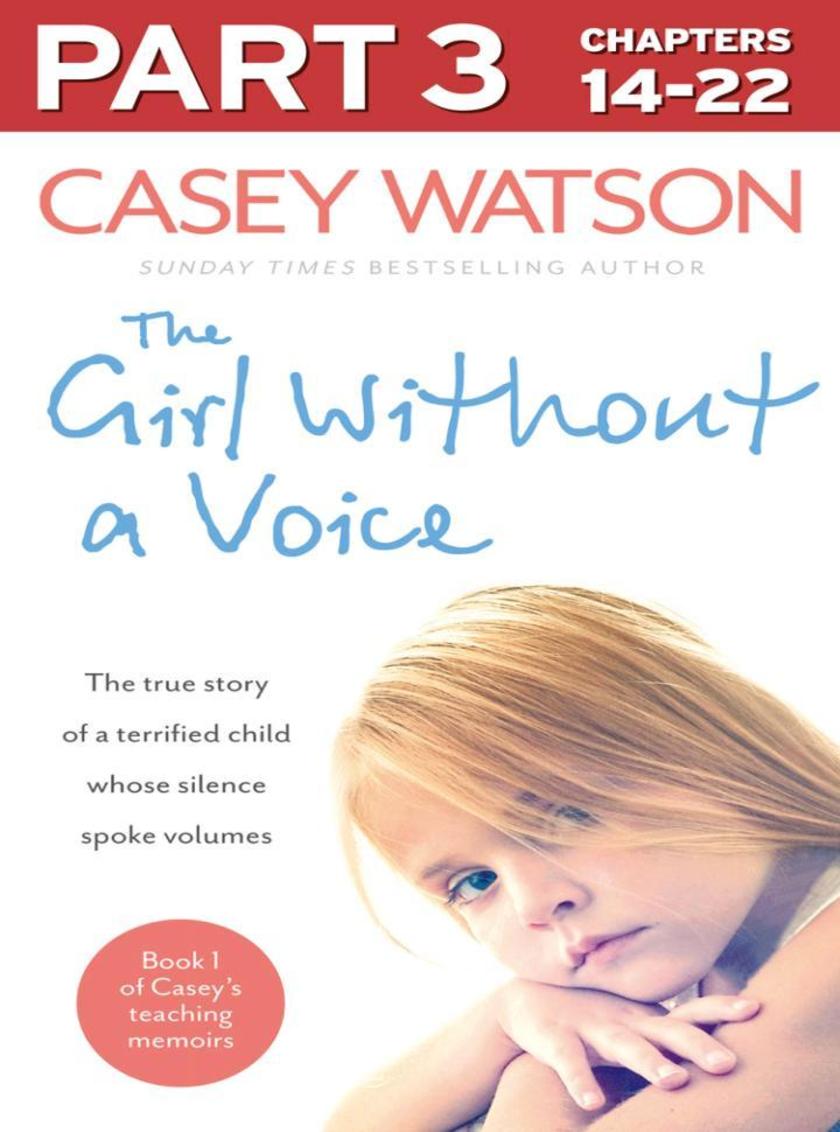
The Girl Without a Voice can either be read as a full-length eBook or in 3 serialised eBook-only parts. This is PART 3 of 3. You can read Part 3 on release of the full-length eBook and paperback. Bestselling author and foster carer Casey Watson tells the shocking and deeply moving true story of a young girl with severe behavioural problems. This is the first of several stories about ‘difficult’ children Casey helped during her time as a behaviour manager at her local comprehensive. Casey has been in the post for six months when thirteen-year-old Imogen joins her class. One of six children Casey is teaching, Imogen has selective mutism. She’s a bright girl, but her speech problems have been making mainstream lessons difficult. Life at home is also hard for Imogen. Her mum walked out on her a few years earlier and she’s never got on with her dad’s new girlfriend. She’s now living with her grandparents. There’s no physical explanation for Imogen’s condition, and her family insist she’s never had troubles like this before. Everyone thinks Imogen is just playing up – except the member of staff closest to her, her teacher Casey Watson. It is the deadpan expression she constantly has on her face that is most disturbing to Casey. Determined there must be more to it, Casey starts digging and it’s not long before she starts to discover a very different side to Imogen’s character. A visit to her grandparents’ reveals that Imogen is anything but silent at home. In fact she’s prone to violent outbursts; her elderly grandparents are terrified of her. Eventually Casey’s hard work starts to pay off. After months of silence, Imogen utters her first, terrified, words to Casey: ‘I thought she was going to burn me.’ Dark, shocking and deeply disturbing, Casey begins to uncover the reality of what Imogen has been subjected to for years.


