


 购物车
购物车 个人中心
个人中心
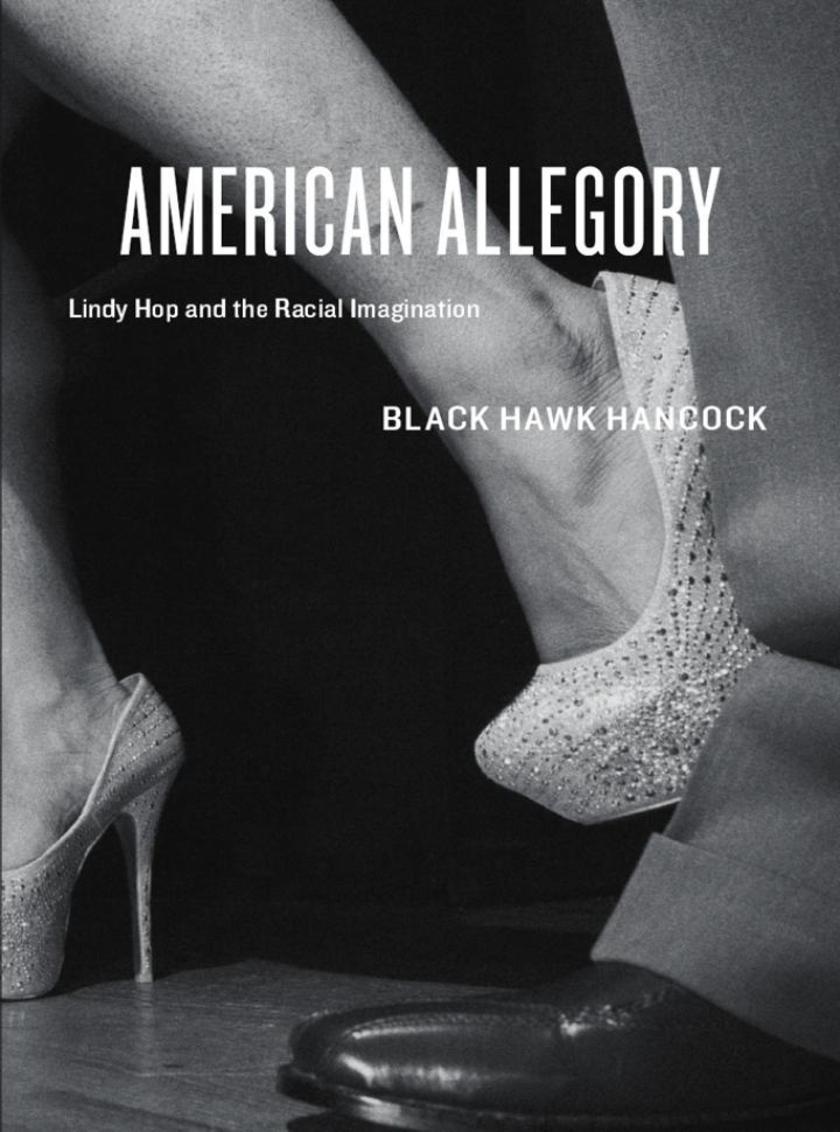
American Allegory
¥247.21
"e;Perhaps,"e; wrote Ralph Ellison more than seventy years ago, "e;the zoot suit contains profound political meaning; perhaps the symmetrical frenzy of the Lindy-hop conceals clues to great potential power."e; As Ellison noted then, many of our most mundane cultural forms are larger and more important than they appear, taking on great significance and an unexpected depth of meaning. What he saw in the power of the Lindy Hop-the dance that Life magazine once billed as "e;America's True National Folk Dance"e;-would spread from black America to make a lasting impression on white America and offer us a truly compelling means of understanding our culture. But with what hidden implications?In American Allegory, Black Hawk Hancock offers an embedded and embodied ethnography that situates dance within a larger Chicago landscape of segregated social practices. Delving into two Chicago dance worlds, the Lindy and Steppin', Hancock uses a combination of participant-observation and interviews to bring to the surface the racial tension that surrounds white use of black cultural forms. Focusing on new forms of appropriation in an era of multiculturalism, Hancock underscores the institutionalization of racial disparities and offers wonderful insights into the intersection of race and culture in America.
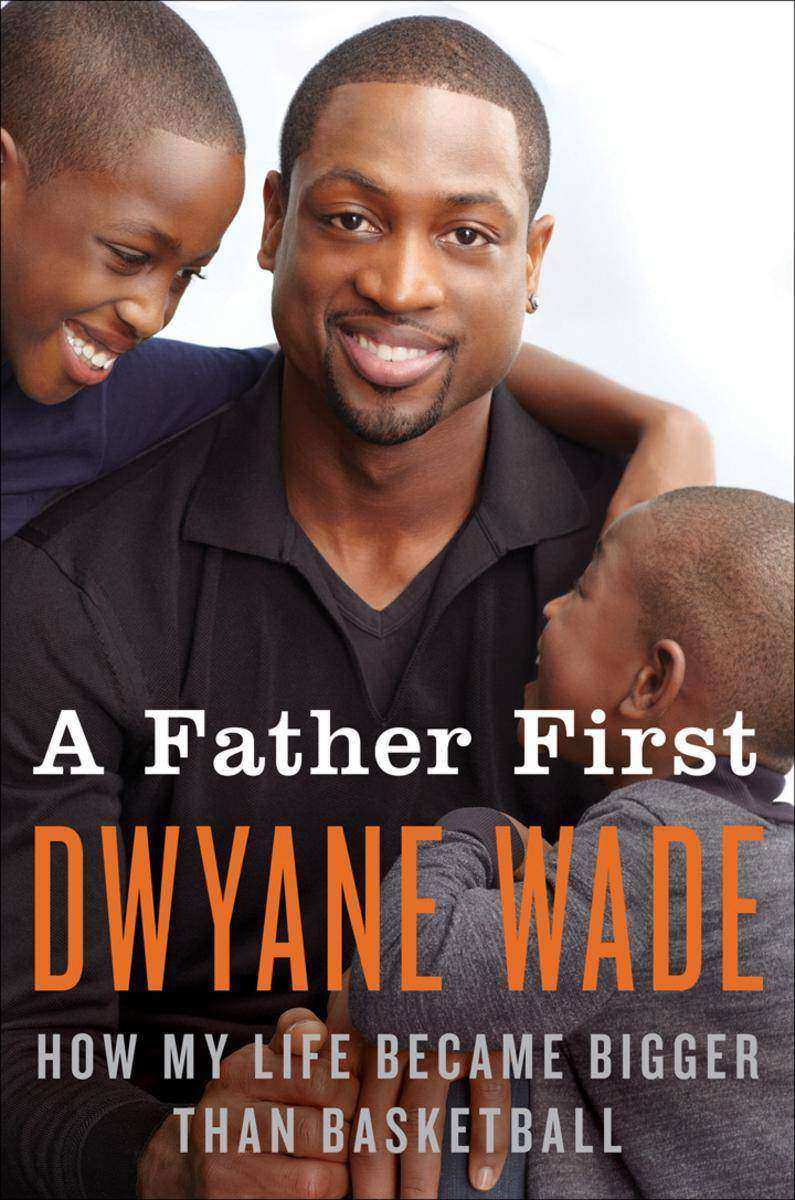
A Father First
¥83.92
Dwyane Wade, the eight-time All-Star for the Miami Heat, has miraculously defied the odds throughout his career and his life. In 2006, in just his third season in the NBA, Dwyane was named the Finals' MVP, after leading the Miami Heat to the Championship title, basketball's ultimate prize. Two years later, after possible career-ending injuries, he again rose from the ashes of doubt to help win a gold medal for the United States at the 2008 Beijing Olympics. As co-captain, he helped lead the Heat to triumph in the 2012 NBA Championship. Little wonder that legendary coach Pat Riley has called Dwyane "B.I.W." Best In the World. As incredible as those achievements have been, it's off the court where Dwyane has sought his most cherished goal: being a good dad to his sons, Zaire and Zion, by playing a meaningful role in their lives. Recounting his fatherhood journey, Dwyane begins his story in March 2011 with the news that after a long, bitter custody battle, he has been awarded sole custody of his sons in a virtually unprecedented court decision. A Father First chronicles the lessons Dwyane has learned as a single dad from the moment of the judge's ruling that instantly changed his life and the lives of his boys, and then back to the events in the past that shaped his dreams, prayers, and promises. As the son of divorced parents determined to get along so that he and his sister Tragil could have loving relationships with both of them, Dwyane's early years were spent on Chicago's South Side. With poverty, violence, and drugs consuming the streets and their mom descending into addiction, Tragil made the heroic decision to take her younger brother to live with their father. After moving his household to suburban Robbins, Illinois, Dwyane Wade Sr. became Dwyane's first basketball coach. While this period laid the groundwork for Dwyane's later mission for fathers to take greater responsibility for their kids, he was also inspired by his mother's miraculous victory over addiction and her gift for healing others. Both his mother and his father showed him that the unconditional love between parents and children is a powerful guiding force. In A Father First , we meet the coaches, mentors, and teammates who played pivotal roles in Dwyane's stunning basketball career from his early days shooting hoops on the neighborhood courts in Chicago, to his rising stardom at Marquette University in Milwaukee, to his emergence as an unheralded draft pick by the Miami Heat. This book is a revealing, personal story of one of America's top athletes, but it is also a call to action from a man who had to fight to be in his children's lives that will show mothers and fathers how to step up and be parents themselves.
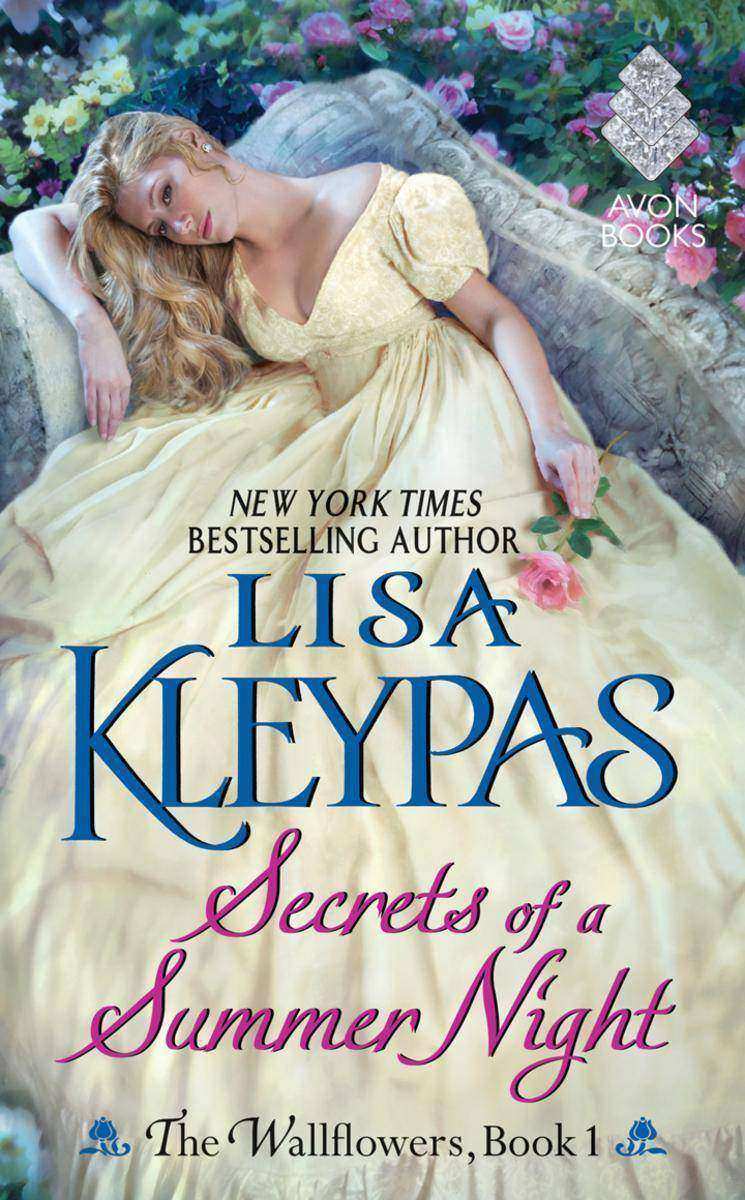
Secrets of a Summer Night
¥35.01
Four young ladies enter London society with one common goal: they must use their feminine wit and wiles to find a husband.So a daring husband-hunting scheme is born. Annabelle Peyton, determined to save her family from disaster, decides to use her beauty and wit to tempt a suitable nobleman into making an offer of marriage. But Annabelle's most intriguing and persistent admirer, wealthy, powerful Simon Hunt, has made it clear that while he will introduce her to irresistible pleasure he will not offer marriage. Annabelle is determined to resist his unthinkable proposition . . . but it is impossible in the face of such skillful seduction. Her friends, looking to help, conspire to entice a more suitable gentleman to offer for Annabelle, for only then will she be safe from Simon and her own longings. But on one summer night, Annabelle succumbs to Simon's passionate embrace and tempting kisses . . . and she discovers that love is the most dangerous game of all.
The Tiny Book of Tiny Stories: Volume 2
¥94.10
The universe is not made of atoms; it made of tiny stories. Featuring 62 contributors from the 14,946 contributions to the Tiny Stories collaboration on HITRECORD.ORG

The Horse and His Boy 纳尼亚传奇3(彩色插图版)
¥50.33
Illustrations in this ebook appear in vibrant full color on a full color ebook device, and in rich black and white on all other devices. Narnia . . . where horses talk . . . where treachery is brewing . . . where destiny awaits. On a desperate journey, two runaways meet and join forces. Though they are only looking to escape their harsh and narrow lives, they soon find themselves at the center of a terrible battle. It is a battle that will decide their fate and the fate of Narnia itself. The Horse and His Boy is the third book in C.S. Lewis The Chronicles of Narnia a series that has become part of the canon of classic literature, drawing readers of all ages into a magical land with unforgettable characters for over fifty years. This is a novel that stands on its own, but if you would like to return to Narnia, read Prince Caspian , the fourth book in The Chronicles of Narnia.

The Lion, the Witch and the Wardrobe 纳尼亚传奇2(彩色插图版)
¥50.33
Illustrations in this ebook appear in vibrant full color on a full-color ebook device, and in rich black and white on all other devices. Narnia . . . a land frozen in eternal winter . . . a country waiting to be set free Four adventurers step through a wardrobe door and into the land of Narnia, a land enslaved by the power of the White Witch. But when almost all hope is lost, the return of the Great Lion, Aslan, signals a great change . . . and a great sacrifice. The Lion, the Witch and the Wardrobe is the second book in C.S. Lewis's The Chronicles of Narnia , a series that has become part of the canon of classic literature, drawing readers of all ages into a magical land with unforgettable characters for over fifty years. This is a stand-alone read, but if you would like to explore more of the Narnian realm, pick up The Horse and His Boy , the third book in The Chronicles of Narnia . Supports the Common Core State Standards.

A Physicists Labour In War And Peace
¥24.44
This informative book covers the pre war period to the 1990s spanning the author s experience of the rise of Nazism on the continent, his research and his involvement in the planning of Science and Higher Education in Britain. He gives a wry commentary on education and science in Britain, and describes his role in pressing for adequate funding for science, especially during the Thatcher era. His research in Edinburgh with the future Nobel Laureate Max Born, one of the giants of Theoretical Physics, led to a breakthrough in solidstate physics. In Manchester he worked with Patrick Blackett, also a future Nobel Laureate, measuring Extensive Air Showers . These are sprays of particles, which fall on the earth generated by nuclear particles from the cosmos. Later in Leeds he was one of the initiators of the National British Air Shower Experiment. He writes about some of the famous scientists he has met, and also of his disappointments which are often the fate of a working scientist. This is not a rounded autobiography. Much of the book is concerned with Kellermann s research in solid state and cosmic ray physics and his interaction with outstanding physicists of the time, notably his work with Karl Przibram in Vienna and later with Max Born, Patrick Blackett and E C Stoner, and his meetings with C F Powell in Great Britain. There is also an account of his meeting with Max Planck, his discussions with the later atom spy Klaus Fuchs and other notable scientists of the period. It is concerned also with British science policy and Kellermann s commitment to promote support for science by British governments of the day. But a life in physics spanning the second half of the twentieth century is also likely to be a life deeply marked by warfare, antiSemitism, and disruption. These intelligently written memoirs (Professor Geoffrey Cantor, University of Leeds) offer perceptive assessments of contemporary events and of many of the scientists and politicians Kellermann encountered. The Leitmotiv during Kellermannss later years was his research on cosmic ray extensive air showers. The nonspecialist will find a clear account of how these showers, caused by enormously energetic particles from the cosmos are clues to its understanding, an account leading right up to the present state of the art.
Survival of the Sickest
¥90.51
Read it. You're already living it. Was diabetes evolution's response to the last Ice AgeDid a deadly genetic disease help our ancestors survive the bubonic plagues of EuropeWill a visit to the tanning salon help lower your cholesterolWhy do we ageWhy are some people immune to HIVCan your genes be turned on -- or offJoining the ranks of modern myth busters, Dr. Sharon Moalem turns our current understanding of illness on its head and challenges us to fundamentally change the way we think about our bodies, our health, and our relationship to just about every other living thing on earth, from plants and animals to insects and bacteria. Through a fresh and engaging examination of our evolutionary history, Dr. Moalem reveals how many of the conditions that are diseases today actually gave our ancestors a leg up in the survival sweepstakes. When the option is a long life with a disease or a short one without it, evolution opts for disease almost every time. Everything from the climate our ancestors lived in to the crops they planted and ate to their beverage of choice can be seen in our genetic inheritance. But Survival of the Sickest doesn't stop there. It goes on to demonstrate just how little modern medicine really understands about human health, and offers a new way of thinking that can help all of us live longer, healthier lives. Survival of the Sickest is filled with fascinating insights and cutting-edge research, presented in a way that is both accessible and utterly absorbing. This is a book about the interconnectedness of all life on earth -- and, especially, what that means for us.
AskMen.com Presents The Style Bible
¥94.10
The Style Bible is an indispensable handbook filled with fundamentals that every man can use to improve his dress sense and lifestyle. Divided into 11 rules, The Style Bible helps you build a versatile wardrobe; coordinate different colors, patterns, and accessories; learn which clothes flatter your body type; and navigate the worlds of shoes, jeans, and watches. You'll also learn how to dress appropriately for any occasion or environment, from meetings at the office to first dates and nights on the town. With instructive illustrations and loads of tips, The Style Bible is essential reading for every man who wants to dress to impress.
The Pursuit of Happyness
¥90.51
The astounding yet true rags-to-riches saga of a homeless father who raised and cared for his son on the mean streets of San Francisco and went on to become a crown prince of Wall Street 'At the age of twenty, Milwaukee native Chris Gardner, just out of the Navy, arrived in San Francisco to pursue a promising career in medicine. Considered a prodigy in scientific research, he surprised everyone and himself by setting his sights on the competitive world of high finance. Yet no sooner had he landed an entry-level position at a prestigious firm than Gardner found himself caught in a web of incredibly challenging circumstances that left him as part of the city's working homeless and with a toddler son. Motivated by the promise he made to himself as a fatherless child to never abandon his own children, the two spent almost a year moving among shelters, "HO-tels," soup lines, and even sleeping in the public restroom of a subway station.Never giving in to despair, Gardner made an astonishing transformation from being part of the city's invisible poor to being a powerful player in its financial district. More than a memoir of Gardner's financial success, this is the story of a man who breaks his own family's cycle of men abandoning their children. Mythic, triumphant, and unstintingly honest, The Pursuit of Happyness conjures heroes like Horatio Alger and Antwone Fisher, and appeals to the very essence of the American Dream.
Telling Lies for Fun & Profit
¥72.01
Characters refusing to talkPlot plodding alongWhere do good ideas come from anywayIn this wonderfully practical volume, two-time Edgar Award-winning novelist Lawrence Block takes an inside look at writing as a craft and as a career. From studying the market, to mastering self-discipline and "creative procrastination," through coping with rejections, Telling Lies for Fun & Profit is an invaluable sourcebook of information. It is a must read for anyone serious about writing or understanding how the process works.
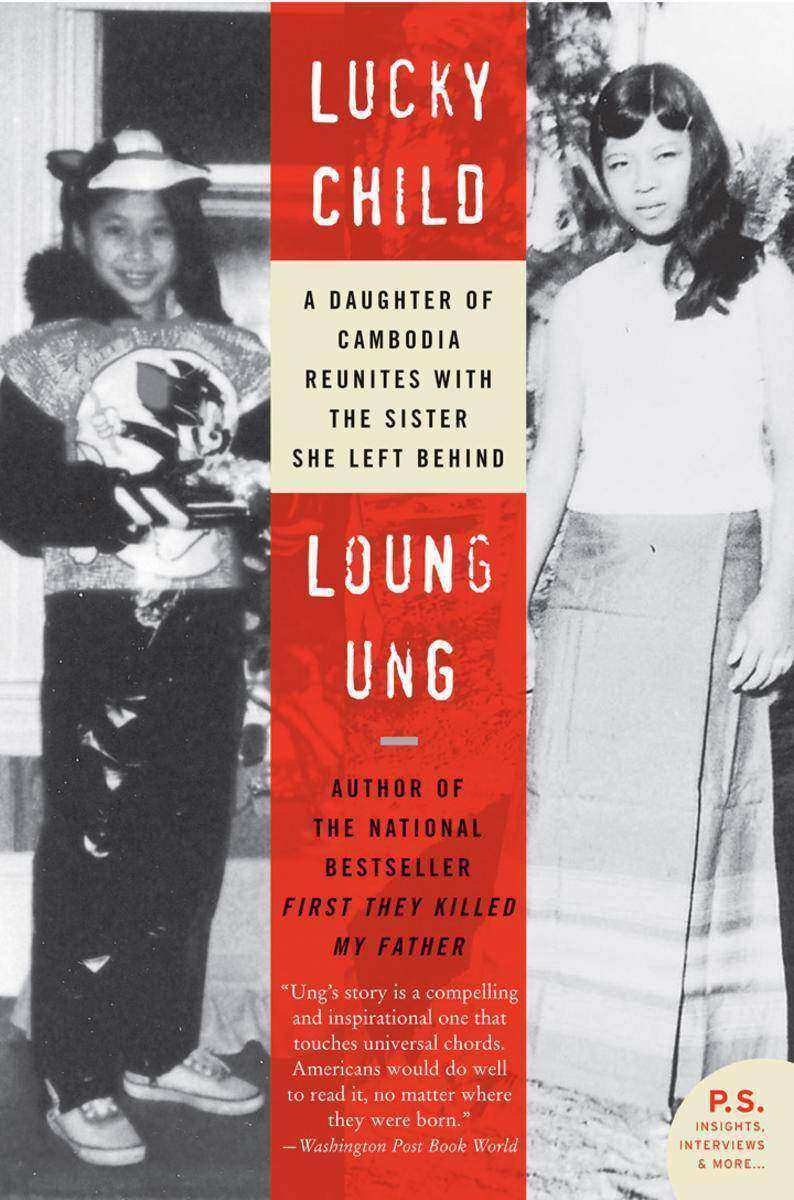
Lucky Child
¥90.77
After enduring years of hunger, deprivation, and devastating loss at the hands of the Khmer Rouge, ten-year-old Loung Ung became the "lucky child," the sibling chosen to accompany her eldest brother to America while her one surviving sister and two brothers remained behind. In this poignant and elegiac memoir, Loung recalls her assimilation into an unfamiliar new culture while struggling to overcome dogged memories of violence and the deep scars of war. In alternating chapters, she gives voice to Chou, the beloved older sister whose life in war-torn Cambodia so easily could have been hers. Highlighting the harsh realities of chance and circumstance in times of war as well as in times of peace, Lucky Child is ultimately a testament to the resilience of the human spirit and to the salvaging strength of family bonds.
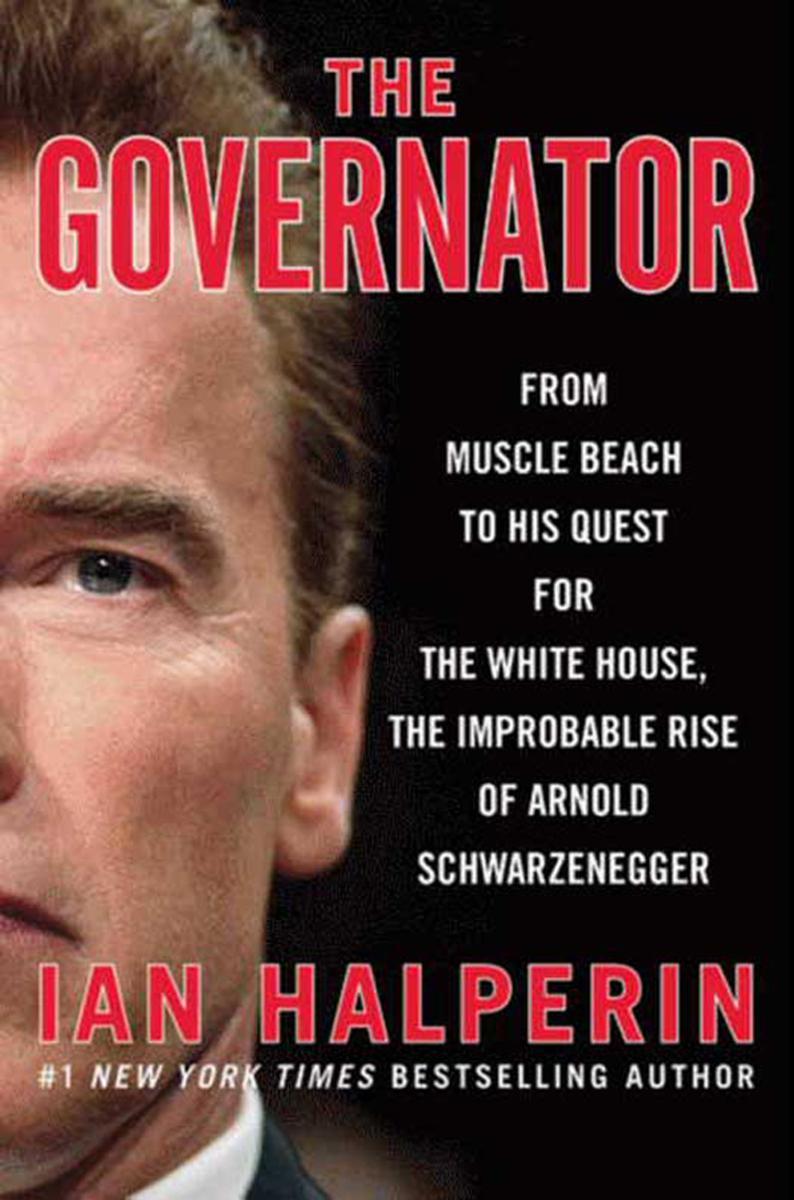
The Governator
¥145.91
Who is the real Arnold SchwarzeneggerInvestigative journalist and number one New York Times bestselling author Ian Halperin reveals the true and untold story about this larger-than-life and often outrageous figure From his childhood in Austria to his rise as a star ofAmerican conservative politics, the story of ArnoldSchwarzenegger life reads like the * of a HollywoodB-movie penned by Horatio Alger. In this exclusivepeek behind the curtain, award-winning scoop hunterIan Halperin wades through the myths and rumors todiscover the real Arnold behind the icon, a man definedby unbridled ambition and an unending quest for power. Based on extensive research, undercover forays, andcandid interviews with many of the Terminator closefriends and peers, Halperin brings the myth to life with: a riveting journey through Schwarzenegger pastto explore his relationship with his abusive father andhis feelings toward the Nazi party. insights into the shadowy world of bodybuildingand Schwarzenegger early steroid use. an investigation of Schwarzenegger reputation asa bully and a womanizer, including his alleged affairs and public accusations of sexual harassment behavior that earned him the nickname the Groper.an in-depth look at his long-standing fascination withthe Kennedys and his remarkably seamless assimilation into his wife fabled family. a detailed look into Maria startling weight loss. an analysis of Schwarzenegger political career,revealing him to be a surprisingly effective and talentedgovernor. the behind-the-scenes machinations of the Kennedyfamily to influence Schwarzenegger political agenda. And finally Halperin uncovers the never-before-told details of an incredible and audacious plan for Schwarzenegger to attempt to rewrite the Constitution and run for president of the United States.

HarperCollins e-books
¥95.11
For students, researchers, and history lovers, a look at day-to-day life in a rarely explored era. "About life and death, midwives and funerals, business, books and authors, and town government."--Choice
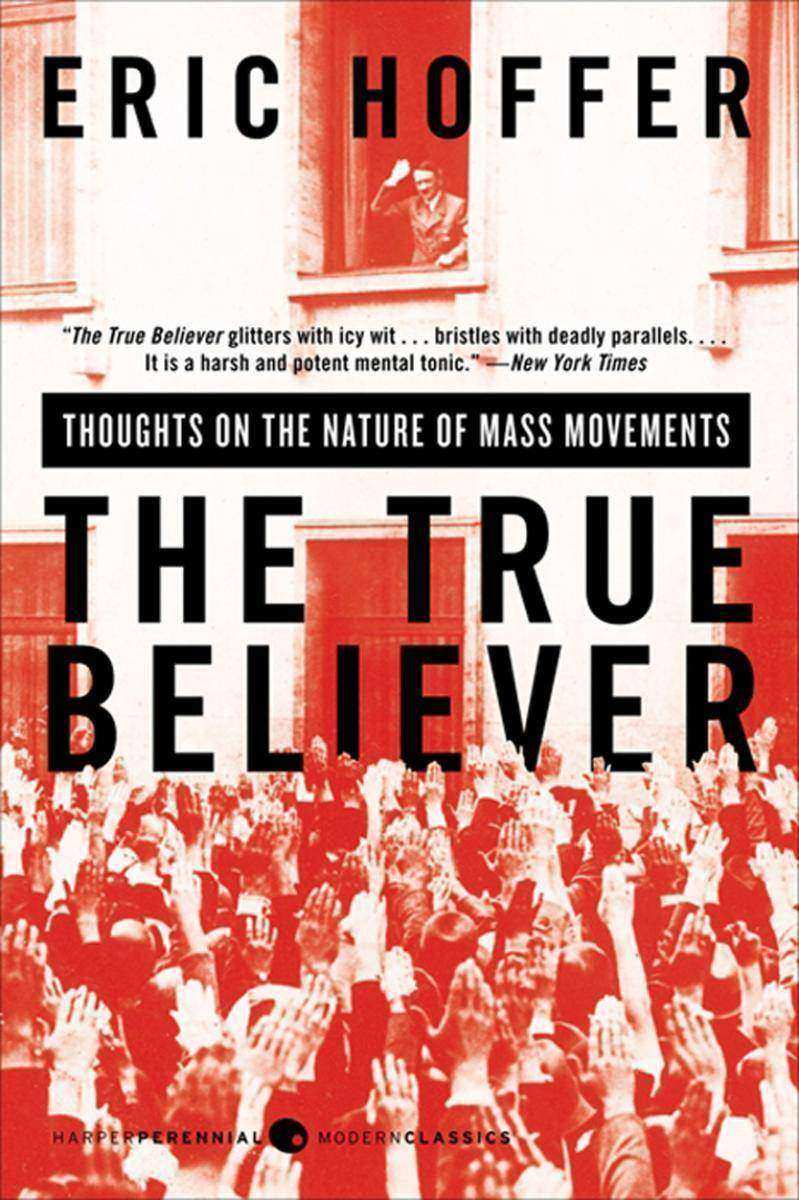
The True Believer
¥88.56
A stevedore on the San Francisco docks in the 1940s, Eric Hoffer wrote philosophical treatises in his spare time while living in the railroad yards. The True Believer -- the first and most famous of his books -- was made into a bestseller when President Eisenhower cited it during one of the earliest television press conferences.Completely relevant and essential for understanding the world today, The True Believer is a visionary, highly provocative look into the mind of the fanatic and a penetrating study of how an individual becomes one.
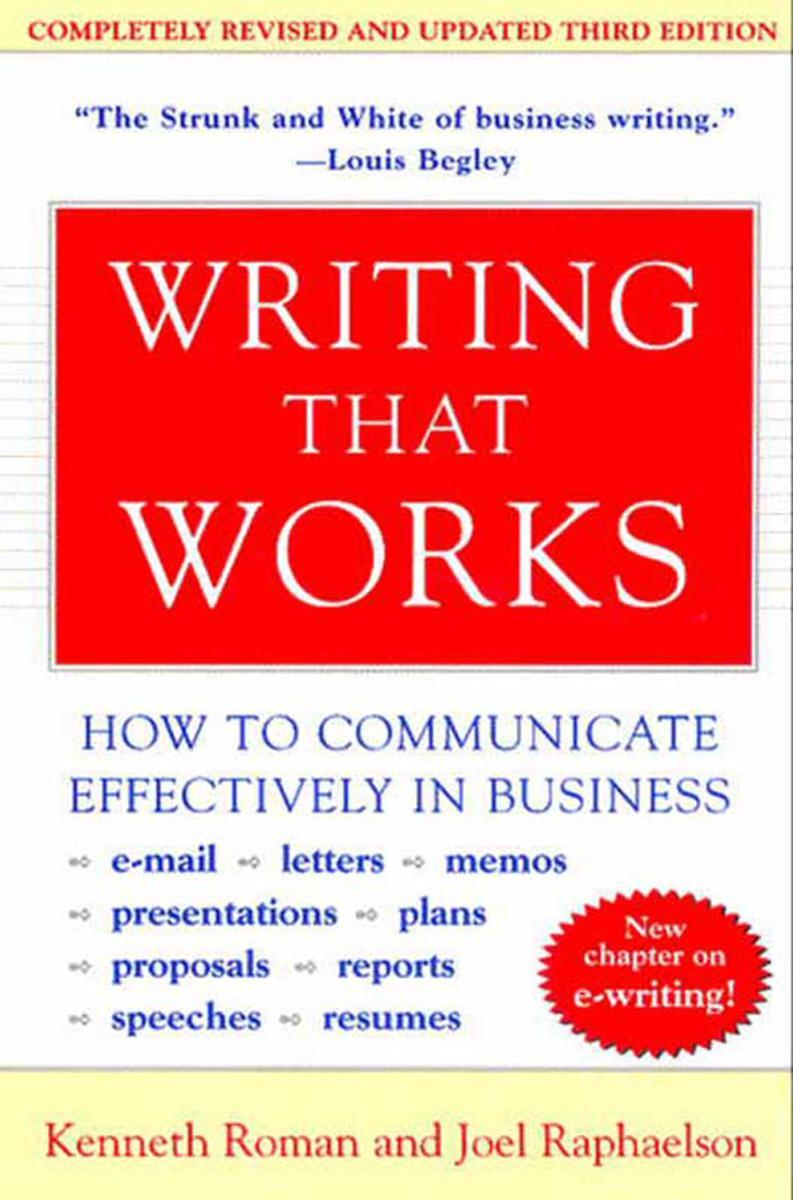
Writing That Works, 3e
¥88.56
Writing That Works will help you say what you want to say, with less difficulty and more confidence. Now in its third edition, this completely updated classic has been expanded to included all new advice on e-mail and the e-writing world, plus a fresh point of view on political correctness. With dozens of examples, many of them new, and useful tips for writing as well as faster on a computer, Writing That Works will show you how to improve anything you write: Presentations that move ideas and action Memos and letters that get things done Plans and reports that make things happen Fund-raising and sales letters that produce results Resumes and letters that lead to interviews Speeches that make a point
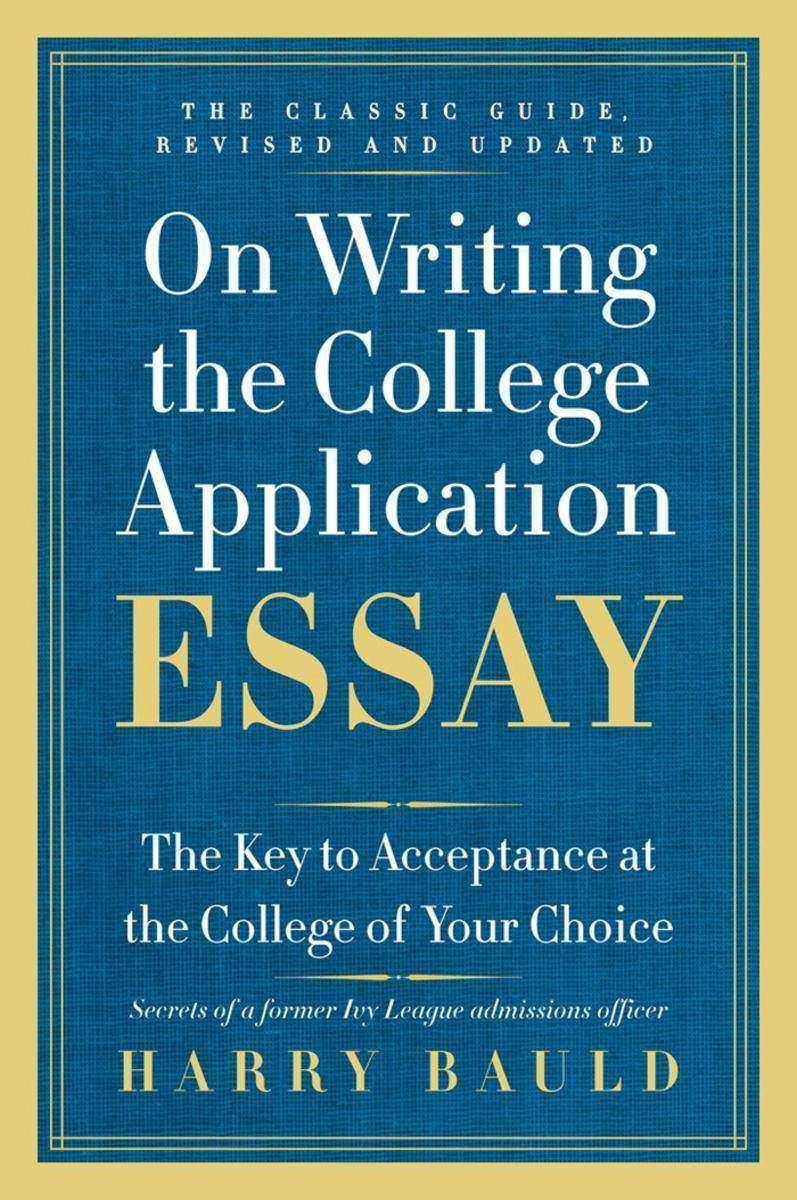
On Writing the College Application Essay, 25th Anniversary Edition
¥83.03
What does an admissions officer look for in a college application essayYou. It's that simple. There's no formula, no trick, no strategy, says Harry Bauld, a former Ivy League admissions officer. But with acceptance rates at all-time lows, just being yourself in an essay means understanding your readers and the unique form in which you are writing. In this fully revised and updated edition of the classic guide to writing the best essay of your life, Bauld reveals the big clich s (The Trip, The Jock, Miss America, Pet Death) and helps you discover ways to come alive on the page as a real person instead of applicant number 13,791.

William Morrow
¥55.91
Call Me Irresistible R.S.V.P. to the most riotous wedding of the year . . . Lucy Jorik is the daughter of a former president of the United States. Meg Koranda is the offspring of legends. One of them is about to marry Mr. Irresistible Ted Beaudine the favorite son of Wynette, Texas. The other is not happy about it and is determined to save her friend from a mess of heartache. But even though Meg knows that breaking up her best friend's wedding is the right thing to do, no one else seems to agree. Faster than Lucy can say "I don't," Meg becomes the most hated woman in town a town she's stuck in with a dead car, an empty wallet, and a very angry bridegroom. Broke, stranded, and without her famous parents at her back, Meg is sure she can survive on her own wits. What's the worst that can happenLose her heart to the one and only Mr. IrresistibleNot likely. Not likely at all. Call Me Irresistible is the book Susan Elizabeth Phillips's readers have long awaited. Ted, better known as "little Teddy," the nine-year-old heartbreak kid from Phillips's first bestseller, Fancy Pants , and as "young Teddy," the hunky new college graduate in Lady Be Good , is all grown up now along with Lucy from First Lady and Meg from What I Did for Love . They're ready to take center stage in a saucy, funny, and highly addictive tale fans will love. "Crown Susan Elizabeth Phillips the queen of romantic comedy," raves the McClatchy-Tribune News Service, just one of numerous accolades the beloved New York Times bestselling author has earned in her remarkable career. For more than three decades, this wise and witty writer has charmed hearts and won the devotion of legions of readers. Now she's back with the book her fans have been demanding a sassy, sexy, downright irresistible tale of true love Texas-style, featuring gorgeous heartbreaker Ted Beaudine, now grown up and in a heap of romantic trouble all his own.
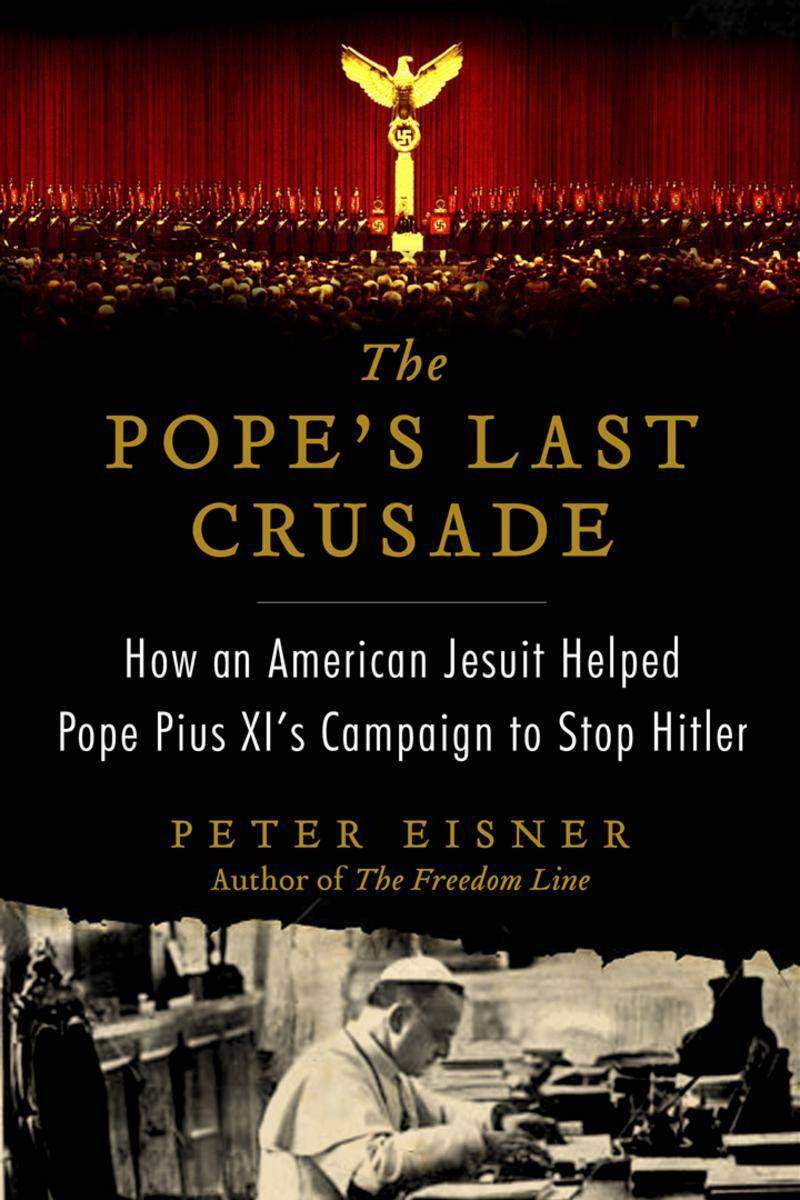
The Pope's Last Crusade
¥90.77
A conspiracy within the Vatican to stop an outspoken Pope In 1938, Pope Pius XI was the world most prominent critic of Hitler and his rhetoric of ethnic purity. To make his voice heard, Pius called upon a relatively unknown American Jesuit whose writing about racism in America had caught the Pope attention. Pius enlisted John LaFarge to write a papal encyclical the Vatican strongest decree publicly condemning Hitler, Mussolini, and their murderous Nazi campaign against the Jews. At the same time conservative members of the Vatican innermost circle were working in secret to suppress the document. Chief among them was Cardinal Eugenio Pacelli, whose appeasement of the Germans underlay a deep-running web of conspiracy. Pacelli, who would become Pope Pius XII, was joined by Wlodimir Ledóchowski, leader of the Jesuit order, to keep the finished encyclical from reaching the increasingly ill Pope. Peter Eisner, award-winning reporter and author of the critically acclaimed The Freedom Line , combines shocking new evidence (released only recently from Vatican archives) and eyewitness testimony to create a compelling journey into the heart of the Vatican and a little-known story of an American partnership with the head of the Catholic Church. A truly essential work, it brings staggering new light to one of the most critical junctures in modern history.

Avon
¥55.31
Lady Philippa Marbury is . . . odd The brilliant, bespectacled daughter of a double marquess cares more for books than balls, for science than the season, and for laboratories than love. She looking forward to marrying her simple fianc and living out her days quietly with her dogs and her scientific experiments. But before that, Pippa has two weeks to experience all the rest fourteen days to research the exciting parts of life. It not much time, and to do it right she needs a guide familiar with London darker corners. She needs . . . a Scoundrel She needs Cross, the clever, controlled partner in London most exclusive gaming hell, with a carefully crafted reputation for wickedness. But reputations often hide the darkest secrets, and when the unconventional Pippa boldly propositions him, seeking science without emotion, she threatens all he works to protect. He is tempted to give Pippa precisely what she wants . . . but the scoundrel is more than he seems, and it will take every ounce of his willpower to resist giving the lady more than she ever imagined.

Scandal in Spring
¥42.03
"I want you to do everything you've ever imagined doing with me…" With those scandalous words, Daisy Bowman, the sole "Wallflower" yet to be married, seals her fate with the last man she ever expected to tempt her. After spending three London seasons searching for a husband, Daisy Bowman's father has told her in no uncertain terms that she must find a husband. Now. And if Daisy can't snare an appropriate suitor, she will marry the man he chooses the ruthless and aloof Matthew Swift. Daisy is horrified. A Bowman never admits defeat, and she decides to do whatever it takes to marry someone . . . anyone . . . other than Matthew. But she doesn't count on Matthew's unexpected charm . . . or the blazing sensuality that soon flares beyond both their control. And Daisy discovers that the man she has always hated just might turn out to be the man of her dreams. But right at the moment of sweet surrender, a scandalous secret is uncovered . . . one that could destroy both Matthew and a love more passionate and irresistible than Daisy's wildest fantasies.


