


 购物车
购物车 个人中心
个人中心
Red Eve
¥8.01
rülk, hogy úgy dntttél, belenézel a knyvembe. Tudod, ez az hely, ahol a szerzk ismert emberektl idéznek arról, hogy milyen nagyszer ez a knyv. De én ezt nem igazán szeretem. Olcsó trükknek tartom, ami csak arra jó, hogy bepalizza az embereket. Nem hiszek benne. Te ennél úgyis okosabb vagy, és szebb úgysem dlnél be. Nagyon tetszik a blúzod jól megy a knyvemhez! ELLEN DEGENERES Imádom, ahogy fogod ezt a knyvet. Látszik, hogy erre születtél Vedd meg és el se engedd! ELLEN DEGENERES Tudod, mi tetszik nekem a legjobban benned Az, hogy így egymásra találtunk. Na meg a szemed! ELLEN DEGENERES Te vagy a legkedvesebb olvasóm! Minden idk abszolút kedvence. De psszt... meg ne mondd a tbbieknek! ELLEN DEGENERES

Péntek? Csajok!
¥51.83
Conor McGregor a küzd?sportok legragyogóbb csillaga. A dublini három év alatt t?bbet ért el a The Ultimate Fighting Championship-ben, mint bárki más a szervezet húsz éve íródó t?rténelmében. 2013-ban ? volt az els?, aki egyidej?leg birtokolt két világbajnoki címet, kiütésekkel tarkított menetelése el?bb pehelysúlyban, majd k?nny?súlyban, megrengette a világot. De bármilyen k?nnyednek is t?ntek McGregor h?stettei, útja k?zel sem volt sima, ahogy sikere sem volt el?zetesen biztosra vehet?. Ez nem egy újabb t?rténet egy újabb kivételesen tehetséges és sikerre született sportolóról. Ez a sztori egy elképeszt?en elszánt és legy?rhetetlen lelkierej? fiatalemberr?l szól, aki megváltoztatott egy egész sportágat. A Notorious: Conor McGregor élete és harcai Crumlintól Las Vegasig, a ketrect?l a luxusautókig nemcsak azt vesézi ki, miként változtatta meg az MMA Conor McGregort, hanem azt is, hogy Conor McGregor miként forradalmasította a küzd?sportok világát.
Bradley Tamás visszaüt
¥14.39
me, egy zenéldoboz, és benne a táncospár: már halljuk is a monoton muzsikát, amelynek dallamára lassan, szertartásosan, ugyanarra a koreográfiára perdülnek-fordulnak a táncosok. Amikor a dallam lejár, egy láthatatlan kéz újra felhúzza a dobozt a kulccsal, és a férfi és a n végtelen tánca folytatódhat – a szabadulás reménye nélkül. Hiába van az arcukon mosoly, a lelkük, kiváltképpen a né, zilált; rks kzttük a feszültség, és az áldozat sebei talán sohasem gyógyulnak be. Ismers a helyzet Nem véletlenül, hiszen gyakrabban fordul el, mint gondolnánk, hogy társas kapcsolatainkban áldozattá válik az egyik fél, és helyzetébl nemhogy a kiutat nem találja, de sérült nbecsülése folytán azt sem érzékeli: ez nem természetes állapot. RADOS VIRG pszichológiai témájú regénye azt boncolgatja, hogy milyen mélységekig süllyedhet a férfi és n kztti kapcsolat, és trténete lapjain kibomlanak a bántalmazás lélektanának súlyos titkai. A szép és intelligens, ám a szíve mélyén súlyos nbizalomhiánnyal küszkd Kárpáti Anna ügyetlenül csetlik-botlik a partnerkapcsolatok világában. Már-már feladja a társkeresést, amikor találkozik Ferkóval. Eleinte minden szép és jó, de egy napon robban a bomba. Ferkóról kiderül, hogy korántsem az a kedves, szeretetteljes férfi, akinek addig mutatta magát, hanem rideg, goromba, erszakos ember. Szinte nap mint nap szóval és tettel, lelkileg és fizikailag bántalmazza Annát. mégsem tud hátat fordítani neki, ellenkezleg: egyre mélyebbre merül a kapcsolatba, remélve, hogy a férfi megváltozik a kedvéért. Van-e kiút ebbl az rdgi krbl Mi minden trténik Annával, amíg ráébred: saját testi és lelki épsége érdekében ki kell lépnie az életét megkeserít, egészségtelen viszonyból Vajon sikerül-e neki Mi, olvasóként végigkísérhetjük a táncát”; tanúi lehetünk, ahogyan – az t megillet támogatással – sikerül megtalálnia nmagát… A mben a trténet és a szereplk is kitaláltak. Bármilyen hasonlóság valóságos eseményekkel vagy személyekkel csupán a véletlen mve.

Ne kérdezd, ki voltam: Egy díva emlékére
¥80.36
vóhely, Wekerle, zsidók a vonaton, Csévharaszt, cserevilág, május elseje, tanoncotthon, Szabad Nép-félórák, VIT, munkássors, Vica, harckocsiezred, DISZ, proli esküv, nkényes lakásfoglalás, sámlis televíziónézések, irodalmi élet, koda, hétvégi telek, panelház.Egy mélyen megélt, 20. századi magántrténelem, amelyben sokan osztoztak.

A jelszó: hatékonyság: Menedzsment útmutató az eredményes üzlethez
¥57.80
Mennyi ideig tart ki a Camino varázsa? Meddig maradhat valaki zarándok egy nagyvárosban? Ha megkérdezték, azt mondtam: ?r?kre! Pedig egyre nyilvánvalóbbá vált, hogy ez nem igaz. Tudtam, hogy rossz d?ntést hoztam. Addigra azonban már kés? volt, újra a régi lendülettel tepertem a mókuskerékben. Sejtettem, hogy a testem azt próbálja jelezni, hogy nem jó az irány. Figyelmeztetni akar, hogy tévúton járok. Nem lehet visszafordulni, nem szabad visszatérni ahhoz, aminek egyszer már teljes meggy?z?déssel hátat fordítottam, ami szembe megy a lelkiismeretemmel és az ?nbecsülésemmel. Ezúttal mégsem hallgattam a bels? hangomra. Számokat láttam magam el?tt, amelyek igencsak jól mutattak. A lelki béke, a felh?tlen szabadság érzése azonban gellert kapott. ?jra sokat szorongtam, és egyre gyakrabban jutott eszembe, hogy az életem véges. Pakolászni kezdtem magam k?rül, azt hiszem, rendbe akartam tenni a dolgaimat. A világéletemben hangoztatott ?én mindig mindent megoldok” jelmondat halkulni kezdett, bizonytalanná, er?tlenné vált. ?Ki kell bírnom egy ideig” – ez lett az új célkit?zés. A helyzet rosszabb volt, mint ami miatt pár éve világgá mentem onnan. ?m addigra már nyakig benne voltam a s?r?jében, és minden nap azt számolgattam, hány hónapnyi t?réssel tudok megszerezni pár év szerény anyagi biztonságot. Amire aztán nem kerülhetett sor, mert a sors a fejemre koppintott.

Megszépítés nélkül: Egy sváb család hányattatásai
¥57.31
Hasas hófelh?kkel terhes ólomszürke ég borul a vidéki kisvárosra. Tóth János tanító családjában disznóvágás lesz, s míg a toros vacsorára készülnek, váratlan események zúzzák szét a hétk?znapok nyugalmát, évtizedek óta felszín alatt lappangó ellentéteket robbantva ki. Két nap leforgása alatt két család élete fordul f?l fenekestül. Két családé, amelyek mindenben kül?nb?znek egymástól, s amelyek sorsát mégis eltéphetetlenül egybefonja a huszadik század t?rténelme. A szegénysorból származó Tóth Jánost ?zvegy édesanyja hihetetlen áldozatok árán taníttatta. Tóth mégis elhagyja ?t és két testvérét, mert belebolondul a valaha jómódú f?ldbirtokos Kémeryék ifjabbik lányába, Paulába. ?t n?vérével és ?ccsével a fukar, szigorú nagymama neveli, akit?l a gyerekek t?bb verést kapnak, mint szeretetet vagy ételt. Nem csoda hát, hogy miután a g?g?s Paula hozzákényszerül ?ccse házitanítójához, Tóth Jánoshoz, a férfinak szüntelen megvetés és megaláztatás jut osztályrészül. Vajon meddig tartható fenn egy kapcsolat, amely az egyik félnek mindent, a másiknak semmit sem jelent? A?Disznótor?az eltemetett titkok regénye: egyszerre s?tét tónusú b?nügyi t?rténet és megrázó, g?r?g sorstragédia. Régi, fájdalmas emlékeket ébresztett bennem a?Disznótor?elolvasása. Hiszen a vallásos, puritán Hajdúság, ahol a regény játszódik, egyben saját gyerekkorom színhelye is, annak minden szépségével és drámájával. Ahogy Szabó Magda is fogalmaz, a k?nyv ?üzenet (…) abból a hajdani világból emebbe”. A nagyszüleim múltba vesz? világából, amelyben nem volt virtualitás, az emberek ?igazi” életet éltek, cselekedeteiknek súlyuk és k?vetkezményük volt, a becsületnek pedig nem volt alternatívája.?– Sándor Anikó

Напролом.
¥31.07
Tomica Bajsi? pripada onoj skupini pisaca koja doista slavi ?ivot i razliku. Bajsi? zna da je svaki ljudski ?ivot neponovljiv. Pripada onoj izumiru?oj vrsti ljudi koja ne ?eka da svijet stigne na ekran, nego ima hrabrosti suo?iti se sa svim ?ivotnim izazovima – od najuzvi?enijih radosti do najdublje patnje.Tomica Bajsi? jedan je od rijetkih lovaca na metafore i zna?enja jer savr?eno dobro zna da negdje ipak postoji to?ka u kojoj jezik, osobito onaj pjesni?ki, jo? uvijek ima razloga postojati. Jer, mo?da negdje postoji i ona kristalna kocka vedrine o kojoj je pjevao Tin Ujevi?. Ako se i danas krije negdje u prostorima suvremene hrvatske knji?evnosti, onda je posjeduje Tomica Bajsi?. I dijeli je s nama bez ikakvoga zazora i sebi?nosti. Kako je mo?e imati netko tko je doista vidio nevidljivo more iskona? Pa i ono u kojemu ?uvamo sebe od sebe samih: to na?e nevidljivo more, sunce, sol, valovi, plime, oseke i jedno jedro, kada smo pomislili da vi?e nigdje nikoga nema.

Gleichschaltung. Authoritarian Consolidation in Ukraine 2010–2012
¥76.27
Segundo Eduardo Coutinho, a obra trata de um texto bastante atual, que aborda a cr?nica em vários de seus aspectos, no período que se estende desde a primeira metade do século XX ao início do século XXI, deixando claro que o gênero continua vivo e em plena efervescência no momento presente. Além disso, inclui uma bibliografia relevante e bastante atualizada sobre o assunto e uma rela??o bastante completa de livros de cr?nicas publicados no período de 1936 até o presente.

Propellerhead
¥66.22
Described by Pilot magazine in 2011 as ‘Inspirational … one of the best books ever written about flying’. Join the real Magnificent Men in Their Flying Machines as they compete in the Round Britain race. Woodward’s warm, wry account of learning to fly will lift hearts everywhere. BBC2 documentary based on the book – 23 January 2012. Antony Woodward hated flying. It was, quite simply, not his thing. But when his flatmate Richard returned from Africa with a pilot's licence – and instant sex appeal – there was only one option … Eccentric characters, recalcitrant lawnmower engines, lousy weather, unhappy landings – can these really be the things to get a relationship off the ground? As Woodward's passage from man to airman hits ever-increasing turbulence, he finds himself embarked on a jaunt of self-discovery that will strike a chord with many a disaffected urbanite.
The Friendship: Wordsworth and Coleridge
¥91.23
The first book to explore the extraordinary story of the legendary friendship – and quarrel – between Wordsworth and Coleridge, two giants of English Romanticism. Wordsworth and Coleridge’s passionate intimacy, shared ambition and subsequent estrangement contribute to a tragic tale. But Sisman’s biography of this most remarkable friendship – the first to devote itself wholly to exploring the impact of their relationship on each other – seeks to re-examine the orthodox assumption that these two poets flourished as a result of it. Instead, Sisman argues that it was a meeting that may well have been disastrous for both: for it was Wordsworth’s rejection of Coleridge, and not primarily his opium addiction, that destroyed the latter as a poet, and that Coleridge’s impossible ambitions for Wordsworth pushed the latter towards failure and disappointment. Underlying the poignancy of the tale is the intriguing subject of the influence one writer can have on another. Sisman seeks to answer fundamental questions about this relationship: why was Wordsworth so reliant on Coleridge, and why was he so easily swayed in the most critical decision of his career? Was it in Coleridge’s nature to play second fiddle? Would it, in fact, have been better for both men if they had never met?
The Mitfords: Letters between Six Sisters
¥100.26
Carefree, revelatory and intimate, this selection of unpublished letters between the six legendary Mitford sisters, compiled by Diana Mitford’s daughter-in-law, is alive with wit, passion and heartbreak. The letters chronicle the social quirks and political upheavals of the twentieth century but also chart the stormy, enduring relationships between the uniquely gifted – and collectively notorious – Mitford sisters. There’s Nancy, the scalding wit and bestselling novelist; Pamela, who craved a quiet country life; Diana, the fascist wife of Sir Oswald Mosley; Unity, whose obsession with Adolf Hitler led to personal tragedy; Jessica, the runaway communist; and Deborah, the socialite who became Duchess of Devonshire. Writing to one another to confide, tease, rage and gossip, the Mitford sisters set out, above all, to amuse. A correspondence of this scope is rare; a collection penned by six born storytellers is irreplaceable.
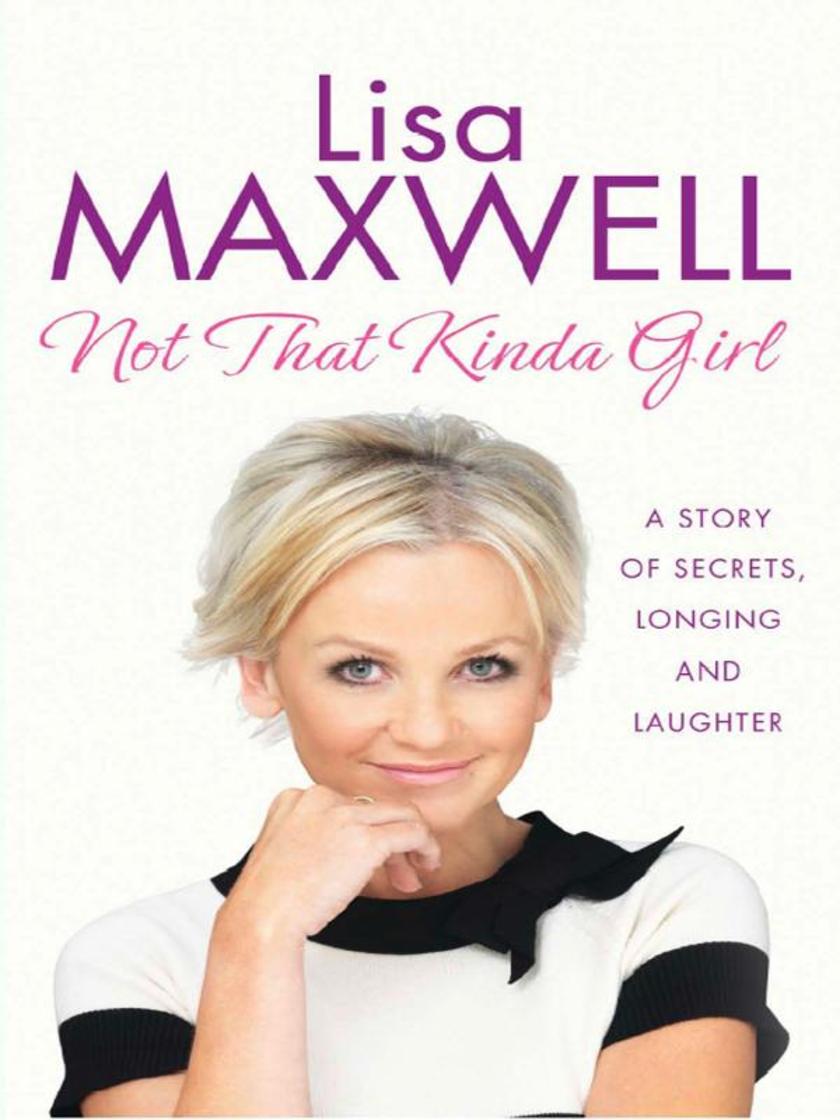
Not that Kinda Girl
¥58.86
Lisa Maxwell, an addition to the quick-witted Loose Women team, is a bundle of fun and laughter and a natural storyteller. Here, for the first time, she tells her astonishing story - a tale of remarkable spirit, incredible experiences and family secrets. A much-loved presenter and respected actress, Lisa got her first onscreen role at the age of just 11. In the eighties she became a TV presenter on series like Splash and No Limits, interviewing the icons of the time and partying with the likes of George Michael, Robert Downey Junior and Michael Hutchence, before moving more firmly into comedy, appearing on sketch shows like, The Les Dennis Laughter Show, The Russ Abbott Show and her very own, self-titled, The Lisa Maxwell Show. She narrowly missed out on the part of Daphne in a little show called Frasier. And then for seven years played the part of The Bill's DI Sam Nixon, before joining Loose Women in 2009, where she quickly became an audience favourite. But behind the fun, glamour and onscreen success, is a south London girl, hiding the secret she's been taught never to talk about. An illegitimate child, brought up in Elephant and Castle, Lisa's life very nearly took a different path. Lucky for her, her dear old Nan had a kind heart, and in a last minute change of plan she was brought home to her grandparent's flat on the Rockingham Estate. With warmth, honesty and humour, Lisa takes us to the heart of the Elephant, revealing a home filled with love, laughter and drama. From having the drawer of an old chest for her bed to hiding from the Tally Man, waiting for her Nan outside the betting shop to dabbling in petty crime, discovering her dad was still alive, and always looking for a way to be in the lime light, Lisa has written a colourful memoir of life as a daughter, a granddaughter, a mother, and an actress.
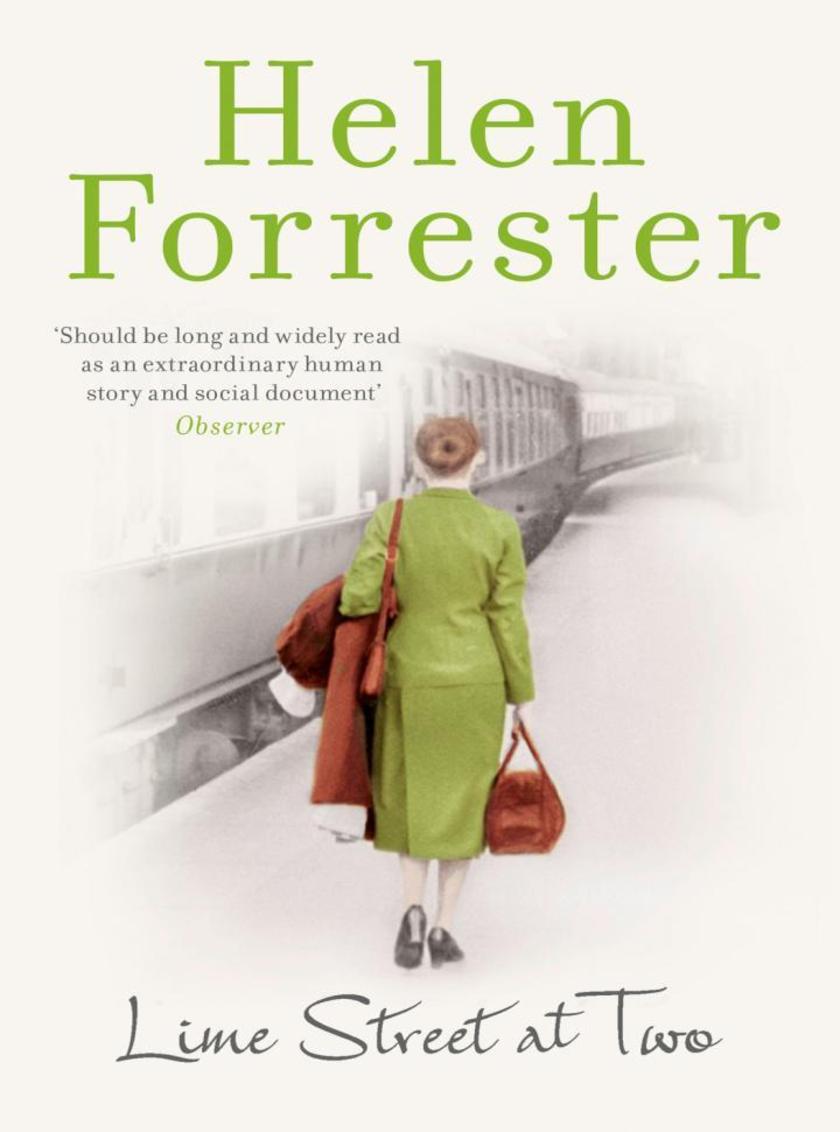
Lime Street at Two
¥54.25
The fourth and final part of Helen Forrester’s bestselling autobiography continues the moving story of her early poverty-stricken life with an account of the war years in Blitz-torn Liverpool In 1940 Helen, now twenty, reeling from the news that her fiance Harry has been killed on an Atlantic convoy, is working long hours at a welfare centre in Bootle, five miles from home. Her wages are pitifully low and her mother claims the whole of them for housekeeping. Then, early in 1941, she gets a new job and begins to enjoy herself a little. But in May the bombing starts again and another move brings more trouble to Helen, trouble which will be faced, as ever, with courage and determination.

Silent Boy
¥45.62
From the author of Sunday Times bestsellers One Child and Ghost Girl comes a heartbreaking story of a boy trapped in silence and the teacher who rescued him. When special education teacher Torey Hayden first met fifteen-year-old Kevin, he was barricaded under a table. Desperately afraid of the world around him, he hadn’t spoken a word in eight years. He was considered hopeless, incurable. But Hayden refused to believe it, though she realised it might well take a miracle to break through the walls he had built around himself. With unwavering devotion and gentle, patient love, she set out to free him – and slowly uncovered a shocking violent history and a terrible secret that an unfeeling bureaucracy had simply filed away and forgotten. Torey refused to give up on this tragic “lost case.” For a trapped and frightened boy desperately needed her help – and she knew in her heart she could not rest easy until she had rescued him from the darkness.

Westlife: Our Story
¥66.22
The biggest pop band in the world celebrate 10 years at the top – telling their full story in their own words for the very first time. 40 million albums 14 UK number 1 singles 7 UK number 1 albums Westlife have had more number ones than any other artist apart from The Beatles and Elvis and with songs that have become modern classics like Flying without Wings, they have ensured their place in the annals of pop history. Westlife – The Autobiography will chart the highs and lows of their phenomenonal career and a unique friendship that has seen them endure as a band for an extraordinary ten years. The book will chronicle the band’s story from the grass-roots of Sligo, Ireland to multi-platinum records, celebrity collaborations and chart achievements. But bubbling under this public face is a private and unseen story never before recorded, crammed with candid personal revelations, including of course the departure of Brian McFadden. Westlife have been a staple part of British entertainment for years, yet the public has no idea of the astounding life they have led – and still live – behind the headlines and soundbites. Here, for the first time, Westlife will take us into their confidence and reveal their lives and amazing ten year journey as the UK’s biggest pop band as never before.
Street Kid Fights On: She thought the nightmare was over
¥73.58
How can you forget your past when it keeps coming back to haunt you? Judy Westwater, the Sunday Times bestselling author of Street Kid, was determined to turn her back on her cruel and violent childhood. She didn't stand a chance. All too soon hope turned to fear and she knew she'd have to run again. Judy was only 11 years old when she was forced to live on the streets. Beaten, half-starved and horrifically abused, she finally escaped to a life in the circus and fell in love with one of the circus hands. But the charming man who seemed so perfect had a dark and sinister side. If she wanted to survive she had to get away. Judy fled to South Africa, taking with her her two young children. But the streets of South Africa were just as cruel. One day a man took her five-year-old daughter and her violent past was replayed in front of her eyes. Judy's incredible story of courage and determination will inspire as it will amaze.
The Other Side of Me
¥51.50
A brilliant, highly spirited memoir of Sidney Sheldon's early life that provides as compulsively readable and racy a narrative as any of his bestselling novels. Growing up in 1930s America, the young Sidney knew what it was to struggle to get by. Millions were out of work and the Sheldon family was forced to journey around America in search of employment. Grabbing every chance he could, Sidney worked nights as a busboy, a clerk, an usher – anything – but he dreamt of becoming something more. His dream was to become a writer and to break Hollywood. By a stroke of luck, he found work as a reader for David Selznick, a top Hollywood producer, and the dream began to materialise. Sheldon worked through the night writing stories for the movies, and librettos for the musical theatre. Little by little he gained a reputation and soon found himself in demand by the hottest producers and stars in Hollywood. But, this was wartime Hollywood and Sidney had to play his part. He trained as a pilot in the US Army Air Corps and waited for the call to arms which could put a stop to his dreams of stardom. Returning to Hollywood and working with actors like Cary Grant and Shirley Temple; with legendary producers like David Selznick and Dore Schary; and musical stars like Irving Berlin, Judy Garland and Gene Kelly, memories of poverty were finally behind Sheldon. This is his story: the story of a life on both sides of the tracks, of struggles and of success, and of how one man rose against the odds to become the master of his game.
Manhood for Amateurs
¥81.03
Michael Chabon, author of WONDER BOYS and the Pulitzer Prize-wining THE AMAZING ADVENTURES OF KAVALIER & CLAY, has written an autobiographical narrative as inventive, beautiful and powerful as his novels. In these insightful, provocative, slyly interlinked essays, one of our most brilliant and humane writers presents his autobiography and vision of life in the way so many of us experience our own: as a series of reflections, regrets and re-examinations, each sparked by an encounter, in the present, that holds some legacy of the past. What does it mean to be a man today? Chabon invokes and interprets and struggles to reinvent for us, with characteristic warmth and lyric wit, the personal and family history that haunts him even as it goes on being written every day. As a son, a husband and above all as a father of four young children, Chabon’s memories of childhood, of his parents’ marriage and divorce, of moments of painful adolescent comedy and giddy encounters with the popular art and literature of his own youth, are like a theme played – on different instruments, with a fresh tempo and in a new key – by the mad quartet of which he now finds himself co-conductor.
Tommy’s Honour: The Extraordinary Story of Golf’s Founding Father and Son
¥81.03
The definitive account of golf’s founding father and son, Old and Young Tom Morris. For the first time, the two will be portrayed as men of flesh and blood – heroic but also ambitious, loving but sometimes confused and angry. Two men from one household, with ambitions that made them devoted partners as well as ardent foes. Tommy's Honour is a compelling story of the two Tom Morrises, father and son, both supremely talented golfers but utterly different, constituting a record-breaking golfing dynasty that has never been known before or since. Father, Old Tom Morris, grew up a stone's throw away from golf's ancestral home at St Andrews, a whisky-fuelled caddie, a wonderful 19th century character who became an Open Champion three times before running the Royal & Ancient, then sole governing body of the game. His son, Young Tom, arguably an even more prodigious talent than his father, was a golfing genius, the Tiger Woods of his era, who at 17 became the youngest player, to this day, to win the Open Championship. He then went on to win it four times in a row, an unprecedented achievement. On one occasion, father and son fought it out at the last hole of the Championship before the son finally triumphed. But then came the pivotal day that would change their lives forever, the death of Young Tom’s wife and unborn child. The cataclysmic events of that day eventually lead to Young Tom’s tragic death, aged 24, with his father living on for another 20 years in deep remorse. So on the one hand, you have the story of one of the most influential figures in the history of golf, a pioneer in the birth of the modern game and of Scottish and Open Championship golf. And on the other hand – and this is the real appeal of this book – you have an extraordinary father-and-son story. It’s for every son who ever competed with his father, and every father who has guided his son towards manhood, then found it hard to let go.
Unravelled: Life as a Mother
¥54.65
Maria Housden tells of her own transformation, as a mother, a wife and a woman, as she struggled to cope with the death of her daughter Hannah and make the hardest decision of her life. From the author of the bestselling Hannah’s Gift. At the age of 36, instead of enjoying the perfect family life she had imagined as a child, Maria felt judged and found wanting by others. She realised that, no matter how much she still loved her husband and how powerful her bond of love was with her children, she had to change her life radically – she had to make it her own again. What followed was an emotional and enlightening search for herself. Written in the same moving, lyrical style as Hannah’s Gift, the story unfolds in a series of painful, joyful and humorous moments. At times the story is heart-wrenchingly sad but ultimately it is uplifting and inspiring.
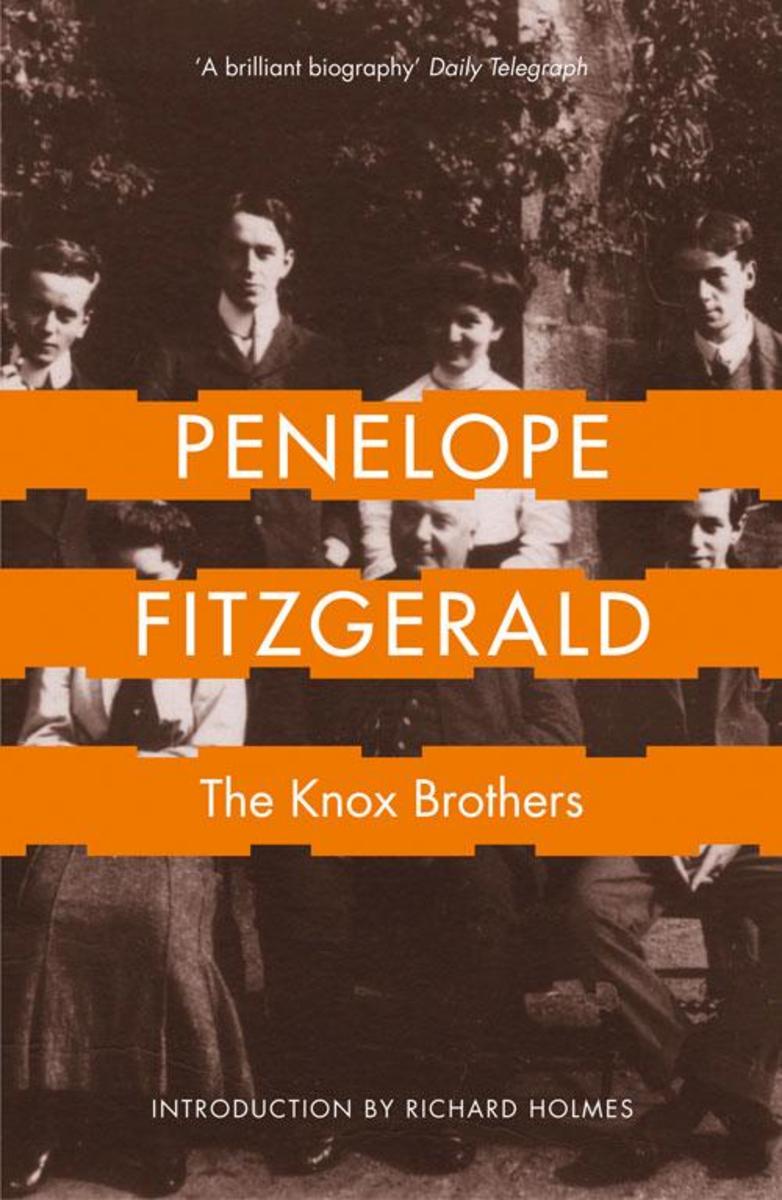
The Knox Brothers
¥76.52
Penelope Fitzgerald’s biography of her remarkable family. ‘When I was very young I took my uncles for granted, and it never occurred to me that everyone else in the world was not like them.’ In this, only her second book, Penelope Fitzgerald turned her novelist’s gaze on the quite extraordinary lives of her father and his three brothers. A masterly work of biography, within which we see Penelope Fitzgerald exercising her pen magnificently before she began her novel-writing career. Edmund Knox, her father, was one of the most successful editors of Punch. Dillwyn, a Cambridge Greek scholar, was the first to crack the Nazi’s message decoding system, Enigma, and in so doing, is estimated to have shortened the Second World War by six months. Wilfred became an Anglo-Catholic priest and an active welfare worker in the East End of London. Ronald, the best known of the four during his lifetime, was Roman Catholic chaplain to Oxford University’s student body, preacher, wit, scholar, crime-writer and translator of the Bible. A homage to a long-forgotten world and a fascinating account of the generation straddling the divide between late Victorian and Edwardian.


