


 购物车
购物车 个人中心
个人中心
The Diary of a Nobody
¥40.79
Charles Pooter and his wife Caroline have just moved to a new home. Mr Pooter is a City of London clerk with Perkupps. The couple have a 20-year-old son, Lupin, who works as a bank clerk in Oldham. From the beginning a pattern is set whereby the small vexations of the Pooters' daily lives are recounted, many of them arising from Pooter's unconscious self-importance and pomposity. Trouble with servants, tradesmen and office juniors, together with minor social embarrassments and humiliations, occur regularly.
Delphi Collected Works of T. S. Eliot
¥16.27
Celebrated as one of the most influential writers of the Modernist movement, T. S. Eliot was awarded the Nobel Prize in Literature for his outstanding contribution to poetry. The Delphi Poets Series offers readers the works of literature's finest poets, with superior formatting. This volume presents the most complete collection possible of Eliot’s poetry in the US, with beautiful illustrations, bonus texts and the usual Delphi bonus material. (Version 1) * Beautifully illustrated with images relating to Eliot's life and works * Concise introductions to the poetry books * Images of how the poetry books were first printed, giving your eReader a taste of the original texts * Excellent formatting of the poems * Special chronological and alphabetical contents tables for the poetry * Easily locate the poems you want to read * Includes Eliot's early essay collection THE SACRED WOOD * Scholarly ordering of texts into chronological order and literary genres Please note: the collection presents the most complete collection of Eliot’s poetry possible, complying with US copyright laws. Once new texts enter the public domain, they will be added to the eBook as a free update. Please visit www.delphiclassics.com to browse through our range of exciting titles CONTENTS: The Poetry Collections PRUFROCK AND OTHER OBSERVATIONS POEMS, 1920 THE WASTE LAND The Poems LIST OF POEMS IN CHRONOLOGICAL ORDER LIST OF POEMS IN ALPHABETICAL ORDER The Essays THE SACRED WOOD Please visit www.delphiclassics.com to browse through our range of exciting titles
Delphi Complete Works of John Bunyan (Illustrated)
¥16.27
The seventeenth century allegory ‘The Pilgrim's Progress’ is widely regarded as one of the most significant religious works of English literature. The satire constructs a symbolic vision of the good man’s pilgrimage through life and was at one time second only to the Bible in popularity. This comprehensive eBook presents John Bunyan’s complete works, with numerous illustrations, rare texts appearing in digital print for the first time, informative introductions and the usual Delphi bonus material. (Version 1) * Beautifully illustrated with images relating to Bunyan’s life and works * Concise introductions to the satires and other texts * ALL the satires and religious works, with individual contents tables * Images of how the books were first published, giving your eReader a taste of the original texts * Excellent formatting of the texts * Contemporary illustrations for ‘The Pilgrim's Progress’ * Includes the poetical works, with alphabetical contents table * Easily locate the poems you want to read * Special criticism section, with five essays evaluating Bunyan’s contribution to literature * Features two biographies - discover Bunyan’s intriguing life * Scholarly ordering of texts into chronological order and literary genres Please visit www.delphiclassics.com to browse through our range of exciting titles CONTENTS: The Satires THE PILGRIM’S PROGRESS: PART I THE LIFE AND DEATH OF MR. BADMAN THE PILGRIM’S PROGRESS: PART II THE HOLY WAR The Tracts and Sermons LIST OF TRACTS, DOCTRINES AND OTHER PIECES The Autobiographical Works GRACE ABOUNDING TO THE CHIEF OF SINNERS A RELATON OF THE IMPRISONMENT OF MR. JOHN BUNYAN A CONTINUATION OF MR. BUNYAN’S LIFE The Poetry SCRIPTURAL POEMS; BEING SEVERAL PORTIONS OF SCRIPTURE DIGESTED INTO ENGLISH VERSE ONE THING IS NEEDFUL A BOOK FOR BOYS AND GIRLS OR, TEMPORAL THINGS SPRITUALIZED A CAUTION TO STIR UP TO WATCH AGAINST SIN A DISCOURSE OF THE BUILDING, NATURE, EXCELLENCY, AND GOVERNMENT OF THE HOUSE OF GOD LIST OF POEMS IN ALPHABETICAL ORDER The Criticism JOHN BUNYAN by John Kelman BUNYAN by George Edward Woodberry JOHN BUNYAN: FROM DARKNESS TO LIGHT by Osgood E. Fuller JOHN BUNYAN by Andrew Lang JOHN BUNYAN by Robert Lynd The Biography MEMOIR OF JOHN BUNYAN by George Offor THE LIFE OF JOHN BUNYAN by Edmund Venables Please visit www.delphiclassics.com to browse through our range of exciting titles
Jack and Jill
¥40.79
Jack Minot and Janey Pecq are best friends who live next door to each other. They are always seen together, so Janey gets the nickname of Jill, to mimic the old rhyme. The two do go up a hill one winter day— and then suffer a terrible accident. Seriously injured in a sledding accident, they recover from their physical injuries, while learning life lessons along with their many friends. They are helped along their journey to recovery by various activities created by their mothers.
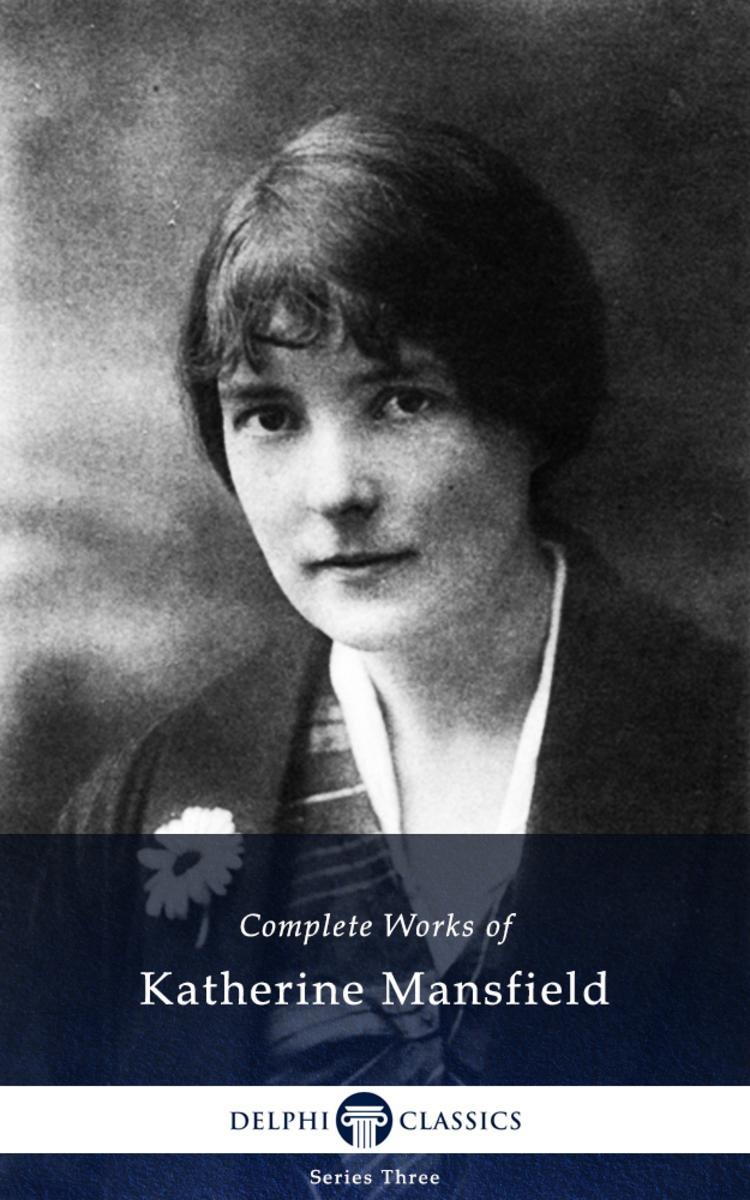
Delphi Complete Works of Katherine Mansfield (Illustrated)
¥16.27
For the first time in publishing history, this eBook presents the complete works of the Modernist master short story writer Katherine Mansfield, with beautiful illustrations, informative introductions and the usual Delphi bonus material. (6MB Version 1) * Beautifully illustrated with images relating to Mansfield's life and works * Concise introductions to the short story collections and other works * The complete short stories * Images of how the books were first printed, giving your eReader a taste of the original texts * Excellent formatting of the texts * Mansfields beautiful poetry * Includes Mansfield's non-fiction works, including her journal - spend hours exploring the authors personal thoughts * Features the first biography on Mansfield, written by her husband - discover the authors literary life * Scholarly ordering of texts into chronological order and literary genres Please visit www.delphiclassics.com to browse our range of exciting titles CONTENTS: The Short Story Collections IN A GERMAN PENSION BLISS AND OTHER STORIES THE GARDEN PARTY AND OTHER STORIES THE DOVES' NEST AND OTHER STORIES SOMETHING CHILDISH AND OTHER STORIES The Short Stories LIST OF SHORT STORIES IN ORDER OF PUBLICATION LIST OF SHORT STORIES IN ALPHABETICAL ORDER The Poetry LIST OF POEMS The Non-Fiction NOVELS AND NOVELISTS THE JOURNAL OF KATHERINE MANSFIELD The Biography THE LIFE OF KATHERINE MANSFIELD by J. Middleton Murry and Ruth Elvish Mantz Please click here to browse our other titles
Κρ?σταλλοι Ι: 1η Τιτανομαχ?α: Σ?γκρουση Κενο?-Υπερκ?σμιου
¥84.20
Οι σειρ? ?Κρ?σταλλοι? θα συν?σταται απ? μια δεκαλογ?α η οπο?α θα ξεκιν?ει απ? την δημιουργ?α του σ?μπαντο?, θα διαπερν? ολ?κληρο τον πανανθρ?πινο πολιτισμ?, θα φθ?νει στο παρ?ν και θα συνεχ?ζει στο μ?λλον, παρακολουθ?ντα? περιληπτικ? την εξ?λιξη του ανθρ?πινου πολιτισμο?. Το πρ?το βιβλ?ο ε?ναι η ?1η Τιτανομαχ?α: Σ?γκρουση Κενο?-Υπερκ?σμιου (Δημιουργ?α)? απ? το οπο?ο αρχ?ζει ?να ταξ?δι. ?να ταξ?δι που ξεκιν?ει απ? την Μεγ?λη ?κρηξη, την εξελικτικ? πορε?α του σ?μπαντο? και φθ?νει στη δημιουργ?α των πλανητικ?ν συστημ?των. Το ?ργο στο πρ?το βιβλ?ο ξεκιν?ει απ? μια ελληνικ? επαρχιακ? π?λη, ?που ?να ερωτευμ?νο ζευγ?ρι ανακαλ?πτει ?να αντικε?μενο με περ?εργε? ιδι?τητε? και ικαν?τητε?. Μελετ?τε απ? την τοπικ? επιστημονικ? κοιν?τητα, αναφ?ρονται παλι?τεροι θρ?λοι και παραδ?σει? γ?ρω απ? αυτ?, που μ?χρι πρ?τινο? θεωρο?νταν μ?θοι και παραμ?θια. Το αντικε?μενο μεταφ?ρεται στην Αθ?να και μελετ?ται απ? την ελληνικ? επιστημονικ? κοιν?τητα. Κατ?πιν καλο?νται τα ηχηρ? ον?ματα τη? διεθνο?? επιστημονικ?? κοιν?τητα?. Β?σει των ιδιοτ?των που ?χουν αναδειχθε?, επιχειρε?ται ?να πε?ραμα στην Ακρ?πολη, με θαυμαστ? και μη αναμεν?μενα αποτελ?σματα. Απ? εκε? και π?ρα αρχ?ζει μια υπ?ροχη διαδρομ? σε μια σειρ? 10 βιβλ?ων. Μ?σα απ? μ?θο, αλληγορ?ε? αλλ? και πραγματικ?? επιστημονικ?? γν?σει?, επιχειρε?τε, π?ραν τη? διασκ?δαση?, ο αναγν?στη? να αποκομ?σει και αληθιν?? γν?σει?. ?τσι, ο αναγν?στη? μ?σα απ? μυθιστορηματικ? αφ?γηση μαθα?νει για την δημιουργ?α και για την εξ?λιξη του σ?μπαντο?, για του? γαλαξ?ε?, για τα ηλιακ? συστ?ματα, για την γη, για τη ζω? π?νω στην γη, για την εξ?λιξη του ανθρ?πινου ε?δου?, για την φιλοσοφ?α, για την επιστ?μη, για τι? θρησκε?ε? και για τον εν γ?νει αγ?να τη? ενανθρ?πιση? του ανθρ?πινου ε?δου?, για να φθ?σουμε στι? σημεριν?? συγκρο?σει?. Τηλεγραφικ? τα 10 βιβλ?α που θα ακολουθ?σουν με ενδεικτικ?? ονομασ?ε?: 1η Τιτανομαχ?α: Σ?γκρουση Κενο?-Υπερκ?σμιου (Δημιουργ?α) 2η Τιτανομαχ?α: Σ?γκρουση Υπερκ?σμιου-Υπερφυσικο? (Ουρανομαχ?α) 3η Τιτανομαχ?α: Σ?γκρουση Φυσικο?-Υπερφυσικο? (Ζευ?-Κρ?νο?) 4η Τιτανομαχ?α: Σ?γκρουση Φυσικο?-Παραφυσικο? (Γιγαντομαχ?α) 5η Τιτανομαχ?α: Σ?γκρουση Φυσικο?-Μεταφυσικο? (Προμηθει??) 6η Τιτανομαχ?α: Σ?γκρουση Καλο?-Κακο? (Λευκ??-Μα?ρο? Κρ?σταλλο?) 7η Τιτανομαχ?α: Σ?γκρουση Κοινωνικοπολιτικο?-Αντικοινωνικοπολιτικο? (Πρ?τοι πολιτισμο?) 8η Τιτανομαχ?α: Σ?γκρουση Ανθρωπισμο?-Τεχνοκρατισμο? (Νε?τεροι χρ?νοι) 9η Τιτανομαχ?α: Σ?γκρουση Πολιτισμο?-Βαρβαρ?τητα? (Σ?μερα) 10η Τιτανομαχ?α: Σ?γκρουση Γ?ινων-Εξωγ?ινων (Διαγαλαξιακ? ταξ?δια)
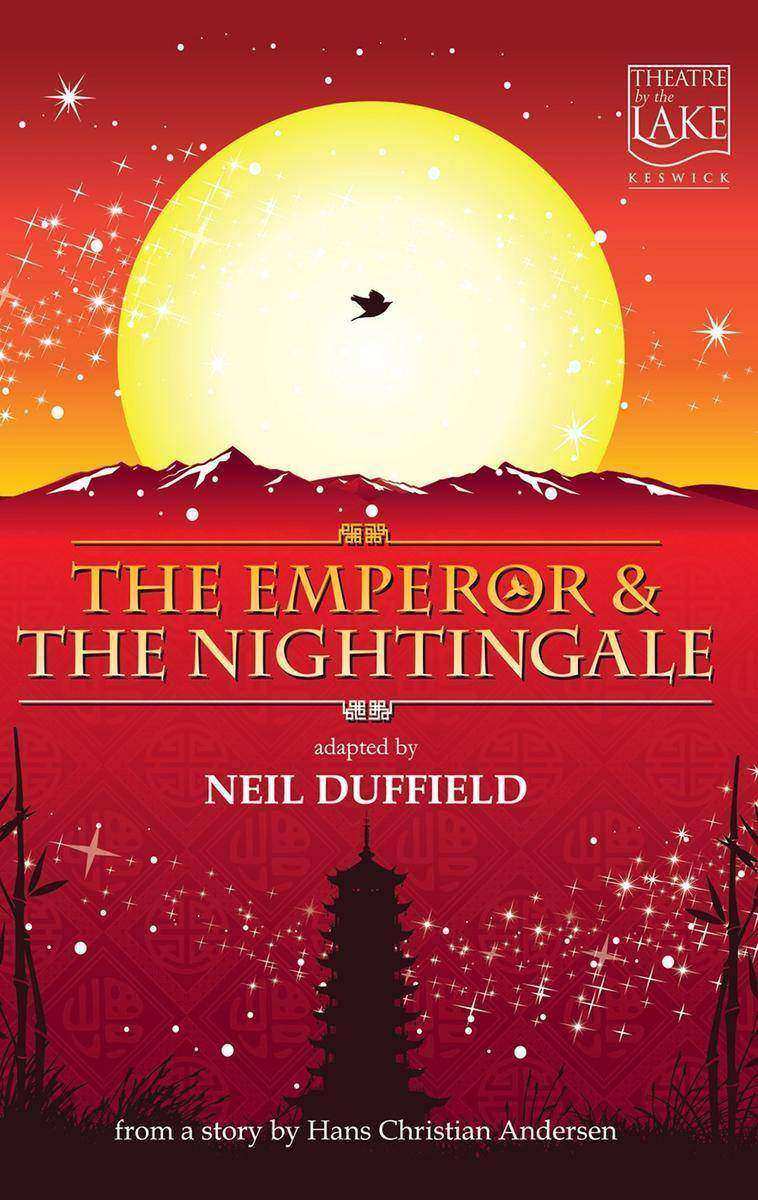
The Emperor and the Nightingale
¥38.62
From a story by Hans Christian Andersen In ancient China, young emperor Wu is kept a virtual prisoner in his palace by his devious guardian, Li Si. Wu believes the world outside the Forbidden City is an evil and dangerous place. But when Xiao, a young servant girl, tells him of the most beautiful sound on earth – the song of the nightingale – it’s too much to resist. The two embark on an adventure that will take them across mountain tops and waterfalls, past chattering monkeys and magical dragons to the far reaches of his kingdom. When Wu returns with the nightingale, and starts to overturn the old palace customs, Li Si plots to restore things to the way they were before. Featuring puppetry, music and all the colour, movement and spectacle of Chinese theatre, this joyful adaptation of Hans Christian Andersen’s fairy tale is a feast for the senses that will delight the whole family. Suitable for ages 6+

The Diary of a Hounslow Girl
¥38.62
The story of a modern Asian young woman trying to straddle Western attitudes and traditional beliefs. You've heard of an Essex Girl or even a Chelsea Girl but what is a Hounslow Girl? The term has become a byword for confident, young Muslim women who are grappling with traditional values, city life and fashion. From the joys of Pakistani weddings to fights on the night bus, Ambreen Razia's? The Diary of a Hounslow Girl ?is a funny, bold, provocative play highlighting the challenges of being a teenage girl in a traditional Muslim family, alongside the temptations and influences of growing up in and around London. “Ambreen’s writing is poetic in its structure and intensity, funny, moving, chilling, and delivered in a style that takes inspiration from spoken word and physical theatre. She has created a rhythm that draws the audience in, as compelling as a thriller, complete with gathering ominousness, shocks and comic relief.” Deborah Bestwick, Director, Ovalhouse “Ambreen Razia’s terrific play is exactly the kind of new work we wish to support in the new home of multi-cultural theatre in London. Hounslow Girl is a wonderfully funny take on a London phenomenon and one audiences will enjoy.” Jatinder Verma, Artistic Director, Tara Arts” "a powerful piece of theatre... Ambreen Razia's performance is astonishing."?BritishTheatre.com "This is a sophisticated, moving and often very funny piece of writing, particularly nuanced in its depiction of Shaheeda's relationship with her mother ... astute in tackling the breakdown of the loving bonds between parent and child that can occur when a child becomes a teenager – and also how this experience can be magnified for the children of first-generation immigrants, whose parents feel distant from their children’s British lives... Razia's script touches on everything from first love to cultural expectations to student-teacher relationships; it’s a bit like an inner-city version of An Education."?The Stage Ambreen Razia is an actress and writer from South London.? The Diary of a Hounslow Girl is Ambreen's debut show which premiered at Ovalhouse in 2015. Passionate about re-establishing British Asian comedy within the UK, she continues to write her comedy sketch show involving two British Asian girls exploring the?clash between traditional Indian/Pakistani culture and modern British life. She is also currently writing her next play POT primarily focusing on the recent comeback of gang culture within the UK.?Performance credits include: On the Middle Day (Old Vic Theatre);? Words and Women (Edinburgh Fringe); Random Acts (Channel 4);? Fair Exchange (Hen and Chickens Theatre);? Variations on a Theme (Camden People's Theatre);? Mind the Gap (National Theatre ); No Guts, No Heart, No Glory? (BBC4/Perth Festival Australia) and Murdered by my Father? (BBC3).

Cabbages and Kings
¥40.79
The original 'banana republic' stories which explore aspects of life in a paralytically sleepy Central American town, each advancing some aspect of the larger plot and relating back one to another in a complex structure. The larger, overriding plot slowly explicates its own background, even as it creates a town which is one of the most detailed literary creations of the period.
Othello
¥40.79
Roderigo, a rich and dissolute gentleman, complaining to Iago, an ensign, that Iago has not told him about the secret marriage between Desdemona, the daughter of a Senator named Brabantio, and Othello, a Moorish general in the Venetian army. He is upset by this development because he loves Desdemona and had asked her father for her hand in marriage.
Twice-Told Tales
¥40.79
A collection of most well known stories by Nathaniel Hawthorne. The title Twice-Told Tales, is based on a line from William Shakespeare's The Life and Death of King John: Life is as tedious as a twice-told tale. The collection was considered as one of the most influential for its time and Hawthorne praised for purity and effectiveness of thought.
Demos
¥40.79
Richard Mutimer is a young lower-class working-man who unexpectedly inherits a large fortune. He becomes the leader of a socialist movement and decides to use his inheritance to set up a cooperative factory. However, his new wealth and power serve to highlight the defects of his character and he begins to treat his workers harshly, as well as abandoning the girl of his own station to whom he had been engaged.
K.V. Dominic Essential Readings
¥90.52
K. V. Dominic Essential Readings gathers for the first time the three most important works of poetry from this shining new light of contemporary Indian verse in English: Winged Reason, Write Son, Write and Multicultural Symphony. A fourth collection of 22 previously unpublished poems round out a complete look at the first 12 years of Dominic's prolific and profound verse. Each poem includes unique Study Guide questions suitable for South Asian studies curricula. Written in free verse, each of his poems makes the reader contemplate on intellectual, philosophical, spiritual, political, and social issues of the present world. Themes range from multiculturalism, environmental issues, social mafia, caste-ism, exploitation of women and children, poverty, and corruption to purely introspective matters. From the observation of neighborhood life to international events, and everyday forgotten tragedies of India, nothing escapes the grasp of Dominic's keen sense of the fragility of life and morality in the modern world. Praise for the verse of K. V. Dominic "K. V. Dominic is one of the most vibrant Indian English poets whose intense passion for the burning social and national ailments makes him a disciple of Ezekielean School of poetry. His poetic passion for the natural beauty keeps him besides the Romanticists." -- Dr. A. K. Choudhary, English poet, critic and editor, Professor of English, Assam, India "K. V. Dominic's poems are important additions to the growing global movement to bring about positive change and equality for all individuals. The injustices he confronts in his poems are the arrows and thorns that pierce his heart every day and the gushing blood that runs through his pen to paper." -- Rob Harle, poet and critic, Nimbin, Australia "K. V. Dominic is a poet of the suffering masses and oppressed sections of the society. He tries to dissect corruption at all levels, political or religious, social or academic and presents it in its true colours with all the ugliness and monstrous greed." --Prof. T. V. Reddy, reputed English poet, writer and critic, Emeritus Professor of English from Andhra Pradesh, India Learn more at www.profKVDominic.com From the World Voices Series at Modern History Press LITERARY COLLECTIONS / Asian / Indic
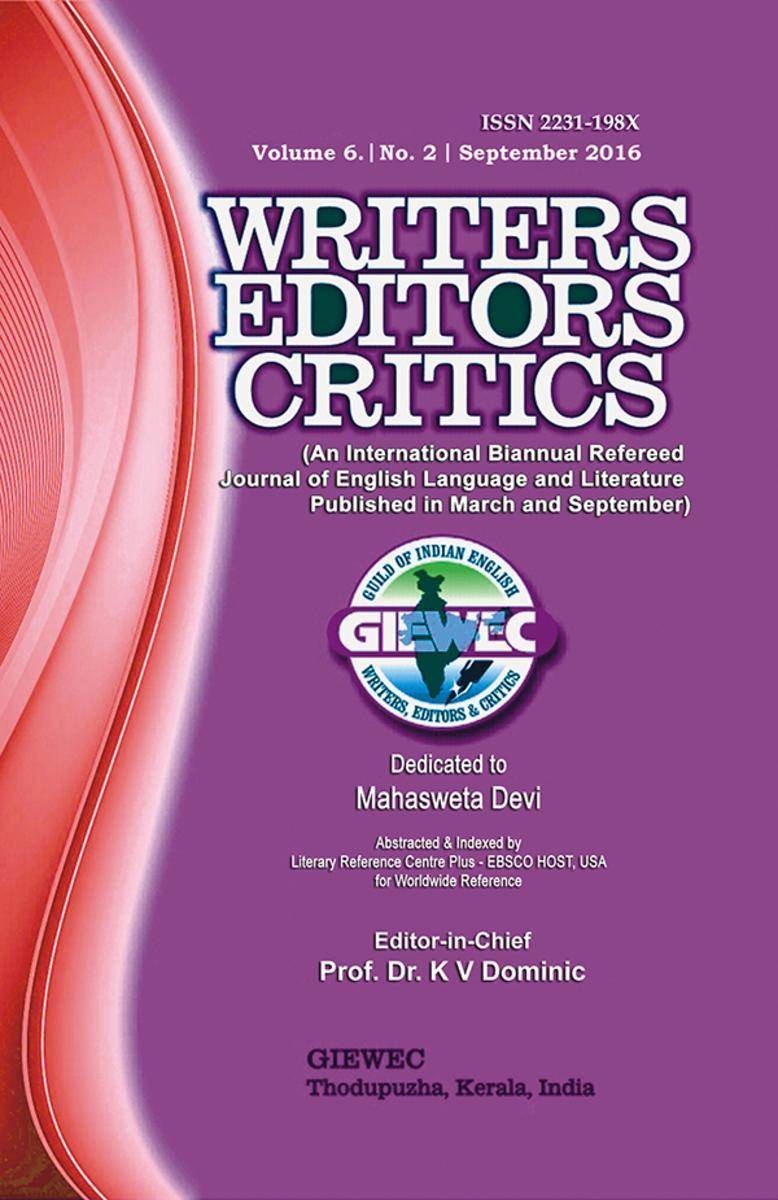
Writers Editors Critics (WEC):Vol. 6, No. 2 (Sep. 2016)
¥48.74
Writers Editors Critics (WEC) An International Biannual Refereed Journal of English Language and Literature Volume 6 Number 2 (September 2016) ISSN: 2231-198X Special Issue: a tribute to Indian poet Mahasweta Devi (14 January 1926 - 28 July 2016) ·A Poetic Tribute to Mahasweta Devi - K. V. Dominic ·Mahasweta Devi: Death cannot Claim a Valiant Soul - Ketaki Datta ·Mahasweta Devi: Fourth World Literature for Indigenous People--An Obituary - Ratan Bhattacharjee ·Charting the 'Subaltern' Terrain--The Outsider-Insider: Mahashweta Devi's "Pterodactyl" in Perspective - Poonam Sahay Aarti to Maha Shakthi - P. Gopichand & P. Nagasuseela ·Mahasweta Devi: Voice of the Deprived Millions - Manas Bakshi ·The Mourners of Mahasweta Devi: A Critical Analysis of Rudali - J. Pamela ·The Subaltern Woman and Woman as Subaltern: A Study of 34 Selected Works of Mahasweta Devi - Anisha Ghosh (Paul) ·A Critical Analysis of Mahasweta Devi's "Bharsaa" - Ramesh Chandra Mukhopadhyaya ·The Plight of Tribal People in Mahasweta Devi's "Shishu" (Children) Writers Editors Critics (WEC) is a research journal in English literature published from Thodupuzha, Kerala, India. It is the main product of Guild of Indian English Writers, Editors and Critics (GIEWEC), a non-profit registered society of Indian English writers, English language professors as well as PhD research scholars. The publisher is hence GIEWEC itself and editor is its secretary Prof. Dr. K. V. Dominic, a renowned English language poet, critic, short story writer and editor who has to his credit 27 books. It is truly a refereed journal which has got a screening committee consisting of eminent professors. The articles are sent first to the referees by the editor and only if they accept, the papers will be published. The journal is international in the sense each issue will have contributors from outside India. The singularity or specialty of this journal is that it has no thrust area. It is hence so accommodative that it publishes papers on all types of literatures including translations from regional languages, literary theories, communicative English, ELT, linguistics etc. In addition, each issue will be rich with poems, short stories, review articles, book reviews, interviews, general essays etc. under separate sections. WEC has print version as well as kindle version. Learn more at www.profKVDominic.com
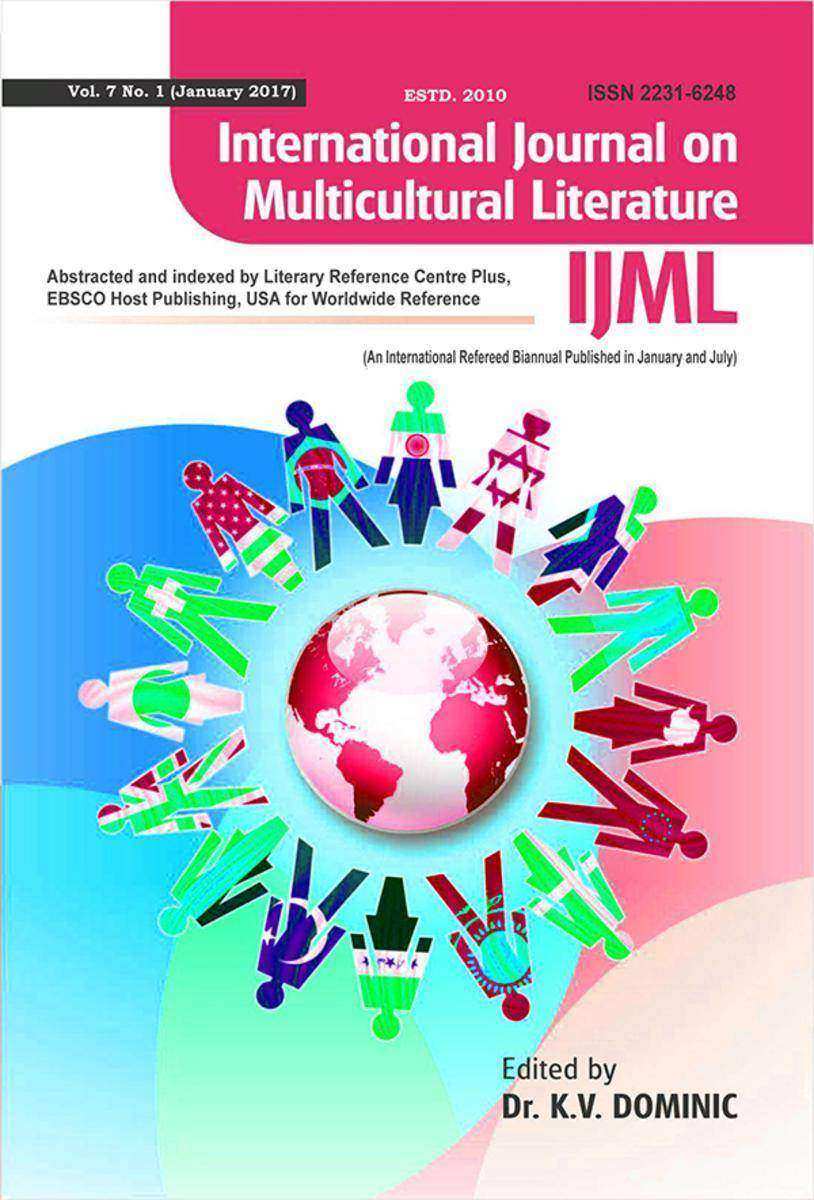
International Journal on Multicultural Literature (IJML):Vol. 7, No. 1 (January
¥48.74
International Journal on Multicultural Literature (IJML) Volume 7 Number 1 (January 2017) ISSN 2231-6248. Highlights include ·Transgressive Gender Discourse in Anita Nair's Ladies Coupe' by Seema Bansal Somani & Rohit Phutela ·The Poetic Art and Vision of Wole Soyinka by C. Ramya ·Displacement and Morality in Sunetra Gupta's The Memories of Rain by Ruby Vaneesa and S. Ayyappa Raja ·A Feminist Analysis of the Love Poems of Taslima Nasrin by Sigma G. R. ·The Hero as a Weather Shaman in Paulo Coelho's The Alchemist by A. Vanitha ·Revisionist Myth Making: Meena Kandasamy's Defiance of Male Hegemony in Her Select Poems by Jibin Baby and S. Ayyappa Raja ·Multiculturalism in Lakshmi Raj Sharma's The Tailor's Needle by Abhimanyu Pandey IJML is a peer-reviewed research journal in English literature published from Thodupuzha, Kerala, India. The publisher and editor is Prof. Dr. K. V. Dominic, renowned English language poet, critic, short story writer and editor who has to his credit 27 books. He is also the secretary of Guild of Indian English Writers, Editors and Critics (GIEWEC). Since 2010, IJML is a biannual journal published in January and July. The articles are sent first to the referees by the editor and only if they accept, the papers will be published. Although based in India, each issue includes worldwide contributors. Although IJML concentrates on multiculturalism, it also encompasses other literature. Each issue also includes poems, short stories, review articles, book reviews, interviews, general essays etc. under separate sections. IJML is available in paperback, Kindle, ePub, and PDF editions. Distributed by Modern History Press Learn more at www.profKVDominc.com
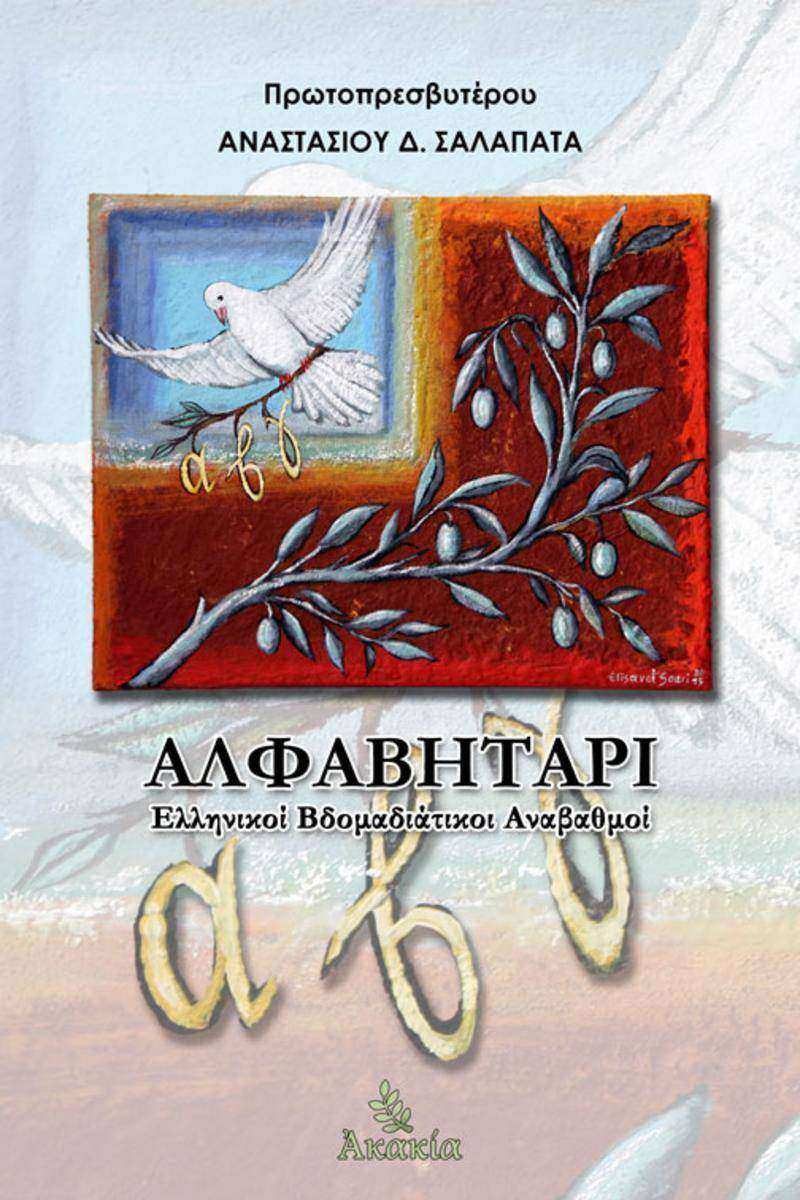
Αλφαβητ?ρι: Ελληνικο? Βδομαδι?τικοι Αναβαθμο?
¥52.65
Η αθ?νατη ελληνικ? γλ?σσα μα? και βασικ? η πρ?τη τη? ?λη που ε?ναι το αλφαβητ?ρι τη? και οι λ?ξει? τη?, αποτελο?ν π?ντα μια πρ?κληση και απευθ?νουν αεν?ω? μια πρ?σκληση προ? ?λου?, να διαβ?σουν, να μελετ?σουν, να ερευν?σουν, να γρ?ψουν και δ?σουν μια ?θηση στην τ?χνη του λ?γου. Η θητε?α του συγγραφ?α στο Facebook τον εν?πνευσε να ασχοληθε? με το ελληνικ? αλφ?βητο. ?τσι, ξεκ?νησε κ?ποια στιγμ? ?ναν δι?λογο με του? φ?λου? και συνοδοιπ?ρου? του στο FB, με σημε?ο αναφορ?? διακεκριμ?νε? λ?ξει? και ?ννοιε?, που να αρχ?ζουν απ? ?να προ? ?να τα γρ?μματα τη? ελληνικ?? αλφαβ?του. Ξεκ?νησε β?βαια απ? το ?Α?! Κ?θε μ?ρα πρ?τεινε ?ναν ?ρο, τον αν?λυε μ?σα σε λ?γε? γραμμ??, και τον συν?δευε και με μια εικ?να. ?ταν τ?λειωνε η εβδομ?δα παρουσ?αζε τι? λ?ξει? και τι? εικ?νε? στο ιστολ?γι? του (Ημερολ?γιο Αποδημ?α?). Τ?ρα ?λθε η ?ρα να τυπωθο?ν οι λ?ξει?, με λ?γε? μ?νο και αντιπροσωπευτικ?? φωτογραφ?ε?, σε μια αυτ?νομη ?κδοση.
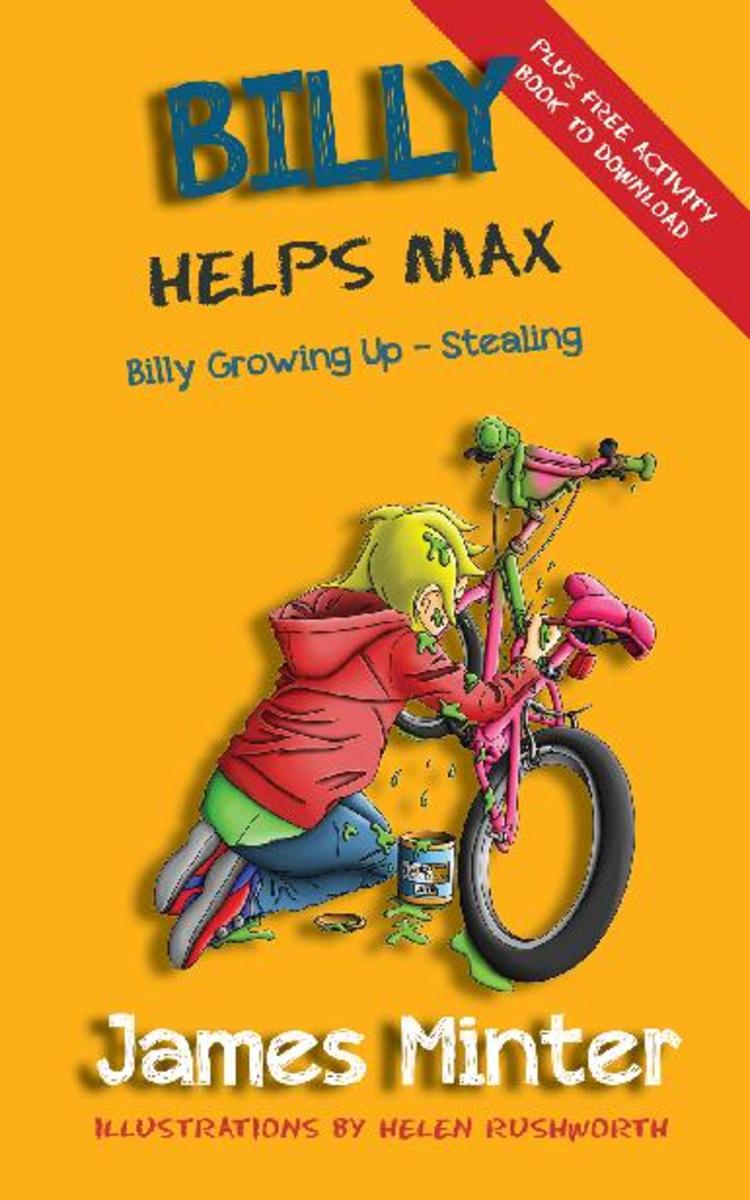
Billy Helps Max: Stealing
¥36.62
For 7 to 9-year-old boys and girls. Stealing or theft is taking something without permission or payment. Help your child realise stealing is not an acceptable thing to do. Max Turner, Ant Turner’s younger sister, decides she wants to be more like her older brother and do boy things. She starts by painting her pink girlie bike green, but then thinks what it really needs are go-faster stickers. As she has no money, she steals them from a shop. Billy Field finds out and sets out to help her undo her misdoings. Does Max get caught? Will she own up to her what she’s done? Will she understand the consequences of stealing? Billy Helps Max is the fifth title in the Billy Growing Up series. Each book addresses a unique topic—bullying, arrogant pride, jealousy, lying, stealing, lack of self-belief, understanding money, and secrets. Written to help parents, guardians and teachers deal with the issues that challenge pre-teen children; each topic is presented in a gentle way through storytelling. Setting the issues in a meaningful context helps children to understand the challenges, and to see things from a different perspective. The books act as icebreakers allowing for discussions of difficult subjects. Additionally, each title is supported by a free activity book to reinforce the learning, while having fun. Buying this book today will aid your child in working out right from wrong, and honesty from dishonesty.
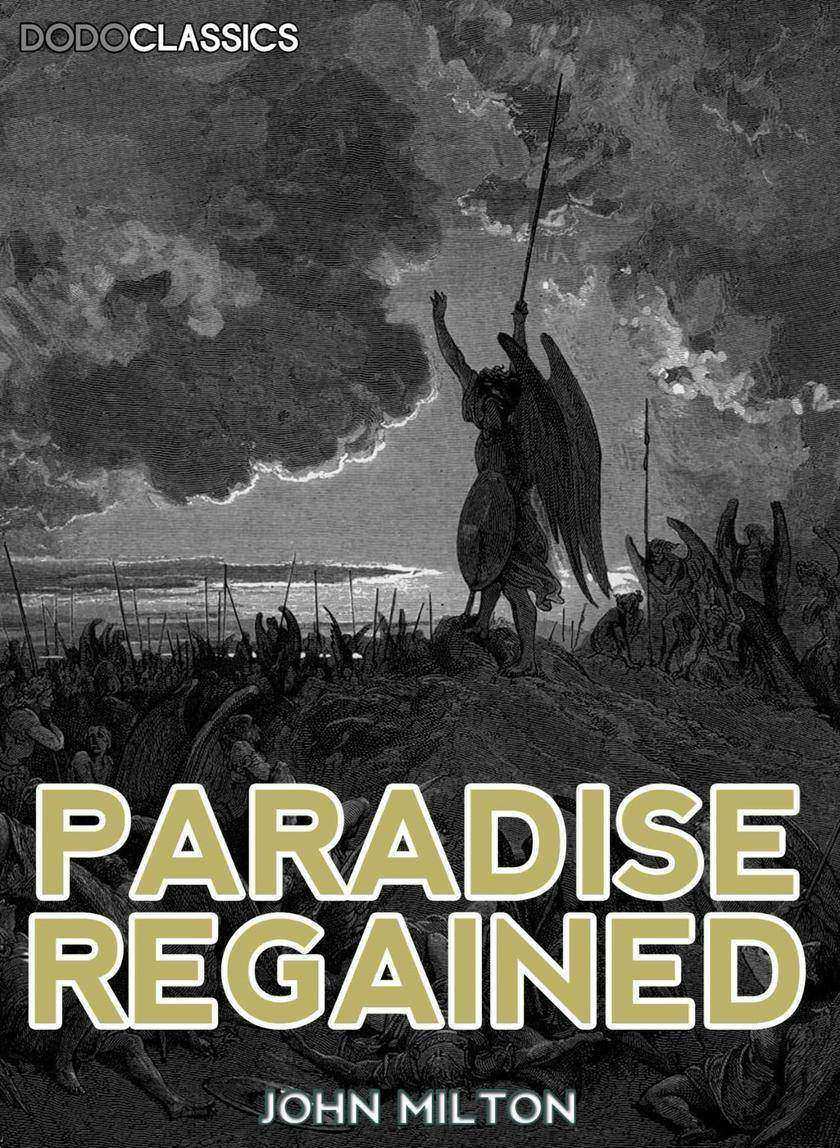
Paradise Regained
¥8.09
Paradise Regained is a poem by English poet John Milton, first published in 1671 by John Macock. The volume in which it appeared also contained the poet's closet drama Samson Agonistes. Paradise Regained is connected by name to his earlier and more famous epic poem Paradise Lost, with which it shares similar theological themes; indeed, its title, its use of blank verse, and its progression through Christian history recall the earlier work. However, this effort deals primarily with the temptation of Christ as recounted in the Gospel of Luke. ? An interesting anecdote recounted by a Quaker named Thomas Ellwood provides some insight into Paradise Regained??'?s development. After studying Latin with Milton and reading the poet's epic Paradise Lost, Ellwood remarked, "Thou hast said much here of Paradise lost, but what hast thou to say of Paradise found?" Hearing this, Milton at first "sat some time in a muse" before changing the subject; however, later on he showed to Ellwood a new manuscript entitled Paradise Regained. Some maintain that although he seemed to express gratitude to Ellwood in a letter, Milton in truth "passed on a friendly if impish fabrication" that made Ellwood feel like the inspiration for the poem. Milton composed Paradise Regained at his cottage in Chalfont St Giles in Buckinghamshire. The poem is four books long, in contrast with Paradise Lost??'?s twelve. As such, Barbara K. Lewalski has labelled the work a "brief epic." ? Whereas Paradise Lost is ornate in style and decorative in its verse, Paradise Regained is carried out in a fairly plain style. Specifically, Milton reduces his use of simile and deploys a simpler syntax in Paradise Regained than he does in Paradise Lost, and this is consistent with Jesus's sublime plainness in his life and teachings (in the epic, he prefers Hebrew psalms to Greek poetry). Modern editors believe the stylistics of Paradise Regained evince Milton's poetic maturity. No longer is the poet out to dazzle his readers with bombastic verse and lengthy epic similes. This is not to say that the poem bears no affinities with Milton's earlier work, but scholars continue to agree with Northrop Frye's suggestion that Paradise Regained is "practically sui generis" in its poetic execution. ? One major concept emphasized throughout Paradise Regained is the idea of reversals. As implied by its title, Milton sets out to reverse the "loss" of Paradise. Thus, antonyms are often found next to each other, reinforcing the idea that everything that was lost in the first epic will be regained by the end of this "brief epic." Additionally, the work focuses on the idea of "hunger", both in a literal and in a spiritual sense. After wandering in the wilderness for forty days, Jesus is starving for food. Satan, too blind to see any non-literal meanings of the term, offers Christ food and various other temptations, but Jesus continually denies him. Although Milton's Jesus is remarkably human, an exclusive focus on this dimension of his character obscures the divine stakes of Jesus’s confrontation with Satan; Jesus emerges victorious, and Satan falls, amazed.

Kaleidoscope:An Asian Journey with Colors
¥32.62
About the Author Sweta Srivastava Vikram is a multi-genre writer and marketing professional living in New York City. She is the author of Because All Is Not Lost from Modern History Press and the co-author of Whispering Woes of Ganges & Zambezi (Cyberwit 2010). Her work has appeared in six countries across three continents. Sweta has held recent artist residencies and workshops in Portugal, Ireland, and several within USA. She is a graduate of Columbia University. "In this innovative series, Sweta Srivastava Vikram re-appropriates color. Cultures and mythologies collide along the way, and the result is a chapbook that feels like a quest. In the end, the colors are a map to identity. The child's pink tonsils or the bride's red sari are not symbols, but rather mile markers. Like Vikram's poems, they lead toward understanding" --Erica Wright, Senior Poetry Editor, GuernicaAbout the Chapbook The book delves into the implication and philosophy of colors from a Hindu woman's point of view, from birth until death. The color she adorns herself with almost depicts the story of her life. Expressed through different poetic and verbal forms, each color in the book has its own tone and is specific to different age groups. Learn more at www.SwetaVikram.com From the World Voices Series at Modern History Press www.ModernHistoryPress.com

Smoky
¥30.88
When Smoky, a tiny Yorkie Terrier, is miraculously found in a foxhole in the steaming jungles of Papua New Guinea, she has no way of knowing she will become a World War II hero and Hollywood star. Flying with her new owner, Corporal Bill Wynne, on deadly combat missions, she is soon assisting the war effort, entertaining and bringing comfort to the soldiers with her unique tricks and spirited energy. Based on the true events of the American Army’s wartime struggles and Smoky’s subsequent outstanding television career, her moving and uplifting tale is sure to entertain and touch the heart of all who read it. From the author of bestseller Simon Ships Out: How One Brave, Stray Cat Became a Worldwide Hero.
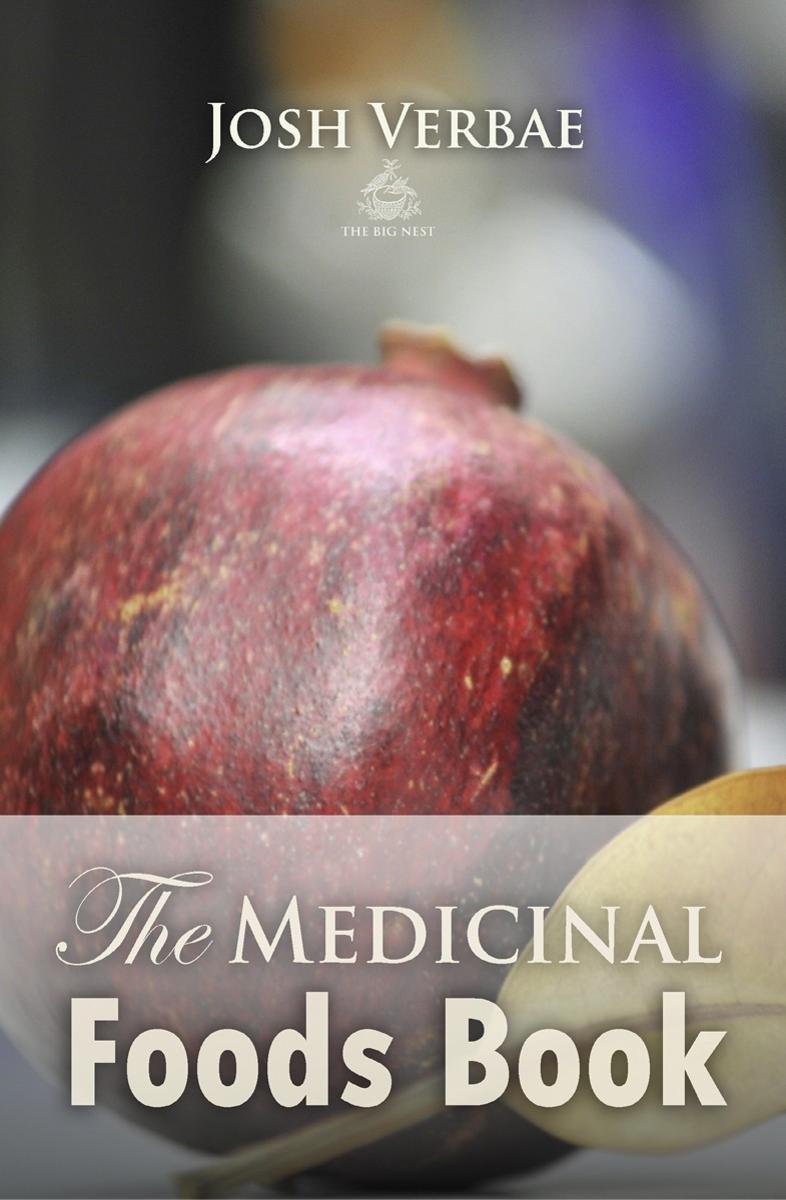
The Medicinal Foods Book
¥40.79
This book will show you how the simplest foods such as fruits, vegetables, grains and herbs can be used to cure many common illnesses and disorders. This guide also contains strategies for healthy eating, fasting and dieting using simple tested methods and recipes. Discover the important medicinal properties of many simple foods and eat your way to health and happiness.


