


 购物车
购物车 个人中心
个人中心
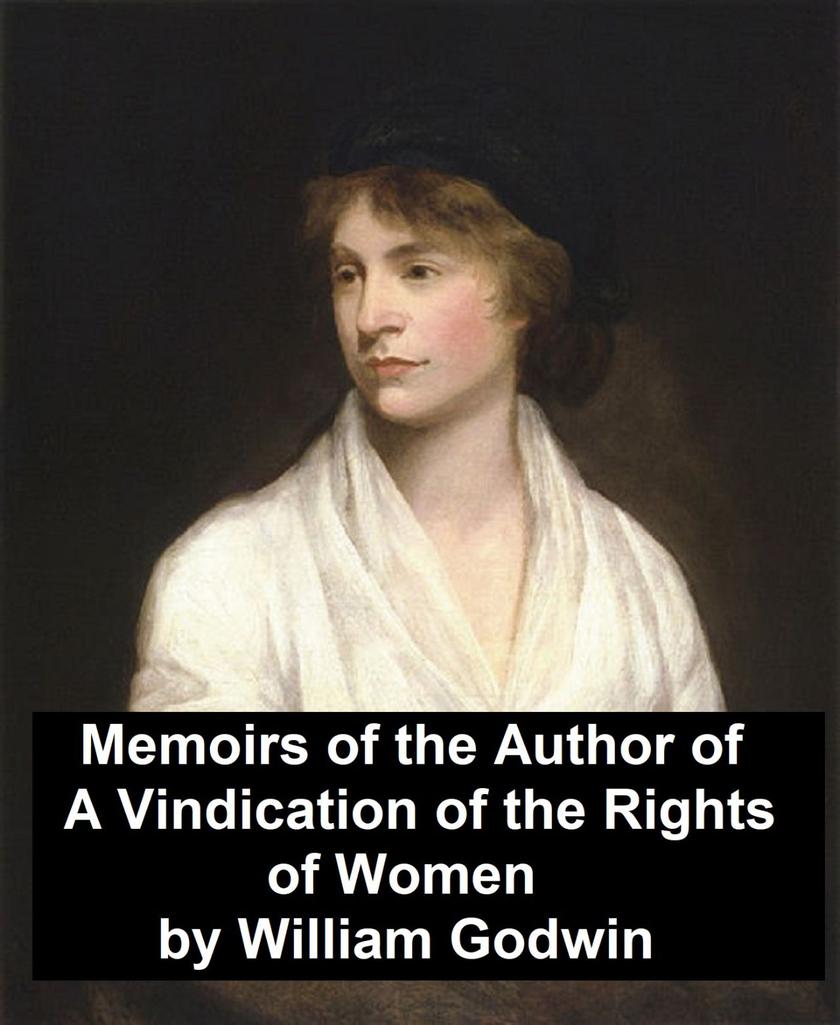
Memoirs of the Author of "A Vindication of the Rights of Women"
¥8.09
According to Wikipedia: "William Godwin (3 March 1756 – 7 April 1836) was an English journalist, political philosopher and novelist. He is considered one of the first exponents of utilitarianism, and one of the first modern proponents of anarchism. Godwin is most famous for two books that he published within the space of a year: An Enquiry Concerning Political Justice, an attack on political institutions, and Things as They Are or The Adventures of Caleb Williams, which attacks aristocratic privilege, but also is virtually the first mystery novel. Based on the success of both, Godwin featured prominently in the radical circles of London in the 1790s. In the ensuing conservative reaction to British radicalism, Godwin was attacked, in part because of his marriage to the pioneering feminist writer Mary Wollstonecraft in 1797 and his candid biography of her after her death; their child, Mary Godwin (later Mary Shelley) would go on to author Frankenstein and marry the poet Percy Bysshe Shelley. Godwin wrote prolifically in the genres of novels, history and demography throughout his lifetime."
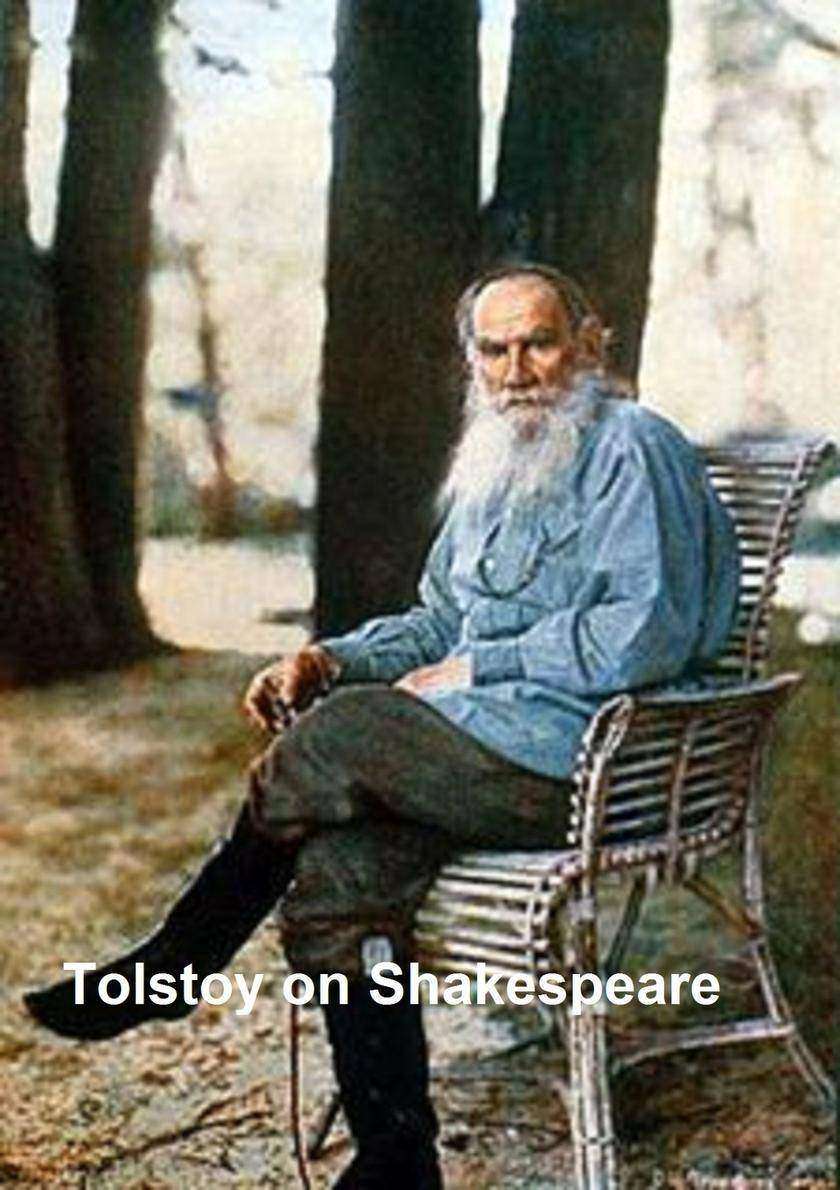
Tolstoy on Shakespeare
¥8.09
According to Wikipedia: "William Shakespeare (baptised 26 April 1564; died 23 April 1616)[a] was an English poet and playwright, widely regarded as the greatest writer in the English language and the world's pre-eminent dramatist.[1] He is often called England's national poet and the "Bard of Avon". His surviving works, including some collaborations, consist of 38 plays, 154 sonnets, two long narrative poems, and several other poems. His plays have been translated into every major living language and are performed more often than those of any other playwright." "Leo Tolstoy, or Count Lev Nikolayevich Tolstoy (September 9 – November 20, 1910), was a Russian writer widely regarded as among the greatest of novelists. His masterpieces War and Peace and Anna Karenina represent in their scope, breadth and vivid depiction of 19th-century Russian life and attitudes, the peak of realist fiction."
The Confessions of St. Augustine
¥8.09
According to Wikipedia: Aurelius Augustinus, Augustine of Hippo, or Saint Augustine (354 - 430) was a philosopher and theologian, and was bishop of the North African city of Hippo Regius for the last third of his life. Augustine is one of the most important figures in the development of Western Christianity, and is considered to be one of the church fathers. He framed the concepts of original sin and just war. ...Born in present day Algeria as the eldest son of Saint Monica, he was educated in North Africa and baptized in Milan. His works including The Confessions, which is often called the first Western autobiography are still read around the world."
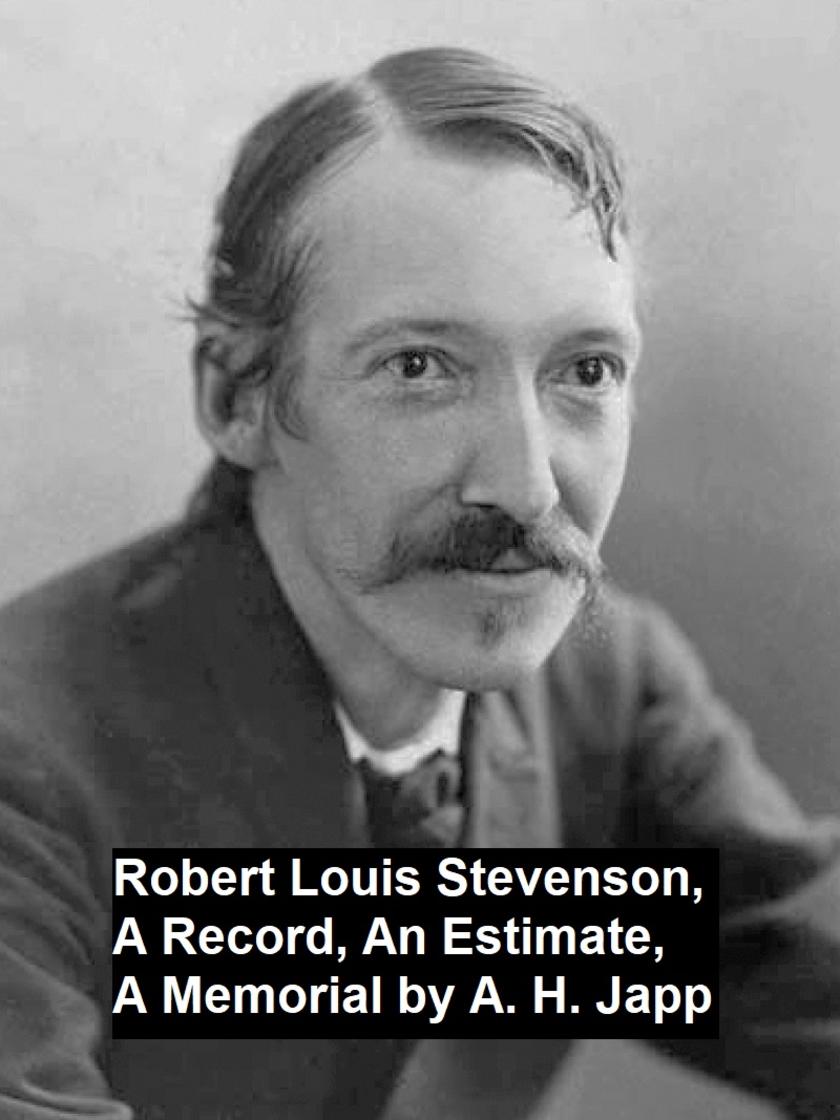
Robert Louis Stevenson, a Record, an Estimate, a Memorial
¥8.09
Biography of the author of Treasure Island. According to Wikipedia: "Robert Louis (Balfour) Stevenson ( 1850 - 1894), was a Scottish novelist, poet, and travel writer, and a leading representative of Neo-romanticism in English literature. He was the man who "seemed to pick the right word up on the point of his pen, like a man playing spillikins", as G. K. Chesterton put it. He was also greatly admired by many authors, including Jorge Luis Borges, Ernest Hemingway, Rudyard Kipling, Vladimir Nabokov, and J. M. Barrie. Most modernist writers dismissed him, however, because he was popular and did not write within their definition of modernism. It is only recently that critics have begun to look beyond Stevenson's popularity and allow him a place in the canon."
Tremendous Trifles
¥8.09
Book length collection of humorous essays. According to Wikipedia: "Gilbert Keith Chesterton (1874 - 1936) was an influential English writer of the early 20th century. His prolific and diverse output included journalism, philosophy, poetry, biography, Christian apologetics, fantasy and detective fiction. Chesterton has been called the "prince of paradox."[1] He wrote in an off-hand, whimsical prose studded with startling formulations. For example: "Thieves respect property. They merely wish the property to become their property that they may more perfectly respect it."[2] He is one of the few Christian thinkers who are equally admired and quoted by both liberal and conservative Christians, and indeed by many non-Christians. Chesterton's own theological and political views were far too nuanced to fit comfortably under the "liberal" or "conservative" banner."
Editorial Wild Oats
¥8.09
Short collection of short humorous essays, including: PAGE MY FIRST LITERARY VENTURE, JOURNALISM IN TENNESSEE, NICODEMUS DODGE--PRINTER, MR. BLOKE'S ITEM, HOW I EDITED AN AGRICULTURAL PAPER, and THE KILLING OF JULIUS CAESAR "LOCALIZED".
Travels with a Donkey in the Cevennes
¥8.09
Travelogue/memoir that begins "The journey which this little book is to describe was very agreeable and fortunate for me. After an uncouth beginning, I had the best of luck to the end. But we are all travellers in what John Bunyan calls the wilderness of this world - all, too, travellers with a donkey: and the best that we find in our travels is an honest friend. He is a fortunate voyager who finds many. We travel, indeed, to find them. They are the end and the reward of life. They keep us worthy of ourselves; and when we are alone, we are only nearer to the absent."

The Three Hostages by John Buchan - Delphi Classics (Illustrated)
¥8.09
This eBook features the unabridged text of ‘The Three Hostages by John Buchan - Delphi Classics (Illustrated)’ from the bestselling edition of ‘The Complete Works of John Buchan’. Having established their name as the leading publisher of classic literature and art, Delphi Classics produce publications that are individually crafted with superior formatting, while introducing many rare texts for the first time in digital print. The Delphi Classics edition of Buchan includes original annotations and illustrations relating to the life and works of the author, as well as individual tables of contents, allowing you to navigate eBooks quickly and easily. eBook features: * The complete unabridged text of ‘The Three Hostages by John Buchan - Delphi Classics (Illustrated)’ * Beautifully illustrated with images related to Buchan’s works * Individual contents table, allowing easy navigation around the eBook * Excellent formatting of the text Please visit www.delphiclassics.com to learn more about our wide range of titles
The Letters of Henry James: Volume 2
¥8.09
Dodo Collections brings you another classic from Henry James, ‘The Letters of Henry James: Volume Two’. ? The Complete Letters of Henry James fills a crucial gap in modern literary studies by presenting in a scholarly edition the complete letters of one of the great novelists and letter writers of the English language. Comprising more than ten thousand letters reflecting on a remarkably wide range of topics—from James’s own life and literary projects to broader questions on art, literature, and criticism. ? Henry James, OM (15 April 1843 – 28 February 1916) was an American writer who spent most of his writing career in Britain. He is regarded as one of the key figures of 19th-century literary realism. He was the son of Henry James, Sr. and the brother of philosopher and psychologist William James and diarist Alice James. ? He is best known for a number of novels showing Americans encountering Europe and Europeans. His method of writing from a character's point of view allowed him to explore issues related to consciousness and perception, and his style in later works has been compared to impressionist painting. His imaginative use of point of view, interior monologue and unreliable narrators brought a new depth to narrative fiction. ? James contributed significantly to literary criticism, particularly in his insistence that writers be allowed the greatest possible freedom in presenting their view of the world. James claimed that a text must first and foremost be realistic and contain a representation of life that is recognizable to its readers. Good novels, to James, show life in action and are, most importantly, interesting. In addition to his voluminous works of fiction he published articles and books of travel, biography, autobiography, and criticism, and wrote plays. James alternated between America and Europe for the first twenty years of his life; eventually he settled in England, becoming a British subject in 1915, one year before his death. James was nominated for the Nobel Prize in Literature in 1911, 1912, and 1916.
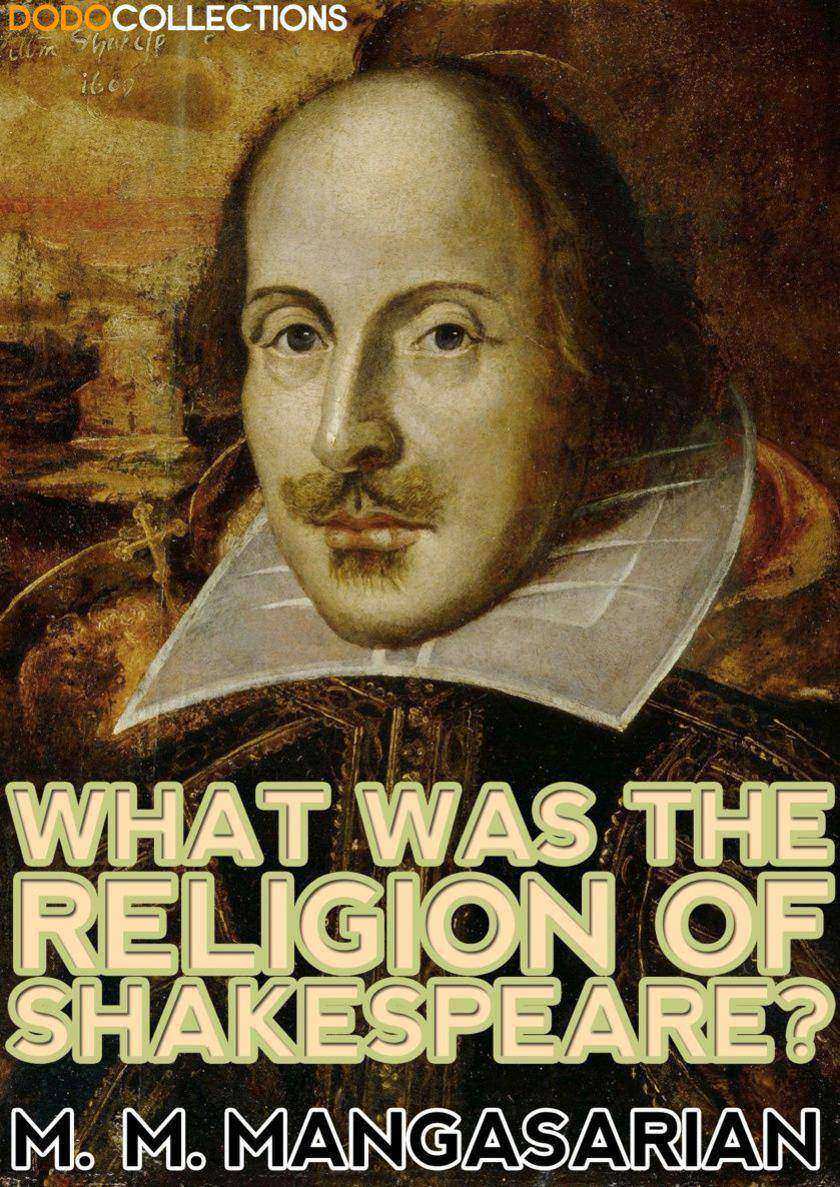
What was the Religion of Shakespeare?
¥8.09
Dodo Collections brings you another classic from M. M. Mangasarian, ‘What was the Religion of Shakespeare?’ ? It is by observing the frequency and emphasis with which certain views and expressions occur and reoccur in an author, and the consistency with which they are given the preference, that we may be able to generalize as to his philosophy or religion. As Shakespeare's works are neither a treatise on theology nor a manual of philosophy, our only means of discovering his attitude toward the problems of life and destiny is by reading, as it were, between the lines. A great mind can neither sophisticate nor suppress its earnest convictions. This does not mean that anyone with earnest convictions must necessarily be a propagandist. To think and to let think, represents a state of mind which is entirely consistent, both with enthusiasm and toleration, if not with proselytism. We believe that Shakespeare has unmistakably expressed himself on the subject of religion, as he has on that of patriotism, for instance, but without any missionary zeal, which fact has led not a few students of his works to the conclusion that of all the great poets Shakespeare is the only one without a religion. ? During his life Mangasarian wrote a number of books. His most popular, including The Truth About Jesus — Is He a Myth? (1909) andThe Bible Unveiled (1911), deal with the evidence against the existence of an historical Jesus. He also wrote hundreds of essays and lectures on questions of the times. His books and essays were translated into French, German, Spanish, and other foreign languages. The general subject of his writing was religious criticism and the philosophy of religion.
A Tale of a Tub by Jonathan Swift - Delphi Classics (Illustrated)
¥8.09
This eBook features the unabridged text of ‘A Tale of a Tub by Jonathan Swift - Delphi Classics (Illustrated)’ from the bestselling edition of ‘The Complete Works of Jonathan Swift’. Having established their name as the leading publisher of classic literature and art, Delphi Classics produce publications that are individually crafted with superior formatting, while introducing many rare texts for the first time in digital print. The Delphi Classics edition of Swift includes original annotations and illustrations relating to the life and works of the author, as well as individual tables of contents, allowing you to navigate eBooks quickly and easily. eBook features: * The complete unabridged text of ‘A Tale of a Tub by Jonathan Swift - Delphi Classics (Illustrated)’ * Beautifully illustrated with images related to Swift’s works * Individual contents table, allowing easy navigation around the eBook * Excellent formatting of the text Please visit www.delphiclassics.com to learn more about our wide range of titles
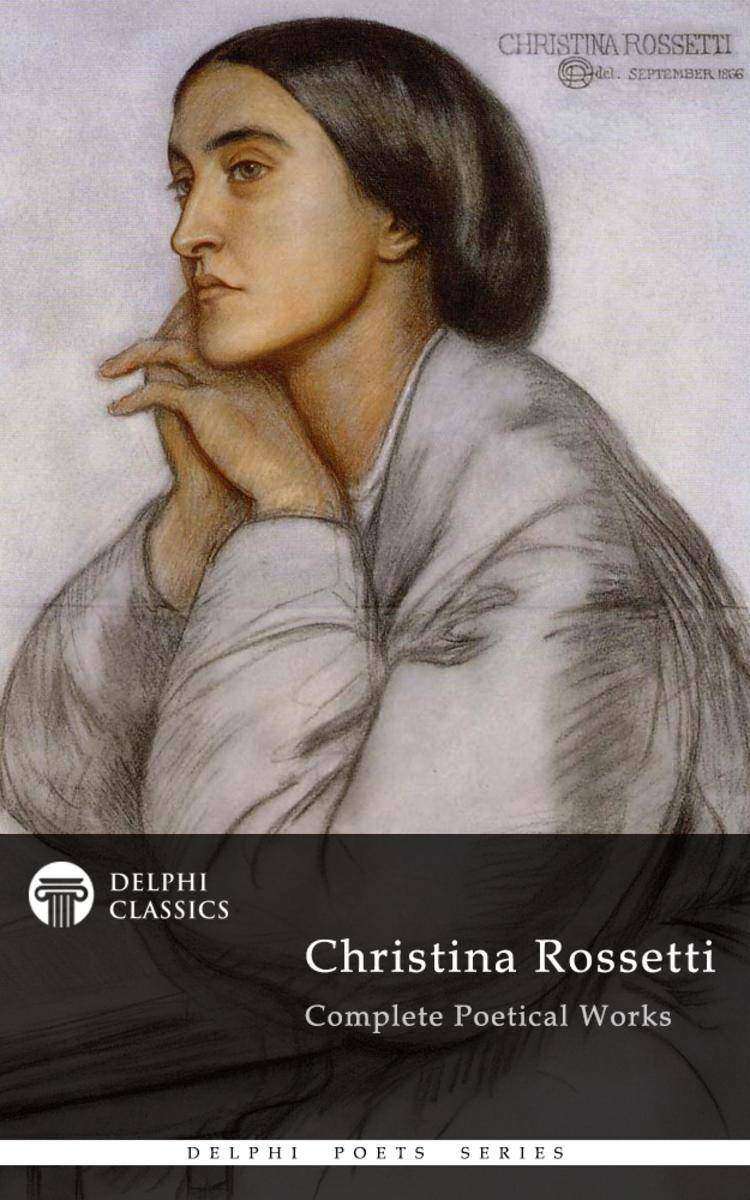
Delphi Complete Works of Christina Rossetti (Illustrated)
¥16.27
Famous for the long poem ‘Goblin Market’ and the classic love poem ‘Remember’, Christina Rossetti created a variety of romantic, devotional and children's poems, as well as an accomplished sample of fiction. The Delphi Poets Series offers readers the works of literature's finest poets, with superior formatting. This volume presents the complete poetical and fictional works of Christina Rossetti, with beautiful illustrations and the usual Delphi bonus material. (Version 1) * Beautifully illustrated with images relating to Rossetti's life and works * Concise introductions to the poetry and other works * Images of how the poetry books were first printed, giving your eReader a taste of the original texts * Excellent formatting of the poems * Features Dante Gabriel Rossetti’s accompanying illustrations to GOBLIN MARKET * Special chronological and alphabetical contents tables for the poetry * Easily locate the poems you want to read * Includes Rossetti's complete short stories and her rare novella MAUDE, appearing for the first time in digital print * Features a bonus biography by the Pre-Raphaelite expert Theodore Watts-Dunton - discover Rossetti's literary life * Scholarly ordering of texts into chronological order and literary genres * Easily skip forward or back to each poem and section using the Kindle's 5-way controller Please visit www.delphiclassics.com to browse through our range of exciting titles CONTENTS: The Poetry Collections VERSES, 1847 GOBLIN MARKET AND OTHER POEMS THE PRINCE’S PROGRESS AND OTHER POEMS SING-SONG: A NURSERY RHYME BOOK A PAGEANT AND OTHER POEMS VERSES, 1893 SOME FEASTS AND FASTS GIFTS AND GRACES THE WORLD: SELF-DESTRUCTION DIVERS WORLDS:TIME AND ETERNITY NEW JERUSALEM AND ITS CITIZENS SONGS FOR STRANGERS AND PILGRIMS PRIVATELY PUBLISHED POEMS UNPUBLISHED POEMS The Poems LIST OF POEMS IN CHRONOLOGICAL ORDER LIST OF POEMS IN ALPHABETICAL ORDER The Fiction COMMONPLACE AND OTHER STORIES MAUDE: A STORY FOR GIRLS The Biography CHRISTINA GEORGINA ROSSETTI by Theodore Watts-Dunton Please visit www.delphiclassics.com to browse through our range of exciting titles
Peer Gynt by Henrik Ibsen - Delphi Classics (Illustrated)
¥8.09
This eBook features the unabridged text of ‘Peer Gynt by Henrik Ibsen - Delphi Classics (Illustrated)’ from the bestselling edition of ‘The Complete Works of Henrik Ibsen’. Having established their name as the leading publisher of classic literature and art, Delphi Classics produce publications that are individually crafted with superior formatting, while introducing many rare texts for the first time in digital print. The Delphi Classics edition of Ibsen includes original annotations and illustrations relating to the life and works of the author, as well as individual tables of contents, allowing you to navigate eBooks quickly and easily. eBook features: * The complete unabridged text of ‘Peer Gynt by Henrik Ibsen - Delphi Classics (Illustrated)’ * Beautifully illustrated with images related to Ibsen’s works * Individual contents table, allowing easy navigation around the eBook * Excellent formatting of the text Please visit www.delphiclassics.com to learn more about our wide range of titles
The Emancipated
¥40.79
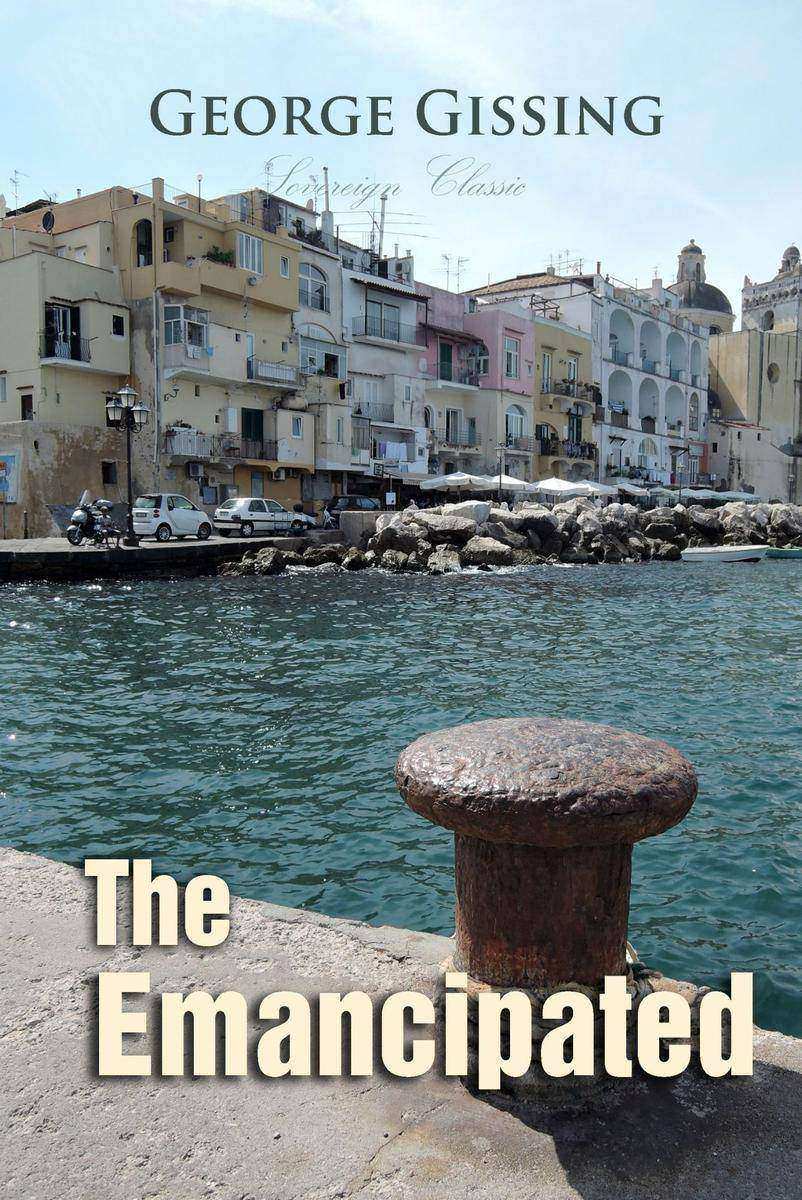
Miriam Baske, a young widow, freed from the constraints of making a living, leaves behind the grey stone chapels and flinty hearts of Lancashire for the sun and artistic splendour of Italy. She meets a host of her countrymen vacationing and occupying themselves with travel, art, philosophy, romance, and improving their health.
Will Warburton
¥40.79
A young wealthy gentleman looses everything in speculation and is forced into a humble life of a grocer. He finds his circumstances tragic at first and keeps his fate secret from all his friends and family. He re-considers his attitudes only when the woman with whom he is falling in love discovers he is a grocer, and throws him over.
A Prisoner
¥40.79
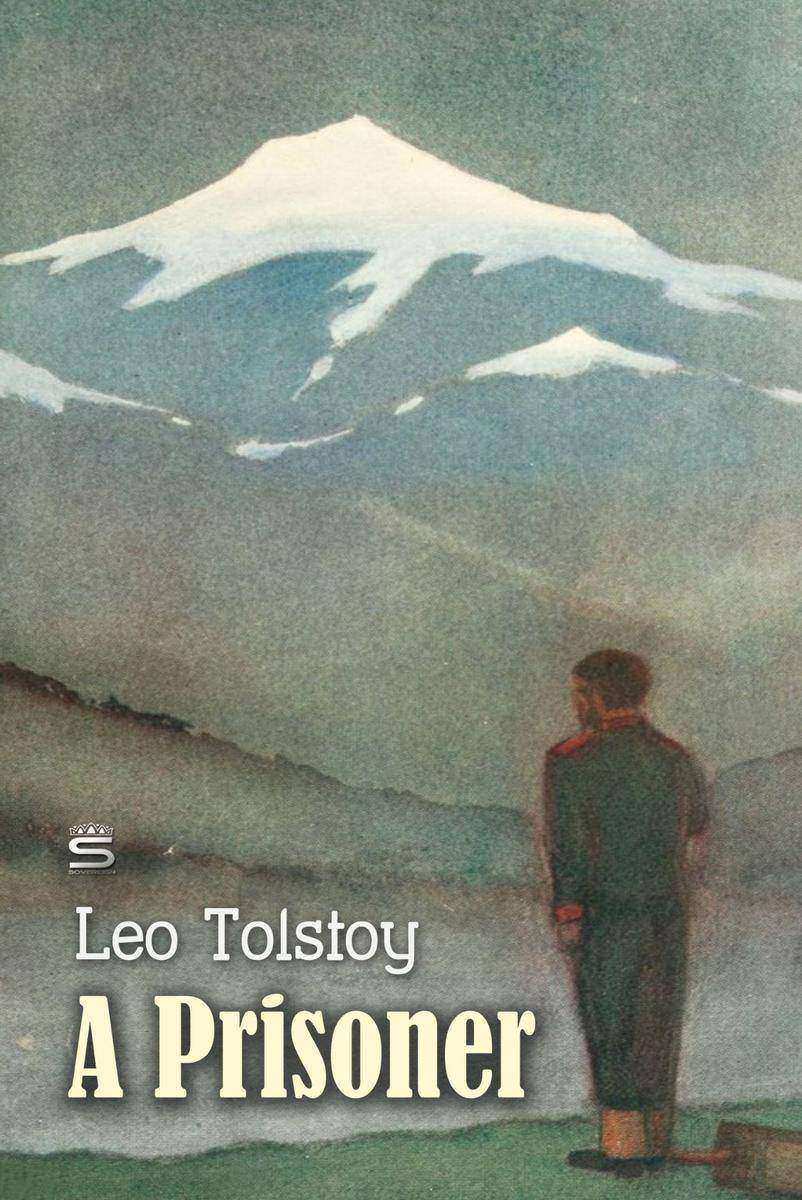
An officer by the name of Jilin served in the army in the Caucasus. One day he received a letter from home. It was from his mother, who wrote, 'I am getting old now, and I want to see my beloved son before I die. Come and say good-bye to me, and when you have buried me, with God’s grace, you can return to the Army. I have found a nice girl for you to marry; she is clever and pretty, and has some property of her own. If you like her perhaps you will marry and settle down for good.'
Three Questions and Other Tales
¥40.79
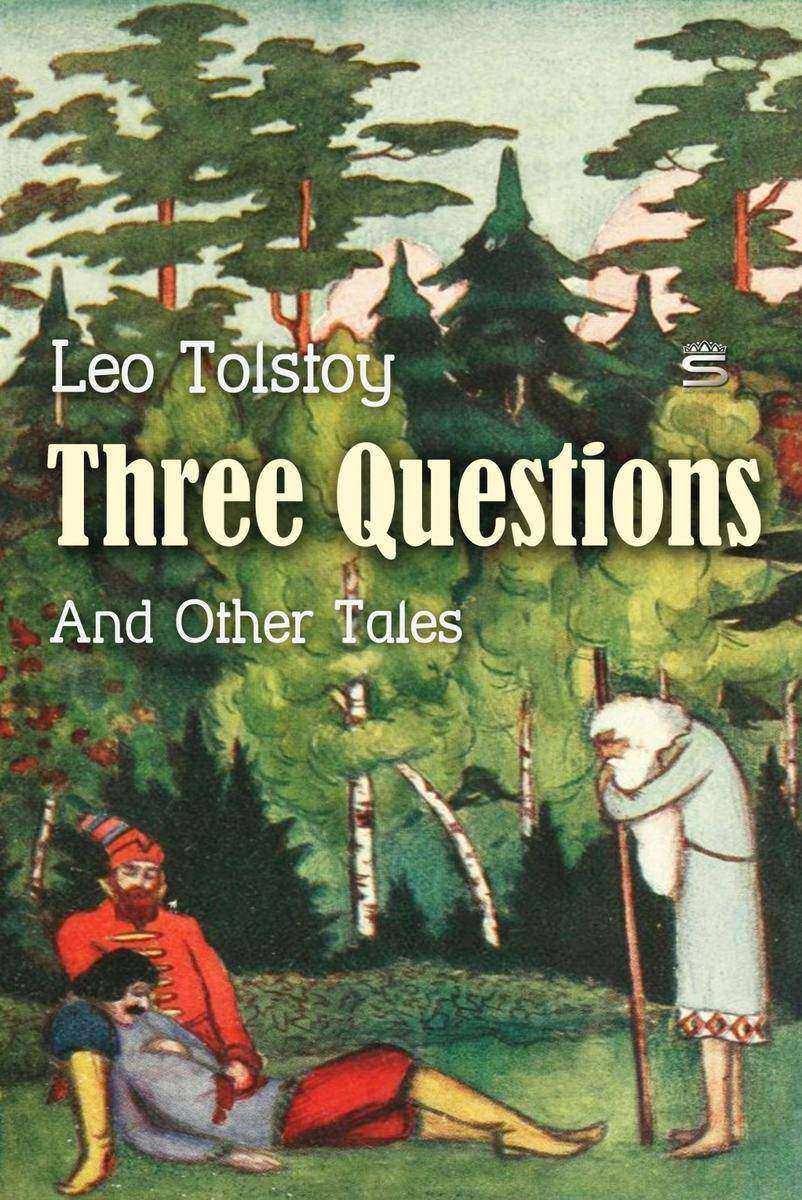
It once occurred to a King that if he knew the right moment when to begin on any work and the right kind of people to have or not to have dealings with and the thing to do that was more important than any other thing, he would always be successful. And he proclaimed throughout his kingdom that he would give a great reward to any one who could tell him what was the right moment for any action, and who were the most essential of all people, and what was the most essential thing of all to do.
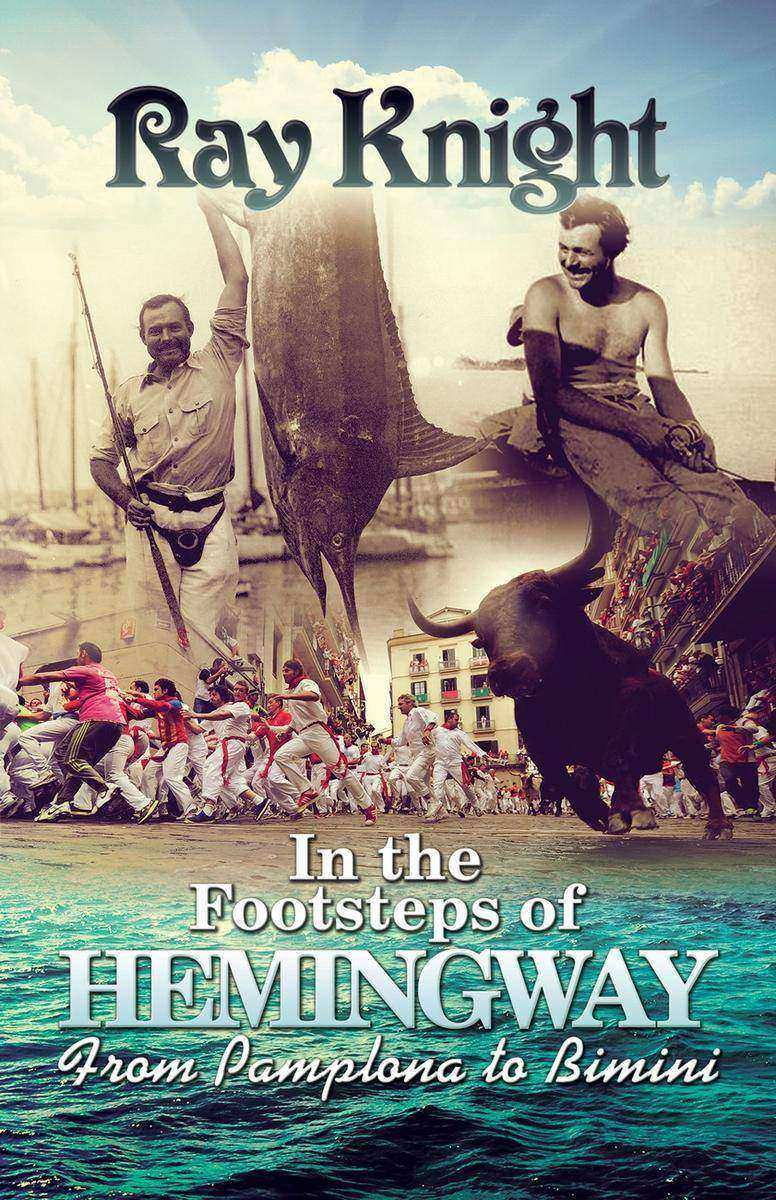
In the Footsteps of Hemingway From Pamplona to Bimini
¥10.30
Ernest Hemingway casts a very long shadow – especially the one thrown over Ray Knight by the Bahamian sunset on Hemingway’s beloved islands of Bimini. Using the late literary giant’s terse aphorisms and mordant quips as springboards for his own lean and drum-tight prose, Ray Knight invites us to join him on a journey from Pamplona to Bimini, in the footsteps of his literary hero. This collection of short stories, anecdotes and excerpts from the author’s novels runs the gamut of emotions, from pathos and tragedy to humor and unabashed sentimentality – from a moving and thought-provoking look at the ethical ramifications of euthanasia to a boxing tale that pulls no punches, and without which no homage to Hemingway would be complete. Whether you add an extra kick to your coffee break one tale at a time or settle down with a glass of rum and spend an evening ‘In The Footsteps of Hemingway’, you’re in for an enjoyable and edifying read – and a great introduction to the author’s full-length works. The Vet’s Dilemma:- A personal look at one man’s anguished choice between humanity and morality. What will he do? What would you do? The Tears of a Clown:- A clown’s antics bring joy to thousands of children but behind the make-up is a face racked with pain. Monty:- A man’s relationship with his car confounds his daughter and leads to a traumatic and deadly conclusion.. Shadows :- A man struggles for survival in a harsh and dangerous environment. Voices from his past come to haunt him. Will they save or condemn him? A Father’s Love:- A father risks the wrath of his community and his life in a desperate attempt rescue his son from the horror of addiction. It Tolls for Thee:- A washed-up boxer is offered one last, desperate shot at the big time – will he risk his life for one final chance of glory? Right of Passage:- A young hunter faces the ultimate test – will he become a legend or just a memory? A sample chapter from ‘The Mountain’… Felicia’s Cabin:- A kidnapped woman faces up to her captors in this sample chapter from’ The Hatcher File’… Walking With the Bulls:- The author recalls his experience in Pamplona in 1977 – a year of tragic events at the Festival of San Fermin Every Job in Town:- An amusing recollection of the author’s time in Sydney during 1980, when Australia was a land full of opportunities for a young man… either to get rich or get into a lot trouble!
The Hatcher File
¥30.08
Tom Hatcher is a wanted man, dead or alive. Hunted by a crazed Colombian drug lord and hounded by rogue elements within MI6 and the DEA he has nowhere to turn and no one to trust. As a soldier of fortune he finds himself in a desperate struggle for his life and a race against time to save the one person in the world he loves. With no way to escape the circle tightening around him, Tom must fight back against ruthless enemies who follow no rules of engagement and who he can’t face alone. But, who can he trust? Enemies become allies and friends become foes as he tries to unravel the web of deceit and intrigue that shields his adversaries. Inspired by real life events, and in the best Ludlum traditions, this edge-of-the-seat thriller is full of twists and turns that will keep you turning the pages until the final thrilling conclusion.
A Portrait of the Artist as a Young Man
¥8.09
This unique edition of A Portrait of the Artist as a Young Man from Dead Dodo Vintage includes the full original text as well as exclusive features not available in other editions.

Sherlock: Complete Novels
¥40.79
Sherlock, one of the greatest detectives of all time. This Fractal Press edition features complete collection of the four Sherlock Holmes novels, including: A Study in Scarlet, The Sign of the Four, The Hound of the Baskervilles, The Valley of Fear.


