


 购物车
购物车 个人中心
个人中心
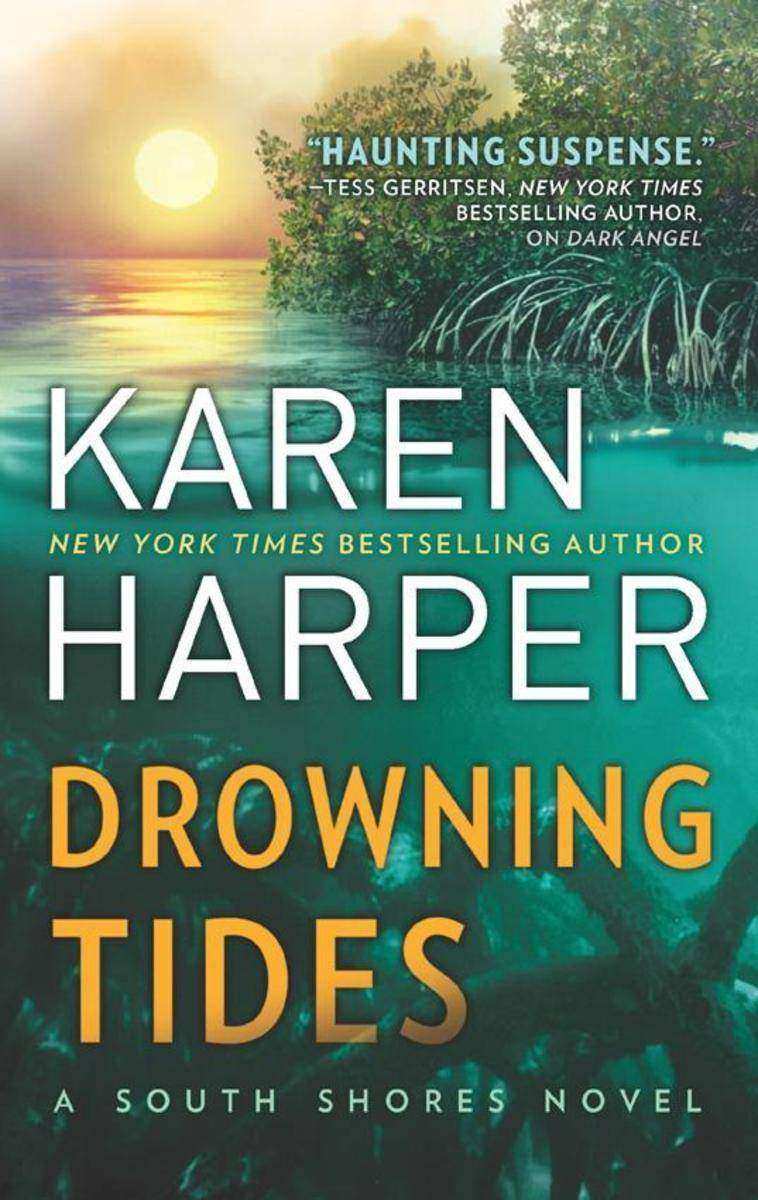
Drowning Tides (South Shores, Book 2)
¥79.36
Danger is never far off… When forensic psychologist Claire Britten started working with lawyer Nick Markwood on his South Shores project, she had no idea it would endanger her life—and the life of her daughter. But when the little girl goes missing from her South Florida home and Nick insists his long time nemesis is to blame, Claire frantically follows the trail to the Cayman Islands, desperate to save her daughter before it's too late. Nick always knew the man who staged his father's "suicide" was out to get him, but kidnapping the child of someone he cares about is despicable. Finding the billionaire criminal is one thing—meeting his demands in order to save Claire's daughter is quite another. What he wants threatens their professional and personal interests beyond imagination…but what choice do they have when a child's life is on the line?

Long Way Home (Thunder Road, Book 3)
¥79.36
Seventeen-year-old Violet has always been expected to sit back and let the boys do all the saving. It's the code her father, a member of the Reign of Terror motorcycle club, raised her to live by. Yet when her dad is killed carrying out Terror business, Violet knows it's up to her to do the saving. To protect herself, and her vulnerable younger brother, she needs to cut all ties with the club—including Chevy, the boy she's known and loved her whole life. But when a rival club comes after Violet, exposing old secrets and making new threats, she's forced to question what she thought she knew about her father, the Reign of Terror and what she thinks she wants. Which means re-evaluating everything: love, family, friends…and forgiveness. Caught in the cross hairs between loyalty and freedom, Violet must decide whether old friends can be trusted—and if she's strong enough to be the one person to save them all.
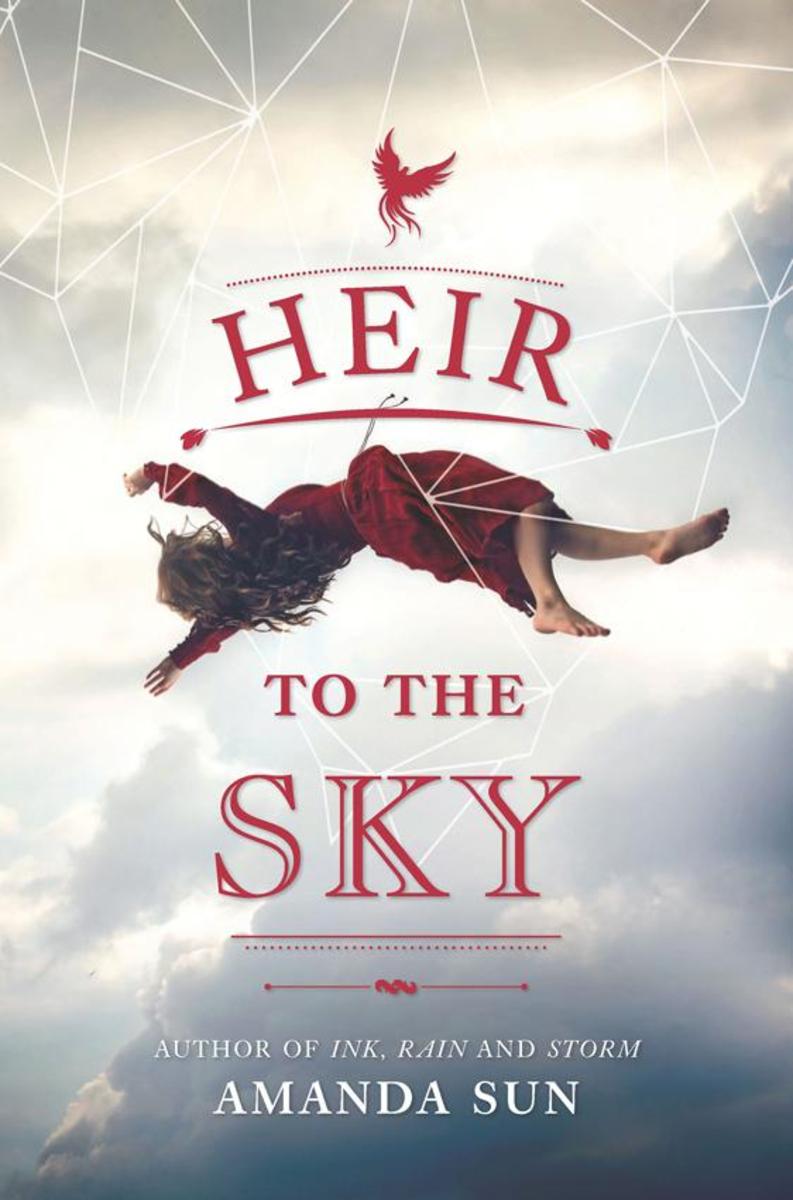
Heir To The Sky
¥79.36
I dangle my legs over the edge of the cliff, tapping my heels against the smooth dirt that crumbles down the side of the continent. I don't fear falling. The world below looks unreal and distant, like it's only been painted on. Falling is something I can't even imagine. As heir to a kingdom of floating continents, Kali has spent her life bound by limits: by her duties as a member of the royal family, by a forced betrothal to the son of a nobleman and by the edge of the only world she's ever known – a small island hovering above a monster-ridden earth, long since uninhabited by humans. When Kali falls off the edge of her kingdom and miraculously survives, she is shocked to discover there are still humans on the earth. Determined to get home, Kali entrusts a rugged monster-hunter named Griffin to guide her across a world overrun by chimera, storm dragons, basilisks and other terrifying creatures. But the more time she spends on earth, the more dark truths she begins to uncover about her home in the sky, and the more resolute she is to start living for herself.
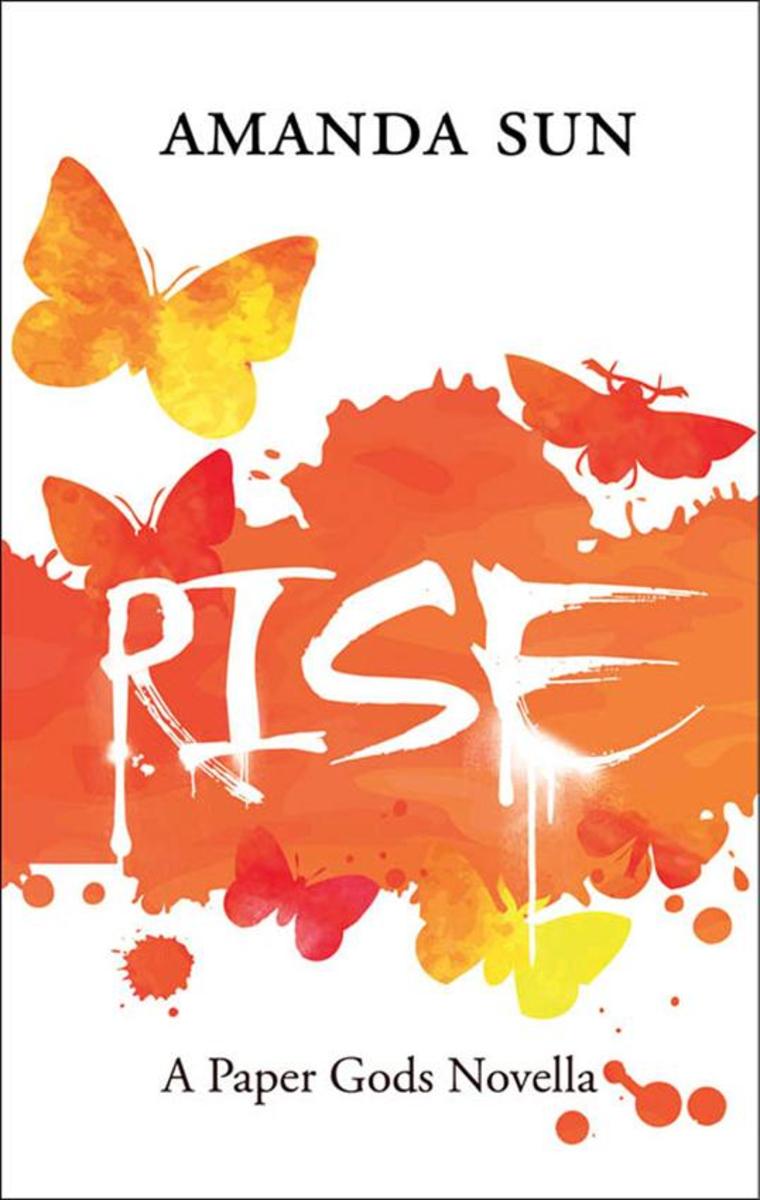
Rise
¥79.36
Amanda Sun weaves together two tales of love, ink and magic in this companion novella to the Paper Gods series! A long, long time ago, before the world was as we know it, Izanami and Izanagi came into being. Two of the first of the ancient gods of Japan, they crafted the world from ink and their own imaginations. Izanagi wants, more than anything, to be with Izanami—but one moment of pride could tear them apart forever. Yuki and Tanaka have been friends for as long as they can remember, but lately deeper feelings have been bubbling beneath the surface. How do they navigate the transition from friendship to true love without destroying the powerful bond between them? Set a millennia apart, can these two couples, living parallel love stories, find their happily-ever-afters?
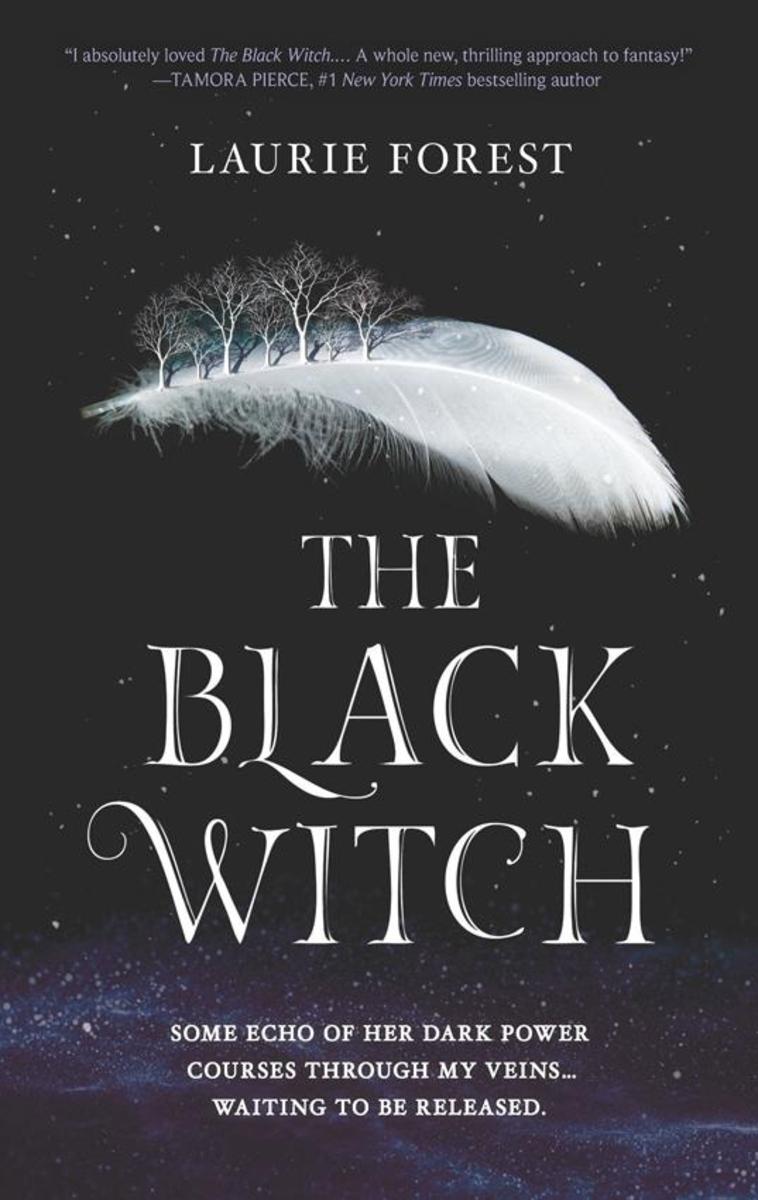
The Black Witch (The Black Witch Chronicles, Book 1)
¥79.36
A new Black Witch will rise…her powers vast beyond imagining. Elloren Gardner is the granddaughter of the last prophesied Black Witch, Carnissa Gardner, who drove back the enemy forces and saved the Gardnerian people during the Realm War. But while she is the absolute spitting image of her famous grandmother, Elloren is utterly devoid of power in a society that prizes magical ability above all else. When she is granted the opportunity to pursue her lifelong dream of becoming an apothecary, Elloren joins her brothers at the prestigious Verpax University to embrace a destiny of her own, free from the shadow of her grandmother's legacy. But she soon realizes that the university, which admits all manner of people—including the fire-wielding, winged Icarals, the sworn enemies of all Gardnerians—is a treacherous place for the granddaughter of the Black Witch. As evil looms on the horizon and the pressure to live up to her heritage builds, everything Elloren thought she knew will be challenged and torn away. Her best hope of survival may be among the most unlikely band of misfits…if only she can find the courage to trust those she's been taught to hate and fear.
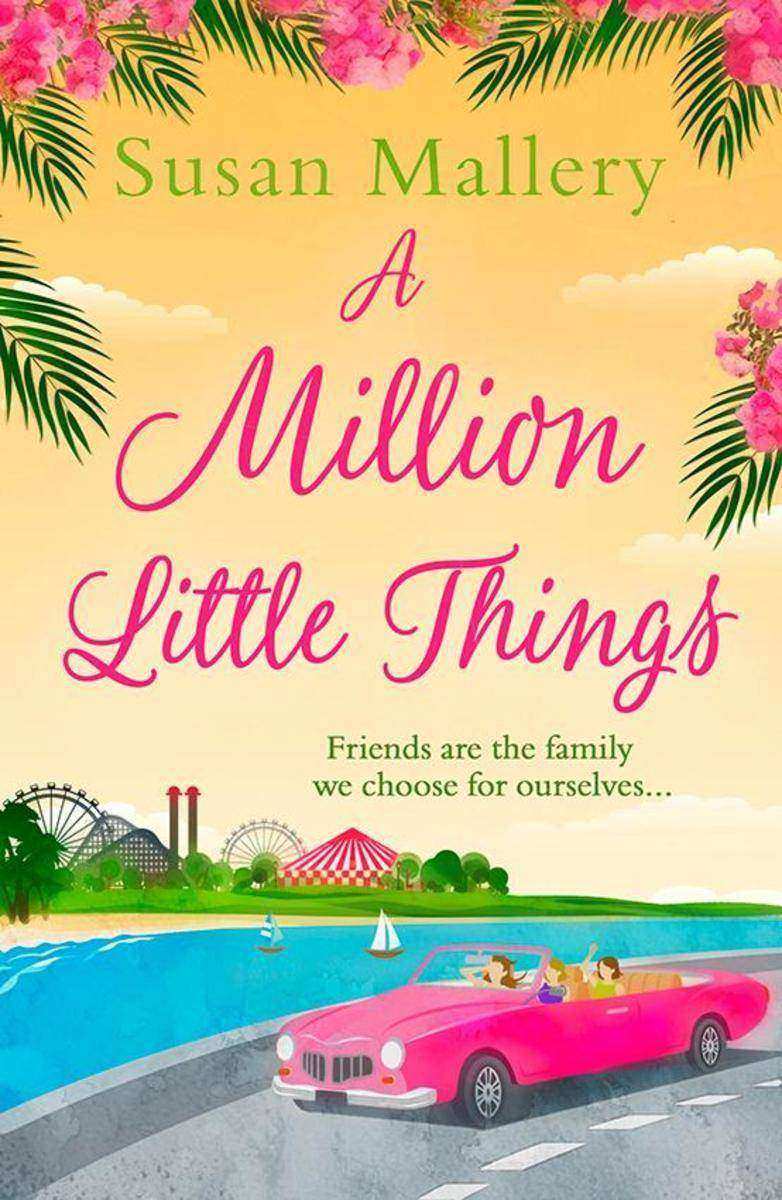
A Million Little Things (Mills & Boon M&B)
¥79.36
Zoe knows something needs to change… Zoe knows something needs to change… Living alone with her cat, Zoe must face up to the truth about her life. She has ended her long-term relationship, works from home, and is isolated from her baby-obsessed best friend. Zoe is more than just newly single. Zoe is alone. A new friendship and a surprise romance may offer Zoe the connections she is after, but they won’t come without their own complications! The third of Susan Mallery’s Mischief Bay series is full of warmth, laughter, and the dilemmas of family life. Perfect for fans of Debbie Macomber, and Jennifer Joyce.
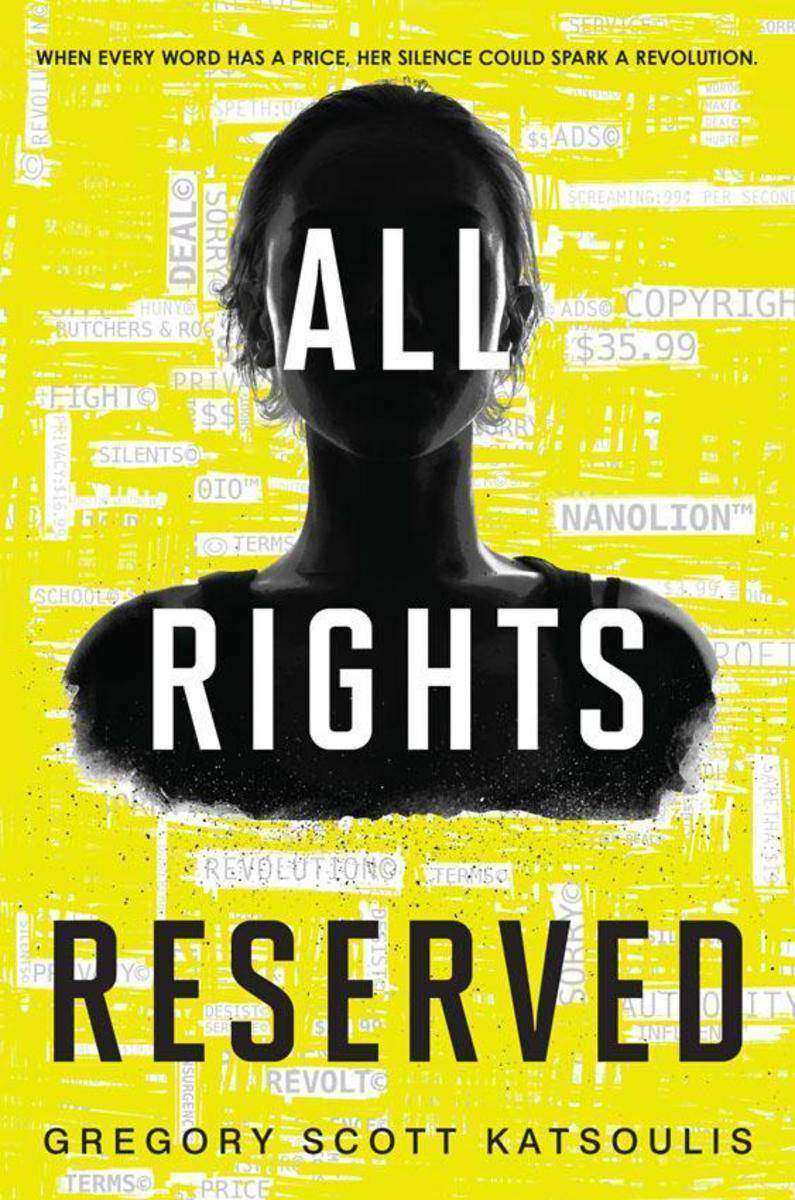
All Rights Reserved (Word$, Book 1)
¥58.86
‘A chilling, unnerving, and timely debut’ Katharine McGee, New York Times bestselling author of The Thousandth Floor In a world where every word is copyrighted, one girl would rather remain silent than pay to speak Speth has been raised to know the consequences of falling into debt, and can't begin to imagine the pain of having her eyes shocked for speaking words that she's unable to afford. But when Speth's friend Beecher commits suicide rather than work off his family's crippling debt, she can't express her shock and dismay. Backed into a corner, Speth finds a loophole: she closes her mouth and vows never to speak again in protest at the unjust rules of the land. Speth's unexpected defiance of tradition sparks a media frenzy, inspiring others to follow in her footsteps, and threatens to destroy her, her family and the entire city around them. Praise for All Rights Reserved: ‘I adored this book… The final speech in the book made me cry.’ Amber Green, on Amazon ‘I loved this fresh new approach to a potential future dilemma.’ Amazon Reviewer ‘I love the author’s quick wit, and his characters are much more than one dimensional sci-fy heroes!’ Amazon Reviewer ‘This book is an absolutely amazing piece of satiric literature’ Sandra Vattimo, on Amazon. ‘The author creates an amazing and frightening world of corporate interests run amok.’ Amazon Reviewer
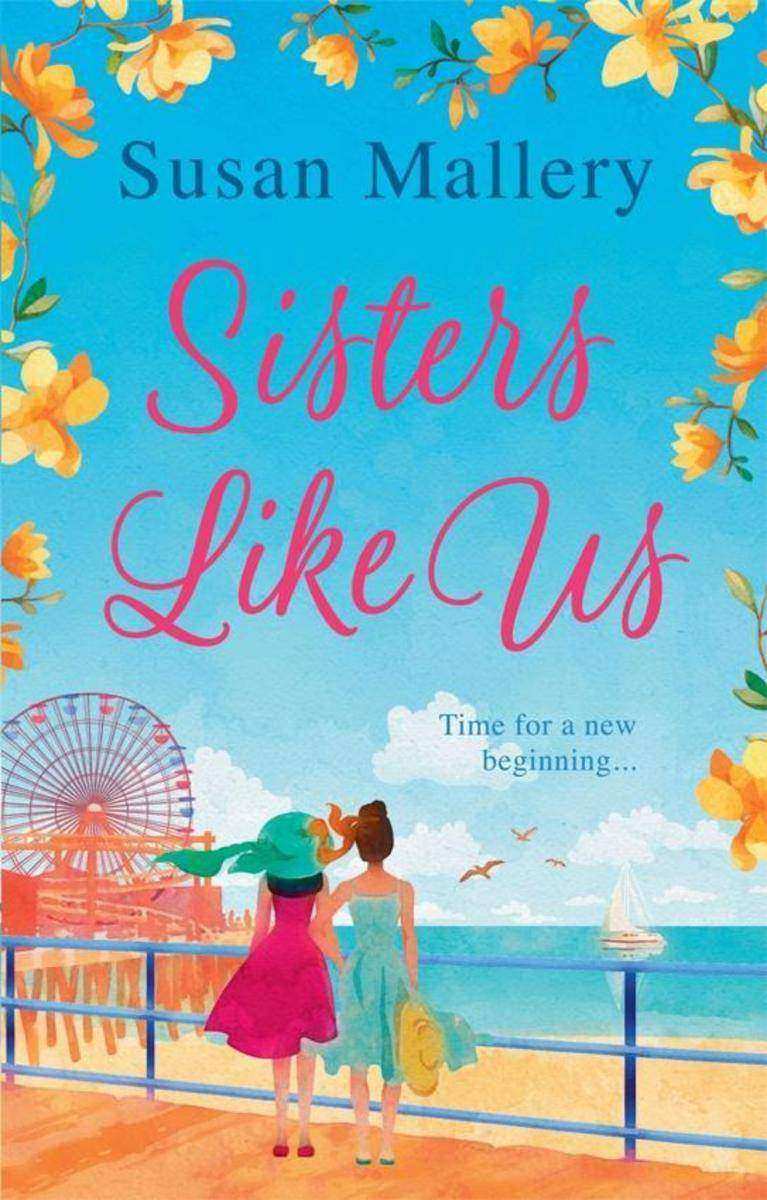
Sisters Like Us (Mischief Bay, Book 4)
¥58.86
Two sisters who couldn’t be more different if they tried… Harper put being a wife and mother above thoughts of a career, and has watched her sister become a celebrated scientist from the sidelines. But when her life is turned upside down by divorce, can she learn to put herself first? Stacey is left reeling by her unexpected pregnancy. More at home with neurological diseases than nappies, she can’t help feeling she lacks her sister’s maternal genes. What if she just doesn’t have what it takes to be a mother? Separately they may be a mess, but Harper and Stacey are about to discover that, together, they can face anything. Perfect for fans of Debbie Macomber, Melissa Hill, and Trisha Ashley, Sisters Like Us is a story of laughter, tears, and the unbreakable bond between sisters.
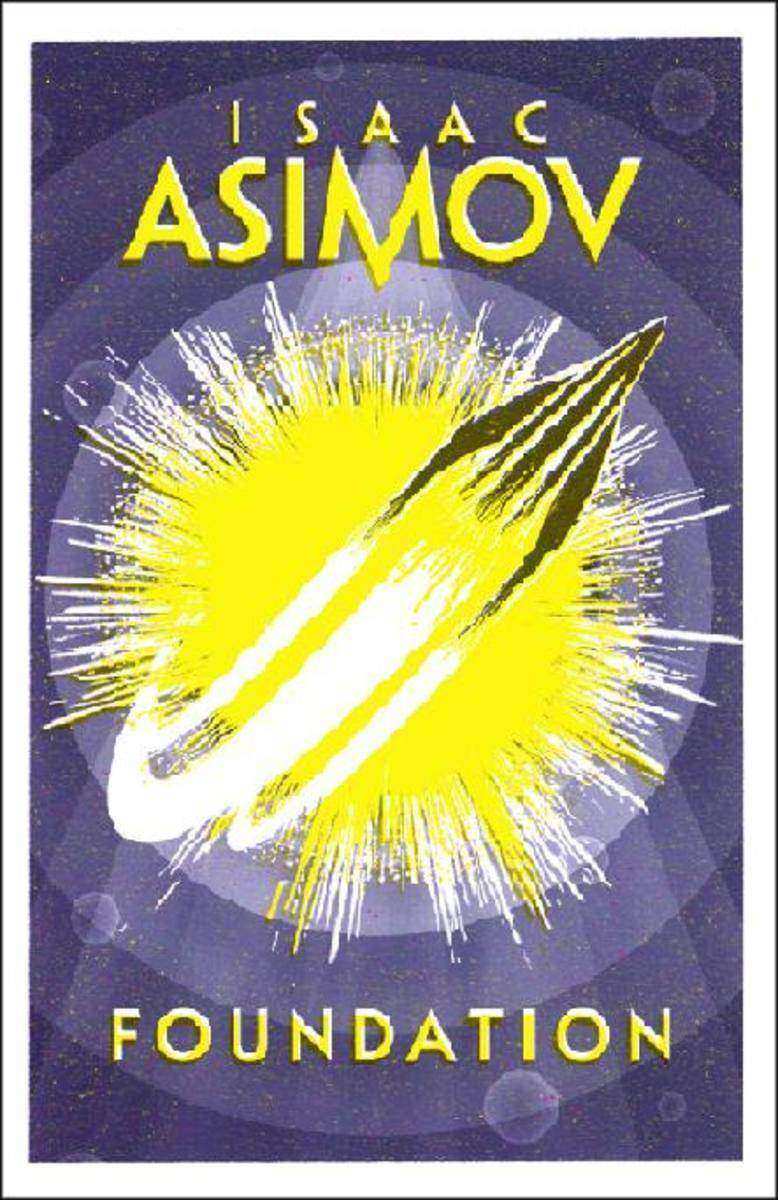
Foundation
¥66.22
WINNER OF THE HUGO AWARD FOR BEST ALL-TIME SERIES The Foundation series is Isaac Asimov’s iconic masterpiece. Unfolding against the backdrop of a crumbling Galactic Empire, the story of Hari Seldon’s two Foundations is a lasting testament to an extraordinary imagination, one whose unprecedented scale shaped science fiction as we know it today. The Galactic Empire has prospered for twelve thousand years. Nobody suspects that the heart of the thriving Empire is rotten, until psychohistorian Hari Seldon uses his new science to foresee its terrible fate. Exiled to the desolate planet Terminus, Seldon establishes a colony of the greatest minds in the Empire, a Foundation which holds the key to changing the fate of the galaxy. However, the death throes of the Empire breed hostile new enemies, and the young Foundation’s fate will be threatened first.
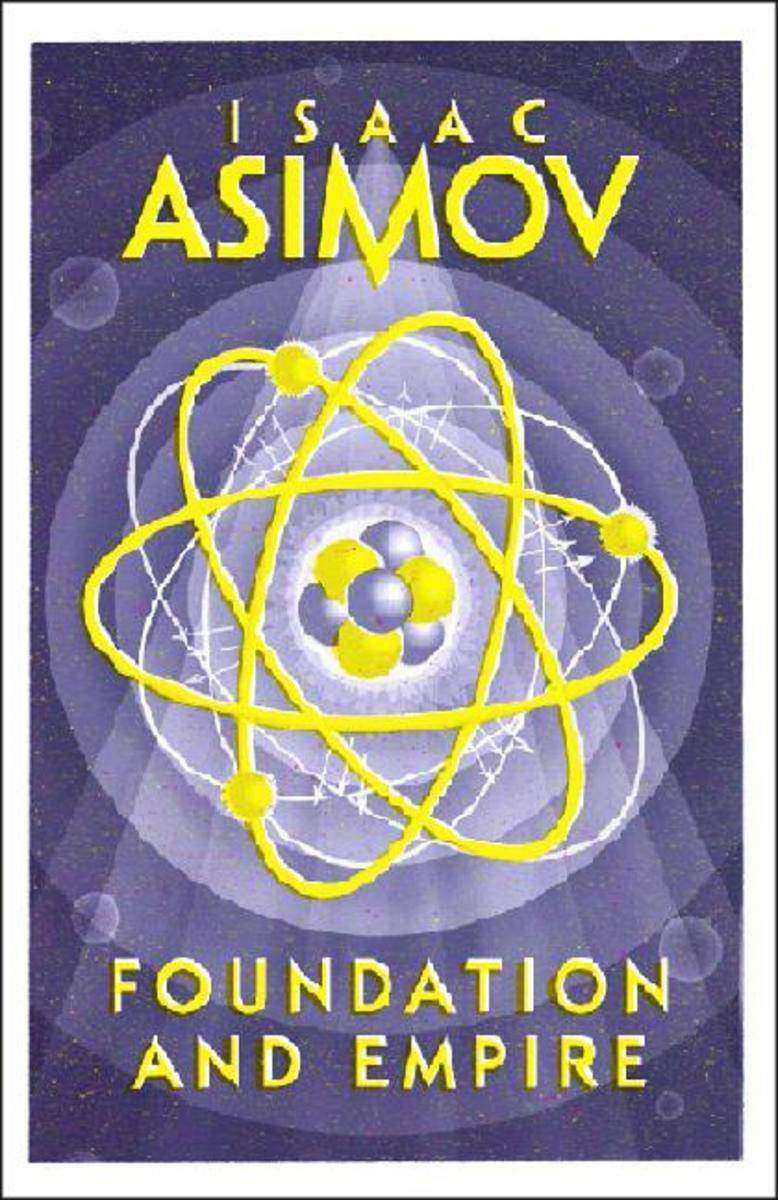
Foundation and Empire
¥66.22
WINNER OF THE HUGO AWARD FOR BEST ALL-TIME SERIES The Foundation series is Isaac Asimov’s iconic masterpiece. Unfolding against the backdrop of a crumbling Galactic Empire, the story of Hari Seldon’s two Foundations is a lasting testament to an extraordinary imagination, one whose unprecedented scale shaped science fiction as we know it today. The First Foundation survived two centuries of barbarism as the once-mighty Galactic Empire descended into chaos. Now it mist prepare for war against the remnants of the Empire as the Imperial fleet advances on their planet, Terminus. Hari Seldon predicted this war; he even prepared his Foundation for it. But he couldn’t foresee the birth of the mutant Mule. In possession of a power which reduces fearsome opposition to devoted slaves, the Mule poses a terrible threat to Seldon’s Foundation.

Wisdom of The Ages: 60 Days to Enlightenment
¥85.74
Dr Wayne W. Dyer is the author of 20 bestselling books. He has a doctorate in counselling psychology and appears regularly on television and radio. His lectures throughout Europe and the US attract thousands. He lives with his family in southern Florida.

The Cotswolds Cookery Club: a deliciously uplifting feel-good read
¥90.27
‘One of the best stories I’ve read in a long time!’ Stacey Rebecca (NetGalley reviewer) The Cotswolds Cookery Club was originally published as a three-part serial. This is the complete story in one package. The Cotswolds Cookery Club is opening its doors! Connie has had enough. Enough of the city, enough of her job – and most importantly, enough of her cheating boyfriend! Finally free to chase her dreams, Connie sets up her very own Cotswolds Cookery Club – a place to share scrumptious recipes and, more importantly, a lot of wine… Trish always dreamed of living in a little chocolate box village – but she never expected to be starting over at forty. Could joining the Cookery Club be the perfect distraction from her stroppy teenage daughter and her ex-husband’s new girlfriend? Kate spends her life juggling her three young children and running the busy Cotswolds veterinary practice. It’s time to take charge of the disparate ingredients of her life and transform them into the perfect pot-au-feu! But with three delicious men turning up the heat, perhaps the sleepy Cotswolds village has a few surprises in store… Fans of Milly Johnson, Caroline Roberts and Jill Mansell will love this heartwarming read!

Mabel and Me - Best of Friends (Read Aloud)
¥82.31
Mark Sperring is the author of several highly-acclaimed pciture books including the Sunflower Sword and Captain Buckleboots on the Naughty Step. He lives in Bristol where he also works as a bookseller.Sarah Warburton is the illustrator of Rumblewick, the Ruby and Grub stories and Sir Laughalot. She has a staller track record in fantastic picture books. Sarah lives in Bristol with her busband and two children.

Stonehenge: Neolithic Man and the Cosmos
¥100.06
JOHN NORTH moved in 1977 from Oxford to the University of Groningen, where he is Professor of the History of Philosophy and the Exact Sciences. He is a member of the Royal Netherlands Academy, the Royal Danish Academy and is a Fellow of the British Academy.

Stanley Spencer (Text Only)
¥115.56
Stanley Spencer (1891 – 1959) has recently been recognised by a wide general public, as well as by art historians, as probably the greatest English painter of the twentieth century. His strange and thrilling settings of biblical and semi-biblical scenes, his grippingly realist portraits, his intense English landscapes, hang in pride of place in our national collections and fetch ever-escalating prices at auction. Although there have been many books about Spencer, Pople's biography is the first to give a thoroughly convincing and coherent account of the life and psyche of the man who produced these extraordinary pictures. Pople has not only had the co-operation of Spencer's daughters and remaining friends' he has had unrestricted access to the artist's letters, diaries and other writings, and has spent ten years unravelling the familiar but so often impenetrable mysteries we see on the canvas. His analysis demonstrates that there never was as artist for whom life and art were so much of a piece, and that without understanding Spencer's doings and circumstances, we have no hope of understanding his paintings.

Healing Your Emotions: Discover your five element type and change your life
¥117.82
Angela & John Hicks are the joint principals of the College of Integrated Chinese medicine in Reading. Angela is author of The Five Laws for Healthy Living, Principles of Acupuncture and Principles of Chinese Medicine. John is author of Principles of Chinese Herbal Medicine. They have been practising for over 17 years.

PCOS Diet Book: How you can use the nutritional approach to deal with polycystic
¥125.18
Colette Harris is Editor of Here’s Health. She discovered she had Polycistic Ovary Syndrome three years ago. Theresa Cheung is a full time writer with 5 health books already published in the US including a book on androgen disorders in women. She is author of Men and Depression. She is also a sufferer of PCOS
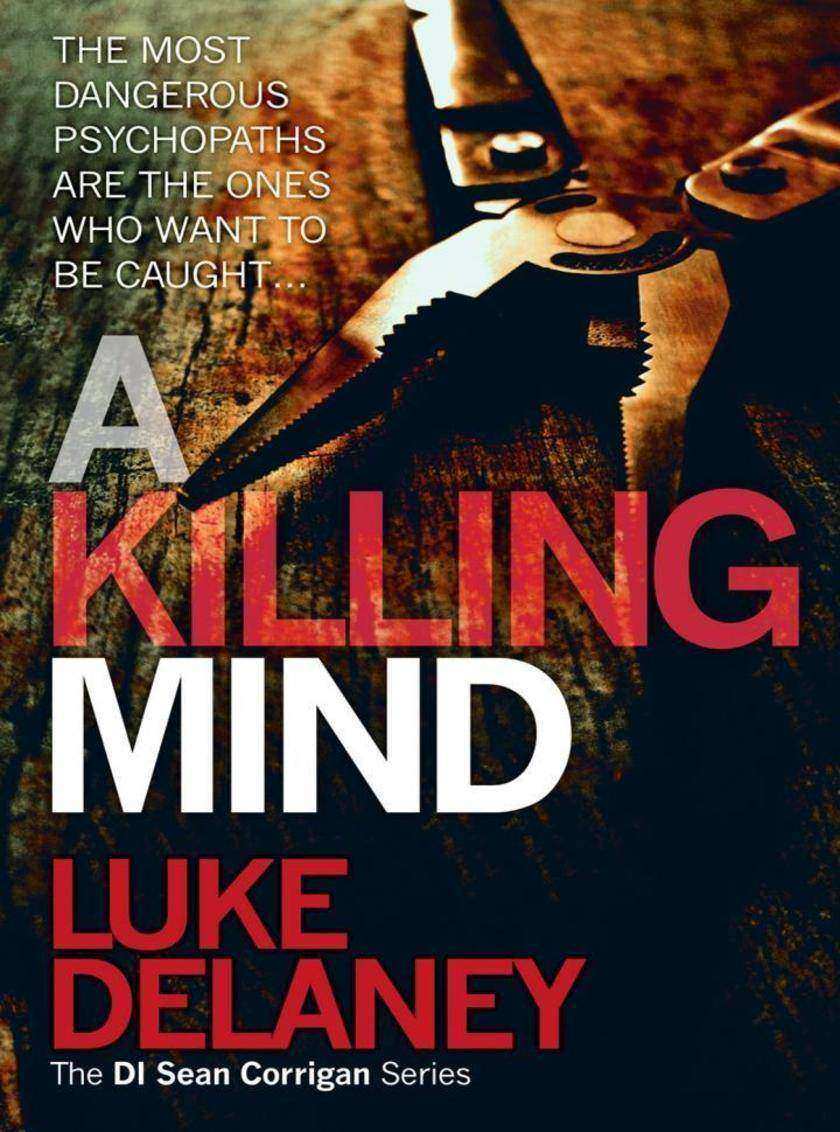
A Killing Mind (DI Sean Corrigan, Book 5)
¥66.22
The fifth novel in the DI Sean Corrigan series – authentic and terrifying crime fiction with a psychological edge, by an ex-Met detective. Perfect for fans of Mark Billingham, Peter James and Stuart MacBride. A serial killer stalks the streets… In the darkest corners of London, a killer is on the hunt. His murders are brutal. Teeth pulled out. Nails pulled out. Bodies abandoned. A detective follows his every move… DI Sean Corrigan of the Special Investigations Unit desperately tries to use his ability to understand the minds of killers before another victim is ruthlessly murdered. A clash of dangerous minds… Corrigan is all too willing to take deadly risks to track down his quarry, but this time the killer has set a trap, just for him. Will Corrigan stop the murderer in time, or is he about to become a victim himself?
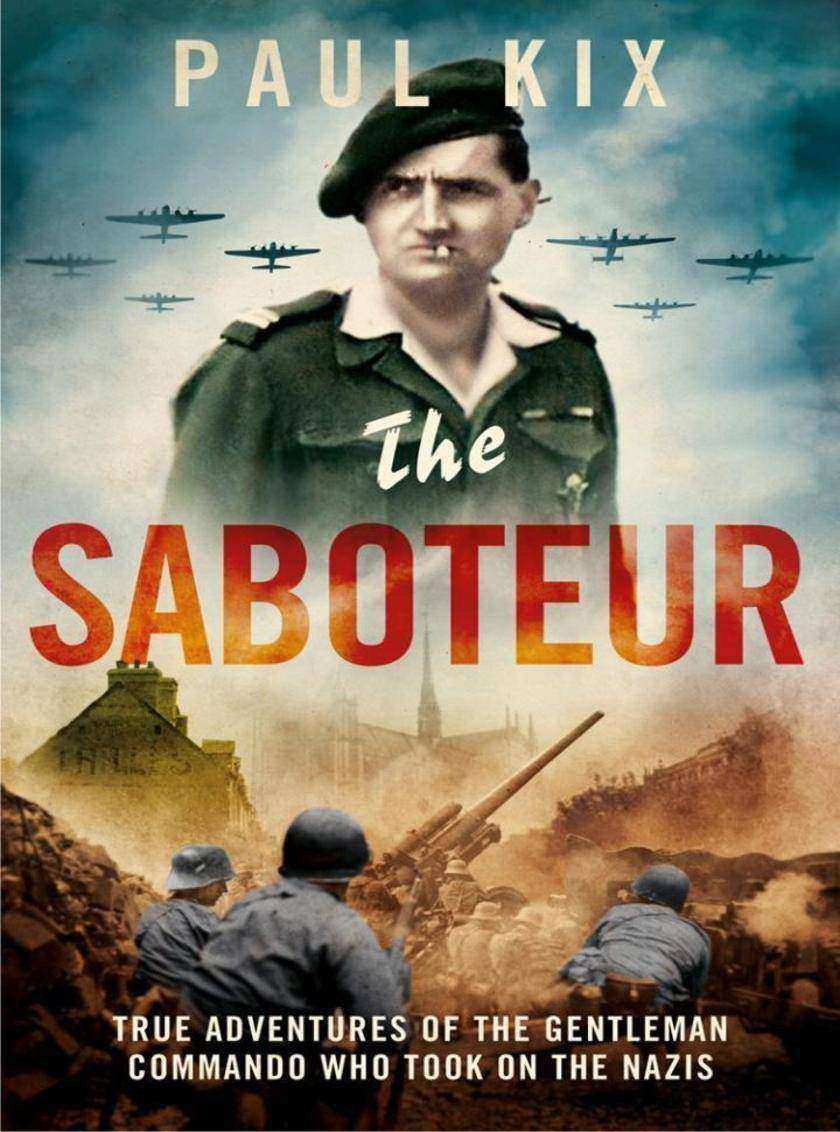
The Saboteur: True Adventures Of The Gentleman Commando Who Took On The Nazis
¥147.35
In the tradition of ‘Agent Zigzag’ comes a breathtaking biography of WWII’s ‘Scarlet Pimpernel’ as fast-paced and emotionally intuitive as the best spy thrillers. This celebrates unsung hero Robert de La Rochefoucauld, an aristocrat turned anti-Nazi saboteur, and his exploits as a British Special Operations Executive-trained resistant A scion of one of the oldest families in France, Robert de La Rochefoucauld was raised in a magnificent chateau and educated in Europe’s finest schools. When the Nazis invaded and imprisoned his father, La Rochefoucauld escaped to England and was trained in the dark arts of anarchy and combat – cracking safes, planting bombs and killing with his bare hands – by a collection of SOE spies. With his newfound skills, La Rochefoucauld returned to France and organized Resistance cells, blew up fortified compounds and munitions factories, interfered with Germany’s wartime missions and executed Nazi officers. Caught by the Germans, La Rochefoucauld withstood months of torture and escaped his own death sentence, not once but twice. More than just a fast-paced, real-life thriller, The Saboteur is also a deep dive into an endlessly fascinating historical moment, revealing the previously untold story of a network of commandos, motivated by a shared hatred of the Nazis, who battled evil and bravely worked to change the course of history.

Winter At Cedarwood Lodge: A perfect heart-warming romance for 2018!
¥148.72
Includes bonus material! This winter it’s time to fall in love at Cedarwood Lodge… After years of dreaming, Clio Winters is finally fulfilling her childhood dream of renovating the gorgeous old Cedarwood Lodge in Evergreen and turning it into the perfect destination for celebrations, weddings and extravagant birthday parties. The huge property used to be a bustling holiday camp, now Clio wants to bring it back to its halcyon days – which will be a lot of hard work! Returning back to the small town of her youth she’s glad to have one of her best friends still around to lean on, Micah who is just as solid as he used to be. But with her own secrets pushing her to run from her glamorous life in New York, she’ll have to tread carefully, especially when the far-too-handsome-for-his-own-good contractor, Kai, shows up on her doorstep… Sure she’s here in Evergreen to change her life, but there is no way she’s falling in love! Previously published as Celebrations & Confetti, Brides & Bouquets, Midnight & Mistletoe.
Horse Trader: Robert Sangster and the Rise and Fall of the Sport of Kings
¥154.12
It was always tense in The Rooms when they were proposing to elect a statesman to membership. Actually, it was always tense in The Rooms whomever they were proposing to elect to membership. But a statesman created a special feeling of apprehension. Such an event happened only every fifty years or so, because, by and large, the Jockey Club did not see statesmen as the right calibre of chap. Most of them had depressingly brilliant intellects coupled with dazzling charm and tact. Or, put in the more ducal vernacular of the Club, they were too clever by half, ‘too smarmy’.The Earl of Rosebery, during his Lordship’s tenure as Prime Minister of England, had of course been a member of the Club back in 1894 when his colt Ladas had won the Derby at Epsom. However, having been a member since the age of twenty-two, the touchy business of electing a statesman had never really applied.The Jockey Club had admitted an Under-Secretary of State for War, Earl Cadogan, in the middle of the nineteenth century, in the knowledge that he was much preoccupied with the unrest along India’s north-west frontier. The same applied, in smaller measure, to the Marquis of Londonderry and the Earl of Zetland in the 1880s when they were appointed as successive Lords-Lieutenants of Ireland. Different frontier, similar unrest among the natives and one or two furrowed brows in the Club. Lord Randolph Churchill, Chancellor of the Exchequer and owner of an Oaks winner in 1889, had had to be elected. And they could not quite avoid accepting his often fractious son Sir Winston, who won the Jockey Club Cup in 1950 with his stout-hearted grey Colonist II shortly before becoming Prime Minister for the second time.


