C?l?torie ?n jurul camerei mele
¥24.44
Thomas Hobbes (1588-1679) este unul dintre p?rin?ii liberalismului ?n g?ndirea politic?. Textele de fa?? reprezint? cel mai important segment din Leviathan - cea mai important? lucrare a lui Hobbes, scris? ?n 1651, care poate fi considerat pe bun? dreptate punctul de pornire al trecerii de la sabie la cuv?nt ca principal? arm? ?n politic?. Cititorul poate descoperi ?n aceste pagini un filosof care s-a aplecat asupra temei societ??ii cum pu?ini au f?cut-o ?nainte de secolul XX, ?ntruc?t acesta este ?miezul fierbinte“ al g?ndirii hobbesiene, pe care arhicunoscutele sintagme ?starea de natur?“ ?i bellum omnium contra omnes nu au reu?it niciodat? s?-l scoat? la iveal?.
Enders
¥65.32
Dialoguri cu Vasile Dem. Zamfirescu consemnate de Leonid DragomirLa Facultatea de Filosofie din Bucure?ti unde eram studen?i exista pe atunci mult? libertate ?n alegerea cursurilor pe care doream s? le urm?m. Se afi?a la ?nceputul anului universitar o list? a cursurilor obligatorii ?i op?ionale, acestea din urm? fiind majoritare. A?a am descoperit cursul de Psihanaliz? filosofic? al profesorului Vasile Dem. Zamfirescu, despre care ?tiam vag c? fusese unul dintre discipolii lui Constantin Noica. Atmosfera de libertate ?n care ne mi?cam se reg?sea ?n totalitate aici. Cursul ne interesa at?t prin con?inutul lui — care adolescent n-a fost fascinat de psihanaliz?! — c?t ?i prin rigoarea ?i claritatea expunerii. De?i nu mai predase p?n? atunci, Vasile Dem. Zamfirescu era cu adev?rat profesor. Seminariile erau ?ns? ale noastre. Aici se iscau polemici, se propuneau interpret?ri insolite, se scriau ?i se citeau eseuri inspirate de noile probleme ?i lecturi. De obicei dep??eam limitele temei propuse, astfel ?nc?t totul ar fi putut degenera ?ntr-un dialog al surzilor sau ?n divaga?ii sterile dac? n-ar fi existat polul magnetic: profesorul. Nu numai c? el aducea, cu mult tact, discu?ia pe f?ga?ul normal, la obiect, dar opiniile noastre, oric?t de ?ndr?zne?e, vizau direct sau indirect aprobarea lui. Aceasta uneori venea, alteori nu, dar ceea ce conta pentru noi era faptul de a ne ?ti asculta?i. Sim?eam c? el poate s? vad? ?n spusele noastre sau dincolo de ele personalitatea noastr? ?ntreag?. De aceea voiam s? d?m totul ?n acele seminarii care treceau at?t de repede, de?i discu?iile se prelungeau ?n pauze ?i dup? ?ncheierea lor.
La drum cu Platon. Ce spun filosofii despre na?tere, iubire
¥49.62
n concepia religioas a lui Gogol, diavolul este esena mistic i fiina real n care sa concentrat negarea lui Dumnezeu, rul etern. Gogol, ca artist, la lumina rsului, studiaz natura acestei esene mistice; ca om, cu arma rsului, lupt mpotriva acestei fiine reale: rsul lui Gogol este lupta omului cu diavolul. Dumnezeu este infinitul, sfritul i nceputul existenei; diavolul este negarea lui Dumnezeu i, prin urmare, negarea oricrui nceput i a oricrui sfrit; diavolul este nceputul i neterminatul care se d drept nenceput i infinit; diavolul este mijlocul numenal al existenei, negarea tuturor profunzimilor i culmilor, este platitudinea etern, venica trivialitate. Unicul obiect al creaiei gogoliene este diavolul chiar n acest sens, adic drept manifestare a nemuritoarei trivialiti omeneti”, observat dincolo de toate condiiile de timp i de spaiu – de istorie, popor, stat, societate –, manifestarea rului indiscutabil, etern i universal; – trivialitatea sub speciae aeterni, sub nfiarea eternitii”. (Dmitri Merejkovski)
Confesiunile unei dependente de art?
¥57.14
One of the greatest works of philosophy, political theory, and literature ever produced, Plato’s Republic has shaped Western thought for thousands of years, and remains as relevant today as when it was written during the fourth century B.C.Republic begins by posing a central question: "What is justice, and why should we be just, especially when the wicked often seem happier and more successful?" For Plato, the answer lies with the ways people, groups, and institutions organize and behave. A brilliant inquiry into the problems of constructing the perfect state, and the roles education, the arts, family, and religion should play in our lives, Republic employs picturesque settings, sharply outlined characters, and conversational dialogue to drive home the philosopher’s often provocative arguments.Highly regarded as one of the most accurate renderings of Plato's Republic that has yet been published, this widely acclaimed work is the first strictly literal translation of a timeless classic. This Special Collector's Edition includes a new introduction by Prof. Colin Kant, PH.D, a noted Platonian and Socratic scholar.
Unicat. Cartea cu o sut? de finaluri
¥48.97
O parte dintre noi au tr?it vremuri grele pe care uneori le mai vis?m, le povestim sau despre care scriem ?nc?, f?r? patima cumplit? care i-a cuprins pe profitorii de atunci, care ?i ast?zi ne fac r?u, ?i chiar mai r?u dec?t ?pe vremea aceea“, cum se zice. E drept c? noi am prev?zut-o ?ntr-un fel sau altul, spun?nd-o celor care se-ncumetau s? ne asculte, f?r? preten?ia, Doamne, fere?te!, de a ne considera ?i disiden?i, cum o f?cur? cei men?iona?i mai sus. Previziunile noastre s-au bazat pe o anume cunoa?tere a mersului istoriei, care, cum se ?tie, se tot repet?, cu mici deosebiri, fire?te. Oricum, ceva cuno?tin?e de economie politic? nu ne stric? nici ?n zilele noastre, pentru a ne da seama de jocul frecvent al trecerii de la economia politic? la politica economic? ?i, mai ales, al trecerilor de la un sistem sau or?nduire economic? la alta ?i invers, cum le-am tr?it noi: de la capitalism la socialism ?i viceversa. Ca un fel de ciud??enie, au r?mas considera?iunile despre noul eon sau noua er? (New Age) ale filosofului din Lancr?m, mai ales c? acestea s-au realizat abia dup? c?derea comunismului, pe care n-o mai prev?zuse Blaga. (Alexandru Surdu) Eseuri filosofice de acela?i autor 1. Voca?ii filosofice rom?ne?ti, Editura Aca?de?miei Rom?ne, Bucure?ti, 1995, 216 p.; edi??ia a II-a, Editura Ardealul, T?rgu-Mure?, 2003, 206 p. 2. Confluen?e cultural-filosofice, Editura Pai?de?ia, Bucure?ti, 2002, 219 p. 3. M?rturiile anamnezei, Editura Paideia, Bu?cu?re?ti, 2004, 193 p. 4. Comentarii la rostirea filosofic?, Editura Kron-Art, Bra?ov, 2009, 186 p. 5. Izvoare de filosofie rom?neasc?, Editura Biblioteca Bucure?tilor, Bucure?ti, 2010, 171 p.; edi?ia a II-a, Editura Renaissance, Bucu?re?ti, 2011, 161 p. 6. A sufletului rom?nesc cinstire, Editura Re?naissance, Bucure?ti, 2011, 197 p. 7. Pietre de poticnire, Editura Ardealul, T?r?gu-Mure?, 2014, 179 p.
Heart of Darkness
¥9.07
The Republic (Greek: Politeia) is a Socratic dialogue, written by Plato around 380 BC, concerning the definition of (justice), the order and character of the just city-state and the just man, reason by which ancient readers used the name On Justice as an alternative title (not to be confused with the spurious dialogue also titled On Justice). The dramatic date of the dialogue has been much debated and though it must take place some time during the Peloponnesian War, "there would be jarring anachronisms if any of the candidate specific dates between 432 and 404 were assigned". It is Plato's best-known work and has proven to be one of the most intellectually and historically influential works of philosophy and political theory. In it, Socrates along with various Athenians and foreigners discuss the meaning of justice and examine whether or not the just man is happier than the unjust man by considering a series of different cities coming into existence "in speech", culminating in a city (Kallipolis) ruled by philosopher-kings; and by examining the nature of existing regimes. The participants also discuss the theory of forms, the immortality of the soul, and the roles of the philosopher and of poetry in society. Short Summary (Epilogue):X.1—X.8. 595a—608b. Rejection of Mimetic ArtX.9—X.11. 608c—612a. Immortality of the SoulX.12. 612a—613e. Rewards of Justice in LifeX.13—X.16. 613e—621d. Judgment of the Dead The paradigm of the city — the idea of the Good, the Agathon — has manifold historical embodiments, undertaken by those who have seen the Agathon, and are ordered via the vision. The centre piece of the Republic, Part II, nos. 2–3, discusses the rule of the philosopher, and the vision of the Agathon with the allegory of the cave, which is clarified in the theory of forms. The centre piece is preceded and followed by the discussion of the means that will secure a well-ordered polis (City). Part II, no. 1, concerns marriage, the community of people and goods for the Guardians, and the restraints on warfare among the Hellenes. It describes a partially communistic polis. Part II, no. 4, deals with the philosophical education of the rulers who will preserve the order and character of the city-state.In Part II, the Embodiment of the Idea, is preceded by the establishment of the economic and social orders of a polis (Part I), followed by an analysis (Part III) of the decline the order must traverse. The three parts compose the main body of the dialogues, with their discussions of the “paradigm”, its embodiment, its genesis, and its decline.The Introduction and the Conclusion are the frame for the body of the Republic. The discussion of right order is occasioned by the questions: “Is Justice better than Injustice?” and “Will an Unjust man fare better than a Just man?” The introductory question is balanced by the concluding answer: “Justice is preferable to Injustice”. In turn, the foregoing are framed with the Prologue (Book I) and the Epilogue (Book X). The prologue is a short dialogue about the common public doxai (opinions) about “Justice”. Based upon faith, and not reason, the Epilogue describes the new arts and the immortality of the soul. ? About Author: Plato (Greek: Platon, " 428/427 or 424/423 BC – 348/347 BC) was a philosopher in Classical Greece. He was also a mathematician, student of Socrates, writer of philosophical dialogues, and founder of the Academy in Athens, the first institution of higher learning in the Western world. Along with his mentor, Socrates, and his most-famous student, Aristotle, Plato helped to lay the foundations of Western philosophy and science. Alfred North Whitehead once noted: "the safest general characterization of the European philosophical tradition is that it consists of a series of footnotes to Plato." Plato's sophistication as a writer is evident in his Socratic dialogues; thirty-six dialogues and thirteen letters have been ascribed to him, although 15–18 of them have been contested. Plato's writings have been published in several fashions; this has led to several conventions regarding the naming and referencing of Plato's texts. Plato's dialogues have been used to teach a range of subjects, including philosophy, logic, ethics, rhetoric, religion and mathematics. Plato is one of the most important founding figures in Western philosophy. His writings related to the Theory of Forms, or Platonic ideals, are basis for Platonism. ? Early lifeThe exact time and place of Plato's birth are not known, but it is certain that he belonged to an aristocratic and influential family. Based on ancient sources, most modern scholars believe that he was born in Athens or Aegina between 429 and 423 BC. His father was Ariston. According to a disputed tradition, reported by Diogenes Laertius, Ariston traced his descent from the king of Athens, Codrus, and the king of Messenia, Melanthus. Plato's mother was Perictione, whose family boasted of a relationship with the famous Athenian lawmaker an
The Sorrows of Young Werther
¥18.74
Among the notable books of later times-we may say, without exaggeration, of all time--must be reckoned The Confessions of Jean Jacques Rousseau. It deals with leading personages and transactions of a momentous epoch, when absolutism and feudalism were rallying for their last struggle against the modern spirit, chiefly represented by Voltaire, the Encyclopedists, and Rousseau himself--a struggle to which, after many fierce intestine quarrels and sanguinary wars throughout Europe and America, has succeeded the prevalence of those more tolerant and rational principles by which the statesmen of our own day are actuated. On these matters, however, it is not our province to enlarge; nor is it necessary to furnish any detailed account of our author's political, religious, and philosophic axioms and systems, his paradoxes and his errors in logic: these have been so long and so exhaustively disputed over by contending factions that little is left for even the most assiduous gleaner in the field. The inquirer will find, in Mr. John Money's excellent work, the opinions of Rousseau reviewed succinctly and impartially. The 'Contrat Social', the 'Lattres Ecrites de la Montagne', and other treatises that once aroused fierce controversy, may therefore be left in the repose to which they have long been consigned, so far as the mass of mankind is concerned, though they must always form part of the library of the politician and the historian. One prefers to turn to the man Rousseau as he paints himself in the remarkable work before us. That the task which he undertook in offering to show himself--as Persius puts it--'Intus et in cute', to posterity, exceeded his powers, is a trite criticism; like all human enterprises, his purpose was only imperfectly fulfilled; but this circumstance in no way lessens the attractive qualities of his book, not only for the student of history or psychology, but for the intelligent man of the world. Its startling frankness gives it a peculiar interest wanting in most other autobiographies. Many censors have elected to sit in judgment on the failings of this strangely constituted being, and some have pronounced upon him very severe sentences. Let it be said once for all that his faults and mistakes were generally due to causes over which he had but little control, such as a defective education, a too acute sensitiveness, which engendered suspicion of his fellows, irresolution, an overstrained sense of honour and independence, and an obstinate refusal to take advice from those who really wished to befriend him; nor should it be forgotten that he was afflicted during the greater part of his life with an incurable disease. Lord Byron had a soul near akin to Rousseau's, whose writings naturally made a deep impression on the poet's mind, and probably had an influence on his conduct and modes of thought: In some stanzas of 'Childe Harold' this sympathy is expressed with truth and power; especially is the weakness of the Swiss philosopher's character summed up in the following admirable lines: "Here the self-torturing sophist, wild Rousseau, The apostle of affliction, he who threw Enchantment over passion, and from woe Wrung overwhelming eloquence, first drew The breath which made him wretched; yet he knew How to make madness beautiful, and cast O'er erring deeds and thoughts a heavenly hue Of words, like sunbeams, dazzling as they passed The eyes, which o'er them shed tears feelingly and fast. "His life was one long war with self-sought foes, Or friends by him self-banished; for his mind Had grown Suspicion's sanctuary, and chose, For its own cruel sacrifice, the kind, 'Gainst whom he raged with fury strange and blind. But he was frenzied,-wherefore, who may know? Since cause might be which skill could never find; But he was frenzied by disease or woe To that worst pitch of all, which wears a reasoning show."
A leskel?d?
¥66.79
Within our Society (the International Society for Krishna Consciousness), guru has been taken to be synonymous with diksa-guru, but what about those great souls who have introduced us to Krsna consciousness? What relationship do we have with these Vaisnavas, and what are our obligations toward them, as well as toward parents, teachers, sannyasis, and other superiors who help guide us back to Godhead? Not much has been said by the Society on these topics, and hardly any appreciation is shown for those souls who labor to elevate us day by day.The scriptures, however, glorify as guru all Vaisnavas who guide a conditioned soul back to Godhead — be they instructors or initiators — advocating a culture of honor and respect. ISKCON needs to reflect upon these principles further, and the purpose of this book is to act as a catalyst toward such an end.
人生十论
¥19.99
钱穆先生全集,在台湾经由钱宾四先生全集编辑委员会整理编辑而成,台湾联经出版事业公司1998年以《钱宾四先生全集》为题出版。作为海峡两岸出版交流中心筹划引的重要项目,这次出版,对原版本行了重排新校,审慎订正文中体例、格式、标号、文字等方面存在的疏误。至于钱穆先生全集的内容以及钱宾四先生全集编辑委员会的注解说明等,新校本保留原貌。
孔子的智慧 孟子的智慧(上)
¥5.96
我们特别编撰了本书。主要是根据广大读者学习吸收的特点,除了介绍孔子、孟子的生平故事,还在忠实《论语》和《孟子》原著基础上,除了配备原文外,还增设了简单明白的注释和白话新解,同时还配有相应启迪故事等,非常易于阅读和理解,是广大读者学习儒家经典智慧的上佳读物,相信大家从中会获得新的感受和新的意蕴。
现代哲学开创者尼采
¥5.96
本书内容包括了幼年失去慈父之爱、扩大兴趣爱好写作、顺利完成中学学业、进入波恩大学读书、到莱比锡继续求学、 深入研究叔本华的思想、巧遇瓦格纳先生、担任巴塞尔大学教授、与瓦格纳亲密交往、在战争中沉思生命意义、历尽艰难出版处女作、对瓦格纳产生质疑、为了哲学奋起论战、摆脱痛苦恢复活力等。
人生真谛——道家适性人生哲学的现代阐释(精)全二册 中华书局出品
¥82.80
本书为国家社科基金一般项目,自十九世纪末以来,随着人类社会的种种危机日益呈现,一些西方著名学者如汤因比、罗素、李约瑟等人便提出应从东方文明尤其是中国传统文化中去寻找拯救人类的办法。在作者看来,能够真正从根本上解决人类问题的,非道家之学莫属。现如今,人类如欲改善生存状况、化解种种危机以期彻底解救自己,V一途径只有回归大道,舍此别无他法。不过作者亦言明,仅凭中国古代道家已有之学说是*不可能令人信服的,因此很有必要借助相关现代知识对道行科学阐释。而对人生而言,z为重要的一个方面是必须循性而行,这才是人的真实本质之所在,其次便是尽可能以正确、高效、理性、文明的方式去充分而和谐地发挥本性。道属形而上学,抽象是其主要特征,适性人生哲学是从理论上探讨人类的本质,它讨论了人类应该是什么样子,应该怎么样去做人,如何与自然和谐相处,寻求“真我”。作者认为,道在中国哲学中是z高范畴,也是z具有中国特色的一个哲学概念,作为z高真理,它具有V一性和排他性。道家对道的认识思路基本正确,但说得不够清楚,而儒家对道的认识则从一始就步误区,至今犹然。本书即以道家之道(循性而行)为形而上根据,对由其贯通为形而下的适性人生哲学行了具体阐释。 本书的意义和价值: D一,清晰明确地阐述了道、心、性这些中国哲学中z为重要的概念及其关系。 第二,论证比较科学严谨,对哲学上的多数重大问题也都给出了自己的答案或思路,以期能够为今后的哲学研究提供有益的启示。 第三,它对迄今为止人类在自我本质认识上的绝大多数主流观念都提出了质疑与探讨。
马克思主义中国化史·第四卷·1992年以来(马克思主义研究丛书)
¥70.80
20世纪90年代初以来,以*、胡锦涛、*为代表的中国共产党人,在实现中华民族的伟大复兴中,用马克思列宁主义指导中国的实践,推了以*、邓小平为主要代表的两代中央领导集体辟的马克思主义中国化的伟大事业。以*、胡锦涛、*为代表的中国共产党人,围绕中国特色社会主义发展的主题,集中全党的智慧,坚持理论创新和实践创新,形成了“三个代表”重要思想、科学发展观、“中国梦”等中国特色社会主义理论体系的*理论成果,在中国特色社会主义建设和发展的重大问题上提出了一系列新思想、新观、新论断,推了马克思主义中国化的新发展。本卷主要对1992年党的十四大召至2013年党的十八届三中全会召这一时期,马克思主义中国化发展的过程及其规律性,以及理论创新和实践创新行了较为全面而系统的分析和研究。
儒(南怀瑾独家授权定本种子书)
¥281.40
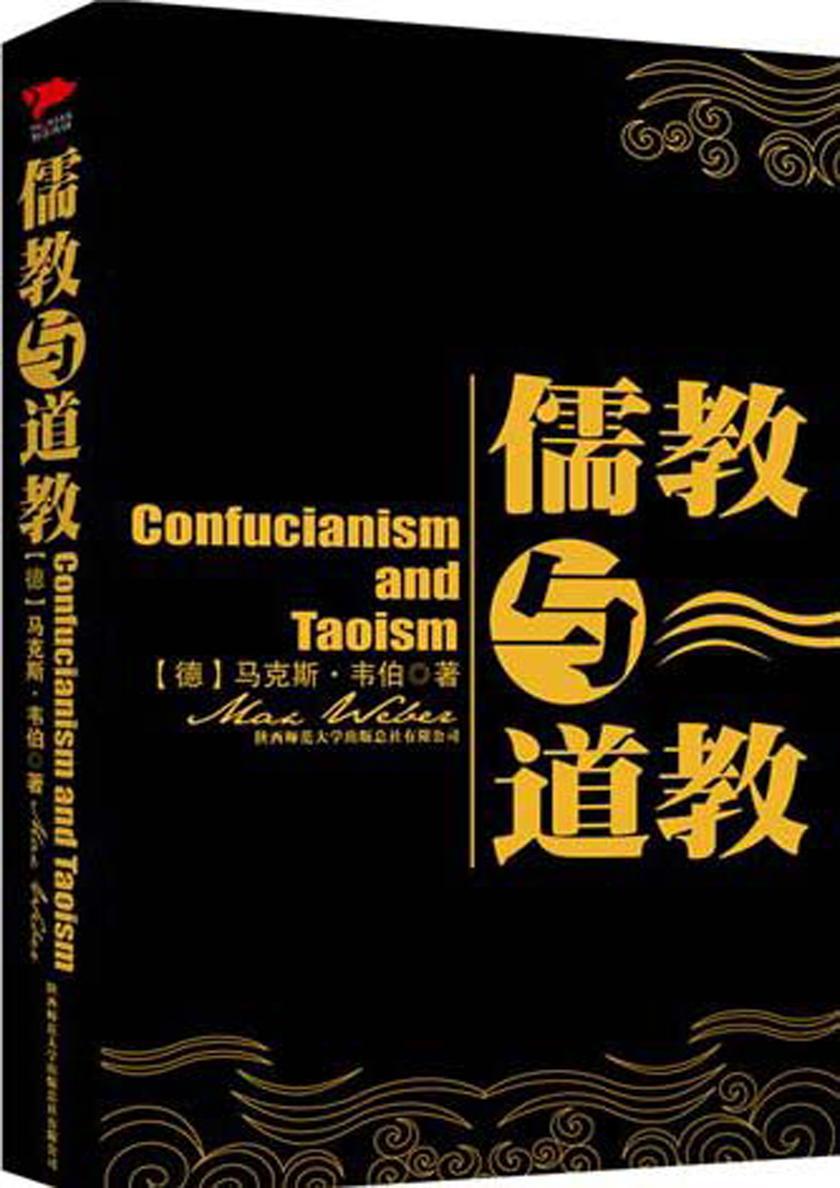
汇集了南怀瑾先生讲述儒家经典的所有著述。既有讲述人们熟知的“四书”(《论语》《孟子》《大学》《中庸》)的著述,又有讲述被奉为群经之首的《易经》和《周易·系辞》的著述。“四书”蕴含了儒家思想的核心内容,是儒学认识论和方法论的集中体现,更是中国传统文化中的核心要义;《易经》更被奉为群经之首,广大精微,包罗万象,是儒家、道家共同的经典,是中华文明源头和代表。南怀瑾先生讲经典,从不仅止于阐释经义,而是通过儒释道等思想的融会贯通,通过上下五千年人文历史的佐证,通过古今中外世事的投射,通过南先生自身的生命体认,把遥远的经典讲到了当代人的日常行止之中,讲到了当下人事的方方面面,让经典靠近读者。
一个当代的、大众的儒学——当代新荀学论纲(中国哲学新思丛书)
¥16.80
自宋明以来,儒学圈普遍尊孟抑荀,并且多从孟学立场曲解荀子思想。本书作者自2001年起,以“当代新儒家荀学派”的立场和“创造的诠释学”的精神,建构一个“当代新荀学”的基本理路,为当代儒学发展提供一个新的选择。本书的要旨如下:(1)跳出孟学立场的误读,彻底重读《荀子》,为荀学哲学找到一个全新的、等值的、比较符合华人心理倾向的表达形式,如天人合中有分、弱性善、积善成性等,可称作“荀子哲学的普遍形式”。(2)以此普遍形式为标准,将历代许多隐性的荀学思维挖掘出来,呈现一个完整壮阔的荀学哲学史。(3)本着“当代新儒家荀学派”的立场,表彰荀学(孔荀之学)的正当性,着明清自然气本论讲,建构一个具有本土现代性,能与当代文化、当代学术高度相容的,属于全民大众的“当代新荀学”。
诸子学略说
¥6.00
本书以《诸子学略说》和《诸子略说》为主,汇集太炎先生论诸子之大部分文字,精心编辑校而成。太炎先生治学,贯通经、史、子、集,其于先秦之儒、道、墨、法等家学说尤有深研究,其论诸子之是非得失,每有独到之见解,而又能深浅出引人胜。本书为太炎先生治诸子学之毕生心血,实为先秦诸子思想门之*读物。
道(南怀瑾独家授权定本种子书)
¥262.20
汇集了南怀瑾先生讲述道家经典的著述。主要包含了对《老子》《庄子》《参同契》《列子》等道家经典的讲解及对中国道教发展史的讲述。南怀瑾先生的学问打通了儒佛道三学,除了阐明道家经典的经义,更以佛入道,以儒论道,重重类比;并在讲解的过程中切入历史和现实,层层例证,使经义不离生活,不离当下,妙不可言。
漫谈传统文化(南怀瑾独家授权定本种子书)(南怀瑾独家授权定本种子书)
¥96.60
本套装是南怀瑾先生漫谈金融、历史、国学、教育、文化等内容的讲录,内容精蕴,包含广泛,凡各家学说、中西文化、人生学问,皆有所发挥阐发。先生讲述时,往往援古证今、切于时用,每每表现出中国传统文化的包罗万象和玄深妙用,以及他痴心、醉心于中华文明的缘由和立场。
中国儒教史(中)
¥50.00
“儒教是宗教”的判断是中华人民共和国成立以后在宗教和传统文化研究领域*重要的创新学说之一,它否定了近百年来学术界一致认为中国古代是“非宗教国”的定论,以丰富的资料,严密的论证、深刻的分析,流畅的语言叙述了儒教从产生到衰亡的历史,揭示了儒教的神祇系统、祭祀制度、教义教理等从创造到被取消的过程,阐明了儒者如何为实现上帝、神祇的意志而治国、修身,并从事相关的理论探讨。内容包括儒教和佛教、道教、中国伊斯兰教、中国基督教等相关关系,涉及宗教、哲学、科学、史学、文学诸文化领域。
国学大书院09:史记·本纪
¥10.67
《史记·本纪》主要写的是帝王,几乎每一个帝王都单独成章,连西楚霸王项羽,虽然未正式称帝,司马迁也对其行了全面的勾勒叙述,并且精彩纷呈,感人至深。这些具有代表性的人物故事或历史事件,帝王的胆识和谋略,反映了中国封建社会历史的发展演变、朝代兴衰更替的轨迹。
国学大书院17:反经
¥14.00
《反经》是一本实用性韬略奇书,由唐代赵蕤所著。它以唐以前的汉族历史为论证素材,集诸子百家学说于一体,融合儒、道、兵、法、阴阳、农等诸家思想,所讲内容涉及政治、外交、军事等各种领域,并且还能自成一家,形成一部逻辑体系严密、涵盖文韬武略的谋略全书。为历代有政绩的帝王将相所共悉,被尊奉为小《资治通鉴》,是丰富、深厚的汉族传统文化中的瑰宝。

购物车
个人中心