


 购物车
购物车 个人中心
个人中心
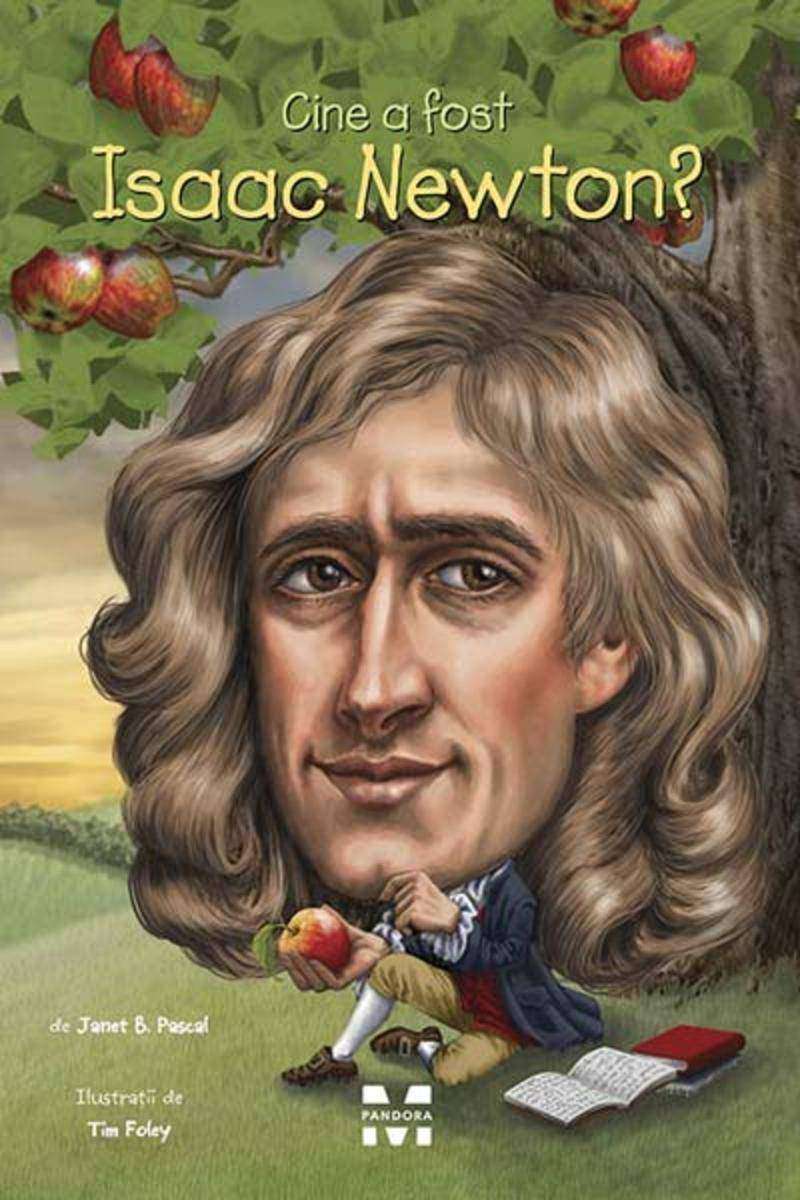
Cine a fost Isaac Newton?
¥32.62
Cartea de fa??, pe care cititorul o ?ine acum ?n m?n?, reprezint? o form? – literar vorbind, foarte complex?, fiindc? ea evolueaz? pe mai multe voci narative, dintre care doar unele ?i apar?in ?n mod direct autoarei – de exorcism. Geniul inimii e r?spunsul unui poet la o experien?? personal? plenitudinar?, ?n care bucuria ?i suferin?a se ?ntrep?trund reciproc pentru a exprima, ?mpreun? ?i tensionat, starea de gra?ie. Exist? o voce a experien?ei biografice ?n aceast? carte scris? febril, o alta de martor sau de participant la istorie, tot a?a cum exist? o voce a puterii ?i una a victimei. Deasupra tuturor st?, ?ns?, nu neap?rat triumf?toare, dar lucid-cerebral?, chemarea celor dou? credin?e pentru care merit? s? tr?ie?ti ?i s?-?i rememorezi via?a atunci c?nd ai ajuns cu ea la r?sp?ntie: credin?a ?n cultura modelelor care te-au precedat ?i credin?a deloc ingenu?, ci ivit? din cunoa?tere, ?n sacralitatea profund? a celor tr?ite ?i ?n transcenden??. (?tefan Borbély) A considera un text drept ?carte a ilumin?rilor mele“ ?i a a?eza ca titlu al primei p?r?i a volumului sintagma Povestea subteranei ne plaseaz? sub semnul aproape imposibil al drumului c?tre Sine, al cuprinderii, al denud?rii ?i al efortului de a ?n?elege un obiect al c?rui adev?r se va afla ?ntotdeauna ?n proximitatea pe?terii lui Platon. E un demers perpetuat, dar niciodat? epuizat ?i aproape exclus din plasma comunic?rii, care – ?n situa?ia ?romanului“ Aurei Christi – nu are coresponden?e, nu se apropie de experien?a budhist?, nici de prerogativele ocultismului de New Age, ci ne aduce ?n vecin?tatea ?ndemnului de pe frontispiciul templului lui Apollo din Delphi, preluat apoi, ca solu?ie ?ntre a fi ?i a p?rea, de c?tre Socrate: ?Cunoa?te-te pe tine ?nsu?i!“. Po?i ?nt?lni, pe acest drum, ?i acel daimonion care a str?juit g?ndirea aceluia?i ?n?elept atenian ca alt? fa?? a ?subteranelor“ fiin?ei, acolo unde lumina se ?ngem?neaz? cu ?ntunericul, stare ?poetizat?“ de Goethe, dar pr?bu?it? ?n tragic de Dostoievski. E o cobor?re spre ?n?elegere prin cuprindere ?i, implicit, prin atingerea nelimitatului. (Mircea Braga) Cartea Aurei Christi Geniul inimii pare o st?nc? masiv?, singuratic?, ?ntr-un peisaj ?mioritic“. Geniul inimii are originalitate ?i for??. Prima parte e liric?, a doua (?ntr-un fel) – o comedie negru-satiric?, a treia – predominant epic-narativ?. Prima parte este excelent?; mi-am ?nsemnat un num?r de poezii memorabile. A doua, ?n centrul ei mai ales, are sec?iuni, pasaje extrem de interesant-pl?cute-amuzante, ?n pofida tonului, uneori, foiletonistic. A treia e impresionant? ?n ansamblu, armonios-coerent?, de o sinceritate sf??ietoare. ?n tot volumul, istoricul, religiosul, subiectivul se leag? foarte frumos ?ntre ele. Nu-mi plac laudele la adresa lui Nietzsche! De fapt, cum se leag? acest autor de Biblie, de Evanghelii?! Aura Christi poate fi m?ndr? de o realizare major?, cu totul original?. Probabil, nu l-a citit pe romanticul britanic Wordsworth; dar el e cel care a scris (sau a ?nceput s? scrie) o memorabil? autobiografie ?n versuri. Pu?ini l-au continuat. Am putea spune c? Aura se num?r? printre cei pu?ini. (Virgil Nemoianu)

A fekete vér
¥8.67
The present publication is intended to supply a recognised deficiency in our literature—a library edition of the Essays of Montaigne. This great French writer deserves to be regarded as a classic, not only in the land of his birth, but in all countries and in all literatures. His Essays, which are at once the most celebrated and the most permanent of his productions, form a magazine out of which such minds as those of Bacon and Shakespeare did not disdain to help themselves; and, indeed, as Hallam observes, the Frenchman's literary importance largely results from the share which his mind had in influencing other minds, coeval and subsequent. But, at the same time, estimating the value and rank of the essayist, we are not to leave out of the account the drawbacks and the circumstances of the period: the imperfect state of education, the comparative scarcity of books, and the limited opportunities of intellectual intercourse. Montaigne freely borrowed of others, and he has found men willing to borrow of him as freely. We need not wonder at the reputation which he with seeming facility achieved. He was, without being aware of it, the leader of a new school in letters and morals. His book was different from all others which were at that date in the world. It diverted the ancient currents of thought into new channels. It told its readers, with unexampled frankness, what its writer's opinion was about men and things, and threw what must have been a strange kind of new light on many matters but darkly understood. Above all, the essayist uncased himself, and made his intellectual and physical organism public property. He took the world into his confidence on all subjects. His essays were a sort of literary anatomy, where we get a diagnosis of the writer's mind, made by himself at different levels and under a large variety of operating influences. Of all egotists, Montaigne, if not the greatest, was the most fascinating, because, perhaps, he was the least affected and most truthful. What he did, and what he had professed to do, was to dissect his mind, and show us, as best he could, how it was made, and what relation it bore to external objects. He investigated his mental structure as a schoolboy pulls his watch to pieces, to examine the mechanism of the works; and the result, accompanied by illustrations abounding with originality and force, he delivered to his fellow-men in a book. W. C. H. KENSINGTON, November 1877. THE LIFE OF MONTAIGNE The author of the Essays was born, as he informs us himself, between eleven and twelve o'clock in the day, the last of February 1533, at the chateau of St. Michel de Montaigne. His father, Pierre Eyquem, esquire, was successively first Jurat of the town of Bordeaux (1530), Under-Mayor 1536, Jurat for the second time in 1540, Procureur in 1546, and at length Mayor from 1553 to 1556. He was a man of austere probity, who had "a particular regard for honour and for propriety in his person and attire . . . a mighty good faith in his speech, and a conscience and a religious feeling inclining to superstition, rather than to the other extreme. Between 1556 and 1563 an important incident occurred in the life of Montaigne, in the commencement of his romantic friendship with Etienne de la Boetie, whom he had met, as he tells us, by pure chance at some festive celebration in the town. From their very first interview the two found themselves drawn irresistibly close to one another, and during six years this alliance was foremost in the heart of Montaigne, as it was afterwards in his memory, when death had severed it.

Despre via?? ?i moarte
¥32.62
Urm?nd acela?i tipar de p?n? acum (Logica elefan?ilor, Editura All, 2012), Ciprian V?lcan ?i Dana Percec au selectat c?te dou?zeci de eseuri care formuleaz?, ?ntr-o manier? doar aparent lejer?, un r?spuns la tot at?tea pretexte, culese cu ochiul colec?ionarului de caricaturi din presa rom?neasc? ?i interna?ional? sau din tomuri mai mult sau mai pu?in colbuite. Autorii inspecteaz? cu lupa ?i curiozitatea entomologului numeroase ?nt?mpl?ri, mesaje ?i personaje contemporane, ?ndemn?ndu-i pe cititori, prin stilul degajat ?i tonul convivial, s? se amuze pe seama absurdului din via?a de zi cu zi. Fie c? este vorba de politic?, sport, mod?, mass-media sau tribunale, de gastronomie sau vr?jitorie, eseurile demonteaz? adev?ruri mici, truisme, precum ?i pl?smuiri de tot felul. Fiec?rei p??anii evocate ?n pretext – unele ilare, cu miros de b?lci, altele aproape detestabile – autorii Metafizicii bicicli?tilor ?i r?spund ?n manier? diferit?, dar convergent?, contur?nd o nevoie de a r?scoli excesele lumii pentru a o ?ndemna s? se rea?eze.

Spre binele t?u. Mici crime ?n numele iubirii
¥32.62
Alchimia fericirii, publicat? ?n persan? (Kimiya?yi sa’adat), spre sf?r?itul vie?ii autorului, urm?re?te atenuarea tensiunilor dintre filosofii ?i misticii Islamului ?i scoate ?n eviden?? importan?a autodisciplinei ?i a ascetismului. Traducerea de fa?? are la baz? traducerea publicat? ?n 1910, ?n englez? de Claud Field (The Alchemy of Happiness) ?i este structurat? ?n opt capitole, aproximativ egale ca ?ntindere. Cartea de fa?? reune?te o serie de interpret?ri ale unor pilde cu con?inut religios evocate ?n Coran ?i ale unor idei exprimate de Mahomed, de al?i profe?i sau ?nv??ati musulmani. Chestiunile abordate de Al-Ghazali aduc ?n prim-plan ideea unei vie?i religioase exemplare. Astfel, el prezint? mai multe sfaturi pentru musulmanii pio?i. Raportul omului cu divinitatea, cu semenii s?i, cu rudele apropiate, dar ?i implica?iile religioase ale institu?iei c?s?toriei sau ale muzicii ?i dansului sunt printre cele mai importante subiecte din lucrarea lui Al-Ghazali. S? ?tii, o, preaiubite, c? omul nu a fost creat ?n glum? sau la ?nt?mplare, ci a fost f?cut ?ntr?un fel minunat ?i pentru un ?el ?nalt. Chiar dac? nu a existat dintotdeauna, el tr?ie?te ve?nic; ?i chiar dac? trupul s?u este slab ?i p?m?ntesc, spiritul ?i este m?re? ?i dumnezeiesc. ?i cu c?t este mai ales subiectul cunoa?terii noastre,cu at?t mai mare va fi ?nc?ntarea sim?it? ?n studierea acestuia; de exemplu, ne?ar face mai mult? placer s? ?tim secretele unui rege dec?t dac? am afla secretele unui ministru. V?z?nd c? Dumnezeu este cel mai ?nalt obiect posibil pentru cunoa?terea noastr?, cunoa?terea Sa trebuie s? ne d?ruiasc? mai mult? desf?tare dec?t oricare alta.
Utilitarismul
¥16.27
De La Boétie ofer? una dintre primele ?i cele mai clare explica?ii privind servitutea voluntar?, starea care define?te supunerea majorit??ii fa?? de minoritatea care de?ine puterea politic?. Este ?i va r?m?ne acela?i lucru, indiferent de scurgerea timpului: un eseu memorabil despre m?re?ia ?i micimile naturii umane, slujit exemplar de g?ndul ?i de pana unui geniu cu care timpul nu a avut prea mult? r?bdare.,,Dar, Dumnezeule mare, ce ?nseamn? asta? Cum s? numim aceast? nenorocire? Ce viciu ?ngrozitor e ?sta, s? vezi nenum?ra?i oameni, nu doar c? se supun, ci c? slujesc, nu c? sunt guverna?i, ci c? sunt tiraniza?i, neav?nd nici bunuri, nici p?rin?i, nici copii, nici m?car propria lor via???“ ?tienne de LA Boétie

Liberty Girl
¥19.05
Human reason, in one sphere of its cognition, is called upon to consider questions, which it cannot decline, as they are presented by its own nature, but which it cannot answer, as they transcend every faculty of the mind. It falls into this difficulty without any fault of its own. It begins with principles, which cannot be dispensed with in the field of experience, and the truth and sufficiency of which are, at the same time, insured by experience. With these principles it rises, in obedience to the laws of its own nature, to ever higher and more remote conditions. But it quickly discovers that, in this way, its labours must remain ever incomplete, because new questions never cease to present themselves; and thus it finds itself compelled to have recourse to principles which transcend the region of experience, while they are regarded by common sense without distrust. It thus falls into confusion and contradictions, from which it conjectures the presence of latent errors, which, however, it is unable to discover, because the principles it employs, transcending the limits of experience, cannot be tested by that criterion. The arena of these endless contests is called Metaphysic.Time was, when she was the queen of all the sciences; and, if we take the will for the deed, she certainly deserves, so far as regards the high importance of her object-matter, this title of honour. Now, it is the fashion of the time to heap contempt and scorn upon her; and the matron mourns, forlorn and forsaken, like Hecuba: At first, her gover Modo maxima rerum, Tot generis, natisque potens... Nunc trahor exul, inops. —Ovid, Metamorphoses. xiii under the administration of the dogmatists, was an absolute despotism. But, as the legislative continued to show traces of the ancient barbaric rule, her empire gradually broke up, and intestine wars introduced the reign of anarchy; while the sceptics, like nomadic tribes, who hate a permanent habitation and settled mode of living, attacked from time to time those who had organized themselves into civil communities. But their number was, very happily, small; and thus they could not entirely put a stop to the exertions of those who persisted in raising new edifices, although on no settled or uniform plan. In recent times the hope dawned upon us of seeing those disputes settled, and the legitimacy of her claims established by a kind of physiology of the human understanding—that of the celebrated Locke. But it was found that—although it was affirmed that this so-called queen could not refer her descent to any higher source than that of common experience, a circumstance which necessarily brought suspicion on her claims—as this genealogy was incorrect, she persisted in the advancement of her claims to sovereignty. Thus metaphysics necessarily fell back into the antiquated and rotten constitution of dogmatism, and again became obnoxious to the contempt from which efforts had been made to save it. At present, as all methods, according to the general persuasion, have been tried in vain, there reigns nought but weariness and complete indifferentism—the mother of chaos and night in the scientific world, but at the same time the source of, or at least the prelude to, the re-creation and reinstallation of a science, when it has fallen into confusion, obscurity, and disuse from ill directed effort. I do not mean by this a criticism of books and systems, but a critical inquiry into the faculty of reason, with reference to the cognitions to which it strives to attain without the aid of experience; in other words, the solution of the question regarding the possibility or impossibility of metaphysics, and the determination of the origin, as well as of the extent and limits of this science. All this must be done on the basis of principles. ABOUT AUTHOR: That all our knowledge begins with experience there can be no doubt. For how is it possible that the faculty of cognition should be awakened into exercise otherwise than by means of objects which affect our senses, and partly of themselves produce representations, partly rouse our powers of understanding into activity, to compare to connect, or to separate these, and so to convert the raw material of our sensuous impressions into a knowledge of objects, which is called experience? In respect of time, therefore, no knowledge of ours is antecedent to experience, but begins with it. But, though all our knowledge begins with experience, it by no means follows that all arises out of experience. For, on the contrary, it is quite possible that our empirical knowledge is a compound of that which we receive through impressions, and that which the faculty of cognition supplies from itself (sensuous impressions giving merely the occasion), an addition which we cannot distinguish from the original element given by sense, till long practice has made us attentive to, and skilful in separating it. It is, therefore, a question which requires close investigation, and not to b
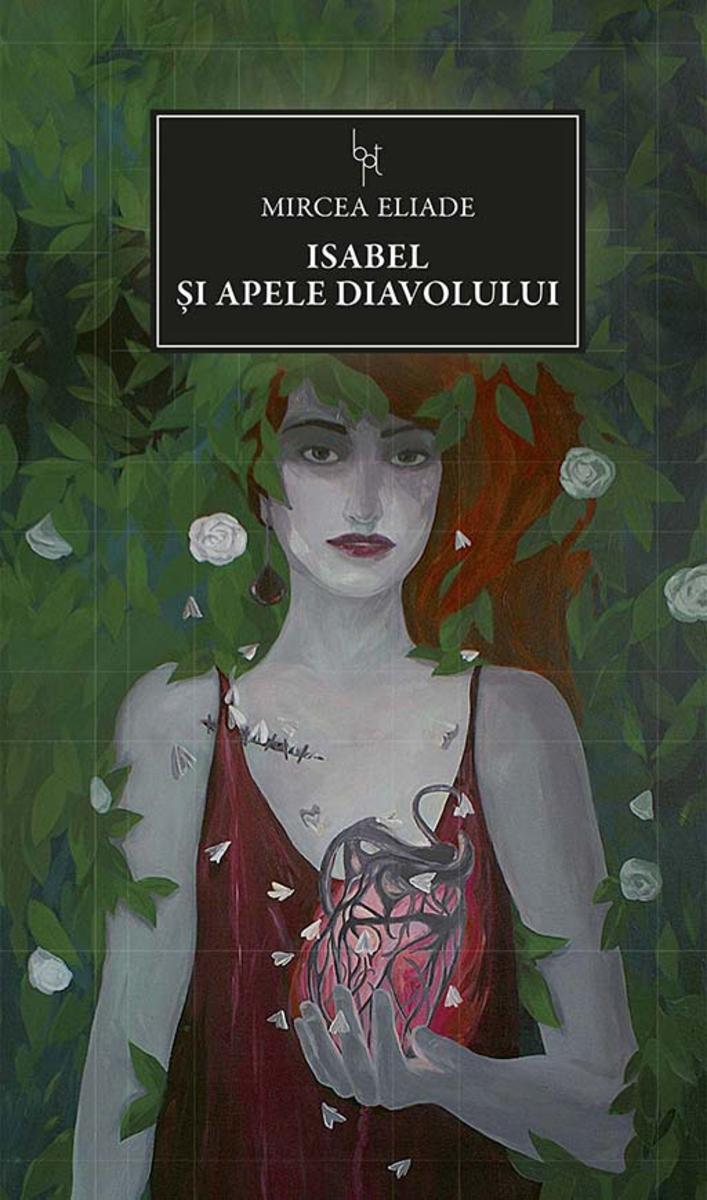
Isabel ?i apele diavolului
¥33.03
Tr?s?turi fundamentale ale unei concep?ii moderne despre lume?Cum se comport? filosofia c? art? fa?? de libertatea omului, ce este aceast? libertate, ?i dac? am ajuns s? ne ?mp?rt??im din ea, sau putem ajunge la acest lucru: iat? problema fundamental? a scrierii mele. Toate celelalte expuneri ?tiin?ifice au fost f?cute numai pentru ca, ?n cele din urm?, s? arunc?m ?i mai mult? lumin? asupra unei probleme care, dup? p?rerea mea, prezint? cea mai mare importan?? pentru om. ?n aceste pagini vrem s? d?m o filosofie a libert??ii.“ – Rudolf Steiner
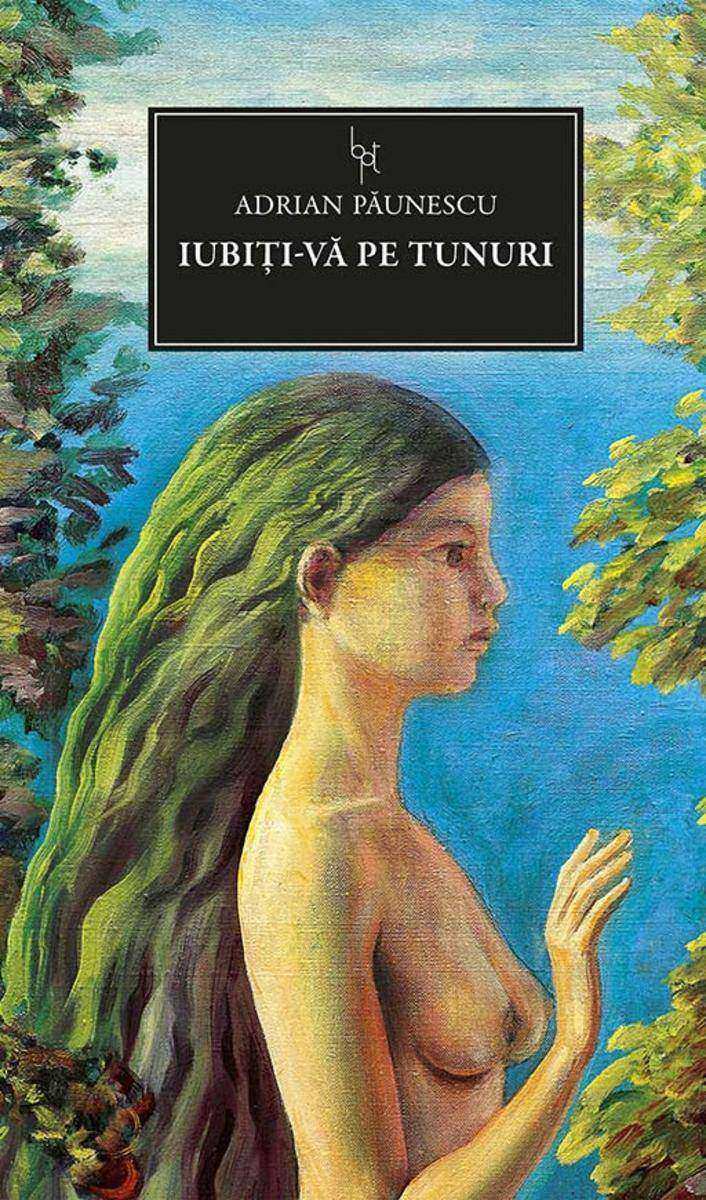
Iubi?i-v? pe tunuri
¥33.03
F?r? a propune o terminologie aristotelic? bine precizat? pe teritoriul limbii rom?ne, transpunerea de fa?? reprezint? un moment important ?n raportarea rom?neasc? la opera Stagiritului.Traducere de ?tefan Bezdechi efectuat? dup? textul grec publicat de W. Christ ?n colec?ia ?Teubner“, Lipsca, 1906. Pentru realizarea ei au fost utilizate urm?toarele surse:Die Metaphysik des Aristoteles, traducere ?n limba german? de J. R. V. Kirchmann, ap?rut? ?n dou? volume ?i prev?zut? cu note ample ?n colec?ia ?Philosophische Bibliothek“, numerele 38 ?i 39, la Berlin, ?n 1871;Aristoteles, Metaphysik, traducere ?n limba german? de Adolf Lasson, ?n care cele patrusprezece c?r?i ale Metafizicii sunt a?ezate ?ntr-o r?nduial? mai logic? dec?t a?a cum au fost transmise ?n originalul grec, traducere ap?rut? ?n 1924, la Jena;Aristote, Métaphysique, traducere ?n limba francez? de J. Tricot, cu o prefa?? de A. Diés, ap?rut? ?n colec?ia ?Bibliothèque des textes philosophiques“, J. Vrin, la Paris, ?n 1933.La marginea textului a fost trecut? pagina?ia edi?iei Bekker, dup? care se fac ?n mod obi?nuit cita?iile din opera lui Aristotel.Confruntarea traducerii a fost f?cut? de prof. Aram M. Frenkian.

MI6. Adev?ruri ?ocante despre istoria serviciilor secrete britanice
¥82.81
Volumul cuprinde dou? din cele mai reprezentative lucr?ri ?n care filosoful german ??i expune concep?ia moral?: ?ntemeierea metafizicii moravurilor (1785) ?i Critica ra?iunii practice (1788). ?n ?ntemeierea metafizicii moravurilor Immanuel Kant expune principiile moralit??ii, iar ?n Critica ra?iunii practice ??i construie?te propriul s?u sistem etic, ceea ce face ca aceasta s? fie considerat?, dup? Critica ra?iunii pure, a doua sa oper? fundamental?.?ntre cele dou? lucr?ri este o at?t de str?ns? leg?tur?, ?nc?t cunoa?terea numai a uneia din ele ne-ar oferi o imagine incomplet? asupra concep?iei sale morale.Immanuel Kant a avansat idei etice ?i ?n alte opere ulterioare (Religia ?n limitele ra?iunii – 1793 sau Metafizica moravurilor – 1797), dar numai ?n cele reunite ?n acest volum se ocup? de problemele teoretice ale moralit??ii.Traducerea a fost f?cut? dup? edi?ia german? din 1956 (Leipzig, Hrsg. Von Raymund Schimidt).

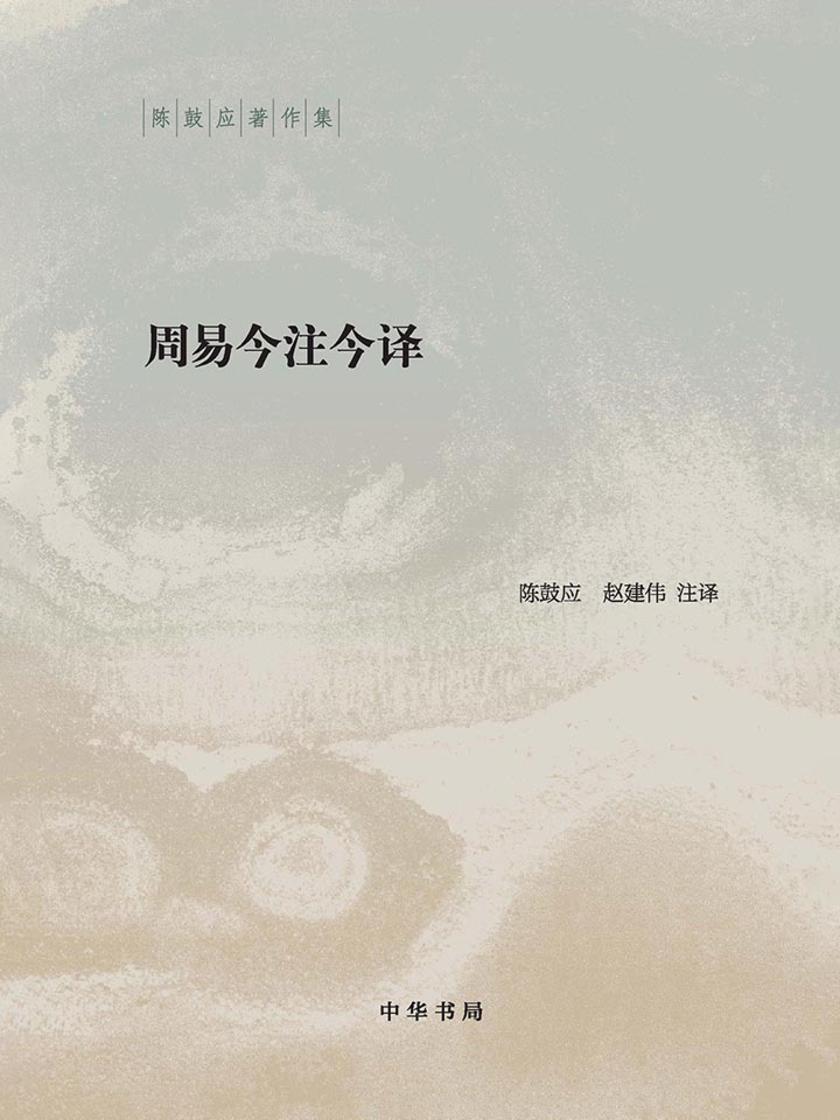
周易今注今译--陈鼓应著作集 (全二册) 中华书局出品
¥43.20
《周易》,又称《易经》,是古典哲学的源头,经文虽为占筮之书,但具有丰富的人生哲理,是我国重要的文化遗产。本书参考和征引帛书《周易》,从易学史、思想史、文字、音韵等多方面对《周易》经、传做出注译。全书思想脉络清晰,卦象解说分明,义例辨析清楚,占筮方法介绍简明,诠释系统完整,译文通俗易懂,适合初学者及广大《周易》爱好者阅读。

胡适的北大哲学课·贰
¥11.99
1917年7月,胡适受蔡元培之邀就任国立北京大学文科教授,讲授中国古代哲学史、中国名学、英文高等修辞学。胡适一边教学,一边编写教材。顾颉刚曾对同窗傅斯年推荐:“胡先生讲的的确不差,他有眼光、有胆量、有断制,确是一个有能力的哲学史家。” 自1919年至1937年间。胡适多次在北京大学讲授中国哲学史,而且主要是讲中古哲学史和近世哲学史,其中1919年2月出版的《中国哲学史大纲》(卷上)就是在讲义的内容基础上修定而成。胡适是首位采用了西方近代哲学的体系和方法研究中国哲学的人,由于他的出现,中国的思想史才初具规模。他在中国哲学史,甚至在各种专史和通史的研究方面,都是创性的,他觉得是中国哲学思想史的山鼻祖。 《胡适的北大哲学课》以胡适在北京大学的所有哲学讲义为母本,再综合胡适关于中国哲学的其他著作整理而成,力求为读者构建一个*全的胡适哲学体系,让读者*直的感受哲学大师的风采。

科学逻辑——逻辑推理与科学思维方法
¥34.80
提升科学逻辑能力的主要途径在于改思维方法,本书针对高中学生的特,从科学逻辑的实用角度来编写。全书分为演绎逻辑和归纳逻辑两大部分,不仅详细介绍了科学演绎和科学归纳的逻辑原理,而且结合丰富的科学案例来阐明如何发现问题、分析问题和解决问题,以此论述科学的逻辑方法,从而启发高中生的科学思维并提升其科学逻辑技能。
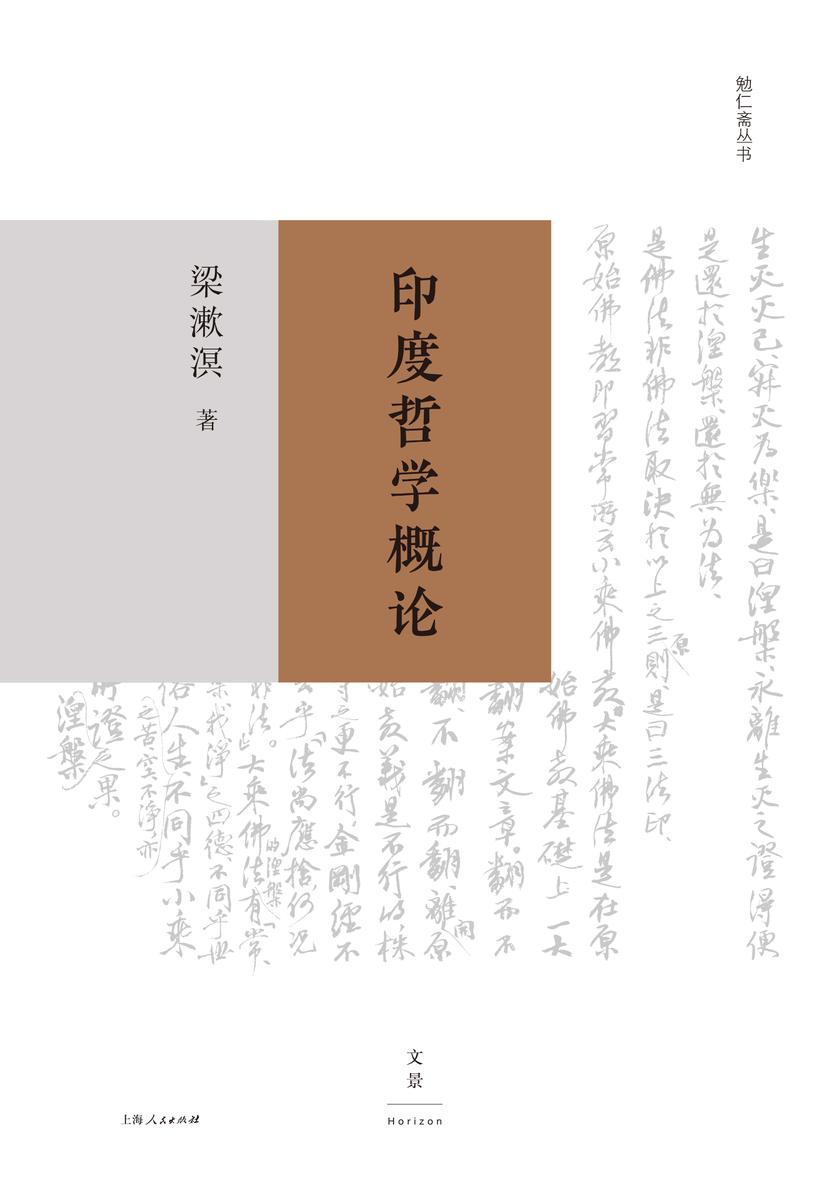
勉仁斋丛书:印度哲学概论
¥59.00
《印度哲学概论》原为梁漱溟于1918—1919年在北京大学哲学系教授印度哲学课程期间的讲义,后经修订由商务印书馆出版。全书分“印度各宗概略”“本体论”“认识论”“世间论”四篇,全面介绍了印度哲学各宗的思想及其与佛教的关系,启了学院派研究的先河,是中国现代印度哲学研究的典范之作。

马克斯·韦伯作品集(套装6册)
¥331.50
《中国的宗教:儒教与道教》是韦伯在宗教社会学上的第二本主要著作,与《新教伦理与资本主义精神》同属于三大卷本的《宗教社会学论文集》首卷。在本书中,韦伯专注于探索中国社会里那些与西欧不同的地方,以此突显西方基督教文明的特色,并且提出了一个问题:为什么资本主义没有在中国发展呢?韦伯所着手探讨的对象,特别是中国与印度,都是既庞大复杂又源远流长的文化体。身为西欧近代文明之子的韦伯遂以“理性化”作为其研究世界各大文化的“利器”。他的着眼在于:宗教与社会其他层面、理念与利益在人类文明的整体发展上究竟有着什么样的互动关系,在种种互动关系下呈现出怎样的理性内涵。韦伯在本书中分析了中国的国家、法律、城市、行会、士人阶层、正统礼教、异端信仰等,无非是想借此构筑出:中国人想的是什么、做出来的又是什么,以及所想与所做之间的关系。而儒教官绅知识阶层,在韦伯所构筑的传统中国历史舞台上,展现出使中国整体文明与西方文明大相径庭的坚实活力。
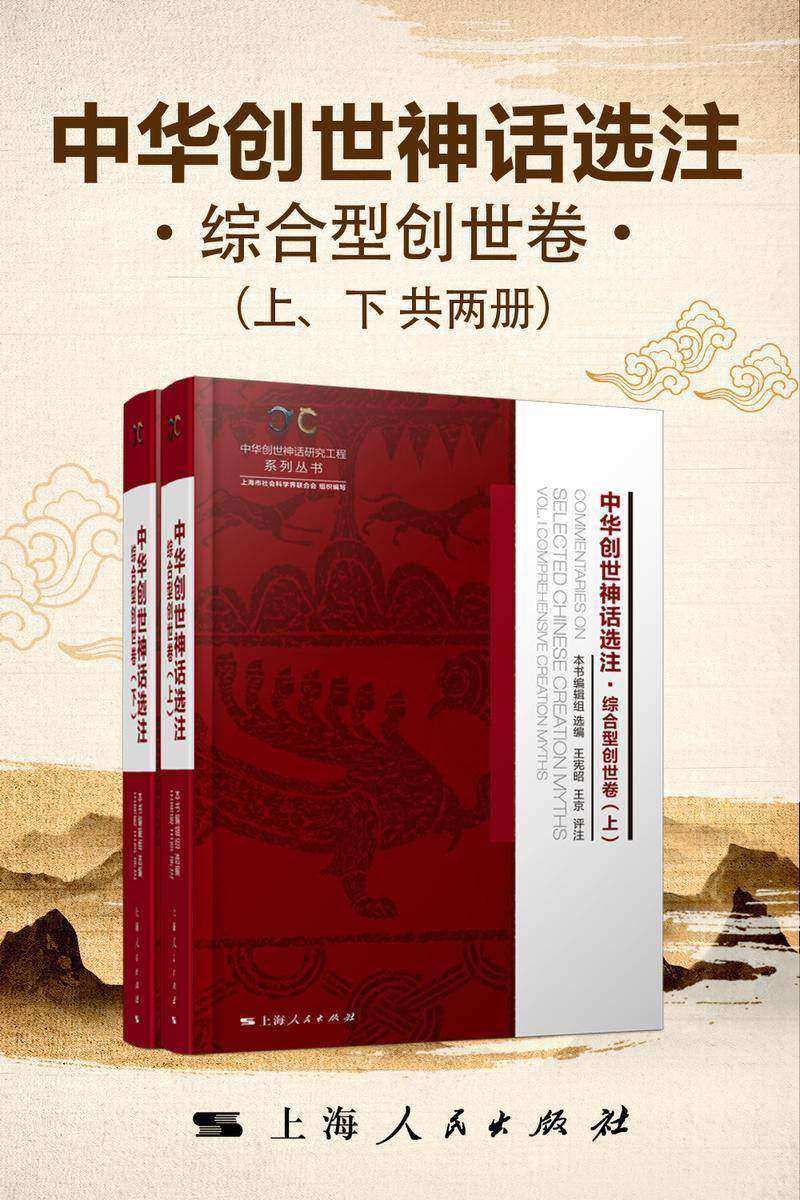
中华创世神话选注·综合型创世卷
¥199.99
中华民族在漫长的文明程中创造出许多优秀的神话。创世神话不仅是众多神话类型的主体,而且内容丰富,形式多样,往往蕴含着一种积极向上、奋发有为、敢于创新的民族精神。 《中华创世神话选注》将中华创世神话划分为综合型创世、神的起源、世界万物起源、人类起源、动植物起源、自然现象起源等六大类型,共选录各类创世神话3000余篇。本书选录的是综合型创世神话。每篇神话除尽可能呈现文本的原来面貌之外,还增添了相应的阅读提示、基本母题等信息,并对原文本出版信息作出必要的补充和规范,使用者能够据此对每篇神话文本的出处、流传情况、叙事主题、文化内涵、关键情节、基本母题等有所把握。

最低限度的道德:对受损生活的反思
¥36.00
本书是法兰克福学派批判理论的创之作,阿多诺于1944年在在美国流亡期间始写作本书,并于1949年完成,1951年出版。 源于作者自身“受损的生活”(他是被法西斯主义迫害流亡的知识分子之一),阿多诺以一种独特而具有发散性的文字,展示了日常行为中*微小的变化与20世纪*灾难性的事件之间的关系。他认为,美好、诚实的生活不再可能,因为人们生活在一个“不人道的社会”。通过敏锐的社会观察,阿多诺提供了他对从日常经验到晚期工业社会种种现象丰富的思想批判。

中华创世神话选注·神的起源卷
¥199.99
中华民族在漫长的文明程中创造出许多优秀的神话。创世神话不仅是众多神话类型的主体,而且内容丰富,形式多样,往往蕴含着一种积极向上、奋发有为、敢于创新的民族精神。 《中华创世神话选注》将中华创世神话划分为综合型创世、神的起源、世界万物起源、人类起源、动植物起源、自然现象起源等六大类型,共选录各类创世神话3000余篇。本书选录的是神的起源神话。每篇神话除尽可能呈现文本的原来面貌之外,还增添了相应的阅读提示、基本母题等信息,并对原文本出版信息作出必要的补充和规范,使用者能够据此对每篇神话文本的出处、流传情况、叙事主题、文化内涵、关键情节、基本母题等有所把握。
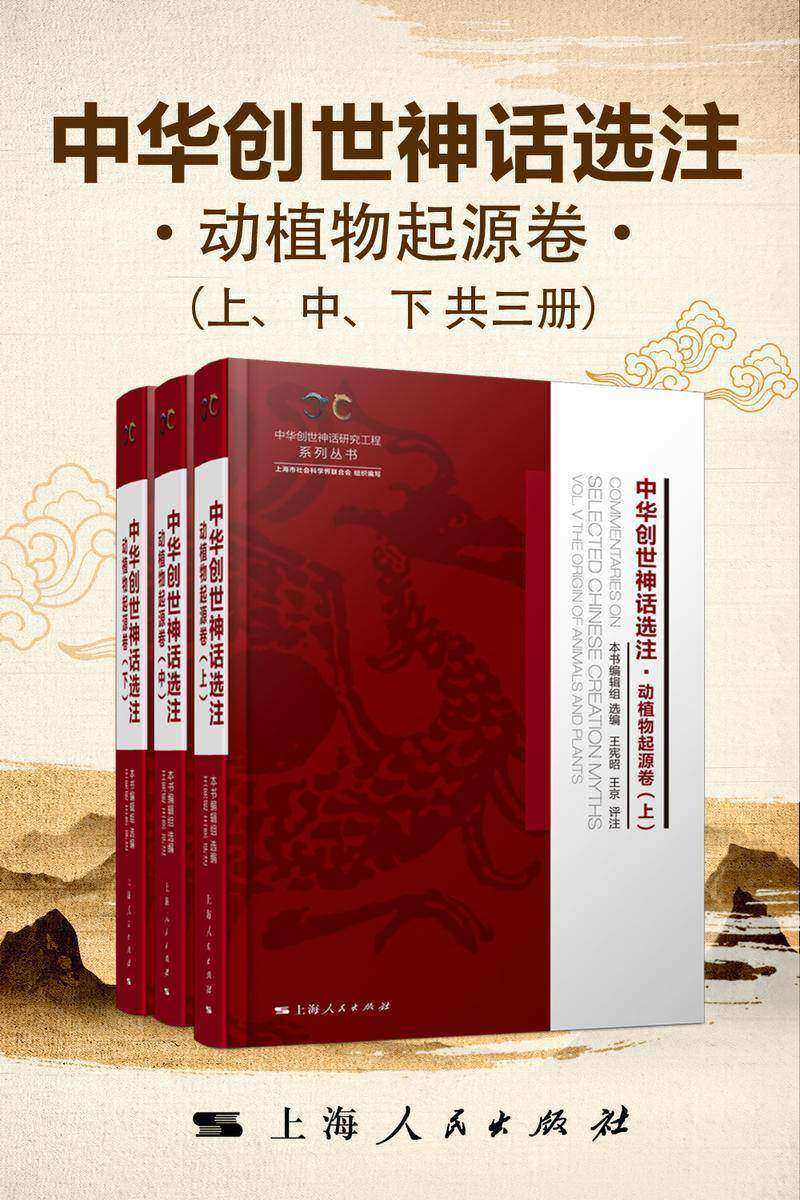
中华创世神话选注·动植物起源卷
¥210.00
中华民族在漫长的文明程中创造出许多优秀的神话。创世神话不仅是众多神话类型的主体,而且内容丰富,形式多样,往往蕴含着一种积极向上、奋发有为、敢于创新的民族精神。 ? ? 《中华创世神话选注》将中华创世神话划分为综合型创世、神的起源、世界万物起源、人类起源、动植物起源、自然现象起源等六大类型,共选录各类创世神话3000余篇。本书选录的是世界万物起源神话。每篇神话除尽可能呈现文本的原来面貌之外,还增添了相应的阅读提示、基本母题等信息,并对原文本出版信息作出必要的补充和规范,使用者能够据此对每篇神话文本的出处、流传情况、叙事主题、文化内涵、关键情节、基本母题等有所把握。

中国哲学新思丛书(套装共5册)
¥426.60
本套装包括《荀学探微》、《范仲淹与宋学精神》、《一个当代的、大众的儒学——当代新荀学论纲》、《新四书与新儒学》、《走下神坛的牟宗三》

李叔同说佛+梁启超说佛(套装共2册)
¥30.65
本书主要收集了弘一法师一生示佛徒的讲稿,和其晚年整理、辑录的处事格言。忠实地体现出弘一法师的佛学思想体系:以华严为境,四分律为行,导归净土为果。他平生重践履,讲谈要言不烦,而其慈悲的心怀则处处溢于言表。梁实秋曾称誉其讲稿“一字千金,值得所有人慢慢阅读、慢慢体味、用一生的时间静静领悟”,堪称能启悟世人的大德讲谈录。

大道
¥300.00
以绝为基础,以统一为主体,以相对为支体,所形成的具有系统性的法则。把与相对、有限与无限、基础与发展统一起来,就会形成具有方向、方法、路线的法则。三元素组成了它的基本框架,圆丶原子是它的载体。这就是哲学的根本法则,哲学和道法、自然法则、宇宙大法是“同出而异名″。


