


 购物车
购物车 个人中心
个人中心


中国哲学史新编-中(手绘插图版)(配102位中国古今哲人彩色画像,立体展现中国哲学史。)
¥26.66
本书是著名学者冯友兰的重要代表作。是自1980年以来,耗时十余年完成的“哲学思想新编”。全套书内容分为七册,以时代思潮为纲,以说明时代思潮为主,将中国哲学史划分为七个时代思潮:先秦诸子、两汉经学、魏晋玄学、隋唐佛学、宋明道学、近代变法、现代革命。体量庞大,广博而不芜杂,严谨而又生动,达到了文与质、博与约的统一。书中着重探讨了中国哲学中的精神境界学说,更使得本书具有探究人类精神发展史世界意义。 本版收录全七册内容,分为上、中、下三卷本,配有中央编译局研究员薛晓源博士手绘的中国古今著名哲学人物画像102幅,立体展现中国哲学史及哲学家的风采。

中国哲学史新编-下(手绘插图版)(配102位中国古今哲人彩色画像,立体展现中国哲学史。)
¥26.66
本书是著名学者冯友兰的重要代表作。是自1980年以来,耗时十余年完成的“哲学思想新编”。全套书内容分为七册,以时代思潮为纲,以说明时代思潮为主,将中国哲学史划分为七个时代思潮:先秦诸子、两汉经学、魏晋玄学、隋唐佛学、宋明道学、近代变法、现代革命。体量庞大,广博而不芜杂,严谨而又生动,达到了文与质、博与约的统一。书中着重探讨了中国哲学中的精神境界学说,更使得本书具有探究人类精神发展史世界意义。 本版收录全七册内容,分为上、中、下三卷本,配有中央编译局研究员薛晓源博士手绘的中国古今著名哲学人物画像102幅,立体展现中国哲学史及哲学家的风采。

韦伯作品集(套装9册)
¥479.50
《马克斯·韦伯作品集(套装9册)》包括《学术与政治》《新教伦理与资本主义精神》《社会学的基本概念;经济行动与社会团体》《支配社会学》《中国的宗教:儒教与道教》《印度的宗教:印度教与佛教》《宗教社会学 宗教与世界》《经济与历史 支配的类型》《法律社会学 非正当性的支配》。1.《学术与政治》一百年前的韦伯命题,今日知识人的共同困境。 2.《新教伦理与资本主义精神》韦伯代表性作品,探讨“资本主义”的根本性著作。 3.《社会学的基本概念;经济行动与社会团体》一本不可或缺的社会学入门书,深入了解韦伯学术的基础和核心概念,系统地展现了韦伯本人,对“理解社会学”研究典范的全盘性设计。 4.《支配社会学》对“权力与支配”的社会学研究,韦伯社会学“功力纯熟与精致的部分”,通过研究宗教与政治的交互影响,进一步探讨其与近代民主政治的关系。 5.《中国的宗教:儒教与道教》专注于探索中国社会与西欧不同的地方,以此突显西方基督教文明的特色,并且提出了一个问题:为什么资本主义没有在中国发展呢 6.《印度的宗教:印度教与佛教》对亚洲而言,举凡超越现实利益的思想,很少能不将其根源追溯到印度的,尤其是印度的救赎宗教,在整个亚洲地区扮演了类似于基督教的角色。 7.《宗教社会学 宗教与世界》研究宗教行为对于伦理与经济的影响及对于政治与教育的影响。宗教社会学是韦伯晚年研究核心所在,在比较宗教社会学中的地位举世公认。 8.《经济与历史 支配的类型》将韦伯作为历史学家的一面展现的淋漓尽致,通过韦伯对支配类型的研究使其与宗教、法律与经济史的研究贯串成一个完整的体系。 9.《法律社会学 非正当性的支配》法律到底是怎么来的?法律的演讲过程如何?深入浅出探讨了“法”的缘起与变化,阐明了法律与人的关系。

Reverie cu flori de cire
¥40.79
A fi rom?n? ?E o ru?ine!“, exclama Cioran. ?n ce m?sur? filosoful de la Paris avea dreptate? Ce ?nseamn? ?a fi rom?n“ ?ntr-o fals? tranzi?ie care aparent nu se mai termin?? La aceste ?i multe alte ?ntreb?ri ?ncearc? s? r?spund? scriitorul Ionel Necula ?n opus-ul de fa??, care ?nsumeaz? analize ale r?sturn?rilor sociale evidente, ?nregistrate ?n ultimii ?aptesprezece ani. Nu ?ntotdeauna comod, spiritul coroziv al autorului ??i spune cuv?ntul, av?nd uneori accente incendiare.

?tvenezer lándzsa: Anjouk - V. rész
¥75.54
"A megsemmisülés rejtélyes sz?vege egyszerre filozófiai traktátus, misztikus beavatás és poszthumán próza. A kortárs irodalomban egyre inkább feler?s?dik ez a nem-antropocentrikus hang, mely nem emberi sorsokat akar elbeszélni, hanem a nyelv és az ember k?z?s hiányt?rténetére mutat rá. ?Mennyien kapaszkodtak a létbe, mint egy végtelen fa t?rzsébe” - írja Horváth Márk és Lovász ?dám, hiszen az emberi állapot csak a társadalmi, nyelvi és metafizikai katasztrófa terében értelmezhet?. Apokaliptikus (neo)romantika és abszurd k?ltészet. Az utolsó ember kézik?nyve a túlélés lehetetlenségér?l."Nemes Z. Márió Az Idegenre hárult a sors ajándéka, hogy els?ként az utolsó emberek k?zu?l végignézze minden ku?ls?dleges k?telék pusztulását, és bizalmát lelkébe, s?t a lelkén is túlra helyezze, minden emberit maga m?g?tt hagyva. Minden ház gerendái k?z?tt barátságok és szerelmek jól táplált holttestei indultak oszlásnak, míg csak a csont fehérlett ki a vízb?l. Mint rég elhagyott kik?t?k tornyai, olyan hívogatóak voltak ezek a csontok az új kor embere számára.

新核心素养系列(套装共8册)
¥24.71
●从未有哪个时代像今天一样,科学让人类社会以肉眼可见的速度向前演化。这场两千多年的长程奔跑似乎来到了冲刺阶段,不断有人做出世界末日的预言,那么,科学*终带给我们的究竟是生存还是毁灭?科学研究的目的究竟是什么?科学能告诉我们*真理吗? 带着这样的终极关怀,《人人都该懂的科学哲学》首先讲述了科学脱离哲学、独立成长的过程,然后以智慧设计论、弦理论、占星术、有神论、社会建构主义、女性主义等充满争议的问题为例,辨析了科学的定义、方法和目的,科学和社会的关系。伟大的科学哲学家亚里士多德、笛卡儿、休谟、培根、波普尔、库恩等纷纷出场,上演了一场绵亘数千年的*辩论。 面对未来的挑战,无论人类能否破解“公地悲剧”、实现星际殖民、活到长生不老,杰弗里·戈勒姆以科学哲学的视角安慰我们:“当生命终结,人类文化仍然存在,只不过是存在于过去。希望它永远存在就太过分了,无异于希望巴黎时时处处是春天。” ●《人人都该懂的科学哲学》属于湛庐文化重磅推出的“新核心素养”系列图书之一。本系列图书致力于推广通识阅读,扩展读者的阅读面,培养批判性思考的能力。其中涵盖了哲学、心理学、法律、艺术、物理学、生物科技等诸多人文科学和自然科学的知识,其中《人人都该懂的科学哲学》的内容涵盖了科学哲学的核心思想,让你一本书了解科学哲学的核心智慧。

Ayk?r? Dü?ünceler
¥18.80
Diderot, tanr?sal, dinsel inanc?n yerine akl? ge?iren adamd?r, onun sava??m? buydu ve bütün k?r inan?lar? silip süpüren bu ak?l, g?rünen dünyay?, do?ay?, felsefenin, sanat?n, sa? t?renin temel ilkesi durumuna getirdi. Diderot’un yayg?n ?al??ma alan?n? olu?turan ilkedir bu. Maddeci ve gerekirci bir filozoftu. tanr?ya inanan ki?inin filozof olmayaca??n? s?yledi. 'K?rler üstüne mektup'taki k?r, kendini tanr?ya inand?rmaya ?al??an misyonere "bunun i?in tanr?ya parma??mla dokunmam gerekir" der. Diderot, bu yüzden hapse girdi. 'D'alembert'in dü?ü'nde, madde tanr?n?n yerini alm??t?r art?k. Madde devinim ve duyarl?l?kla donat?lm??t?r. Bilim gerekircili?in kan?t?d?r. Bütün varl?klar ?z?e birdir ve bir ge?i?, de?i?im, olu?um süreci i?inde bulunurlar. ?yle ise sa? t?renin temeli do?a olacakt?r. Do?as? gere?i insan iyidir, hristiyan sagtoresinin sand??? gibi do?u?tan günahkar de?il ve iyilikler de, k?tülükler de, düzenin, ko?ullar?n, e?itimin ürünüdür. ?nsan, bu gerekircilik anlay??? i?inde, ?zgür olamayaca?? i?in, su?lu da bulunamaz. bu üslama sonucu olarak sanat, do?ay? ?rnek almal?d?r. roman, resim, oyun ger?ek?i olmal?d?r. Diderot, bunlar? s?ylemekle kalmam??, romanlar? ve oyunlar? ile ?rneklendirmi?tir de ve ?a??n?n sanat??lar?n? bu a??dan de?erlendirmi?tir. Diderot, büyük sava??m? ve e?siz ?abas? ile insanl???n ba?tac?d?r bugün de ve onu b?ylesine unutulmaz k?lan i?lerinin ba??nda ise elbet 'ansiklopedi' gelir. 'Ansiklopedi', yunanca enkyklios paidela'dan yap?lm??t?r ve bütün bilimleri i?ine alan ??retim anlam?na gelir. s?zcü?ü bulan rabelais'dir (1532). Diderot ile d'alembert'in ansiklopedisine temel olan yap?t, ?ng?l?z chambers’?n cyelopaedia’s? idi; fakat diderot'nun etkisi ile ansiklopedi, bir ?eviri yap?t olmaktan ??k?p, gizemcili?e kar?? bilimin sava? alan? durumunu ald?. Bu yüzden de gerici ?evrelerin kar?? koymas?n? sonu?lad?. diderot, ya?am? boyunca ?al??t? 'ansiklopedi' i?in, bir?ok maddeyi kendisi yazd?. bu u?urda yepyeni ara?t?rmalara giri?ti, teknik de?i?mekte oldu?u i?in ortaya yeni ara?-gere?ler ??kmakta idi, bunlar? tan?d?, adland?rd?, tan?tt? ve fransa'y? ayd?nlanma ?a??'n?n avrupa'da g?zbebe?i durumuna getirdi. Ancak unutmamal? ki, bir ansiklopedi ortaya ??karan her ülkeyi ayd?nlanma ?a??'n? alg?lam?? sayamay?z. ?o?u ülkede bu tür yap?tlar, geni?letilmi? s?zlükler olmaktan ileri gidememi?tir. diderot’nun ansiklopedisi, toplu bilgi vermekten ?ok, dinsel inan?lara kar?? bilimlerin ??retimini üstlenmi?ti, demek yans?z de?ildi, metafizikle ve skolastikle ?arp???yordu..

Прода?ться все: Джефф Безос та ера Amazon
¥36.79
Dignità o miseria della natura umana? ?C'è un principio supposto prevalere tra molti che è del tutto incompatibile con ogni virtù o senso morale [...] Questo principio è che ogni benevolenza è mera ipocrisia, l'amicizia un inganno, lo spirito pubblico una farsa, la fedeltà un trucco per procurare fiducia e confidenza; e mentre tutti noi, in fondo, perseguiamo solo il nostro interesse privato, indossiamo questi bei travestimenti in modo da abbassare le difese degli altri ed esporli maggiormente alle nostre astuzie e macchinazioni?... Le meditazioni senza tempo di uno dei più grandi filosofi europei. SOMMARIO: Introduzione e avvertenza ai testi / Nota bibliografica: una mappa degli studi (di Fabrizio Pinna) - David Hume: Dignità o miseria della natura umana? / L'Amore di Sé. APPENDICE: Of the Dignity or Meanness of Human Nature; Of Self-love; My Own Life & Letter from Adam Smith, LL. D. to William Strahan, Esq.; Of the Reason of Animals; Of the Immortality of the Soul; Of Superstition and Enthusiasm; Of some Verbal Disputes. LE COLLANE IN/DEFINIZIONI & CON(TRO)TESTI

Nature
¥9.24
The Prince (Italian: Il Principe) is a political treatise by the Italian diplomat, historian and political theorist Niccolò Machiavelli. From correspondence a version appears to have been distributed in 1513, using a Latin title, De Principatibus (About Principalities). But the printed version was not published until 1532, five years after Machiavelli's death. This was done with the permission of the Medici pope Clement VII, but "long before then, in fact since the first appearance of the Prince in manuscript, controversy had swirled about his writings" Although it was written as if it were a traditional work in the Mirror of Princes style, it is generally agreed that it was especially innovative, and not only because it was written in Italian rather than Latin. The Prince is sometimes claimed to be one of the first works of modern philosophy, in which the effective truth is taken to be more important than any abstract ideal. It was also in direct conflict with the dominant Catholic and scholastic doctrines of the time concerning how to consider politics and ethics. Although it is relatively short, the treatise is the most remembered of his works and the one most responsible for bringing "Machiavellian" into wide usage as a pejorative term. It also helped make "Old Nick" an English term for the devil, and even contributed to the modern negative connotations of the words "politics" and "politician" in western countries. In terms of subject matter it overlaps with the much longer Discourses on Livy, which was written a few years later. In its use of examples who were politically active Italians who perpetrated criminal deeds for politics, another lesser-known work by Machiavelli which The Prince has been compared to is the Life of Castruccio Castracani. The descriptions within The Prince have the general theme of accepting that ends of princes, such as glory, and indeed survival, can justify the use of immoral means to achieve those ends.

Аnalyste
¥11.77
O que somos?De onde viemos?!Para onde vamos? A que caminhos a vida nos leva? Essas e outras quest?es aflitivas e de todos os tempos nos s?o solucionadas por León Denis neste opúsculo. Filho da dor, Denis sabe, como você também, o quanto viver, muitas vezes é sofrer. E por isso apresenta, de modo t?o leve a solu??o espírita, racional, para o problema do existir. Mais do que um livro de Filosofia espírita, você tem em m?os palavras de consolo e estímulo para que cada trope?o do caminho seja compreendido e por assim dizer, aproveitado! Venha acompanhar-nos nesta viagem e descubra, em rápidos parágrafos os porquês de sua vida, da nossa vida, do planeta, do Universo.? Aos poucos, entenderemos com a lógica espírita como tudo esta em seu devido lugar.

马克思主义哲学与中国道路(马克思主义理论研究与当代中国书系)
¥33.60
本书首先依据西方马克思主义探讨了马克思主义的“真精神”,特别是探讨了马克思主义与哲学,以及马克思主义哲学与本体论之关系,然后着重从马克思主义的思考角度和范式来审视和反思当今的世界,特别是当今的中国。本书通过对马克思走向政治经济学批判的三次飞跃的分析,发出了“回归政治经济学批判”的呼唤;用马克思两大发现的整体视角剖析了资本主义的“经济人”,并基于此对当今学术界的一些人无原则地宣扬“经济人”展了批判;揭示了改革放以来我国学术界理解马克思主义哲学的三种路向,特别是批判了对马克思主义做启蒙主义和后现代主义解释的缺陷;归纳了马克思主义哲学与中国道路的双向促;用马克思主义公平观审视了社会的不平等,用马克思主义生态观审视了生态危机;描述了“马中西”三大资源在中国道路中的交互汇通。

Пришестя робот?в.
¥31.07
"Wilde è profetico sin dalle prima righe, quando denuncia la prevalenza dell’emozione sulla razionalità, male principe del nostro tempo, e poi del pietismo sull’emancipazione, male di tanta politica di pseudo sinistra" (dall'Introduzione di Alfredo Sgarlato). Wilde: ?perché la vita raggiunga la sua più elevata perfezione, ci vuole qualche cosa di più. Ciò che ci vuole è l'individualismo?, ?Utopia? Una carta geografica del mondo in cui non sia segnato il paese dell'Utopia, non varrebbe la pena d'essere guardata, perché vi mancherebbe il paese in cui l'Umanità atterra ogni giorno. Ma non appena v'è sbarcata, ella guarda più lontano, scorge una terra ancora più bella, e spiega di nuovo le vele. Progredire significa realizzare l'Utopia?. SOMMARIO: Introduzione (di Alfredo Sgarlato) - Postfazione. Breve biblio-nota ai testi e alla traduzione (di Fabrizio Pinna) - OSCAR WILDE Società e libertà: elogio dell'individualismo - APPENDICE I Oscar Wilde, Rapporti fra il socialismo e l'individualismo (di Luigi Fabbri, 1913) - APPENDICE II The Soul of Man under Socialism (1891). LA COLLANA IN/DEFINIZIONI

O slobodi
¥37.20
Iako je napisao veoma zna?ajne radove iz drugih podru?ja filozofije?(npr. Sistem logike, gde izla?e na?ela induktivnog zaklju?ivanja, ili Utilitarizam, gde izla?e shvatanje da svako treba da dela tako da proizvede najve?u sre?u za najve?i broj ljudi), Mil je najtrajniji utjecaj ostavio svojim radovima iz politi?ke filozofije i etike. Njegovo delo O slobodi smatra se jednim od temeljnih tekstova savremenog liberalizma. U njemu Mil zagovara na?elo da je ljudsku slobodu dozvoljeno ograni?avati samo ukoliko ?teti drugima. Na?elo ?tete, kako se to na?elo ?esto naziva, u svojoj primeni na ure?enje dru?tvenih odnosa isklju?uje sve despotske i autoritarne oblike vlasti koji gu?e slobodu pojedinaca i njihovu individualnost. Od posebne va?nosti za sre?u pojedinca i dru?tva u celini jeste sloboda govora, koja ni?im ne sme biti ograni?ena. Na Milovoj raspravi O slobodi njen prevodilac, kralj Petar I Kara?or?evi?, tvorac dr?ave Srba, Hrvata i Slovenaca, zasnovao je svoj politi?ki program.

佛堂讲话
¥18.00
道源法师关于念佛的完整示,包括对念佛的目的、方法、功德等的详细的讲解,为修行净土宗的修行者提供了如何正确念佛的方便法门。

般舟三昧经
¥18.00
本经为现存大乘经典中*早时期问世的作品,也是有关弥陀经典中的*早文献,是净土经典的*早先驱。《般舟三昧经》说西方世界须摩提国阿弥陀佛有种种相好威仪庄严,放大光明。若有人一心系念此佛,经过一日夜或七昼夜,就可甚深禅定,面见此佛。 《般舟三昧经》归纳起来说,大体上有三个特:一、以持名念佛,往生净土;二、念佛三昧为一切三昧之王;三、禅净离合,归于净土。这三个特,为本经作为净土思想*先驱的地位和价值。 佛教徒以成佛作为自己修持的*终归宿。“般舟三味”的行持,能令十方诸佛现前。本经以有系统的层次揭“三昧”是确切可得的。

Csupasz csontok
¥58.21
DAVID HUME (1711 – 1776) was a Scottish philosopher, historian, economist, and essayist known especially for his philosophical empiricism and skepticism. He was one of the most important figures in the history of Western philosophy and the Scottish Enlightenment. Hume is often grouped with John Locke, George Berkeley, and a handful of others as a British Empiricist. Beginning with his A Treatise of Human Nature (1739), Hume strove to create a total naturalistic "science of man" that examined the psychological basis of human nature. In stark opposition to the rationalists who preceded him, most notably Descartes, he concluded that desire rather than reason governed human behaviour, saying: "REASON IS, and OUGHT ONLY to BE the SLAVE of the PASSIONS". A prominent figure in the sceptical philosophical tradition and a strong empiricist, he argued against the existence of innate ideas, concluding instead that humans have knowledge only of things they directly experience.. NOTHING is more usual and more natural for those, who pretend to discover anything new to the world in philosophy and the sciences, than to insinuate the praises of their own systems, by decrying all those, which have been advanced before them. And indeed were they content with lamenting that ignorance, which we still lie under in the most important questions, that can come before the tribunal of human reason, there are few, who have an acquaintance with the sciences, that would not readily agree with them. It is easy for one of judgment and learning, to perceive the weak foundation even of those systems, which have obtained the greatest credit, and have carried their pretensions highest to accurate and profound reasoning. Principles taken upon trust, consequences lamely deduced from them, want of coherence in the parts, and of evidence in the whole, these are every where to be met with in the systems of the most eminent philosophers, and seem to have drawn disgrace upon philosophy itself. Nor is there required such profound knowledge to discover the present imperfect condition of the sciences, but even the rabble without doors may, judge from the noise and clamour, which they hear, that all goes not well within. There is nothing which is not the subject of debate, and in which men of learning are not of contrary opinions. The most trivial question escapes not our controversy, and in the most momentous we are not able to give any certain decision. Disputes are multiplied, as if every thing was uncertain; and these disputes are managed with the greatest warmth, as if every thing was certain. Amidst all this bustle it is not reason, which carries the prize, but eloquence; and no man needs ever despair of gaining proselytes to the most extravagant hypothesis, who has art enough to represent it in any favourable colours. The victory is not gained by the men at arms, who manage the pike and the sword; but by the trumpeters, drummers, and musicians of the army. From hence in my opinion arises that common prejudice against metaphysical reasonings of all kinds, even amongst those, who profess themselves scholars, and have a just value for every other part of literature. By metaphysical reasonings, they do not understand those on any particular branch of science, but every kind of argument, which is any way abstruse, and requires some attention to be comprehended. We have so often lost our labour in such researches, that we commonly reject them without hesitation, and resolve, if we must for ever be a prey to errors and delusions, that they shall at least be natural and entertaining. And indeed nothing but the most determined scepticism, along with a great degree of indolence, can justify this aversion to metaphysics. For if truth be at all within the reach of human capacity, it is certain it must lie very deep and abstruse: and to hope we shall arrive at it without pains, while the greatest geniuses have failed with the utmost pains..

Dream Psychology: Psychoanalysis the Dreams for Beginners
¥28.04
Ralph Waldo Emerson, was born at Boston in 1803 into a distinguished family of New England Unitarian ministers. His was the eighth generation to enter the ministry in a dynasty that reached back to the earliest days of Puritan America. Despite the death of his father when Emerson was only eleven, he was able to be educated at Boston Latin School and then Harvard, from which he graduated in 1821. After several years of reluctant school teaching, he returned to the Harvard Divinity School, entering the Unitarian ministry during a period of robust ecclesiastic debate. By 1829 Emerson was married and well on his way to a promising career in the church through his appointment to an important congregation in Boston. However, his career in the ministry did not last long. Following the death of his first wife, Ellen, his private religious doubts led him to announce his resignation to his congregation, claiming he was unable to preach a doctrine he no longer believed and that "to be a good minister it was necessary to leave the ministry."With the modest legacy left him from his first wife, Emerson was able to devote himself to study and travel. In Europe he met many of the important Romantic writers whose ideas on art, philosophy, and literature were transforming the writing of the Nineteenth Century. He also continued to explore his own ideas in a series of voluminous journals which he had kept from his earliest youth and from which virtually all of his literary creation would be generated. Taking up residence in Concord, Massachusetts, Emerson devoted himself to study, writing and a series of public lectures in the growing lyceum movement. From these lyceum addresses Emerson developed and then in 1836 published his most important work, Nature. Its publication also coincided with his organizing role in the Transcendental Club, a group of leading New England educators, clergy, and intellectuals interested in idealistic religion, philosophy, and literature.

多诺万的门徒——二战时期美国四大间谍
¥28.90
《多诺万的门徒》聚焦美国战略情报之父——威廉?多诺万手下四位得力干将。他们四人“二战”时期在美国战略情报局局长多诺万领导下,在敌占区进行破坏、谍战、实施秘密行动,立下赫赫战功。 艾伦·杜勒斯(Allen Dulles),在战略情报局时期,所筹划的反轴心国间谍任务为成功;威廉·凯西(William Casey),铤而走险,成功地渗透纳粹德国;威廉·科尔比(William Colby),在封锁线后方、被占领的法国及挪威等地,带领战略情报局从事突击行动;理查德?赫尔姆斯(Richard Helms),在德国投降、柏林围墙倒塌之际,冒险筹划赴苏联的情搜计划。 四位个性迥异的局长,战后先后领导中情局。他们为美国实施全球战略东奔西忙,充当“冷战”急先锋,在旷日持久的冷战中先后黯然退出历史舞台,凄然离世…… 作者沃勒挖掘曾是“二战”机密的档案文件,访谈书中主角的家族成员及众多中情局同僚,让《多诺万的门徒》一书成为他继畅销书《美国中情局教父》之后的又一杰出力作。

文本的深度耕犁——后马克思思潮哲学文本解读 第二卷
¥52.80
本书是作者关于当代国外马克思主义及后马克思思潮哲学文本研究的多卷本论著《文本的深度耕犁》的第二卷,其内容主要是对西方后马克思哲学思潮中经典文献的文本学研究。在本卷中,作者以文本学的深度解读模式分别批判性地解读了阿多诺的《否定的辩证法》、德波的《景观社会》、鲍德里亚的《生产之镜》、德里达的《马克思的幽灵》和齐泽克的《意识形态的崇高对象》等重要论著。
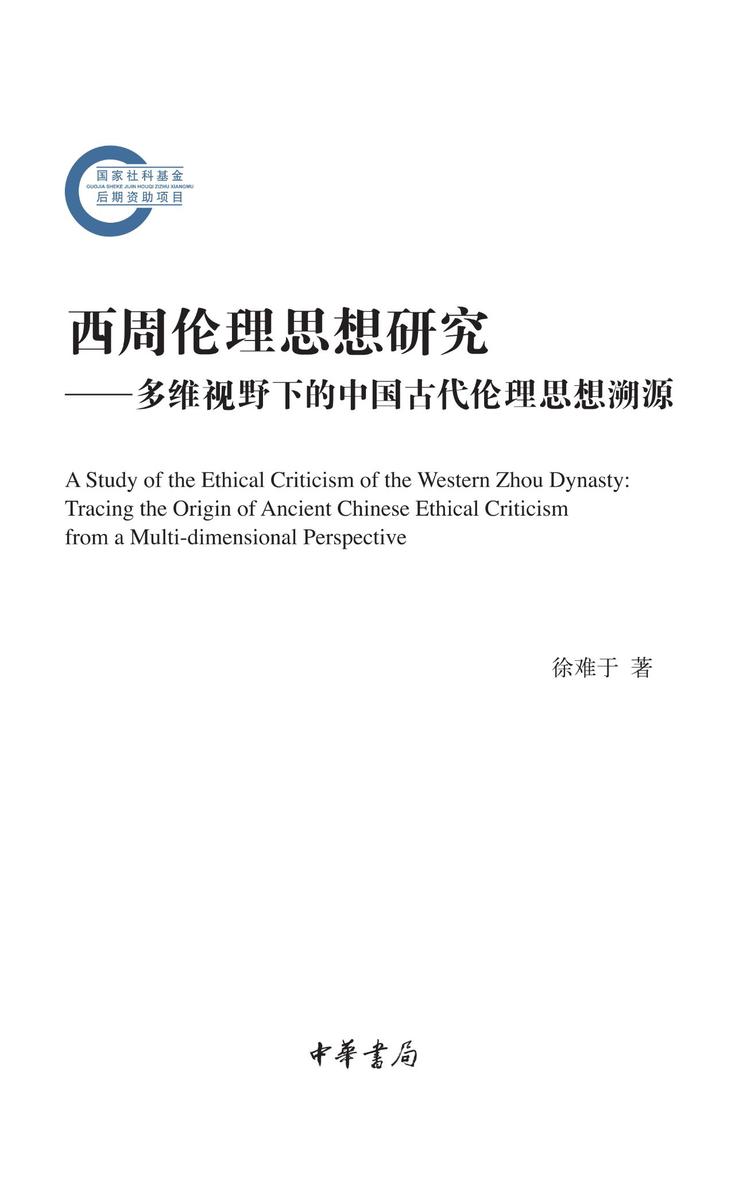
西周伦理思想研究--国家社科基金后期资助项目 中华书局出品
¥40.80
本书充分利用西周金文与传世文献史料,围绕宗教、伦理、政治互动的主线,对西周的孝友等血缘伦理思想,以及德、敬、肃、恭、勤、雍、和等政治伦理思想与善恶评价思想行宏观与微观的深探讨。在西周与古埃及的比较研究中,彰显西周“伦理思维发达”这一重要特征,并以双方族群格局差异为切,深探讨这一重要特征之成因。在西周与后世的比较视野下,围绕西周基本社会制度的伦理影响,深探研西周的“德治”思想及其“层级推衍治理”思想,从而揭示西周伦理政治思想的主要时代特征。

文本的深度耕犁(西方马克思主义经典文本解读·第一卷)
¥59.88
本书是作者关于当代国外马克思主义及后马克思思潮哲学文本研究的多卷本论著《文本的深度耕犁》之*卷,其内容主要是对西方马克思主义哲学中经典文献的文本学研究。在书中,作者*次以文本学的深度解读模式批判性地面对西方马克思主义的经典文本。本卷分别解读了青年卢卡奇的《历史与阶级意识》、施米特的《马克思的自然概念》、弗罗姆的《马克思关于人的概念》、科西克的《具体的辩证法》、萨特的《辩证理性批判》、阿尔都塞的《保卫马克思》和戈德曼的《隐蔽的上帝》等重要论著。


