


 购物车
购物车 个人中心
个人中心
Dincolo de bine ?i de r?u. Genealogia moralei
¥98.02
Doamna Marusia CIRSTEA, doctor in stiinte istorice, a investigat, in baza cercetarii unei extrem de bogate bibliografii si a unor studii intense in arhivele diplomatice si militare interne (Arhiva Ministerului de Externe al Romaniei - Bucuresti, Arhivele Militare Nationale – Bucuresti si Pitesti, Arhivele Nationale ale Romaniei - Bucuresti, Biblioteca Nationala si Biblioteca Academiei Romane, ambele din Bucuresti), o problema de mare interes, abordata pana acum de numerosi istorici romani si straini (Paul D. Quinlan, Elisabeth Barker, V. F. Dobrinescu, Gh. Pascalau, Ion Patroiu s.a.). Tocmai de aceea, meritul autoarei este cu totul deosebit, intrucat, bazandu-se pe rezultatele cercetarilor anterioare, dar, aprofundandu-le si completandu-le substantial cu documente inedite, este in masura sa realizeze o contributie stiintifica de reala valoare pe marginea evolutiei raporturilor politico-diplomatice intre Romania si Marea Britanie intr-una din perioadele cele mai captivante si mai dificile ale epocii contemporane – ajunul conflagratiei mondiale din 1939-1945. Asa dupa cum se subliniaza in ampla Introducere, problema cercetata ?constituie o tema de studiu si de reflectie importanta, interesanta si plina de invataminte, nu numai pentru istoricul de astazi, dar si pentru omul simplu, pasionat de istorie si, indeosebi, pentru politicianul si diplomatul care trebuie sa gaseasca solutii practice unor aspecte interesand raporturile internationale“ (p. 3). Astfel, dupa o pertinenta si documentata Introducere, care elucideaza si aspectele istoriografice ale cercetarii, autoarea realizeaza o consistenta monografie privind relatiile dintre Bucuresti si Londra intre 1936 si 1939, in cuprinsul a patru capitole judicios repartizate pentru a se asigura tratarea globala si unitara a materiei. De un mare interes si cu o importanta pondere in economia lucrarii se dovedesc, nu mai putin, Concluziile (pp. 200-213), Bibliografia (pp. 214-232) si cele 25 de Anexe (pp. 233-350).Ultimele luni de pace si inceputul celui de-al doilea razboi mondial, evolutia raporturilor anglo-romane in context fac obiectul celui de-al IV-lea capitol. Principalele evenimente tratate sunt, in ordine cronologica, faimosul caz Tilea; garantiile franceze si britanice acordate Poloniei, Greciei si Romaniei; rostul pactului sovieto-german din 23 august 1939 in politica europeana; declansarea razboiului si atitudinea Romaniei si, in sfarsit, proclamarea neutralitatii Romaniei in razboi vizavi de implicarea Marii Britanii in ostilitati. Temeinicia cercetarii este atestata de o bogata si sistematica Bibliografíe, care, fara indoiala, intregeste, in chip fericit, textul lucrarii. In acelasi timp, Anexele ingaduie specialistului si cititorului interesat sa aprecieze amploarea si seriozitatea investigatiilor arhivistice.
S? mori din dragoste
¥65.32
Un volum cuprinzand studii si documente descoperite in arhivele romane si straine (aproximativ 900 pagini) privind istoria conflictului mondial din 1939-1945 si a razboiului rece. Lucrarea reflecta, in esenta, batalia pentru informatii angajata intre serviciile de spionaj dupa 1939, pregatirea si infaptuirea loviturii de stat de la 23 August 1944, lupta pentru putere la nivelul conducerii P.C.R. (1944-1989), premisele loviturii de stat din 22 decembrie 1989, prabusirea statului comunist in Europa Est-Centrala e.t.c.

101 Amazing Facts about Fifth Harmony
¥19.52
Are you the world's most dedicated Harmonizer? Do you know more about Fifth Harmony than any other fan? Or do you want to discover some fantastic information about the girls who have taken the world by storm? If so, then this is the book for you! Contained within are more than one hundred amazing facts about everything, from the music to the relationships plus much, much more. The book is easily organised into sections so you can find the information you want fast, and is perfect for all ages. No Harmonizer should be without it!

101 Amazing Facts about The Vamps
¥19.52
Are you the ultimate Vampette or Vampion? Do you want to know even more about Brad, James, Connor and Tristan? If so, then this is the book for you! Contained within are 101 amazing facts about everything, from how the boys formed the band to their likes, dislikes and awards they have won plus much, much more. The book is easily organised into sections so you can find the information you want fast and is perfect for all ages.

A-Z of Sega Game Gear Games
¥19.52
The A-Z of Sega Game Gear Games: Volume 1 features reviews of three different games for each letter of the alphabet. The games range from the very earliest releases at the end of the eighties to the modern homebrew games of today. This book shows you just how diverse the library of titles is for the Sega Game Gear and how it Sega on the path to handheld success.

101 Amazing Facts about Eminem
¥19.52
Are you the world's biggest Eminem fan? Or do you want to know everything there is to know about the rapper and best-selling artist of the last decade?If so, then this is the book for you! Contained within are 101 amazing facts about everything, from his upbringing as Marshal Mathers III, how he got started in the music industry, his rocky relationship with Kim and much more. The book is easily organised into sections so you can find the information you want fast and is a great addition to any bookshelf.
On Heroes, Hero-Worship and the Heroic in History
¥19.52
Thomas Carlyle's fascinating work looks at the concept of the Hero by comparing a wide range of different types of heroic figures, including Odin, Shakespeare, Cromwell and the Prophet Mohammed.
101 Amazing Facts about Busted
¥19.52
Are you the world's biggest Busted fan? Or do you want to find out everything there is to know about Charlie, Matt and James?If so, then this is the book for you! Contained within are 101 amazing facts about everything, from how each of the bandmates got started in the music industry, their success both during and after their time with Busted, awards they have won and many more. The book is easily organised into sections so you can find the information you want fast and is a great addition to any fan's bookshelf.
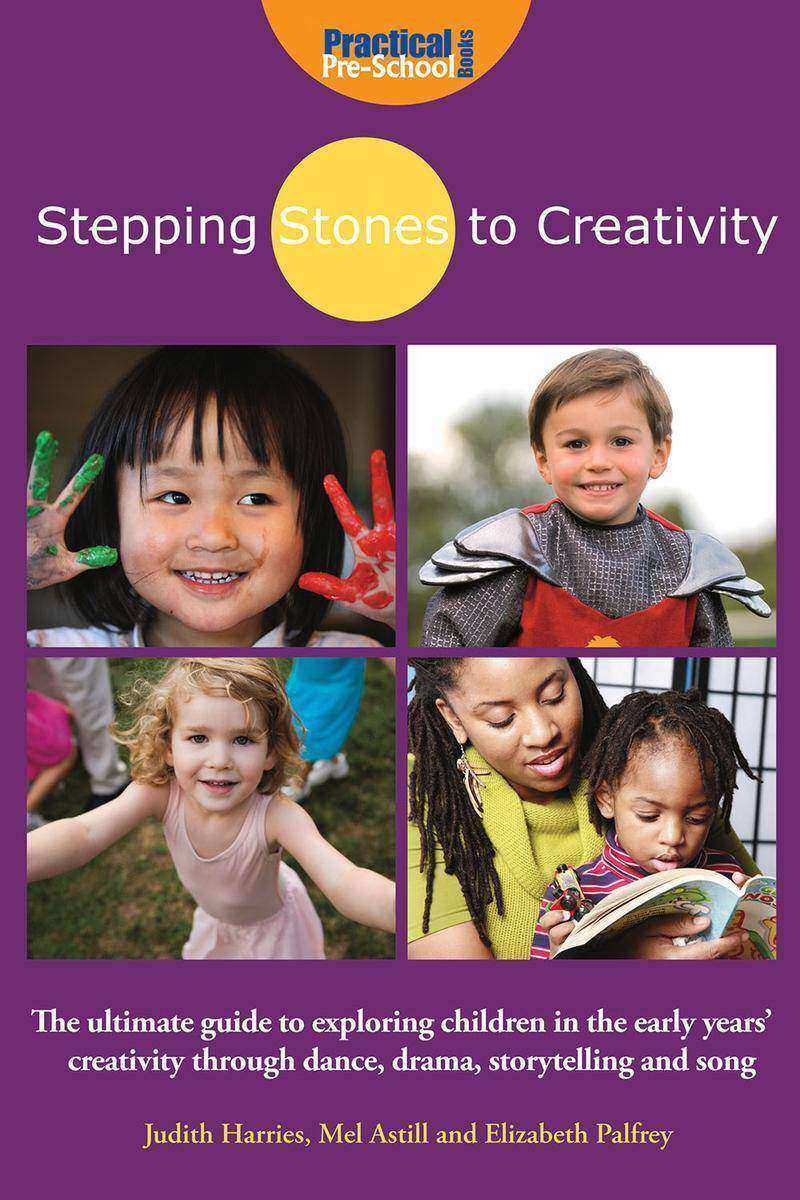
Stepping Stones to Creativity
¥186.29
This guide contains four books-worth of creative activities for the early years in one bumper-value guide.Perfect to dip into, this gem of a guide features:- Hundreds of easy-to-follow activities that cover 40 of the most popular early years topics- Each topic contains ideas for singing, dance, movement, storytelling, art and design, and drama- An easy-reference key showing which of the Creative Development Early Learning Goals are being exploredAn essential for anyone wanting new and creative ideas for use in topic work with the early years. This book is a compendium of all the activities from the following four Stepping Stones to Creativity titles: Dance and Movement; Design, Art and Modelling; Stories, Songs and Rhymes and Drama and Role Play.
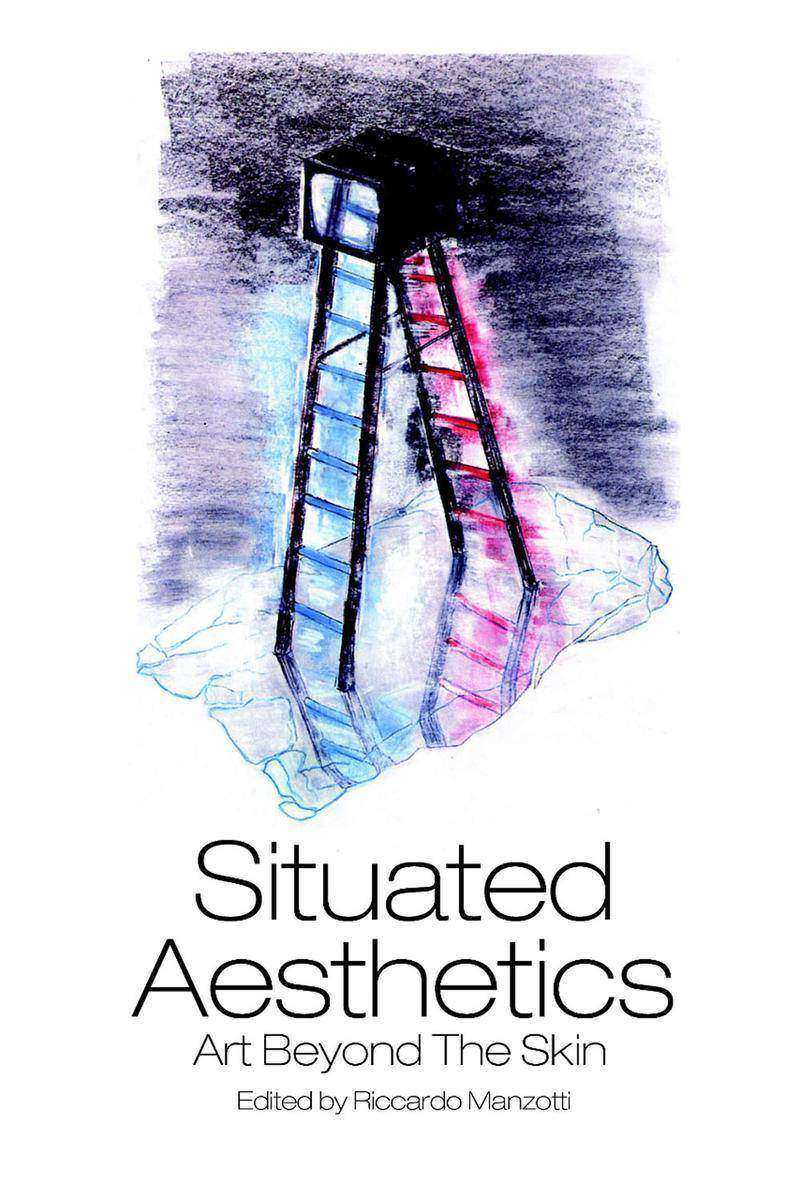
Situated Aesthetics
¥132.34
This book focuses on externalist approaches to art. It is the first fruit of a workshop held in Milan in September 2009, where leading scholars in the emerging field of psychology of art compared their different approaches using a neutral language and discussing freely their goals.The event threw up common grounds for future research activities. First, there is a considerable interest in using cognitive and neural inspired techniques to help art historians, museum curators, art archiving, art preservation. Secondly, cognitive scientists and neuroscientists are rather open to using art as a special way of accessing the structures of the mind. Third, there are artists who explicitly draw inspiration out of current research on various aspects of the mind. Fourth, during the workshop, a converging methodological paradigm emerged around which more specific efforts could be encouraged.
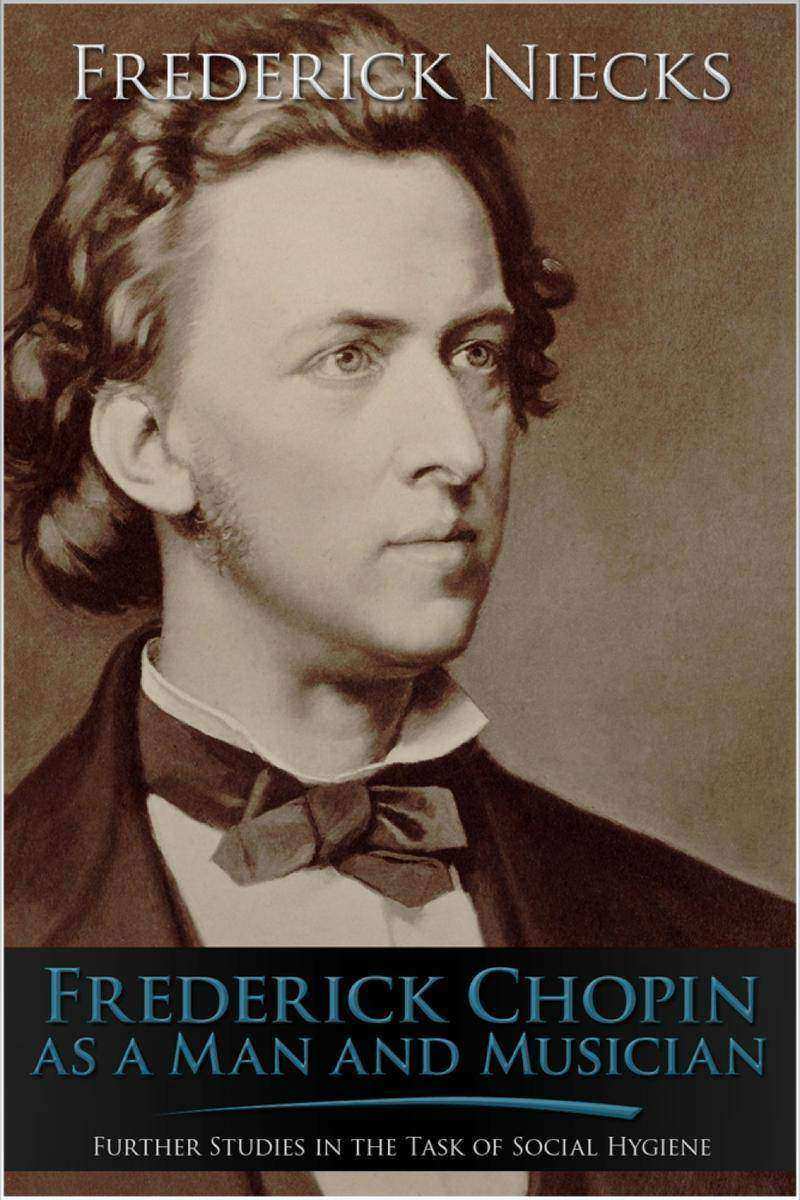
Frederick Chopin
¥19.52
Frederick Nieck's fantastic biography of the famous Polish composer Frederic Francois Chopin.
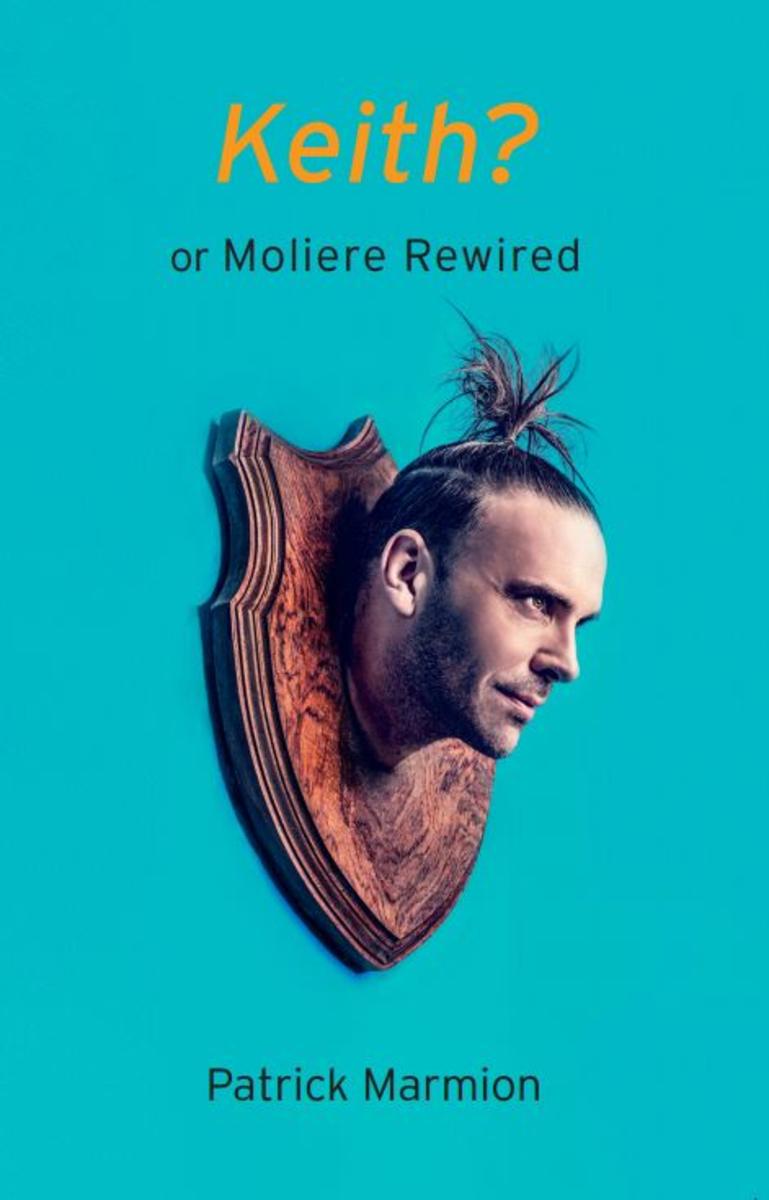
Keith? or Moliere Rewired
¥40.79
… A South African gunrunner turned Buddhist monk.… A gullible startup millionaire.… His radical feminist ex wife.… Their aid worker daughter.… The young British Muslim she met in Syria.… An ethical Serbian hitman.And an unstable Brazilian cleaner.Modern Britain. Moral chaos. Total nightmare.A new comedy about life in Brexit Britain, the lies we tell to each other – and to ourselves.
Motown Music Quiz Book
¥19.52
How well do you know your Motown Music? This Quiz book will test even the most avid fan, with questions that span Motown's bands and songs! Test yourself and your friends with this Motown Music Quiz Book.

60s Music Quiz Book
¥19.52
How well do you know your 60's Pop Music? This Quiz book will test even the most avid fan, with questions that span the 60's bands and songs! Test yourself and your friends with this 60's Pop Music Quiz Book.

Second Book of Operas
¥19.52
Written as a follow-up to 'A Book of Operas', this is another comprehensive study of several great operas from the renowned musicologist Henry Edward Krehbiel. Includes in-depth analyses of: Samson and Delilah and other biblical operas Die Konigin von Saba Herodiade Lakme Pagliacci Cavalleria Rusticana The operas of Mascagni Iris Madame Butterfly Der Rosenkavalier Konigskinder Boris Godounoff Madame Sans-Gene The operas of Wolf-Ferrari
On Art and Artists
¥220.63
These critical essays on art and artists by T.G. Rosenthal, chosen by the author from his considerable output over more than fifty years of writing and reviewing, focus mainly on what has come to be known as 'Modern British' art - art from the 20th century. Rosenthal knew many of his subjects personally and some became friends: Michael Ayrton; Arthur Boyd; Ivon Hitchens; Thelma Hulbert; L. S. Lowry; Sidney Nolan; Paula Rego. There are also essays on Wyndham Lewis, Jack B. Yeats and the paintings of August Strindberg. There is a profile of Walter and Eva Neurath, founders of the art-book publishers Thames & Hudson, the author's first employers; an essay on Anti-Semitism in England; and an obituary of Matthew Hodgart, who at Cambridge, influenced and developed Rosenthal's knowledge and passion for literature.
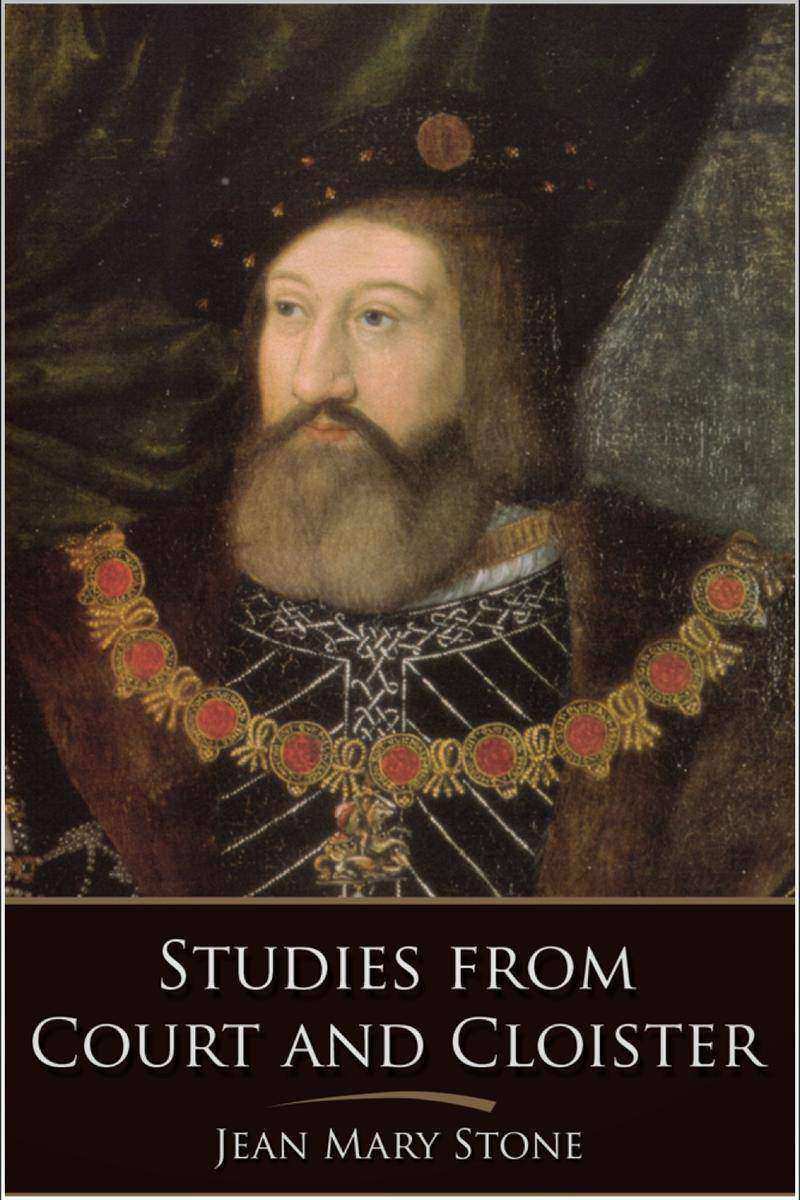
Studies from Court and Cloister
¥19.52
A fascinating collection of studies about religion and politics during the later years of the Middle Ages. Includes essays on many topics, including the influence of Henry VIII, the Tower of London, the various English translations and illuminations of the Bible, and the Society of Jesus.

101 Amazing Facts about Trees
¥19.52
Did you know that you can use a tree stump as a compass? Do you know what makes Maple trees explode? What do the leaves of an oak tree look like? And where is the tallest tree in the world? The answers to all of these questions and more can be found in this excellent quick-read guide to trees. Whether you're a dedicated arborologist or are just interested in this often overlooked yet wonderful area of nature, then this book containing over one hundred fascinating facts is the book for you.
101 Amazing Mumford & Sons Facts
¥19.52
Are you a fan of world-famous folk rock band Mumford & Sons? Do you want to know everything there is to know about the multi-instrumentalist Grammy-award-winning chart-toppers? If so, then this is the book for you.Contained within are over one hundred amazing facts about everything from how the band got together to facts about Marcus Mumford's amazing talents, awards the band have won, their singles, albums and much, much more. Get the facts you want quick!

101 Amazing Justin Timberlake Facts
¥19.52
Are you the world's biggest Justin Timberlake fan? Or do you want to know everything there is to know about the SexyBack superstar, actor and ex *NSYNC singer?If so, then this is the book for you! Contained within are 101 amazing facts about everything, from how Justin got started as both a singer and as an actor, his love life, awards he has won and much more. The book is easily organised into sections so you can find the information you want fast and is perfect for all ages!

Happy Passion
¥63.67
Jacob Bronowski (1908-1974) lived through what he described as 'the two great catastrophes of the twentieth century: the rise of Hitler in 1933 and the dropping of the atomic bombs in 1945', and yet the keynote of his astonishingly rich and varied life and work was an enduring optimism. Bronowski was a professional scientist, scientific administrator, poet, philosopher, dramatist and television and radio personality, possessing an energy and versatility that make him a rare figure in our cultural history. His final achievement, the groundbreaking television series The Ascent of Man, first shown in 1973, influenced and inspired millions of ordinary people by bringing an awareness of human evolution and the adventure of science into their homes. Anthony James describes his own journeys to key locations in Bronowski's television series The Ascent of Man, from Auschwitz, a monument to human depravity that has haunted the conscience of contemporary society, to Iceland, where democracy in northern Europe was born more than a thousand years ago. Bronowski would not have been surprised by our dilemmas today, but he would have insisted that confidence in our ascent as a species is a far greater force than the cynical destructiveness of politicians. Although human beings are inevitably fallible, the pursuit of knowledge is, in Bronowski's philosophy, an adventure: in his own words a 'happy passion'.


