


 购物车
购物车 个人中心
个人中心

The Final, Unfinished Voyage of Jack Aubrey: Aubrey/Maturin series, book 21
¥66.22
At the time of his death, Patrick O'Brian had begun to write a novel to follow on from Blue at the Mizzen, the twentieth book in the classic series. These are the chapters he had completed of the final voyage of Jack Aubrey and Stephen Maturin. Now they are available for the first time in electronic book format. The story picks up from the end of ‘Blue at the Mizzen’ when Jack Aubrey receives the news, in Chile, of his elevation to flag rank: Rear Admiral of the Blue Squadron, with orders to sail to the South Africa station. This novel, unfinished and untitled at the time of O’Brian’s death, would have been a chronicle of that mission, and much else besides. The chapters left on O’Brian’s death are presented here both in printed version – including his corrections to the type* – and a facsimilie of his manu*, which goes several pages beyond the end of the type* and includes marginal notes by O’Brian. And so this great ‘roman fleuve’ comes to an end with Jack, with his ‘sacred blue flag’, sailing through fair, sweet days – Stephen with his dissections and new love, Killick muttering darkly over the toasted cheese… Of course, we would rather have had the whole story; instead we have this proof that O’Brian’s powers of observation, his humour and his understanding of his characters were undiminished to the end.

Diamond in the Rough (Mills & Boon Cherish) (Kate's Boys, Book 1)
¥24.53
Miranda Shaw's world shattered the instant her star pitcher father was accused of cheating--and her family was destroyed forever. Decades later, the last thing she needed was some sportswriter digging into their business. No matter how handsome and charming he was...Mike Marlowe knew there was more to the story--and to the beautiful, elusive woman who stirred him even more than sniffing out a scoop. But Miranda was as fiercely protective of her heart as she was of her family name. Mike's relentless pursuit of the truth could rob him of the real headline:true love!

Her Favourite Holiday Gift (Mills & Boon Cherish) (Back in Business, Book 5)
¥24.53
Mills & Boon Blush series brings you moving, true-to-life romancesColleen Delaney would never forget the night she and Eric Nelson went from law school sparring partners to lovers. Now, after years apart, the irresistible attorney was back in her life in a major way as they went head-to-head in a high-stakes case. With the future of the Taka-Hanson hotel empire at stake, Eric couldn't afford to lose. But he was up against a gorgeous, take-no prisoners lawyer just as determined to win. If only their attraction would stop getting in the way. That was when Eric decided to give Colleen a special gift for the holidays one that came straight from the heart.
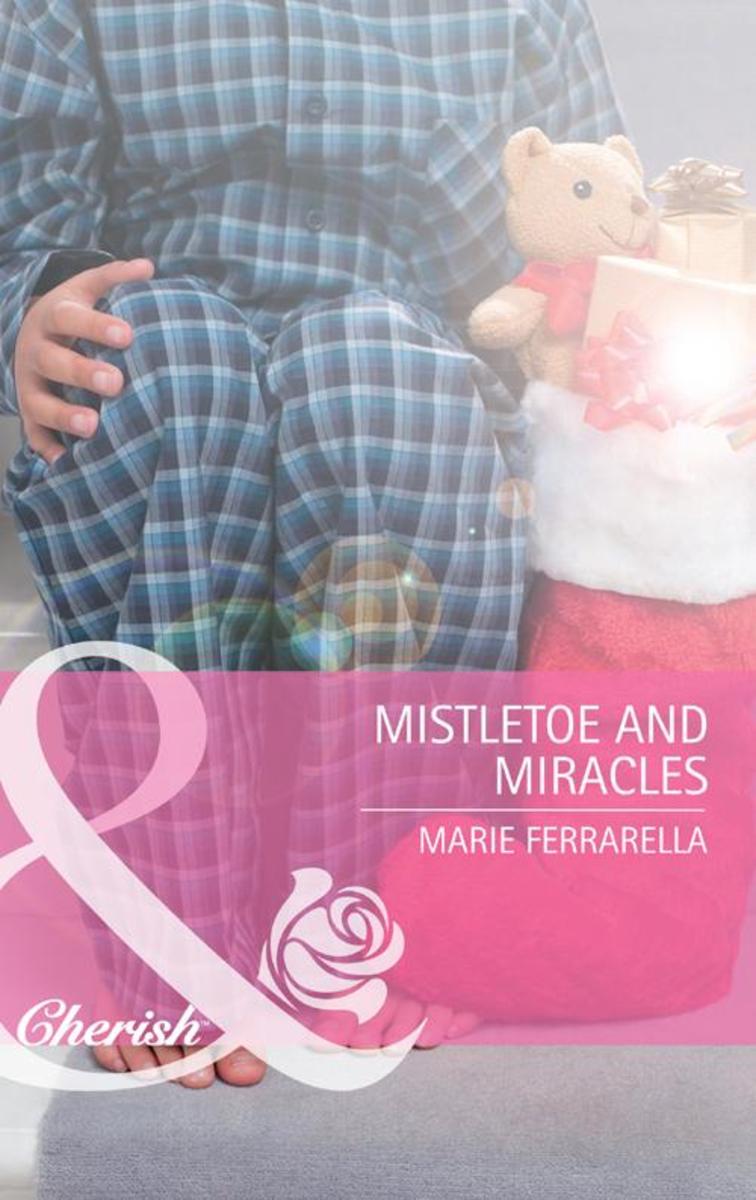
Mistletoe and Miracles (Mills & Boon Cherish) (Kate's Boys, Book 3)
¥24.53
You can get through to him. I know you can.Though he heard her words, Trent Marlowe knew he had to be dreaming. What were the odds that Laurel would just reappear after vanishing seven years before? She'd turned his heart to stone and he wanted to keep it that way. Then he learned the real reason for her visit....Laurel would regret leaving Trent until the day she died. She'd disappeared with a litany of secrets too shameful to confide in a man she'd never stopped loving. But now she desperately needed him to help her troubled young son. Yet how could she fight the desire Trent was reigniting? And the bittersweet yearning for a second chance?

Snowbound (Mills & Boon Superromance)
¥28.35
Enjoy the dreams, explore the emotions, experience the relationships. Stranded with a sexy soldier… A mountain blizzard, an enigmatic war veteran and an isolated cabin – not what Fiona MacPherson expected when she set out on a trip into the mountains with her students! Taking shelter from the storm at John Fallon’s lodge, Fiona is drawn to the quietly commanding battle-scarred warrior. When her arrival shatters John’s solitude, his world shifts on its axis. As the storm rages outside, John’s feelings for the sweet teacher get stronger. The ex-soldier faces his hardest fight – finding the courage to reach out to the remarkable woman who has transformed his life!
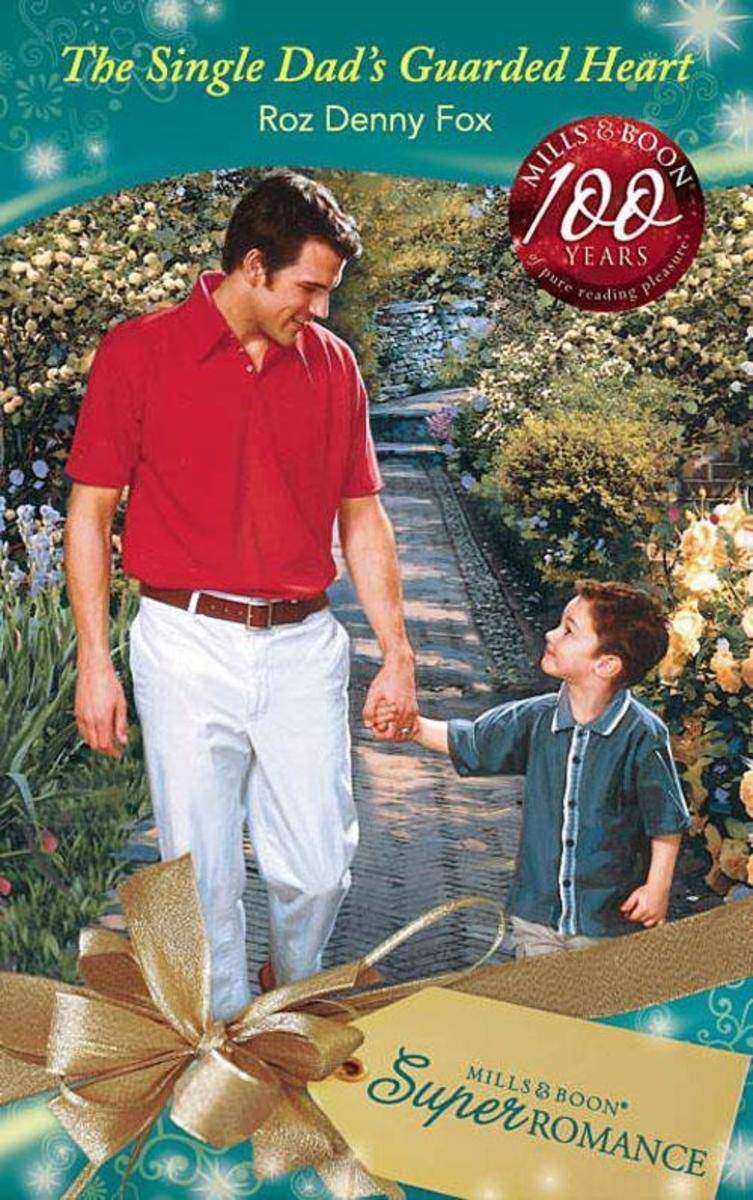
The Single Dad's Guarded Heart (Mills & Boon Superromance)
¥28.35
Enjoy the dreams, explore the emotions, experience the relationships. Fly away home Park ranger Wylie Ames doesn’t want a wife. His son, Dean, and he are getting on just fine on their own. But when Marlee Stein comes home to help run her family’s charter air service, their easy way of life comes crashing to the ground. First Dean falls for Marlee and her little daughter, Jo Beth. Suddenly there’s a distinctly feminine presence in their bachelor lifestyle. Then a tentative friendship forms between Marlee and Wylie. He’s been guarding himself from happiness for so long, Wylie almost doesn’t know how to ask for more – but surprisingly, wonderfully, things start to change between them…
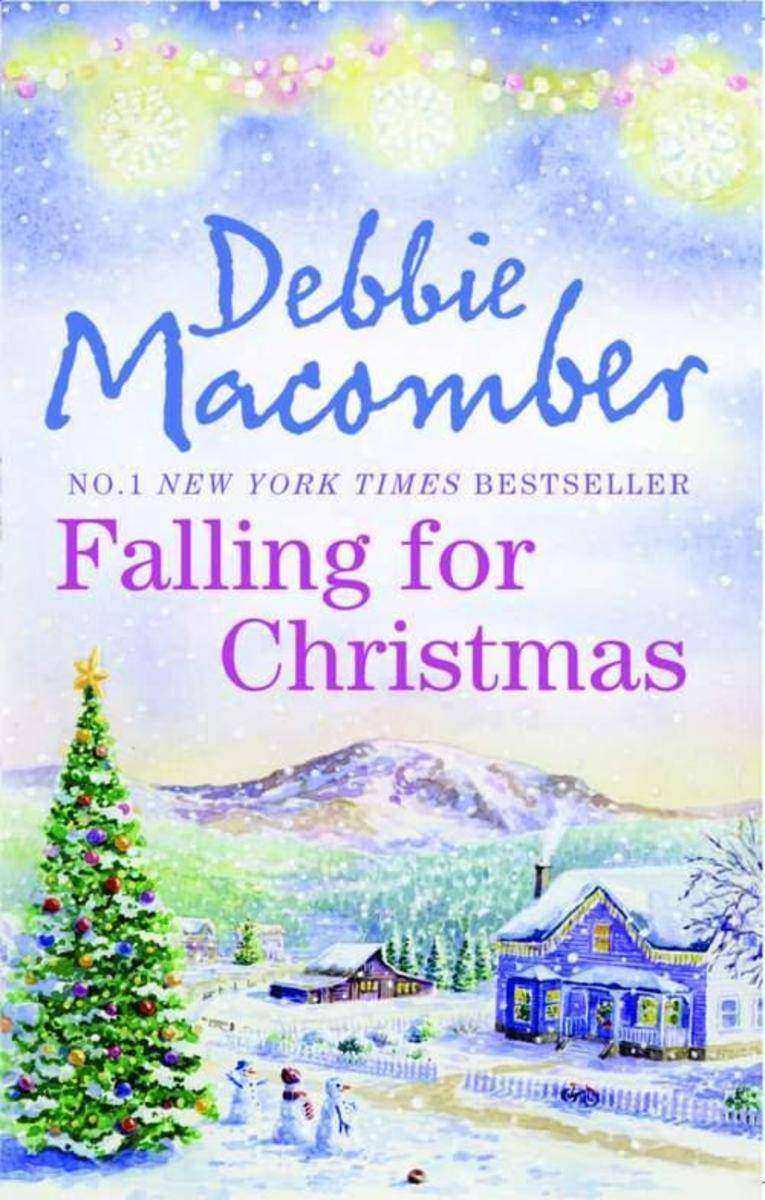
Falling for Christmas:A Cedar Cove Christmas , Call Me Mrs. Miracle
¥58.86
Mother-to-be Mary Jo Wyse arrives in Cedar Cove on Christmas Eve, pregnant and alone. However, the people of Cedar Cove are happy to lend a hand. There’s more than enough hope and love to go round this Christmas!
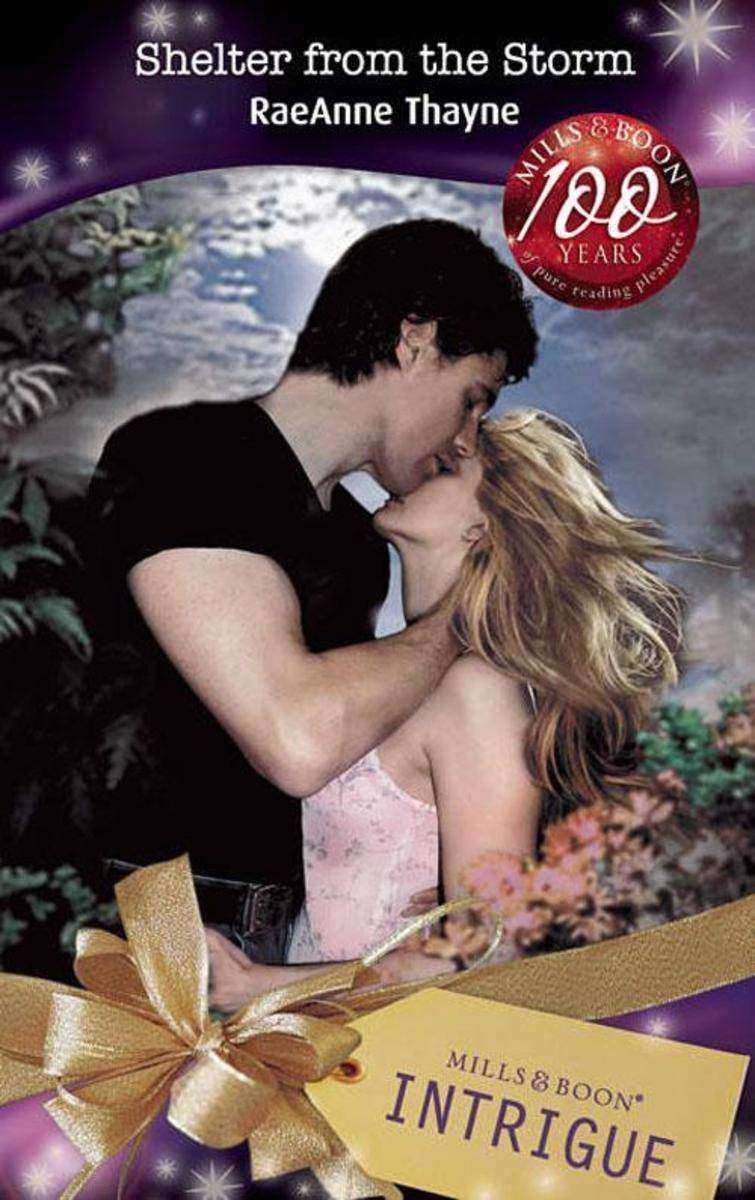
Shelter from the Storm (Mills & Boon Intrigue)
¥24.13
Diagnosis:desire Six foot and spicy hot, Sheriff Daniel Galvez wasn’t the kind of man women said no to. Unless you were Lauren Maxwell. Years ago, Daniel had worked a case that had destroyed her family…and her trust in men. Now Lauren’s come home, a trauma doctor, all cool-eyed and distant – and in need of a strong lawman to help her safeguard a battered teenage patient. Holed up together, Daniel swears to bridge the distance between them – even if it means having his own heart broken again.
Anita and Me
¥66.22
Nine-year-old Meena can’t wait to grow up and break free from her parents. But, as the daughter of the only Punjabi family in the mining village of Tollington, her struggle for independence is different from most. Meena wants fishfingers and chips, not chapati and dhal; she wants an English Christmas, not the usual interminable Punjabi festivities – but more than anything, she wants to roam the backyards of working-class Tollington with feisty Anita Rutter and her gang. Blonde, cool, aloof, outrageous and sassy, Anita is everything Meena thinks she wants to be. Meena wheedles her way into Anita’s life, but the arrival of a baby brother, teenage hormones, impending entrance exams for the posh grammar school and a motorcycling rebel without a future threaten to turn Anita’s salad days sour. Anita and Me paints a comic, poignant, compassionate and colourful portrait of village life in the era of flares, power cuts, glam rock, decimalisation and Ted Heath. It is a unique vision of a British childhood in the Seventies, a childhood caught between two cultures, each on the brink of change.
Ben, in the World
¥68.67
From Doris Lessing, winner of the Nobel Prize for Literature, the sequel to one of her most celebrated novels, ‘The Fifth Child’. ‘The Fifth Child’, Doris Lessing’s 1988 novel, made a powerful impact on publication. Its account of idyllic marital and parental bliss shattered by the arrival of the feral fifth child of the Lovatts made for unnerving and compulsive reading. That child, Ben, is the central character of this sequel, which picks up the fable at the end of his childhood and takes our primal, misunderstood, maladjusted teenager out into the world. He meets mostly with mockery, fear and incomprehension, but with just enough kindness and openness to keep him afloat as his adventures take him from London to the south of France and on to South America in his restless quest for community, companionship and peace. Lessing employs a plain, unadorned prose fit for fables; again, we have a childlike perspective at the heart of the book; again, the world in all its malevolence and misapprehension swirls around at the edge, while, occasionally, a strong character steps forward to try to set a good example.

Billy Connolly
¥68.57
The inside story of the one of the most successful British stand-up comedians, as told by the person best qualified to reveal all about the man behind the comic, his wife of over 20 years – Pamela Stephenson. Once in a lifetime, there strides upon the stage someone who can truly be called a legend. Such a person is the inimitable, timeless genius who is Billy Connolly. His effortlessly wicked whimsy has entranced, enthralled – and split the sides of – thousands upon thousands of adoring audiences. And when he isn't doing that…he's turning in award-winning performances on film and television. He's the man who needs no introduction, and yet he is the ultimate enigma. From a troubled and desperately poor childhood in the docklands of Glasgow he is now the intimate of household names the world over. How did this happen, who is the real Billy Connolly? Only one person can answer that question: his wife, Pamela Stephenson. Pamela’s writing combines the very personal with a frank objectivity that makes for a compelling, moving and hugely entertaining biography. This is the real Billy Connolly. This genre-defining book is now released as an ebook for a new generation of comedy fans, with a new Foreword from the author. Pamela’s vision of Billy is as true now as it ever was – as groundbreaking, as moving and as laugh-out-loud funny – and here she brings the book fully into its context, as one of the most influential biographies ever written.
Cary Grant: A Class Apart (Text Only)
¥65.24
The ultimate biography of this ever-popular star and icon, from a young Cambridge don who has already made his name with a much praised biography of Marilyn Monroe. Cary Grant made men seem like a good idea. Tall, dark and handsome with a rare gift for light comedy, he played a leading man who liked to be led, a man of the world who was a man of the people. Cary Grant was Hollywood’s quintessential democratic gentleman. Born in England as Archie Leach, made famous in America as Cary Grant, he was a star for more than 30 years, in more than 70 movies, his popularity still intact when he brought his career to a close. He was never replaced: nobody else talked like that, looked like that, behaved like that. He was a class apart. Cary Grant never explained how he came to play ‘Cary Grant’ so well. ‘Nobody is every truthful about his own life,’ he said. ‘There are always ambiguities.’ This book explores the ambiguities in the life and work of Cary Grant: a working class Englishman who portrayed a well-bred American; the playful entertainer who became a powerful businessman; the intimate stranger who was often the seduced male. Thorough and meticulously researched, this book is a dazzling and entertaining account of Cary Grant’s broad and enduring appeal.
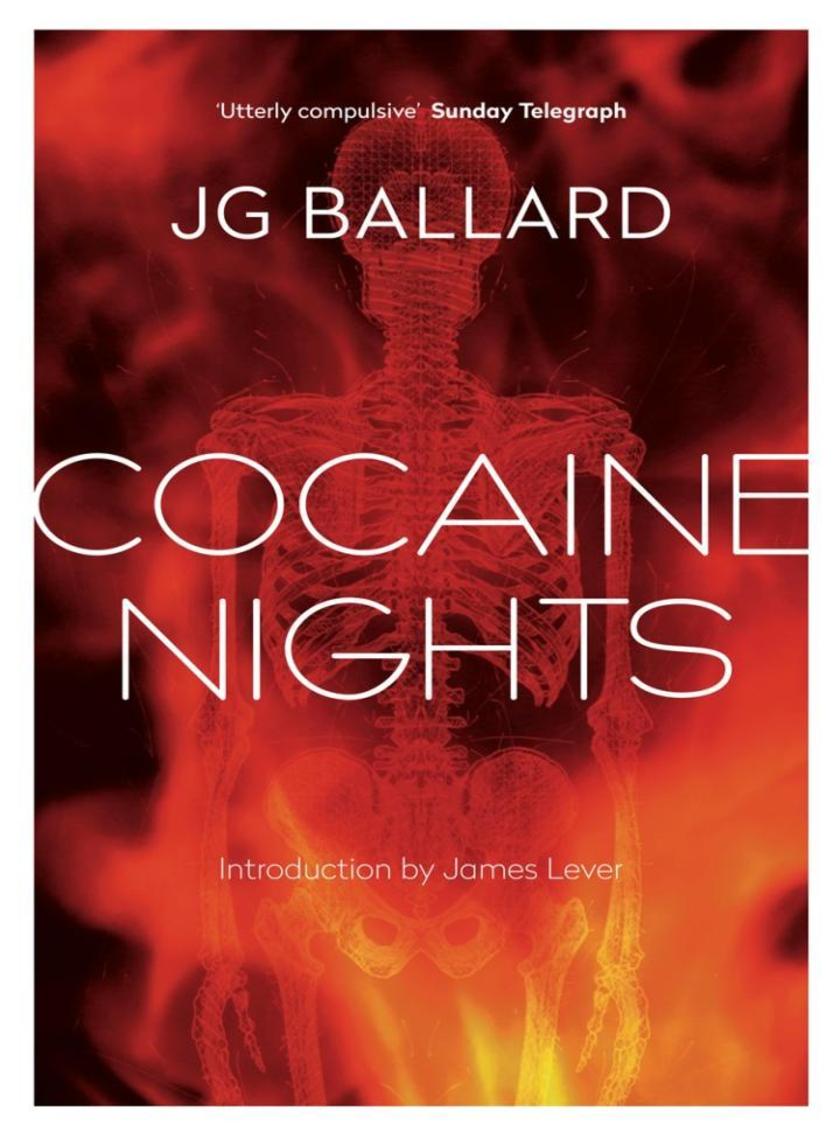
Cocaine Nights
¥57.09
‘Snort up “Cocaine Nights”. It’s disorientating, deranging and knocks the work of other avant-garde writers into a hatted cock’ Will Self Five people die in an unexplained house fire in the Spanish resort of Estrella de Mar, an exclusive enclave for the rich, retired British, centred on the thriving Club Nautico. The club manager, Frank Prentice, pleads guilty to charges of murder – yet not even the police believe him. When his Charles arrives to unravel the truth, he gradually discovers that behind the resort’s civilized fa?ade flourishes a secret world of crime, drugs and illicit sex. At once an engrossing mystery and a novel of ideas, ‘Cocaine Nights’ is a stunningly original work, a vision of a society coming to terms with a life of almost unlimited leisure. This edition is part of a new commemorative series of Ballard’s works, featuring introductions from a number of his admirers (including Neil Gaiman, Zadie Smith, John Lanchester and Martin Amis) and brand-new cover designs.
C. S. Lewis: A Biography
¥82.01
This acclaimed biography charts the progress of the brilliant, prolific writer, C. S. Lewis. C. S. Lewis was a deeply complex man, capable of inspiring both great devotion and great hostility. This acclaimed biography charts the progress of the clever child from the ‘Little End Room’ of his Ulster childhood and adult life, exploring Lewis’s unwilling conversion to Christianity, the genesis of his writing, and the web of his relationships.
The Verruca Bazooka (GUNK Aliens, Book 1)
¥27.27
Aliens are coming… to get up your nose! A long time ago, on a planet really, really far away, a bunch of slimy aliens discovered the secret to clean, renewable energy – snot! That was when the Galactic Union of Nasty Killer Aliens (G.U.N.K.) was born. Its mission: to find human life and drain its snot. Rockets were sent to the four corners of the known universe, each carrying representatives from the major alien races. Three of them were never heard from again. But one of them landed on a planet quite simply full of humans. This one. Now all that stands between earth and alien invasion is a hero named Jack. Problem is, he’s not even out of primary school yet…
Bird Migration (Collins New Naturalist Library, Book 113)
¥206.30
The phenomenon of bird migration has fascinated people from time immemorial. The arrivals and departures of different species marked the seasons, heralding spring and autumn, and providing a reliable calendar long before anything better became available. Migration is shown by many kinds of animals, including butterflies and other insects, mammals, marine turtles and fish, but in none is it as extensively developed as in birds. The collective travel routes of birds span almost the entire globe, with some extreme return journeys covering more than 30,000 km. As a result of migration, bird distributions are continually changing – in regular seasonal patterns, and on local, regional or global scales. Migration has repeatedly prompted familiar questions, such as where birds go or come from, why do they do it, how do they know when and where to travel, and how do they find their way? In this book, Ian Newton sets out to answer these – and other – questions. The book is divided into four main sections: the first is introductory, describing the different types of bird movements, methods of study, and the main migration patterns seen around the British Isles; the second part is concerned mainly with the process of migration – with timing, energy needs, weather effects and navigation; the third with evolution and change in migratory behaviour; and the fourth with the geographical and ecological aspects of bird movements.
Branson
¥80.25
The sensational critical biography of this phenomenal entrepreneur and his business practices – fully updated to cover Branson’s recent ventures. No British tycoon is more popular, few claim to be richer and none has masterminded a more recognisable brand than Richard Branson. What is behind the success of the buccaneering balloonist, the tabloids’ favourite celebrity nude, the ‘grinning jumper’ and the scourge of corporate goliaths? Helped by eyewitness accounts of more than 250 people with direct experience of Branson, Tom Bower has a uncovered a different tale to the one so eagerly promoted by Virgin’s publicists. Here is the full story of Branson: his businesses, his friendships, his ambition, his law-breaking, his drug-taking, his bullying. From the cockpit of a balloon in the clouds to the centre of Branson’s operations in his Holland Park home this book is an intimate scrutiny of exactly how Richard Branson created himself and sold himself. Tom Bower’s biography reveals Branson to be a single-minded profiteer who, while occasionally generous to others, has a fixed purpose to enhance his family’s wealth in secret off-shore trust funds. Instead of a glittering saint, Branson emerges as a devious actor, proud of plucking for his own profit the good ideas of others. From his quest to acquire the license for the National Lottery to his plans to launch space tourism with Virgin Galactic, this fully updated edition follows Branson’s enterprises and investments up to the recent, failed bid for Northern Rock.
Tai Chi
¥18.74
A practical approach to the ancient Chinese movement for health and well-being. Tai Chi is a movement practice firmly rooted in Chinese culture and philosophy. The Complete Illustrated Guide to Tai Chi is a beautifully photographed, informative and practical guide to the life-enhancing practice of the short form of Tai Chi. Extensively researched and clearly explained this comprehensive guide includes: History, origins and philosophy of Tai Chi Basic principles – movement and the body Life energies – meridians and the 7 major chakras Mind, movement and focus A step-by-step guide to the complete movement sequence Other important aspects of the art of Tai Chi Tai Chi for life, health and leisure Angus Clark offers a fully comprehensive interpretation of the short form of Tai Chi, presented in a style that is easy to follow and relevant to contemporary life.
The Devil and Miss Prym
¥66.22
A novel from Paulo Coelho, author of The Alchemist. A stranger arrives in the small mountain village. He carries with him a backpack containing a notebook and eleven gold bars. Burying these in the vicinity, the stranger strikes up a curious friendship with a young woman from the village – Miss Prym. His mission is to discover whether human beings are essentially good or evil. In this stunning novel, Paulo Coelho’s unusual protagonist sets the town a moral challenge from which they may never recover. A fascinating meditation on the human soul, The Devil and Miss Prym illuminates the reality of good and evil within us all, and our uniquely human capacity to choose between them.
The Zahir: A Novel of Obsession
¥45.62
‘The Zahir’, Paulo Coelho's new novel available in paperback for the first time, incorporates exclusive new content including an extra section containing interviews with Paulo and plenty of information for those for whom the book just wasn't enough. It begins with a glimpse or a passing thought. It ends in obsession. One day a renowned author discovers that his wife, a war correspondent, has disappeared leaving no trace. Though time brings more success and new love, he remains mystified – and increasingly fascinated – by her absence. Was she kidnapped, blackmailed, or simply bored with their marriage? The unrest she causes is as strong as the attraction she exerts. His search for her – and for the truth of his own life – takes him from France to Spain, Croatia and, eventually, the bleakly beautiful landscape of Central Asia. More than that, it takes him from the safety of his world to a totally unknown path, searching for a new understanding of the nature of love and the power of destiny. With ‘The Zahir’, Paulo Coelho demonstrates his powerful and captivating storytelling.
Brida
¥57.09
The spellbinding novel from one of the world's best-loved authors, Paulo Coelho, now in ebook. This is the story of Brida, a young Irish girl, and her quest for knowledge. She has long been interested in various aspects of magic, and has taken courses in astrology, tarot, and numerology, but is searching for something more. Her search leads her to people of great wisdom, who begin to teach her about the world. Her teachers sense that Brida has a gift, but cannot tell what that is. Meanwhile, Brida pursues her course ever deeper into the mysteries of life, seeking to answer questions about who she is. She meets a wise man who dwells in a forest, and teaches her about overcoming her fears and trusting in the goodness of the world, and a woman who teaches her how to dance to the music of the world, and how to pray to the moon. She seeks her destiny, as she struggles to find a balance between her relationships and her desire to become a witch. This enthralling novel incorporates themes fans of Paulo will love. It is a tale of love, passion, mystery and spirituality.


