


 购物车
购物车 个人中心
个人中心
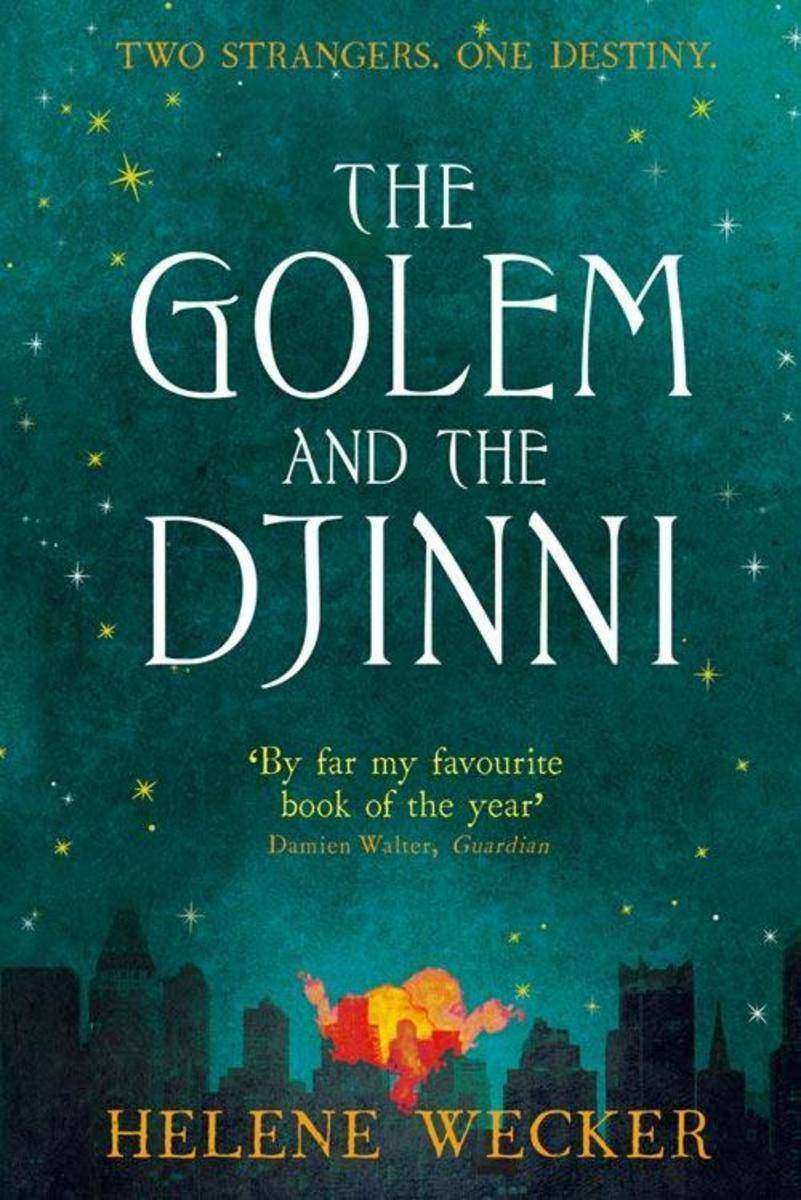
The Golem and the Djinni
¥57.09
New York, 1899. Two strangers, one destiny. Chava is a golem, a creature made of clay, brought to life by a disgraced rabbi who dabbles in dark Kabbalistic magic. When her master, the husband who commissioned her, dies at sea on the voyage from Poland, she is unmoored and adrift as the ship arrives in New York in 1899. Ahmad is a djinni, a being of fire, born in the ancient Syrian desert. Trapped in an old copper flask by a Bedouin wizard centuries ago, he is released accidentally by a tinsmith in a Lower Manhattan shop. Though he is no longer imprisoned, Ahmad is not entirely free – an unbreakable band of iron binds him to the physical world. The Golem & The Djinni is their magical, unforgettable story; unlikely friends whose tenuous attachment challenges their opposing natures – until the night a terrifying incident drives them back into their separate worlds. But a powerful threat will soon bring Chava and Ahmad together again, challenging their existence and forcing them to make a fateful choice.

His Rebel Heart (Mills & Boon Superromance)
¥27.27
Can a rebel ever change his ways? Being a single mother and successful florist is tough, especially when your new next-door neighbor is the man who shattered your heart. Eight years ago, bad boy James Bracken walked away from Adrian Carlton…and their unborn child. Now he's back. And Adrian's desire to protect her son from the truth of his biological father isn't enough to hide the wild blue eyes of father and son, or to keep Adrian from surrendering to the raw passion between her and James. But is he truly the changed man he claims to be? Maybe this time his rebel heart really is home to stay.
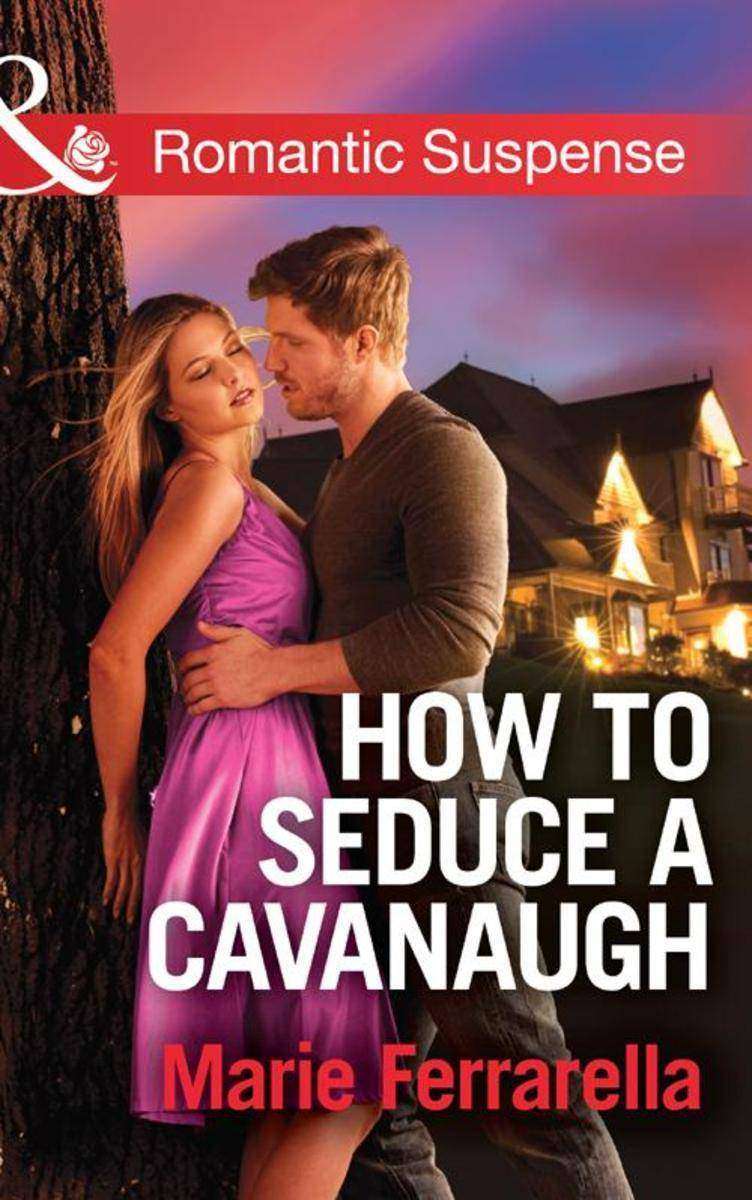
How to Seduce a Cavanaugh (Mills & Boon Romantic Suspense) (Cavanaugh Justice, B
¥30.61
An Unexpected Attraction Kelly Cavanaugh knows all about her new partner: Detective Kane Durant, who’s been through six partners before her. But, refusing to be intimidated, she puts all her energy into tracing the thief they’re tasked with catching… and ignoring the fierce chemistry sizzling between her and her brooding colleague. Kane’s never let his heart get in the way of work, but Kelly’s skill during a confrontation with the assailant only makes him want her more. And, as danger closes in, Kane realises that if he wants Kelly as his partner for life, he’s got to bring down their opponent… at any cost.

In Your Dreams (The Blue Heron Series, Book 4)
¥39.24
Everyone loves Jack Holland, but Emmaline Neal needs him. Her ex-fiancé is getting married in Malibu and, obviously, she can't go to the wedding alone. In Manningsport, New York, tall, blond and gorgeous Jack Holland is practically a cottage industry when it comes to rescuing desperate women. He knows the drill, Em figures, so he won't get the wrong idea. What Jack needs is an excuse to leave town. Ever since rescuing four teenagers from a car wreck, he's been hailed as a hero and the attention is making him itchy, especially since his too-pretty ex-wife is back, angling for a reunion. He's always liked Emmaline. She needs a weekend date? No problem. So when they wind up in bed together, Em chalks it up to red wine and chocolate cake, just one impulsive night not to be repeated. But Jack's pushing for more, and if she lets down her guard, either she'll get her heart crushed again, or discover that Jack's worth more than just dreaming about.

Lady Lavinia's Match (Mills & Boon Historical)
¥39.24
When their parents married, James, Earl of Corringham, and Lady Lavinia Stanmore became as close as brother and sister. Now, years later, James has outgrown his rakish ways and is burning with a love for her that he longs to reveal. However, he faces a rival in the mysterious Lord Wincote. Torn between James and the handsome stranger, Lavinia's feelings are thrown into turmoil. But is this man really what he seems? The more Lord Wincote persists, the more Lavinia wonders if she should be looking for love a little closer to home….
The Billionaire's Innocent - Part 3 (Mills & Boon M&B) (The Forbidden Series, Bo
¥12.75
The Forbidden Series: billionaires who can look, but shouldn't touch! In Part Three of The Billionaire's Innocent, Prince Zair can't risk telling Nora the truth. Right now he needs Nora to believe he's a monster, capable of the horrendous things she's heard about. Even if it makes her hate him. Too many lives are at stake—including hers. He just has to pretend a little while longer and hope Nora will understand…
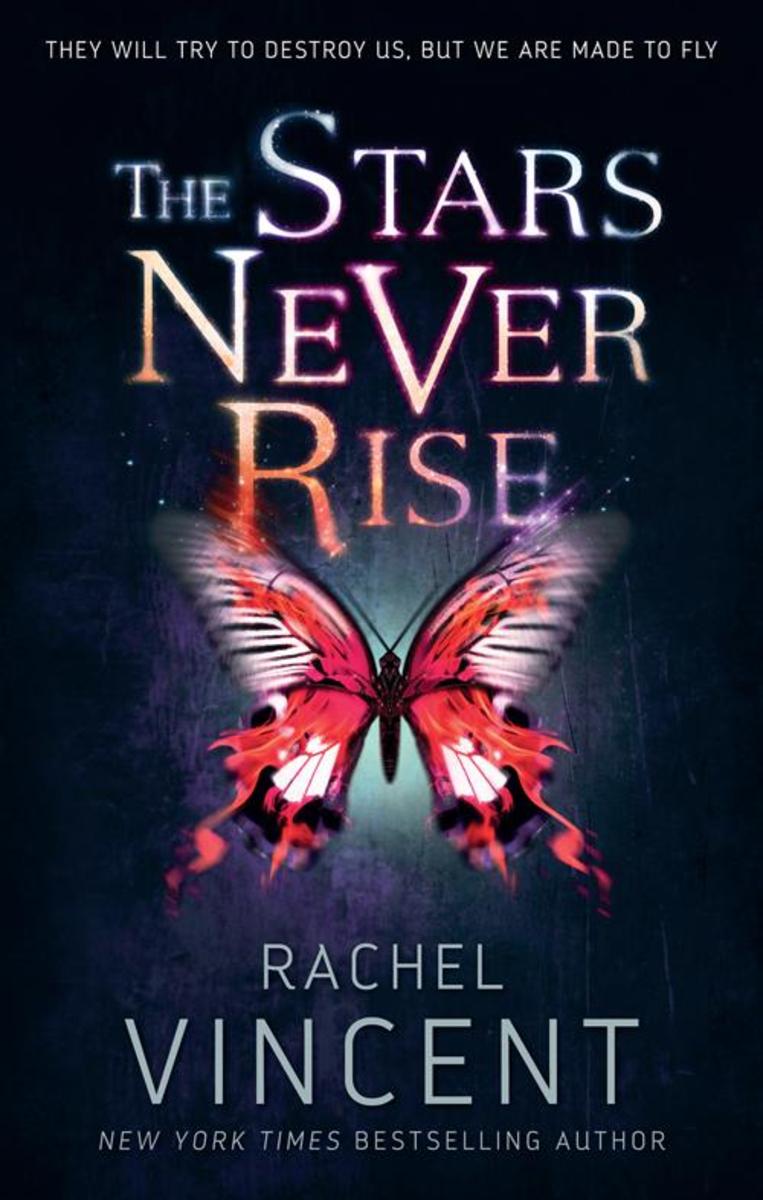
The Stars Never Rise
¥54.74
There’s no turning back… In the town of New Temperance, souls are in short supply and Nina should be worrying about protecting hers. Yet she’s too busy trying to keep her sister Mellie safe. When Nina discovers that Mellie is keeping a secret that threatens their existence, she’ll do anything to protect her. Because in New Temperance, sins are prosecuted as crimes by the brutal church. To keep them both alive, Nina will need to trust Finn, a mysterious fugitive who has already saved her life once. Wanted by the church and hunted by dark forces, Nina knows she needs Finn and his group of rogue friends. But what do they need from her in return? ‘Haunting, unsettling and eerily beautiful’ – Rachel Caine

The Billionaire's Intern - Part 4 (Mills & Boon M&B) (The Forbidden Series, Book
¥12.75
In Part Four of The Billionaire's Intern, Addison walks away from her powerful billionaire boss—straight into the nearest bar. There's no way Logan Black would come and find her there, surely. Especially after the hurtful things they said to each other. But then the door opens and she feels it… feels him. Now, if she'd only summon the courage to open her eyes… Once you've finished the exciting conclusion to The Billionaire's Intern, look out for the next installment of the Forbidden Series, billionaires who can look, but shouldn't touch! Collect all three novels in The Forbidden Series: THE BILLIONAIRE'S INTERN by USA TODAY bestselling author Maisey Yates THE BILLIONAIRE'S FANTASY by USA TODAY bestselling author Kate Hewitt THE BILLIONAIRE'S INNOCENT by USA TODAY bestselling author Caitlin Crews

The Billionaire's Intern - Part 1 (Mills & Boon M&B) (The Forbidden Series, Book
¥14.62
The Forbidden Series: billionaires who can look, but shouldn't touch! For Logan Black, Jaiven Rodriguez and Zair al Ruyi, New York City is spread out before them like the Garden of Eden… and no one knows the sweet taste of forbidden fruit better than America's most ruthless billionaires! Jaded and cynical, with a darkness that threatens to consume them whole, they think they've seen it all. But temptation has something new in store for each of them… In Part One of The Billionaire's Intern, Addison Treffen finds herself working for Logan Black—the notorious billionaire who literally came back from the dead. She might think she's found a safe haven from the shocking scandal surrounding her family, but has she really?
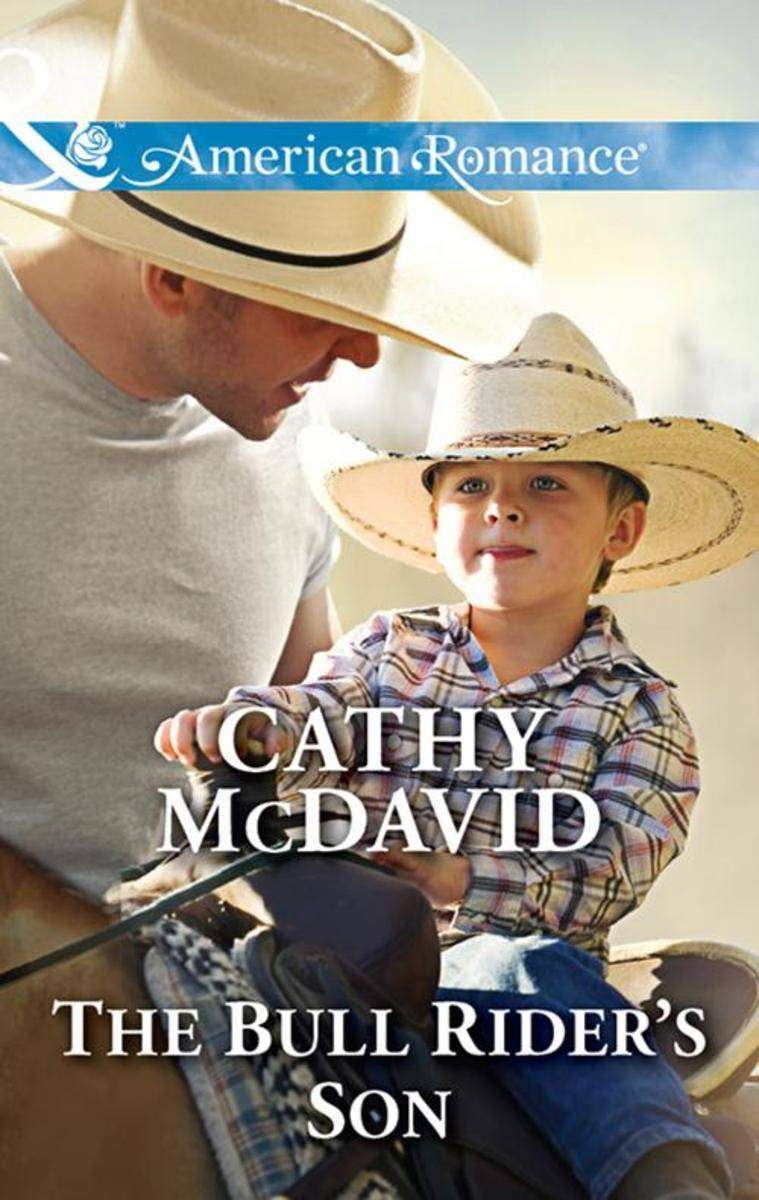
The Bull Rider's Son (Mills & Boon American Romance) (Bridesmaids Creek, Book 4)
¥29.43
TOO CLOSE TO HOME Cassidy Beckett has a secret she's kept for six years: the identity of her son's father. She can't hide the truth much longer. The Easy Money Arena's new bull manager, Shane Westcott, also happens to be the boy's handsome uncle. But Cassidy will do anything to protect her young son, even if it means steeling her heart against Shane's nearly irresistible charm. It doesn't take Shane long to figure out two things–Cassidy's son is his nephew, and his feelings for the boy's beautiful mother go way beyond friendship. As a single dad, Shane knows how important a father is to a child. He also knows the men in Cassidy's life have let her down before. Can Shane convince Cassidy to face the truth without losing her trust…or his heart?

The Detective (Mills & Boon Intrigue)
¥31.10
Detective Brodey Haywood has been called in by Lexi Vanderbilt to investigate a murder. But when Lexi captures the killer’s attention to become the new target, Brodey knows he must fight to keep her safe… because she’s also captured his heart.

A Mistress For Major Bartlett (Mills & Boon Historical) (Brides of Waterloo, Boo
¥15.50
His Virgin Mistress! Major Tom Bartlett is shocked to discover that the angel who nursed his battle wounds is darling of the ton Lady Sarah Latymor. One taste of her threatens both her impeccable reputation and his career! An honourable man would ask for her hand, but Bartlett is considered an unrepentant rake by polite society – sweet Sarah would be spurned as his mistress and even as his wife. He demands she leave, but Sarah is just as determined to stay…by his side and in his bed! Brides of Waterloo: Love Forged on the Battlefield
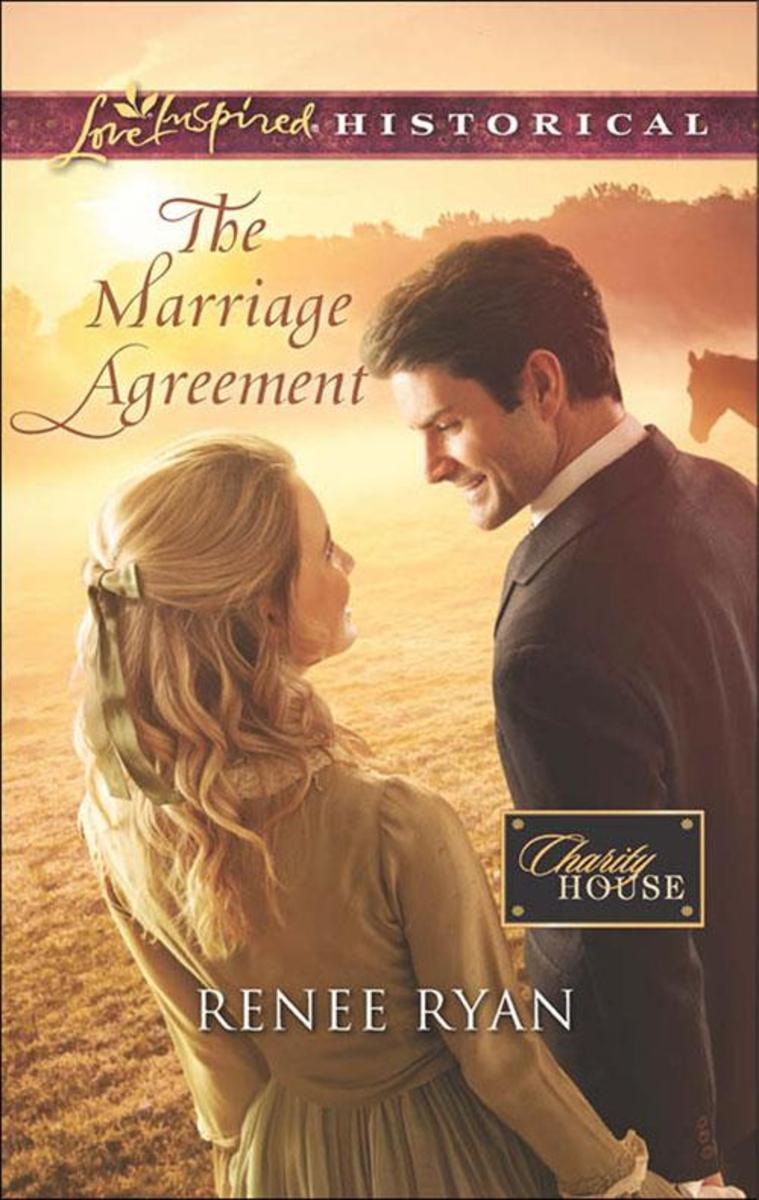
The Marriage Agreement (Mills & Boon Love Inspired Historical) (Charity House, B
¥31.10
Promoted to Wife? Always the dutiful daughter, Fanny Mitchell surprised everyone when she broke her engagement. Now she's working at the fancy Hotel Dupree–and falling for the mysterious, handsome owner, Jonathon Hawkins. But when she and her boss are caught in an unexpected kiss at a ball, will her reputation be tarnished forever? The son of a woman of ill repute, Jonathon knows that gossip can destroy lives in an instant. And he won't allow sweet, lovely Fanny to suffer the consequences. When he proposes a marriage of convenience, Jonathon believes he can keep his heart to himself. But the more time he spends with Fanny, the more he realizes he may just be in love–with his wife… Charity House: Offering an oasis of hope, faith and love on the rugged Colorado frontier

The Millionaire's True Worth (Mills & Boon Cherish) (Greek Billionaires, Book 1)
¥31.10
The secret millionaire… When wealthy socialite Raina Maywood attends her best friend’s wedding, the last thing she’s expecting is her own romance! Since her marriage imploded, she’s learnt to keep her distance…until she meets gorgeous best man, Akis! Self-made millionaire Akis mistrusts women who only have eyes for his wallet, but the beautiful stranger he meets at the wedding doesn’t even know he’s rich. Their connection is instant, and profound. Has Akis finally found the woman who loves the man behind the millionaire?
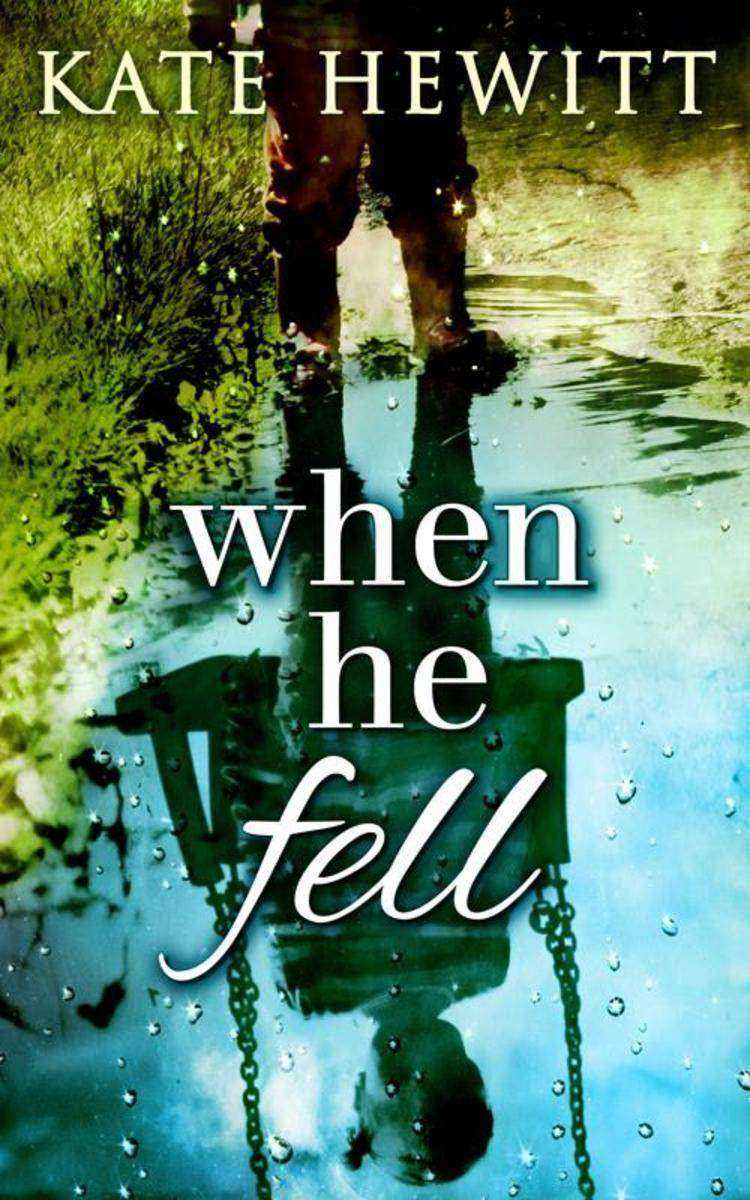
When He Fell
¥39.24
The powerfully gripping new book from USA Today bestselling author Kate Hewitt. Josh and Ben are nine years old and best friends, until a single, careless act in the school playground destroys the lives of both families – and wrenches their small Manhattan school apart. As both mothers Maddie and Joanna try to find out what really happened between the boys, they discover the truth is far more complicated and painful than either of them could have ever realised… with lasting repercussions for both families. And when tragedy strikes again in the most unexpected of ways, the lives of these two women will be changed once more, and this time forever. When He Fell explores the issues of parental responsibility and guilt, and whether there are some acts that human nature just cannot forgive…
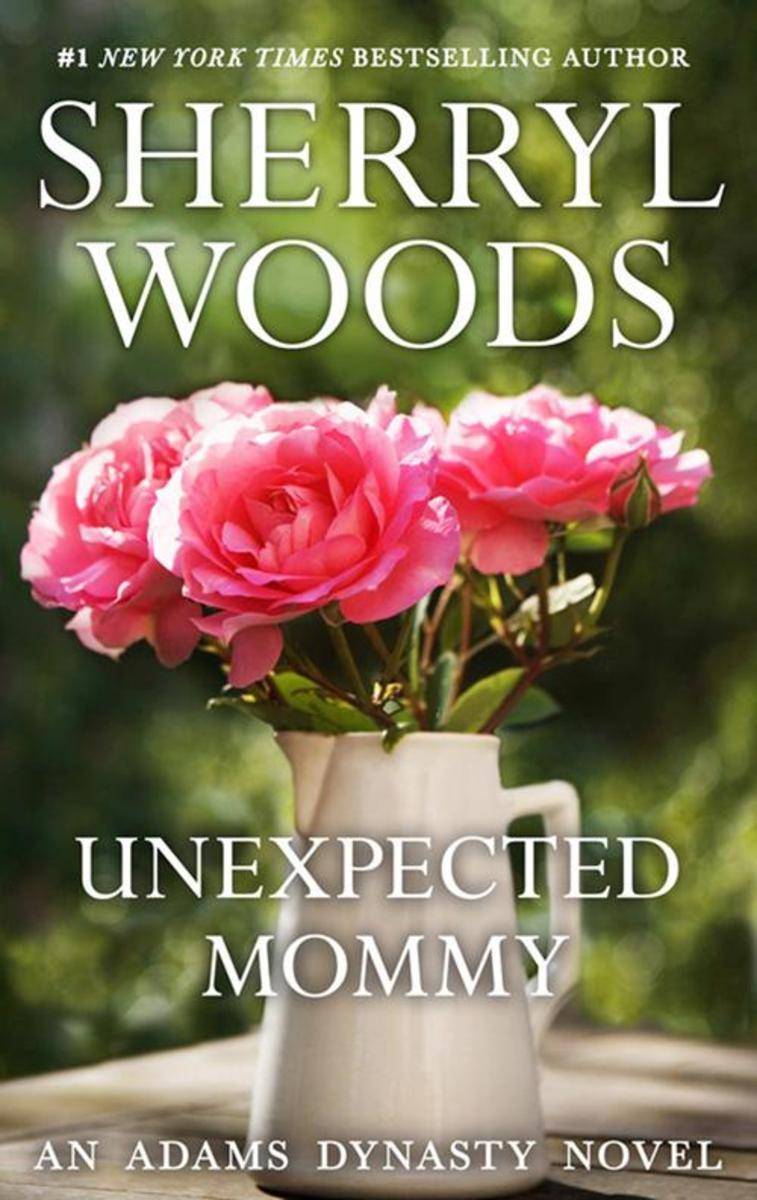
Unexpected Mommy (And Baby Makes Three, Book 6)
¥31.10
New York Times bestselling author Sherryl Woods sweeps readers away with a beloved story of falling in love when you least expect it… Stubborn, sexy rancher and single father Chance Adams will do anything to get back his share of the family ranch–even if it means seducing his uncle's ornery stepdaughter, schoolteacher Jenny Adams. Even if it means marrying her. Even if it means falling in love with her? Jenny always dreamed of finding the perfect man, but perhaps Chance, with his hellion, if lovable, son and his unbending grudge against her family, doesn't exactly fit the bill. She knew he had a one-track mind, all right–but was it just her imagination, or was he starting to get…derailed?
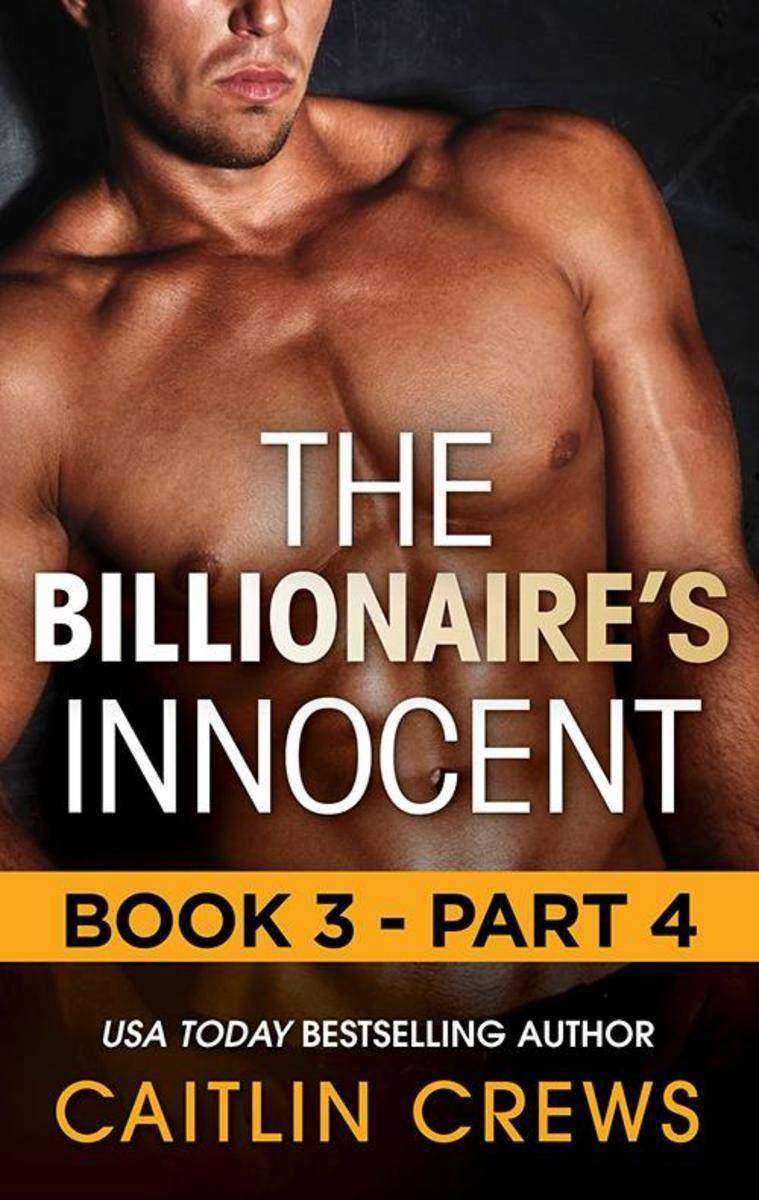
The Billionaire's Innocent - Part 4 (Mills & Boon M&B) (The Forbidden Series, Bo
¥12.75
In Part Four of The Billionaire's Innocent, it all comes down to Nora's plan. Addison, Louise and Nora's search has taken Nora and Zair from New York City to Cannes, the playground of the elite. Now business and pleasure are colliding back in Manhattan—and Nora's heart is on the line and in Zair's hands. The countdown clock has begun. The players are all in place. Winner takes all… Once you've finished the exciting conclusion to The Billionaire's Innocent, make sure you didn't miss any of the the Forbidden Series, billionaires who can look, but shouldn't touch! Collect all three novels in The Forbidden Series: THE BILLIONAIRE'S INTERN by USA TODAY bestselling author Maisey Yates THE BILLIONAIRE'S FANTASY by USA TODAY bestselling author Kate Hewitt THE BILLIONAIRE'S INNOCENT by USA TODAY bestselling author Caitlin Crews

The Doris Day Vintage Film Club: A hilarious, feel-good holiday read
¥11.77
The amazing new romantic comedy from the #1 bestselling author of The Little Shop of Hopes and Dreams ’Sweet and romantic, a story guaranteed to have you smiling’ - Milly Johnson The perfect pair for ‘pillow talk’? Claire Bixby grew up watching Doris Day films at her grandmother’s house and yearned to live in a world like the one on the screen – sunny, colourful and where happy endings were guaranteed. But recently Claire’s opportunities for a little ‘pillow talk’ have been thin on the ground. Until she meets new client Nic who comes into her travel agency looking to book the perfect get away. Too bad it’s for two! But as Nic and Claire get closer, the sparks start to fly, and Claire’s questioning everything Doris taught her about romance. Can true love ever really be just like it is in the movies? Perhaps, perhaps, perhaps… Praise for Fiona Harper ’Perfect cosy feel you want from a good book' - Paris Baker's Book Nook ’A nice warm hug’ - Fabulous Book Fiend ’Fiona Harper writes with an abundance of warmth and wit’ -Dot Scribbles ’I would whole heartedly recommend this and I will be looking what else Fiona has done’ - Afternoon Bookery ’A great romantic read’ - Book Chick City Fans of Jenny Colgan, Abby Clements and Miranda Dickinson will love Fiona Harper's fresh, fun writing
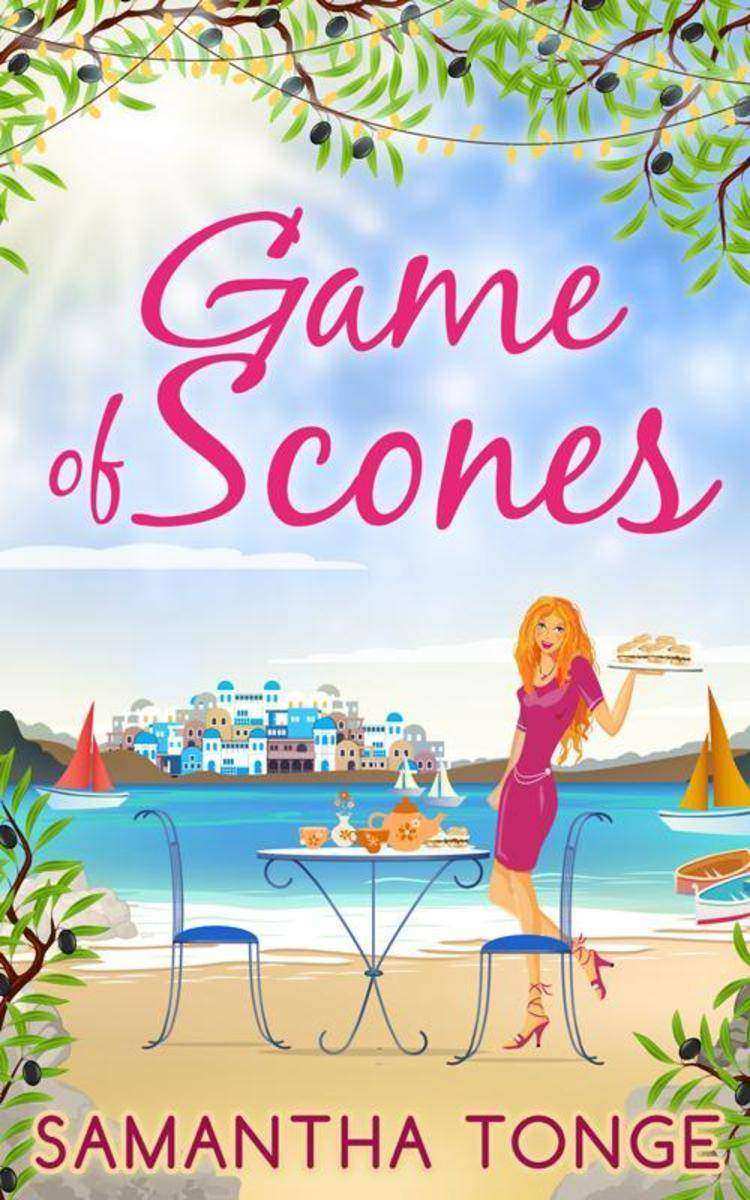
Game Of Scones
¥12.75
‘This was the ultimate summer read and I enjoyed every page and every word. A little slice of paradise.’ - Jenny in Neverland A story of icing and flour… and how love doesn’t always go to plan! Growing up, Pippa Pattinson’s summers were spent in the idyllic Greek island fishing village of Taxos. There she spent many long hazy days determinedly ignoring thoughts of the life her parents had mapped out for her (a dreary-but-secure accounting job and obligatory sensible husband!) Instead she daydreamed of running her own tea shop – serving the perfect scones – with mocha-eyed childhood friend Niklaus by her side… Arriving back in Taxos for the first time in years, with suave boyfriend Henrik, Pippa barely recognises the tired little town – but is relieved to catch glimpses of the quaint, charming village she’s always loved. Together Niklaus and Pippa put together a proposal to save Taxos from tourist-tastic ruin, and at the heart of their plan is Pippa’s dream project: The Tastiest Little Tea Shop in Taxos. It’s time for Pippa to leave her London life behind and dust off her scone recipe that’s guaranteed to win over both locals and visitors. And amidst the rolling pins and raisins, it seems romance is blossoming where she’s least expecting it… Loved Game of Scones then don’t miss My Big Fat Christmas Wedding – out now! This sizzling summer read is perfect for fans of Lindsey Kelk's Always the Bridesmaid and Lucy Diamond's Summer at Shell Cottage What reviewers are saying about Game of Scones ‘The perfect book to kick start your summer reading… A gloriously fun read which does not disappoint.’ – Book Addict Shaun ‘a great escapist read that is still well written and character lead.’ – The Price is Usually Right ‘an enjoyable light read with a good story and characters. The baking element of the story is also an enjoyable aspect… An enjoyable read for summer.’ – Chick Lit Central ‘I loved Game of Scones… and would highly recommend it to anyone looking for a HEA steeped in friendship, tradition, location, and yummy desserts.’ – Harlequin Junkie
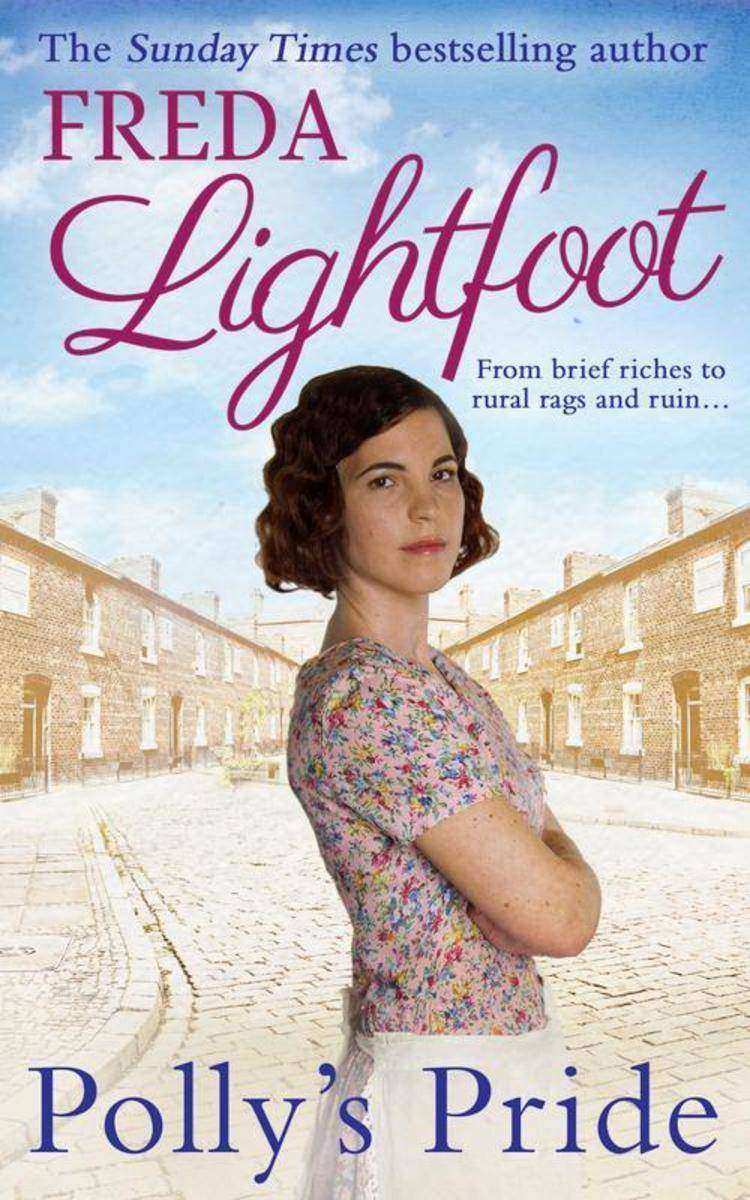
Polly's Pride
¥12.75
From Sunday Times bestselling author, Freda Lightfoot. From brief riches to rural rags and ruin… 1920s, Manchester. Living in the deprived area of Ancoats area of Manchester Polly Pride feels more fortunate than most until her husband Matthew loses his job and her life is thrown into turmoil. With no money coming in Polly must act to keep her family from starvation. In a desperate gamble she sells all the family goods and buys a handcart, from which she sells second-hand rugs and carpets. But struggling to deal with poverty and her husband’s hurt pride are only the start of her problems. For when tragedy strikes Polly has to do battle with the bigotry of a sour brother-in-law to keep herself and her family from falling apart. A stirring, heartrending story of love, passion, duty and family, set in the 1920s as the Second World War looms. Praise for Freda Lightfoot ’ Freda's books are a joy to read - her characters are so believable and richly drawn - they’re satisfying page turners!’ – Anne Bennett
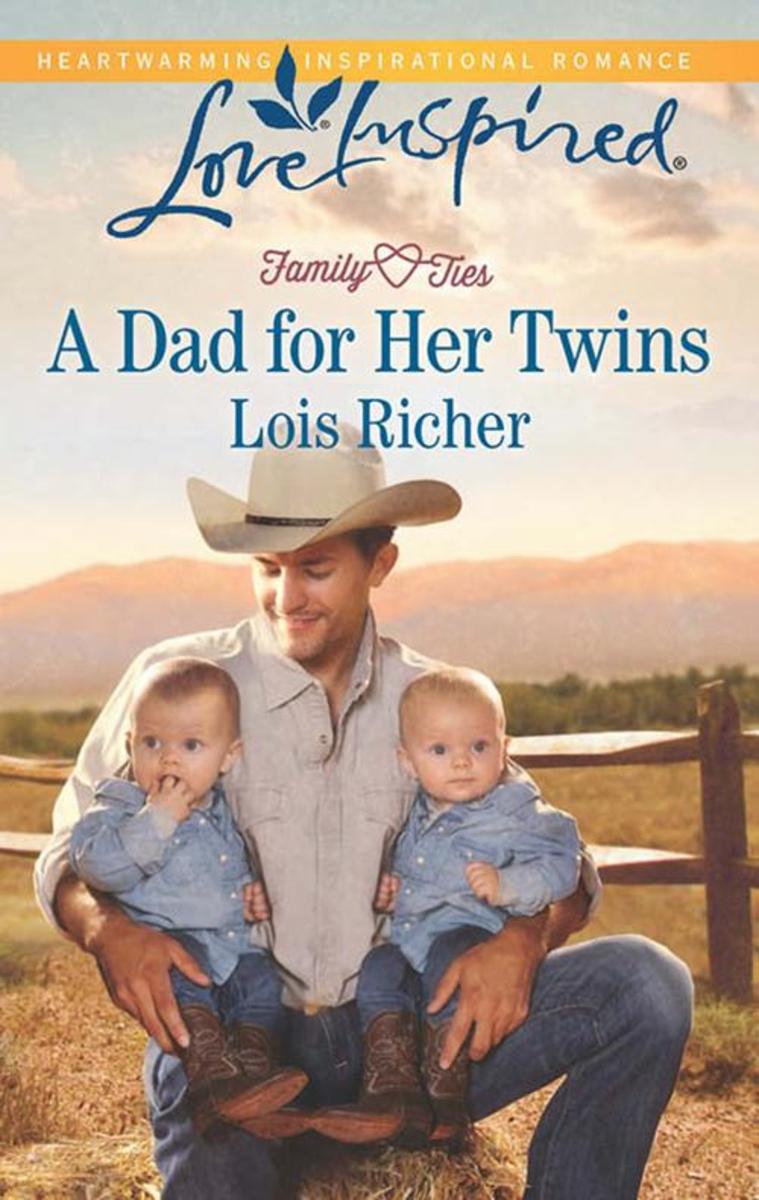
A Dad for Her Twins (Mills & Boon Love Inspired) (Family Ties (Love Inspired), B
¥31.10
The Cowboy's New Family Widow Abby McDonald is pregnant with twins, suddenly homeless and has nowhere to go. When her late husband's army buddy offers her a temporary haven at his family ranch in Buffalo Gap, Abby accepts the handsome cowboy's hospitality. She knows that Cade Lebret, an honorable man with a complicated life on the Double L, is just "doing the right thing." But when a needy foster child joins their makeshift family, Abby begins to see what a kind, loving father figure Cade is. Suddenly she's dreaming of making the Lebret family ranch her home forever. Family Ties: Bundles of joy bring couples together. Family Ties flash to come Widow Abby McDonald is pregnant with twins, suddenly homeless and has nowhere to go. When her late husband's army buddy offers her a temporary haven at his family ranch in Buffalo Gap, Abby accepts the handsome cowboy's hospitality. She knows that Cade Lebret, an honorable man with a complicated life on the Double L, is just "doing the right thing." But when a needy foster child joins their makeshift family, Abby begins to see what a kind, loving father figure Cade is. Suddenly she's dreaming of making the Lebret family ranch her home forever. Family Ties: Bundles of joy bring couples together.


