


 购物车
购物车 个人中心
个人中心
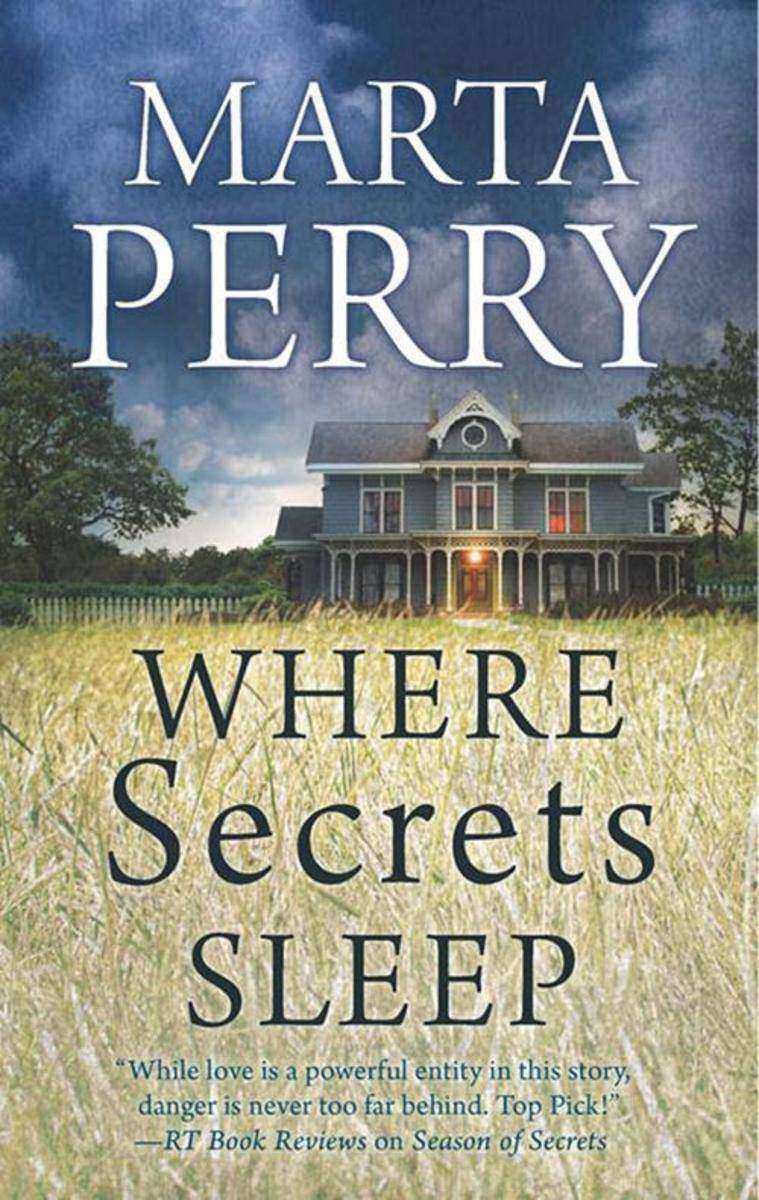
Where Secrets Sleep
¥54.74
In Amish country, not everything is as simple as it appears After a terrible betrayal, Allison Standish flees Philadelphia for the small Amish village of Laurel Ridge to claim an unexpected inheritance. Allison intends to sell the mansion housing various shops on Main Street–until she meets Nick Whiting, a single father and tenant of Blackburn House, who challenges everything she believes about her estranged grandmother and the Amish community. Strange stipulations in her grandmother's will soon bring distant relatives and seething townsfolk to Allison's door. As anonymous threats escalate, Nick grows protective of Allison, and she finds herself falling for the handsome carpenter… But then she discovers her grandmother's death may not have been accidental, and someone wants Allison gone. Permanently.

Wild Horses (The Montana Hamiltons, Book 1)
¥54.74
It took only one impusive moment on an empty two-lane highway to cost her everything. A man's responsible for his own prosperity - especially if he's Cooper Barnett, the most determined cowboy in the West. No one knows what he sacrificed to claim a piece of Beartooth, Montana, for himself and his beautiful fiancé, Livie. No one knows what he's willing to do for love…until a stranger's twisted vendetta threatens the happy ending they should've had long ago. One fateful mistake isn't the only secret Livie Hamilton is keeping from her fiancé. Victimized during a treacherous blizzard by a man she thought she could trust, she's pregnant…but unsure who the father is. With an unknown blackmailer threatening to expose her, she must confess to Cooper and trust he'll still protect her. But when the truth falls into place, she may lose the only man she's ever loved - or worse.
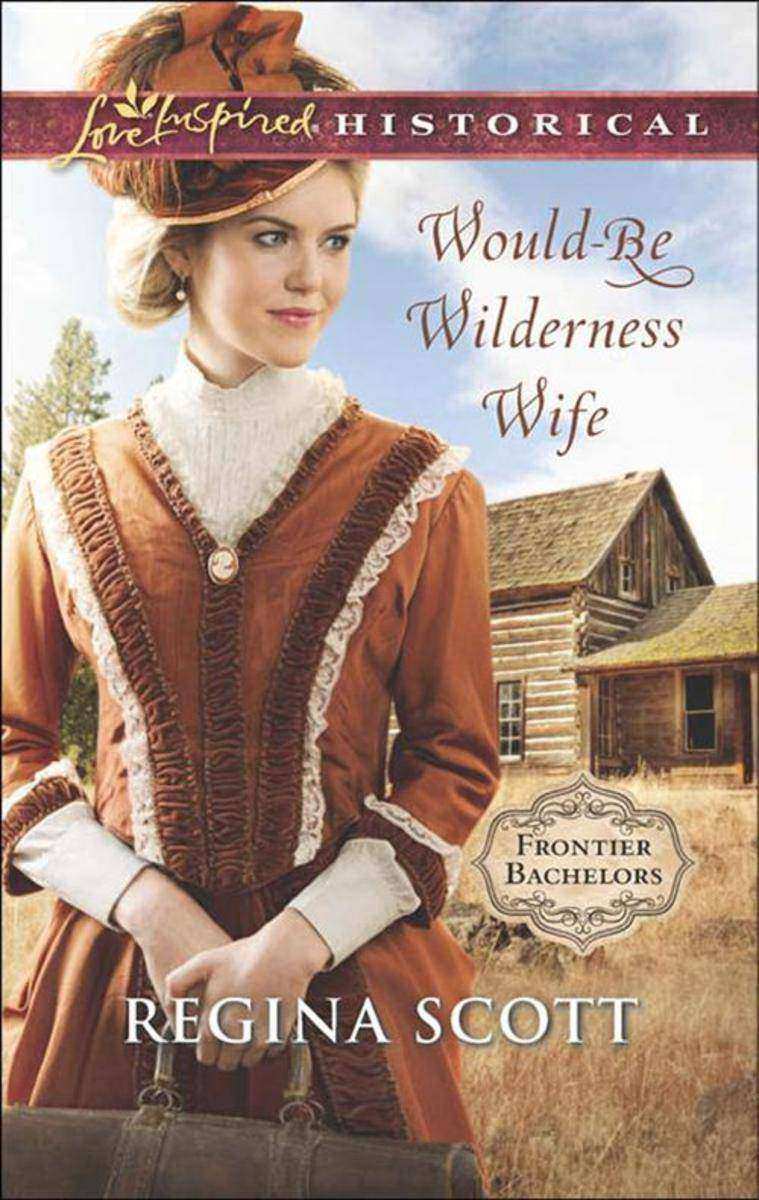
Would-Be Wilderness Wife (Mills & Boon Love Inspired Historical) (Frontier Bache
¥31.10
The Kidnapped Bride Drew Wallin's youngest brother is determined to see him married - so he kidnaps Drew a prospective bride. Not only is Catherine Stanway beautiful, but she's a nurse who can help their ailing mother. Drew doesn't have time for distractions - he's too busy watching over his fatherless siblings. Yet he's drawn to this woman who carries loss and pain equal to his own. Catherine has traveled West to use her nursing skills to save lives, not to find a husband. She knows if she gives in to Drew's matchmaking family, she'll be risking her already bruised heart. But maybe it's time she takes the ultimate risk to win the groom she didn't know she wanted! Frontier Bachelors: Bold, rugged - and bound to be grooms

Burning Obsession (Mills & Boon Modern)
¥31.20
Carole Mortimer is one of Mills & Boon’s best loved Modern Romance authors. With nearly 200 books published and a career spanning 35 years, Mills & Boon are thrilled to present her complete works available to download for the very first time! Rediscover old favourites - and find new ones! - in this fabulous collection… Back in her husband’s bed… Relieved that her beloved father has awoken from his coma, Kelly Lord isn’t prepared for the news that he has amnesia, believing her to be still happily married! Now she must not only see her husband again after five long years apart - but they have to live together, pretending to be newlyweds! Being back in Jordan’s presence soon raises feelings long since buried for Kelly—including their incendiary passion! Could a night in her husband’s bed mend what was once broken?
Claiming His Christmas Bride (Mills & Boon Modern)
¥20.60
Carole Mortimer is one of Mills & Boon’s best loved Modern Romance authors. With nearly 200 books published and a career spanning 35 years, Mills & Boon are thrilled to present her complete works available to download for the very first time! Rediscover old favourites - and find new ones! - in this fabulous collection… She'll be his wife by Christmas! When wealthy interior designer Gideon Webber first meets Molly Barton he wants her more than anything! But not only does it appear that Molly is already another man's mistress, the other man is his brother… Three years later, Molly and Gideon meet again at Christmas. And this time Gideon's determined to take what he still desires…! With the tension between them simmering, Gideon's left with only one option: he'll claim Molly once and for all—as his Yuletide bride!

Elusive As The Unicorn (Mills & Boon Modern)
¥31.10
Carole Mortimer is one of Mills & Boon’s best loved Modern Romance authors. With nearly 200 books published and a career spanning 35 years, Mills & Boon are thrilled to present her complete works available to download for the very first time! Rediscover old favourites - and find new ones! - in this fabulous collection… A taste of the forbidden… When Eve Eden discovers that successful art entrepreneur, Adam Gardener, is searching for the legendary English artist, The Unicorn, she nervously shies away. The Unicorn's true identity hits a little too close to home… But Eve is rattled—and intrigued—by Adam's mesmerizing presence, and his determination to entice her into his arms. As an engaged woman, she shouldn’t be flirting with anyone, let alone the most delicious man she’s ever laid eyes on… Can Eve resist the temptation of the forbidden?
Freedom To Love (Mills & Boon Modern)
¥25.60
Carole Mortimer is one of Mills & Boon’s best loved Modern Romance authors. With nearly 200 books published and a career spanning 35 years, Mills & Boon are thrilled to present her complete works available to download for the very first time! Rediscover old favourites - and find new ones! - in this fabulous collection… Taming the playboy… When Katy Harris finds herself with no alternative but to share her holiday in the Canadian Rockies with dynamic—and exceptionally gorgeous!—photographer, Adam Wild, she’s determined to resist this playboy’s powerful charms… As much as she’d like to be more than just Adam’s ‘flavour of the month’, Katy knows it’s impossible. A resolute bachelor, Adam is cynical about love and values his freedom above all else. But can Katy show Adam that there’s more than just freedom that can bring happiness…?
Ice In His Veins (Mills & Boon Modern)
¥31.10
Carole Mortimer is one of Mills & Boon’s best loved Modern Romance authors. With nearly 200 books published and a career spanning 35 years, Mills & Boon are thrilled to present her complete works available to download for the very first time! Rediscover old favourites - and find new ones! - in this fabulous collection… Surrendering to the magnate’s demands… Media magnate Jason Earle has no right to make demands, much less insist that Eden Shaw travel to England to see her long absent grandfather. After all, the old man had ignored Eden for years! As her grandfather’s emissary, Jason may be breathtakingly handsome, but that doesn’t give him power over Eden…
Keeping Luke's Secret (Mills & Boon Modern)
¥31.10
Carole Mortimer is one of Mills & Boon’s best loved Modern Romance authors. With nearly 200 books published and a career spanning 35 years, Mills & Boon are thrilled to present her complete works available to download for the very first time! Rediscover old favourites - and find new ones! - in this fabulous collection… Secrets of the past… Unexpectedly, writer Leonie is asked to write the biography of renowned actress Rachel Richmond. Although she has published a biography before, Leonie has no idea why Rachel would choose her as the author. And her doubts about the job deepen when Rachel's son, Luke, seems determined to relentlessly intimidate her! Even though Luke’s attitude towards her is hostile, Leonie is intensely aware of his piercing green eyes and stunned by the tempestuous passion between them. But can they survive the secrets of the past?
Liam's Secret Son (Mills & Boon Modern)
¥31.10
Carole Mortimer is one of Mills & Boon’s best loved Modern Romance authors. With nearly 200 books published and a career spanning 35 years, Mills & Boon are thrilled to present her complete works available to download for the very first time! Rediscover old favourites - and find new ones! - in this fabulous collection… The baby secret…When Liam O'Reilly insists on being a part of Laura's world again, her first instinct is to turn him down. It’s not that she doesn't find him attractive—they’ve always had a special connection—or that in the time they've been apart, Laura has married, had a baby and been widowed… What’s really bothering her is that if Liam had stayed all those years ago, he would have discovered a secret. One that Laura now feels compelled to keep—Liam has a son…!
Lovers In The Afternoon (Mills & Boon Modern)
¥31.10
Carole Mortimer is one of Mills & Boon’s best loved Modern Romance authors. With nearly 200 books published and a career spanning 35 years, Mills & Boon are thrilled to present her complete works available to download for the very first time! Rediscover old favourites - and find new ones! - in this fabulous collection… Reigniting the fire! Leonie has a successful career, yet in her daily life she is a little unlucky and accident prone—a tendency that seems to irritate her brooding husband, Adam Faulkner. Their marriage has been on the rocks for a while, so when Leonie is offered an afternoon of passion with her new boss—Mr Faulkner—the chance to rekindle forgotten desires is too tempting to resist…! In the bedroom, Leonie and Adam are explosively compatible! Could their afternoon fantasies make them marriage-compatible too?

Passion From The Past (Mills & Boon Modern)
¥31.10
Carole Mortimer is one of Mills & Boon’s best loved Modern Romance authors. With nearly 200 books published and a career spanning 35 years, Mills & Boon are thrilled to present her complete works available to download for the very first time! Rediscover old favourites - and find new ones! - in this fabulous collection… He wanted her…for revenge! Becoming handsome Gideon Maitland’s secretary is overwhelming for office assistant, Laura. She didn’t think Gideon had ever even noticed her, but soon learns she is very wrong. Gideon has more than seen her; he wants her…in his bed! As she gets to know this complex widower—whose motives defy analysis—Laura finds her inexperienced feelings growing for her powerful boss. But will she feel the same when she discovers that Gideon has only gained her affections for revenge?
Point Of No Return (Mills & Boon Modern)
¥31.10
Carole Mortimer is one of Mills & Boon’s best loved Modern Romance authors. With nearly 200 books published and a career spanning 35 years, Mills & Boon are thrilled to present her complete works available to download for the very first time! Rediscover old favourites - and find new ones! - in this fabulous collection… Falling for the enemy… Even before she knew him personally, Megan Finch disliked Jerome Towers, the wealthy landowner plotting to buy out her family's farm. And when she eventually meets him, he is as arrogant as she expected! And yet Megan can’t help but be deeply captivated by Jerome’s charm and magnetism… Now she’ll do anything to avoid Jerome discovering that she has been accused of a scandalous relationship with his half-brother! An accusation that has destroyed her career… Will Jerome turn out to be her saviour or her downfall?
The Loving Gift (Mills & Boon Modern)
¥31.10
Carole Mortimer is one of Mills & Boon’s best loved Modern Romance authors. With nearly 200 books published and a career spanning 35 years, Mills & Boon are thrilled to present her complete works available to download for the very first time! Rediscover old favourites - and find new ones! - in this fabulous collection… He is determined to marry her! Just because spontaneous David Kendrick fell in love with Jade at first sight, doesn’t mean she has to go along with the idea! Escaping to the sanctuary of a quiet Devon village, the last thing Jade thinks she needs is this impulsive, handsome man stirring up her emotions and turning her life upside down! But Jade can't resist David's determined pursuit of her—even though she knows she is not yet free from the terrible shadows of her London past…
Uncertain Destiny (Mills & Boon Modern)
¥31.10
Carole Mortimer is one of Mills & Boon’s best loved Modern Romance authors. With nearly 200 books published and a career spanning 35 years, Mills & Boon are thrilled to present her complete works available to download for the very first time! Rediscover old favourites - and find new ones! - in this fabulous collection… Pregnant with her convenient husband’s child… Caroline Maxwell knew when she married Justin de Wolfe that their marriage was one of convenience. But drawn to Justin by a fierce mutual passion, the usually sensible Caroline married him knowing that he couldn't love her—just as she couldn't help loving him. She accepts the hazards of a marriage to the arrogant, magnetic lawyer—his aversion to love, sudden changes in mood and the cries in his sleep. But Justin's reaction to Caroline's eager announcement of her pregnancy shocks her to the core…
Yesterday's Scars (Mills & Boon Modern)
¥31.10
Carole Mortimer is one of Mills & Boon’s best loved Modern Romance authors. With nearly 200 books published and a career spanning 35 years, Mills & Boon are thrilled to present her complete works available to download for the very first time! Rediscover old favourites - and find new ones! - in this fabulous collection… A Savage infatuation… It’s only when Hazel Stanford returns home to Cornwall after three years that she realises the extent of her feelings for Rafe Savage. She is no longer just infatuated with him—she is head over heels in love! But Rafe is bitter and angry—and as cold as ice towards Hazel. Was the accident that left him scarred responsible? Hazel knows her love can heal some of Rafe’s wounds, but can she convince him to let her stay and administer the cure?
Dating Dr Delicious (Mills & Boon Medical)
¥25.41
Jake Holt – Chicago Care Hospital’s Hottest Doc! It’s Hannah Stewart’s first day as a surgical intern at Chicago’s busiest hospital and she couldn’t be more excited – those long, hard years of study are about to pay off. Then she meets Dr Jake Holt – her new boss… and her reckless, completely out-of-character one- night stand! Jake is suspicious. Did Hannah know who he was when she slept with him? Past experience has led to his strict ‘no relationships at work’ rule. But his new intern is proving to be a distraction impossible to ignore… !

Greek Doctor Claims His Bride (Mills & Boon Medical)
¥31.10
Dr Tanya Angelapoulos' heart stops when she returns to her Greek island home and sees Dr Manolis Stangos–the man she loved and parted from amidst the pain of losing their baby. Now a single dad, Manolis knows that he and his little girl could heal Tanya's broken heart–if she will only risk it once more, together they could be the perfect family…
The Surgeon's Special Delivery (Mills & Boon Medical)
¥23.05
From top-notch doc to daddy! Dr Tess Dalton couldn't wait to give her two closest friends the greatest gift - a baby of their own. But when tragedy strikes, Tess finds herself alone, carrying her friends' baby… Enter the baby's uncle, Callum Halroyd, leading surgeon and dedicated bachelor. Returning to the Outback for the sake of his family, he's shocked to meet Tess… and to discover she's about to give birth to his nephew! Becoming an adoptive dad certainly wasn't in Cal's plan! But newborn Oscar and beautiful, vibrant Tess make Cal reassess everything… Soon he realises just how much he wants to give Tess and the baby the love and care they so very much deserve…

A Fine Year for Love (Mills & Boon Heartwarming) (Shores of Indian Lake, Book 3)
¥31.10
Her grandfather told her never to trust a Barzonni Nothing gives Liz Crenshaw more delight than walking the hills of her family's winery and tending her precious vines. And nothing frustrates her more than Gabe Barzonni, the handsome, successful and utterly aggravating son of Indian Lake's most prominent farmers. All her instincts scream "avoid," especially when she finds out he's going into the wine business himself. But Liz can't seem to shake him. One minute, he's nosing around her property, the next he's arranging to escort her to her best friend's wedding. Well, too bad. Whatever he has designs on–her or her land–Gabe is out of luck. Now, to get him out of her mind…
A Match for Addy (Mills & Boon Love Inspired) (The Amish Matchmaker, Book 1)
¥31.10
In Search of True Love Spinster Addy Coblentz fears she'll never marry. So her parents hire the new matchmaker who's moved to their Amish community of Seven Poplars. But Addy doesn't just want a match. She wants love. While some of her potential suitors are perfectly fine, only one man catches her eye. Gideon Esch is everything Addy's looking for: strong, kind–and handsome. But he's only a poor hired hand who can never give her family the stability they want. With her future happiness at stake, will Addy follow the rules…or follow her heart? THE AMISH MATCHMAKER: Bringing love to Seven Poplars–one couple at a time!


