


 购物车
购物车 个人中心
个人中心
Driving Jarvis Ham
¥45.62
A brilliantly witty story of unconventional, unwavering, and regularly exasperating friendship. Meet Jarvis Ham:tea-room assistant, diarist, lift-cadger, Princess Di fan, secret alcoholic, and relentless seeker of fame. Jarvis may be an all-round irritant, but he’s harmless, and deep down, you know, he’s got a heart of gold. Hasn’t he? As his oldest (and only) friend reflects on his life with Jarvis Ham – infatuations, questionable hairstyles, home-made charity singles, reality TV auditions, paedophile alerts at the local swimming baths – he wonders what it would have been like if they had never met. But what are you going to do? He’s a mate. DRIVING JARVIS HAM is a novel for anyone who has ever found themselves looking across at a childhood friend, and wondering why they still know them.
A Seaside Affair
¥58.86
The new wonderfully warm and witty novel from Fern Britton, the bestselling novelist and TV personality. Perfect for fans of Katie Fforde and Jill Mansell. When the residents of the Cornish seaside town of Trevay discover that their much-loved theatre is about to be taken over by coffee chain, Café au Lait, they are up in arms. It is up to Penny Leighton, hotshot producer and now happily married Cornish resident, to come up with a rescue plan. Armed with only her mobile phone and her contacts book, she starts to pull in some serious favours. The town is soon deluged by actors, all keen to show their support and take part in a charity season at the theatre. One of the arrivals is Jess Tate, girlfriend to TV heartthrob Ryan Hearst. His career is on the rise while hers remains resolutely in the doldrums. But when opportunity comes calling, it isn’t just her career prospects that are about to change. Trevay is about to put on the show of its life – but can the villagers, and Jess, hold on to the thing they love the most?
Master it:How to cook today
¥147.35
Winner of the André Simon Food Book Award. A personal cookery lesson from one of our finest cookery teachers. Nowadays we seem to know a lot about food, but much less about actual cooking. In Master It, Rory O’Connell will teach you simple but essential skills to make you a truly good cook. At the heart of his approach are good ingredients, carefully prepared, and used in recipes that are tried, tested, carefully measured, and full of the essential tips and details that will make your dishes a success. Each chapter will teach you a particular technique – preparing a soup, roasting meat, making biscuits – and include a collection of fresh, seasonal recipes to use it in, from wild garlic soup, to roast pork with fennel seeds, chilli and garlic, to caramel and almond thins.
A French Novel
¥73.58
Arrested for snorting cocaine off a car bonnet, award-winning author and quintessential dilettante Frederic Beigbeder reflects on his troubled childhood, while spending a night in the cells. In his most autobiographical book to date, the author of the award-winning ‘Windows on the World’ recounts his stay in police custody, when in January 2008 he was arrested for snorting cocaine outside a Paris nightclub. As he lies in his cell, he revisits his childhood, from the carefree days when his grandfather taught him to skim pebbles at the beach in Cénitz, to his parents’ divorce; the conflicting influences of his hedonistic father and his studious, seemingly conventional brother. And then Beigbeder recalls his first, unrequited loves. This patchwork of memories is as much a portrait of the era as it is the story of a fragile, self-critical man who has finally dropped the mask. Witty, sharp, with a pitiless, self-deprecating irony, and yet tender and true, ‘A French Novel’ is a gem. Beigbeder’s search for answers in the lost country of his childhood will speak to a whole generation searching for its soul.

Every Single Minute
¥69.26
‘Not only haunted by death, but also by beauty and the strangeness of being alive. A deeply memorable novel’ Colm Tóibín ‘… I have friends and family, I am in this wonderful country, I have money, there is nothing much wrong with me except I am dying.’ ?na has little over a week left to live and wants to see Berlin for the first and last time. Her friend Liam accompanies her. As the city streets open up to them, so too do their pasts. ?na recalls her life – her lovers, her famous father, her alcoholic mother and the death of her younger brother. For Liam the weekend becomes a lesson in true living from a friend he is about to lose.
The Sleepover Club on the Beach (The Sleepover Club, Book 42)
¥27.27
Join the Sleepover Club:Frankie, Kenny, Felicity, Rosie and Lyndsey, five girls who want to have fun – but who always end up in mischief! A long weekend of camping by the seaside offers a few surprises for the Sleepover Club. Their first surprise is that there are no funfairs or arcades near the campsite – boring! But then they find a mysterious message in a bottle, washed up by the tide… Roll up your combats and paddle on over! AGE 7-9
The Skull and the Nightingale
¥66.22
Set in England in the early 1760s, this is a chilling and deliciously dark tale of manipulation, sex, and seduction. When Richard Fenwick, a young man without family or means, returns to London from the Grand Tour, his wealthy godfather, James Gilbert, has an unexpected proposition. Gilbert has led a fastidious life in Worcestershire, but now in his advancing years, he feels the urge to experience, even vicariously, the extremes of human feeling—love and passion, adultery and deceit—along with something much more sinister. He has selected Fenwick to be his proxy, and his ward has no option but to accept. But Gilbert’s elaborate and manipulative “experiments” into the workings of human behaviour drag Fenwick into a vortex of betrayal and danger where lives are ruined and tragedy is always one small step away. And when Fenwick falls in love with one of Gilbert’s pawns and the stakes rise even higher – is it too late for him to escape the Faustian pact?
Lonely Girl
¥58.86
The new novel from Sunday Times bestselling author Josephine Cox gets straight to the hope and heartbreak of family drama. One fateful night changes the course of a child’s life forever… Rosie’s mother is a cruel woman and has Rosie’s kind and loving father wrapped around her finger. Though John Tanner does his best to protect her, Rosie often bears the brunt of her mother’s rage. And his protection can’t last forever. In one tragic moment Rosie’s fragile world is shattered. Grieving and alone, Rosie is thrust into a harsh reality, and she must face the obstacles that fate has set in her path. But secrets will out, and Rosie must uncover the shocking truth behind her mother’s cruelty before she can hope for the love and happiness she deserves.
The Dearly Departed
¥77.99
An unexpectedly joyful comedy of manners that encompasses amateur dramatics, drive-by shootings, political campaigns and golf. When Sunny Batten hears from a brusque, ill-mannered stranger that her beloved mother Margaret has just died in a freak household accident, understandably she thinks that things can't get any worse. But when she discovers that her cranky informant is the son of the man who died alongside Margaret, and that the pair, unbeknownst to their offspring, were engaged to be married, matters take a distinct downward turn. As even-tempered, reasonable Sunny and arrogant, wise-cracking Fletcher take their positions at the funeral, the eyes and ears of the sleepy New Hampshire town of King George are fixed upon them. What excites the graveside gossips more than anything is the mourners' identical, prematurely grey hair. Mere coincidence, or the inescapable workings of shared DNA? With its vivid evocation of small-town life and a cast of unwittingly hilarious characters, ‘The Dearly Departed’ will prompt as many belly laughs as it will tears – and leave you hoping for more despatches from King George long after you’ve turned its final page.

The General Danced at Dawn
¥46.11
From the author of the Flashman series. For the first time in ebook format, a collection of short stories by the bestselling author George MacDonald Fraser.
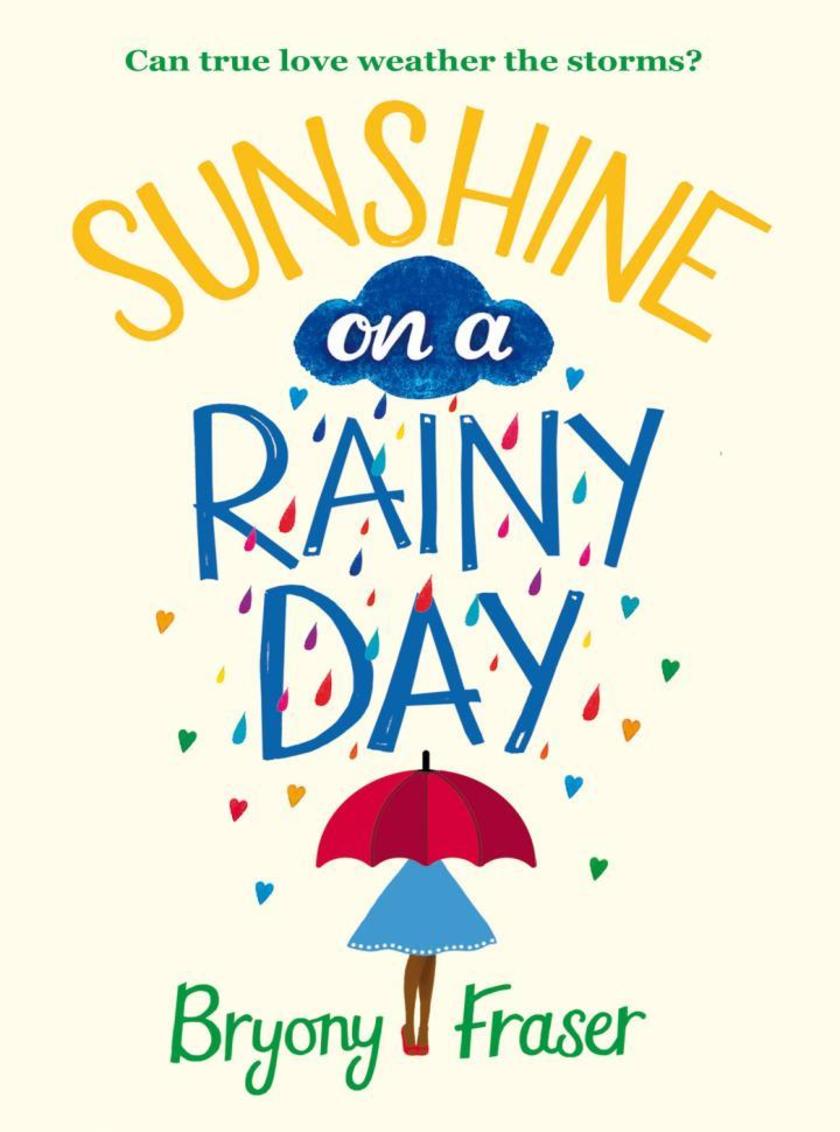
Sunshine on a Rainy Day:A funny, feel-good romantic comedy
¥44.44
A hilarious and heartbreaking read, for anyone whose life hasn’t quite gone to plan… The only book that fans of BRIDGET JONES and MARIAN KEYES need. ‘If you enjoyed One Day, you’ll love this.’ Reader review It’s Zoe and Jack’s first wedding anniversary party. They’ve got an announcement! They’re getting divorced… Marriage isn’t for everyone – something that Zoe and Jack discovered only after they’d walked down the aisle. Bad timing, huh? So now they’re stuck together in their once harmonious marital home, neither one of them willing to move out of their lovely house. With Zoe’s three sisters always wanting a say, and Jack’s best friend trying his best to fix things between them, misunderstandings arise. Tempers flare. ‘Accidents’ happen… Zoe and Jack are going to be lucky if they’re still alive when the twelve months are up. But maybe things aren’t quite as final as they seem? What readers are saying about Sunshine on a Rainy Day: ‘A refreshingly hilarious read that has the power to pull at your heartstrings…it brought sunshine to my soul.’ The Writing Garnet ‘If you enjoyed One Day, you’ll love this.’ Reader review ‘I laughed and cried all the way through…a fantastic, laugh-out-loud feel-good book.’ Reader review ‘An engaging and entertaining story!’ Rae Reads ‘Funny and moving…it will make you laugh and cry, and wish you knew some of the characters in real life.’ Reader review ‘Funny story…highly entertaining.’ Reader review

Birds of South America:Passerines (Collins Field Guide)
¥294.79
Recommended for viewing on a colour tablet. South America has long been known for its bountiful flora and fauna. The richness in bird life has attracted visitors from all over the world and has helped to make South America an increasingly popular wildlife tourist spot. This major new field guide to the birds of South America covers all the passerines (perching birds), with all plumages for each species illustrated, including males, females and juveniles. The text gives information on key identification features, habitat, and songs and calls. Beautiful artwork featured across 195 colour plates appears opposite the relevant text for quick and easy reference. Distribution maps are included, showing where each species can be found and how common it is, to further aid identification.
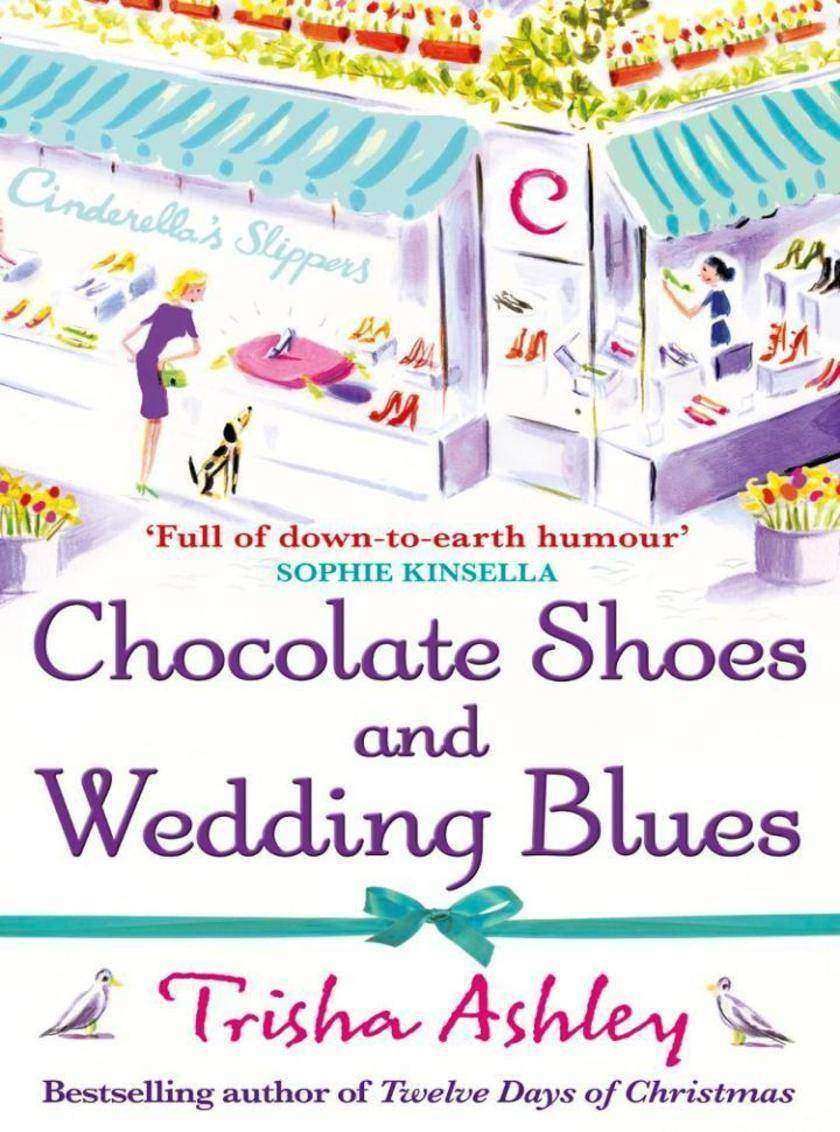
Chocolate Shoes and Wedding Blues
¥34.14
When Tansy Poole inherits a run-down shoe shop tucked away in the village of Sticklepond, ‘Cinderella’s Slippers’ is born – providing the footwear to make any fairytale wedding come true… Carrying everything a bride would want to walk down the aisle in, Tansy’s shop soon expands to carry shoe-themed wedding favours, bridesmaid gifts and even delicious chocolate shoes. It’s the dream destination for any shoe-lover! If only everything in her personal life could be as heavenly – but with a fiancé trying to make her fit into a size 8 wedding dress, not to mention the recent discovery of disturbing family revelations, Tansy takes refuge in the shop’s success. But one man isn’t thrilled by the stream of customers hot-footing it to Cinderella’s Slippers… Actor Ivo Hawksley, resident of the cottage next to the shop, is troubled by a dark secret in his past and has come to Sticklepond to nurse his own broken heart. However, Ivo realises that he and Tansy have a link in their past and soon, they both find out how secrets shared can make a very strong bond indeed… Forget the Jimmy Choos, Chocolate Shoes and Wedding Blues is the only accessory you need for spring 2012…
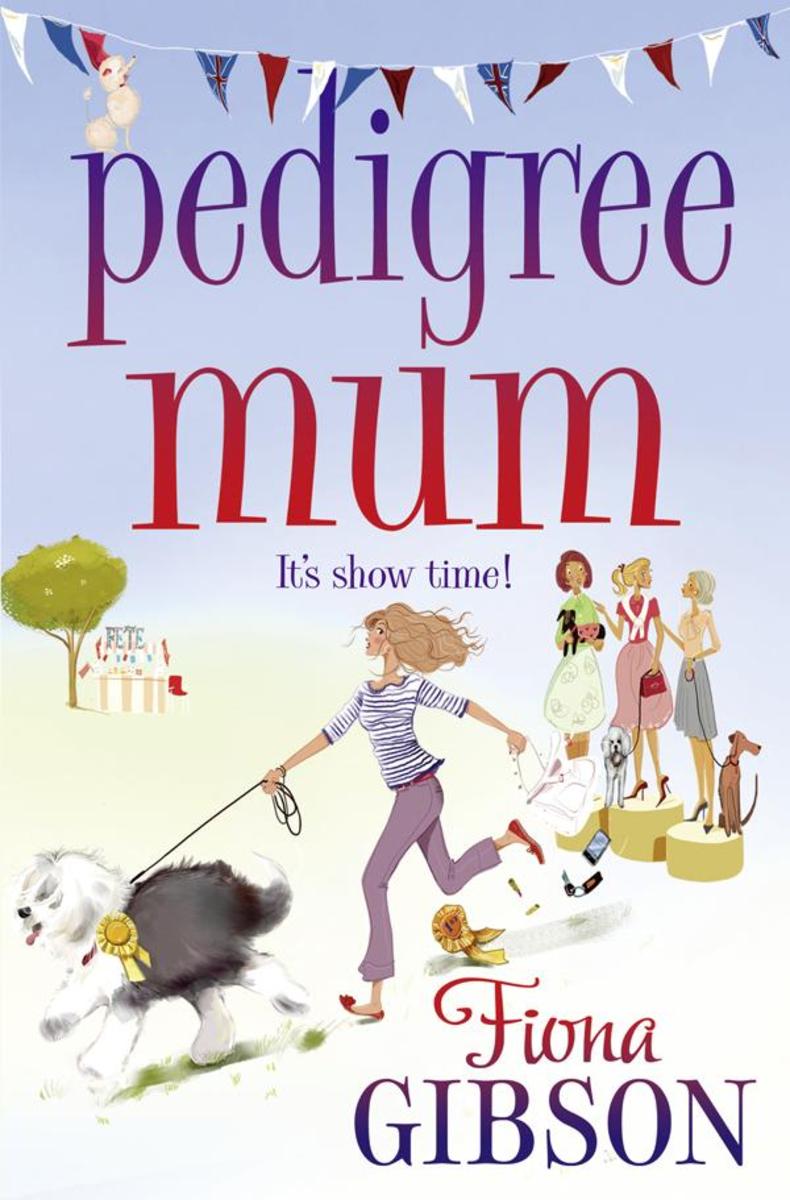
Pedigree Mum
¥34.14
The e-book bestselling author, Fiona Gibson is back. Laugh-out-loud funny from the author that bought you Mum On The Run. Fiona’s writing deals with the real life cringe-worthy moments we all know so well… A straying husband. A broken heart. And a crazy rescue dog in a town of posh pooches… When Kerry Tambini upped sticks with her family to a new home on the coast, she couldn’t have been happier. Then husband Rob made the biggest mistake of his life… Stranded with her children in snooty Shorling, Kerry has plenty on her plate. So how can she say no to the kids' pleas for a dog when they're missing their father dreadfully? Will adopting a wayward hound lead Kerry to a new love – or has she bitten off more than she can chew? As she steps back into the dating world Kerry must juggle her family, her neurotic dog and try to fit in with the local pedigree mums, making her a true heroine for our time.

DOG Is GOD Spelt Backwards:Bonnie
¥15.60
An inspiring and heart-warming short story of canine devotion and bravery. When Corporal Jenny Chester was matched with Arms and Explosives search dog Bonnie it felt like the best Christmas present ever. Friends from day one, partners beyond doubt, through service in Bosnia and Iraq they shared food on the run, sleeping in bags in the cold and shade of the same tree. A bond made in wartime that created a partnership for life. Extracted from the bestselling title The Dog That Saved My Life.

Fearless Under Fire:Tangye
¥15.60
An inspiring and heart-warming short story of canine devotion and bravery. A brave and loyal companion to the British soldiers in conflict in Afghanistan, Tangye began his years as a puppy mascot. Before long he was inseparable from the servicemen on the base, who he lived and patrolled with for five years. He accompanied the bomb disposal unit several times and became a target for the enemy. But he was also a much loved companion for soldiers in the time of need. Extracted from the bestselling title Beyond The Call Of Duty, this is the story of dog who was a resident comedian and constant comforter, and the fight of the men he accompanied to bring him back with them to the UK.
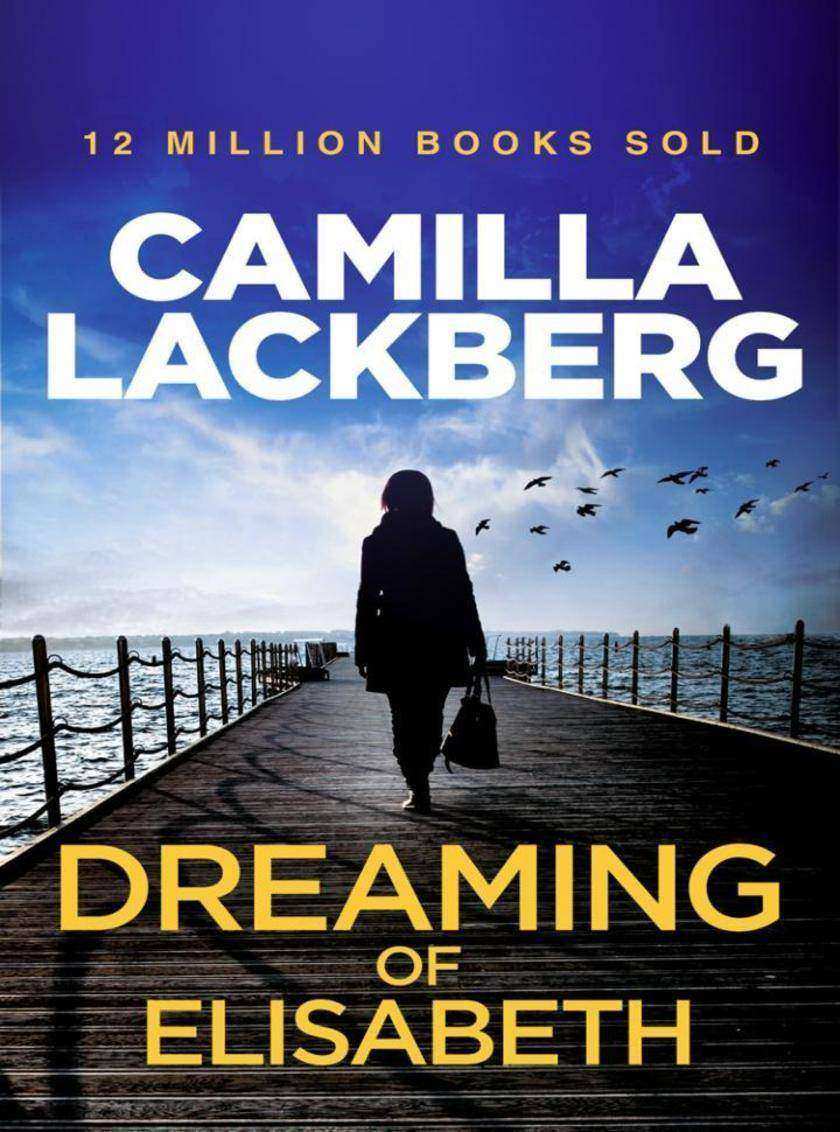
Dreaming of Elisabeth:A Short Story
¥22.66
A short story from No. 1 international bestseller and Swedish crime sensation Camilla Lackberg, perfect for fans of Stieg Larsson and Jo Nesbo. Malin and Lars have embarked on an epic sailing trip. But during the trip Malin starts to have strange dreams about Lars’ ex-girlfriend, Elisabeth. As his behaviour becomes increasingly erratic, Malin becomes convinced that Lars is responsible for the death of his ex. Trapped on a boat with nowhere to go, Malin fears he is next on the list…
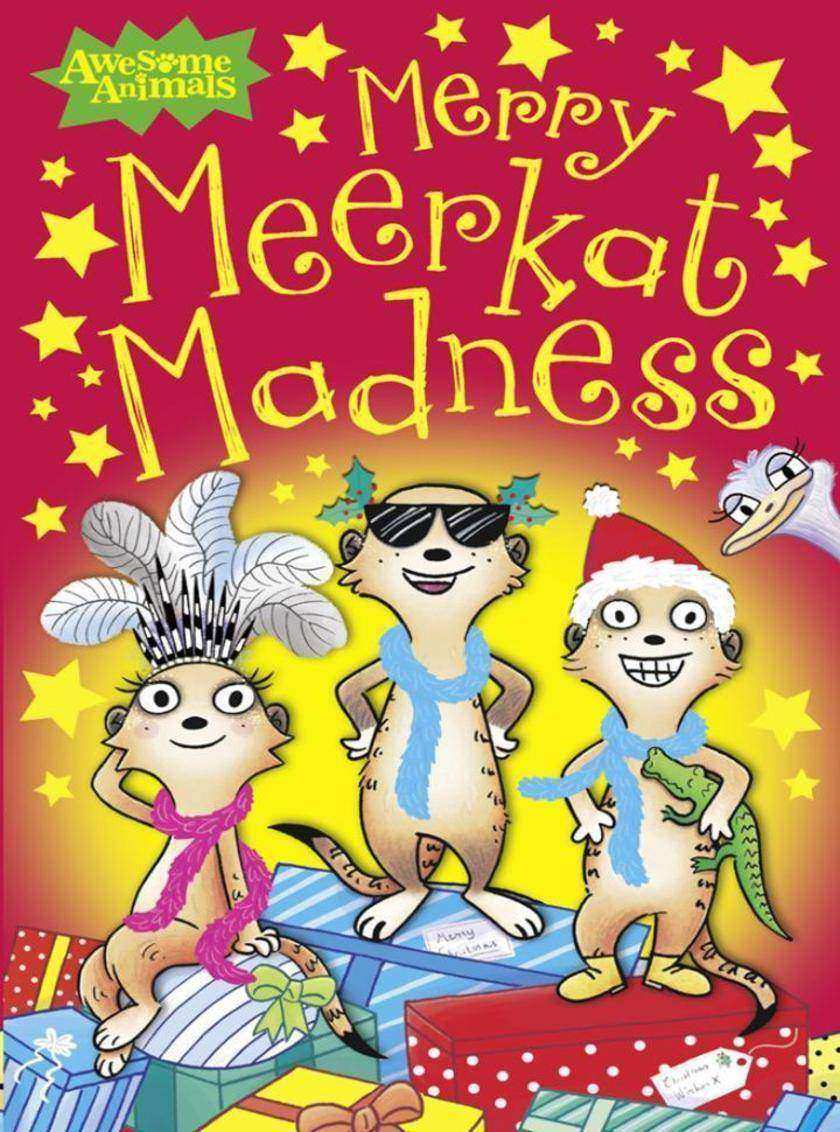
Merry Meerkat Madness (Awesome Animals)
¥44.15
The fourth meerkat story in the hilarious Awesome Animals series – awesome adventures with the wildest wildlife. Told in Ian Whybrow’s unique style this hilarious Christmas adventure is a must-have for little meerkat fans. More hilarious adventures featuring Uncle Fearless, Skeema, Mimi and Little Dream – the all-star cast of Meerkat Madness, from the creator of the Little Wolf books. One of the fantastic titles in the Awesome Animals series – the funniest fiction, starring the wildest wildlife, from prize-winning authors. It’s Christmas in the Kalahari and the Really Mad Mob of meerkats are about to have a very Merry Meerkat Christmas indeed!
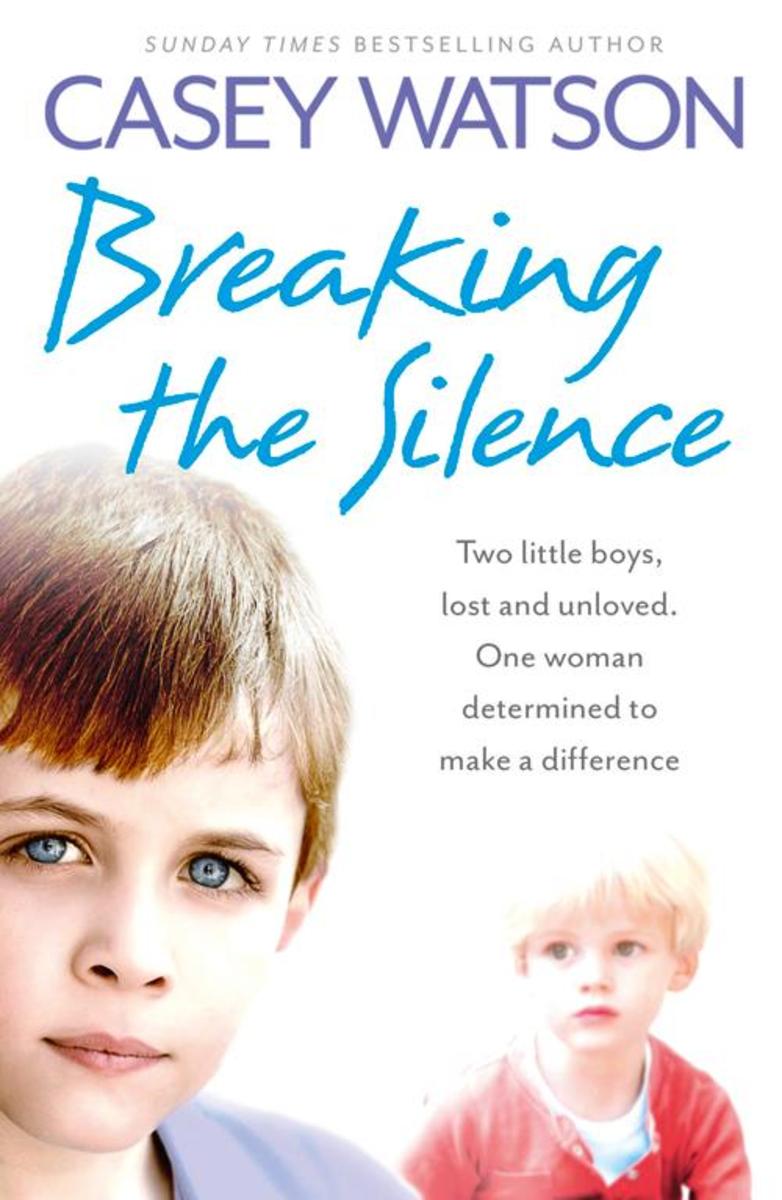
Breaking the Silence
¥58.86
From the Sunday Times bestselling author comes a true story of two deeply troubled boys both in need of a loving home. This is the sixth title in the series. The Watsons are astonished when they answer their front door to find their case worker with a small boy on the doorstep. Jenson is just nine years old. He was removed from his home thirty minutes earlier when it was discovered his mother had left him at home while she went on holiday with her boyfriend. A couple of weeks later Casey is in for a second shock when she is asked to take a second nine-year-old boy, Georgie. Georgie is autistic and has been in a children’s home since he was a toddler. The home is closing and social services need somewhere temporary for him to stay. With her own grown up son, Kieron, having Asperger’s (a mild form of autism), Casey knows this is one child she cannot say no to. The relationship between Jenson and Georgie is difficult from the outset. Jenson is rebellious and full of attitude and he kicks off at anything, constantly winding Georgie up. Georgie doesn’t cope well with change and is soon in a permanent state of stress. Despite Casey’s best efforts, her innate love for the children is being tested and she begins to question if she can handle Jenson’s cruelty. But over time it becomes clear that the boys have formed an unlikely bond. Could this be the solution to all of their troubles?
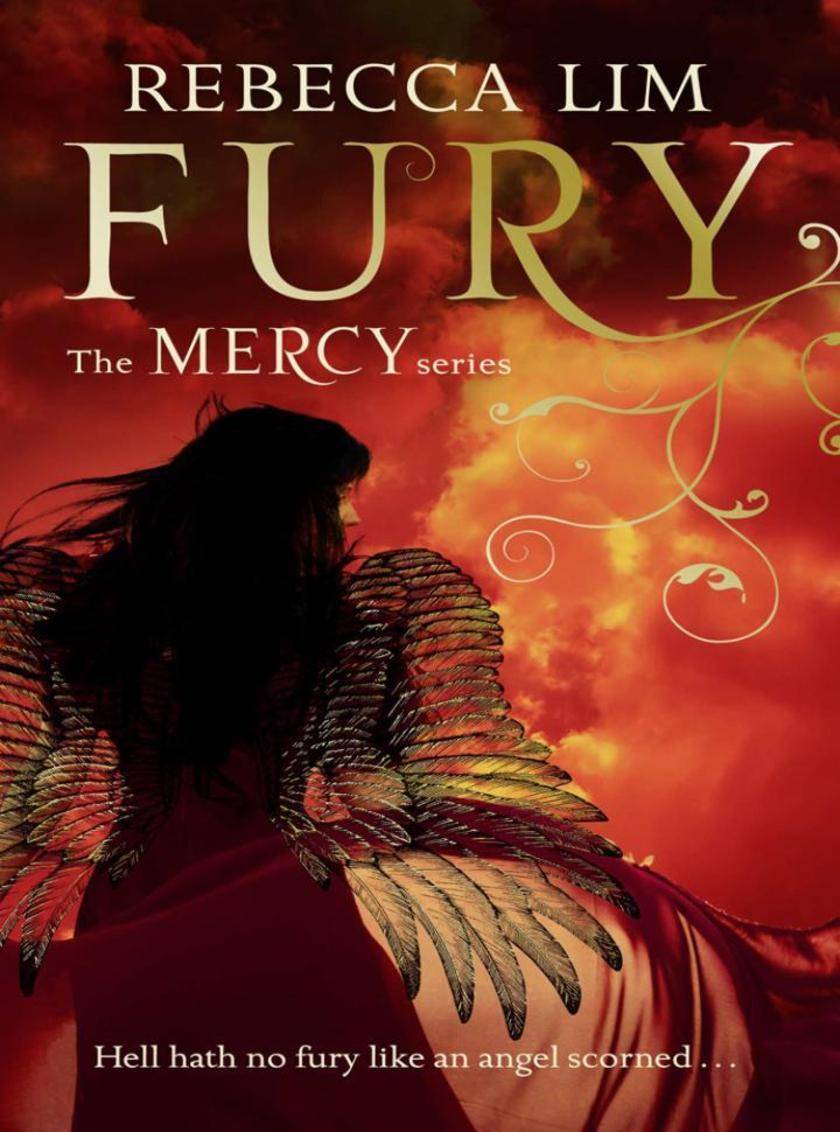
Fury (Mercy, Book 4)
¥73.58
Hell hath no fury like an angel scorned… Heartbreak. Vengeance. Truth. Betrayal. Everything that has happened to Mercy over millennia has made her who she is. Now she and The Eight wage open war with Luc and his demons, and the earth is their battlefield. Ryan’s love for Mercy is more powerful than ever, her guiding light in the hour of darkness. But the very love that sustains her, now places Ryan in mortal danger. Two worlds collide as Mercy approaches her ultimate breathtaking choice. Hell hath no fury like Mercy …
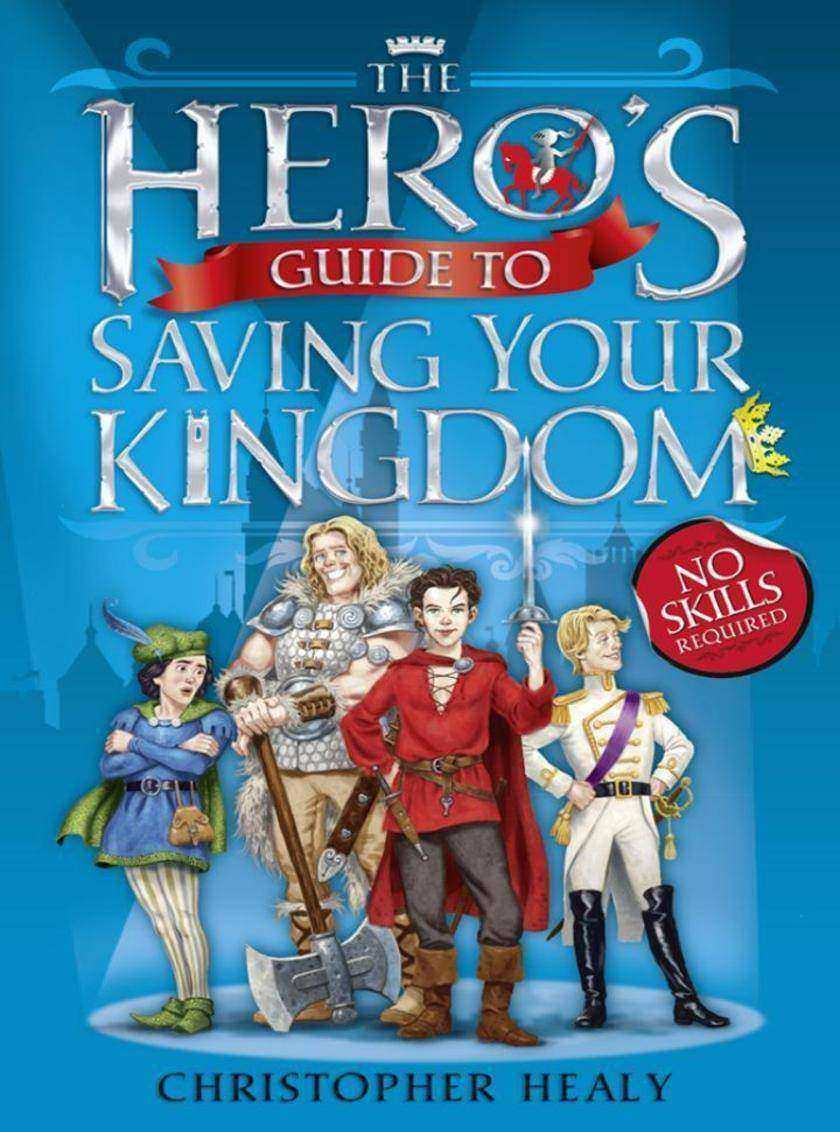
The Hero’s Guide to Saving Your Kingdom
¥51.50
A fast-paced and hilarious fantasy quest in the grand tradition of Shrek and The Princess Bride, starring four very unlikely, but likeable, heroes. Prince Liam. Prince Frederick. Prince Duncan. Prince Gustav. You’ve never heard of them, have you? But you’ve probably heard of Prince Charming, the guy who rides in at the last minute to save the girl. Well that’s them, all four of them. They are all Prince Charmings. Only in reality, they are a little less heroic than you might expect. One day, cast out of their castles for one reason or another, the four Prince Charmings stumble upon each other, then shortly afterwards, upon an evil plot to bring about the downfall of the kingdom. Can the princes stop their bickering, overcome their failings and become the heroes the stories always said they were?


