


 购物车
购物车 个人中心
个人中心

Just Another Kid: Each was a child no one could reach – until one amazing teache
¥68.67
A dramatic and remarkable narrative of an extraordinary teacher's determination, from the author of the Sunday Times bestsellers ‘The Tiger's Child’ and ‘One Child’. Torey Hayden faced six emotionally troubled kids no other teacher could handle – three recent arrivals from battle-torn Northern Ireland, badly traumatised by the horrors of war; an eleven-year-old boy, who only knew life inside an institution; an excitable girl, aggressive and sexually precocious at the age of eight; and seven-year-old Leslie, perhaps the most hopeless of all, unresponsive and unable to speak. But Torey's most daunting challenge turns out to be Leslie's mother, a stunning young doctor who soon discovers that she needs Torey's love and help just as much as the children. ‘Just Another Kid’ is a beautiful illustration of nurturing concern, not only for a few emotionally disturbed children, but for one woman facing a personal battle.
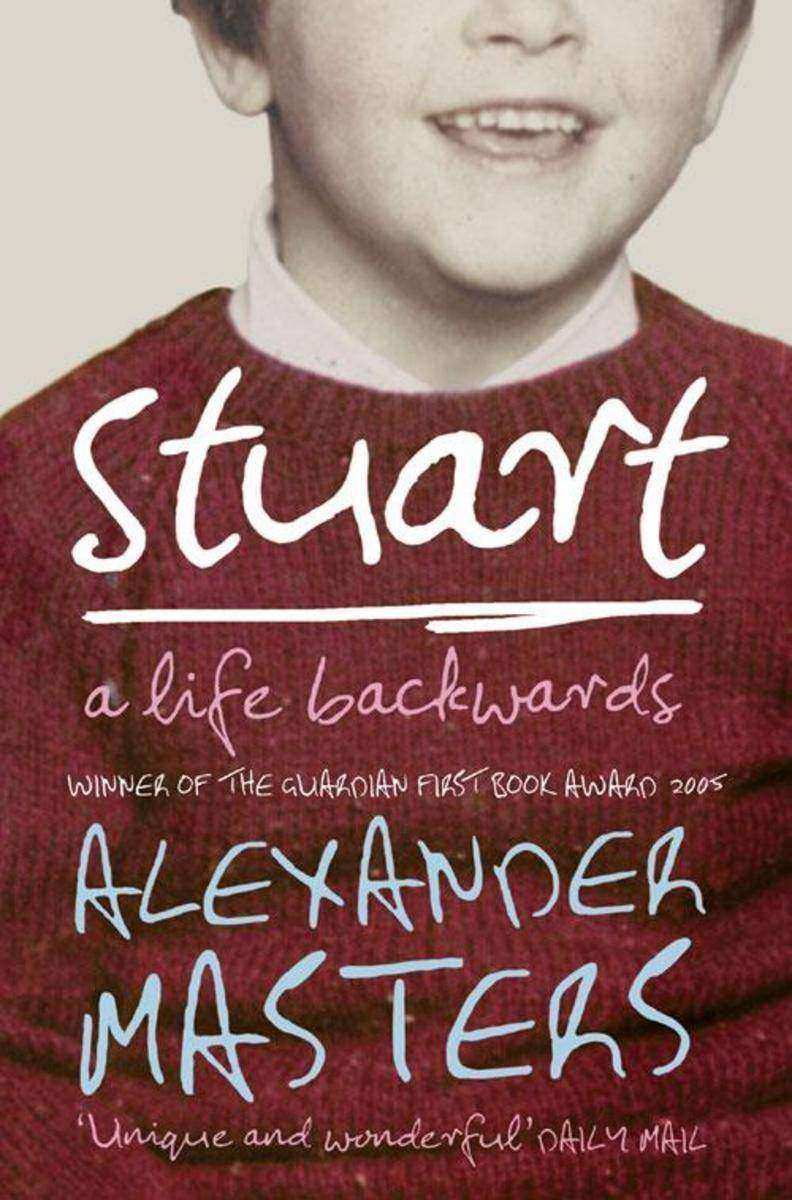
Stuart: A Life Backwards
¥66.22
Stuart does not like the manu*. He's after a bestseller, "like what Tom Clancy writes". "But you are not an assassin trying to frazzle the president with anthrax bombs," I point out. You are an ex-homeless, ex-junkie psychopath, I do not add.' This is the story of a remarkable friendship between a reclusive writer ('a middle-class scum ponce, if you want to be honest about it, Alexander'), and Stuart Shorter, a homeless, knife-wielding thief. Told backwards -- Stuart's idea -- it starts with a deeply troubled thirty-two-year-old and ends with a 'happy-go-lucky little boy' of twelve. This brilliant biography, winner of the Guardian First Book Award, presents a humbling portrait of homeless life, and is as extraordinary and unexpected as the man it describes.

Walter Sickert: A Life (Text Only)
¥82.01
This edition does not include illustrations. The first major life of the outstanding British painter – and Jack the Ripper suspect – Walter Sickert (1860-1942), by the highly acclaimed biographer of Aubrey Beardsley. Walter Richard Sickert is perhaps the outstanding figure of British art during the last hundred years. Many contemporary painters, from Hodgkin and Bacon to Auerbach and Kossof, acknowledge a debt to his influence. His career spanned six decades of unceasing experiment and achievement. As a young artist, he was welcomed and encouraged by Degas. He was the disciple of Whistler and mentor of Beardsley. He founded the London Impressionists and the Camden Town Group. He was taken up by both the Woolfs and the Sitwells. He gave painting lessons to Winston Churchill. His energy was prodigious and his personality fascinating: he was also an illustrator, cartoonist, writer, polemicist, teacher and wit. He relished controversy: his early paintings of London music halls and his late works, based on 18th-century etchings and contemporary news photographs, provoked outraged criticism from conventional commentators. Sturgis also devotes an appendix to charting in detail Sickert's posthumous life as a player in the 'Jack the Ripper' circus, assessing (and demolishing) the arguments of Patricia Cornwell and others in the light of his own discoveries.
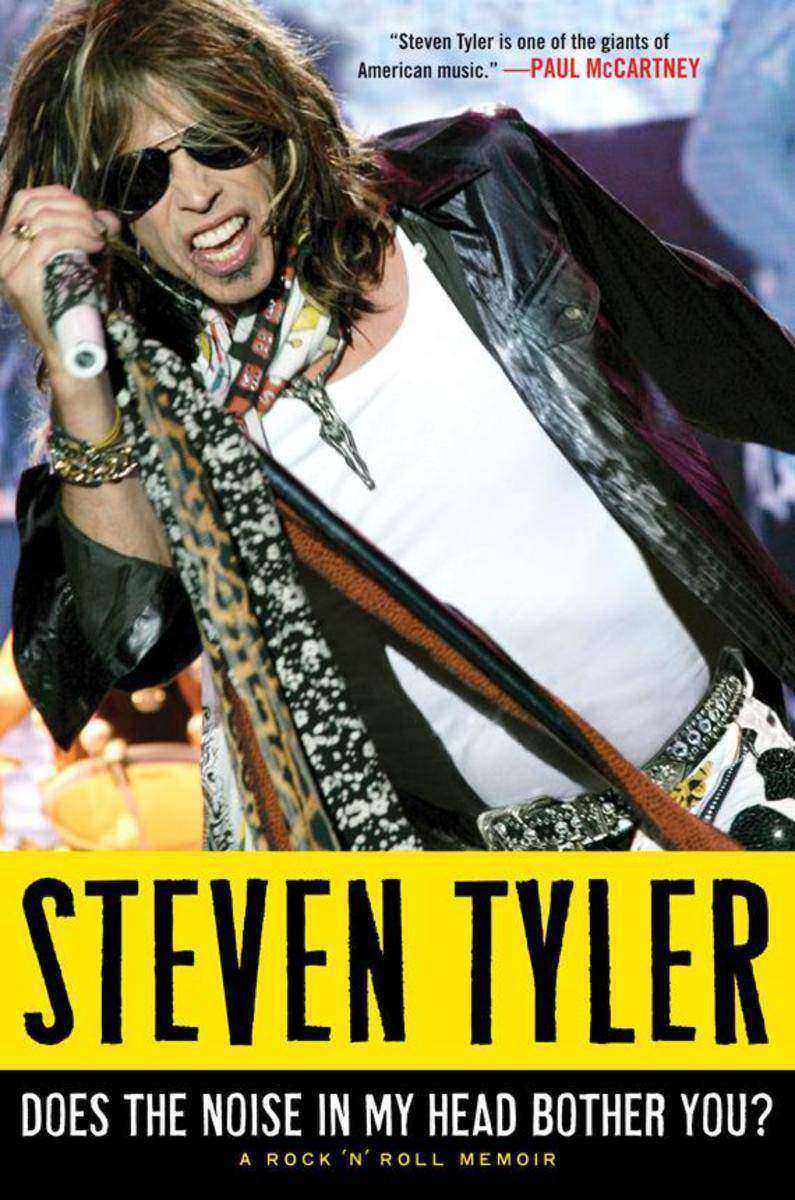
Does the Noise in My Head Bother You?: The Autobiography
¥37.77
The long-awaited, never-before-told, no-holds-barred memoir from the legendary Aerosmith frontman. Finally, all the lurid tales of debauchery, sex, drugs and rock n' roll are told straight from the horse's lips as The Demon of Screamin' describes his unimaginable highs and unbelievable lows as lead singer of the biggest rock band in the world. Prolific frontman, rock icon and sex symbol, Steven Tyler is a living legend. With his raw, sharp-edged vocals, musical versatility and unprecedented song writing skills, Tyler has, as lead singer of Aerosmith, sold millions of records and played sell-out concerts to as many as 450,000 people. Now, at last, he tells his own story, taking us on a wild rollercoaster ride through the bust-ups, binges, orgies and good old American excess in the jaw-droppingly honest, in-your-face way that only Tyler can. Following a fateful meeting with his 'mutant twin' Joe Perry in the summer of 1970, Aerosmith was formed…and the rest, as they say, is rock history. They released their first album in 1973, and by 1976 Aerosmith had gone from being nobodies to massive to off the radar, making history as a multi-platinum, chart-topping band. But with great success comes great excess. Nicknamed the Toxic Twins for their insatiable appetite for drugs, booze and women, Tyler and Perry got caught up in the glamour of self-destruction - smashing each other up with guitars, having seizures and passing out on stage. By 1980 it seemed that the band and its members were set to implode, but after successful stints in drug rehab, Aerosmith were back on track and better than ever. But although he may have given up his wicked, wicked ways, Tyler still enjoys talking about the bad old days. He has so many outrageous stories to tell, and he's gonna tell them all. All the uncensored, head-spinning tales of debauchery, sex, booze, transcendence and chemical dependence you will ever want to hear. As raucous, intoxicating and edgy as his music, this is the most outrageous rock n' roll autobiography of all time.

Bill Hicks: Agent of Evolution
¥80.25
Written by Bill Hick's lifelong friend, producer, and co-creator, Kevin Booth offers the inside story into the man who was only along for the ride for a tragically short time, yet left an indelible mark on comedy enthusiasts and freethinkers everywhere. Bill Hicks: Agent of Evolution offers a rare fly-on-the-wall insight into the life of one of Britain's most loved US comedians. Adored in the UK for his unique style of savage, hilarious comedy, the one person who knew him inside and out tells of a man whose life was just as impassioned and off-the-wall as his comedy. Even back at High School, in Houston, Texas, Kevin was Bill's co-conspirator, as they sneaked out of Bill's strict Baptist home at night, and headed for the Comedy Workshop, where at the age of fourteen, Bill was going down a storm. They virtually shared every experience – from magic mushrooms to girls, but it was their music and their vision of comedy, which bound them so closely together. Kevin produced, engineered and performed on many of Bill's recordings, and it is largely due to him, that so much of Bill's comedy is readily available on CD and video. Michael Bertin, a hugely talented author from Austin, Texas, is co-writing Kevin's fly-on-the-wall biography of Bill Hicks.

Out of the Frying Pan: Scenes from My Life
¥68.67
Keith Floyd’s exuberant personality, as much as his cooking skills, has made him a favourite both as bestselling author and as television presenter. But here, for the first time, he tells his own story – and it is full of surprises. The stories from his childhood in Somerset are vivid and moving: his grandfather with his tin leg, his mother at the mills, and his uncle, the ferret keeper, and the black sheep of the family for ‘carrying on’ with married women. Keith Floyd spent a short spell on a local newspaper, and then, in a hilarious episode, joined the army. After he and the Ministry of Defence decided that they did not suit each other, he took his first cooking job as an assistant vegetable cook in a Bristol hotel. The great period of bistros and cafes had dawned and Keith Floyd was in the forefront, cooking in an open kitchen, with Pink Floyd blaring from the speakers. What is wonderful about this book is the vividness of the scenes he paints and the deftness with which he draws the characters – including his several wives. Those who have admired Keith Floyd’s way with a whisk will now be impressed to discover and enjoy his remarkable skill with words.
Southey on Nelson: The Life of Nelson by Robert Southey
¥72.99
LIVES THAT NEVER GROW OLD A radical new series – edited by Richard Holmes – that recovers the great classical tradition of English biography. Every book is a biographical masterpiece, still thrilling to read and vividly alive. This short, brilliant, action-packed biography appeared only eight years after Nelson’s death at the Battle of Trafalgar (a scene unforgettably described). It helped transform Nelson into the most popular wartime hero that Britain has ever placed on top of a column. It first gave currency to the proverbial stories of his courage and exhibitionism, from the ‘blind eye’ at Copenhagen, to ‘Kiss me, Hardy’ and the scandal of ‘Beloved Emma’ at Naples. It was written by the romantic poet and historian Robert Southey, a one-time radical who was converted to patriotism by Nelson’s shining (though not ‘untarnished’) example.
Geoff Boycott: A Cricketing Hero
¥63.18
Few modern British sportsmen have fascinated the public more than Geoff Boycott. In this first comprehensive and balanced account of Boycott’s life – fully updated to include his battle against cancer – award-winning author Leo McKinstry lifts the lid on one of cricket’s great enigmatic characters. A record-breaking Test cricketer and acerbic commentator, Geoff Boycott has never been far away from controversy during his long career in the game. Based on meticulous research and interviews with a host of players, Test captains, officials, broadcasters, friends and enemies, this definitive biography cuts through the Boycott myth to expose the truth about this charismatic, single-minded and often exasperating personality. What was Boycott like as a schoolboy? How did his England cricket colleagues such as Graham Gooch, Dennis Amiss and Brian Close feel about him as a person? Why was he so unpopular in his early career for Yorkshire? And what is the real truth about the relationships that soured his private world? From his upbringing as a miner’s son in a Yorkshire village, through highlights like his hundredth century at Headingley against Australia, to the low points such as the damaging court case in France, this warts-and-all account of his life makes for captivating reading.
Sunshine on Putty: The Golden Age of British Comedy from Vic Reeves to The Offic
¥72.40
The definitive history of a golden age in British show-business, Sunshine On Putty is based on hundreds of interviews with the leading comedians of the era, as well as managers, agents, producers, directors, executives and TV personalities. In the 1990s, British comedy underwent a renaissance – shows like The Fast Show, The Day Today, Shooting Stars, The League of Gentlemen, The Royle Family and The Office were hugely popular with critics and audiences alike. Just as politics, sport, art, literature and religion seemed to move towards light entertainment, the comedy on the nation's televisions not only offered a home to ideas and ideals of community which could no longer find one elsewhere, but also gave us a clearer picture of what was happening to our nation than any other form of artistic endeavour. From Ricky Gervais' self-destructive love affair with dairy products to Steve Coogan's suicidal overtaking technique; from the secrets of Vic Reeves' woodshed, to the stains on Caroline Aherne's sofa; from Victor Meldrew's prophetic dream to Spike Milligan's final resting place, Ben Thompson reveals the twisted beauty of British comedy’s psyche.
Ready, Steady, Go!: Swinging London and the Invention of Cool (Text Only)
¥76.91
Shawn Levy, author of ‘Rat Pack Confidential’ brings alive London in the swinging Sixties with a gripping, groovy story of those who created the scene that changed the world. For a few years in the 1960s, London was the coolest city on earth: a spontaneous, dizzying stew of pop music, fashion, film, scandal, drugs & sex, crime, the avant garde underground and the tabloid obsession with fame. The rest of the world watched in awe. Snaking through it are such eminent swinging Londoners as The Dreamer (actor Terence Stamp), The Chameleon (Rolling Stone Mick Jagger), The Loner (Beatles manager Brian Epstein), The Snapper (photographer David Bailey) and The Blue Blood (art dealer Robert Fraser), as well as such figures as comedian Peter Cook; hairdresser Vidal Sassoon; singer Marianne Faithfull; fashion designer Mary Quant; supermodels Jean Shrimpton and Twiggy; gangsters Ron and Reggie Kray; actor Michael Caine; actresses Catherine Deneuve, Lynn Redgrave and Julie Christie; pop groups The Beatles, The Who and The Kinks; filmmakers Roman Polanski, Richard Lester and Michelangelo Antonioni; as well as the various participants in the Profumo scandal, the Great Train Robbery, the rise of LSD, the radical underground, the heyday of the gambling club and the fashion boutique and various and sundry scandals, scenes and sensations. Due to a combination of massive talent and sheer luck, they dominated the world scene. But the party was to end – after seven short years it seemed that everyone was now a Swinging Londoner and the same vibe was found in Paris, New York and San Francisco. ‘Ready, Steady, Go’ recreates the whole show and contrasts a series of emblematic lives with the great events that shaped the time. Through these stories, Shawn Levy, author of ‘Rat Pack Confidential’, shows how the city reinvented cool and then seemed to lose its swing altogether.

A Scandalous Life: The Biography of Jane Digby (Text only)
¥81.03
The biography of Jane Digby, an ‘enthralling tale of a nineteenth-century beauty whose heart – and hormones – ruled her head.’ Harpers and Queen A celebrated aristocratic beauty, Jane Digby married Lord Ellenborough at seventeen. Their divorce a few years later was one of England s most scandalous at that time. In her quest for passionate fulfilment she had lovers which included an Austrian prince, King Ludvig I of Bavaria, and a Greek count whose infidelities drove her to the Orient. In Syria, she found the love of her life, a Bedouin nobleman, Sheikh Medjuel el Mezrab who was twenty years her junior. Bestselling biographer Mary Lovell has produced from Jane Digby’s diaries not only a sympathetic and dramatic portrait of a rare woman, but a fascinating glimpse into the centuries-old Bedouin tradition that is now almost lost. Note that it has not been possible to include the same picture content that appeared in the original print version.
Bobby Moore: By the Person Who Knew Him Best (Text Only)
¥72.99
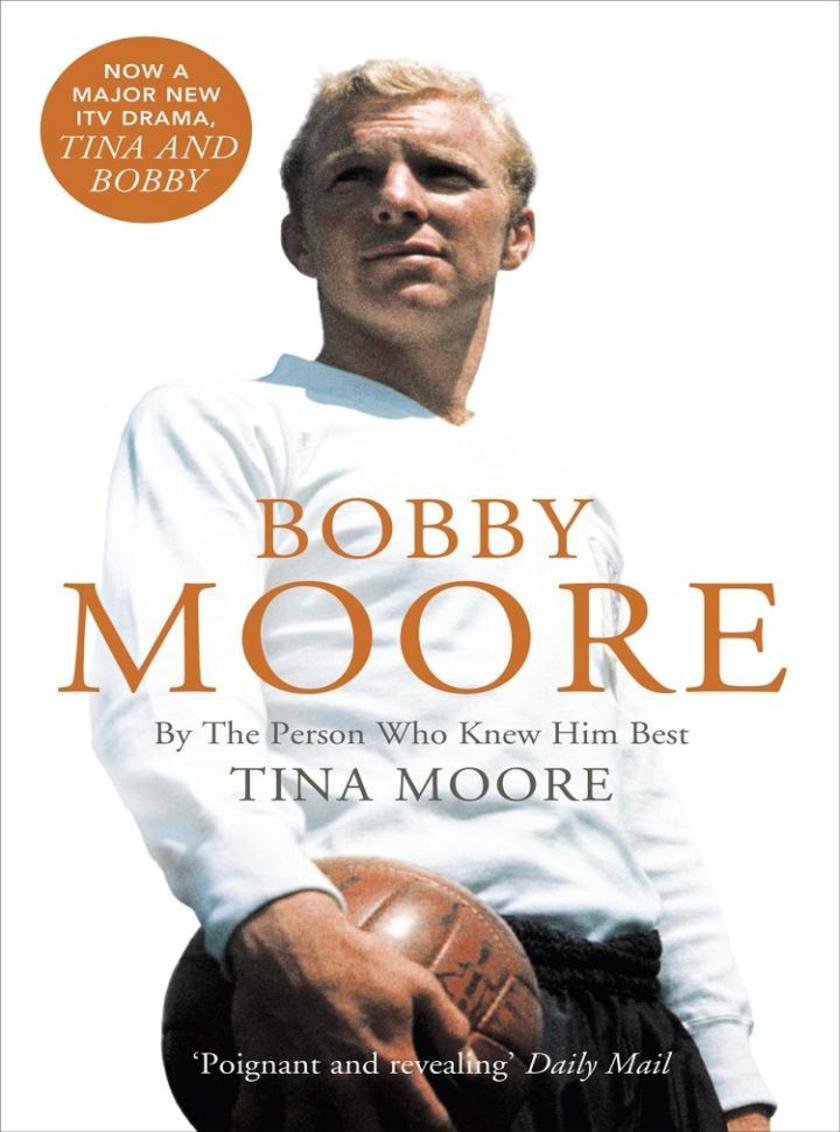
THE STORY WHICH INSPIRED THE MAJOR ITV DRAMA TINA AND BOBBY. Bobby Moore’s untimely death in 1993, at the age of 51, had a profound impact on the people of this country. As the only English football captain ever to raise the World Cup, he was not just a football icon but a national one. Yet Bobby was an intensely reserved, almost mysterious personality. Only one person was his true friend and confidante – his boyhood sweetheart, Tina, whom he met at 17 and married soon after. Tina Moore’s story of her life with Bobby, the triumphs and crises of his football career, the break-up of their marriage and what happened afterwards, is a moving tribute to a national icon by the person who knew him better than anyone.
Charlotte Mew: and Her Friends
¥81.03
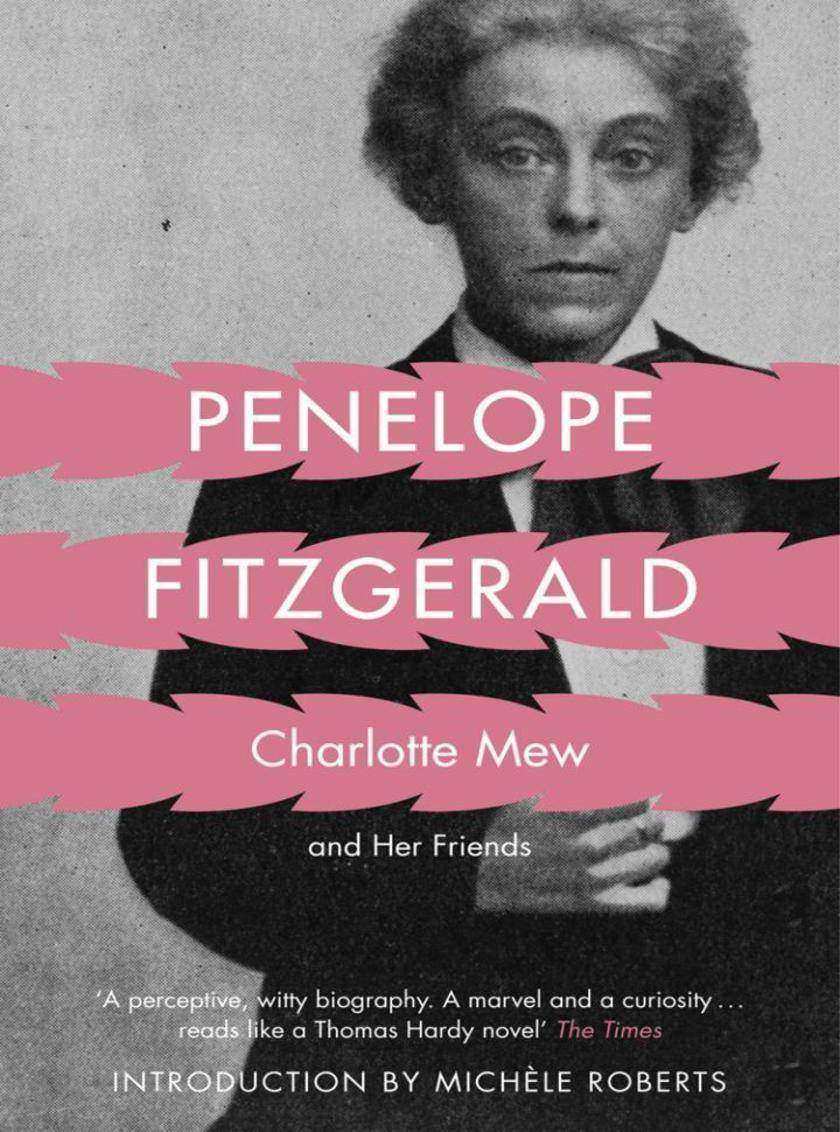
Penelope Fitzgerald’s fascinating portrait of the tragic poet and her life at the heart of the Bloomsbury set. Charlotte Mew (1869-1928) cut one of the most distinctive figures of the twentieth century – beloved of Siegfried Sassoon and Walter de la Mare (for whom she was ‘a very rare being’), unafraid of Virginia Woolf, and considered by Hardy to be ‘far and away the best living woman poet’. Part of a new wave of fashionable female dandies who lived passionate, precarious existences in Bloomsbury, she was an enchanting and spirited personality. But behind the brave face was a life riddled with grief: left to care for her disturbed mother, two siblings with undiagnosed Schizophrenia and Charlotte herself burdened by depression and closeted lesbianism; she killed herself by drinking household disinfectant. In this unexpectedly gripping portrait of a life of passion unfulfilled, Penelope Fitzgerald brings all her novelist’s skills into play in telling a story that is at once tragic, beautiful and deeply human.

Coleridge: Darker Reflections
¥80.25
Timely reissue of the second volume of Holmes’s classic biographies of one of the greatest Romantic poets. Richard Holmes’s biography of Coleridge transforms our view of the poet of ‘Kubla Khan’ forever. Holmes’s Coleridge leaps out of these pages as the brilliant, animated and endlessly provoking poet of genius that he was. This second volume covers the last 30 years of Coleridge’s career (1804-1834) during which he travelled restlessly through the Mediterranean, returned to his old haunts in the Lake District and the West Country, and finally settled in Highgate. It was a period of domestic and professional turmoil. His marriage broke up, his opium addiction increased, he quarrelled with Wordsworth, his own son Hartley Coleridge (a gifted poet himself) became an alcoholic. And after a desperate time of transition, Coleridge re-emerged on the literary scene as a new kind of philosophical and meditative author. Note that it has not been possible to include the same picture content that appeared in the original print version.

Coleridge: Early Visions
¥95.75
Winner of the 1989 Whitbread Prize for Book of the Year, this is the first volume of Holmes’s seminal two-part examination of Samuel Taylor Coleridge, one of Britain’s greatest poets. ‘Coleridge: Early Visions’ is the first part of Holmes’s classic biography of Coleridge that forever transformed our view of the poet of ‘Kubla Khan’ and his place in the Romantic Movement. Dismissed by much recent scholarship as an opium addict, plagiarist, political apostate and mystic charlatan, Richard Holmes’s Coleridge leaps out of the page as a brilliant, animated and endlessly provoking figure who invades the imagination. This is an act of biographical recreation which brings back to life Coleridge’s poetry and encyclopaedic thought, his creative energy and physical presence. He is vivid and unexpected. Holmes draws the reader into the labyrinthine complications of his subject’s personality and literary power, and faces us with profound questions about the nature of creativity, the relations between sexuality and friendship, and the shifting grounds of political and religious belief. Note that it has not been possible to include the same picture content that appeared in the original print version.

Marlborough: Britain’s Greatest General (Text Only)
¥80.25
Bestselling military historian Richard Holmes delivers an expertly written and exhilarating account of the life of John Churchill, the Duke of Marlborough and Britain's finest soldier, who rose from genteel poverty to lead his country to glory, cementing its position as a major player on the European stage and saviour of the Holy Roman Empire. John Churchill is, by any reasonable analysis, Britain’s greatest-ever soldier. He mastered strategy, tactics and logistics. His big four battles, Blenheim (which saved the Holy Roman Empire), Ramilies, Oudenarde and Malplaquet were events at the very centre of the European stage. He captured Lille, France’s second city, overran Bavaria and beat a succession of French marshals so badly that one, the squat and energetic Bofflers, was rewarded by Louis XIV for only losing moderately. A coalition manager long before the phrase was invented, he commanded a huge polyglot army with centrifugal political tendencies and bending it to his will by sheer force of personality. Yet John Churchill was also deeply controversial. He accepted a pension from one of Charles II’s mistresses for services vigorously rendered. He owed his rise and his peerage to James II yet, determined to be on the winning side, he deserted him in his hour of need in 1688. He maintained regular correspondence with the Jacobites while serving William and Mary and with the French while fighting Louis XIV. He made money on a prodigious scale, but was notoriously tight-fisted, long regretting an annuity given to a secretary whose quick-wittedness saved him from capture. But in the age when commissions were bought and sold, and commanders often owed their position to the hue of their blood, he never lost his soldier’s confidence.

The Shed That Fed a Million Children: The Mary’s Meals Story
¥66.22
Speaking Volumes Christian Book of the Year 2016 Mary’s Meals is born from acts of love. If you put all those many acts of sacrifice together it creates a beautiful thing. Mary’s Meals tells the inspirational and compelling story of how a cripplingly shy fish farmer from Argyll, Scotland, became the international CEO of a global charity that now feeds over 800,000 children a day. In 1992, Magnus MacFarlane-Barrow was enjoying a pint with his brother when he got an idea that would change his life – and radically change the lives of others. After watching a news bulletin about war-torn Bosnia, the two brothers agreed to take a week’s hiatus from work to help. What neither of them expected is that what began as a one-time road trip in a beaten-up Landrover rapidly grew to become Magnus’s life’s work – leading him to leave his job, sell his house and direct all his efforts to feeding thousands of the world’s poorest children. Magnus retells how a series of miraculous circumstances and an overwhelming display of love from those around him led to the creation of Mary’s Meals; an organisation that now holds the key to eradicating child hunger altogether. This humble, heart-warming yet powerful story has never been more relevant in our society of plenty and privilege. It will open your eyes to the extraordinary impact that one person can make.
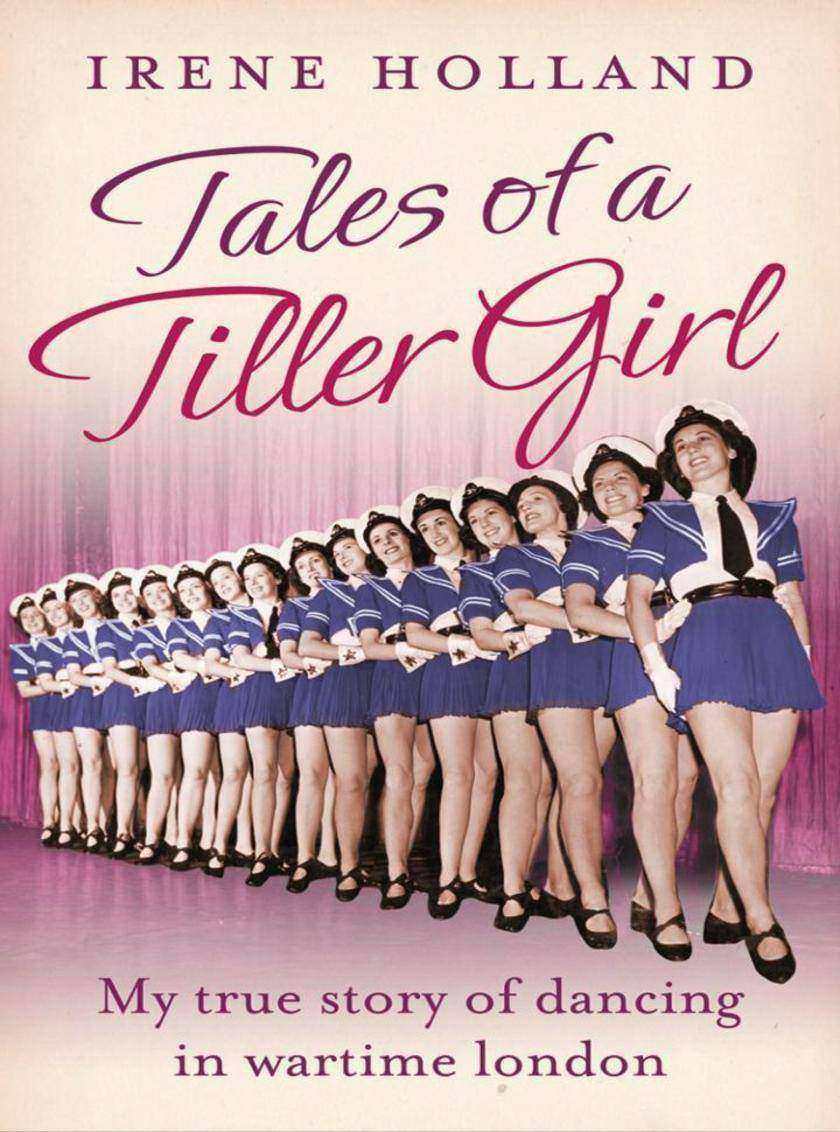
Tales of a Tiller Girl
¥58.86
A heart-warming nostalgia memoir from a member of the world famous dance troupe, The Tiller Girls. Based in London in the 1930s, 40s and 50s, Irene’s story will transport readers back to a more innocent, simple way of life. This is the story of a little girl who loved to dance. Growing up in London in the 1930s, dancing was so much more to Irene than just a hobby. It was her escape and it took her off into another world away from the harsh realities of life. A fairytale world away from the horrors of WW2, from the grief of losing her father and missing her mother who she didn’t see for three years while she was drafted to help with the war effort. And far away from her cold-hearted grandparents who treated her like an inconvenience. Finally it led to her winning a place as a Tiller Girl; the world’s most famous dance troupe known for their 32-and-a-half high kicks a minute and precise, symmetrical routines. For four years she opened and closed the show at the prestigious London Palladium and performed on stage alongside huge stars such as Frank Sinatra, Nat King Cole and Judy Garland. It was a strange mixture of glamour and bloody hard work but it was certainly never dull. And being a Tiller Girl also gave Irene the opportunity to see firsthand the devastating effects of WW2, both here and abroad. Heart-warming, enlightening and wonderfully uplifting, Irene’s evocative story will transport readers back to a time when every town and holiday resort had several theatres and when dance troupes like The Tiller Girls were the epitome of glitz and glamour.
Tales of a Tiller Girl Part 2 of 3
¥28.45
A heart-warming nostalgia memoir from a member of the world famous dance troupe, The Tiller Girls. Based in London in the 1930s, 40s and 50s, Irene’s story will transport readers back to a more innocent, simple way of life. This is the story of a little girl who loved to dance. Growing up in London in the 1930s, dancing was so much more to Irene than just a hobby. It was her escape and it took her off into another world away from the harsh realities of life. A fairytale world away from the horrors of WW2, from the grief of losing her father and missing her mother who she didn’t see for three years while she was drafted to help with the war effort. And far away from her cold-hearted grandparents who treated her like an inconvenience. Finally it led to her winning a place as a Tiller Girl; the world’s most famous dance troupe known for their 32-and-a-half high kicks a minute and precise, symmetrical routines. For four years she opened and closed the show at the prestigious London Palladium and performed on stage alongside huge stars such as Frank Sinatra, Nat King Cole and Judy Garland. It was a strange mixture of glamour and bloody hard work but it was certainly never dull. And being a Tiller Girl also gave Irene the opportunity to see firsthand the devastating effects of WW2, both here and abroad. Heart-warming, enlightening and wonderfully uplifting, Irene’s evocative story will transport readers back to a time when every town and holiday resort had several theatres and when dance troupes like The Tiller Girls were the epitome of glitz and glamour.
Tales of a Tiller Girl Part 3 of 3
¥47.48
A heart-warming nostalgia memoir from a member of the world famous dance troupe, The Tiller Girls. Based in London in the 1930s, 40s and 50s, Irene’s story will transport readers back to a more innocent, simple way of life. This is the story of a little girl who loved to dance. Growing up in London in the 1930s, dancing was so much more to Irene than just a hobby. It was her escape and it took her off into another world away from the harsh realities of life. A fairytale world away from the horrors of WW2, from the grief of losing her father and missing her mother who she didn’t see for three years while she was drafted to help with the war effort. And far away from her cold-hearted grandparents who treated her like an inconvenience. Finally it led to her winning a place as a Tiller Girl; the world’s most famous dance troupe known for their 32-and-a-half high kicks a minute and precise, symmetrical routines. For four years she opened and closed the show at the prestigious London Palladium and performed on stage alongside huge stars such as Frank Sinatra, Nat King Cole and Judy Garland. It was a strange mixture of glamour and bloody hard work but it was certainly never dull. And being a Tiller Girl also gave Irene the opportunity to see firsthand the devastating effects of WW2, both here and abroad. Heart-warming, enlightening and wonderfully uplifting, Irene’s evocative story will transport readers back to a time when every town and holiday resort had several theatres and when dance troupes like The Tiller Girls were the epitome of glitz and glamour.

The New Arrival: Part 3 of 3
¥39.04
The New Arrival can either be read as a full-length eBook or in 3 serialised eBook-only parts. This is PART 3 of 3 (Chapters 22-30 of 30). You can read Part 3 on release of the full-length eBook and paperback. Sarah completes her training, and, inspired by her experiences with a Health Visitor, she begins to realise that she may have found her passion… More than just a hospital, Hackney General was part of the community just as much as the Adam & Eve pub the staff frequent. A place where the poorly children of Hackney were nursed to health, a place where young nurses would discover just want they wanted from life, fall in love with shy photographers and grow into women. But it’s not all smooth sailing in Hackney: for every baby that goes home to its loving family another is abandoned, unloved, or never gets to go home at all. Funny, warm and deeply moving, Sarah Beeson’s poignant memoir captures both the heartache and happiness of hospital life and 1970s London through the eyes of a gentle but determined young nurse.


