


 购物车
购物车 个人中心
个人中心

Another Forgotten Child
¥58.86
A new memoir from Sunday Times and New York Times bestselling author Cathy Glass. Eight-year-old Aimee was on the child protection register at birth. Her five older siblings were taken into care many years ago. So no one can understand why she was left at home to suffer for so long. It seems Aimee was forgotten. The social services are looking for a very experienced foster carer to look after Aimee and, when she reads the referral, Cathy understands why. Despite her reservations, Cathy agrees to Aimee on – there is something about her that reminds Cathy of Jodie (the subject of ‘Damaged’ and the most disturbed child Cathy has cared for), and reading the report instantly tugs at her heart strings. When she arrives, Aimee is angry. And she has every right to be. She has spent the first eight years of her life living with her drug-dependent mother in a flat that the social worker described as ‘not fit for human habitation’. Aimee is so grateful as she snuggles into her bed at Cathy’s house on the first night that it brings Cathy to tears. Aimee’s aggressive mother is constantly causing trouble at contact, and makes sweeping allegations against Cathy and her family in front of her daughter as well. It is a trying time for Cathy, and it makes it difficult for Aimee to settle. But as Aimee begins to trust Cathy, she starts to open up. And the more Cathy learns about Aimee’s life before she came into care, the more horrified she becomes. It’s clear that Aimee should have been rescued much sooner and as her journey seems to be coming to a happy end, Cathy can’t help but reflect on all the other ‘forgotten children’ that are still suffering…
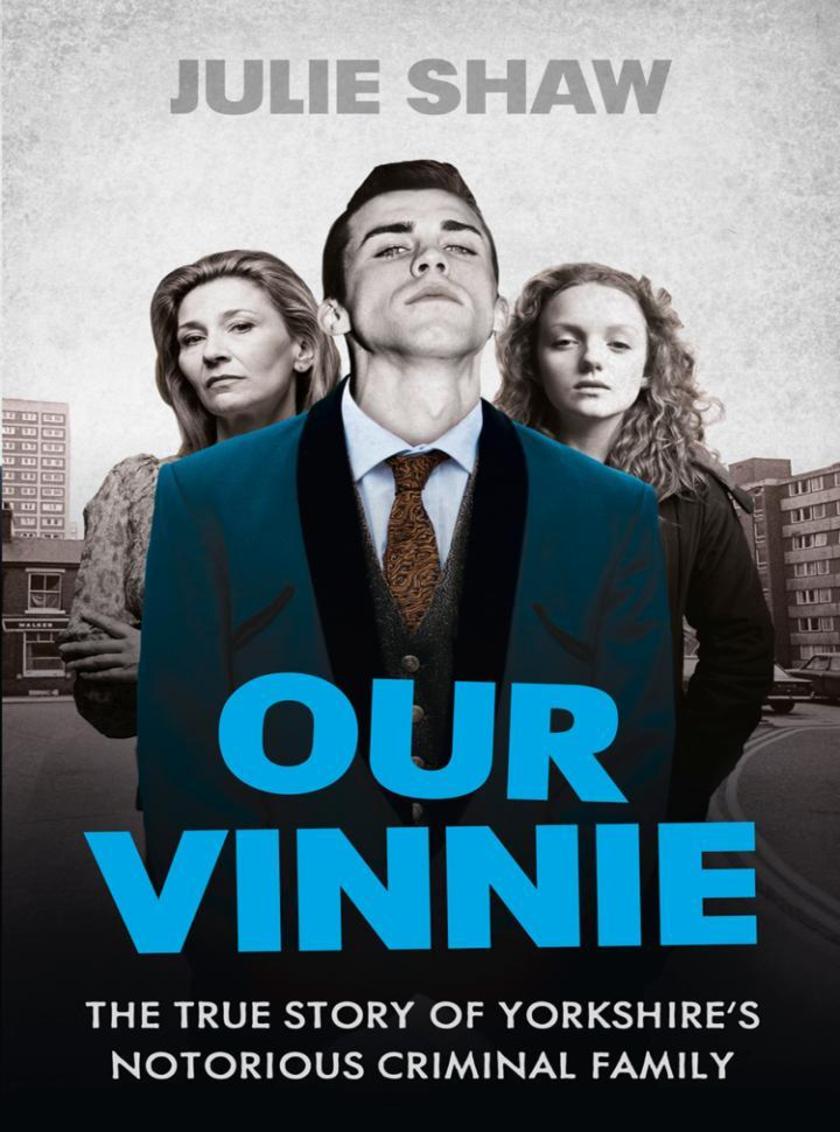
Our Vinnie
¥58.86
The infamous Canterbury Estate in Bradford, a hotbed of crime, drink and drugs, was a law unto itself in the ’70s. So when one of their own was wronged in any way, the community always had its own way of dealing with it. The first title in a series of gritty family sagas, Our Vinnie accounts the dramatic true story of a brother’s determination to avenge his younger sister’s rape. Josie was just 11 when her Vinnie, then 14, was taken away to a detention centre. Distraught by his absence and left alone with indifferent parents, when she escapes from one of their rows she naively enters the house of a neighbour, Melvin, who – horrifically – leads her upstairs and overpowers her. Convinced by her friend Carol, Josie tells her sister Lyndsey about the rape but, with Vinnie out of the picture, Lyndsey uses the information for her own ends. When Vinnie returns, hardened by years inside the system, his outrage on discovering the truth is severe. And with new abuses continually coming to light, a cataclysmic series of violent events begins to spiral out of control… Dramatic and shocking, Our Vinnie is an unbelievable page-turner, documenting a community forsaken by society, and one brother’s unrelenting determination to take justice into his own hands.
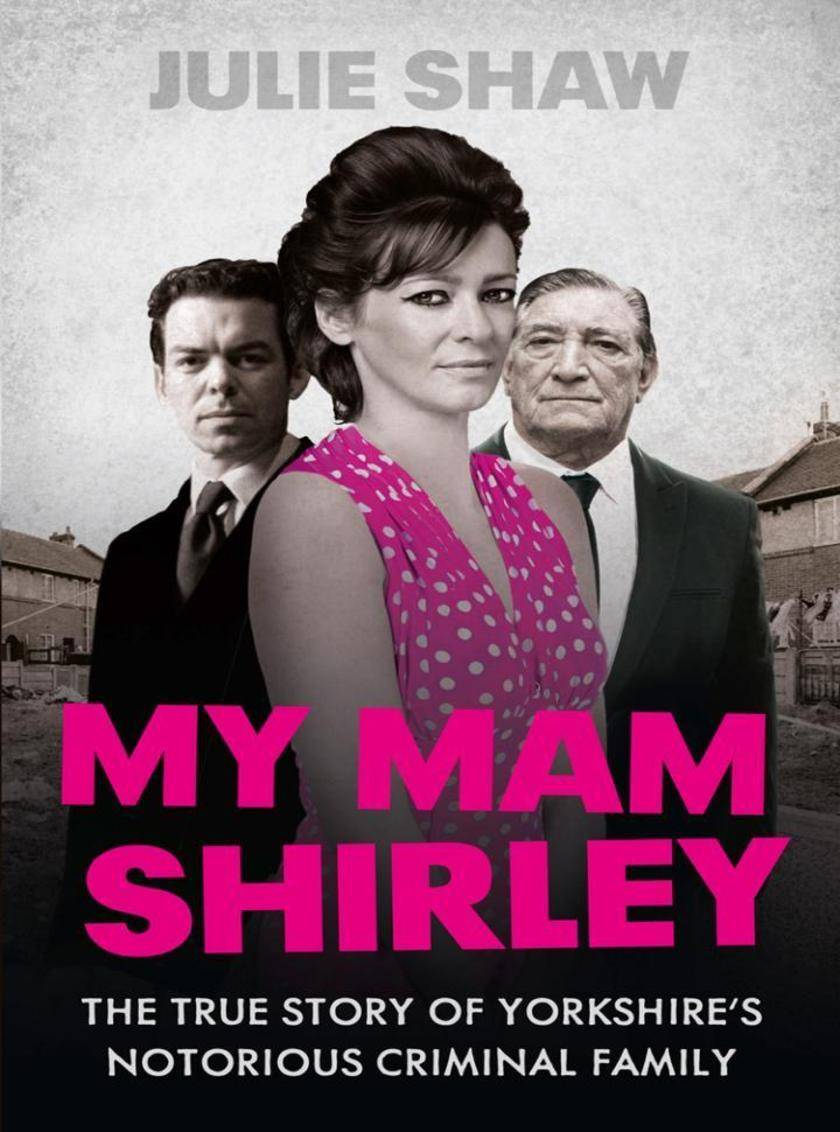
My Mam Shirley (Tales of the Notorious Hudson Family, Book 3)
¥58.86
Behind the notorious Hudson men who dominated the Canterbury Estate for over 30 years were the girls, and my mam Shirley. Whether marrying into or determined to escape from it, the third instalment of this gritty series recounts the incredible stories of the unflinching women behind the legendary Hudson family. The Canterbury Estate in Bradford during the ’50s and ’60s was a tight-knit community reared on poverty, crime and violence, and at the top of the heap were the infamous Hudson family. But it wasn’t just the boys who had a story to tell: from matriarch Annie, who gave birth to 13 children, to daughters Margaret and Eunice, who married up and out, each had a personality as indomitable as the last. Then came Shirley Read, who was just 17 when she fell in love with Keith, one of the Hudson lads. To Shirley, the only child of affluent parents, the poverty of the unruly estate was as exciting as it was mysterious; newspapers for tablecloths, jam jars for cups, and, even by that time, no electricity. But it was a friendship forged with Annie and June, the younger Hudson sisters, that would teach Shirley not only to how to survive, Canterbury-style, but would also give her the strength to overcome an unexpected personal tragedy that would soon become a nightmare for women across the world… Eye-opening and warm, this is the vivid account of the ‘Tucker’ girls; the resourceful women at the helm of a notorious Bradford family who will never be forgotten.
Look who it is!: My Story
¥57.09
The brilliantly funny Sunday Times top ten bestseller. Alan Carr tells his life story in his own words, from growing up in a football-mad family in Northampton to his rise as one of Britain’s best-loved comedians. ‘Puberty had been unkind. Whereas it had come in the night and left the other boys with chiselled, stubbly chins and deep masculine voices, I’d been left with a huge pair of knockers and the voice of a pensioner.’ Alan Carr Alan Carr grew up in one of the most boring towns in England – Northampton. A place known for making shoes. It was also known for its football club, Northampton Town FC. Alan’s dad as manager of the club was a local hero. A dream come true for most lads, but not Alan. Alan wore glasses and had man boobs at 14. He did not like P.E. In his very first book, Alan tells his life story, (‘oh and what a life’) with his unique twist of natural, observational humour – ‘I’m not saying I’m a fantasist but there have been times when things that I’ve seen on television when I was younger have tended to seep into my subconscious and blended into my own life. I remember telling my Mum about the time I stopped that woman from having a diamond encrusted necklace stolen and she’d say ‘No Alan, that was Poirot.’ With his tongue-in-cheek, end of pier humour that made him famous, Alan describes an ordinary life in bursts of technicolour. His journey from awkward schoolboy hiding his man-boobs on the pitch, drinking tea with the dinner ladies and working in a call centre, to becoming one of our best-loved comedians likened to the great Frankie Howerd, make his book a guaranteed tickler with a laugh-out-loud gag on every page.
Punished
¥57.09
‘Punished’ is the inspiring true story of an unusual little girl, Vanessa, whose childhood was devastated by torture and abuse at the hands of her sadistic mother. Vanessa was nearly destroyed until she discovered a secret that ultimately saved her life. From the age of 3, Vanessa lived in daily terror of her mother's unpredictable rage. If she was 'naughty', her mother would lash out at her – with beatings, torture, starvation and making Vanessa sleep in their garden's pigsty, tied up like an animal. Her mother said her punishments were God's revenge on her for being the devil's child. Her father lived in denial of her suffering. When she was 6 years old, Vanessa's grandfather began to sexually abuse her – to her despair, aided and abetted by both her mother and grandmother. At eight years old, she then discovered that the 'mother' who hated her so much had adopted her as a baby and would never love her as her own. At the most horrific times of Vanessa's abuse, she nearly lost all hope that she would escape her prison, until mysterious things started to happen to her that allowed her to fight back. This is the story of how Vanessa survived a childhood that nearly destroyed her and how her secret led her out of the horrors of her past.
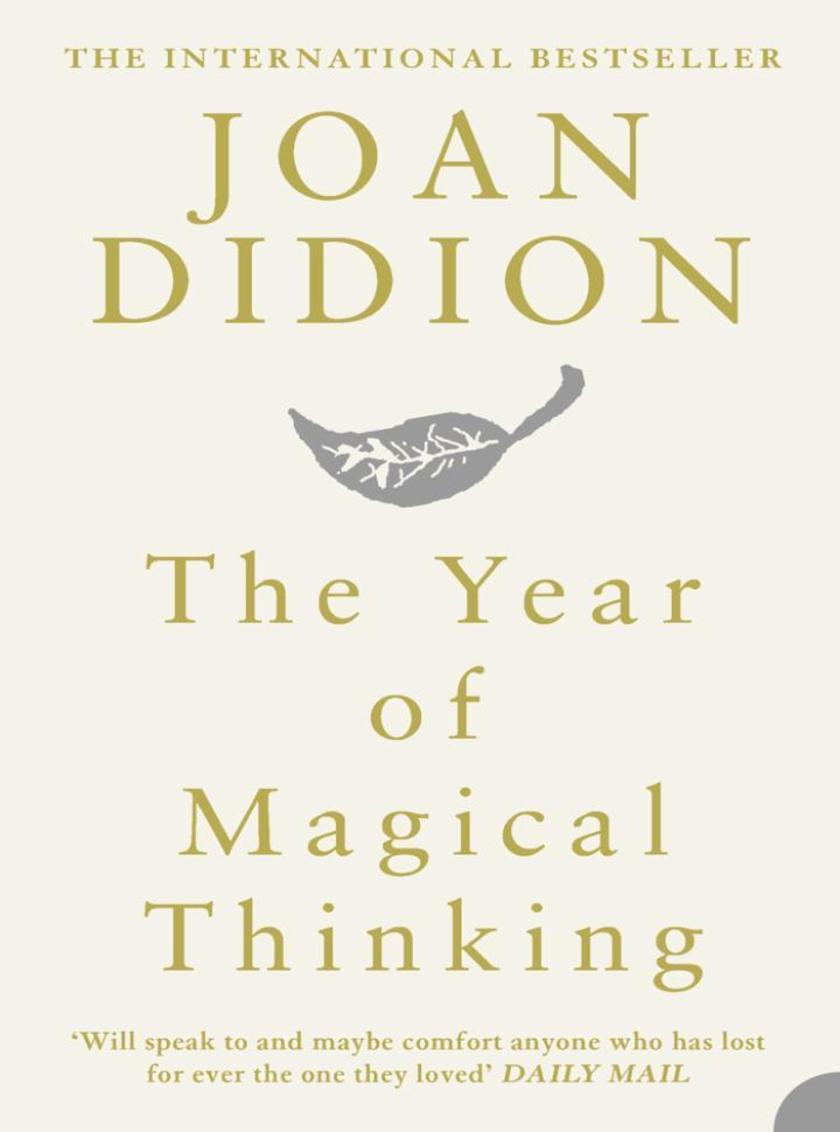
The Year of Magical Thinking
¥66.22
From one of America's iconic writers, a portrait of a marriage and a life – in good times and bad – that will speak to anyone who has ever loved a husband or wife or child. A stunning book of electric honesty and passion. Several days before Christmas 2003, John Gregory Dunne and Joan Didion saw their only daughter, Quintana, fall ill. At first they thought it was flu, then pneumonia, then complete sceptic shock. She was put into an induced coma and placed on life support. Days later – the night before New Year’s Eve –the Dunnes were just sitting down to dinner after visiting the hospital when John suffered a massive and fatal coronary. In a second, this close, symbiotic partnership of 40 years was over. Four weeks later, their daughter pulled through. Two months after that, arriving at LA airport, she collapsed and underwent six hours of brain surgery at UCLA Medical Centre to relieve a massive hematoma. This powerful book is Didion’s ‘attempt to make sense of the weeks and then months that cut loose any fixed idea I ever had about death, about illness … about marriage and children and memory … about the shallowness of sanity, about life itself’. The result is an exploration of an intensely personal yet universal experience: a portrait of a marriage, and a life, in good times and bad.
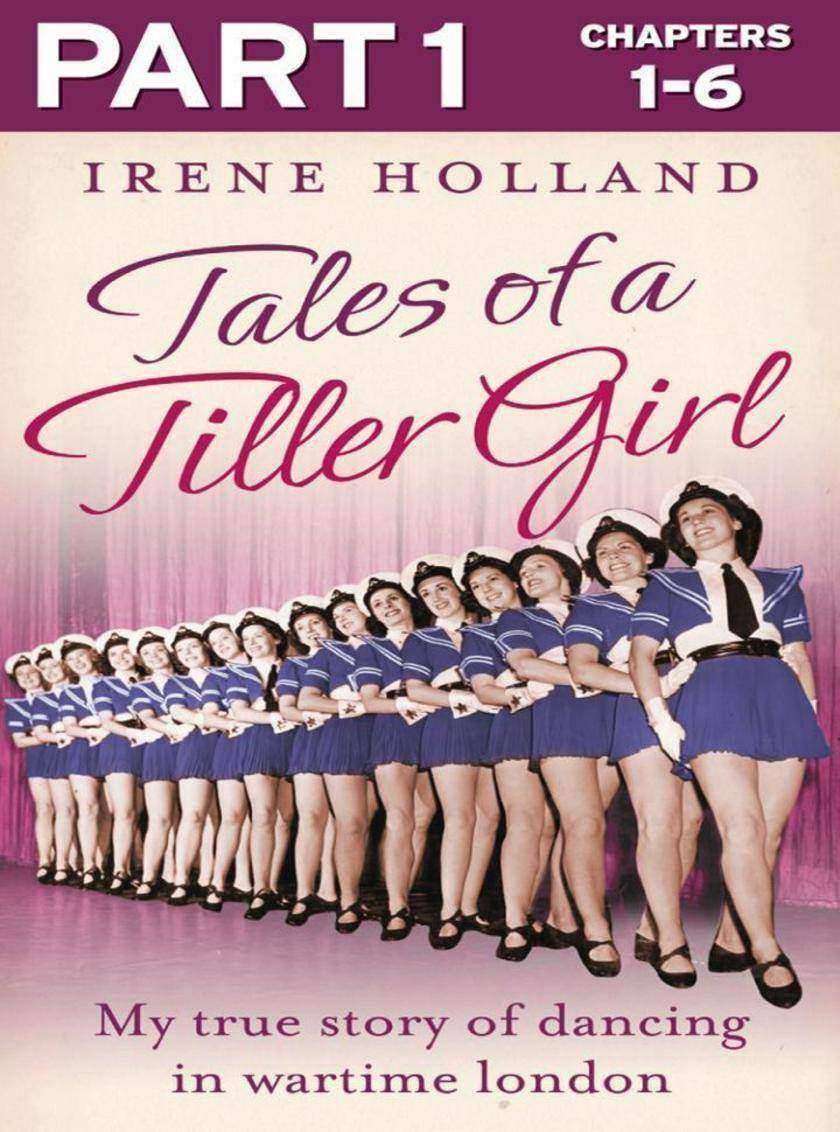
Tales of a Tiller Girl Part 1 of 3
免费
A heart-warming nostalgia memoir from a member of the world famous dance troupe, The Tiller Girls. Based in London in the 1930s, 40s and 50s, Irene’s story will transport readers back to a more innocent, simple way of life. This is the story of a little girl who loved to dance. Growing up in London in the 1930s, dancing was so much more to Irene than just a hobby. It was her escape and it took her off into another world away from the harsh realities of life. A fairytale world away from the horrors of WW2, from the grief of losing her father and missing her mother who she didn’t see for three years while she was drafted to help with the war effort. And far away from her cold-hearted grandparents who treated her like an inconvenience. Finally it led to her winning a place as a Tiller Girl; the world’s most famous dance troupe known for their 32-and-a-half high kicks a minute and precise, symmetrical routines. For four years she opened and closed the show at the prestigious London Palladium and performed on stage alongside huge stars such as Frank Sinatra, Nat King Cole and Judy Garland. It was a strange mixture of glamour and bloody hard work but it was certainly never dull. And being a Tiller Girl also gave Irene the opportunity to see firsthand the devastating effects of WW2, both here and abroad. Heart-warming, enlightening and wonderfully uplifting, Irene’s evocative story will transport readers back to a time when every town and holiday resort had several theatres and when dance troupes like The Tiller Girls were the epitome of glitz and glamour.
A Gift from Heaven
¥9.71
Millions of people around the world have experienced contact from the other side. In this inspiring and uplifting short story leading expert Jacky Newcomb shares some of the stories she’s received about contact and life after death. When a loved one is taken away suddenly, people often tell Jacky of their regrets about not having the opportunity to say goodbye. Yet people all over the world have stories of loved ones who come back to say Hello or Goodbye from heaven. They appear in dreams, visions, meditation and sometimes when we’re wide awake. Those who are lucky enough to experience it consider it a gift they will remember for the rest of their lives. Here for the first time Jacky will share these extraordinary stories along with the amazing and bizarre reasons for why our loved ones visit.

Messages from Angels
¥11.77
In our deepest darkest hours, we are not alone. The spirits of our loved ones continue to exist after the body dies and many thousands of people around the world have experienced extraordinary signs from heaven to prove this. Afterlife expert and bestselling author Jacky Newcomb knows that the spirit world is real. In this short story she shares some of the thousands of tales she has heard about messages from the other side. ?The spontaneous angel gift that gave a woman courage to leave an abusive relationship ?The mysterious disappearing doctor who saved a pregnant woman and her premature baby son ?The grandma and great grandma who protected their grandson, from heaven Ordinary people from all over the world have experienced signs that their angels are listening and supporting them in their time of need. In Messages from Angels, Jacky will bring hope and comfort and share some of the little signs that can bring magic into your life.

Touching Heaven: True stories of spiritual experiences
¥9.71
Have you ever wondered where we go when we cross through the light at the end of the tunnel? Or what – and who – is waiting for us on the other side? Angel expert Jacky Newcomb brings light where there was darkness with more unique and incredible true stories from the world beyond the veil. Through the miraculous accounts of those brought back from the brink of death, and the astonishing stories of those who’ve experienced visits from loved ones who’ve passed on, Jacky shares with us the glimpses of heaven we could only imagine until now – and the life changing effects they have had on those lucky enough to experience them. Beautifully told and compelling in nature, “Touching Heaven” is as beguiling as it is revealing.

Dogs in Heaven: and Other Animals
¥9.71
Our pets are our family. They love us, comfort us and make us laugh – so it’s no wonder that letting them go is so hard. But amazing and inspirational true stories from Jacky Newcomb show that we will be reunited with them again. From dreams to visitations, there have been numerous accounts of furry friends appearing to their owners from heaven. Old dogs have been rejuvenated to puppies, injured cats restored to their former selves, and there have even been stories of horses being cared for by loved ones who have gone ahead before us. Magical, comforting and truly incredible, Dogs in Heaven reveals the uplifting truth behind your prayers.
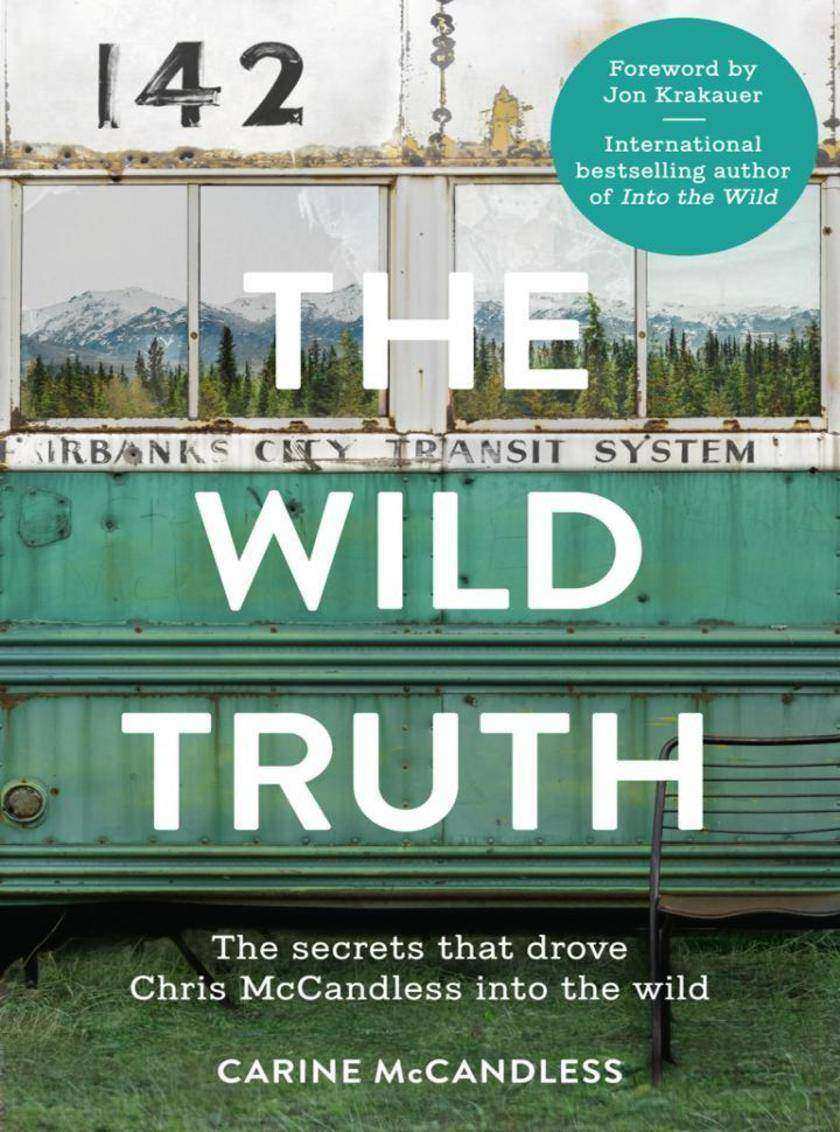
The Wild Truth: The secrets that drove Chris McCandless into the wild
¥66.22
The key missing piece of Jon Krakauer’s multi million, multi territory bestseller and widely acclaimed Sean Penn film Into the Wild is finally revealed by his best friend and sister, Carine. The story of Chris McCandless, who gave away his savings, hitchhiked to Alaska, walked into the wilderness alone, and starved to death in 1992, fascinated not just New York Times bestselling author Jon Krakauer, but the rest of the nation too. Krakauer’s book and a Sean Penn film skyrocketed Chris McCandless to worldwide fame, but the real story of his life and his journey has not yet been told – until now. Carine McCandless, Chris’s sister, featured in both the book and film, was the person with whom he had the closest bond, and who witnessed firsthand the dysfunctional and violent family dynamic that made Chris willing to embrace the harsh wilderness of Alaska. Growing up in the same troubled and volatile household that sent Chris on his fatal journey into the wild, Carine finally reveals the broader and deeper reality about life in the McCandless family. For decades, Carine and Chris’s parents, a successful aerospace engineer and his beautiful wife, raised their children in the tony suburbs of Northern Virginia. But behind closed doors, her father beat and choked her mother. He whipped Carine and Chris with his belt. He cursed them, belittled their accomplishments, and told them they were nothing without him. Carine and Chris hid under the stairs, hoping to avoid his wrath. They were teenagers before they learned they were conceived while their father was still married and having babies with his first wife, who finally summoned the courage to leave him after he broke her back in a fight. In the 20-plus years since the tragedy of Chris’s death, she has searched for some kind of redemption. But in this touching and deeply personal memoir, she reveals how she has learned that real redemption can only come from speaking the truth. Finally, she has found the truth not just in her brother’s story, but also her own.
Coming Back To Me: The Autobiography of Marcus Trescothick
¥72.40
A true-life sporting memoir of one of the best batsman in the game who stunned the cricket world when he prematurely ended his own England career. Trescothick’s brave and soul-baring account of his mental frailties opens the way to a better understanding of the unique pressures experienced by modern-day professional sportsmen. At 29, Marcus Trescothick was widely regarded as one of the batting greats. With more than 5,000 Test runs to his name and a 2005 Ashes hero, some were predicting this gentle West Country cricket nut might even surpass Graham Gooch's record to become England's highest ever Test run scorer. But the next time Trescothick hit the headlines it was for reasons no one but a handful of close friends and colleagues could have foreseen. On Saturday 25 February 2006, four days before leading England into the first Test against India in place of the injured captain Vaughan, Trescothick was out for 32 in the second innings of the final warm-up match. As he walked from the field he fought to calm the emotional storm that was raging inside him, at least to hide it from prying eyes. In the dressing room he broke down in tears, overwhelmed by a blur of anguish, uncertainty and sadness he had been keeping at bay for longer than he knew. Within hours England's best batsman was on the next flight home. His departure was kept secret until after close of play when coach Duncan Fletcher told the stunned media his acting captain had quit the tour for 'personal, family reasons.' Until now, the full, extraordinary story of what happened that day and why, of what preceded his breakdown has never been told. He reveals for the first time that he almost flew home from the 2004 tour to South Africa – of what caused it and of what followed – his comeback to the England side and a second crushing breakdown nine months later that left him unable to continue the 2006-07 Ashes tour down under. Coming Back to Me will replace the myths and rumours with the truth as Trescothick talks with engaging openness and enthusiasm about his rise to the top of international cricket; and describes with equal frankness his tortured descent into private despair.
Apache
¥57.09
Ed Macy is an elite pilot, one of the few men qualified to fly Apache helicopters, the world’s deadliest fighting machines. This is his account of a fearless mission behind enemy lines in Afghanistan. After a brutal accident forced him out of the Paras, Ed Macy refused to go down quietly. He bent every rule to sign up for the Army’s gruelling Apache helicopter programme and was one of the handful to pass the nightmare selection process. Dispatched to Afghanistan’s notorious Helmand Province in 2006, his squadron were on hand when a marine went MIA behind enemy lines – and they knew they were his only hope. From the cockpit of the mighty Apache helicopter comes this incredible true story of a rescue mission so dangerous they said it couldn’t be done, and of the man who dared to disagree.

The Complete Helen Forrester 4-Book Memoir
¥268.30
The complete four-volume collection of classic memoir recounting a poverty-stricken childhood in 1930s Liverpool that started with Twopence To Cross the Mersey. Twopence To Cross The Mersey – When Helen Forrester’s father went bankrupt in 1930 she and her six siblings were forced into dreadful poverty in Depression-ridden Liverpool. Managing the household and caring for the younger children all fell on twelve-year-old Helen. Written without self-pity, Forrester’s memoir of these grim days is as heart-warming as it is shocking. Liverpool Miss – Life remains extremely tough for fourteen-year-old Helen. Her continuing struggles against malnutrition, dirt and, above all, the selfish demands of her parents, are deeply shocking. But Helen’s fortitude in the most harrowing of situations makes this a story of amazing courage. By The Waters Of Liverpool – though her parents are as financially irresponsible as ever, wasting money while their children go without, for Helen the future is brightening. At seventeen, she has fought won some important battles with her parents and won, then she meets Harry… Lime Street At Two – It is 1940 and Helen, now twenty, is working at a welfare centre. Her wages are pitifully low and her mother claims the whole of them for housekeeping but she is still thrilled to be gaining some independence. As WWII rages, tragedy isn’t very far away, but Helen faces it with courage and determination.

Transformer: The Complete Lou Reed Story: Free Sampler
¥9.71
‘A triumph’ - Time Out Transformer is the only complete and comprehensive telling of the Lou Reed story. Legendary songwriter and guitarist Lou Reed passed away on the 27th October 2013, but his musical influence is assured. Now discover the true story of the Velvet Underground pioneer in this update of Bockris’s classic biography. Transformer: The Complete Lou Reed Story follows the great songwriter and singer through the series of transformations that define each period of his fifty year career. It opens with the teenage electroshock treatments that dominated his memories of childhood and never stops revealing layer after layer of this complex and often anguished artist and man. Transformer is based on Lou’s collaborations with the hardest and most romantic artists of his times, from John Cale, Andy Warhol, and Nico, through David Bowie, Robert Wilson, Laurie Anderson and the ghost of Edgar Alan Poe. Rippling underneath everything he did are Lou’s relationships with his various muses, from his college sweetheart to his three wives (and one drag queen). Leading Lou Reed biographer, Victor Bockris - who knew Lou throughout the Rachel Years, from Rock ‘n’ Roll Animal to the Bells - updates his original biography in the wake of Lou’s death. Through new interviews and photos, he reveals the many transformations of this larger-than-life character, including his final shift from Rock Monster to the Prince Charming he had always wanted to be in the twenty years he spent with the love of his life, Laurie Anderson . Except with Lou, you could never really know what might happen next… Including previously unseen photographs and contributions from Lou’s innermost circle and collaborators that include similarly esteemed artists such as Andy Warhol and David Bowie, Transformer is as captivating and vivid a read as befits an American master.
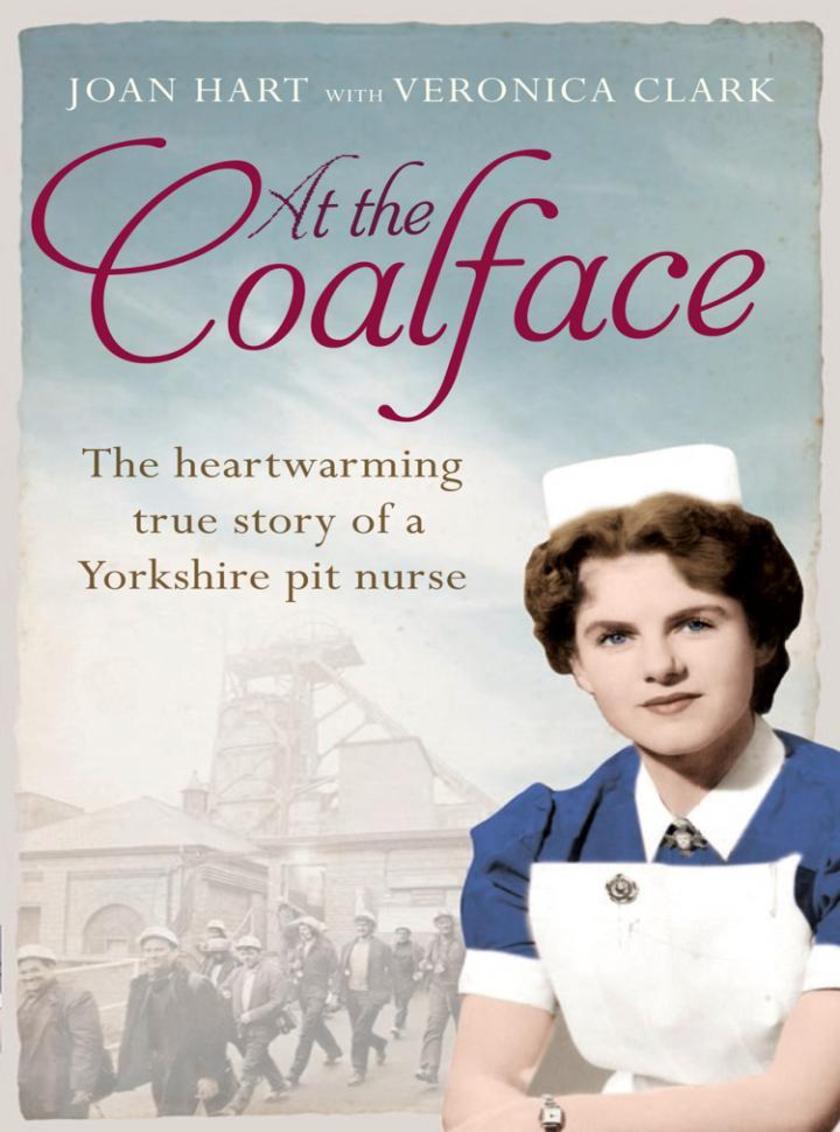
At the Coalface: The memoir of a pit nurse
¥58.86
A heart-warming story of a woman who devoted her life to helping others. This is the memoir of Joan, who started nursing in the 1940s and whose experiences took her into the Yorkshire mining pits and through the tumult of the 1984-85 miners’ strike. Joan Hart always knew what she wanted to do with her life. Born in South Yorkshire in 1932, she started her nursing training when she was 16, the youngest age girls could do so at the time. She continued working after she married and her work took her to London and Doncaster, caring for children and miners. When she took a job as a pit nurse in Doncaster in 1974, she found that in order to be accepted by the men under her care, she would have to become one of them. Most of the time rejecting a traditional nurse’s uniform and donning a baggy miner’s suit, pit boots, a hardhat and a headlamp, Joan resolved always to go down to injured miners and bring them out of the pit herself. Over 15 years Joan grew to know the miners not only as a nurse, but as a confidante and friend. She tended to injured miners underground, rescued men trapped in the pits, and provided support for them and their families during the bitter miners’ strike which stretched from March 1984 to 1985. Moving and uplifting, this is a story of one woman’s life, marriage and work; it is guaranteed to make readers laugh, cry, and smile.
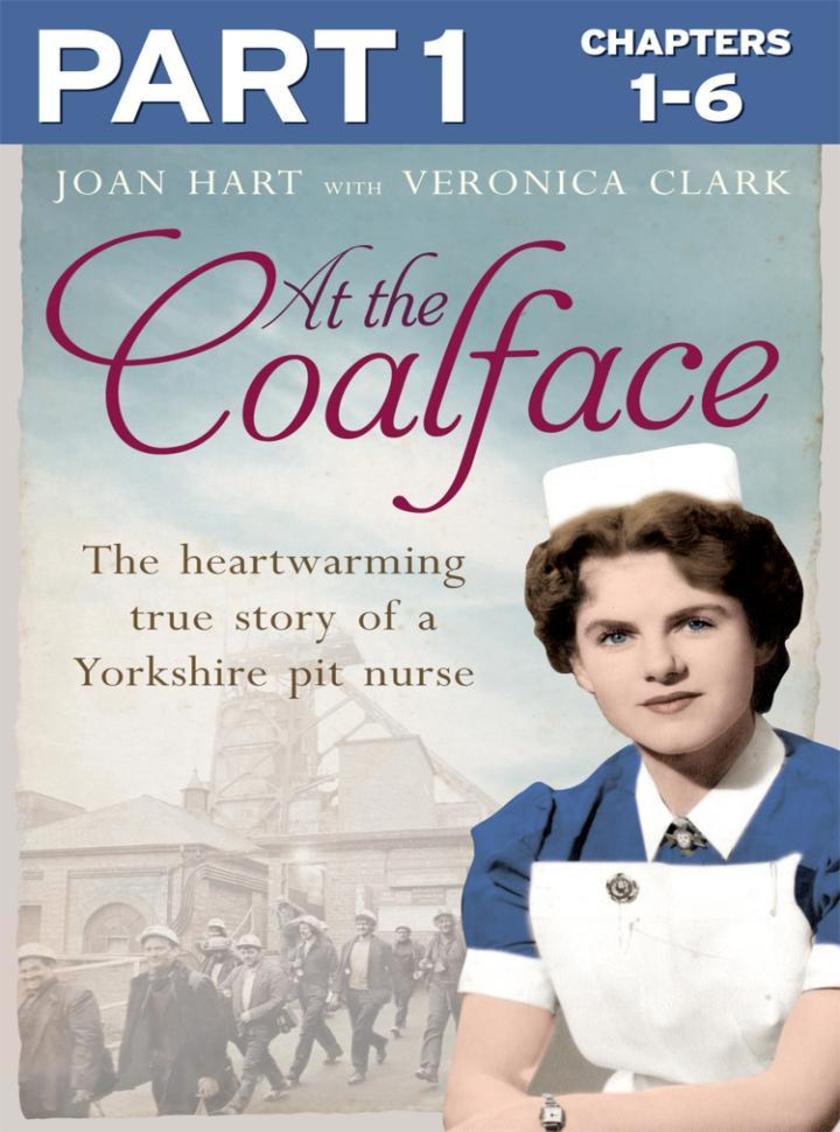
At the Coalface: Part 1 of 3: The memoir of a pit nurse
¥33.75
A heart-warming story of a woman who devoted her life to helping others. This is the memoir of Joan, who started nursing in the 1940s and whose experiences took her into the Yorkshire mining pits and through the tumult of the 1984-85 miners’ strike. Joan Hart always knew what she wanted to do with her life. Born in South Yorkshire in 1932, she started her nursing training when she was 16, the youngest age girls could do so at the time. She continued working after she married and her work took her to London and Doncaster, caring for children and miners. When she took a job as a pit nurse in Doncaster in 1974, she found that in order to be accepted by the men under her care, she would have to become one of them. Most of the time rejecting a traditional nurse’s uniform and donning a baggy miner’s suit, pit boots, a hardhat and a headlamp, Joan resolved always to go down to injured miners and bring them out of the pit herself. Over 15 years Joan grew to know the miners not only as a nurse, but as a confidante and friend. She tended to injured miners underground, rescued men trapped in the pits, and provided support for them and their families during the bitter miners’ strike which stretched from March 1984 to 1985. Moving and uplifting, this is a story of one woman’s life, marriage and work; it is guaranteed to make readers laugh, cry, and smile.
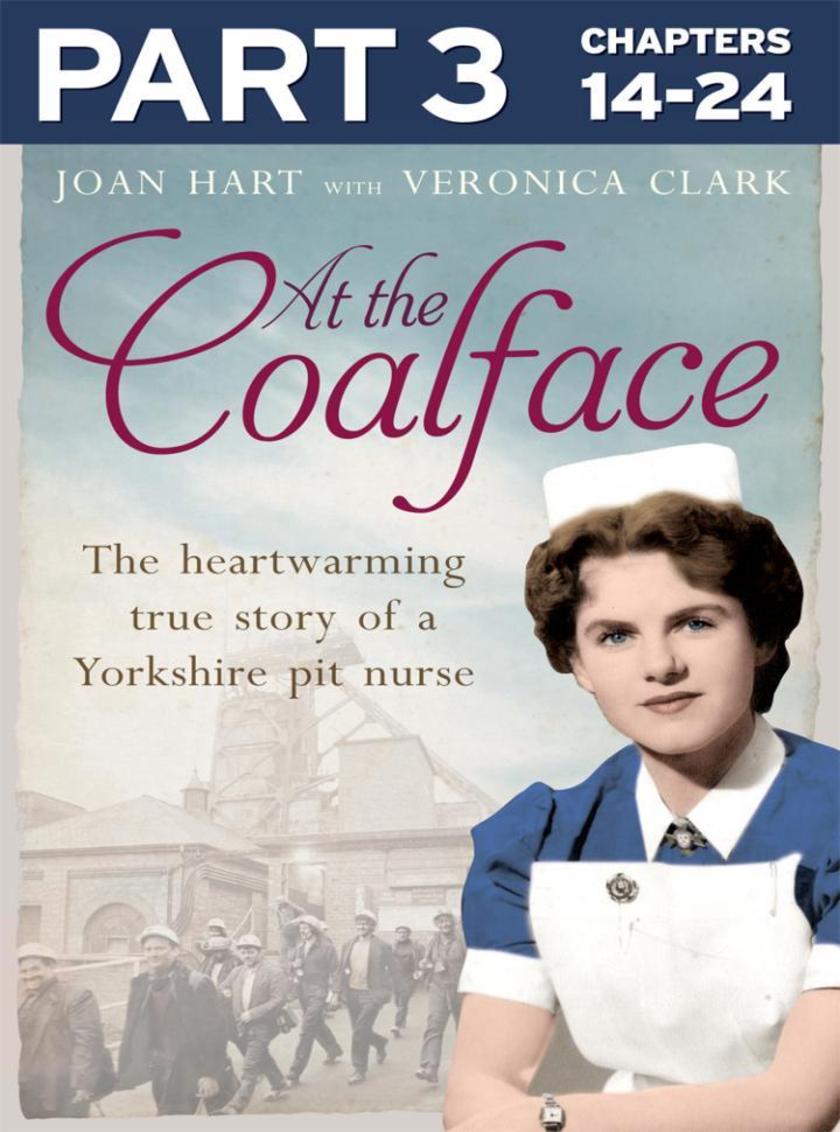
At the Coalface: Part 3 of 3: The memoir of a pit nurse
¥41.01
A heart-warming story of a woman who devoted her life to helping others. This is the memoir of Joan, who started nursing in the 1940s and whose experiences took her into the Yorkshire mining pits and through the tumult of the 1984-85 miners’ strike. Joan Hart always knew what she wanted to do with her life. Born in South Yorkshire in 1932, she started her nursing training when she was 16, the youngest age girls could do so at the time. She continued working after she married and her work took her to London and Doncaster, caring for children and miners. When she took a job as a pit nurse in Doncaster in 1974, she found that in order to be accepted by the men under her care, she would have to become one of them. Most of the time rejecting a traditional nurse’s uniform and donning a baggy miner’s suit, pit boots, a hardhat and a headlamp, Joan resolved always to go down to injured miners and bring them out of the pit herself. Over 15 years Joan grew to know the miners not only as a nurse, but as a confidante and friend. She tended to injured miners underground, rescued men trapped in the pits, and provided support for them and their families during the bitter miners’ strike which stretched from March 1984 to 1985. Moving and uplifting, this is a story of one woman’s life, marriage and work; it is guaranteed to make readers laugh, cry, and smile.
The Last Grain Race
¥80.25
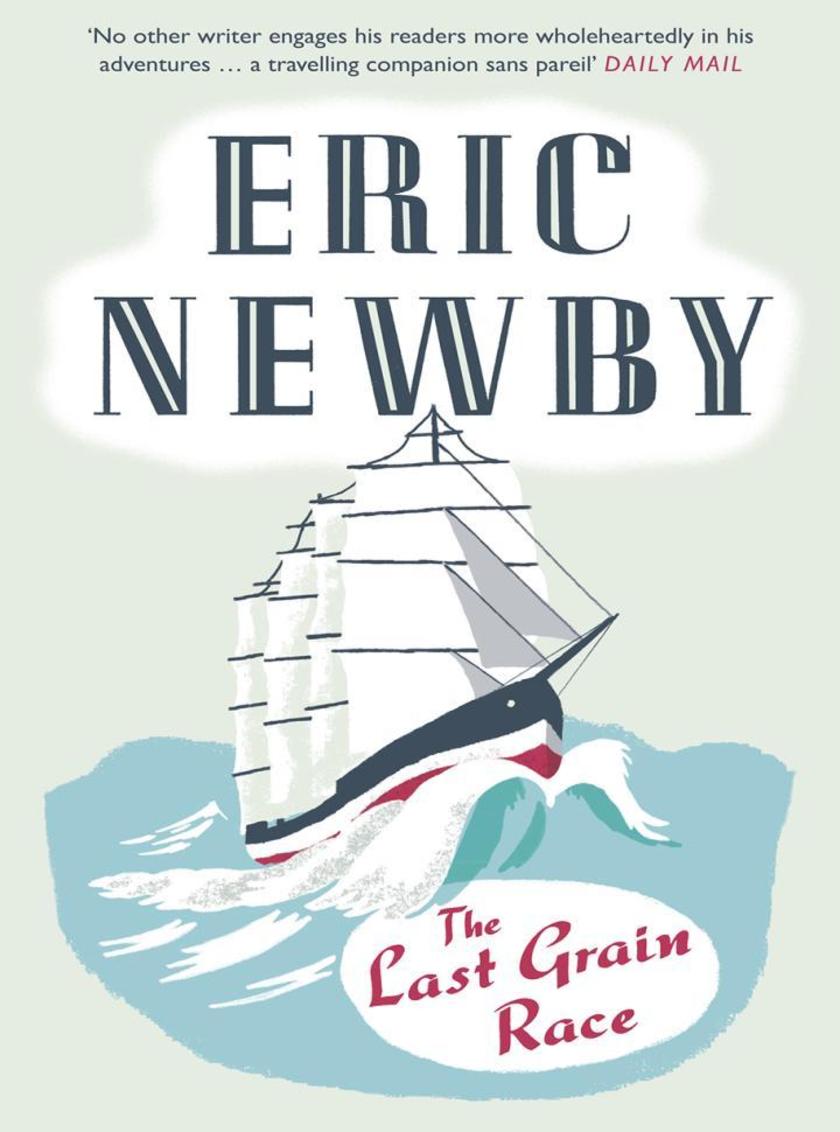
An engaging and informative first-hand account of the last ‘grain race’ of maritime history, from respected travel writer Eric Newby. In 1939, a young Eric Newby – later renowned as a travel writer of exceptional talent – set sail aboard Moshulu, the largest sailing ship still employed in the transportation of grain from Australia to Europe. Every year from 1921 to 1939, the vessels involved in the grain trade would strive to find the shortest, fastest passage home – ‘the grain race’ – in the face of turbulent seas, atrocious weather conditions and hard graft. First published in 1956, ‘The Last Grain Race’, featuring many photographs from the author’s personal collection, celebrates both the spirit of adventure and the thrill of sailing on the high seas. Newby’s first-hand account – engaging and informative, with frequent bursts of humour and witty observations from both above and below deck – chronicles this classic sailing voyage of the Twenties and Thirties, and records the last grain race of maritime history.

David and Me: My path to solo motherhood
¥11.77
“This is the very beginning of the story of my life with my son. In some ways it is an unconventional one; a tale of choosing solo motherhood, with all its painful and joyful twists and turns. But at its heart it simply recounts a mother’s love for her child; a love that has been replicated throughout time all over the world.” The true story of Esther, who, at the age of 42, found herself single yet longing to be a mother. Flying in the face of the advice and scaremongering from the media, she made the brave decision to go it alone. Initially, the path was smooth, and Esther received nothing but encouragement and support from family and friends. But, as she ventured further down the path towards solo motherhood, Esther began to run up against bureaucracy, crushing negativity, obstructions and, occasionally, in amongst the care and compassion of doctors, nurses, embryologists and sonographers, bewildering incompetence. From IUI to IVF, dramatic hormonal fluctuations creating frustration and exhaustion, and a devastating blow, through to the joy of motherhood at last, Esther’s story is both moving and life-affirming.


