


 购物车
购物车 个人中心
个人中心
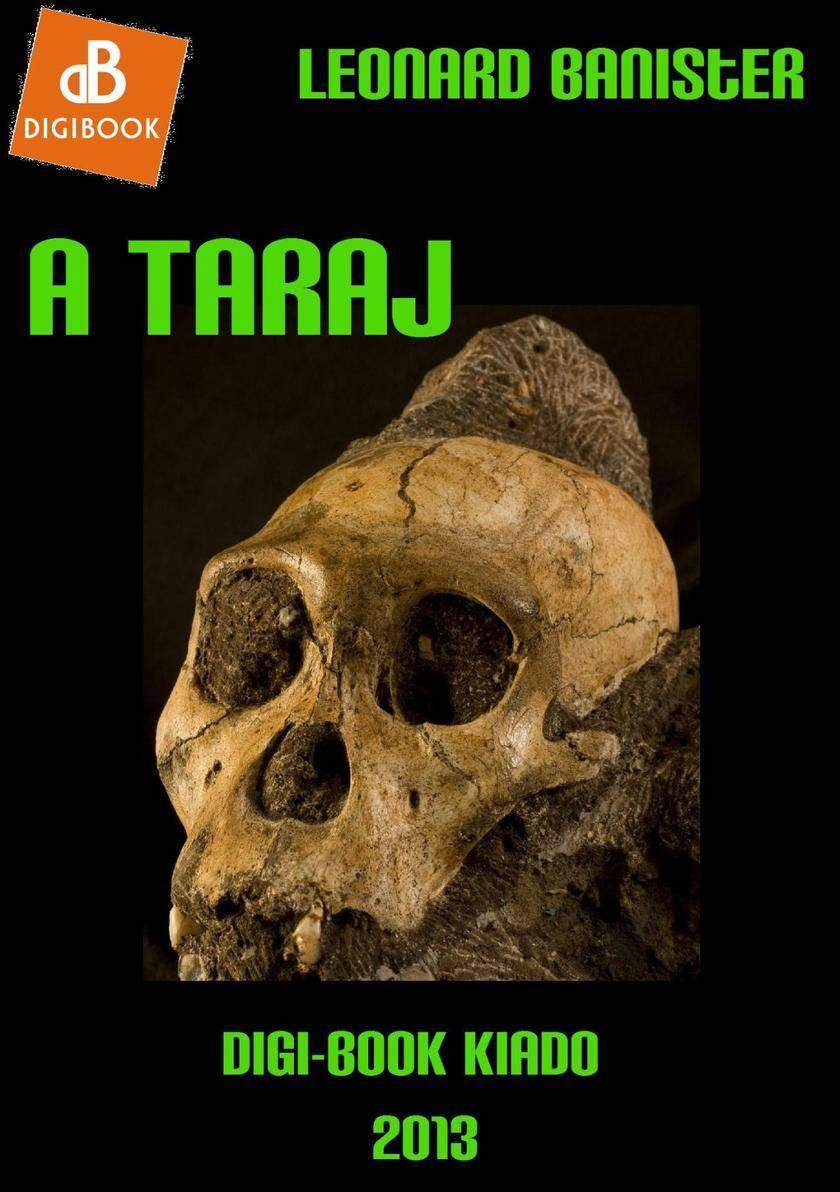
A taraj
¥37.11
"Három ember utazik Skóciában a vonaton: egy matematikus, egy fizikus és egy tudományfilozófus. Egyszer csak a matematikus kinéz az ablakon, és azt mondja: – Nézzék, itt fekete bárányok vannak! Mire a fizikus: – Pontosítanék: itt vannak olyan bárányok, amelyek feketék. Mire a tudományfilozófus: – ?n is pontosítanék: itt vannak olyan bárányok, amelyeknek a fel?lünk látszó oldala fekete." - idéz a Monoverzumokban Galántai Zoltán egy ismert tudományfilozófiai anekdotát, azt érzékeltetve, hogy humorral még az egyébként olykor száraznak t?n? szakmai ?sszefüggéseket is érthet?en, érzékletesen lehet kifejezni. Az olvasó legnagyobb ?r?mére.
San-Antonio. Sarabanda r?posa?ilor
¥32.62
Un program simplu, rapid ?i… sexy PROGRAMUL REVOLU?IONAR PREZENTAT ?N ACEAST? CARTE AJUT? PE ORICINE S? AIB? O INIM? S?N?TOAS?. Mai ?nt?i, doctorul Masley ??i va ar?ta cum s?-?i determini starea de s?n?tate cardiac?, dup? care te va ?ndruma pas cu pas cum s?-?i optimizezi inima, energia, silueta ?i via?a sexual?. Identific?nd principala cauz? a bolilor cardiovasculare – apari?ia ?i cre?terea pl?cii de aterom – autorul prezint? cele mai noi analize ?i teste care pot depista dezvoltarea pl?cii arteriale ?n faze incipiente, preciz?nd ?i pa?ii care trebuie urma?i pentru a opri ?i inversa cursul acestui proces. Vestea bun? este c? oricine – indiferent de v?rst?, de factorii ereditari sau de c?t de supraponderal este – ??i poate trata placa arterial?, prevenind astfel atacurile de cord ?i accidentele vascular cerebrale cu ajutorul acestui program, care are urm?toarele elemente-cheie: ? Alimentele cu efecte benefice pentru inim? ? Activitatea fizic? pentru ?nt?rirea inimii ?i a arterelor ? Managementul stresului ? Un plan de suplimente alimentare personalizat, prietenos pentru inim?. Un capitol separat demonstreaz? c? o inim? s?n?toas? cre?te libidoul ?i ?mbun?t??e?te func?ia sexual? at?t la b?rba?i, c?t ?i la femei. Mul?i cred c? aspectele de preven?ie ?i terapeutice ale bolilor cardiace constituie un fel de ?tiin?? complicat?. Gre?it! Doctorul Masley a creat un plan strategic simplu ?i u?or de aplicat pentru ?mbun?t??irea procesului de vindecare cardiovascular?. Recomand c?lduros cartea de fa?? tuturor persoanelor vulnerabile la bolile de inim?. – Dr. Stephen T. Sinatra, cardiolog ?i autorul bestsellerului New York Times – Reversing Heart Disease ?n spiritul lui Hipocrat, programul doctorului Masley demonstreaz? cum schimb?ri specifice ale stilului de via?? pot fi la fel de eficiente ca medicamentele ?n ?mbun?t??irea st?rii de s?n?tate a inimii. – Dr. David Perlmutter, autorul c?r?ii Grain Brain.
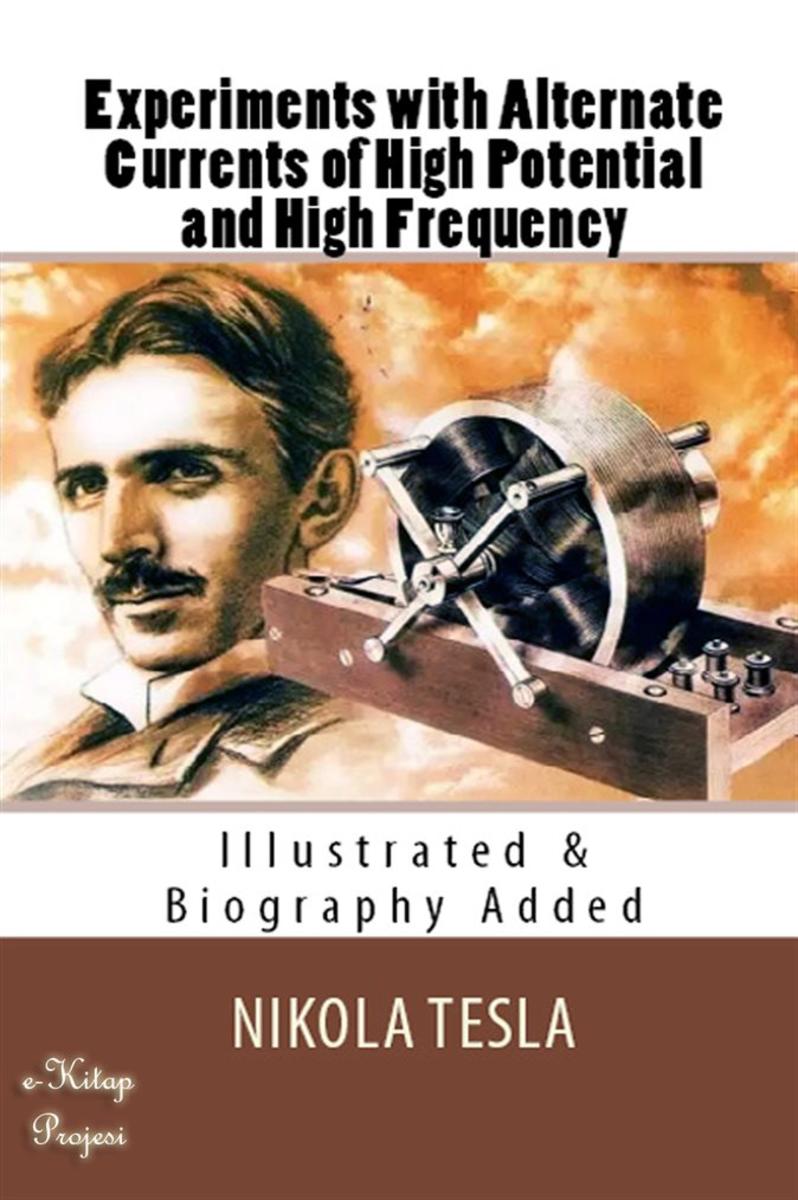
Experiments with Alternate Currents of High Potential and High Frequency
¥23.14
It was in this interesting border region, and from among these valiant Eastern folk, that Nikola Tesla was born in the year 1857, and the fact that he, today, finds himself in America and one of our foremost electricians, is striking evidence of the extraordinary attractiveness alike of electrical pursuits and of the country where electricity enjoys its widest application. Mr. Tesla's native place was Smiljan, Lika, where his father was an eloquent clergyman of the Greek Church, in which, by the way, his family is still prominently represented. His mother enjoyed great fame throughout the countryside for her skill and originality in needlework, and doubtless transmitted her ingenuity to Nikola; though it naturally took another and more masculine direction. The boy was early put to his books, and upon his father's removal to Gospic he spent four years in the public school, and later, three years in the Real School, as it is called. His escapades were such as most quick witted boys go through, although he varied the programme on one occasion by getting imprisoned in a remote mountain chapel rarely visited for service; and on another occasion by falling headlong into a huge kettle of boiling milk, just drawn from the paternal herds. A third curious episode was that connected with his efforts to fly when, attempting to navigate the air with the aid of an old umbrella, he had, as might be expected, a very bad fall, and was laid up for six weeks.. ABOUT AUTHOR: Nikola Tesla (1856 –1943) was a Serbian American inventor, electrical engineer, mechanical engineer, physicist, and futurist best known for his contributions to the design of the modern alternating current (AC) electricity supply system. Tesla gained experience in telephony and electrical engineering before emigrating to the United States in 1884 to work for Thomas Edison in New York City. He soon struck out on his own with financial backers, setting up laboratories and companies to develop a range of electrical devices. His patented AC induction motor and transformer were licensed by George Westinghouse, who also hired Tesla for a short time as a consultant. His work in the formative years of electric power development was involved in a corporate alternating current/direct current "War of Currents" as well as various patent battles. Tesla went on to pursue his ideas of wireless lighting and electricity distribution in his high-voltage, high-frequency power experiments in New York and Colorado Springs, and made early (1893) pronouncements on the possibility of wireless communication with his devices. He tried to put these ideas to practical use in an ill-fated attempt at intercontinental wireless transmission, his unfinished Wardenclyffe Tower project. In his lab he also conducted a range of experiments with mechanical oscillators/generators, electrical discharge tubes, and early X-ray imaging. He also built a wireless controlled boat, one of the first ever exhibited. Tesla was renowned for his achievements and showmanship, eventually earning him a reputation in popular culture as an archetypal "mad scientist". His patents earned him a considerable amount of money, much of which was used to finance his own projects with varying degrees of success. He lived most of his life in a series of New York hotels, through his retirement. Tesla died on 7 January 1943. His work fell into relative obscurity after his death, but in 1960 the General Conference on Weights and Measures named the SI unit of magnetic flux density the tesla in his honor. There has been a resurgence in popular interest in Tesla since the 1990s.
El origen de las especies
¥8.82
El origen de las especies (The origin of species, en inglés) o más exactamente El origen de las especies mediante la selección natural o la conservación de las razas favorecidas en la lucha por la vida es un libro escrito por Charles Darwin (1809 -1882), publicado el 24 de noviembre de 1859 (John Murrap, Londres); agotó los 1.250 ejemplares impresos en el primer día. En él, expuso por primera vez sus ideas sobre la selección natural y la teoría de la evolución. Esta obra es un trabajo fundamental dentro de la historia de la ciencia y la biología. En él, Darwin argumenta largamente su teoría sobre cómo los organismos evolucionan gradualmente por medio de la selección natural, presentando evidencias de su teoría acumuladas en su viaje en el HMS Beagle en los a?os 1831-1836. Su teoría se oponía ampliamente a las teorías vigentes en su época, creacionismo y catastrofismo. El libro puede ser leído por no especialistas. Aunque las ideas presentadas constituyen la base de la biología moderna continúan siendo controvertidas para ciertos grupos religiosos quienes se apoyan en una interpretación literal de textos religiosos a favor de explicaciones creacionistas.
Dobro do?li u pustinju postsocijalizma
¥160.80
Reducerea efectelor adverse ale chimioterapiei i radioterapiei Creterea beneficiilor tratamentelor ntrirea sistemului imunitar Meninerea energiei i a vitalitii STIMULAI-V CAPACITATEA NATURAL DE A LUPTA MPOTRIVA CANCERULUI Dumneavoastr sau cineva apropiat ai fost diagnosticat cu cancer. Dei oncologul v va prescrie un tratament care poate include chimioterapie i radioterapie, trebuie s nelegei c aceste arme puternice au adesea consecine nedorite, chiar periculoase, pentru care, aa cum arat cele mai recente cercetri, avei nevoie de un puternic fundament nutriional ca s le facei fa. O alimentaie corect, cu proporii echilibrate de hran sntoas, vitamine i minerale i suplimente nutriionale, v va oferi, alturi de chimioterapie i radioterapie, o arm extraordinar de puternic n lupta mpotriva bolii. Autorul, medic american respectat i asistent universitar de neurochirurgie, v arat ct de uor v putei fortifica organismul n aceast perioad critic. Vei afla, printre altele: Care dintre alimentele pe care le consumai zilnic au proprieti redutabile de lupt mpotriva cancerului i cum s le pregtii cel mai bine. Ce suplimente v pot spori – sau scdea – ansele de nsntoire. Cum pot crete anumite grsimi i uleiuri capacitatea natural de aprare a organismului. Despre aciunea extraordinar a flavonoidelor, care sporesc eficacitatea chimioterapiei, adugnd un strat protector celulelor sntoase. Cum s facei fa problemelor specifice cu care se confrunt pacienii suferinzi de cancer – oboseala, cderea prului, scderea n greutate, afeciunile digestive i alte efecte secundare.
Bütünsel Bak??la Canl?l?k-I: "Madde ve Enerji, Beden ve Ruh ?li?kisi"
¥0.01
CANLILIK Nedir? Bilin? nedir? Zamanla ba?lant?l? olduklar?n? g?rebilir miyiz? Duygular?n ne oldu?unu s?yleyebilir miyiz? Beden ve Ruh ayr? m? yan?lg? m?d?r? Beden ve ruh, madde ve enerji gibi midir? Einstein'?n ünlü E=M.C2 formülüyle, madde ve enerjinin temelde ayn? ?eyler oldu?unu ve birbirlerine d?nü?ebildiklerini, maddenin yo?unla?m?? uzay-enerji alan? oldu?unu g?stermi?tir. Madde ile enerji aras?ndaki benzerlik ne i?e, beden ile ruh aras?ndaki benzerlikte ?yle midir? Beden madde ise Ruh enerji midir? Bilin?, duyulardan kayna??n? alan daha üst bir duyu mudur? Hücreler dokular?, dokular organlar?, organlar sistemleri olu?turur dü?üncesinde bilincimizi de g?rebilir miyiz? Haf?zam?zdaki bilgilere istedi?imiz her an neden ula?amay?z? Daha da ?nemlisi, tüm bilincimizi zaman?n ?ok k?sa an?na s??d?rabilir miyiz? Neden?
Oath and Law
¥40.79
Medicine is of all the Arts the most noble; but, not withstanding, owing to the ignorance of those who practice it, and of those who, inconsiderately, form a judgment of them, it is at present far behind all the other arts. Their mistake appears to me to arise principally from this, that in the cities there is no punishment connected with the practice of medicine (and with it alone) except disgrace, and that does not hurt those who are familiar with it. Such persons are like the figures which are introduced in tragedies, for as they have the shape, and dress, and personal appearance of an actor, but are not actors, so also physicians are many in title but very few in reality.

Bosszú: A harag ébredése
¥52.48
Az egészségügyi szakemberek fontos feladata a kliensekkel folytatott beszélgetés. A diagnózis felállításán túl a terápia megbeszélése, valamint a megel?zésr?l szóló tájékoztatás is hozzájárul a hatékony gyógyításhoz. A korszer?, bizonyíték-alapú gyógyításban az egészségügyi szakember-kliens diskurzusok tanulmányozása megkerülhetetlen részét képezik az egészségtudományi kutatásoknak, hiszen a róluk készített részletes, módszeres és mélységi elemzések kiegészítik a statisztikai tényeken alapuló megk?zelítéseket. A k?nyv egészségügyi szakemberek és hallgatók-orvosok, ápolók, szülészn?k, gyógytornászok, dietetikusok- számára nyújt áttekint? képet a kvalitatív elemzések fajtáiról, módszereir?l és technikáiról, hogy segítséget nyújtson a kutatások megválasztásában, kidolgozásában és publikálásában. A szerz? mind a kézi, mind a számítógépes adatfeldolgozási módszereket példákon keresztül mutatja be, valamint a kül?nb?z? diskurzus-elemzési módszereket magyar k?zleményekb?l vett szemelvények segítségével illusztrálja. A glosszárium jelent?s segítséget nyújt a filozófiai és nyelvészeti kifejezések megértésében. A k?nyv használható kutatásmódszertani segédk?nyvként, de ?nállóan, egy kurzus részeként is alkalmazható.
The Sign of the Four
¥18.74
Copernicus, the astronomer, whose discoveries make him the great predecessor of Kepler and Newton, did not come from a noble family, as certain other early astronomers have done, for his father was a tradesman. Chroniclers are, however, careful to tell us that one of his uncles was a bishop. We are not acquainted with any of those details of his childhood or youth which are often of such interest in other cases where men have risen to exalted fame. It would appear that the young Nicolaus, for such was his Christian name, received his education at home until such time as he was deemed sufficiently advanced to be sent to the University at Cracow. The education that he there obtained must have been in those days of a very primitive description, but Copernicus seems to have availed himself of it to the utmost. He devoted himself more particularly to the study of medicine, with the view of adopting its practice as the profession of his life. The tendencies of the future astronomer were, however, revealed in the fact that he worked hard at mathematics, and, like one of his illustrious successors, Galileo, the practice of the art of painting had for him a very great interest, and in it he obtained some measure of success.??By the time he was twenty-seven years old, it would seem that Copernicus had given up the notion of becoming a medical practitioner, and had resolved to devote himself to science. He was engaged in teaching mathematics, and appears to have acquired some reputation. His growing fame attracted the notice of his uncle the bishop, at whose suggestion Copernicus took holy orders, and he was presently appointed to a canonry in the cathedral of Frauenhurg, near the mouth of the Vistula.? To Frauenburg, accordingly, this man of varied gifts retired. Possessing somewhat of the ascetic spirit, he resolved to devote his life to work of the most serious description. He eschewed all ordinary society, restricting his intimacies to very grave and learned companions, and refusing to engage in conversation of any useless kind. It would seem as if his gifts for painting were condemned as frivolous; at all events, we do not learn that he continued to practise them. In addition to the discharge of his theological duties, his life was occupied partly in ministering medically to the wants of the poor, and partly with his researches in astronomy and mathematics. His equipment in the matter of instruments for the study of the heavens seems to have been of a very meagre description. He arranged apertures in the walls of his house at Allenstein, so that he could observe in some fashion the passage of the stars across the meridian. That he possessed some talent for practical mechanics is proved by his construction of a contrivance for raising water from a stream, for the use of the inhabitants of Frauenburg. Relics of this machine are still to be Been.??The intellectual slumber of the Middle Ages was destined to be awakened by the revolutionary doctrines of Copernicus. It may be noted, as an interesting circumstance, that the time at which he discovered the scheme of the solar system has coincided with a remarkable epoch in the world's history. The great astronomer had just reached manhood at the time when Columbus discovered the new world.??Before the publication of the researches of Copernicus, the orthodox scientific creed averred that the earth was stationary, and that the apparent movements of the heavenly bodies were indeed real movements. Ptolemy had laid down this doctrine 1,400 years before. In his theory this huge error was associated with so much important truth, and the whole presented such a coherent scheme for the explanation of the heavenly movements, that the Ptolemaic theory was not seriously questioned until the great work of Copernicus appeared. No doubt others, before Copernicus, had from time to time in some vague fashion surmised, with more or less plausibility, that the sun..
Ихтияндр: Повесть, основанная на реальных событиях
¥11.77
A ciência e a tecnologia na contemporaneidade condicionam a organiza??o social e as formas existentes e emergentes de desigualdade e exclus?o tanto em cada sociedade como entre sociedades e regi?es do mundo. Os contextos de acesso e apropria??o do conhecimento científico e tecnológico s?o diversificados, como diferenciados s?o os públicos que se constituem em rela??o com esses contextos e modos de acesso e de apropria??o. Os textos desta colet?nea problematizam sob diferentes aspectos as quest?es críticas para a compreens?o e aplica??o do conceito de apropria??o social do conhecimento científico e tecnológico.
Leonardo Da Vinci: "A Psychological Study of an Infantile Reminiscence"
¥28.04
FROM the eastern gate of Mardin the road decants itself plainwards in a skein of curves and zigzags—a vertical descent of 2000 feet, spinning out its gradients to a length of five or six miles. It is not at all a bad road. One could easily bicycle down it—and perhaps even bicycle up it if in specially strenuous mood. But it is, as it were, the swan-song of the modern Ottoman Telfords, and as soon as it reaches the level it reverts into a sheaf of footpaths. Henceforth to the end of our journey we saw no more metalled roads.We had now, too, a further reminder of the fact that we were quitting civilization, for a couple of zaptiehs rode with us to escort us over the stage to Nisibin. Hitherto such protection had been deemed needless: but in these remoter districts the Government prefers to have some tangible assurance of a European traveller’s safety, seeing that it is liable to be held responsible if he is unfortunate enough to come to grief. Thus that modest intruder finds himself passed on from city to city with all the pomp and circumstance of an armed cavalry escort; and afflicted at every stage with the consciousness that he is passing current at a face value vastly in excess of his intrinsic worth. The zaptiehs are a sort of military police, analogous to the Spanish Civil Guard or the Royal Irish Constabulary; though we fear that these two corps d’elite would not be likely to feel gratified at a suggestion that such deplorable ragamuffins should “march through Coventry” with them. Personally, for the most part, they are good-humoured and obliging fellows; accepting rough weather and hard lodging with the utmost philosophy. Also they rather welcome the chance of a little escort duty. It is a pleasant change from the monotony of garrison life; and there is a tip to look forward to finally, though this must be “under the rose.” “You have not mentioned that you’ve given us a present?” said one of our fellows with engaging na?veté when we asked him to carry back a letter—“Because it isn’t allowed!” But though Western civilization extends thus far no longer, there is not wanting tangible evidence to prove that it was here long ago. In the midst of one of the first plain villages there rises, like a lofty aiguille, the angle of a Roman watch tower. It seems impossible that such a slender fragment should be able to withstand wind and weather much longer; but hitherto the huge square blocks have stood firm though all support has fallen away. A Roman church (or more probably a Roman house converted into a church) stands in another village; and at the end of a short day’s journey we turned aside to visit some yet more striking remains. The mountains at this point ravel out on to the plain in a line of gently sloping spurs, and from between two of these issues a broad and shallow but never-failing stream. The spurs immediately westward of it are conspicuously gashed across with wide deep transverse trenches; and as we draw nearer we perceive that the ridge on each side of the river is crested with a ruined rampart, and that the hollow enclosed between them is a regular sugar bowl of huge disjointed stones. Here and there out of the chaos rises the fragment of a mighty tower or a massive skeleton archway, and presently we can descry a few wretched Kurdish hovels half hidden among the débris of the great devastated city.

The Secret Agent: "A Simple Tale"
¥18.74
AMONG the ranks of the great astronomers it would be difficult to find one whose life presents more interesting features and remarkable vicissitudes than does that of Galileo. We may consider him as the patient investigator and brilliant discoverer. We may consider him in his private relations, especially to his daughter, Sister Maria Celeste, a woman of very remarkable character ; and we have also the pathetic drama at the close of Galileo's life, when the philosopher drew down upon himself the thunders of the Inquisition. The materials for the sketch of this astonishing man are sufficiently abundant. We make special use in this place of those charming letters which his daughter wrote to him from her convent home. More than a hundred of these have been preserved, and it may well be doubted whether any more beautiful and touching series of letters addressed to a parent by a dearly loved child have ever been written. An admirable account of this correspondence is contained in a little book entitled "The Private Life of Galileo," published anonymously by Messrs. Macmillan in 1870, and I have been much indebted to the author of that volume for many of the facts contained in this chapter. Galileo was born at Pisa, on 18th February, 1564. He was the eldest son of Vincenzo de Bonajuti de Galilei, a Florentine noble. Notwithstanding his illustrious birth and descent, it would seem that the home in which the great philosopher's childhood was spent was an impoverished one. It was obvious at least that the young Galileo would have to be provided with some profession by which he might earn a livelihood. From his father he derived both by inheritance and by precept a keen taste for music, and it appears that he became an excellent performer on the lute. He was also endowed with considerable artistic power, which he cultivated diligently. Indeed, it would seem that for some time the future astronomer entertained the idea of devoting himself to painting as a profession. His father, however, decided that he should study medicine. Accordingly, we find that when Galileo was seventeen years of age, and had added a knowledge of Greek and Latin to his acquaintance with the fine arts, he was duly entered at the University of Pisa. AMONG the ranks of the great astronomers it would be difficult to find one whose life presents more interesting features and remarkable vicissitudes than does that of Galileo. We may consider him as the patient investigator and brilliant discoverer. We may consider him in his private relations, especially to his daughter, Sister Maria Celeste, a woman of very remarkable character ; and we have also the pathetic drama at the close of Galileo's life, when the philosopher drew down upon himself the thunders of the Inquisition. The materials for the sketch of this astonishing man are sufficiently abundant. We make special use in this place of those charming letters which his daughter wrote to him from her convent home. More than a hundred of these have been preserved, and it may well be doubted whether any more beautiful and touching series of letters addressed to a parent by a dearly loved child have ever been written. An admirable account of this correspondence is contained in a little book entitled "The Private Life of Galileo," published anonymously by Messrs. Macmillan in 1870, and I have been much indebted to the author of that volume for many of the facts contained in this chapter.
The Secret Garden
¥23.30
IT was just a year after the death of Galileo, that an infant came into the world who was christened Isaac Newton. Even the great fame of Galileo himself must be relegated to a second place in comparison with that of the philosopher who first expounded the true theory of the universe. Isaac Newton was born on the 25th of December (old style), 1642, at Woolsthorpe, in Lincolnshire, about a half-mile from Colsterworth, and eight miles south of Grantham. His father, Mr. Isaac Newton, had died a few months after his marriage to Harriet Ayscough, the daughter of Mr. James Ayscough, of Market Overton, in Rutlandshire. The little Isaac was at first so excessively frail and weakly that his life was despaired of. The watchful mother, however, tended her delicate child with such success that he seems to have thriven better than might have been expected from the circumstances of his infancy, and he ultimately acquired a frame strong enough to outlast the ordinary span of human life.For three years they continued to live at Woolsthorpe, the widow's means of livelihood being supplemented by the income from another small estate at Sewstern, in a neighbouring part of Leicestershire. In 1645, Mrs. Newton took as a second husband the Rev. Barnabas Smith, and on moving to her new home, about a mile from Woolsthorpe, she entrusted little Isaac to her mother, Mrs. Ayscough. In due time we find that the boy was sent to the public school at Grantham, the name of the master being Stokes. For the purpose of being near his work, the embryo philosopher was boarded at the house of Mr. Clark, an apothecary at Grantham. We learn from Newton himself that at first he had a very low place in the class lists of the school, and was by no means one of those model school-boys who find favour in the eyes of the school-master by attention to Latin grammar. Isaac's first incentive to diligent study seems to have been derived from the circumstance that he was severely kicked by one of the boys who was above him in the class. This indignity had the effect of stimulating young Newton's activity to such an extent that he not only attained the desired object of passing over the head of the boy who had maltreated him, but continued to rise until he became the head of the school.The play-hours of the great philosopher were devoted to pursuits very different from those of most school-boys. His chief amusement was found in making mechanical toys and various ingenious contrivances. He watched day by day with great interest the workmen engaged in constructing a windmill in the neighbourhood of the school, the result of which was that the boy made a working model of the windmill and of its machinery, which seems to have been much admired, as indicating his aptitude for mechanics. We are told that Isaac also indulged in somewhat higher flights of mechanical enterprise. He constructed a carriage, the wheels of which were to be driven by the hands of the occupant, while the first philosophical instrument he made was a clock, which was actuated by water. He also devoted much attention to the construction of paper kites, and his skill in this respect was highly appreciated by his schoolfellows. Like a true philosopher, even at this stage he experimented on the best methods of attaching the string, and on the proportions which the tail ought to have. He also made lanthorns of paper to provide himself with light as he walked to school in the dark winter mornings.
The Time Machine
¥18.74
zet olarak tüm tp almalar & Bilim felsefesi & Hayat hikayesi & Metodolojisi ve Tahlilleri ilaveli bni Sin, daha ocukluunda, evresini hayrete düüren bir zek ve hafza rnei gstermitir. Küük yata ann bütün, ilimlerini renmiti. Gündüz ve gece okumakla vakit geirir, mum nda saatlerce, ou zaman sabahlara kadar alrd. Pek az uyurdu. Buhara Emiri Nuh bni Mansur’u ar bir hastalktan kurtard ve bu yüzden de Samanoullar saraynn kütüphanesinde alma iznini ald. Bu sayede pek ok eseri elinin altnda bulduu iin vaktini kitap okumak ve yazmakla geirdi. Hükümdar ldüü zaman o, henüz yirmi yandayd ve Buhr'dan ayrlarak Harzem'e gitti: EI-Brni gibi büyük bir hret ve deerin, onun alkanlna, bilgisine deer vermesi, kendisini yanna kabul etmesi, beraber almas, hakknda kskanla yol at. Bu yüzden takibata bile urad. Harzem'de barnamayarak yeniden yollara dütü. ehirden ehre dolaarak nihayet Hemedan'a kadar geldi ve orada kalmaya karar verdi. bni Sn, ou fizik, astronomi ve felsefeyle ilgili olarak 150 civarnda eser yazmt. Farsa olan birka dnda bunlarn hepsi Arapa'dr. ünkü o devirde ilim eserlerini Arap diliyle yazmak detti. Arapa'ya bu bakmdan deer verilirdi. Bilhassa tp ilmine dair aratrmalar son derece orijinal ve dorudur. Bu yüzden dou ve bat hekimliine kelimenin tam anlamyla, 600 yl, hükmetmitir. Eserleri Bat dillerine Latince yoluyla evrilerek Avicenna diye hrete ulaan bni Sin, yanl olarak bir süre Avrupa'da ranl hekim ve filozof olarak tannmtr. Bunun da sebebi, eserlerini Türke yazmam olmasndandr… Bununla beraber, batllar da kendisini Hkim-i Tb, yani hekimlerin piri ve hükümdar olarak kabul etmilerdir. 16 yandayken pratik hekimlie balayan bni Sin, resm saray doktorluu da yapmtr. NDEKLER: BN- SNA’NIN HAYATI ve ALIMALARI ESERLER bn-i Sina’nn Felsefi Anlay Varlk ve Mantk BN- SNA VE VARLIK FELSEFES VARLIK FELSEFES VE BN SNA* Varla likin Grüleri: BN- SNA’DA 3 MESELE A- VARLIK BLNC’NN NCEL B- NAYET VE ERRN LAH KAZADA BULUNUU (KTLK PROBLEM) C-FLLERN ALLAHTAN SUDURU BN- SNA’NIN BLM FELSEFES SLAMDA SMYA VE BN- SNA’NIN SMYAYA KATKILARI.. Tarihi zgemii nkar ve Muhalefet Batya Etkisi BN- SNA’NIN TIP FELSEFES BN- SNANIN TIP TARHNDEK YER…. Tp Sahasndaki Baz Bulular TIBBIN KANUNU ESER HAKKINDA.. BN- SNA’NIN FA FELSEFES BN- SNA’NIN VARLIK VE EVREN FELSEFES BN- SNA VE SUDUR NAZARYES… BN- SNA VE SPNOZADA DN VE FELSEFE LKLER B. BN SN FELSEFESNDE LEMN KIDEM/EZELL SORUNU C. GENEL DEERLENDRME SLAM METAFZ VE BN- SNA slam Metafiziine Ksa Bir Bak: bn Sn’ya Gre Nefsin Bedenden Ayrl Sonras Durumu BN- SNA’NIN “El-rtü ve’t-Tenbhtü fi’l-Mantk ve’l-Hikme” Kitab Hakknda BN- SNA VE ETM BN- SNA’NIN PSKOLOJK YAKLAIMLARI bn Sina’nn Aile Siyasetine Dair Risalesindeki Temel Grüleri KEND AZINDAN BN- SNA Genlik ve Olgunluk Devresi (M. 997 -1005) Seyahatler Devresi (M.1005-1014) (bn-i Sn’nn Hayatnda) Büveyhler Devresi bn-i Sn’nn Hayatnda Kkyler Devresi (M. 1024 -1037) BN- SNA’DA NAMAZ VE FA BALANTISI BN- SN’NIN NAMAZ RSALES Namazn Mahiyeti: Namaz: Namaz, nefs-i natkann, gk cisimlerine benzemesi ve ebed sevap istemek iin Mutlak olan Hakk’a tapnmas demektir. Namazn hakikati: Namazn Zahir ve Batna Ayrlmas Beyanndadr: Bu blüm nceki iki ksm namazdan her birinin kime ve hangi snfa vacib olduunu bildirir: BN- SNA’NIN RUH LE LGL KASDES ZETLE BN- SNANIN BLME KATKILARI BN- SNANIN UNUTULMAYAN SZLER
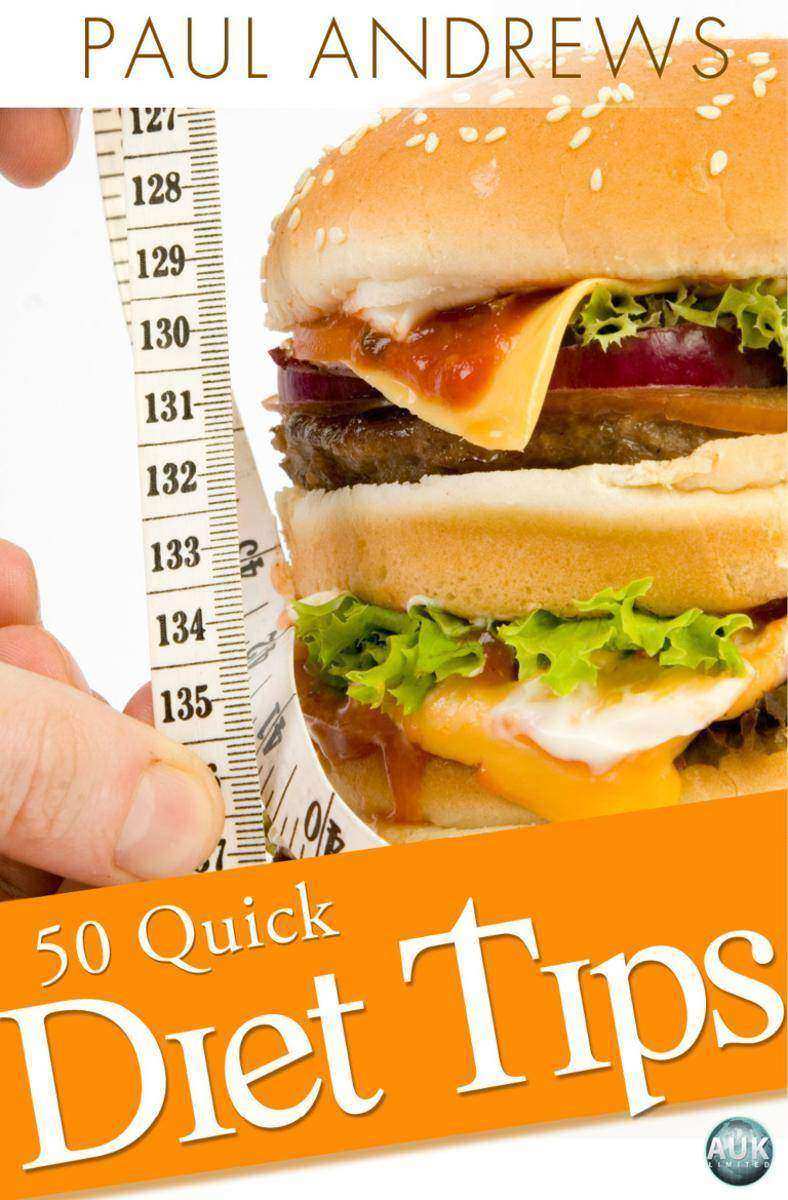
50 Quick Diet Tips
¥14.62
Do you want to lose weight? Are you struggling with your diet? These 50 quick diet tips will help you lose weight, and also keep that weight off. Using common sense and not fads, the advice in the book will help you lose the weight goal you are wanting to.
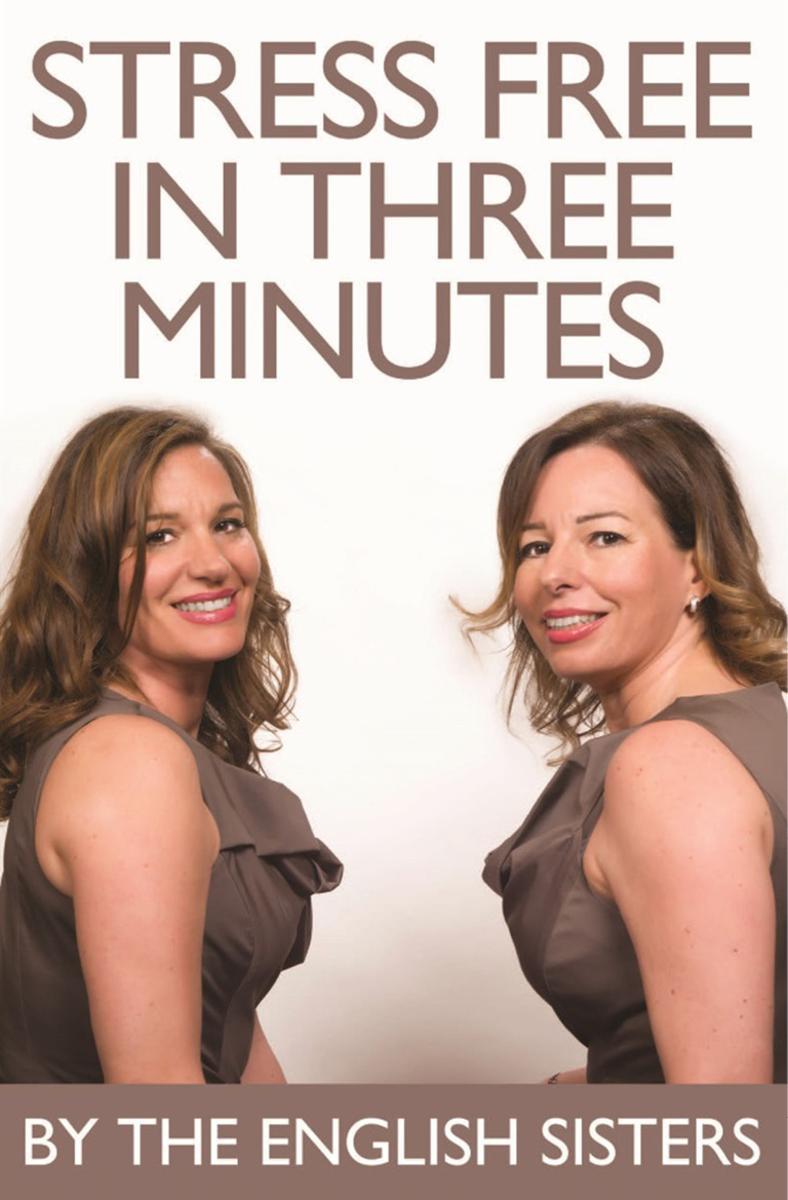
Stress Free in Three Minutes
¥53.86
You may be feeling stressed right now or would like to help someone that is feeling stressed. It has been proven that heart attacks, strokes, high blood pressure, headaches, ulcers and many more medical conditions can all be brought on or made worse by cumulative stress. Stress has negative effects in all spheres of your life and can be fatal. The English Sisters, known as the Everyday Hypnotherapists, will take you on a relaxing journey in each of their easy-to-read short stories, which guide you into a comfortable stress-free state of mind in only three minutes. Each easy to read, short, hypnotherapeutic story is filled with metaphor and hypnotic language, which takes your mind on a mini break, providing relief from stressful thoughts. As you are reading, you will find that your heart rate decreases, your facial muscles begin to soften and your mind begins to enjoy the wonderful benefits of a stress-free state of mind. Stress Free in Three Minutes will help you form new responses, thoughts, attitudes and feelings. This will enable you to create healthy, empowering and happy thoughts in your mind.
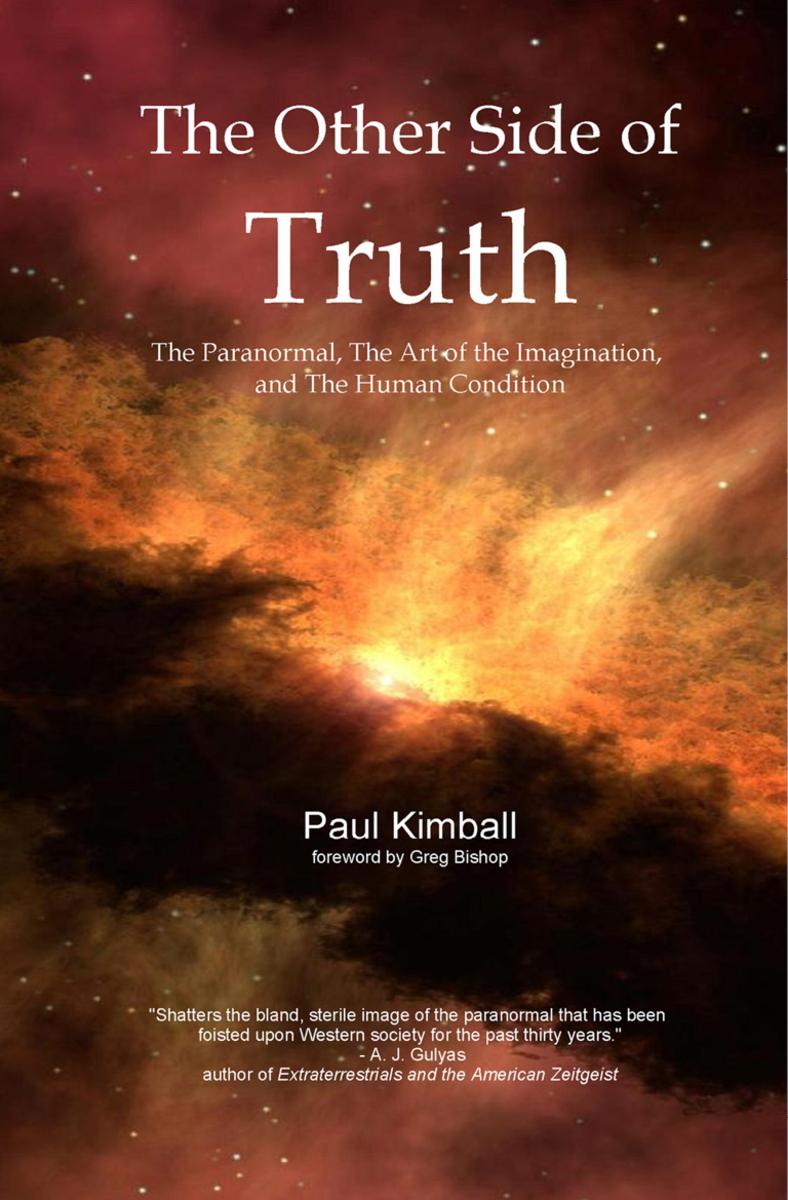
Other Side of Truth
¥73.48
In The Other Side of Truth, filmmaker Paul Kimball crosses the Rubicon of the imagination to explore the idea that what we call the 'paranormal' is actually a form of artistic expression created by an advanced non-human intelligence to inspire us to think about who we are, where we have been, and where we are going. Using his own journey of discovery as the starting point, Kimball presents the 'other side of truth' - the world not as we have been told it is, but as we are being encouraged to imagine that it could become.
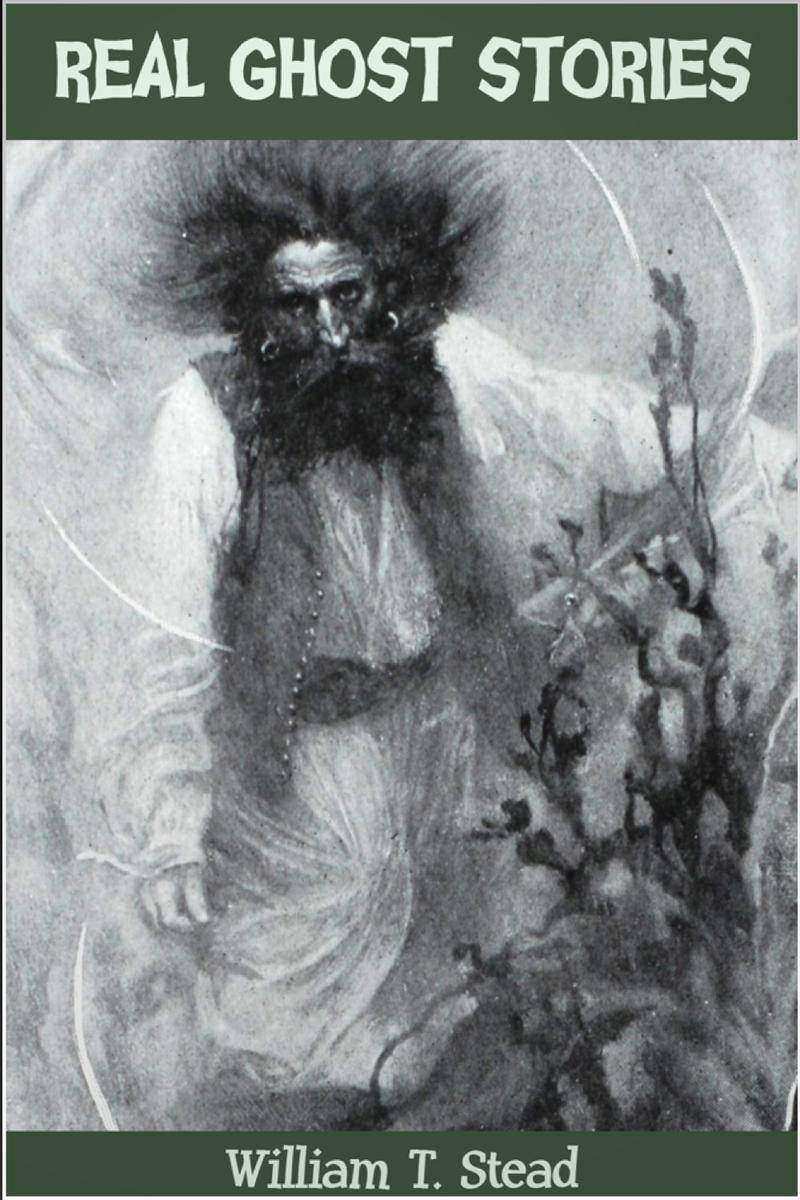
Real Ghost Stories
¥19.52
A fascinating collection of several accounts of ghostly encounters as well as an intriguing look at other paranormal phenomena such as clairvoyance and premonition. Written by pioneering investigative journalist W. T. Stead.
Poems of Devotion and Commotion
¥48.95
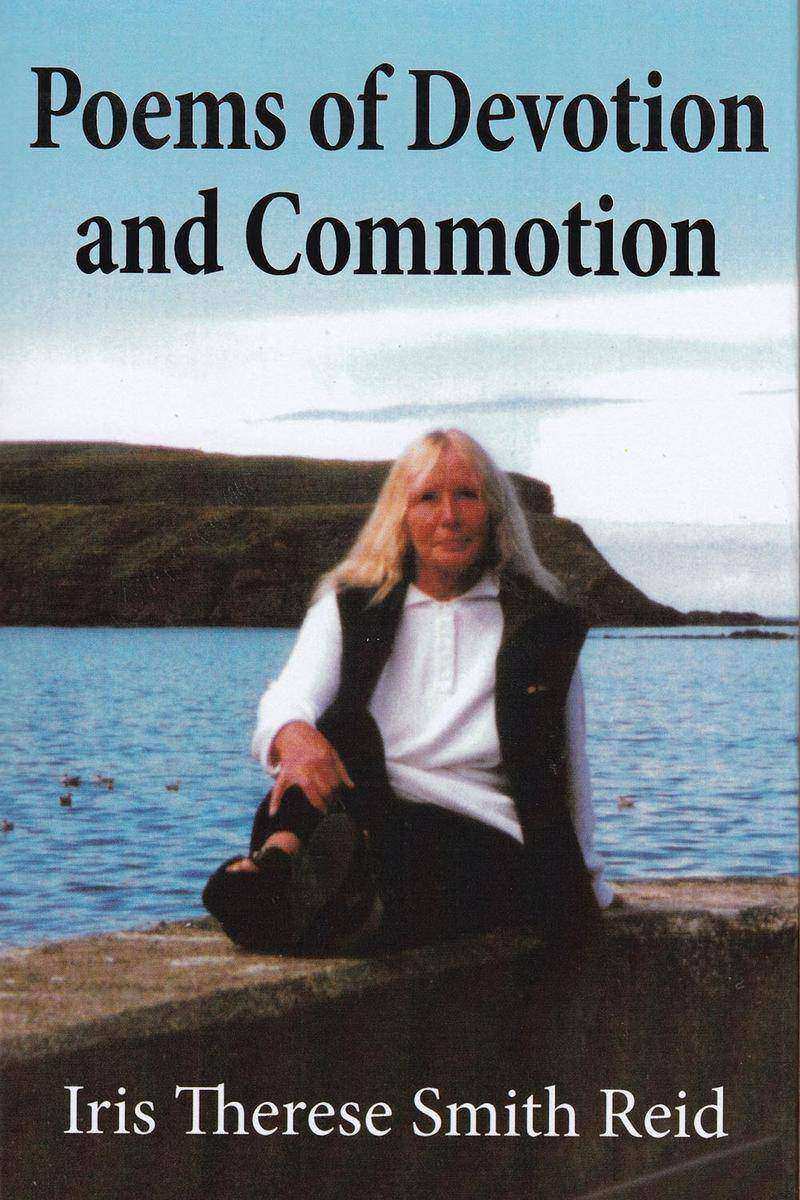
This is the second book of poems by Iris Therese Smith Reid inspired by the experience of caring for a dementia sufferer and the high and low points of their home life. Her husband was diagnosed with dementia more than seven years ago, and since then Iris has chronicled the impact his illness has had on their life together. Her poems express what it really means when the connection between two people is held together by a great bond of devotion - even through the most demanding times. As a complete contrast, a selection of more-amusing verse ends the book in a lighter vein.
Spirit Revelations
¥68.57
This is an account of incredible yet documented precognitive dreams and synchronicities. They show that our minds are far more powerful than we thought and that we can access true and detailed information without using our normal senses and even of the future.These experiences offer us genuine spiritual guidance in our everyday lives and have profound implications for our understanding of consciousness.Endorsed by the world-renouned scientist Rupert Sheldrake as "e;vivid and fascinating... pioneering research."e;
Last Orders
¥39.14
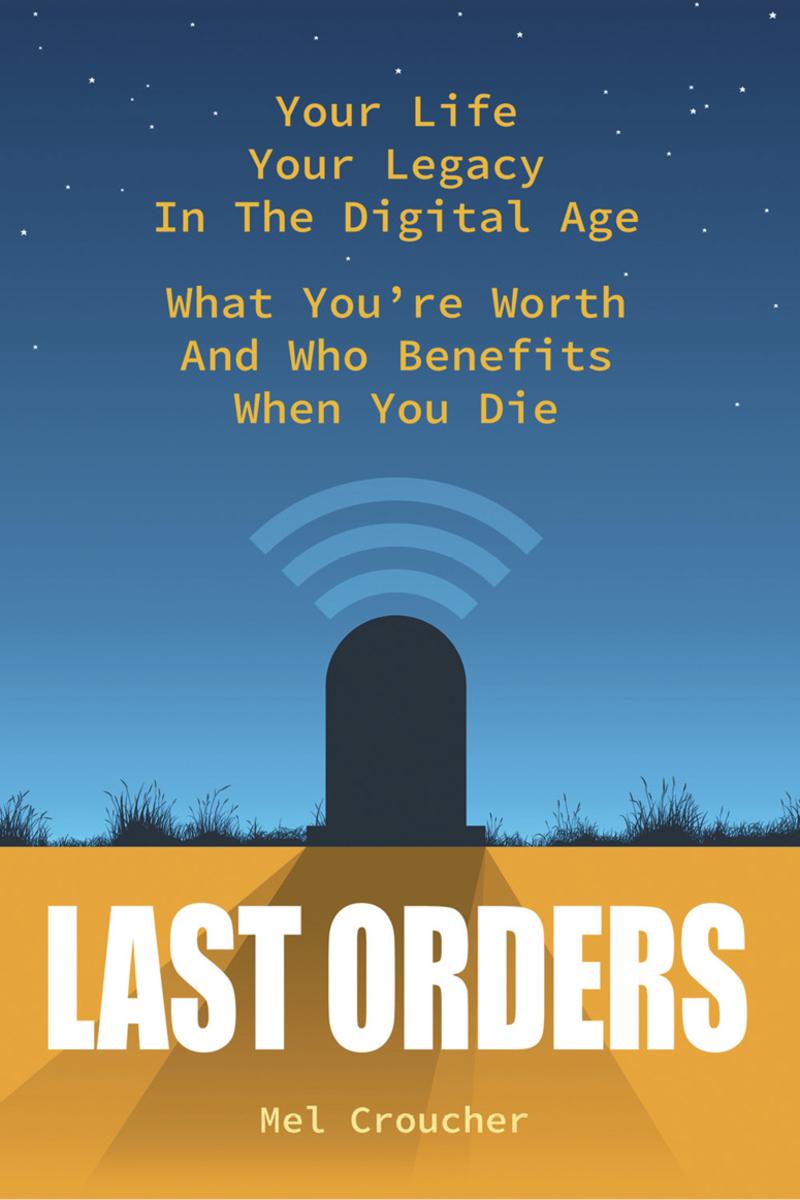
This is a hands-on guide to discover how long you will live, what you're worth and who gets what when you die. It takes you step by step through everything you need for a personal action plan, including your digital legacy, your will, your final years, your death, funeral, and all your last orders for after you've gone. Relax. Stop worrying. Here are the answers to sort out your online and real world affairs and solve all those life and death problems. LAST ORDERS covers everything clearly, simply and honestly. An essential read for everyone who is not immortal.


