


 购物车
购物车 个人中心
个人中心
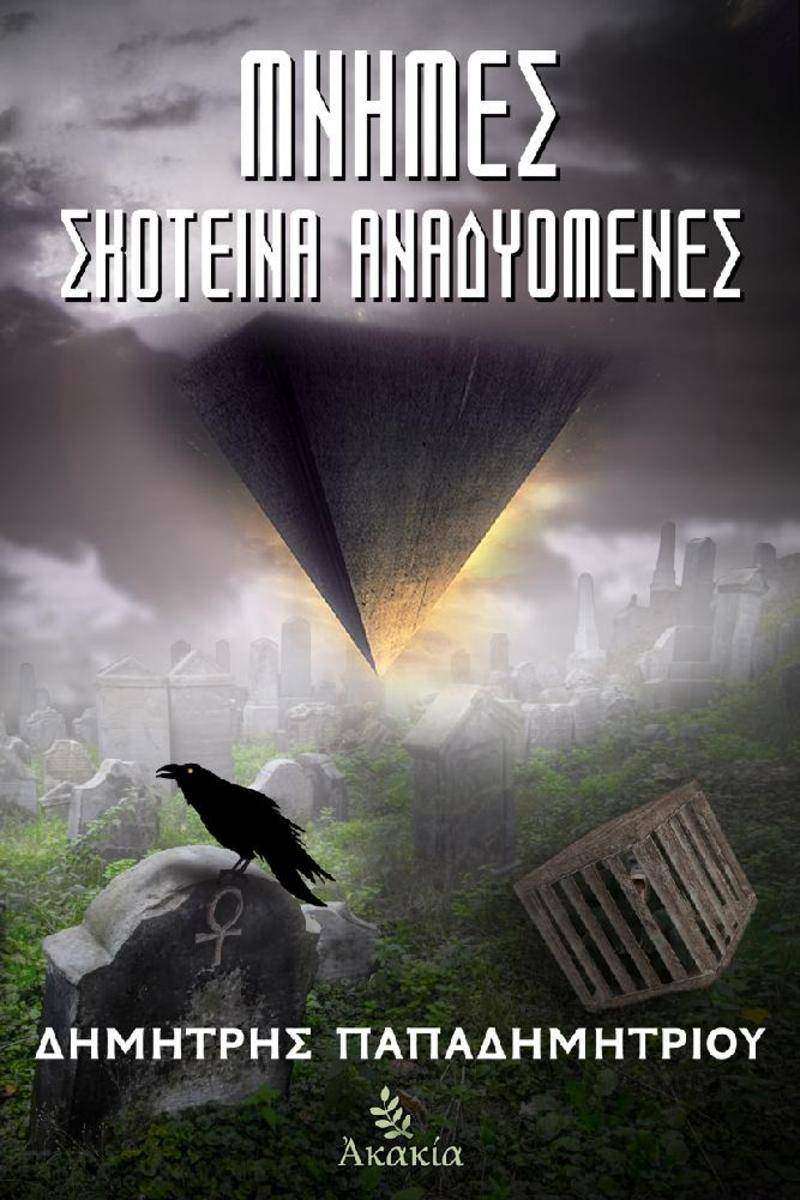
Μν?με? Σκοτειν? Αναδυ?μενε?
¥63.19
Οι ?Μν?με? Σκοτειν? Αναδυ?μενε?? ε?ναι ?να μυθιστ?ρημα επιστημονικ?? φαντασ?α? με “new age” στοιχε?α. Ο Δημ?τρη? Σολ?γγα? ε?ναι ?να? επιστ?μονα?, που πραγματοποιε? ?να μυστικ? πε?ραμα στι? εγκαταστ?σει? τη? φαρμακευτικ?? εταιρ?α?, στην οπο?α εργ?ζεται, στη Θεσσαλον?κη. Πρ?κειται για το πρ?γραμμα τη? ?Τηλεμν?μη??, τη? χειρουργικ?? μεταφορ?? αναμν?σεων απ? ?ναν ζωνταν? οργανισμ? σε ?λλον. Ταυτ?χρονα μ?α σατανιστικ? α?ρεση ετοιμ?ζεται να τελ?σει και π?λι την αν?ερη ανθρωποθυσ?α τη?. Το Πορφυρ? Τ?γμα εφαρμ?ζει εδ? και αι?νε? τι? σκοτειν?? πρακτικ?? του σε ολ?κληρη την Ευρ?πη με ?δρα τη Ρουμαν?α, και αποτ?λεσε τον πυρ?να για τη δημιουργ?α του μ?θου των βρικολ?κων. Το πρωτοπαλ?καρο τη? α?ρεση? ο Σολοβ?ιδ (η λ?ξη δι?βολο? διαβασμ?νη αν?ποδα), με ενεργ? δρ?ση επικ?νδυνων αποστολ?ν στι? βαλκανικ?? και ρωσικ?? χ?ρε?, λαμβ?νει την εντολ? απαγωγ?? τη? κ?ρη? του Δημ?τρη Σολ?γγα για την τ?λεση τη? β?βηλη? θυσ?α? προ? τιμ? του Εξ?ριστου ?ρχοντ? του? στον Π?ρα Κ?σμο. Ο Σολοβ?ιδ απαγ?γει τη μικρ? Μαρ?α και την αιχμαλωτ?ζει σε κρυψ?να του Τ?γματο?. Εξαιτ?α? των β?αιων ενστ?κτων του ?ρχεται σε σ?ρραξη με μ?α συμμορ?α Αλβαν?ν εμπ?ρων ναρκωτικ?ν, με αποτ?λεσμα να μεταφερθε? βαρι? τραυματισμ?νο? στη μον?δα εντατικ?? θεραπε?α?. Ο Σκωτσ?ζο? Ρ?μπερτ Ρ?υ Μακμ?νιστερ, χρ?νιο? αλκοολικ?? και καταθλιπτικ??, ε?ναι αν?τερο? αξιωματικ??, αναλυτ?? εγκλημ?των τη? Ευροπ?λ, που καταδι?κει διεθν?? την αν?σια α?ρεση. Ενημερ?νει τον Δημ?τρη Σολ?γγα ?τι, μ?λι? περ?σουν οι τρει? εννια?μεροι κ?κλοι, στου? οπο?ου? το αν?λικο θ?μα θα υποστε? ψυχολογικ?, σωματικ? και πνευματικ? β?α, αντ?στοιχα σε κ?θε κ?κλο, θα επ?λθουν ο βιασμ?? και η μετ?πειτα θυσ?α του κοριτσιο? στη β?ση μ?α? αν?ποδη? υπ?γεια? πυραμ?δα?. Την ?δια στιγμ? στο Λονδ?νο η Μ?ντυ Χ?ντσον, παλι? συμφοιτ?τρια και φ?λη του Δημ?τρη Σολ?γγα, αναταρ?ζεται απ? ?ναν εφι?λτη, στον οπο?ο ο φ?λο? τη? πν?γεται μ?σα σε ?να πολτοποιημ?νο υγρ? απ? ανθρ?πινου? εγκεφ?λου? στον π?το εν?? πηγαδιο?. Η Μ?ντυ Χ?ντσον δ?ο χρονι? πριν, ?ταν σκοτ?θηκε η ερωμ?νη τη?, η Γκ?ιλ, σε αυτοκινητιστικ? ατ?χημα, αποπειρ?θηκε να αυτοκτον?σει. Μετ? την επιθαν?τια εμπειρ?α τη? ταξ?δεψε στο Θιβ?τ, ασχολ?θηκε με τι? εσωτερικ?? πνευματικ?? αναζητ?σει? και επαναπροσδι?ρισε τον εαυτ? τη?. Απ?κτησε ν?ο σκοπ? στη ζω?: Να ακολουθε? τα σημ?δια, τα οπο?α τη? στ?λνει το Ρε?μα των Πραγμ?των και να βοηθ?ει ?σου? ?χουν αν?γκη. Διαισθητικ? ?χει την πλ?ρη επ?γνωση ?τι πρ?πει να σ?σει τον φ?λο τη?. Ο Δημ?τρη? Σολ?γγα? εξαναγκ?ζεται να εφαρμ?σει το πε?ραμα τη? ?Τηλεμν?μη?? και να μεταφ?ρει τι? μν?με? του απαγωγ?α τη? κ?ρη? του στον ?διο του τον εγκ?φαλο. Εν? αγων?ζεται για τη διατ?ρηση τη? ?δια? του τη? προσωπικ?τητα?, θα βρεθε? στη μ?ση τη? συμπλοκ?? του Πορφυρο? Τ?γματο? με τη συμμορ?α των Αλβαν?ν εμπ?ρων ναρκωτικ?ν. Στην περιπ?τει? του θα ?ρθει αντιμ?τωπο? με βαθι?? συμπαντικ?? αλ?θειε?, ?πω?: η συγχρονικ?τητα, η διασ?νδεση ?λων των ?μβιων πλασμ?των, η αιων?βια μ?χη του καλο? και του κακο?, η ?παρξη εν?? αν?τερου και εν?? κατ?τερου εαυτο? σε κ?θε ?νθρωπο αλλ? και στον ?διο τον συμπαντικ? οργανισμ?, η προφητικ?τητα των ονε?ρων, η επ?δραση του διαλογισμο? και τη? νοερ?? απεικ?νιση? στον ανθρ?πινο εγκ?φαλο. Τι θα γ?νει στο Δημ?τρη Σολ?γγα, ?ταν η εσωτερικ? του φων?, με την οπο?α κ?θε ?νθρωπο? ταυτ?ζει το Εγ? του αρχ?ζει να μεταλλ?σσεται απ? τι? αναμν?σει? του μνημοδ?τη του; Μ?πω? συμβα?νει κ?τι αν?λογο σε ?λου? μα?; Ποιοι στα αλ?θεια ε?μαστε;
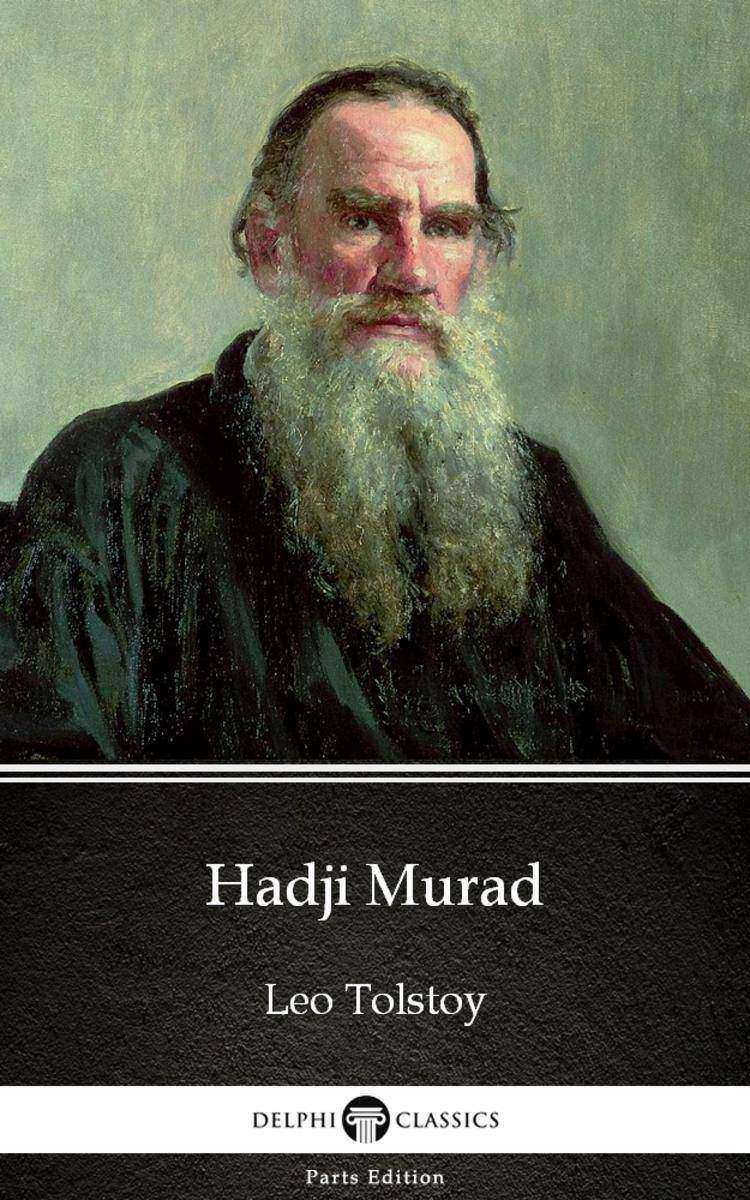
Hadji Murad by Leo Tolstoy (Illustrated)
¥8.09
This eBook features the unabridged text of ‘Hadji Murad’ from the bestselling edition of ‘The Complete Works of Leo Tolstoy’. Having established their name as the leading publisher of classic literature and art, Delphi Classics produce publications that are individually crafted with superior formatting, while introducing many rare texts for the first time in digital print. The Delphi Classics edition of Tolstoy includes original annotations and illustrations relating to the life and works of the author, as well as individual tables of contents, allowing you to navigate eBooks quickly and easily.eBook features:* The complete unabridged text of ‘Hadji Murad’* Beautifully illustrated with images related to Tolstoy’s works* Individual contents table, allowing easy navigation around the eBook* Excellent formatting of the textPlease visit www.delphiclassics.com to learn more about our wide range of titles
Iceni
¥32.62
Boudicca - Queen, Priestess, mother, woman... Emerging from her recent widowhood, Boudicca is unwillingly plunged into a maelstrom of intrigue between the Celtoi tribes and the conquering Romani. Victim of her own still raw emotions and Romani greed, Boudicca is approached by an elusive Druid to lead the Celtoi in rebellion. As the rebellion unfolds it gathers a momentum of its own, sweeping Boudicca along with it. But she finds that she must make many sacrifices in order to fulfil the role demanded of her. As the sacrifices increase, so does Boudicca's descent into madness. Will too much be asked of her? Iceni draws on known Iron Age archaeology, Roman history, elements from Celtic mythology, paganism, Goddess-spirituality, and witchcraft, to paint a vivid and disturbing picture of life and war in Roman Britain.

Right Ho, Jeeves
¥8.09
This Point Blank Classics edition includes the full original text and an easy to use interactive table of contents.
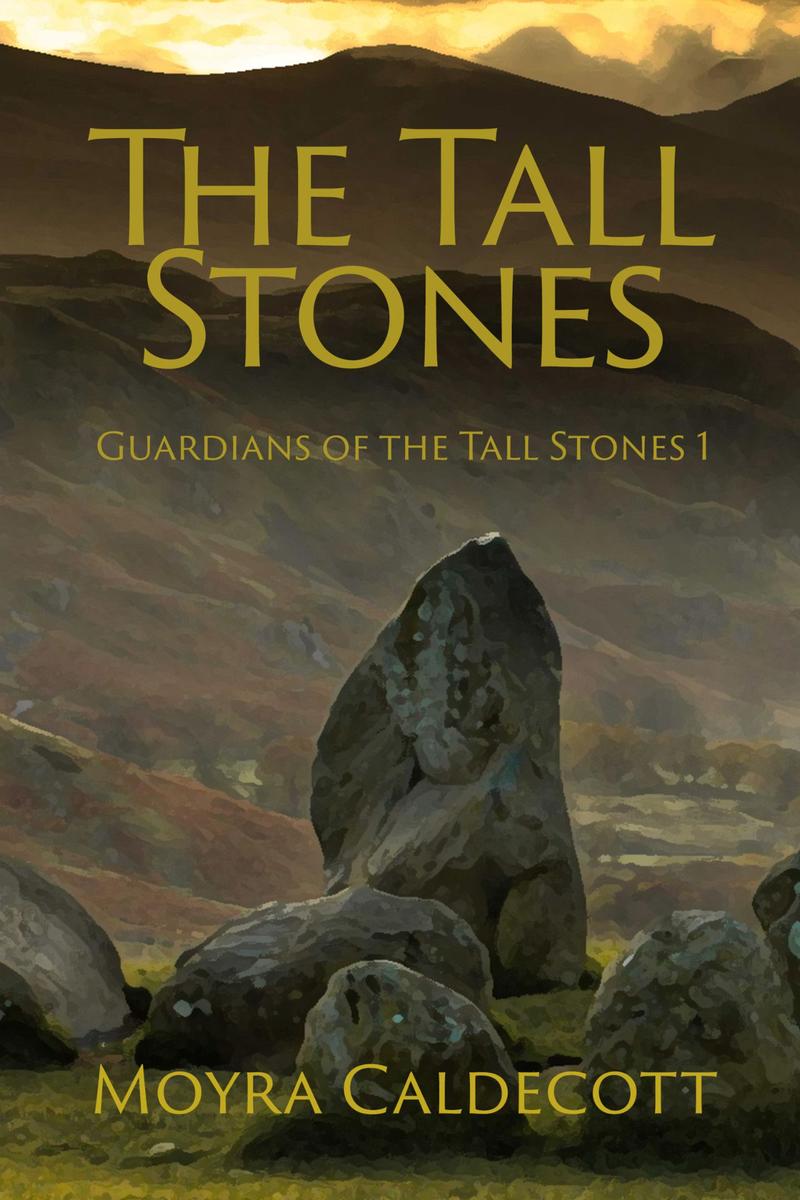
The Tall Stones: Guardians of the Tall Stones 1
¥32.62
Book One of The Guardians of the Tall Stones series. This book has been called one of the great esoteric novels of the 20th century". The first of four novels set in Bronze Age Britain, a society focused around the great circles of Sacred Stones scattered across the landscape. It tells the story of a community threatened by the evil designs of Wardyke, a corrupt and ambitious priest, and its only defence, the courageous young psychic, Kyra. But to defend her community, Kyra must enter the forbidden circle of stones and call upon its unseen, mystical powers... From the Introduction: This is a story set in Bronze Age Britain, c.1500 BC, when the great circles of standing stones that were such a feature of the Neolithic Age were already more than a thousand years old, yet still in use as sacred temples. Hundreds of stone circles have been found throughout Britain, the most famous today being Avebury and Stonehenge in Wiltshire. That such a homogeneous culture flourished in communities so widely separated by dense and dangerous forests, mountains, and wild and stormy seas, is extraordinary. The Tall Stones begins in a stone circle in Scotland where a young girl, Kyra, finds that she has psychic powers usually only possessed by the Priesthood. She is thrust into a situation of great danger in order to attempt to rescue her community threatened by a dark and menacing evil. She is forced to ‘spirit travel’ before she is ready, to seek the help of the mighty Lords of the Sun."
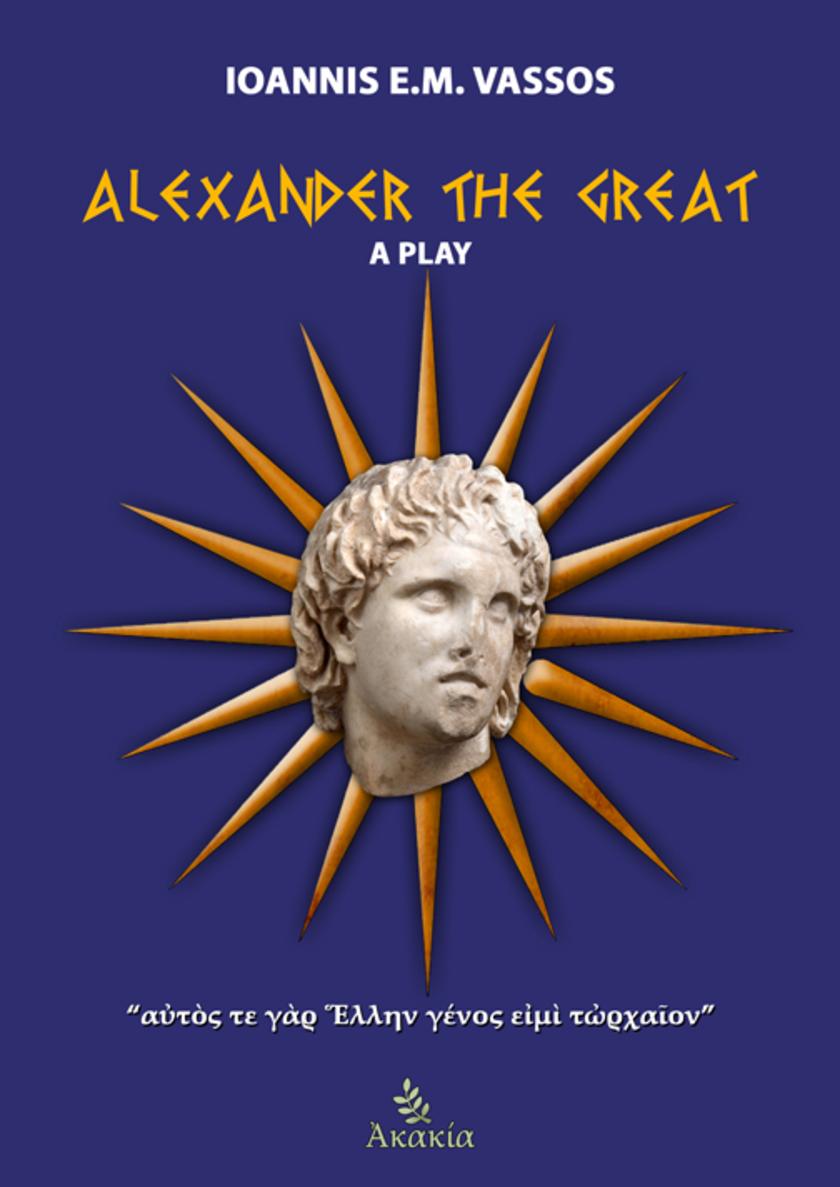
Alexander the Great: A Play
¥31.56
This work is addressed to adults aged from 18 years and upwards, and especially to those interested in theatre, literature, philosophy and ancient Greek culture. This Thatrical Play is divided in three acts: FIRST ACT We witness the distress of Alexander the Great’s generals and the Persian generals, preceding the battle,the prayers they address to their Gods, for assistance,and also Alexander the Great’s grandeur, when in the battle of Issus, he captures Sisygambis, the mother of the Great king of Persia, Darius. SECOND ACT While the wars have ended, Hellenes are celebrating their victories Over the Persians. In one of these celebrations, Cleitus the general, in front of all, accuses Alexander the Great that he isn’t a God, but a human. Alexander the Great is enraged and assassinates him. Cleitus, now being dead, is transferred to a world reigned by a wise old man that demonstrates the error he committed in contradicting his King.Cleitus returns back to life and forgives Alexander the Great for killing him,But also asks him for forgiveness as well for his behavior. “Now I die, really with my will, Alexander my king” he says, bows, kisses the moribund Alexander the Great and dissipates in heavens. THIRD ACT Death of Alexander the Great. The generals and the officers go by him one by one and salute him for a last time, their beloved Alexander the King. Father Zeus appears in front of them. Blinding light covers the stage.

The War Comes to Witham Street
¥32.62
Lincoln, England, August 1944. A rest and recuperate scheme for two traumatised servicemen, one British and one American, places them with two families. The effect they have on those families is remarkable and profound. Jane, like most of the other children, is without her father, and relies on grandparents and other relations to fill the gap. It is through Jane, growing up at a difficult time, that we can laugh at attempts to keep morale high, and sympathise with the hopes, dreams, disappointments, and tragedies of those left behind to cope with war in their own way.
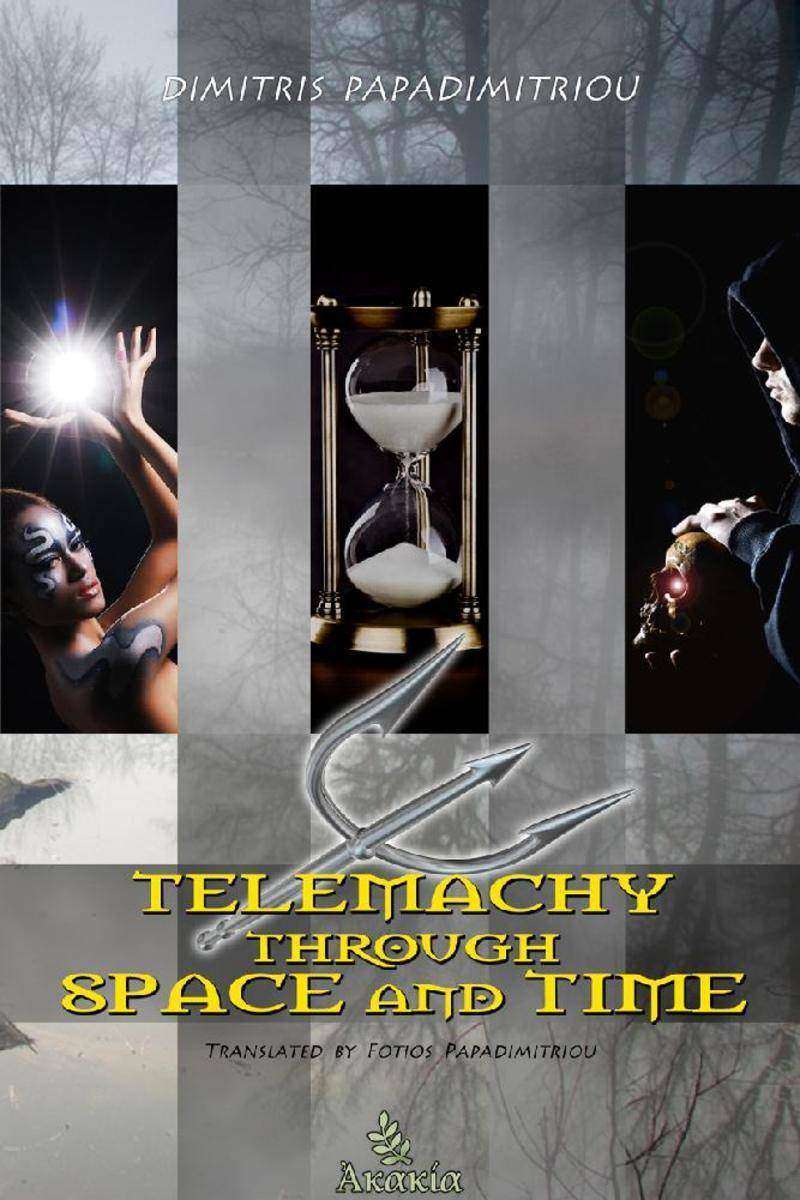
Telemachy through Space and Time
¥63.19
Telemachy through Space and Time is a spatiotemporal fantasy fiction with new age characteristics, which refers to dreamlike journeys with a strange connection to reality. The lead character, a bourgeois, Telemachus Andronicus is overweight and works as a clerk in a bank. He learns that he has cancer and has six months left to live. He feels alienated and finds a way out in the complex world of dreams. He is experiencing incarnations in prehistoric (antediluvian) times, in ancient Greece, the fall of Constaninople, siege of Messologgi, the French Revolution, the Second World War two and he travels in other dimensions as well. Common thread of his travelling is on one hand a dark swamp which is an animate evil entity and on the other hand a black dressed man with unearthly mystic powers, who’s been persecuting him ever since. Soon the reality and subconscious are beginning to mingle in his sleep, putting his mental stability to the test. The only person who seems to believe in him is a strange, enigmatic and beautiful woman, who knows more than she lets out. In each of his incarnations he encounters different experiences which although seemingly unrelated, they become the key to unlock the ultimate truth at the end.
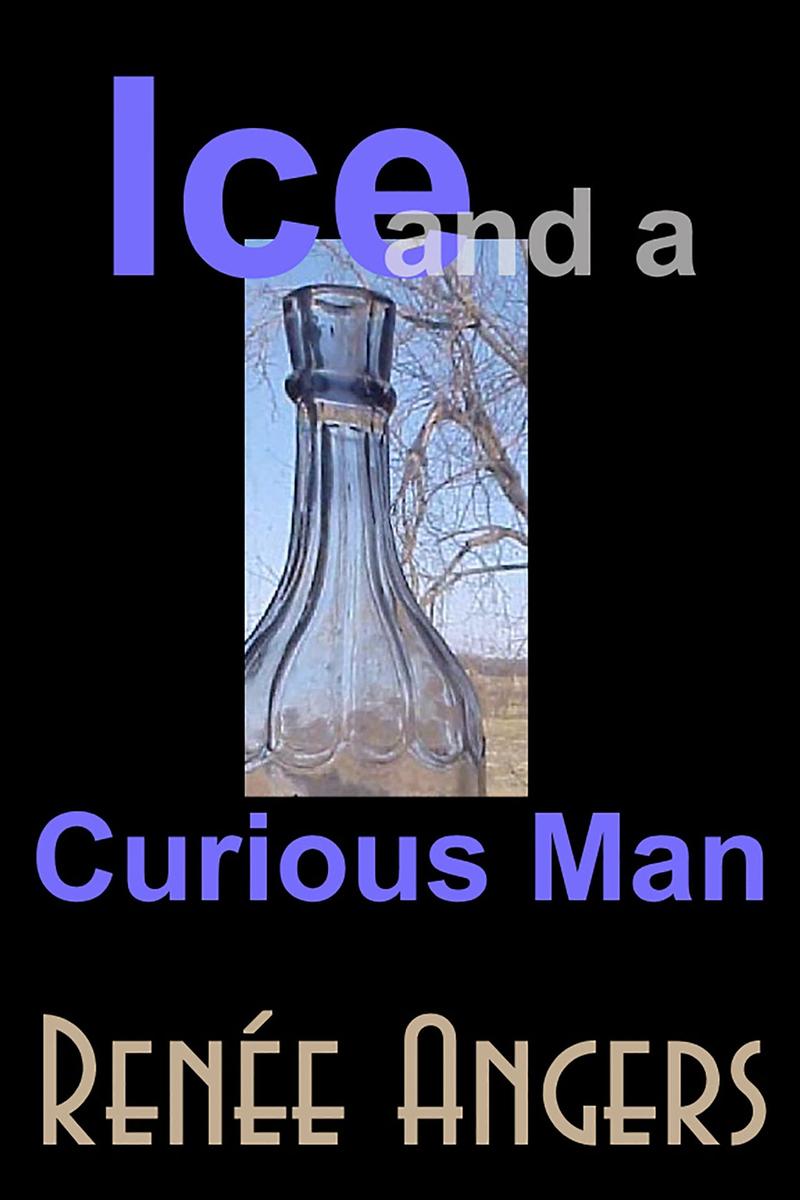
Ice and a Curious Man
¥32.62
Just North of Dillingham, Alaska, there lives a reclusive poet named Shane Helnsley. Nobody knows what he is about or even what he looks like. The rumors about him are rampant and quite revolting, but his works are considered masterpieces and are highly sought after. Marren Lang is the writer hired by Helnsley to interview him, a task that she is not at all looking forward to. What Lang encounters in Alaska is the last thing she could ever have expected. The warnings about the old toothless pervert who lives like a savage are the least of her worries. Within hours of her arrival in the new landscape she learns she has much more to contend with. Helnsley teaches Lang to rudely stare down her own demons and face truths that are rarely respected when numbed by civilized society. Ice and a Curious Man melts selfishness down to an unthreatening puddle and bravely shouts that no book can ever be judged by its cover.

Οδηγ?? Μηχανογραφικο? 2014
¥84.20
Στο βιβλ?ο αυτ? περιλαμβ?νονται χρηστικ?? πληροφορ?ε? για την συμπλ?ρωση μηχανογραφικο? δελτ?ου των πανελλην?ων εξετ?σεων. Πρακτικ?? οδηγ?ε? για γονε?? και μαθητ??, αν?λυση των πιο συνηθισμ?νων λαθ?ν που γ?νονται απ? του? μαθητ?? στην συμπλ?ρωση του μηχανογραφικο?, τη? σημασ?α? των β?σεων, στρατηγικ?? για την συμπλ?ρωση ?σο και πλ?θο? πληροφορι?ν για σχολ??, επαγγελματικ? δικαι?ματα και προτ?σει? σχολ?ν και επιλογ?ν με διευρυμ?νε? προοπτικ?? επαγγελματικ?? αποκατ?σταση?.
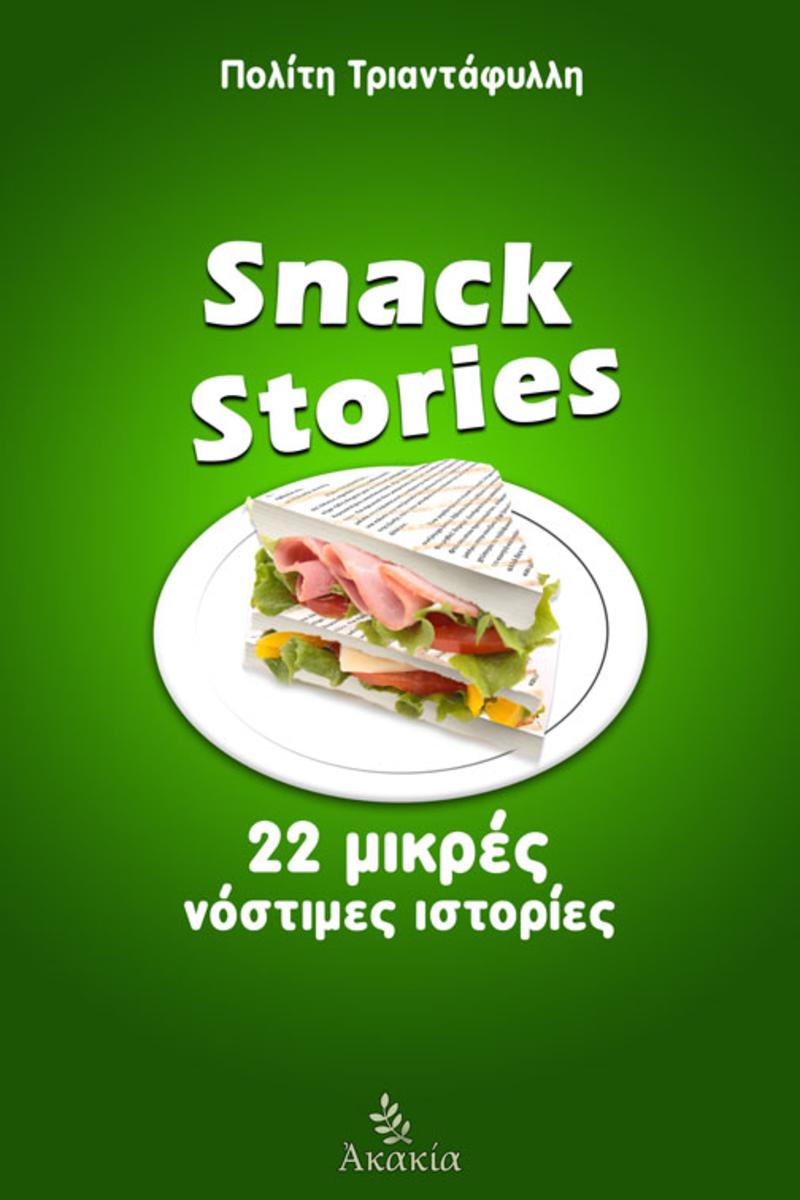
Snack Stories: 22 Μικρ?? Ν?στιμε? Ιστορ?ε?
¥52.65
Κ?θε ?νθρωπο? και μ?α σκ?ψη, κ?θε σκ?ψη και μια ιστορ?α. Ρομαντικ??, χιουμοριστικ??, αν?λαφρε? και συγκινητικ??, ?να? ολ?κληρο? κ?σμο? μ?σα στα χ?ρια σα?. ?νθρωποι συνηθισμ?νοι και ασυν?θιστοι μοιρ?ζονται τι? σκ?ψει? του? και τι? στιγμ?? του? μ?σα απ? τι? σελ?δε? 22 μ?νι ιστορι?ν. Ο Λουκ??, η Ροζαλ?α, η μικρ? κυρ?α Λι, πιθαν?ν να ε?ναι κ?ποιοι απ? του? φ?λου? σα? ? του? γε?τονε? σα?. ?σω? ?να alter ego σε ?να παρ?λληλο σ?μπαν. Ευκαιρ?α να του? γνωρ?σετε. Σνακ ιστορ?ε? εμπνευσμ?νε? απ? τι? αλ?θειε?, τι? αναμν?σει? και τα ?νειρ? τη? ζω?? μα?.

Hypnotherapy and Intuitive Hypnosis
¥52.65
Aggil Loupescou reveals the world of the subconscious and suggests ways by which you can take care of yourself with the easiest and best way. You can get rid of stress, deal with relationships successfully, eliminate obsessions and bad habits such as smoking and drinking, and conquer panic and fears. In addition, she discusses how to strengthen confidence, be creative, and eliminate issues caused by previous life actions. Furthermore, she suggests Hypnotherapy's and research techniques. The knowledge of 'yesterday' establishes creatively 'today' and builds a solid 'tomorrow'.

Jacob's Room
¥40.79
One of the best examples of Woolf's modernist innovation, the story starts in Jacob's childhood and follows him through college at Cambridge, and then into adulthood. The narrative is told mainly through the perspectives of the women in Jacob's life, including the repressed Clara Durrant and the uninhibited young art student Florinda, with whom he has an affair. His time in London forms a large part of the story, though towards the end of the novel he travels to Italy, then Greece.
The Queen of Hearts
¥40.79
We were three quiet, lonely old men, and she was a lively, handsome young woman, and we were at our wits’ end what to do with her.
Pennant Man
¥32.62
Professional baseball hasn't always been integrated. Up until the 1940s, there were white leagues and negro leagues. Regardless of talent, white team owners fought long and hard to keep blacks from entering their exclusive clubs. Then the Brooklyn Dodgers took the other owners on by scouting two black players of equal talent. The goal -- two players breaking the color line together... One was Jackie Robinson. The other had a past.
The Narrative of Arthur Gordon Pym
¥40.79
The only complete novel written by Edgar Allan Poe which follows life of the young Arthur Gordon Pym aboard a whaling ship called the Grampus. Shipwreck, mutiny, and cannibalism befall Pym, before he is saved by the crew of the Jane Guy. Aboard this vessel, Pym and a sailor named Dirk Peters continue their adventures further south.
Ligeia and Other Stories
¥40.79
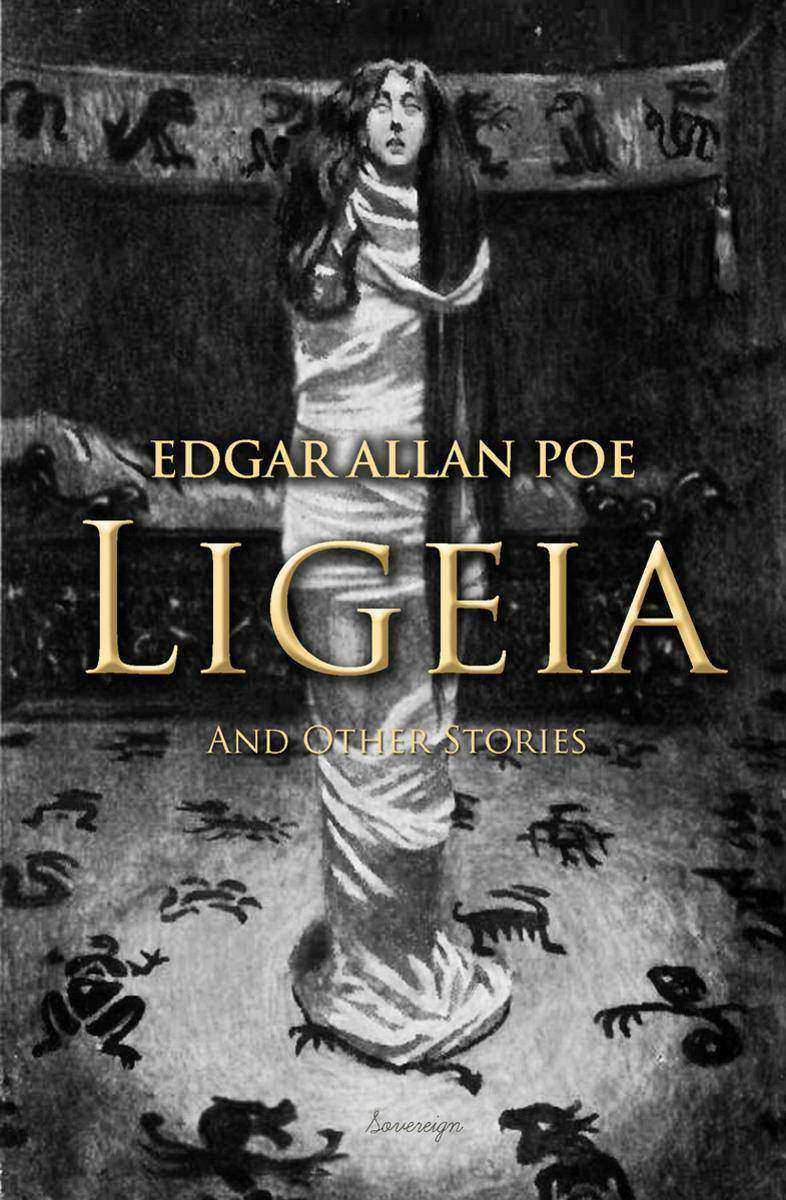
Ligeia, a beautiful, passionate and intellectual woman, raven-haired and dark-eyed. The narrator is unable to recall anything about the history of Ligeia, including her family's name, but remembers her beautiful appearance. Her beauty, however, is not conventional. He describes her as emaciated, with some strangeness. They marry, and Ligeia impresses her husband with her immense knowledge of physical and mathematical science, and her proficiency in classical languages. She begins to show her husband her knowledge of metaphysicaland forbidden wisdom. The book also features several other stories including: Morella, The Spectacles, King Pest, X-ing a Paragraph, How to Write a Blackwood Article.
Ya, pero todavía no:Poemario
¥14.88
Cada uno de los versos están escritos desde la perspectiva de un creyente que confiesa la nueva creación, mientras que se enfrenta a las consecuencias de la caída. La familia, la política, la justicia, el amor, las relaciones humanas, han sido todas manchadas por el error humano, y aunque el Se?or ya ha comenzado su obra de restauración a través del Evangelio, hay mucho camino por recorrer.
The Insulted and Humiliated
¥40.79
The story is narrated by a young author, Vanya, who has just released his first novel. It bears an obvious resemblance to Dostoyevsky's own first novel, Poor Folk. Vanya's close friend and former love object, Natasha runs away with prince Alexey, son of Prince Valkovsky, who hopes to gain financially by marrying Alexey off to an heiress, Katya. Meantime we meet another young girl Nellie, whom Vanya saves from an abusive household by taking her into his apartment. Nellie's story is one of Dostoyevsky's most moving creations which inspired Japanese director Akira Kurosawa to produce an adaptation film, Red Beard.
Heart Attack for Gourmets
¥24.44
Wariat’s Diary (Diary of a Cranky Man). Novel in 13 chapters with consequences of documentation and with elements of absurdism, adventurism, and light fantasy!) The novel was awarded - International Literary Prize. Olesya Ulyanenko in 2012! The book HEART ATTACK FOR GOURMETS by Volodymyr Vakulenko-K. Consists of 13 monologs written from the perspective of different characters that often are not named, but defined in the heading of each chapter (a baby, father, an actor…). Regarding a plot, only several monologs intersect (e.g., ‘The Heart of a Kidnapped Son’ and ‘The Heart of a Disappointed Literary Man’), while the most of them barely resonate between themselves in mood and subject, sometimes they are contrasting. It is a known fact that each writer, first and foremost, writes about himself, if not about his biographical facts, he touches upon the issues that are meaningful to him, the situations that filled his brain for some reason and images that appeared in his subconsciousness. A part of monologs by Volodymyr Vakulenko-K. (VKV) Has an autobiographic nature but there are still plenty of those not related to author’s biography. The latter contains monologs dedicated to events of 1933 in the author’s native village and a story of a woman librarian who became a maniac and later, a victim, a young monk’s story about his relations with Satanists, an elf’s story about a prolonged bloodless war… VKV tries to talk not only about himself, and he tries to write in different genres: documentation and fantasy, thriller and nonsense fiction (Maybe due to this mixture of styles the work is called an ‘experimental novel.') Would You Like To Know More? This book is Delivered Instantly to Your Reading Device Just Scroll To The Top Of The Page And Select The "Buy Now" Button! Download Your Copy Today!? ? 2017?All Rights Reserved!?
Yoga:Fasting And Eating For Health
¥24.44
Discover Fasting for Health & Factors That Increase Blood Sugar Level, Own Practice of the Therapeutic Effect of Fasting Today only, get this Kindle book for just $2.99. Regularly priced?at $4.99. Read on your PC, Mac, smart phone, tablet or Kindle device.?What is really going on in our body during prolonged full fasting, when the body does not receive any food: no protein, no fat, no carbohydrates, only water in unlimited quantities. Thanks to Paul Bragg, now we talk about fasting in no other way as about a "miracle". "Both weight loss and cleansing and in addition health improvement of body and soul – all this can be given to you by fasting, an ancient method of self-healing of the body granted to us by nature," it follows from the flow of health improving literature on this subject. However, those who have already tried fasting for themselves, note the very ambiguous results from the use of this "miraculous" remedy. After a trustworthy weight loss, the weight very quickly returns not only to the initial value, but almost always increases, which will be discussed in details later. But the saddest syndrome the fasting persons can face at the stage of so-called ketoacidosis. When with the general blue-green color of face, a disgusting smell of acetone comes from the mouth, the head breaks of the pain, urine resembles the slop, and the other unpleasant symptoms occur that in books on fasting are seen exclusively as testimony of beginning of the process of "cleansing". "All this dirt" – the authors of books on therapeutic fasting repeat insistently – "is the residues and toxins that have accumulated in your body, bones and fat, and just "wait" when you start an "integrated" cleansing by means of starvation and other methods of healing the body". In other words, they try to convince us that these mythical endless "toxins" hid somewhere in "back streets" of our "intoxicated" body PRIOR the start of the cleansing fasting.?Here Is A Preview Of What You'll Learn... ·On the Sources of Energy During Fasting ·Factors That Increase Blood Sugar Level ·How the Nerve Cells Can Receive Energy on the Second or Third Day of Fasting? ·Some "Anti-Miracles" of Fasting ·Diet is a Direct Way to Cellulite ·Diet or What Should Be Done to Prevent Fat Accumulation ·Much, much more! Would You Like To Know More? This book is Delivered Instantly to Your Kindle or Other Reading Device Just Scroll To The Top Of The Page And Select The "Buy" Button! Download your copy today!?? 2015 All Rights Reserved !?Tags: fasting, fasting and eating for health, nutrition education, how to eat healthy, diets, teaching yoga, how to be healthy, yoga, fasting for health, yoga for beginners, weight loss, lose weight, blood sugar


