


 购物车
购物车 个人中心
个人中心

The Home Workout Plan for Seniors:How to Master Chair Exercises in 30 Days
¥23.14
Are you concerned about your balance, building strength and maintaining independence? Wouldn’t it be nice having a simple step-by-step exercise plan to do on your own at home? Most importantly, won’t you have a better piece of mind knowing it’s a safe and proven fitness routine specifically for senior citizens? Then, The Home Workout Plan: How to Master Chair Exercises in 30 Days has your answer in a short, concise book you can read in less than an hour. That way you can get your information, exercise today and maintain a great quality of life! In this health and fitness short read, you’ll get: -34 seated exercises with additional modifications -Exercises ideal for the unconditioned to the active senior -Brief and straightforward instructions of each exercise -A reliable and tested 30-day workout plan -Helpful guidelines and tips to get the most from your workouts -Over 34 full-color pictures for a better understanding -And, so much more! Get Your Copy Today!

Delphi Complete Works of John Wilmot, Earl of Rochester (Illustrated)
¥16.27
John Wilmot, 2nd Earl of Rochester, was a poet and courtier of King Charles II's Restoration court, whose rakish lifestyle, biting satires and obscene verses established his name as one of the greatest wits of his time. The Delphi Poets Series offers readers the works of literature's finest poets, with superior formatting. This volume presents the complete works of Rochester, with beautiful illustrations and the usual Delphi bonus material. (Version 1) * Beautifully illustrated with images relating to Rochester's life and works * Concise introduction to the poet and his works * Excellent formatting of the poems * Special chronological and alphabetical contents tables for the poetry * Rare poems often missed out of collections * Easily locate the poems you want to read * Includes Rochester's rare play LUCINA’S RAPE * Features two bonus biographies, including Gilbert Burnet’s seminal study – immerse yourself in Rochester's literary life * Scholarly ordering of texts into chronological order and literary genres Please visit www.delphiclassics.com to browse through our range of exciting titles CONTENTS: The Poetry Collections BRIEF INTRODUCTION: EARL OF ROCHESTER The Poems LIST OF POEMS IN CHRONOLOGICAL ORDER LIST OF POEMS IN ALPHABETICAL ORDER The Play LUCINA’S RAPE The Biographies THE LIFE OF THE EARL OF ROCHESTER by Dr. Johnson SOME ACCOUNT OF THE LIFE AND DEATH OF JOHN WILMOT, EARL OF ROCHESTER by Gilbert Burnet Please visit www.delphiclassics.com to browse through our range of exciting titles
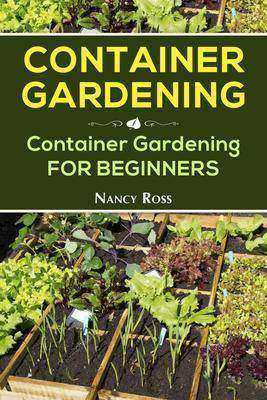
Container Gardening:Container Gardening for Beginners
¥38.62
WANT TO LEARN THE INS AND OUTS OF CONTAINER GARDENING? Here Is A Preview Of What You'll Learn... ? Getting the Containers for Your Garden ? Creating a Good Environment for the Container Plants ? Choosing the Right Time to Plant ? The Best Plants to Grow in Your Container Garden ? Tips for Helping Your Plants to Thrive ? Much, Much, More! Here Is A Preview Of Some Of The Vegetables You'll Learn To Grow... ? Lettuce ? Onions ? Tomatoes ? Carrots ? Radishes ? Cucumbers ? Beans ? Beets ? Cole Crops ? Eggplant ? Peppers ? Much, Much, More!

Stress:Dealing With Stress
¥8.09
Dealing with Stress is perhaps the most important thing that you will ever do. Stress -Dealing with Stress will offer you a comprehensive overview of what stress is and how to deal with it both in terms of its effect biologically, chemically and emotionally. The thing about stress it that it is perhaps the number one cause of other mental illnesses such as Depression and PTSD. It can do tremendous damage to your physical health as well. Stress can lead to weight gain or serious weight loss. Stress can cause heart attacks and strokes. If you do not learn how to manage and to deal with stress it can kill you. The good news is that stress can be managed with medication, exercise and simple activates that you will be introduced to in my book Stress, Dealing With Stress. Stress Management is something that can be easily learned ad before you know it you will not only be someone who has learned how to deal with stress, but you will be well on your way to living a stress free life.
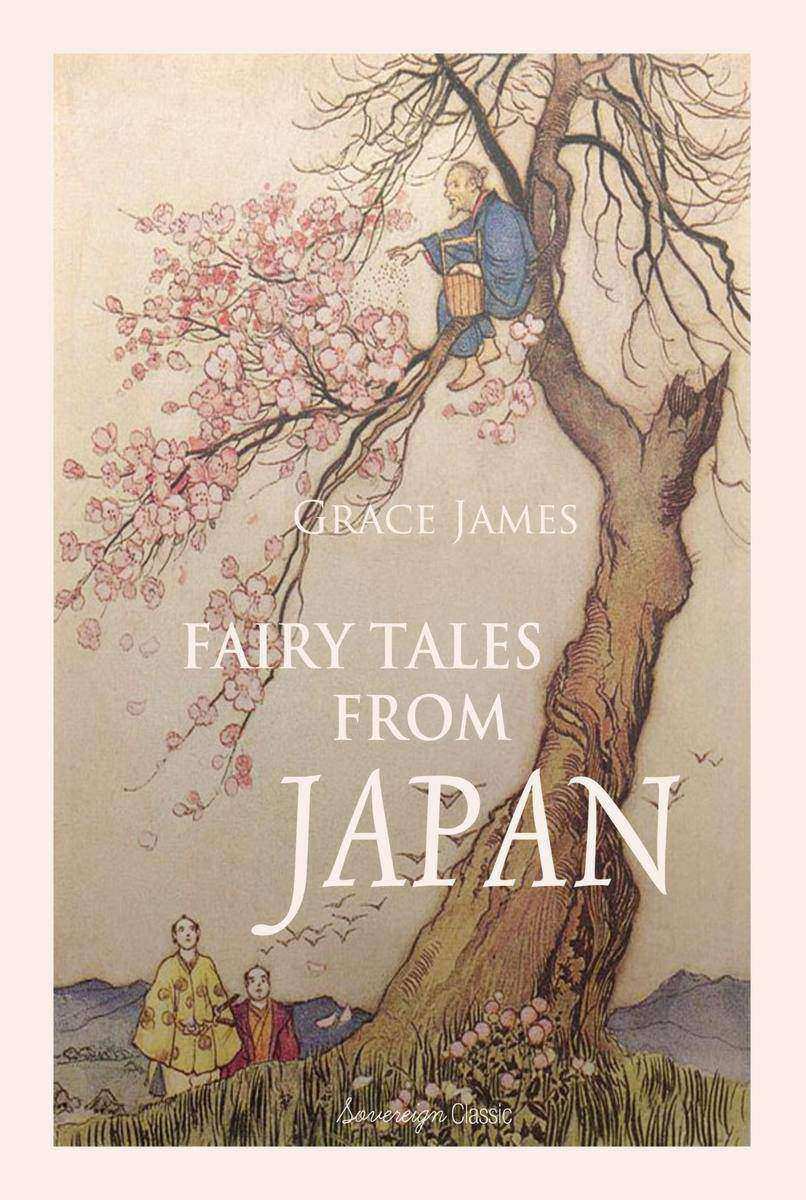
Fairy Tales from Japan
¥40.79
Long ago, as I’ve heard tell, there dwelt at the temple of Morinji, in the Province of Kotsuke, a holy priest. Now there were three things about this reverend man. First, he was wrapped up in meditations and observances and forms and doctrines. He was a great one for the Sacred Sutras, and knew strange and mystical things. Then he had a fine exquisite taste of his own, and nothing pleased him so much as the ancient tea ceremony of the Cha-no-yu; and for the third thing about him, he knew both sides of a copper coin well enough and loved a bargain.

The Three Bears
¥40.79
Once upon a time there were Three Bears, who lived together in a house of their own, in a wood. One of them was a Little, Small, Wee Bear; and one was a Middle-sized Bear, and the other was a Great, Huge Bear. They had each a pot for their porridge; a little pot for the Little, Small, Wee Bear; and a middle-sized pot for the Middle Bear, and a great pot for the Great, Huge Bear. And they had each a chair to sit in; a little chair for the Little, Small, Wee Bear; and a middle-sized chair for the Middle Bear, and a great chair for the Great, Huge Bear. And they had each a bed to sleep in; a little bed for the Little, Small, Wee Bear; and a middle-sized bed for the Middle Bear, and a great bed for the Great, Huge Bear.

101 Tips for Recovering from Traumatic Brain Injury
¥48.74
Kelly Bouldin Darmofal suffered a severe TBI in 1992; currently she holds a Masters in Special Education from Salem College, NC. Her memoir Lost In My Mind: Recovering From Traumatic Brain Injury (TBI) tells her story of tragedy and triumph. Kelly will be teaching "TBI: An Overview for Educators" at Salem College. Kelly's "tips" were learned during two decades of recovery and perseverance; they include: ·Ways to avoid isolation and culture shock post-TBI ·Tips for staying organized in the face of instant chaos ·Strategies for caretakers and teachers of TBI survivors ·Life philosophies that reject despair ·How to relearn that shoes must match ·Why one alarm clock is never enough, and ·A breath of humor for a growing population with a "silent illness"--TBI Those who suffer from TBI should benefit from Kelly Darmofal's advice. She speaks often of the value of a sense of humor in dealing with TBI symptoms and quotes Viktor Frankl who believed that humor was one of the "...soul's weapons in the fight for self preservation." I strongly recommend her work. --Dr. George E. Naff, NCC, LPC, Diplomate in Logotherapy Kelly is a wonderful resource about TBI for survivors, caregivers, teachers, and the entire community. The wisdom gained from her own experience makes her believable; the frankness and sense of humor that she reveals as she writes makes her authentic... Kelly and her publications have become a trusted resource for our clients who are surviving from a TBI. --Barbara Saulpaugh, Regional Executive Director, CareNet Counseling, an affiliate of Wake Forest Baptist Health Learn more at www.ImLostInMyMind.com From Loving Healing Press www.LHPress.com

Autism Spectrum Disorder and Traumatic Incident Reduction (TIR):An Introduction
¥24.44
Let's consider why Traumatic Incident Reduction (TIR) would be expected to be different with an autistic client. One of the hallmarks of autism is a lack of connection with the real world, so the world view of an autistic individual is limited and often very inaccurate. A second hallmark of autism is difficulty with intrapersonal and interpersonal relationships so that insight into how to make relationships better, or work at all, would be expected to be limited. So, within a TIR session where we expect our clients to come up with their own insights, that's really a tall order. Then the meltdowns I've talked about; as a Davis facilitator I understand these as prolonged and severe disorientations, analogous to a PTSD episode, in which the emotional reaction is really out of sync with true facts and conditions in the current situation. Added to all this are the phobias and the extreme aversions that many autistic individuals experience, which can limit full participation in life. One of the things that makes working with autistic clients challenging is that often we simply have to wait until they give us that little window of time when they are able and willing to proceed. If I were to use the guidelines in my TIR Workshop manual, I would have to conclude that there was not enough ego strength or resiliency in these individuals for them to be able to engage for a successful TIR session. You know what they say about fools who rush in where angels fear to tread... A less foolish person than I am, and especially someone new to TIR, would likely never have tried to use TIR with autistic clients. However, based on the wonderful results I have seen using TIR with many of my other clients who do not have autism, and some of the really significant problems that some of my autistic clients were presenting, I decided to try TIR with a few of them. In the remainder of this lecture, we'll consider two specific case studies. Veronica, a sixteen-year old who basically lived as a recluse in her mother's basement, and , a young boy obsessed with drum kits who was given to periods of extremely oppositional behavior. Cathy Dodge Smith uses Davis Methods in her practice (Davis Dyslexia Correction Program, Davis Autism Approach, and Davis Attention Mastery ). She is also a Certified TIR Facilitator. This article is from her presentation at the 2014 Symposium. Originally appeared in AMI/TIRA Newsletter, Volume XII, Number 1 (March 2015).

The Tale of Samuel Whiskers
¥40.79
Once upon a time there was an old cat, called Mrs. Tabitha Twitchit, who was an anxious parent. She used to lose her kittens continually, and whenever they were lost they were always in mischief! On baking day she determined to shut them up in a cupboard. She caught Moppet and Mittens, but she could not find Tom.
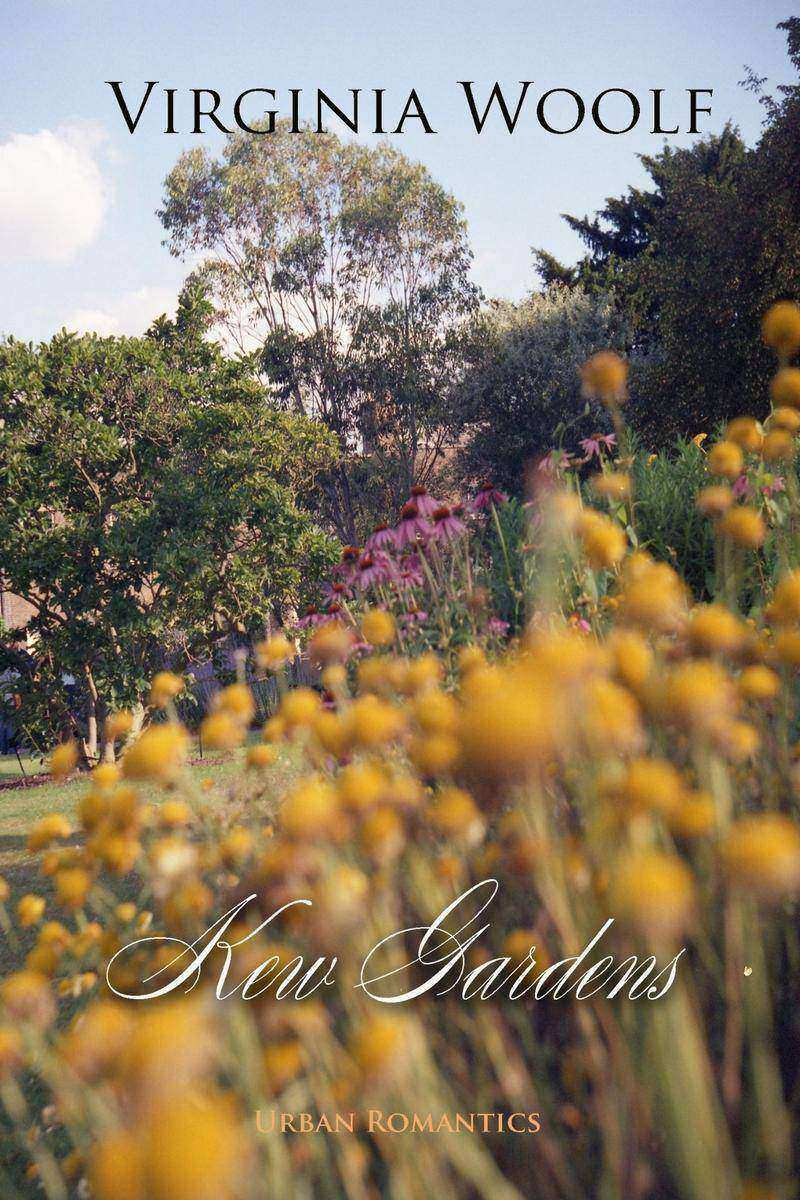
Kew Gardens
¥40.79
From the oval-shaped flower-bed there rose perhaps a hundred stalks spreading into heart-shaped or tongue-shaped leaves half way up and unfurling at the tip red or blue or yellow petals marked with spots of colour raised upon the surface; and from the red, blue or yellow gloom of the throat emerged a straight bar, rough with gold dust and slightly clubbed at the end. The petals were voluminous enough to be stirred by the summer breeze, and when they moved, the red, blue and yellow lights passed one over the other, staining an inch of the brown earth beneath with a spot of the most intricate colour.

Σκ?ψου
¥63.19
να σγχρονο βιβλο, κοινωνικοπολιτικο και φιλοσοφικο περιεχομνου, που πινει λε τι κοινωνικοπολιτικ εκφνσει μια σγχρονη κοινωνα. Πω ταν, πω εναι και πω θα πρεπε να εναι η ανθρπινη κοινωνα; Τι σημανουν οι κοινωνικοπολιτικο ροι: Κοινωνα, κυβρνηση, πολτη, βουλευτ, δημοκρατα κτλ. Πω λειτουργον και πω θα πρεπε να λειτουργον; Υπρχει διαφθορ και διολσθηση και ποια εναι αυτ; Υπρχει πραγματικ ελευθερα; Ο πολτη λειτουργε αληθιν; Που βαδζουμε και τι ελπζουμε με τα σημεριν κοινωνικοπολιτικ συστματα; Αυτ και λλα πολλ αναφρονται στο παρν βιβλο, αναλοντα με σειρ και αναφροντα περιληπτικ ολκληρη την πορεα του ανθρπου, αν κοινωνικοπολιτικ κφανση, απ την κοινωνικοποησ του μχρι σμερα. Μσα στο βιβλο αυτ σγουρα ο αναγνστη θα βρει αρκετ σκψει δικ του. Η φιλοδοξα εναι να ενισχυθον και να ενεργοποιηθον. λλε πλι μπορε να εναι μερικ ολικ διαφοροποιημνε. Αυτ θα προκαλσουν συγκρσει, προβληματισμο σκψει και επαναπροσδιορισμ των παγιομνων σκψεν του. Πντω λε, ακολουθντα διαφορετικ δια-δρομ, θα τενουν στον προβληματισμ και στην αναζτηση μια ιδανικτερη κοινωνα. Σγουρα θα συναντσει ο αναγνστη πρα πολλ που συμβανουν στη σγχρονη διεθν κοινωνα και λλα που συνβαιναν παλιτερα. Σε λα αυτ καλεται ο αναγνστη να προβληματιστε και να δσει απαντσει, επιλγοντα το ορθτερο κατ’ αυτν. Σε μια εποχ λοιπν πολιτικ αδιαφορα, ισοπδωση, ωχαδερφισμο, απολιτικ συμπεριφορ απ τη συντριπτικ πλειοψηφα των πολιτν και πολιτικ αλαζονεα απ του ‘πολιτικο’, το βιβλο τοτο φιλοδοξε να οδηγσειστην - σο το δυνατν περισστερο - πολιτικοποιημνη συμπεριφορ του πολτη. Λσει υπρχουν! Αρκε για μα και μνο φορ να βροντοφωνξουμε: Ναι! Εγ θα σσω την ανθρωπτητα! Φανεται ουτοπικ αλλ καθλου δεν εναι. λλωστε, καμι φορ, χρειζεται να ψξουμε και μσα στην ουτοπα, σπου να βρομε ναν αληθιν αξιλογο στχο στη ζω μα. Αρκε να μην ξεχαστομε εκε βεβαω. Το παρν σγγραμμα λοιπν δε φιλοδοξε να δσει συνταγ, λσει και απαντσει. Φιλοδοξε να προβληματσει και να προκαλσει αντιδρσει. Δεν πιστεει στην αυθεντα, ρα, δε θα βρετε αφορισμο, καννε δογματικ αρχ. Οι ποιοι αφορισμο μεγλων πνευματικν προσωπικοττων που υπρχουν στο βιβλο, απ την αρχαιτητα μχρι σμερα, σκοπ χουν μνο το προβληματισμ και την υπενθμιση τη συνεχο αναζτηση. Ο σκοπ του βιβλου δεν εναι ββαια να αναπτξει να πλρε πολιτικ σστημα. Ορισμνω, παρουσιζονται διφορε προσωπικ ιδε, προσαρμζονται κποιε λλε στο δη υπρχον πολιτικ σστημα και αναδεικνονται κποιε κατευθνσει και ορματα. Αλλ μχρι εκε. Καθ θα προχωρει, ο αναγνστη θα συναντσει μια συνεχ αναμχλευση και ενσχυση αυτν που ο διο χει βαθι μσα στι σκψει του. Κατ’ ουσα, το βιβλο αυτ θλει να ‘ωθσει’, να ‘ενισχσει’, να ‘αναμοχλεσει’ και να ‘υπενθυμσει’ κθε τι που βρσκεται μσα στον αναγνστη, στε να προβληματιστε, να αυτοστοχαστε και να αντιδρσει αντστοιχα που απαιτεται. Στχο, να υπρξει - στο βαθμ που μπορε - κποια ανατραξη των στσιμων υδτων που προκαλον την δυσοσμα τη σημεριν ανθρπινη κοινωνα. λοι αναγνωρζουν τι κτι πρπει να γνει. Αυτ η στασιμτητα, ο ωχαδερφισμ, ο εφησυχασμ και η αδιαφορα δηλητηριζουν καθημεριν τη ζω μα και δε μα βοηθνε στην πε-ραιτρω εξανθρωποποησ μα. Απεναντα, διολισθανουμε αργ αλλ σταθερ προ την απανθρωποποησ μα με τον γνωστ τρπο του ‘μιθριδατισμο’. φθασε η ρα να αντιδρσουμε, να πολιτικοποιηθομε και να διεκδικσουμε την ανθρπινη κοινωνα που πραγματικ μα αξζει; ρθε η ρα να απαιτσουμε τα δικαιματ μα, μσα σε κλμα σεβασμο, αυτοσεβασμο και αλληλοσεβασμο; Οι πρξει μα θα το δεξουν!
Writers Editors Critics (WEC):Vol. 7, No. 1 (March 2017)
¥48.74
Writers Editors Critics (WEC) An International Biannual Refereed Journal of English Language and Literature Volume 7 Number 1 (March 2017) ISSN: 2231 - 198X RESEARCH PAPERS The Confessional Voice and Rebellious Cry of Kamala Das as Visualized in her Poetical Works: A Brief Analysis - S. Chelliah The Philosopher-Scientist A. P. J. Abdul Kalam and his World View: A Study - J. Pamela Artificial Intelligence and the Instrumental Marvellous in Isaac Asimov's Foundation Novels - Lekshmi R. Nair Return to Wholeness: The Landscape of Willa Cather's O Pioneers! - Vikas Bhardwaj Nation and Identity Defined through Bodies: A Study of Bapsi Sidhwa's Ice Candy Man - Sonia Soni Ramesh K. Srivastava's "Under the Lamp": A Study - Shipra G. Vashishtha Reinventing Roots in Esther David's Book of Rachel - Giftsy Dorcas E. A Critical Reading of Authentic Existence in Claude Mckay's Banana Bottom - S. Khethzi Kerena "Write My Son, Write": An Aesthetic and Spiritual Reflection of World by K V Dominic - Laxmi R. Chaughaan Nandini's Sita: A Deep Dive to Every Woman's Journey - Arti Chandel Lives on Pyre: A Socio-realistic Portrayal in D.C. Chambial's The Cargoes of the Bleeding Hearts - Parthajit Ghosh& Dr. Madhu Kamra An Evolution of His Demography: A Socio-cultural Flow in the Fictional World of Manoj Das - Suresh Bera & Somali Gupta Maya Angelou's Shaker, Why Don't You Sing?: a Paroxysm of Confession - Ishita Pramanik & Dr. Shukla Banerjee REVIEW ARTICLES Eco-critical Perspectives in K. V. Dominic & Pamela Jeyaraju's (eds.) Environmental Literature: Research Papers and Poems - S. Barathi T. V. Reddy's Melting Melodies: An Analysis - P. Bayapa Reddy Critical Evaluation of T. V. Reddy's Melting Melodies - Dwarakanath H. Kabadi BOOK REVIEWS T. V. Reddy's Golden Veil: A Collection of Poems - Patricia Prime Ramesh K. Srivastava's My Father's Bad Boy--An Autobiography - Smita Das O. P. Arora's Whispers in the Wilderness: A Collection of Poems - Patricia Prime Vijay Kumar Roy's Realm of Beauty and Truth: A Collection of Poems - Sugandha Agarwal GENERAL ESSAYS Regional Integration in South Asia: A Nepalese Perspective - Shreedhar Gautam Role of Information Library Network (INFLIBNET) in Checking Plagiarism in Indian Universities - P. K. Suresh Kumar Sojourn in Forests - Ramesh Chandra Mukhopadhyaya The Commonplace Economic Thoughts of a Seventy Five Years Old Lady - Mousumi Ghosh INTERVIEW Conversation with Subodh Sarkar - Jaydeep Sarangi SHORT STORIES Perils of Simplicity - Ramesh K. Srivastava The Melody Queen - Jayanti M. Dalal (Trans. Dr. Rajshree Parthivv Trivedi) A Strange Reunion --- Chandramoni Narayanaswamy Is Human Life Precious than Animal's? - K. V. Dominic Psychological Effect - Manas Bakshi POEMS Regain the Vision - T. V. Reddy Down the Memory Lane - T. V. Reddy Memories - T. V. Reddy Patiently I Saw - D. C. Chambia
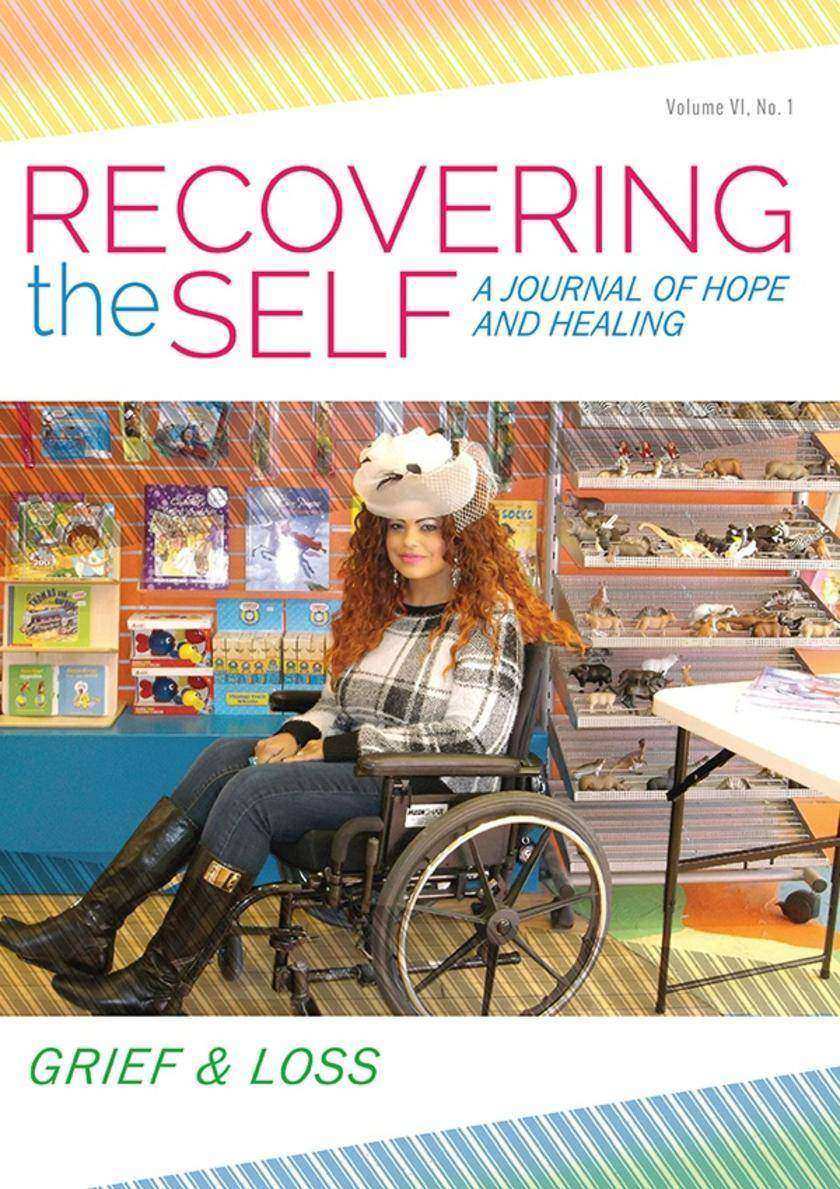
Recovering The Self:A Journal of Hope and Healing (Vol. VI, No. 1 )
¥32.62
Recovering the Self: A Journal of Hope and Healing (Vol. VI, No. 1) April 2017 Recovering The Self is a quarterly journal which explores the themes of recovery and healing through the lenses of poetry, memoir, opinion, essays, fiction, humor, art, media reviews and psycho-education. Contributors to RTS Journal come from around the globe to deliver unique perspectives you won't find anywhere else! The theme of Volume VI, Number 1 is "Focus on Grief & Loss." This issue includes a special tribute to author Jewel Kats. Inside, we explore physical, spiritual, emotional, and mental aspects of this and several other areas of concern including: ·Pet loss and animal companionship ·Eldercare ·Loving yourself ·Soul mates ·Art Therapy ·Happiness ·Living alone with confidence ·Partnership ·Narcissism ·...and more! This issue's contributors include: Ernest Dempsey, Brittany Michelson, Gerry Ellen Avery, Dave Roberts, Craig Kyzar, Natalie Jeanne Champagne, Erin Ergenbright, Martha M. Carey, Kyle Torke, Mrrinali Punj, Janet Grace Riehl, Marjorie L. Faes, Claire Luna-Pinsker, Diane Wing, Candy Czernicki, Allison Ballard, Valerie Benko, Diana Raab, Maureen Andrade Montague, by Sam Vaknin, Sarah Conteh, Katrina Wood, Bernie Siegel, Max Skinwood, Nora Trujillo, Sherry Lynn Jones, Janet Grace Riehl, Steve Sonntag, Patrick Gere Frank, Peter MacQuarrie, Christy Lowry and others. "I highly recommend a subscription to this journal, Recovering the Self, for professionals who are in the counseling profession or who deal with crisis situations. Readers involved with the healing process will also really enjoy this journal and feel inspired to continue on. The topics covered in the first journal alone, will motivate you to continue reading books on the subject matter presented. Guaranteed." --Paige Lovitt for Reader Views Visit us online at www.RecoveringSelf.com Published by Loving Healing Press www.LovingHealing.com

Οδηγ?? Μηχανογραφικο? 2015
¥52.65
Το βιβλ?ο αυτ? ?χει σαν βασικ? στ?χο να βοηθ?σει του? μαθητ?? τη? Γ’ Λυκε?ου και του? απ?φοιτου?, να κ?νουν επιλογ?? σπουδ?ν που του? ταιρι?ζουν. Παρ?χεται πλ?θο? πληροφορι?ν, τ?σο για την συμπλ?ρωση του μηχανογραφικο?, τι? σχολ?? που περιλαμβ?νει (αντικε?μενο σπουδ?ν - επαγγελματικ?? διεξ?δου?) ?σο και εναλλακτικ?? επιλογ?? σπουδ?ν (μηχανογραφικο? Κ?πρου, ιδιωτικ? πανεπιστ?μια Κ?πρου, κολλ?για). Θα βρε?τε πληροφορ?ε? για τι? σχολ??, παραπομπ?? στου? επ?σημου? οδηγο?? σπουδ?ν των τμημ?των ?σο και παραπομπ?? στο internet για την πιο πλ?ρη πληροφ?ρηση σα?. Τ?λο?, ?χουμε συμπεριλ?βει και μερικ? πραγματικ? παραδε?γματα συμπλ?ρωση? μηχανογραφικο?.
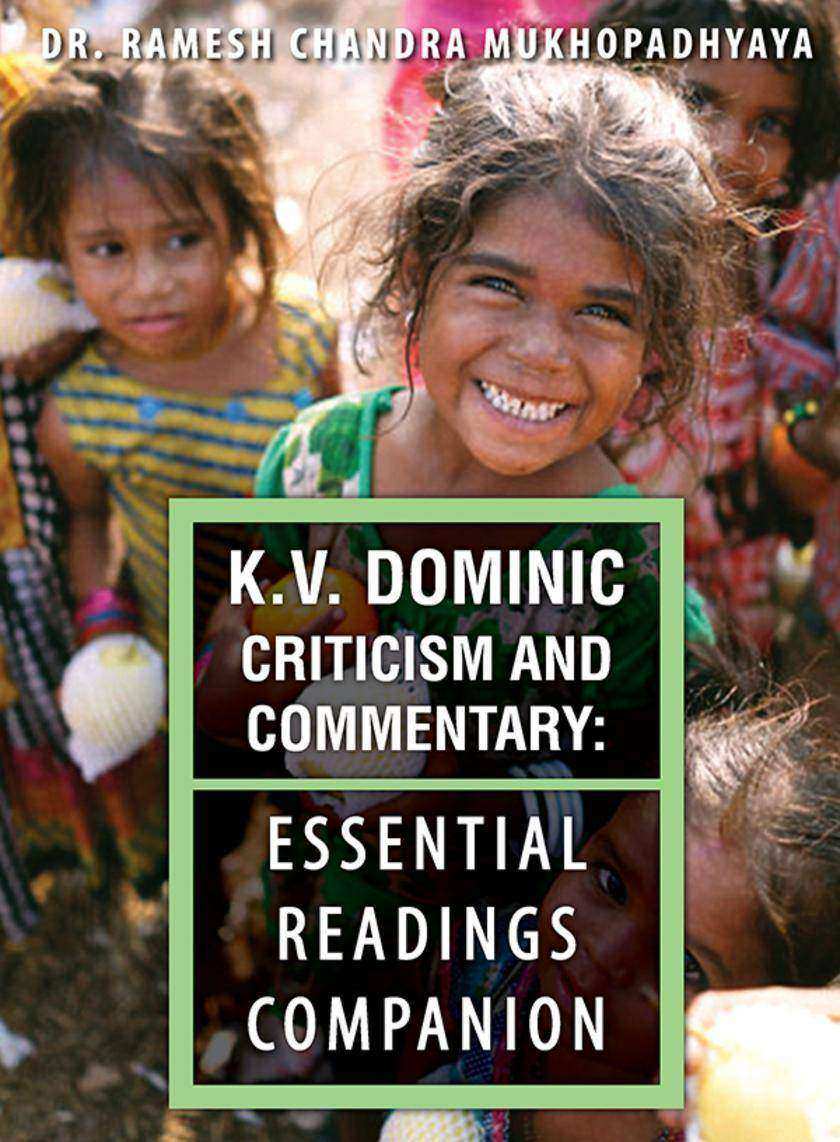
K.V. Dominic Criticism and Commentary:Essential Readings Companion
¥48.74
Peek inside the mind one of Contemporary India's most influential poets Inside this book you'll find Dr. Ramesh Chandra Mukhopadhyaya, one of the most erudite philosopher-critics of India, brilliantly evaluating his compatriot English poet K.V. Dominic. Among the contemporary English poets of India, Dr. K.V. Dominic has established an unchallengeable position of his own. Through his poetry collections Winged Reason, Write Son, Write, Multicultural Symphony, Contemporary Concerns and Beyond, and K.V. Dominic: Essential Readings and Study Guide, Dominic has beautifully portrayed themes of environmental, social, political, and humanitarian concerns. Mukhopadhyaya, with his unique style, critically and philosophically studies not only Dominic's poetry, but also the poet himself as a person with his background of family, town, state, and country. Being a master of Indian as well as western philosophy, Mukhopadhyaya digs out the philosophic thoughts lying hidden in many of the poems. In addition, his depth in English and Sanskrit literature has enabled him to make comparisons of Dominic's poems to those of the legends. "Dominic's poetry reflects India. This is the base of the study by Mukhopadhyaya who has taught literature and authored books. He finds Dominic's poetry irresistible. I add that Mukhopadyaya's book is enlightening and also irresistible. His study is a compassionate painting of Dominic's poetry with the shades that are eternal." --Dr. Stephen Gill, Canadian poet and novelist "Dr. Mukhopadhyaya's critique is a remarkable contribution to Dominic's poetry, as it is systematically written with philosophical explications and comparisons to great legends as well as classical poets of the East and the West. Indeed an important addition to the existing works on this major literary figure." --Dr. Rob Harle, Australian poet, author and artist "More than merely an analysis of Dominic's poems, this book is an insight into the vibrant philosophy experienced by the Indian mind that has amalgamated both the perennial bliss and the painful vicissitudes of life to foster sublime and universal notions of life. As the volume reveals the personality of the poet, it invites attention to the authenticity of the impersonal theory of poetry." --Dr. S. Kumaran, Indian critic, scholar and academician, author of Philosophical Musings for a Meaningful Life: An Analysis of K.V. Dominic's Poems Learn more at www.profkvdominic.com From Modern History Press www.ModernHistoryPress.com
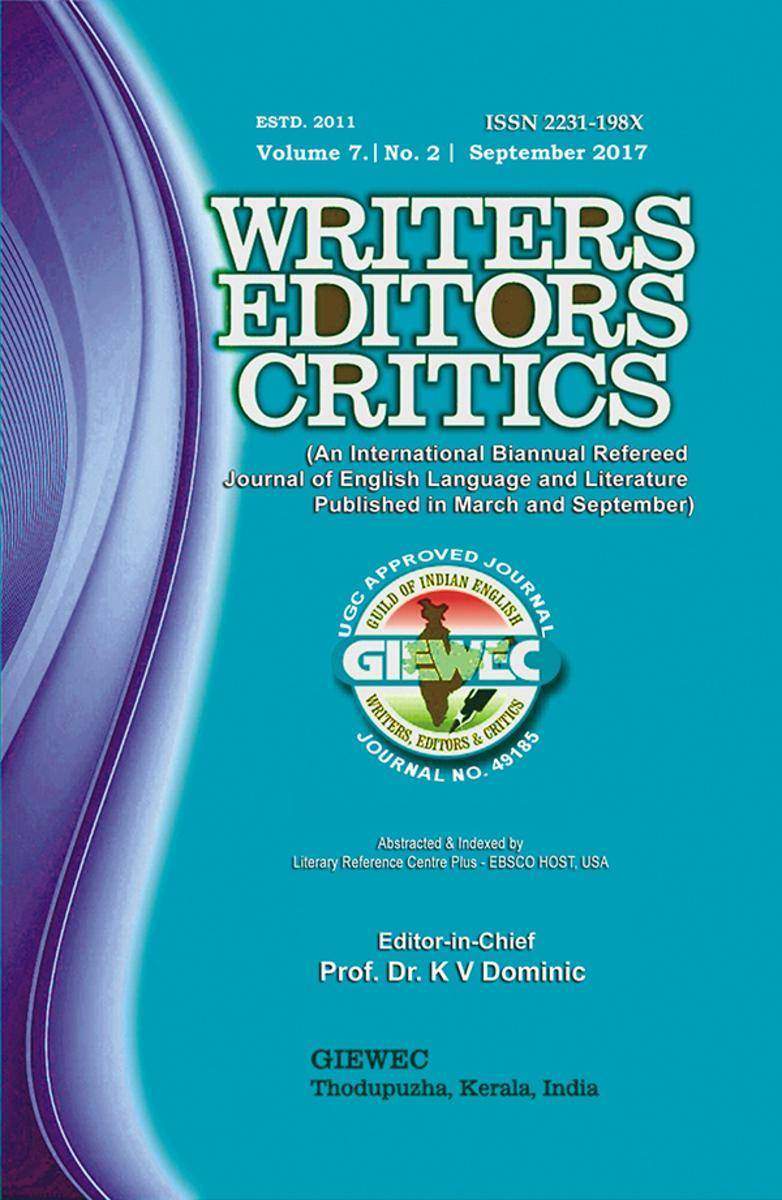
Writers Editors Critics (WEC):Vol. 7, No. 2 (September 2017)
¥48.74
Writers Editors Critics (WEC) An International Biannual Refereed Journal of English Language and Literature Volume 7, Number 2 (September 2017) ISSN: 2231-198X RESEARCH ARTICLES Sharan Speaks: Colours of Resistance and Emancipation on the White Paper - Jaydeep Sarangi Kahlil Gibran's The Prophet: An Appraisal of Life Skills - S. Kumaran Analyzing Intertextuality in Paulo Coelho's Manuscript Found in Accra - Joji John Panicker Multicultural Ideologies in the Select Poems of K. V. Dominic: A Rendition of Poetic Insight - Parthajit Ghosh Confrontation of Democracy and Religion-Centred Politics Intriguing Khushwant Singh's India in The End of India - Sreedevi R and Raichel M. Sylus Pangs of Lacerated Psyche--An Analysis of Ramesh K. Srivastava's My Father's Bad Boy: An Autobiography - Smita Das Poetry and its impact on status quo: The case of poems by Ethiopian students in the 1960s - Tesfaye Dagnew Gebrehiwot Tracing Spirituality in a Feminist Context in Khushwant Singh's I Shall Not Hear the Nightingale - Kanchan Mehta A Study of the Radicalism of Daniel Defoe in the Novel Robinson Crusoe - Iman Abdullah Al Mahdi A Socio-Psychological Analysis of Anita Desai's Baumgartner's Bombay - Atul Rasika Moudgil Conflicts between the Conscious and Unconscious mind in Shashi Deshpande's Strangers to Ourselves - M. Durga Devi Bio-Diversity and Deep Commitment: A Deep-Ecological Study of Bengali Dalit Poetry - Sibasis Jana A Canadian Asset: Mavis Gallant Celebrated For Her Style and Technique - M. Revathi REVIEW ARTICLES T. V. Reddy's Insightful Survey of Indo-English Poetry - Manas Bakshi Effusion of Emotions in Manas Bakshi's Parnassus of Revival - S. Barathi An Economic Perspective of K V Dominic's Short Story "Who is Responsible?" - Mousumi Ghosh Seeing Beyond Seeing: Ecstatic Epiphanies, Uncanny Realizations and Ultimate Transformation in Alexander Raju's And Still Plays The Abyssinian Damsel on her Dulcimer - Kavitha Gopalakrishnan Jacinta: A Pioneer Tribal Poet in Hindi -Fr. Varghese Paul, SJ BOOK REVIEWS O. P. Arora's Heartbeats of Silence: A Collection of Poems - Anisha Ghosh (Paul) Natalia Molebatsi and Tiziana Pers, Elephant Woman Song - Jaydeep Sarangi Jaydeep Sarangi's To Whom I Return Each Day - Patricia Prime SHORT STORIES A Memorable Present - Ramesh K. Srivastava Vanity Fair - T. V. Reddy A Hartal Safari in God's Own Country - K. V. Dominic A Change for the Better - Chandramoni Narayanaswamy As You Sow - Manas Bakshi In the Light of Anamika's Thought - Sabita Chakrabarti Another dawn ... another day... 164 - Molly Joseph POEMS How to Tear away the Self - D. C. Chambial Sitas and Savitris - D. C. Chambial The Chameleon - O. P. Arora I Walked through the Forest - O. P. Arora When I Was Thirteen - O. P. Arora Taking it from Nature - Manas Bakshi Caution - Manas Bakshi In Search of New Hues - Ketaki Datta No Bullets for No Cause - Ketaki Datta Peace Bombed to Doom - Ketaki Datta Poetry - Rajiv Khandelwal Miser - Rajiv Khandelwal Standing Alone - Rajiv Khandelwal A Hymn - Ramesh Chandra Mukhopadhyaya Life Touches - Molly Joseph The Cart - Rita De A Seat - Rita De Learn more at www.ProfKVDominic.com
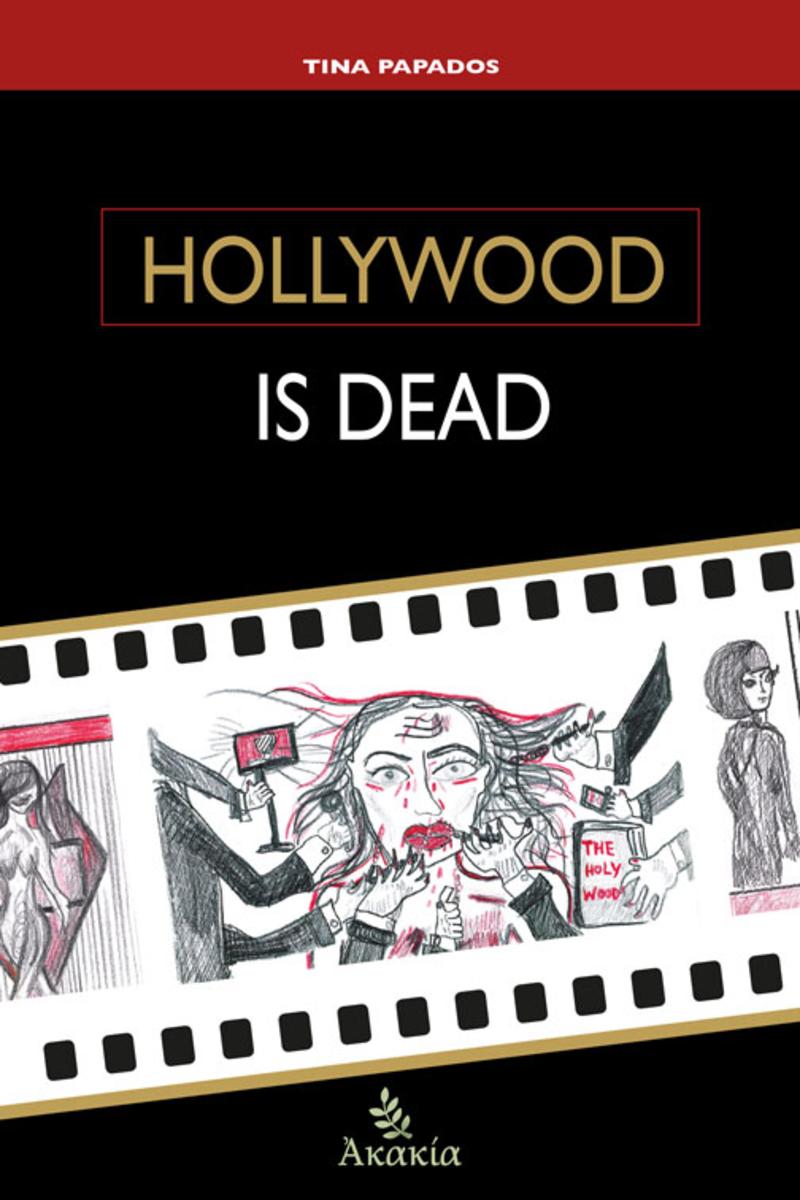
Hollywood is Dead
¥78.97
Hollywood is Dead is a collection of monologues which explore the life of a young actress, who discuses the psychological and thrilling impact of transforming into her film character, Amorette.
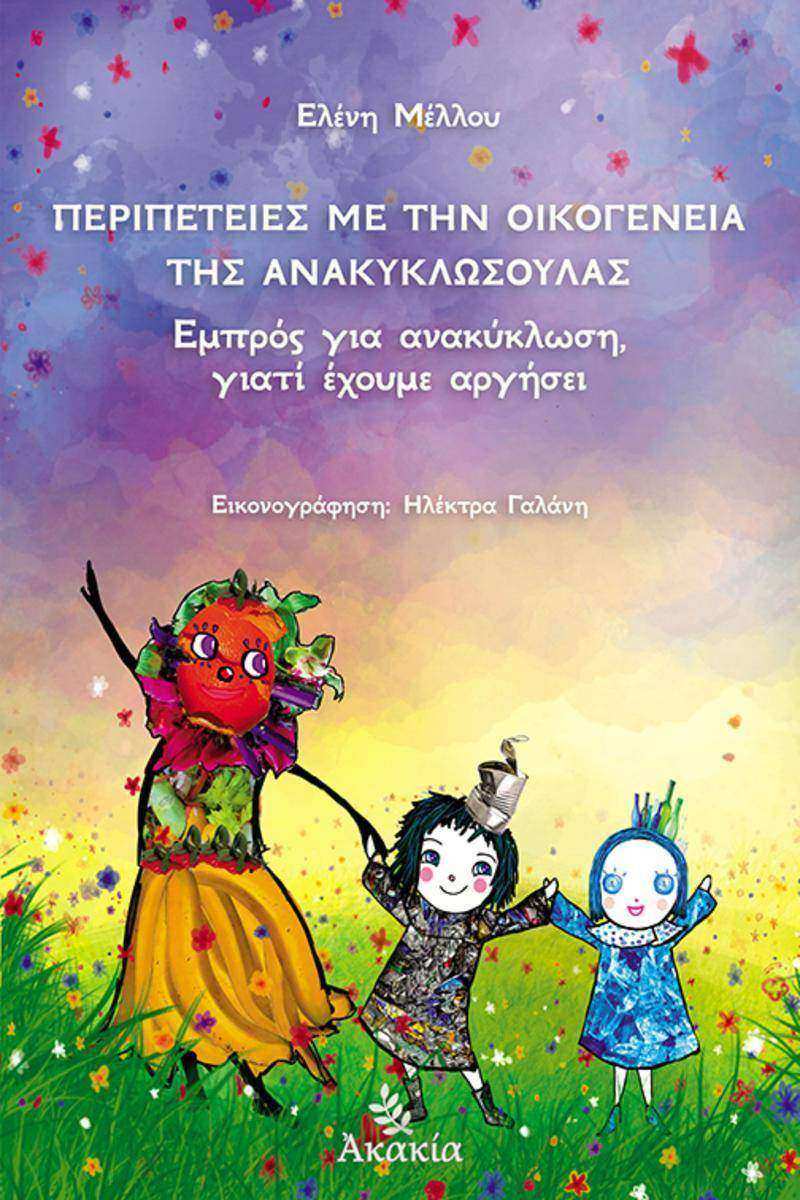
Περιπ?τειε? με την οικογ?νεια τη? Ανακυκλωσο?λα?
¥52.65
Η κα Ανακυκλωσο?λα με τι? π?ντε κ?ρε? τη? που ?ταν ανακυκλ?σιμα αντικε?μενα, Αλουμιν?νια, Γυαλ?νια, Πλαστικο?λα, Χαρτον?νια και Μπαταριο?λα, ζο?σαν σε ?να σπ?τι με ωρα?ο κ?πο κοντ? σε χωματερ?. Μετ? απ? μ?α μεγ?λη καταιγ?δα ?λα τα σκουπ?δια τη? χωματερ?? απλ?θηκαν παντο? και ο κ?πο? ?μοιαζε σκουπιδ?τοπο?. Τ?τε μ?νο προβληματ?στηκαν και σκ?φτηκαν να ξεχωρ?σουν τα σκουπ?δια, στ?λνοντα? για ανακ?κλωση εκε?να που μπορο?ν να ξαναγ?νουν χρ?σιμα υλικ?, κ?νοντα? οικονομ?α και στην εν?ργεια, προστατε?οντα? και τη γη. Τ?λο? η χωματερ? ?γινε ?να ωρα?ο π?ρκο με Παιδικ? Χαρ?.
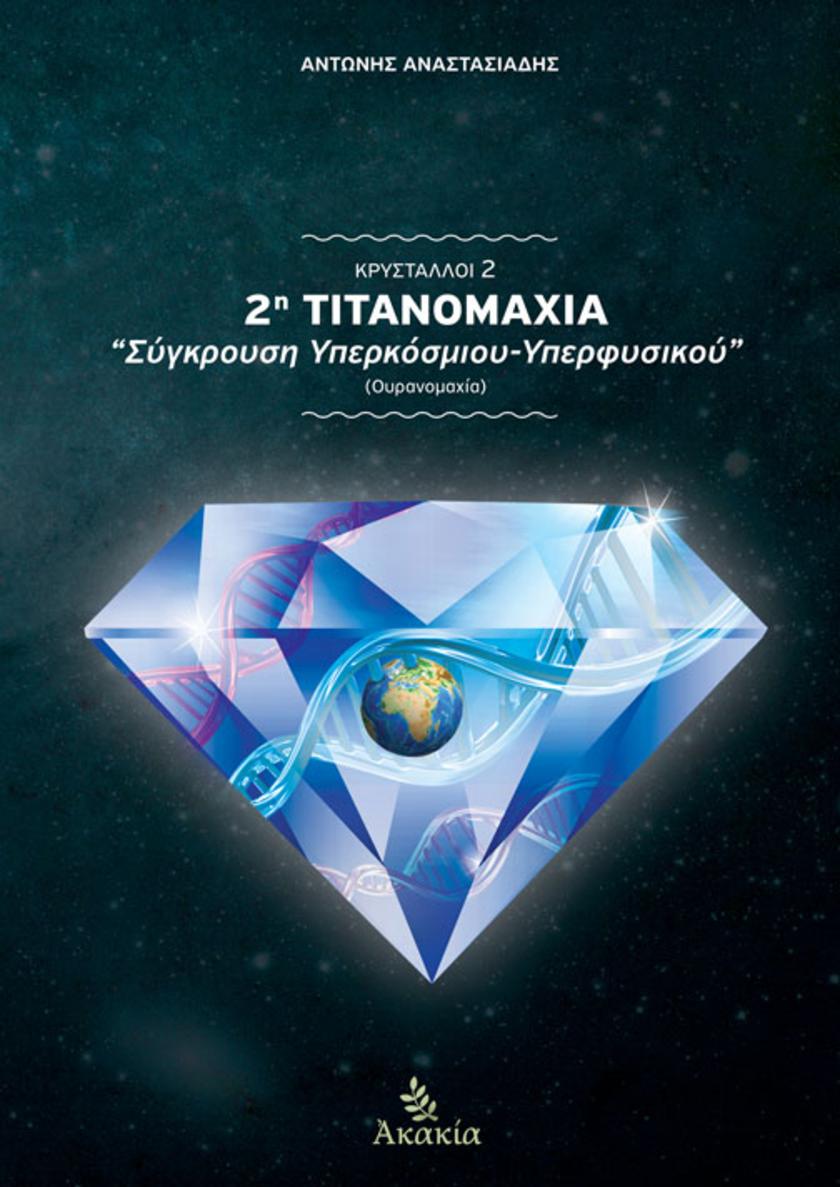
Κρ?σταλλοι ΙI: 2η Τιτανομαχ?α
¥84.20
Η σειρ? ?Κρ?σταλλοι? - ?πω? ?σω? γνωρ?ζετε - ευελπιστο?με ?τι θα ολοκληρωθε? σε μια δεκαλογ?α η οπο?α θα ξεκιν?ει απ? την δημιουργ?α του σ?μπαντο?, θα διαπερν? ολ?κληρο τον πανανθρ?πινο πολιτισμ?, θα φθ?νει στο παρ?ν και θα συνεχ?ζει στο μ?λλον, παρακολουθ?ντα? περιληπτικ? την εξ?λιξη του ανθρ?πινου πολιτισμο?. Στο 1ο βιβλ?ο ε?δαμε την ε?ρεση εν?? αντικε?μενου με περ?εργε? ιδι?τητε?, την μελ?τη και τελικ? το ?κοσμικ?? ταξ?δι στο οπο?ο παρακολουθ?σαμε την Μεγ?λη ?κρηξη, την δημιουργ?α γαλαξι?ν και των αστρικ?ν συστημ?των. Το 2ο βιβλ?ο αναφ?ρεται η δημιουργ?α του ηλιακο? μα? συστ?ματο?, η δημιουργ?α και η δομ? τη? γη?, η εμφ?νιση τη? ζω?? π?νω στην γη και η εξελικτικ? τη? πορε?α. Ολ?κληρη αυτ? η περ?οδο?, που κατ’ ουσ?α ξεκιν?ει περ?που πριν π?ντε δισεκατομμ?ρια χρ?νια, επενδ?εται απ? μυθολογικο?? αγ?νε? και μονομαχ?ε?, προσαρμ?ζοντα? την πραγματικ?τητα με μυθολογικ?? μορφ?? ω? φυσικ?? δυν?μει?, για αυτ? και ονομ?ζονται ?Υπερφυσικ???. ?τσι παρακολουθο?με το δρ?μα τη? αρχ?γονη? ζω?? π?νω στον πλαν?τη γη υπ? την μορφ? Υπερφυσικ?ν Δυν?μεων. Στο 2ο βιβλ?ο κυριαρχο?ν οι Τιτ?νε? με αρχηγ? τον Κρ?νο. Παρουσι?ζονται οι ανακατατ?ξει? στον πλαν?τη γη υπ? μορφ? επικ?ν μονομαχι?ν και αγ?νων, οι καταστροφ?? και οι εξαφαν?σει? τη? ζω?? αλλ? και η εμφ?νιση ν?ων μορφ?ν ζω?? στην γη. Η 2η Τιτανομαχ?α φθ?νει ?ω? πριν 50 εκατομμ?ρια χρ?νια με την τελικ? επικρ?τηση των Υπερφυσικ?ν Δυν?μεων ?ναντι των Υπερκ?σμιων Δυν?μεων και κατ?πιν την διολ?σθησ? του? στην αλαζονε?α τη? εξουσ?α? η οπο?α θα προκαλ?σει την 3η Τιτανομαχ?α. Συνεχ?ζοντα? αυτ? το μαγικ? ταξ?δι και ?χοντα? ω? ?φορ?α? μετακ?νηση? στα ταξ?δια μα? τον Λευκ? Κρ?σταλλο, μ?σα απ? μ?θο, αλληγορ?ε?, αληθιν? γεγον?τα και πραγματικ?? επιστημονικ?? γν?σει?, στα επ?μενα βιβλ?α ο αναγν?στη? θα παρακολουθ?σει τον πανανθρ?πινο πολιτισμ?, απ? την δημιουργ?α του σ?μπαντο? ?ω? και σ?μερα. Τηλεγραφικ? τα 10 βιβλ?α που θα ακολουθ?σουν με ενδεικτικ?? ονομασ?ε?: 1η Τιτανομαχ?α: Σ?γκρουση Κενο?-Υπερκ?σμιου (Δημιουργ?α) 2η Τιτανομαχ?α: Σ?γκρουση Υπερκ?σμιου-Υπερφυσικο? (Ουρανομαχ?α) 3η Τιτανομαχ?α: Σ?γκρουση Φυσικο?-Υπερφυσικο? (Ζευ?-Κρ?νο?) 4η Τιτανομαχ?α: Σ?γκρουση Φυσικο?-Παραφυσικο? (Γιγαντομαχ?α) 5η Τιτανομαχ?α: Σ?γκρουση Φυσικο?-Μεταφυσικο? (Προμηθει??) 6η Τιτανομαχ?α: Σ?γκρουση Καλο?-Κακο? (Λευκ??-Μα?ρο? Κρ?σταλλο?) 7η Τιτανομαχ?α: Σ?γκρουση Κοινωνικοπολιτικο?-Αντικοινωνικοπολιτικο? (Πρ?τοι Πολιτισμο?) 8η Τιτανομαχ?α: Σ?γκρουση Ανθρωπισμο?-Τεχνοκρατισμο? (Νε?τεροι Χρ?νοι) 9η Τιτανομαχ?α: Σ?γκρουση Πολιτισμο?-Βαρβαρ?τητα? (Σ?μερα) 10η Τιτανομαχ?α: Σ?γκρουση Γ?ινων-Εξωγ?ινων (Διαγαλαξιακ? Ταξ?δια)
A Mere Accident
¥40.79
Three hundred yards of smooth, broad, white road leading from Henfield, a small town in Sussex. The grasses are lush, and the hedges are tall and luxuriant. Restless boys scramble to and fro, quiet nursemaids loiter, and a vagrant has sat down to rest though the bank is dripping with autumn rain. How fair a prospect of southern England! Land of exquisite homeliness and order; land of town that is country, of country that is town; land of a hundred classes all deftly interwoven and all waxing to one class—England. Land encrowned with the gifts of peaceful days—days that live in thy face and the faces of thy children.
Celibates
¥40.79
At Oxford they say that marriage is not the only mission for women— that is to say, for some women. They don't despise marriage, but they think that for some women there is another mission.


