


 购物车
购物车 个人中心
个人中心
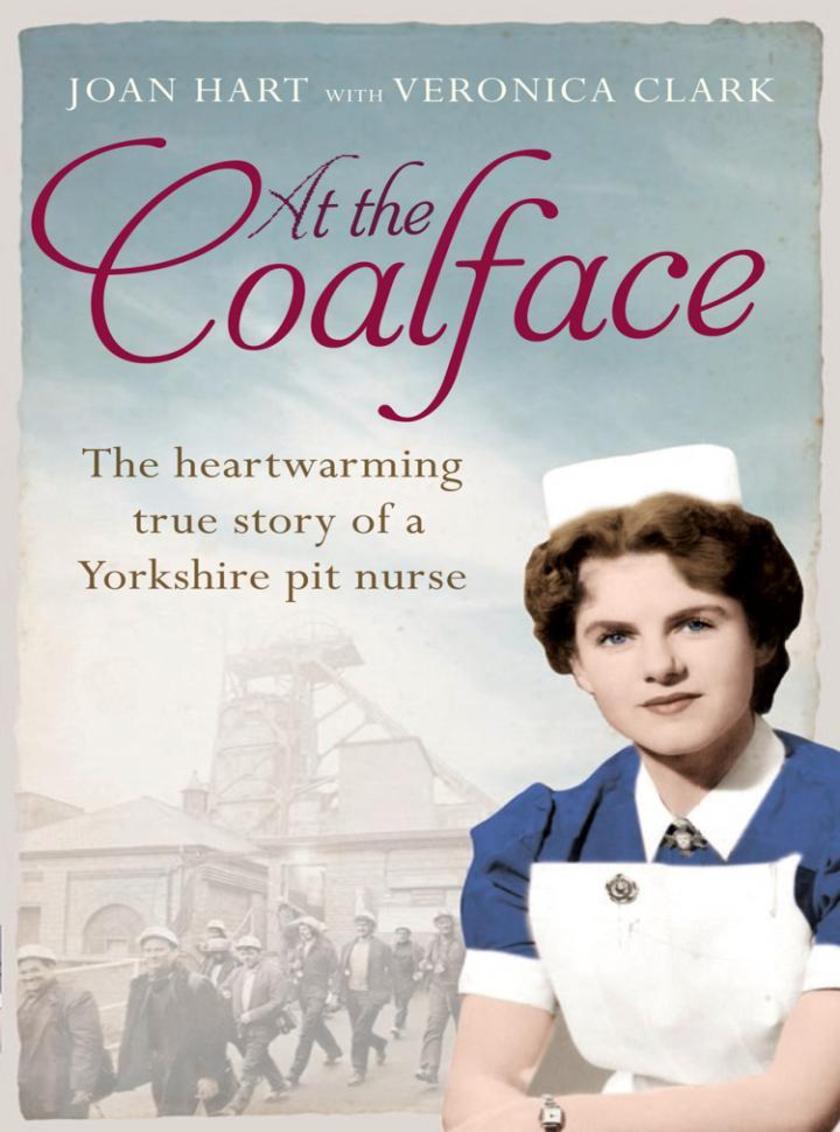
At the Coalface: The memoir of a pit nurse
¥58.86
A heart-warming story of a woman who devoted her life to helping others. This is the memoir of Joan, who started nursing in the 1940s and whose experiences took her into the Yorkshire mining pits and through the tumult of the 1984-85 miners’ strike. Joan Hart always knew what she wanted to do with her life. Born in South Yorkshire in 1932, she started her nursing training when she was 16, the youngest age girls could do so at the time. She continued working after she married and her work took her to London and Doncaster, caring for children and miners. When she took a job as a pit nurse in Doncaster in 1974, she found that in order to be accepted by the men under her care, she would have to become one of them. Most of the time rejecting a traditional nurse’s uniform and donning a baggy miner’s suit, pit boots, a hardhat and a headlamp, Joan resolved always to go down to injured miners and bring them out of the pit herself. Over 15 years Joan grew to know the miners not only as a nurse, but as a confidante and friend. She tended to injured miners underground, rescued men trapped in the pits, and provided support for them and their families during the bitter miners’ strike which stretched from March 1984 to 1985. Moving and uplifting, this is a story of one woman’s life, marriage and work; it is guaranteed to make readers laugh, cry, and smile.
At the Coalface: Part 1 of 3: The memoir of a pit nurse
¥33.75
A heart-warming story of a woman who devoted her life to helping others. This is the memoir of Joan, who started nursing in the 1940s and whose experiences took her into the Yorkshire mining pits and through the tumult of the 1984-85 miners’ strike. Joan Hart always knew what she wanted to do with her life. Born in South Yorkshire in 1932, she started her nursing training when she was 16, the youngest age girls could do so at the time. She continued working after she married and her work took her to London and Doncaster, caring for children and miners. When she took a job as a pit nurse in Doncaster in 1974, she found that in order to be accepted by the men under her care, she would have to become one of them. Most of the time rejecting a traditional nurse’s uniform and donning a baggy miner’s suit, pit boots, a hardhat and a headlamp, Joan resolved always to go down to injured miners and bring them out of the pit herself. Over 15 years Joan grew to know the miners not only as a nurse, but as a confidante and friend. She tended to injured miners underground, rescued men trapped in the pits, and provided support for them and their families during the bitter miners’ strike which stretched from March 1984 to 1985. Moving and uplifting, this is a story of one woman’s life, marriage and work; it is guaranteed to make readers laugh, cry, and smile.
At the Coalface: Part 3 of 3: The memoir of a pit nurse
¥41.01
A heart-warming story of a woman who devoted her life to helping others. This is the memoir of Joan, who started nursing in the 1940s and whose experiences took her into the Yorkshire mining pits and through the tumult of the 1984-85 miners’ strike. Joan Hart always knew what she wanted to do with her life. Born in South Yorkshire in 1932, she started her nursing training when she was 16, the youngest age girls could do so at the time. She continued working after she married and her work took her to London and Doncaster, caring for children and miners. When she took a job as a pit nurse in Doncaster in 1974, she found that in order to be accepted by the men under her care, she would have to become one of them. Most of the time rejecting a traditional nurse’s uniform and donning a baggy miner’s suit, pit boots, a hardhat and a headlamp, Joan resolved always to go down to injured miners and bring them out of the pit herself. Over 15 years Joan grew to know the miners not only as a nurse, but as a confidante and friend. She tended to injured miners underground, rescued men trapped in the pits, and provided support for them and their families during the bitter miners’ strike which stretched from March 1984 to 1985. Moving and uplifting, this is a story of one woman’s life, marriage and work; it is guaranteed to make readers laugh, cry, and smile.
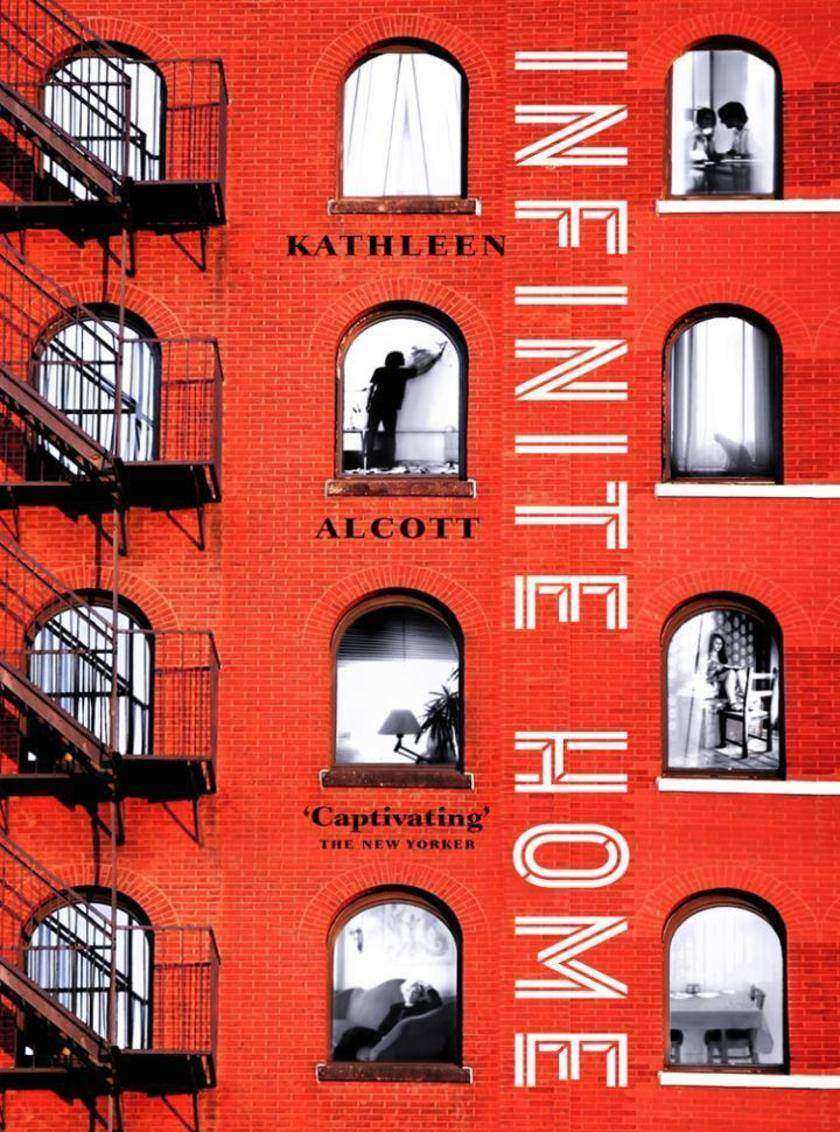
Infinite Home
¥66.22
An utterly charming and tender story of the disparate tenants of a Brooklyn brownstone and the community they form around their ageing landlord when their home is suddenly threatened. Within a charming, if dilapidated, Brooklyn brownstone live a family of sorts: beautiful agoraphobe Adeleine, who surrounds herself with the past; Thomas, an artist who has shut away his materials in the wake of a stroke; Edward, a cynical stand-up comedian mired in depression and Paulie, a young man with William’s Syndrome, a disease that grants him the irrepressible cheerfulness of a six-year-old. Brought together by ageing landlady Edith, the tenants all live safely in tune with each other, even if they do keep to themselves. But when their home is suddenly and violently threatened, they are shocked into action. Infinite Home is a poignant story of how a community is built and torn apart, and how when lives interweave a beautiful and unusual tapestry is made.
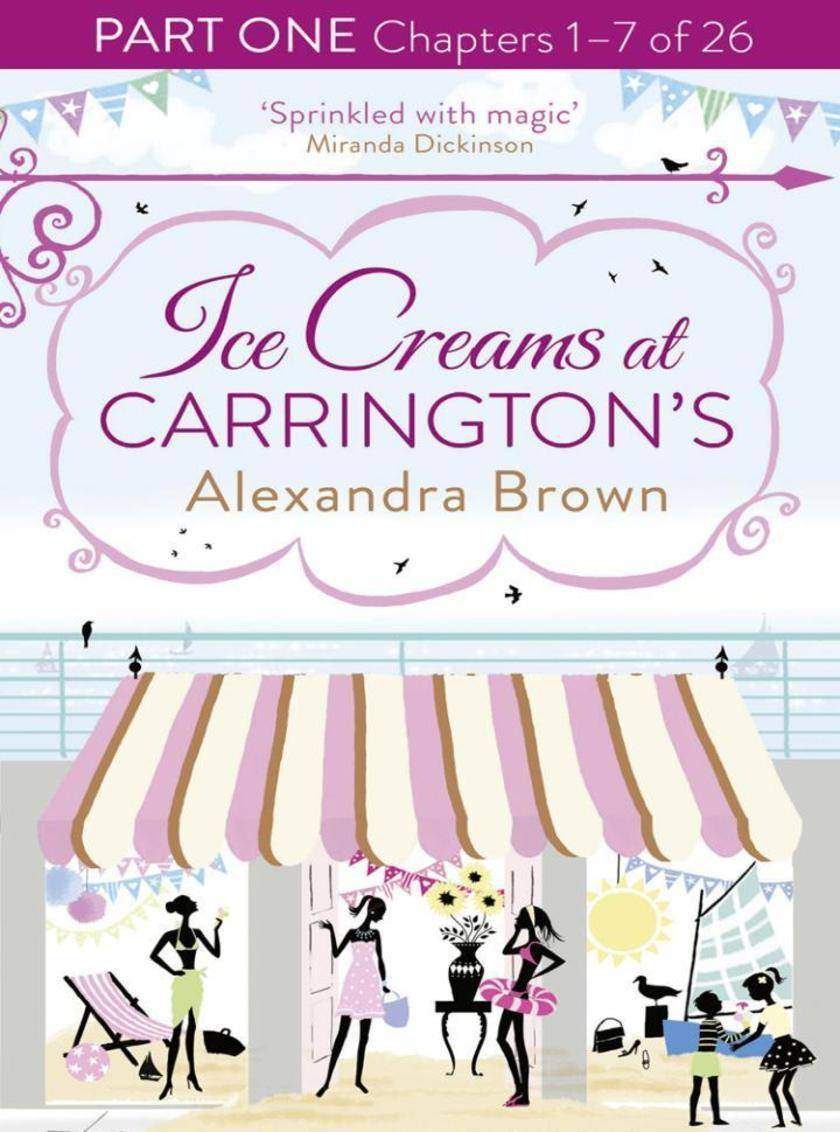
Ice Creams at Carrington’s: Part One, Chapters 1–7 of 26
免费
The third book in the delightful series, set in Carrington’s Department Store. Alexandra Brown’s new novel, Ice Creams at Carrington’s, has been serialized into 4 parts – this is PART 1 OF 4 (Chapters 1 to 7 of 26). *The first three parts of Ice Creams at Carrington’s are being released every few days from 22nd May 2014, before the full novel is published. The final part will be released on 5th June 2014, when the full novel will also be available to buy in ebook and paperback* Georgie Hart and Carrington’s Department Store have got the world at their feet. Since a reality TV series put them both on the map, life has been amazing! Carrington’s profits are in the pink, Georgie has carved herself a place in the nation’s heart and even better, her romance with Tom, the store’s boss, has finally blossomed after a shaky start. Now summertime has come to Mulberry-on-Sea and Georgie is in great demand. The town is holding a big summer festival and she and her mates from Carrington’s are planning on making sure that Mulberry puts on the show of its life! But Georgie is about to get the offer of a lifetime – one that is just too good to turn down and something that will test her loyalties to their limits… Will Georgie be able to pull off it off once again, or has her luck finally run out?

Ice Creams at Carrington’s: Part Two, Chapters 8–15 of 26
¥11.77
The third book in the delightful series, set in Carrington’s Department Store. Alexandra Brown’s new novel, Ice Creams at Carrington’s, has been serialized into 4 parts – this is PART 2 OF 4 (Chapters 8 to 15 of 26). *The first three parts of Ice Creams at Carrington’s are being released every few days from 22nd May 2014, before the full novel is published. The final part will be released on 5th June 2014, when the full novel will also be available to buy in ebook and paperback* Georgie Hart and Carrington’s Department Store have got the world at their feet. Since a reality TV series put them both on the map, life has been amazing! Carrington’s profits are in the pink, Georgie has carved herself a place in the nation’s heart and even better, her romance with Tom, the store’s boss, has finally blossomed after a shaky start. Now summertime has come to Mulberry-on-Sea and Georgie is in great demand. The town is holding a big summer festival and she and her mates from Carrington’s are planning on making sure that Mulberry puts on the show of its life! But Georgie is about to get the offer of a lifetime – one that is just too good to turn down and something that will test her loyalties to their limits… Will Georgie be able to pull off it off once again, or has her luck finally run out?

Ice Creams at Carrington’s: Part Four, Chapters 23–26 of 26
¥40.52
The third book in the delightful series, set in Carrington’s Department Store. Alexandra Brown’s new novel, Ice Creams at Carrington’s, has been serialized into 4 parts – this is the final PART 4 OF 4 (Chapters 23 to 26 of 26). *The first three parts of Ice Creams at Carrington’s are being released every few days from 22nd May 2014, before the full novel is published. The final part will be released on 5th June 2014, when the full novel will also be available to buy in ebook and paperback* Georgie Hart and Carrington’s Department Store have got the world at their feet. Since a reality TV series put them both on the map, life has been amazing! Carrington’s profits are in the pink, Georgie has carved herself a place in the nation’s heart and even better, her romance with Tom, the store’s boss, has finally blossomed after a shaky start. Now summertime has come to Mulberry-on-Sea and Georgie is in great demand. The town is holding a big summer festival and she and her mates from Carrington’s are planning on making sure that Mulberry puts on the show of its life! But Georgie is about to get the offer of a lifetime – one that is just too good to turn down and something that will test her loyalties to their limits… Will Georgie be able to pull off it off once again, or has her luck finally run out?
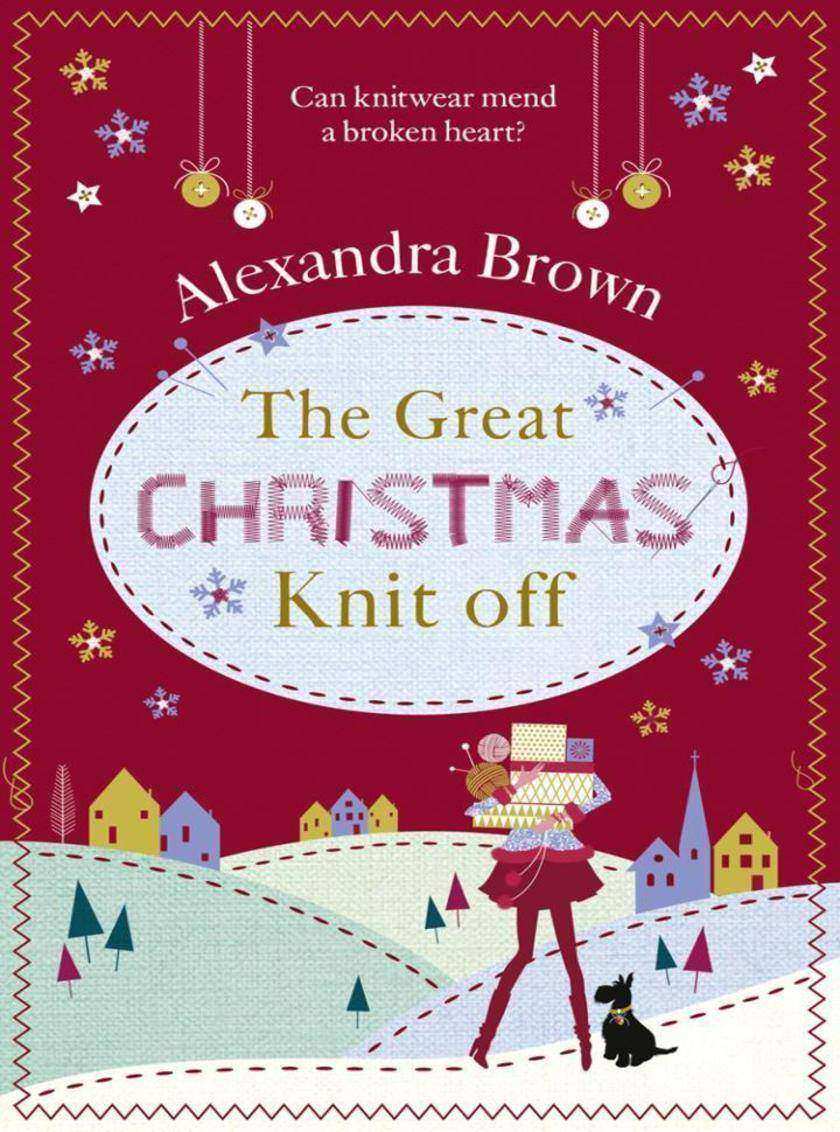
The Great Christmas Knit Off
¥63.77
Can wacky Christmas jumpers really mend a broken heart? For fans of The Christmas Cracker by Trisha Ashley and The Christmas Surprise by Jenny Colgan. Heartbroken after being jilted at the altar, Sybil has been saved from despair by her knitting obsession and now her home is filled to bursting with tea cosies, bobble hats, and jumpers. But, after discovering that she may have perpetrated the cock-up of the century at work, Sybil decides to make a hasty exit and, just weeks before Christmas, runs away to the picturesque village of Tindledale. There, Sybil discovers Hettie’s House of Haberdashery, an emporium dedicated to the world of knitting and needle craft. But Hettie, the outspoken octogenarian owner, is struggling and now the shop is due for closure. And when Hettie decides that Sybil’s wonderfully wacky Christmas jumpers are just the thing to add a bit of excitement to her window display, something miraculous starts to happen…
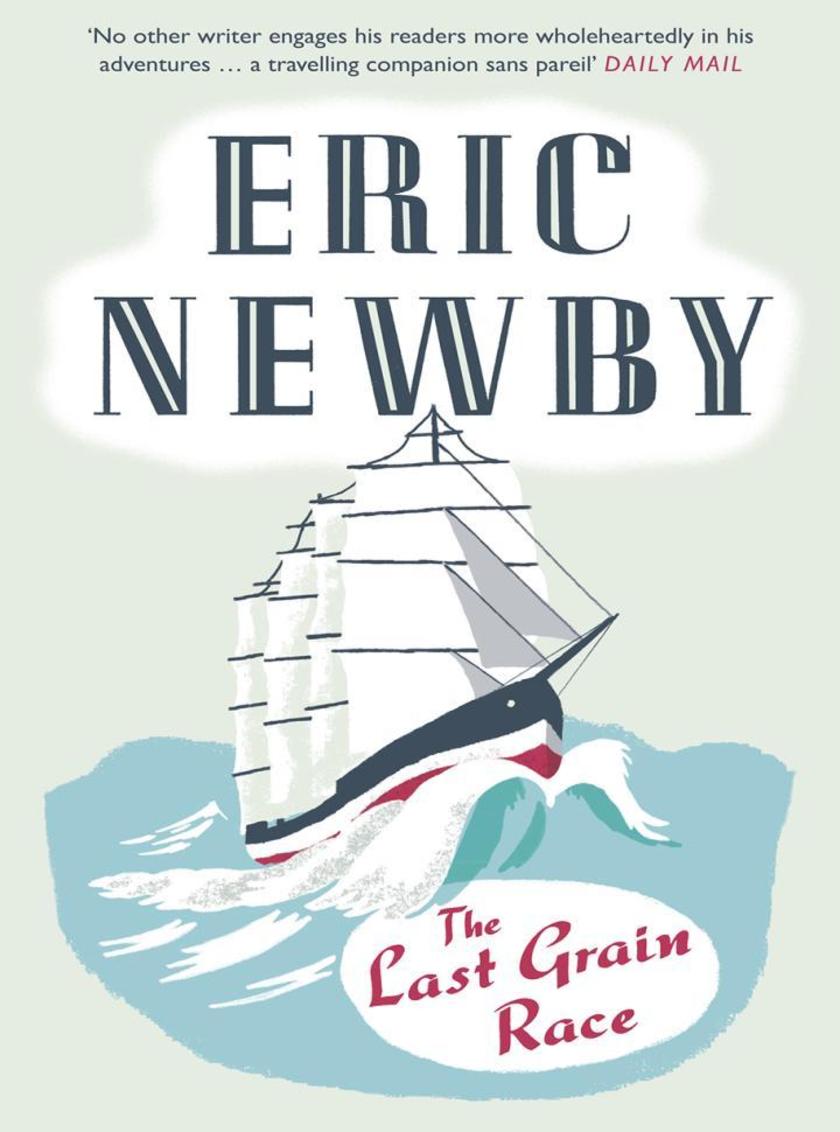
The Last Grain Race
¥80.25
An engaging and informative first-hand account of the last ‘grain race’ of maritime history, from respected travel writer Eric Newby. In 1939, a young Eric Newby – later renowned as a travel writer of exceptional talent – set sail aboard Moshulu, the largest sailing ship still employed in the transportation of grain from Australia to Europe. Every year from 1921 to 1939, the vessels involved in the grain trade would strive to find the shortest, fastest passage home – ‘the grain race’ – in the face of turbulent seas, atrocious weather conditions and hard graft. First published in 1956, ‘The Last Grain Race’, featuring many photographs from the author’s personal collection, celebrates both the spirit of adventure and the thrill of sailing on the high seas. Newby’s first-hand account – engaging and informative, with frequent bursts of humour and witty observations from both above and below deck – chronicles this classic sailing voyage of the Twenties and Thirties, and records the last grain race of maritime history.

David and Me: My path to solo motherhood
¥11.77
“This is the very beginning of the story of my life with my son. In some ways it is an unconventional one; a tale of choosing solo motherhood, with all its painful and joyful twists and turns. But at its heart it simply recounts a mother’s love for her child; a love that has been replicated throughout time all over the world.” The true story of Esther, who, at the age of 42, found herself single yet longing to be a mother. Flying in the face of the advice and scaremongering from the media, she made the brave decision to go it alone. Initially, the path was smooth, and Esther received nothing but encouragement and support from family and friends. But, as she ventured further down the path towards solo motherhood, Esther began to run up against bureaucracy, crushing negativity, obstructions and, occasionally, in amongst the care and compassion of doctors, nurses, embryologists and sonographers, bewildering incompetence. From IUI to IVF, dramatic hormonal fluctuations creating frustration and exhaustion, and a devastating blow, through to the joy of motherhood at last, Esther’s story is both moving and life-affirming.
Vintage Murder (The Ngaio Marsh Collection)
¥59.15
A touring theatre company in New Zealand forms the basis of one of Marsh’s most ambitious and innovative novels. New Zealand theatrical manager Alfred Meyer wanted to celebrate his wife’s birthday in style. The piece de résistance would be the jeroboam of champagne which would descend gently into a nest of fern and coloured lights on the table, set up on stage after the performance. But something went horribly wrong. Chief Detective Inspector Alleyn witnessed it himself. Was Meyer’s death the product of Maori superstitions? Or something much more down to earth?

Death in a White Tie (The Ngaio Marsh Collection)
¥48.07
A body in the back of a taxi begins an elegantly constructed mystery, perhaps the finest of Marsh’s 1930s novels. The season had begun. Débutantes and chaperones were planning their luncheons, teas, dinners, balls. And the blackmailer was planning his strategies, stalking his next victim. But Chief Detective Inspector Roderick Alleyn knew that something was up. He had already planted his friend Lord Robert Gospell at the scene. But someone else got there first…

Air Disasters: Dramatic black box flight recordings
¥73.58
Compelling and dramatic insights into crucial moments inside the cockpit. Discover the most sensational air disasters of recent years. Tran*s of actual black box recordings of conversations between captains, their crew, and air traffic control on the ground reveal the final moments during which life-and-death decisions were made. In some cases, disaster is averted; in others, the results are fatal. Every one of these real-life stories contains heroism and terror, and shows the sheer professionalism of those involved when under extreme pressure. They enable the reader to get right inside the cockpit and relive what happened, minute-by-minute, second-by-second. ? Includes Air France Flight 4590, the famous Concorde disaster in July 2000

World's Toughest Cops: On the Front Line of the War against Crime
¥63.18
Vinnie Jones' Toughest Cops brings together stories from the two ITV4 series of the same name in a fascinating, thrilling and often shocking read – in which we meet and get under the skin of the men and women who have dedicated their lives to serve and protect in ten of the most dangerous beats in the world. Vinnie takes the reader into the jungles of Colombia – where Sub-Lieutenant John Orejuela of the Special Ops Commando Unit leads a secret mission to take out a terrorist camp – and goes on patrol in the Californian suburb of Compton, following the cops caught up in a deadly cat-and-mouse game with the gangs of South Central LA. He recounts the struggles of officer Andre Steyn of the Flying Squad against car-jackings and armed robberies in the desperate streets of Durban, South Africa and joins the few good men trying to police the back-alleys and no-go zones of New Orleans, where the aftermath of Hurricane Katrina has seen a tidal wave of violent crime flood the city. Vinnie forged a reputation as a tough guy on the football pitch, and in America he now has a successful career in the cut-throat film business. But even he is in awe of the men and women who are trying to police the most dangerous areas on the planet. If on the pitch he followed Orwell's assertion that 'football is war minus the shooting', here he's discovering what life is like for those dealing with a real war – with real shooting.

A Surfeit of Lampreys (The Ngaio Marsh Collection)
¥38.36
Ngaio Marsh’s most popular novel begins when a young New Zealander’s first contact with the English gentry is the body of Lord Wutherford – with a meat skewer through the eye… The Lampreys had plenty of charm – but no cash. They all knew they were peculiar – and rather gloried in it. The double and triple charades, for instance, with which they would entertain their guests – like rich but awful Uncle Gabriel, who was always such a bore. The Lampreys thought if they jollied him up he would bail them out – yet again. Instead, Uncle Gabriel met a violent end. And Chief Inspector Alleyn had to work our which of them killed him…

The Healthy Gut Cookbook
¥82.01
Cookery expert Marguerite Patten and nutritionist Jeannette Ewin tell you everything you need to know about eating for a healthy gut. Includes information about a wide range of gut problems, practical advice on the best food choices and 60 healthy gut recipes. This invaluable new collaboration between favourite British cookery expert Marguerite Patten and nutritional scientist Jeannette Ewin, authors of the bestselling Eat to Beat Arthritis, takes a look at how diet and nutrition are key factors in creating and maintaining good gut health. Gut disorders such as IBS and Crohn’s disease, as well as more general complaints such as constipation are on the increase. Many of these conditions are due to, or exacerbated by, poor nutrition. Marguerite Patten, in her introduction, describes her own recent experience of the highly common condition, IBS. She offers 60 delicious recipes that show you how to create tasty and nutritious meals following the nutritional guidelines to ease such digestive disorders. Jeannette Ewin gives invaluable advice on nutrition for a healthy gut, an explanation of how and why things go wrong and information on self-treatment using probiotics and how medications can affect the gut.

How to Win at Aptitude Tests Vol II
¥59.94
This practical guide for succeeding in aptitude tests, which are increasingly being used to test applicants for jobs and academic courses, offers general information (benefits, drawbacks, use of tests) in addition to many examples of themed tests with recommended answers and explanations. This practical guide for succeeding in aptitude tests, which are increasingly being used to test applicants for jobs and academic courses, offers general information (benefits, drawbacks, use of tests) in addition to many examples of themed tests with recommended answers and explanations. It is an essential aid for anyone faced with an aptitude or psychometric test – particularly one that can make the difference between getting a job or losing it!

The Open Sea
¥456.66
The New Naturalist editors believe this to be the greatest general work on the subject ever written. This edition is exclusive to newnaturalists.com Professor Alistair Hardy is truly obsessed by animals of the sea - devotedly enthusiastic about the nature of their adaptations and life histories, brilliantly critical in the examination of their mysteries, acutely lucid (and at the same time highly artistic) in his de*ions of them in his arresting plates. To describe the relatively unknown and mysterious world of plankton is a task that the greatest of marine zoologists might boggle at. Yet the plankton is to the sea what vegetation is to the land. The study of plankton is a complex discipline which few amateur naturalists have had the privilege to enjoy. Never before has such a synthesis of knowledge been attempted in a community of animals so mysterious, yet so important. Professor Hardy has grasped this problem in a new and exciting way; and at least the common reader can discern the pattern of life that dominates two-thirds of the world’s surface.

The Riftwar Saga Series Books 2 and 3
¥206.30
The Riftwar Saga continues… This ebook contains Silverthorn and A Darkness at Sethanon, books two and three of the Rift War Saga by Raymond E. Feist. For nearly a year peace reigned in the enchanted kingdom of Rillanon. But new challenges awaited Arutha, the Prince of Krondor, when Jimmy the Hand – the youngest thief in the Guild of Mockers – came upon a sinister Nighthawk poised to assassinate him. What evil power raises the dead and makes corpses do battle with the living at the behest of the Guild of Death? And what high magic can defeat it? Meanwhile, a life-or-death quest must be undertaken to find an antidote to a poison that fells a beautiful princess on her wedding day… And so the Rift War Saga continues…
One Hundred Names
¥58.86
The uplifting and captivating new novel from the worldwide bestseller Cecelia Ahern Kitty Logan has lost her way… As a journalist, she’s spent the past few years chasing the big scoops – no matter the consequences. When she makes a terrible mistake, she finds herself mired in scandal, her career implodes and even her personal relationships are tested to the limits. At a loss, Kitty finds distraction in a list of one hundred names her late mentor and boss, Constance, has left her. Kitty’s been given one final chance, the most important assignment of her life – to write the story behind the one hundred names as a tribute piece to Constance. As she tracks down the people on the list and tries to work out what connects them, Kitty meets some extraordinary people. Can these strangers’ stories help her finally understand her own?

Tape
¥45.62
TAPE is an outstanding debut. Told with crackling prose, shimmering with humour and deeply moving, it will haunt anyone who reads it… Record a voice and it lasts forever… In 1993, Ryan records a diary on an old tape. He talks about his mother’s death, about his dreams, about his love for a new girl at school who doesn’t even know he exists. In 2013, Ameliah moves in with her grandmother after her parents die. There, she finds a tape in the spare room. A tape with a boy’s voice on it – a voice she can’t quite hear, but which seems to be speaking to her. Ryan and Ameliah are connected by more than just a tape. This is their story.


