


 购物车
购物车 个人中心
个人中心

Notes on Novelists by Henry James (Illustrated)
¥8.09
This eBook features the unabridged text of ‘Notes on Novelists’ from the bestselling edition of ‘The Complete Works of Henry James’. Having established their name as the leading publisher of classic literature and art, Delphi Classics produce publications that are individually crafted with superior formatting, while introducing many rare texts for the first time in digital print. The Delphi Classics edition of James includes original annotations and illustrations relating to the life and works of the author, as well as individual tables of contents, allowing you to navigate eBooks quickly and easily.eBook features:* The complete unabridged text of ‘Notes on Novelists’* Beautifully illustrated with images related to James’s works* Individual contents table, allowing easy navigation around the eBook* Excellent formatting of the textPlease visit www.delphiclassics.com to learn more about our wide range of titles

Reveries of a Solitary Walker by Jean-Jacques Rousseau (Illustrated)
¥8.09
This eBook features the unabridged text of ‘Reveries of a Solitary Walker’ from the bestselling edition of ‘The Collected Works of Jean-Jacques Rousseau’. Having established their name as the leading publisher of classic literature and art, Delphi Classics produce publications that are individually crafted with superior formatting, while introducing many rare texts for the first time in digital print. The Delphi Classics edition of Rousseau includes original annotations and illustrations relating to the life and works of the author, as well as individual tables of contents, allowing you to navigate eBooks quickly and easily.eBook features:* The complete unabridged text of ‘Reveries of a Solitary Walker’* Beautifully illustrated with images related to Rousseau’s works* Individual contents table, allowing easy navigation around the eBook* Excellent formatting of the textPlease visit www.delphiclassics.com to learn more about our wide range of titles

The Middle Years by Henry James (Illustrated)
¥8.09
This eBook features the unabridged text of ‘The Middle Years’ from the bestselling edition of ‘The Complete Works of Henry James’. Having established their name as the leading publisher of classic literature and art, Delphi Classics produce publications that are individually crafted with superior formatting, while introducing many rare texts for the first time in digital print. The Delphi Classics edition of James includes original annotations and illustrations relating to the life and works of the author, as well as individual tables of contents, allowing you to navigate eBooks quickly and easily.eBook features:* The complete unabridged text of ‘The Middle Years’* Beautifully illustrated with images related to James’s works* Individual contents table, allowing easy navigation around the eBook* Excellent formatting of the textPlease visit www.delphiclassics.com to learn more about our wide range of titles
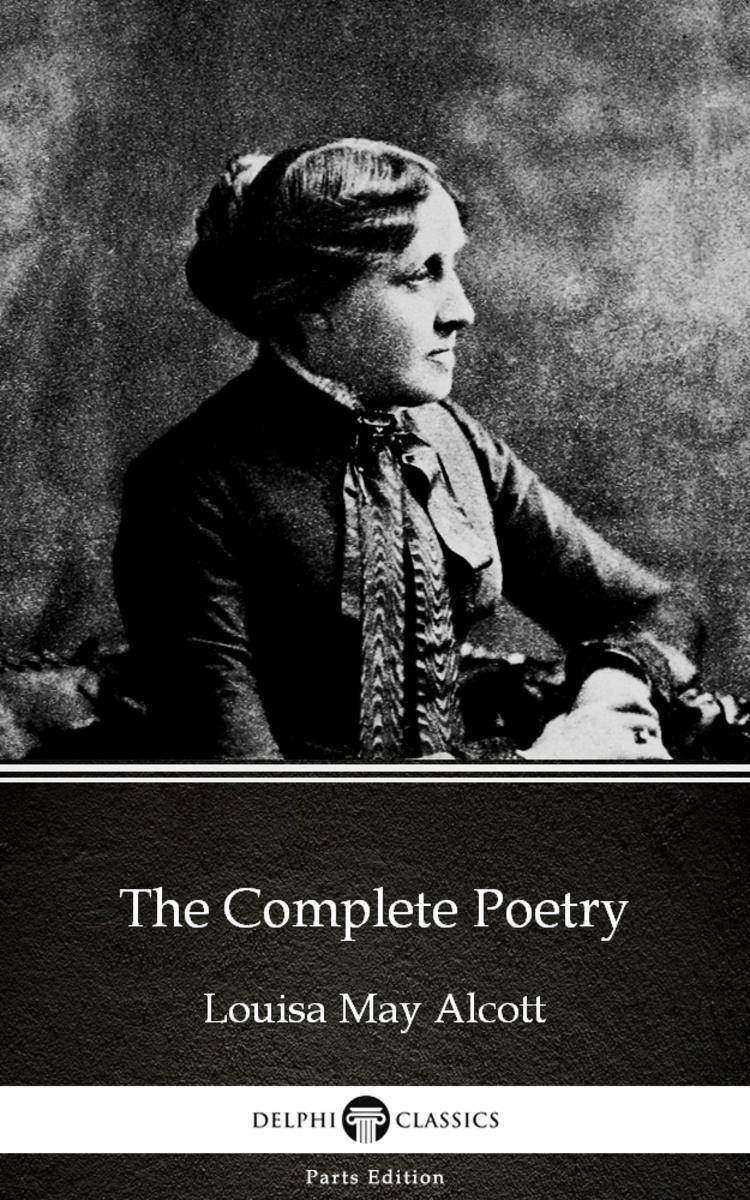
The Complete Poetry by Louisa May Alcott (Illustrated)
¥8.09
This eBook features the unabridged text of ‘The Complete Poetry’ from the bestselling edition of ‘The Complete Works of Louisa May Alcott’. Having established their name as the leading publisher of classic literature and art, Delphi Classics produce publications that are individually crafted with superior formatting, while introducing many rare texts for the first time in digital print. The Delphi Classics edition of Alcott includes original annotations and illustrations relating to the life and works of the author, as well as individual tables of contents, allowing you to navigate eBooks quickly and easily.eBook features:* The complete unabridged text of ‘The Complete Poetry’* Beautifully illustrated with images related to Alcott’s works* Individual contents table, allowing easy navigation around the eBook* Excellent formatting of the textPlease visit www.delphiclassics.com to learn more about our wide range of titles
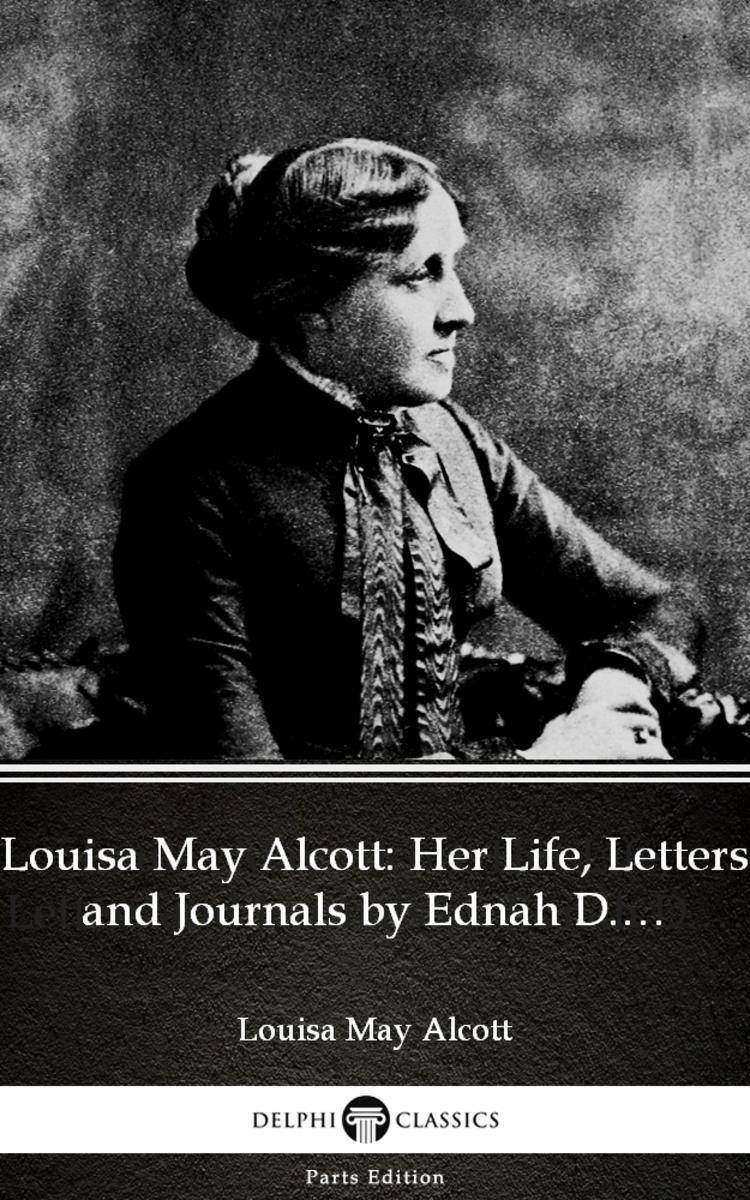
Louisa May Alcott:Her Life, Letters and Journals by Ednah D. Cheney (Illustrated
¥8.09
This eBook features the unabridged text of ‘Louisa May Alcott: Her Life, Letters and Journals by Ednah D. Cheney’ from the bestselling edition of ‘The Complete Works of Louisa May Alcott’. Having established their name as the leading publisher of classic literature and art, Delphi Classics produce publications that are individually crafted with superior formatting, while introducing many rare texts for the first time in digital print. The Delphi Classics edition of Alcott includes original annotations and illustrations relating to the life and works of the author, as well as individual tables of contents, allowing you to navigate eBooks quickly and easily.eBook features:* The complete unabridged text of ‘Louisa May Alcott: Her Life, Letters and Journals by Ednah D. Cheney’* Beautifully illustrated with images related to Alcott’s works* Individual contents table, allowing easy navigation around the eBook* Excellent formatting of the textPlease visit www.delphiclassics.com to learn more about our wide range of titles
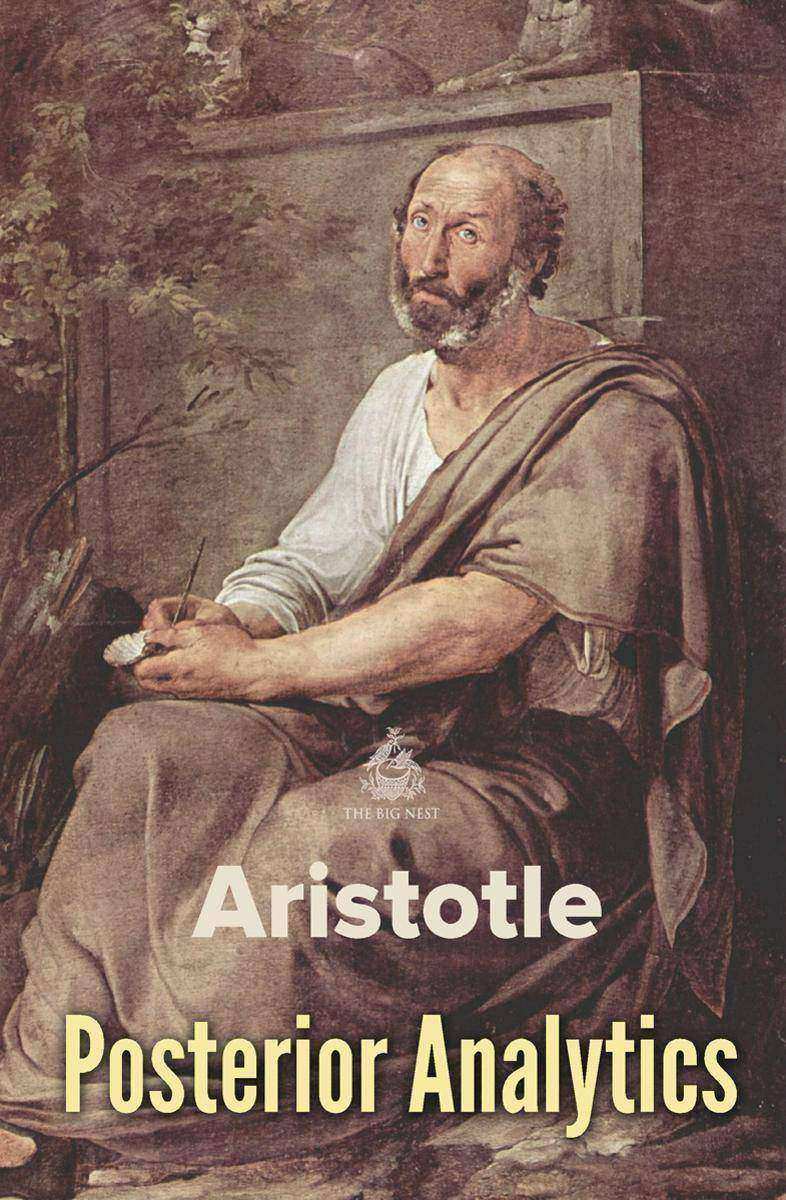
Posterior Analytics
¥40.79
All instruction given or received by way of argument proceeds from pre-existent knowledge. This becomes evident upon a survey of all the species of such instruction. The mathematical sciences and all other speculative disciplines are acquired in this way, and so are the two forms of dialectical reasoning, syllogistic and inductive; for each of these latter make use of old knowledge to impart new, the syllogism assuming an audience that accepts its premisses, induction exhibiting the universal as implicit in the clearly known particular. Again, the persuasion exerted by rhetorical arguments is in principle the same, since they use either example, a kind of induction, or enthymeme, a form of syllogism.

The Mystery of Marseille by Emile Zola (Illustrated)
¥8.09
This eBook features the unabridged text of ‘The Mystery of Marseille’ from the bestselling edition of ‘The Complete Works of Emile Zola’. Having established their name as the leading publisher of classic literature and art, Delphi Classics produce publications that are individually crafted with superior formatting, while introducing many rare texts for the first time in digital print. The Delphi Classics edition of Zola includes original annotations and illustrations relating to the life and works of the author, as well as individual tables of contents, allowing you to navigate eBooks quickly and easily.eBook features:* The complete unabridged text of ‘The Mystery of Marseille’* Beautifully illustrated with images related to Zola’s works* Individual contents table, allowing easy navigation around the eBook* Excellent formatting of the textPlease visit www.delphiclassics.com to learn more about our wide range of titles

Madeleine Ferat by Emile Zola (Illustrated)
¥8.09
This eBook features the unabridged text of ‘Madeleine Ferat’ from the bestselling edition of ‘The Complete Works of Emile Zola’. Having established their name as the leading publisher of classic literature and art, Delphi Classics produce publications that are individually crafted with superior formatting, while introducing many rare texts for the first time in digital print. The Delphi Classics edition of Zola includes original annotations and illustrations relating to the life and works of the author, as well as individual tables of contents, allowing you to navigate eBooks quickly and easily.eBook features:* The complete unabridged text of ‘Madeleine Ferat’* Beautifully illustrated with images related to Zola’s works* Individual contents table, allowing easy navigation around the eBook* Excellent formatting of the textPlease visit www.delphiclassics.com to learn more about our wide range of titles
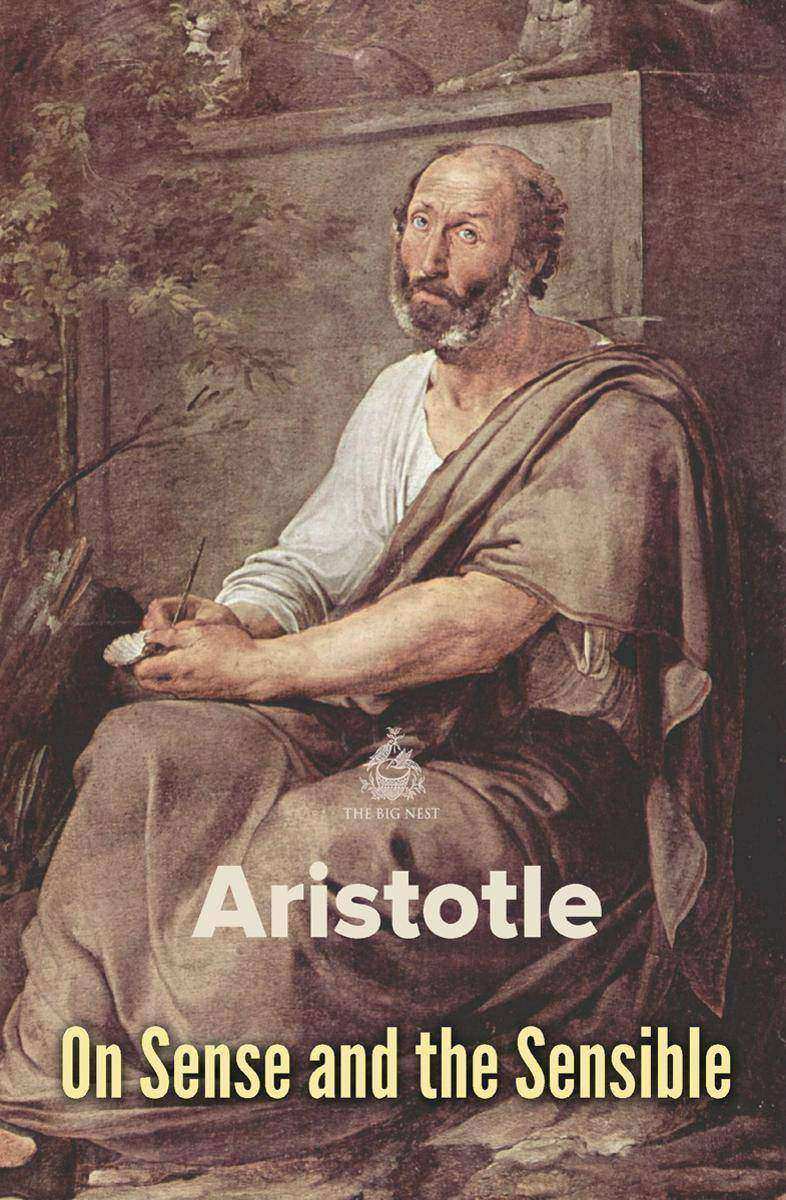
On Sense and the Sensible
¥40.79
Having now definitely considered the soul, by itself, and its several faculties, we must next make a survey of animals and all living things, in order to ascertain what functions are peculiar, and what functions are common, to them. What has been already determined respecting the soul must be assumed throughout. The remaining parts of our subject must be now dealt with, and we may begin with those that come first.

The Fortune of the Rougons by Emile Zola (Illustrated)
¥8.09
This eBook features the unabridged text of ‘The Fortune of the Rougons’ from the bestselling edition of ‘The Complete Works of Emile Zola’. Having established their name as the leading publisher of classic literature and art, Delphi Classics produce publications that are individually crafted with superior formatting, while introducing many rare texts for the first time in digital print. The Delphi Classics edition of Zola includes original annotations and illustrations relating to the life and works of the author, as well as individual tables of contents, allowing you to navigate eBooks quickly and easily.eBook features:* The complete unabridged text of ‘The Fortune of the Rougons’* Beautifully illustrated with images related to Zola’s works* Individual contents table, allowing easy navigation around the eBook* Excellent formatting of the textPlease visit www.delphiclassics.com to learn more about our wide range of titles
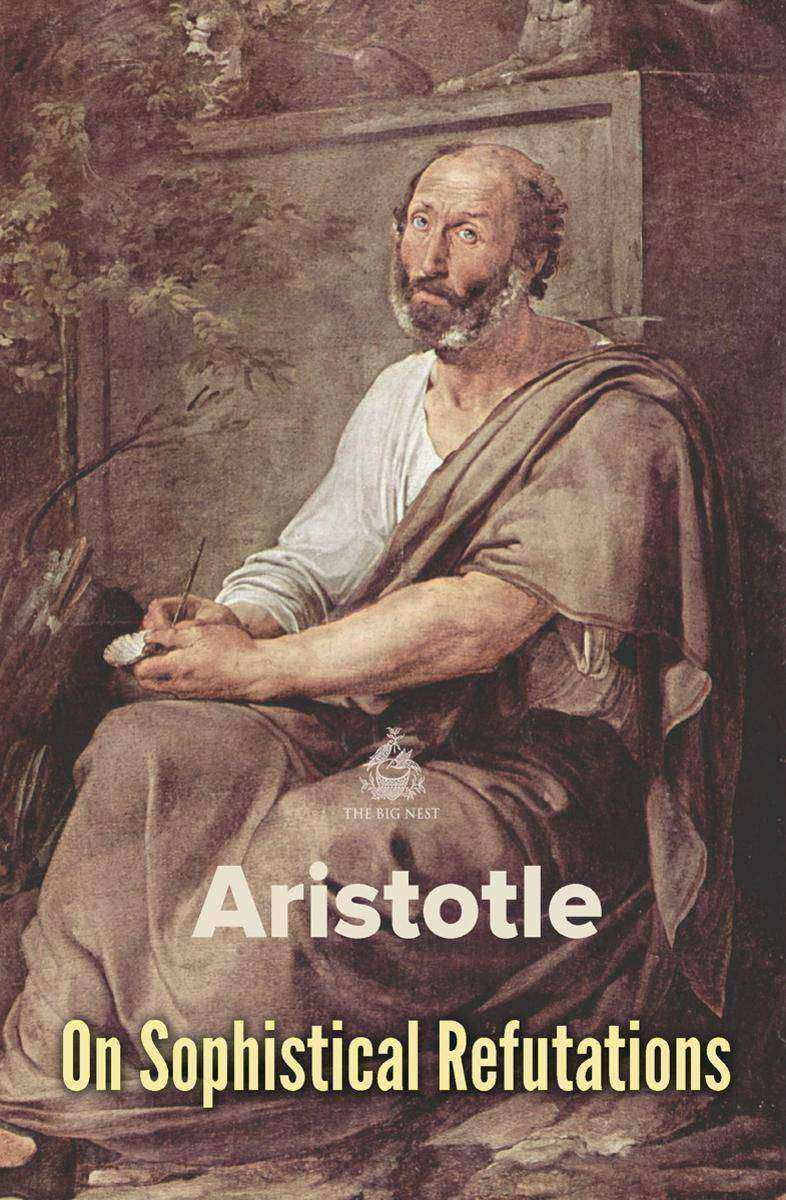
On Sophistical Refutations
¥40.79
Let us now discuss sophistic refutations, i.e. what appear to be refutations but are really fallacies instead. Some reasonings are genuine, while others seem to be so but are not, is evident. This happens with arguments, as also elsewhere, through a certain likeness between the genuine and the sham.
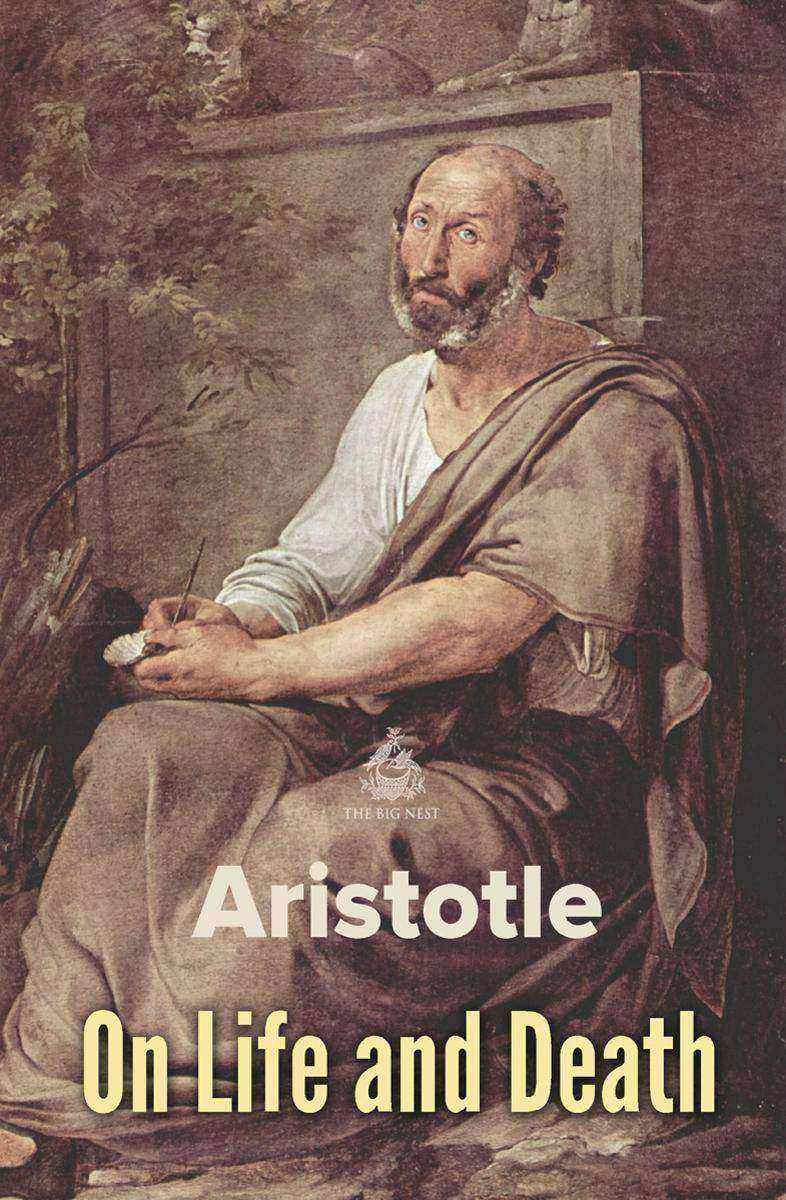
On Life and Death
¥40.79
We must now treat of youth and old age and life and death. We must probably also at the same time state the causes of respiration as well, since in some cases living and the reverse depend on this.

The Time Machine
¥40.79
An English scientist and gentleman inventor living in Victorian England reveals to his weekly dinner guests that time is simply a fourth dimension, and his demonstration of a tabletop model machine for travelling through it. He has built a machine capable of carrying a person through time, and returns at dinner the following week to recount a remarkable tale.
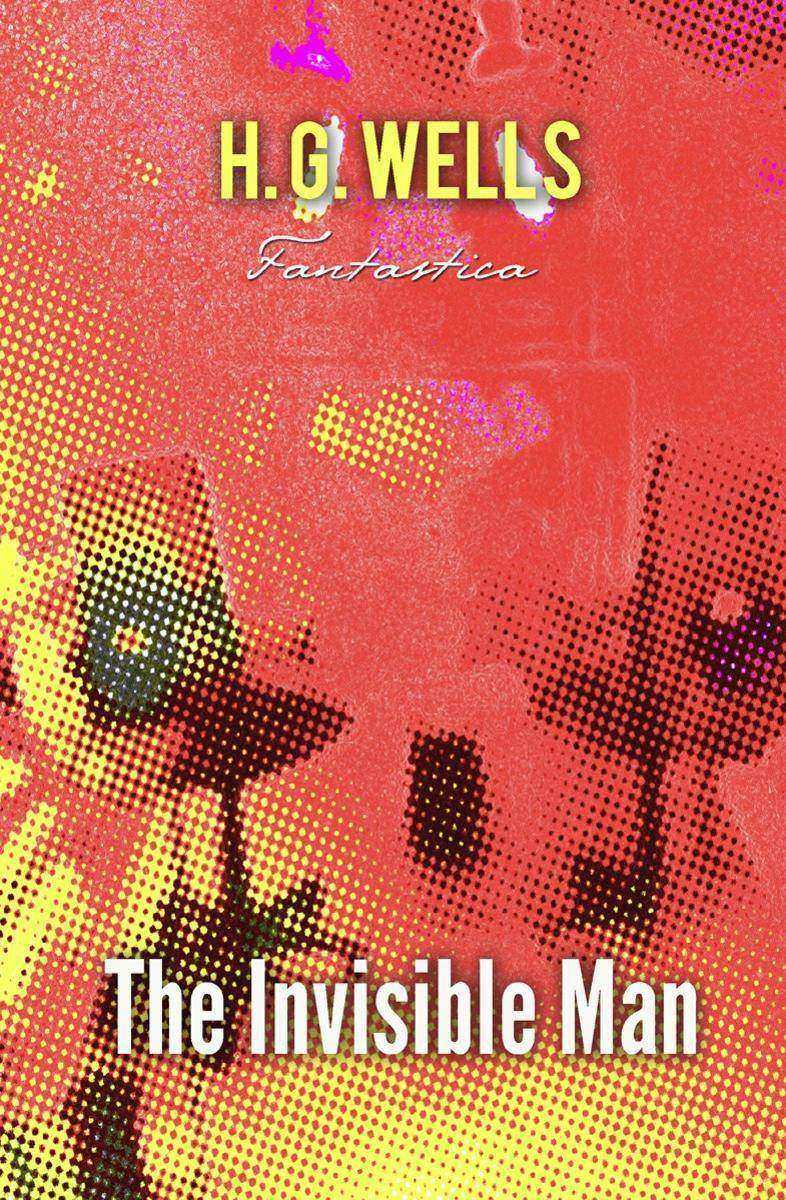
The Invisible Man
¥40.79
A mysterious man, Griffin, arrives at the local inn of the English village of Iping, West Sussex, during a snowstorm. The stranger wears a long-sleeved, thick coat and gloves; his face is hidden entirely by bandages except for a fake pink nose; and he wears a wide-brimmed hat. He is excessively reclusive, irascible, and unfriendly. He demands to be left alone and spends most of his time in his rooms working with a set of chemicals and laboratory apparatus, only venturing out at night.

The Joy of Life by Emile Zola (Illustrated)
¥8.09
This eBook features the unabridged text of ‘The Joy of Life’ from the bestselling edition of ‘The Complete Works of Emile Zola’. Having established their name as the leading publisher of classic literature and art, Delphi Classics produce publications that are individually crafted with superior formatting, while introducing many rare texts for the first time in digital print. The Delphi Classics edition of Zola includes original annotations and illustrations relating to the life and works of the author, as well as individual tables of contents, allowing you to navigate eBooks quickly and easily.eBook features:* The complete unabridged text of ‘The Joy of Life’* Beautifully illustrated with images related to Zola’s works* Individual contents table, allowing easy navigation around the eBook* Excellent formatting of the textPlease visit www.delphiclassics.com to learn more about our wide range of titles

The Door in the Wall
¥40.79
One confidential evening, not three months ago, Lionel Wallace told me this story of the Door in the Wall. And at the time I thought that so far as he was concerned it was a true story.

Richard III by William Shakespeare (Illustrated)
¥8.09
This eBook features the unabridged text of ‘Richard III’ from the bestselling edition of ‘The Complete Works of William Shakespeare’. Having established their name as the leading publisher of classic literature and art, Delphi Classics produce publications that are individually crafted with superior formatting, while introducing many rare texts for the first time in digital print. The Delphi Classics edition of Shakespeare includes original annotations and illustrations relating to the life and works of the author, as well as individual tables of contents, allowing you to navigate eBooks quickly and easily.eBook features:* The complete unabridged text of ‘Richard III’* Beautifully illustrated with images related to Shakespeare’s works* Individual contents table, allowing easy navigation around the eBook* Excellent formatting of the textPlease visit www.delphiclassics.com to learn more about our wide range of titles

The Moth
¥40.79
Probably you have heard of Hapley—not W. T. Hapley, the son, but the celebrated Hapley, the Hapley of Periplaneta Hapliia, Hapley the entomologist. If so you know at least of the great feud between Hapley and Professor Pawkins, though certain of its consequences may be new to you. For those who have not, a word or two of explanation is necessary, which the idle reader may go over with a glancing eye, if his indolence so incline him.

Love’s Labour’s Lost by William Shakespeare (Illustrated)
¥8.09
This eBook features the unabridged text of ‘Love’s Labour’s Lost’ from the bestselling edition of ‘The Complete Works of William Shakespeare’. Having established their name as the leading publisher of classic literature and art, Delphi Classics produce publications that are individually crafted with superior formatting, while introducing many rare texts for the first time in digital print. The Delphi Classics edition of Shakespeare includes original annotations and illustrations relating to the life and works of the author, as well as individual tables of contents, allowing you to navigate eBooks quickly and easily.eBook features:* The complete unabridged text of ‘Love’s Labour’s Lost’* Beautifully illustrated with images related to Shakespeare’s works* Individual contents table, allowing easy navigation around the eBook* Excellent formatting of the textPlease visit www.delphiclassics.com to learn more about our wide range of titles

The Treasure In The Forest
¥40.79
The canoe was now approaching the land. The bay opened out, and a gap in the white surf of the reef marked where the little river ran out to the sea; the thicker and deeper green of the virgin forest showed its course down the distant hill slope. The forest here came close to the beach. Far beyond, dim and almost cloudlike in texture, rose the mountains, like suddenly frozen waves. The sea was still save for an almost imperceptible swell. The sky blazed.

Julius Caesar by William Shakespeare (Illustrated)
¥8.09
This eBook features the unabridged text of ‘Julius Caesar’ from the bestselling edition of ‘The Complete Works of William Shakespeare’. Having established their name as the leading publisher of classic literature and art, Delphi Classics produce publications that are individually crafted with superior formatting, while introducing many rare texts for the first time in digital print. The Delphi Classics edition of Shakespeare includes original annotations and illustrations relating to the life and works of the author, as well as individual tables of contents, allowing you to navigate eBooks quickly and easily.eBook features:* The complete unabridged text of ‘Julius Caesar’* Beautifully illustrated with images related to Shakespeare’s works* Individual contents table, allowing easy navigation around the eBook* Excellent formatting of the textPlease visit www.delphiclassics.com to learn more about our wide range of titles


