


 购物车
购物车 个人中心
个人中心
The Civil Wars, Book 3
¥40.79
Julius Caesar, holding the election as dictator, was himself appointed consul with Publius Servilius; for this was the year in which it was permitted by the laws that he should be chosen consul. This business being ended, as credit was beginning to fail in Italy, and the debts could not be paid, he determined that arbitrators should be appointed: and that they should make an estimate of the possessions and properties of the debtors, how much they were worth before the war, and that they should be handed over in payment to the creditors. This he thought the most likely method to remove and abate the apprehension of an abolition of debt, the usual consequence of civil wars and dissensions, and to support the credit of the debtors.
The Analects
¥40.79
Confucius believed that the welfare of a country depended on the moral cultivation of its people, beginning from the nation's leadership. He believed that individuals could begin to cultivate an all-encompassing sense of virtue through ren, and that the most basic step to cultivating ren was devotion to one's parents and older siblings. He taught that one's individual desires do not need to be suppressed, but that people should be educated to reconcile their desires via rituals and forms of propriety, through which people could demonstrate their respect for others and their responsible roles in society.
Wild Apples
¥40.79
It is remarkable how closely the history of the Apple-tree is connected with that of man. The geologist tells us that the order of the Rosaceae, which includes the Apple, also the true Grasses, and the Labiatae, or Mints, were introduced only a short time previous to the appearance of man on the globe.

Canoeing in the wilderness
¥40.79
At the time Thoreau made this wilderness canoe trip he was forty years old. The record of the journey is the latter half of his The Maine Woods, which is perhaps the finest idyl of the forest ever written. It is particularly charming in its blending of meditative and poetic fancies with the minute description of the voyager’s experiences.
Gorgias
¥40.79
In several of the dialogues of Plato, doubts have arisen among his interpreters as to which of the various subjects discussed in them is the main thesis. The speakers have the freedom of conversation; no severe rules of art restrict them, and sometimes we are inclined to think, with one of the dramatis personae in the Theaetetus, that the digressions have the greater interest. Yet in the most irregular of the dialogues there is also a certain natural growth or unity; the beginning is not forgotten at the end, and numerous allusions and references are interspersed, which form the loose connecting links of the whole.
Phaedrus
¥40.79
The Phaedrus is closely connected with the Symposium, and may be regarded either as introducing or following it. The two Dialogues together contain the whole philosophy of Plato on the nature of love, which in the Republic and in the later writings of Plato is only introduced playfully or as a figure of speech. But in the Phaedrus and Symposium love and philosophy join hands, and one is an aspect of the other. The spiritual and emotional part is elevated into the ideal, to which in the Symposium mankind are described as looking forward, and which in the Phaedrus, as well as in the Phaedo, they are seeking to recover from a former state of existence.
Protagoras
¥40.79
The Protagoras, like several of the Dialogues of Plato, is put into the mouth of Socrates, who describes a conversation which had taken place between himself and the great Sophist at the house of Callias—'the man who had spent more upon the Sophists than all the rest of the world'—and in which the learned Hippias and the grammarian Prodicus had also shared, as well as Alcibiades and Critias, both of whom said a few words—in the presence of a distinguished company consisting of disciples of Protagoras and of leading Athenians belonging to the Socratic circle.
Commentaries On Living: Third Series
¥40.79
In this series of commentaries J. Krishnamurti, one of the great thinkers of our time, touches upon many human problems—ourhopes, our fears, our illusions, our beliefs, our prejudices—and in the simplest language seems to pierce to their roots.“The sheer simplicity is breathtaking. The reader is given, in one paragraph, often in one sentence, enough to keep him exploring, questioning, thinking for days.” –Anne Morrow Lindbergh.“The insight, spiritual and poetic, of these commentaries is as simply expressed as it is searching in its demand.” –Times Literary Supplement (London).“Krishnamurti is no other than he seems, a free man, one of the first quality, growing older as diamonds do but the gem-like flame not dating, and alive in these Commentaries. It is a treasure.” –Francis Hacket, The New Republic.J. Krishnamurti was born in South India and educated in England.Hailed by many from early youth as a spiritual teacher, he rejected adulation and leadership in order to encourage spiritualfreedom and understanding. He devoted his life to speaking and counseling, traveling in the U.S.A., Europe, India and other parts of the world, addressing thousands of people, always pointing the way to individual discovery of truth.These Commentaries on Living are published in three volumes:First, Second, and Third Series.
Choiceless Awareness
¥40.79
Krishnamurti, Jiddu born of middle-class Brahmin parents, was recognized at age fourteen as the coming World Teacher. Krishnamurti claimed allegiance to no caste, nationality or religion and was bound by no tradition. He traveled the world and spoke spontaneously to large audiences until the end of his life at age ninety. He said man has to free himself of all fear, conditioning, authority and dogma through self-knowledge and this will bring about order and psychological mutation.
On Generation and Corruption
¥40.79
Our next task is to study coming-to-be and passing-away. We are to distinguish the causes, and to state the definitions, of these processes considered in general-as changes predicable uniformly of all the things that come-to-be and pass-away by nature. Further, we are to study growth and 'alteration'. We must inquire what each of them is; and whether 'alteration' is to be identified with coming-to-be, or whether to these different names there correspond two separate processes with distinct natures.
The Athenian Constitution
¥40.79
The Constitution of the Athenians describes the political system of ancient Athens. The treatise was composed between 330 and 322 BC.
Laws
¥40.79
The Laws are discussed by three representatives of Athens, Crete, and Sparta. The Athenian, as might be expected, is the protagonist or chief speaker, while the second place is assigned to the Cretan, who, as one of the leaders of a new colony, has a special interest in the conversation. At least four-fifths of the answers are put into his mouth. The Spartan is every inch a soldier, a man of few words himself, better at deeds than words. The Athenian talks to the two others, although they are his equals in age, in the style of a master discoursing to his scholars; he frequently praises himself; he entertains a very poor opinion of the understanding of his companions.
55 Χρ?νια Σκ?ψει? & Διαλογισμο?
¥84.20
Το παρ?ν βιβλ?ο ?55 Χρ?νια Σκ?ψει? & Διαλογισμο?? ε?ναι το απ?σταγμα συνεχο?? προσπ?θεια?, αναζητ?σεων, προβληματισμ?ν, σκ?ψεων και διαλογισμ?ν εν?? ανθρ?που. Με πολυπο?κιλο και ποικιλ?μορφο θεματικ? περιεχ?μενο σε πεζ? κυρ?ω? μα και ποιητικ? λ?γο, τα θ?ματα ε?ναι ?λα απ? την καθημεριν?τητα: Κοινωνικ?, πολιτικ?, φιλοσοφικ?, ερωτικ?, γενικ?τερη? αναζ?τηση? κ.τ.λ.Πολλ? τα ερωτ?ματα που ξεπροβ?λλουν εμπρ?? σε κ?θε σκεπτ?μενο ?νθρωπο που βαδ?ζει το προσωπικ? του μονοπ?τι π?νω στην γη και ο οπο?ο? αναζητε? απαντ?σει? και λ?σει? των προβλημ?των τη? ζω??. Γιατ? αντιμ?χονται οι λαο?; Γιατ? μαλ?νουν οι ?νθρωποι; Τι δυσκολε?ει την ανθρ?πινη επικοινων?α την καθημεριν?; Τι ε?ναι η τ?χνη και η ομορφι?; Τι ε?ναι οι επιστ?με? οι πολλ?? και ποια ε?ναι τα ?ρια του? τα αληθιν?; Πρ?πει να τι? εμπιστευ?μαστε λοιπ?ν; Τι ε?ναι η ?σοφ?α? και η ?ομορφι?? και ποιε? οι γν?σει? που αξ?ζουν τελικ?; Ποια ε?ναι η αλ?θεια η μοναδικ?. Υπ?ρχει γν?ση αντικειμενικ?; Υπ?ρχει το καλ? και το κακ?; Ε?ναι λοιπ?ν τα τρ?α ιδανικ?, η ?Αγ?πη?, η ?Γν?ση? και η ?Αλ?θεια? τελικ?;?τσι λοιπ?ν ξεκ?νησα ?να πρω?, τι? σκ?ρπιε? σκ?ψει? μου αυτ??, το κατακ?θι μια? ολ?κληρη? ζω?? ?λων εκε?νων για τα οπο?α τ?σο πολ? ?χω προβληματιστε? και ?λα τα ερωτ?ματ? μου που ?χουν καταγραφε?, να τα μαζ?ψω ?να πρω?, ?λα αυτ? που ε?χα καταγεγραμμ?να εδ? και εκε?, σε ?να βιβλ?ο προσωπικ? σκ?ψεων και διαλογισμ?ν. Ε?ναι ?να βιβλ?ο τη? ζω?? λοιπ?ν το βιβλ?ο αυτ?, βγαλμ?νο απευθε?α? μ?σα απ? την ζω? που με συγκ?νηση το καταγρ?φω και με περ?σσια περισυλλογ?.Ε?ναι βιβλ?ο τη? ζω?? και απευθ?νεται σε κ?θε σκεπτ?μενο καλοπροα?ρετο και ?ντιμο αναγν?στη αλλ? και σε ηλικ?ε? νεαρ??, που με την καθαρ?τητα που ?χουν στη ψυχ?, πιο ε?κολα κι αντιλαμβ?νονται το ?μορφο, το δ?κιο και το σωστ?. Πεν?ντα π?ντε χρ?νια σκ?ψεων και διαλογισμ?ν ε?ναι το βιβλ?ο αυτ?. Ε?ναι μια αναζ?τηση τη? ?Αγ?πη??, τη? ?Γν?ση?? και τη? ?Αλ?θεια?

O slobodi
¥37.20
Iako je napisao veoma zna?ajne radove iz drugih podru?ja filozofije?(npr. Sistem logike, gde izla?e na?ela induktivnog zaklju?ivanja, ili Utilitarizam, gde izla?e shvatanje da svako treba da dela tako da proizvede najve?u sre?u za najve?i broj ljudi), Mil je najtrajniji utjecaj ostavio svojim radovima iz politi?ke filozofije i etike. Njegovo delo O slobodi smatra se jednim od temeljnih tekstova savremenog liberalizma. U njemu Mil zagovara na?elo da je ljudsku slobodu dozvoljeno ograni?avati samo ukoliko ?teti drugima. Na?elo ?tete, kako se to na?elo ?esto naziva, u svojoj primeni na ure?enje dru?tvenih odnosa isklju?uje sve despotske i autoritarne oblike vlasti koji gu?e slobodu pojedinaca i njihovu individualnost. Od posebne va?nosti za sre?u pojedinca i dru?tva u celini jeste sloboda govora, koja ni?im ne sme biti ograni?ena. Na Milovoj raspravi O slobodi njen prevodilac, kralj Petar I Kara?or?evi?, tvorac dr?ave Srba, Hrvata i Slovenaca, zasnovao je svoj politi?ki program.
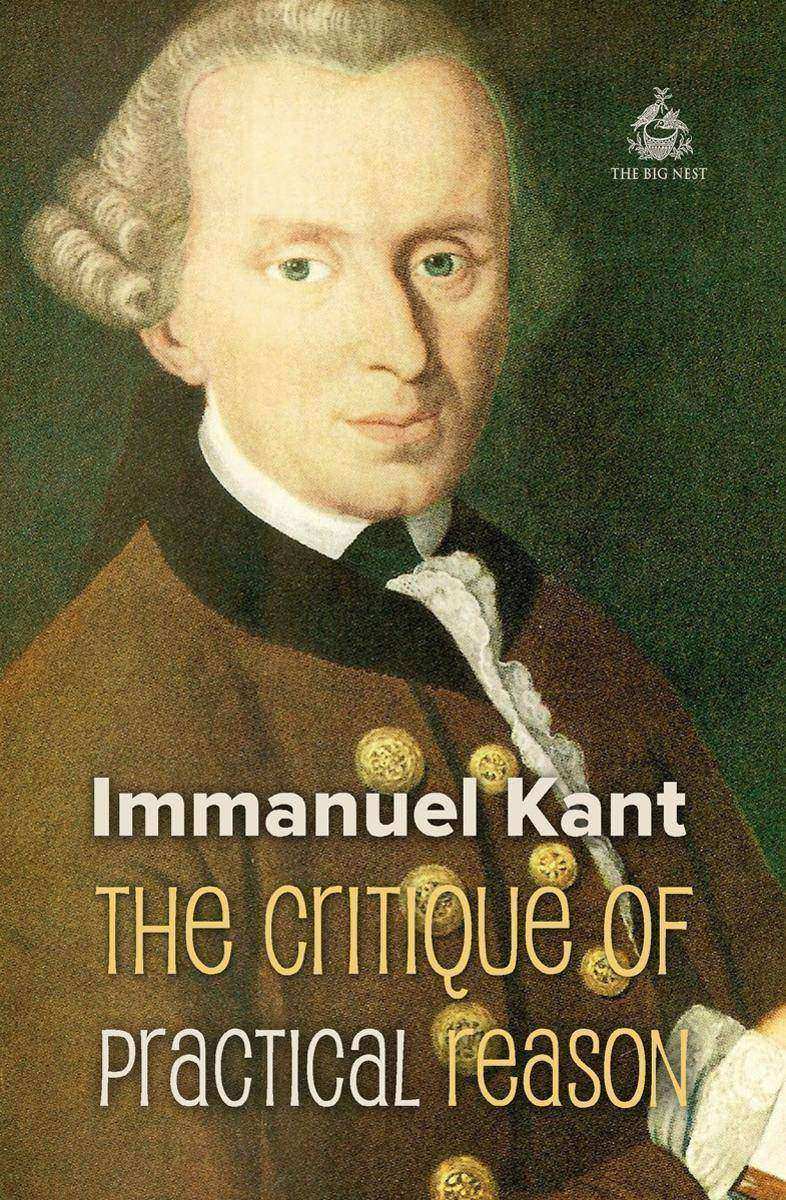
The Critique of Practical Reason
¥40.79
The Critique of Practical Reason follows on from Kant's Critique of Pure Reason and deals with his moral philosophy. The second Critique exercised a decisive influence over the subsequent development of the field of ethics and moral philosophy, beginning with Johann Gottlieb Fichte's Doctrine of Science and becoming, during the 20th century, the principal reference point for deontological moral philosophy.


千面英雄(20世纪神话学大师、拯救人类心灵的哲学家与心理学家,西方流行文化的一代宗师约瑟夫·坎贝尔奠基之作)
¥62.90
约瑟夫·坎贝尔历尽多年搜寻阅读了全球各地的神话与宗教故事,将这些故事中的共通的奥秘汇集在几百页的《千面英雄》中,将神话之源轻松显现在世人面前。 坎贝尔告诉我们,英雄的旅程主要包括以下几个主要阶段。启程:放弃当前的处境,历险的领域;启蒙:获得某种以象征性方式表达出来的领悟;考验:陷险境,与命运搏斗;归来:后再度回到正常生活的场域。这是每一位英雄的必经之路。 穿越古今,通全世界神话中的经脉,帮助现代人重拾解读神话的本能,让希腊、北欧、印度、埃及、中国神话再度与我们对话。引领我们发现内心的奥秘,触终极的真实。鼓励我们启生命的旅程,彰显生命的深层意义,为个人和社会寻找恩赐。 英雄就是能够战胜个人和当地的历史局限性的人,他们能够了解、受并迎命运的挑战。我们每个人都是人生旅程中受考验的潜在英雄,只有受生活的召唤,踏上考验的旅程,生命才能达到丰富多彩的境界。
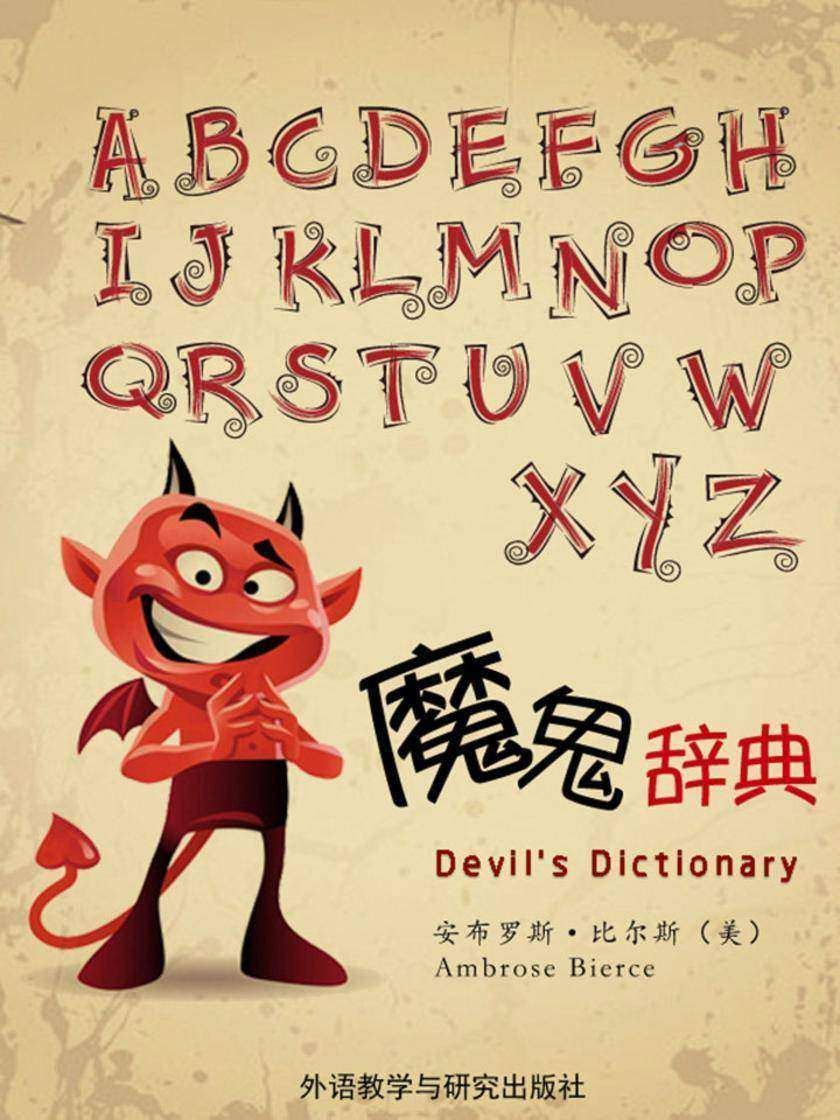
魔鬼辞典
¥4.29
美国文坛怪杰安布罗斯·比尔斯,以辞典形式为世间万物正名定义,颠覆你我看待万事万物的根源态度。呈现一条始终在读者意料之外的思维通道,对于人性、人生、社会、哲学等问题进行了无限有趣自由的革新思考,信息量巨大,引爆机械庸常的日常生活的活力和自由。 以尖锐之辞,精准刺穿人性中羞于暴露、难以正视的的弱点和阴影:以魔鬼之姿,向流行文化与消费主义的机械简单宣战,不断革新和创造;以辛辣思维,开拓词语的智慧空间,消解意义,拥抱无限趣味。颠覆一切固有概念的万物辞典,一部拒绝深刻却始终深刻的智慧精品。
沉思录(试读本)
免费
《沉思录》是古罗马皇帝奥勒留终其一生的灵性思考,是自己与自己的心灵对话,也是对自我甚至对人类灵魂的拷问。全书十二卷,剖析了灵魂与死亡的关系,阐释了人的德行和个人对社会的责任等,表达了奥勒留身居宫廷与面对乱世的独特感悟。《沉思录》是斯多葛派哲学思想的精髓,也是该派里程碑式的作品。本书为梁实秋译本的*修订版,同时加了英文,是中英对照的精装典藏本。

高维度思考法(跳出思考边框,创造全新视角,从解决问题进化到发现问题。)
¥9.99
一直在解决问题的人,永远不可能发现问题。理解“发现问题的思路”,意识到“无知、未知”,就能获得打破“常识之墙”的创意。现阶段,我们往往被“解决问题型”的价值观所支配,在已知的范围内努力解决已经存在的问题。然而,“靠知识量取胜”和“解决既有问题”已不再是我们该努力的课题,发现并定义存在于未知领域内的问题才是我们更应该做的。 书中以伊索寓言中的“蚂蚁和蝈蝈”来做比喻,分析“解决问题型”和“发现问题型”这两种思考方式的不同和特征。指出擅长解决既有问题的人并不擅长发现问题,反之亦然。但是这二者在企业中同时存在,掌握发现问题的思考方式,自觉认识到自己原本在哪些部分上占优势,思考如何活用自己的长处,克服自己的短处,才是*关键的。 同时,为了更好地在未知领域中发现问题,书中还介绍了三种提升视角或思考“维度”的方法,让大家更好地发现问题,正确定义问题,从而做到真正的问题解决。

所谓高贵,就是对自己心存敬畏:尼采的智慧箴言
¥17.90
本书选取尼采一生所有著作中代表性的两百多句话,囊括了尼采的思想精髓,展现了这位先哲的思想和心智,带给读者无限的启迪。本书一共分为七个篇章:《我·自我》《女人·人性》《生命·人生》《心·思想》《爱·幸福》《行动·沟通》《超越·超脱》,涉及尼采思想言论的方方面面,句句都是尼采思想的精髓。

中国史学名著
¥19.99
书中分别介绍了《尚书》《春秋》《春秋三传》《左传》《史记》《汉书》《后汉书》《三国志》《高僧传》《水经注》等重要史学书目。分别从各书版本区别、源流考证与阅读方法等方面进行分析讲解,是一部重要的史学入门书籍。


