


 购物车
购物车 个人中心
个人中心

国学大书院09:史记·本纪
¥10.67
《史记·本纪》主要写的是帝王,几乎每一个帝王都单独成章,连西楚霸王项羽,虽然未正式称帝,司马迁也对其行了全面的勾勒叙述,并且精彩纷呈,感人至深。这些具有代表性的人物故事或历史事件,帝王的胆识和谋略,反映了中国封建社会历史的发展演变、朝代兴衰更替的轨迹。
国学大书院17:反经
¥14.00
《反经》是一本实用性韬略奇书,由唐代赵蕤所著。它以唐以前的汉族历史为论证素材,集诸子百家学说于一体,融合儒、道、兵、法、阴阳、农等诸家思想,所讲内容涉及政治、外交、军事等各种领域,并且还能自成一家,形成一部逻辑体系严密、涵盖文韬武略的谋略全书。为历代有政绩的帝王将相所共悉,被尊奉为小《资治通鉴》,是丰富、深厚的汉族传统文化中的瑰宝。

国学大书院19:山海经
¥9.59
讲解深浅出 注释简明扼要 翻译准确生动《山海经》是从战国时期到汉代初年,经多人编写而成的一部古书,书中的记载以神话为主,范围庞大,除了保存大量的神话资料外,还涉及学术领域的各个方面,诸如宗教、哲学、历史、民族、天文、地理、动物、植物、医药等学科,内容包罗万象,堪称当时的一部生活日用百科全书。
国学大书院22:世说新语
¥14.00
原名《世说》,唐代称《世说新书》或《世说新语》,后者成为本书专名大约在北宋时期。《世说新语》是中国古代小说的萌芽,其简洁隽永的传神描写是后世众多仿效者难以企及的。此书不仅在文学上有重要意义,并且记载的大多是真人真事,历来也受史学界的重视。
国学大书院30:格言联璧
¥12.67
说理之切、择言之赅,字字精准、富有哲理《格言联璧》曾被其跋者称为“本世事为学问”。本书的这一特色,对于人们世、出世有很好的借鉴和指导作用。全书以儒家修身、齐家、治国的次第为经,以对所收格言的诠释为纬,涵盖了人生从读书修身到处世、理家、治国、平天下的各个方面。
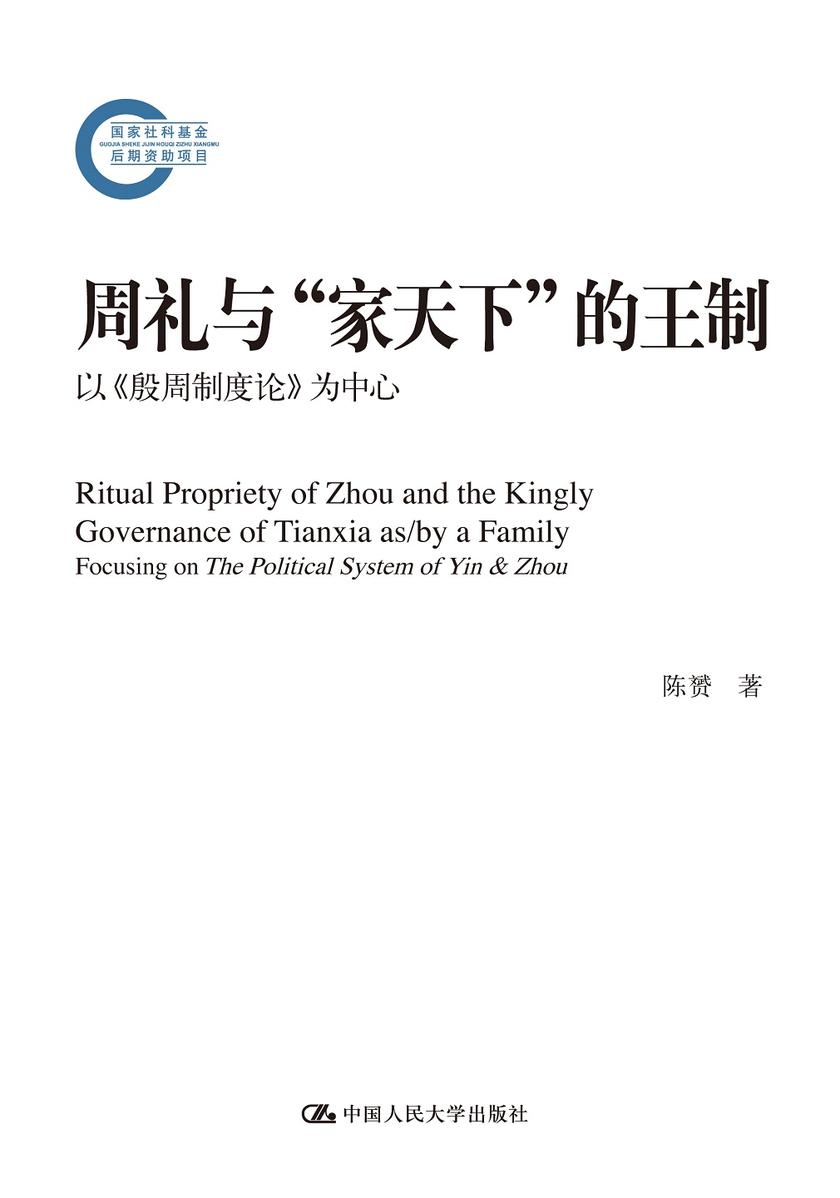
周礼与“家天下”的王制:以《殷周制度论》为中心(国家社科基金后期资助项目)
¥47.40
王国维自视其《殷周制度论》为经史二学上的大文字,但其藏经学于史学的路一再被遮蔽。本书由史而经,由王国维而上及历代诸儒,对西周王制要素的继统法、封建、?E礼,尤其是宗法等,行了翔实而具有系统的阐发,试图在规模、广度与深度上呈现西周王制的几本架构、制度基础、精神原则和理念根基。本书的特色在于:基于经史之学的路,立足于儒家思想的大视野,对西周王制做了别生面但又根植于经典的诠释,尤其是对继统法、宗法等行了集大成性的研究,对《殷周制度论》与三代王制的理解提供了新的可能路,也为中国思想的起源的研究提供了恢宏的视野。

马克思主义哲学新形态探索(再读马克思:文本研究与哲学创新系列)
¥65.80
本书是作者多年来发表文章的一个选辑,是作者积极探索马克思主义哲学新形态的一种轨迹。上编“马克思主义哲学研究范式的转变”,汲取实践唯物主义讨论的成果,重新理解马克思主义哲学变革的实质精神,贯彻马克思从现实的人出发,把现实、感性、对象都当作实践去理解的方法论原则,对一些传统的命题、概念提出了新的解释。中编“马克思主义哲学中国化”,结合中国的历史和实际,分析马克思主义哲学中国化中的一些问题,包括重建社会信任、民主政治,具有一定的针对性。下编“现代中国公民文化建设”,用马克思主义哲学分析文化发展中的问题,认为建设公民文化,自觉确立、提升、完善公民主体性,是促使人的现代化的重要任务,也是中国现代化的核心议题。
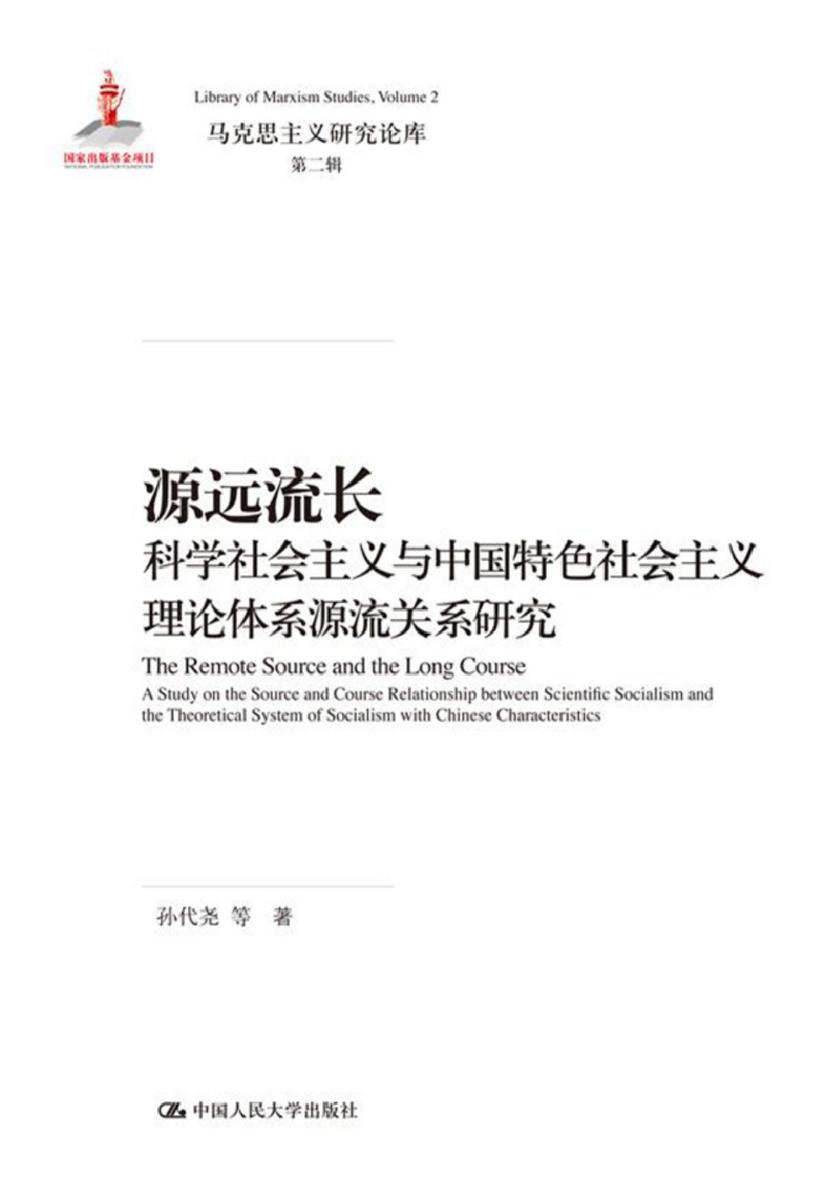
源远流长——科学社会主义与中国特色社会主义理论体系源流关系研究(马克思主义研究论库·第二辑)
¥39.00
科学社会主义与中国特色社会主义理论体系的关系问题,是中国特色社会主义理论体系研究的首要的基本理论问题。《源远流长——科学社会主义与中国特色社会主义理论体系源流关系研究》以经典文本解读为基础,从社会主义论、执政党学说和发展理论三个维度展,对科学社会主义与中国特色社会主义理论体系的源流关系做出学理研究,指出二者之间有源有流、流自源出、源远流长的关系。卷而知源流,本书对于读者深理解中国特色社会主义理论体系是根植中国大地、反映人民意愿、适应时代发展的当代科学社会主义,析疑解惑,坚定“四个自信”,都有助益。

Mindig is éjjel lesz
¥69.65
Sri Krsna számtalan univerzum vitathatatlan Ura, akit korlátlan er?, gazdagság, hírnév, tudás és lemondás jellemez, ám ezek az ?r?kké diadalmas energiák csupán részben tárják fel ?t. Végtelen dics?ségét csak az ismerheti meg, aki elb?v?l? szépségénél keres menedéket, ?sszes t?bbi fenséges tulajdonsága forrásánál, melynek páratlan transzcendentális teste ad otthont. Szépségének legf?bb jellemz?je az a mindenek f?l?tt álló édes íz, ami t?mény kivonata mindennek, ami édes. Minden édes dolgot túlszárnyal, és nem más, mint az édes íz megízlelésének képessége. Sri Krsna édes természete finom arany sugárzásként ragyog át transzcendentális testén. Govinda páratlanul gy?ny?r? testének legszebb és legédesebb része ragyogó arca. ?des hold-arcán rejtélyes mosolya a legédesebb, az az arcáról ragyogó ezüst holdsugár, ami nektárral árasztja el a világot. Mosolyának sugárzása nélkül keser? lenne a cukor, savanyú a méz, és a nektárnak sem lenne íze. Amikor mosolyának holdsugara elvegyül teste ragyogásával, a kett? együtt a kámfor aromájára emlékeztet. Ez a kámfor aztán ajkán keresztül a fuvolába kerül, ahonnan megfoghatatlan hangvibrációként t?r el?, és er?nek erejével rabul ejti azoknak az elméjét, akik hallják. Ahogy a szavak gondolatok mondanivalóját hordozzák, ahogy a gondolatok a szemben tükr?z?dnek, ahogy egy mosoly a szív érzelmeir?l árulkodik, úgy a fuvola hangja Sri Krsna szépségét viszi a fül?n keresztül a szív templomának oltárára.
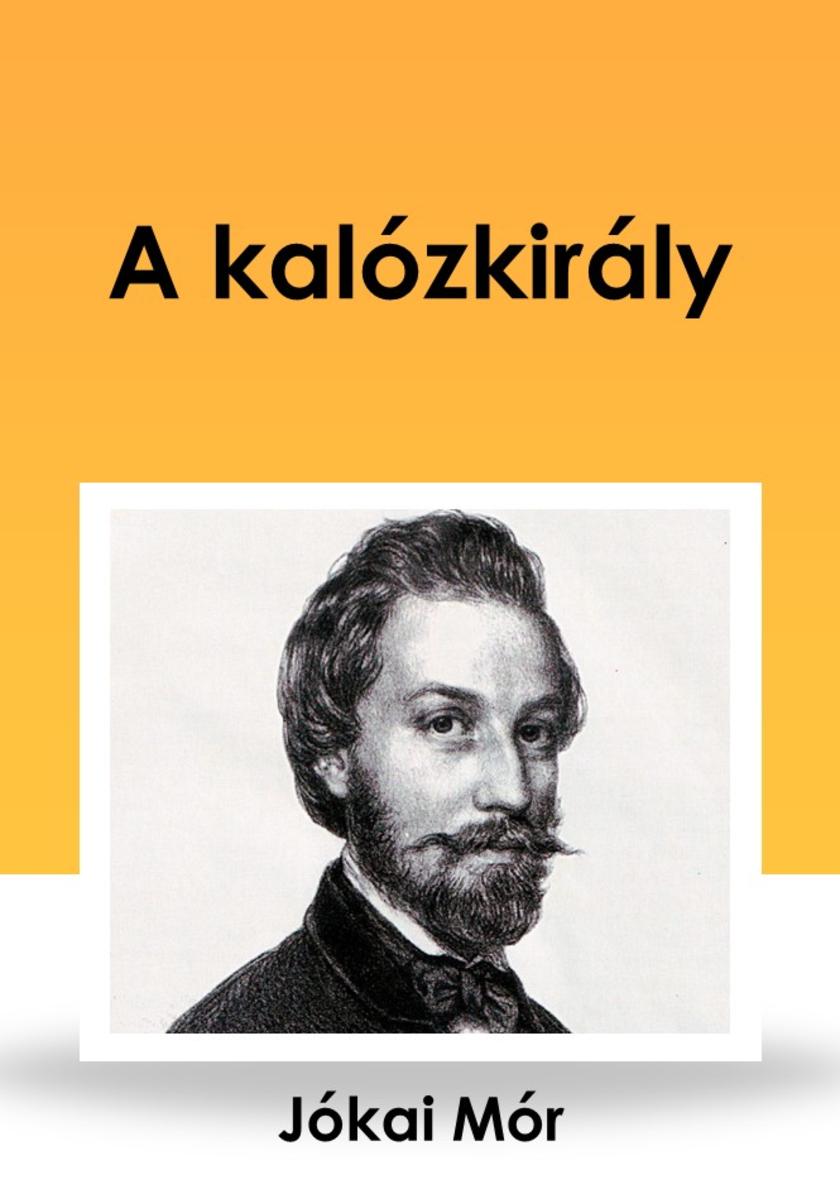
A kalózkirály
¥8.67
Euthyphro (Ancient Greek: Euthuphron) is one of Plato's early dialogues, dated to after 399 BC. Taking place during the weeks leading up to Socrates' trial, the dialogue features Socrates and Euthyphro, a religious expert also mentioned at Cratylus 396a and 396d, attempting to define piety or holiness. Background The dialogue is set near the king-archon's court, where the two men encounter each other. They are both there for preliminary hearings before possible trials (2a).Euthyphro has come to lay manslaughter charges against his father, as his father had allowed one of his workers to die exposed to the elements without proper care and attention (3e–4d). This worker had killed a slave belonging to the family estate on the island of Naxos; while Euthyphro's father waited to hear from the expounders of religious law (exegetes cf. Laws 759d) about how to proceed, the worker died bound and gagged in a ditch. Socrates expresses his astonishment at the confidence of a man able to take his own father to court on such a serious charge, even when Athenian Law allows only relatives of the deceased to sue for murder. Euthyphro misses the astonishment, and merely confirms his overconfidence in his own judgment of religious/ethical matters. In an example of "Socratic irony," Socrates states that Euthyphro obviously has a clear understanding of what is pious and impious. Since Socrates himself is facing a charge of impiety, he expresses the hope to learn from Euthyphro, all the better to defend himself in his own trial. Euthyphro claims that what lies behind the charge brought against Socrates by Meletus and the other accusers is Socrates' claim that he is subjected to a daimon or divine sign which warns him of various courses of action (3b). Even more suspicious from the viewpoint of many Athenians, Socrates expresses skeptical views on the main stories about the Greek gods, which the two men briefly discuss before plunging into the main argument. Socrates expresses reservations about such accounts which show up the gods' cruelty and inconsistency. He mentions the castration of the early sky god, Uranus, by his son Cronus, saying he finds such stories very difficult to accept (6a–6c). Euthyphro, after claiming to be able to tell even more amazing such stories, spends little time or effort defending the conventional view of the gods. Instead, he is led straight to the real task at hand, as Socrates forces him to confront his ignorance, ever pressing him for a definition of 'piety'. Yet, with every definition Euthyphro proposes, Socrates very quickly finds a fatal flaw (6d ff.). At the end of the dialogue, Euthyphro is forced to admit that each definition has been a failure, but rather than correct it, he makes the excuse that it is time for him to go, and Socrates ends the dialogue with a classic example of Socratic irony: since Euthyphro has been unable to come up with a definition that will stand on its own two feet, Euthyphro has failed to teach Socrates anything at all about piety, and so he has received no aid for his own defense at his own trial (15c ff.).
Avu?ia na?iunilor
¥24.44
Scriitorul francez Xavier de Maistre (1763-1852) este fratele mai mic ?i mai pu?in celebru al g?nditorului Joseph de Maistre. Ironist fin ?i amator de filosofie, el ??i invit? cititorul ?ntr-o c?l?torie prin propria camer?, prilejuit? de cele ?ase s?pt?m?ni de arest cu care a fost pedepsit pentru participarea la un duel. Umorul ?i ingeniozitatea fac din acest text aparent banal o critic? spumoas? ?i fascinant? a viciilor umane ?i sociale bogat ?i expresiv ilustrate de contemporanii autorului ?i ai cititorului deopotriv?. Leprosul din Cetatea Aosta, un text prea pu?in semnificativ ca dimensiuni, constituie ?i el una dintre cele mai mi?c?toare incursiuni ?n arcanele condi?iei umane.
C?l?torie ?n jurul camerei mele
¥24.44
Thomas Hobbes (1588-1679) este unul dintre p?rin?ii liberalismului ?n g?ndirea politic?. Textele de fa?? reprezint? cel mai important segment din Leviathan - cea mai important? lucrare a lui Hobbes, scris? ?n 1651, care poate fi considerat pe bun? dreptate punctul de pornire al trecerii de la sabie la cuv?nt ca principal? arm? ?n politic?. Cititorul poate descoperi ?n aceste pagini un filosof care s-a aplecat asupra temei societ??ii cum pu?ini au f?cut-o ?nainte de secolul XX, ?ntruc?t acesta este ?miezul fierbinte“ al g?ndirii hobbesiene, pe care arhicunoscutele sintagme ?starea de natur?“ ?i bellum omnium contra omnes nu au reu?it niciodat? s?-l scoat? la iveal?.

Puterea miraculoas? a apei. Nu e?ti bolnav, doar ?nsetat! Nu trata setea cu medi
¥40.79
Cartea publicat? ?n 1983 este ?mp?r?it? ?n cinci p?r?i (ce cuprind treisprezece capitole). Fiecare capitol este constituit dintr-un dialog sau dialoguri, povestiri sau ra?ionamente ce abordeaz?, ?n general, paradoxuri, probleme de filosofie, logic? ?i matematic?. Printre temele redate ?n aceast? lucrare se num?r? problema p?catului ?i a virtu?ii (capitolul 4, intitulat ,,O ?ntrebare“), percep?ia ?i reprezentarea realit??ii (capitolul 7 ,,O fantezie minte-corp“), ontologia (capitolul 10 ,,Ce este existen?a?“), solipsismul (capitolul 12 ,,Solipsismul luminat“), problema adev?rului (capitolul 1 ,,De ce spui adev?rul?“ ?i capitolul 2 ,,O problem?“), problema vie?ii ?i a mor?ii (capitolul 9 ,,Zen de via?? ?i de moarte“). Lucrarea se remarc? printr-o formul? dens? ?i, ?n egal? m?sur?, elegant?, care ?i permite autorului s? prezinte chestiuni de altfel complexe ?n c?teva pagini revelatoare, prin povestiri sau dialoguri, f?r? a-?i plictisi cititorii. Ca ?ntr-un num?r de magie, art? de care autorul nu este str?in, publicul este atras ?i captivat de aparenta simplitate ?i ingeniozitate a ra?ionamentelor expuse. Probabil, ceea ce face cartea mai u?or de citit este atitudinea autorului, tonul s?u glume?, ludic ?n cea mai mare parte din cele 200 de pagini. Putem ilustra aceast? idee prin c?teva exemple. ?n cadrul capitolului 3, denumit ,,C?teva fragmente“, Raymond Smullyan poveste?te c? le-ar fi declarat studen?ilor ?n timpul unui examen c? dac? ei ?i-ar da cuv?ntul de onoare c? nu vor copia, atunci el ?i-ar da cuv?ntul c? nu va raporta mai departe dac? ei ar ?ncerca s? copieze. Cineva l-ar fi ?ntrebat la un moment dat dac? crede ?n astrologie. El a r?spuns c? nu crede ?n astrologie deoarece este ?n zodia Gemeni. Lista de propozi?ii care se contrazic singure, a lui Saul Gorn, un specialist ?n informatic?, pe care Smullyan le citeaz?, reprezint? ?i ele o mostr? de umor. Printre acestea se reg?sesc afirma?ii precum: ,,?nainte de a ?ncepe s? vorbesc, a? vrea s? v? spun ceva.“, ,,Jum?tate dintre minciunile pe care ei le spun despre mine sunt adev?rate.“ sau ,,Te ai dep??it pe tine ?nsu?i, ca de obicei.“

A leskel?d?
¥66.79
Within our Society (the International Society for Krishna Consciousness), guru has been taken to be synonymous with diksa-guru, but what about those great souls who have introduced us to Krsna consciousness? What relationship do we have with these Vaisnavas, and what are our obligations toward them, as well as toward parents, teachers, sannyasis, and other superiors who help guide us back to Godhead? Not much has been said by the Society on these topics, and hardly any appreciation is shown for those souls who labor to elevate us day by day.The scriptures, however, glorify as guru all Vaisnavas who guide a conditioned soul back to Godhead — be they instructors or initiators — advocating a culture of honor and respect. ISKCON needs to reflect upon these principles further, and the purpose of this book is to act as a catalyst toward such an end.

查拉图斯特拉如是说
¥98.00
当善与恶的界限日益模糊, 当一切坚固的东西都烟消云散, 当生命之轻已变得不能承受, 我们该从哪里求得生存的意义? 是重造崇拜偶像?还是干脆沦于虚无,一路娱乐至死? 在人类刚刚步现代世界时,德国哲人尼采就严肃地思考上述问题--而一切答案,都汇聚到《查拉图斯特拉如是说》这部哲学小说中。通过主人公查拉图斯特拉的漫游与教诲,尼采发出了先知般的宣言:在"上帝已死"的时代,人应该直面虚无,从自身创造生命的意义,*终化为能撑起生命重担的超人!

叶秀山全集·第二卷
¥65.00
【内容简介】 本选题分类结集叶秀山先生全部已经出版的专著,在学术期刊上发表的所有论文,以及部分笔记、札记、书信和讲演录,共11卷。本选题代表了当代中国哲学的高度,是哲学专业学 习者和研究者的重要学习和参考用书。第二卷包括《书法美学引论》《古中国的歌》《思·史·诗》三本专著。

叶秀山全集·第七卷
¥56.00
【内容简介】 本选题分类结集叶秀山先生全部已经出版的专著,在学术期刊上发表的所有论文,以及部分笔记、札记、书信和讲演录,共11卷。本选题代表了当代中国哲学的高度,是哲学专业学习者和研究者的重要学习和参考用书。第七卷包括《永恒的活火》《学与思的轮回》这两本作者著作。

叶秀山全集·第八卷
¥58.00
【内容简介】 本选题分类结集叶秀山先生全部已经出版的专著,在学术期刊上发表的所有论文,以及部分笔记、札记、书信和讲演录,共11卷。本选题代表了当代中国哲学的高度,是哲学专业学习者和研究者的重要学习和参考用书。第八卷包括《科学·宗教·哲学》这本作者专著。

叶秀山全集·第十二卷
¥52.00
【内容简介】 本丛书分类结集叶秀山先生全部已经出版的专著,在学术期刊上发表的所有论文,以及部分笔记、札记、书信和讲演录,共12卷,代表了当代中国哲学的高度,是哲学专业学习者和研究者的重要学习和参考用书。第十二卷是对作者散文随笔的补遗。
Horda
¥72.27
Un mare vinovat f?r? vin?, sihastrul de la Sils-Maria a dinamitat g?ndirea secolului al XIX-lea, figur?nd – al?turi de Dostoievski – printre uria?ii profe?i ai omenirii, care au proorocit nenorocirile ce-au urmat, crimele ?n numele unei idei, rasismul, precum ?i devastatorul totalitarism ro?u. Dincolo de bine ?i de r?u e una dintre capodoperele g?nditorului de la na?terea c?ruia se va s?rb?tori ?n toamna anului 2014 (15 octombrie) 170 de ani.
Скоропадський. Спогади 1917-1918
¥22.74
Potere, cortigianeria, dispotismo, libertà, uguaglianza... attuali o inattuali la satira d'Holbach e La Boétie? Cambiano i tempi e i nomi, ma la natura umana nel suo fondo negli ultimi secoli non è mutata. Com'è virtù di tutti i classici, le loro voci continuano a farci sorridere, indignare e riflettere non solo sul passato ma ugualmente sul presente e sul futuro, su quanto in esso ci possa essere di desiderabile o indesiderabile. In Appendice, i testi si possono leggere anche nella loro originaria edizione in francese. SOMMARIO?- Fabrizio Pinna, Una introduzione (in due tempi) e qualche digressione: I. Barone d'Holbach, "Quest'arte sublime dello strisciare"...; II. ?tienne de La Boétie, "Siate determinati di non voler più servire ed eccovi liberi"... . LIBERT? & POTERE: Paul Henri Thiry d'Holbach, Saggio sull'arte di strisciare ad uso dei cortigiani; Paul Henri Thiry d'Holbach, I Cortigiani; Jean le Rond d'Alembert, Cortigiano; ?tienne de La Boétie, La servitù volontaria. APPENDICE I: Libertà Uguaglianza (1799)- Il Cittadino Editore. APPENDICE II: Essai sur l’art de ramper, à l’usage des courtisans (1764) - Paul Henri Thiry d'Holbach; Des Courtisans (1773) - Paul Henri Thiry d'Holbach; Courtisan (1752) / Courtisane (1754) - Jean le Rond d'Alembert; Discours de la servitude volontaire o Contr'un (1549) - ?tienne de La Boétie.?LE COLLANE IN/DEFINIZIONI & CON(TRO)TESTI


