


 购物车
购物车 个人中心
个人中心

Ancheta
¥33.03
Ce este adev?rul? De unde ?tiu cine sunt? De ce ar trebui s? fim buni? Exist? multe c?r?i despre filosofie. Cu toate acestea, Cine sunt eu? difer? fa?? de celelalte lucr?ri de introducere ?n filosofie. Nimeni nu a reu?it p?n? acum s? pun? cititorul fa??-n fa?? cu marile ?ntreb?ri ale omenirii ?ntr-o manier? at?t de documentat?, de competent? ?i, ?n acela?i timp, cu umor ?i cu elegan??. Prezenta lucrare reprezint? o c?l?torie unic? prin noianul de cuno?tin?e pe care le avem despre om. Precht ne prezint? tot ceea ce este mai nou ?n neuro?tiin??, ?n psihologie ?i ?n filosofie. Fie c? pleac? ?n cercetarea sensului vie?ii pornind de la analiza unui episod din Star Trek sau de la melodia Lucy in the Sky with Diamonds a celor de la Beatles, cartea ne pune ?n fa?a unui traseu captivant, ?n care vom descoperi cele mai surprinz?toare lucruri despre noi ?n?ine.
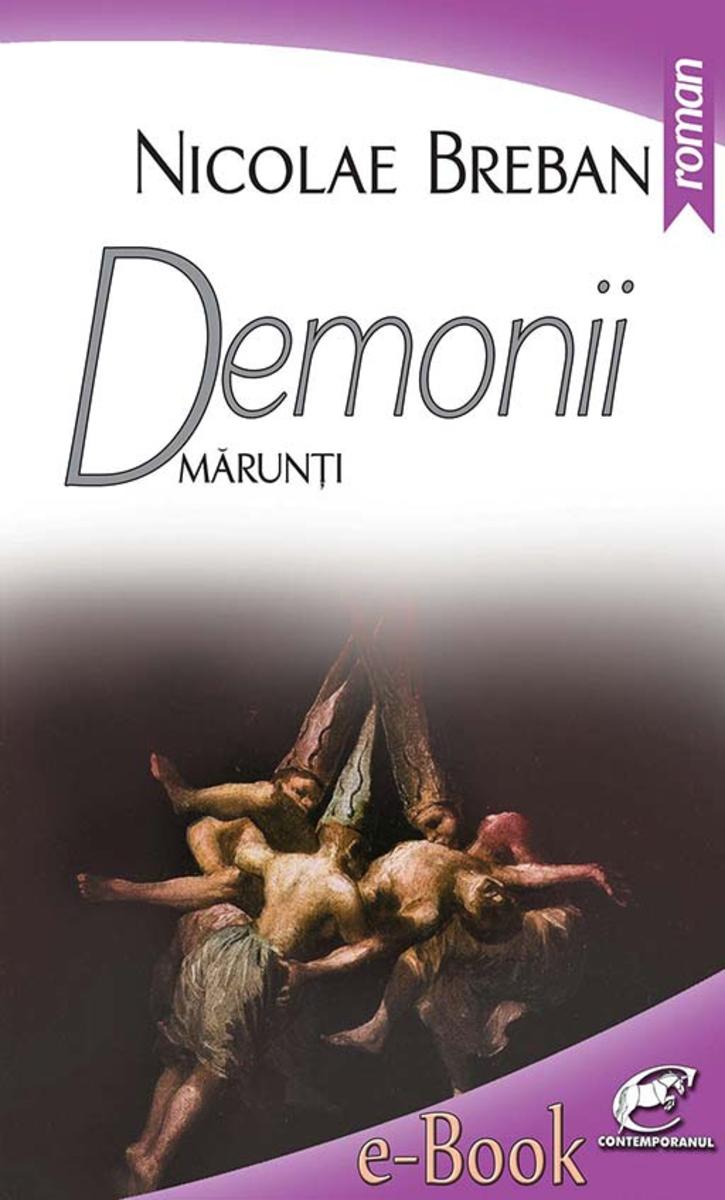
Demonii m?run?i
¥65.32
Avem o carte preponderent de sondare a mentalit??ii ruse, care este rezultatul unei radiografieri a societ??ii pe mai multe pali?ere, dintre care se deta?eaz? cel istoric ?i cel religios. (…) Rusia bolnav? este scris? ?n primii ani dup? evenimentele revolu?ionare din 1905?l907, ?n cursul c?rora autorul a avut o participare activ?, mai ales ?n ce prive?te punerea acestei revolu?ii sub semnul lui Hris?tos. Este o carte important? tocmai pentru c? oglinde?te deziluziile unei naturi pasiona?le, care, ?n centrul istoriei ?i al religiei, pune mereu fapta. Fire?te acum, dup? Arhipelagul lui Soljeni??n, pamfletele lui Merejkovski par simple exerci?ii de stil, ?nelibertatea” deza?vuat? ?n ele, Rusia ?arist? ca ??nchisoare a popoarelor” ap?r?nd chiar foarte apropiat? de ceea ce s?ar putea numi ?stat de drept”. ?n privin?a ?demasc?rii” ororilor contemporane?it??ii, putem spune c? – a?a cum au dovedit?o deceniile bol?evice – ?ntotdeauna este loc de mai r?u. (Emil Iordache)
![Paradoksal Ritüeller: [Aforizmatik Deneme]](https://platform-permanent.ddimg.cn/pt-media-info-soa-resource/digital/product/52/41/1901165241_ii_cover.jpg?version=5f278778-44c3-4b14-8966-56dc668dfc2a)
Paradoksal Ritüeller: [Aforizmatik Deneme]
¥18.80
Geli?mi?li?in ??karsamalar?nda ilk akla gelen ?l?üt, meden? olarak ilerleme kaydetti?ini iddi? eden, d??avurumcu insanlar toplulu?unun bencil yap?la?mas?ndan ge?mektedir. Ara?t?rmalar sonucunda elde edilebilen, g?rsel, i?itsel, yaz?l?, ar?iv v.b tüm veriler do?rultusunda ayd?nlat?lm?? ger?ekler düny?si mevcuttur. Asalak olarak hayata tutunmaya ?al??an, ?z bireyci katmanlar?n en alt?na indirgenmi? insan say?lan varl?klar?n, niteliksel ?zelliklerle ?a?a tutunmas? imk?nsizdir. "En ?ok ben kazanay?m." s?yleminden yola ??karak, rahatl?k ve konforun adresinde bulu?an simbiyoz ya?ant?lar?n; ?a?d??? kalm??, kendi dü?üncesi h?ricindekileri yok sayan, ?ok katmanl? yüzeysel düny?s?nda gezinmenin verdi?i ferahl?k, bir?ok insan? cezbederek, ?ekilsiz ya?ant? portrelerini bilfiil olu?turmu?tur. Dü?ünceleri ve mevc?diyeti ?imento ile kaplanan nesillerin, zenginlik saltanat?na ayak ba?? olmas?ndan korkan erkin, katmerli yapt?r?mlar? bulunmaktad?r. D??s?z kalm?? medeniyetin, ??karsamalarla dolu ??karc? düny?s?nda, kendine en ufak bir yer edinimini ba?ar? sayan birey, ya?ant? düny?sinin ger?ek yüzeyine ula?t??? i?in mutlu olmal? m?d?r? G?rülen ve g?sterilen, verilen, yapt?r?lan tüm edimlerin ve edinimlerin, do?rultusunda, bireyin ??karc? sistem adamlar? ile yapt??? yolculu?a dikkat etmesi gerekir. Ritüel h?line gelmi?, paradoksal d?ngüde her d?im ba?lad??? yerden farkl? bir sona ula?mas? gereken yolculu?u yapan bireyin de, beklentisi bu olan macer?s?nda, üzüntü ve yenilgi verici sonucun, ayn? ?ekilde ikinci, ü?üncü defa ger?ekle?mesi ve ?o?u insan?n, bunun fark?ndal???nda olmay???n?n verdi?i bocalamayla ge?en ?mrünün c?resizli?inde ??rp?nmas? ve bo?ulmas? an meselesidir. Yapt?r?mlar yapt?r?mlar?, bilgisizlik ve c?hillik yeni olu?umlar? tetikleyecektir. ?nemli olan her insan?n asl?nda bir paradoks denkleminde, paradoks yolunda oldu?unu bilmesi ve ba?lad??? noktaya geldi?inde, nas?l bir düzenin i?erisinde ritüel yapt???n?n fark?nda olmas? gerekmektedir. Naz?re davran??lar?, sistem i?erisinde en az?ndan denemek, ayn? dü?üncede bulunan insanlar? bir araya getirmek ?artt?r. Ulusal bilincin her d?im uyan?k tutulmas?, paradokslarla sava??n en mükemmel ?rneklerinden birini olu?turacakt?r. ?nsan?n kat etti?i yol da, bu s?yede dünden kopu?un de?il, yar?n?n güvence alt?na al?nmas?n? tetikleyecektir. Yar?n? güvence alt?na al?nan bireyler de; kof, mesnetsiz, yalan ve riy?karl??a dayal? sistemleri ??kertme ve kendi hastal?kl? sistemlerini dayatmaya ?al??an ?o?unlu?un, katmerli ezici üstünlü?ü alt?nda direni? g?stermenin, mutlak gayreti i?erisinde olacakt?r. ?nsan?n yahut insanl???n bu eylemi ger?ekle?tirmeye ?al??mas?n?, en az?ndan denemesini diliyorum. N??M ONUR TEZMEN, 2013 MUSTAFA VE AY?E Mustafa’ya g?re; canl?lar?n, kompleks ya?am süreci i?erisinde, kabullenebilir davran?? grafi?ini topluma uydurmak ve o uyumu devam ettirme g?revi, bireysel sorumluluk gerektirmekteydi. Toplum i?erisindeki statüsünü belirleyen birtak?m rolleri üstlenen bireyin, davran?? biliminde girece?i rollerin karma?as?na kap?lmadan, gerekli ve ?l?ülü davran??, sosyal bilim do?rulu?u vey? bu do?rulu?a en yak?n olmay? gerektiren tüm birle?imler; bireyin ?zünü, karakterini ve bili?sel zek?sini olu?turmaktayd?. En az?ndan Mustafa'n?n dü?ünceleri ?????nda, akl?n? yordu?u; bilgi, kültür, gelenek ve g?renek birikimi ile a??klamas? buydu. Varolu?unun aksine, ayn? y?nde kürek ?ekmesine ba?l? olan ya?amsal uzamda, kendi do?ruluk pay?n? olu?turmas? ve bu pay?, ?evresindeki insanlara sunmas?, ona zevkli bir hus? veriyordu. Mustafa’ya g?re bilgelik, kazan?lan tecrübelerle birlikte, birikimlerin, paralel vey? ayn? düzlem i?erisinde hareket ettirebilmenin yoluydu. Bundan ??karacak ders de, birine bir do?ruyu empoze etmeden, ikn? k?biliyetini, ki?inin benzer birle?imlerinde ivme kazanan ara?lar gibi haz?rlamak ve var??a ondan ?nce vararak, kendi do?rusunun en yak?n bile?enine, kar??s?ndaki insan? ?ekebilmekti.
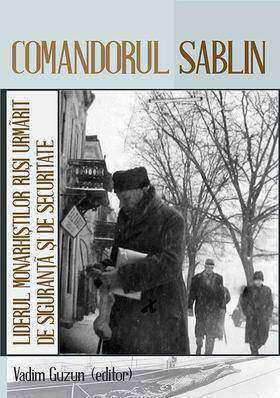
Comandorul Sablin. Liderul monarhi?tilor ru?i urm?rit de Siguran?? ?i de Securit
¥61.83
Volumul de fa?? cuprinde trei eseuri ale autorului francez despre ,,r?sul provocat ?n mod special de c?tre comic“. Acestea au la baz? ideile urm?toare: comicul este uman, r?sul are nevoie de o deta?are emo?ional? fa?? de obiectul/subiectul vizat, r?sul are o func?ie social?. Autorul exploreaz? diferite ipostaze ale comicului ?n art? sau ?n via?a de zi cu zi ?n func?ie de cauza care a produs efectul respectiv. Un om care se ?mpiedic? ?i cade poate st?rni r?sul trec?torilor. ?n aceast? situa?ie comicul survine ca urmare a rigidit??ii mecanice a personajului care a c?zut pentru nu a putut evita un obstacol. ?i o diformitate poate st?rni r?sul, ?nsa una care poate fi imitat? de o persoan? care nu are acea diformitate. Exist? ?i un comic al mi?c?rilor, de exemplu, gesturile unui orator. ?n cel de-al doilea capitol, autorul analizeaz? alt? dou? categorii: comicul de situa?ie ?i pe cel de limbaj. ?n fine, al treilea capitol este consacrat comicului de caracter. Anexa de la sf?r?itul lucr?rii curprinde o scurt? discu?ie despre defini?iile comicului, dar ?i despre metoda utilizat? de autor ?n cele trei capitole. Comicul ?ine de aceast? dimensiune a persoanei prin care se seam?n? cu un lucru, acest aspect al evenimentelor umane care imit? prin rigiditatea sa de un fel cu totul spe-cial, mecanismul pur ?i simplu, automatismul, de fapt mi?carea f?r? via??. El exprim?, a?adar, o imperfec?iune individual? sau colectiv? care necesit? o corec?ie imediat?. R?sul este ?ns??i aceast? corec?ie. R?sul este un anumit tip de gest social care subliniaz? ?i reprim? o distragere special? a oamenilor ?i evenimentelor.

R?sul
¥16.27
Publicat? ini?ial, ?n trei articole, ?n 1861, o lucrare fundamental?, cu o influen?? de necontestat ?n domeniul ?tiin?elor sociale, Utilitarismul lui J.S.Mill cuprinde o serie de discu?ii despre principiile care stau la baza doctrinei filosofice a utilitarismului. Structura lucr?rii, cu cinci capitole clare ?i concise (Considera?ii generale, Ce este utilitarismul, Despre sanc?iunea fundamental? a principiului utilit??ii, De ce fel de demonstra?ie este susceptibil principiul utilit??ii, Despre leg?tura dintre dreptate ?i utilitate), este elegant? ?i faciliteaz? ?n?elegerea ideilor aprofundate de g?nditorul englez. ?ntr-un sens, Utilitarismul reprezint? o rafinare a ideilor lui Jeremy Bentham despre ceea ce ar trebui s? constituie m?sura binelui ?i a r?ului: exigen?a de a ob?ine cea mai mare fericire pentru un num?r c?t mai mare de oameni. ?ntr-un alt sens, mai larg ?i mai important, cartea de fa?? formuleaz? ?i analizeaz? ?n profunzime toate implica?iile, pentru moral?, ale principiului utilit??ii. John Stuart Mill aduce etica ?n vecin?tatea economiei (maximizarea fericirii, ierarhizarea pl?cerilor ?n func?ie de profit, decizia bazat? pe calcularea utilit??ii alternativelor etc.) ?i ?ncearc? s? rezolve toate dificult??ile rezultate din acest mod de a trata problema drept??ii. Mill ofer? r?spunsuri la c?teva ?ntreb?ri esen?iale precum: ,,?n ce const? fericirea?“, ,,Ce urm?rim, de fapt, atunci c?nd alegem o anumit? conduit??“, ,,Ce pl?ceri sunt preferabile?“, ,,Cum trebuie s? arate legile (?i sanc?iunile inerente) dac? morala se ?ntemeieaz? pe utilitate?“, ,,De ce este preferabil principiul utilit??ii, at?t din perspectiva binelui personal, c?t ?i din aceea a binelui public?“

Drumul la zid
¥131.49
Volumul cuprinde dou? traduceri clasicizate, semnate de Victor Scorade?, Dincolo de bine ?i de r?u, ?i de Janina Iano?i ?i Horia Stanca, Genealogia moralei. Un mare vinovat f?r? vin?, sihastrul de la Sils-Maria a dinamitat g?ndirea secolului al XIX-lea, figur?nd – al?turi de Dostoievski – printre uria?ii profe?i ai omenirii, care au proorocit nenorocirile ce-au urmat, crimele ?n numele unei idei, rasismul, precum ?i devastatorul totalitarism ro?u. Dincolo de bine ?i de r?u e una dintre capodoperele g?nditorului german.

Zorii din Alexanderplatz
¥40.79
innd seama de multiplele referiri la istorie, ct i de importana i relevana perspectivei temporal-istorice pentru orice alt tem, ajungem firesc la cardinalitatea istoriei n discursul lui Emil Cioran. n noianul tuturor temelor sale obsesive, istoria este o mega-tem, aflat n puternice raporturi cu celelalte. Aderena i entuziasmul pentru studiul problemelor de filosofia istoriei le gsim mrturisite nc de la nceputul traseului, n cteva scrisori ctre Bucur incu din anii ‘30. n acele scrisori vorbete de pasiune, de gndire spontan i personal, de adaptare natural asupra domeniului, i se arat ncredinat c, alturi de problemele de filosofia culturii i antropologiei filosofice, problemele de filosofia istoriei nu pot concepe c lea prsi vreodat. Dintre multiplele justificri ulterioare – opuse ca atitudine fa de cele din perioada iniial, dar care marcheaz aceeai aderen –, s punem dou n corelaie, scrise n ani apropiai, n care preocuparea pentru istorie este descris prin stri de dependen: slbiciune, sete, patim.“ – Ioan Costea
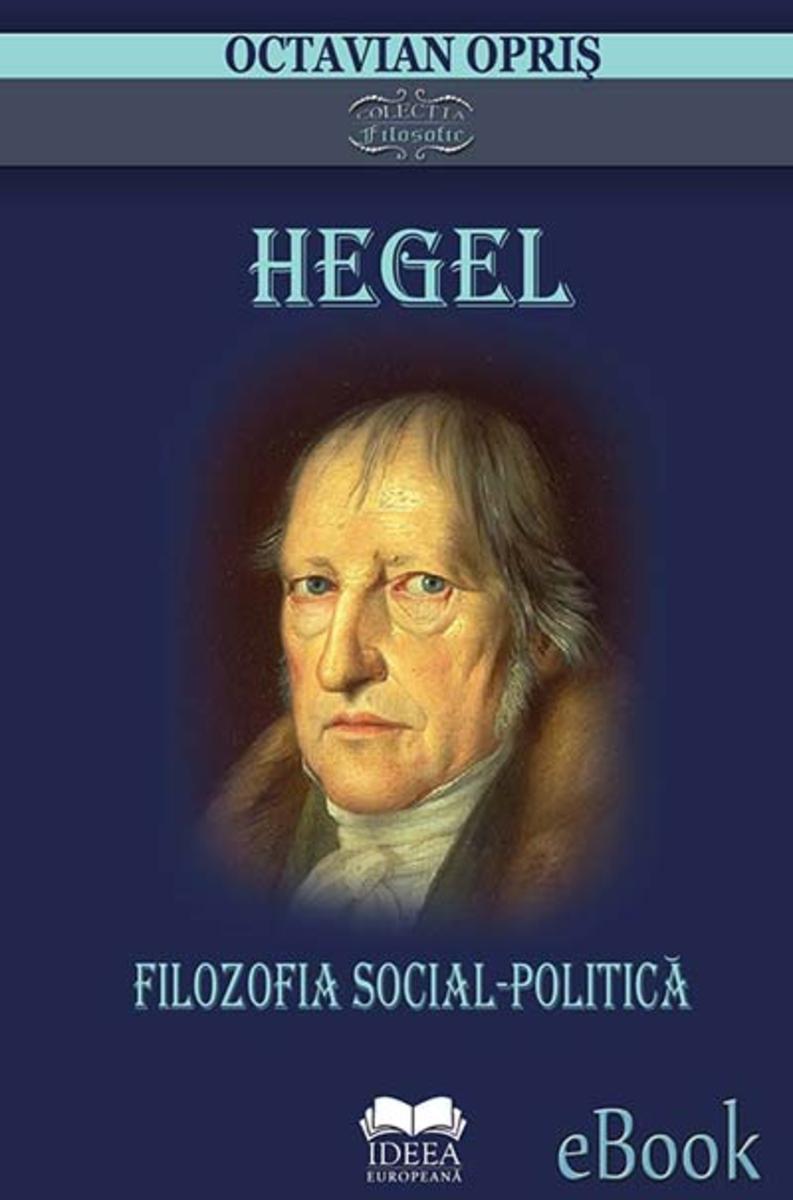
Hegel. Filozofia social-politic?
¥51.50
Hegel este cel mai sistematic filozof, a c?rui oper? este coerent articulat? ?i sus?inut? de o dens? ?es?tur? conceptual? ?i o teleologie cu un pronun?at caracter axiologic. Hegel a vrut ?i ?n parte a reu?it s? construiasc? o concep?ie articulat? ?i cuprinz?toare despre om, societate, natur? ?i divinitate. Fiecare component? a sistemului s?u filozofic, structurile logice, societatea, arta, politica sau istoria nu pot fi ?n?elese f?r? ?ntregul care le cuprinde, le determin? d?ndu-le transparen?? ?i sens. G?ndirea politic? hegelian? nu e o simpl? medita?ie asupra statului ?i a institu?iilor sale determinat? de conjunctur? sau de vreo implica?ie practic? a filozofului ?n politica din timpul s?u. Medita?ia hegelian? asupra politicului este consecin?a necesar? a g?ndirii speculative cuprins? ?n masiva sa oper? filozofic?. Politicul este o component? important? a structurii ontologice a lumii, un moment esen?ial al realiz?rii ?i func?ion?rii Libert??ii. Ra?iunea ?n act, cristalizat? ?ntr-o diversitate de conduite, structuri ?i institu?ii configureaz? universul practic, concretiz?nd spiritul teoretic ?i organiz?nd a nou? regiune ontic?.
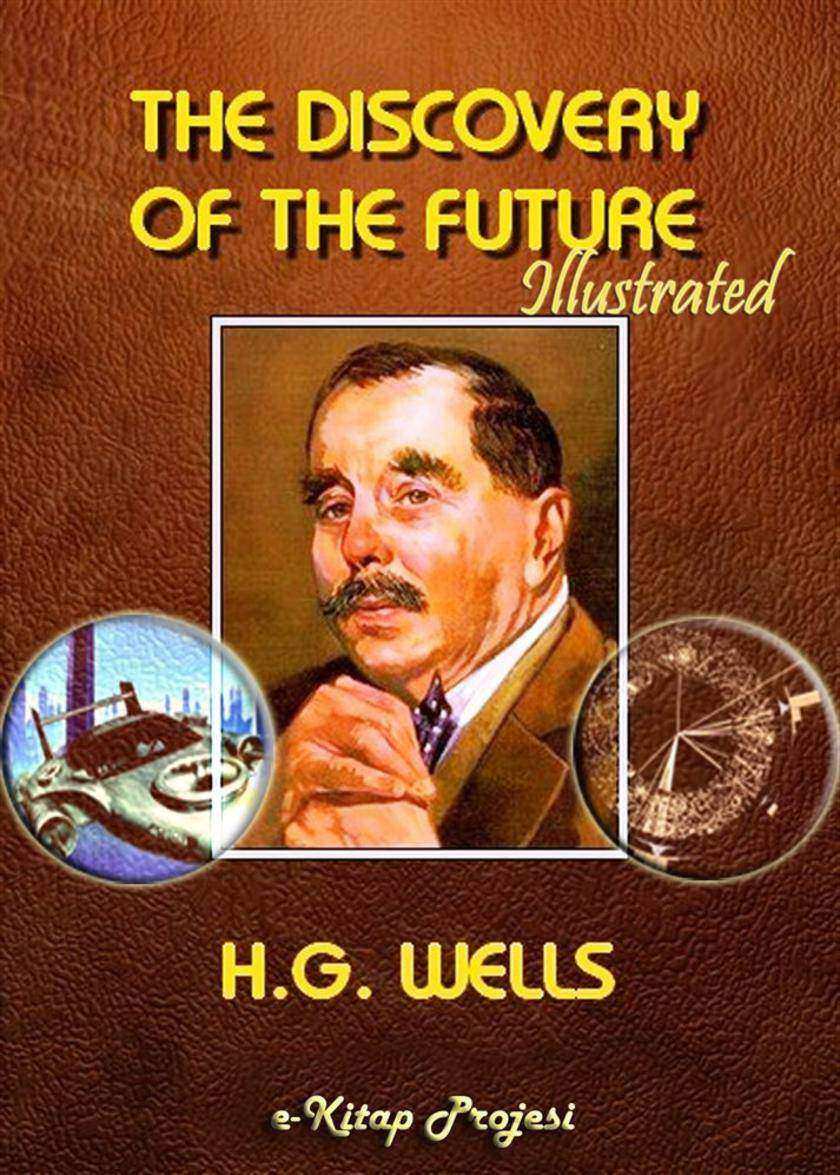
Discovery of the Future: Illustrated
¥13.98
Such is the system which underlies the Meditations of Marcus Aurelius. Some knowledge of it is necessary to the right understanding of the book, but for us the chief interest lies elsewhere. We do not come to Marcus Aurelius for a treatise on Stoicism. He is no head of a school to lay down a body of doctrine for students; he does not even contemplate that others should read what he writes. His philosophy is not an eager intellectual inquiry, but more what we should call religious feeling. The uncompromising stiffness of Zeno or Chrysippus is softened and transformed by passing through a nature reverent and tolerant, gentle and free from guile; the grim resignation which made life possible to the Stoic sage becomes in him almost a mood of aspiration. His book records the innermost thoughts of his heart, set down to ease it, with such moral maxims and reflections as may help him to bear the burden of duty and the countless annoyances of a busy life. It is instructive to compare the Meditations with another famous book, the Imitation of Christ. There is the same ideal of self-control in both. It should be a man's task, says the Imitation, 'to overcome himself, and every day to be stronger than himself.' 'In withstanding of the passions standeth very peace of heart.' 'Let us set the axe to the root, that we being purged of our passions may have a peaceable mind.' To this end there must be continual self-examination. 'If thou may not continually gather thyself together, namely sometimes do it, at least once a day, the morning or the evening. In the morning purpose, in the evening discuss the manner, what thou hast been this day, in word, work, and thought.' But while the Roman's temper is a modest self-reliance, the Christian aims at a more passive mood, humbleness and meekness, and reliance on the presence and personal friendship of God. The Roman scrutinises his faults with severity, but without the self-contempt which makes the Christian 'vile in his own sight.' The Christian, like the Roman, bids 'study to withdraw thine heart from the love of things visible'; but it is not the busy life of duty he has in mind so much as the contempt of all worldly things, and the 'cutting away of all lower delectations.' Both rate men's praise or blame at their real worthlessness; 'Let not thy peace,' says the Christian, 'be in the mouths of men.' But it is to God's censure the Christian appeals, the Roman to his own soul. The petty annoyances of injustice or unkindness are looked on by each with the same magnanimity. 'Why doth a little thing said or done against thee make thee sorry? It is no new thing; it is not the first, nor shall it be the last, if thou live long. At best suffer patiently, if thou canst not suffer joyously.' The Christian should sorrow more for other men's malice than for our own wrongs; but the Roman is inclined to wash his hands of the offender. 'Study to be patient in suffering and bearing other men's defaults and all manner infirmities,' says the Christian; but the Roman would never have thought to add, 'If all men were perfect, what had we then to suffer of other men for God?' The virtue of suffering in itself is an idea which does not meet us in the Meditations. Both alike realise that man is one of a great community. 'No man is sufficient to himself,' says the Christian; 'we must bear together, help together, comfort together.' But while he sees a chief importance in zeal, in exalted emotion that is, and avoidance of lukewarmness, the Roman thought mainly of the duty to be done as well as might be, and less of the feeling which should go with the doing of it. To the saint as to the emperor, the world is a poor thing at best. 'Verily it is a misery to live upon the earth,' says the Christian; few and evil are the days of man's life, which passeth away suddenly as a shadow. ? ? ? ? ? ? ? ? ? ? ? ? ? ? ? ? ? ? ? ? ? ? ? ? ? ? ? ? ? ? ? ? ? ? ? ? ? ? ? ? ? ?*** ? "MARCUS AURELIUS ANTONINUS" was born on April 26, A.D. 121. His real name was M. Annius Verus, and he was sprung of a noble family which claimed descent from Numa, second King of Rome. Thus the most religious of emperors came of the blood of the most pious of early kings. His father, Annius Verus, had held high office in Rome, and his grandfather, of the same name, had been thrice Consul. Both his parents died young, but Marcus held them in loving remembrance. On his father's death Marcus was adopted by his grandfather, the consular Annius Verus, and there was deep love between these two. On the very first page of his book Marcus gratefully declares how of his grandfather he had learned to be gentle and meek, and to refrain from all anger and passion. The Emperor Hadrian divined the fine character of the lad, whom he used to call not Verus but Verissimus, more Truthful than his own name. He advanced Marcus to equestrian rank when six years of age, and at the age of eight made him a member of the ancient Salian priesthood. The boy's aunt, A


死亡哲学:耶鲁大学第一公开课(精装典藏版)
¥14.99
有件事是确定无疑的:终我们都会死亡。 但我们真的相信自己会死吗? 死亡是生命的终吗? 人是否有不朽的灵魂? 为什么说永生是件坏的事情? 在某些情况下自杀是否可能合理和符合道德? 我们终将死掉这个事实,会怎么影响我们的生活方式? …… 《死亡哲学:耶鲁大学公课》一书源于受欢迎的国际名校公课之一《哲学:死亡》。在这本通俗易懂的哲学著作中,谢利卡根教授挑战了许多我们习以为常或未经深思的观,邀请读者系统反思死亡的哲学之谜,以更清晰的概念探讨死亡的意义为何,从形而上学到价值观,认真、理性地思考生命和死亡的真相。而带领我们探索生命的价值,该以什么样的态度来面对人生这趟旅程。 叔本华对死亡哲学的阐述,对本书来说至为贴切:“由于对死亡的认识所带来的反省,致使人类获得形而上学的见解,并由此得到一种慰藉。所有宗教和哲学体系,主要即为针对这种目的而发,以帮助人们培养反省的理性,作为对死亡观念的解毒剂。”死亡虽是我们每个人的宿命,但看待死亡的视角,却可以让人们获得拯救。

廿一世纪初的前言后语(上册)
¥21.00
《参同契》又名《周易参同契》,为东汉魏伯阳著。其学说汇融周易、黄老、丹火之功于一体,用《易》的阴阳变化之理,阐述炼丹、内养之道,证明人与天地、宇宙有同体、同功而异用的法则。 《我说<参同契>》是南怀瑾先生继《论语别裁》后用力*深、*有分量的作品之一,共八十余万言,分上、中、下三册。内容涉及广泛,旁征博引,举证极多,更有南师本人所经历的诸多奇特的人和事,是国人了解、解读《参同契》这部“天书”的选择。

列子臆说(下册)
¥21.00
《悦心语(南怀瑾先生*述佳句选摘)(精)》是南怀瑾先生语录集,以笔记形式呈现。取材自南先生《论语别裁》、《孟子旁通》、《老子他说》、《禅宗与道家》等*作。编者“断章取义”,稍加整理。本书内容博大精深,文字简短,通俗易懂,便于现代读者阅读。 《悦心语》是南怀瑾先生的语录集,从《论语别裁》《孟子旁通》等南怀瑾先生代表作中精选经典章句而成,浓缩南师智慧精华。 南怀瑾先生是海内外享有盛誉的儒释道大师,将中华文化各种思想融会贯通,带领国人重读中国古代儒、释、道典籍,引导人们关注人的内心,关注人伦世界,关注人文教化。 南师*作不是象牙塔里不食人间烟火的精密考校疏证,处处体现着对现实世界的深切关怀,和芸芸众生的生活与命运紧密相连。南怀瑾先生认为,人生的*高境界是:佛为心,道为骨,儒为表,大度看世界;技在手,能在身,思在脑,从容过生活。这正是夫子自道。 谨以《悦心语》一书,深切缅怀敬爱的南怀瑾先生。

费孝通早期思想探源
¥36.00
《费孝通早期思想探源》的论证有助于理解费孝通的社会改革思想所代表的江南社会精英群体,进一步明晰费孝通“合作主义”和“社会主义”取向的社会来源和思想来源。此外,作者还考证和分析了四十年代中期费孝通对中国文化看法的变化、原因及思想来源,指出费晚年倡导的“文化自觉”思想在1947年初已具雏形。本研究可增进对费孝通整体思想沿革的认识。

A, mint alibi
¥66.79
Magyarázatok a Srimad-Bhagavatam tizedik éneke harminckettedik fejezetének 16-22. versáhez, az el?z? acaryák írásai alapján. A Na pāraye ’ham három része ?rī K???a, ?rī Caitanya Mahāprabhu és ?rīmatī Rādhārā?ī szeretetét mutatja be. Szeretetük egy-egy hatalmas folyóként h?mp?ly?g a prema óceánja felé. ?cāryáink kegyéb?l a bhakták megérinthetik ennek az óceánnak a partját, s néhány cseppnyi nektárt megízlelhetnek bel?le.

论语的人生修身课
¥5.22
《论语的人生修身课》从文化的视角、用通俗的语言深入浅出地解读了《论语》对现代社会和现实人生的价值意义。根据孔子及其弟子的言行,结合不同历史时期的人和事,形象生动地阐述了如何用儒家的道德思想塑造自己的人格、规范自己的言行、磨砺自己的品质、坚定自己的志向、实现人生的价值。从社会角色的定位出发,诠释了如何孝亲、如何择邻、如何交友、如何尽职、如何处理上下级关系、如何与人为善,如何成就人际和谐、奋发有为的积极人生。
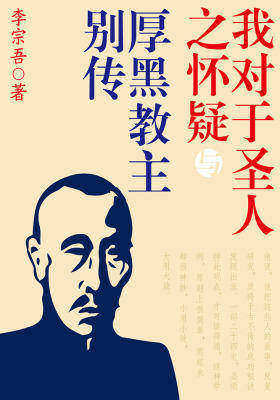
我对于圣人之怀疑与厚黑教主别传
¥8.56
本书收录李宗吾的《我对于圣人之怀疑》与《厚黑教主别传》两部作品。

王阳明全集(叁)
¥10.00
王阳明为明代哲学家。其学上承孔子,孟子,中继陆九渊,而形成为风靡时代中后期并与程朱理学分庭抗礼的阳明心学。其学说不仅对我国明、清现代以至近现代的儒学有较大影响,而且波及日本、朝鲜等国,成为东方文化的一个组成部分。《王阳明全集》原称《王文成公全书》,为王守仁的作品集。此次出版以明隆庆年间(公元1567年-1572年)谢廷杰辑刊本为底本,简体横排,并加以现代标,方便当今读者阅读。《王阳明全集》共三十八卷,收《传习录》三卷,后附《朱子晚年定论》;《文录》五卷;《别录》十卷;《外集》七卷;《续编》六卷;后七卷为《年谱》与《世德纪》。原刻本为二十四册,本次分4册排印。
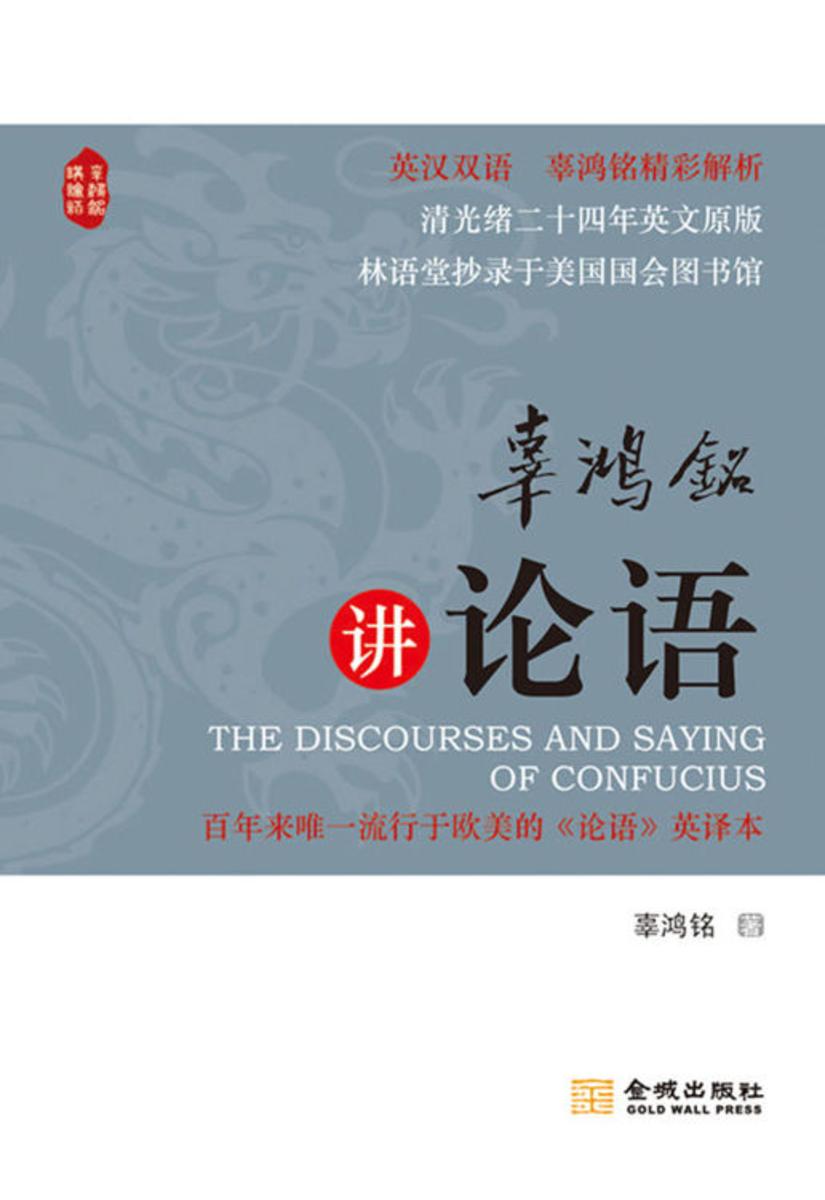
辜鸿铭讲论语(英汉双语)
¥4.82
辜鸿铭认为欧美的传教士和汉学家歪曲了儒家经典的原义,糟蹋了中国文化,并导致西方人对中国人和中国文明产生种种偏见,因此决定亲自为欧美人讲解《论语》,这就是《辜鸿铭讲论语》的由来。 《辜鸿铭讲论语》不但语言精练,词意精达,而且在讲解的过程当中纵贯中西,援引歌德、卡莱尔、阿诺德、莎士比亚等西方著名作家和思想家的话来注释某些经文,将注释中将书中出现的中国人物、中国朝代与西方历史上具有相似特点的人物和时间段作横向比较,帮助那些对中国文化知之甚少的西方人更好地把握儒家经典的内容。 《辜鸿铭讲<论语>》较之以前西方传教士和汉学家的儒经译本有了质的飞跃,可以说是近代讲解《论语》的的一个里程碑。这个版本也成为风靡欧美、通行世界的《论语》读本。

有间文库:中国人的修养
¥9.99
《中国人的修养》是蔡元培公民道德修养方面的代表作,主要收录他重要的道德思想代表作品《华工学校讲义》和《中学修身教科书》,并收录他其他几篇有关道德修养的文章,充分体现了蔡元培先生对于现代中国人应具有的道德素养的总体构想。
周易(修订版)(上下)
¥44.00
周易(修订版)(上下)

周易(修订版)(上)
¥23.00
周易(修订版)(上)


