


 购物车
购物车 个人中心
个人中心

Patriot Battles
¥95.39
Drawing on hundreds of specialist sources, contemporary and archival, Patriot Battles is the comprehensive one-volume study of the military aspects of the War of Independence. The first part of the book offers a richly detailed examination of the nuts and bolts of eighteenth-century combat: For example, who fought and what motivated them, whether patriot or redcoat, Hessian or FrenchmanHow were they enlisted and trainedHow were they clothed and fedWhat weapons did they use, and how effective were theyWhen soldiers became casualties or fell ill, how did medical services deal with themWhat roles did loyalists, women, blacks, and Indians play?The second part of the book gives a closer look at the war's greatest battles, with maps provided for each. Which men were involved, and how manyWhat was the state of their morale and equipmentWhat parts did terrain and weather playWhat were the qualities of the respective commanders, and what tactics did they employHow many casualties were inflictedAnd no less important, how did the soldiers fightThroughout, many cherished myths are challenged, reputations are reassessed, and long-held assumptions are tested. For all readers, Patriot Battles becomes not only one of the most satisfying and illuminating works to be added to the literature on the War of Independence in many years but also a refreshing wind blowing through some of its dustier corridors.

The Women Jefferson Loved
¥107.76
Throughout his life, Thomas Jefferson constructed a seemingly impenetrable wall between his public legacy and his private life, a division maintained by his family and the several traditional biographies written about this founding father. Now Virginia Scharff breaks down the barrier between Jefferson's public and private histories to offer an intriguing new portrait of this complicated and influential figure, as seen through the lives of a remarkable group of women.Scharff brings together for the first time in one volume the stories of these diverse women, separated by race but related by blood, including Jefferson's mother, Jane Randolph; his wife, Martha; her half sister, Sally Hemings, his slave mistress; his daughters; and his granddaughters. "Their lives, their Revolutions, their vulnerabilities, shaped the choices Jefferson made, from the selection of words and ideas in his Declaration, to the endless building of his mountaintop mansion, to the vision of a great agrarian nation that powered his Louisiana Purchase," Scharff writes. Based on a wealth of sources, including family letters, and written with empathy and great insight, The Women Jefferson Loved is a welcome new look at this legendary American and one that offers a fresh twist on American history itself.
Working Mothers 101
¥72.99
Motherhood comes naturally.Working motherhood doesn't. So admit it. You need some help. Though there's not a full-time nanny inside this book, there's information on how to find one. This is the book for you if you can't spare even five minutes to use your common sense. It's all laid out for you in how-to, when-to lists and plenty of stories from mothers like you that will help you get it all together.Well . . . as together as it's ever going to be. Here's where you'll learn everything you need to get your life in order: How to create a home where people actually hang up their jackets What to do with all those indispensable spelling tests and toddler works of art How to decide which type of child care is best for you at any given moment How to sort out the times you really have to be at your child's school How a time-crazed mother can make, keep and entertain friends How to sign up for and transport children to after-school activities, sports, music lessons and play dates when you can't be at any of them What to tell your boss when you don't want to travel so much The lost art of raising respectful children The best way to date your husband The first rule of convenience for birthday parties Eleven ways to take care of yourself without taking any extra time And, finally, delegating responsibilities you thought were yours and yours alone This practical strategy is for the millions of working mothers struggling to make it all work.Don't let your guilt slow you down. Katherine Wyse Goldman interviewed hundreds of mothers to come up with the tips, plans of action and decisions that have worked for career women around the country. Here's everything you need when you want to get control of your time, your life and your future. Here's how to make your home run as smoothly as a Fortune 500 corporation.

The Modern Jewish Mom's Guide to Shabbat
¥95.16
Bringing the family together every Friday night for the Shabbat meal has helped many families connect with each other, even as children grow into their teens and beyond. Having experienced the joys of Shabbat and witnessed how it has brought her family together, Meredith L. Jacobs now brings us THE MODERN MOM'S GUIDE TO SHABBAT. Written in conversational style from one modern Jewish mom to another, THE MJM'S GUIDE will be funny and warm, brightly colored and easy to read, filled with delicious, easy recipes and family art projects, while also challenging readers with summaries of the weekly Torah portion and suggested family discussion topics, compelling readers to include discussion in their dinner as a vehicle for connecting with their children–both teaching and learning from them. It will be informative and accessible throughout. Shabbat is a wonderful way to ensure that in this day of ridiculous schedules and pressures, that we have at least one meal per week together as a family. Shabbat is the time we turn the outside world away and connect with each other. Unlike other holidays, Shabbat is not once a year, it's once a week, giving us fifty–two chances a year to connect with our children. Whether you are reform, conservative, or modern orthodox, newly converted or non–Jewish in an inter–faith marriage, THE MODERN JEWISH MOM'S GUIDE TO SHABBAT will teach us about traditions, making new ones, and most importantly, how to connect with our children.
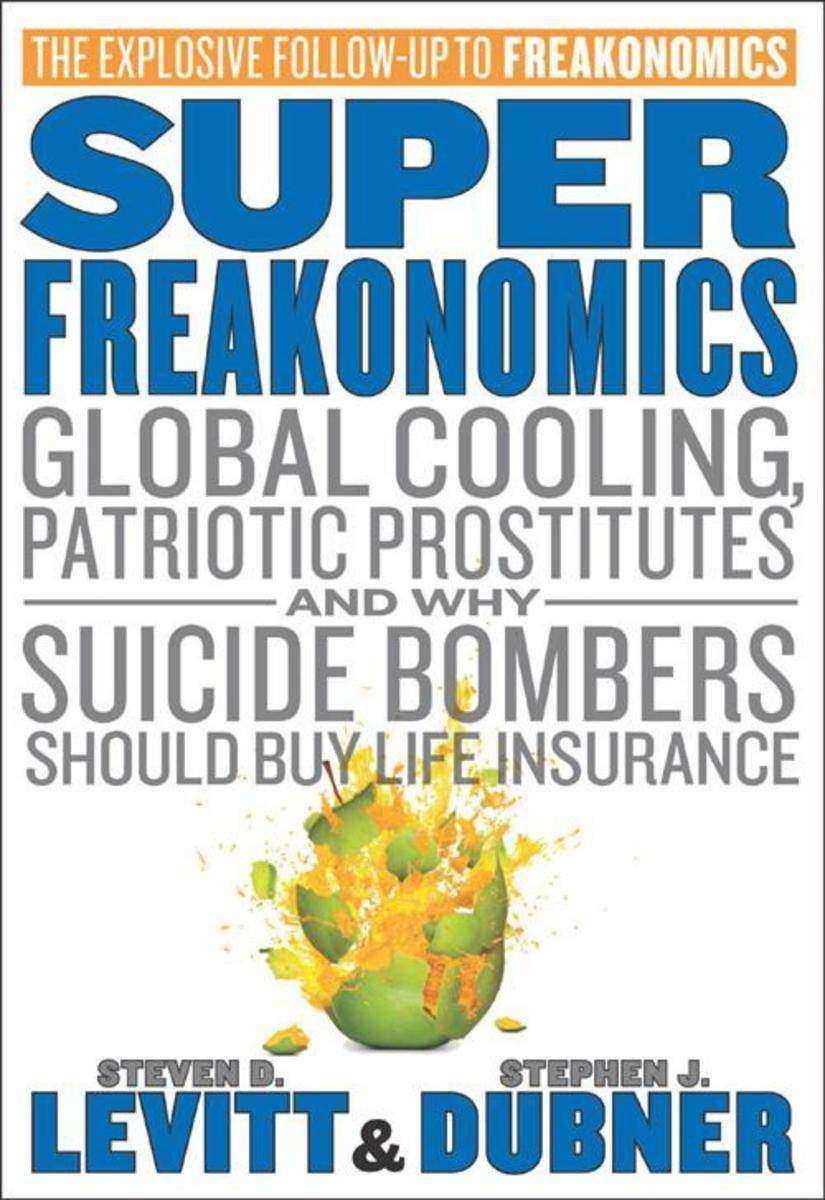
SuperFreakonomics
¥95.11
The New York Times best-selling Freakonomics was a worldwide sensation, selling over four million copies in thirty-five languages and changing the way we look at the world. Now, Steven D. Levitt and Stephen J. Dubner return with SuperFreakonomics, and fans and newcomers alike will find that the freakquel is even bolder, funnier, and more surprising than the first. Four years in the making, SuperFreakonomics asks not only the tough questions, but the unexpected ones: What's more dangerous, driving drunk or walking drunkWhy is chemotherapy prescribed so often if it's so ineffectiveCan a sex change boost your salarySuperFreakonomics challenges the way we think all over again, exploring the hidden side of everything with such questions as: How is a street prostitute like a department-store SantaWhy are doctors so bad at washing their handsHow much good do car seats doWhat's the best way to catch a terroristDid TV cause a rise in crimeWhat do hurricanes, heart attacks, and highway deaths have in commonAre people hard-wired for altruism or selfishness?Can eating kangaroo save the planetWhich adds more value: a pimp or a RealtorLevitt and Dubner mix smart thinking and great storytelling like no one else, whether investigating a solution to global warming or explaining why the price of oral sex has fallen so drastically. By examining how people respond to incentives, they show the world for what it really is good, bad, ugly, and, in the final analysis, super freaky. Freakonomics has been imitated many times over but only now, with SuperFreakonomics, has it met its match.

Doctor Who: The Shakespeare Notebooks
¥90.77
Many people know about William Shakespeare's famous encounter with the Doctor at the Globe Theatre in 1599. But what few people know (though many have suspected) is that it was not the first time they met.Drawn from recently discovered archives, The Shakespeare Notebooks is the holy grail for Bard scholars: conclusive proof that the Doctor not only appeared throughout Shakespeare's life but also had a significant impact on his writing. In these pages you'll find early drafts of scenes and notes for characters that never appeared in the plays; discarded lines of dialogue and sonnets; never-before-seen journal entries; and much more.From the original notes for Hamlet (with a very different appearance by the ghost) and revealing early versions of the faeries of A Midsummer Night's Dream to strange stage directions revised to remove references to a mysterious blue box, The Shakespeare Notebooks is an astonishing document that offers a unique insight into the mind of one of history's most respected and admired figures. And also, of course, William Shakespeare.
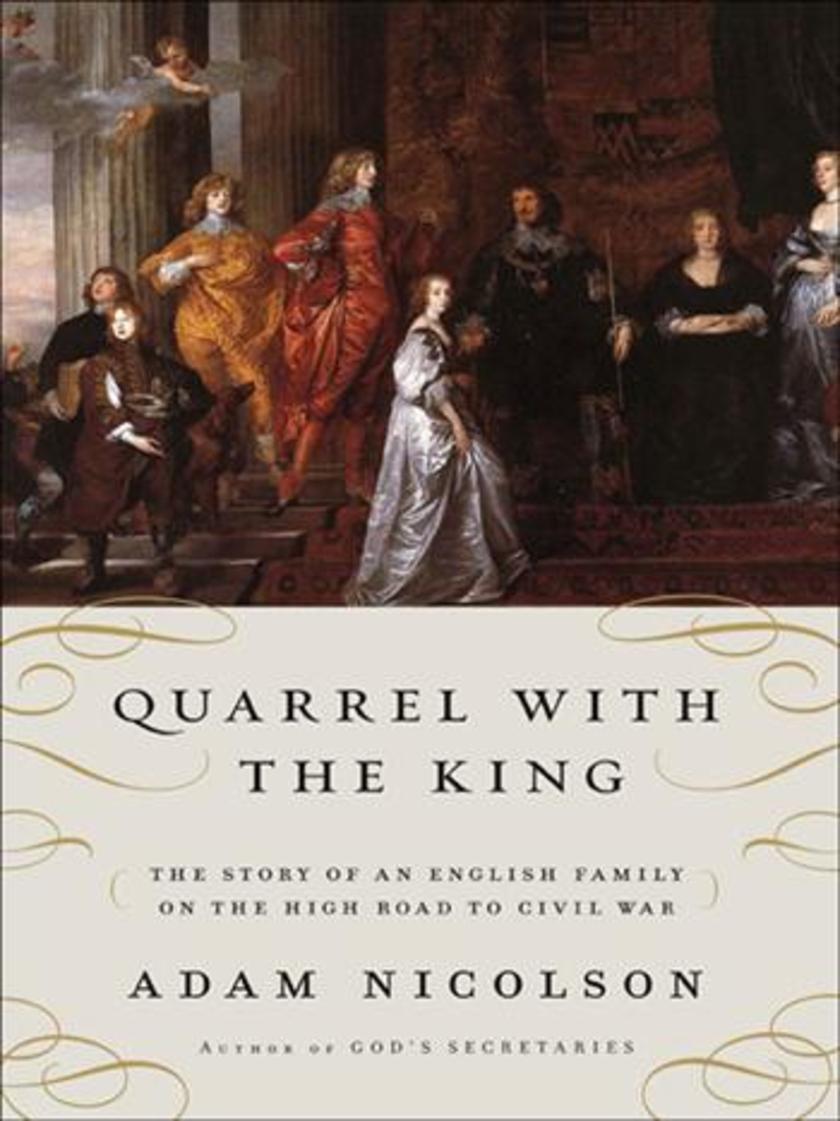
Quarrel with the King
¥96.50
Spanning the most turbulent and dramatic years of English history from the 1520s through 1650 Quarrel with the King tells the remarkable saga of one of the greatest families in English history, the Pembrokes, following their glamorous trajectory across three generations of change, ambition, resistance, and war. With vivid color and fascinating detail, acclaimed historian Adam Nicolson recounts the story of a century-long power struggle between England's richest family and the English Crown a fascinating study of divided loyalties, corruption, rights and privilege, and all the ambiguities involved in the exercise and maintenance of power and status.
The Reshaping of Everyday Life
¥95.11
"Compact and insightful. "--New York Times Book Review "Jack Larkin has retrieved the irretrievable; the intimate facts of everyday life that defined what people were really like."--American Heritage
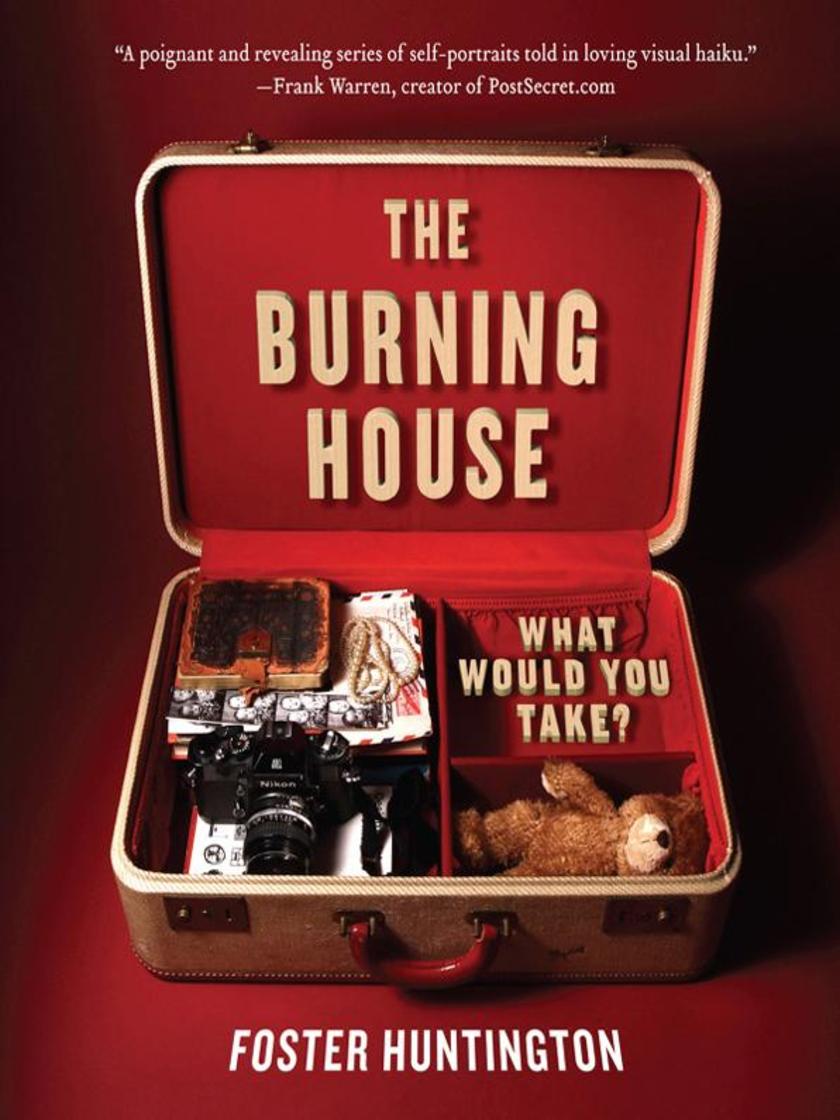
The Burning House
¥95.39
Your house is burning. You have to get out fast. Suddenly you are forced to prioritize, editing down a lifetime of possessions to a mere handful. Now you must decide: Of all the things you own, what is most important to you?The practicalYour laptop, your smartphone, what you need to keep working and stayin touchThe valuableYour money, your jewelry, the limited edition signed poster in the living room?The sentimentalThe watch your late grandfather gave you, the diary you kept as a teenagerWhat you choose to bring with you speaks volumes about who you are and what you believe in your interests, your background, your view of life. With contributions from all over the world, The Burning House is an eye-opening pictorial meditation on materialism; an in-depth, intensely personal interview contained in a single question; a revealing window into the human heart.
And You Know You Should Be Glad
¥83.03
A highly personal and moving true story of friend-ship and remembrance from the New York Times bestselling author of Duty and Be True to Your School Growing up in Bexley, Ohio, population 13,000, Bob Greene and his four best friends -- Allen, Chuck, Dan, and Jack -- were inseparable. Of the four, Jack was Bob's very best friend, a bond forged from the moment they met on the first day of kindergarten. They grew up together, got into trouble together, learned about life together -- and were ultimately separated by time and distance, as all adults are. But through the years Bob and Jack stayed close, holding on to the friendship that had formed years before.Then the fateful call came: Jack was dying. And in this hour of need, as the closest of friends will do, Bob, Allen, Chuck, and Dan put aside the demands of their own lives, came together, and saw Jack through to the end of his journey.Tremendously moving, funny, heart-stirring, and honest, And You Know You Should Be Glad is an uplifting exploration of the power of friendship to uphold us, sustain us, and ultimately set us free.
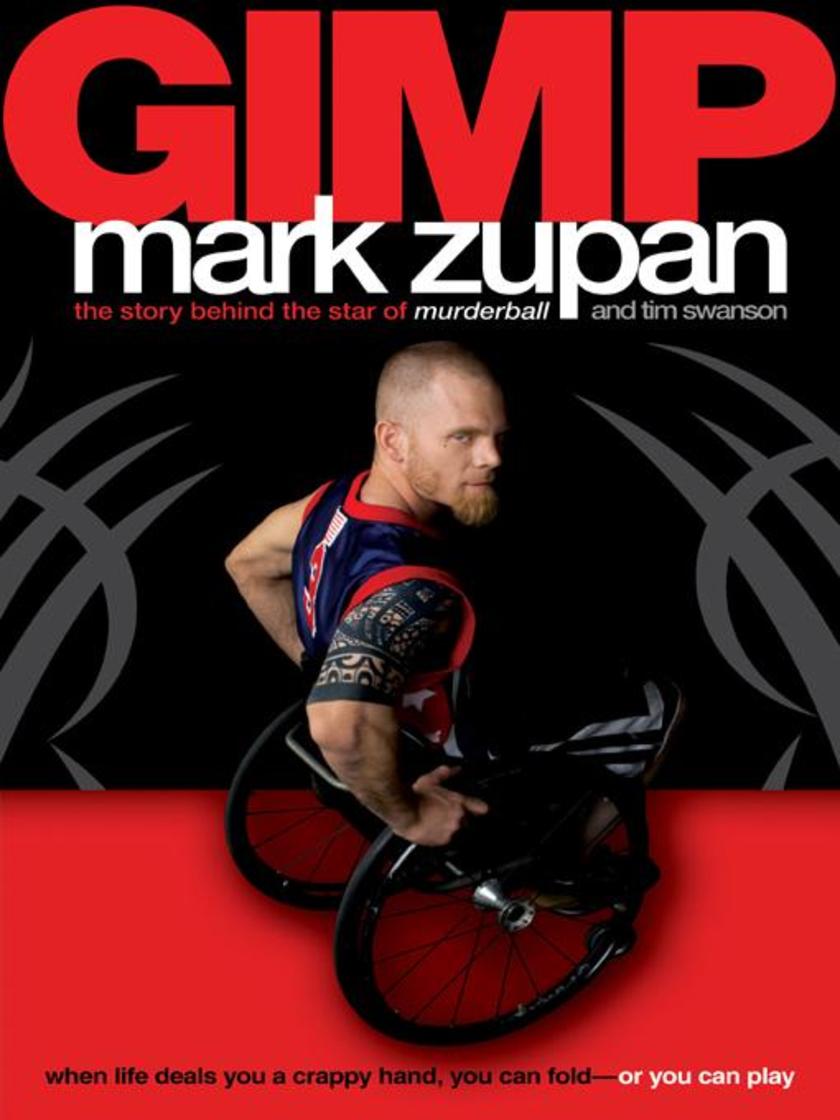
GIMP
¥83.03
College soccer star Mark Zupan had been out drinking one night and had passed out in the back of his best friend's pickup truck when his friend got in the driver's seat, decided to take the truck for a spin, and accidentally crashed it. Thrown into a canal and stuck in frigid water for fourteen hours, Mark was finally rescued and learned soon after that he'd broken his neck. He'd most likely be a quadriplegic and spend the rest of his life in a wheelchair, doctors told him. At first Mark's only goal was to walk again. When that proved impossible, he fell into the depths of anger and despair, retreating from the world and the people closest to him. But love, friendship, and a new sport, quad rugby (a.k.a. "murderball"), helped Mark create a new existence that's truly exceptional.Gimp, the no-holds-barred memoir of a Paralympic athlete and the star of the Academy Award–nominated documentary Murderball, is an inspiring, defiant, and revealing celebration of spirit and will that confounds readers' prejudices by offering proof that a guy in a chair can still do amazing things: have sex with his girlfriend, party with his friends . . . even crowd-surf at Pearl Jam shows.
Clearing the Bases
¥85.05
Clearing the Bases is a much-needed call to arms by one of baseball's most respected players. Drawing on his experiences as a third baseman, a manager, and, most recently, a fan, Mike Schmidt takes on everything from skyrocketing payrolls, callous owners, and unapproachable players to inflated statistics, and, of course, ersatz home run kings. But Schmidt's book goes beyond the Balco investigation and never-ending free-agent bonanzas that dominate the back pages. It also examines all that's right with our national pastime, including interleague play, expansion, and, most surprisingly, better all-around hitters. Riveting, wise, and illuminating, Clearing the Bases is a hall of famer's look at how Major League Baseball has lost its way and how it can head back home.

Why It's Great to Be a Girl
¥55.94
Why It's Great to Be a Girl is a must-have for every girl from six to sixteen! Chock-full of fascinating facts, enlightening girl-knowledge, and important historical milestones even a list of great books written by women here is a guaranteed self-esteem booster for young females everywhere . . . and it's lots of fun too! After all, what girl wouldn't feel great about herself knowing that: girls hear better than boys girls drive better than boys girls' bodies are stronger than boys' in every way, except for muscles girls are less susceptible to major diseases and, according to many anthropologists and archaeologists, girls actually "civilized" humankind! So get ready for an eye-opening journey through the awesomeness of girldom with the ultimate guide to why being a girl is the ultimate in cool!
Why Girls Can't Throw
¥72.70
Warning: the truth can be shocking, seductive, offensive, outrageous...even disgusting!Are you perplexed by the mysteries of the universe, confounded by the workings of the human body, prone to pondering the great imponderablesAt long last, the answers are here for every inquiring mind that's not afraid to face up to the cold, hard facts of life. The author who brought you That Book . . . of Perfectly Useless Information now addresses the quirky, the eclectic, and the essential conundrums of our age in Why Girls Can't Throw . . . and Other Questions You Always Wanted Answered, including: What's the kindest way to tell a friend he has halitosisIs it cheaper to send yourself as a package to Australia rather than fly on an airplaneAre there any benefits to smokingIs it true that Keith Richards used to regularly replace all the blood in his body?
Revolt in the Boardroom
¥83.93
Throughout the 20th century, American corporations were governed by autocratic, almost unaccountable chief executives. Their word was law and the only check on their power was a board of directors composed of their friends and allies.Then, in a stunning reversal, a momentous series of firings deposed the heads of some of the world's best-known companies: AIG, Morgan Stanley, Boeing, Hewlett-Packard and Pfizer, just to name a few. Formerly unchallenged CEOs found themselves under fire, often from their own handpicked boards. The number of deposed executives is astonishing. In 2004, the leaders of 600 companies were asked to leave. That number more than doubled in 2005 and reached 1,400 companies in 2006.Flexing new muscles, directors are assuming new and unfamiliar responsibilities. In Revolt in the Boardroom, Alan Murray reveals the inner workings of the new seat of power. Using the access afforded to him by his influential Wall Street Journal column, Murray tells the story of three seminal board revolts the now-famous Hewlett-Packard drama, the ousting of Boeing's Harry Stonecipher and the end of the reign one of the world's most autocratic executives, Hank Greenberg at AIG.Murray goes further to chart the history of the corporation, the rise of governance and the effects of the new power gained by outside institutions like hedge funds and interest groups. Through it all, Murray shows how the job of chief executive has rapidly and permanently changed. Leaders like A. G. Lafley and Jeff Immelt govern instead of rule, build alliances and support instead of dictating direction and pay careful attention to a broader range of stakeholders than ever before.Revolt in the Boardroom is the first look at the new world of corporate power and the last word on the transformational events of the last two years.

Mr. S
¥83.03
"Mr. S: My Life with Frank Sinatra, by former valet-aide George Jacobs with an oh-so-able assist by William Stadiem, has at least five quotable and shocking remarks about the famous on every page. The fifteen years Jacobs toiled for Frank produces a classic of its genre -- a gold-star gossip-lover's dream.... "The rest is showbiz history as it was, and only Ava Gardner, Humphrey Bogart, and Betty Bacall are spared. Marilyn Monroe, Judy Garland, Juliet Prowse, Noel Coward, Cole Porter, Mia Farrow, Elvis Presley, Swifty Lazar, Dean Martin, Peggy Lee, Sammy Davis Jr., Marlene Dietrich, Greta Garbo, Jimmy van Heusen, Edie Goetz, Peter Lawford, and all of the Kennedys come in for heaping portions of 'deep dish,' served hot. Sordid, trashy, funny, and so rat-a-tat with its smart inside info and hip instant analysis that some of it seems too good to be true....
The E-Myth Enterprise
¥83.03
Michael Gerber, the world's top business guru and bestselling author, shows would-be entrepreneurs how to get started, operationalize their winning idea, and design a business that will thrive. Got a great idea to start a businessSo now whatThe E-Myth Enterprise explores the requirements that any new business must meet: the satisfaction of its four primary influencers its employees, customers, suppliers, and investors through four fundamental categories visual, emotional, functional, and financial. Together these form the twin strategies every entrepreneur must use to design a business. The latest book in the Gerber franchise, The E-Myth Enterprise, fits neatly into a training program all entrepreneurs can use to fulfill their dreams. The E-Myth Enterprise is an indispensable follow-up to Awakening the Entrepreneur Within, as it shows would-be entrepreneurs how to put a promising idea to work. Next, readers can turn to The E-Myth Revisited for tried-and-true advice about avoiding the pitfalls that prevent most small business owners from succeeding. Following this, The E-Myth Manager provides essential guidance for the management of any business. Finally, for advice on how to take an existing business to the next level of growth and opportunity, there's E-Myth Mastery. In The E-Myth Enterprise, Gerber completes the E-Myth series, to help transform every entrepreneur's dream into a reality.
Raising the Perfect Child Through Guilt and Manipulation
¥83.03
Raising the Perfect Child Through Guilt and Manipulation is not one of those traditional, all-too-earnest parenting guides that, for generations, have sucked all the fun out of child rearing. The foundation of Elizabeth Beckwith's Guilt and Manipulation family philosophy is simple: We do things a certain way, and everyone else is an a**hole. Is that something you should put on a bumper sticker and slap on your minivanOf course not that would be trashy. But in the privacy of your own home, you can employ these essential components of Guilt and Manipulation to mold the little runts ruthlessly yet effectively into children you won't be embarrassed to admit are yours: Creating a Team: "Us" vs. "Them" How to Scare the Crap Out of Your Child (in a Positive Way) Don't Be Afraid to Raise a Nerd Mind Control: Why It's a Good Thing

American Son
¥83.92
From Oscar De La Hoya, one of the most celebrated fighters in the history of boxing, comes a frank and touching memoir about achieving the American Dream: his rise to the top, the power of a solid work ethic, his mother's painful death from cancer, the pitfalls of stardom, and a very personal take on what it means to be an American The son of Mexican-born parents, Oscar "The Golden Boy" De La Hoya has had an astonishing career. From boxing to business, from the recording industry to the charitable accomplishments of his foundation, his success is a testament to what one can achieve in the United States. But who is this man who has changed the lives of so manyWho has imprinted a positive mark upon the sport of boxing, for which many have all but given up hopeWho has become a symbol of success for an entire community, without many heroes to call their own?American Son answers these questions.Born into a boxing family, De La Hoya has defeated more than a dozen world champions and won six world titles as well as an Olympic gold medal a moment forever marked in the memory of anyone who has followed his career. Yet within the maelstrom of this success lay a man whose earnest belief in the goodness of everyone around him sometimes led him to stray far from his intended path. This book is The Golden Boy, and he bares his most heartbreaking mistakes as well as his most stunning triumphs for all of the world to see. This thrilling tale of an immigrant's son a quintessentially American story is the chronicle of an amazing journey that will provide readers with new insight into the private life of a figure who has to many reached iconic status.
Know What Makes Them Tick
¥84.16
Max Siegel started with none of the obvious advantages, yet again and again he built mutually beneficial partnerships with peers, mentors, supervisors, and industry leaders that took him to the heights of professional and personal achievement. He's managed some of the world's top recording artists, ballplayers, and race-car drivers, and helped run some of the top organizations in sports and entertainment. He's grown fragmented niche markets into bestselling audiences by tapping into the universal hopes and passions that bring people together. Now he travels the country giving motivational speeches and inspiring professionals of all kinds, sharing his method for connecting with people, whatever their differences.The secret, Siegel says, is to know what makes others tick. For some, it's financial security; for others, it's respect, devotion to family, a creative calling, or a vision of a better world. He shows how to encourage people to share these hidden, all-important motivations, and how to partner with them in the most powerful way there is: by finding the overlap between their goals and yours, so that together you can realize the dreams that make you tick.The nine universal rules outlined in Know What Makes Them Tick include:See Where You Want to Be, Not Where You AreFind Your AmbassadorsShow What's in It for ThemReaders will learn practical strategies for negotiating the challenges in every part of life, whether motivating colleagues to be more productive, finding a market for their product, uniting a divided family, or building a life of satisfaction in an unpredictable world. It's an eye-opening guide to a unique and powerful approach that anyone can use.
Buy, Close, Move In!
¥84.16
The rules have changed, but your dreams haven't. You can buy the home you want let award-winning real estate guru Ilyce Glink show you how! With her books, syndicated newspaper and Internet columns, radio show, blog, Web site, and numerous media appearances, Ilyce Glink has become the go-to expert Americans rely on to help them successfully navigate the tricky world of real estate a marketplace made even more complex today thanks to the Great Recession. Sure, there's a maze of new regulations. Sure, it's harder than ever to find a great deal or get the best loan. But you can do it. All it takes is a little expert advice from Ilyce. Clear and concise, Buy, Close, Move In! cuts through confusing red tape to provide the essential inside information you need to make the best decisions, and answers commonly asked questions about every step of the process, including: Credit from raising your score to identitifying theft protection Real estate investments trends and opportunities Foreclosures, short sales, and auctions Appraisals, closing costs, and other fees Mortgages fixed rate versus adjustable rate and other financing options With Ilyce Glink's Buy, Close, Move In! you're one step closer to home.


