


 购物车
购物车 个人中心
个人中心

Bridget Wilder: Spy-in-Training
¥39.24
Middle school meets Mission Impossible in this hilarious spy series for fans of Chris Rylander, Stuart Gibbs, and Ally Carter about a girl whose life is turned upside down when she discovers her father is a superspy.Up until Bridget’s birthday the most exciting moment in her life was when Dale Tookey maybe, sort of, smiled at her one time. But that was before—before she found a mysterious present at her doorstep, before she was transported to a covert CIA agency called Section 23, and before she became Bridget Wilder: Spy-in-Training. Now Bridget’s busting boys out of detention, being chauffeured by a talking car, and infiltrating the popular girls’ clique to steal secret codes, all while undercover as a semi-awkward middle school girl. But will she be able to keep up with her new action-packed life?It is no secret—Bridget Wilder: Spy-in-Training is the start of an explosive new series packed with gadgets, humor, and best of all: girl power.

L.A. Candy Complete Collection
¥305.30
The L.A. Candy trilogy is a fast-paced, fun, and realistic depiction of coming of age in Hollywood while starring in a reality TV show—written by a star who's experienced it all firsthand: Lauren Conrad, of MTV's #1 show The Hills. This #1 New York Times bestselling series provides a scandalous peek into the life of new reality celebrity Jane Roberts while dishing Hollywood gossip and drama at every turn.Includes:L.A. Candy Sweet Little Lies: An L.A. Candy Novel Sugar and Spice: An L.A. Candy Novel
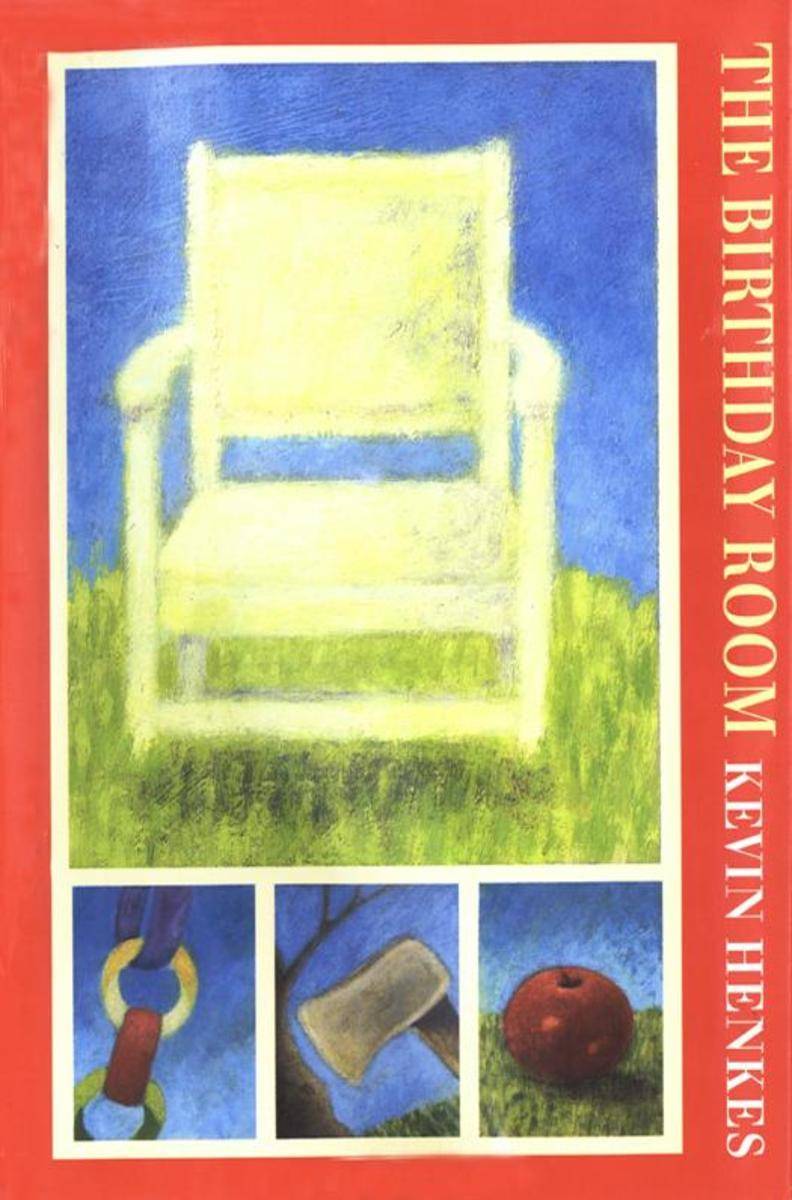
The Birthday Room
¥39.24
"Two of the things Benjamin Hunter received for his twelfth birthday took him completely by surprise: A room and a letter. The room was from his parents. The letter was from his uncle."Ben was just two years old when he and his uncle, Ian, were last together, so Ben didn't remember him. And no one in Ben's family ever talked about the man. Thenthe letter arrived, changing Ben's life, and changing his family in unexpected ways. And there was the birthday room...
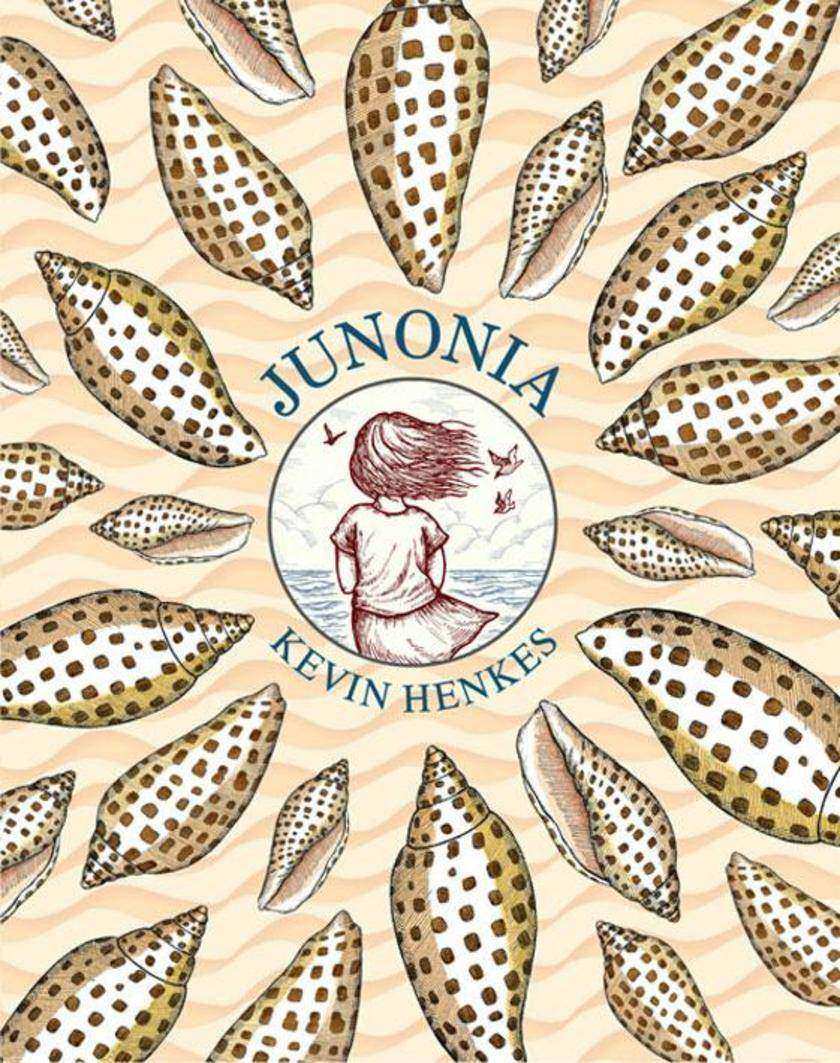
Junonia
¥39.24
Returning to the beach cottage—a cottage named Scallop—where she has always celebrated her birthday is a special occasion for Alice Rice.Who will see the first dolphin this timeThe first pelicanWhat will have changedStayed the sameAnd will this be the year she finally finds a junonia shell?Alice's friends are all returning, too. And she's certain her parents have the best party planned for her. Alice can't wait. If Alice is lucky, everything will be absolutely perfect. Will Alice be lucky?
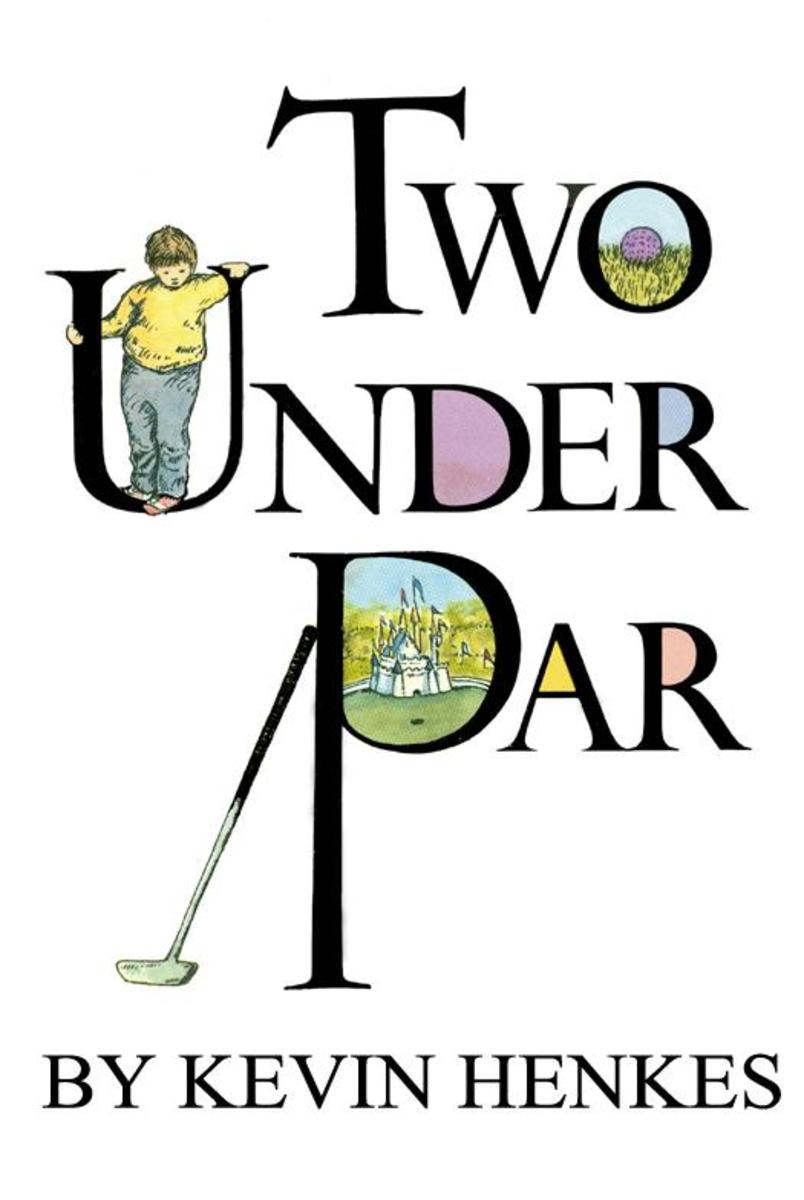
Two Under Par
¥33.63
It seemed to ten-year-old Wedge that most of the time nothing made sense anymore. Suddenly he had a brand-new stepfather and a five-year-old stepbrother, Andrew. He lived in a new house, far from his friends, and his bedroom window looked out on a seven-foot castle that marked the eighteenth hole of the miniature golf course his stepfather owned. He hated it.Wedge does not easily let go of his anger, but the moment does come when things again begin to make sense. Kevin Henkes tells the story of Wedge's journey to understanding and acceptance with humor and sympathy.

Die Once More
¥10.71
This one-hundred-page novella picks up where the international bestselling Die for Me trilogy ended and follows the eternally irresistible Jules Marchenoir as he leaves Paris behind for a fresh start in New York City.Jules is a revenant—an undead being whose fate forces him to sacrifice himself over and over again to save human lives. He's spent the last century flirting his way through Paris and, most recently, falling in love with his best friend's girlfriend. Loyalty and heartbreak have led him to choose a new life in NYC.Separated from his friends and his home, Jules is adrift in this dangerous new world, facing unknown enemies . . . until he meets a revenant named Ava. Though the battle for France has been won, an epic war between good and evil has just begun in the Big Apple, and Ava needs Jules's help to uncover the key to an American victory. Jules finds himself in the same position he crossed an ocean to escape: at risk of losing his immortal existence as well as his heart.Epic Reads Impulse is a digital imprint with new releases each month.
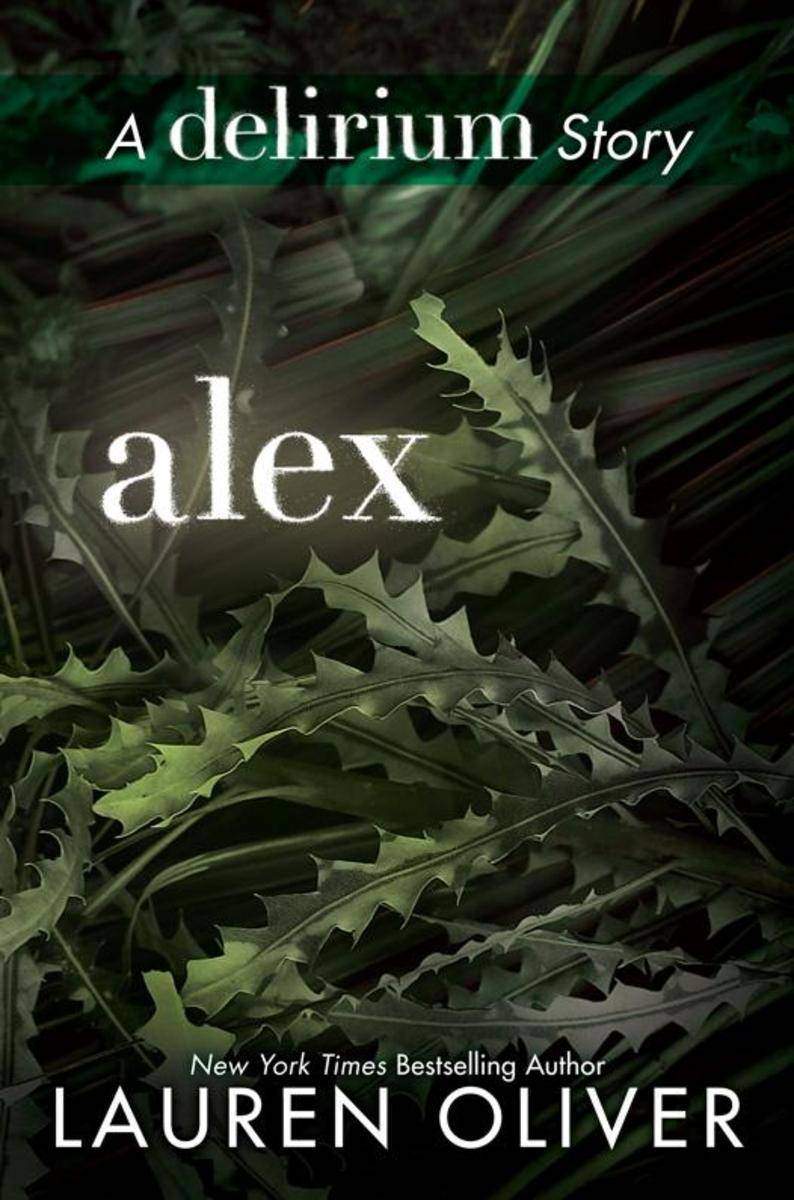
Alex
¥65.33
This captivating digital original story set in the world of Lauren Oliver's New York Times bestselling Delirium series focuses on Alex, Lena's first love. When Alex sacrificed himself to save Lena, he thought he was committing himself to certain death, but what he got was almost worse. Imprisoned and tortured by the guards, his mind forces him to relive a past he would rather forget. But in the dark he grows stronger. Both hopeful and terrified, he fights to find his way back to her and the love he still clings to. In this digital story that will appeal to fans of Delirium and welcome new admirers to its world, readers will learn of Alex's time after the events of Delirium, as well as the dark past that he has tried to forget.
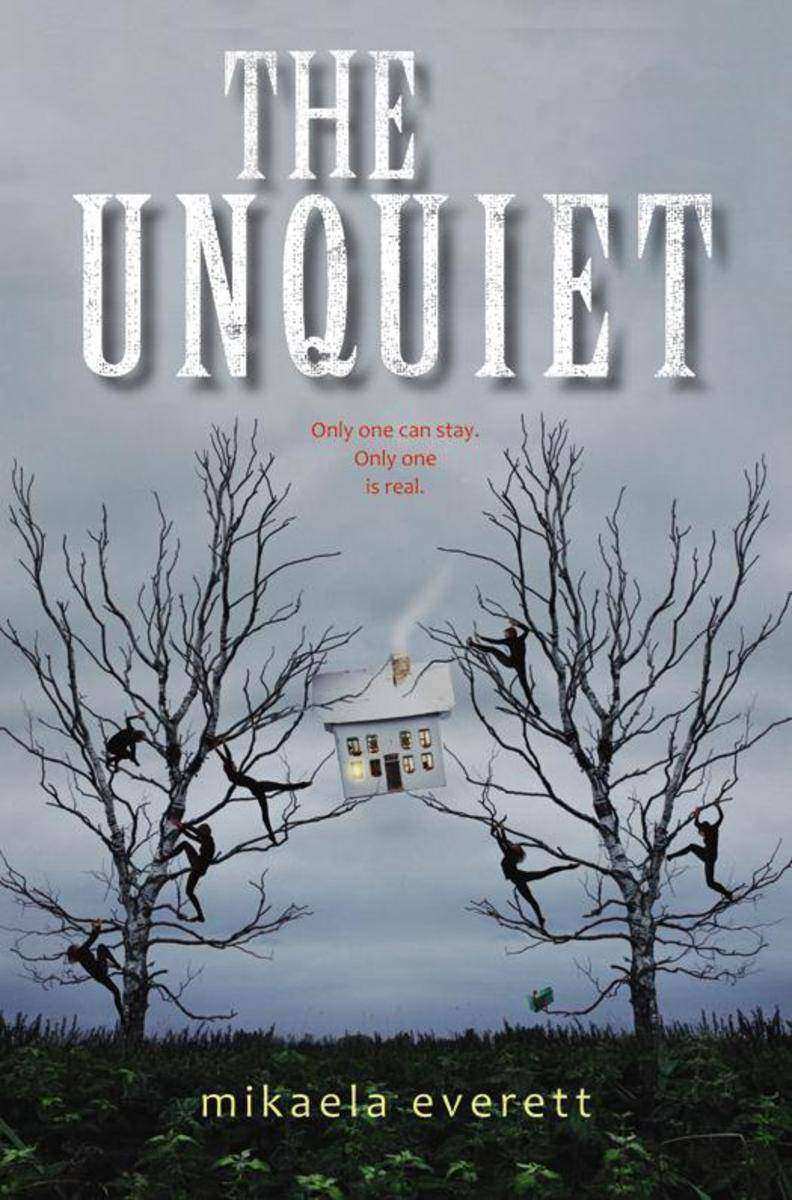
The Unquiet
¥101.00
For most of her life, Lirael has been training to kill—and replace—a duplicate version of herself on a parallel Earth. She is the perfect sleeper-soldier. But she's beginning to suspect she is not a good person. Fans of eerily futuristic and beautifully crafted stories such as Never Let Me Go, Orphan Black, and Fringe will find themselves haunted by this unsettling debut.The two Earths are identical in almost every way. Two copies of every city, every building, even every person. But the people from the second Earth know something their duplicates do not—two versions of the same thing cannot exist. They—and their whole planet—are slowly disappearing. Lira has been trained mercilessly since childhood to learn everything she can about her duplicate, to be a ruthless sleeper-assassin who kills that other Lirael and steps seamlessly into her life.An intricate, literary stand-alone from an astonishing new voice, The Unquiet takes us deep inside the psyche of a strong teenage heroine struggling with what she has been raised to be and who she really is.
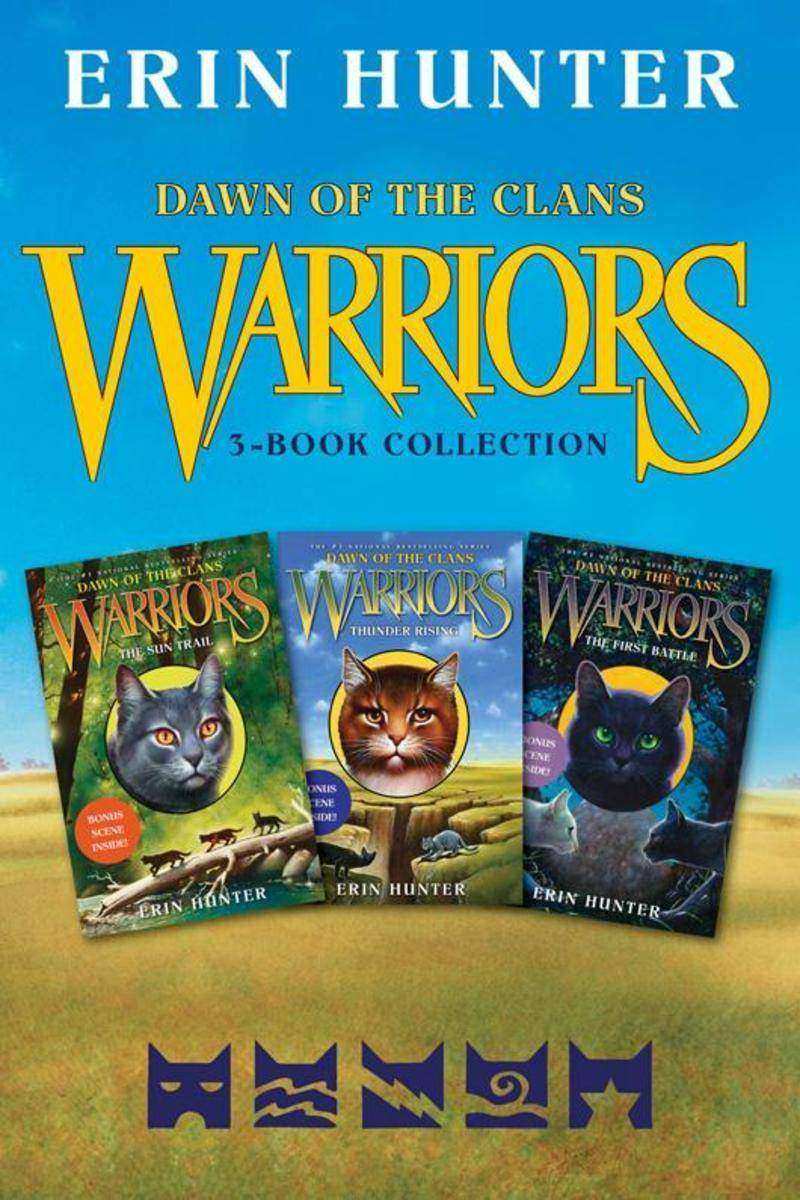
Warriors: Dawn of the Clans 3-Book Collection
¥194.15
This collection contains the first three books in the thrilling prequel arc in Erin Hunter's #1 nationally bestselling Warriors series! Discover how the warrior Clans came to be.Dawn of the Clans #1: The Sun Trail: Long before Firestar left his kittypet home to join ThunderClan, a band of cats from the mountains set off on a dangerous journey in search of a new home.Dawn of the Clans #2: Thunder Rising: The mountain cats from the Tribe of Rushing Water followed the sun trail to a new territory, convinced that in a land with more prey, their lives would be free from strife. But while no cat has gone hungry, tensions are rising.Dawn of the Clans #3: The First Battle: The rivalry between Gray Wing and Clear Sky has driven a bitter wedge between all of the forest cats. As Thunder and Gray Wing struggle to find a peaceful path for the future, tensions are growing—and soon more blood will be shed.
Stolen
¥10.83
In this thrilling 100-page digital prequel novella, enter the world of Taken, a heart-pounding dystopian sci-fi series from Erin Bowman.Before Gray Weathersby uncovered the truth about Claysoot and the Laicos Project, a girl named Bree came of age in the coastal settlement of Saltwater—and made her own surprising journey to the world beyond its borders. In Stolen, discover the story of Bree's life before she was Snatched from her home, before she joined the rebellion, and before she met a boy named Gray. . . .Epic Reads Impulse is a digital imprint with new releases each month.
Tease
¥55.33
Provocative, unforgettable, and inspired by real-life incidents, Amanda Maciel's highly acclaimed debut novel Tease is the story of a teenage girl who faces criminal charges for bullying after a classmate commits suicide. With its powerful narrative, unconventional point of view, and strong anti-bullying theme, this coming-of-age story offers smart, insightful, and nuanced views on high school society, toxic friendships, and family relationships.Emma Putnam is dead, and it's all Sara Wharton's fault. At least, that's what everyone seems to think. Sara, along with her best friend and three other classmates, has been criminally charged for the bullying and harassment that led to Emma's shocking suicide. Now Sara is the one who's ostracized, already guilty according to her peers, the community, and the media. In the summer before her senior year, in between meetings with lawyers and a court-recommended therapist, Sara is forced to reflect on the events that brought her to this moment—and ultimately consider her own role in an undeniable tragedy. And she'll have to find a way to move forward, even when it feels like her own life is over.Correlates to the Common Core State Standards in English Language Arts
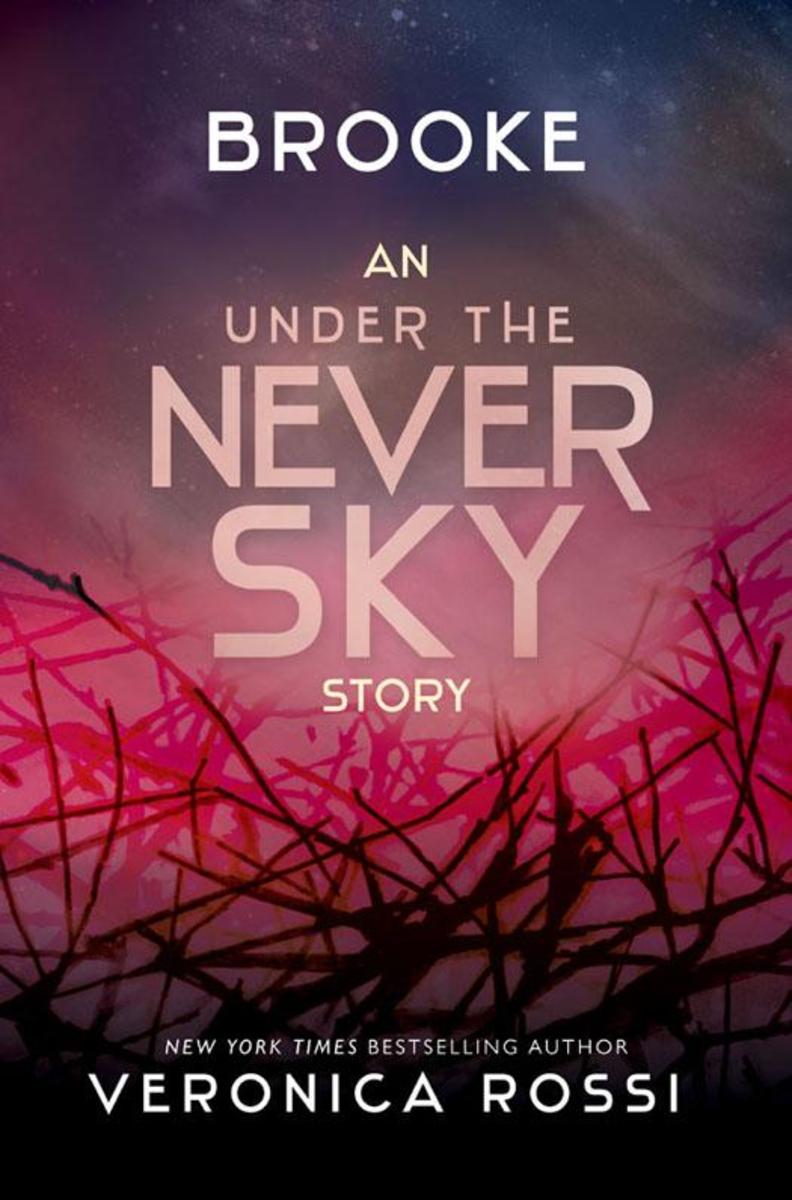
Brooke
¥65.65
Set just before the events of Into the Still Blue, the conclusion to Veronica Rossi's "masterpiece" Under the Never Sky trilogy (Examiner.com), this breathtaking novella is a satisfying stand-alone for new readers as well as an exciting glimpse at favorite characters from the trilogy. Pulsing with romance and danger, Brooke will leave readers desperate for the conclusion to this epic and unforgettable saga.The only fight she can't win is the one for Perry's heart. Following the stunning climax in Through the Ever Night, the Tides have been forced to seek shelter from the Aether storms in a dismal, secluded cave. But Brooke's memories of the cave go back much further, to when she and Perry used to come here together. That was before Perry fell in love with Aria and before Vale's dealings with the Dwellers altered the course of the Tides forever.Now, with her sister back from a haunting year in captivity and Aria lying unconscious in the sick bay, Brooke struggles to put the pieces of her life back together. Without Perry, who is sheAnd what is her role in this frightening new worldAs these questions swirl about her, an old threat to the Tides resurfaces, and Brooke is forced to put the lives of her people before her own. But in taking this step outside of herself, Brooke may finally discover what she truly wants.
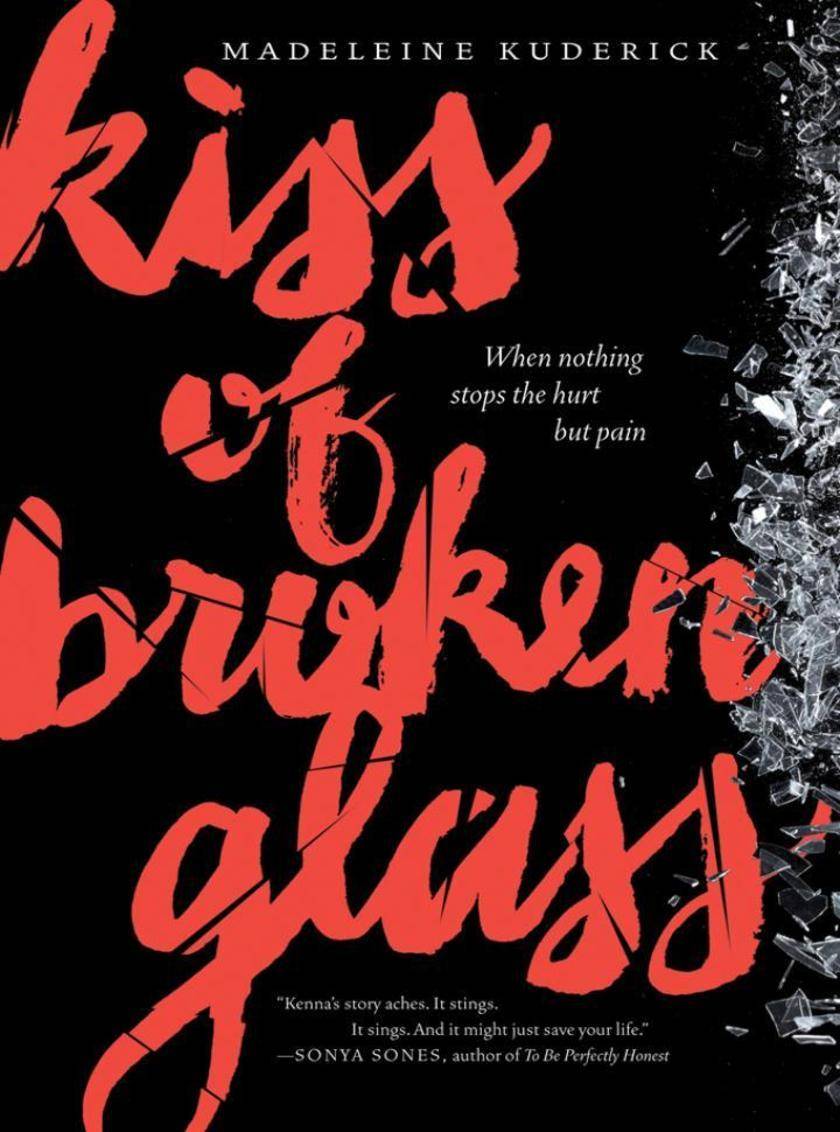
Kiss of Broken Glass
¥60.87
In the next 72 hours, Kenna may lose everything—her friends, her freedom, and maybe even herself. One kiss of the blade was all it took to get her sent to the psych ward for 72 hours. There she will face her addiction to cutting, though the outcome is far from certain.When fifteen-year-old Kenna is found cutting herself in the school bathroom, she is sent to a facility for a mandatory psychiatric watch. There Kenna meets other kids like her—her roommate, Donya, who's there for her fifth time; the birdlike Skylar; and Jag, a boy cute enough to make her forget her problems . . . for a moment.Madeleine Kuderick's gripping debut is a darkly beautiful and lyrical novel in verse, perfect for fans of Sonya Sones and Laurie Halse Anderson. Kiss of Broken Glass pulses with emotion and lingers long after the last page.Supports the Common Core State Standards

The Complete Poems
¥353.16
Gaspara Stampa (1523?-1554) is one of the finest female poets ever to write in Italian. Although she was lauded for her singing during her lifetime, her success and critical reputation as a poet emerged only after her verse was republished in the early eighteenth century. Her poetry runs the gamut of human emotion, ranging from ecstasy over a consummated love affair to despair at its end. While these tormented works and their multiple male addressees have led to speculation that Stampa may have been one of Venice's famous courtesans, they can also be read as a rebuttal of typical assumptions about women's roles. Championed by Rainer Maria Rilke, among others, she has more recently been celebrated by feminist scholars for her distinctive and original voice and her challenge to convention.The first complete translation of Stampa into English, this volume collects all of her passionate and lyrical verse. It is also the first modern critical edition of her poems, and in restoring the original sequence of the 1554 text, it allows readers the opportunity to encounter Stampa as she intended. Jane Tylus renders Stampa's verse in precise and graceful English translations, allowing a new generation of students and scholars of poetry, Renaissance literature, and music history to rediscover this incipiently modern Italian poet.

Enrico; or, Byzantium Conquered
¥353.16
Lucrezia Marinella (1571-1653) is, by all accounts, a phenomenon in early modernity: a woman who wrote and published in many genres, whose fame shone brightly within and outside her native Venice, and whose voice is simultaneously original and reflective of her time and culture. In Enrico; or, Byzantium Conquered, one of the most ambitious and rewarding of her numerous narrative works, Marinella demonstrates her skill as an epic poet.Now available for the first time in English translation, Enrico retells the story of the conquest of Byzantium in the Fourth Crusade (1202-04). Marinella intersperses historical events in her account of the invasion with numerous invented episodes, drawing on the rich imaginative legacy of the chivalric romance. Fast-moving, colorful, and narrated with the zest that characterizes Marinella's other works, this poem is a great example of a woman engaging critically with a quintessentially masculine form and subject matter, writing in a genre in which the work of women poets was typically shunned.?

Exemplary Tales of Love and Tales of Disillusion
¥253.10
At the height of Mara de Zayas's popularity in the mid-eighteenth century, the number of editions in print of her work was exceeded only by the novels of Cervantes. But by the end of the nineteenth century, Zayas had been excluded from the Spanish literary canon because of her gender and the sociopolitical changes that swept Spain and Europe. Exemplary Tales of Love and Tales of Disillusion gathers a representative sample of seven stories, which features Zayas's signature topics-gender equality and domestic violence-written in an impassioned tone overlaid with conservative Counter-Reformation ideology. This edition updates the scholarship since the most recent English translations, with a new introduction to Zayas's entire body of stories, and restores Zayas's author's note and prologue, omitted from previous English-language editions. Tracing her slow but steady progress from notions of ideal love to love's treachery, Exemplary Tales of Love and Tales of Disillusion will restore Zayas to her rightful place in modern letters.

Under a Bad Sign
¥229.55
Many people have contributed to the completion of this book.Its inception can be traced to a seminar that Lary May and Paula Rabinowitz asked me to deliver on hip hop's gangsta culture toward the end of my graduate studies in the American studies program at the University of Minnesota.The media hype and moral panic surrounding gangsta culture in the early 1990s bore an uncanny resemblance to the troublesome reception of Hollywood's white ethnic gangsters in the 1930s, the subject of my research at the time.The chance to discuss the gangster/gangsta relation also fueled the development of an undergraduate course on African American popular culture.So I have the American studies faculty and fellow graduates in Scott Hall, as well as the students on the consequent course, to thank for setting me on the road to writing Under a Bad Sign.A particular shout-out has to go to John Wright, who insisted I dig up Claude McKay's Harlem: Negro Metropolis in the rare books section of Wilson Library to see how deep the provenance and complex the relationship was between black denizens of the American city and their gangster culture heroes.

Nostalgia for the Future
¥211.90
Since the end of the cold war, Africa has seen a dramatic rise in new political and religious phenomena, including an eviscerated privatized state, neoliberal NGOs, Pentecostalism, a resurgence in accusations of witchcraft, a culture of scamming and fraud, and, in some countries, a nearly universal wish to emigrate. Drawing on fieldwork in Togo, Charles Piot suggests that a new biopolitics after state sovereignty is remaking the face of one of the world's poorest regions.In a country where playing the U.S. Department of State's green card lottery is a national pastime and the preponderance of cybercafs and Western Union branches signals a widespread desire to connect to the rest of the world, Nostalgia for the Future makes clear that the cultural and political terrain that underlies postcolonial theory has shifted. In order to map out this new terrain, Piot enters into critical dialogue with a host of important theorists, including Agamben, Hardt and Negri, Deleuze, and Mbembe. The result is a deft interweaving of rich observations of Togolese life with profound insights into the new, globalized world in which that life takes place.
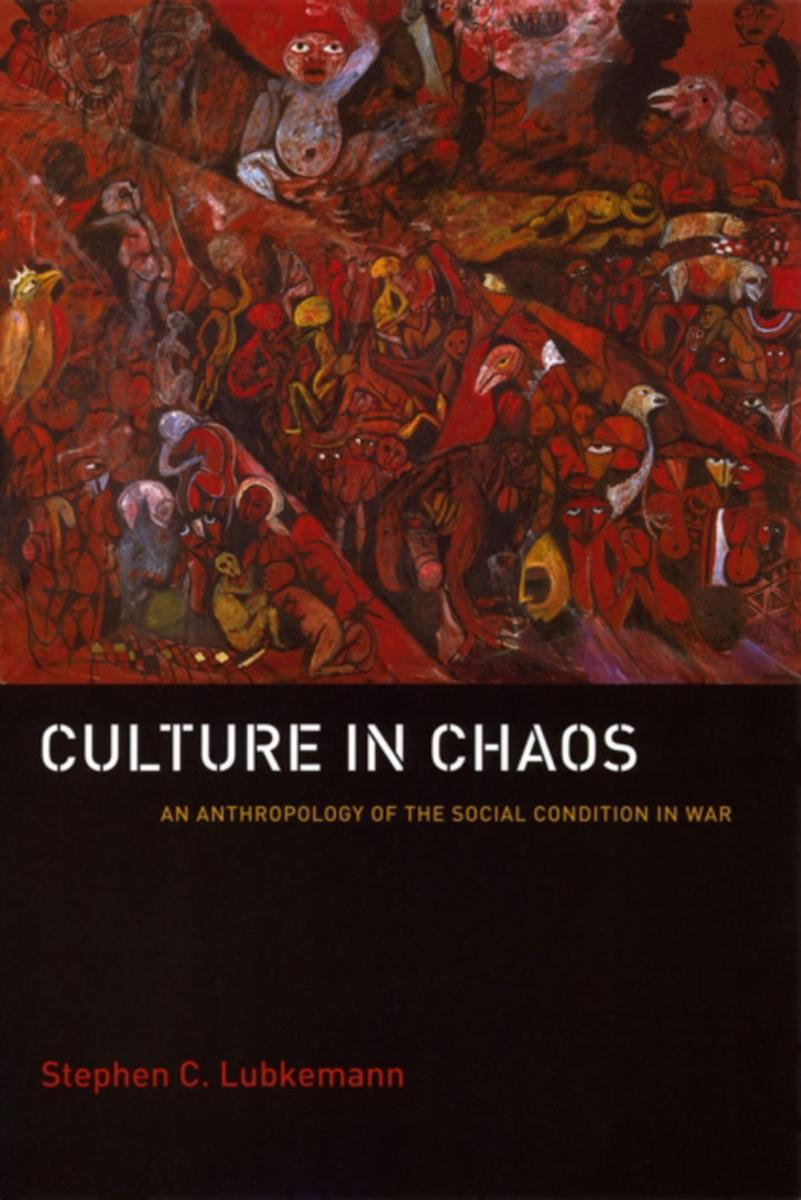
Culture in Chaos
¥282.53
Fought in the wake of a decade of armed struggle against colonialism, the Mozambican civil war lasted from 1977 to 1992, claiming hundreds of thousands of lives while displacing millions more. As conflicts across the globe span decades and generations, Stephen C. Lubkemann suggests that we need a fresh perspective on war when it becomes the context for normal life rather than an exceptional event that disrupts it. Culture in Chaos calls for a new point of departure in the ethnography of war that investigates how the inhabitants of war zones live under trying new conditions and how culture and social relations are transformed as a result.Lubkemann focuses on how Ndau social networks were fragmented by wartime displacement and the profound effect this had on gender relations. Demonstrating how wartime migration and post-conflict return were shaped by social struggles and interests that had little to do with the larger political reasons for the war, Lubkemann contests the assumption that wartime migration is always involuntary. His critical reexamination of displacement and his engagement with broader theories of agency and social change will be of interest to anthropologists, political scientists, historians, and demographers, and to anyone who works in a war zone or with refugees and migrants.

School Principal
¥188.35
When we think about school principals, most of us imagine a figure of vague, yet intimidating authority-for an elementary school student, being sent to the principal's office is roughly on par with a trip to Orwell's Room 101. But with School Principal, Dan C. Lortie aims to change that. Much as he did for teachers with his groundbreaking book Schoolteacher, Lortie offers here an intensive and detailed look at principals, painting a compelling portrait of what they do, how they do it, and why.Lortie begins with a brief history of the job before turning to the daily work of a principal. These men and women, he finds, stand at the center of a constellation of competing interests around and within the school. School district officials, teachers, parents, and students all have needs and demands that frequently clash, and it is the principal's job to manage these conflicting expectations to best serve the public. Unsurprisingly then, Lortie records his subjects' professional dissatisfactions, but he also vividly depicts the pleasures of their work and the pride they take in their accomplishments. Finally, School Principal offers a glimpse of the future with an analysis of current issues and trends in education, including the increasing presence of women in the role and the effects of widespread testing mandated by the government.Lortie's scope is both broad and deep, offering an eminently useful range of perspectives on his subject. From the day-to-day toil to the long-term course of an entire career, from finding out just what goes on inside that office to mapping out the larger social and organizational context of the job, School Principal is a truly comprehensive account of a little-understood profession.
Jumbo to Jockey: Fasting to the Finishing Post
¥81.03
How one man turned a midlife crisis into the realisation of a childhood dream at 4pm at Wincanton Dominic Prince, journalist, documentary-maker, racing enthusiast and bon viveur hit the scales at nearly 16 stone on his 45th birthday. It was not always so. His first love was and still is horses. As a child he would bunk off school to ride his first horse, Conker, and it was only after an horrific accident that left him and his horse wound up in barbed wire that he stepped down off his mount and gave in to the lure of Fleet Street and the three hour lunch. But the smell of oats and the mist of early morning canters were never far away, even if he was living it from the other side of the paddock. In the 20 years since he last rode a horse he has made a film on Lester Piggott, bought and sold one race horse and won and lost thousands on 'the occasional flutter'. Through the drastic changes to his overindulgent lifestyle that he has had to go through to make the weight for the 4pm at Wincanton in October, is weaved an insider's account of the very particular world of jockeys, racing and the multi-billionaire owners who pull the strings at the world's greatest race courses. Memoir, sports book, exposé of the dark world of horse racing, at heart Jumbo to Jockey is the story that all middle aged men will know well of the realisation of a childhood dream before it is too late.


