


 购物车
购物车 个人中心
个人中心

?jra veled, Sydneyben
¥77.50
K?zben éltem is.Mégis az álmaim t?ntek valóságosabbnak.Néha szerettem.Mégis mindig csalódtam magamban.Mindig harcoltam.Mégsem tudtam legy?zni ?nmagam.Egy nap mindent elveszítettem.Mégis volt mit elvesztenem másnap.
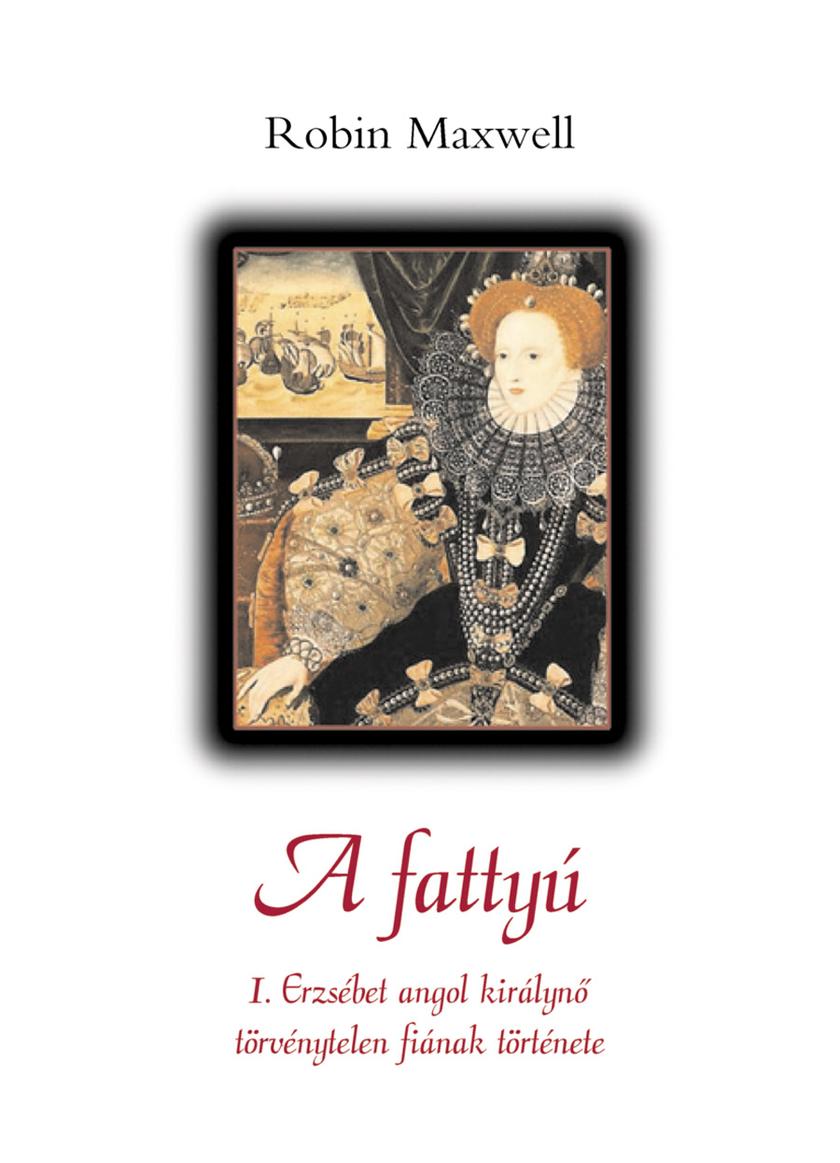
A fattyú
¥67.20
A New York Times bestseller életrajzírójának, J. Randy Taraborrellinek minden részletet felvillantó, briliánsan megírt k?tete nem egyszer?en a legsikeresebb popsztárok egyikének, Beyoncénak az életrajza. Bepillantás egy olyan világba, ahová szinte mindenki vágyik, de csak nagyon kevesen juthatnak el; az amerikai show-business világába. A végtelenül tehetséges Beyoncé Knowles már nyolcéves korában ebben a világban él, gyerek szépségversenyek és tehetségkutató vetélked?k résztvev?je. Egy pillanatra sem szakad el a színpadtól, és tizenhat évesen a Destiny's Child énekeseként már világsztár. Ontja a slágereket, 2014-ben a Forbes magazin szerint a világ leggazdagabb és legkeresettebb sztárja, az ? fényképével jelenik meg a híres Time magazin. Ez a k?nyv megmutatja a sikereket, de az emberfeletti er?feszítést is, az ?r?k?s harcot az érvényesülésért, az áskálódásokat, pletykákat; beszámol viharos és vad szerelmér?l a híres rapperrel, Jay-Z-vel, a csalódásokról és a meghatározó pillanatokról. ?s mik?zben olvassuk ezt a nyílt, olykor szívszorító, olykor felemel? beszámolót, ?r?kre megváltozik a véleményünk Beyoncéról és a távoli és csillogó show-businessr?l. A szerz?r?l J. Randy Taraborrelli a New York Times bestseller szerz?je, írt már k?nyvet Michael Jacksonról, Marilyn Monroe-ról, Madonnáról, és a Kennedy famíliáról is. K?ztiszteletben álló író, újságíró, a szórakoztatóipar jó nev? és állandó szerepl?je, és jó néhány televízióm?sor, k?ztük a Today, a Good Morning America, a CBS This Morning, az Entertainment Tonight és a CNN Headline News s?r?n felt?n? vendégszerepl?je.

Literatura rom?n? pentru Evaluarea Na?ional?. Aplica?ii, teste, sugestii de rezo
¥30.82
Ar fi prea simplu s? dai fr?u liberlacrimilor pe coala alba, virginal? –ci tu te ?nc?p???nezi s? la?i un semn deslu?itdespre aleanul din sufletu-?i oprimat – ?ncercis? ?ntinzi pe h?rtie materia stelar? a unei pic?turialbastre; o ?mpingi ?ncolo ?i ?ncoace, caligrafiezi litere,le ?ns?ilezi ?n cuvinte ne?nc?p?toare – ?i e de parc??n interiorul pic?turii de cerneal?s-ar afla un ce viu ?i neostoit, care se zbates? r?zbeasc? ?ntr-o parte sau alta, afar? dincaptivitatea pungii elastice – un spirit vital, care?mpunge orbe?te, nereu?ind s? evadeze, blestemats? se chinuiasc? acolo,ve?nic...
Genera?ia mea
¥24.44
...A ine jurnal, a nu fi singur sub canonad. A duce n crc trupul cu multe rni al unui camarad, toate sngernde... El mai tria n momentul cnd l-ai aburcat n spate, dar nu mai prea n simiri. naintezi prin viscolul de gloane i schije, dintre care unele adorm scurt n carnea lui dens. Cel puin aa crezi, cel puin aa ndjduieti – c loviturile nu s-au oprit n tine. Dar poi fi sigur Prin canonad nainte, sau cine mai tie ncotro, snge a curs i se mai prelinge nc din trupul prietenului, sau i dintr-al tu Greutatea lui te deznoad, i simi cldura... Mai triete oare ntrebarea nu are nevoie de rspuns, oricum n-ai s te debarasezi de strvul lui: te-a aprat i o s te mai apere de lovitura mortal. (El, camaradul, el, jurnalul.) i de vzut cine dintre noi mai supravieuiete, vom vedea la urm, i spui.“ – Ion Lazu
C?l?uzitorul de suflete
¥57.14
„Mai devreme decât niciodat?“, cum scriam într-un vers de tinere?e, ajunge la tipar materia înjum?t??it?, v?muit? a jurnalului meu de scriitor din perioada 1979-1989; cel din anii anteriori s-a pierdut, nu mai are rost s? explic în ce fel. Iar materia jurnalelor mele din perioada de dup? 1989, structurat? în dou? volume: Lamenta?iile uitucului ?i Gândirea înceat?, î?i a?teapt? editorul. ?i, implicit, cititorii…
Zece prozatori exemplari. Perioada interbelic?
¥48.97
Cum dispare, cu de la sine putere, realismul socialist, transform?ndu-se – ?n textele publicate dup? ‘90 – ?ntr-un ?realism atroce“, ce oglinde?te p?r?ile ?ntunecate ?i incendiare ale existen?ei? Minimonografia Nicoletei S?lcudeanu, critic, profesor ?i istoric literar, r?spunde sugestiv ?i pertinent la aceast? ?ntrebare, cartea ei constituind-o un manual indirect de istorie a literaturii postdecembriste. Cartea se adreseaz? elevilor, studen?ilor, precum ?i publicului larg de cititori.
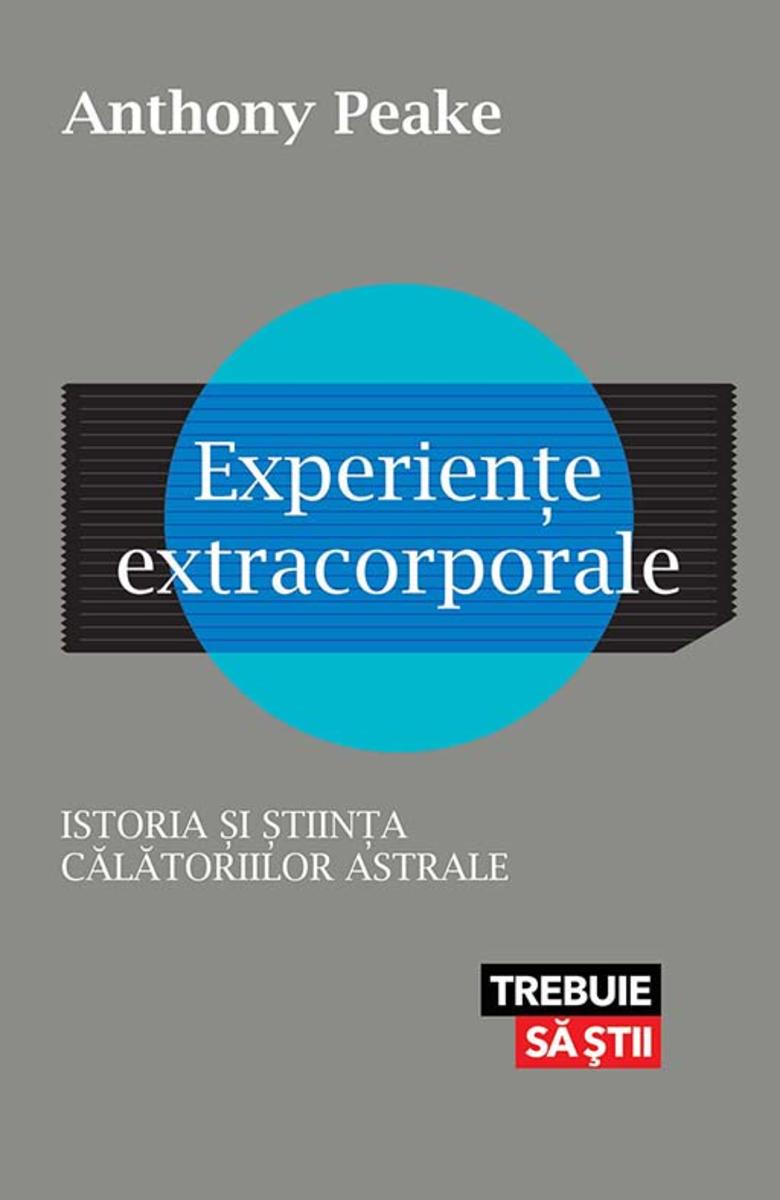
Experien?e extracorporale. Istoria ?i ?tiin?a c?l?toriilor astrale
¥57.14
ncepnd cu Grdina magistrului Thomas (1995), care reprezint debutul su editorial, tefan Borbély se recomand ca un critic eliberat de marotele locale, dezinhibat de complexe endemice i dotat cu o deschidere hermeneutic n care referinele creative principale par a fi acelea germane (Nietzsche, Freud, Jung, Kafka, Hermann Hesse i Thomas Mann). Autorul tezei de doctorat De la Herakles la Eulenspiegel. Eroicul (publicat sub form de carte n 2001) reuete s depeasc handicapul speculativ att de flagrant pentru critica noastr postbelic, rmas la stadiul unui orizont de ateptare provincialist, n imposibilitate de a lua contact cu ideile critice din alte pri i a se sincroniza normal cu demersul interdisciplinaritii. Alonja deschiderii comparatiste, ca i apetitul tririi nietzscheene a ideilor fac din tefan Borbély o personalitate critic n expansiune. El este un hermeneut de descenden eliadist care cerceteaz topologia auroral a umanitii, subsumnd-o categoriei eroicului, n perimetrul creia se pot decela fundamentele culturii i civilizaiei mediteraneene. Prin opera de cercettor i culturolog avizat, tefan Borbély este un exemplu important de integrare a criticii noastre postdecembriste n sfera hermeneuticii europene.“ – Marin Mincu
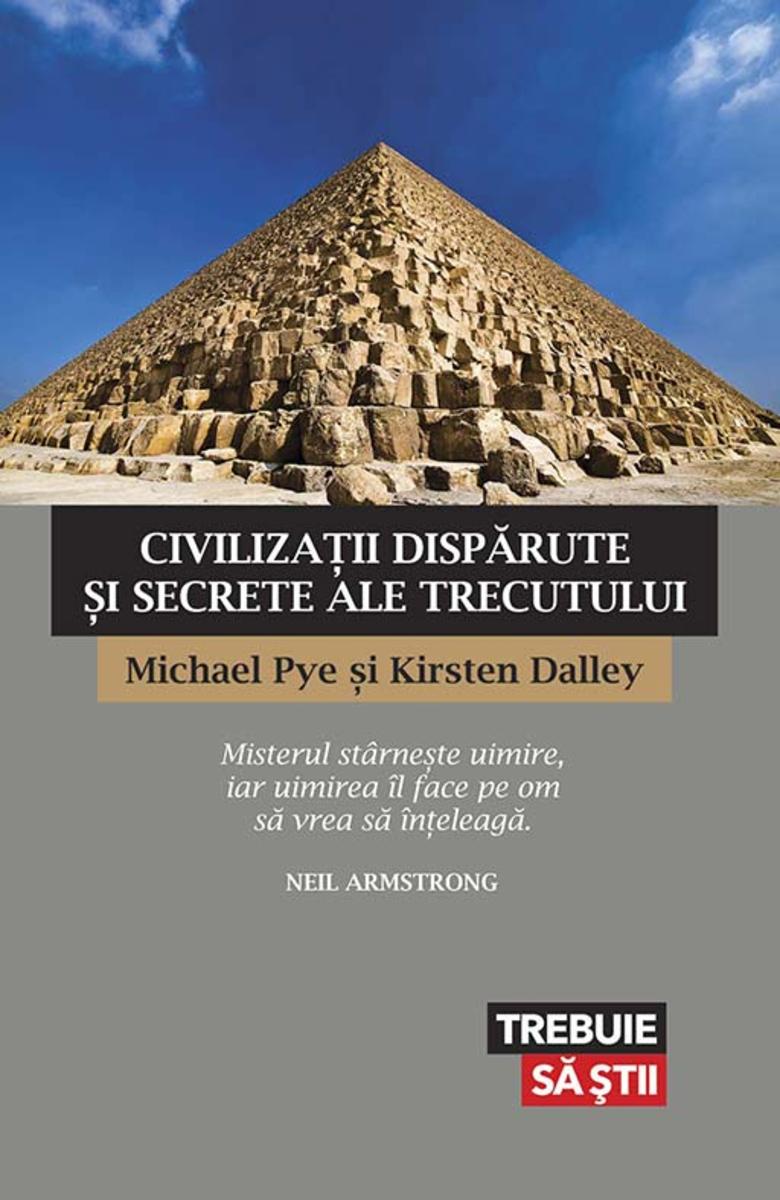
Civiliza?ii disp?rute ?i secrete ale trecutului
¥65.32
Am ales cazul de ruptur n evoluia unor exponeni proemineni din literatura romn actual, ruptura care a dus fie la impas, fie la regenerare. Pentru termenii conflictului un factor hotrtor l-a constituit n condiiile date epoca n formele ei de constrngere i de emulaie. Sunt convins c n alte circumstane ecuaia ar fi avut componente diferite. Nu sugerez c ar fi obligatorie restrngerea n ilustrarea pe care o propun, s-ar mai fi putut aduga cu aceeai ndreptite, recunosc, i alte aplicaii. Analizele nu sunt exhaustive, ele insist asupra unui fenomen caracteristic. Deruta ivit la unii pe traseu, parial sau total, s-a articulat pe planul angajrii civice i al nchegrii estetice. Trebuie s remarc o diferen n abordare, deoarece unii din cei selectai (G. Clinescu, M. Preda) nu mai sunt n via, aadar pentru ei e exclus posibilitatea unei schimbri de destin. A survenit pentru toi necesitatea unei racordri la orizontul epocii moderne, la presiunea raporturilor de for, la nvala dogmatismului, la ansele unei sincronizri cu Europa. Imperios necesar a fost lepdarea de prejudecile naionaliste i provinciale, ieirea din comarul ideologiei i al somaiei dure.“ – S. Damian
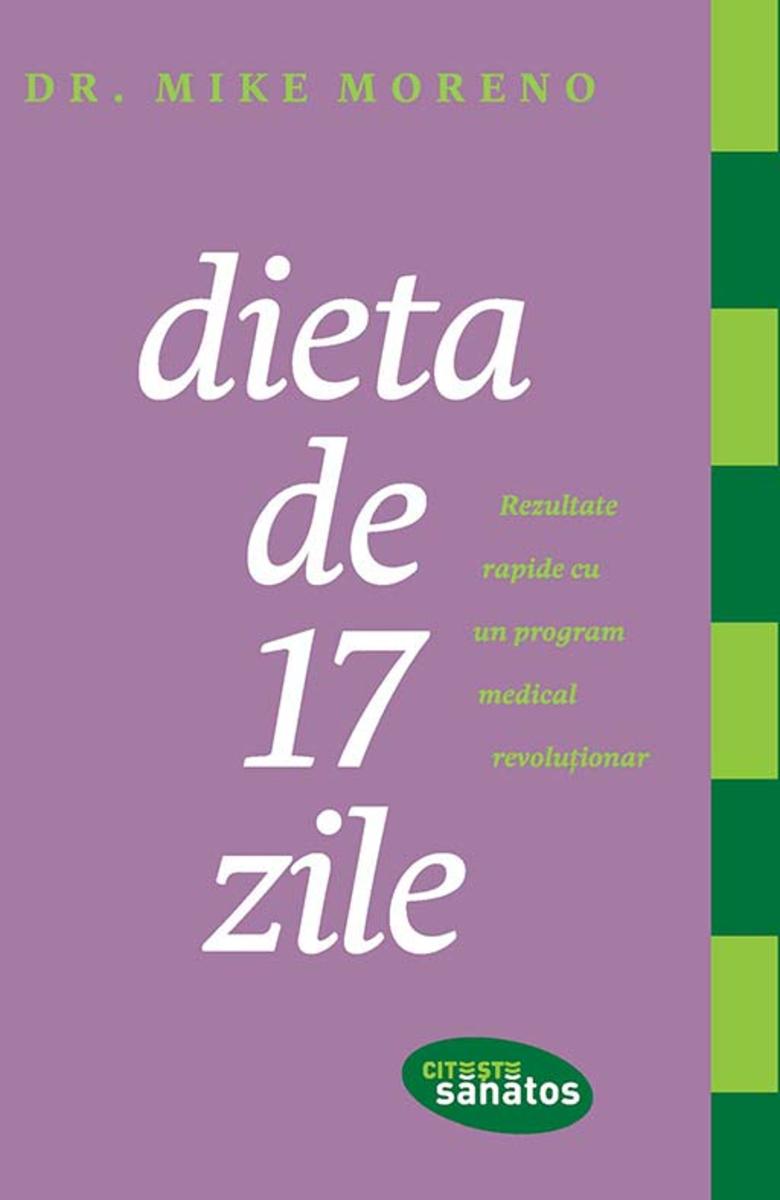
Dieta de 17 zile. Rezultate rapide cu un plan medical special conceput
¥73.49
Poemele lui Marius Aldea sunt inteligent-fanteziste i dau o senzaie de prospeime, dei refolosete, frecvent, i mijloace de seducie inventate de Nichita Stnescu, Emil Brumaru, Mircea Dinescu. Marius Aldea are o plcere de a scrie care face ca tot ce mprumut s devin al lui.“ – Alex tefnescu Marius tefan Aldea face parte din plutonul tinerilor poei crora li se flfie de generaia imediat anterioar, ns nu li se deloc de generaiile vechi. Vd i prevd o promoie de poei lucizi i cultivai printre care compozitorul Simfoniei frnei va strluci. Pentru c are umor, deci i permite s fie cinic, i pentru c izbutete nite metafore trsnite, dar fluente, nu rscutate. Apoi ochiul su este flmnd i precis, nu hoinrete pe firmament pn se ntoarce cu albul n sus. Viteza, claritatea i subtilitatea artei lui monteaz un spectacol inteligent – un deliciu pentru durii ca el, care, de fapt, ascund un suflet sensibil n spatele rictusului sceptic. Un romantic de factur excelent este Marius, adic dintre aceia cu witz, care muc tot, iar apoi se muc pe ei nii. Irezistibil poezia asta ca un roman scris la col de strad de un designer care tie exact ce vrea de la manechinele lui.“ – Felix Nicolau Marius tefan Aldea are atta energie poetic, nct exist riscul s supratensioneze Sistemul Naional de Distribuie a Literaturii. Dar cum SNDL nu exist dect n imaginaia noastr, nu v rmne, dragi cititori, dect s v conectai singuri la aceast surs de energie. E simplu: deschidei cartea lui Marius i citii puin. Dac nu suntei purttori de mnui izolante i cizme de cauciuc, ar trebui ca n secunda a doua s fii scuturai zdravn, iar minile s vi se ncleteze pe carte. E doar unul dintre efectele pe care l are poezia bun asupra omului.“ – Robert erban

Supravie?uirea sufletului
¥57.14
O sut? cincizeci de mii la peluze e una dintre cele mai puternice c?r?i scrise ?n perioada postsocialist?. E o carte care, la fel ca ?i Tratat de Tanatofobie sau ?oboloniada (de Steliana Grama) va bulversa, cu siguran??, clasamentele literaturii contemporane. Doar c?, spre deosebire de celelalte dou? c?r?i, tragem n?dejdea c? cei care fac critic? literar? nu vor str?mba din nas ?i o vor citi acum. Iar dac? acest lucru nu se va ?nt?mpla, suntem siguri c? peste ani se va g?si cineva care o va descoperi ?i o va aprecia la justa valoare. (Dumitru Crudu)Diana Iepure e o poet? matur? ?i complet?, textele ei sunt scrise bine ?i controlate, iar cartea unitar? adun? ?i formeaz? o lume proprie, ceea ce e foarte important pentru un poet, o lume contradictorie ?n raport cu titlul c?r?ii. Un experiment interesant, cu r?d?cini ad?nci ?n .md, care m? face curios ?n leg?tur? cu urm?torul proiect al Dianei Iepure. (Mihail Vakulovski)Poezii ca ni?te scrisorele sau file de jurnal simulat adolescentin. Cele mai bune mostre, ?lefuite ?i frizate exact c?t s? nu par? prea aranjate, sunt parc? inspirate de noua sinceritate sau, ?i mai bine, de experien?ele holistice, intime ale performatismului. Diana Iepure este valoroas? pentru c? reu?e?te s? scape influen?elor. Uneori, e bine ca poe?ii s? stea mai mult ?n cas?, s? c?nte la pian, s? vad? c?t mai rar al?i poe?i. (Felix Nicolau)
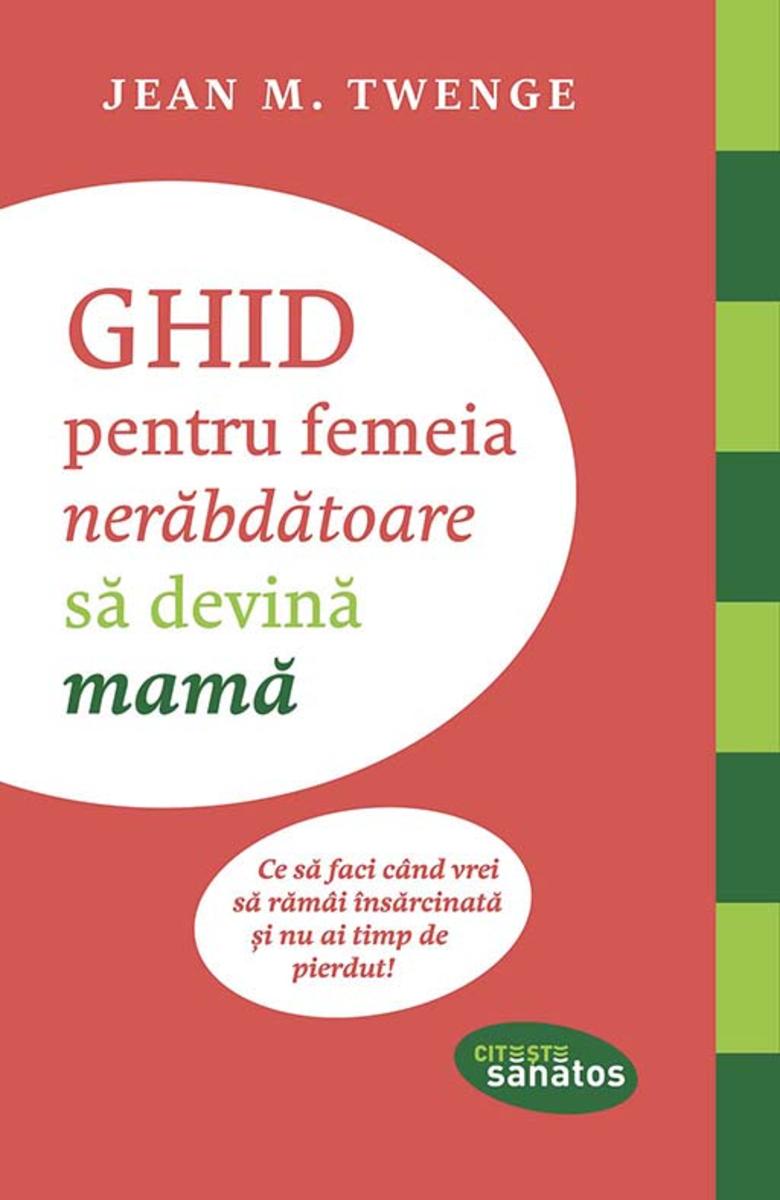
Ghid pentru femeia ner?bd?toare s? devin? mam?
¥57.14
Zece basarabeni pentru cultura rom?n? face parte dintr-un proiect mai amplu numit Interviuri cu tinerii dintre milenii. Anul 2000 era considerat unul mistic ?i chiar apocaliptic, s-a vorbit ?i s-a scris foarte mult despre aceast? cifr? plin? de simboluri, oricum, atunci treceam nu doar dintr-un secol ?n altul, ci ?i dintr-un mileniu ?n altul. Cum erau tinerii care au tr?it aceste momente, ce f?ceau, cum g?ndeau, ce proiecte de viitor aveau? – cartea aceasta ne r?spunde la aceste ?ntreb?ri-st?ri. Tinerii ale?i pentru dialoguri erau ?n focul ac?iunii, ?n v?rf, iar acum fiecare e o certitudine, nici unul nu a tr?dat speran?a investit? ?n ei, chiar dac? soarta lor – inevitabil – s-a schimbat de atunci.Dumitru Crudu nu mai scrie poezie, ?n schimb, acum a debutat ?i ca romancier ?i e unul din cei mai aprecia?i dramaturgi contemporani, piesele sale fiind puse ?n scen? pe toate continentele, ceea ce se ?nt?mpl? ?i cu piesele Nicoletei Esinencu, care atunci ?nc? nu debutase ?n volum, de?i textele ei erau jucate pe scena unor teatre de prestigiu at?t din Rom?nia, c?t ?i din Rusia, SUA, Germania, iar acum are c?r?i publicate ?i aici, ?i peste hotare. ?tefan Ba?tovoi a devenit ieromonahul Savatie, poetul deosebit de talentat dintre milenii s-a c?lug?rit, ?i-a f?cut o editur? ?i a ?nfiin?at ?i o revist?, iar c?r?ile sale de dup? c?lug?rire, romane ?i eseuri existen?iale, sunt poate cele mai citite c?r?i, cel pu?in asta spun v?nz?rile. Alexandru Vakulovski nu mai e debutantul furios care demonstreaz? prin c?r?ile sale de debut (3!) c? se poate scrie ?i altfel, revolu?ion?nd limbajul ?n literatura rom?n?. ?ntre timp, trilogia Letopizde? a fost publicat?, scriitorul edit?nd ?i c?teva c?r?i de poezie, iar piesele sale de teatru au fost traduse ?i editate ?n antologii din str?in?tate, unde au fost dramatizate, poeziile sale fiind selectate ?i pentru antologia de poezie din SUA, New European Poets, cea mai recent? carte a sa fiind romanul 157 de trepte spre iad sau Salva?i-m? la Ro?ia Montan? (Editura Cartier, 2010). Vasile Ernu a lucrat la una dintre cele mai mari edituri din Rom?nia, a editat o carte de mare succes (N?scut ?n URSS, Editura Polirom, 2007), tradus? ?n mai multe limbi, iar pe a doua a publicat-o direct ?n str?in?tate. Pavel P?duraru ??i continu? lupta ziaristic?, dar ?ntre timp s-a afirmat ca poet ?i a publicat ?i un roman destul de controversat, care a provocat multe discu?ii. Mito? Micleu?anu este, al?turi de Florin Braghi?, fondatorul ?i realizatorul ?Planetei Moldova“. ?ntre timp, Florin s-a concentrat pe munca de designer, iar Mito? pe literatur?, edit?nd trei c?r?i ?i devenind una dintre cele mai sigure voci literare. Roman Tolici este unul dintre cei mai aprecia?i arti?ti plastici tineri, expun?nd mai mult ?n str?in?tate dec?t acas? – la Praga, Strausberg, Celje, Berlin. Super-boxerul Octavian ??cu a devenit un om de ?tiin?? la fel de st?p?n pe noile instrumente de munc?, care scrie c?r?i de istorie ?i lucreaz? la multe proiecte valoroase. Iar Zdob ?i Zdub este una dintre cele mai populare ?i mai originale forma?ii de limb? rom?n?, c?nt?nd la prestigioase festivaluri europene, ?n turnee de promovare a albumelor sau pur ?i simplu ?n concerte, purt?nd marca unui nou stil: hardcore moldovenesc.Ce-i une?te pe ace?ti arti?ti ?nc? tineri? ?n primul r?nd, locul na?terii, to?i fiind rom?ni basarabeni, apoi limba ?n care creeaz?, to?i cei ?zece“ intervieva?i trec?nd Prutul ?i activ?nd ?n cultura rom?n?. Interviurile sunt splendide, Mihail Vakulovski fiind un maestru ?n domeniu, iar r?spunsurile sunt deschise, directe, lipsite de orice fel de inhibi?ii. O carte cu siguran?? interesant? ?i pentru cititorii dintre mileniile trei ?i patru. Lectur? pl?cut?!
Singurul lucru care conteaz?
¥57.14
Volum nominalizat la sec?iunea ?Critic?. Istorie ?i Teorie Literar?“ – Premiile ?Observator cultural“, edi?ia a VI-a, 2012 Acest al doilea volum abordeaz?, tot din perspectiva experimentalismului, care sufer? ?n contextul postdecembrist anumite ?radicaliz?ri“, poezia autorilor intra?i ?n literatur? dup? 1990. Asemenea ?radicaliz?ri“ (care pot fi subordonate unei ideologii/retorici a excesului) sunt privite din perspectiva conceptului de ?hiper?modernitate“ teoretizat de Gilles Lipovetsky, pe care autorul ?l propune ?n locul celui (consacrat) de postmodernism. Plec?nd de aici, sunt luate ?n discu?ie abord?rile teoretice ale ultimelor dou? promo?ii poetice, ca ?i ?manifestele literare“ (fracturist, utilitarist etc.) ale acestora ?i sunt analizate c?teva direc?ii poetice, situate ?n continuitatea experien?elor experimentaliste discutate ?n volumul anterior.

Vineri
¥32.62
Un caleidoscop ?n care se rotesc ?ncet imagini din copil?ria cu mineri, decantoare ?i benzi care transport? c?rbunele sau din adolescen?a ?ntr-o uniform? albastr?. Textele astea spun, ?n fond, pove?ti despre oameni dragi. (Ana Pu?ca?u)Ce-?i r?m?ne de f?cut atunci c?nd e?ti num?rat ?dup? gloan?e“, c?nd ajungi s? asociezi cele mai bune vremuri cu ?primele defil?ri“, prin fa?a ochilor ?i se deruleaz? ?toate marile filme ale indiferen?ei“, iar ?n loc de cer nu mai reu?e?ti s? vezi dec?t ?sute/de mii de c?m??i albastre cu epole?i“? Nu-?i r?m?ne altceva dec?t s? ratezi ?tot ce se putea rata“, asta e lec?ia pe care o ?nva?? at?t de bine ?i o pred?, iat?, mai departe, f?r? gre?eal?, fosta elev? a L(iceului) M(ilitar). De?i pare imprimat pe o band? magnetic?, iar limbajul este ?n esen?? unul sever, discursul ?pedagogic“ din te a?tept ca pe un glonte las? s? se strecoare printre r?nduri suficient din emo?iile, respira?iile sau ezit?rile instan?ei emitente, astfel ?nc?t abilitatea celei aflate la pupitru s? devin? de necontestat. Pentru c?, da, Ana Pu?ca?u convinge f?r? probleme, indiferent dac? scrie despre identit??i furate, manevre sterile, r?zboi, iubire sau ratare. (Cristina Ispas)Un spa?iu disciplinar, depresiv, amenin?at de gloan?e, p?ndit de moarte – o zon? biografic? marcat? de absolvirea LM-ului. Prezen?a semnificativ? a conjunctivelor ?i condi?ional-optativelor m? face s? cred c? totul ar putea fi ?ntocmai, iar rezultatul, exact cel b?nuit, c? oricine poate juca rolul principal propus de Ana Pu?ca?u. Concrete?ea spa?iilor nu se dezminte nici un moment, poeta r?m?n?nd fidel? geografiei ?i istoriei imediate, realiz?nd astfel un sumbru decor al lumii la ?nceput de mileniu; cu fabrici dezafectate, baruri, camioane ?i, de ce nu, cu Bosnia sau Basarabia. Teama care str?bate volumul, ca o ven? sub?ire, tr?deaz? fragilitatea de care literatura ultimelor decenii are at?ta nevoie. Debutul poetic al Anei Pu?ca?u este – probabil – cel mai a?teptat (?i mai reu?it) din zona Timi?oarei, ?n ultima vreme. (Moni St?nil?)
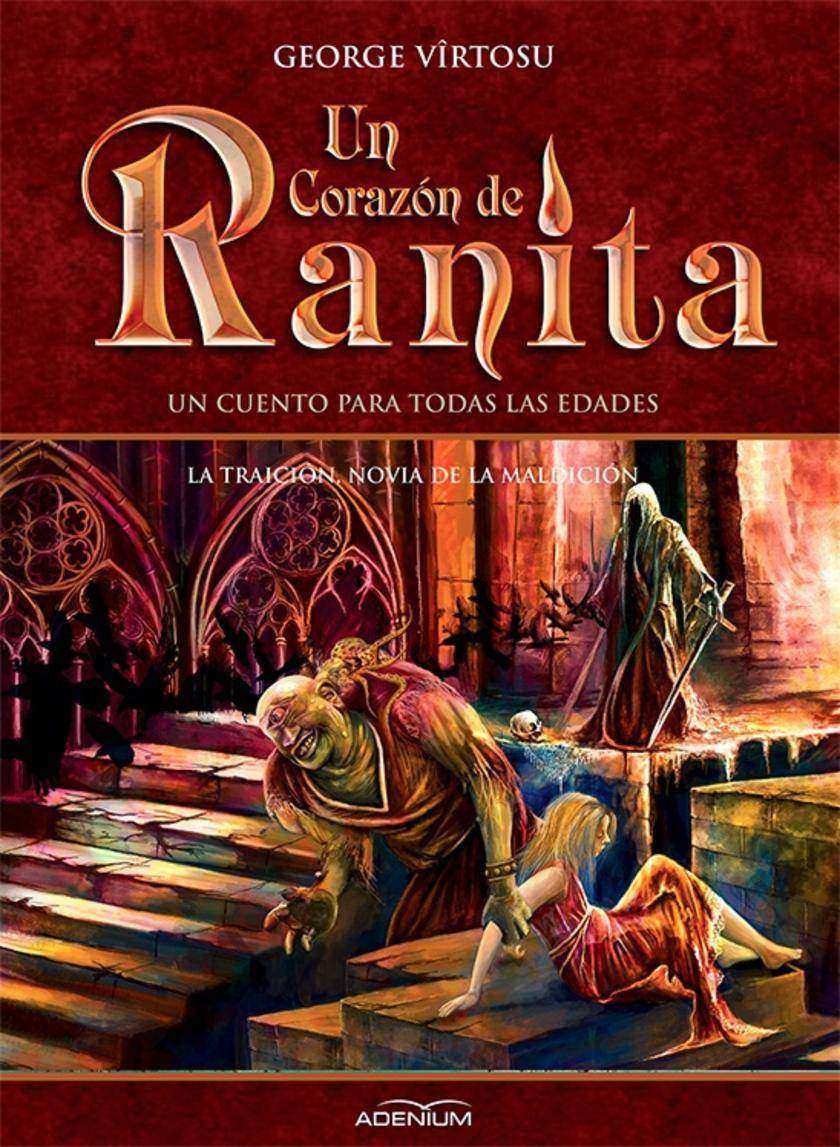
Un Corazón de Ranita. 5° volumen. La traición, novia de la maldición
¥55.34
Titlul se refer? la ceea ce autorul c?r?ii consider? esen?a mitului faustic: surmontarea limitelor cunoa?terii ?i tenta?ia spre ceea ce exist? dincolo, necunoscutul sau imposibilul ?n ordinea normal? a lumii. Tenta?ia limitei ?i limita tenta?iei este o investigare critic? a ideilor ?i motivelor din perspectiva unui comparatism orientat spre filosofie ?i estetic?, pe care profesorul universitar clujean, Vasile Voia, l-a practicat consecvent ?n cariera sa.
Un deceniu de literatur? rom?n?
¥77.31
Drept cadru general al discu?iei noastre propun o poetic? a traducerii. Dup? p?rerea mea, aceast? disciplin? – al c?rei teritoriu ?nc?lca (ba chiar ??nc?leca“) domeniile lingvisticii teoretice ?i aplicate, teoriei literaturii ?i crea?iei literare – se pliaz? pe modelul actului comunic?rii. Dup? cum se ?tie, actul respectiv implic? un produc?tor de mesaje, mesajul sau textul produs ?i un receptor sau lector (care arareori e unul cu totul pasiv; cel mai adesea el exercit? func?ia de interpret al mesajului ori textului).S? observ?m acum c? procesul traducerii este compus de fapt din dou? acte de comunicare ?nl?n?uite, dintre care primul se desf??oara ?n spa?iul limbii ?i culturii de plecare, adica al Limbii sursa, iar cel?lalt ?n sfera limbii ?i culturii de destina?ie, altfel spus a Limbii ?int?. Traduc?torul reprezint? veriga de leg?tura dintre cele dou? segmente, c?ci lui ?i incumb? at?t lectura ?i interpretarea textului surs?, c?t ?i producerea textului ?int?.
De la joc la ?nv??are. Cum folosim jocul didactic ?n educa?ia timpurie
¥57.14
Om politic liberal mai pu?in cunoscut, Gheorghe D. Pallade a l?sat un jurnal care, de?i cuprinde o perioad? destul de scurt? ?n timp, 1 martie 1897 - 8 ianuarie 1898, ne va introduce ?n atmosfera extrem de fr?m?ntat? din interiorul Partidului Na?ional Liberal.S-a n?scut ?n anul 1858 la B?rlad, dintr-o familie ?nst?rit?. ?i-a f?cut studiile secundare ?i universitare ?n ?ar?, lu?ndu-?i licen?a ?n drept la Facultatea de drept a Universit??ii din Bucure?ti ?n anul 1880. Intr? ?n magistratur? p?n? ?n 1884 c?nd, particip?nd la alegeri este ales deputat pe listele Partidului Na?ional Liberal. Din acest moment via?a lui devine public? ?i intr? ?n v?ltoarea luptelor politice. ?n acela?i an, al?turi de C.A. Rosetti a sus?inut colegiul unic ?i libertatea absolut? a presei. De fapt a ?i fost colaborator al ziarului Rom?nul.Paginile de jurnal, de?i nu acoper? nici un an de zile, prezint? una din cele mai zbuciumate perioade al Partidului Na?ional Liberal. Subiective sau nu, paginile r?mase de la Gh.D. Pallade vin s? completeze istoria politic? a Rom?niei de la sf?r?itul secolului al XIX-lea.L?s?m pe seama cititorului s? analizeze jurnalul lui Gh.D. Pallade. Nou? nu ne r?m?ne dec?t s? ar?t?m c? am considerat ca notele s? fie c?t se poate de complete, persoanele ?i locurile fiind foarte numeroase, f?r? de care, chiar un cititor avizat nu s-ar descurca. Iat? de ce am recurs la solu?ia de a desp?r?i notele de indicele de nume. Trebuie, de asemenea, s? atragem aten?ia c? notele sunt a?ezate alfabetic, deoarece tot volumul ar fi fost prea ?nc?rcat de numere ?i cifre. Sper?m c? modesta noastr? contribu?ie prin editarea acestui jurnal s? ?mplineasc? un scurt moment din fr?m?ntata noastr? istorie politic? a Rom?niei de la sf?r?itul secolului al XIX-lea.
Arta supravie?uirii
¥116.01
Cartea de Poezii a poetei confirm? un stil, o atitudine estetic? ?i o capacitate de a dep??i ?ngr?dirile presupuse de reactualizare a vechilor formule poetice. Claudia Voiculescu ??i asum? riscul de a p?rea demodat?, abord?nd ceea ce majoritatea poe?ilor din diverse genera?ii ori promo?ii, a respins, cel mai adesea din neputin??.Cred c? poezia Claudiei Voiculescu merit? aten?ia criticii ?i o mediatizare corespunz?toare. (Liviu Gr?soiu)Claudia Voiculescu ridic? forma fix? a rondelului la ?n?l?imi demne de orice competi?ie.... Este o poet? ?n al c?rei talent cred. (C.D. Zeletin)Poet? de ?nalt? for?? r?scolitoare, talent viguros cu cizel?ri de art? adev?rat? ?n ad?ncul substrat al cuv?ntului, vers pasional ?i cotropitor... (Pan. M. Vizirescu)Claudia Ilie, preoteas? ?ntru poezie... (Tudor George)Delicata poet? Claudia Ilie Voiculescu este o voce liric? de mare sensibilitate... (Dumitru Radu Popa)
Un albastru infinit
¥11.04
Adrian Punescu scrie proz cu degetele arse de miracolul poeziei, i de aici succesul tulburtor, care, n loc s mntuie, nspimnt, oblig i rtcete. Poet al fluenelor de liliac n grle de piatr rar, al brumelor de bronz, al cderii n rnile dorului i n hohote de chihlimbar, grav despicat de neiertare i de rzvrtire, Adrian Punescu intr n hotarele prozei prin vijelia reportajului. (...) Puin i pas dac lumea l aplaud sau l njur, el vrea s rstoarne i s cldeasc, i n-are timp s cpieze stnd ntr-un picior, viaa e scurt i, dac nu vrea s se ndrepte prin cntec (i nu vrea), trebuie rezidit din mers i nvat s cnte. Reportajul lui Punescu e, nainte de toate, unul de atitudine, adevrul sare din pagin ca miezul dintr-o ceap zdrobit cu pumnul (...), fulgerul, aparent liric i aparent hrnit de curcubeie, e un arc al ndoielii, un crlig veninos umblnd prin crpturile pmntului, strigtul doare, suspinul are ghimpi n cretet, gerul frige, apsarea nghea.Durabila for a reporterului Adrian Punescu vine de acolo c el n-are chef, n nici o pagin, s fie ru de but n apte linguri, ci numai fluviu azvrlindu-se n mare, cu toate aluviunile i rzboaiele sufletului.“
?n ?ntuneric
¥66.22
Coresponden?? primit? de Geo Bogza de la Stephan Roll, Sa?a Pan?, Mary-Ange Pan?, Victor Brauner, Ilarie Voronca, Colomba Voronca, grupul ?Alge“ ??n Epistolarul avangardist, care con?ine coresponden?a pe care Geo Bogza a primit-o de la reprezentan?ii grupului Alge, este ?i o poveste con?inut? aici, ?n aceste scrisori, o poveste de via??, de supravie?uire, de construire, de fapt, a unei poetici de grup ?i a unei ac?iuni culturale rom?ne.“ – Carmen Mu?at ?Pe mine cel mai mult m-a emo?ionat Epistolarul. Au fost ni?te lucruri de care nu ?tiam ?i pe care le-am citit cu foarte mult? emo?ie, ceea ce m-a f?cut s? mai r?scolesc ?i s? m? uit cu mai mult? aten?ie. Erau scrisori de la mama, am ?nceput s? m? uit ?i ?n jurnalul ei ?i am descoperit o serie de lucruri extraordinare. O s? continui s? cercetez.“ – Vladimir Pan?
lumin?, ?ncet
¥24.44
C?t?lin Ghi?? este unul dintre cei mai serio?i, mai informa?i ?i mai inspira?i cercet?tori care se afirm? ?n comparatistica literar? ?i cultural? de la noi. Neotematismul s?u este unul atent la diferen?e – ?i ?n primul r?nd la diferen?a estetic? –, reticent fa?? de exploatarea ideologizant? a literaturii. Cartea de fa?? ??i acoper? tema cu mare grij?, cu acribie filologic? ?i teoretic?, dar o ?i dep??e?te uneori prin implica?ii nea?teptate ?i prin considera?ii de ansamblu. ?mi place ?n mod deosebit luciditatea autocritic? a autorului, ?n care v?d reflexul moral al modestiei ?i, ?n acela?i timp, orgoliul justificat al competen?ei profesionale“. – Mircea Martin
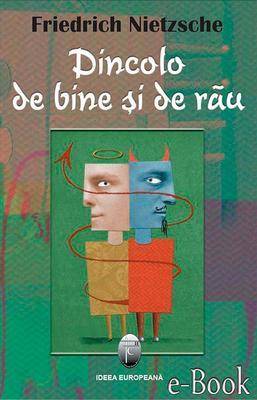
Dincolo de bine ?i de r?u
¥46.36
Schlesak l combin pe Bakunin cu Marx i era sedus de modelul politic iugoslav. “Teoria tnrului Marx (preluat de la Hegel): realizarea i autorealizarea.“ Dictatura i aprea nc umana, aproape de o forma de realitate i de trirea autentic. Libertatea occidental ar fi creat doar un context amorf. n acest inacceptabil context, nu caut o ieire practic, optnd pentru una teoretic, teoria fiind suficient siei i dizlocnd tot restul. “Nu de soluii, ci de utopii, de ieiri, de asta avem nevoie.“ (dec. 1971) epeneag nu gndea diferit. i el definea contextul social i politic n termeni identici. Accepta i modelul iugoslav. i gsea calitatea de a fi joncional. “Iugoslavia poate juca rolul de punct de contact.“ Nu degeaba se spune: Historia magistr vitae! Istoria (realitatea, contextul) dicteaz modurile de a gndi, prea puin retrospectiv, vag proiectiv, ntr-un prezent tranzitoriu, amorf i (n)formal. La 12 august 1973, urma modelul ceh, “opoziie pe fa“ i-i schia corespondentului su un plan de colaborare.“Un eseu incitant despre unul dintre cei mai importani scriitori romni de expresie germana, stabilii n Italia.


