


 购物车
购物车 个人中心
个人中心
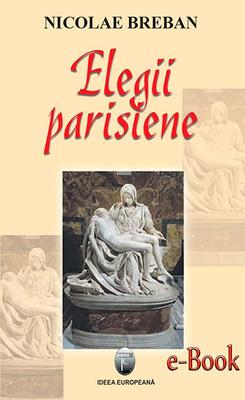
Elegii parisiene
¥46.36
Vrnd s fac un dar poeilor romni – de la care n tineree am primit inestimabile daruri, Nichita, Cezar, Grigore – am ndrznit o versiune romneasc a intraductibilelor i abstruselor poeme rilkeene. Mostre supreme ale unui discurs poetic somnambulic, desfidnd nu numai logica i sintaxa curent dar i cea poetic, aceste Elegii… sunt, cred eu, un vrf dac nu un monument al spiritualitii moderne europene. Sunt fericit ca limba romn a strmoilor mei i a marilor poei romni a primit i a putut cuprinde arta poetului austriac, ce se clatin i cuvnt ntr-un aer de o tensiune insuportabil, ntre Pindar i Holderlin, un monument de vrf inegalabil, cu siguran, al creaiei europene.“ (Nicolae Breban)
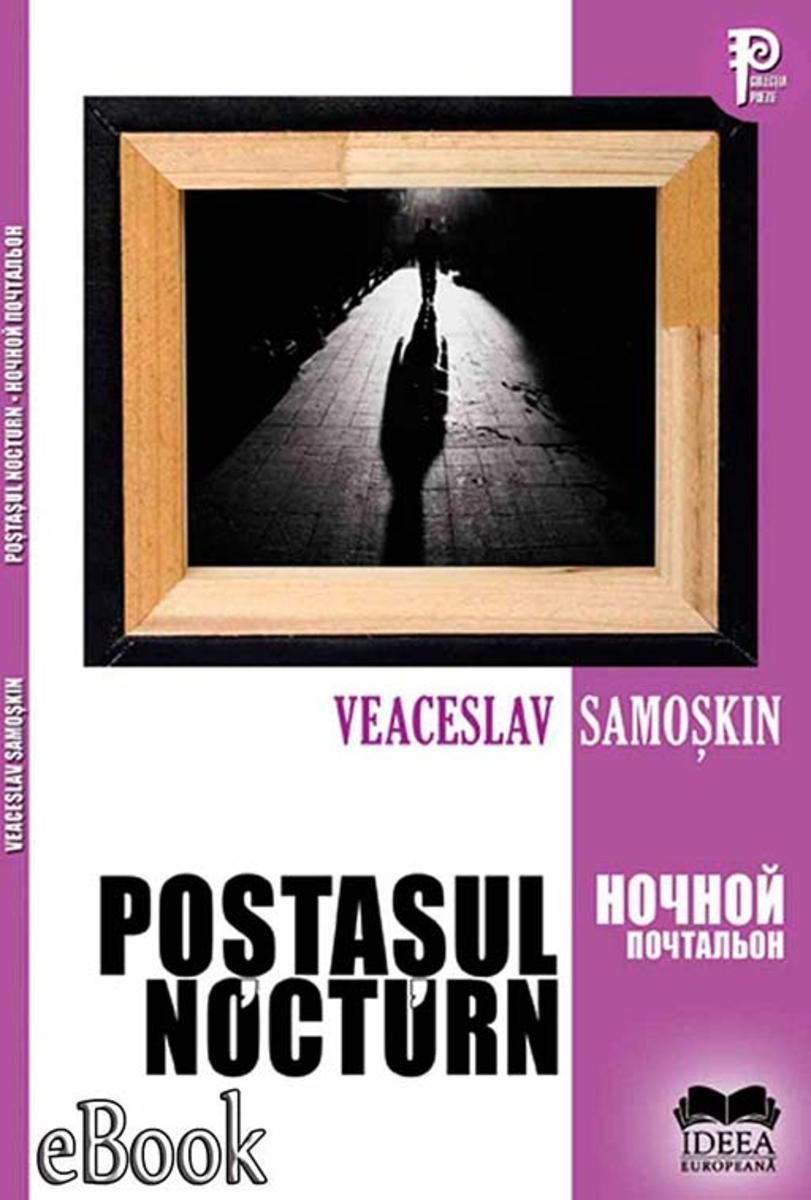
Po?ta?ul nocturn. Ночной Почтальон
¥20.44
Edi?ie bilingv? Veaceslav Samo?kin este rus, corespondent de pres? la Bucure?ti, dar ?n primul r?nd, poet. Universul lui poetic penduleaz? ?ntre tragismul ?nsingur?rii ?i nevoia de confesiune. Elegiac? ?i intimist?, lirica din volumul Po?ta?ul nocturn este strig?tul de am?r?ciune al intelectualului lucid ?n fa?a vicisitudinilor unei istorii contorsionate ?i, totodat?, supapa prin care se revars? preaplinul propriilor drame existen?iale. Poet prin excelen?? citadin, Veaceslav Samo?kin ??i aminte?te cu nostalgie de ora?ul natal ?cu nume bol?evic“, care ?i-a pus amprenta asupra ?ntregii lui vie?i – ?Arhitectura sufletului meu/ e-a str?zilor lui prelungire“–, descrie cu delicate?e ner?bdarea de a ?nt?lni fata drag? – ?ochii mei ?nverzesc semaforul“ –, identific? ?n triste?ea unei toamne destinul unei iubiri trecute – ?era acea toamn?/ nu un anotimp, ci/ soarta noastr? doamn?“–, sufer? al?turi de femeile care pl?ng noaptea, cu hohote ?n?bu?ite, ?vie?ile nen?scute ori ucise/ ?n disperate p?ntece de mam?“... Tr?itor de c?teva decenii ?n ?ara noastr?, Veaceslav Samo?kin s-a integrat perfect ?n peisajul d?mbovi?ean: ?l putem ?nt?lni pe str?zile ora?ului sau ?i putem asculta, ?ntr-o cafenea, considera?iile generoase asupra literaturii ?i artei, politicii sau vie?ii, ?n general. C?ci cel pe care prietenii ?l apeleaz? cu diminutivul Slava nu este doar un intelectual de stirpe aleas?, impresionant prin erudi?ie, ci ?i un om de o fermec?toare ?i bl?nd? colocvialitate. ?n c?teva din versurile sale, poetul pentru care Rom?nia a devenit a doua patrie zugr?ve?te imaginea Bucure?tiului sub ar?i?a necru??toare a verii, anotimp ?nscris ?ntr-un ineluctabil ciclu universal. (Dinu Moraru)
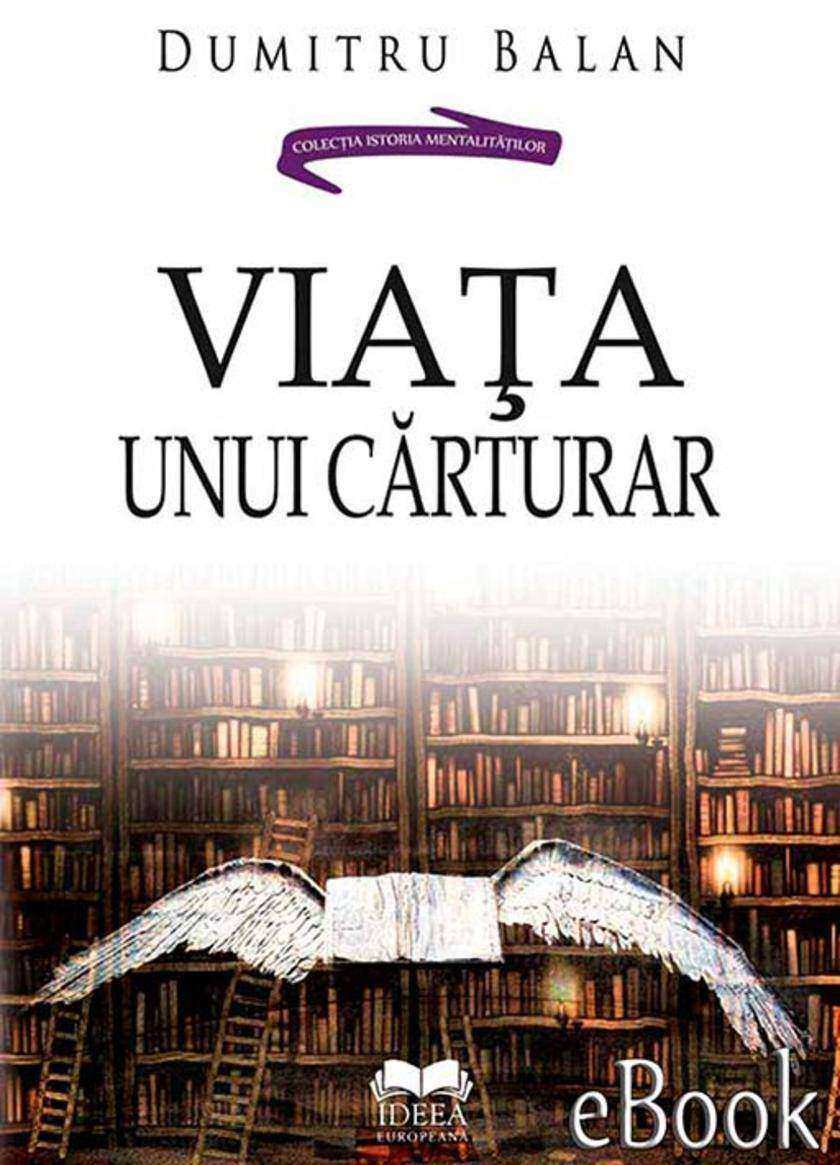
Via?a unui c?rturar
¥186.80
Tr?g?nd linie, am spune c? ne afl?m ?n prezen?a unui demers pertinent de mare actualitate, a unui pre?ios instrument de lucru menit s? umple un gol ?n literatura didactico-?tiin?ific? de specialitate, dar totodat? put?nd deveni util ?i unor cercuri intelectuale interesate de evolu?ia fenomenului poetic rusesc ?n secolul XX, situate ?n afara comunit??ii universitare. (Mircea Croitoru) E o bibliotec? umbl?toare. A citit mii de c?r?i ale altora ?i a scris c?teva ale sale. ?l recuno?ti dintr-o mie. Ziarele, revistele, c?r?ile ?i sunt lipite de degete. Merge pe strad? ?i cite?te, a?teapt? lini?tit la o coad? ?i cite?te. Absent pentru lumea aceasta viermuitoare ?i pragmatic?, el s-a retras protector ?n spatele ziarelor ?i c?r?ilor, ?i a rezistat. Cu o ?inut? sobr?, de o ?epeno?enie verde, demn? de ?ara Fagilor de unde-?i trage ob?r?ia, nu-i po?i da anii pe care, incredibil, ?i are. (…) Dac? te duci la el acas?, totul pare sprijinit pe tomuri, iar dac? ai proasta inspira?ie s? clinte?ti ceva, acea ?arhitectur? intelectual?“ ??i poate fi fatal?. Un soi de Manole Anapoda, zidit ?n chip de An? ?ntr-o m?n?stire de c?r?i. Prietenii ?i spun Dima. Am tradus ?mpreun? din Bulat Okudjava volumul de versuri C?ntecul esen?ial ?i, din mul?i al?i poe?i contemporani ru?i, ?n periodice. Metodic, punctual, suferind de acribie ?i, bine?n?eles, scufundat ?ntr-o lectur? atunci c?nd nu lucram ?mpreun?, a dovedit c? nu e doar un consumator de literatur?, ci ?i un excelent cunosc?tor al limbii din care traducea, ?i chiar un creator. ?l invidiez pentru felul sfid?tor ?n care ?tie s? uite de televizor ?i de calculator. Dima cite?te. El e scufundat ?n ecranul unei file de carte, al unei pagini de ziar sau de revist?. ?ntr-o vreme ?n care aceste dou? ustensile subjug? lumea obosind-o, nevroz?nd-o, ?mb?tr?nind-o, f?c?nd abstrac?ie de mirajul lor, el a r?mas ?nc? proasp?t, zdrav?n ?i t?n?r. (Passionaria Stoicescu)
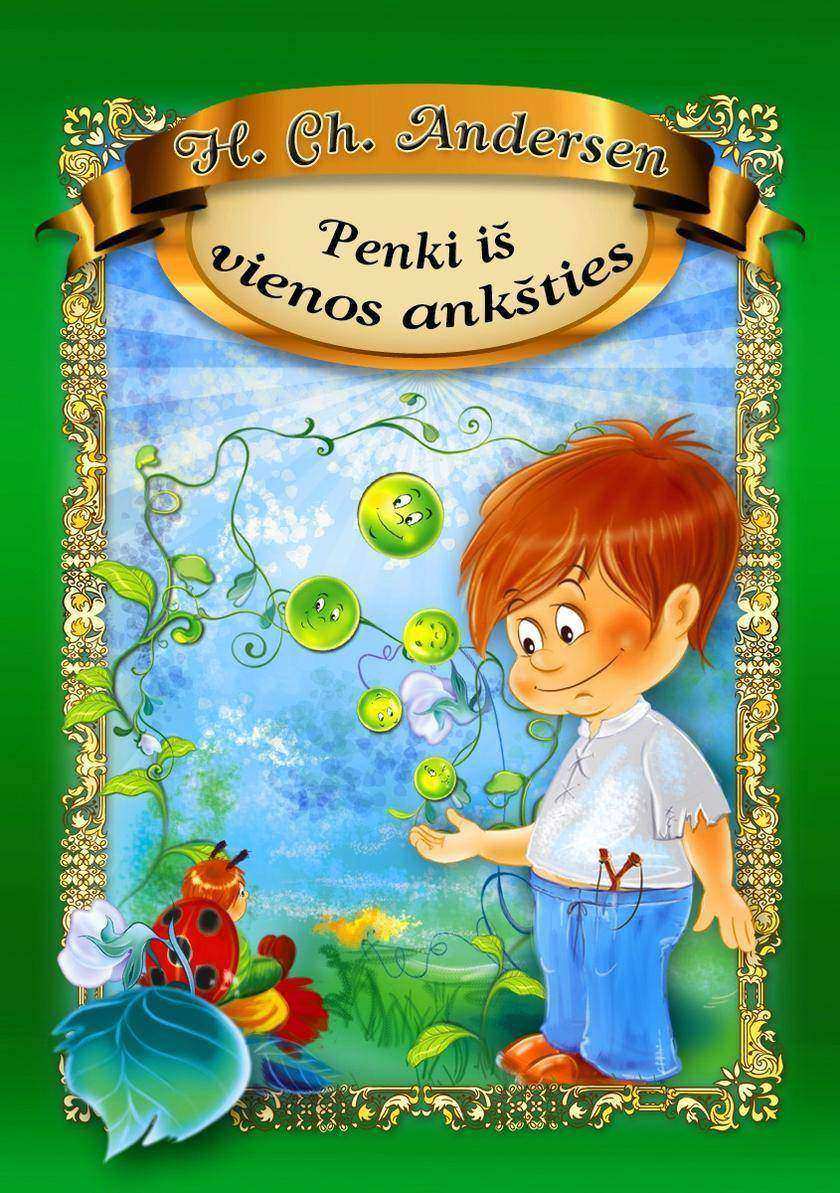
Penki i? vienos ank?ties
¥9.24
O carte incitant? despre unul dintre cei mai mari poe?i interbelici, taxat pe nedrept de c?tre G. C?linescu drept un poet minor. Studiul este semnat de cunoscutul exeget literar Mihai Cimpoi, pre?edinte al Uniunii Scriitorilor din R. Moldova, Membru al Academiei Rom?ne. Cartea se adreseaz? elevilor, studen?ilor, precum ?i publicului larg de cititori.
Büd?ss úr
¥58.94
Un volum fundamental, pagini memorabile despre literatura francez? nu numai pentru elevi, studen?i, profesori, constituind un manual indirect de literatur? francez?; este editat pentru prima dat? ?n Colec?ia Edi?ii Definitive, ?n condi?ii grafice cu totul excep?ionale. ??...Vor crede poate c? a fost un bufon, un farsor?. Medicul Pierre Boulenger nu se ?n?el? scriind astfel despre faima viitoare a marelui s?u prieten, Rabelais. Nimic mai ridicol dec?t p?rerile felurite care s-au risipit ?n decursul veacurilor pe socoteala maestrului Alcofibras. Mirarea acestuia ar fi mare dac? le-ar putea afla ?i desigur nu o dat? ar azv?rli printre hohote c?te-o vorba pe care urechile noastre mult prea fine de fii ai veacului al dou?zecilea nu ar putea-o cuprinde dec?t ?nro?indu-se. Ronsard vede ?n autorul lui Gargantua un animal jovial ?i ve?nic ?nsetat, t?v?lindu-se ?n b?l?i de vin ?ca o broasc? ?n noroi?. Tabloul acesta bestial cred c? n-a mai fost reluat de altul. ?n schimb judec??ile au fost tot at?t de neverosimile.” O carte esen?ial?. Un manual indirect de literatur? francez?.
Agatha Christie
¥33.03
„În 1964, ca parte dintr-un proiect de istorie oral? despre via?a ?i cariera lui John F. Kennedy, mama mea a intrat într-un dialog cu Arthur M. Schlesinger Jr. pentru a-?i împ?rt??i amintirile ?i percep?ia asupra lucrurilor. Înregistrate la mai pu?in de patru luni dup? moartea so?ului ei, aceste conversa?ii reprezint? un dar f?cut istoriei... Sper c? tinerele genera?ii care încep s? afle mai multe despre anii 1960 vor considera aceste rememor?ri o introducere util? în modul în care se face istoria ?i vor g?si în ele inspira?ia de a oferi ceva acestei ??ri care ne-a oferit tuturor atât de multe.“
Cavalerii Pardaillan. Vol 1
¥41.37
Volumul cuprinde poeme semnate de 34 de autori, pe care Alexandru Petria, realizatorul antologiei, le consider? reprezentative pentru anul 2013 ?i care au fost publicate ?n reviste, ?n format tip?rit sau online, ori pe diverse site-uri literare. Singurul criteriu de selec?ie este, a?a cum afirm? antologatorul, valoarea materialelor, ?i nu apartenen?a autorilor la anumite grup?ri literare. Dintre autorii textelor, ?i amintim pe: Adrian Suciu, Andrei Mocu?a, Andrei Zb?rnea, Aura Christi, Doina Uricariu, Dorin Tudoran, George G. Asztalos, Gheorghe Grigurcu, Leo Butnaru, Liviu Antonesei, Liviu Ioan Stoiciu, Menu? Maximinian, Mihail Vakulovski, Nicolae Coande, Petronela Rotar, ?tefan Doru D?ncu?.
Share! Cum am ?nv??at din social media s?-i iubesc din nou pe rom?ni
¥57.14
O radiografie hermeneutic? a unor c?r?i-eveniment ce au v?zut lumina tiparului ?n perioada postdecembrist?, accentul fiind pus pe autorii interzi?i sub dictatur?, precum ?i pe c?r?ile poe?ilor ce devin, f?r? voia lor, o rara avis ?n societatea de tranzi?ie. Cartea se adreseaz? elevilor, studen?ilor, precum ?i publicului larg de cititori.
101 poeme
¥24.44
Prin u?ile l?sate vrai?teDe cei ce nu se mai ?ntorcPrin pere?ii pe care i?i zg?riar?ViseleD? buzna glasul mul?imiiCare se zbateDeja prins? ?ntre fireleIscusitei urzeli a paianjenilorPoliticiThrough the wide-open doorsBy those who never returnThrough the walls on which they’d scratchedTheir dreamsThe voice barges through from a crowdWhich is strugglingAlreadz trappedIn the skillfullz/woven webOf the spiders of politics

Capcana de piatr?
¥40.79
Sonetul contondentCelor doi / poe?i de mare soi...(Istrate ?i Murgeanu)Visam c? Marea-?i p?r?sea ghioculCu-al s?u tumult de valuri euxine?i, h?t-departe-n zonele alpine,Ca-n Cretaceu, ??i reg?sise locul...Priveam de-acuma fascinat la joculDe valuri ?n?esate de jivineDin vremuri disp?rute, care-n fine,??i ?ncercau, o dat?-n plus, norocul.Sim?eam o dulce binecuv?ntareC?-n groapa euxinic? ad?nc?O Mare Neagr? nu exist? ?nc?,Nici Casa Scriitorilor la mare;Nici doi poe?i cu barb?, bur?i ?i plete,S?-n?ire contondentele sonete.
O inim? de Broscu??.Volumul XI.Fa?elele hazardului
¥40.55
Am nceput s scriu pentru c aa am simit chemarea. E la fel ca preoia: devii pstor de suflete pentru c ai trimitere de sus, de la Tata. Aa s-a croit i destinul meu. Probabil c obria mea flticenean e de vin. n acest loc binecuvntat am crescut i am primit educaie. colile, dasclii, istoria literar a oraului – nesat de nume mari i sonore, care au trecut i trit pe aici – mi-au creat creuzetul. Mai departe a trebuit s muncesc singur, ca un rob, pe aceast plantaie plin ochi de litere, cuvinte i fraze. Aa am fost, sunt i voi rmne: un ego ce intersecteaz anii pe orizontal i vertical, aducndu-mi i eu, la rndul meu, contribuia pe care un ora minunat, numit Flticeni, mi-o cere. Mark Twain spunea: Dou zile sunt importante n viaa unui om: ziua n care s-a nscut i ziua n care a aflat de ce. Tu, cititorule, ai aflat” (Romulus Andriescu)
Haz de hazard
¥20.44
ntunericul (noaptea i nebunia), abisul (mormntul) i focul (sngele) se ntreptrund, cele trei constituind treptat o adncire n infern, trei bolgii care se continu la nesfrit. Poetul i, odat cu el, cititorul, este obligat s le parcurg pe toate trei. Din infernul lui Bolea nu exist scpare… (Cristina Nemerovschi) Tocmai excesul de recuzit transform poemele din volum ntr-o parodie a reportajului mizerabilist cultivat de poeii promoiei 2000, lsnd n cele din urm sentimentul mistificrii, al farsei enorme, n timp ce poetul pare a da n permanen cu tifla unui cititor tot mai derutat, care nu mai tie dac autorul glumete sau vorbete serios, dac are de-a face cu un nihilist autentic sau cu un parodist care demonteaz mecanismele liricii autenticiste, i-i caricaturizeaz cu verv locurile comune. (Octavian Soviany) Rzboi civil mi amintete de black metal i de nordul fioros i ngheat. (iQ 666) Poemele lui tefan Bolea sunt o oglind n care se reflect luciul mizeriei contemporane, sunt un colaj de ridicol i neimportant”, de beie i metafizic, de sublim i grotesc, de ncruntare i de (ne)linite. Poate de aceea versurile lui au prospeimea (edenic) a celui care spune lucrurilor pe nume.(Petrior Militaru) Rzboi civil este, cu siguran, cartea resureciei, à rebours. Prin atitudinea ironic-demolatoare, debutul lui Stefan Bolea este unul ct se poate de interesant, l aeaz pe autor, n mod meritat, n rndurile din fa ale noii generaii. (Silviu Gongonea) Ghidul turistic, care este tefan Bolea, st la malul existenei noastre i ne ndeamn s intrm i noi, de fapt, s deschidem ochii i s vedem c suntem deja acolo, unii pn la glezne, alii pn la genunchi, unii mai norocoi pn la nas, unde mirosul aburind al noroiului se mperecheaz cu suflul nostru vital, contaminndu-se reciproc. (Drago Fabian) Pentru c nici un poet nu poate exista fr o poezie-manifest, care s-i defineasc crezul literar, Bolea are ca art poetic: Imn pentru generaia 2000+. Bolea devine un postmodernist extrem sau neo-avangardist n acest moment. (Marcela Iuga) Referindu-ne la concepia postmodern de chirurgie cosmetic, Bolea folosete aceast metod ntr-un mod manierist, efectund operaii cosmetice asupra textelor sale, jucndu-se constant cu dimensiunile i perspectiva, cu deformarea i hiperbola… (Eva Theodora)
Un lung drum spre o planeta mica si furioasa
¥81.67
Aceste cinci eseuri pot constitui un (incomplet) tratat de literatur? comparat? care are ?n vedere ca termen de referin?? deschiderile teoretice diversificate din ultimul deceniu al secolului trecut ?i ?nceputul noului secol. Caracterul fluid al no?iunii face din comparatism o mitologie plural? at?ta vreme c?t lipse?te o teorie general unificatoare. Imposibilitatea de a-i legitima pe deplin obiectul, indeterminat ?i imprecis, l-a f?cut pe Charles Bernheimer s? defineasc? literatura comparat? drept o ??tiin?? anxiogenic?“. Este literatura comparat? o disciplin? autonom? sau, dimpotriv?, una anexat? studiilor culturale care nu dispun de o justificare teoretic?? Direct sau indirect, cartea lui Vasile Voia, profesor la Facultatea de Litere a Universit??ii Babe?-Bolyai, a luat forma unui discurs polemic. Comparatismul modern maximalist, renun??nd la rigorile anacronice ale comparatismului francez, p?n? la a uita de text ca obiect estetic, a devenit domeniul predilect al tuturor diletantismelor ?i formelor estetice ?n care dispare orice rigoare. Vasile Voia se situeaz? principial de partea pozi?iei ferme exprimate de Adrian Marino, ?n descenden?a lui René Wellek ?i René Etiemble, a profesorilor de la Yale, Harold Bloom ?i Peter Brooks, care au militat pentru men?inerea canonului tradi?ional occidental ?i a esteticului ca valoare primordial? a operei literare.
Prevenirea cancerului. 10 reguli obligatorii pentru s?n?tate ?i via?? lung?
¥49.62
Jurnalul de fa?? este relatarea captivant? a expedi?iei lui Fridtjof Nansen c?tre Polul Nord. Autorul alterneaz? observa?iile ?tiin?ifice ?i notele de jurnal cu fotografii ?i desene, dar ?i cu ?nregistrarea celor mai profunde tr?iri care l-au b?ntuit pe t?n?rul explorator pe t?r?murile temute ale Nordului ?nghe?at. Dup? ce primul volum a prezentat ?nceputul expedi?iei ?i aventurile navei Fram, cel de-al doilea volum descrie palpitanta c?l?torie de cincisprezece luni cu s?niile, ?ntreprins? de Friedtjof Nansen ?i de locotenentul Johansen. Ace?tia au pornit la drum pe un teren necunoscut, ajung?nd mai aproape de Polul Nord dec?t orice explorator de p?n? atunci. Istorisirea aventurilor lor se ?ncheie cu deriva navei Fram ?i revenirea ?n Norvegia, ?n august 1896.
Cum s? fii ?i una, ?i alta
¥57.14
Volumul de fa?? din seria Eminescu, poem cu poem ne dezva?? de toate vechile obiceiuri de interpretare care au prezentat ?n limbaj de lemn poeziile eminesciene. Alex. ?tef?nescu ne face din nou cuno?tin??, de data aceasta ?n cuvinte simple ?i idei proaspete, cu unele dintre cele mai cunoscute poezii din literatura rom?n?. Analiza sa cuprinde observa?ii fresh ?i referin?e culturale pe gustul elevilor, tinerilor ?i iubitorilor de literatur? care (re)descoper? ast?zi crea?ia eminescian?.

B?iatul care a furat calul lui Attila
¥24.44
Volumul de fa?? din seria Eminescu, poem cu poem ne dezva?? de toate vechile obiceiuri de interpretare care au prezentat ?n limbaj de lemn poeziile eminesciene. Alex. ?tef?nescu ne face din nou cuno?tin??, de data aceasta ?n cuvinte simple ?i idei proaspete, cu unele dintre cele mai cunoscute poezii din literatura rom?n?. Analiza sa cuprinde observa?ii fresh ?i referin?e culturale pe gustul elevilor, tinerilor ?i iubitorilor de literatur? care (re)descoper? ast?zi crea?ia eminescian?.

Aviatoarea
¥36.79
Discursul poetic preios i limpede, lipsit de dramatism nvluie tragismul existenial, sugernd, peste fragmentarismul unei existene, viziunea izbvitoare, ascensional, pur, emanat de raza logosului integrator. Poezia fr evenimente pe care o scrie Liviu Antonesei aspir spre perfeciune formal...“ – Cezar IvnescuDac n-ar fi existat teroarea cenzurii, dac n-ar fi existat ceaushima, dac n-ar fi existat teama redactorilor de carte, dac n-ar fi existat delatorii, aa ar fi artat cartea aprut n 1989 la Cartea Romneasc, sub titlul Pharmakon. Dar, dac toate acestea n-ar fi existat, ar mai fi fost ea oare scris Imposibil de rspuns. Nu-mi rmne, deci, dect s m bucur c toate cele care au existat – i nc multe altele – nu mai exist i, pn la urm, cartea (bun sau rea, asta vor decide cititorii i criticii) apare aa cum am gndit-o, aa cum s-a scris de-a lungul a zece sau cincisprezece ani. Nici eu nu tiu de cnd dateaz cel mai vechi poem din volum. mi amintesc numai c o prim versiune a acestui manuscris a fost depus prima dat la o editur n 1979-1980. De-atunci, manuscrisul a tot fost modificat pn a ajuns la aceast form definitivat n primvara anului 1988, depus la editur i aprut n anul urmtor mai mult dect njumtit. Aa a fi vrut s apar atunci. Aa o voi lsa, deci, s fie tiprit acum, indiferent de imperfeciunile ce le voi fi observat ntre timp. Este limpede c, din acest moment, volumul de debut n poezie Pharmakon nu mai exist.“ – Liviu Antonesei
?ngrijirea sugarului ?i a copilului.
¥114.37
n lucrarea sa, care a ctigat premiul Pulitzer n 1981, Robert K. Massie prezint detaliat viaa acestui captivant personaj istoric i evideniaz evenimentele cruciale care au transformat un biat ntr-o legend, inclusiv cltoriile sale incognito prin Europa, curiozitatea sa de nepotolit fa de obiceiurile occidentale, obsesia pentru mare i constituirea mreei flote ruseti, modul n care a creat o armat de nenvins i relaiile sale cu cei pe care i-a iubit cel mai mult: Ecaterina, iubita sa tandr, i Menikov, prinul fermector i lipsit de scrupule care a ajuns la putere prin intermediul prieteniei cu Petru. Un loc special n carte l ocup relaia dificil a lui Petru cu fiul su Aleksei, care a fost judecat i condamnat la moarte n 1718. Autorul nu neglijeaz nici viaa politic, social, cultural i religioas din Rusia pe parcursul jumtii secunde a secolului al XVII-lea i primei pri a secolului al XVIII-lea. Astfel, Massie i conduce cititorii n lumea ruseasc medieval i premodern schimbat iremediabil, uneori n mod violent, de reformele iniiate de monarhul autocrat Petru cel Mare. Fie c sunt schimbri care au afectat n primul rnd individul, precum obligativitatea tierii brbilor, sau iniiative care au vizat consolidarea forei statului, de exemplu, nfiinarea marinei ruseti i a Sankt-Petersburgului, reorganizarea administrativ inspirat de modelul occidental, toate acestea au transformat Rusia medieval ntr-un stat modern. n acelai timp, multe dintre reformele din timpul lui Petru au avut o influen ndelungat asupra societii ruseti. Cartea lui Massie nu ofer doar o perspectiv intern a societii ruseti, ci urmrete i aciunile lui Petru n planul politicii externe, la nivel european sau chiar global. Astfel, dou dintre cele cinci seciuni ale lucrrii se ocup de relaiile Rusiei cu celelalte state europene. Poate cel mai important conflict din timpul domniei lui Petru a fost cel mpotriva Suediei. n urma Marelui Rzboi Nordic (1700-1721), Rusia a obinut o serie de teritorii (Estonia, Livonia i Ingria). Totodat, deznodmntul acestui lung rzboi a nsemnat i ascensiunea Rusiei la rangul de putere continental. Pe plan militar, ns, domnia lui Petru nu a fost scutit de eecuri. Campania arului din Moldova, pornit mpotriva Imperiului Otoman, s-a terminat prin nfrngerea de la Stnileti (1711). Nu de puine ori, autorul american i aduce n prim-plan pe actorii politici importani din Europa sfritului secolului al XVIII-lea i nceputului secolului al XVIII-lea. Regi, comandani militari, nobili, toi sunt prezentai cititorilor, care pot astfel nelege mai bine aciunile sau atitudinile lor. arul Aleksei, tatl lui Petru, Ludovic al XIV-lea, Wilhelm de Orania, Carol al XII-lea, Augustus de Saxonia, ducele de Marlborough, prinul Eugeniu de Savoia sau feldmarealul Rehnskild se numr printre figurile ilustre descrise de Massie. De regul, atunci cnd analizeaz anumite perioade, istoricii pun accentul pe rolul proceselor i al fenomenelor de lung durat, lsnd cumva n umbr personalitile excepionale. Tocmai pentru a sugera impactul lui Petru cel Mare asupra istoriei Rusiei, n special, putem face apel la istoria contrafactual i s ne ntrebm: Cum ar fi artat Rusia contemporan dac n-ar fi existat Petru cel Mare

Reglarea emo?ional? ?i importan?a ei clinic?
¥57.14
Cum ?i-au crescut regii britanici copiii din 1066 p?n? ?n prezent Lumea ?ntreag? a fost uimit? c?nd Prin?esa Diana s-a dovedit a fi o mam? bun? ?i afectuoas?. Ea a constituit o excep?ie: Familia Regal? a Marii Britanii este cunoscut? mai cur?nd pentru rela?iile reci ?i chiar tensionate dintre genera?iile de p?rin?i ?i copii. ?nc? din vremea Reginei Victoria ?i a Regelui George al VI-lea, p?rin?ii ?i-au exprimat ?n mod f??i? dezam?girea fa?? de mo?tenitori. David Cohen folose?te materiale noi ?i documente descoperite recent, ce dateaz? ?nc? din vremea dinastiei Tudor, ?i realizeaz? ?n Educa?ia regal? o combina?ie captivant? ?ntre istorie ?i telenovel?. ?O bog??ie de anecdote – de la lec?iile de scrim? p?n? la faptul c? Prin?ul Charles a avut valet de la v?rsta de trei ani.“
A Gresham a nácik ellen
¥57.31
O carte-eveniment, alc?tuit? din dialoguri cu Ana Blandiana, Nicolae Breban, Augustin Buzura, Ion Iano?i, Gabriela Melinescu, Irina Petra?, Dumitru Radu Popa, Alex ?tef?nescu ?i Ion Vianu. Un manual indirect de istorie, realizat de cunoscuta scriitoare (romanciera, poeta ?i eseista) ?n baza m?rturiilor unor oameni de cultur? de prima m?n?, posibile modele europene, care – ?n falsa tranzi?ie interminabil? – aleg, iar ?i iar, voca?ia, atipica meserie de scriitor, r?m?n?nd – martori impar?iali ?i aten?i – mereu ?n prim plan. O carte extrem de dens?, actual?, un fragment dintr-o posibil? istorie a mentalit??ilor. ?Aceast? carte a ap?rut din nevoia de prietenie; a fost adunat?, treptat-treptat, ?n ritmurile felului meu de a fi, uneori-adeseori, catastrofic de ?ncet. Interlocutorii mi i-am ales, i-am c?utat, am ?ncercat s?-i "tachinez" cu ?ntreb?ri, temele discu?iilor converg?nd, firesc, de fiecare dat?, spre o arie de preocup?ri, care ne unesc mai mult dec?t ne despart. Fie ca dialog?m cu Ion Iano?i, fie cu Nicolae Breban, fie cu Ana Blandiana, fie cu Augustin Buzura, fie cu un alt interlocutor, de fiecare dat?, voiam s? aflu – folosind ca instrument, iar uneori ca arm? (din apanajul retoricii, de buna seam?) ?ntreb?rile; unele dintre acestea, da, naive, st?ngace, ?n schimb vii, mereu vii! – cum a rezistat fiecare dintre ei, cum a reu?it s?-?i construiasc? un destin, cum a izbutit s? fie, sa r?m?n? el ?nsu?i/ea ?ns??i ?i s? nu se pr?bu?easc?, cum a izbutit fiecare s? nu renun?e la lupta pentru sine ?nsu?i, pentru cultura rom?n?? Cu unele dintre personajele acestei c?r?i – dac? acceptam ca fiecare scriitor e un personaj, iar literatura este o singur? carte unic? – vreau s? cred c? m-am ?mprietenit, descoperindu-le, redescoperindu-le de fiecare dat?; ?mi place s? cred c? fiecare, aproape fiecare dintre invita?ii mei – ?ntr-un fel sau altul – m-a marcat, m-a f?cut s? m? reapropii altminteri de literatur?, de lectur?, de carte, s? v?d altminteri c?teva lucruri nelipsite pentru mine de greutate, sau – ?i mai important ! – m-a ajutat (uneori, f?r? s? ?tie!) sa r?m?n aceea?i, adic? s? nu m? schimb. Adesea, c?ut?nd prezen?a scriitorilor, de fapt c?utam o calitate la care ?ntunecat?, ?ntortocheat? de mine ajunge greu, c?teodat?, foarte greu: senin?tatea. Apoi… c?utam oameni de litere vii, scriitori ?n carne ?i oase – cum spuneam ?n adolescen??, ?i, iat?, mai spun ?i la cei circa patruzeci de ani – c?rora nu le este str?in cultul prieteniei, cultul voca?iei, cultul lucrului bine f?cut, al lucrului "rotund", cum afirm? un personaj din unul din romanele mele. Apoi… da, nu ascund, c?utam ceea ce se nume?te "complicitate" ?ntr-o lume cultural? postdecembrist? pestri?-amar?, desp?r?it? ?n grupuri, biserici, pui de catedrale. Marea majoritate a protagoni?tilor acestei c?rti de altminteri sunt mari lupi singuratici; ?i mi-a f?cut pl?cere s?-i ?ndemn s? vorbeasc? despre felul ?n care trateaz? solitudinea, via?a, literatura, contemporaneitatea. (Aura Christi)
Kilenc koffer: Az emberi becstelenség krónikája
¥70.80
Cassian Maria Spiridon e un fervent al fragmentului liric, al concentratului capabil a fixa poezia. Spa?iul ?i timpul verbului se contrag astfel la minimalul semn al substan?ei, ungarettian urm?rite ?n sensul unor fugitive contacte ale universului l?untric cu cel exterior, ?nconjurate de magia t?cerii. Pe deasupra oric?rei dezvolt?ri, resim?ite ca parazitare, fragmentul e suveran ca loc privilegiat al poeziei. Dac? Paul Valery afirm? c? partea cea mai profund? a omului e pielea sa, ?n?elegem alarma nivelului senzorial, ?ncordarea sim?urilor ?n vederea ?ntegr?rii ?n real a fiin?ei. Se ajunge astfel la o poetic? a sim?urilor. Aceasta restaureaz? concretul ?n drepturile lui de atotputernic? imaginea a lumii. Cassian Maria Spiridon tr?ie?te liric prin concret, ?nlocuind sublimarea experien?elor sale suflete?ti printr-o decupare ghidat? de acuitatea contemplativ?. (Gheorghe Grigurcu)Pozi?ia individual? a unui Cassian Maria Spiridon, interiorizat, divizat ?i iscoditor (dup? o copil?rie frustrat?), comport? st?ri de opozi?ie, accente de orgoliu ?i tentative (e?uate) de ini?iere ?ntr-un umanism f?r? tenebre. Ca?iva dintre contemporanii s?i mai v?rstnici ?i sunt aproape. (…) Problematiz?nd, la modul ?nalt, d?nd prioritate cerebralit??ii ?i ?nc?dr?ndu-se axial ?n fluxul psiho-nevrotic al momentului sau, Cassian Maria Spiridon opune decorativismului ?i transparen?elor ?nsemnele unei vie?i interioare fr?m?ntate. Poezia sa, de un lirism ideizat, e jurnalul superior-ceremonios al unui melancolic de extrema luciditate. (Constantin Ciopraga)


